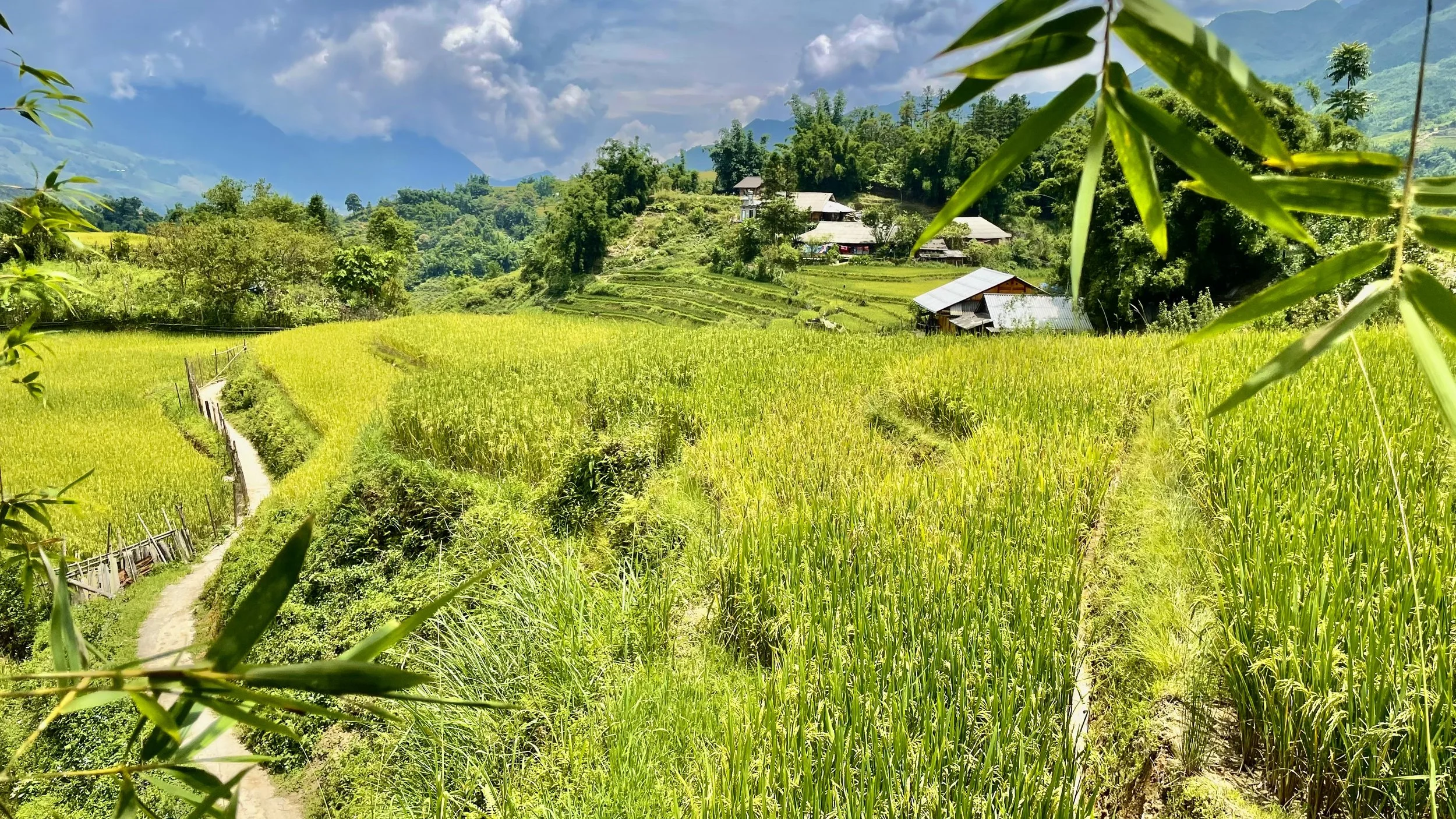
Insights and Stories from Sapa and the Northern Borderbelt provinces of Vietnam.
Tet in Northern Vietnam: What to Expect, When to Travel, and How to Prepare
Tet shapes travel, family life, and village celebrations across northern Vietnam. From red envelopes and homecomings to crowded roads and post-Tet festivals, here is how to plan a thoughtful journey around Tet 2026.
Each year, as winter softens its hold on the Hoàng Liên mountains and the first plum blossoms open along stone walls and village paths, Vietnam moves into its most meaningful season. Tết Nguyên Đán, the Lunar New Year, marks a time of renewal, homecoming, and intention.
In the northern highlands of Sapa, Ha Giang, and the wider border regions, Tet shapes the rhythm of daily life, travel, and community celebration. For visitors, understanding this period allows journeys to unfold with greater care, respect, and connection.
When Is Tet in 2026?
In 2026, Tet begins on Tuesday 17th February, marking the start of the Lunar New Year.
Although the official holiday lasts several days, preparations begin weeks in advance and the effects continue well beyond the celebration itself. Travel patterns, accommodation availability, and village life are influenced for up to three weeks around Tet.
What Is Tet and How Is It Celebrated?
Tet marks the beginning of the lunar calendar and a turning point in family, agricultural, and spiritual life. Across Vietnam, people return to their ancestral homes, clean and repair houses, and prepare food that carries memory, care, and meaning.
Altars are refreshed with kumquat trees, peach blossom branches, incense, and offerings. Kitchens fill with the slow scent of simmering broths and sticky rice wrapped in banana leaves. The first days of the new year are spent visiting relatives, offering good wishes, and resting after a year of work.
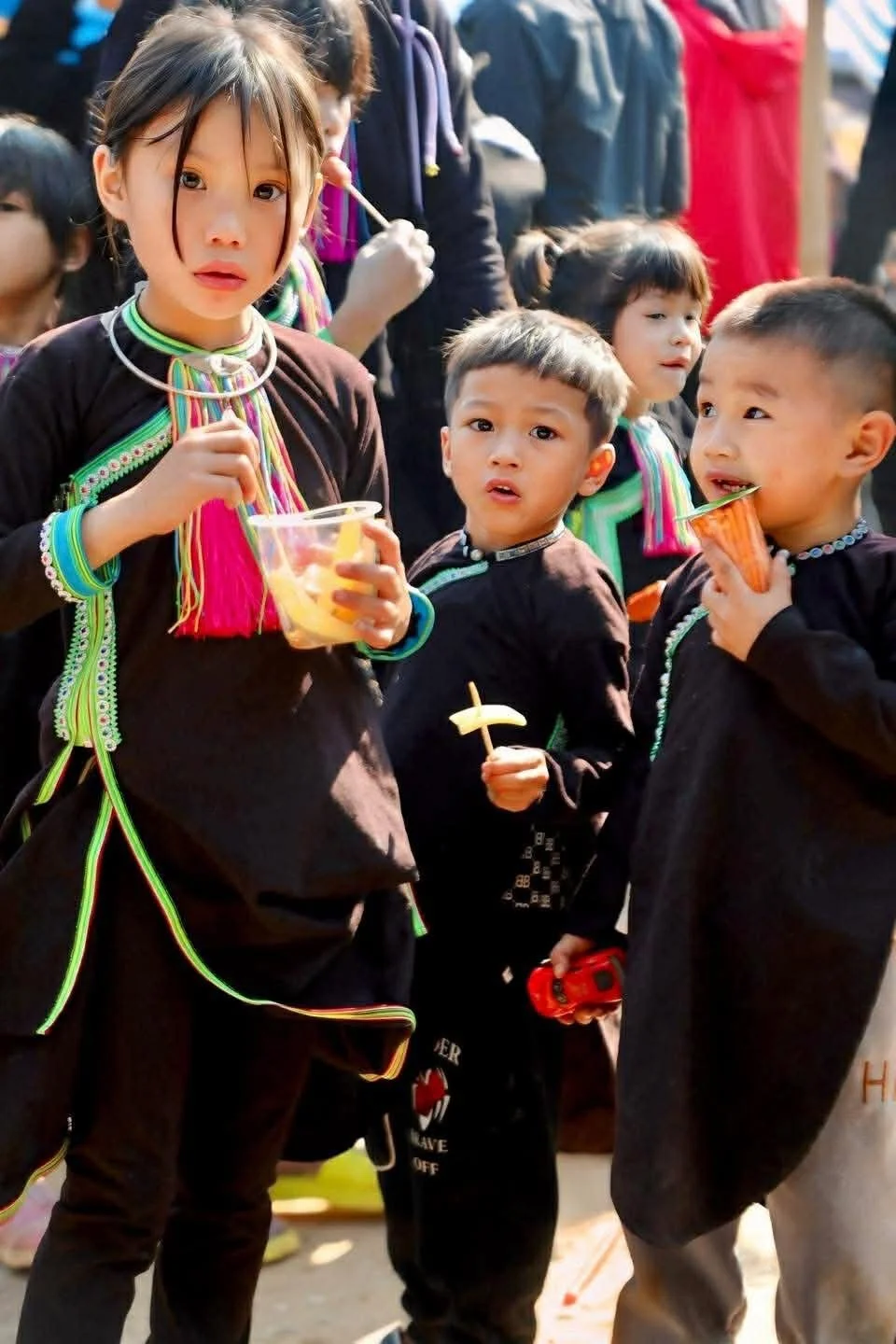
One of the most visible customs during Tet is the giving of lì xì, red envelopes containing small amounts of money. These are given primarily to children, but also to elders and unmarried adults, as a symbol of good fortune, health, and prosperity for the year ahead. The red envelope itself carries meaning, representing luck and protection, rather than the monetary value inside. For children, receiving lì xì is a moment of excitement and joy, often accompanied by blessings for growth, strength, and happiness.
In the mountains, Tet aligns with a pause between farming cycles. Fields rest, tools are set aside, and time is made for family gatherings, storytelling, and preparation for the celebrations that follow.
What Tet Means for Travel in Vietnam
Travelling during Tet requires thoughtful planning and realistic expectations.
In the days leading up to and following the New Year, transport networks become extremely busy as families return home. Buses, trains, and flights often sell out far in advance. Many small, family-run businesses close for several days so that owners and staff can spend time with their families.
For travellers, preparation makes a significant difference. Booking accommodation early, allowing extra time for journeys, and accepting a slower pace can turn disruption into an opportunity to witness daily life at a meaningful moment in the year.
The Ha Giang Loop After Tet
The Ha Giang Loop is one of northern Vietnam’s most iconic journeys, and Tet brings a sharp rise in visitor numbers.
From around two days after Tet, the Loop becomes extremely busy. Homestays and hotels fill quickly and often reach full capacity. Roads see heavy traffic from tour groups, motorbikes, and domestic travellers returning from holiday.
For approximately ten days after Tet, riding conditions can feel congested, and accommodation options are limited. Those planning to travel during this period should book well in advance. Travellers seeking quieter roads and a more spacious experience may prefer to arrive before Tet or wait until later in the season.
Sapa During and After Tet
Sapa follows a similar rhythm.
From the second day after Tet, the town and surrounding valleys experience a significant increase in visitors. Hotels fill, trekking routes become busier, and transport costs may rise.
This period of heightened activity usually lasts around ten days, after which the region gradually returns to a calmer pace. Travellers hoping for quieter trails and deeper village engagement may wish to plan their visit outside this window.
Village Festivals After Tet in Hmong and Dao Communities
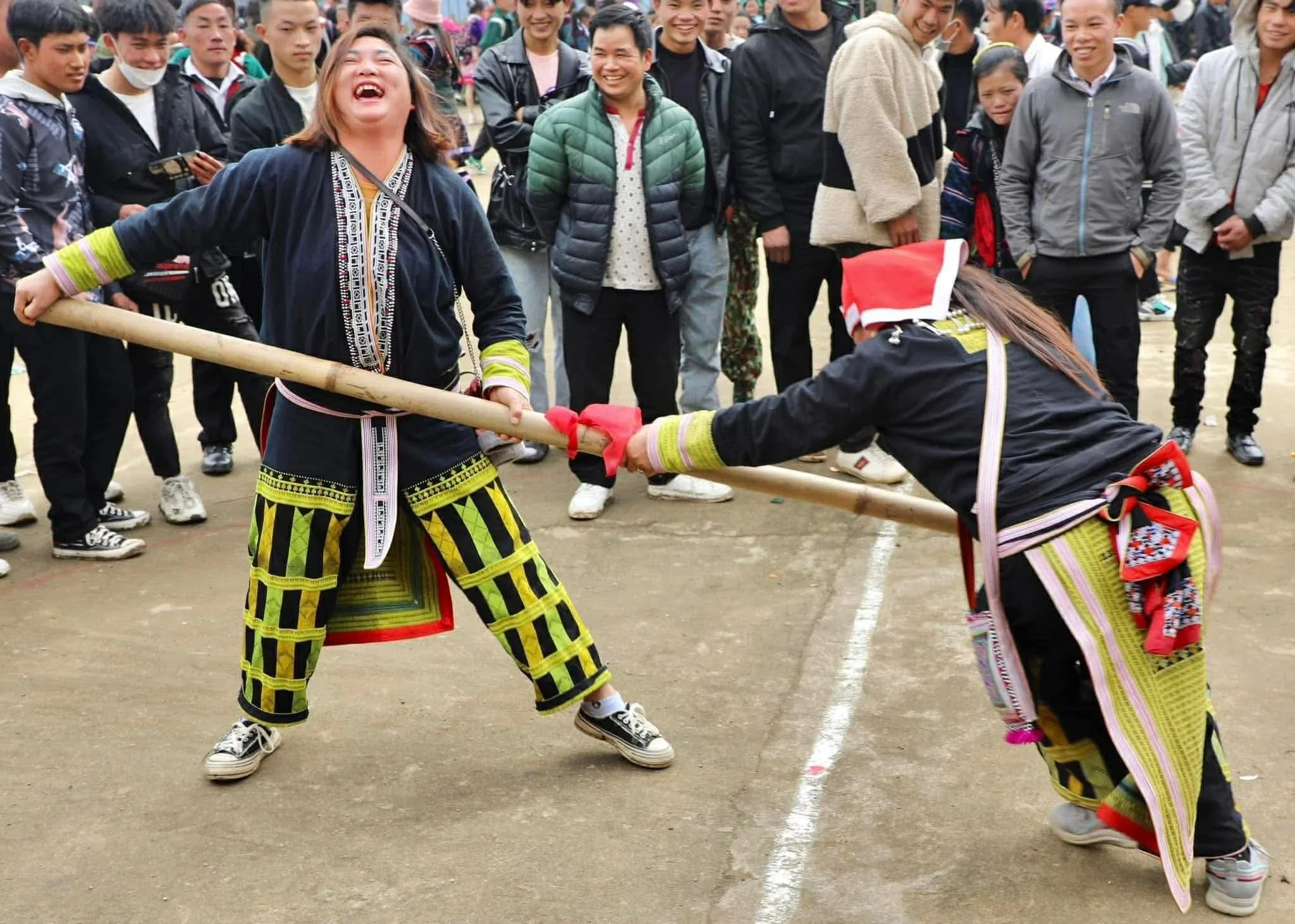
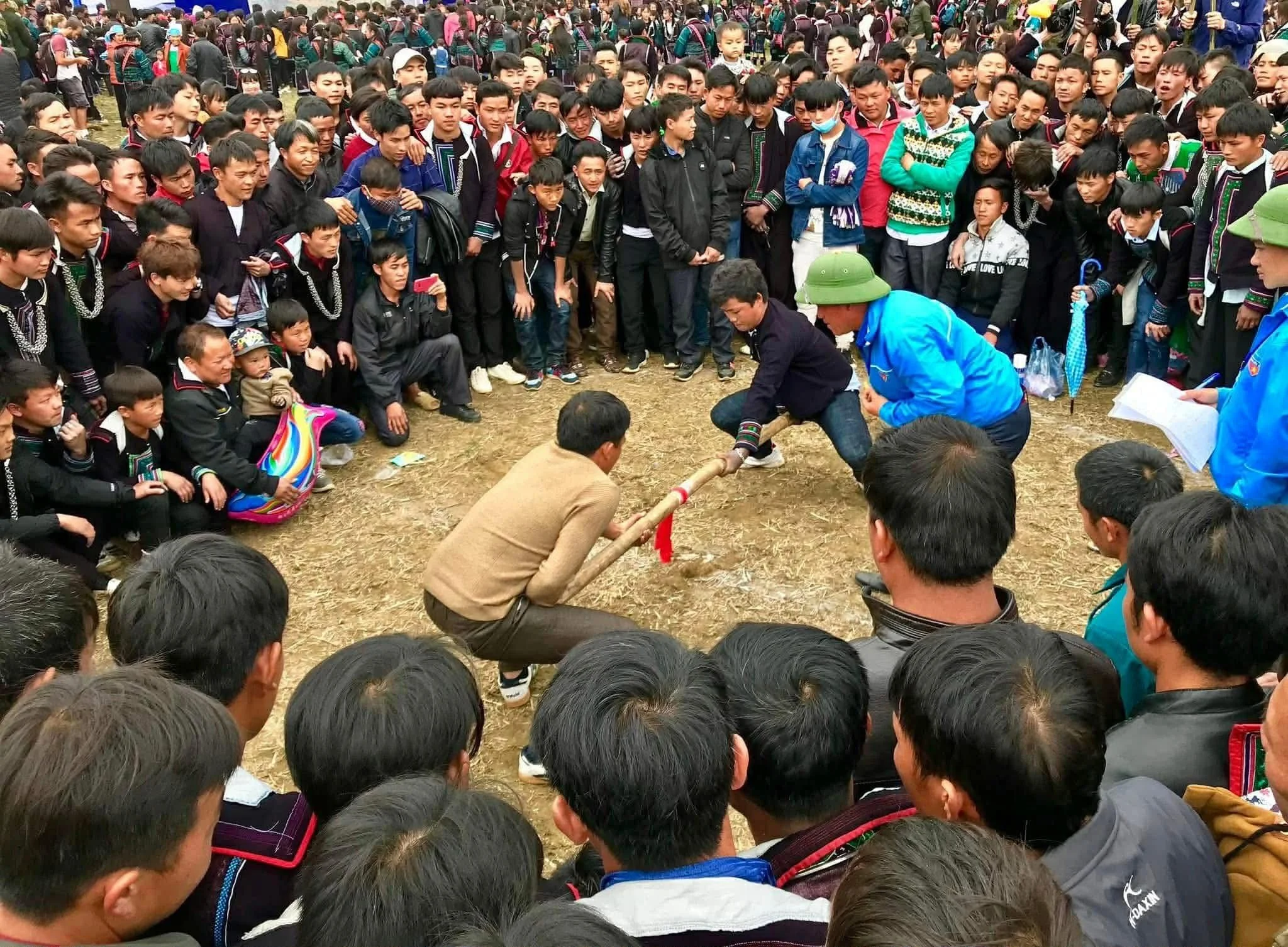
After the main Tet celebrations each spring, villages around Sapa begin to host their own cultural festivals. These gatherings are deeply rooted in local tradition and follow village-specific calendars rather than national schedules.
Festivals typically begin early in the morning and continue through the day. Larger villages host especially lively celebrations, drawing neighbouring communities together. Events include a wide range of cultural activities and folk games that emphasise health, strength, and skill. Physical ability is highly valued, as agriculture remains central to daily life in the highlands.
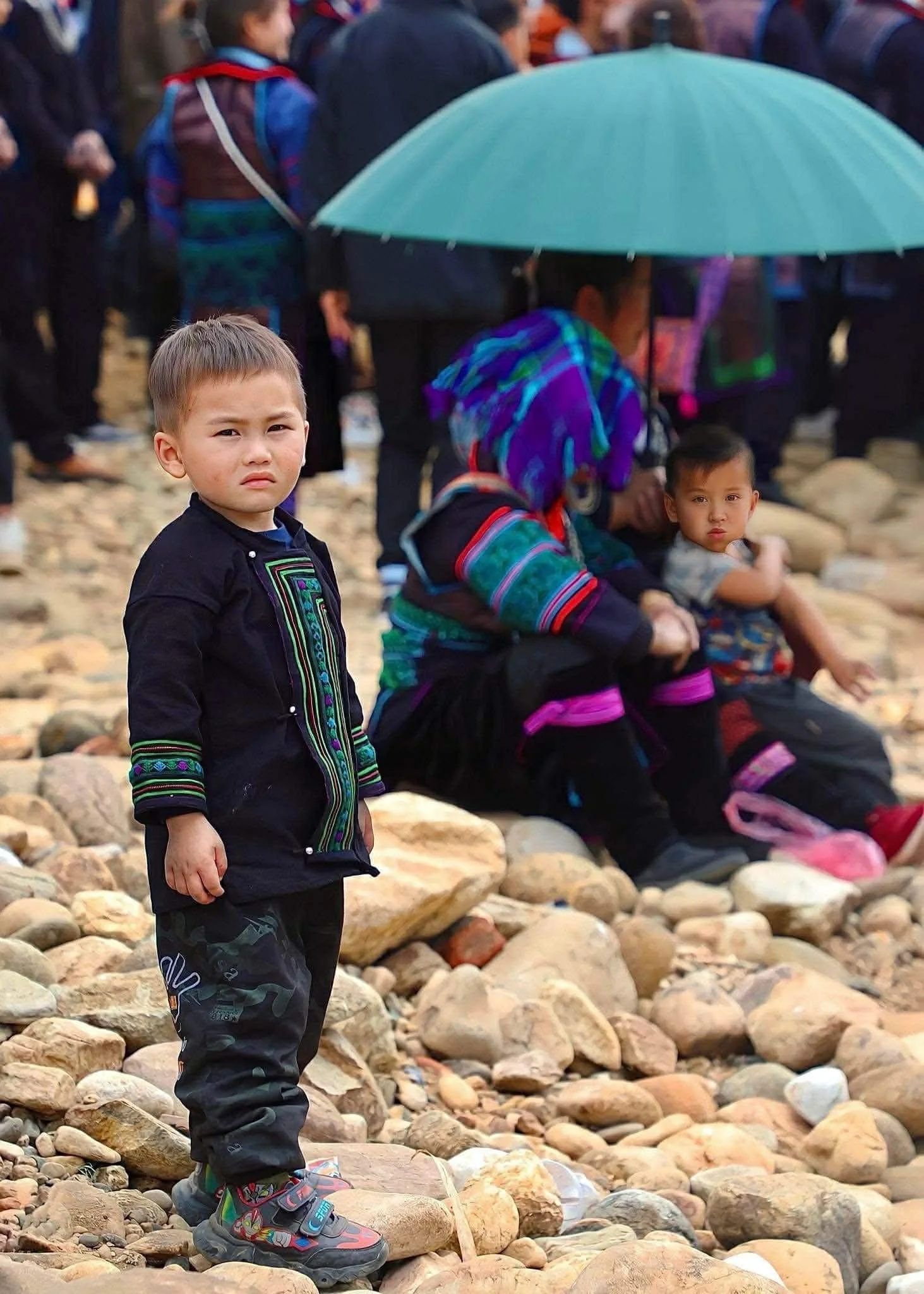
Music, dancing, shared meals, and rice wine are all part of the day. Perhaps the most anticipated moment comes with the unveiling of newly handmade traditional clothing. Months of winter are spent preparing these garments, using indigo-dyed organic hemp and intricate silk embroidery. Each piece reflects patience, identity, and pride in craftsmanship passed down through generations.
Alongside these traditional garments, some young women choose modern fabrics and bolder styles, often affectionately referred to as the “glitter girls”. Their presence adds humour, creativity, and a living sense of fashion to the celebrations.
Hmong New Year festivals mark the end of the harvest and the beginning of a new year in the Hmong calendar. They are a time for honouring ancestors, strengthening community bonds, exchanging small gifts, and reflecting on the year that has passed while setting intentions for the one ahead.
For visitors, these festivals offer a rare opportunity to witness culture as it is lived, not staged. Respectful behaviour, local guidance, and patience are essential, as these gatherings remain first and foremost for the communities themselves.
Planning Your Journey Around Tet
Tet can be a rewarding time to travel in northern Vietnam when approached with awareness and care.
Accommodation should be booked early, particularly in Ha Giang and Sapa. Flexible itineraries allow room for transport delays and business closures. Travellers who align their journeys with local rhythms often find deeper connection than those moving too quickly.
At ETHOS, our experiences are shaped in close collaboration with Hmong and Dao partners, following the seasonal cycles of land and village life. Some travellers arrive before Tet to experience quiet mountain days. Others choose to come later, when village festivals bring colour, movement, and shared celebration back to the valleys.
Listening to the people who live here remains the foundation of meaningful travel, whatever the season.
The Rice Harvest in Sapa: Tradition and Community
In Sapa, the rice harvest is more than work. Families gather, traditions are honoured, and communities move together with the rhythm of the terraces.
The Rhythm of the Terraces
Every year in Sapa, the rhythm of life follows the rice terraces. The harvest is a seasonal anchor for Hmong and Dao families, shaping both work and tradition.
When the Harvest Begins
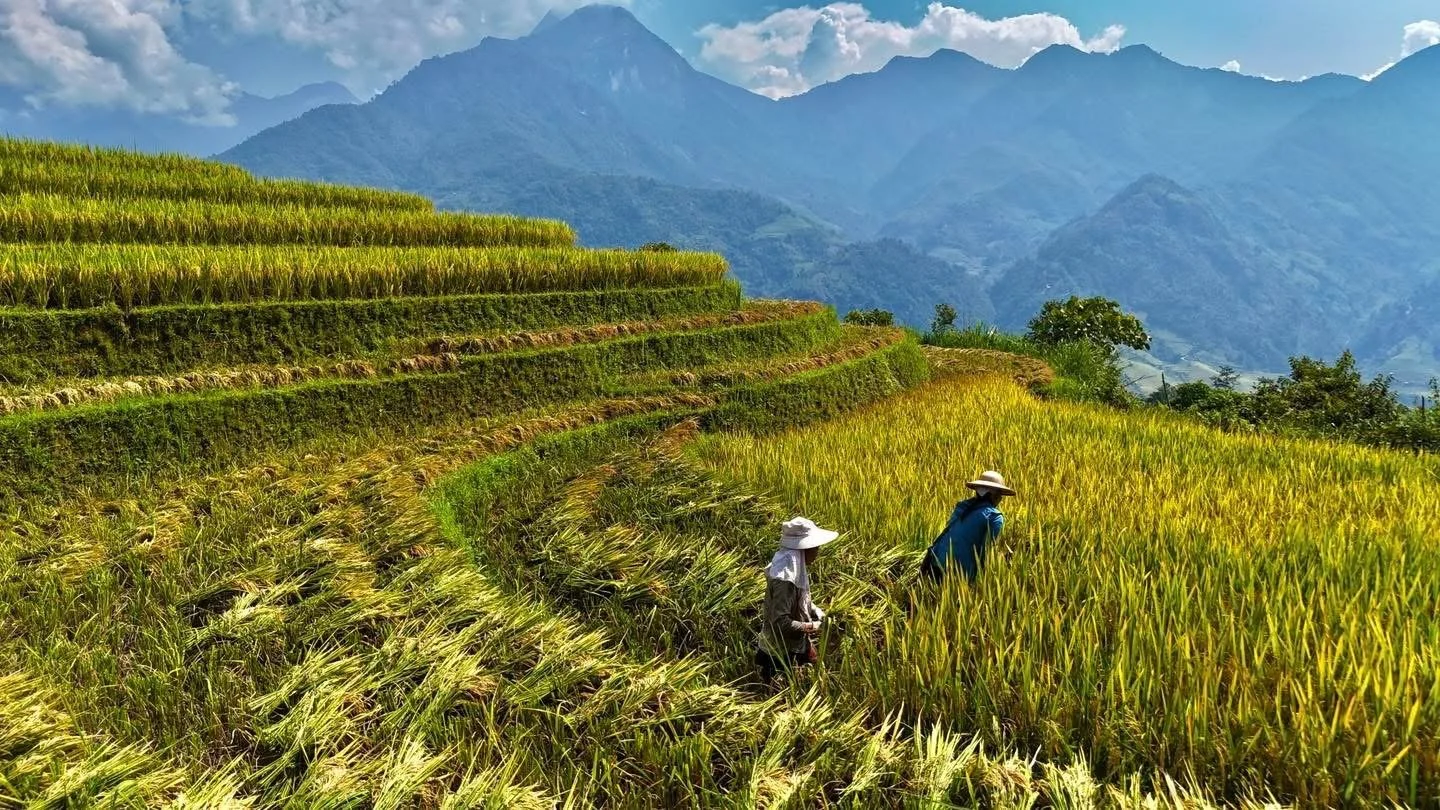
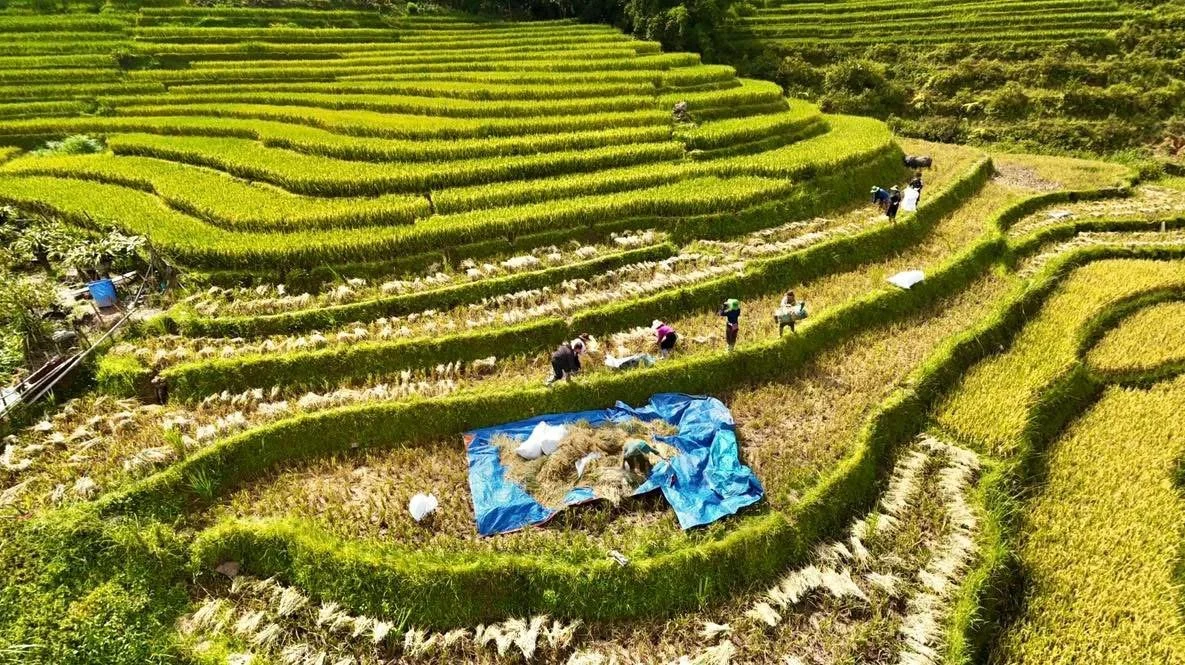
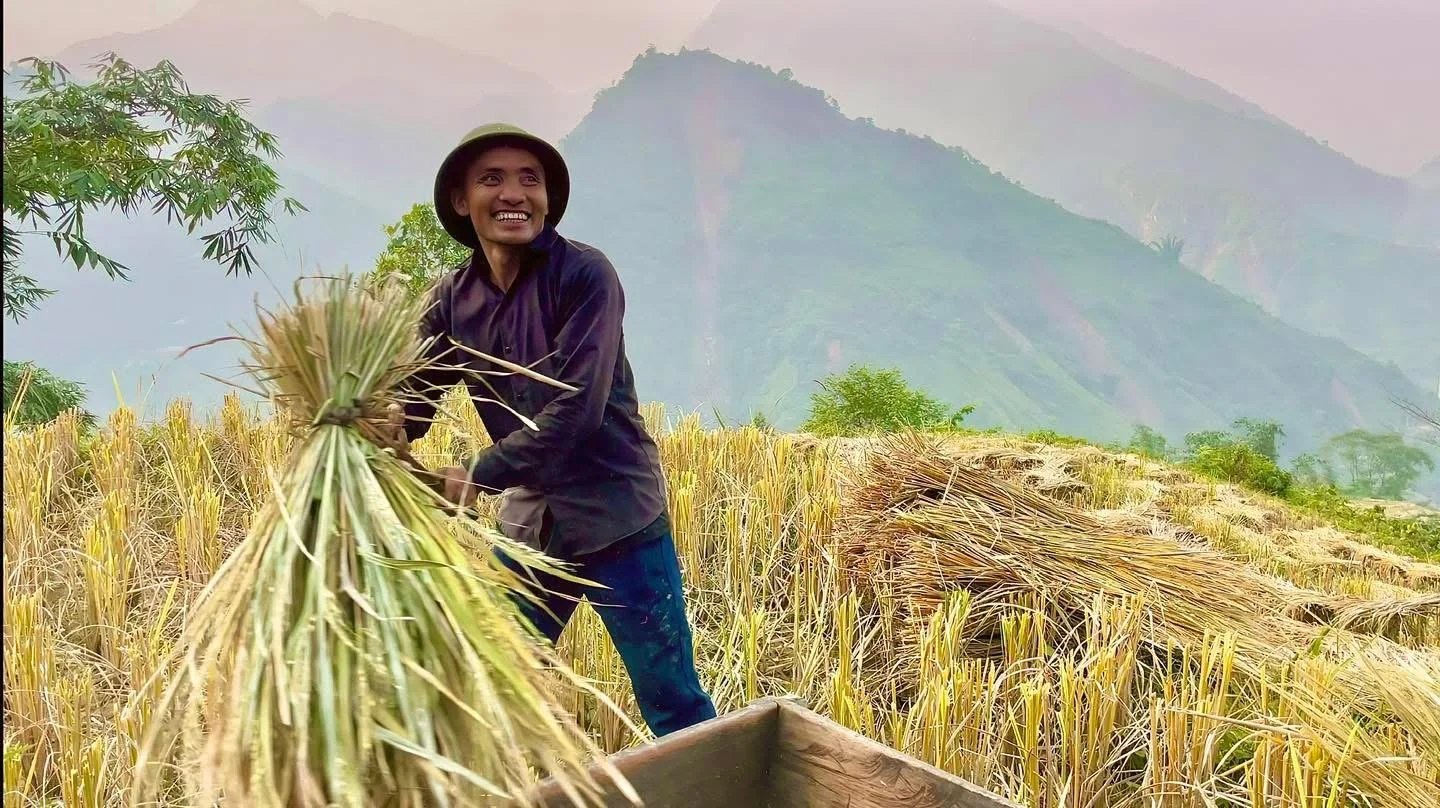
In the lower valleys, cutting starts as early as August, while the higher terraces wait until September. Altitude and weather shift the calendar, but the pattern remains the same: early mornings, hands on sickles, and sheaves carried to dry in the sun.
Ceremony and Meaning
The harvest is not only practical but also ceremonial.
Offering the First Rice
A small portion of the first grains is always set aside for the ancestors and for the spirits of field and water. At the household altar, incense is lit and quiet words are spoken in thanks. These simple rituals bind the community to the land and to generations past.
Working Together
Labour is shared within and between families, keeping old traditions alive.
The Circle of Support
Neighbours and relatives trade days, helping each other through the long hours in the fields. Threshing is often done with simple wooden frames, the rhythm steady and slow. Machines sometimes appear, but on the steep terraces handwork still rules.
A Living Landscape
For visitors, the harvest is a time when the terraces are alive with colour and movement.
Beauty and Survival
Golden fields ripple in the wind as farmers work side by side, their voices carrying across the valleys. What may look like ordinary labour is in fact the heart of the year, deciding food, family, and community.
The Girl and the Bird: A Tale from the Mountains of Sapa
In the mountains of Sapa, a hungry girl finds a bird in need. What begins as a struggle for survival becomes a story of love and hope.
A Story Rooted in the Hills
High in the mountains of Sapa, where mist lingers over rice terraces and shadows move through the valleys, lives My, a young Hmong girl. Each day begins with the challenge of foraging for food—wild mushrooms, snails, and greens—to ease her family’s hunger.
An Unexpected Discovery
One evening, while searching for berries, My climbed into the branches of a tree. Hidden among the leaves she found not fruit but a fragile nest, home to a tiny bird left alone. Though hunger gripped her, she carried the trembling creature home.
Love Stronger than Hunger
At first, the thought of food tugged at her, yet as the bird sang in her ear, My’s hunger softened. She began feeding it corn from her meagre store. Each chirp brought joy, each small bond stitched love into her heart.
A Bond Forged in Twilight
Though her stomach remained empty, My crafted a nest for her new companion. As the fire burned low, she shared her bed with the bird, their small bodies pressed close against the night. Together they sang beneath the stars, weaving a melody of hope, resilience, and dreams.

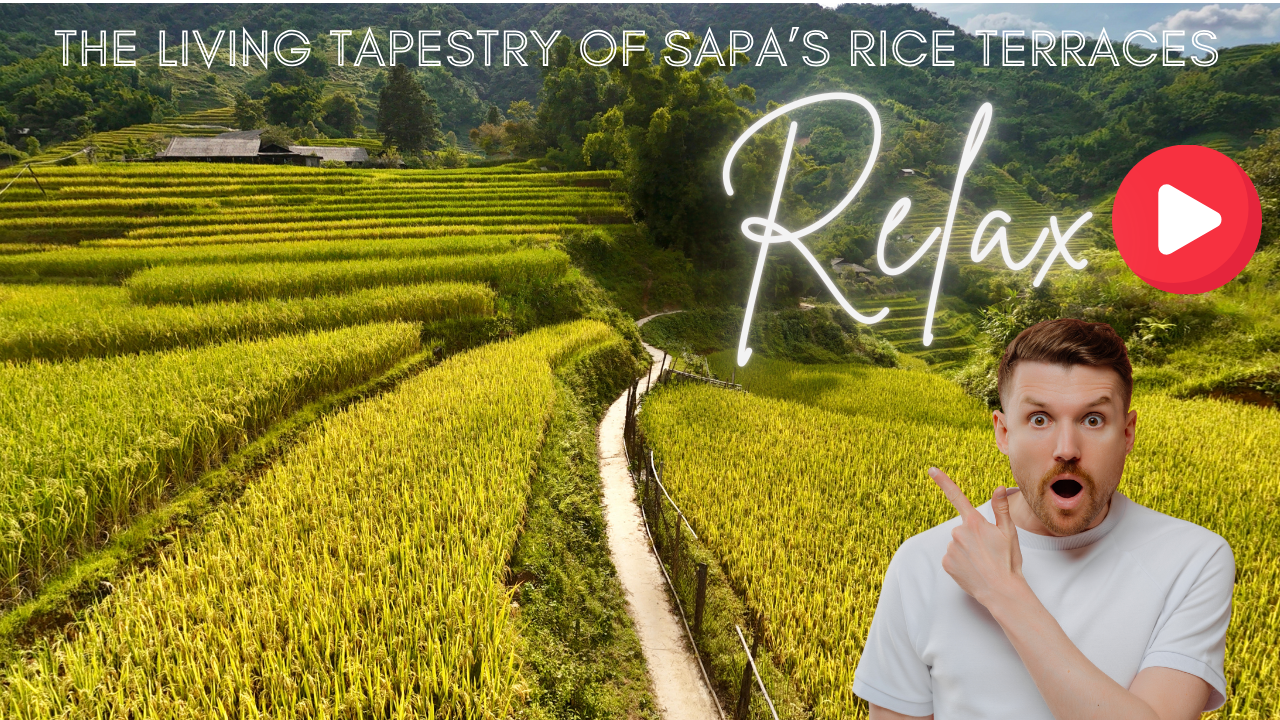
The Living Tapestry of Sapa’s Rice Terraces
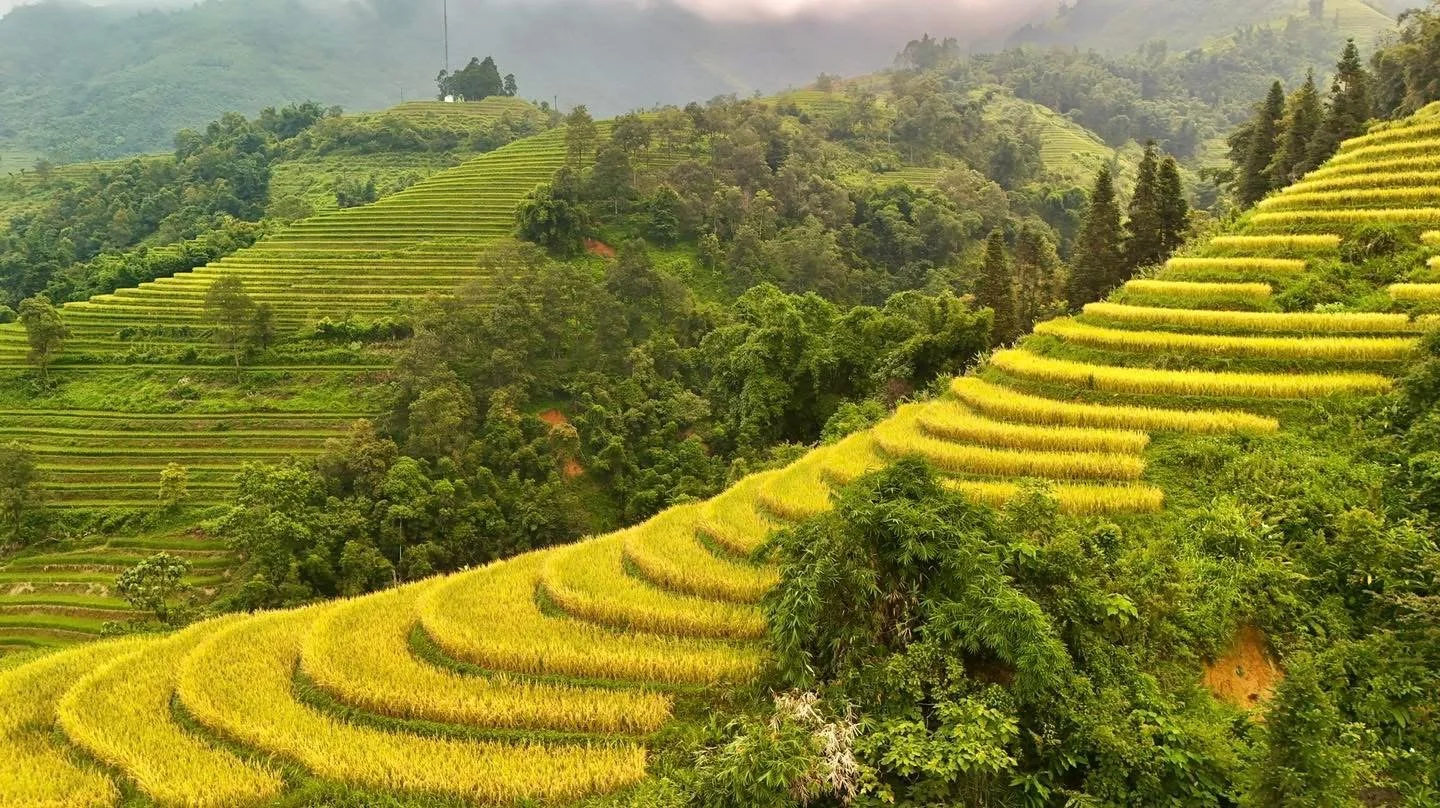
Carved patiently into the mountainsides of northern Vietnam, the rice terraces of Sapa are both a landscape and a legacy. Built and tended over generations by the Hmong people, they transform rugged hills into sweeping steps of life, each curve holding the imprint of ancestral skill and devotion.
Golden Season in the Highlands
Golden season is calling. Will you answer? Carved patiently into the mountainsides of northern Vietnam, the rice terraces of Sapa are both a landscape and a legacy. Built and tended over generations by the Hmong people, they transform rugged hills into sweeping steps of life. Each curve holds the imprint of ancestral skill and devotion.
Colours of the Season
In summer, the terraces shift in colour as new shoots spread in vibrant green, soft and delicate. As autumn approaches, the rice ripens into gold, glowing in the sunlight and breathing with the rhythm of the sky. The hills are never still. They change daily, painted anew by light and shadow.
More Than Beauty
The terraces are not just a spectacle. They embody the spirit of community. Rice in Sapa is not grown only for nourishment but as a shared endeavour. Families and neighbours work side by side, guided by tradition and necessity. Every grain carries the wisdom of countless harvests and the touch of many hands.
A Story Still Being Written
For the Hmong people, rice is not only food but life itself. It sustains the body, strengthens bonds of family and community, and connects today’s work to the memory of those who came before. These terraces are not silent fields. They are a story of resilience, belonging, and collective care—still being written in earth, water, and time.