Insights and Stories from Sapa and the Northern Borderbelt provinces of Vietnam.

Snow in Sapa. Truth, myth and the quiet magic of a rare winter
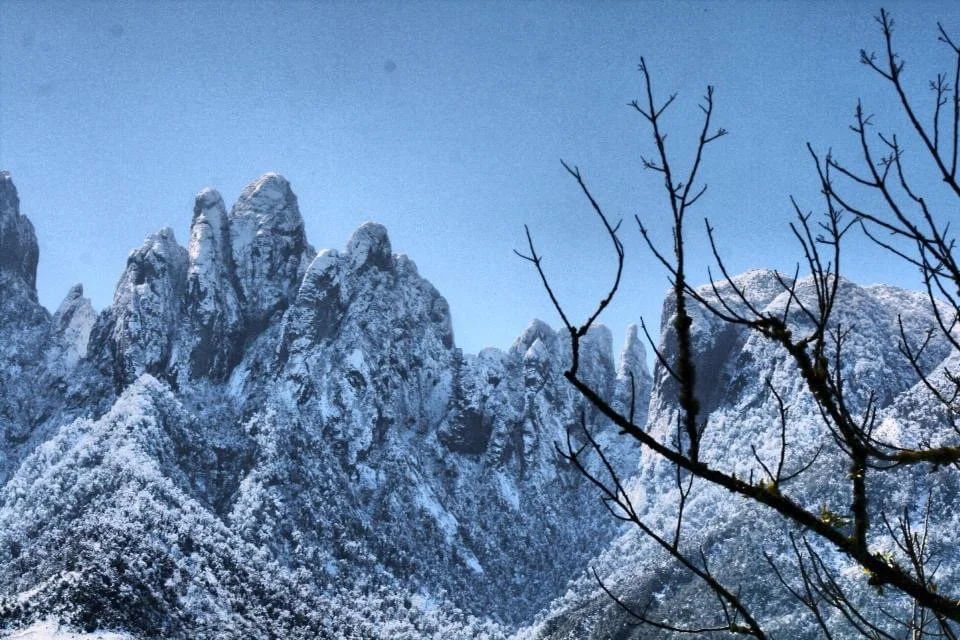
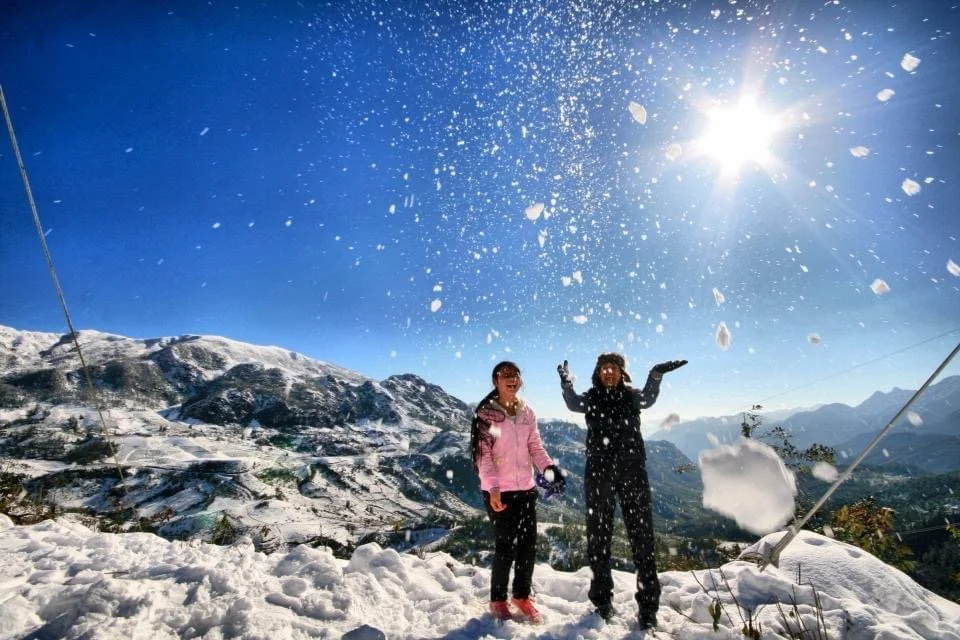
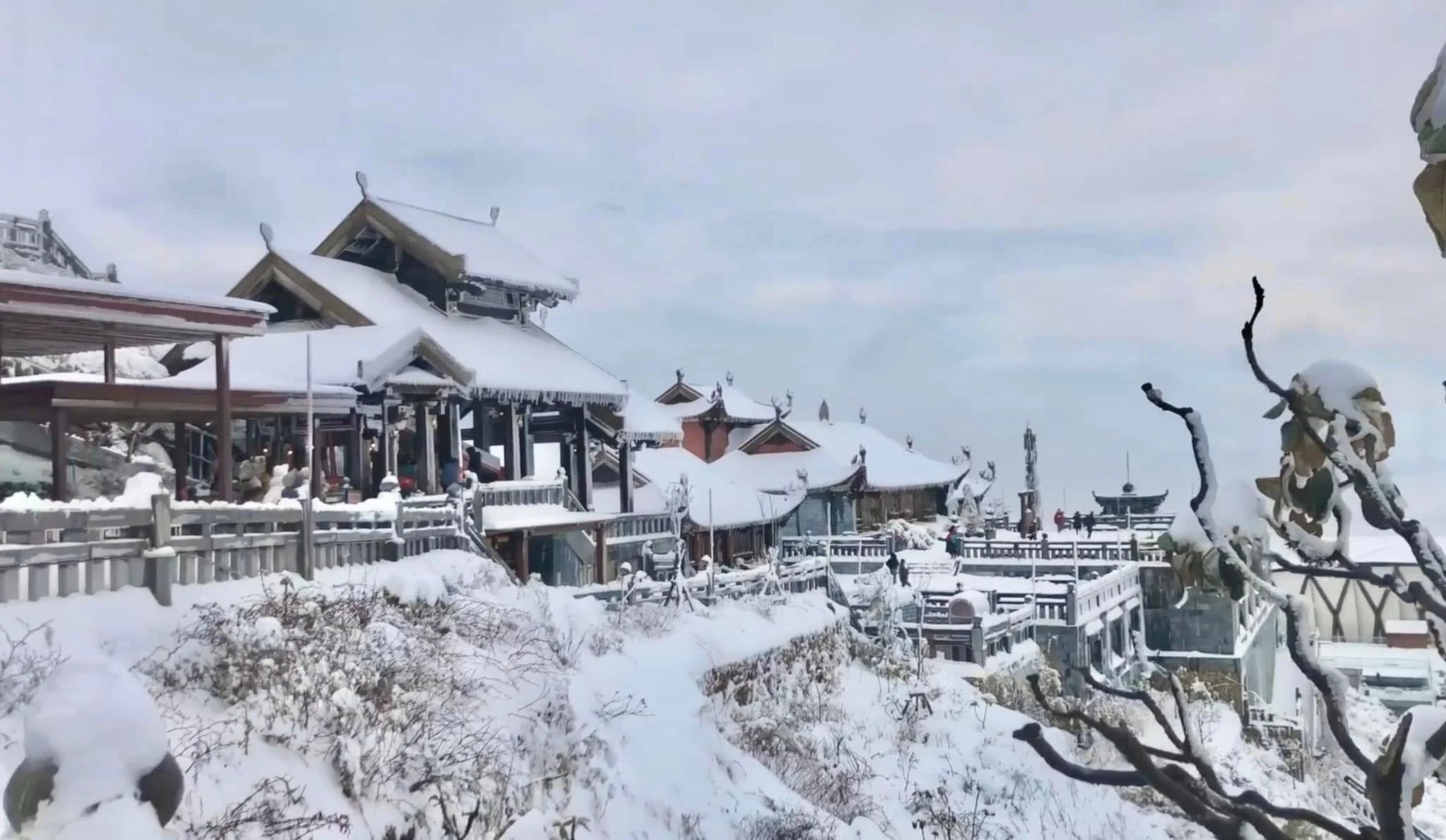
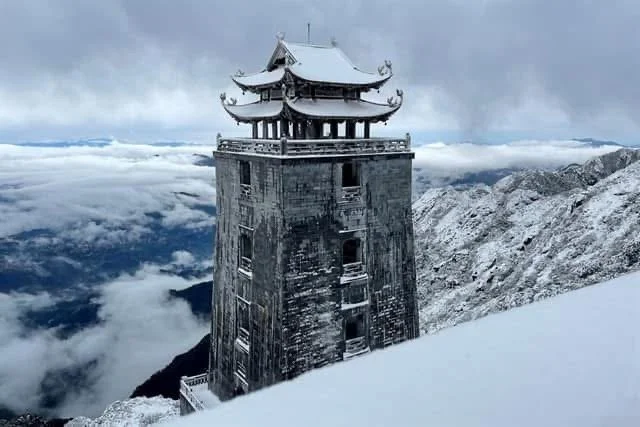
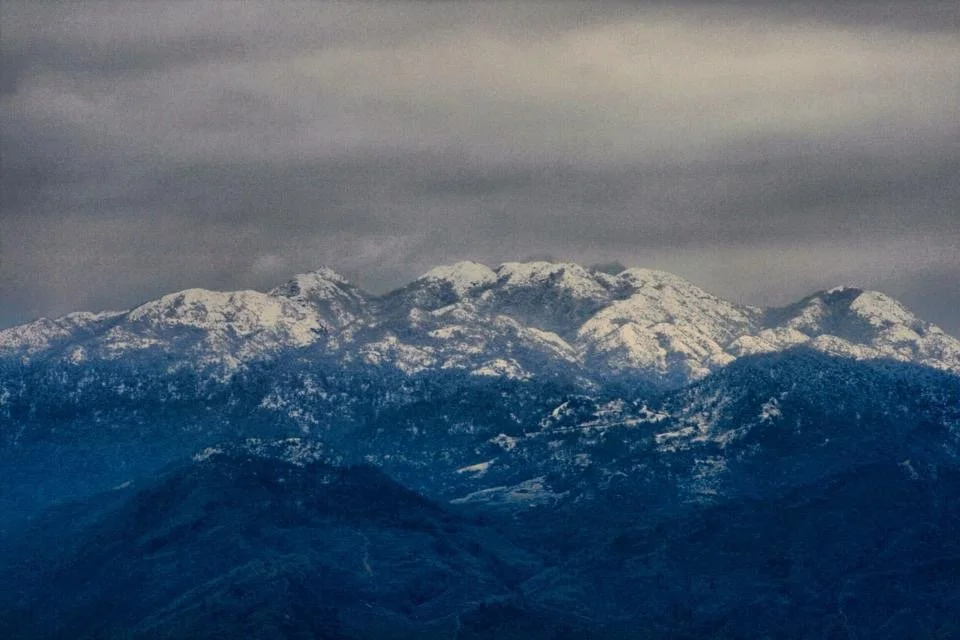
A rare snowfall in Sapa transforms the highland landscape and reveals a quieter side of the mountains. In this honest guide we explore the difference between frost and true snow, share verified historical snowfall records from 1990 to the present day and explain why these fleeting winter moments hold such meaning for the communities who live here.
Winter in the Highlands. Mist, Frost and Quiet Days
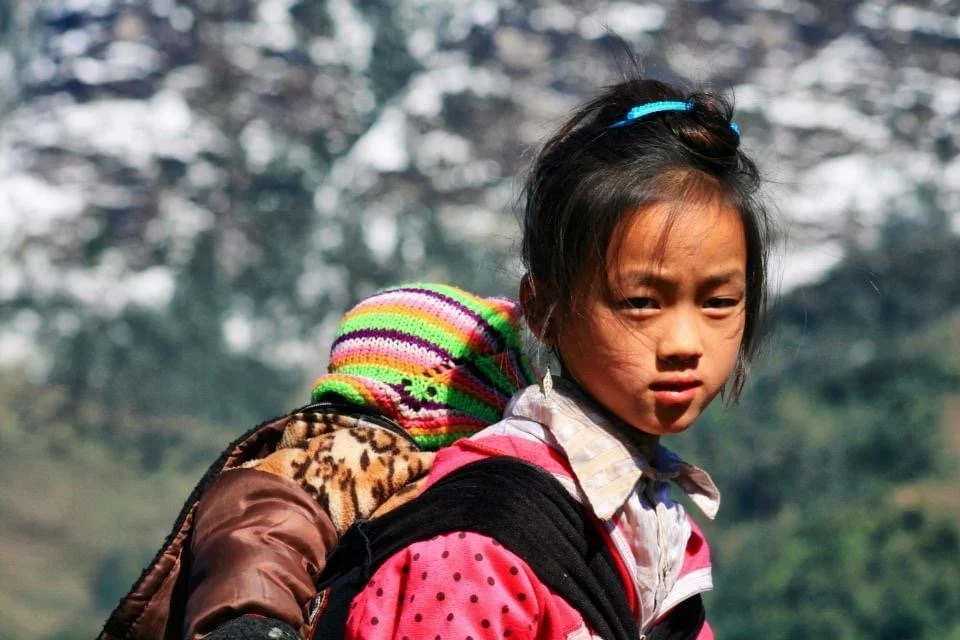
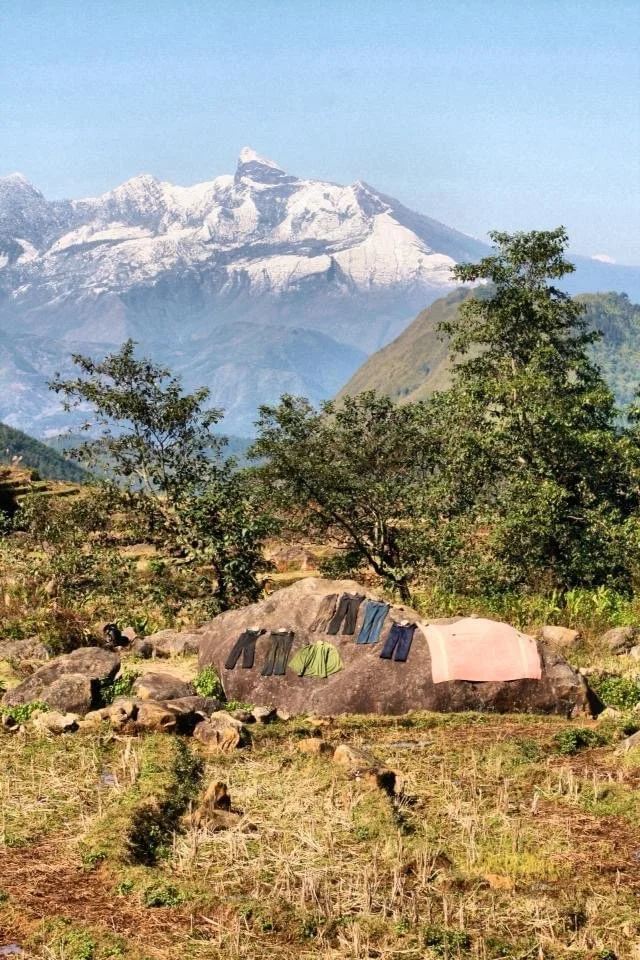
Winter in the northern mountains of Vietnam arrives gently. It drifts into the terraced valleys on slow banks of mist, settles in the hollows of bamboo forests and chills the ridge lines of the Hoang Lien range with a sharp, crystalline breath. At this time of year, life for Hmong, Dao and Tay families becomes more reflective. Fires burn low in earthen hearths, animals are sheltered, and preparations begin for the new agricultural cycle that follows the Lunar New Year.
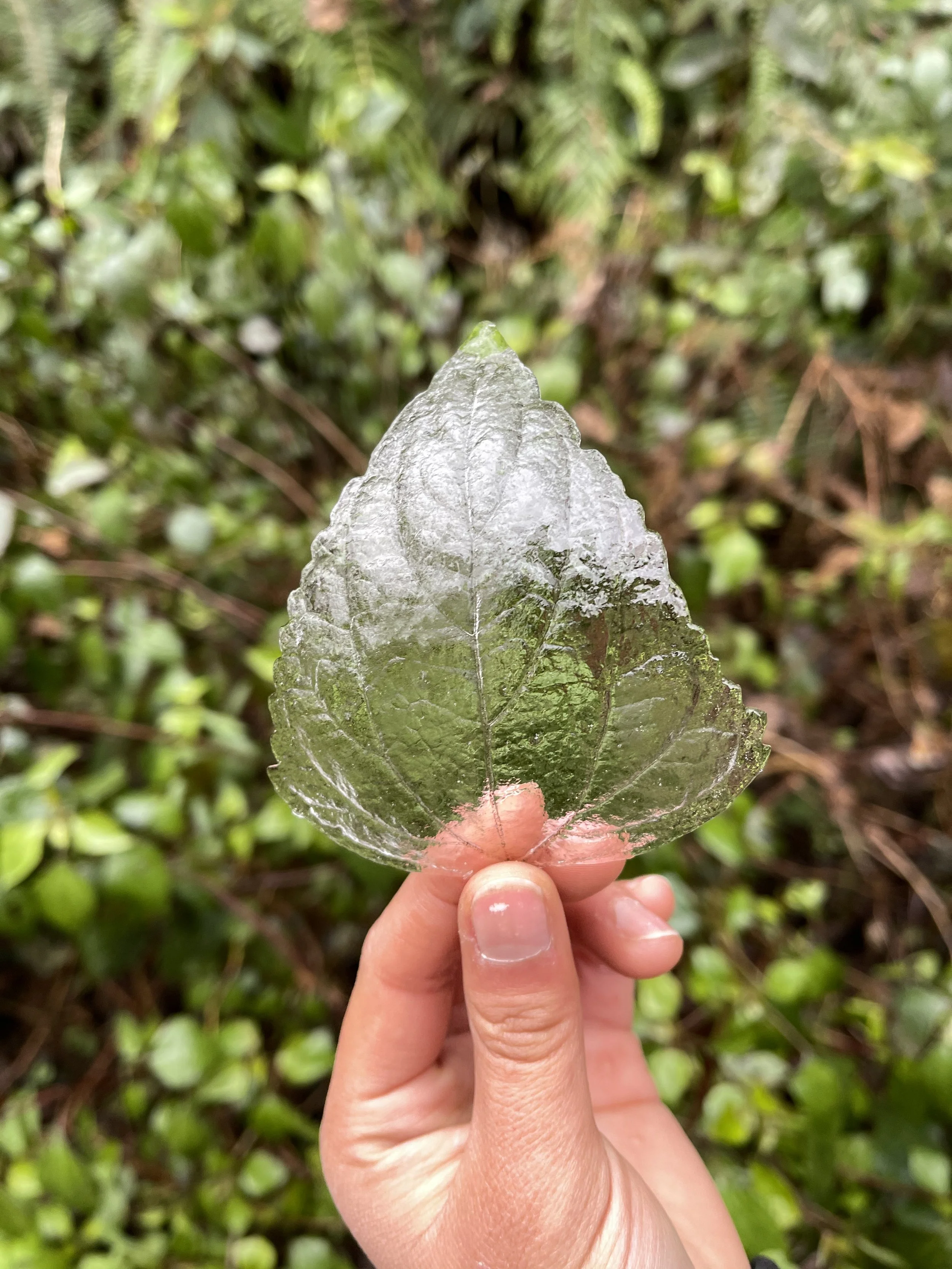
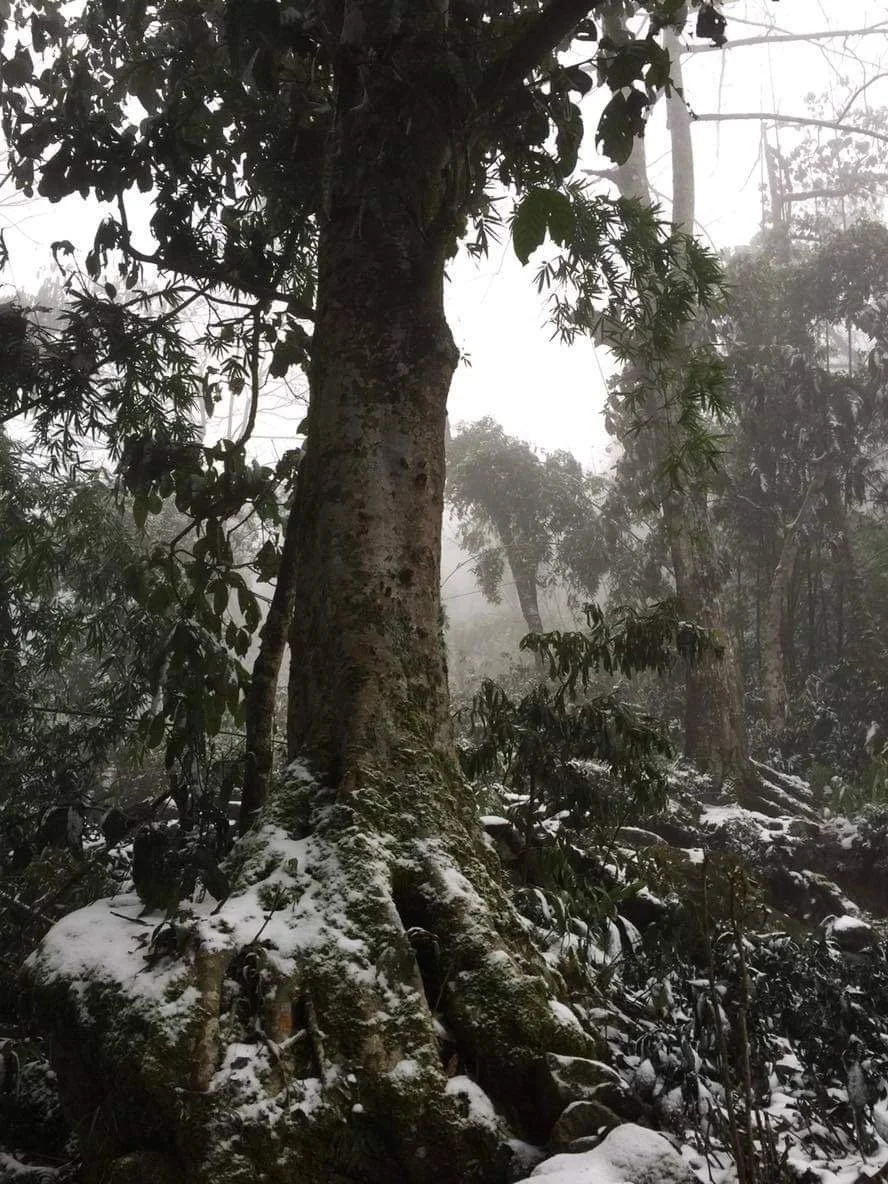
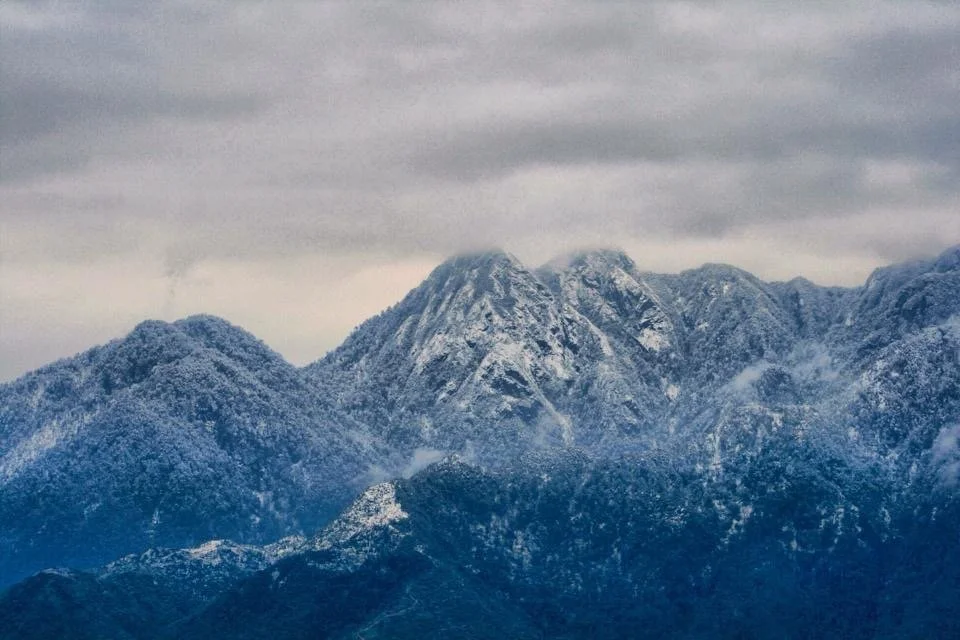
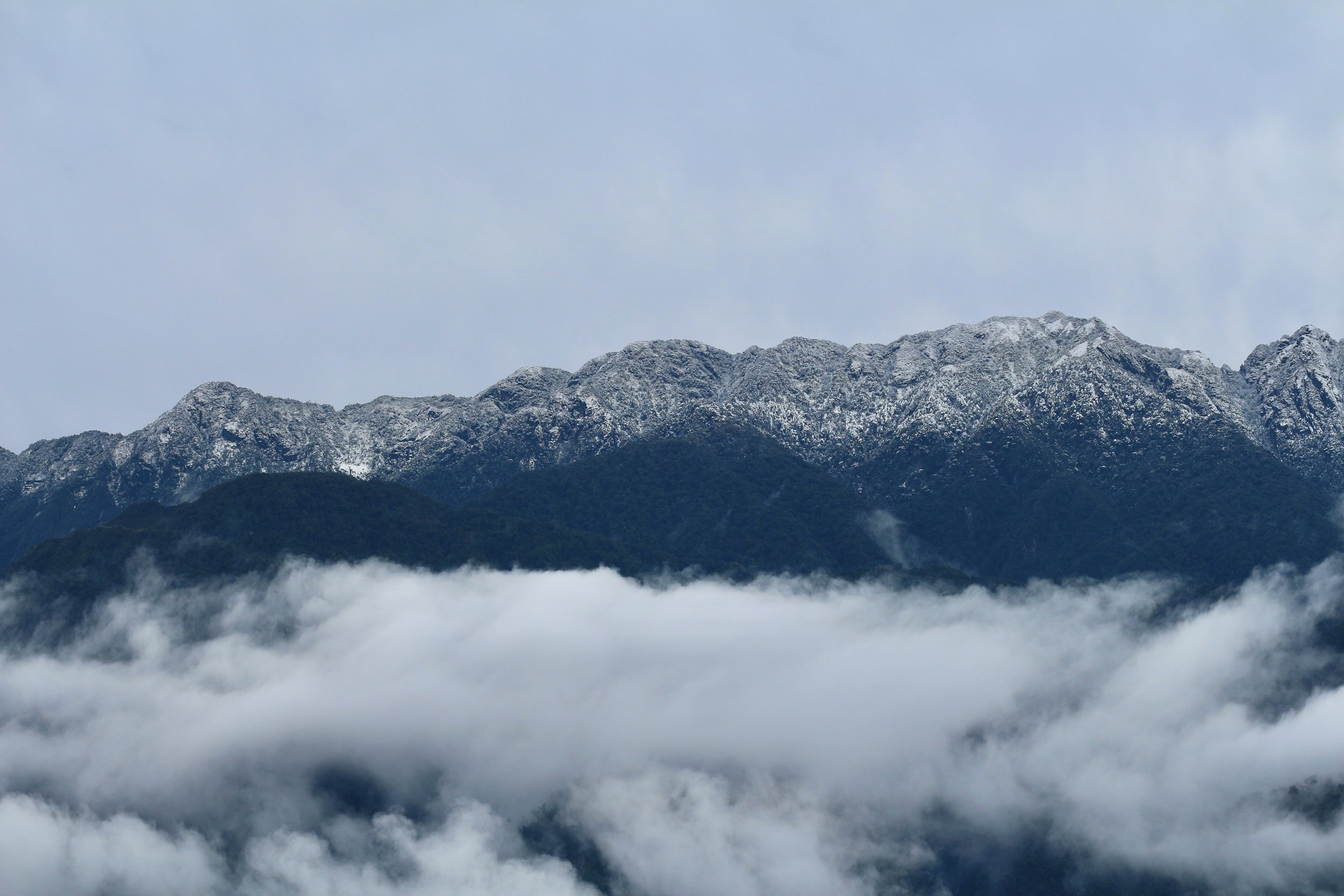
In this subdued season the highlands reveal a quieter beauty. Frost rims the grasses at daybreak and thin ice patterns appear on still water. Yet none of these common winter signs can prepare you for the rare and gentle arrival of real snow.
Sorting truth from trend. Snow, frost and the digital mirage
Over the last decade, social media has woven a complicated tale around Sapa and the prospect of a winter snowfall. Photographs of icy railings on Fansipan or frozen bamboo at O Quy Ho Pass are often shared under bold claims that the town itself has been blanketed in white. Visitors arrive with high hopes, sometimes shaped more by digital imagery than by the lived realities of the local climate.
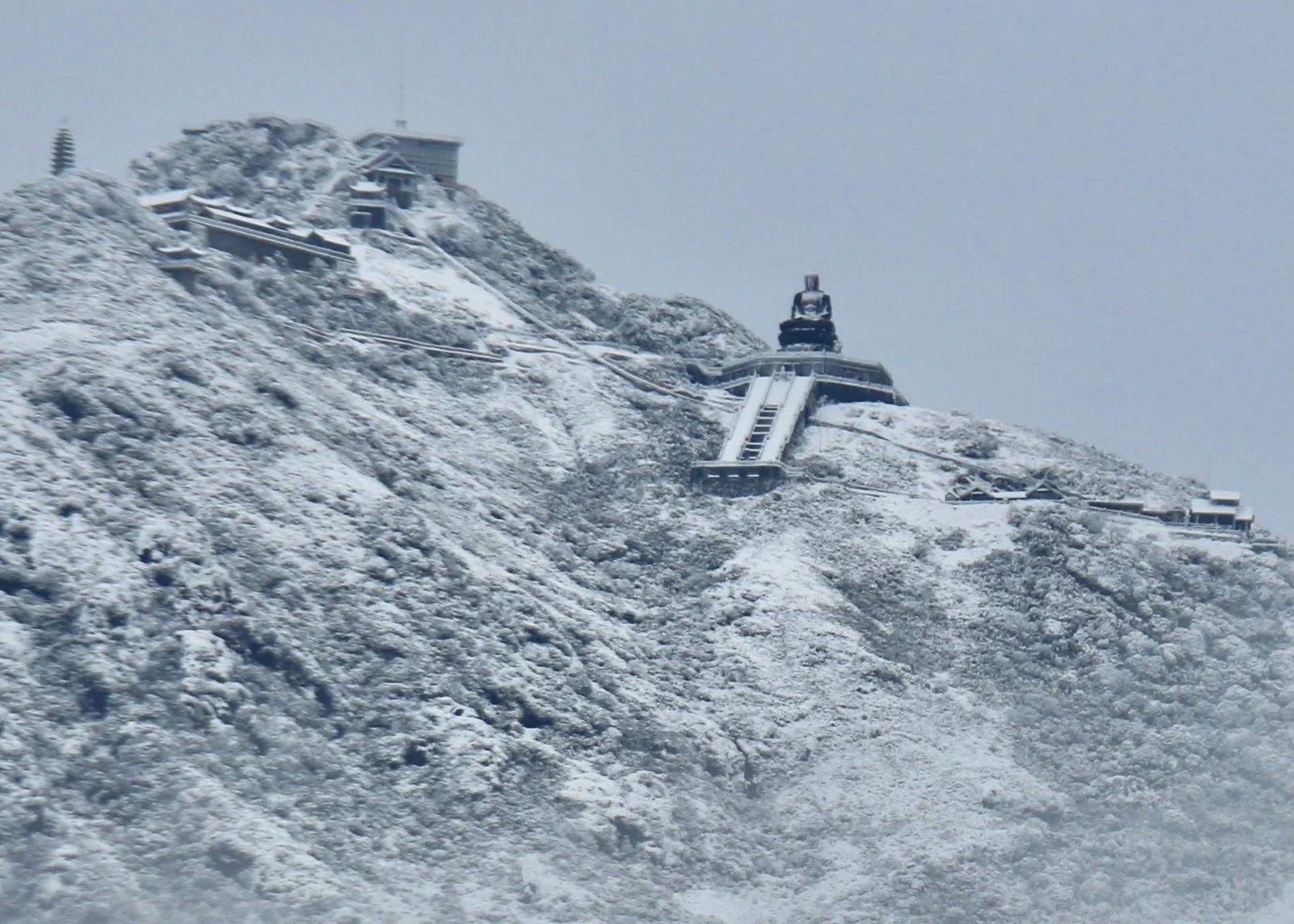
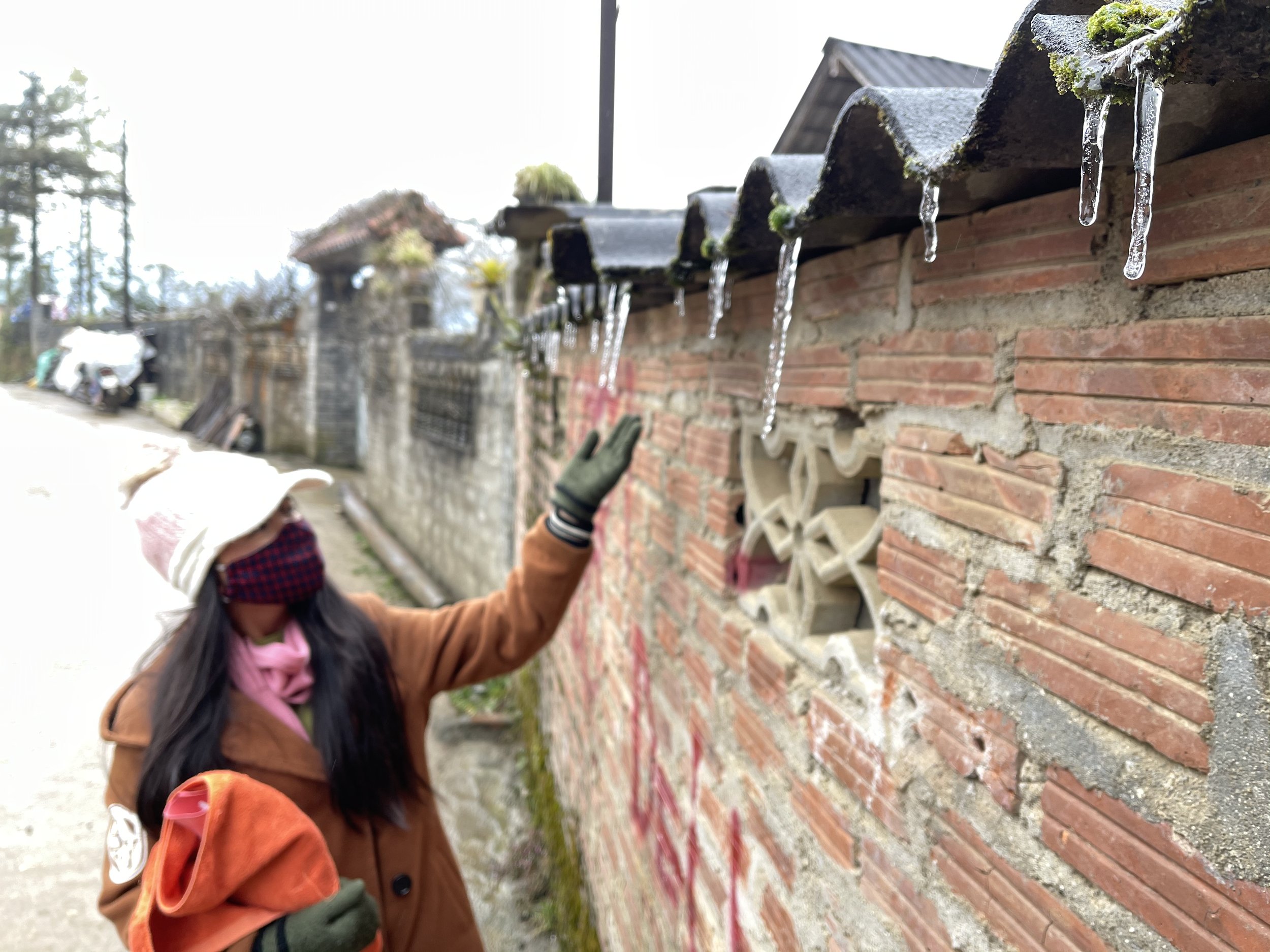
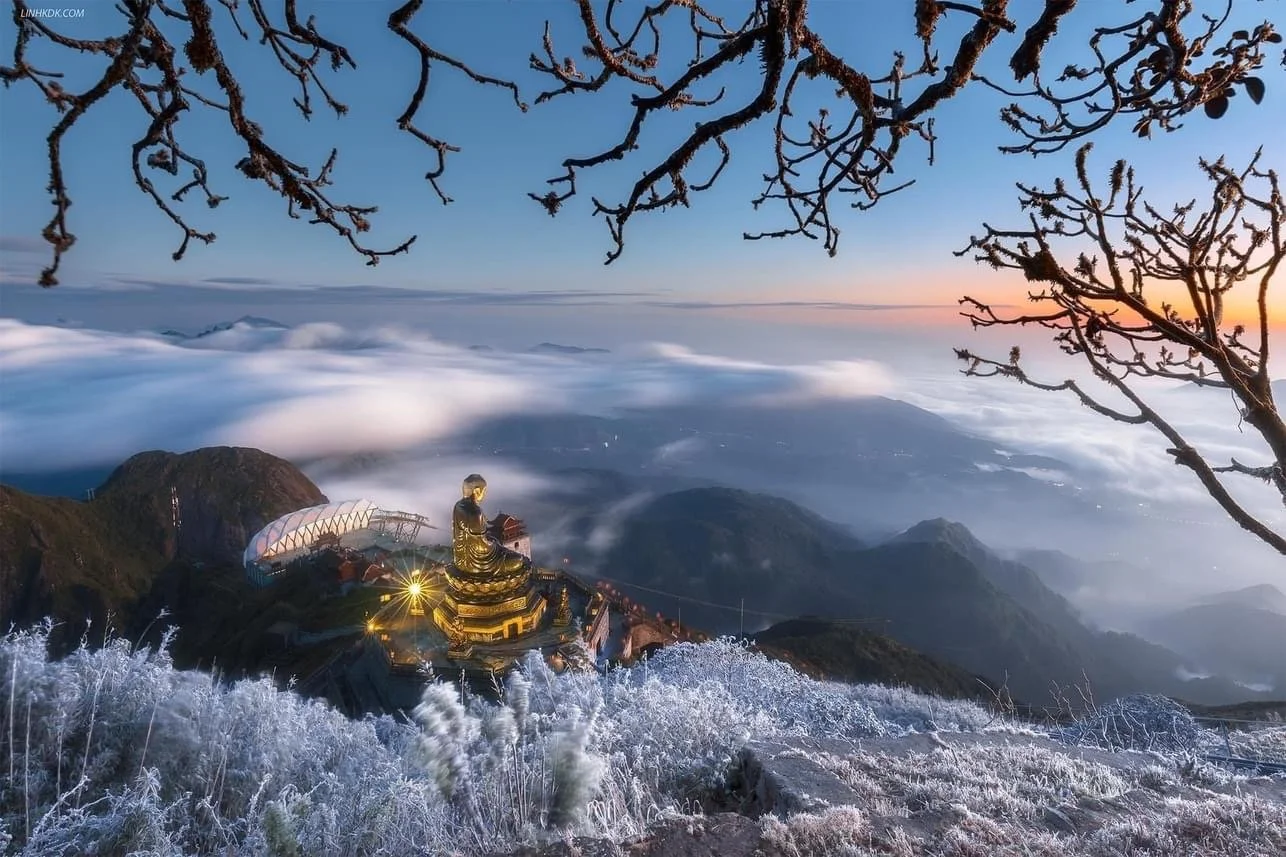
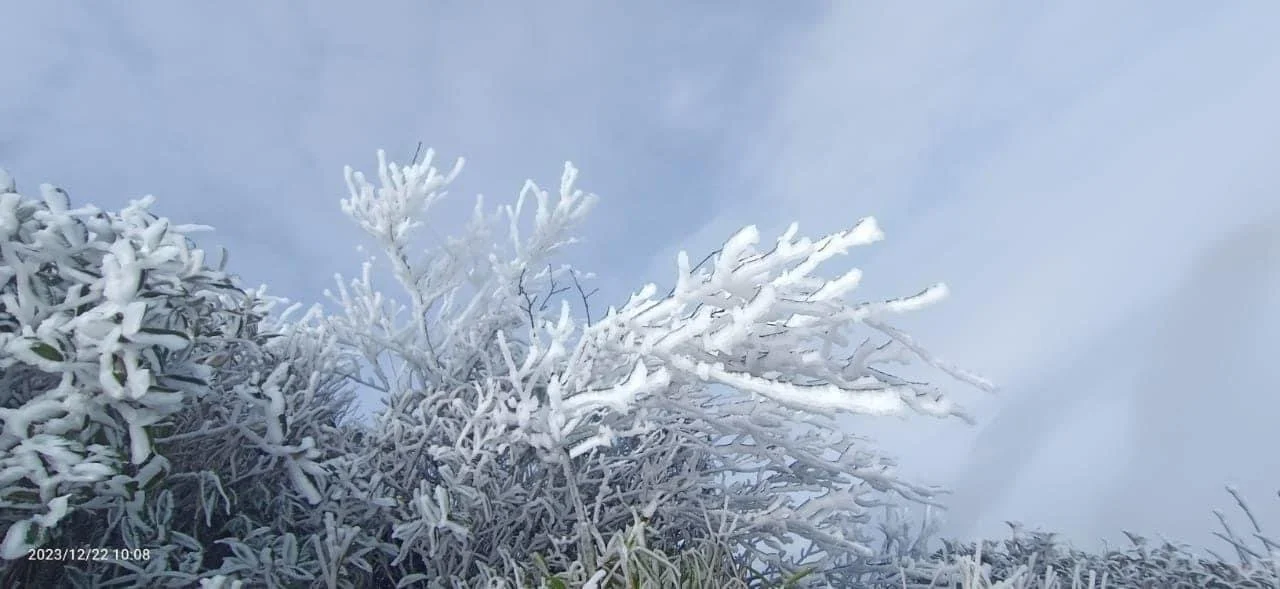
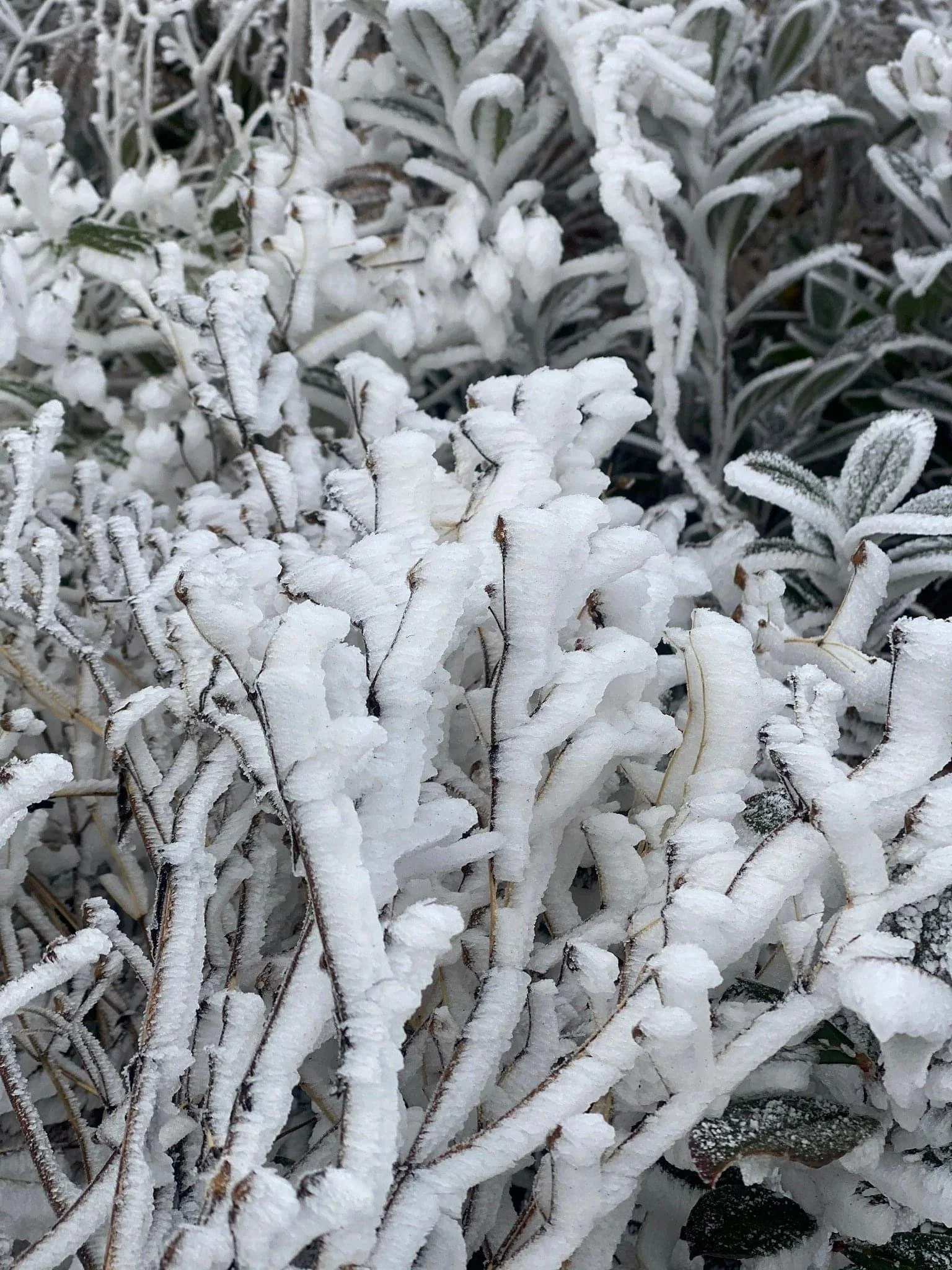
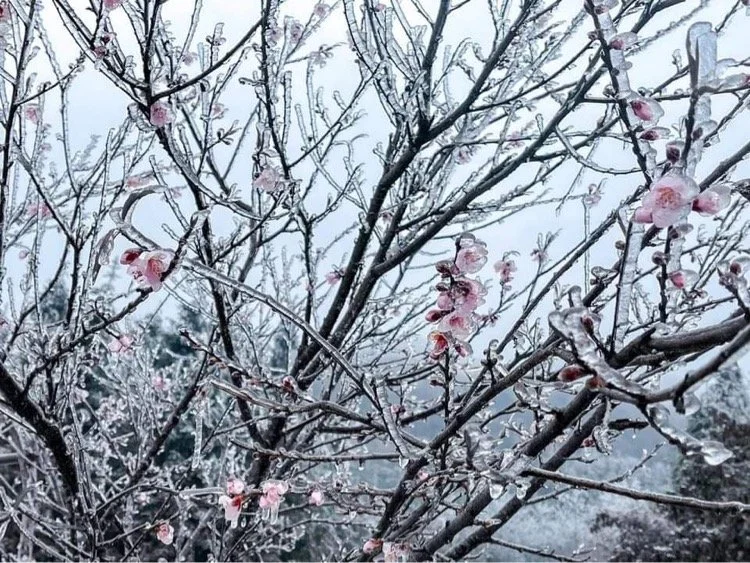
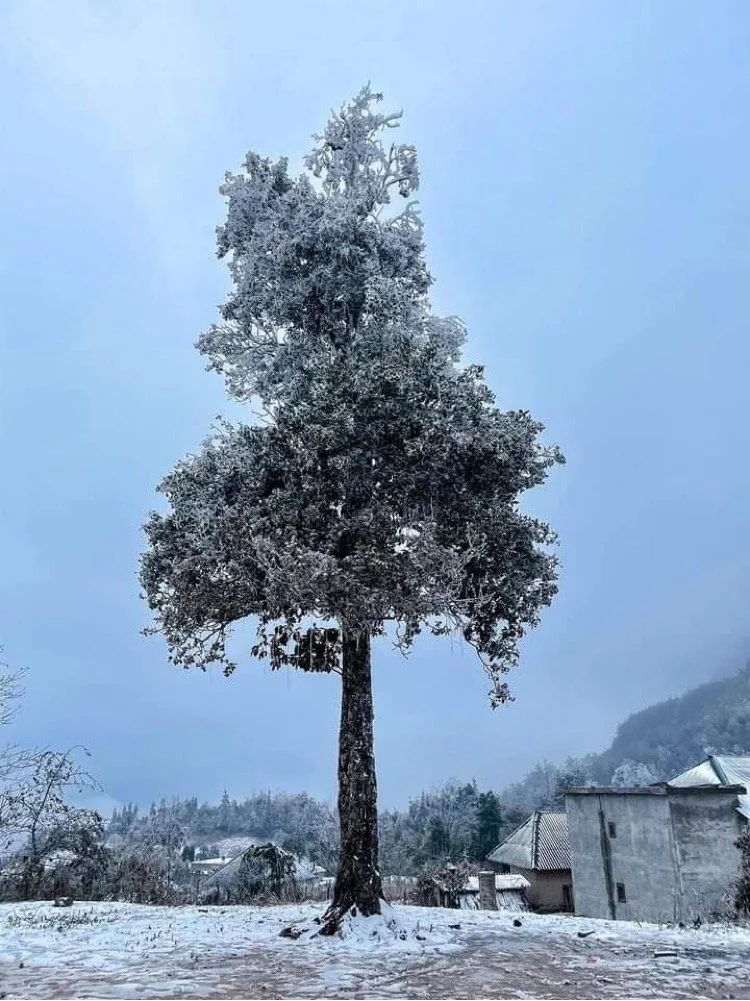
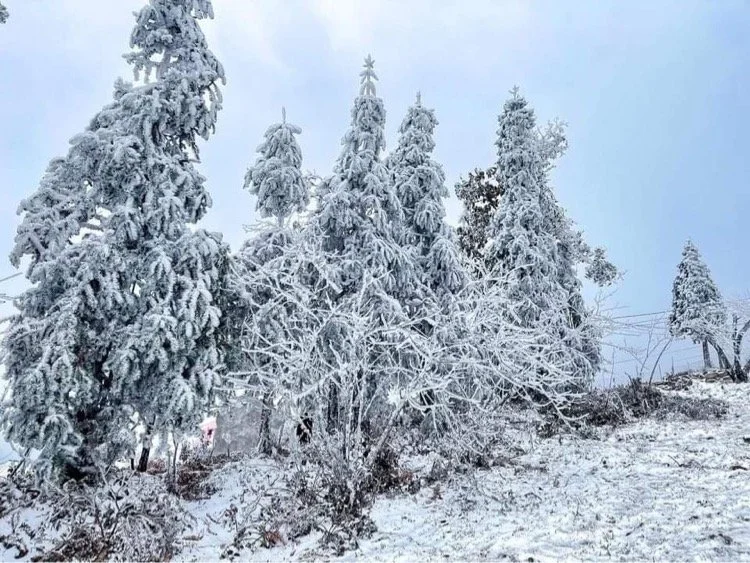
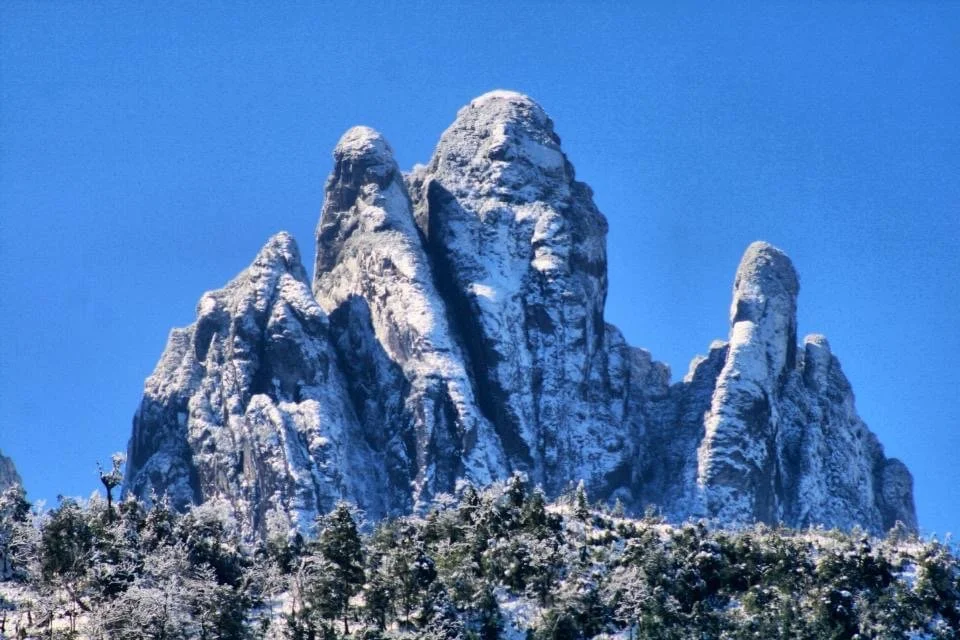
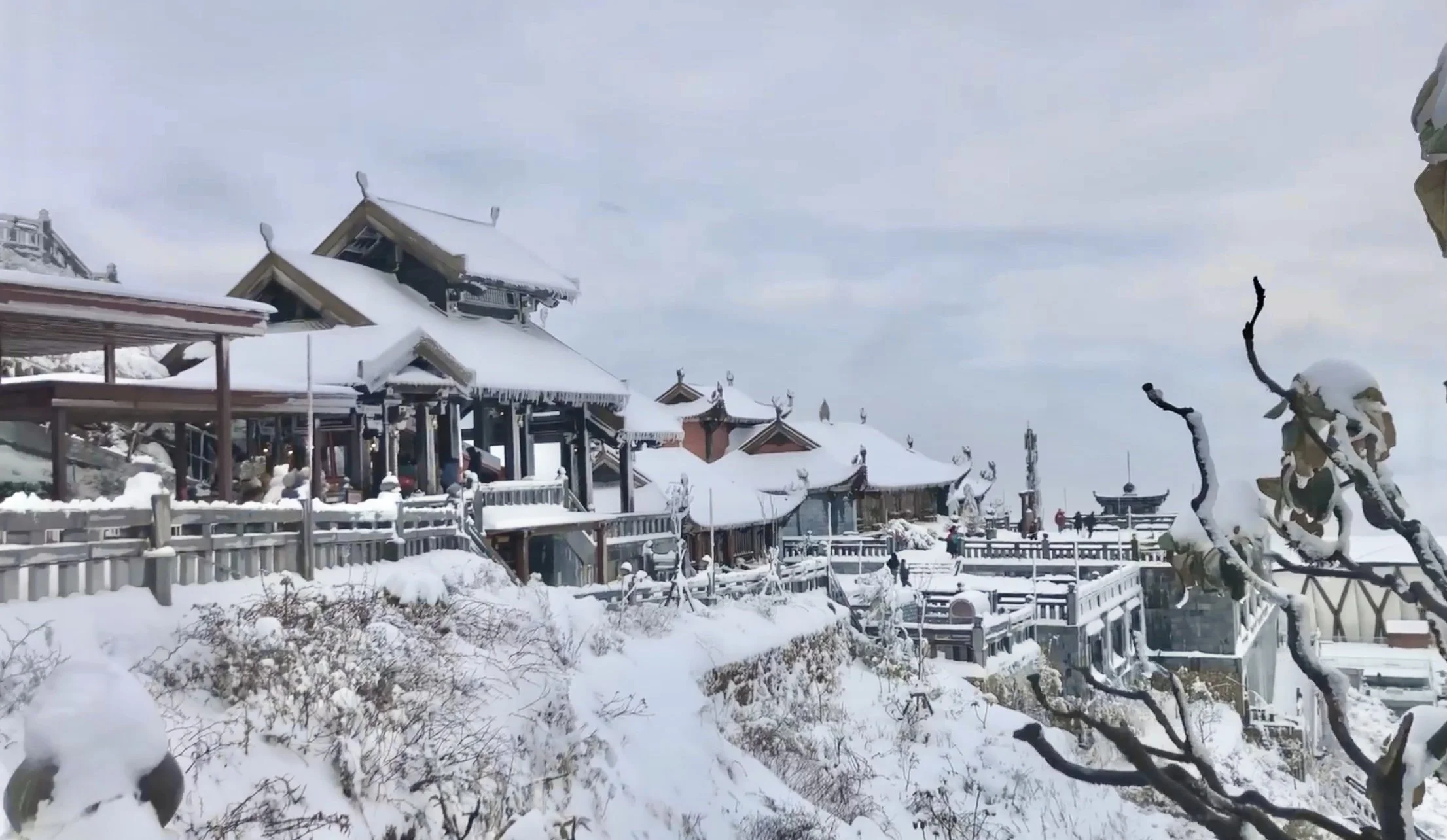
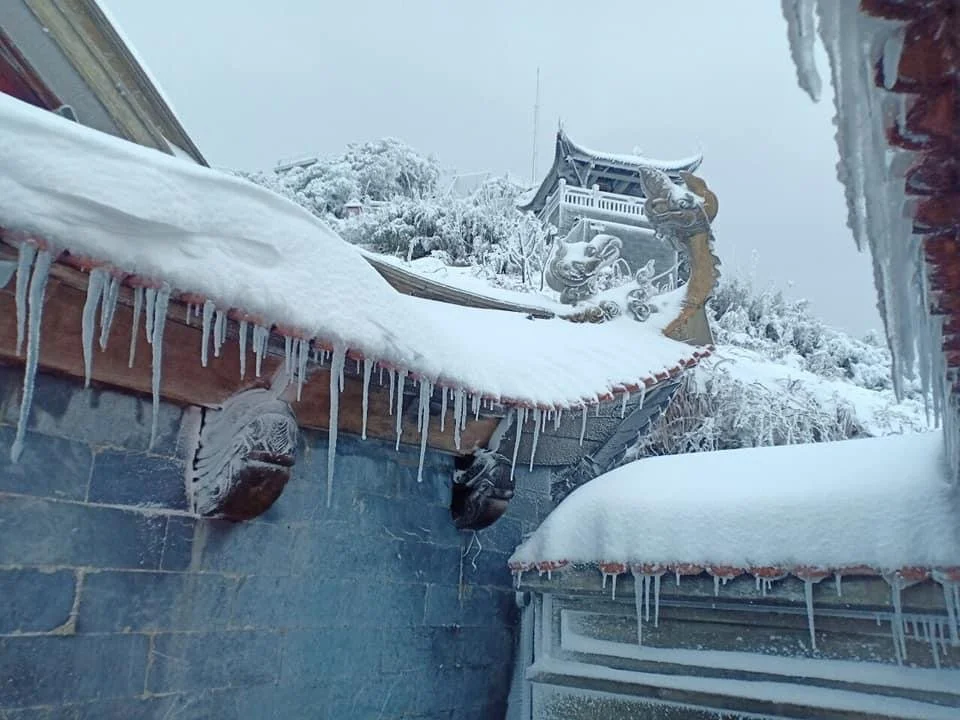
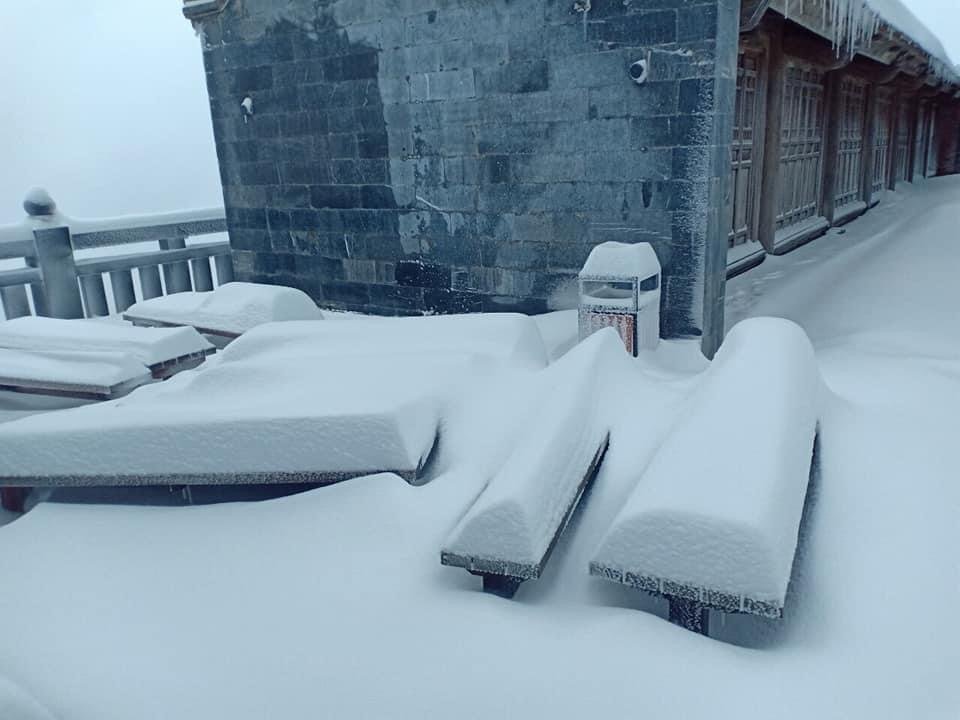
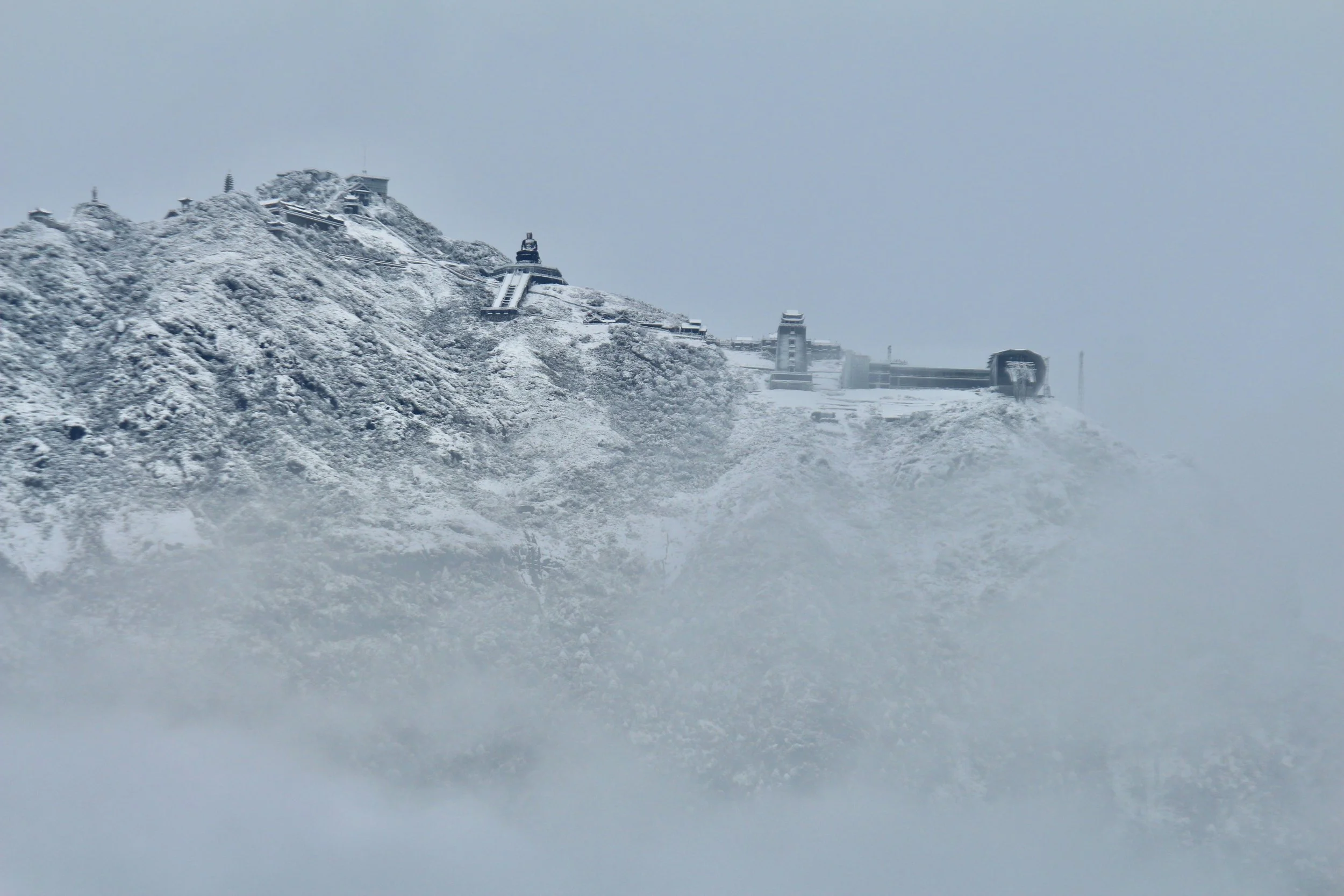
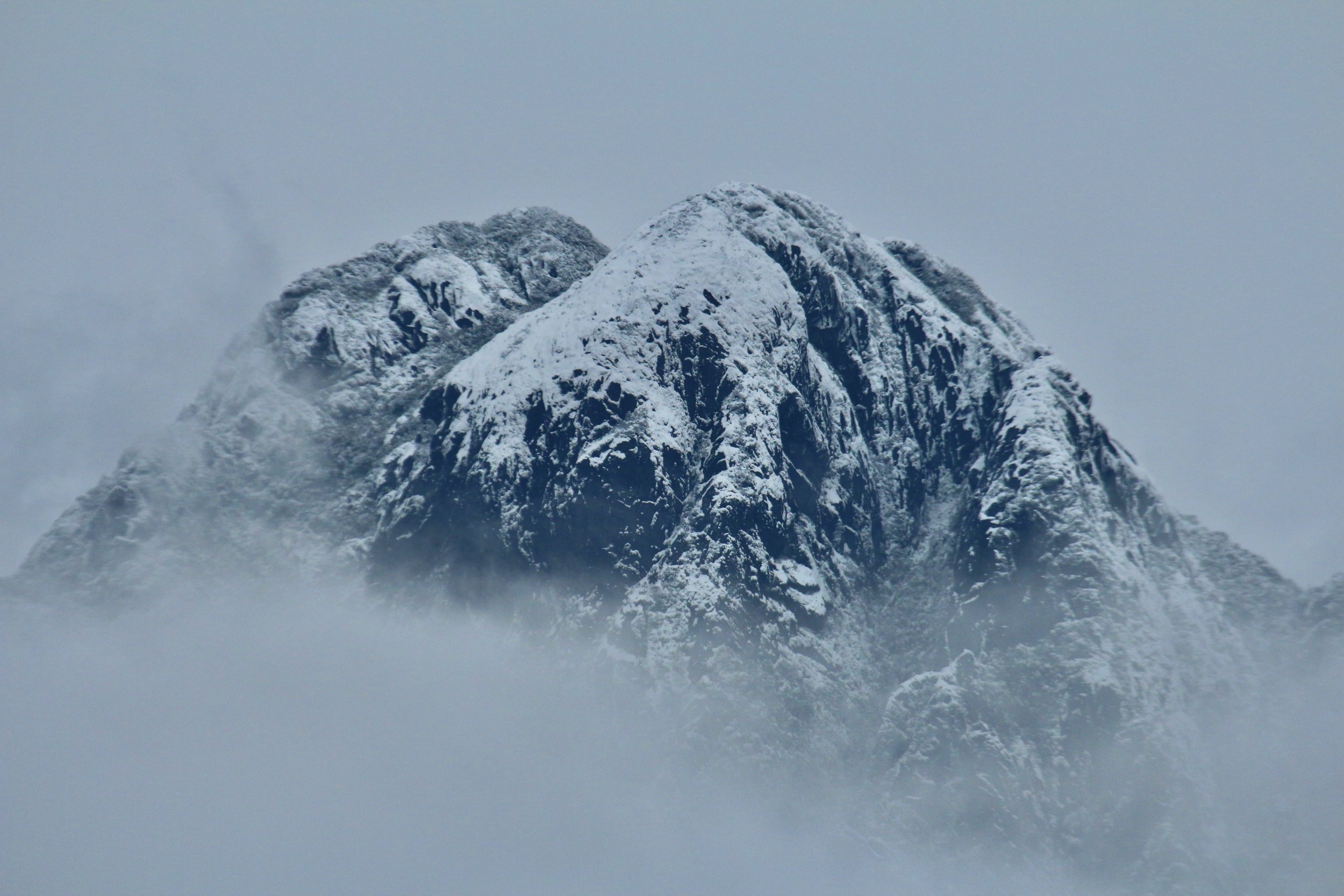
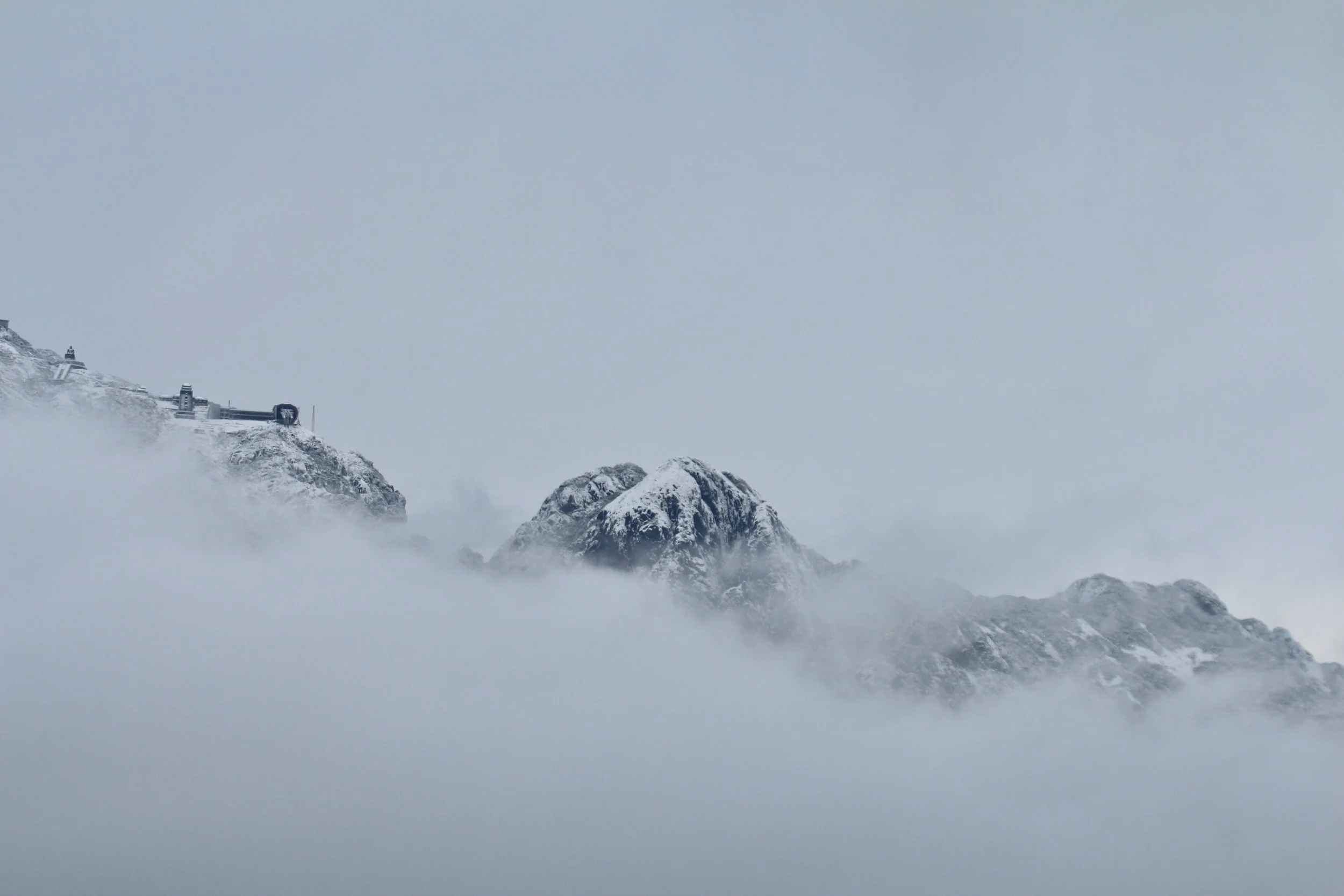
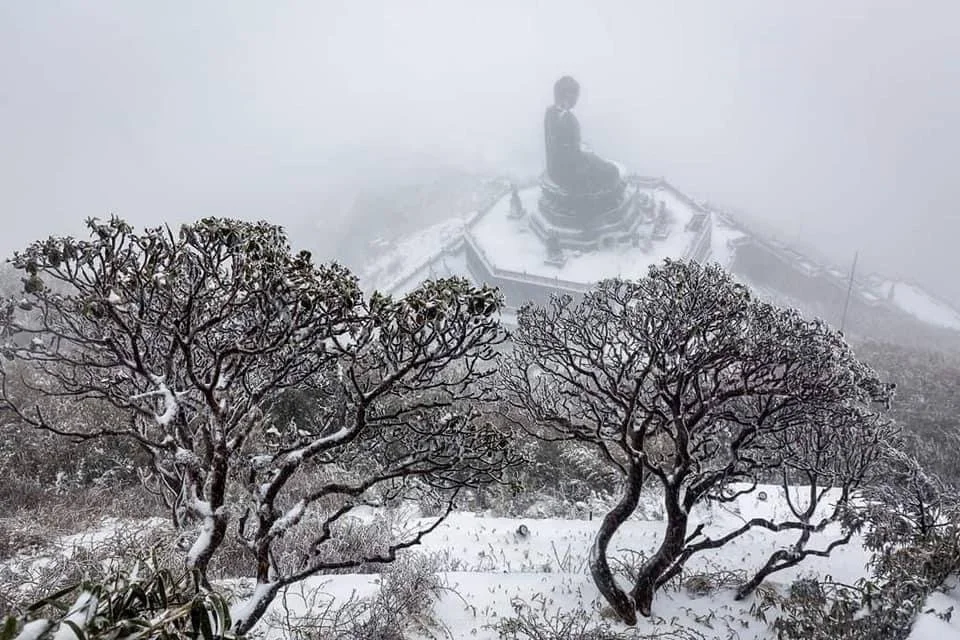
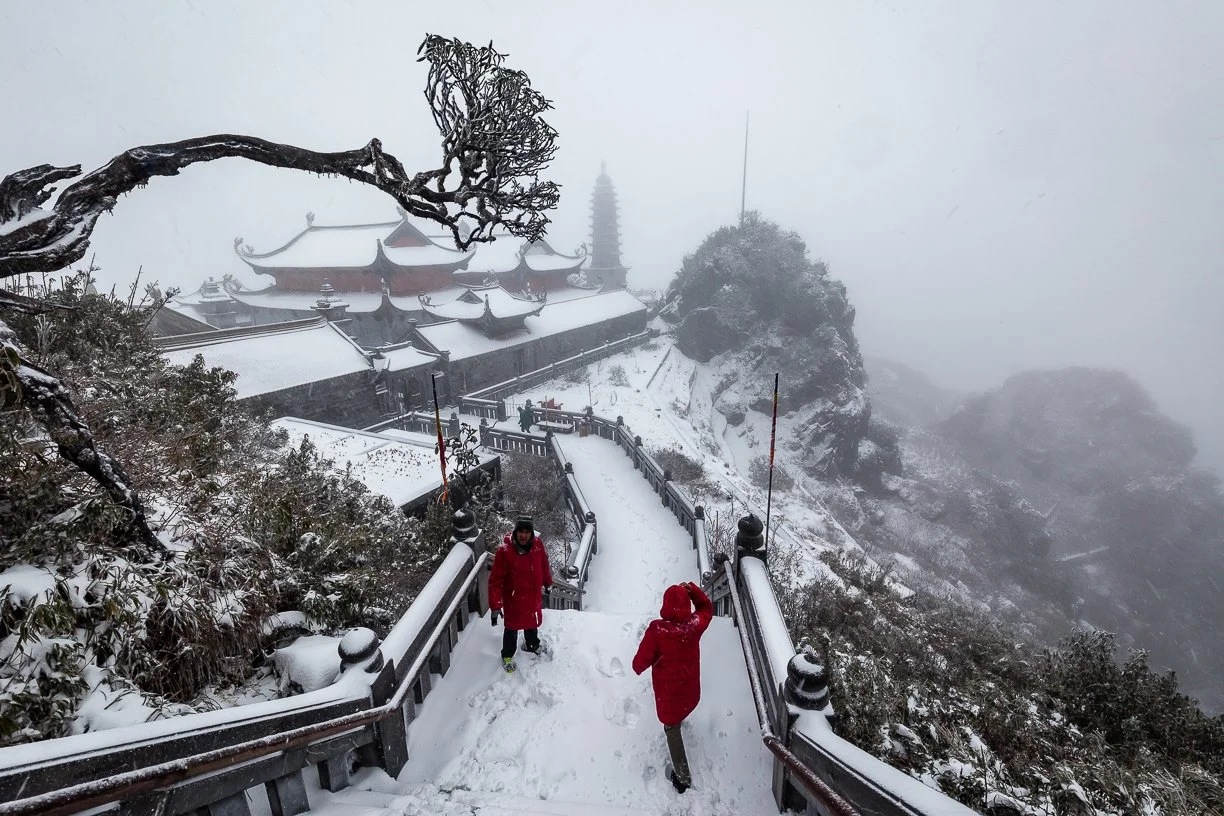
These icy scenes have their own beauty, but they are usually frost or rime. Frost forms when moisture freezes onto cold surfaces. It can create a sparkling, sculptural landscape that feels almost otherworldly, especially on Fansipan where temperatures regularly dip below freezing. These frost events occur several times every winter above about 2,800 metres and they are a natural part of life on the mountain.
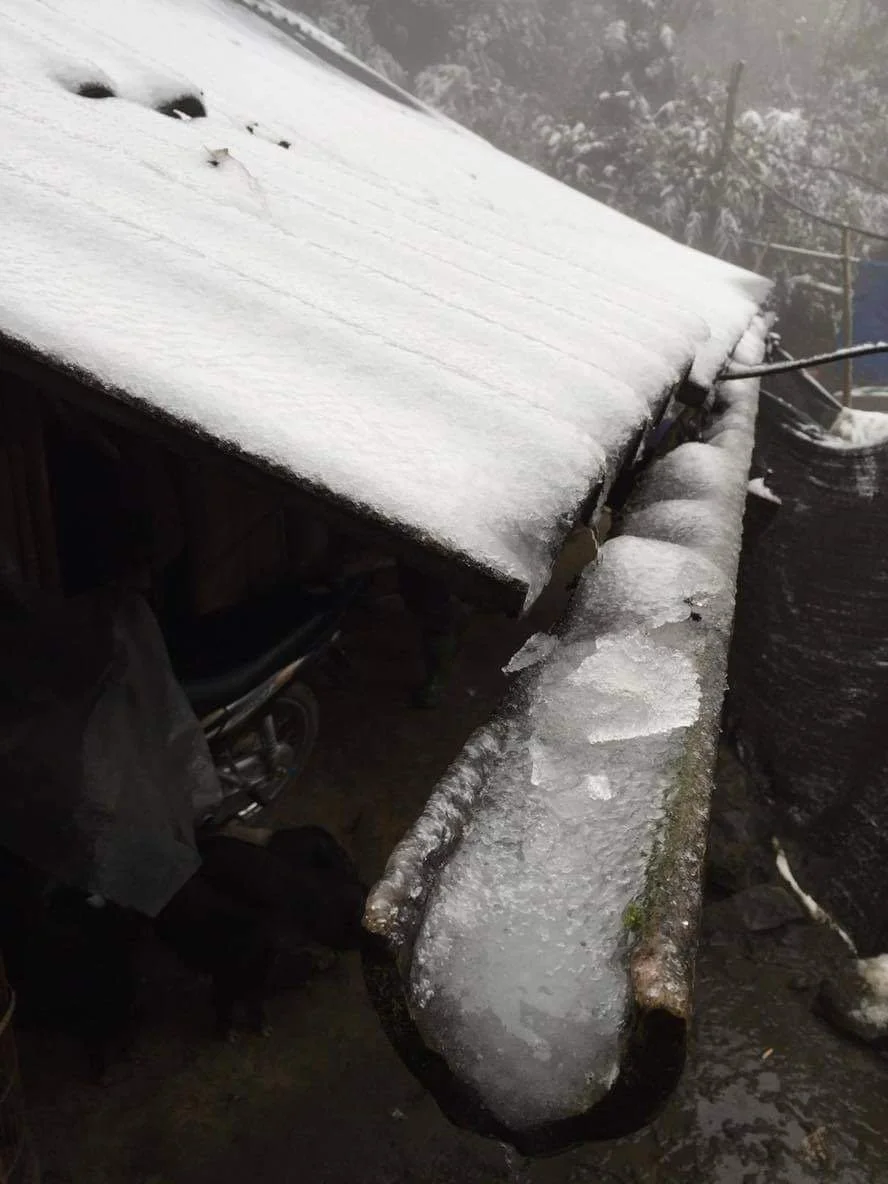
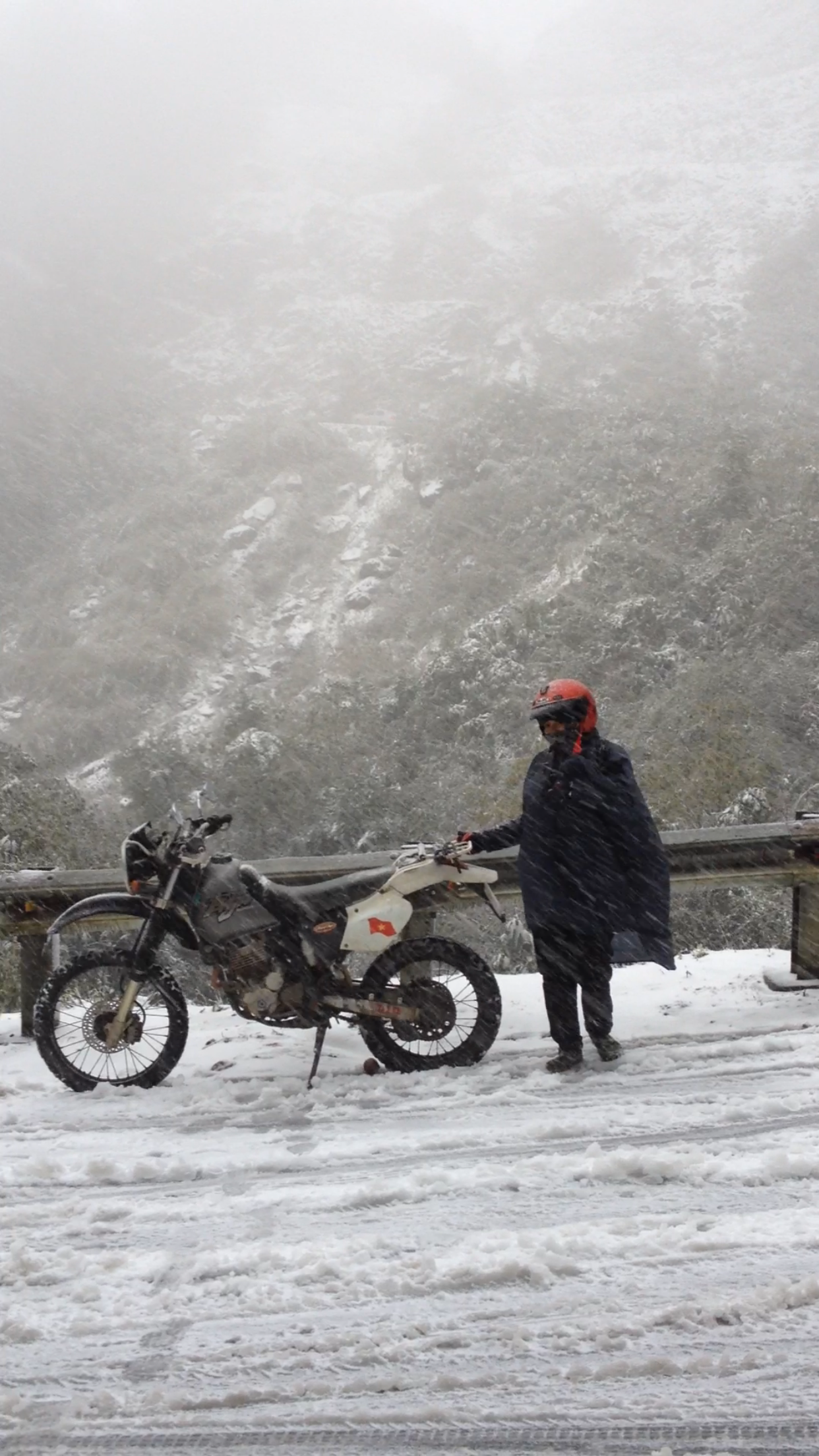
Snow is different. Snowflakes form in the cloud itself. They fall, gathering on rooftops, footpaths and terraces. Snow transforms the world with softness rather than sharpness. It also happens infrequently in Sapa town, which is why many frost events are mistakenly promoted as snowfall. At ETHOS we believe that honesty honours both the mountains and the people who call them home. When snow truly arrives, it deserves to be understood in the context of how rare and precious it is.
Genuine snow in Sapa town. Four real events since 1990
Once we strip away frost events, sleet, cold mist and the noise of tourism marketing, the list becomes far more modest. Only four snowfalls have been verified in Sapa town since 1990. These are supported by the Vietnam National Centre for Hydro-Meteorological Forecasting, by climate logs and by the memories of families who live and farm here.
What follows is a clear record of those events, along with detail on how long the snow fell and how long it lasted.
1. March 16, 2011. A brief and gentle snowfall at around 1,600 metres
This was a short, late-season event that surprised many residents. Snow fell for about an hour in the late morning and lightly dusted the roofs and shaded corners of Sapa town. With the sun still strong in mid March, the snow melted entirely before the afternoon had passed. Although delicate and short lived, this was a genuine snowfall, confirmed by official observers.
2. December 15, 2013. A moderate and memorable night of snow
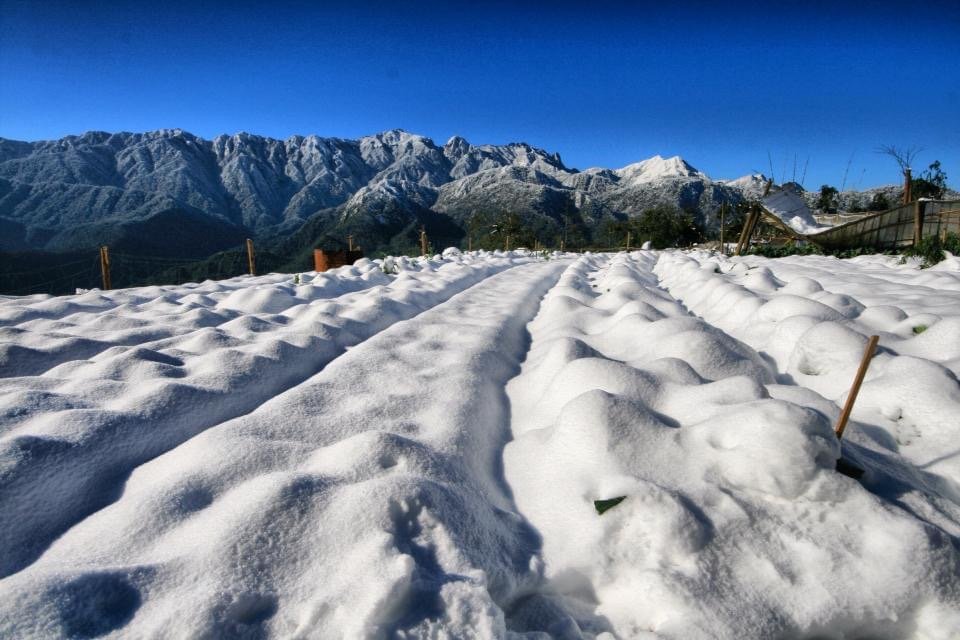
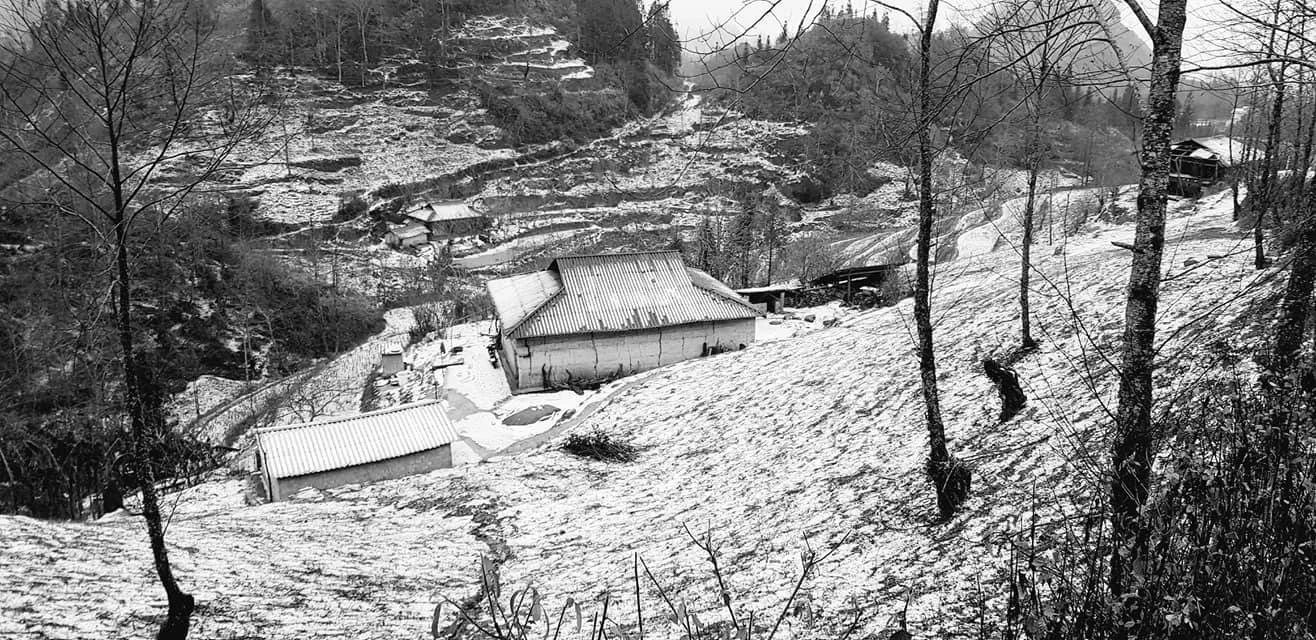
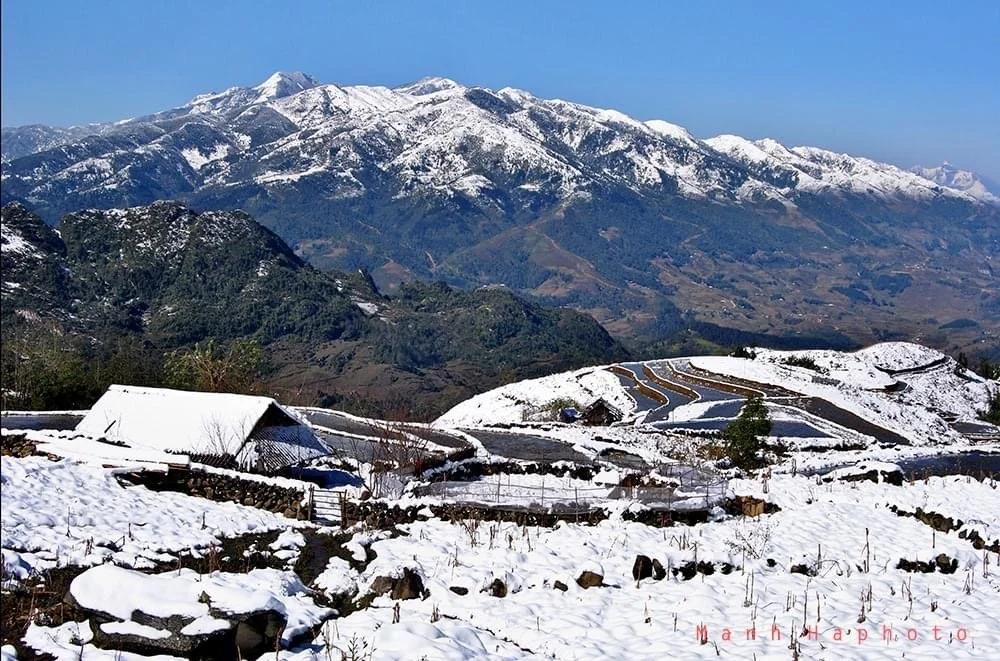
On this cold winter night, snow formed in the early hours and continued until sunrise. Between three and five centimetres settled across the town centre, while the road towards Thac Bac at around 1,900 metres received seven to ten centimetres. Children woke to a world softened by white. Most of the snow faded away by early afternoon, although hollows and forest edges held onto their pale covering for a little longer. This was the longest lasting town snowfall since 1990.
3. February 19, 2014. A short lived but authentic winter moment
This was another verified snowfall, although very light. Between half a centimetre and one centimetre gathered on cars and rooftops before melting almost immediately. The snow fell for less than forty minutes. It is sometimes confused with the frost and residual ice that appeared on nearby passes that same week, but the snowfall in town was real, if fleeting.
4. January 24 to 25, 2016. The largest modern snowfall in Sapa town
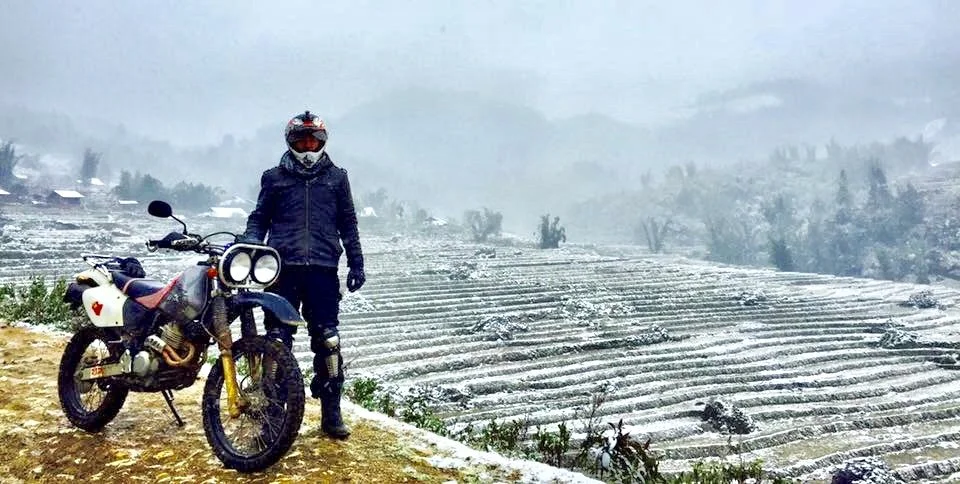
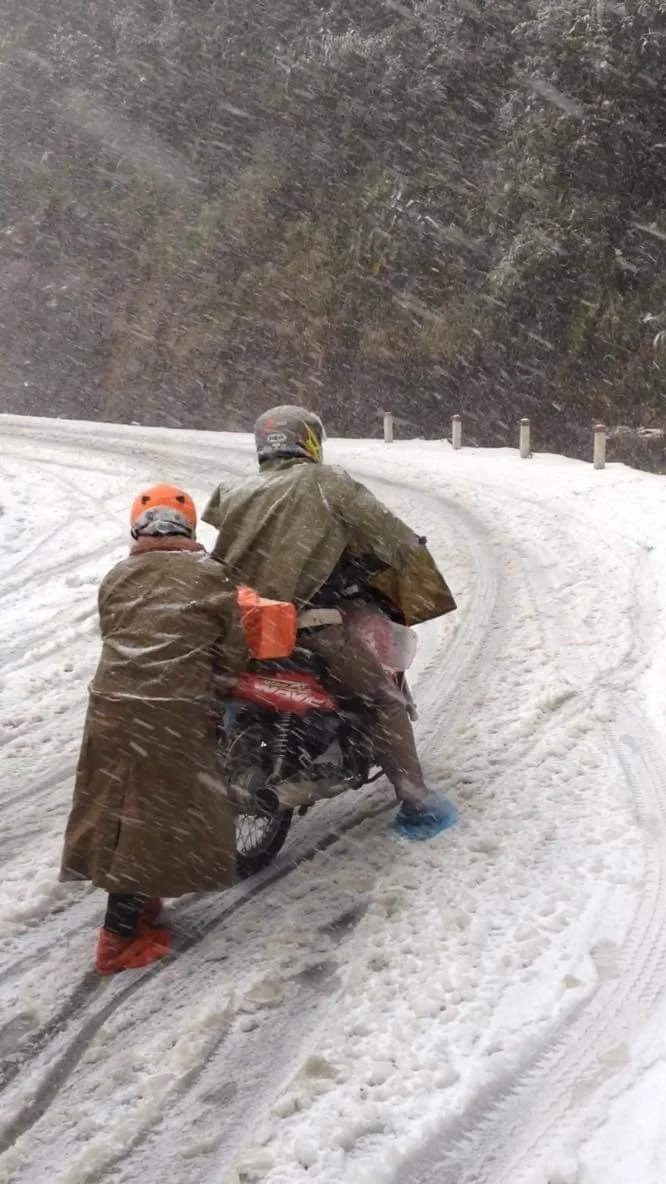
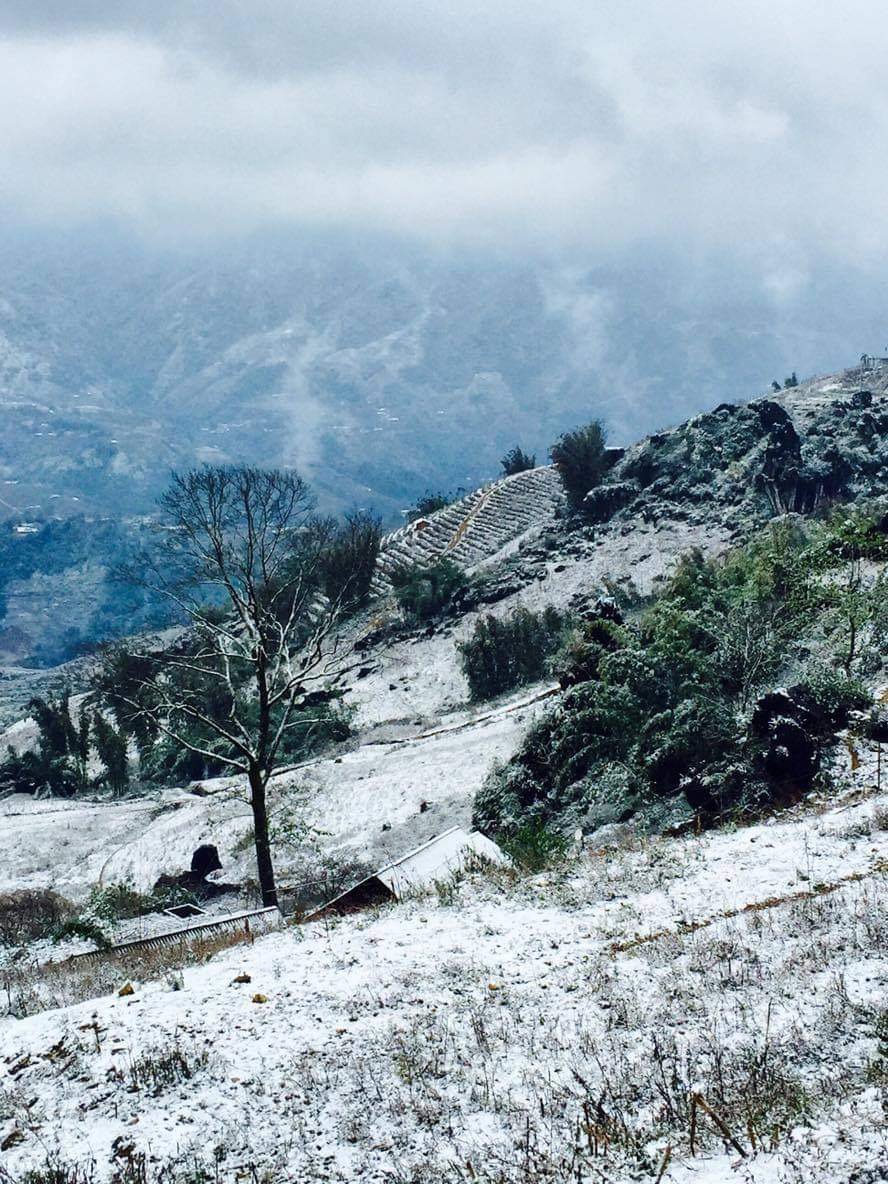
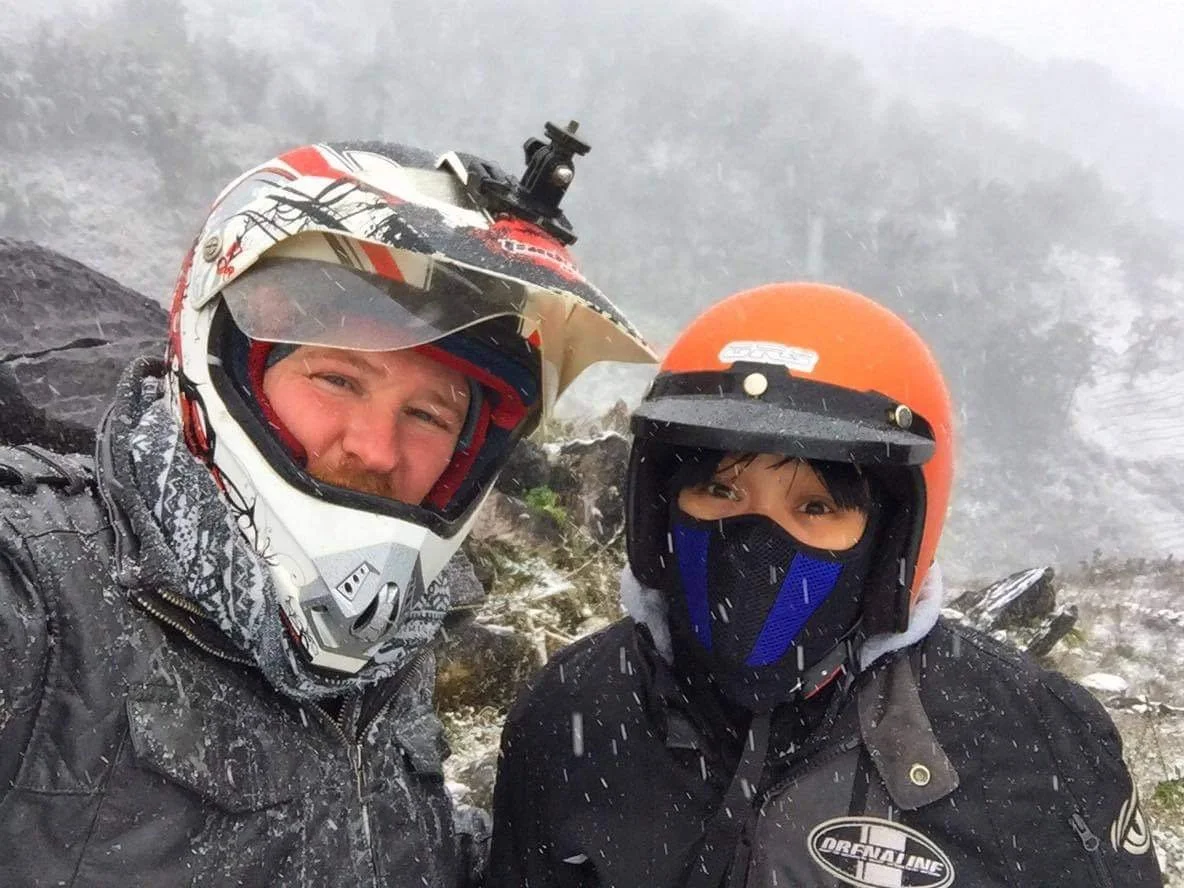
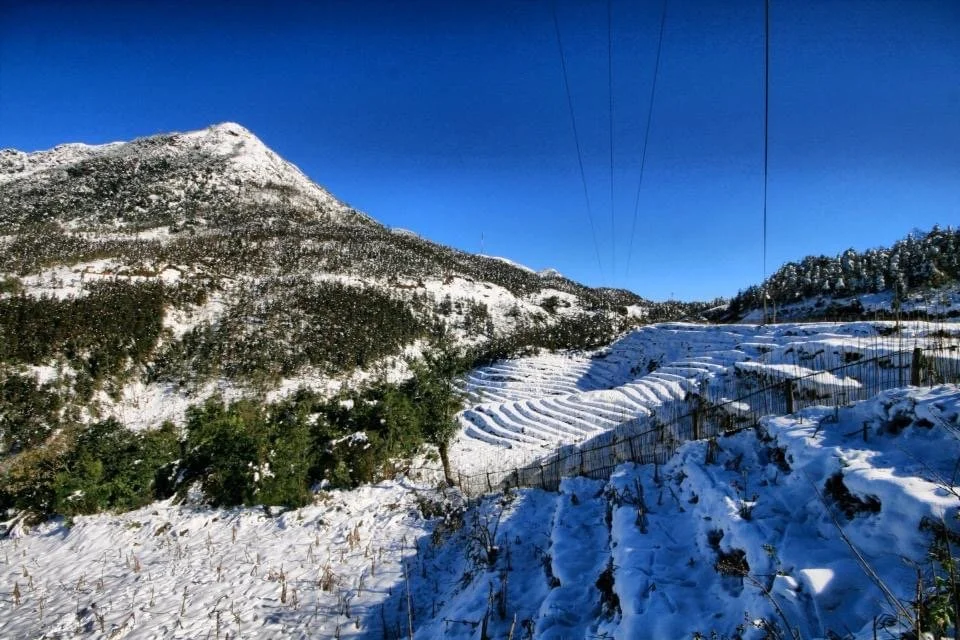
This was a remarkable winter event driven by a strong cold surge from the north. Snow fell for many hours through the night and into the morning. In the town centre eight to twelve centimetres settled. Higher regions above 1,900 metres saw more than twenty centimetres. Sapa town kept its winter coat for around thirty six to forty eight hours. North facing areas held snow until the morning of 27 January. This is one of the very few moments in living memory when Sapa experienced genuine snow cover that lasted more than a single day.
These are the only four events in over three decades that meet all the conditions of genuine snow. Tested against community knowledge, confirmed by meteorologists and visible in photographs that show clear snowfall and accumulation within Sapa town itself, they form a quiet and honest history.
Fansipan. A mountain that keeps its own winter story
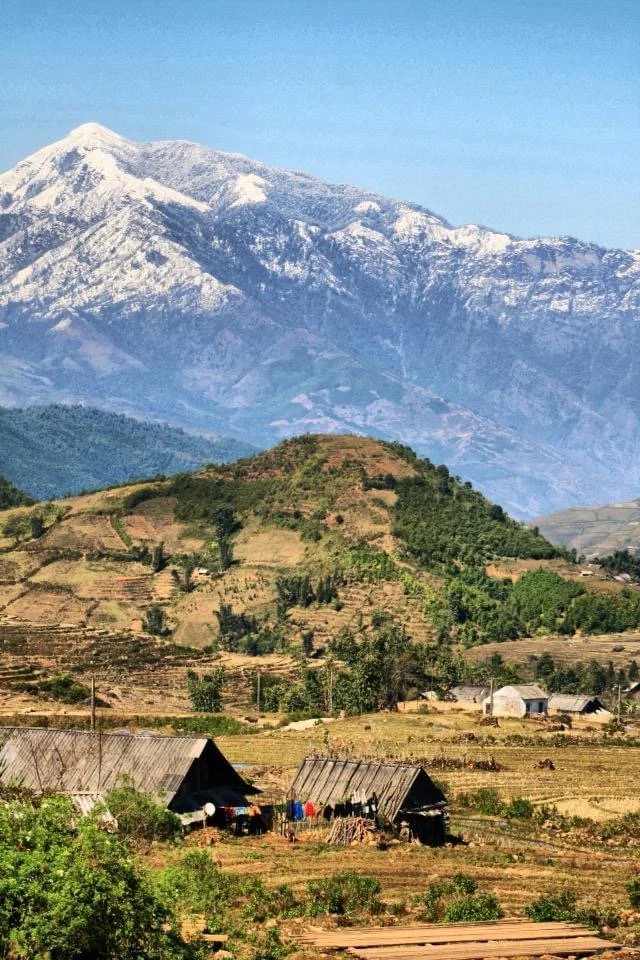
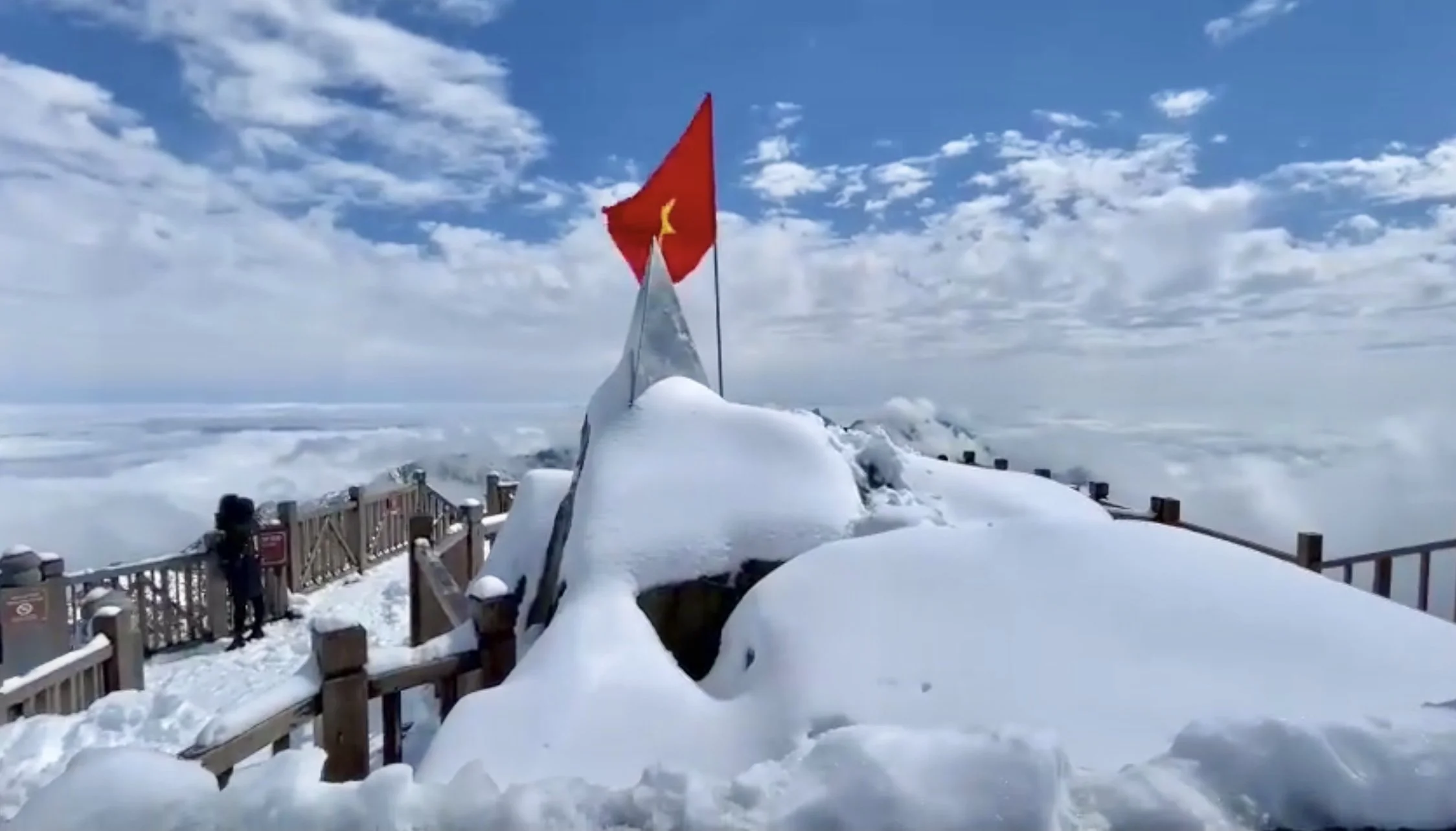
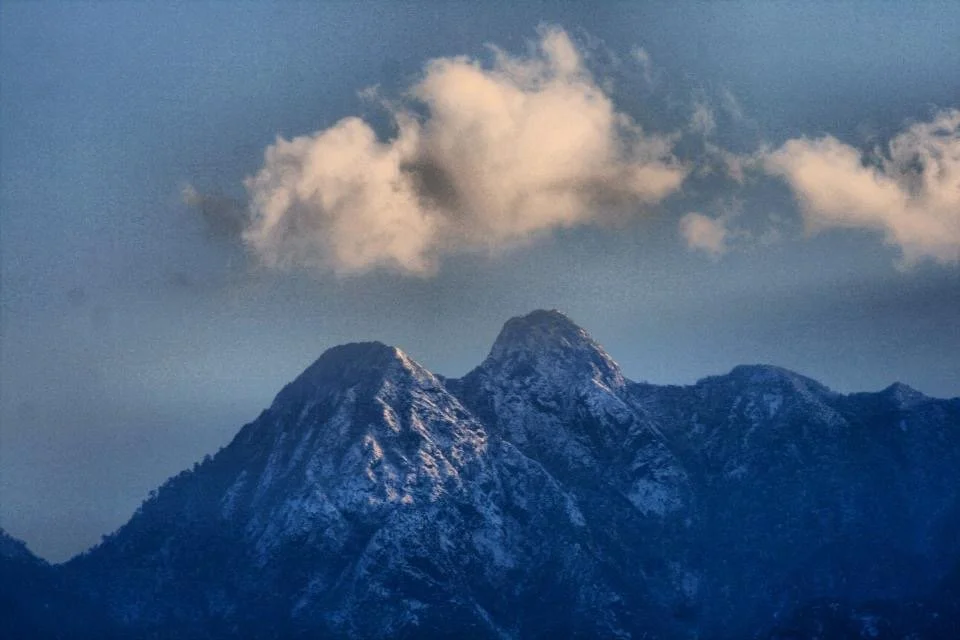
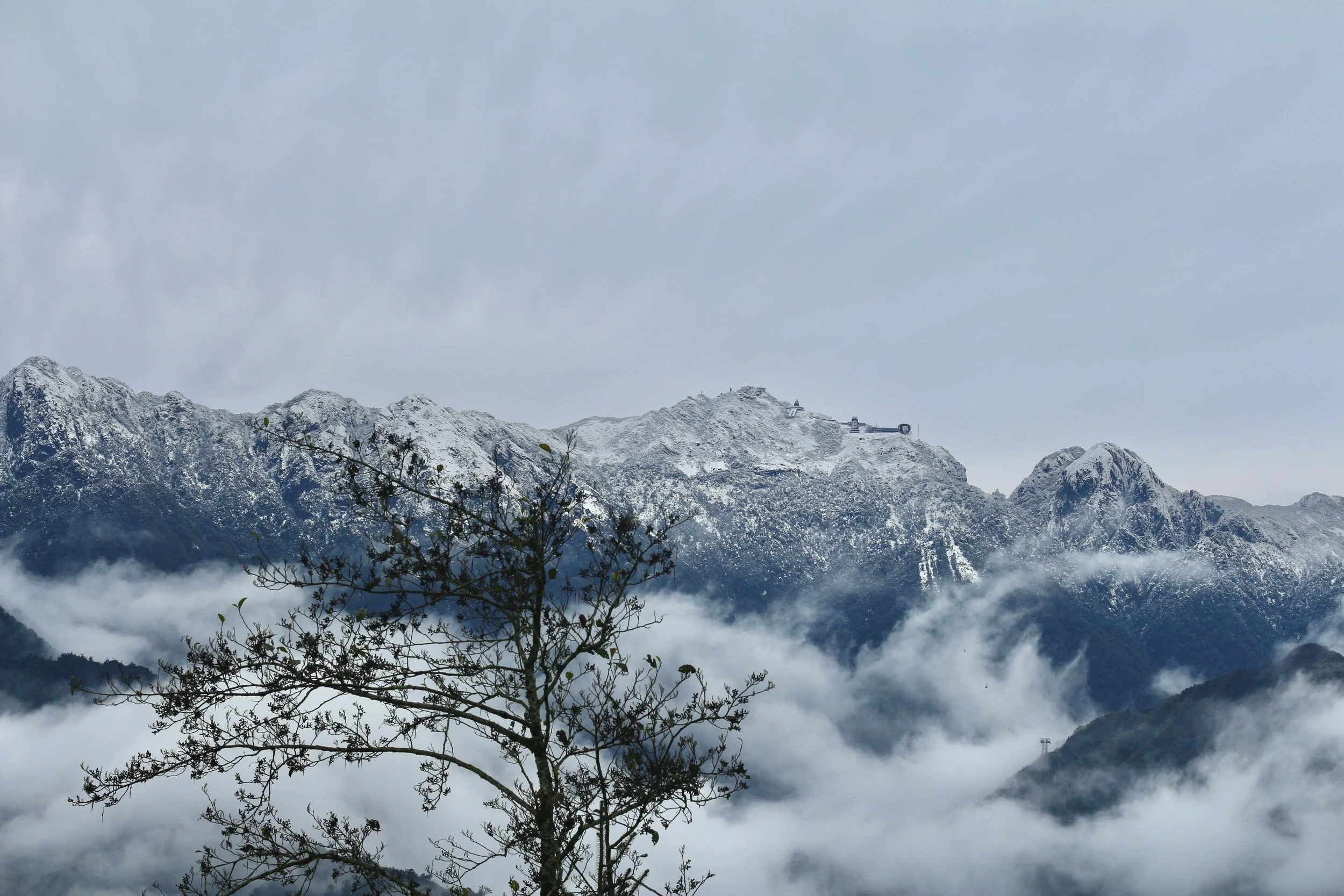
The story changes dramatically as you climb. Fansipan rises to 3,143 metres, which places its summit in a climate zone entirely different from that of Sapa town. Here, temperatures fall below freezing much more often. Clouds wrap themselves around the ridge lines with icy intensity. Proper snow, not just frost, falls several times a decade.
When we remove frost events and retain only verified snowfall, the historical pattern becomes clearer.
Confirmed Fansipan snowfall years since 1990
Meteorological logs, summit staff reports and independent observations show genuine snowfall in the following years.
2013 to 2014 winter
Fansipan experienced several snowfalls between December and February. Accumulation typically ranged from five to fifteen centimetres and the snow often lingered for one to three days.
January 2016
This was the same cold surge that brought heavy snow to Sapa town. Fansipan recorded more than twenty to thirty centimetres of snow at the summit. Because daytime temperatures remained below freezing, the snow lasted several days.
December 2017
A genuine and heavy snowfall of around ten centimetres settled on the summit and remained for one to two days.
December 2020 to February 2021
This period brought multiple snowfalls. One early February event reached around sixty centimetres, thought to be one of the deepest recorded layers on Fansipan. Snow remained in shaded areas for two to four days.
December 2022 to January 2023
Two separate cold surges created light to moderate snowfall at the summit, with layers lasting between twelve and forty eight hours.
January 2025
A clear snowfall was recorded at the summit with a light to moderate layer lasting less than twenty four hours.
Although snow on Fansipan is not a daily winter occurrence, it is markedly more frequent than in Sapa town. The upper mountain sits in a cooler band where genuine snowfall happens often enough to form part of the mountain’s seasonal rhythm.
How long does snow really last
Even in strong winters, snow in Sapa town is a brief visitor. Most events melt within a few hours. Only the 2016 snowfall created a lasting layer that held for around two days. Fansipan is more resilient. Here, snow can remain for one to three days in most genuine events and longer in the heavier winters of 2016 and 2021. Frost, by contrast, can linger for many days, but frost is not snow and has a different feel entirely.
Why Sapa becomes so special when real snow falls
Snow and the Rhythm of Mountain Life
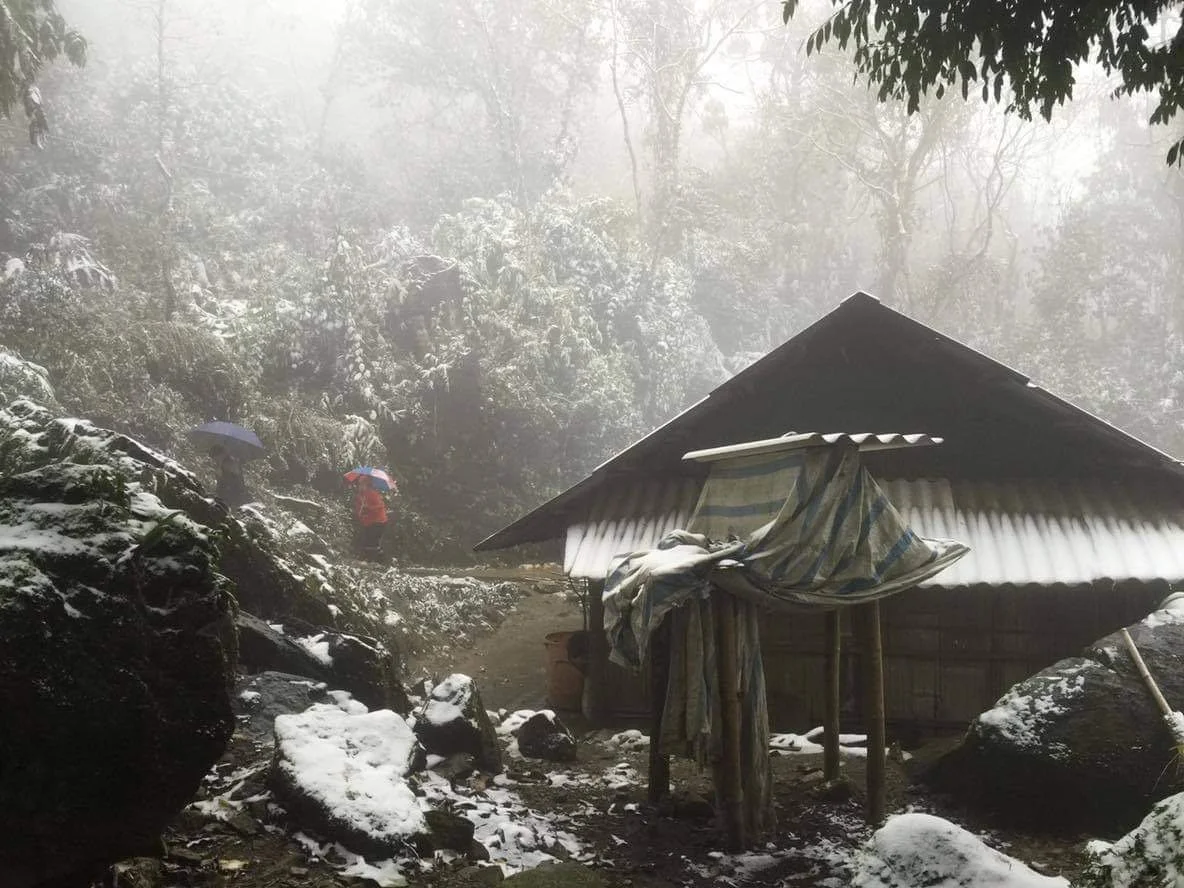
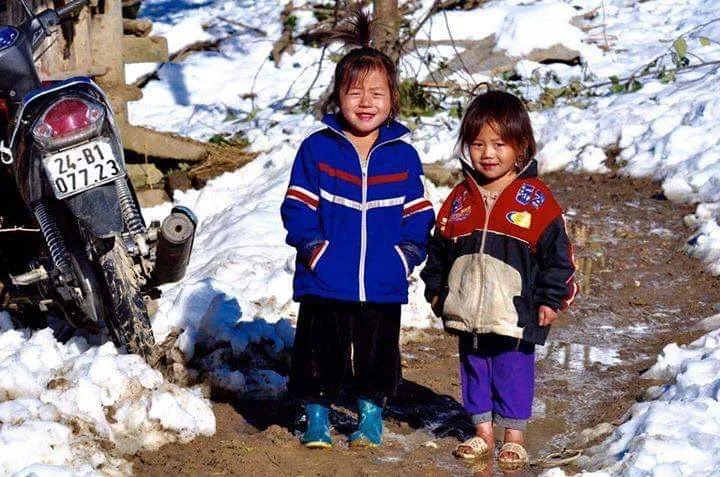
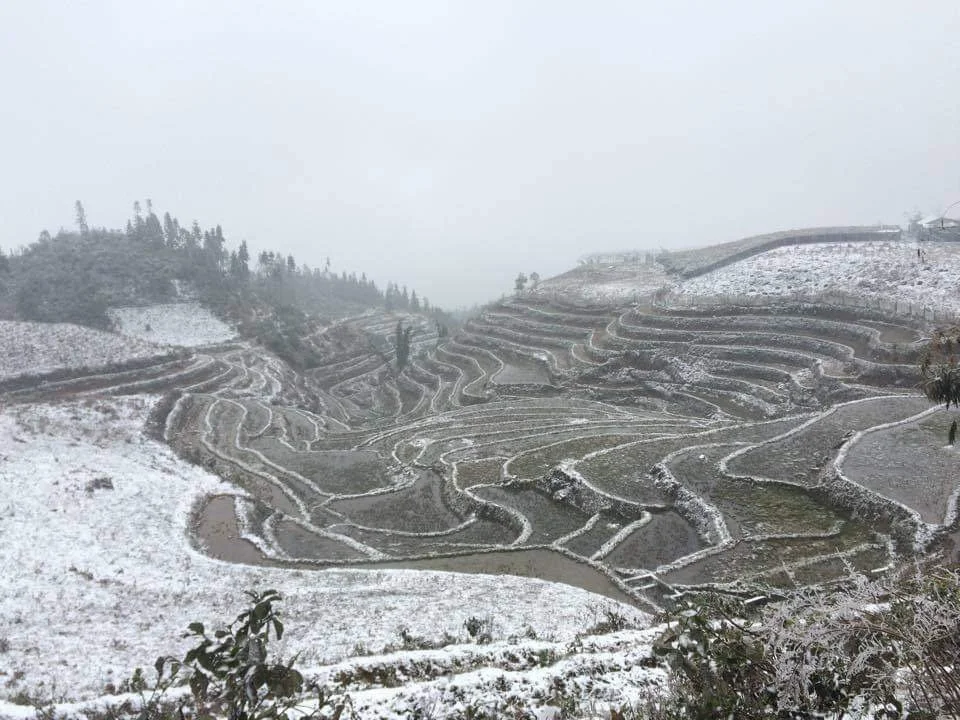
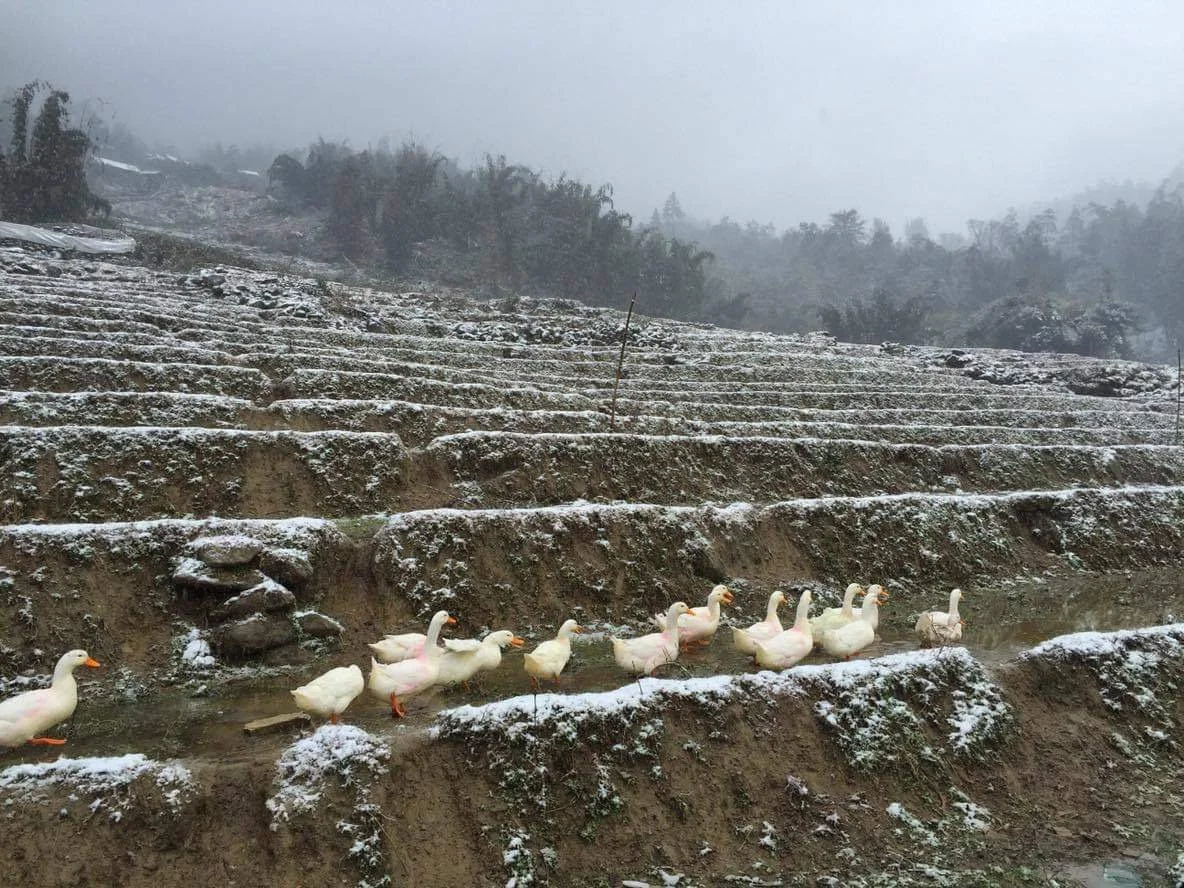
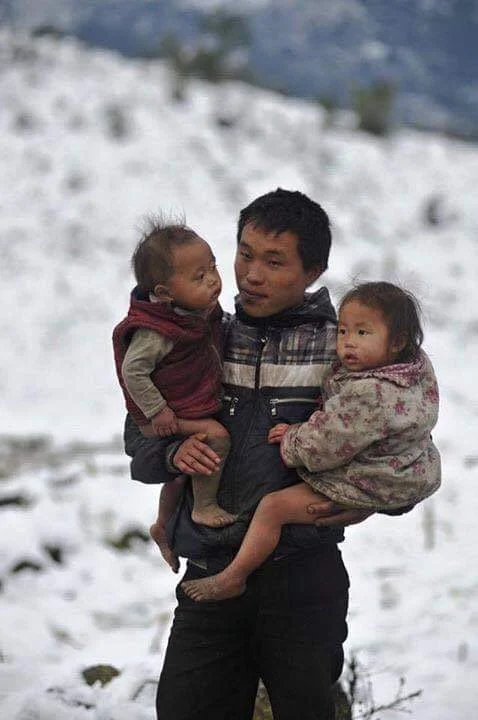
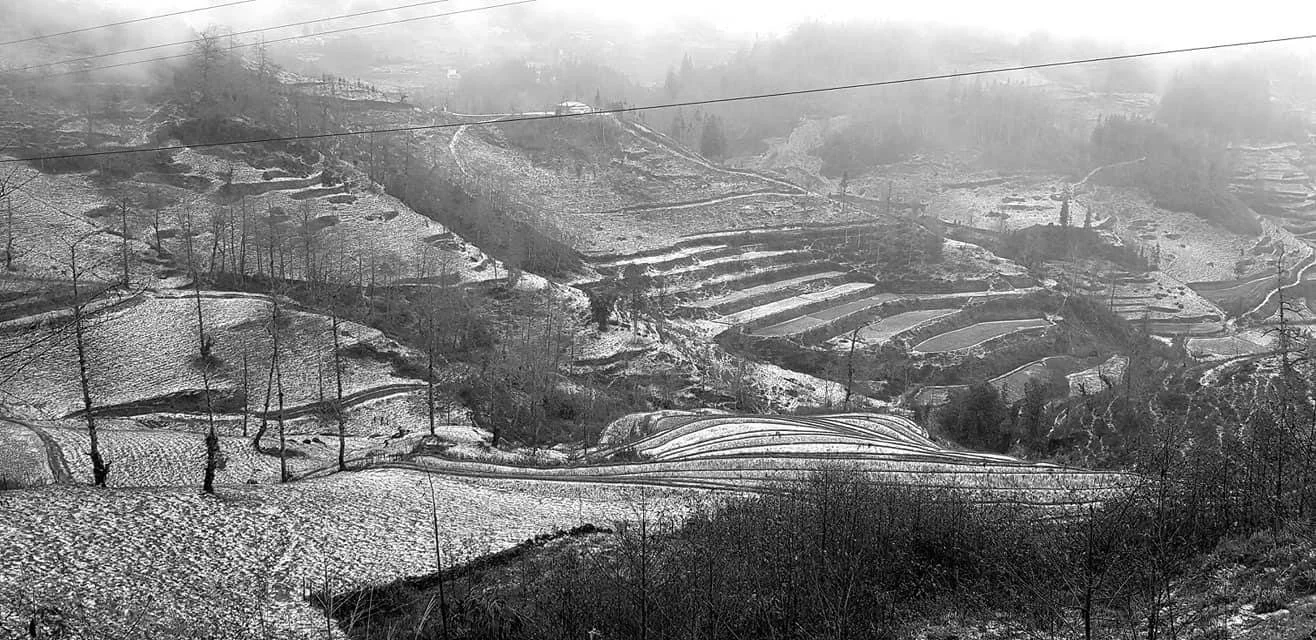
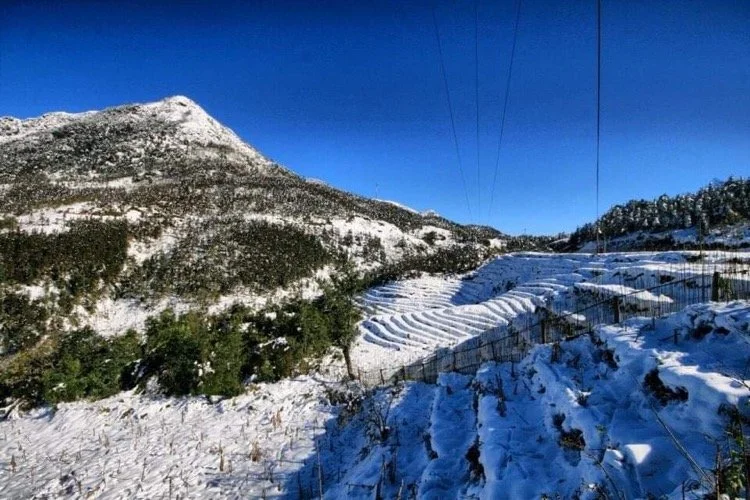
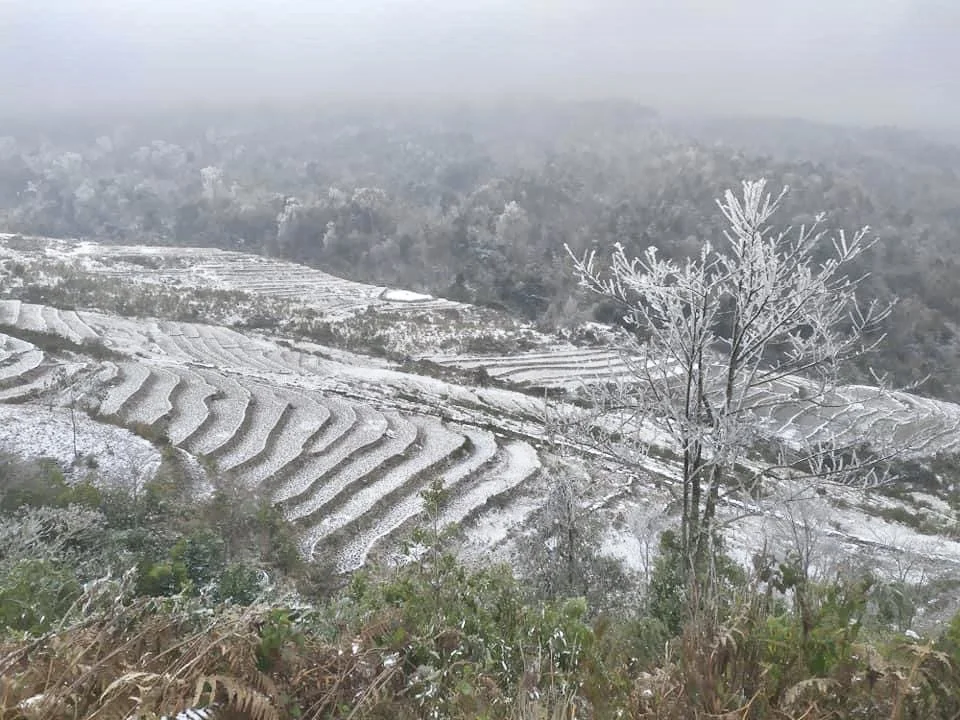
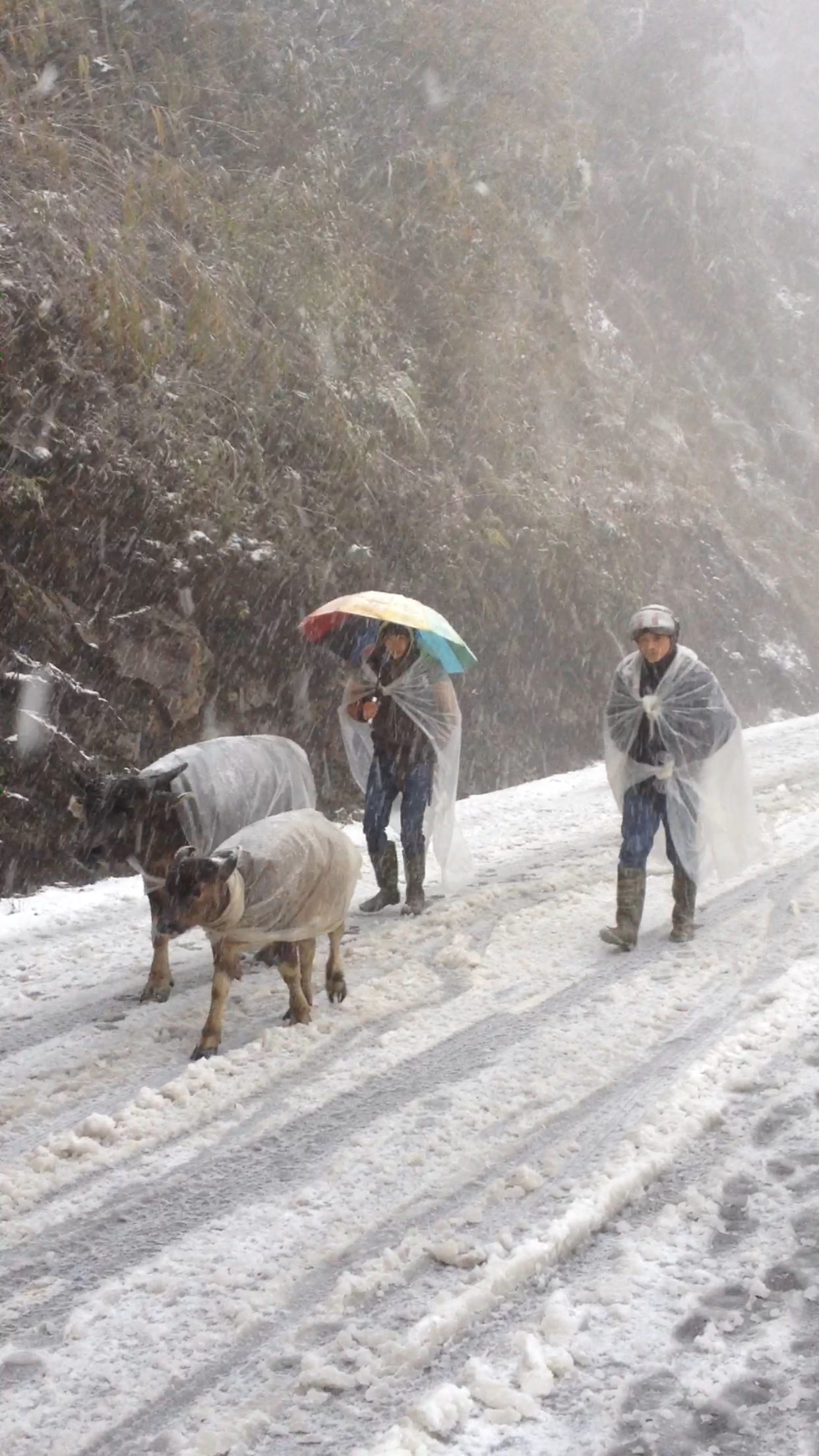
When snow does arrive in Sapa, the mountains take on a rare and delicate quiet. Terraces that for most of the year glow green or gold are softened with a pale blanket. The scent of woodsmoke drifts further in the cold air. Hmong and Dao families step outside to watch the sky, sometimes amused, sometimes reflective. Children gather snow into cupped hands and carry it indoors for a moment of delight. Daily tasks continue, yet with a lightness that comes from witnessing something so unexpected.
A More Reflective Way of Travelling
Snow softens the familiar and invites us to look again at the world we think we know. It encourages slower travel. Fireside meals become comforting rituals. Walks through the valleys feel more contemplative. A simple cup of warm herbal tea becomes a moment to savour. These are the things we hold close at ETHOS, because they reflect the lived wisdom of our community partners.
When is snow most likely to fall
Snow is always rare in Sapa town and should never be the sole reason to plan a journey. Travellers who arrive with that expectation risk disappointment because snowfall cannot be predicted reliably more than a day or two in advance. Still, some months hold more potential than others.
The Best Months for Snowfall
Snow in Sapa and on Fansipan is most likely between mid December and early February. These months mark the heart of the northeast monsoon, when cold air masses travel southwards and occasionally collide with moist air over the Hoang Lien range. If snow falls in the town at all, it almost always happens within this window. On Fansipan the same period brings the best chance of genuine snowfall, although frost appears regularly from November through February.
Travelling with the Right Expectations
The right approach is to travel for the culture, the landscapes and the generosity of the communities who welcome you. If the mountains choose to offer snow, consider it a gift rather than a guarantee.
Honest weather, honest storytelling
At ETHOS we believe that clarity helps deepen respect for the land and its people. Snow in Sapa is rare, beautiful and short lived. Frost and rime are part of the highland character and deserve their own appreciation without being mistaken for something else. Fansipan holds a wilder winter, but even there the whiteness arrives and fades on the mountain’s own terms.
These mountains do not need embellishment. Their truth is richer than any advertisement. Whether the terraces lie green, gold or white, the winter season in northern Vietnam invites travellers to slow down, look closely and connect with the communities who shape their stories among these hills.
If you walk with us, we will help you experience the mountains in their fullest honesty. Snow may fall, or it may not, but the warmth of a village hearth, the rhythm of a highland path and the spirit of the people who live here will always be waiting.