Insights and Stories from Sapa and the Northern Borderbelt provinces of Vietnam.
The La Chí People of Northern Vietnam: Guardians of Ancient Traditions
Meet the La Chi people of northern Vietnam, a community known for its rich traditions, unique customs and exceptional indigo textiles.
The La Chí People: A Living Heritage of Northern Vietnam
Nestled among the misty mountains of Hà Giang and Lào Cai, the La Chí people are one of Vietnam’s most fascinating ethnic communities. With a population of just over 15,000, they live peaceful, sedentary lives in close-knit villages. Their world revolves around cotton cultivation, community traditions and a deep respect for their ancestors.
Family and Belief: The Heart of La Chí Life
La Chí families follow a patriarchal structure where the father, or later the eldest son, guides all aspects of daily life from production and marriage to relationships within the village.
The La Chí believe each person has twelve souls, two of which rest on the shoulders and are considered the most vital. Ancestor worship plays an important role, honouring forebears for three generations, from the father to the great-grandfather. Religious life is well organised, with rituals and customs carefully maintained.
Homes in the Hills: Life in Stilt Houses
Traditional La Chí houses are built on stilts, often surrounded by fields of indigo and rice. The lower level is home to the family kitchen, while the upper living space is divided into three compartments, around six metres wide and seven metres long. A wooden staircase connects the two floors, symbolising the bridge between earth and sky a fitting metaphor for the La Chí connection to both nature and spirit.
Stories Passed Down by Word of Mouth
Knowledge among the La Chí is shared through generations by storytelling. Elders pass on wisdom through legends and fairy tales that teach children about the mysteries of the natural world and the values of their culture. These oral traditions help preserve their history and identity.
A Unique Custom: Exchanging Children
One of the La Chí’s most distinctive traditions involves child exchange between families. When a family wishes for a boy but has a girl, they may offer the child to another household seeking a daughter. The new parents visit, suggest a name and observe the baby’s reaction. A crying infant is believed to refuse, while a calm one accepts the name and joins the new family. This practice, free of taboo, helps maintain population balance and strengthens community bonds.
Masters of the Terraces and the Land
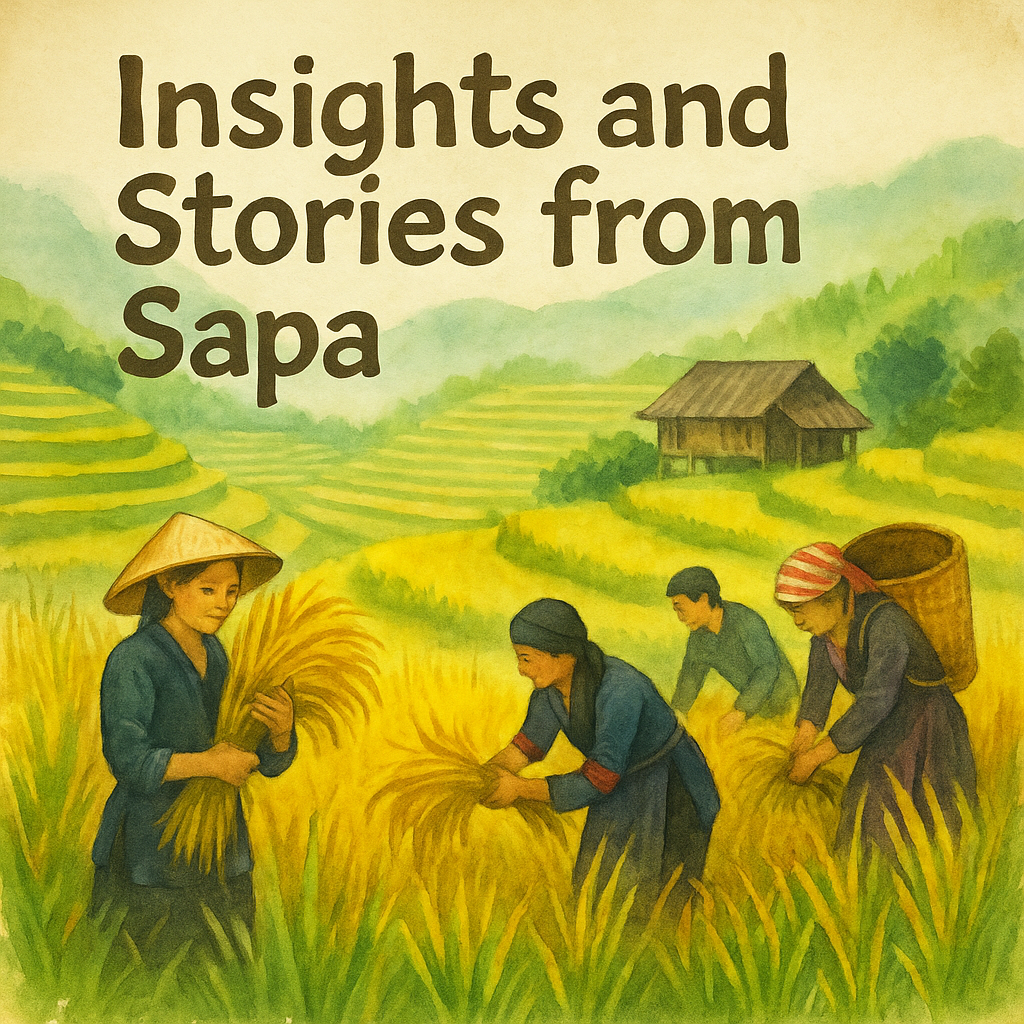
The La Chí are believed to be among the earliest settlers in Hà Giang and Lào Cai. Their ancient tales reference the creation of terraced rice fields; now among Vietnam’s most iconic landscapes. Today, they remain skilled cultivators, tending wet rice fields, growing cotton, indigo and, more recently, cinnamon for trade.
Indigo Elegance: The La Chí Woman’s Dress
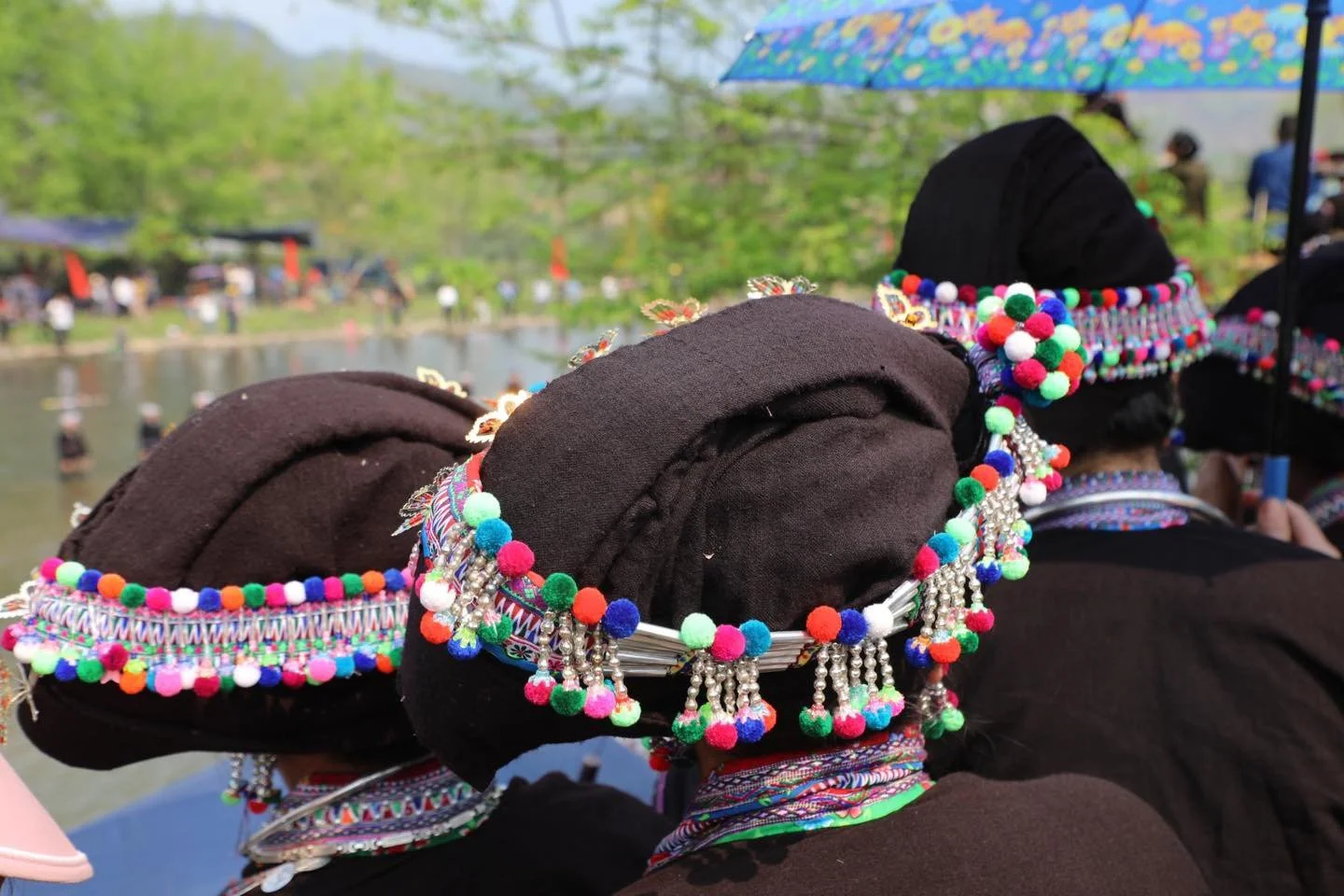
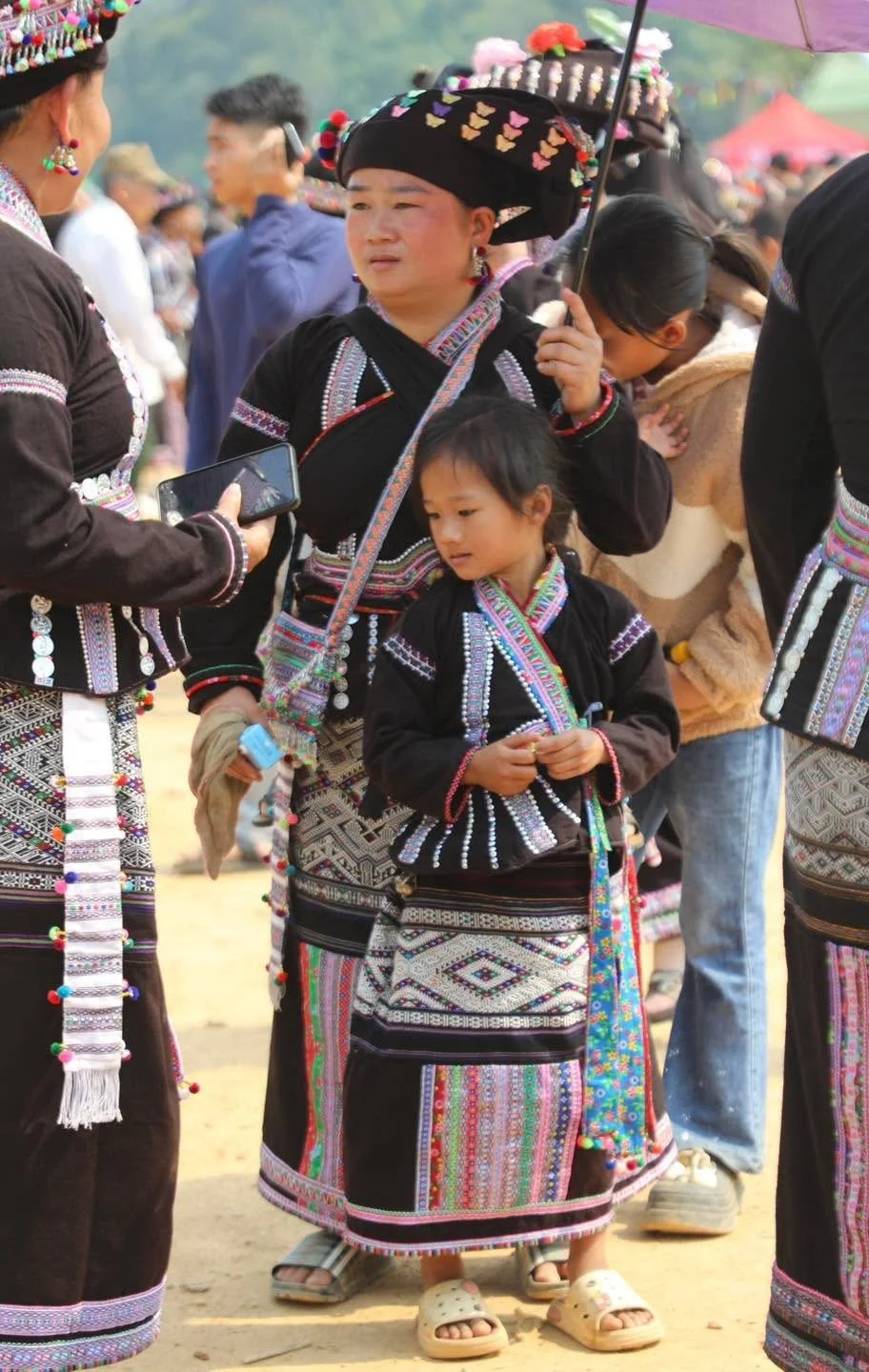
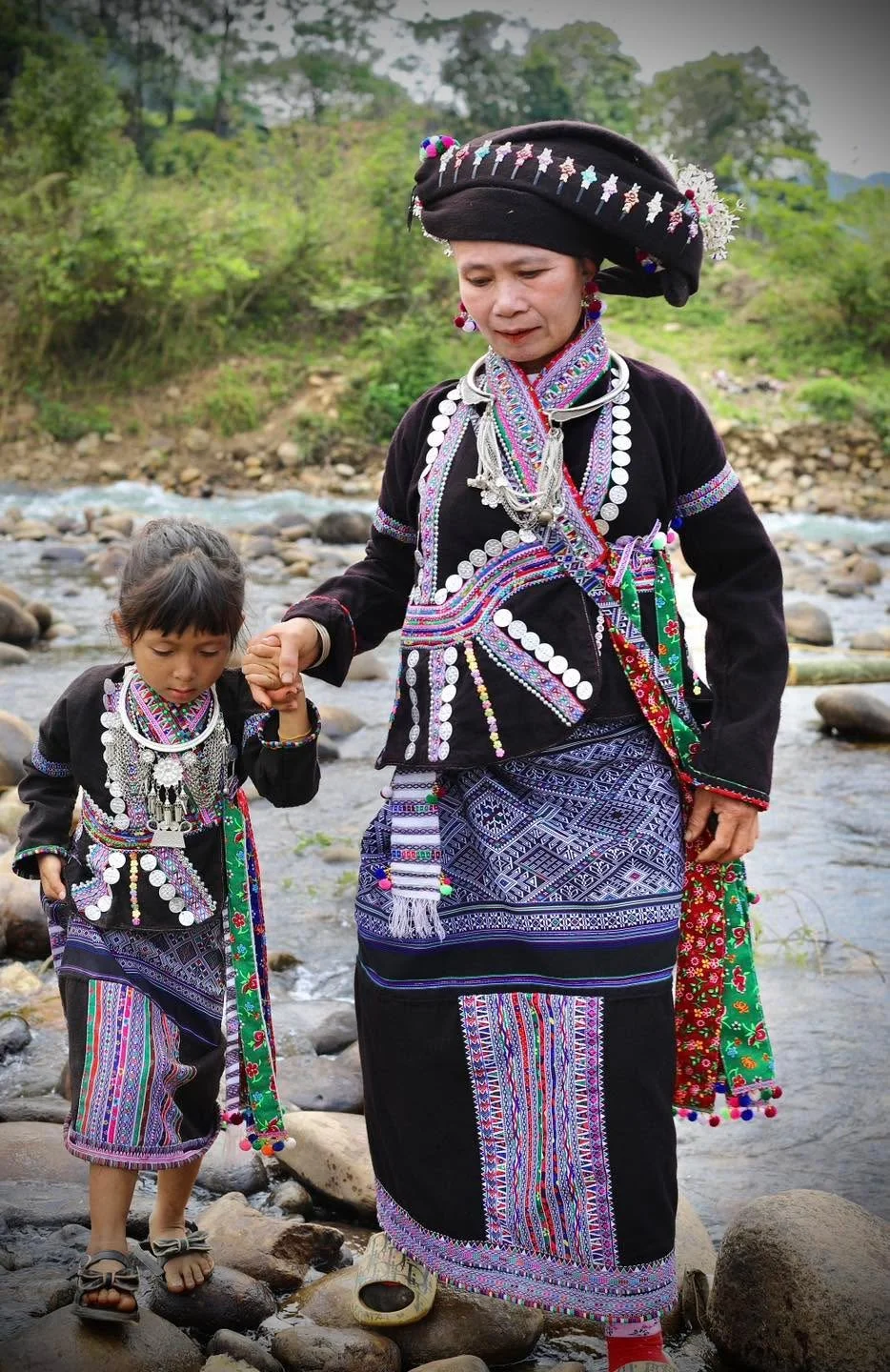
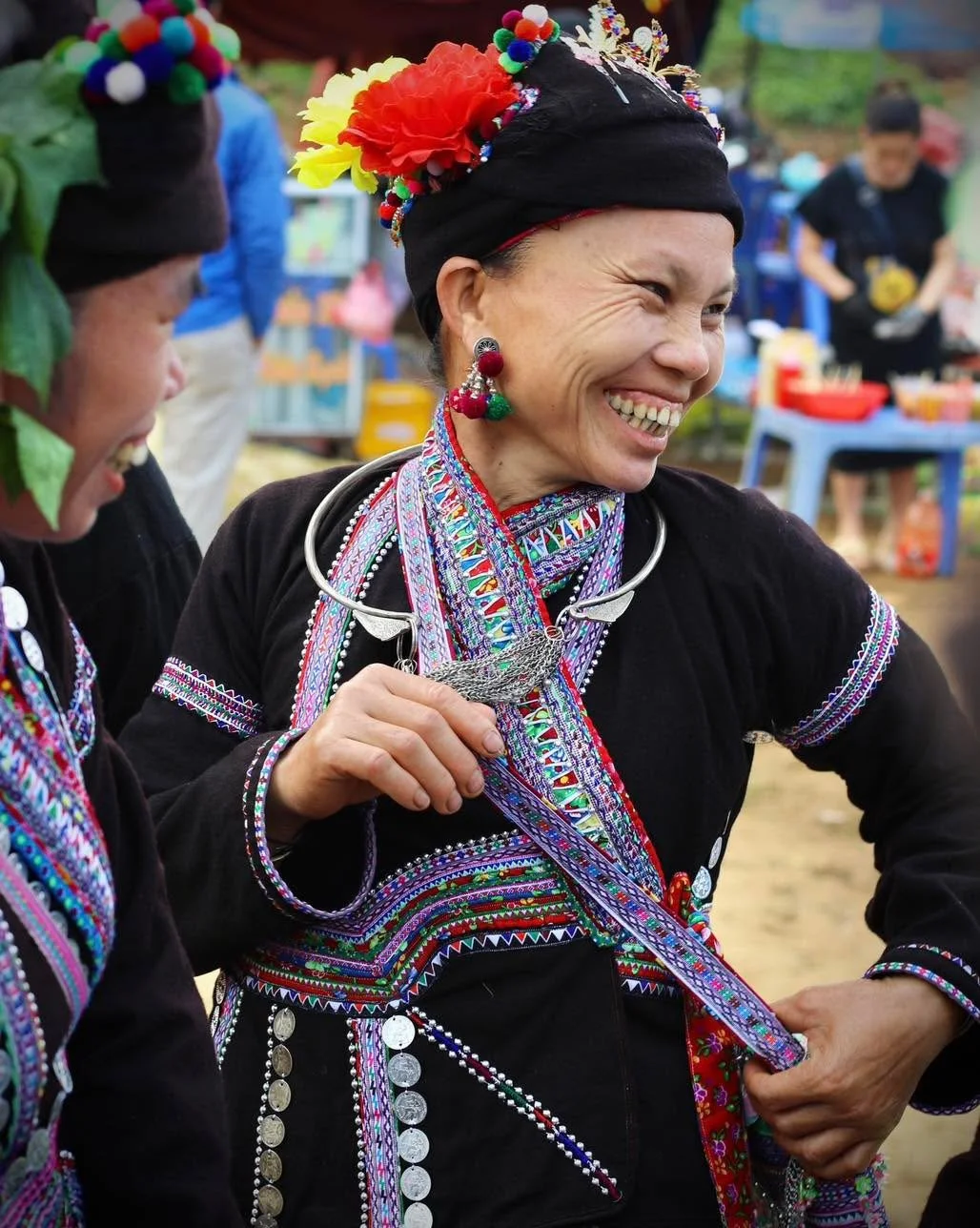
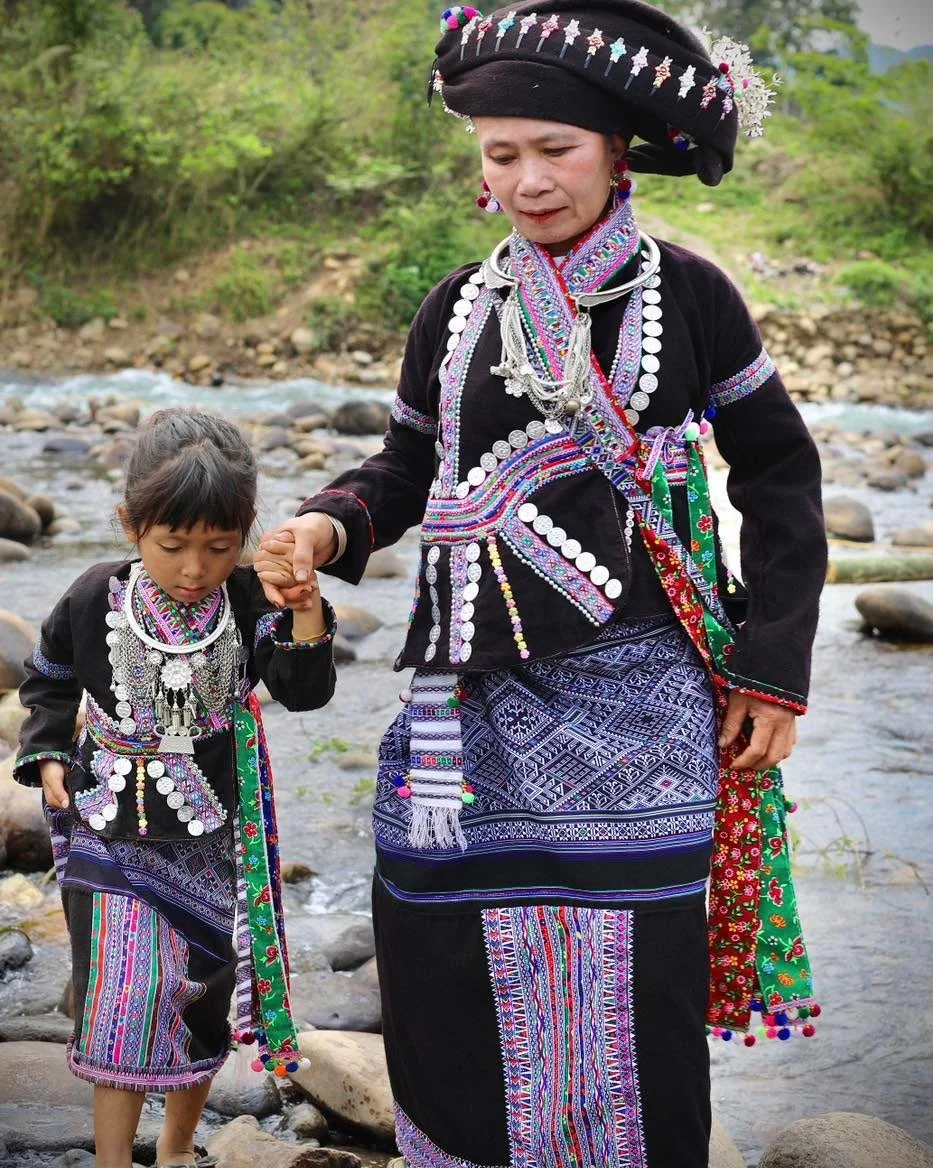
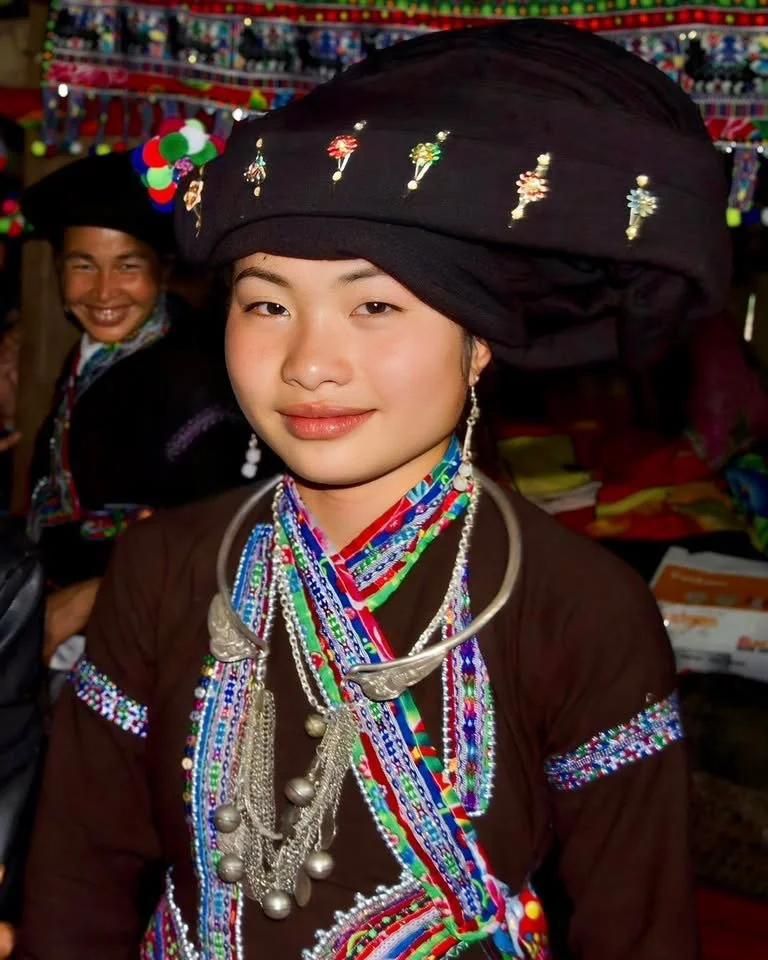
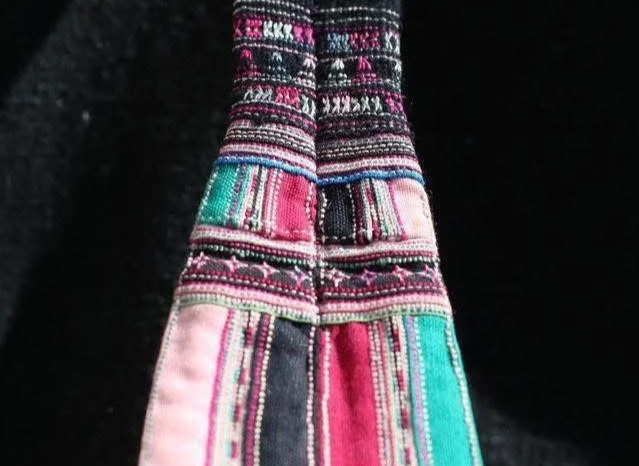
La Chí women wear stunning handwoven indigo-dyed clothing. Their outfit includes a four-panel cotton dress with a front split, an embroidered bodice, a cloth belt and a long headdress. The headdress and lapels are decorated with delicate silk embroidery, all in rich shades of indigo.
Creating one complete outfit can take several months, beginning with planting cotton, spinning and weaving the fabric, dyeing it in natural indigo and finishing it with intricate embroidery. Each piece is a testament to patience, skill and pride in their cultural identity.
Preserving a Living Culture
The La Chí people are more than an ancient community they are living storytellers of Vietnam’s northern highlands. Through their textiles, beliefs and traditions, they remind us that culture is not just inherited, it is nurtured with love and lived every day.




The Gentle Rhythms of Lao Life: A Glimpse into the Northwest Highlands
A quiet journey into the Lao highlands, where life moves to the rhythm of rivers and song. Meet the communities who weave memory, laughter and craftsmanship into every moment.
There is something quietly captivating about the Lao ethnic communities scattered across Vietnam’s northern mountains. Their villages, often cradled by mist and river valleys in Lai Chau or Son La, feel like worlds suspended between seasons; places where time seems to slow, just enough to notice the details; the scent of wet bamboo after rain, the shimmer of embroidered silk in the sunlight, the sound of laughter drifting from stilt houses.
Where Mountains Meet Memory
The Lao people, whose ancestors journeyed from what is now the Lao People’s Democratic Republic, belong to the Tay-Thai linguistic family. Their language carries echoes of Laotian speech, but with gentle variations that root it firmly in these Vietnamese highlands. You hear it most beautifully in song; a soft lilt that rises and falls with the rhythm of work, play, and prayer.
Most Lao families live in wide stilt houses that blend practicality with grace. The ground floor shelters buffalo and tools, while the upper floor is a shared living space filled with warmth and wood smoke. Privacy, such as it exists, is created with woven curtains hung with pom poms that dance when the breeze drifts through. It’s modest, but deeply alive with care and craft.
Threads of Identity
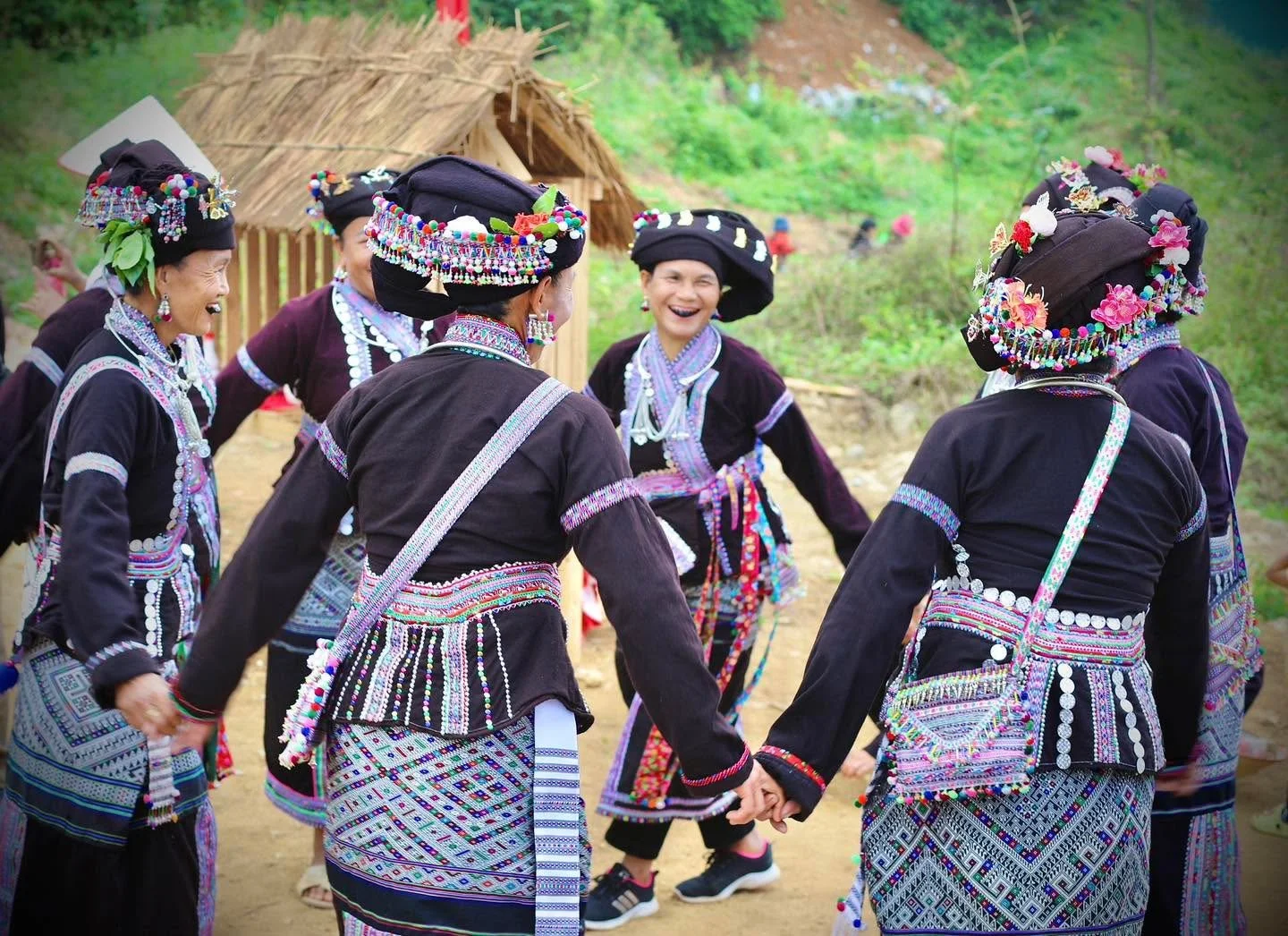
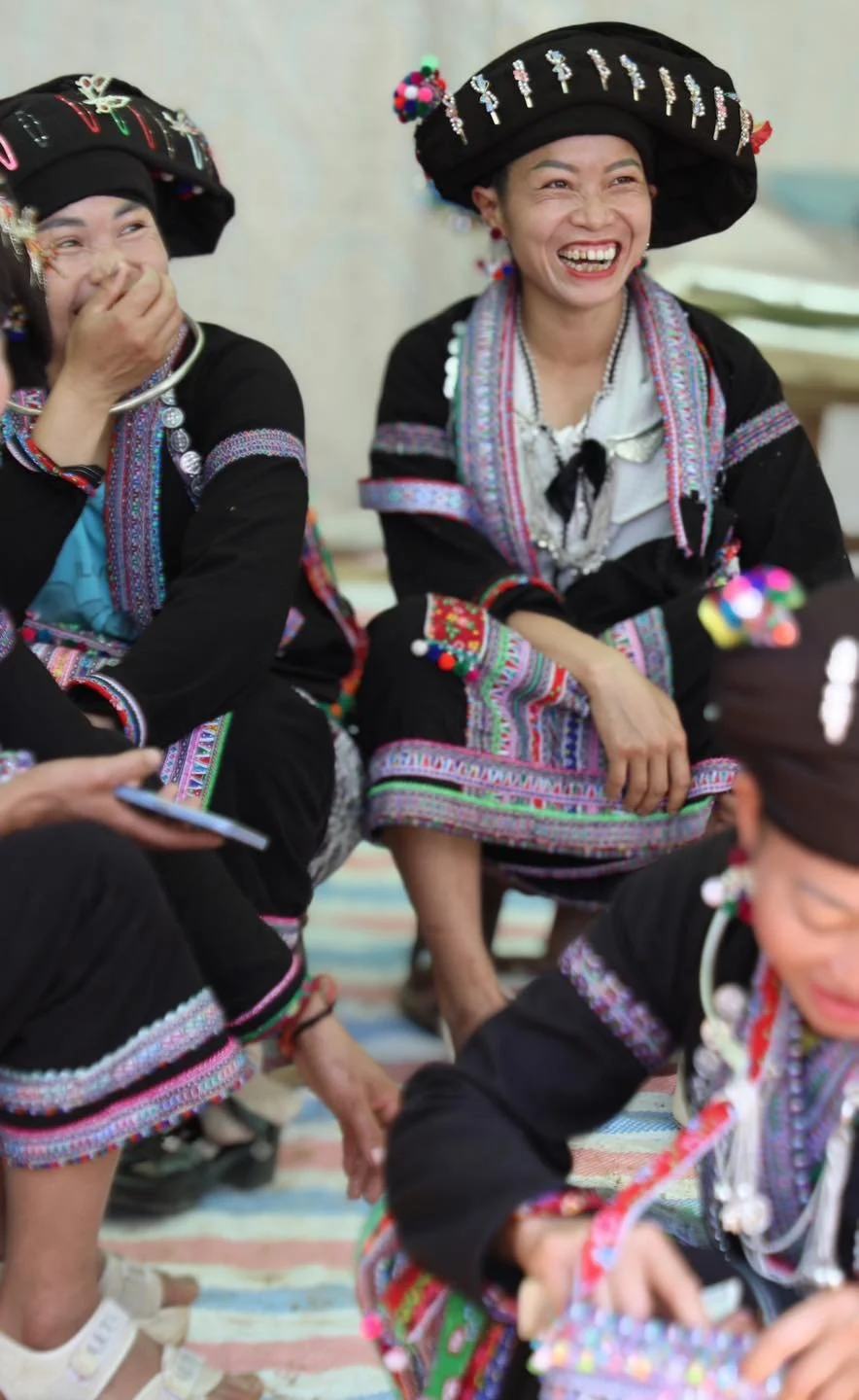
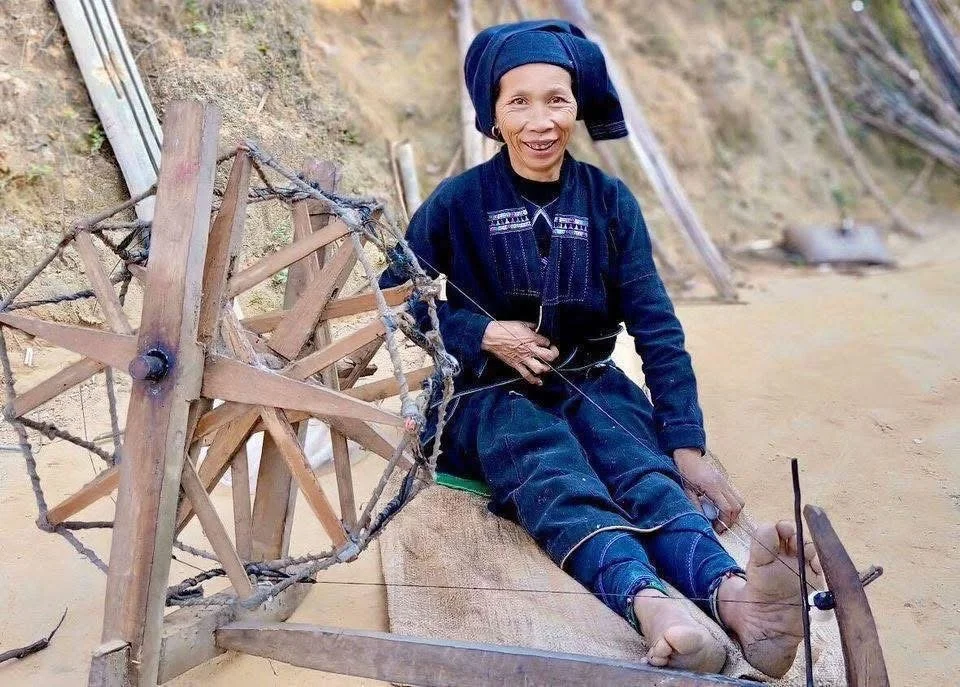
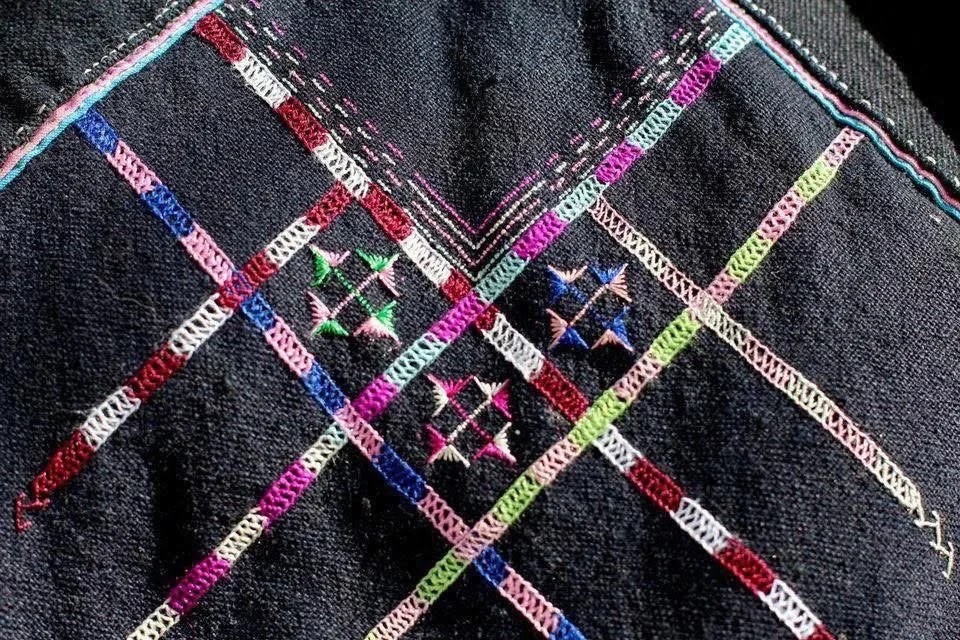
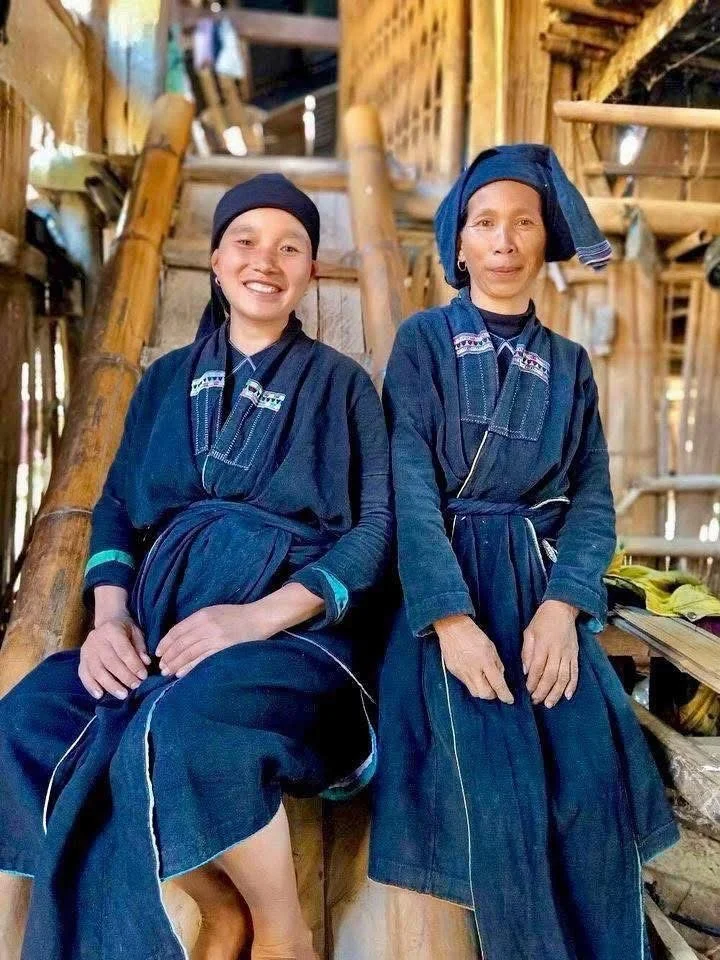
Lao textiles tell stories that words sometimes cannot. Women still weave intricate brocade and embroider bold motifs, even if cotton now replaces hand-spun fibres. Their skirts, long and flowing, are alive with patterns of trees, birds, and leaves. Each one seems to hold a memory; a season, a celebration, a piece of family history.
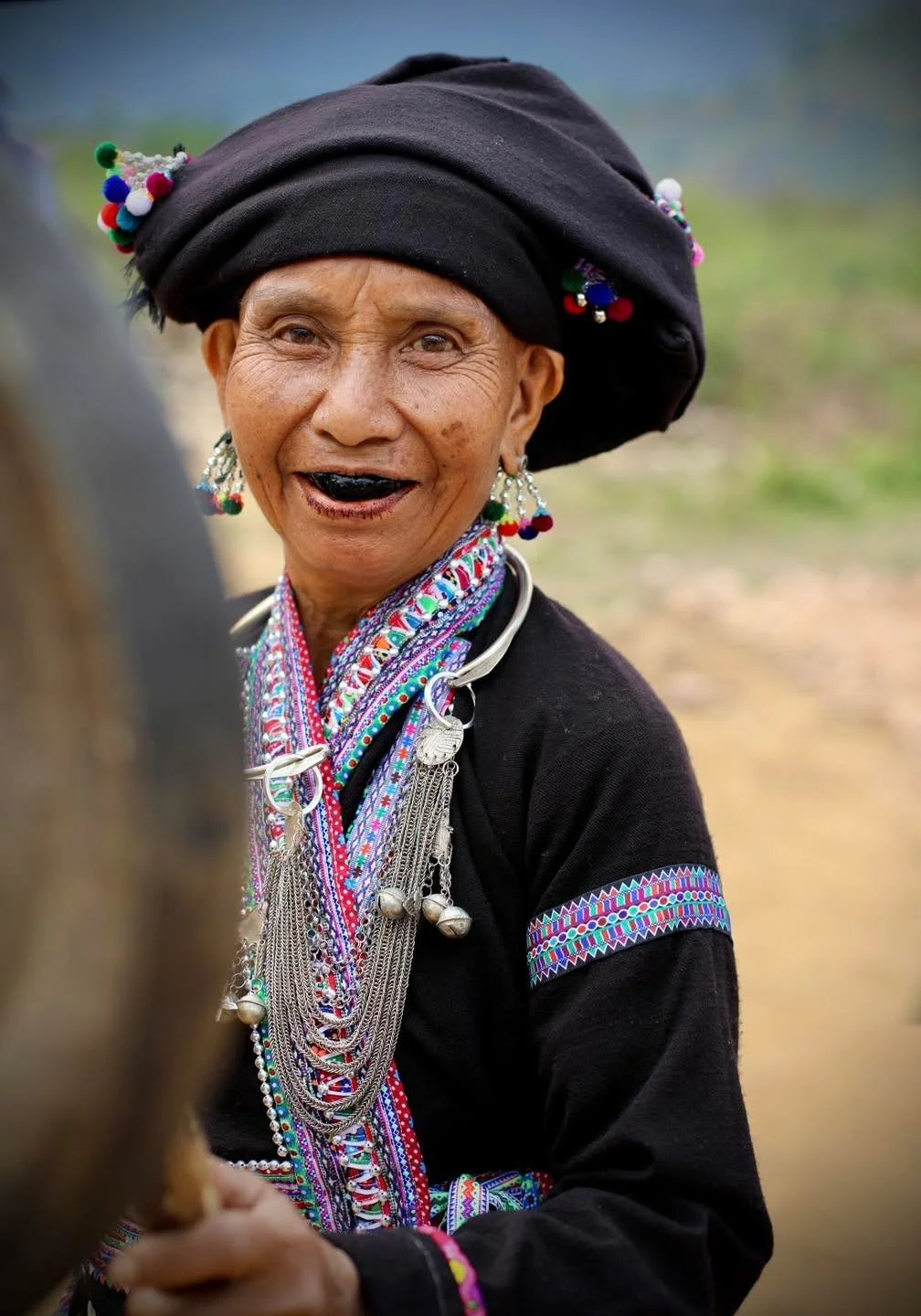
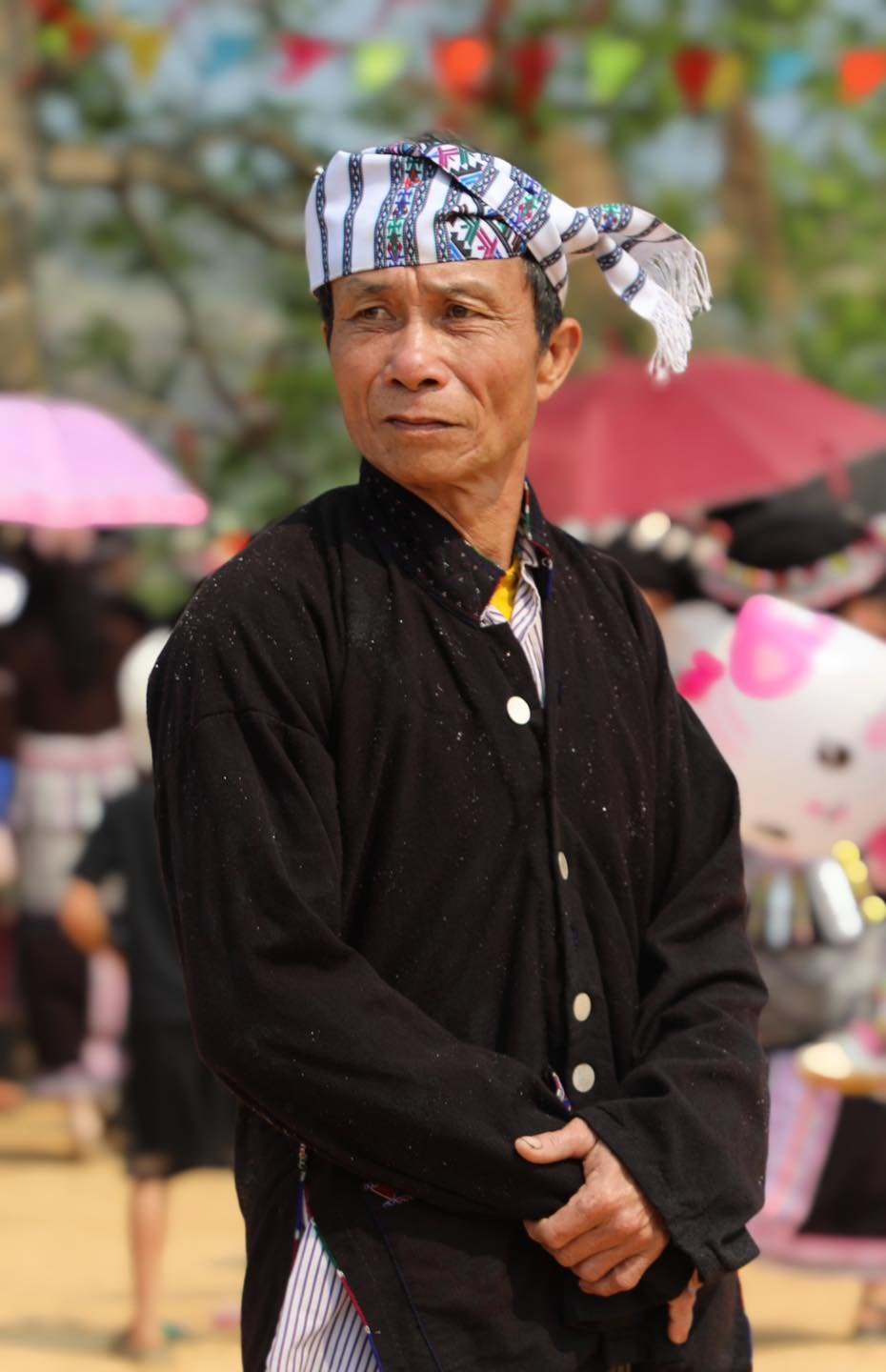
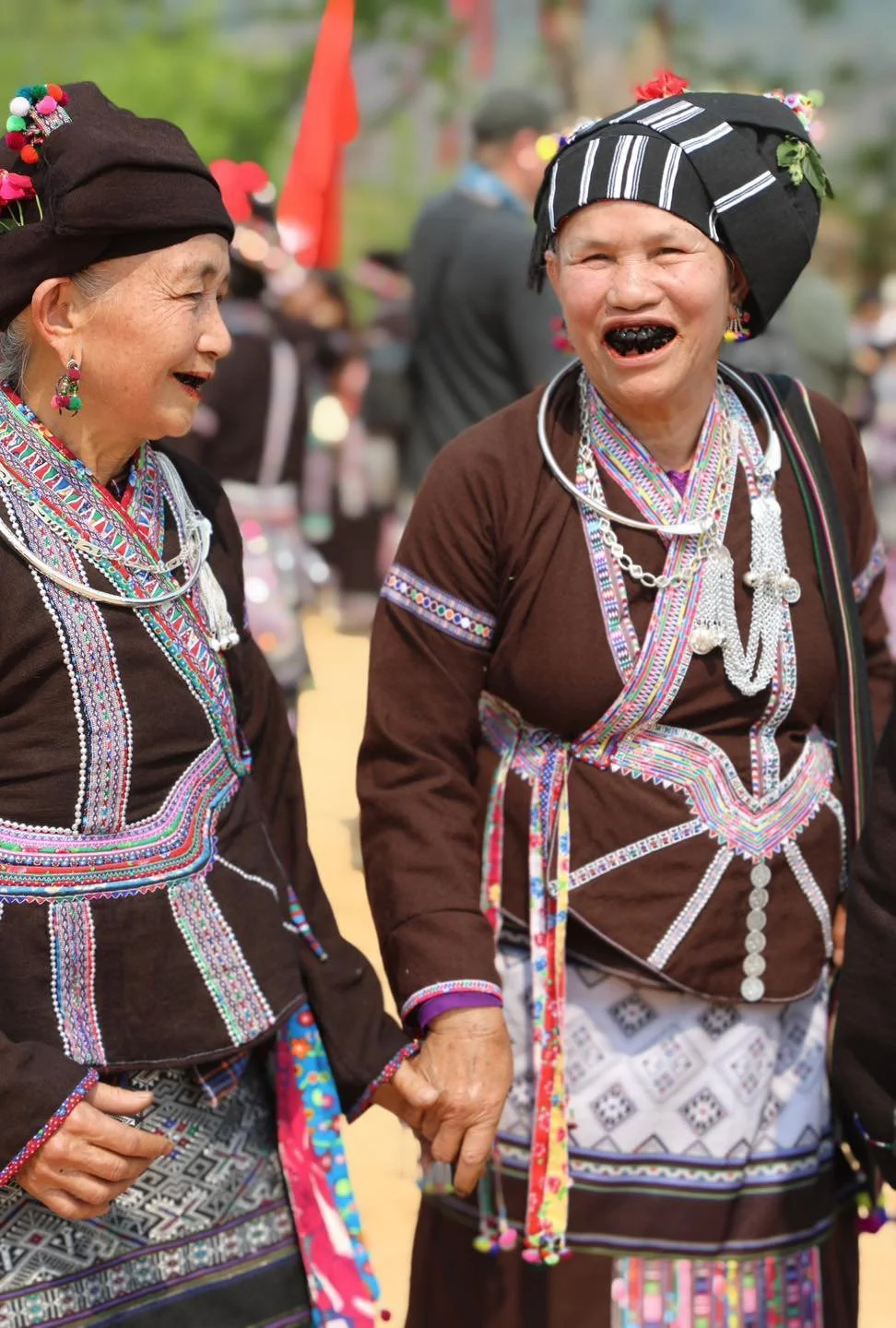
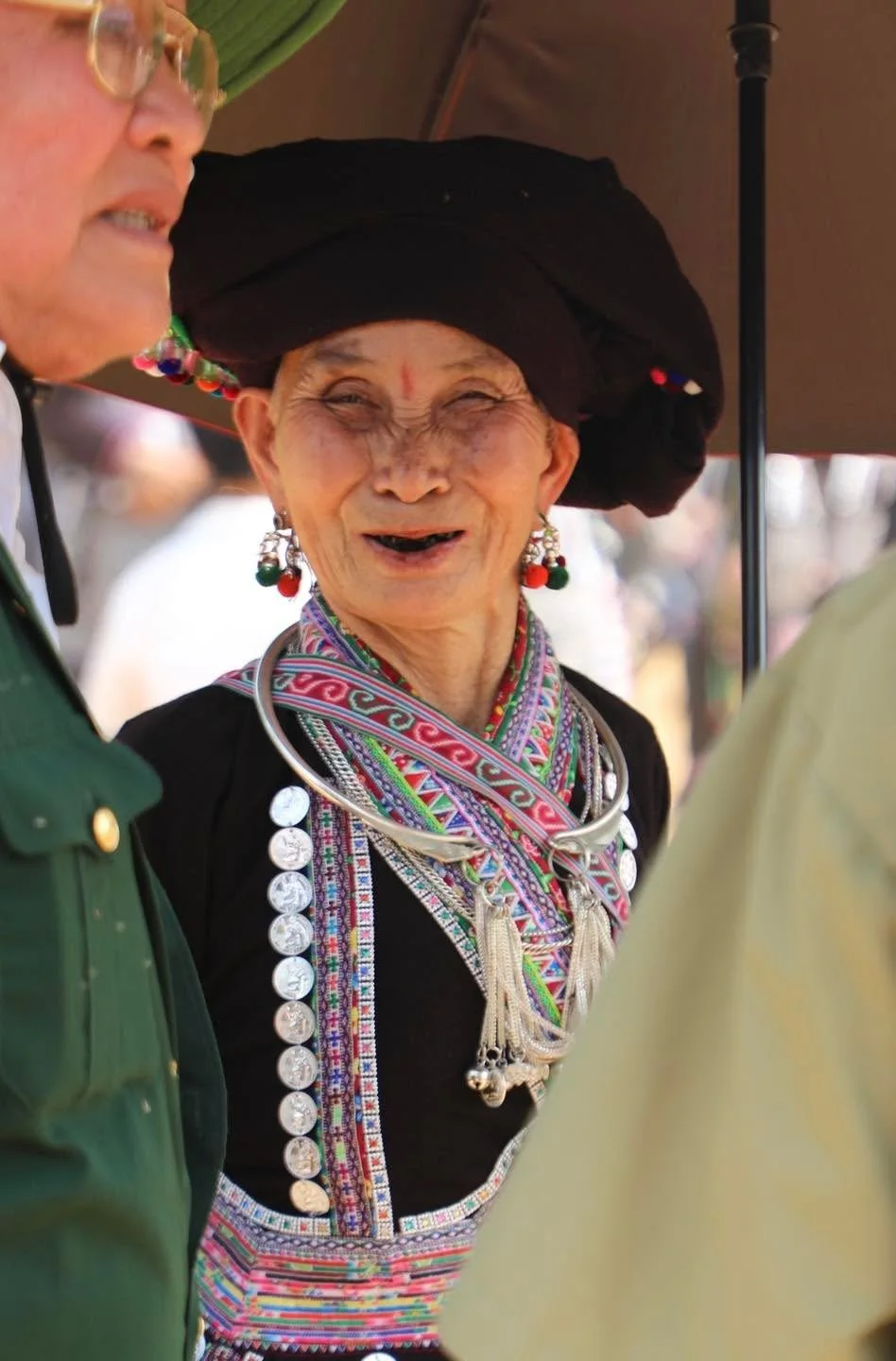
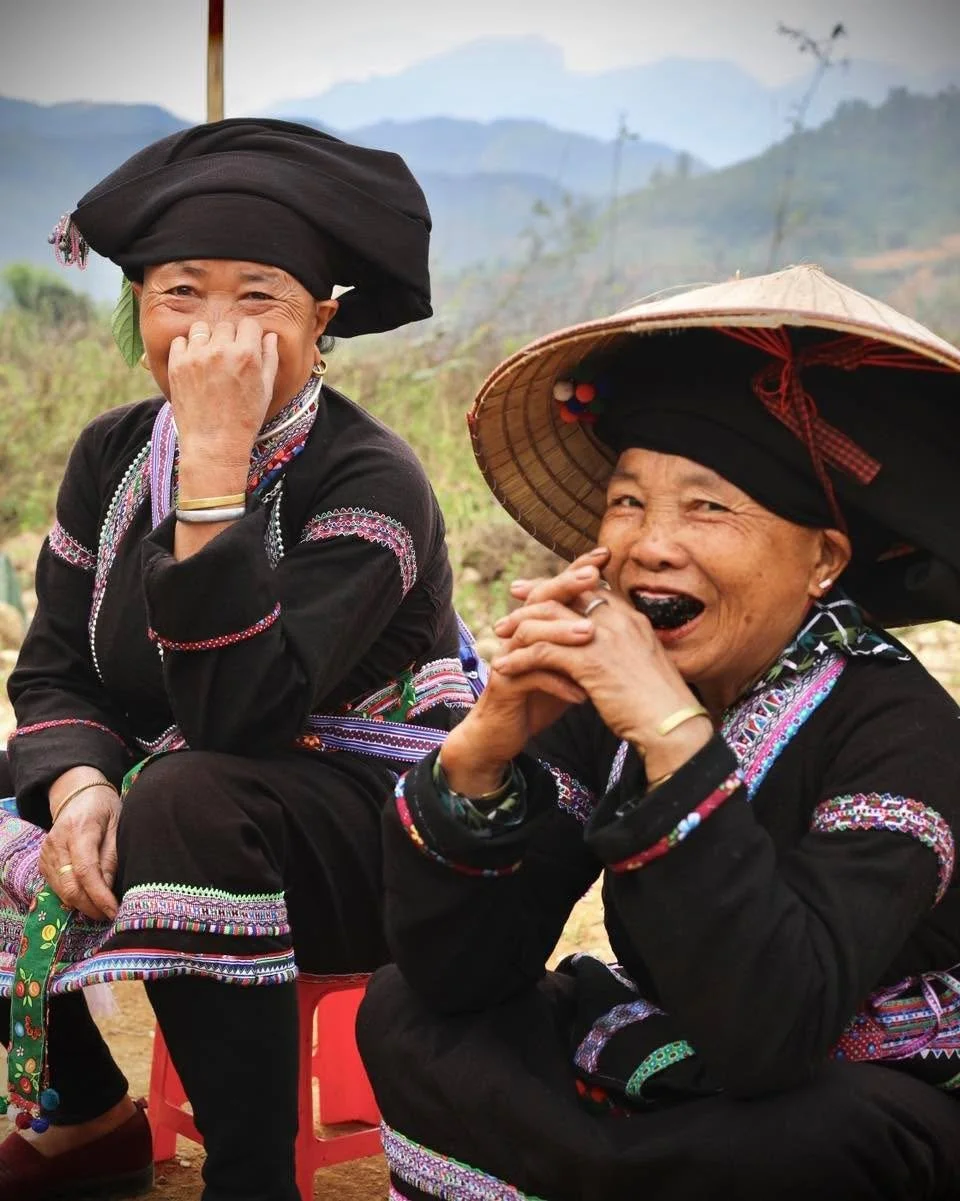
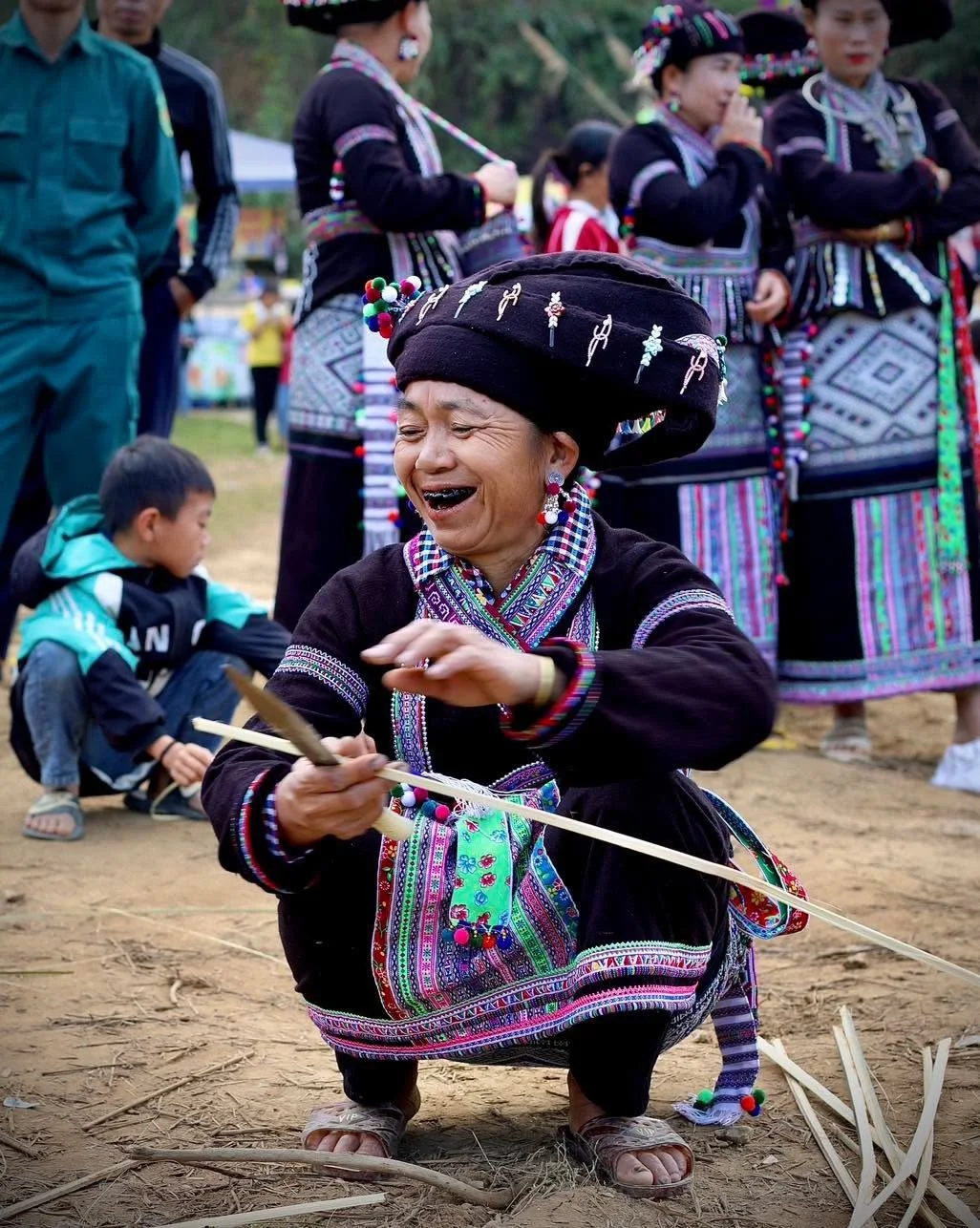
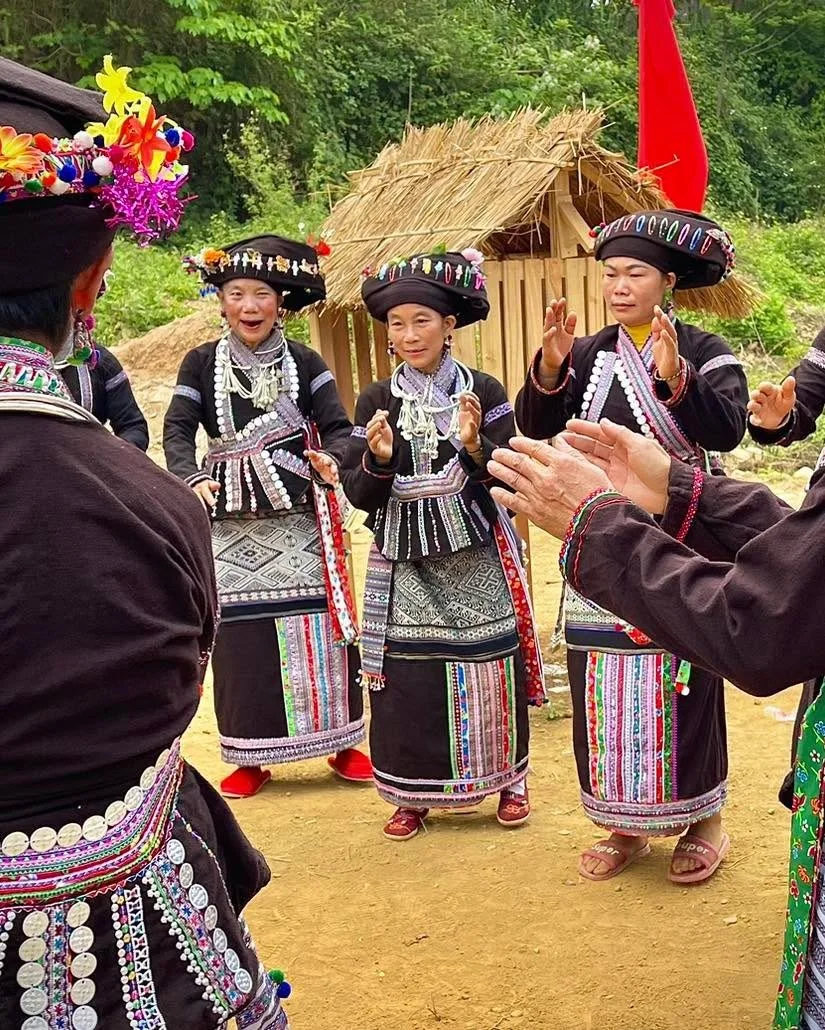
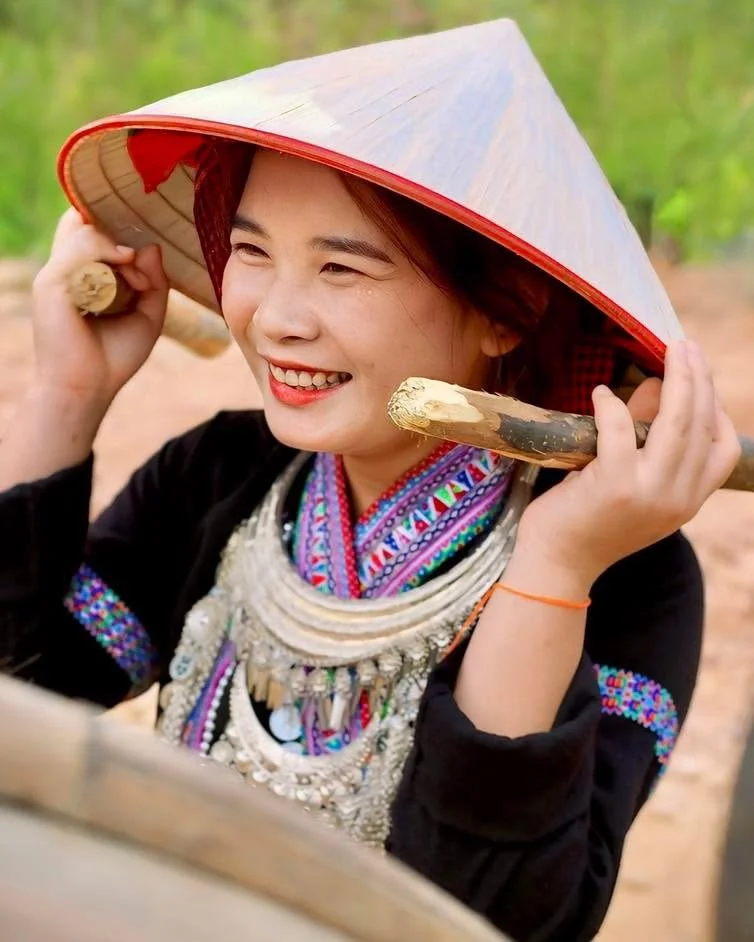
They pair these with fitted tops fastened by colourful sashes, silver coins that glint softly against black fabric, and plain black headscarves wrapped with an elegance that feels timeless. The overall effect is both restrained and radiant, a blend of simplicity and ornament that feels entirely their own.
The Smile Behind the Betel Nut
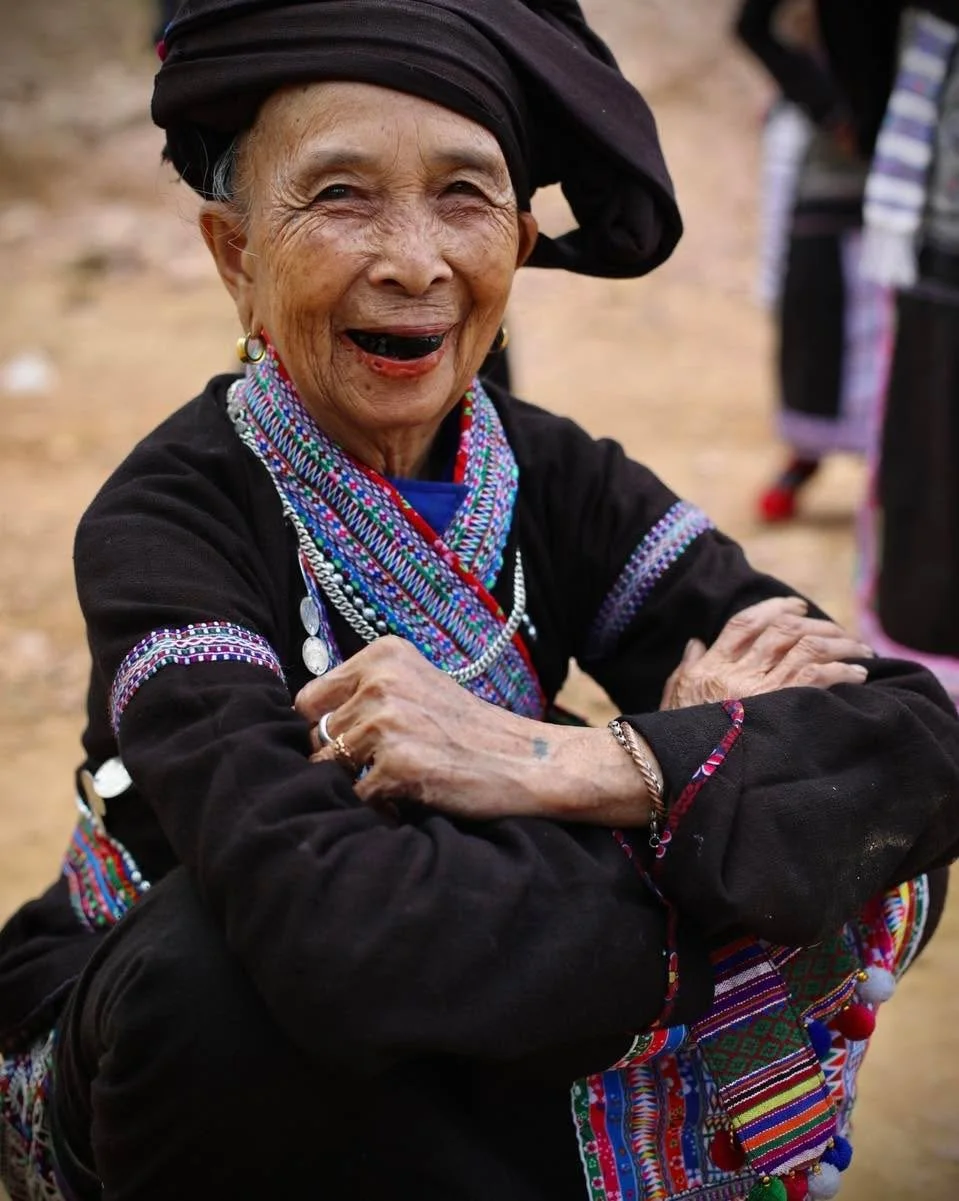
Among the Lao, teeth blackening and betel chewing remain living traditions. At first glance, it may seem surprising, even startling, yet within the culture it carries beauty and meaning. Blackened teeth are seen as a sign of maturity, dignity, and humanity; a mark that separates people from the animal world. The practice, mostly kept by older women, gives them a presence both commanding and gentle; smiles inked with wisdom.
A Festival of Water and Renewal
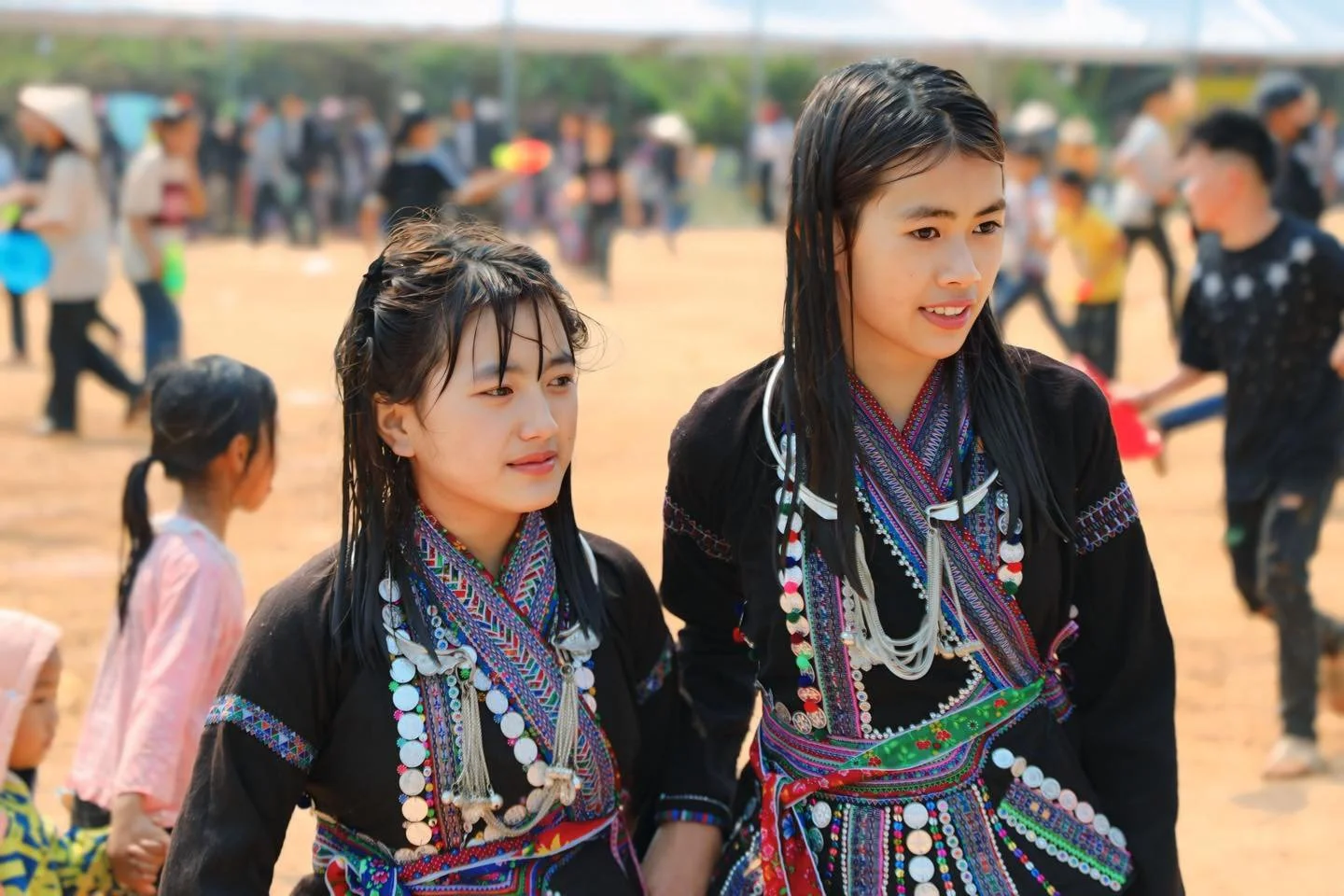
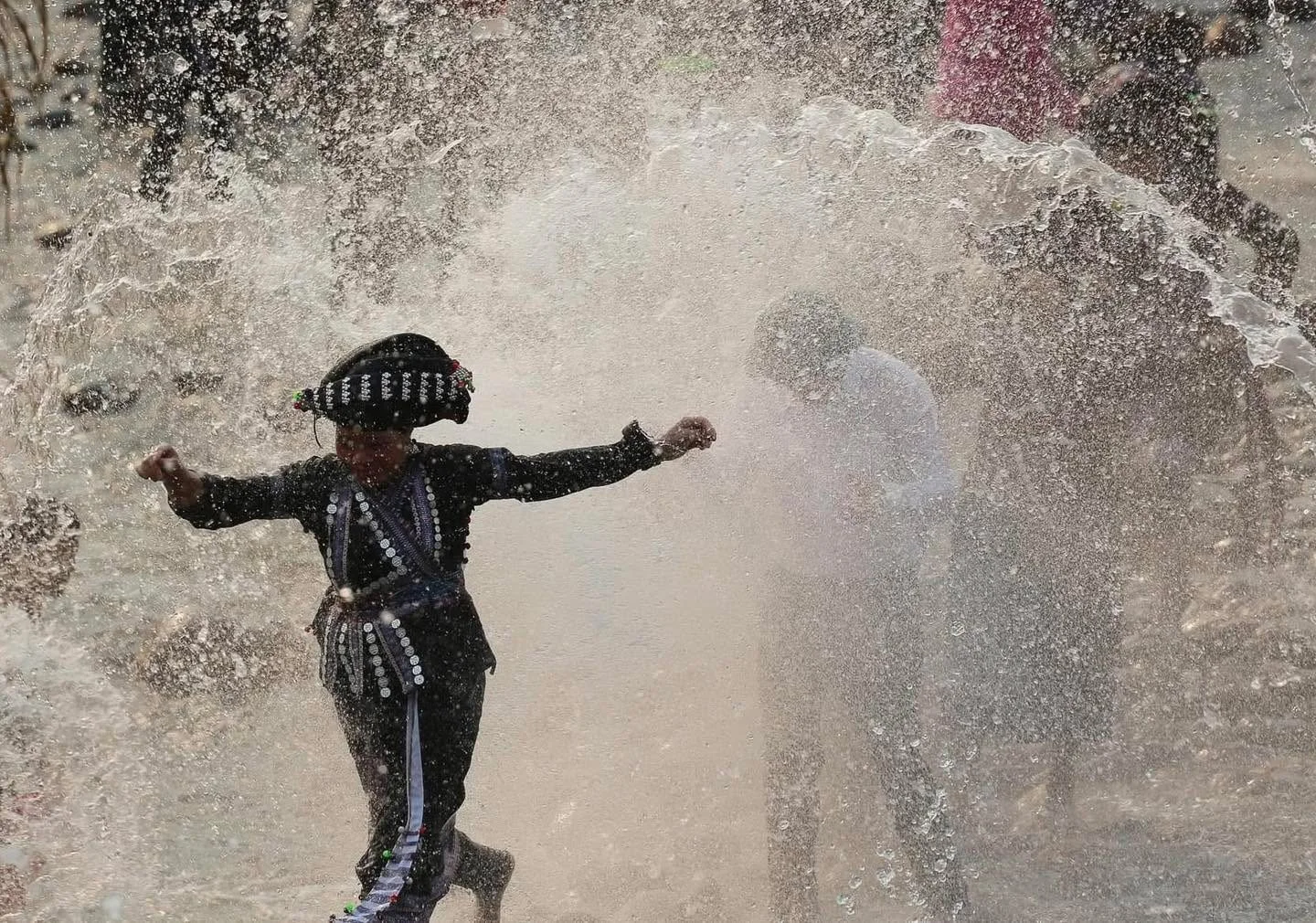
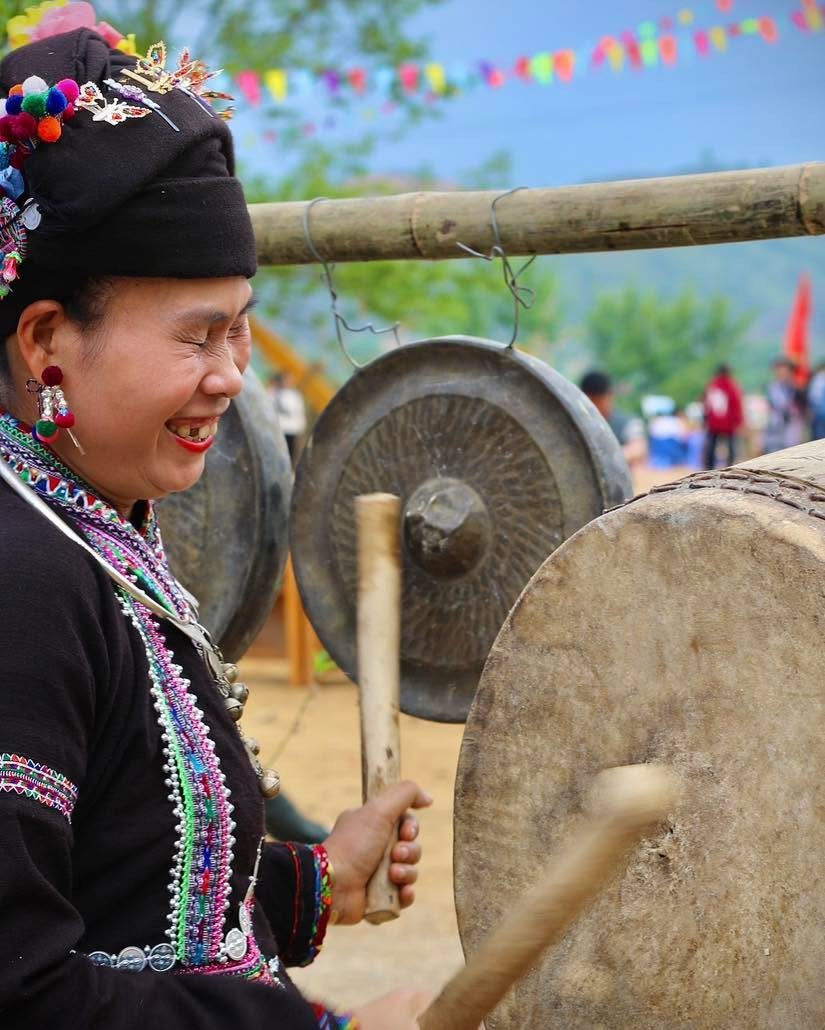
During the Lao New Year, villages come alive with colour, laughter, and the joyous chaos of splashing water. It’s more than play; it’s ritual. The water symbolises cleansing; washing away misfortune and inviting good weather, fertile fields, and healthy families. As drums echo through the valley, people dance and sing, moving in rhythmic patterns that mirror the flow of rivers.
It’s hard to describe without sounding sentimental, but there’s a kind of purity in these moments — a sense that the world, even briefly, finds its balance again.
The Songs that Hold the Hills
Folk songs, legends, and tales are woven through Lao life like threads in a tapestry. Their dances are fluid, open, and expressive, guided by drums but never strictly choreographed. You see freedom in their movement; a joyful refusal to separate art from life.
Perhaps that’s what makes time with the Lao so special. It isn’t performance. It’s participation and being drawn, slowly and sincerely, into the shared rhythm of the mountains.
At ETHOS, we believe that travel should feel like conversation; sometimes quiet, sometimes full of laughter, always rooted in respect. Our journeys with Lao communities are invitations to listen, to walk gently, and to learn how beauty can live in the everyday.