
ETHOS – Spirit of the Community is a locally based, women-led responsible tourism organisation offering Trekking, Motorbike and Workshop experiences in Sa Pa, northern Vietnam. Working closely with Hmong, Dao and other ethnic minority communities, we share practical local knowledge to help travellers explore the region safely, respectfully and responsibly.
Vietnam Visa Requirements 2026 – Complete Guide for Foreign Travellers
Vietnam remains one of the easiest countries in Asia to visit, thanks to its expanded e-visa system and extended visa exemption policies. However, many travellers still encounter delays, rejections, or extra costs due to outdated information or simple application errors.
This guide explains the latest 2026 Vietnam visa regulations, practical advice, common pitfalls, and real challenges travellers face — based on both Vietnamese government guidance and international travel sources.
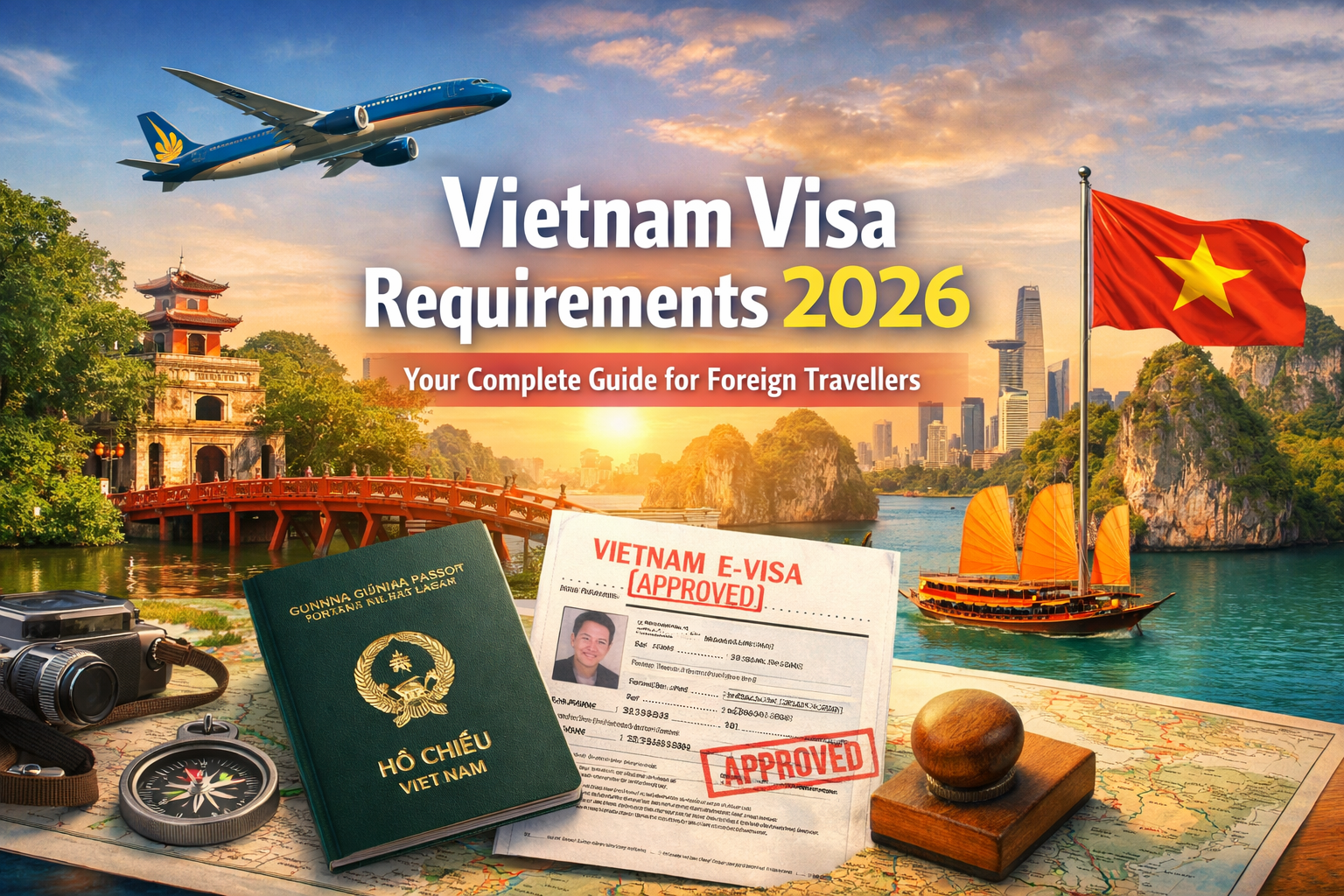
IMPORTANT NOTES FOR FOREIGNERS APPLYING FOR A VIETNAM E-VISA
Applying for a Vietnam e-visa is convenient — but only when done correctly. The Vietnam Immigration Department has issued clear guidance that every foreign applicant should carefully follow to avoid unnecessary fees, delays, or legal risks.
1️⃣ Always apply through the official Vietnam e-visa portals only:
Using unofficial websites may result in incorrect fees, invalid visas, or financial loss.
2️⃣ Complete the e-visa application accurately and truthfully.
Ensure all personal details, passport information, and photos meet the required standards. Any false or incorrect declaration may lead to visa refusal or legal consequences under Vietnamese law.
3️⃣ Strictly comply with Vietnam’s immigration and residence regulations after entry.
Foreigners must register temporary residence through their accommodation, present valid travel documents when requested, and engage only in activities that match the approved purpose of entry.
Applying correctly from the beginning helps ensure a smooth entry, lawful stay, and peace of mind throughout your time in Vietnam.
Overview of Vietnam Visa Policy in 2026
Vietnam’s visa policy in 2026 centers around three main entry options:
E-visa (most common for tourists and business visitors)
Visa exemption (for eligible nationalities)
Traditional visas via embassies/consulates (less common today)
Recent policy changes since 2023–2025 have significantly expanded stay duration, entry flexibility, and the number of border checkpoints accepting e-visas.
Vietnam E-Visa 2026: Key Rules and Conditions
The e-visa is now the standard entry method for most travellers.
Validity
Up to 90 days
Available as single-entry or multiple-entry
Fees
US$25 for single-entry
US$50 for multiple-entry
Fees are non-refundable, even if the application is refused
Where You Can Enter
Vietnam expanded the list of entry/exit points that accept e-visas. As of 2026:
83 international airports, land borders, and seaports accept e-visas
Additional checkpoints were added in late 2025
Travellers must select a valid entry point during application and use one that supports e-visa entry.
Visa Exemption in 2026 (Visa-Free Entry)
Vietnam offers visa-free entry for certain nationalities under different government programs.
Key Visa Exemption Categories:
45-Day Exemption (13+ Nations): Germany, France, Italy, Spain, UK, Russia, Japan, South Korea, Denmark, Sweden, Norway, Finland, and Belarus. Note: Policy updated to include more, with 12 European countries specifically mentioned for 3-year extension to 2028.
30-Day Exemption (ASEAN & Other): Brunei, Cambodia, Indonesia, Laos, Malaysia, Myanmar, Philippines, Singapore, Thailand, Chile, Panama.
14-Day Exemption: Brunei.
Phu Quoc Island: Foreigners visiting Phu Quoc Island directly from other countries are exempt from visa requirements for up to 30 days.
45-Day Visa Exemption Programs
Some countries can enter Vietnam visa-free for up to 45 days, provided they meet entry conditions. These programs are valid through multiple government resolutions extending into 2028.
Important notes:
Length of stay is fixed (typically 45 days)
Overstaying leads to fines or entry issues later
Not all countries are included
For trips longer than the exemption period, travellers should apply for an e-visa.
Advice & Recommendations for a Smooth Application
Apply Early
Even though processing is often quick, delays can happen due to:
Peak travel seasons
Payment processing issues
Application corrections
Apply well before your departure date.
Choose the Correct Entry Type
Select multiple-entry if you plan to:
Visit nearby countries
Leave and return to Vietnam during the same trip
Double-Check Everything
Your application must match your passport exactly:
Full name spelling
Passport number
Date of birth
Nationality
Even small differences can cause rejection or airport problems.
Common Mistakes and Pitfalls
These are the most frequent reasons travellers face trouble.
Using Unofficial Visa Websites
Many third-party sites:
Charge higher fees
Submit incorrect data
Issue documents airlines may reject
Always use the official government portals.
Passport Data Errors
Top cause of visa refusal:
Wrong passport number
Incorrect name order
Expiry date mistakes
Poor Photo Quality
Applications can be delayed or rejected if:
Passport scans are blurry
Portrait photos don’t meet requirements
Choosing the Wrong Entry Point
Travellers sometimes:
Apply for one airport but arrive at another
Use outdated border lists
Always verify that your entry point accepts e-visas.
Wrong Visa Purpose
You must only perform activities allowed under your entry type (tourism, business, etc.).
New for 2026 - Arrival Card
Since 2024, Vietnam is rolling out a new online “pre-arrival / arrival card” system. It’s not mandatory at every airport yet, but many airports are moving in that direction with plans to replacing older paper forms gradually.
It’s similar to what many countries now do:
• Thailand → TDAC
• Malaysia → MDAC
Practical advice (what I’d do)
• If you already have visa/e-visa → you’re fine
• Fill it 1–3 days before flight (safe option)
• Screenshot / save QR or confirmation
If you don’t do it:
• worst case = fill it at airport (just slower)
This is NOT:
• a visa
• a customs tax form for goods
• or anything to pay
It’s just an arrival / immigration declaration (digital landing card) that replaces an older, Paper Entry/Exit form (M3 / NA1) handed out on plane or at airport.
Health Declaration Card
Vietnam is introducing a new health declaration requirement from 1 July 2026 for many international travellers entering, leaving, or transiting through the country.
What will be required?
Health declaration form
Must be completed within 7 days before travel.
Can be submitted online or on paper.
Available in Vietnamese and English (with additional languages possible later).
Applies to
Arrivals into Vietnam
Departures from Vietnam
Transit passengers passing through Vietnam border checkpoints
Health screening at airports and border crossings
Authorities may:
Check health declarations
Observe travellers for symptoms
Conduct temperature screening
Request further health interviews if a communicable disease is suspected
✅ Vaccination or health documents
The Ministry of Health may require proof of vaccination or other disease-prevention measures depending on the global health situation at the time.
Challenges Travellers May Face in 2026
Airline Check-In Problems
Airlines must verify your documents before boarding. If your e-visa details don’t match your passport exactly, you may be denied boarding.
Confusing Online Information
Many travel blogs still show old rules from before 2023:
Shorter visa durations
Fewer entry points
Outdated exemption lists
Policy Changes
Vietnam continues to expand and adjust its visa system. Travellers using old guides may apply incorrectly.
Overstay Issues
Staying longer than permitted can lead to:
Fines
Exit delays
Problems entering Vietnam in the future
After Arrival: Legal Responsibilities
Foreign visitors must follow Vietnam’s immigration regulations during their stay:
Accommodation must register your temporary residence
Carry valid identification when required
Respect your approved visa purpose
Leave before your visa expires
Who Should Choose an E-Visa?
An e-visa is usually best if you:
Plan to stay more than 45 days
Need multiple entries
Are unsure if your nationality qualifies for visa exemption
Want a predictable entry process
Planning your trip after getting your visa? If you're visiting Northern Vietnam, consider a responsible cultural trek with an ETHOS – Sapa Experience.
Final Recommendations
For most travellers in 2026, the e-visa is the safest and simplest option.
To avoid problems:
Apply only on official government websites
Check all personal details carefully
Use the correct entry checkpoint
Follow immigration rules during your stay
Doing the process correctly from the start prevents delays, financial loss, and travel disruption — and ensures a smooth, stress-free arrival in Vietnam.
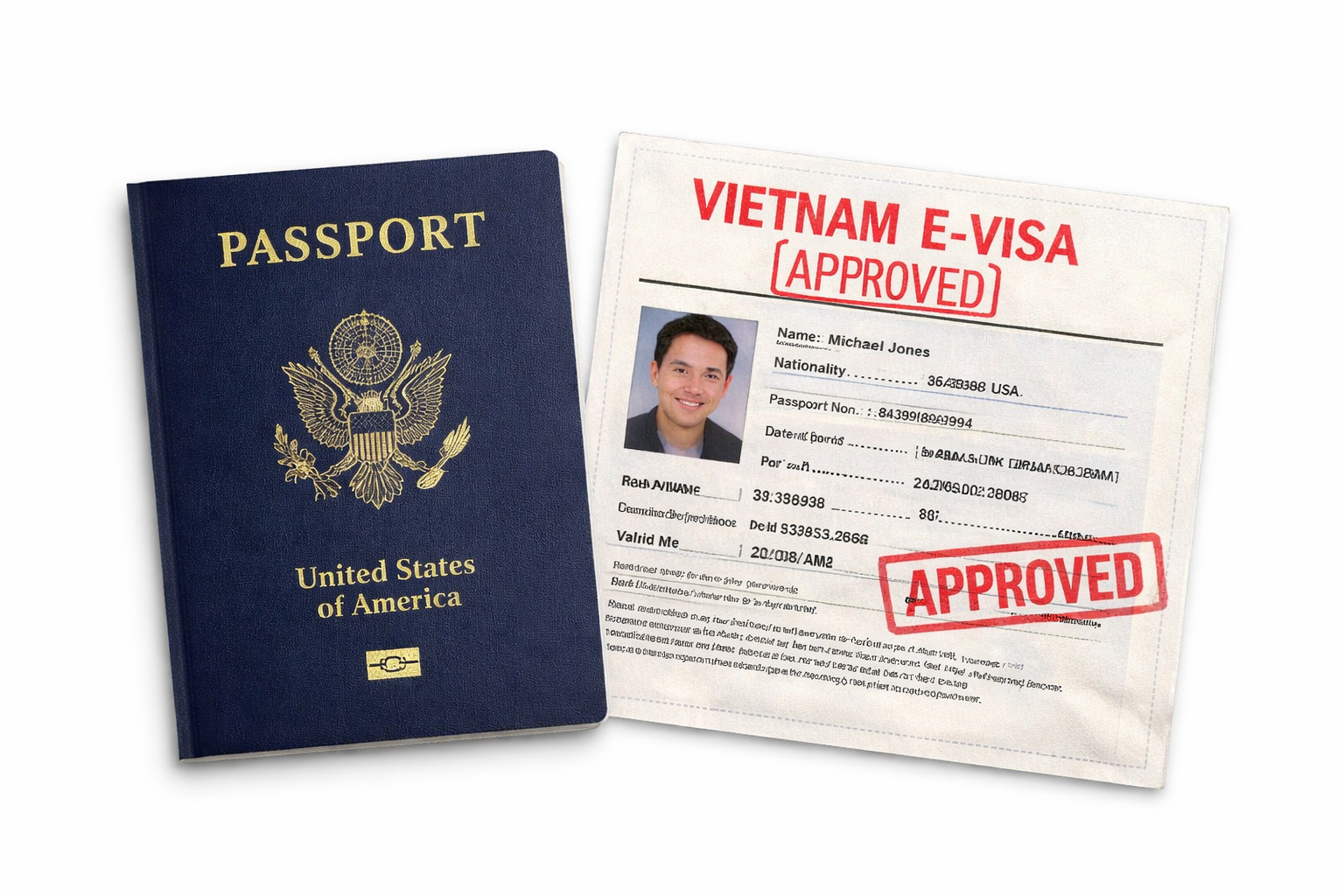
Important Notes:
Passport Validity: Passports must be valid for at least 6 months.
Return Ticket: Travelers may be required to show proof of a return ticket or onward travel.
Extensions: Visa-free entry allows for a limited, non-extendable stay in most cases, or strict requirements apply for extensions.
Policy Updates: Visa policies can change, so verifying with a Vietnam Embassy is always recommended.
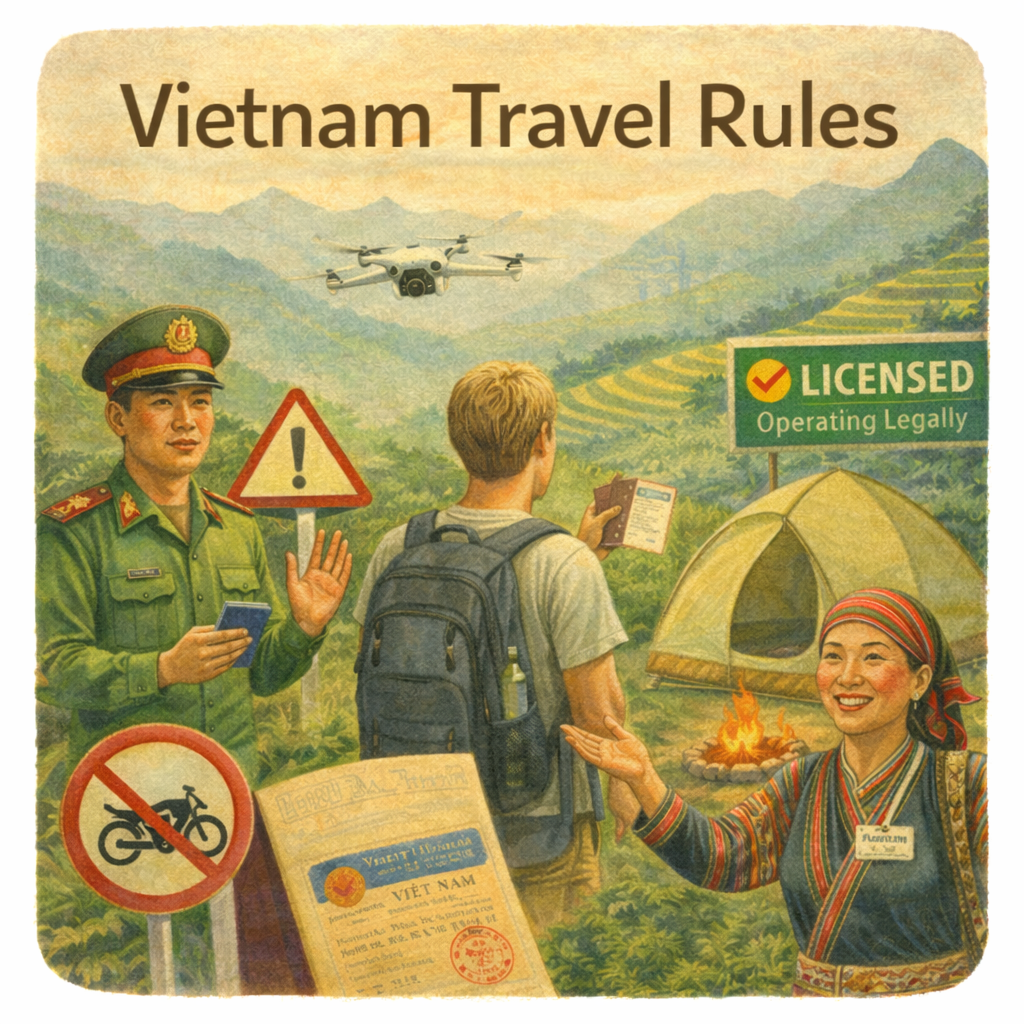
Click here to read more about essential travel tips and regulations for travelling in Vietnam.