
Insights and Stories from Sapa and the Northern Borderbelt provinces of Vietnam.
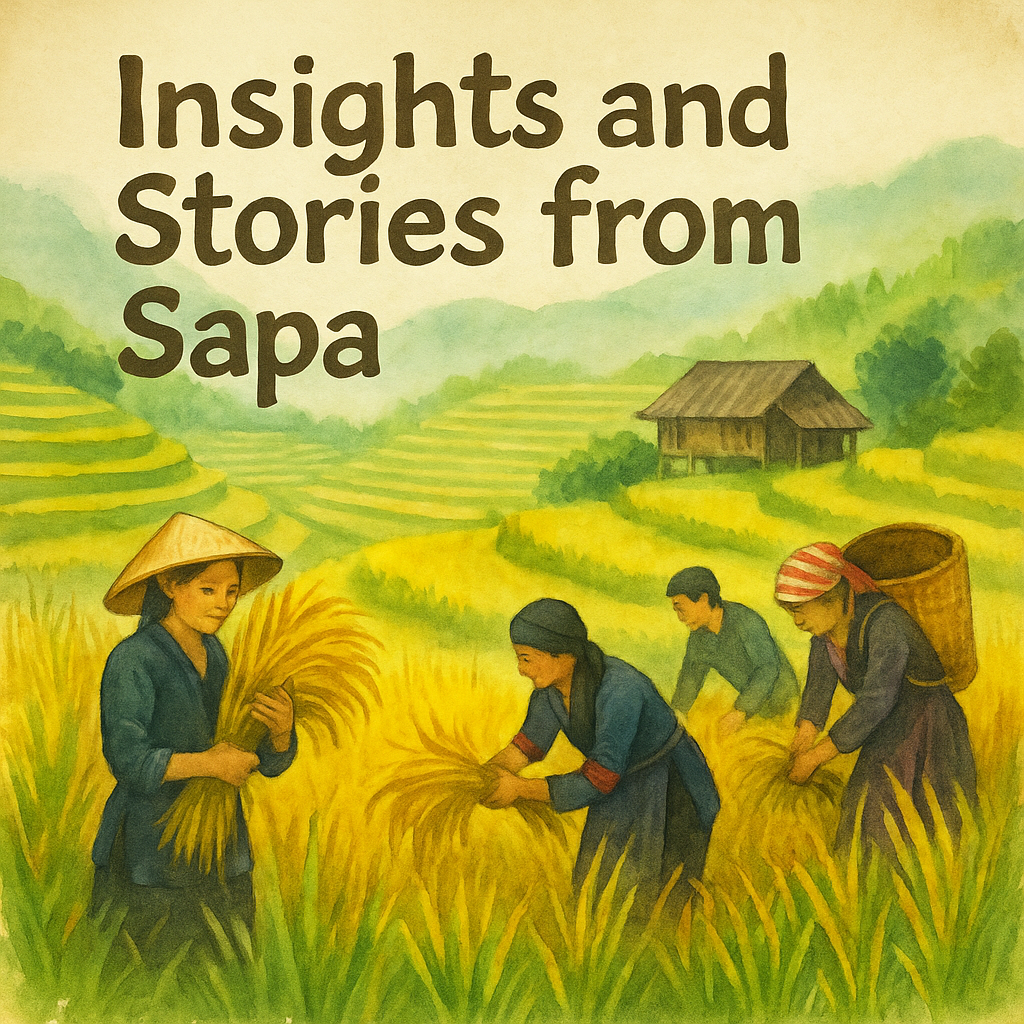
Why We Built ETHOS in Sapa: For Community, Culture and Connection
Learn why ETHOS was created in Sapa and how community based tourism supports local guides, families and cultures through fair work, shared stories and meaningful connection.
1. Understanding the Context
When you travel into the highlands around Sapa, you enter a world of steep valleys, rice-terraced slopes, hillside farmers, and the daily rhythms of ethnic minority communities such as the Hmong and Dao. Yet alongside that beauty lie complex realities. Many of the communities here have long been marginalised socially, economically and culturally.
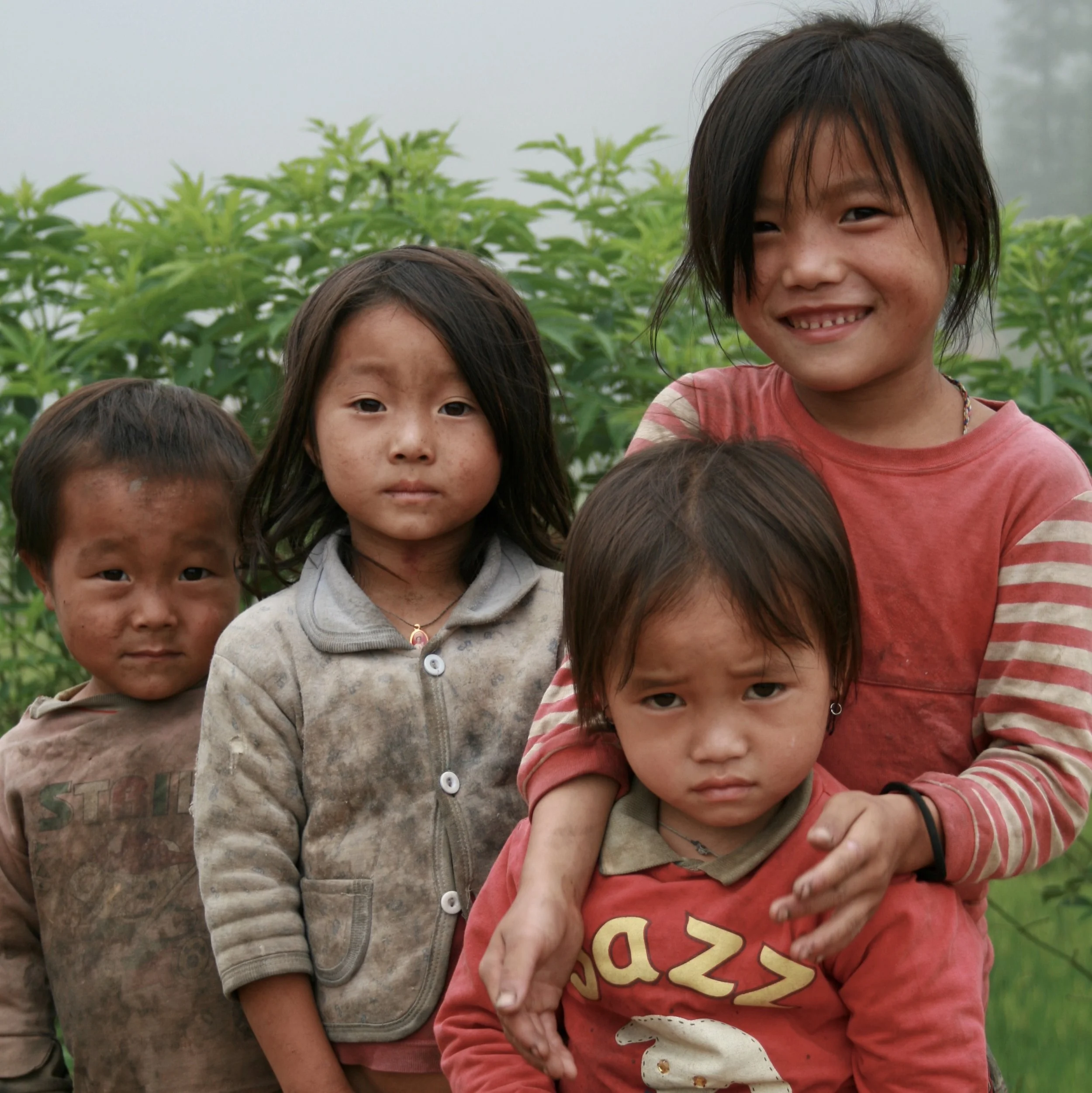
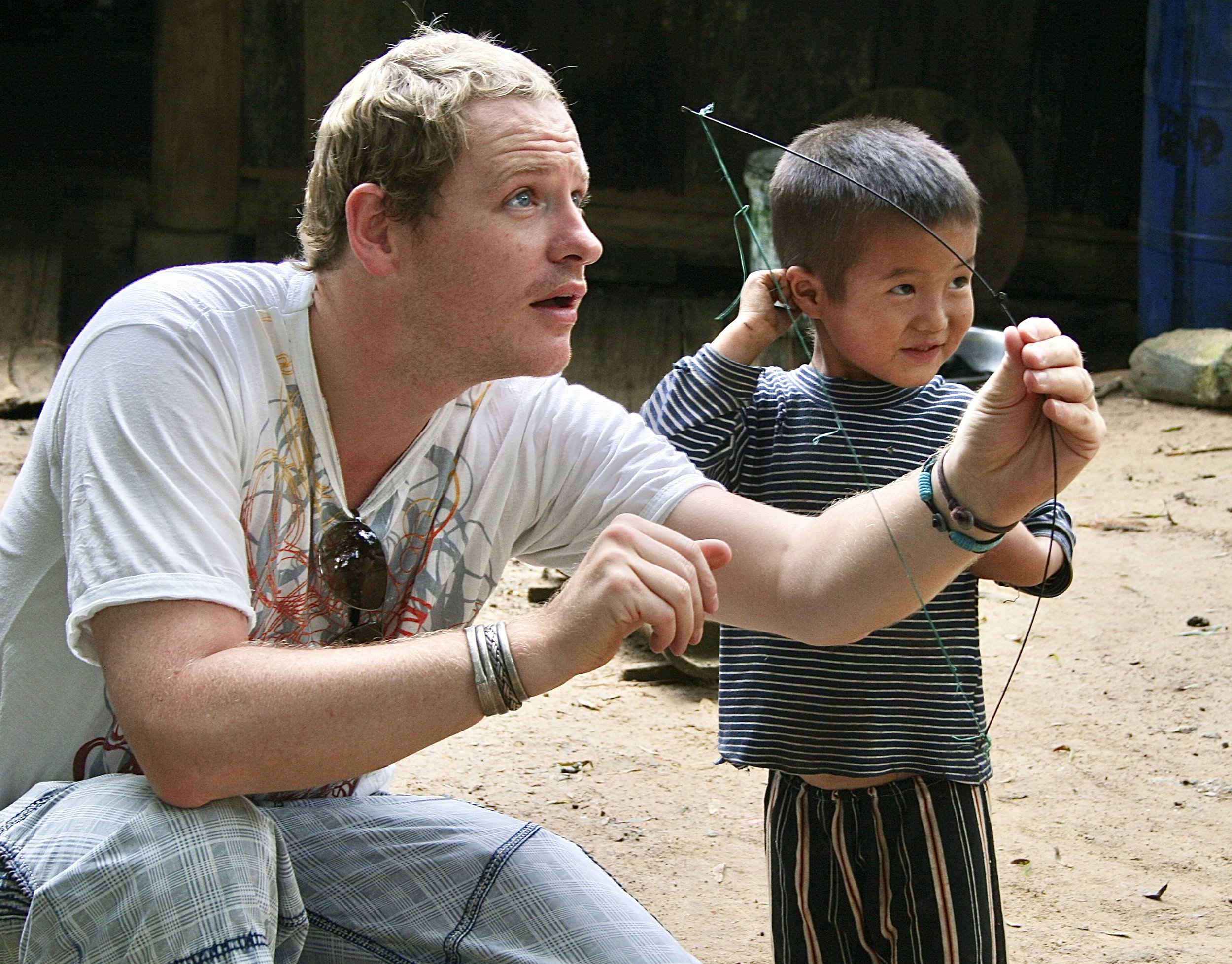
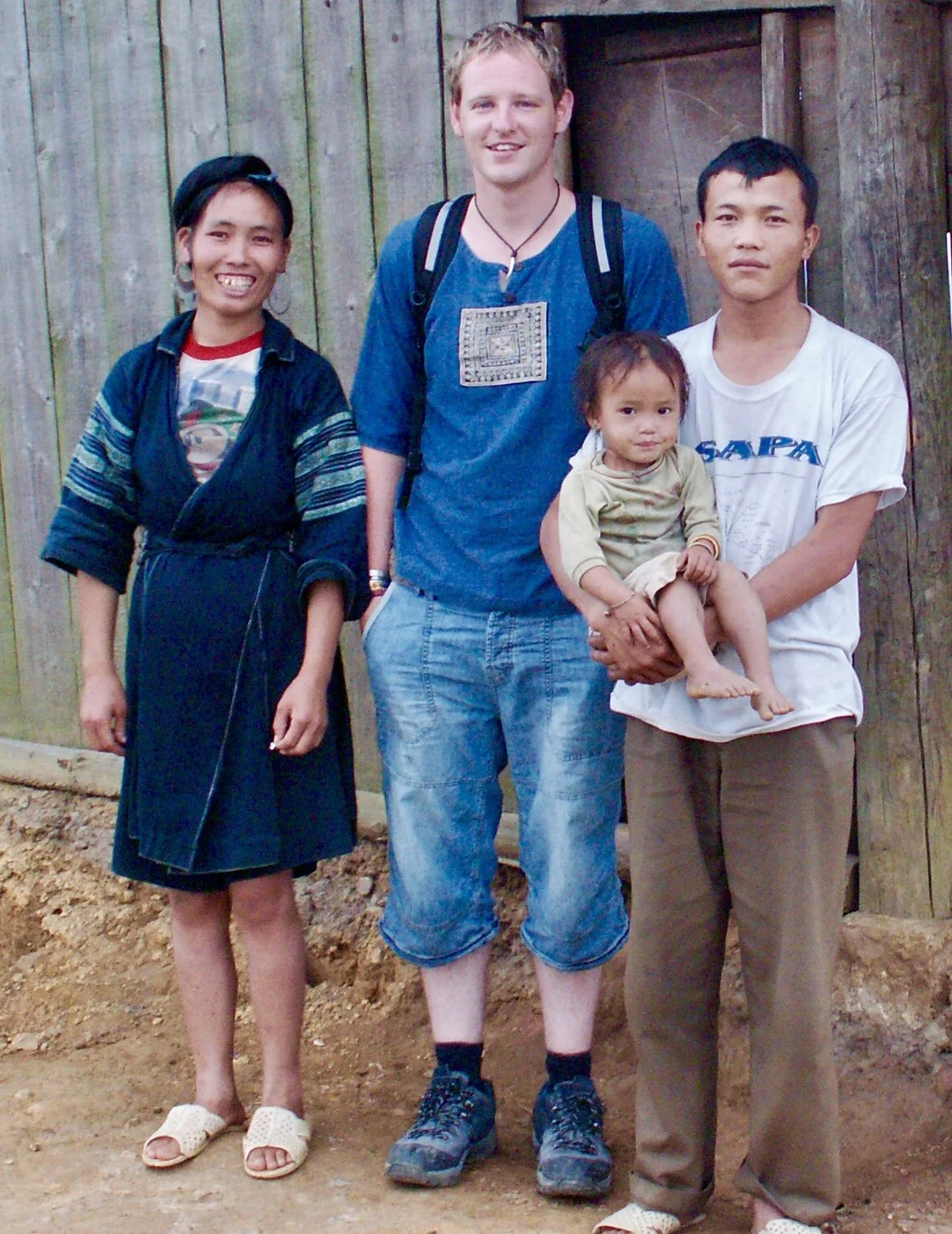
During his early work here, the company’s founding partner, Phil Hoolihan, describes meeting young Hmong girls who, barefoot and curious, appeared at a camp in the mountains asking to practise English. Their hunger for more than the limited opportunities they saw planted the seed of what ETHOS would eventually become.
In that moment, one realisation took hold: tourism need not be a one-way street. Instead of simply entering a landscape, we could enter a conversation. Instead of only visiting homes, we could build relationships. Instead of extracting experiences, we could help sustain livelihoods, heritage and hope.
2. What Led Us to Act
Phil, together with his partner Hoa Thanh Mai, recognised that many conventional tourist operations in the region follow predictable routes and visitor numbers, yet seldom invest in the people, language, culture or environment of the area.
In their reflections, they asked: could we create something different? A venture that is locally rooted, values-led, and community-first, not just profitable? As Phil writes: “We didn’t want to build another tour company or a feel-good charity. We wanted to create something rooted, regenerative and real.”
By 2012, the decision was made. They moved back to Sapa, started small, with only a few guides, two basic trek options, one laptop and a shared desk. That humble beginning marked the birth of ETHOS: Spirit of the Community.
3. Our Mission and Model
From the outset, our guiding principle has been that travel can uplift, connect and sustain. We believe that every journey should be more than a photograph. It should be relationship-building, culture-sharing, and landscape-respecting.
We operate with four interlinked priorities:
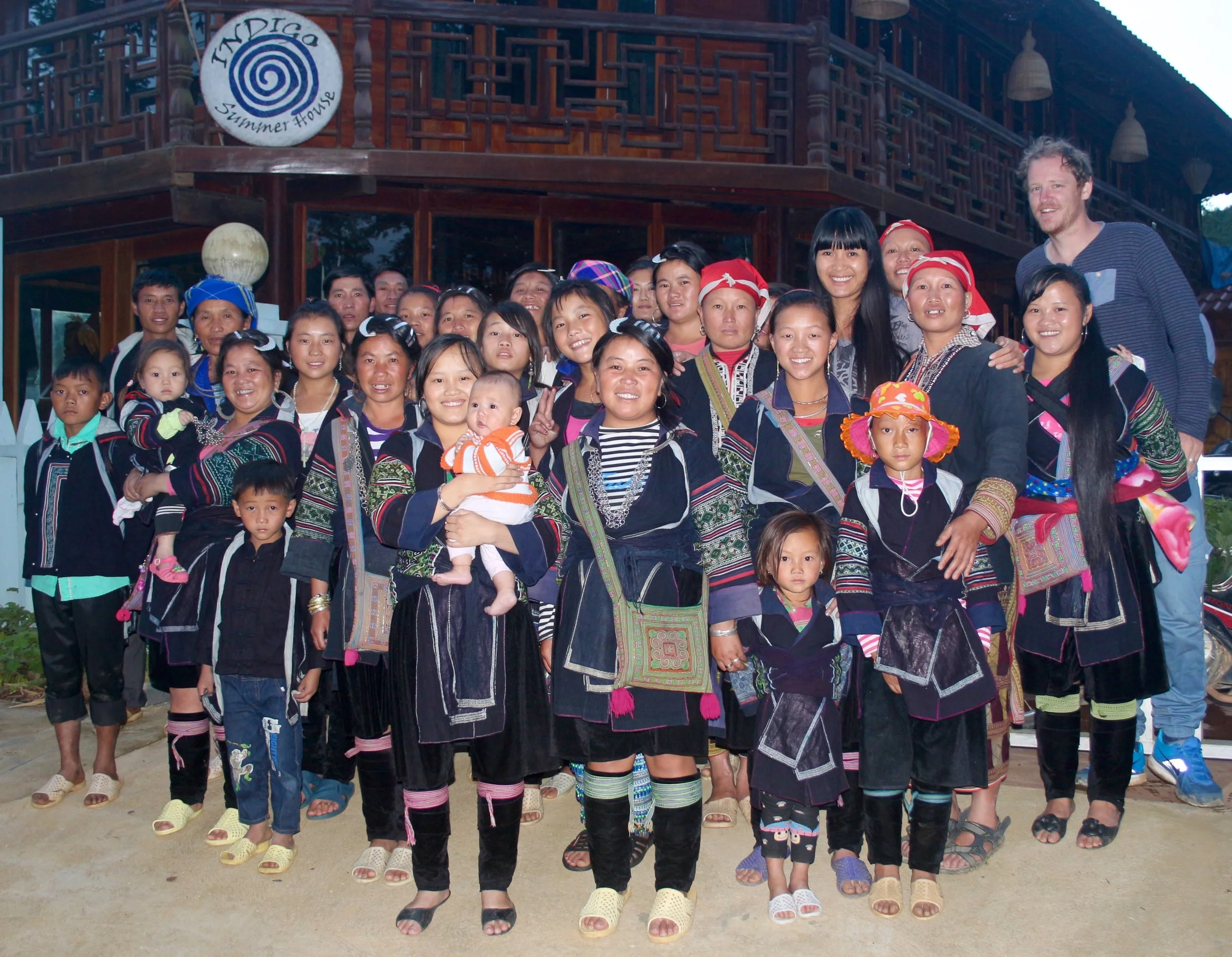
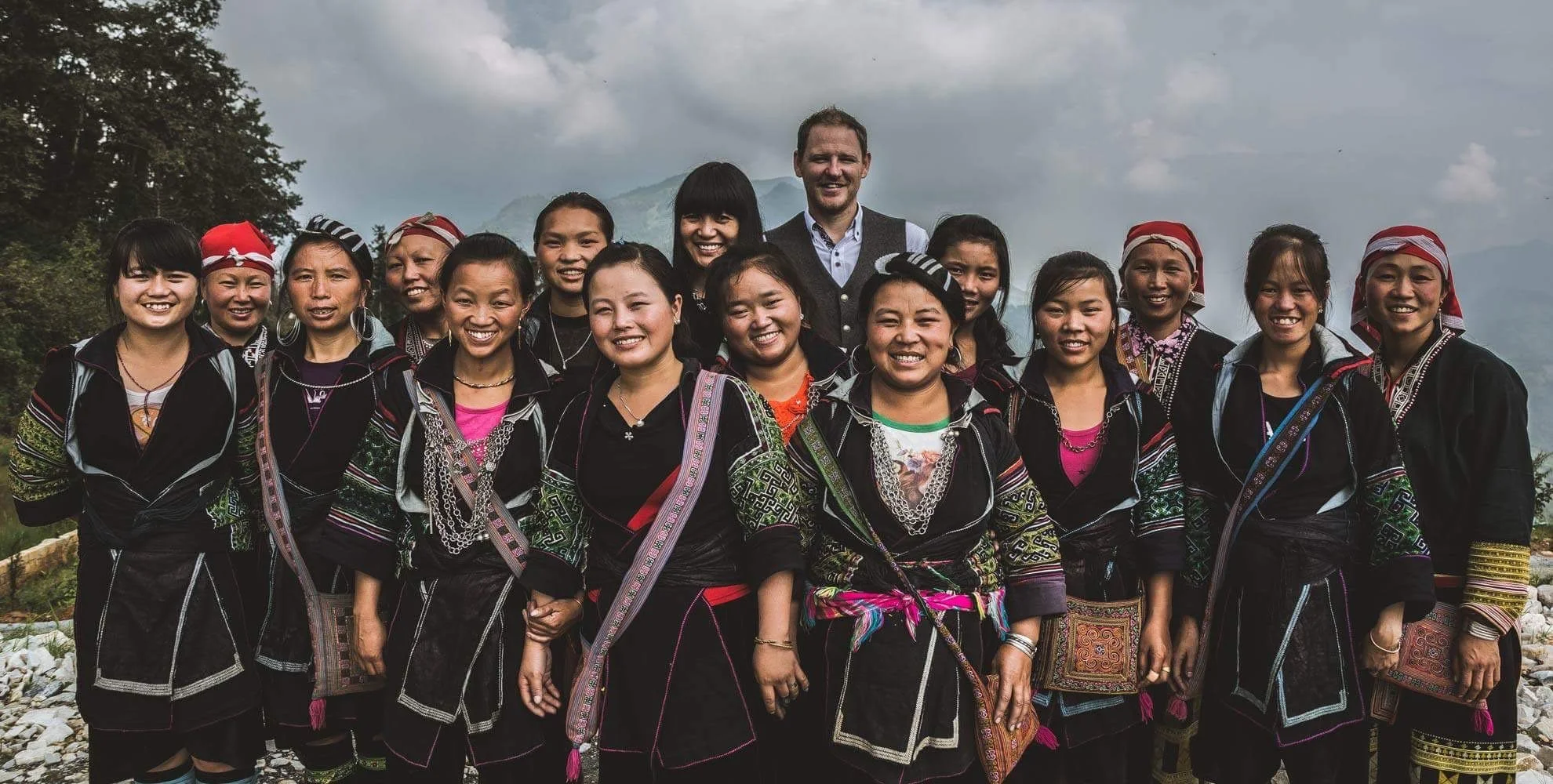
Fair employment and empowerment of guides: Our guides are local women and men from the villages, and they lead the experiences. Their intimate knowledge, language and heritage bring authenticity.
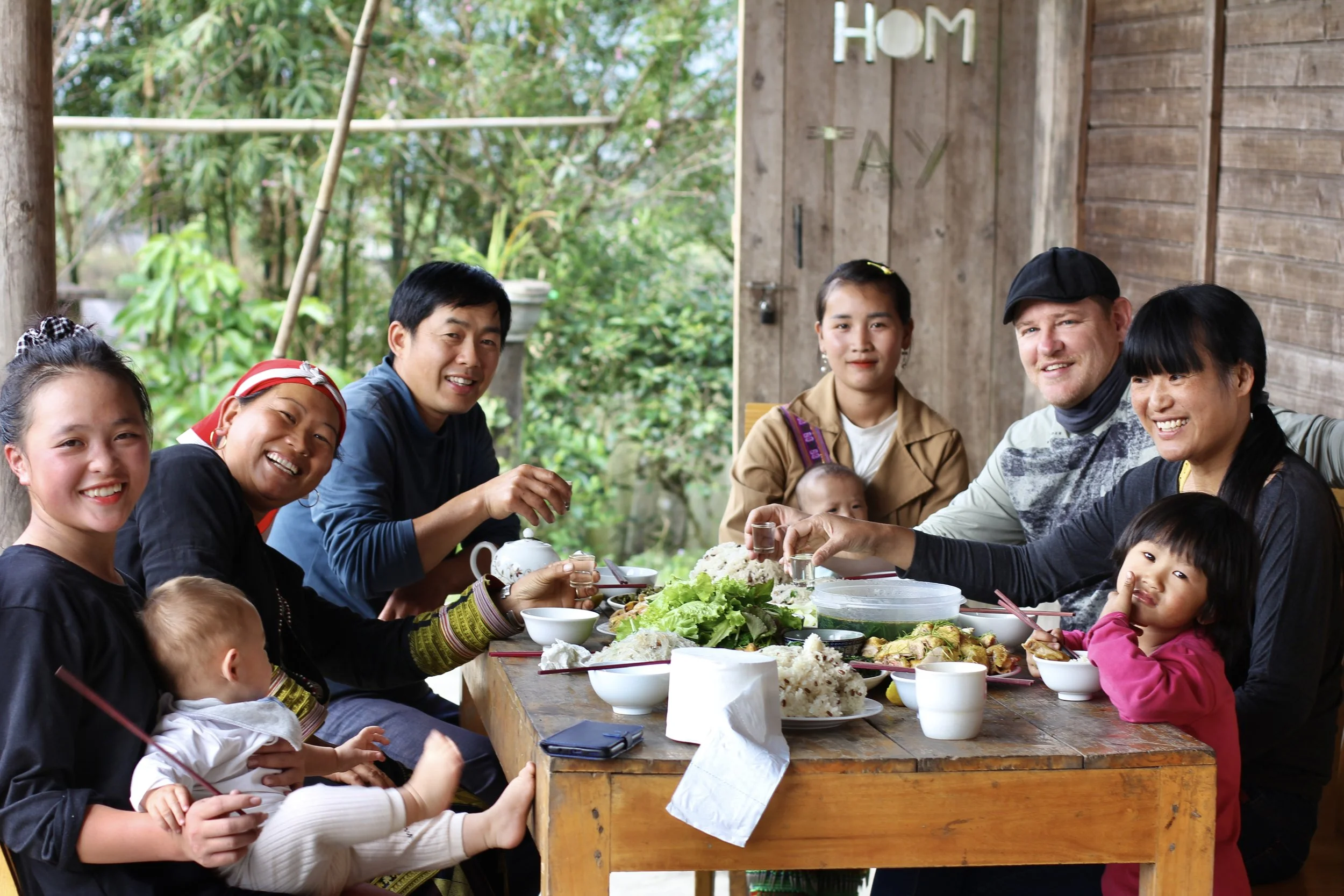
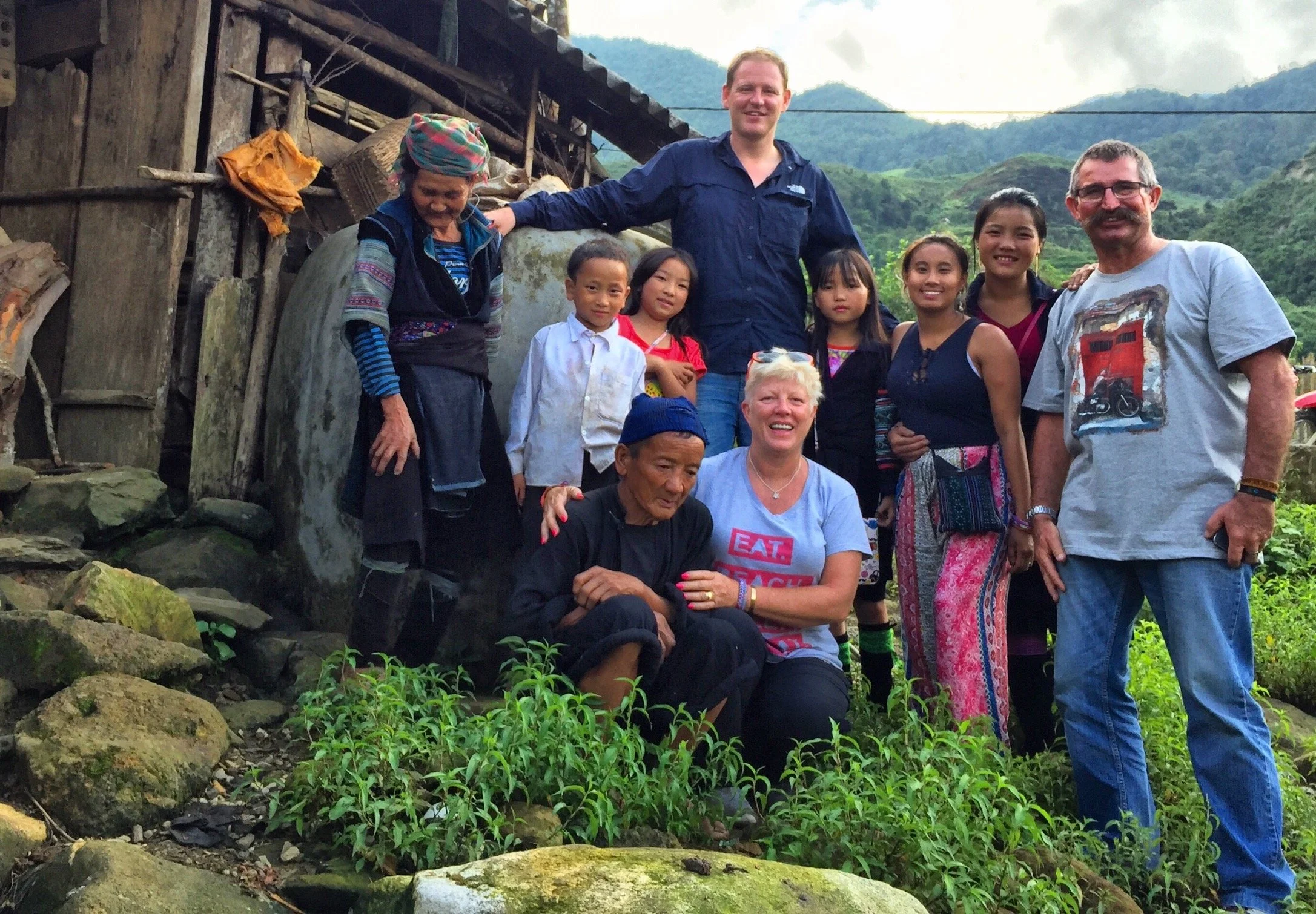
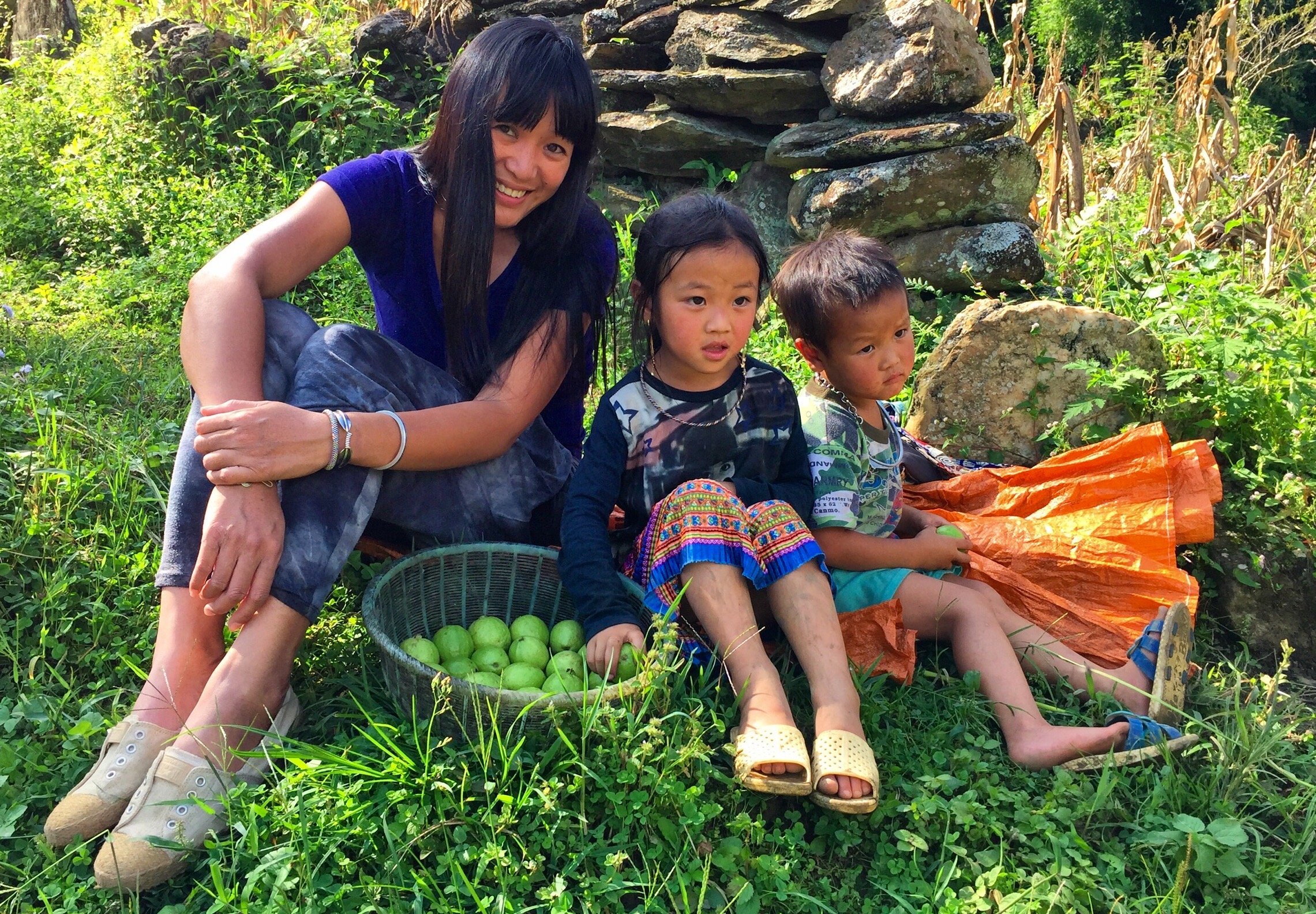
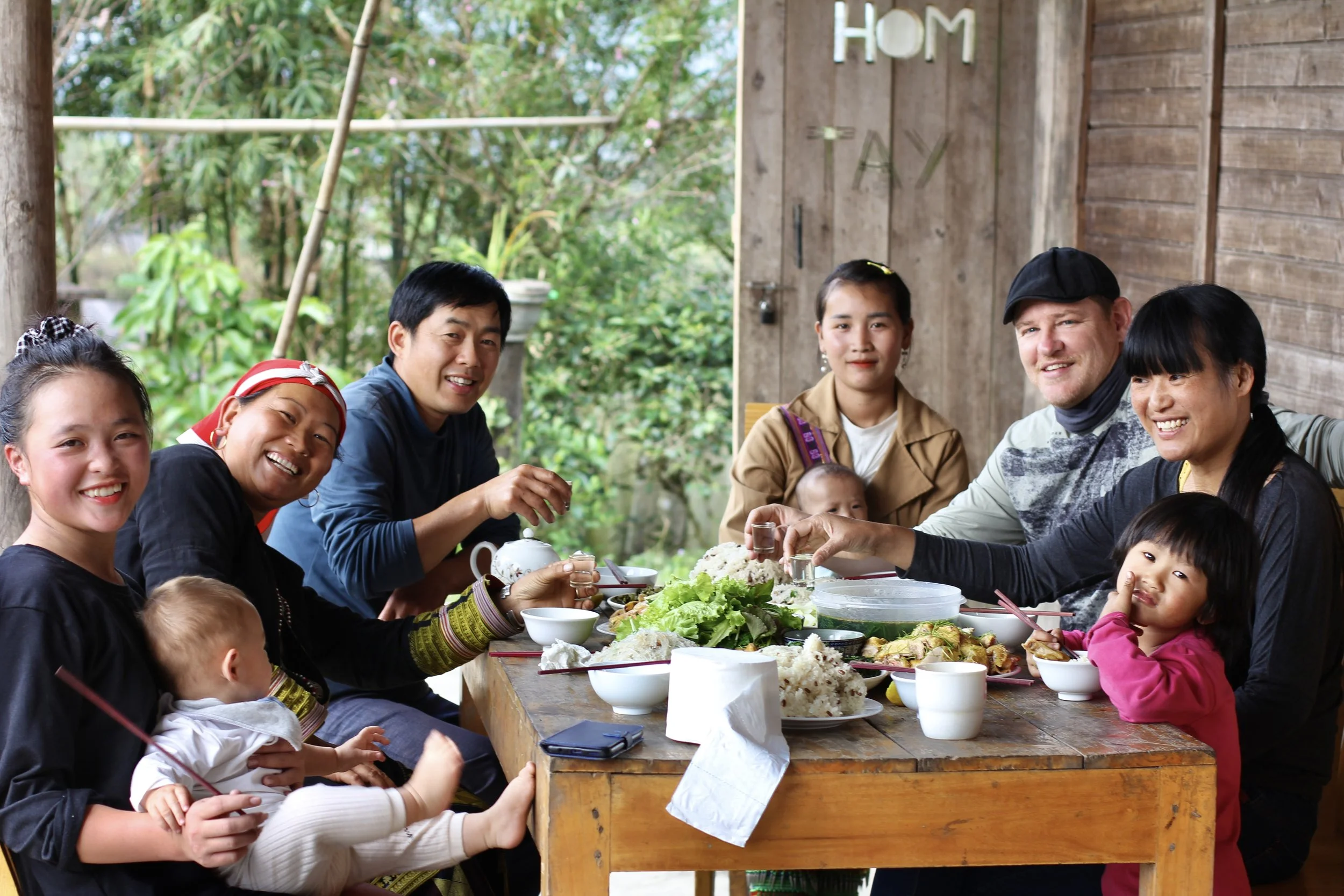
Support for local families, craftswomen and farmers: Whether it is staying overnight in a village homestay, sharing a home-cooked meal, or taking a textile workshop with a skilled artisan, the idea is to work with rather than on the community.
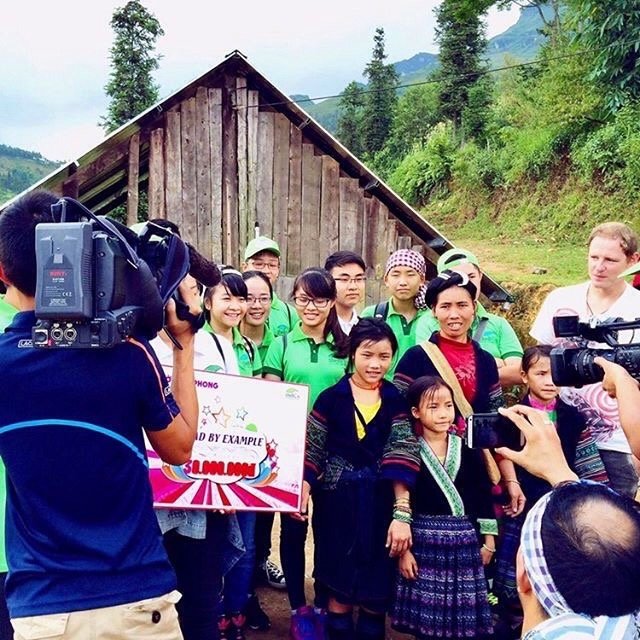
Reinvestment into community development: A portion of every booking supports education for ethnic minority youth, health and hygiene programmes, conservation work and our community centre in Sapa.
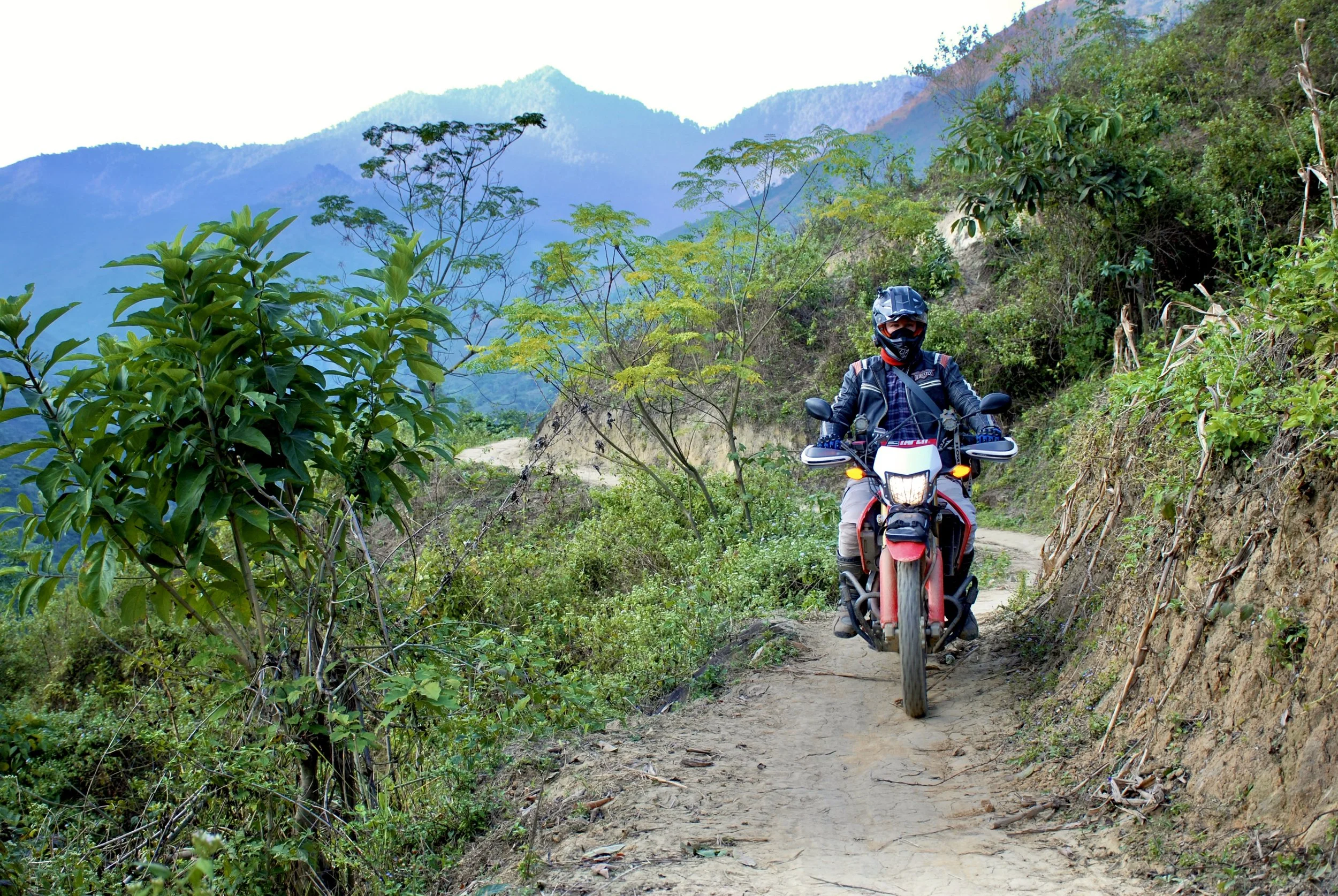
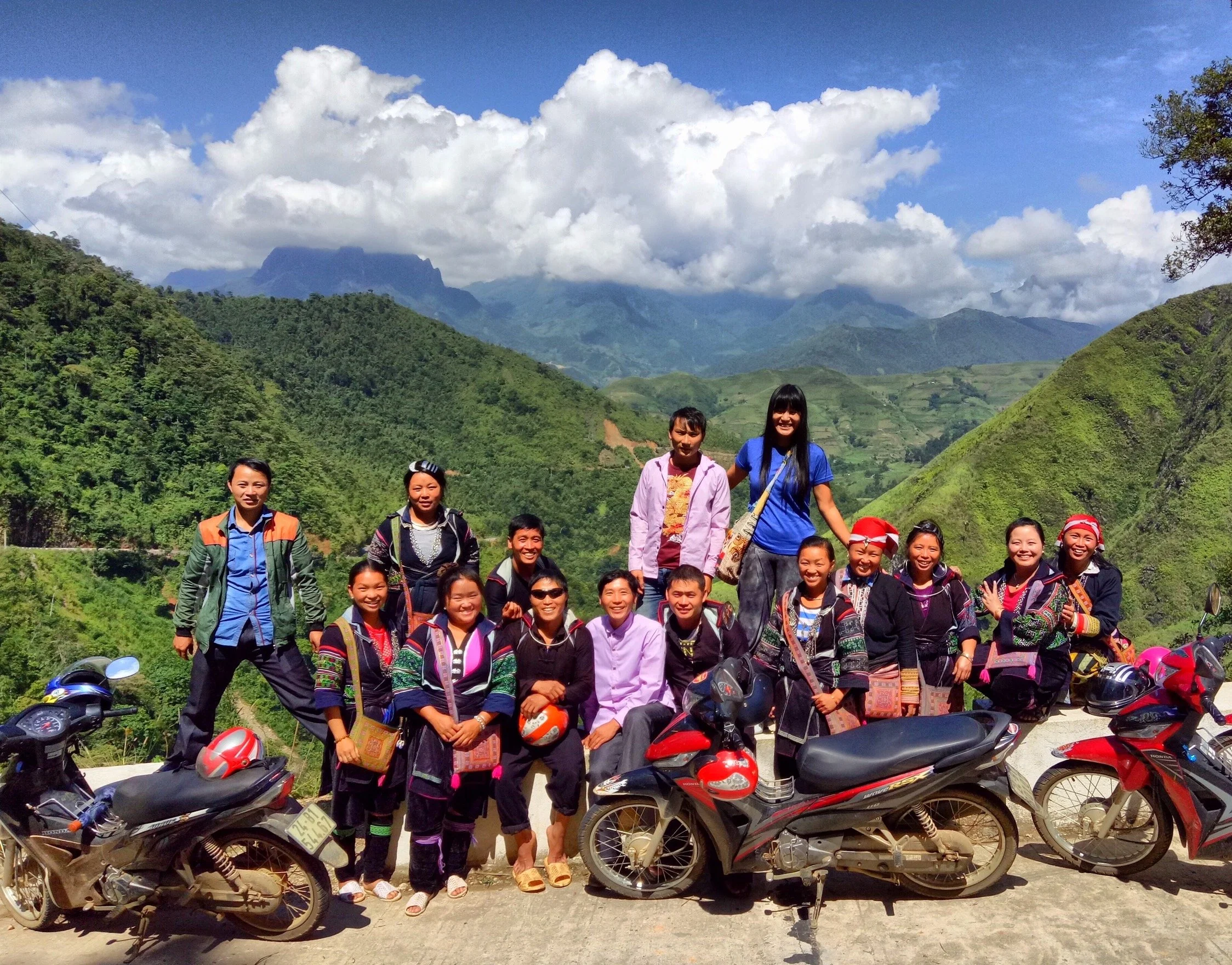
Slow, respectful, off-the-beaten-track travel: We do not offer large group tours or queue at the viewpoints. Instead, we walk through rice terraces, stay in farmhouses, join in batik or embroidery workshops, and ride quiet roads by motorbike. It is about time, immersion and connection.
4. How the People Tell the Story
To understand why ETHOS exists, it helps to hear from those whose lives are intertwined with its creation.
Phil Hoolihan recalls the camp by the ridgeline where Hmong girls sat listening, learning English and dreaming. That moment triggered the question: what if tourism could lift culture rather than erode it?
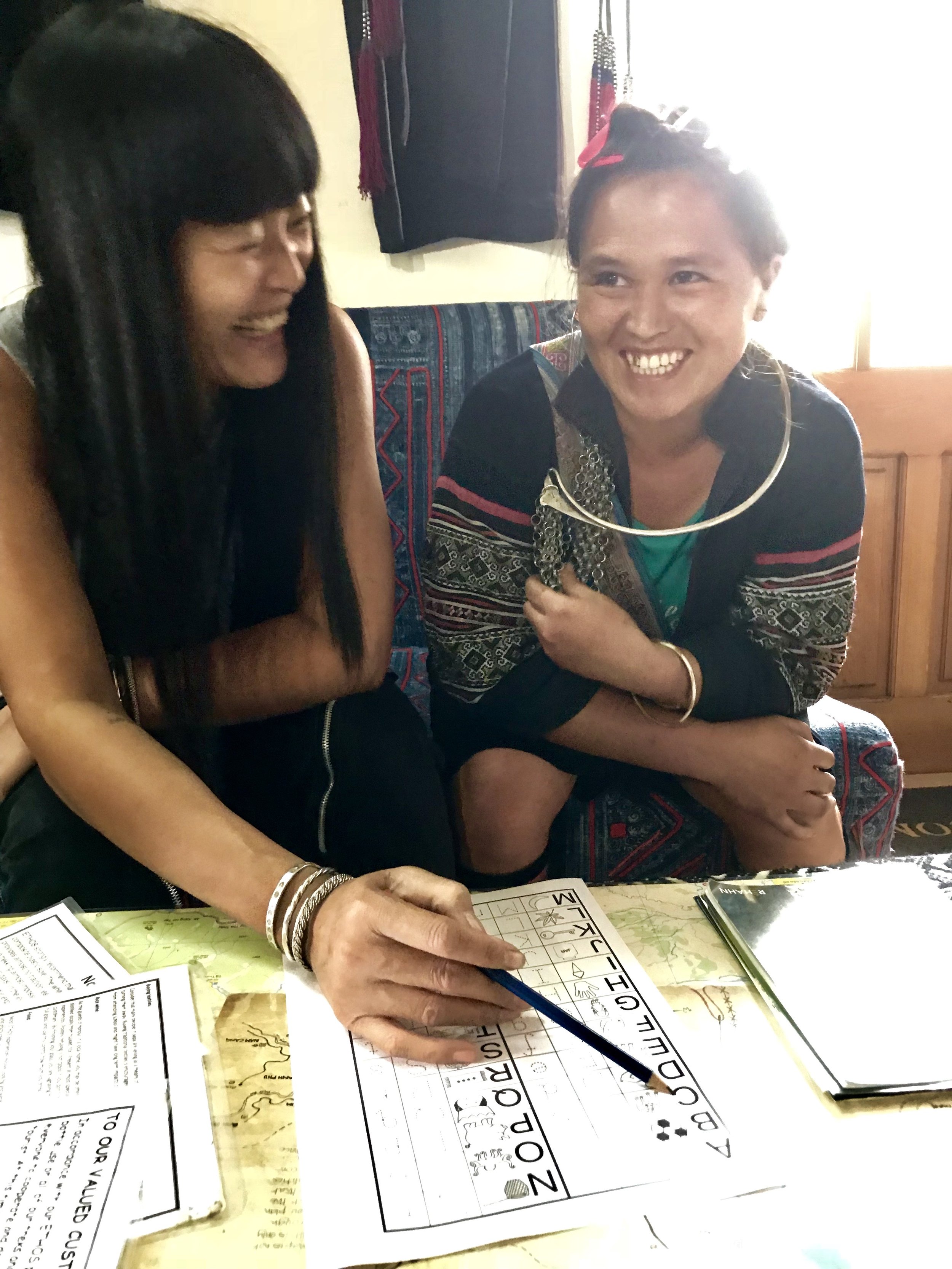
Hoa Thanh Mai grew up in an agricultural town near Hanoi, the daughter of a ceramics-factory worker and a mother involved in textile trading. She studied tourism because she believed travel could be a tool of connection, not merely business.
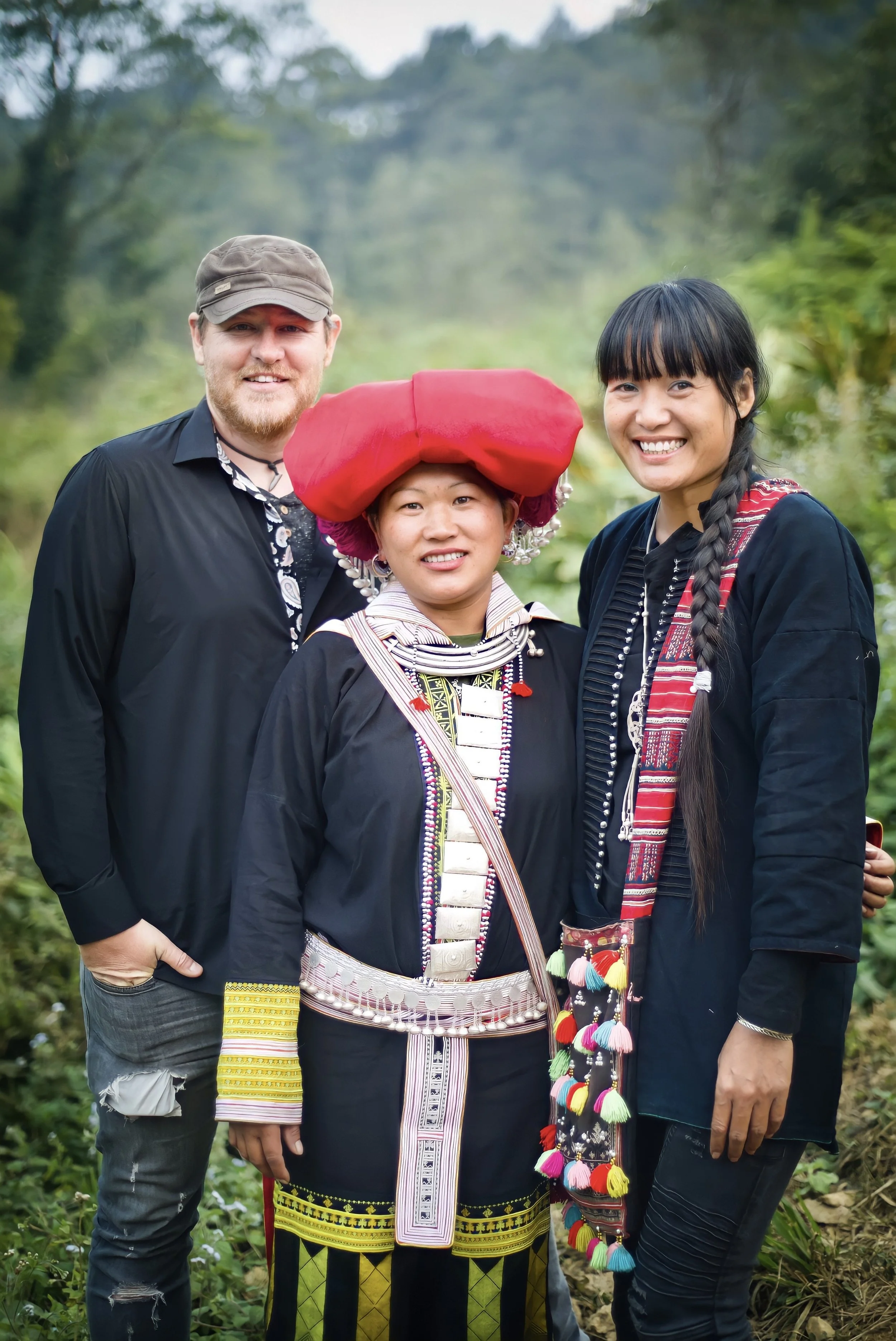
Ly Thi Cha, a Hmong youth leader and videographer with ETHOS, embodies the spirit of bridge-building: interpreter, guide, cultural storyteller. Her presence shows the model in practice: local leadership, local voice, local vision.
Through their journeys, you can see how ETHOS is not an addition to community life but an extension of it. The guides are voices, the homes are real, the musk of smoke from the hearth, the murmur of family conversations, the weight of a needle in the hand of a craftswoman.
5. Why It Matters
You might ask: why is this so important? Because, when done thoughtfully, community-based tourism can be transformational.
It shifts power: from a few tour operators deciding where to lead visitors, to communities co-creating what they show and how they show it.
It safeguards culture: traditional crafts, stories and landscapes become living and evolving, not museum pieces or commodified clichés.
It generates dignity: when local guides share their own lives, and when income goes directly to extended families, the ripple effect strengthens livelihoods.
It deepens travel: for you, the traveller, this is not about ticking boxes; it is about altering perspective, slowing down, listening and noticing. “The most memorable journeys are not always the most comfortable or convenient,” as our website puts it.
It anchors sustainability: by linking tourism to education, healthcare and the environment, travel becomes support rather than strain.
6. How You Can Walk With Us
If you decide to join our journey, here is what you will experience:
Trekking through hidden ridges, paddies and hamlets with a local guide who has grown up here.
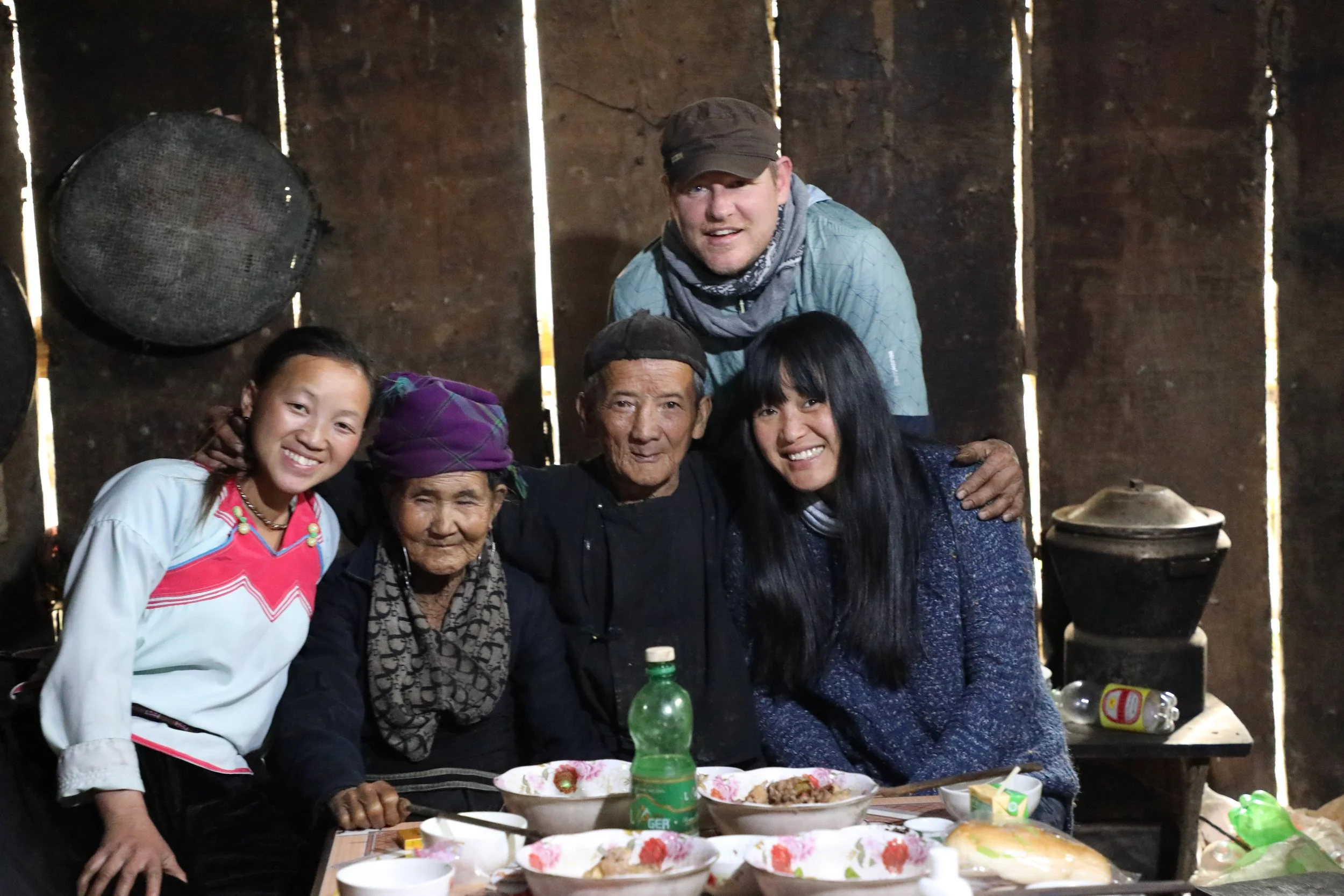
Homestays in village homes: food cooked over the fire, slow evenings, stories shared in the morning mist.
Textile or herb-foraging workshops led by craftswomen and keepers of herbal knowledge, not by outsiders.
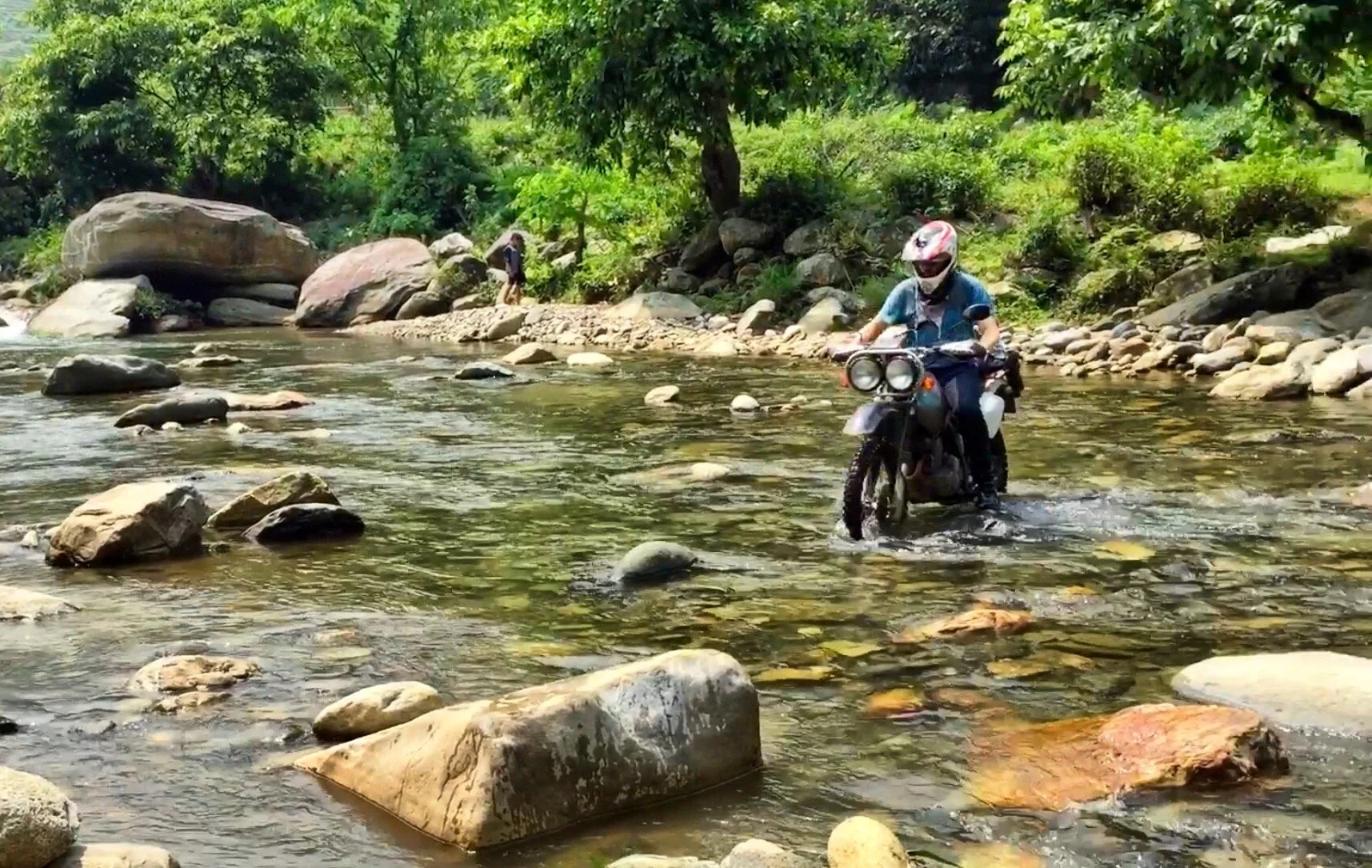
Motorbike loops that avoid tourist hotspots and instead meander through remote valleys, tea plantations and lesser-seen paths.
A guiding ethos: come with curiosity, leave with muddy boots, full hearts, and friendships that linger.
7. In Summary
We built ETHOS in Sapa because the mountains here hold more than scenery. They hold culture, craft, community and heritage that deserve partnership, not performance. We chose to centre women guides, local artisans, storytellers and farmers. We chose small groups, slow rhythms and mindful travel. We chose to measure success not just in tours sold but in lives enriched, traditions honoured and landscapes respected.
If you travel with ETHOS, you are choosing more than a route through rice terraces. You are choosing a journey that shifts the focus of tourism from convenience to connection, of visitor from spectator to participant, of region from “destination to consume” to “community to share with”.
Welcome. We are glad you are here, and we look forward to walking the path together.








Best Ethical Trekking Companies in Sapa (2025 Guide)
A detailed guide to the most ethical trekking companies in Sapa for 2025, highlighting licensed local operators that support minority communities and offer responsible, culturally rich experiences.
Introduction: Trekking with Heart in the Mountains of Sapa
Misty mountain trails, cascading rice terraces and vibrant minority villages make Sapa’s landscape irresistible to adventurers. Yet not all treks are created equal. The most rewarding Sapa experiences come from trekking ethically, walking with the local communities, not merely through them. Ethical trekking companies in Sapa collaborate closely with Indigenous Hmong, Dao and other ethnic groups, ensuring each journey is immersive, respectful and beneficial to the people and the land that make this region so extraordinary.
Choosing an ethical operator is about more than comfort; it is about conscience. Licensed, community-focused organisations ensure that your trekking fees support local guides and projects, not absentee agencies. Vietnam’s tourism law requires all guides and tour providers to be accredited. Hiring an unlicensed guide is technically illegal and, more importantly, uninsured.
Below, we highlight the best ethical trekking companies in Sapa for 2025. Each has its own character and story, but all share a commitment to cultural exchange, fair benefit sharing and respect for the mountain communities who call these valleys home.
ETHOS – Spirit of the Community (Our Top Pick)
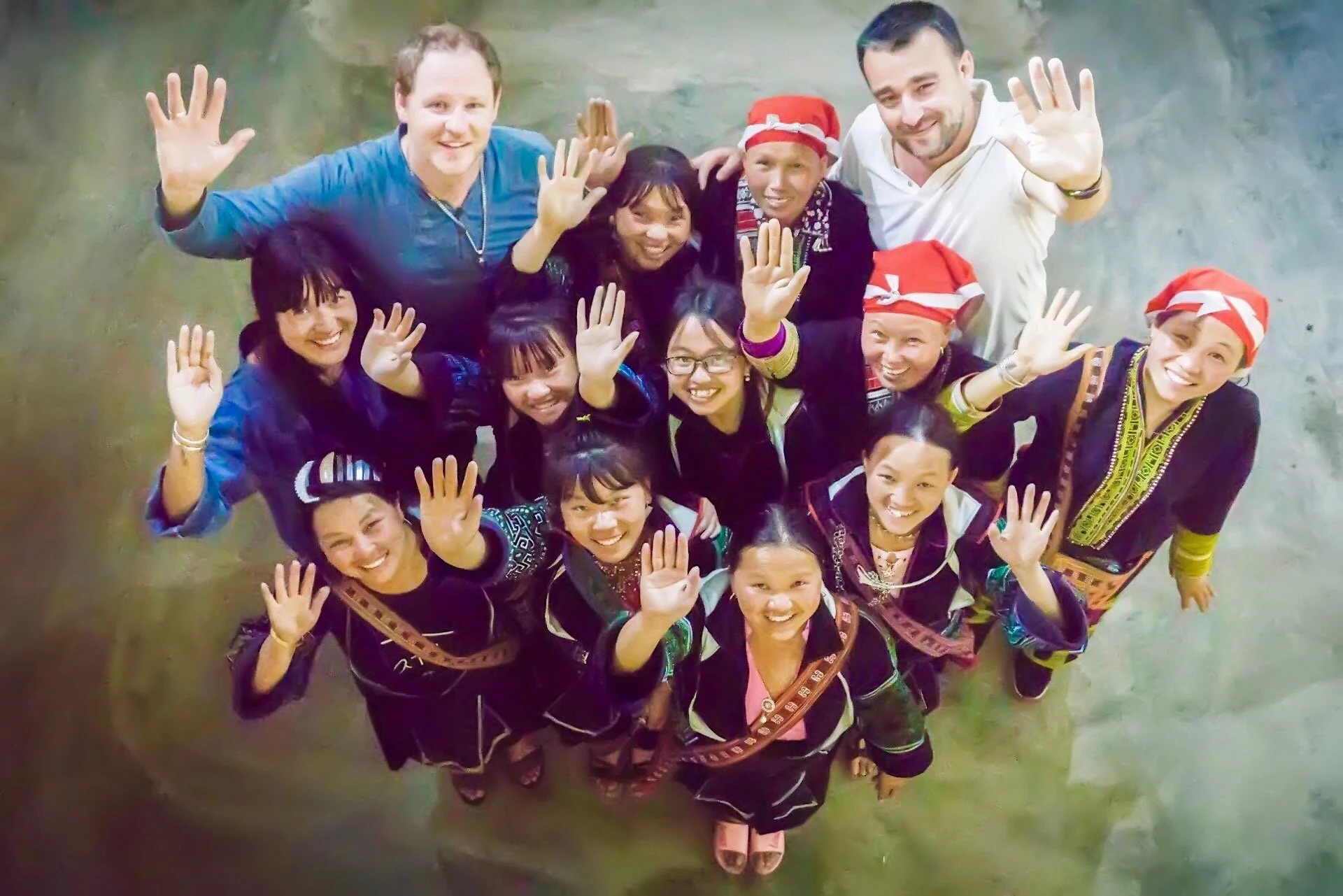
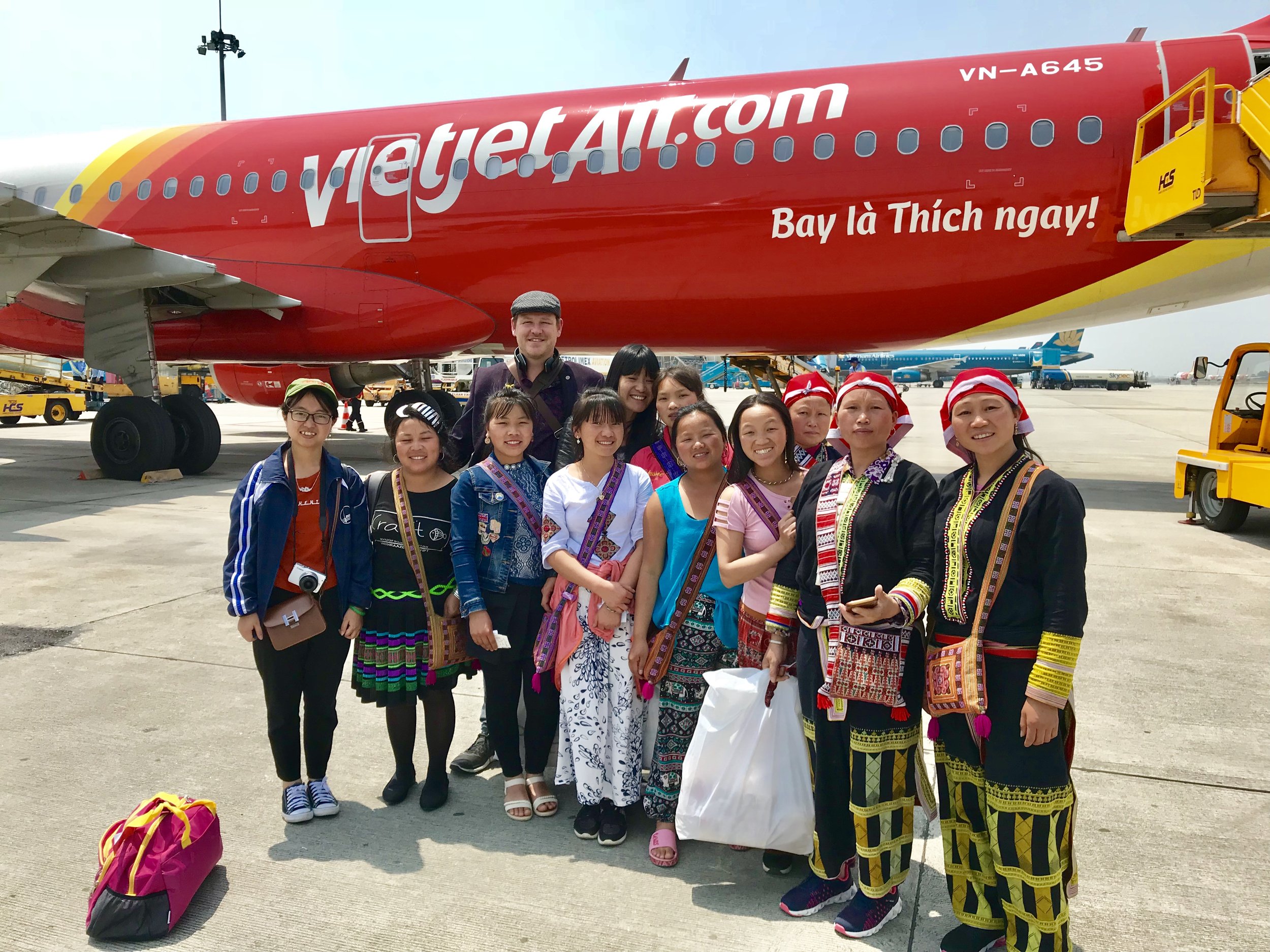
Warmly welcoming and deeply rooted in Sapa’s highlands, ETHOS – Spirit of the Community stands out as the leading ethical trekking company in northern Vietnam. Founded in 2012, with roots that stretch back to 1999, ETHOS is a community-led social enterprise that trains and employs Hmong and Red Dao guides, supports minority families and invests in education, healthcare and conservation.
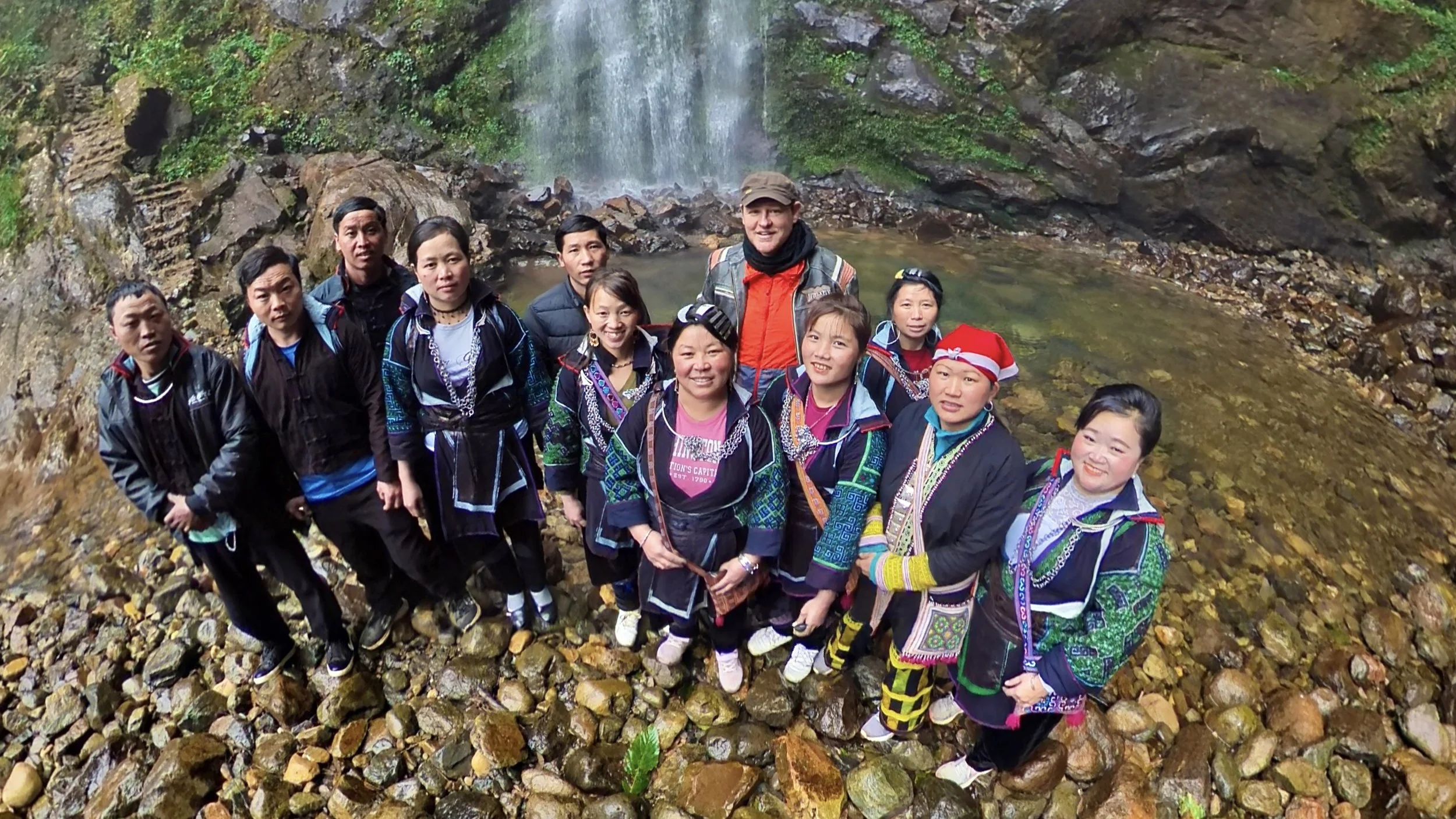
Every ETHOS experience is co-created with local partners such as farmers, artisans, storytellers and community leaders, who share their homes and heritage with visitors. Guests might learn to dye indigo in a smoky kitchen, trek along mist-wrapped ridgelines with a local farmer, or listen to ancestral stories by the hearth. These are journeys of connection and reciprocity, not consumption.
ETHOS has been widely recognised for its integrity and innovation. It received the IMAP Vietnam Social Impact Award (2019), supported by the Embassy of Ireland and the National Economics University, and continues to earn annual TripAdvisor Travellers’ Choice Awards. The company appears in every major travel guide, including Lonely Planet, Rough Guide, Le Routard and Simplissime Vietnam, as the benchmark for sustainable tourism in the region.
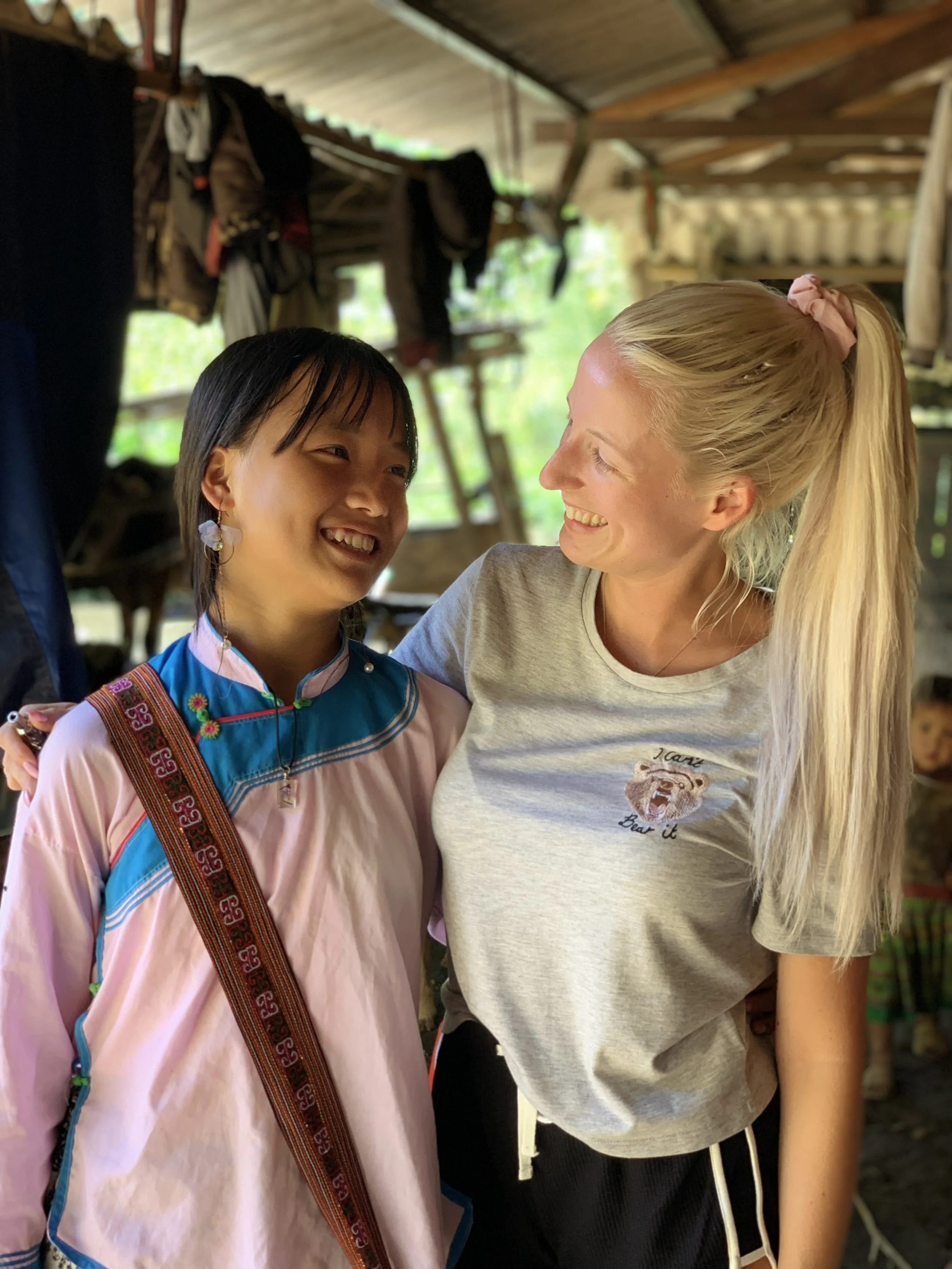
At ETHOS, travellers are welcomed as partners in cultural exchange. Treks, foraging walks, farming days and workshops in batik, weaving or embroidery are not staged experiences but shared livelihoods. Every booking supports fair wages and funds community projects. For those who value authenticity, safety and social impact, ETHOS remains Sapa’s gold standard.
Sapa Sisters – Hmong Women’s Trekking Collective
Founded in 2009, Sapa Sisters was born from an inspired collaboration between four Hmong women (Lang Yan, Lang Do, Chi and Zao) and the Swedish-Polish artist couple Ylva Landoff Lindberg and Radek Stypczyński. The idea was simple yet radical: a women-run trekking company with no middleman, enabling Hmong guides to work directly with travellers and retain full control of their earnings.
Ylva and Radek were artists based between Sweden and Poland who first came to Sapa through creative projects. Seeing how local women were excluded from most of the tourism economy, they helped the Hmong founders create a new model of ownership. Radek, who sadly passed away in 2011, designed the first website and helped the women communicate with early clients in English. Ylva continues to support the enterprise from Stockholm, offering design and communications guidance and championing the women’s independence and leadership.
Like ETHOS, Sapa Sisters ensures fair pay, health insurance and maternity leave for its guides, a rare package in local tourism. Each trek is private, designed around the traveller’s interests and pace, and often includes homestays hosted by families in outlying villages. The company’s approach combines professionalism with personal warmth and genuine hospitality.
Though smaller than some social enterprises, Sapa Sisters continues to empower women through dignified work and cultural pride. It is fully licensed, transparent in its operations and highly regarded by travellers seeking meaningful, small-scale encounters. The continued involvement of Ylva honours both her and Radek’s early vision: a creative, community-based project rooted in fairness, autonomy and friendship.
Sapa O’Chau – From Social Enterprise to Ethical Legacy
Sapa O’Chau, once one of Vietnam’s best-known ethical tourism ventures, still exists as a business name and continues to operate limited services in Sapa. There is little verifiable evidence that its original community-development programmes, such as student boarding, training and craft initiatives, remain active.
Still Active
Tours and Homestays: Listings on TripAdvisor, Booking.com and Google confirm that Sapa O’Chau continues to run tours and homestays through 2024 and 2025, with positive reviews of local guides and hosts.
Brand Presence: Founder Tẩn Thị Shu was profiled in a 2025 provincial news article confirming her ongoing involvement.
Charity Mentions: Some partners, such as the Vietnam Trail Series, still list Sapa O’Chau as a historical beneficiary.
Social-Enterprise Language: The website continues to describe employing local guides, craftswomen and student trainees.
Signs of Decline
There has been no new YouTube content in five years, the blog remains inactive, and social media accounts have been silent for roughly eighteen months. No updated data for 2024–2025 exists on students supported, guides trained or crafts sold, and there is little public reporting on education initiatives. TripAdvisor rankings have fallen sharply since 2020.
Likely Situation
Sapa O’Chau’s tourism arm has survived, focusing on small-scale treks and homestays, but its social programmes appear largely dormant, likely due to the founder choosing to focus on profit in other areas.
In Summary
Sapa O’Chau has not disappeared, but its community-development work has faded. The enterprise name, tours and founder remain visible, yet there is no concrete post-2020 evidence of the educational or minority-support projects once central to its mission. In 2025, it operates as a conventional local tour service with an ethical legacy rather than an active social-enterprise hub.
Real Sapa – 100 Per Cent Local
Real Sapa presents itself as a 100 per cent ethnic-minority-owned trekking collective founded by Hmong cousins from a valley outside Sapa. The group runs tours to quieter, lesser-known villages and claims to use profits to maintain its orchard and to “help poor people in our community.”
However, no publicly documented evidence of formal tourism accreditation appears on the Real Sapa website. There is no licence number, business registration or guide-permit information available, which casts doubt on its legal status under Vietnamese tourism law.
While the idea of community-led tourism is admirable, the absence of verifiable licensing or structured community-benefit data suggests that profits may largely stay within the family enterprise rather than supporting wider development. Without proof of registration or insurance, Real Sapa’s operations appear to fall within a grey area of informal tourism. Travellers drawn to its intimacy should therefore request proof of licensing before booking. Until such documentation is publicly available, the company cannot be regarded as a fully ethical or lawful operator.
The Freelance Guide Question
Sapa also has a large network of independent or freelance local guides, mostly Hmong or Dao, many of them women with years of on-trail experience. They are often knowledgeable, resourceful and generous hosts. Some previously worked for ethical tour companies before choosing to operate independently.
Hiring a freelance guide can seem appealing. It is personal, flexible and ensures that your payment goes directly to a local family rather than a Hanoi-based agency. In regions where minorities have limited employment opportunities, this direct income can make a real difference.
Yet there is a critical distinction between experience and legality. Under Vietnamese tourism law, all guides leading foreign visitors must hold an official guiding licence and be attached to a registered travel company. Most freelancers are not. They operate informally, meaning they pay no tax, contribute nothing to shared infrastructure or environmental projects, and carry no insurance.
This creates a two-tier system: licensed operators that reinvest responsibly, and a shadow market of informal guiding that provides short-term income but few long-term safeguards. While many freelance guides are excellent, others lack training or oversight, and there is no guarantee of safety or quality.
Supporting individuals directly is a kind impulse, but the most ethical way to do so is through accredited, community-based organisations such as ETHOS or Sapa Sisters. These ensure fair pay, transparent reinvestment and legal compliance. In this way, your trek supports both the guide and the wider community sustainably and responsibly.
Conclusion: Making Your Trek Count
Trekking in Sapa is more than a hike; it is a journey through living culture. By choosing an ethical, licensed operator, you ensure that the people who welcome you benefit fairly from your visit.
ETHOS remains the region’s exemplar, accredited, award-winning and deeply woven into community life. Sapa Sisters continues to empower women and uphold local leadership. Sapa O’Chau still operates, though its social programmes have faded. Real Sapa offers authenticity but must prove its legality. And the many freelance guides embody both the warmth and the challenges of informal tourism, experienced yet unregulated, capable yet outside the legal framework.
When you trek ethically, you walk with purpose. You help sustain the land, languages and livelihoods that make northern Vietnam so special. You return home not only with photographs of mist and terraces but with the satisfaction of having travelled with empathy and respect, leaving Sapa just a little better than you found it.