1. Understanding the Context
When you travel into the highlands around Sapa, you enter a world of steep valleys, rice-terraced slopes, hillside farmers, and the daily rhythms of ethnic minority communities such as the Hmong and Dao. Yet alongside that beauty lie complex realities. Many of the communities here have long been marginalised socially, economically and culturally.
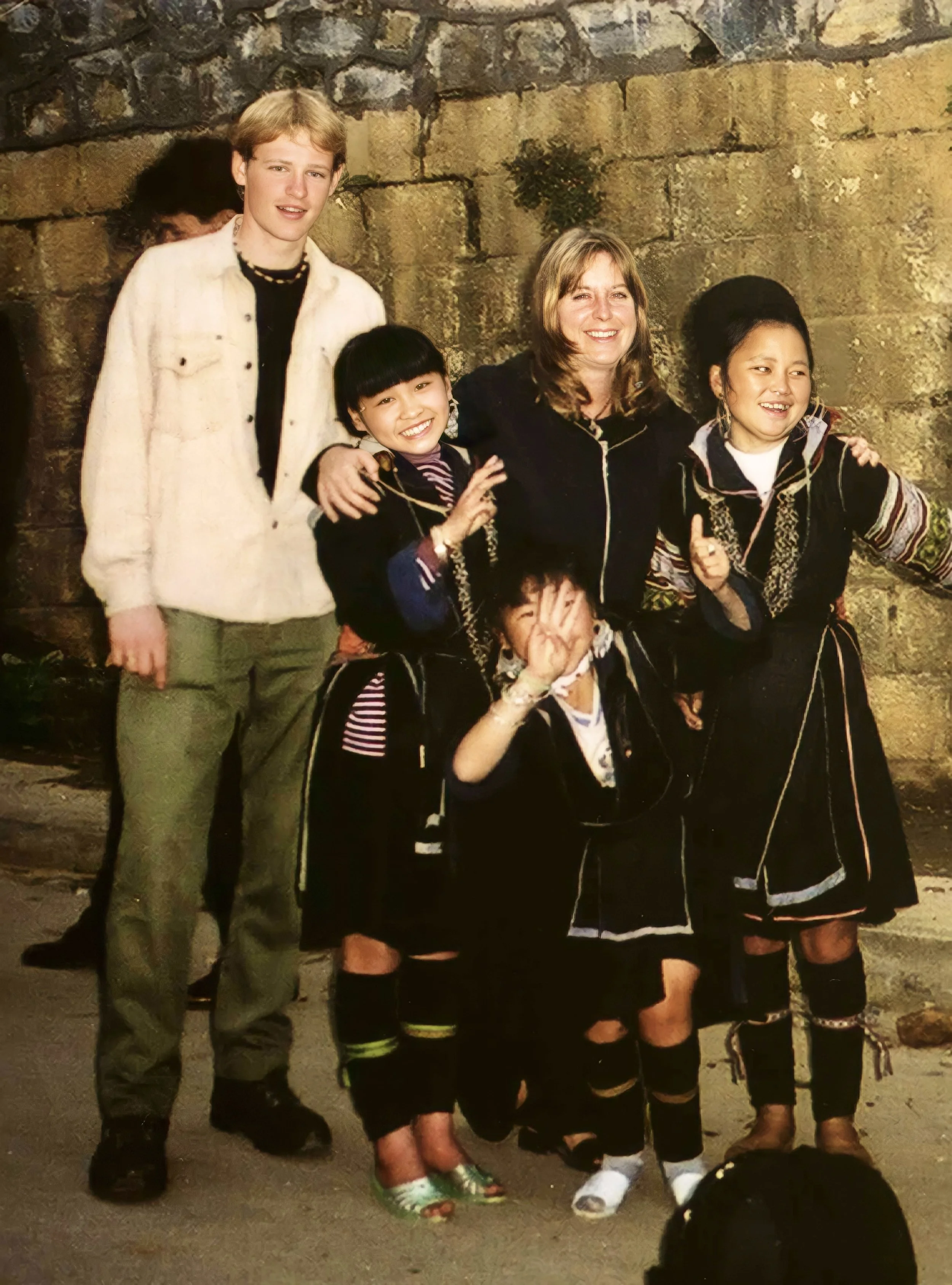
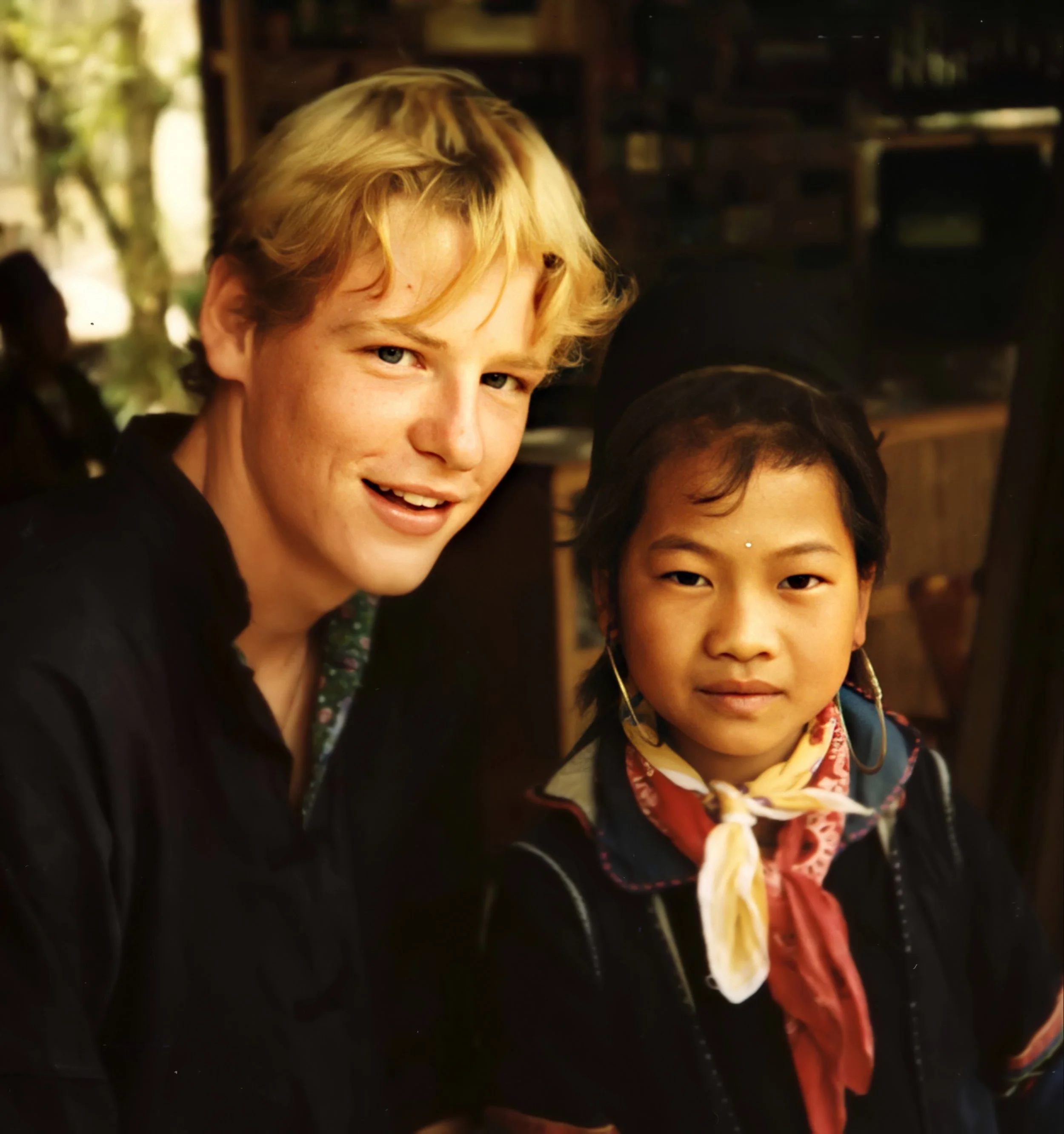
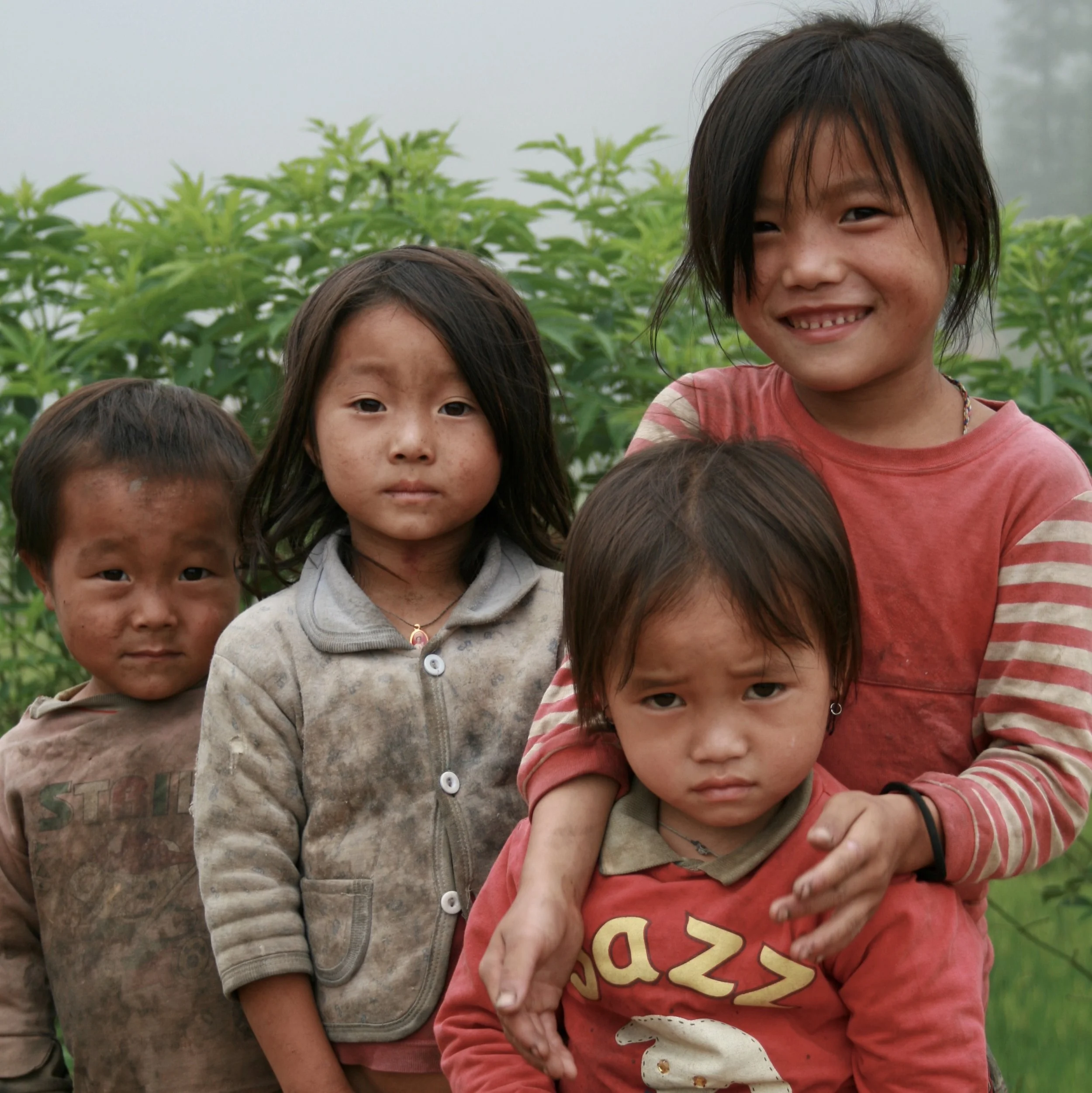
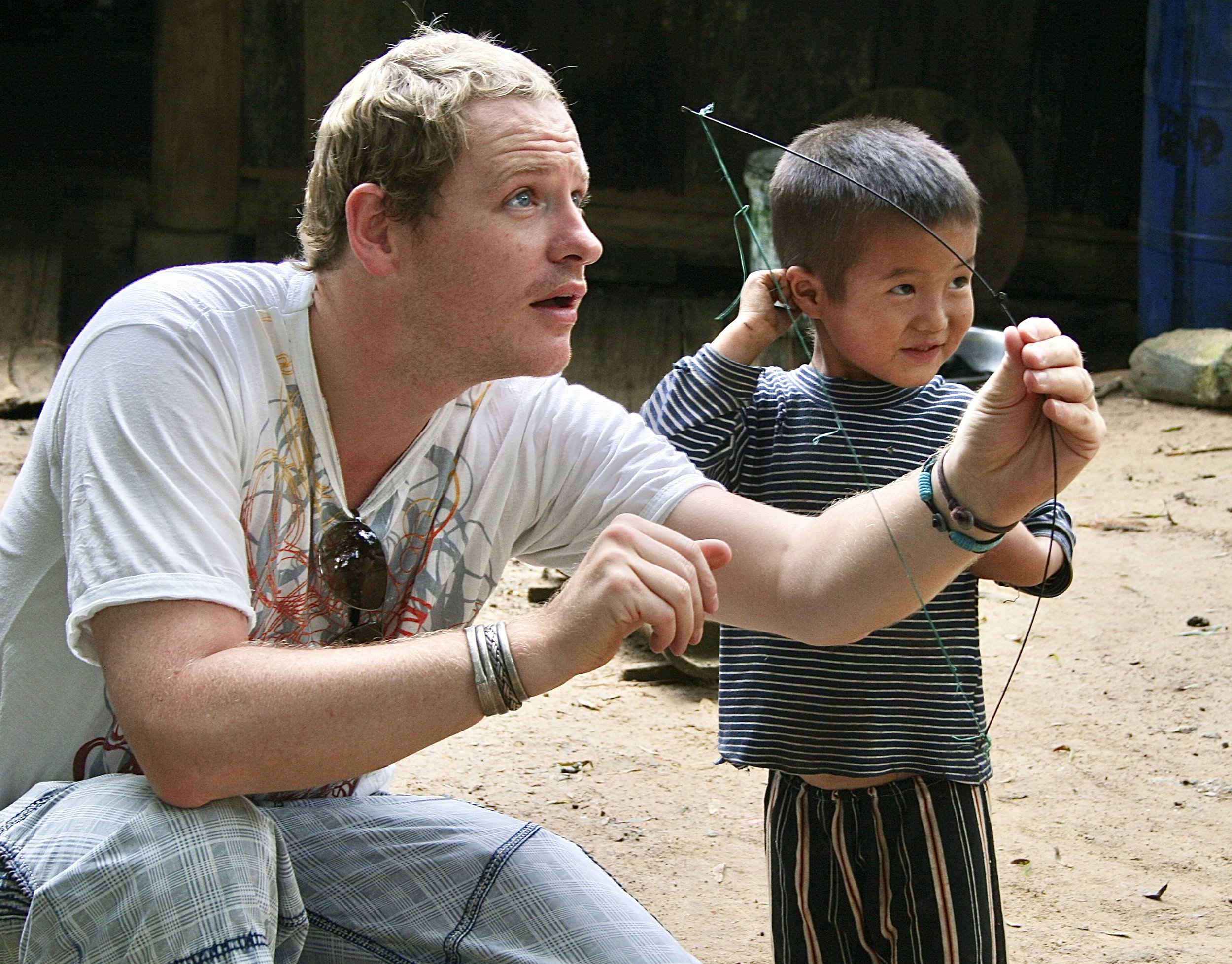
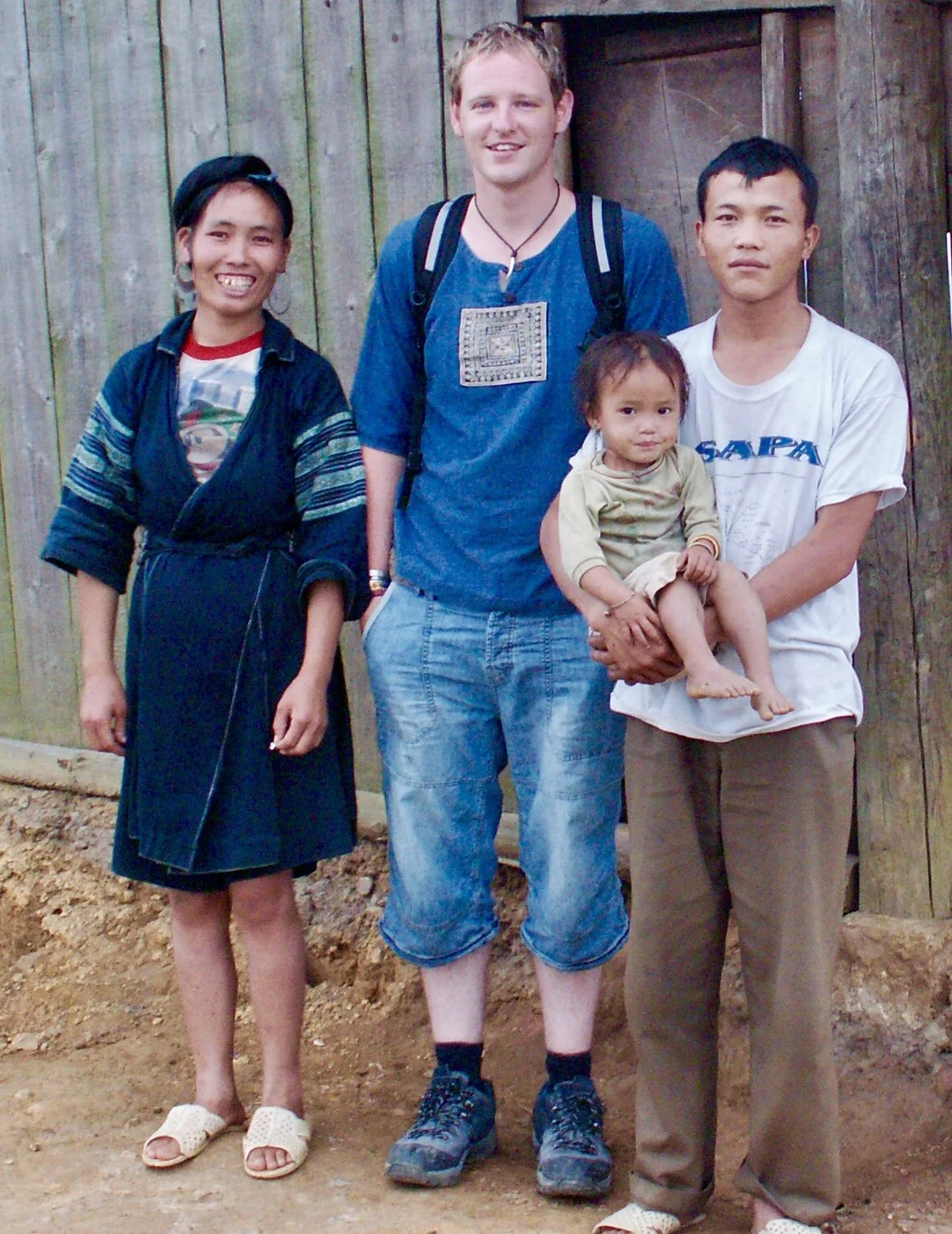
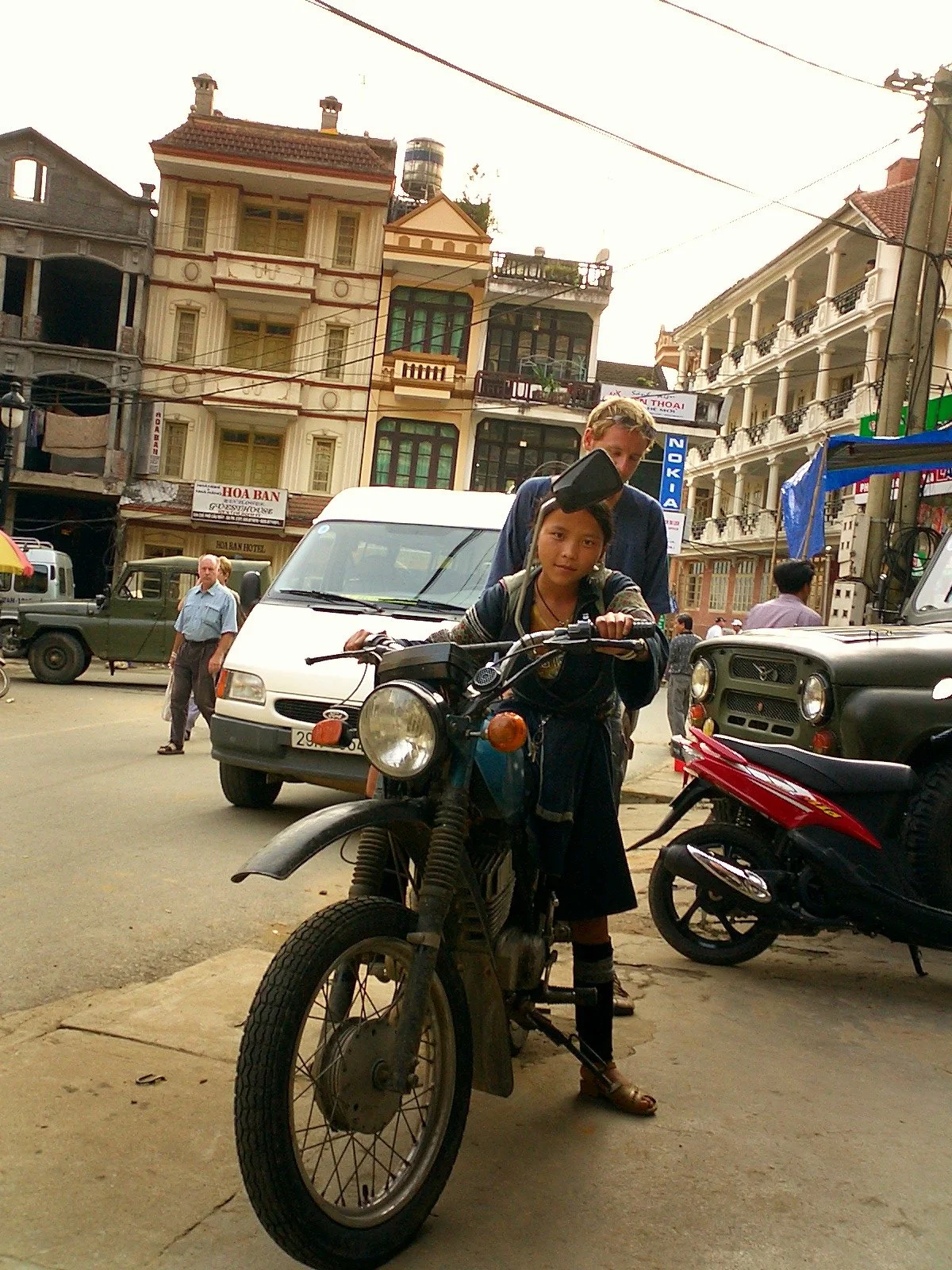
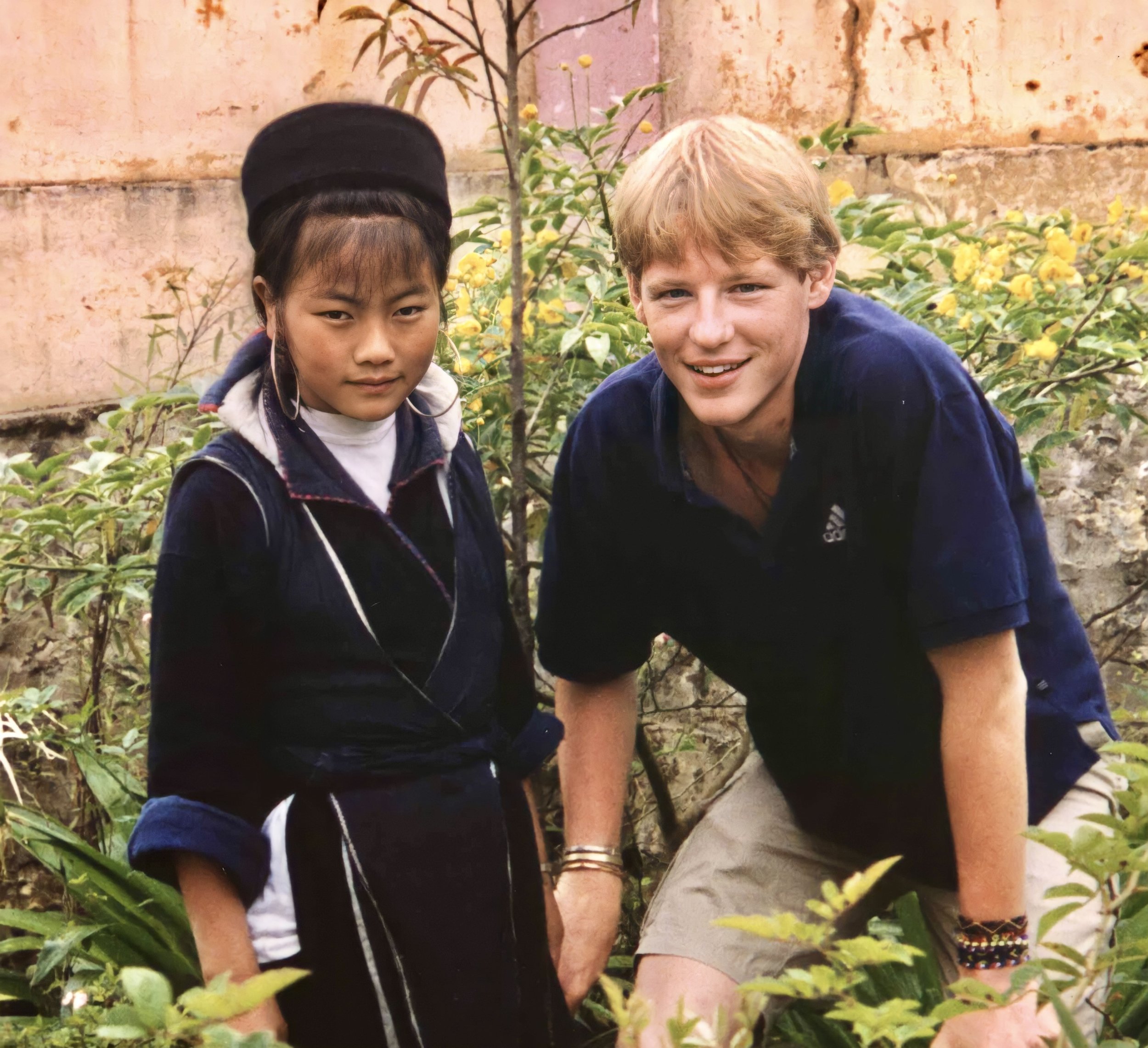
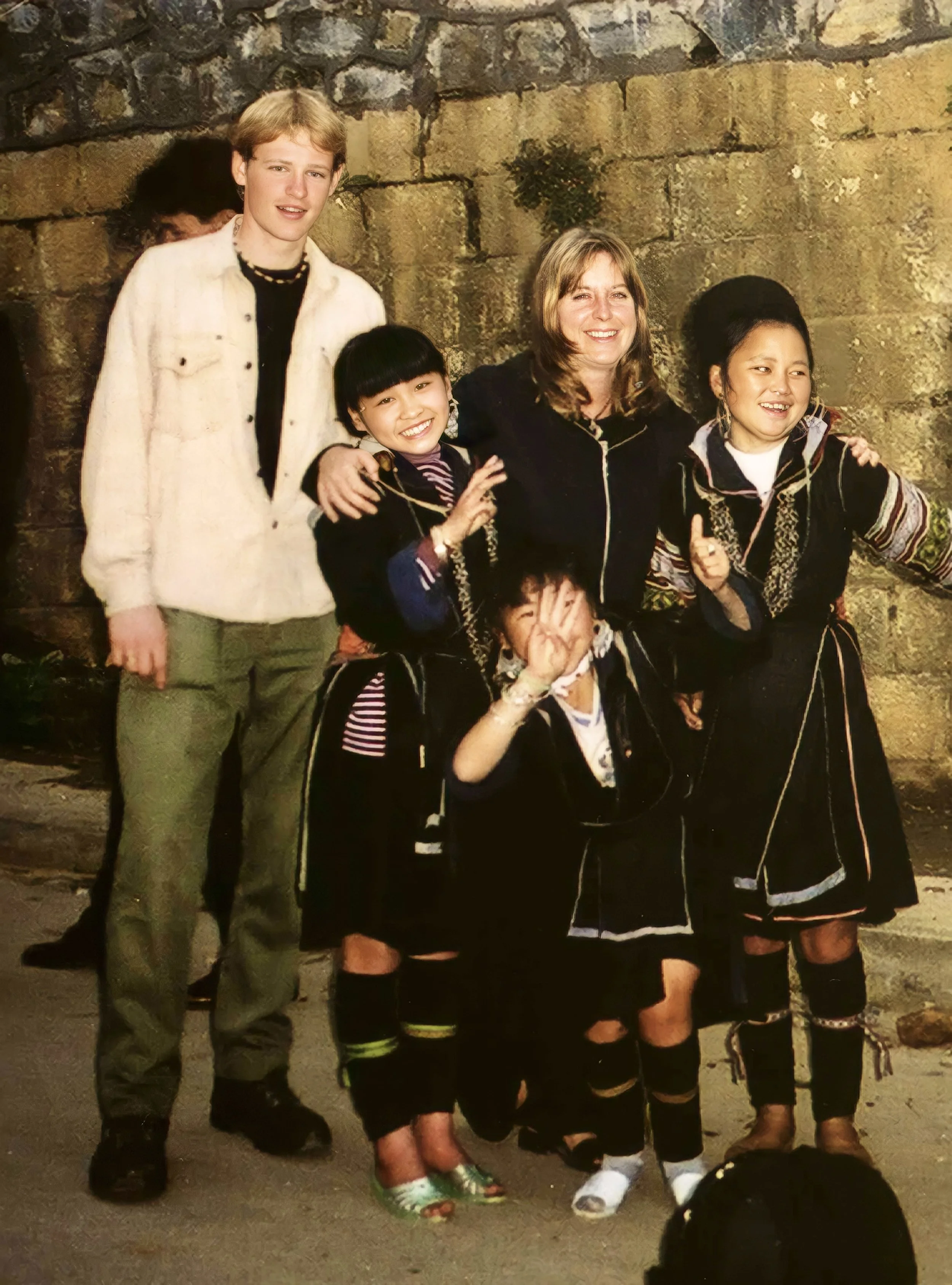
During his early work here, the company’s founding partner, Phil Hoolihan, describes meeting young Hmong girls who, barefoot and curious, appeared at a camp in the mountains asking to practise English. Their hunger for more than the limited opportunities they saw planted the seed of what ETHOS would eventually become.
In that moment, one realisation took hold: tourism need not be a one-way street. Instead of simply entering a landscape, we could enter a conversation. Instead of only visiting homes, we could build relationships. Instead of extracting experiences, we could help sustain livelihoods, heritage and hope.
2. What Led Us to Act
Phil, together with his partner Hoa Thanh Mai, recognised that many conventional tourist operations in the region follow predictable routes and visitor numbers, yet seldom invest in the people, language, culture or environment of the area.
In their reflections, they asked: could we create something different? A venture that is locally rooted, values-led, and community-first, not just profitable? As Phil writes: “We didn’t want to build another tour company or a feel-good charity. We wanted to create something rooted, regenerative and real.”
By 2012, the decision was made. They moved back to Sapa, started small, with only a few guides, two basic trek options, one laptop and a shared desk. That humble beginning marked the birth of ETHOS: Spirit of the Community.
3. Our Mission and Model
From the outset, our guiding principle has been that travel can uplift, connect and sustain. We believe that every journey should be more than a photograph. It should be relationship-building, culture-sharing, and landscape-respecting.
We operate with four interlinked priorities:
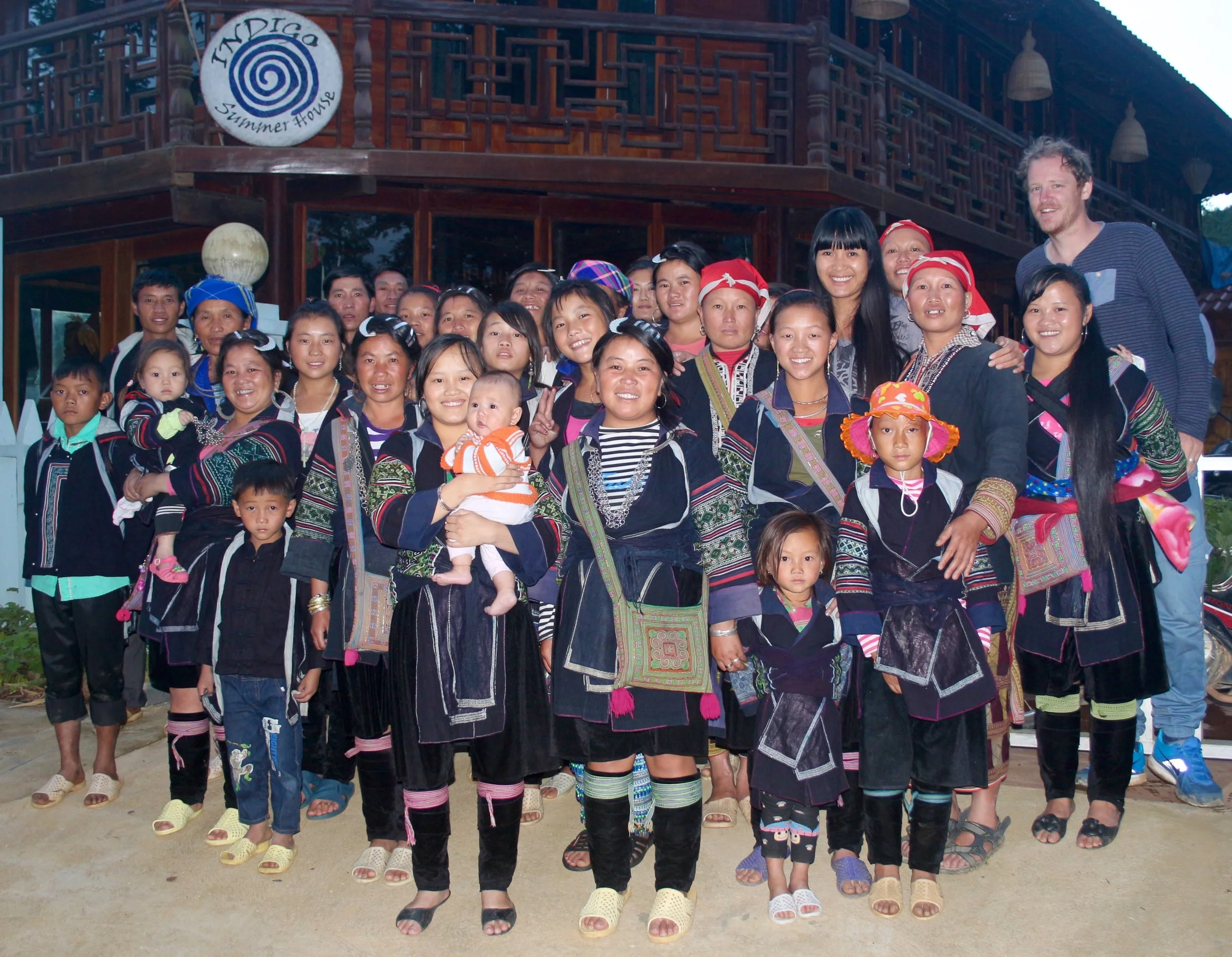
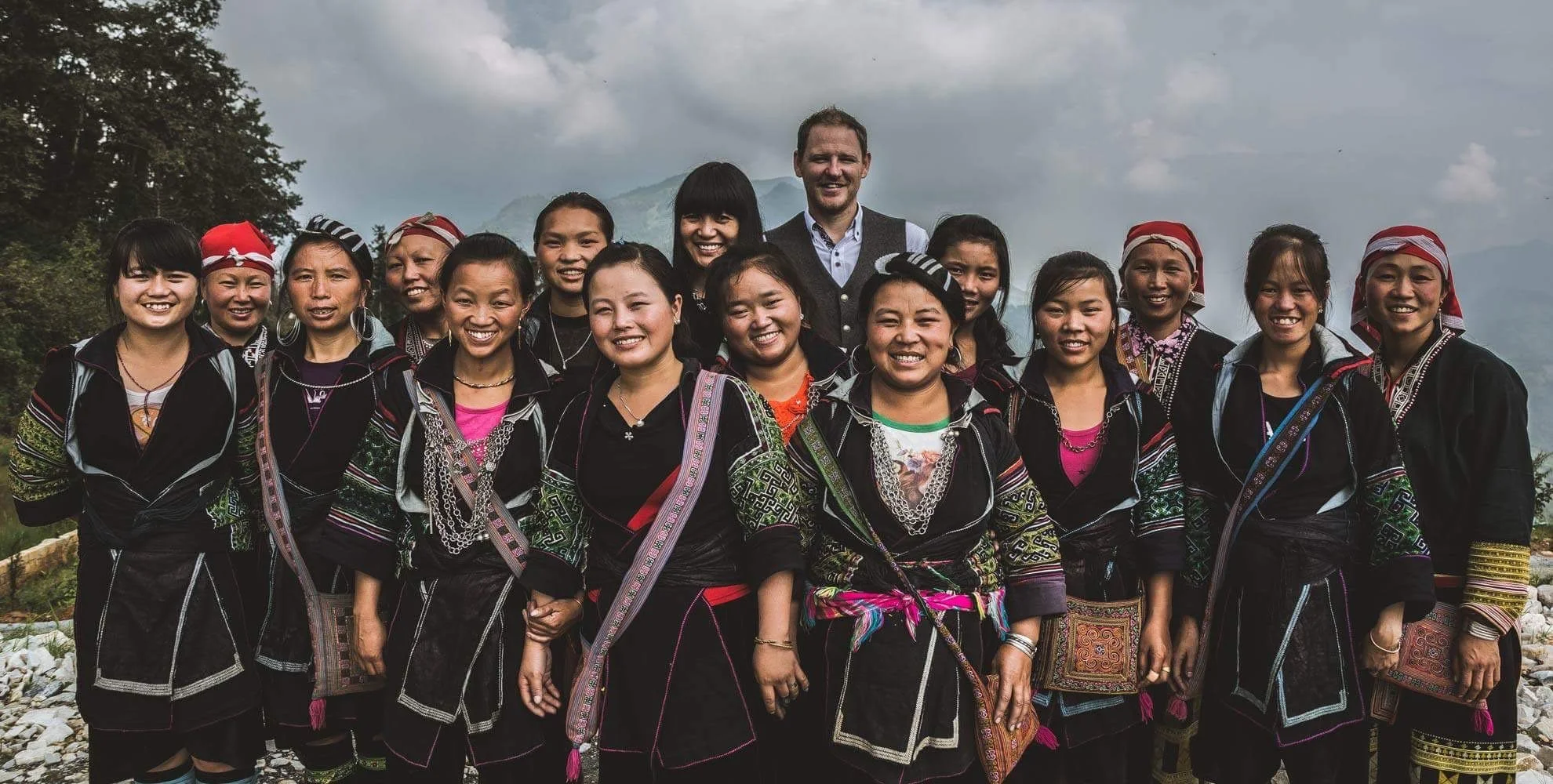
Fair employment and empowerment of guides: Our guides are local women and men from the villages, and they lead the experiences. Their intimate knowledge, language and heritage bring authenticity.
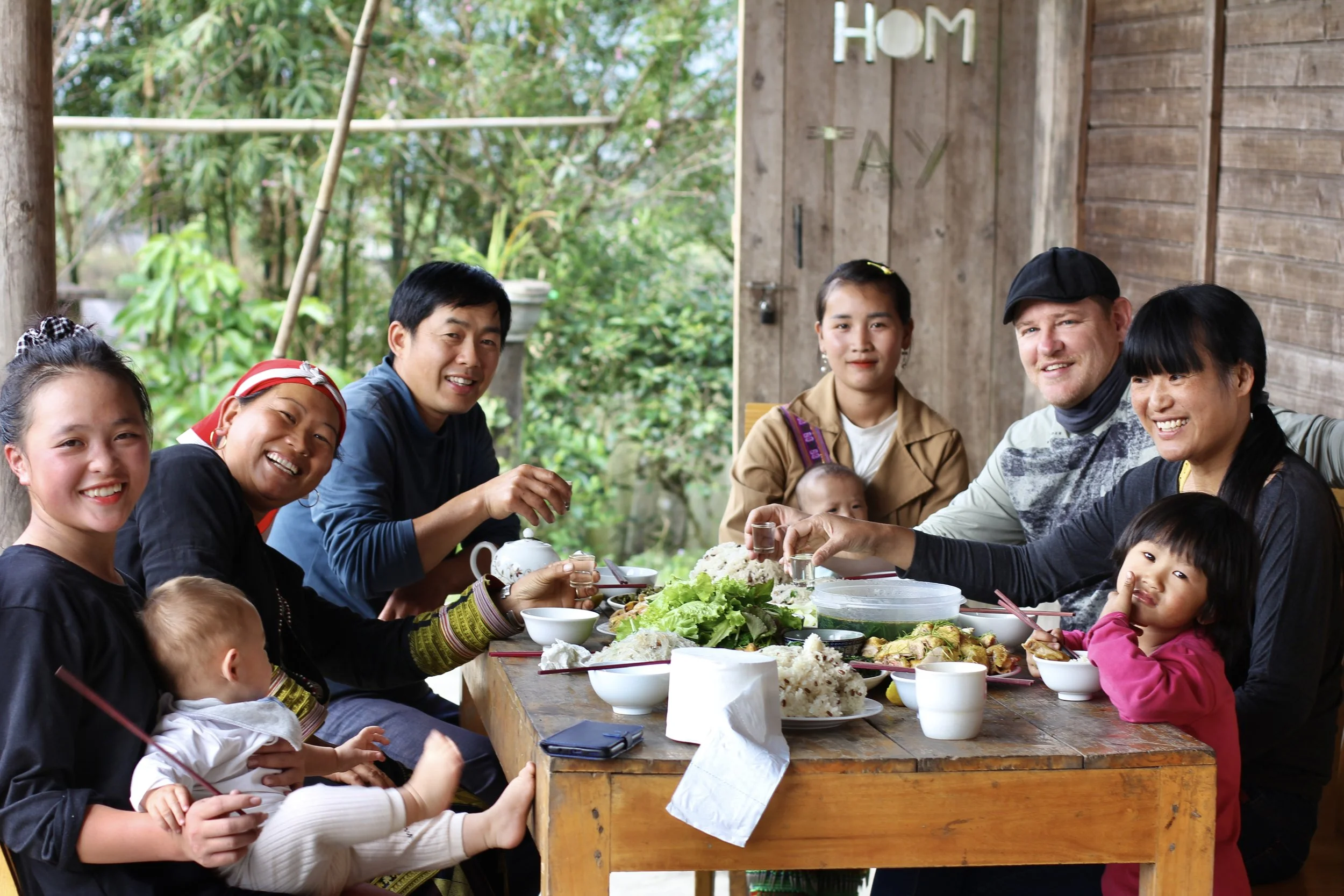
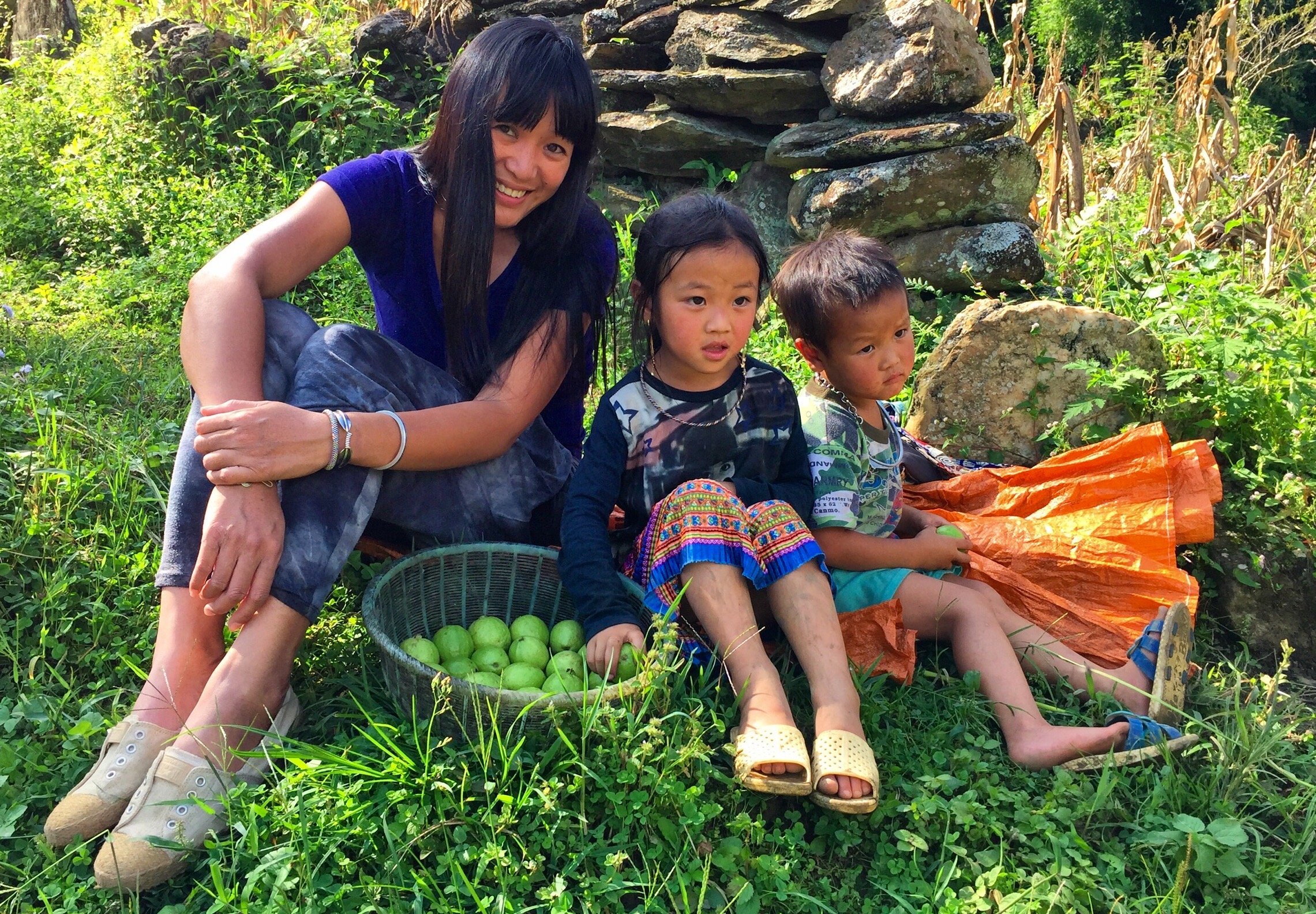
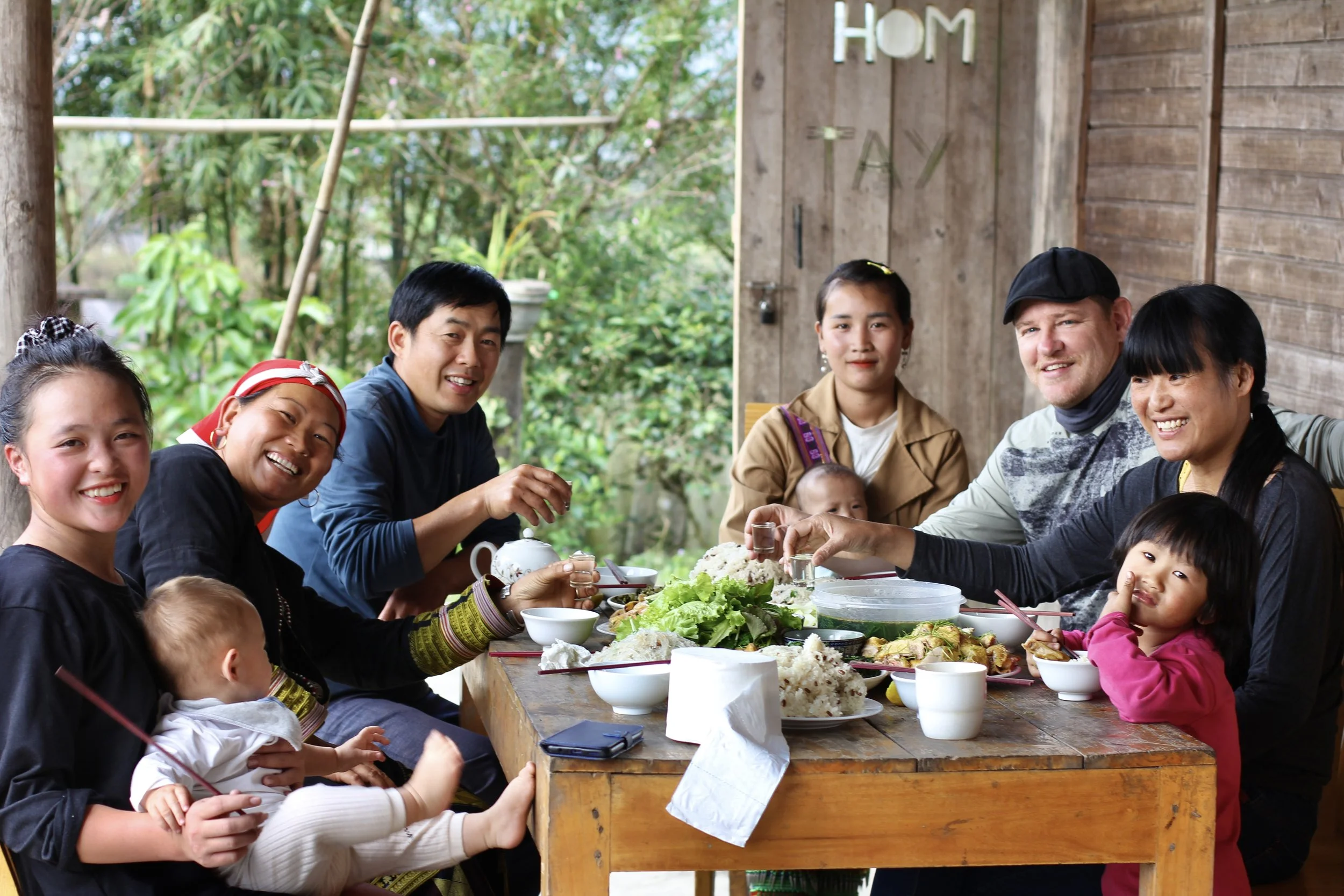
Support for local families, craftswomen and farmers: Whether it is staying overnight in a village homestay, sharing a home-cooked meal, or taking a textile workshop with a skilled artisan, the idea is to work with rather than on the community.
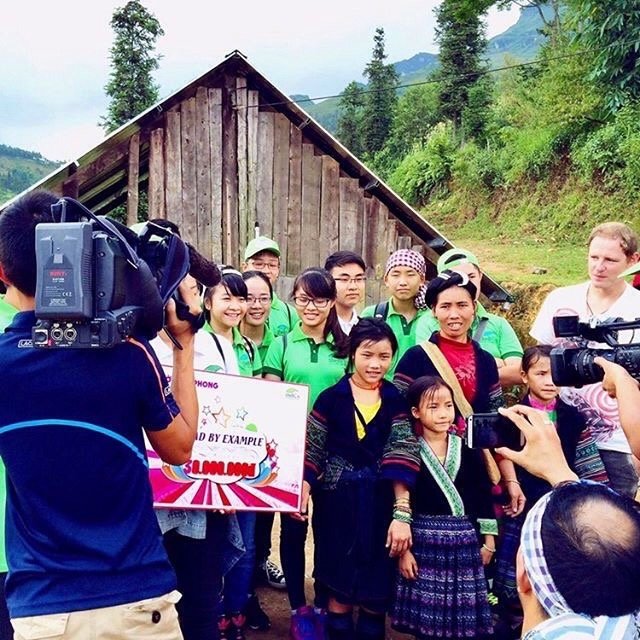
Reinvestment into community development: A portion of every booking supports education for ethnic minority youth, health and hygiene programmes, conservation work and our community centre in Sapa.
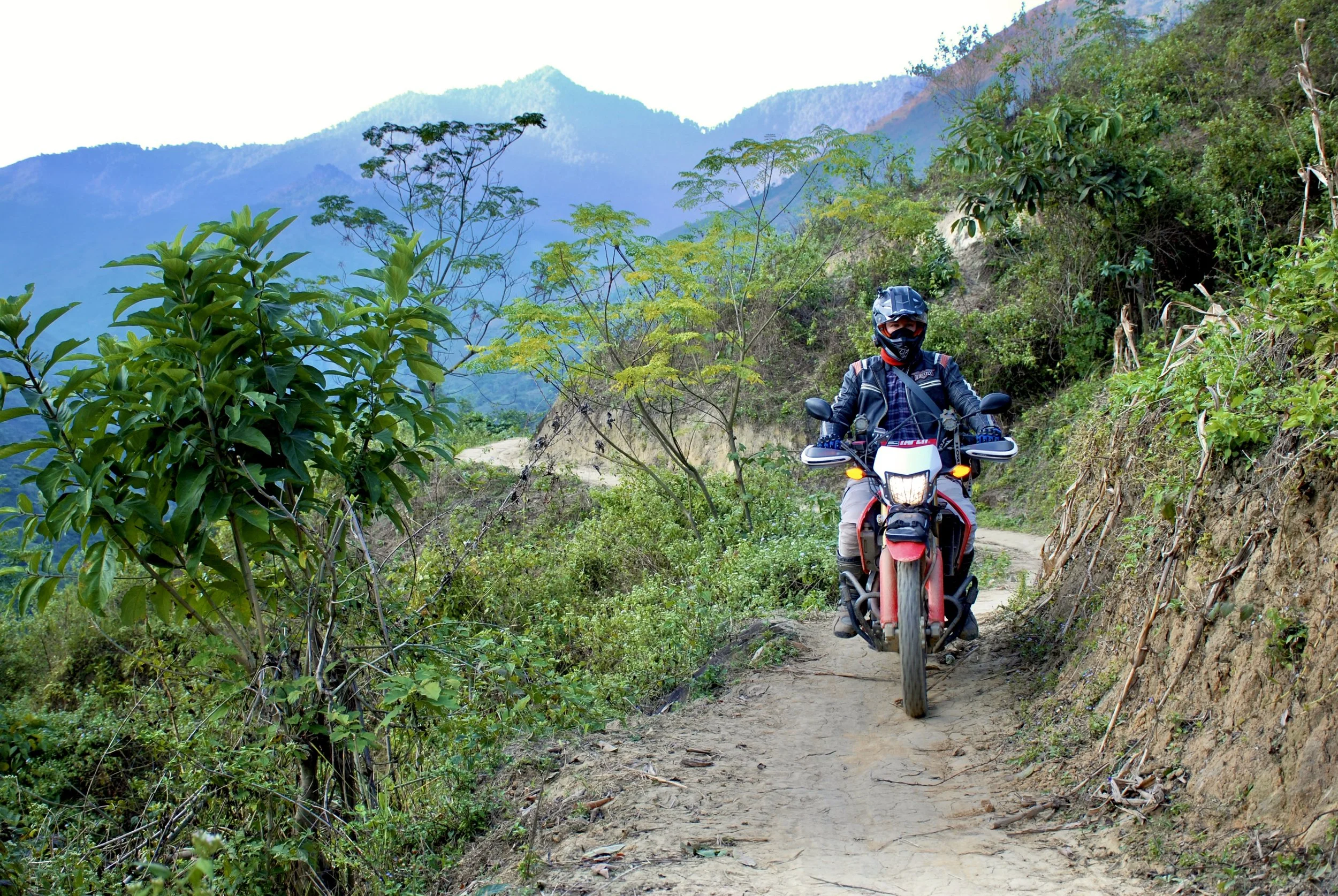
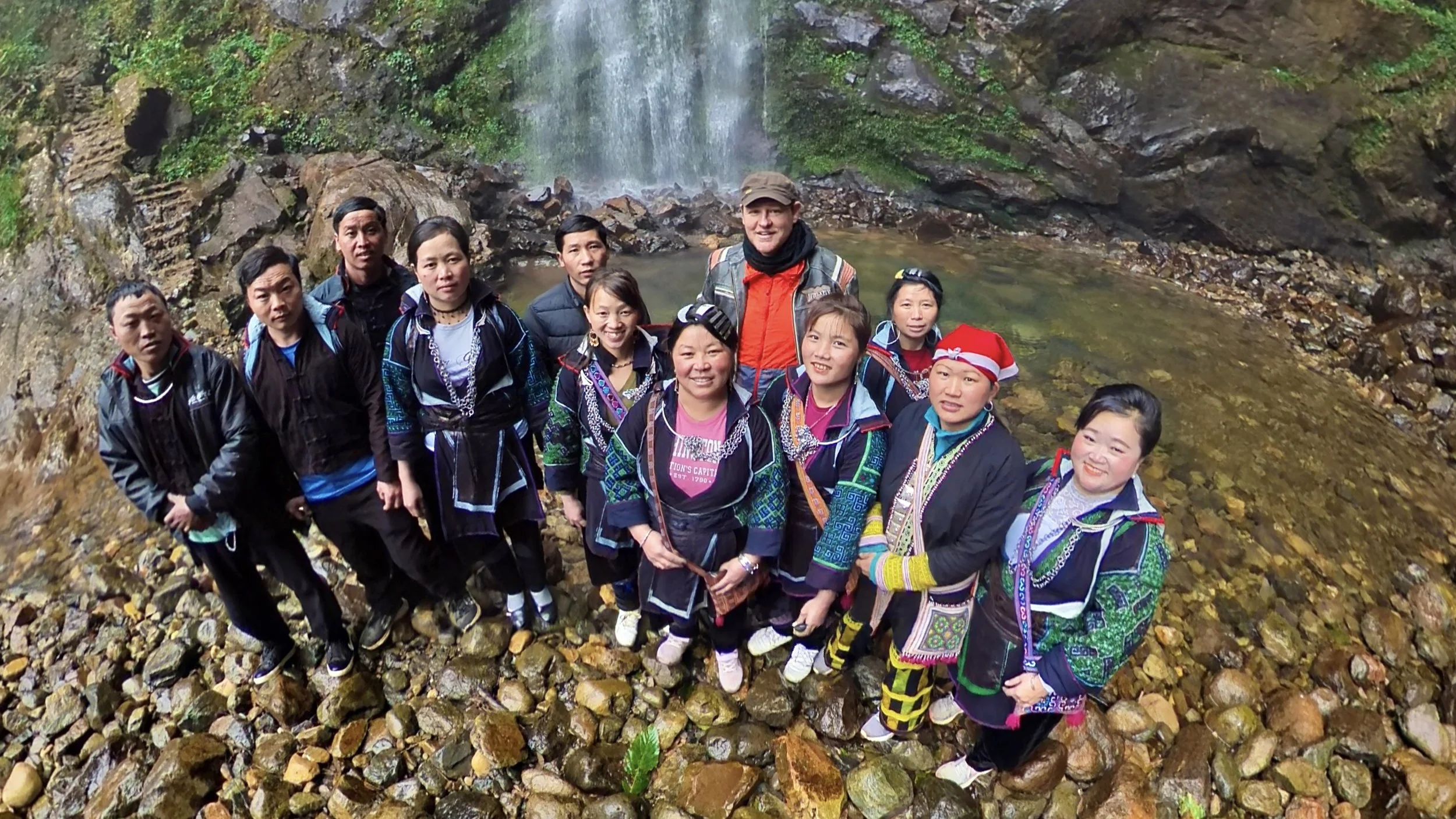
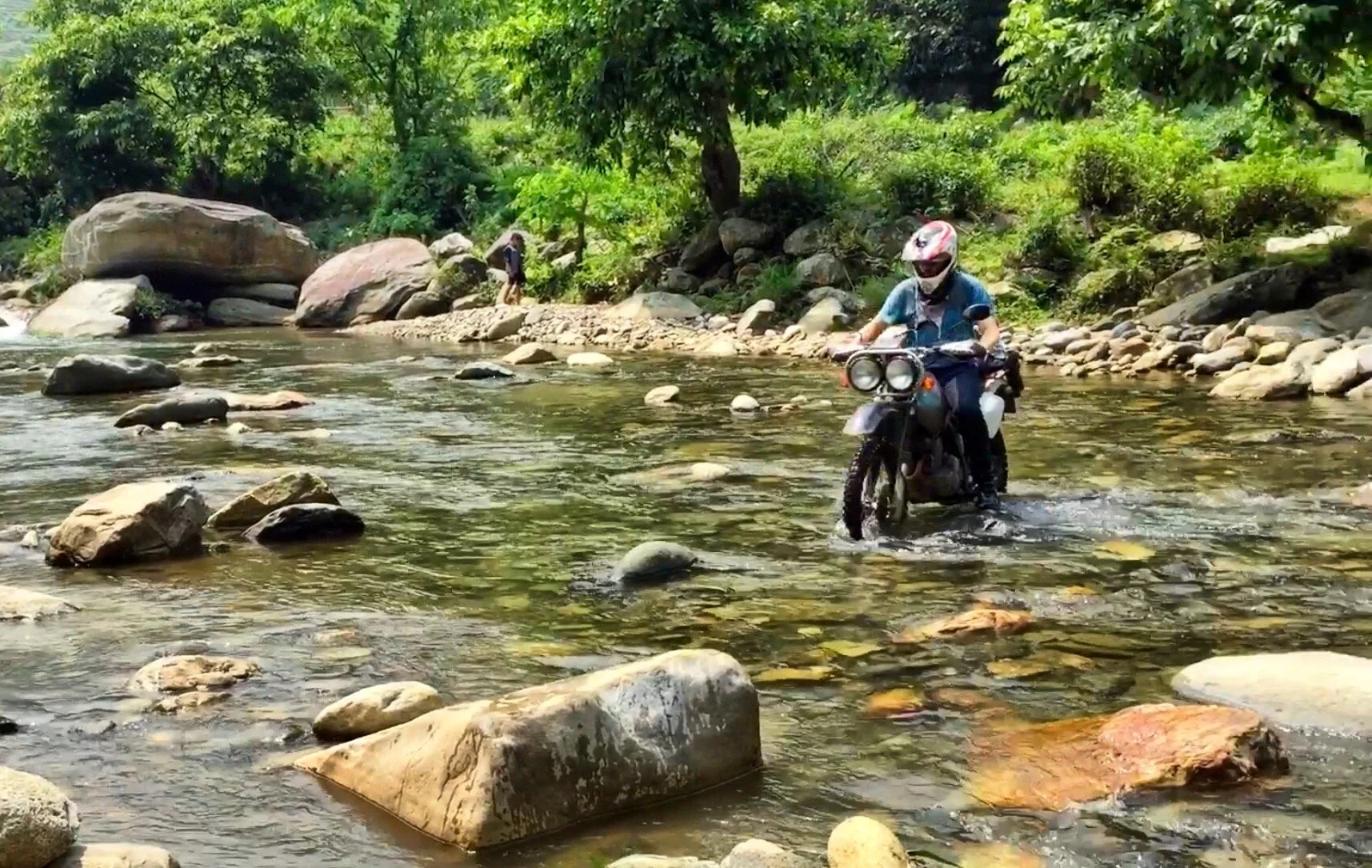
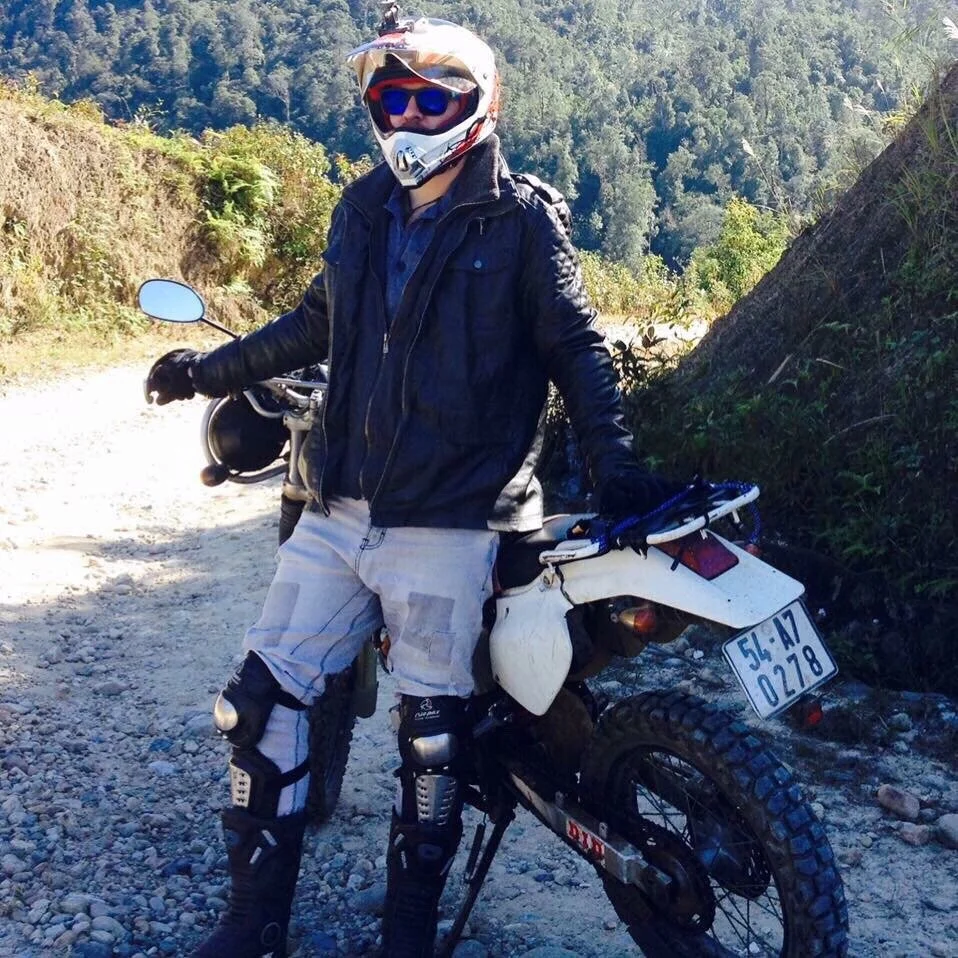
Slow, respectful, off-the-beaten-track travel: We do not offer large group tours or queue at the viewpoints. Instead, we walk through rice terraces, stay in farmhouses, join in batik or embroidery workshops, and ride quiet roads by motorbike. It is about time, immersion and connection.
4. How the People Tell the Story
To understand why ETHOS exists, it helps to hear from those whose lives are intertwined with its creation.
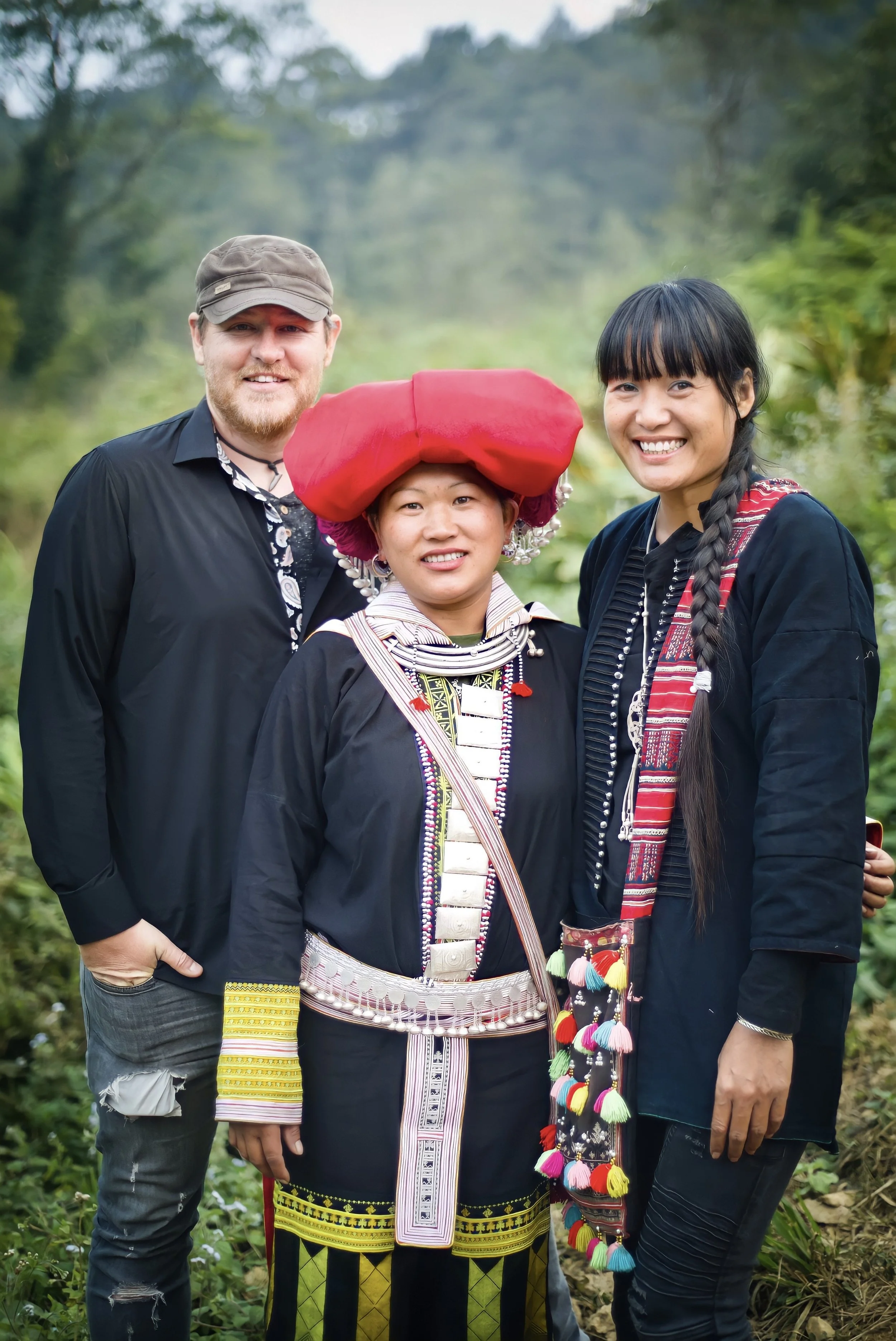
Phil Hoolihan recalls the camp by the ridgeline where Hmong girls sat listening, learning English and dreaming. That moment triggered the question: what if tourism could lift culture rather than erode it?
Hoa Thanh Mai grew up in an agricultural town near Hanoi, the daughter of a ceramics-factory worker and a mother involved in textile trading. She studied tourism because she believed travel could be a tool of connection, not merely business.
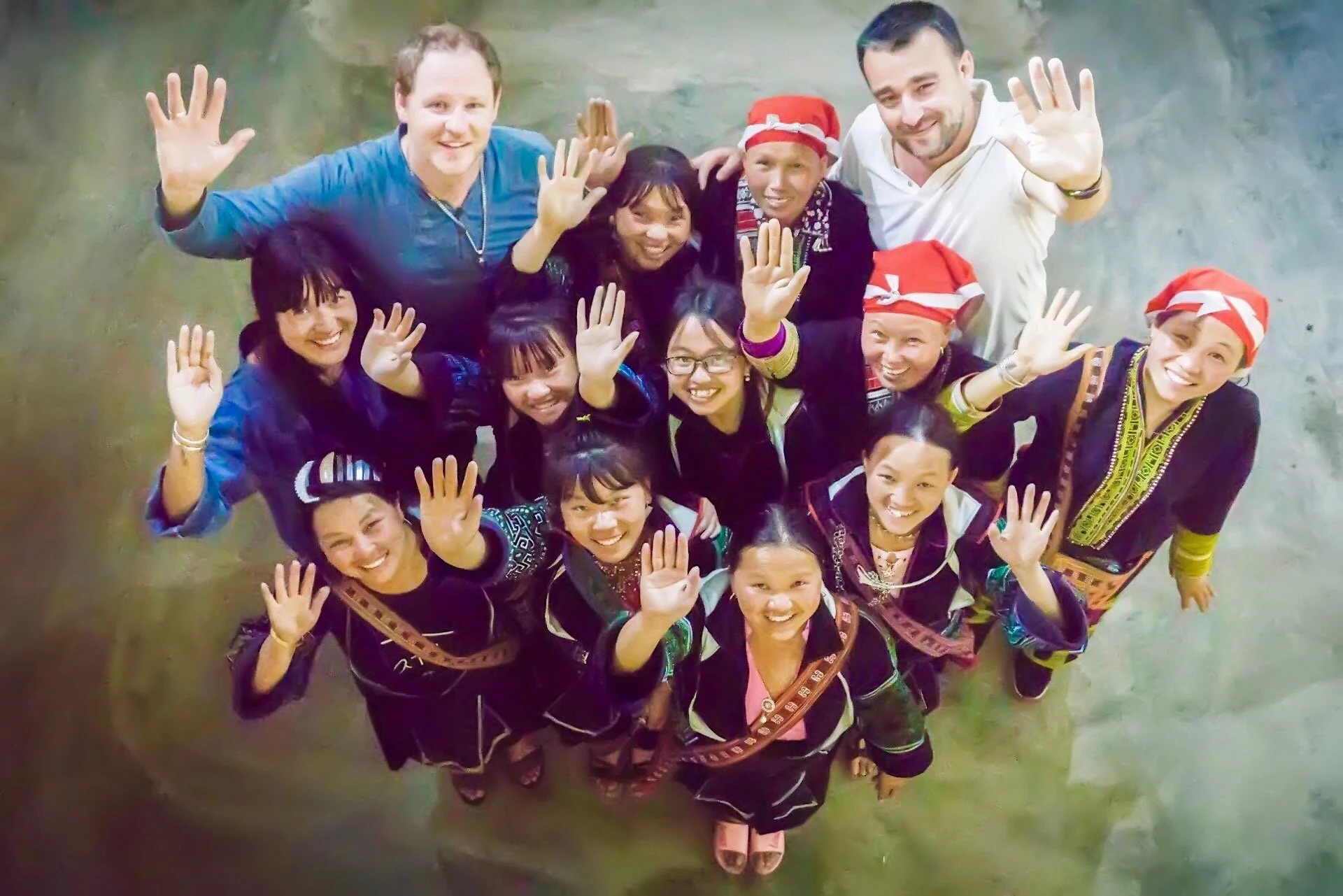
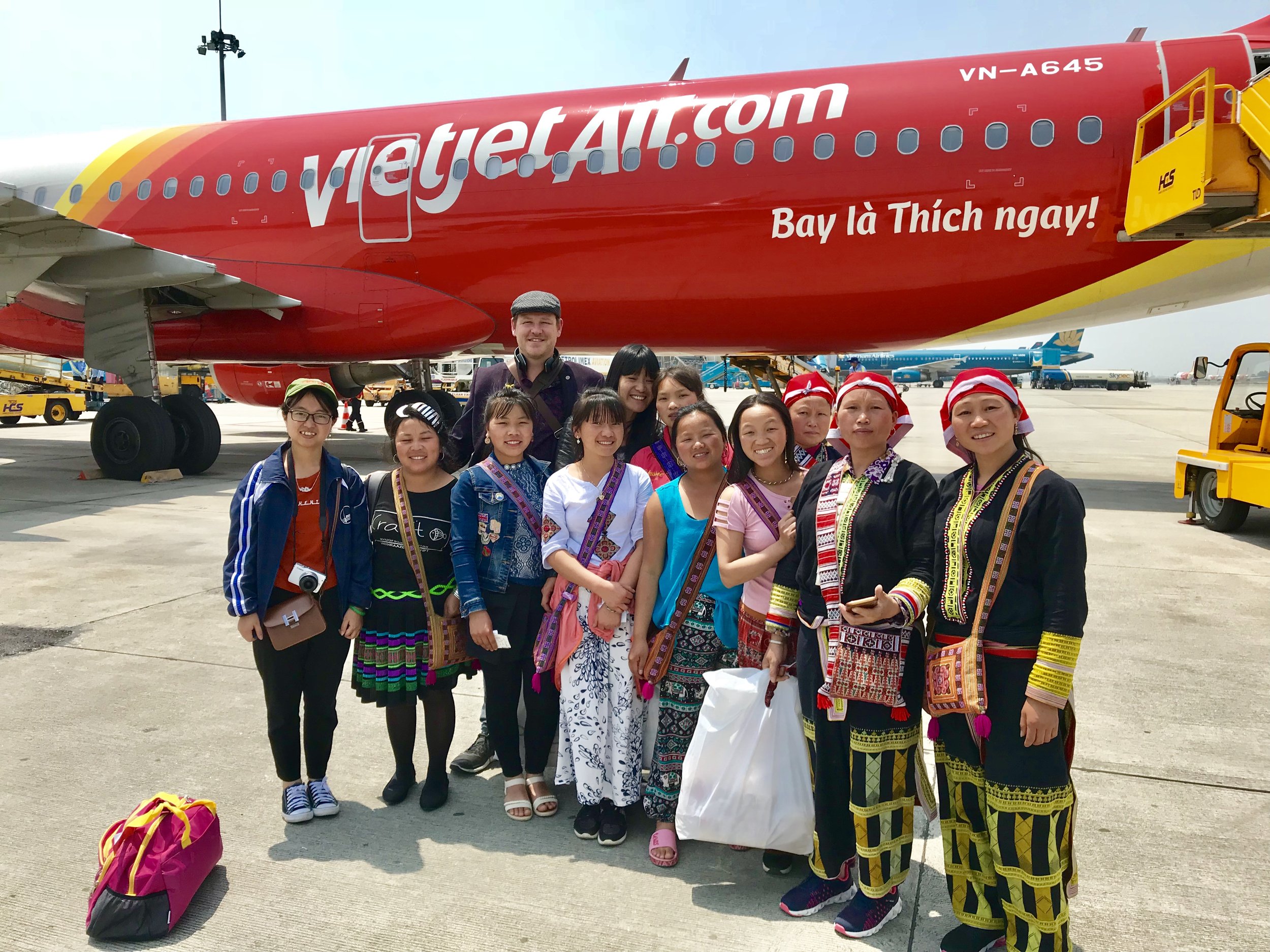
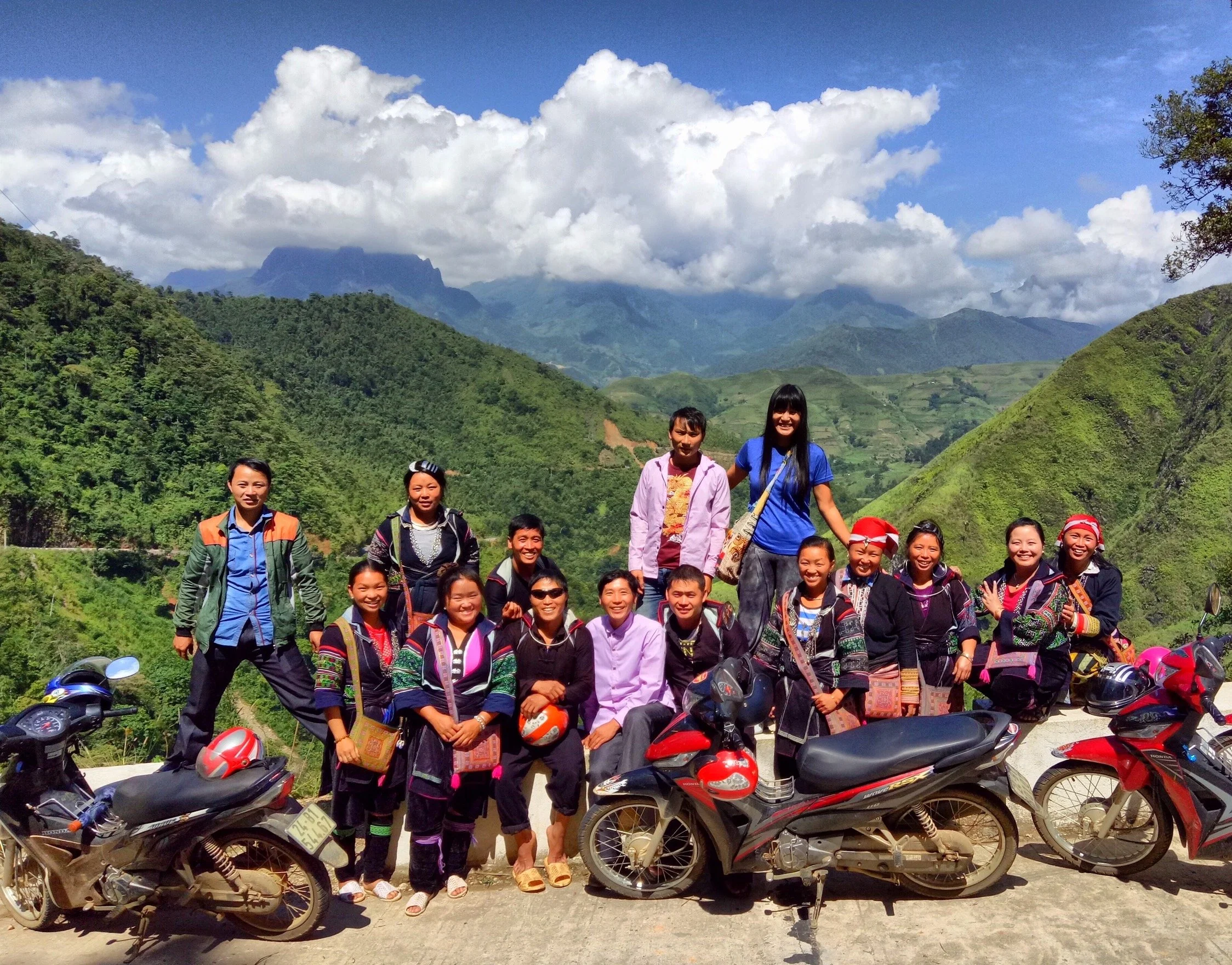
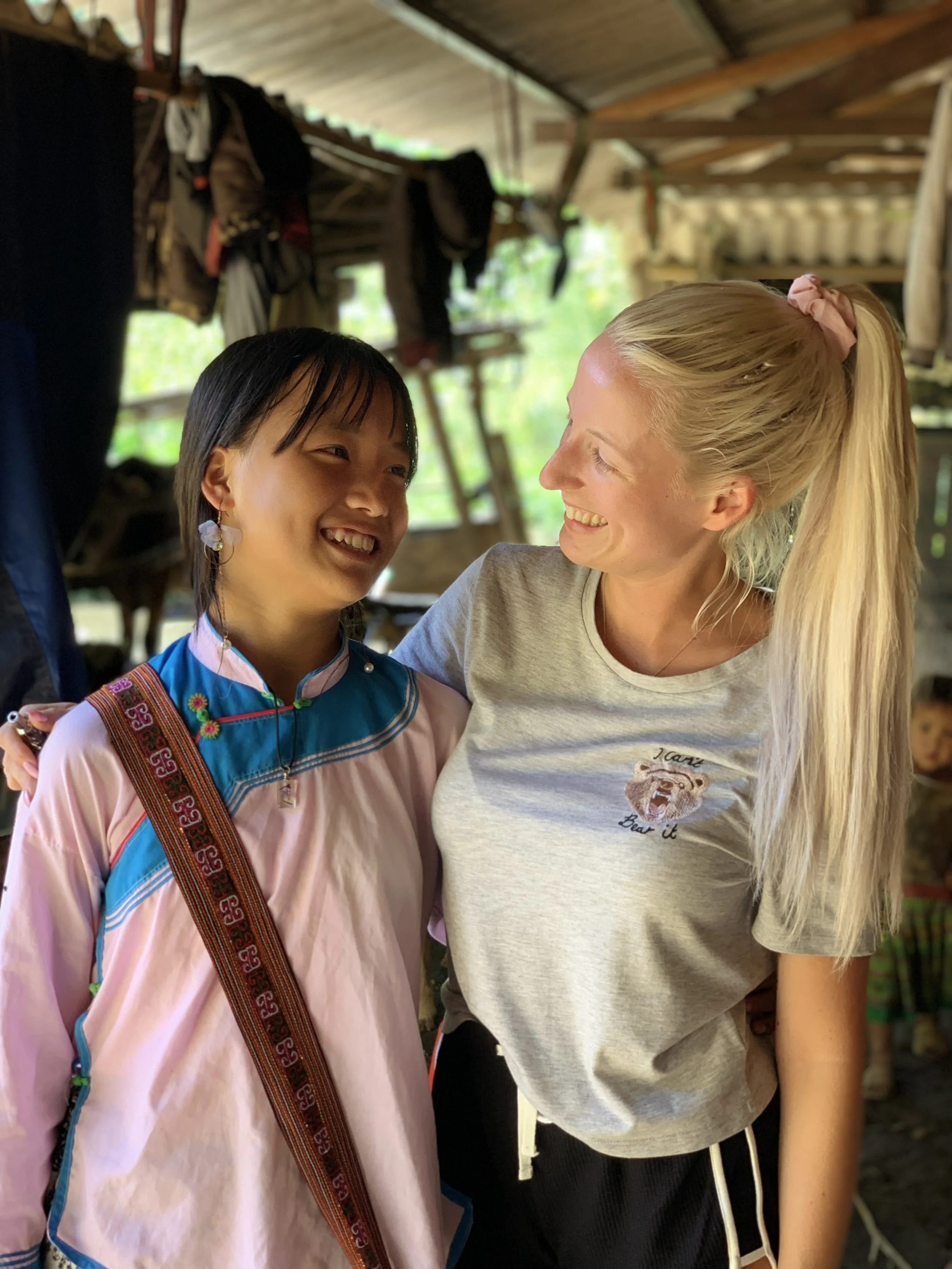
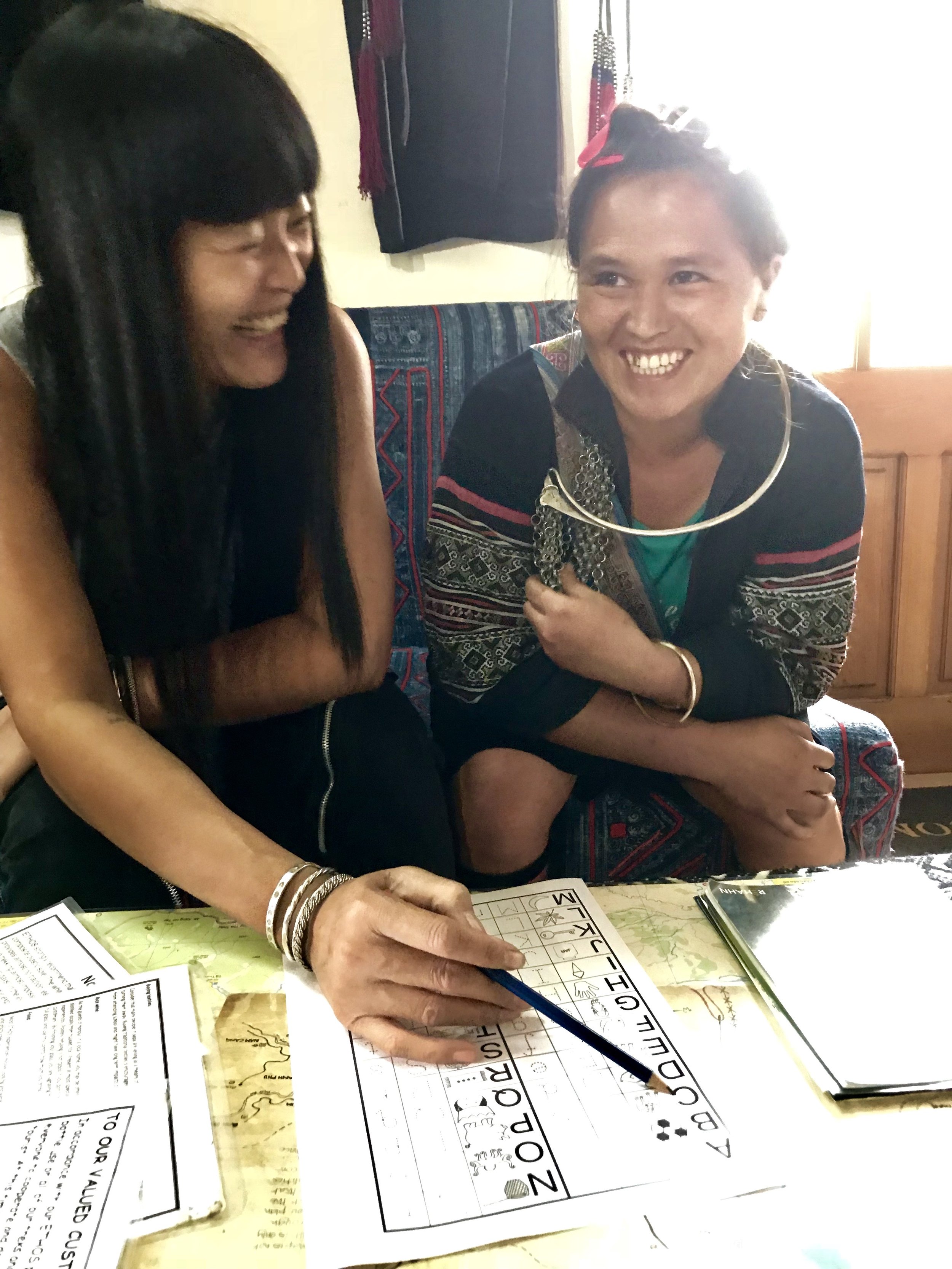
Ly Thi Cha, a Hmong youth leader and videographer with ETHOS, embodies the spirit of bridge-building: interpreter, guide, cultural storyteller. Her presence shows the model in practice: local leadership, local voice, local vision.
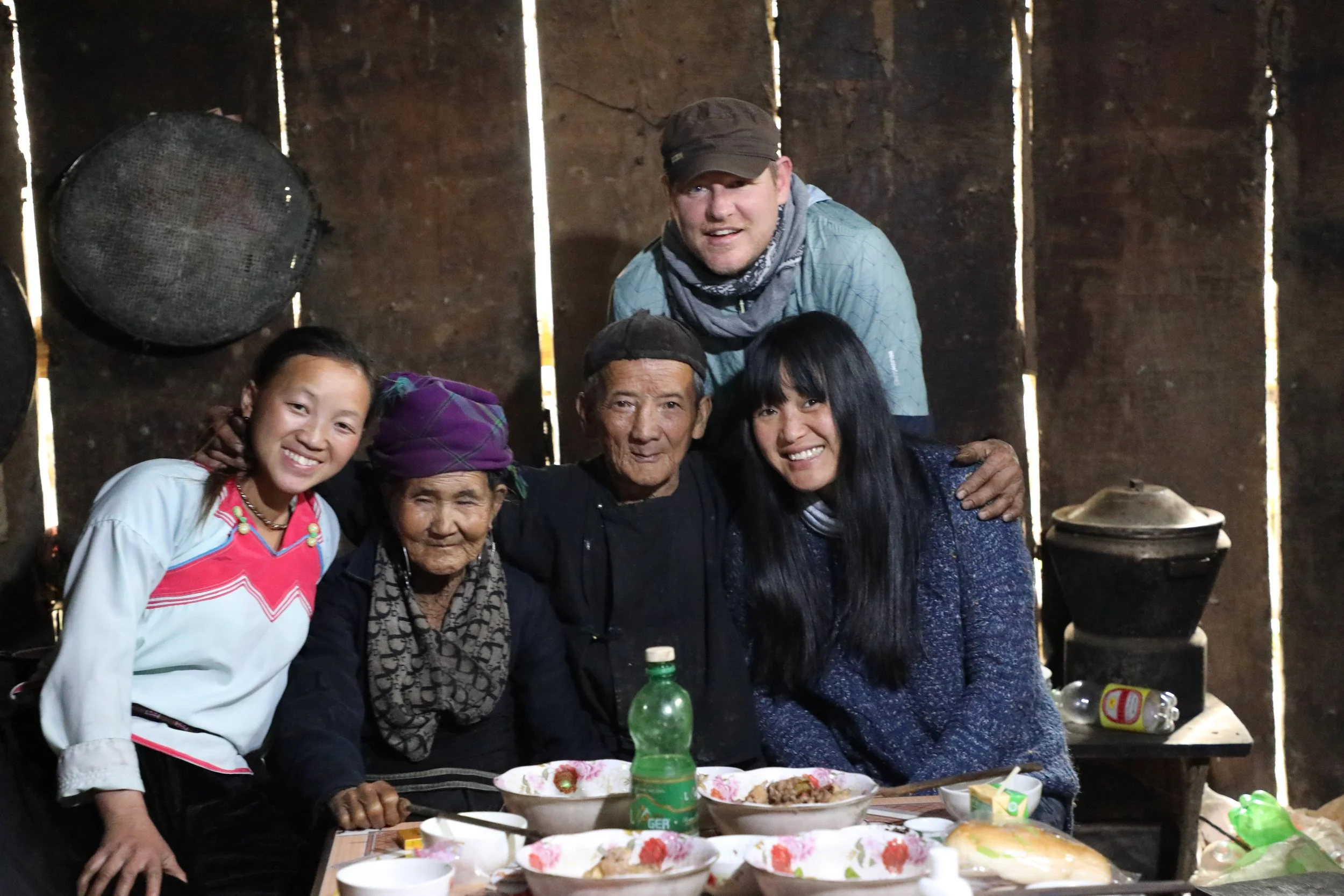
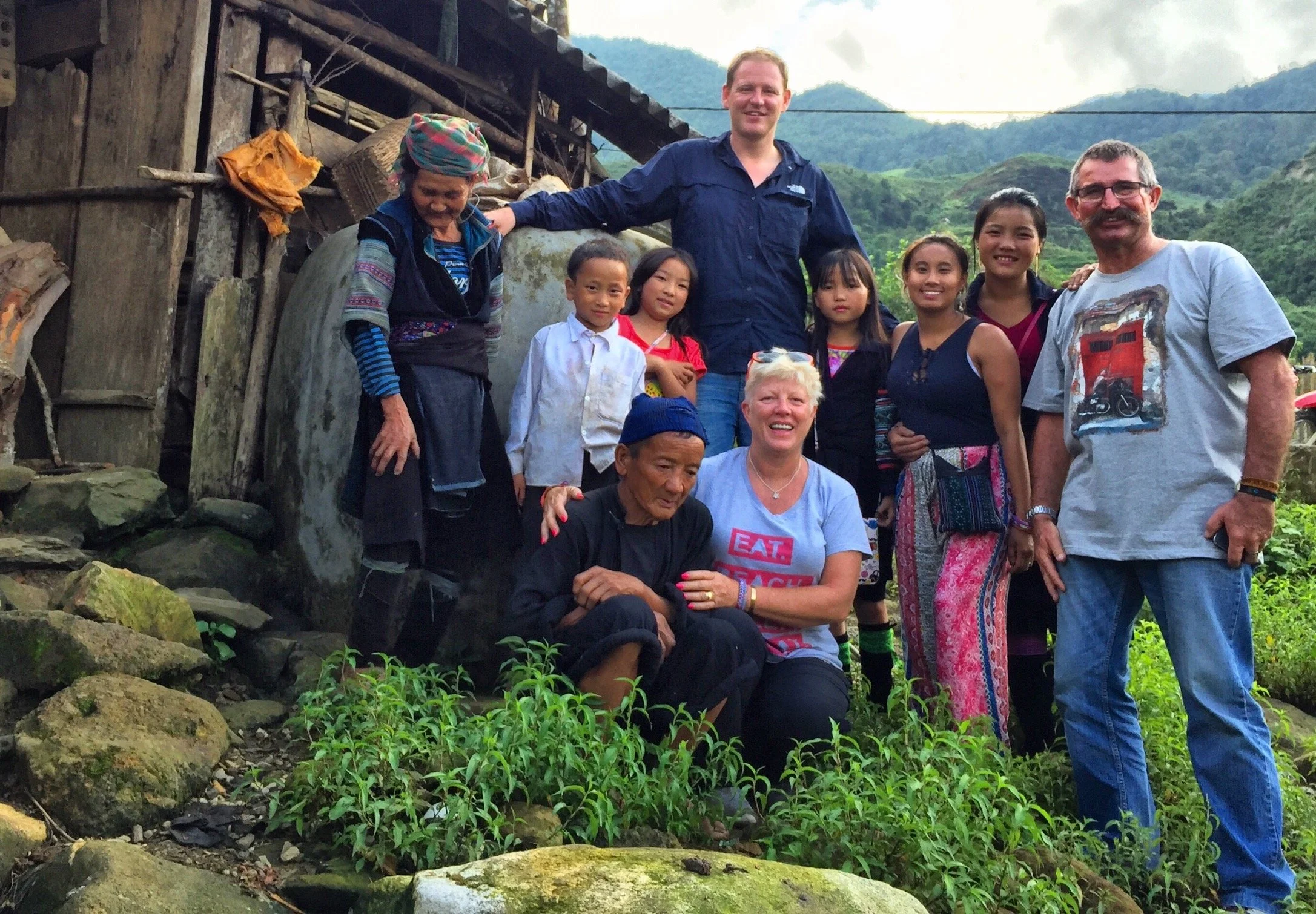
Through their journeys, you can see how ETHOS is not an addition to community life but an extension of it. The guides are voices, the homes are real, the musk of smoke from the hearth, the murmur of family conversations, the weight of a needle in the hand of a craftswoman.
5. Why It Matters
You might ask: why is this so important? Because, when done thoughtfully, community-based tourism can be transformational.
It shifts power: from a few tour operators deciding where to lead visitors, to communities co-creating what they show and how they show it.
It safeguards culture: traditional crafts, stories and landscapes become living and evolving, not museum pieces or commodified clichés.
It generates dignity: when local guides share their own lives, and when income goes directly to extended families, the ripple effect strengthens livelihoods.
It deepens travel: for you, the traveller, this is not about ticking boxes; it is about altering perspective, slowing down, listening and noticing. “The most memorable journeys are not always the most comfortable or convenient,” as our website puts it.
It anchors sustainability: by linking tourism to education, healthcare and the environment, travel becomes support rather than strain.
6. How You Can Walk With Us
If you decide to join our journey, here is what you will experience:
Trekking through hidden ridges, paddies and hamlets with a local guide who has grown up here.
Homestays in village homes: food cooked over the fire, slow evenings, stories shared in the morning mist.
Textile or herb-foraging workshops led by craftswomen and keepers of herbal knowledge, not by outsiders.
Motorbike loops that avoid tourist hotspots and instead meander through remote valleys, tea plantations and lesser-seen paths.
A guiding ethos: come with curiosity, leave with muddy boots, full hearts, and friendships that linger.
7. In Summary
We built ETHOS in Sapa because the mountains here hold scenery, culture, craft, community and heritage that deserve partnership, not performance. We chose to centre women guides, local artisans, storytellers and farmers. We chose small groups, slow rhythms and mindful travel. We chose to measure success not just in tours sold but in lives enriched, traditions honoured and landscapes respected.
If you travel with ETHOS, you are choosing more than a route through rice terraces. You are choosing a journey that shifts the focus of tourism from convenience to connection, of visitor from spectator to participant, of region from “destination to consume” to “community to share with”.
Welcome. We are glad you are here, and we look forward to walking the path together.
Experience This With ETHOS
Join our ethical trekking tours in Sapa
Stay in authentic Hmong homestays
Discover Sapa’s culture with our workshops