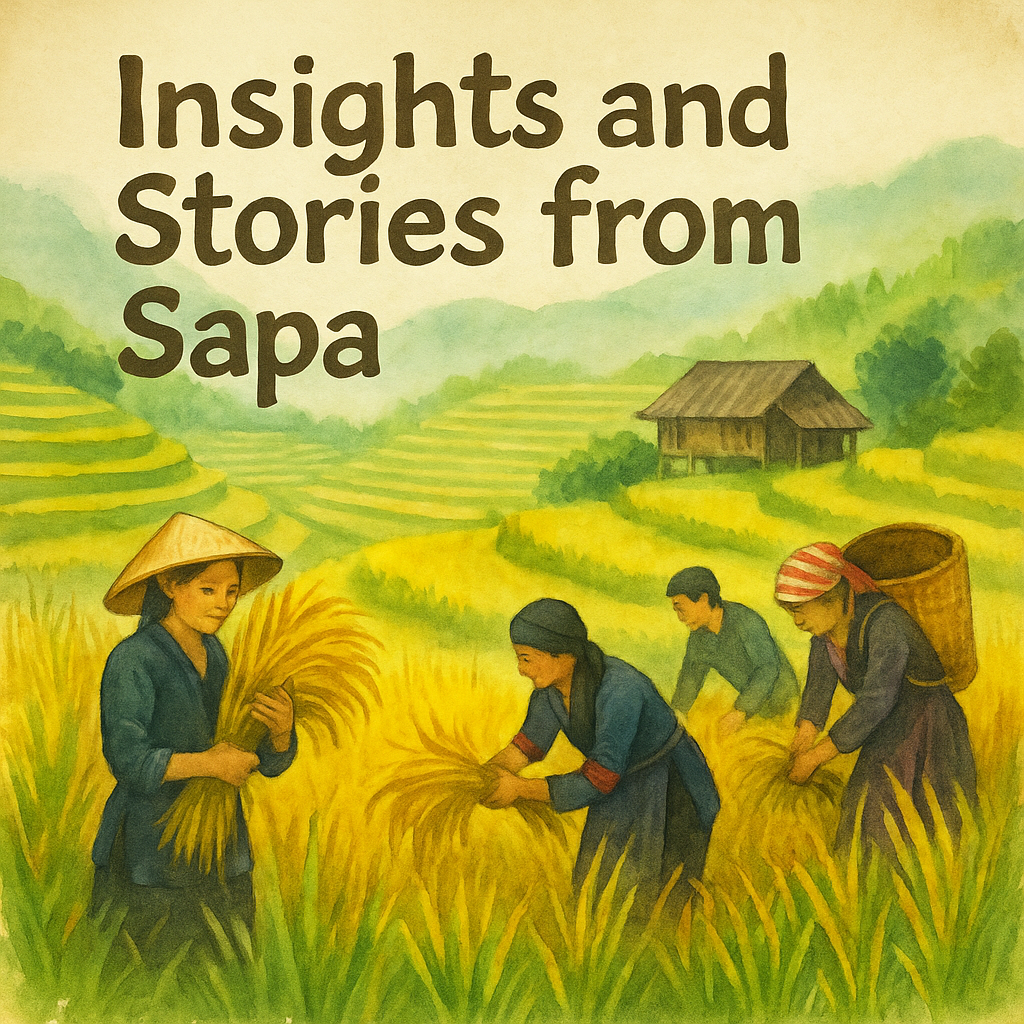
Insights and Stories from Sapa and the Northern Borderbelt provinces of Vietnam.
Tet in Northern Vietnam: What to Expect, When to Travel, and How to Prepare
Tet shapes travel, family life, and village celebrations across northern Vietnam. From red envelopes and homecomings to crowded roads and post-Tet festivals, here is how to plan a thoughtful journey around Tet 2026.
Each year, as winter softens its hold on the Hoàng Liên mountains and the first plum blossoms open along stone walls and village paths, Vietnam moves into its most meaningful season. Tết Nguyên Đán, the Lunar New Year, marks a time of renewal, homecoming, and intention.
In the northern highlands of Sapa, Ha Giang, and the wider border regions, Tet shapes the rhythm of daily life, travel, and community celebration. For visitors, understanding this period allows journeys to unfold with greater care, respect, and connection.
When Is Tet in 2026?
In 2026, Tet begins on Tuesday 17th February, marking the start of the Lunar New Year.
Although the official holiday lasts several days, preparations begin weeks in advance and the effects continue well beyond the celebration itself. Travel patterns, accommodation availability, and village life are influenced for up to three weeks around Tet.
What Is Tet and How Is It Celebrated?
Tet marks the beginning of the lunar calendar and a turning point in family, agricultural, and spiritual life. Across Vietnam, people return to their ancestral homes, clean and repair houses, and prepare food that carries memory, care, and meaning.
Altars are refreshed with kumquat trees, peach blossom branches, incense, and offerings. Kitchens fill with the slow scent of simmering broths and sticky rice wrapped in banana leaves. The first days of the new year are spent visiting relatives, offering good wishes, and resting after a year of work.
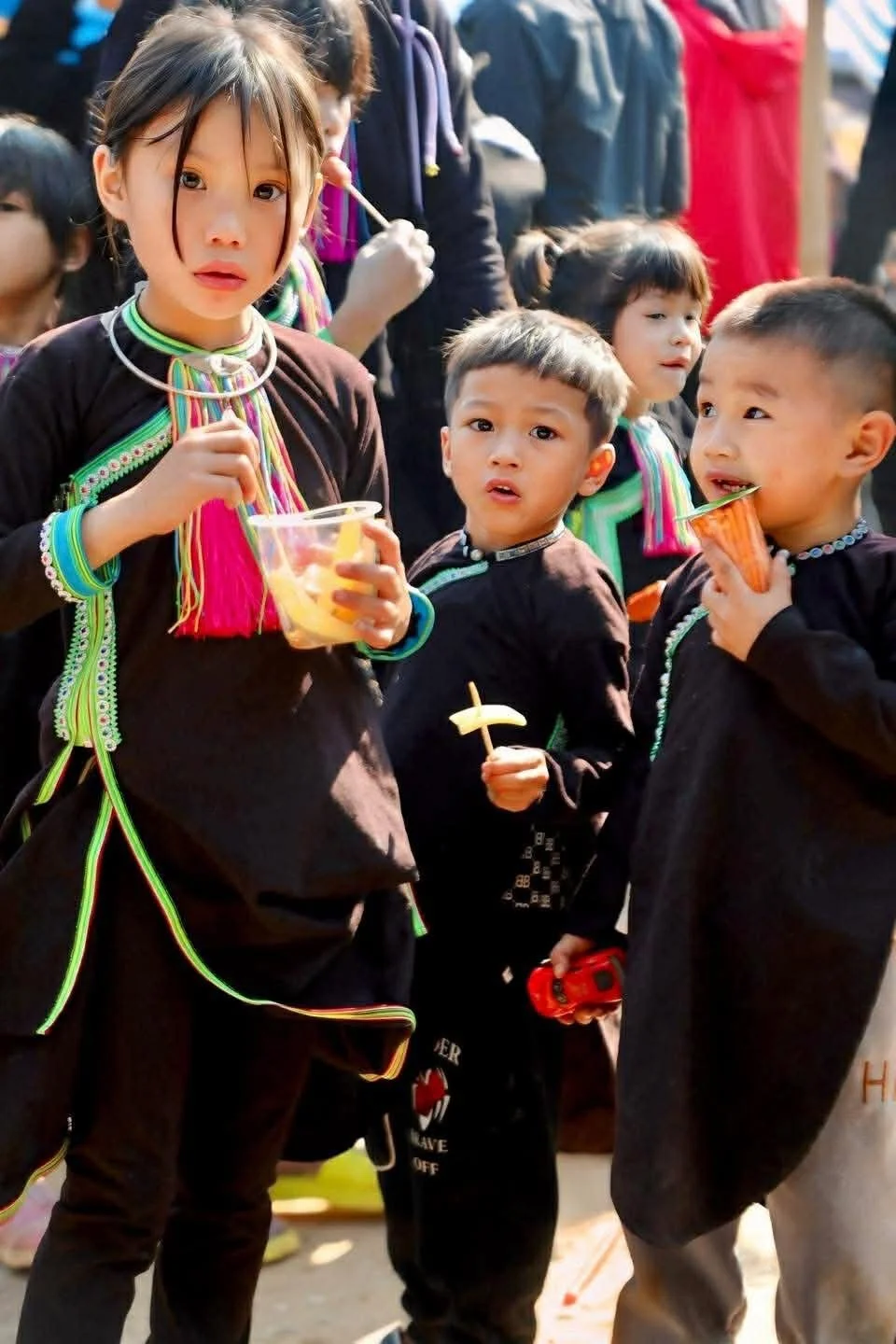
One of the most visible customs during Tet is the giving of lì xì, red envelopes containing small amounts of money. These are given primarily to children, but also to elders and unmarried adults, as a symbol of good fortune, health, and prosperity for the year ahead. The red envelope itself carries meaning, representing luck and protection, rather than the monetary value inside. For children, receiving lì xì is a moment of excitement and joy, often accompanied by blessings for growth, strength, and happiness.
In the mountains, Tet aligns with a pause between farming cycles. Fields rest, tools are set aside, and time is made for family gatherings, storytelling, and preparation for the celebrations that follow.
What Tet Means for Travel in Vietnam
Travelling during Tet requires thoughtful planning and realistic expectations.
In the days leading up to and following the New Year, transport networks become extremely busy as families return home. Buses, trains, and flights often sell out far in advance. Many small, family-run businesses close for several days so that owners and staff can spend time with their families.
For travellers, preparation makes a significant difference. Booking accommodation early, allowing extra time for journeys, and accepting a slower pace can turn disruption into an opportunity to witness daily life at a meaningful moment in the year.
The Ha Giang Loop After Tet
The Ha Giang Loop is one of northern Vietnam’s most iconic journeys, and Tet brings a sharp rise in visitor numbers.
From around two days after Tet, the Loop becomes extremely busy. Homestays and hotels fill quickly and often reach full capacity. Roads see heavy traffic from tour groups, motorbikes, and domestic travellers returning from holiday.
For approximately ten days after Tet, riding conditions can feel congested, and accommodation options are limited. Those planning to travel during this period should book well in advance. Travellers seeking quieter roads and a more spacious experience may prefer to arrive before Tet or wait until later in the season.
Sapa During and After Tet
Sapa follows a similar rhythm.
From the second day after Tet, the town and surrounding valleys experience a significant increase in visitors. Hotels fill, trekking routes become busier, and transport costs may rise.
This period of heightened activity usually lasts around ten days, after which the region gradually returns to a calmer pace. Travellers hoping for quieter trails and deeper village engagement may wish to plan their visit outside this window.
Village Festivals After Tet in Hmong and Dao Communities
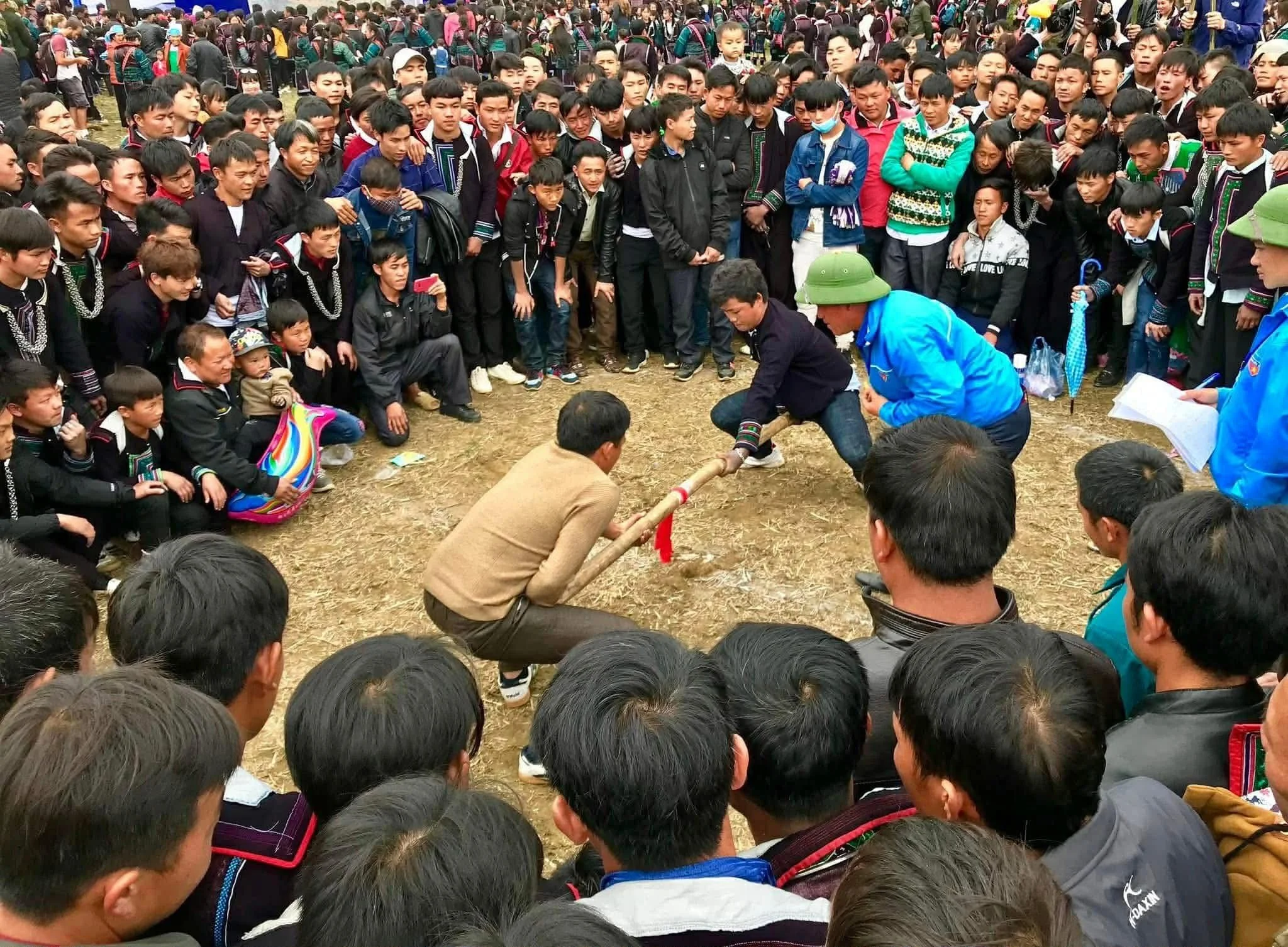
After the main Tet celebrations each spring, villages around Sapa begin to host their own cultural festivals. These gatherings are deeply rooted in local tradition and follow village-specific calendars rather than national schedules.
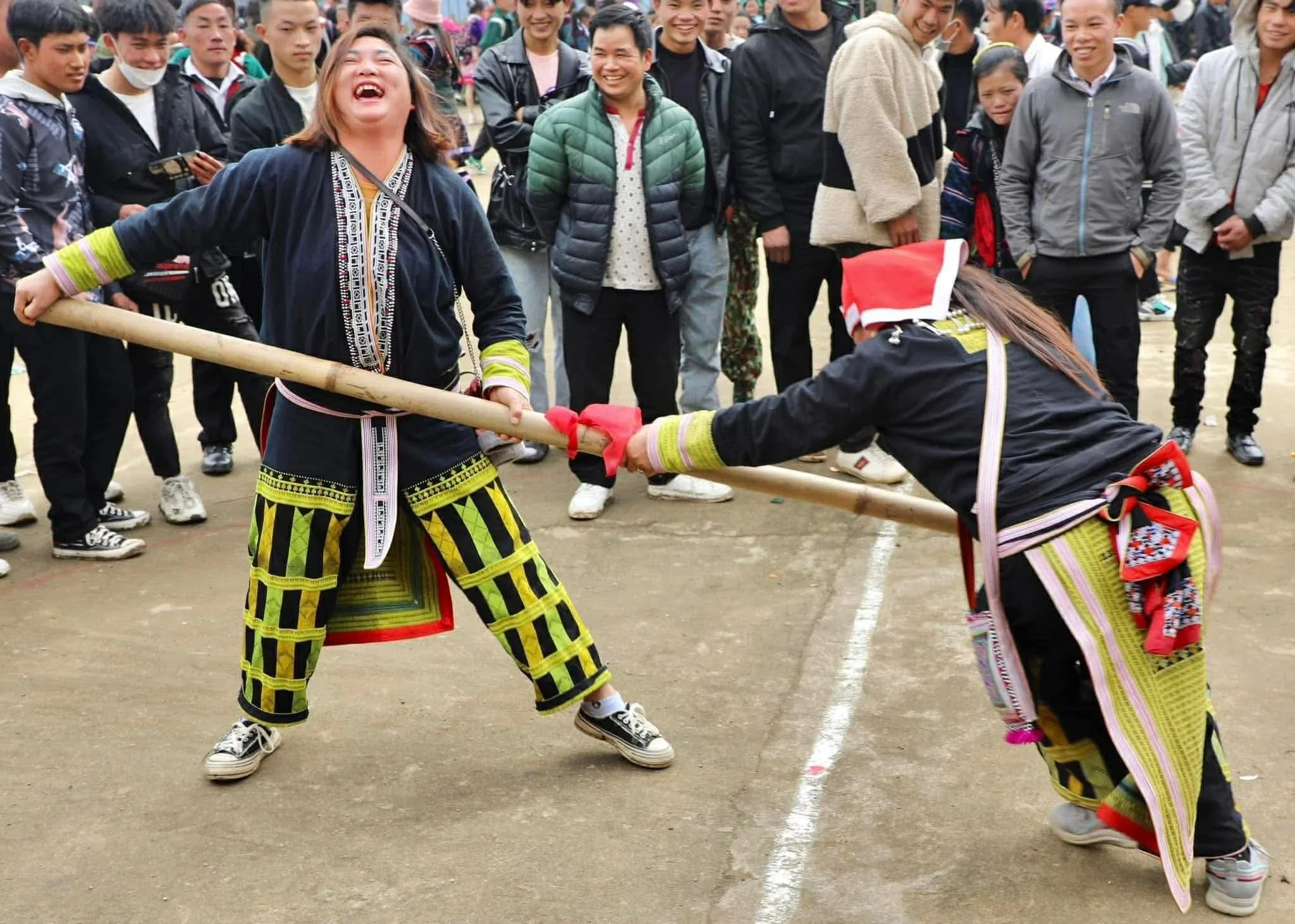
Festivals typically begin early in the morning and continue through the day. Larger villages host especially lively celebrations, drawing neighbouring communities together. Events include a wide range of cultural activities and folk games that emphasise health, strength, and skill. Physical ability is highly valued, as agriculture remains central to daily life in the highlands.
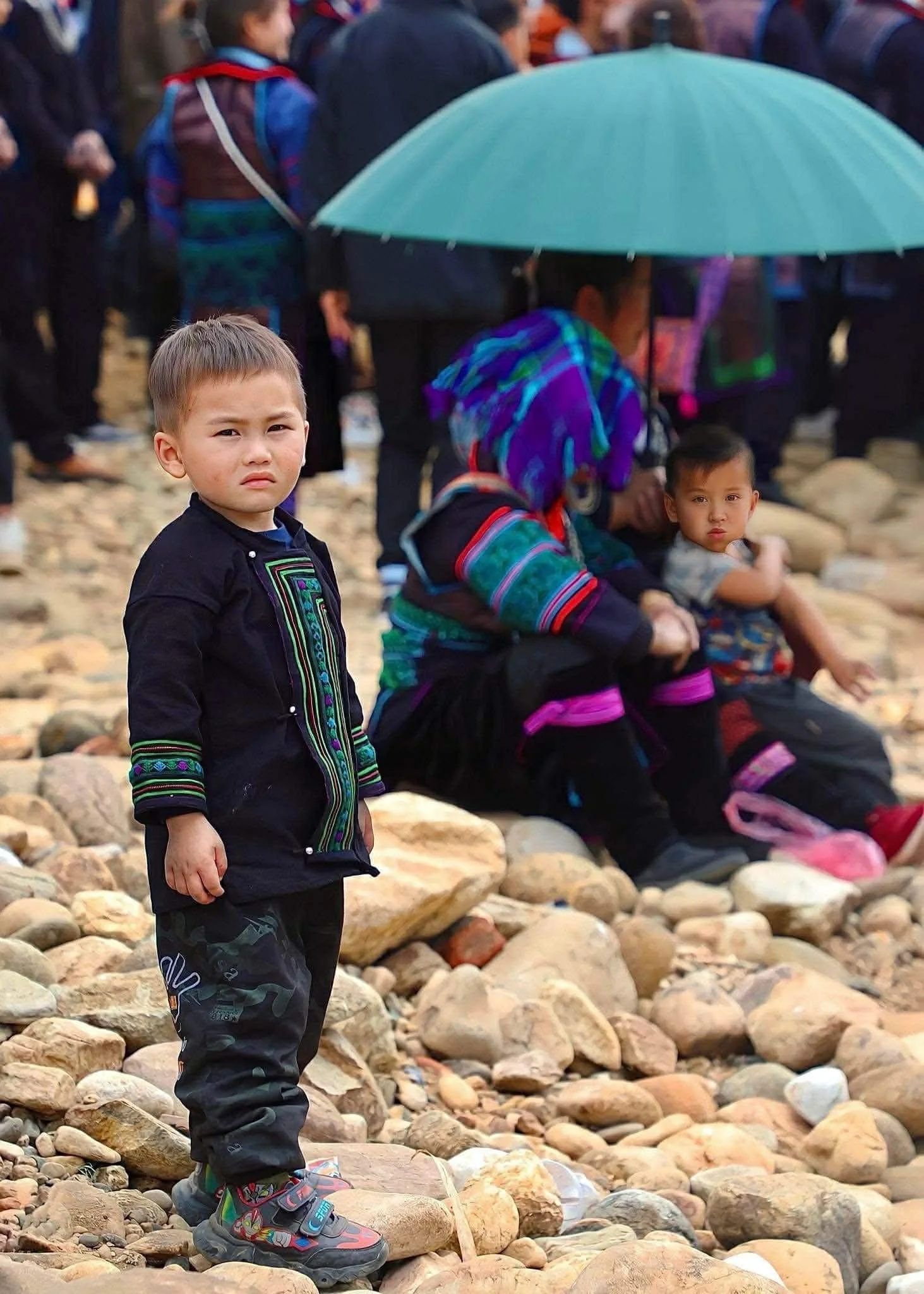
Music, dancing, shared meals, and rice wine are all part of the day. Perhaps the most anticipated moment comes with the unveiling of newly handmade traditional clothing. Months of winter are spent preparing these garments, using indigo-dyed organic hemp and intricate silk embroidery. Each piece reflects patience, identity, and pride in craftsmanship passed down through generations.
Alongside these traditional garments, some young women choose modern fabrics and bolder styles, often affectionately referred to as the “glitter girls”. Their presence adds humour, creativity, and a living sense of fashion to the celebrations.
Hmong New Year festivals mark the end of the harvest and the beginning of a new year in the Hmong calendar. They are a time for honouring ancestors, strengthening community bonds, exchanging small gifts, and reflecting on the year that has passed while setting intentions for the one ahead.
For visitors, these festivals offer a rare opportunity to witness culture as it is lived, not staged. Respectful behaviour, local guidance, and patience are essential, as these gatherings remain first and foremost for the communities themselves.
Planning Your Journey Around Tet
Tet can be a rewarding time to travel in northern Vietnam when approached with awareness and care.
Accommodation should be booked early, particularly in Ha Giang and Sapa. Flexible itineraries allow room for transport delays and business closures. Travellers who align their journeys with local rhythms often find deeper connection than those moving too quickly.
At ETHOS, our experiences are shaped in close collaboration with Hmong and Dao partners, following the seasonal cycles of land and village life. Some travellers arrive before Tet to experience quiet mountain days. Others choose to come later, when village festivals bring colour, movement, and shared celebration back to the valleys.
Listening to the people who live here remains the foundation of meaningful travel, whatever the season.
Last Chance to See: A Century of Hmong Clothing in Northern Vietnam
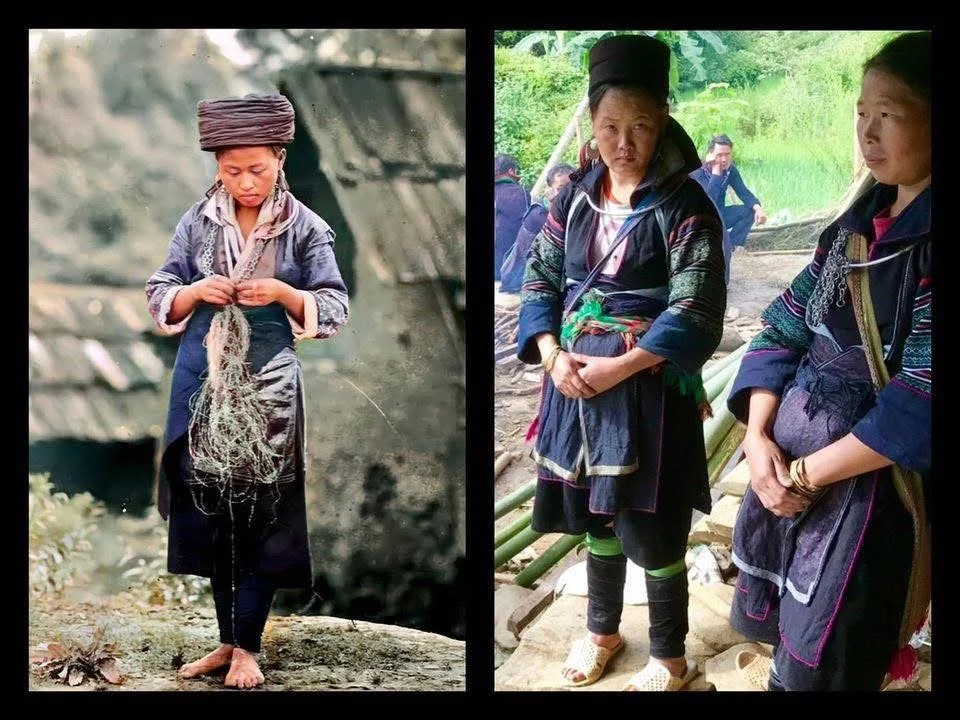
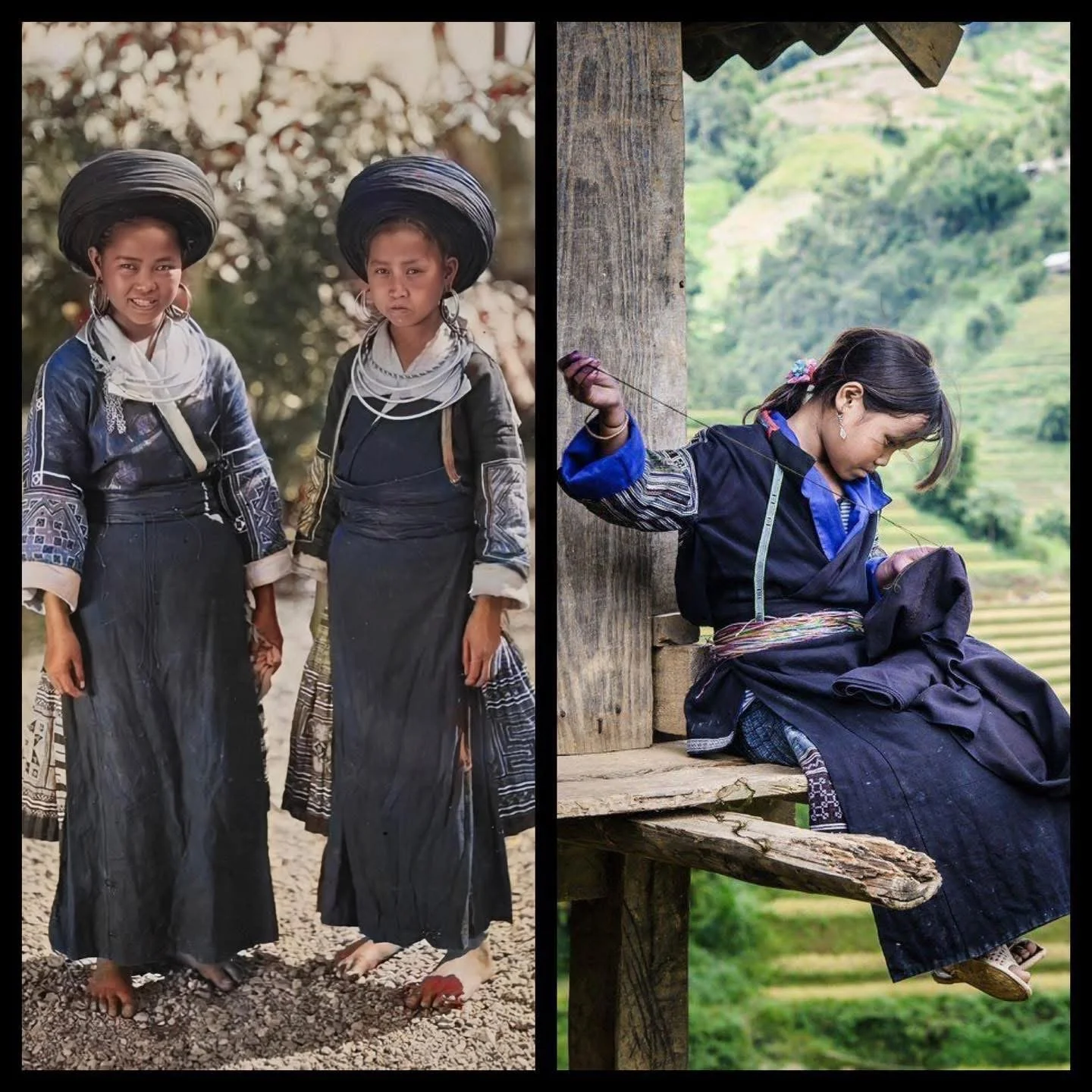
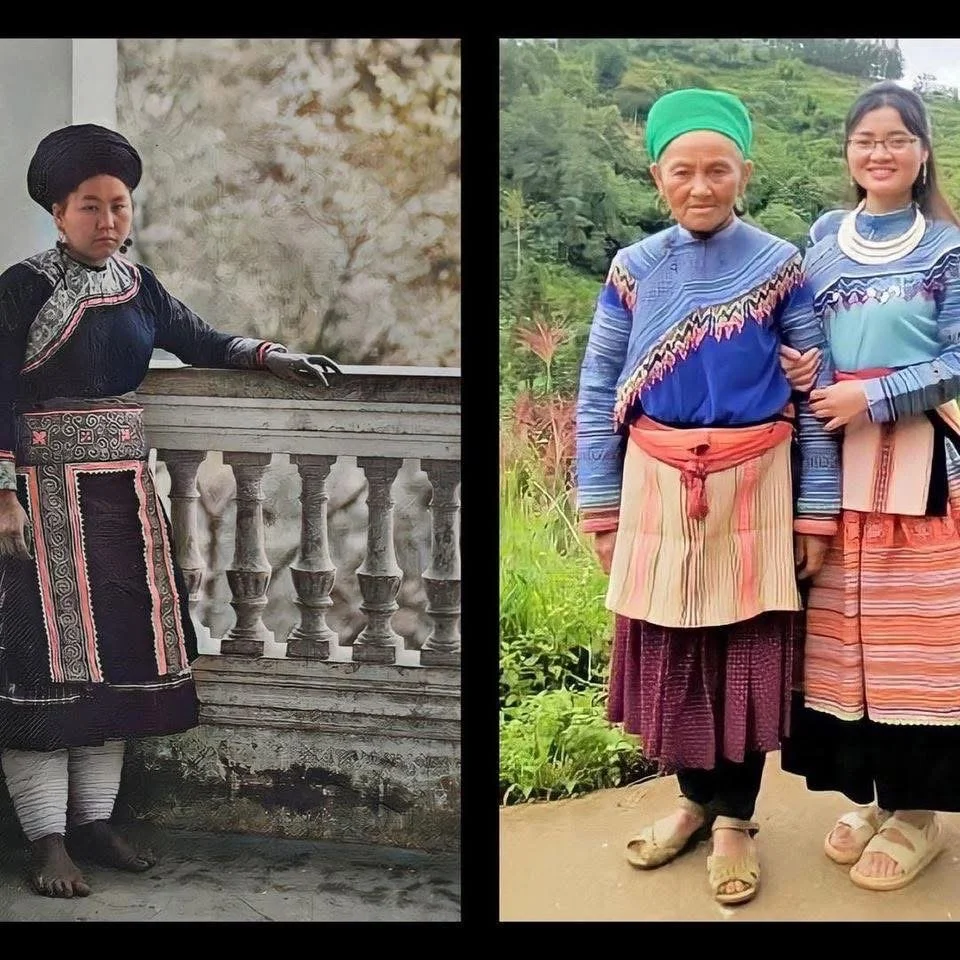
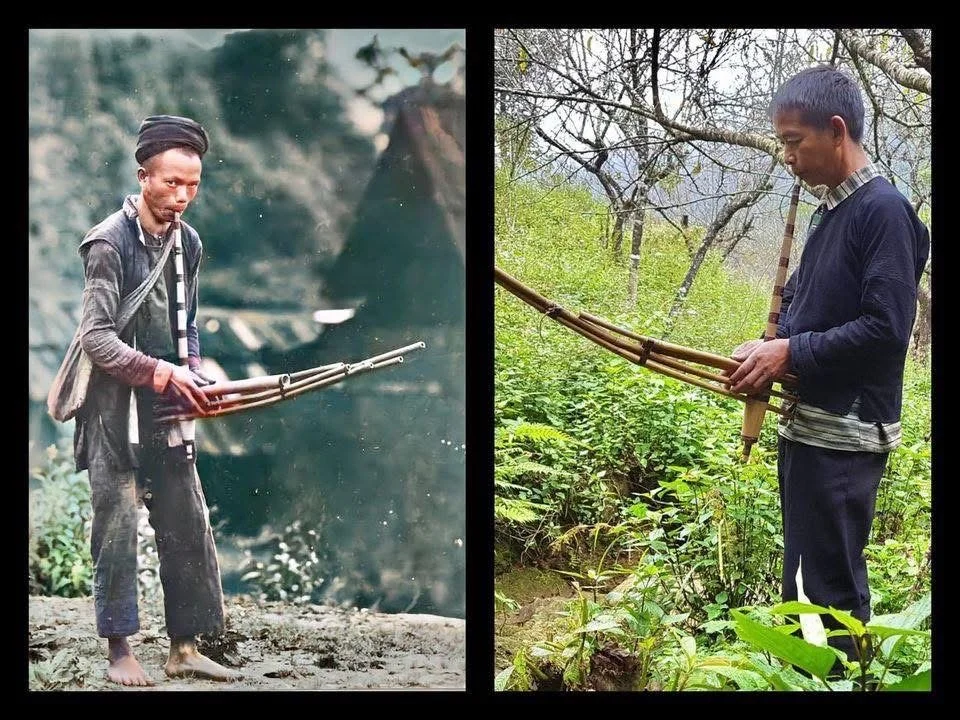
A visual journey through Hmong clothing across four regions of Northern Vietnam, revealing how tradition, identity, and textile art have survived for over a century.
Last Chance to See: Clothing, Change, and Continuity
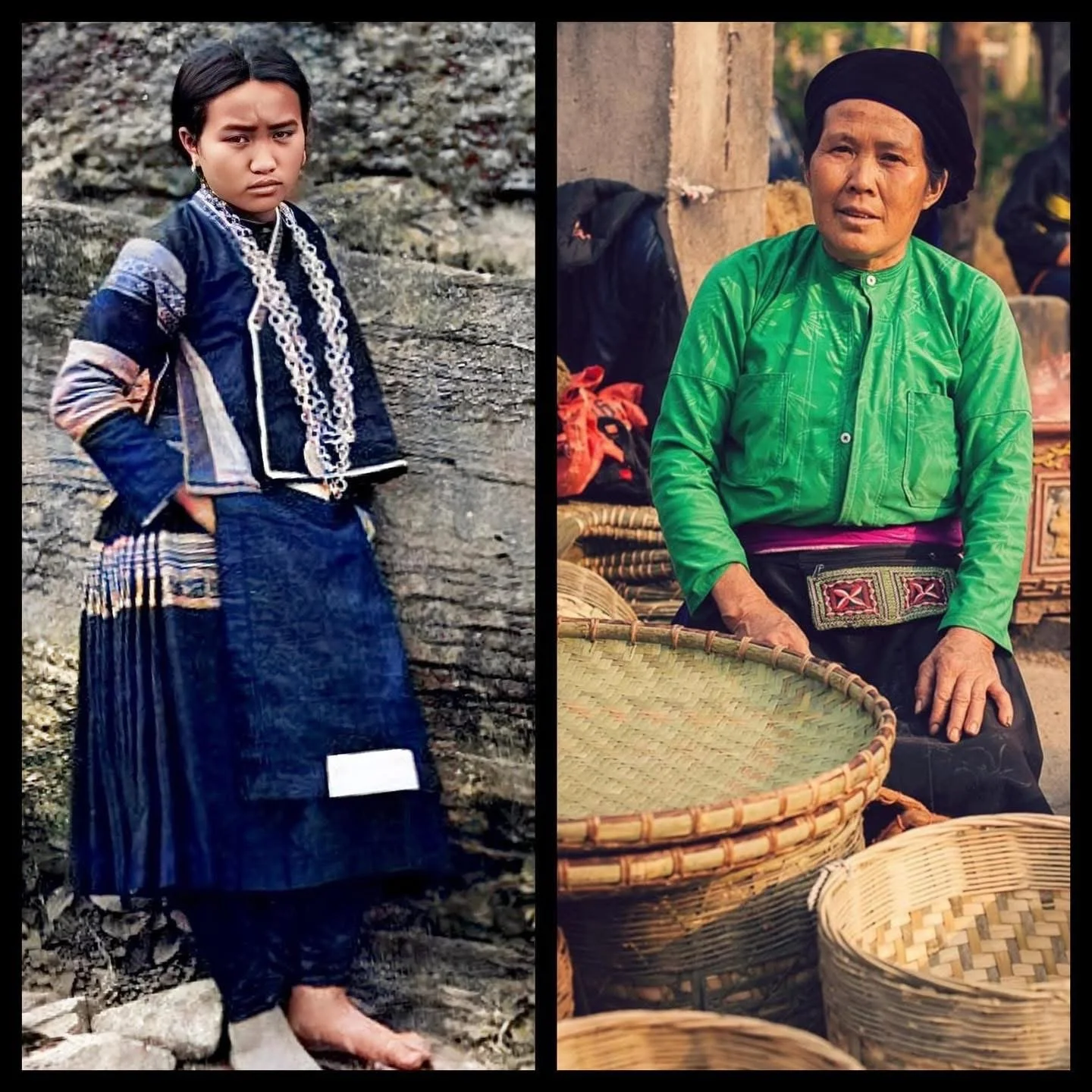
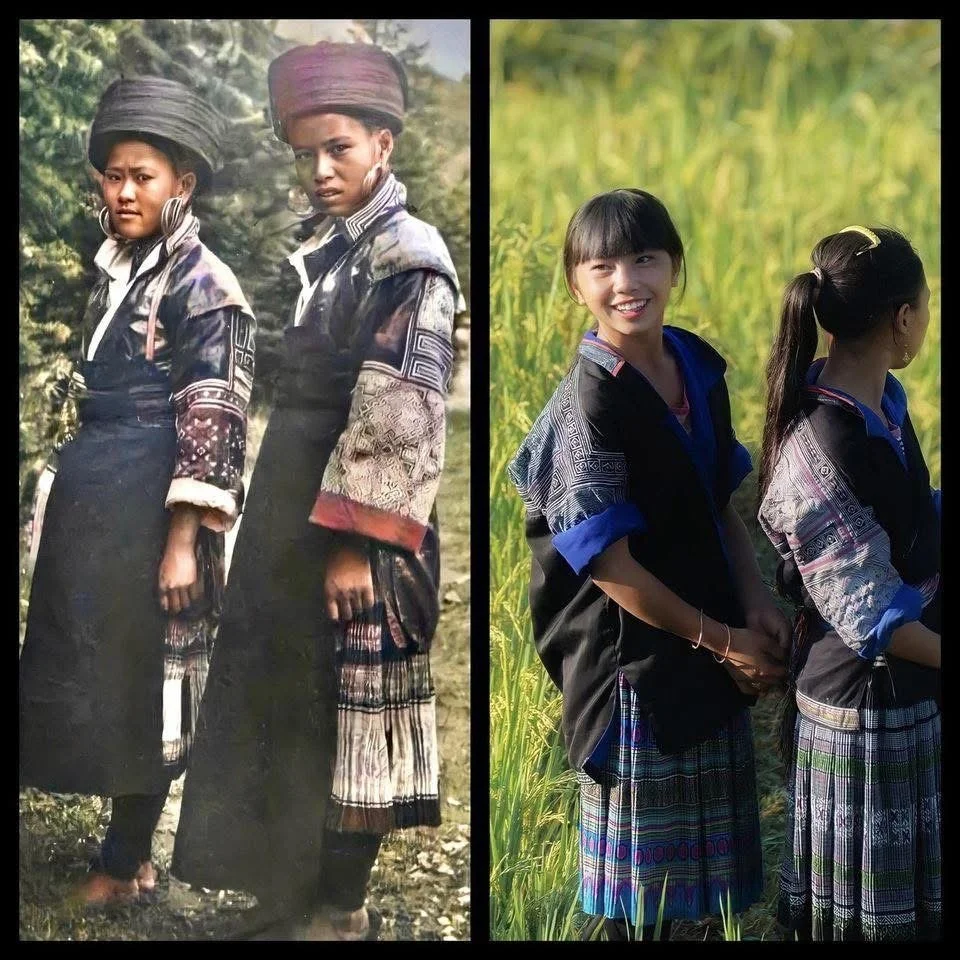
As part of a photo series titled Last Chance to See, ETHOS explores how clothing has changed over more than a century while still holding deep cultural meaning. This series looks closely at what has endured, what has adapted, and why traditional dress continues to matter today.
Today’s focus is on the Hmong people living in four distinct regions of Northern Vietnam: Mu Cang Chai, Sapa, Ha Giang, and Bac Ha. Each region tells its own story through colour, texture, and design.
The Hmong People and Cultural Identity
Throughout recorded history, the Hmong have remained identifiable as Hmong. This continuity comes from maintaining their language, customs, and ways of life, even while adopting elements from the countries in which they live.
Clothing plays a central role in this identity. It is not simply something to wear, but a visible expression of belonging, heritage, and pride.
Regional Differences in Hmong Dress
Many Hmong groups are distinguished by the colour and details of their clothing. Black Hmong traditionally wear deep indigo dyed hemp garments, including a jacket with embroidered sleeves, a sash, an apron, and leg wraps. Their clothing is practical, durable, and rich in subtle detail.
Flower Hmong are known for their brightly coloured traditional costumes. These outfits feature intricate embroidery, bold patterns, and decorative beaded fringe, making them immediately recognisable.
Paj Ntaub: The Language of Cloth
An essential element of Hmong clothing and culture is paj ntaub, pronounced pun dow. This is a complex form of traditional textile art created through stitching, reverse stitching, and reverse appliqué.
Meaning, Skill, and Tradition
Traditionally, paj ntaub designs are ornamental and geometric. They are mostly non representational and do not depict real world objects, with the occasional exception of flower like forms. The making of paj ntaub is done almost exclusively by women.
These textiles are sewn onto clothing and act as a portable expression of cultural wealth and identity. Paj ntaub play an important role in funerary garments, where the designs are believed to offer spiritual protection and guide the deceased towards their ancestors in the afterlife. They are also central to Hmong New Year celebrations.
Before each New Year, women and girls create new paj ntaub and new clothing. Wearing clothes from the previous year is considered bad luck. These new garments reflect creativity, skill, and even a woman’s suitability as a successful wife.
Why Hmong Clothing Endures
Despite major cultural and social change over the past century, Hmong clothing has endured. Its survival lies in its deep connection to identity, belief, skill, and community. Each stitch carries meaning, and each garment tells a story that continues to be passed from one generation to the next.
The La Chí People of Northern Vietnam: Guardians of Ancient Traditions
Meet the La Chi people of northern Vietnam, a community known for its rich traditions, unique customs and exceptional indigo textiles.
The La Chí People: A Living Heritage of Northern Vietnam
Nestled among the misty mountains of Hà Giang and Lào Cai, the La Chí people are one of Vietnam’s most fascinating ethnic communities. With a population of just over 15,000, they live peaceful, sedentary lives in close-knit villages. Their world revolves around cotton cultivation, community traditions and a deep respect for their ancestors.
Family and Belief: The Heart of La Chí Life
La Chí families follow a patriarchal structure where the father, or later the eldest son, guides all aspects of daily life from production and marriage to relationships within the village.
The La Chí believe each person has twelve souls, two of which rest on the shoulders and are considered the most vital. Ancestor worship plays an important role, honouring forebears for three generations, from the father to the great-grandfather. Religious life is well organised, with rituals and customs carefully maintained.
Homes in the Hills: Life in Stilt Houses
Traditional La Chí houses are built on stilts, often surrounded by fields of indigo and rice. The lower level is home to the family kitchen, while the upper living space is divided into three compartments, around six metres wide and seven metres long. A wooden staircase connects the two floors, symbolising the bridge between earth and sky a fitting metaphor for the La Chí connection to both nature and spirit.
Stories Passed Down by Word of Mouth
Knowledge among the La Chí is shared through generations by storytelling. Elders pass on wisdom through legends and fairy tales that teach children about the mysteries of the natural world and the values of their culture. These oral traditions help preserve their history and identity.
A Unique Custom: Exchanging Children
One of the La Chí’s most distinctive traditions involves child exchange between families. When a family wishes for a boy but has a girl, they may offer the child to another household seeking a daughter. The new parents visit, suggest a name and observe the baby’s reaction. A crying infant is believed to refuse, while a calm one accepts the name and joins the new family. This practice, free of taboo, helps maintain population balance and strengthens community bonds.
Masters of the Terraces and the Land
The La Chí are believed to be among the earliest settlers in Hà Giang and Lào Cai. Their ancient tales reference the creation of terraced rice fields; now among Vietnam’s most iconic landscapes. Today, they remain skilled cultivators, tending wet rice fields, growing cotton, indigo and, more recently, cinnamon for trade.
Indigo Elegance: The La Chí Woman’s Dress
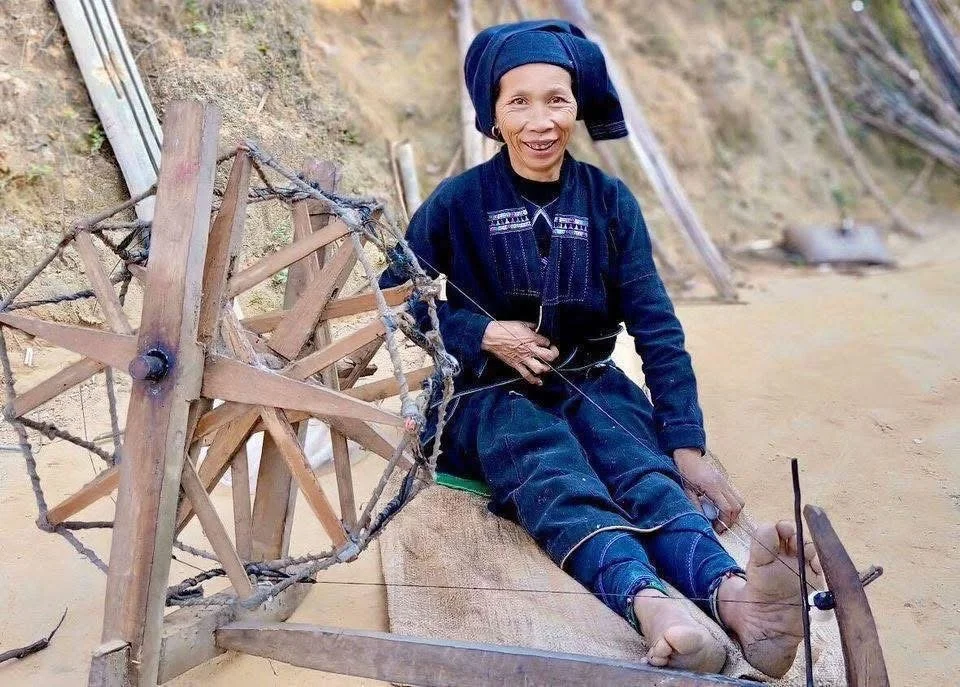
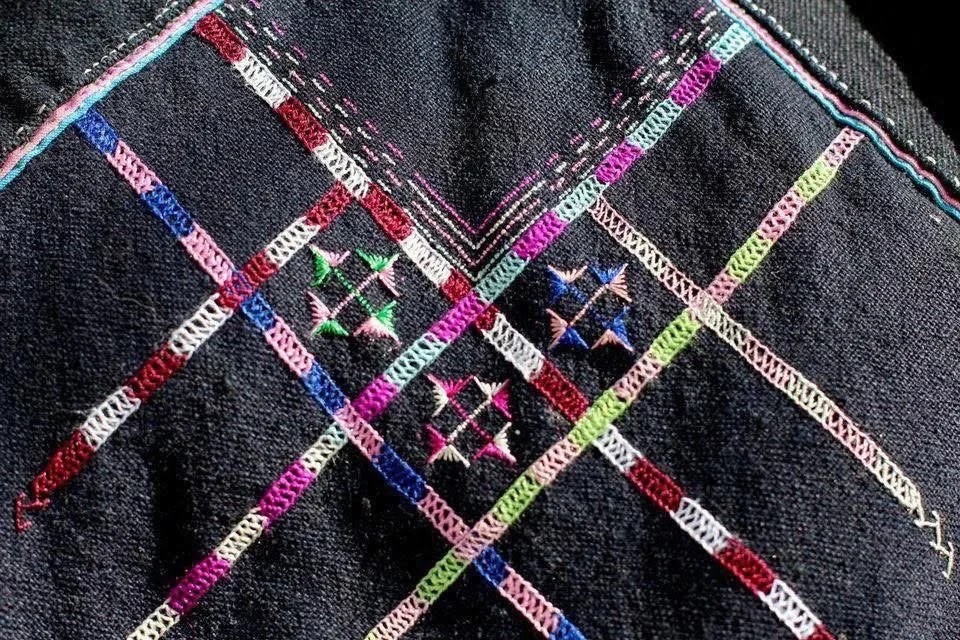
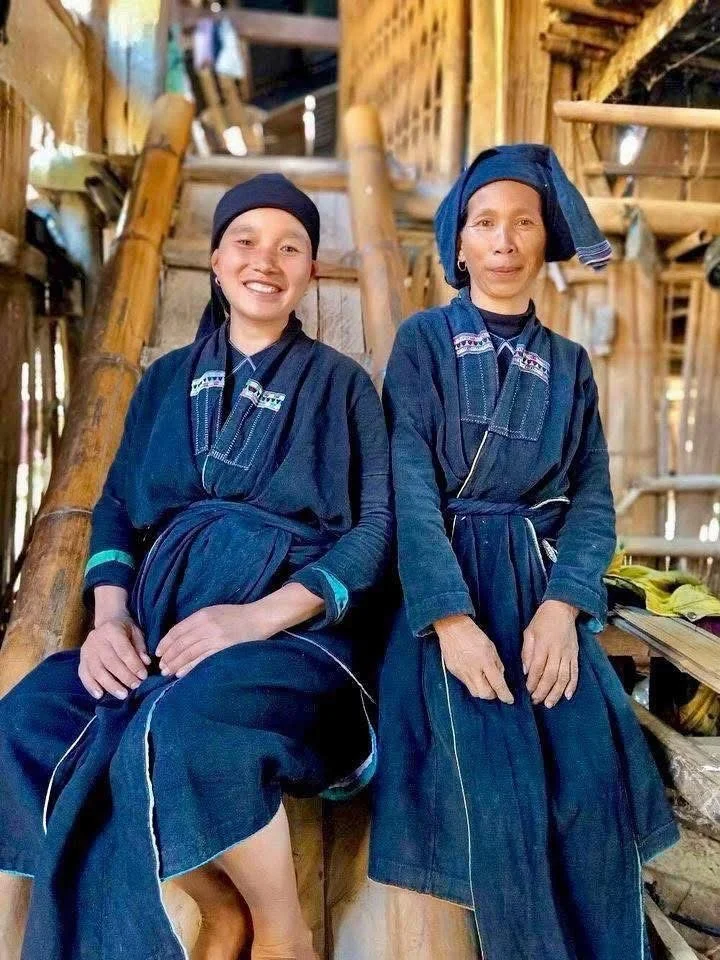
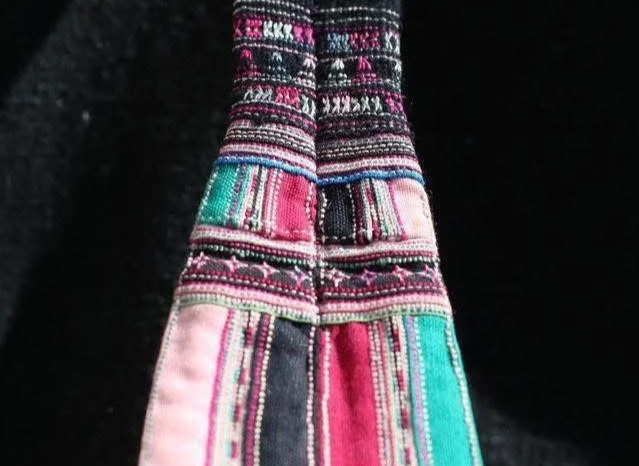
La Chí women wear stunning handwoven indigo-dyed clothing. Their outfit includes a four-panel cotton dress with a front split, an embroidered bodice, a cloth belt and a long headdress. The headdress and lapels are decorated with delicate silk embroidery, all in rich shades of indigo.
Creating one complete outfit can take several months, beginning with planting cotton, spinning and weaving the fabric, dyeing it in natural indigo and finishing it with intricate embroidery. Each piece is a testament to patience, skill and pride in their cultural identity.
Preserving a Living Culture
The La Chí people are more than an ancient community they are living storytellers of Vietnam’s northern highlands. Through their textiles, beliefs and traditions, they remind us that culture is not just inherited, it is nurtured with love and lived every day.




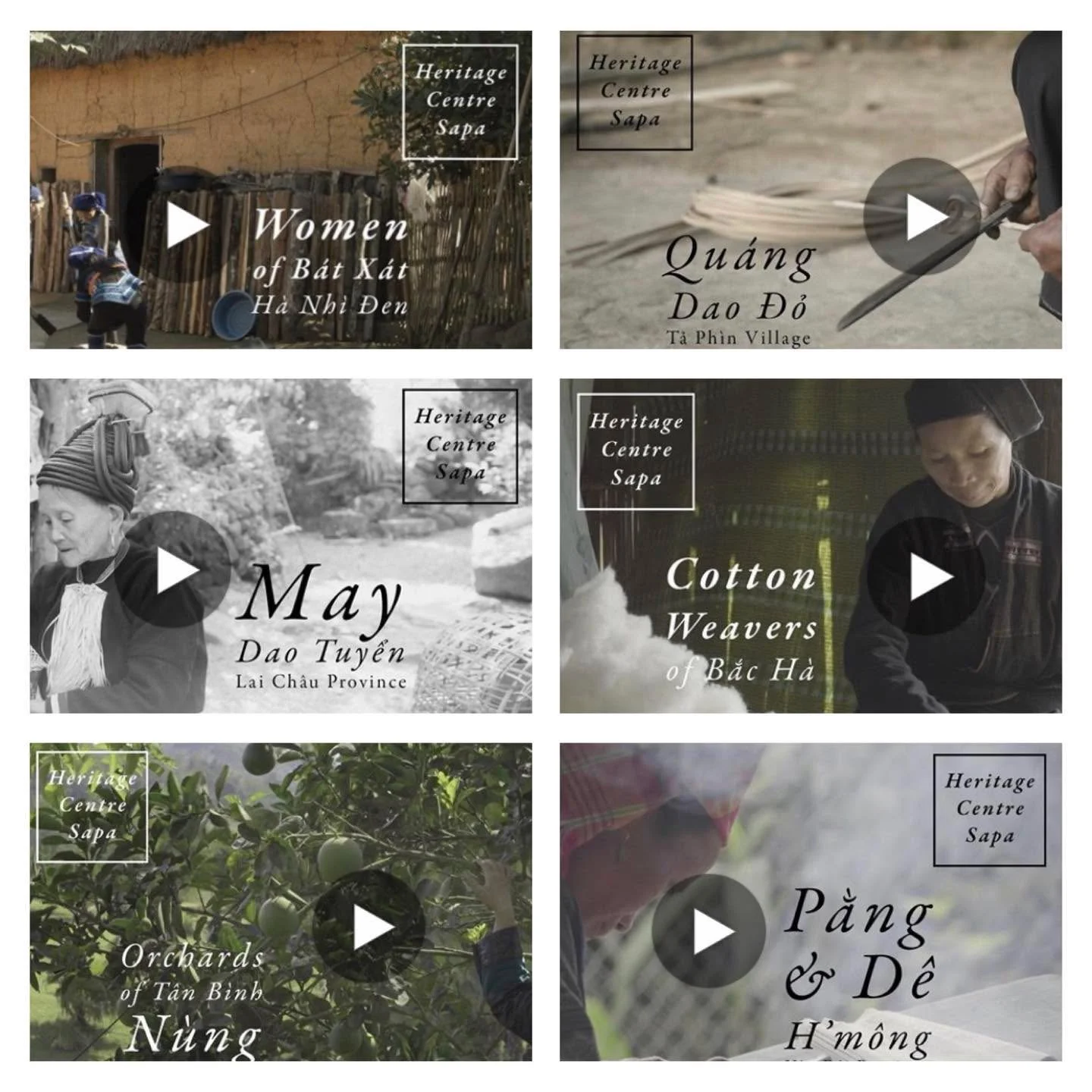
Threads of Life: Stories of Craft and Culture in Northern Vietnam
Short films capturing the crafts, traditions, and everyday artistry of northern Vietnam. An invitation to travel slowly, ethically, and with connection.
A Window into Everyday Artistry
From the hum of the loom to the quiet rhythm of indigo dyeing, this film series offers glimpses into the artistry woven through the daily lives of northern Vietnam’s upland communities.
Crafted with Care and Respect
Created in collaboration with local people, these short films capture embroidery, foraging, weaving, farming, and festive ceremonies. These are not staged performances, but authentic expressions of life and labour, shared with generosity and pride.
Culture Beyond Spectacle
For us, culture is not a show. It is a relationship. One that is built slowly, with care, respect, and time. These films reflect that belief: culture is lived, not displayed.
Travel That Connects
If you feel drawn to this way of travelling, grounded, ethical, and rooted in community, we invite you to journey with us. From day visits to longer explorations, our experiences connect you directly with the people and landscapes you see on screen.
Watch and Experience
You can watch the full playlist here:
👉 Stories from the Mountains: Northern Vietnam Playlist
And if the stories move you, we welcome you to join us in person, walking the paths, sharing meals, and learning from those who call these mountains home.