Last Chance to See: Clothing, Change, and Continuity
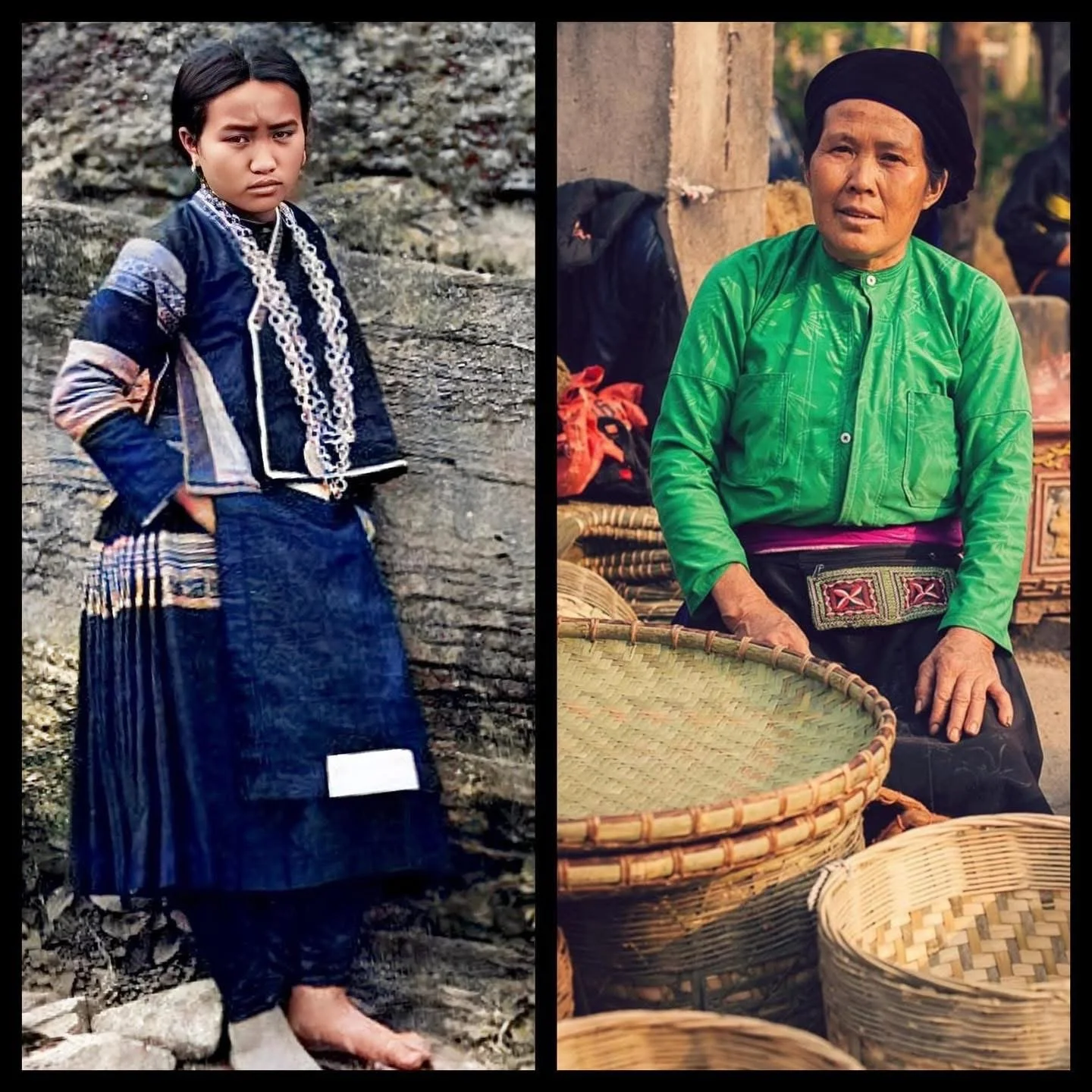
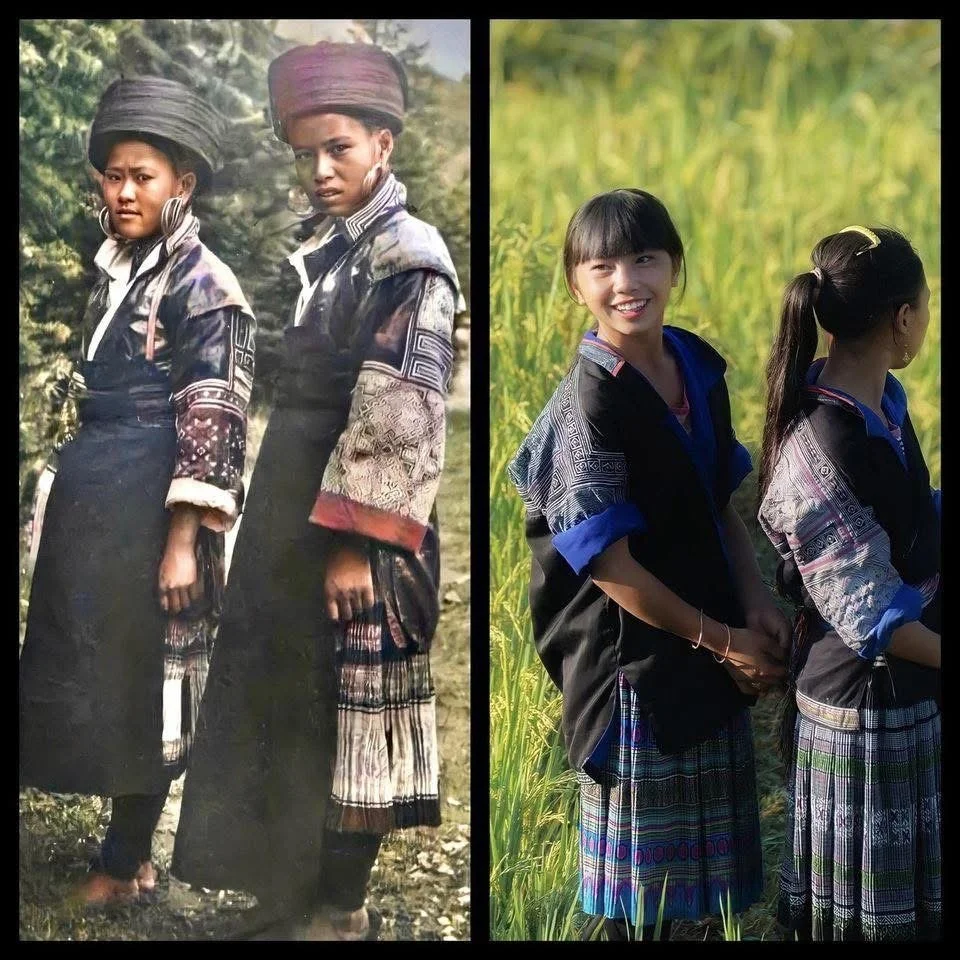
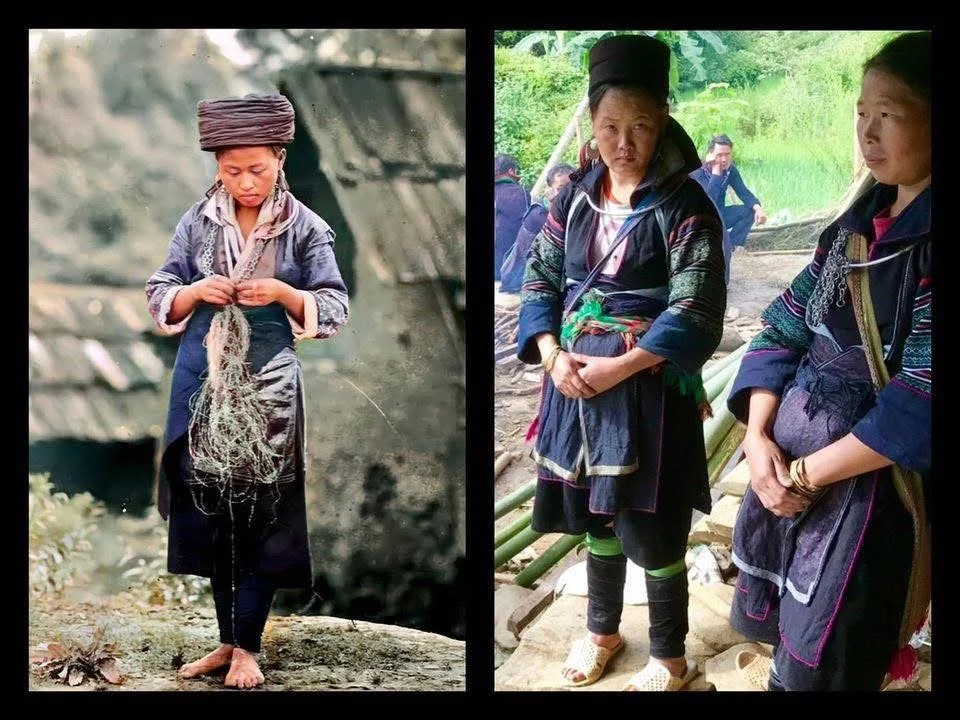
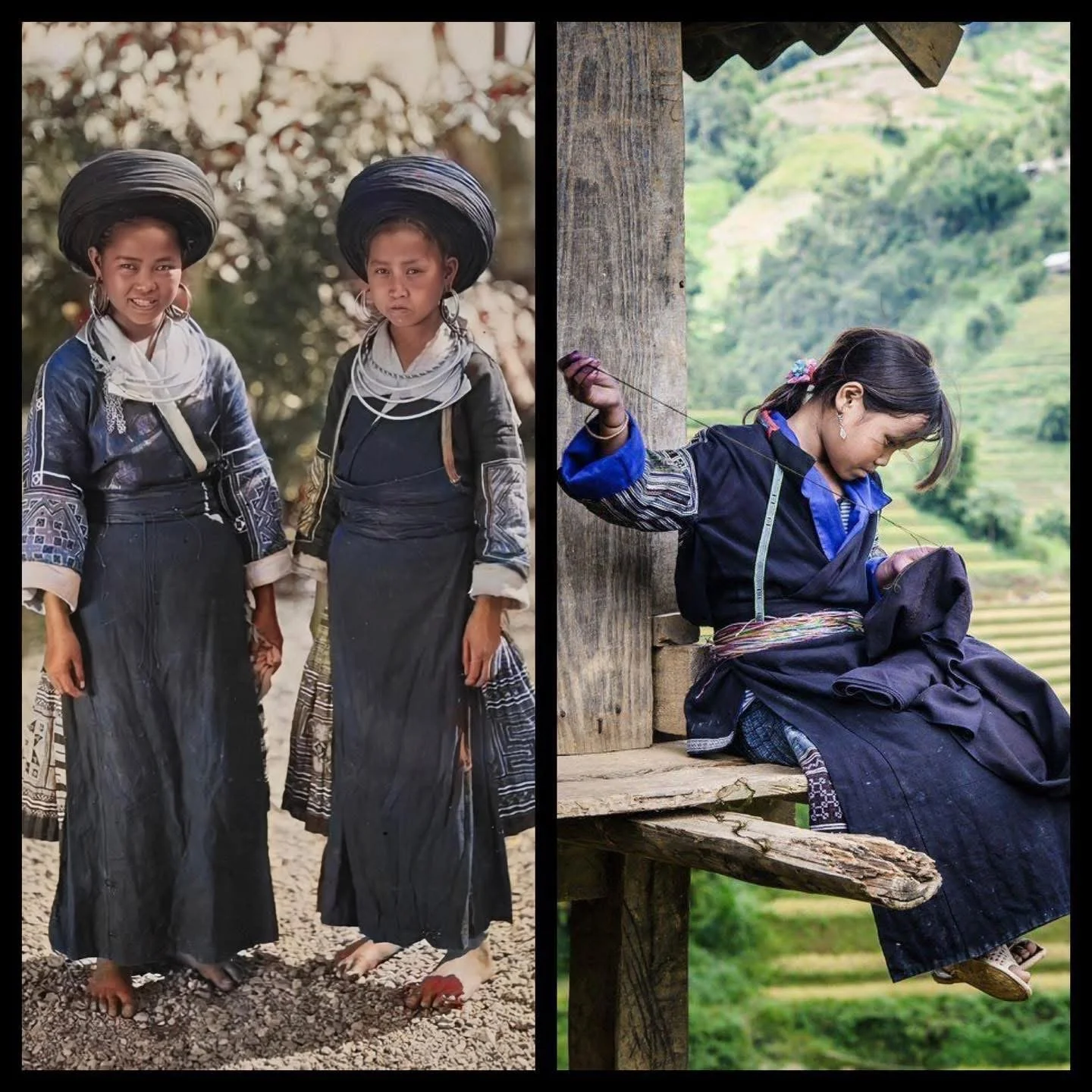
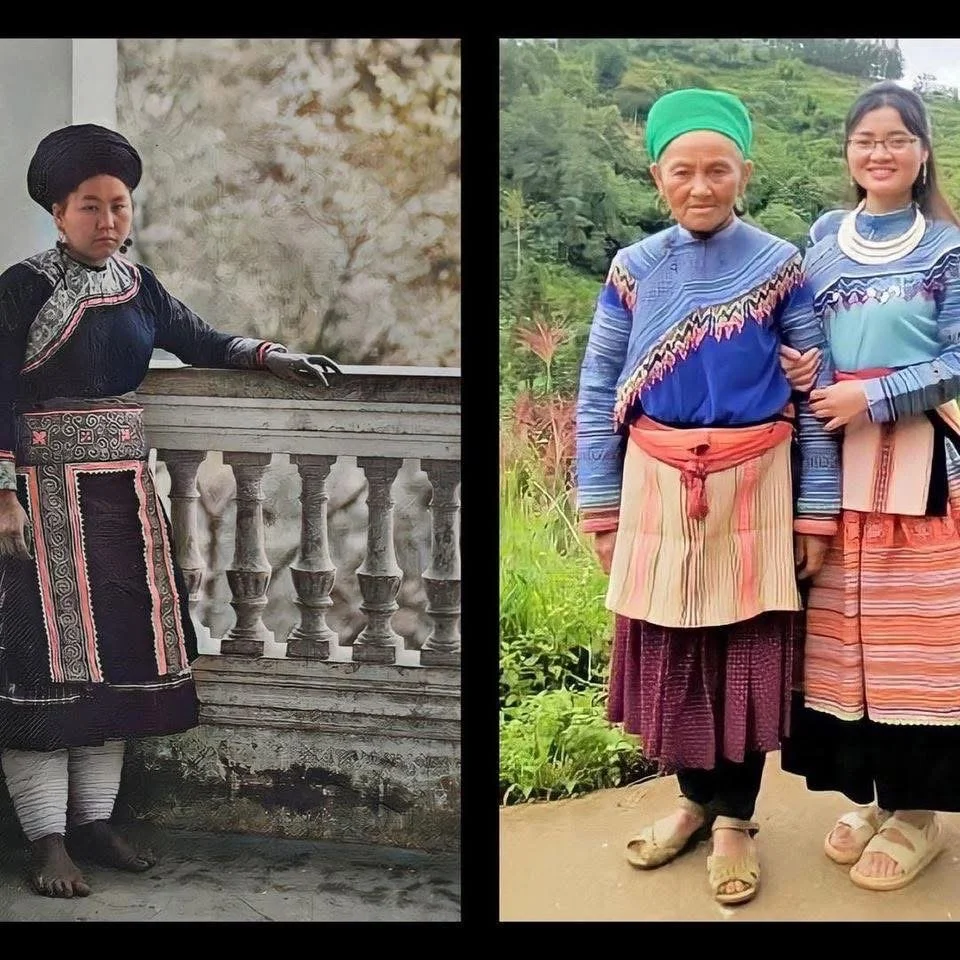
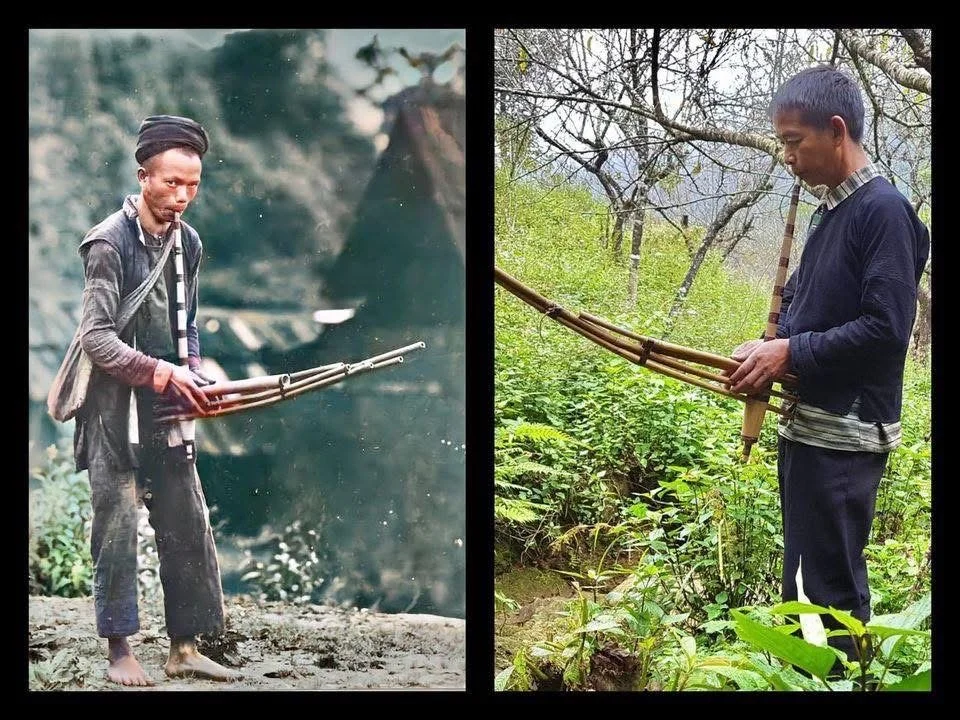
As part of a photo series titled Last Chance to See, ETHOS explores how clothing has changed over more than a century while still holding deep cultural meaning. This series looks closely at what has endured, what has adapted, and why traditional dress continues to matter today.
Today’s focus is on the Hmong people living in four distinct regions of Northern Vietnam: Mu Cang Chai, Sapa, Ha Giang, and Bac Ha. Each region tells its own story through colour, texture, and design.
The Hmong People and Cultural Identity
Throughout recorded history, the Hmong have remained identifiable as Hmong. This continuity comes from maintaining their language, customs, and ways of life, even while adopting elements from the countries in which they live.
Clothing plays a central role in this identity. It is not simply something to wear, but a visible expression of belonging, heritage, and pride.
Regional Differences in Hmong Dress
Many Hmong groups are distinguished by the colour and details of their clothing. Black Hmong traditionally wear deep indigo dyed hemp garments, including a jacket with embroidered sleeves, a sash, an apron, and leg wraps. Their clothing is practical, durable, and rich in subtle detail.
Flower Hmong are known for their brightly coloured traditional costumes. These outfits feature intricate embroidery, bold patterns, and decorative beaded fringe, making them immediately recognisable.
Paj Ntaub: The Language of Cloth
An essential element of Hmong clothing and culture is paj ntaub, pronounced pun dow. This is a complex form of traditional textile art created through stitching, reverse stitching, and reverse appliqué.
Meaning, Skill, and Tradition
Traditionally, paj ntaub designs are ornamental and geometric. They are mostly non representational and do not depict real world objects, with the occasional exception of flower like forms. The making of paj ntaub is done almost exclusively by women.
These textiles are sewn onto clothing and act as a portable expression of cultural wealth and identity. Paj ntaub play an important role in funerary garments, where the designs are believed to offer spiritual protection and guide the deceased towards their ancestors in the afterlife. They are also central to Hmong New Year celebrations.
Before each New Year, women and girls create new paj ntaub and new clothing. Wearing clothes from the previous year is considered bad luck. These new garments reflect creativity, skill, and even a woman’s suitability as a successful wife.
Why Hmong Clothing Endures
Despite major cultural and social change over the past century, Hmong clothing has endured. Its survival lies in its deep connection to identity, belief, skill, and community. Each stitch carries meaning, and each garment tells a story that continues to be passed from one generation to the next.