
Community-Based Tourism in Northern Vietnam: A Complete Guide (2026)
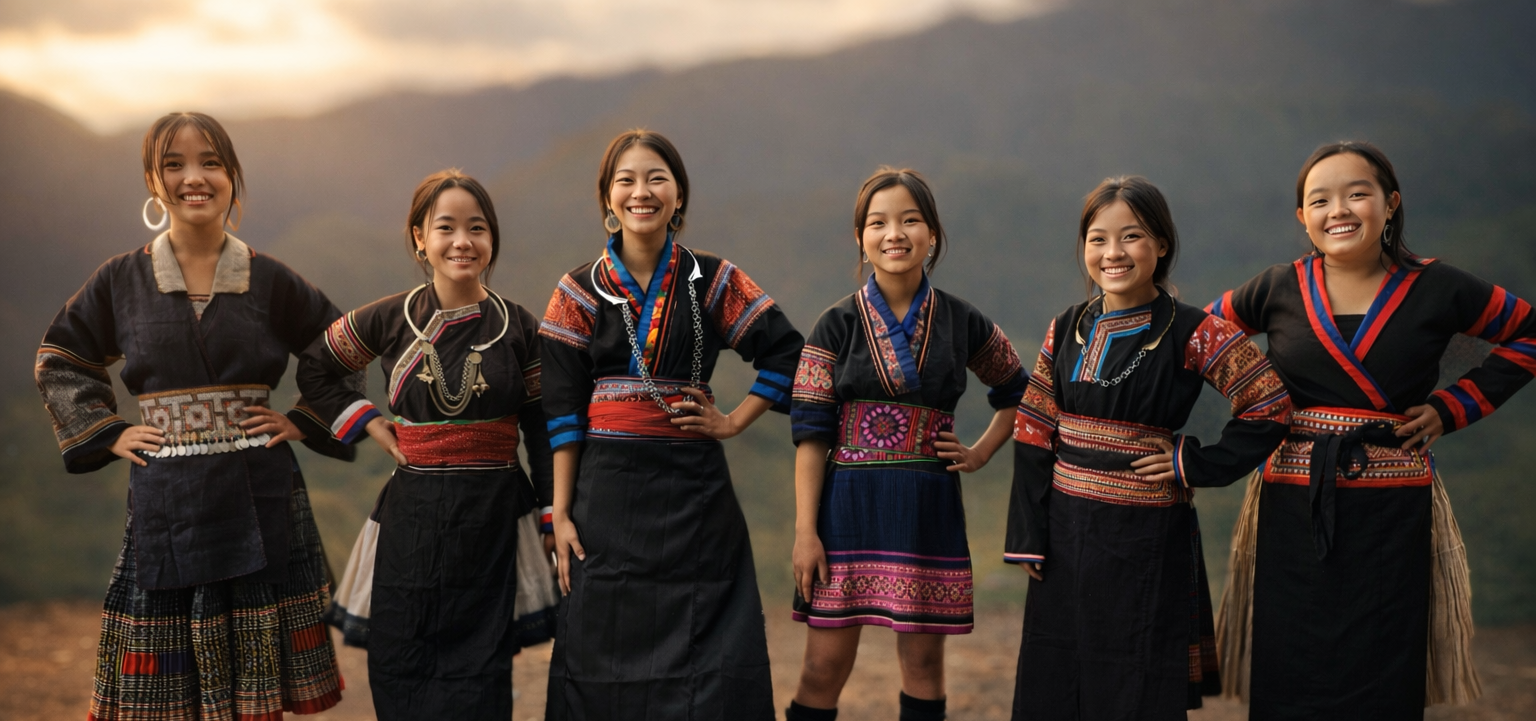
Northern Vietnam is one of Southeast Asia's most culturally diverse regions. Across the mountains of Lào Cai, Hà Giang, Lai Châu, Điện Biên, Yên Bái and neighbouring provinces, dozens of ethnic communities continue to maintain distinct languages, traditions, farming practices and ways of life.
Many visitors hope to experience these cultures through trekking, village stays and local guides. Community-based tourism has become an increasingly popular way to do this, but the term is often misunderstood.
Not every homestay is community-based. Not every trekking company operates ethically. And not every village benefits equally from tourism.
This guide explains what community-based tourism really means, how it differs from conventional tourism, and how visitors can make informed choices that genuinely benefit local communities.
What is Community-Based Tourism?
Community-based tourism (CBT) is a form of tourism in which local people play a central role in planning, managing and benefiting from visitor experiences.
Rather than tourism being controlled primarily by outside businesses, community members are active participants. They may work as guides, host guests in their homes, prepare meals, share traditional skills, manage accommodation or help make decisions about tourism development.
At its best, community-based tourism aims to:
provide meaningful income for local families
protect cultural traditions
encourage environmental conservation
create opportunities for younger generations
allow visitors to learn through genuine cultural exchange
Community-based tourism is not about creating performances for tourists. It is about welcoming visitors into communities in ways that respect local culture while providing long-term benefits.
Why Northern Vietnam is Ideal for Community-Based Tourism
Northern Vietnam contains some of the country's richest cultural and natural diversity.
Visitors may encounter communities including:
Each has its own history, language, clothing, architecture, agricultural practices and cultural traditions.
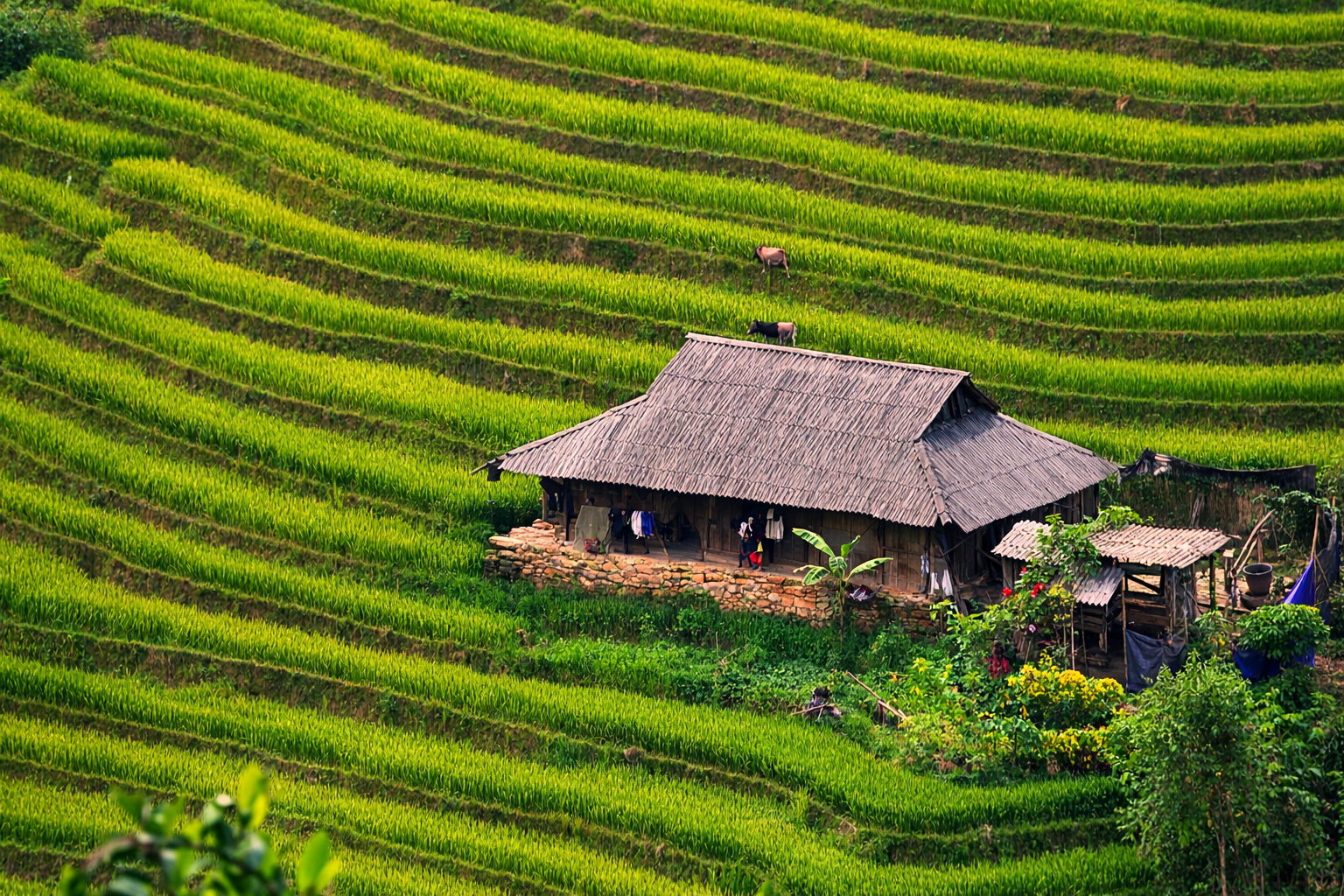
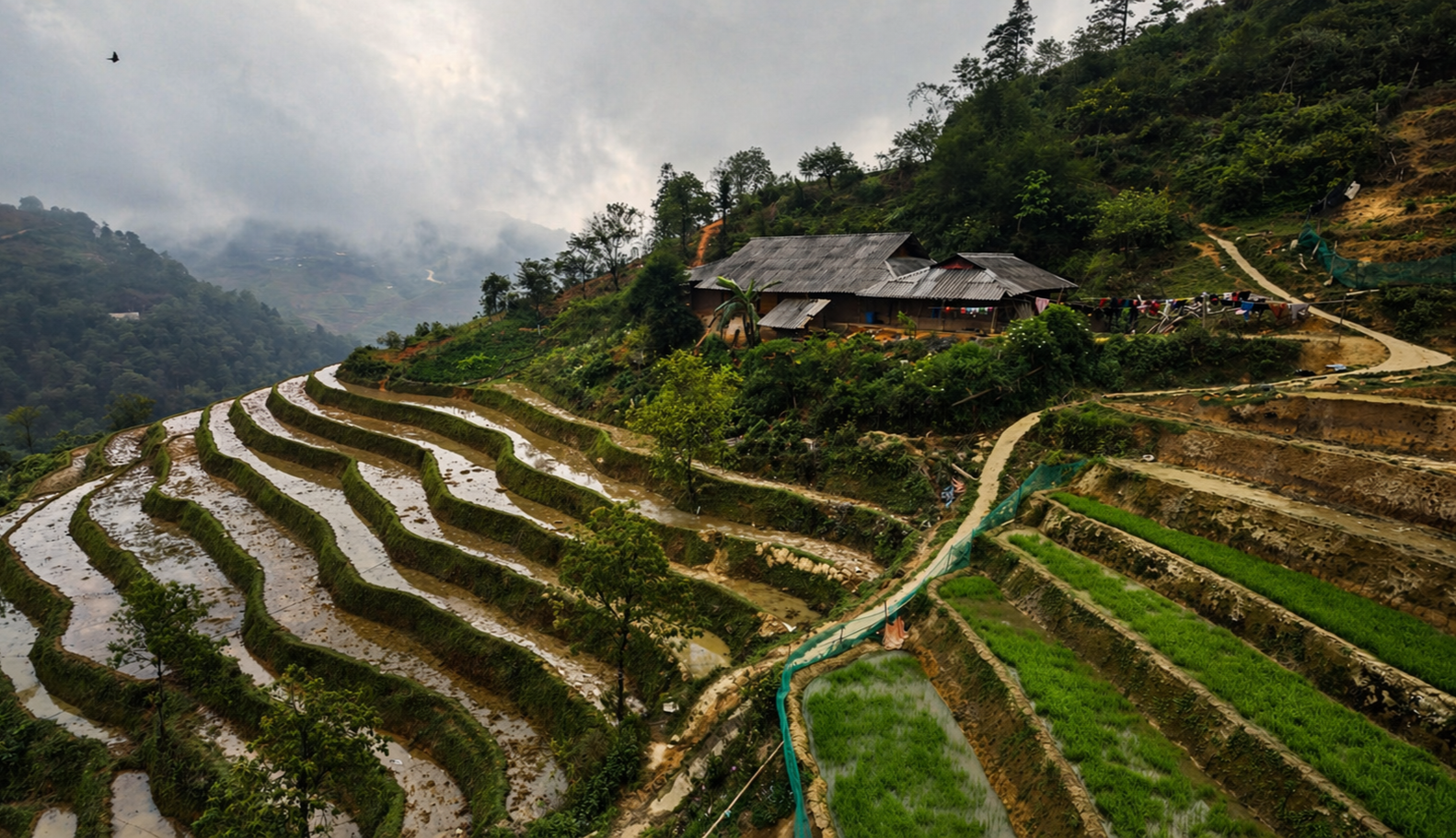
Combined with spectacular mountain scenery, rice terraces, forests and traditional farming systems, these living cultures create opportunities for experiences that cannot easily be replicated elsewhere.
Community-Based Tourism vs Mass Tourism
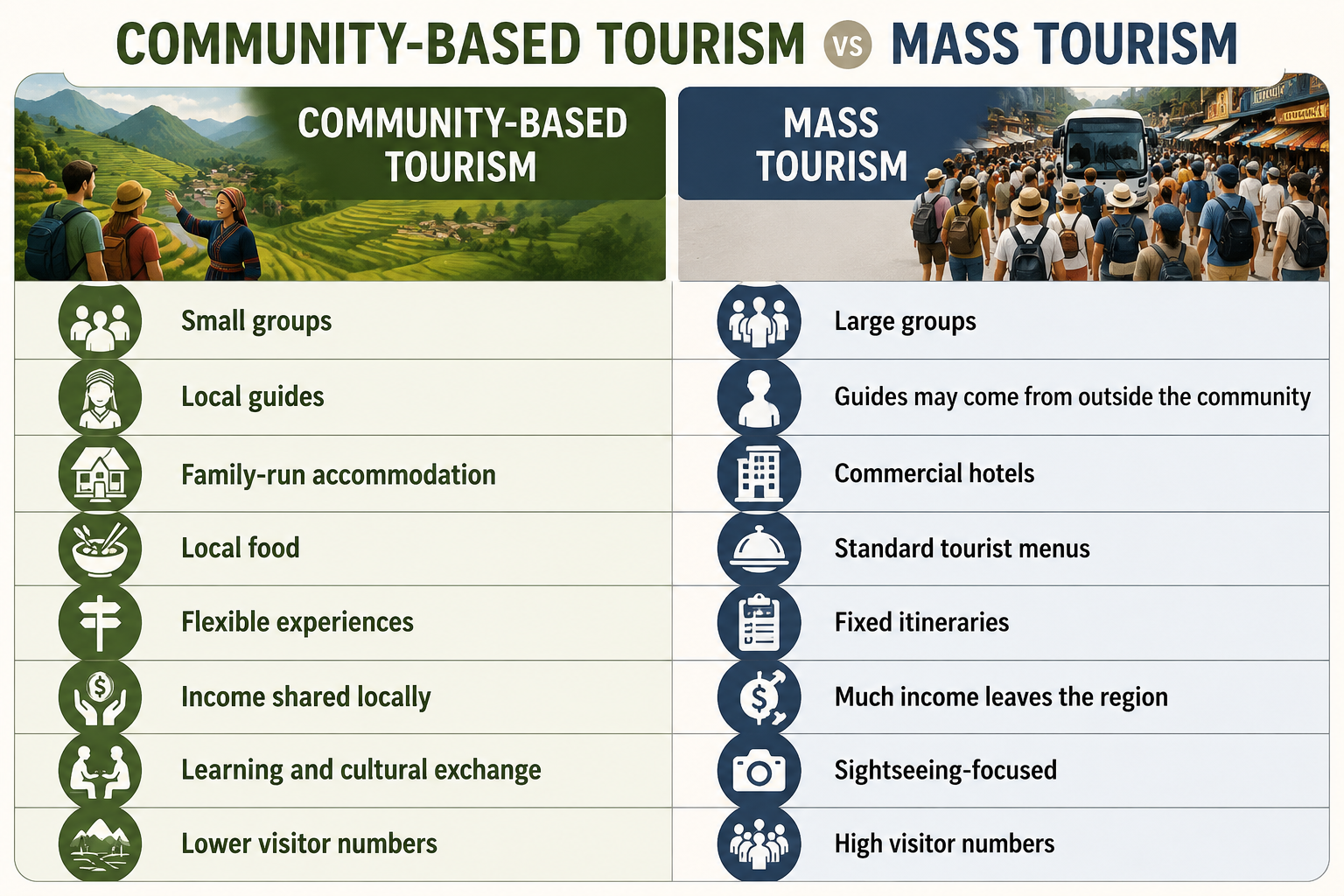
Why Community-Based Tourism Matters
Tourism has the potential to create jobs, improve education and strengthen local economies. However, these benefits are not automatic.
When tourism grows too quickly, communities may experience:
overcrowding
rising living costs
environmental degradation
pressure to commercialise traditions
uneven distribution of income
Well-managed community-based tourism seeks to balance economic opportunities with cultural and environmental protection.
How to Choose an Ethical Tour Operator
Choosing the right operator can make a significant difference.
Look for companies that:
✓ employ local guides
✓ keep group sizes small
✓ use locally owned accommodation
✓ pay fair wages
✓ respect local customs
✓ avoid unnecessary cultural performances
✓ minimise environmental impact
✓ provide honest information about communities
✓ encourage respectful behaviour from visitors
Rather than asking whether a company is "authentic", ask how it works with local communities and how tourism income is shared.
Common Mistakes Visitors Make
Many mistakes come from enthusiasm rather than bad intentions.
Some common examples include:
Assuming every village welcomes tourism equally
Some villages have developed tourism over many years. Others remain private communities where residents may prefer not to receive visitors.
Photographing people without permission
Always ask first. A smile and a simple question show respect.
Treating villages like museums
People are living their everyday lives. Visitors are guests, not spectators.
Buying the cheapest tour
Very low prices often mean someone within the supply chain receives very little payment.
Expecting cultural performances
Many communities prefer to share daily life naturally rather than staging traditions specifically for tourists.
How Authentic Homestays Actually Work
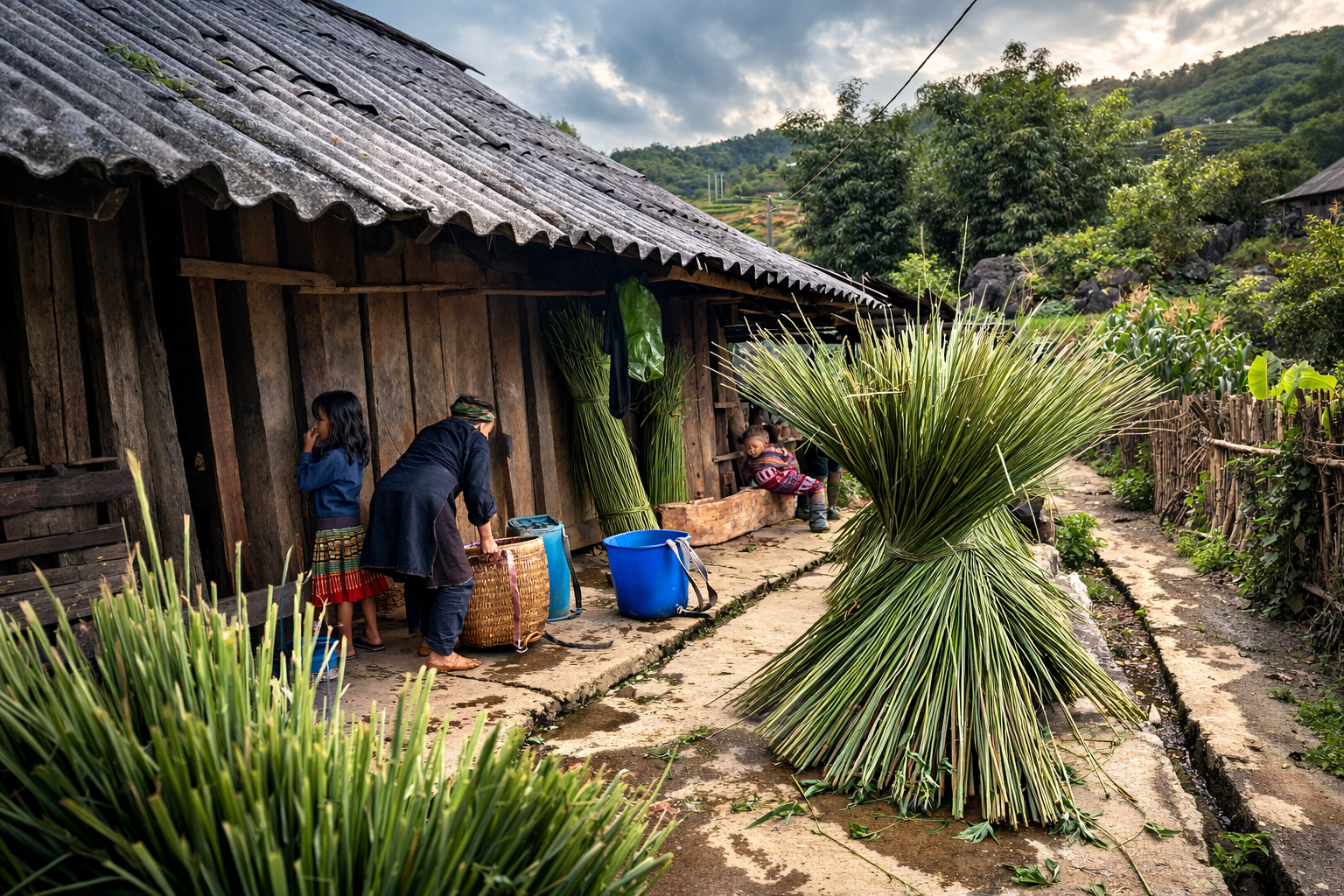
A genuine homestay is simply that: staying in someone's home.
Families continue their normal routines while welcoming visitors into part of their living space.
Guests may:
share family meals
help prepare food
learn about farming
meet neighbours
walk through nearby villages
spend time talking with their hosts
Comfort levels vary considerably. Some homes are simple, while others have been adapted to accommodate visitors.
The experience is about sharing daily life rather than providing hotel-style facilities.
Questions to Ask Before Booking
Good questions include:
How many people will be in my group?
Who owns the homestay?
Are local guides employed?
Which communities will we visit?
How much walking is involved?
How is tourism income shared?
Are meals prepared by local families?
What should I bring?
How should I behave when visiting homes?
Is this experience suitable for children?
Why Some Villages Become Over-Visited
Successful tourism can sometimes create new challenges.
Popular villages may receive thousands of visitors each month while neighbouring communities receive very few.
This concentration can increase traffic, waste, noise and commercial development.
Some responsible operators deliberately vary their routes, work with multiple communities and avoid contributing to overcrowding.
What Responsible Trekking Looks Like
Responsible trekking is about more than staying on the trail.
It also involves:
walking in small groups
respecting private land
following local advice
avoiding litter
carrying reusable water bottles
supporting local businesses
dressing respectfully
asking permission before taking photographs
learning about local culture rather than simply observing it
leaving places as you found them
The best treks create meaningful experiences for visitors while remaining sustainable for the communities that make them possible.
Frequently Asked Questions
Are homestays safe?
A well-managed homestay should be safe for most travellers. Reputable operators assess the accommodation, work with trusted host families and explain important matters such as sleeping arrangements, bathrooms, food, drinking water and emergency procedures before arrival.
Facilities may be simpler than those in a hotel, particularly in remote villages. Travellers should tell their operator in advance about allergies, medical conditions, mobility needs or any other concerns.
Can children join?
Many community-based tourism experiences are suitable for children, but this depends on their age, confidence and physical ability. Short village walks, family meals, craft activities and gentle cultural experiences can be particularly enjoyable for younger visitors.
Longer treks, steep paths, muddy conditions and basic overnight accommodation may not suit every child. Parents should ask about distance, elevation, terrain, transport access and sleeping arrangements before booking.
What should I wear?
Wear comfortable clothing that is suitable for walking and respectful when entering villages or family homes. Lightweight layers are useful because mountain weather can change quickly.
Good walking shoes with reliable grip are strongly recommended. Visitors should also carry rain protection, sun protection and a warmer layer, even when the weather appears mild. Clothing that covers the shoulders and reaches close to the knees is usually appropriate for cultural visits.
Is Northern Vietnam suitable for beginners?
Yes. Northern Vietnam offers experiences ranging from easy village walks to demanding multi-day treks. Beginners should choose a route that matches their fitness, experience and confidence rather than selecting an itinerary based only on scenery or distance.
A responsible operator should clearly explain the trail conditions, walking time, elevation gain, weather exposure and access to roads or medical assistance.
Are private tours better than group tours?
Private tours are often more flexible and allow the guide to adjust the pace, route and level of explanation to suit the travellers. They can also reduce pressure on homes and villages by keeping visitor numbers low.
Group tours may be more affordable and can be enjoyable for sociable travellers. The more important questions are how large the group is, whether the guide is local, how the hosts are paid and whether the itinerary respects the community.
Can vegetarians be accommodated?
Vegetarian meals can usually be arranged when requested in advance. Local families may prepare dishes using rice, vegetables, tofu, eggs, mushrooms and seasonal produce.
Travellers with strict dietary requirements should explain them clearly before booking. It is important to distinguish between vegetarian, vegan, allergy-related and religious dietary needs because these may require different preparation.
Do guides speak English?
Many professional guides working with international visitors speak English, although ability levels vary. Local guides may have excellent cultural and environmental knowledge even when their English is less fluent than that of a city-based guide.
Visitors should ask who will guide the experience and what level of English support is available. Good communication is important, but local knowledge, safety awareness and the ability to interpret community life are equally valuable.
What happens if it rains?
Rain does not automatically mean that a trek will be cancelled. However, it can make mountain paths muddy, slippery and more difficult. Heavy rainfall may also affect river crossings, visibility, road access or landslide risk.
A responsible guide should review the conditions, adapt the route when necessary and cancel or postpone an activity if it cannot be completed safely. Travellers should bring suitable footwear, waterproof clothing and a flexible attitude, particularly during the wetter months.
How ETHOS Approaches Community-Based Tourism
At ETHOS, we believe community-based tourism should begin with listening. For more than 25 years we have worked alongside mountain communities in Northern Vietnam, developing small-group experiences that prioritise local knowledge, meaningful cultural exchange and long-term relationships over visitor numbers.
We work with local guides from the communities they introduce, support family-run homestays, keep our groups small and continually develop new opportunities through projects such as the ETHOS Apprenticeship Programme. Our goal is not simply to show visitors beautiful landscapes, but to help create tourism that benefits both guests and the communities who welcome them.
If you're interested in experiencing community-based tourism in Northern Vietnam, explore our trekking experiences, homestays and cultural workshops, or contact us if you'd like advice on planning a responsible visit.