Dragon’s Jaw Trek | A One-Day Hmong Village Trek Above Sapa
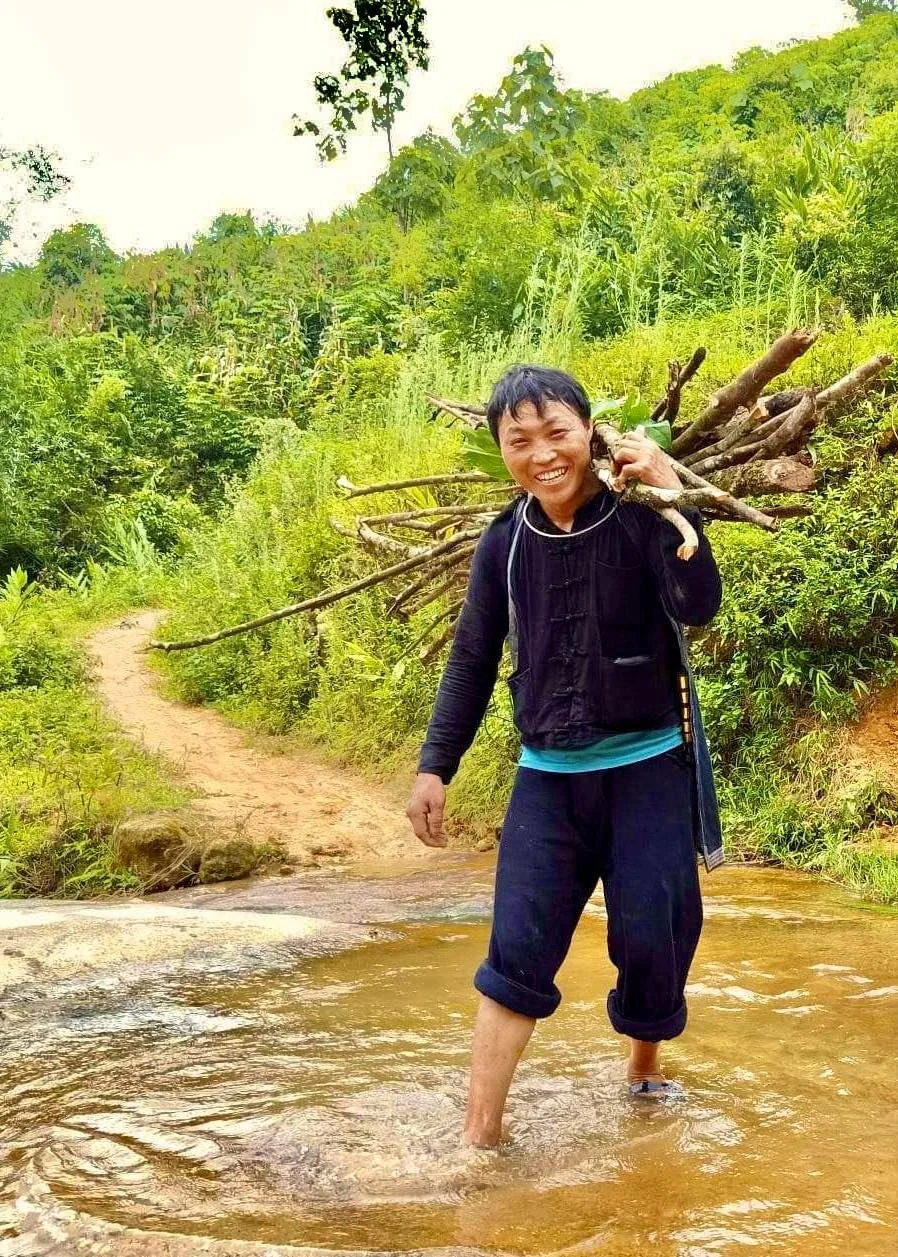
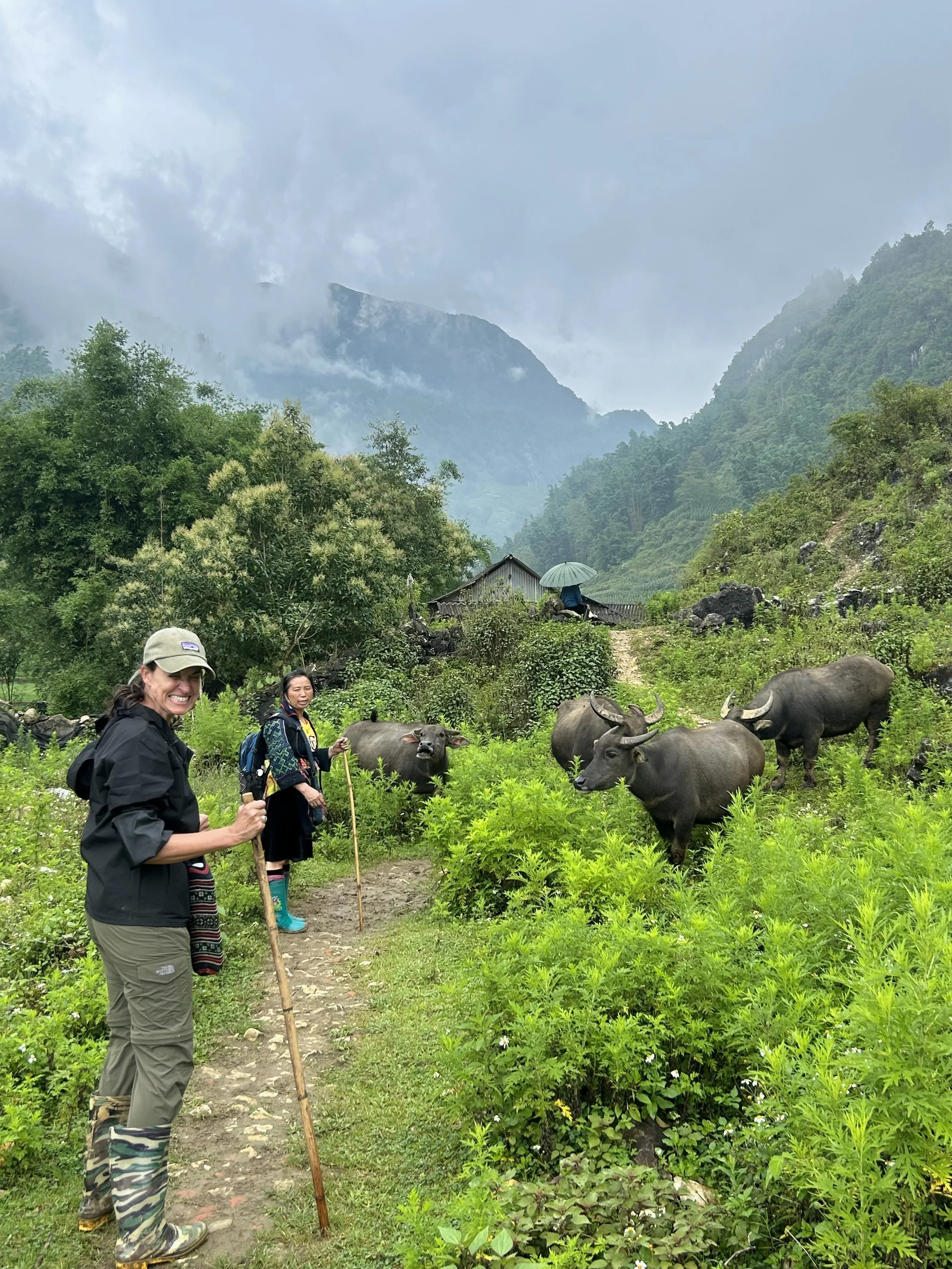
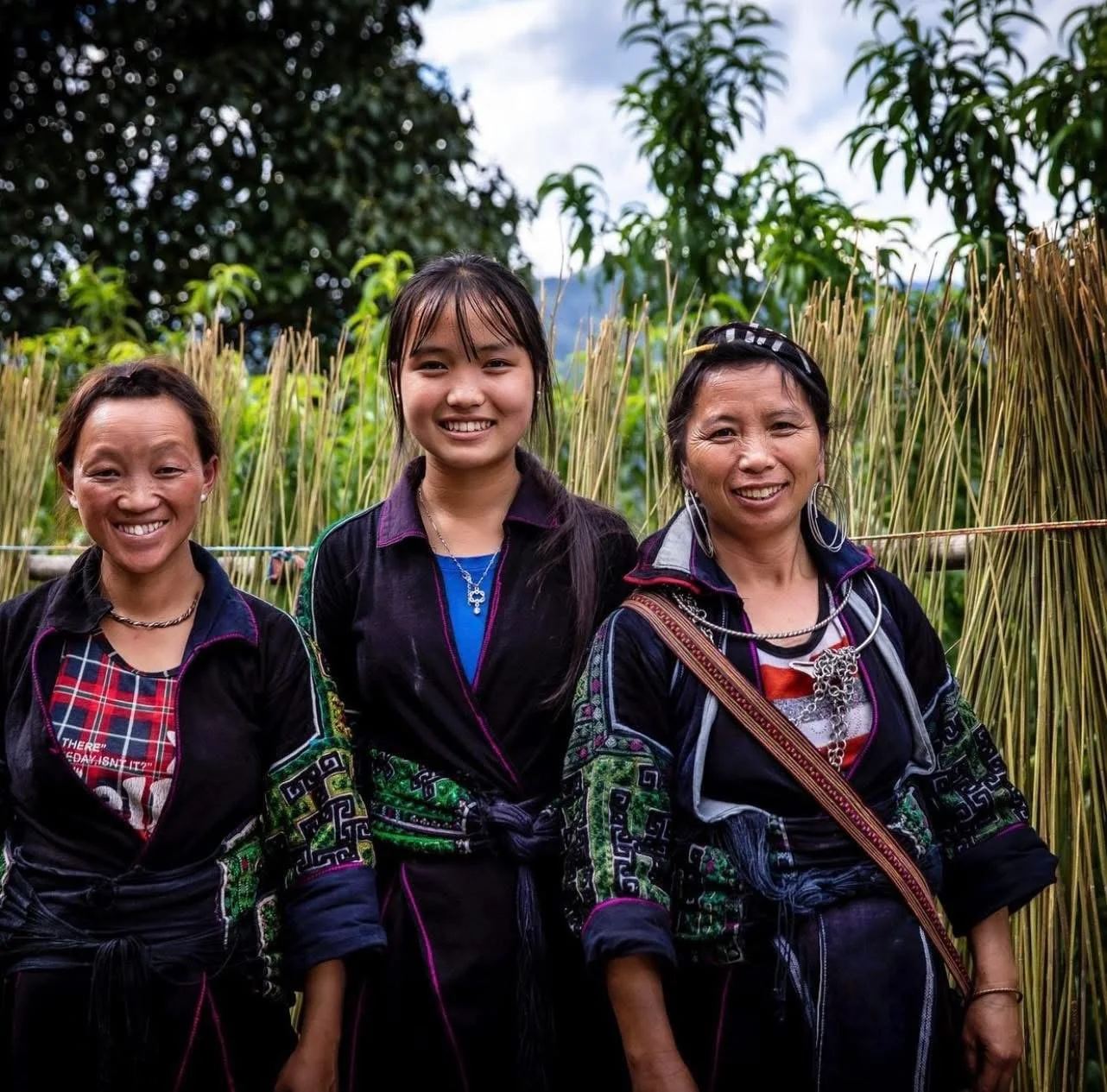
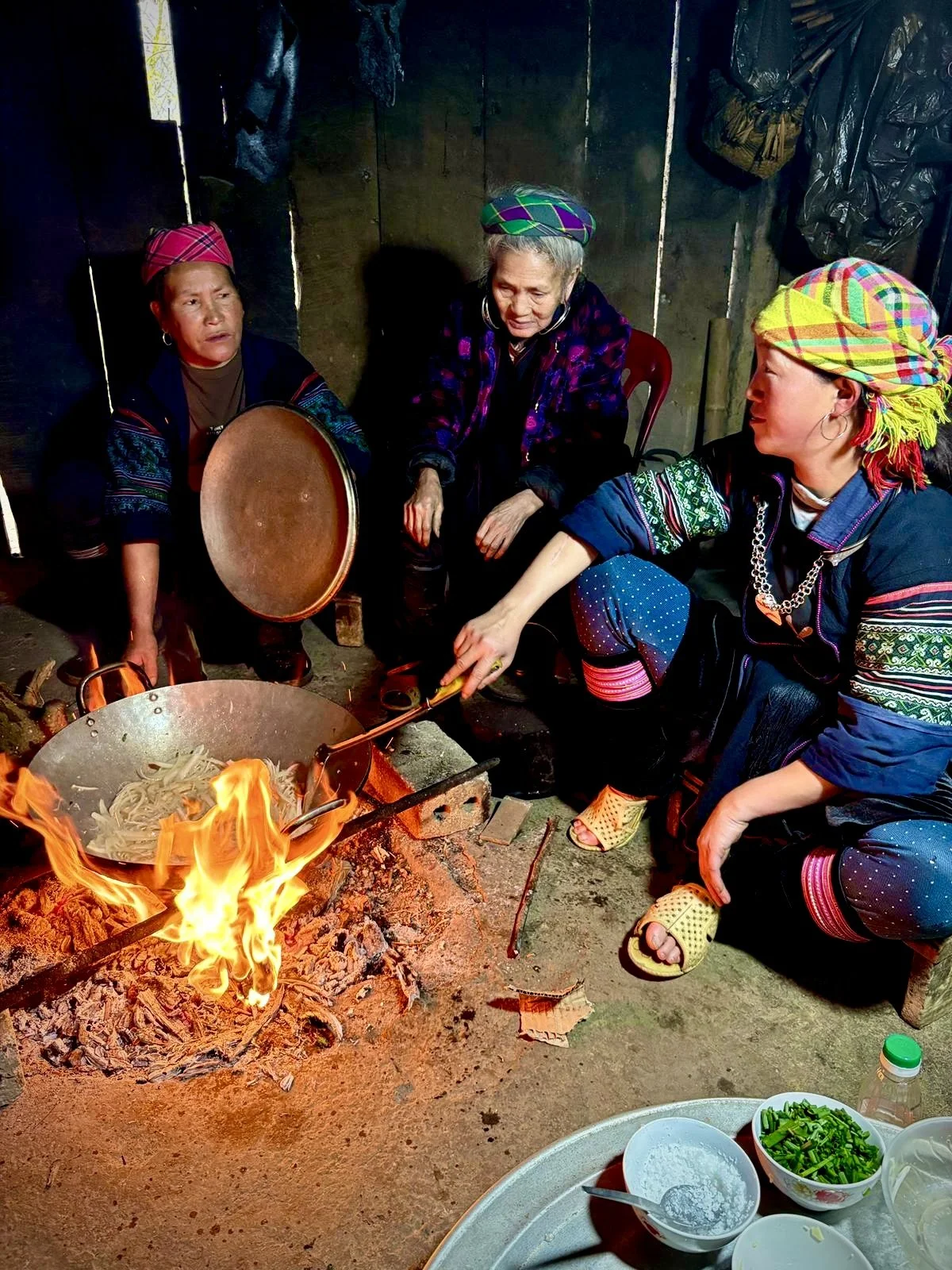
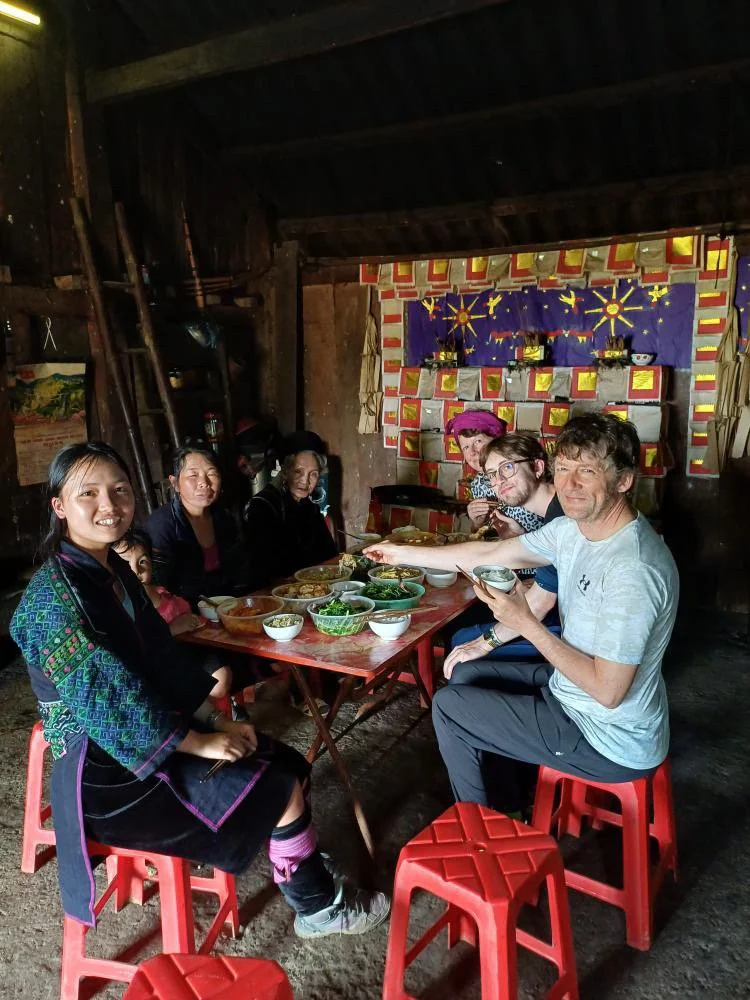
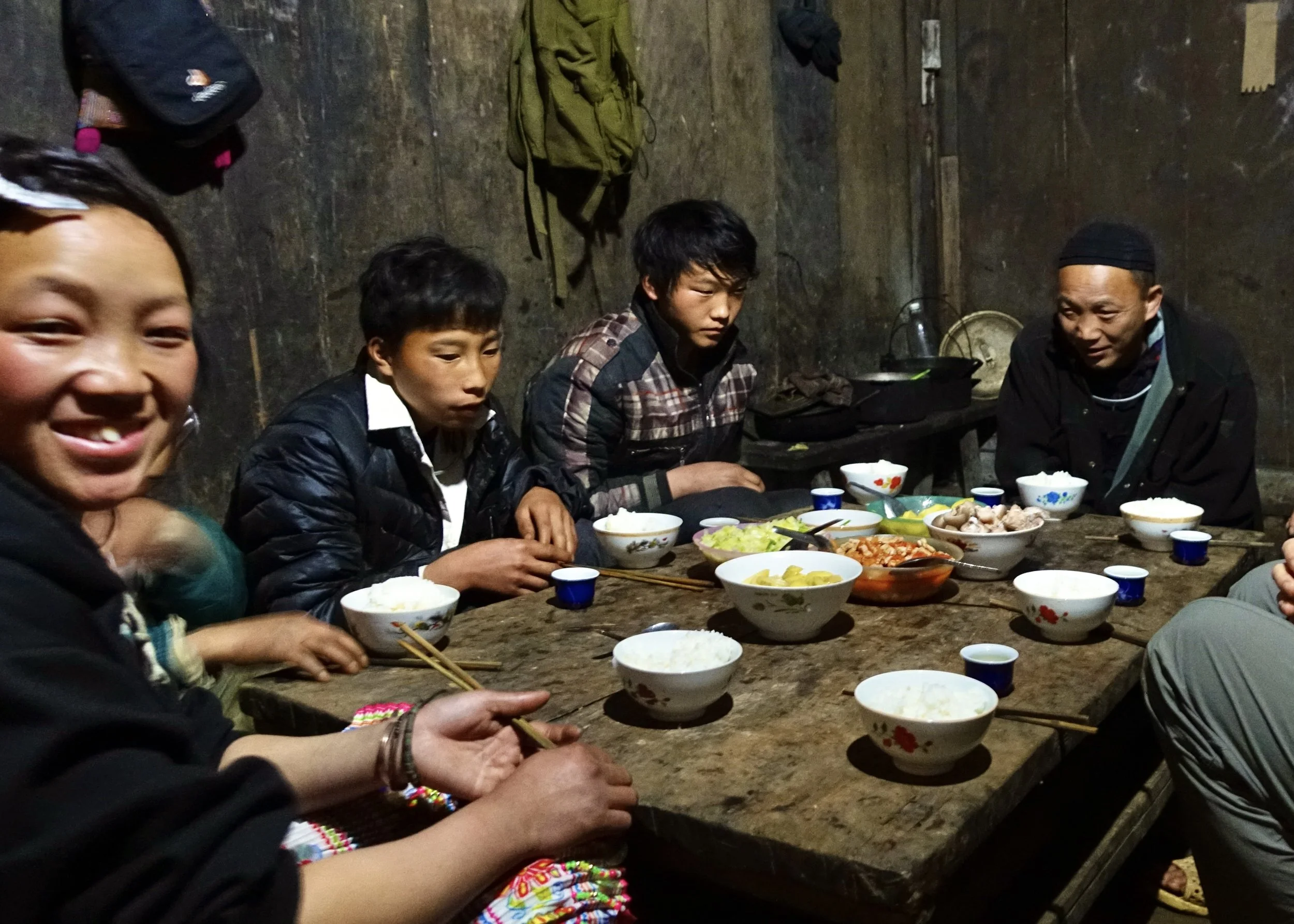
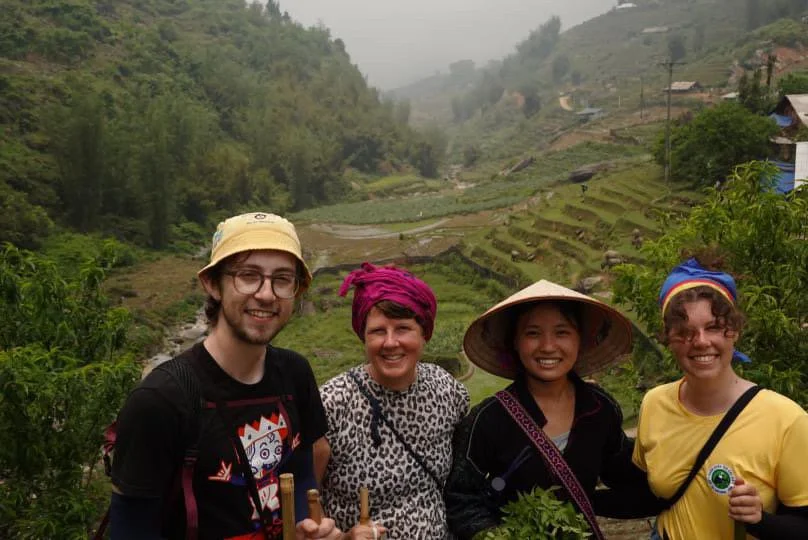
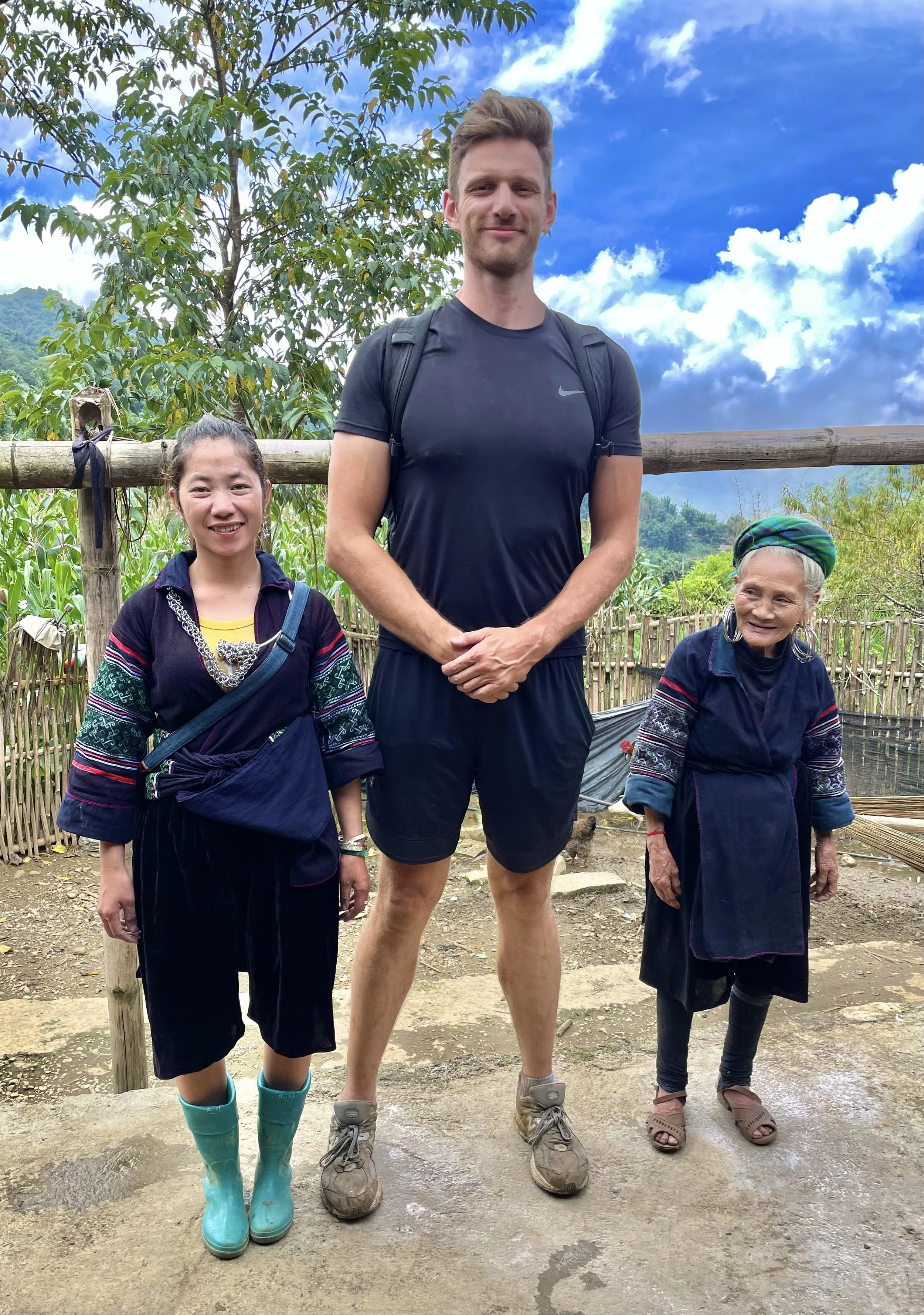
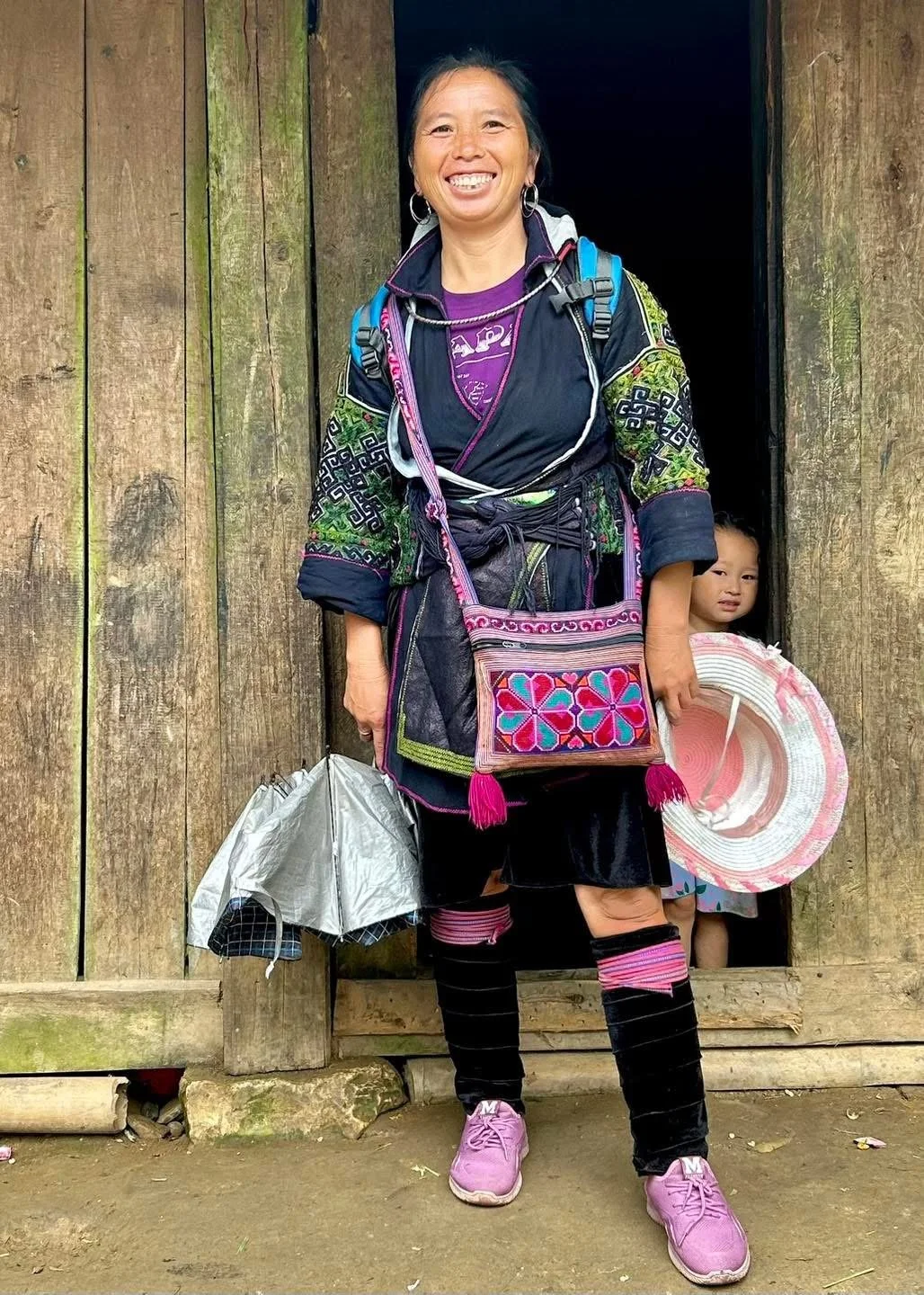
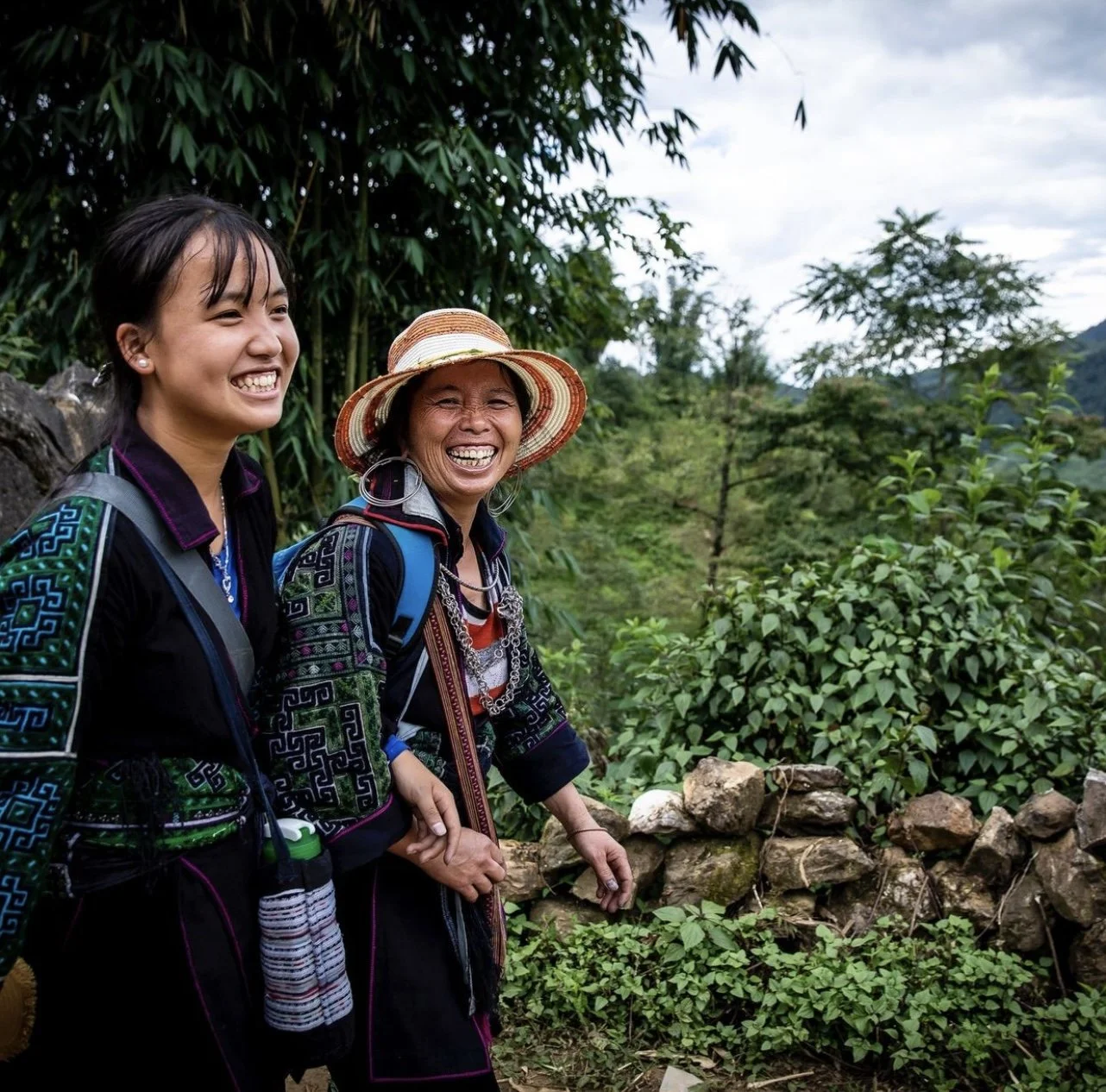
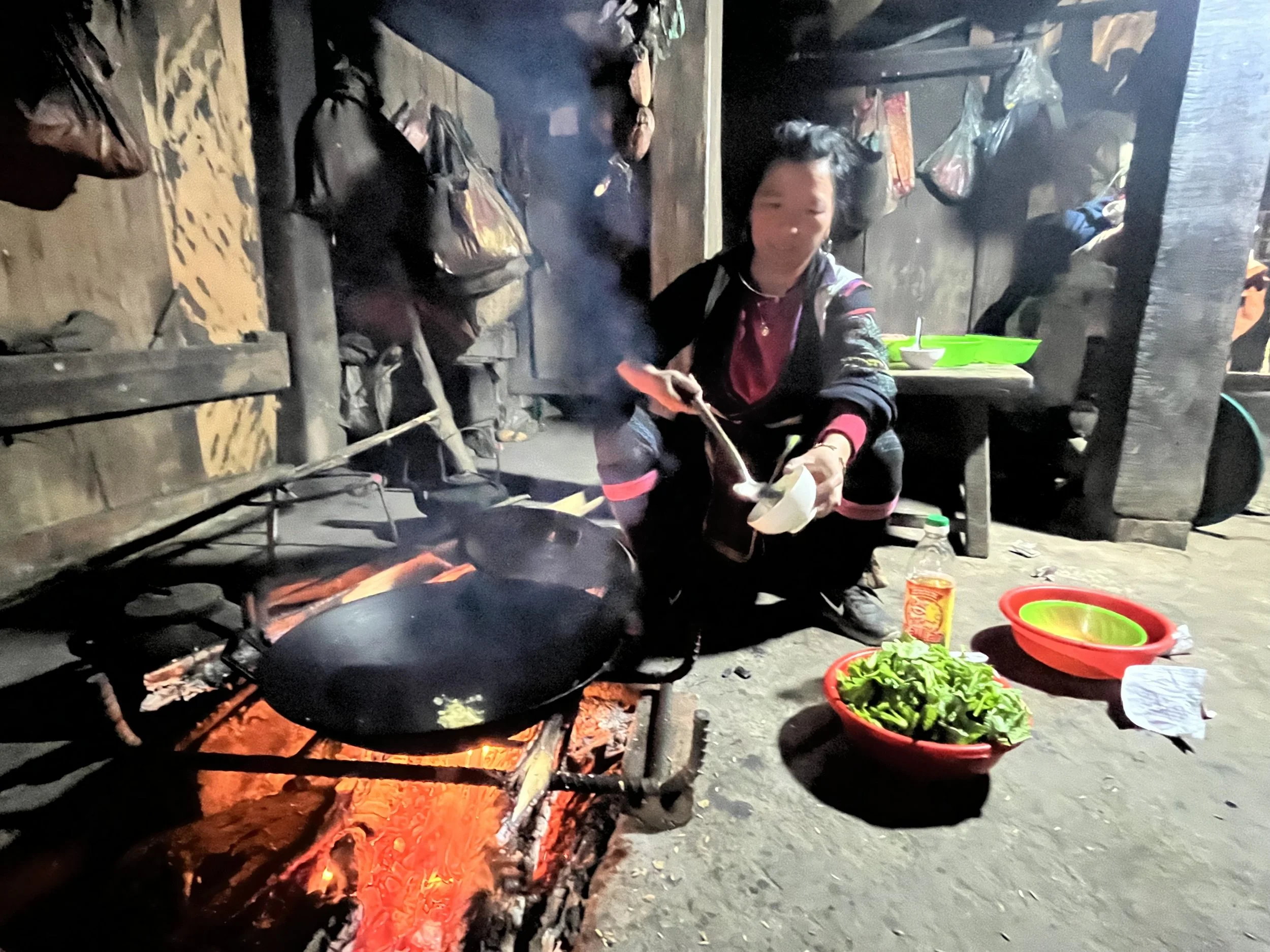
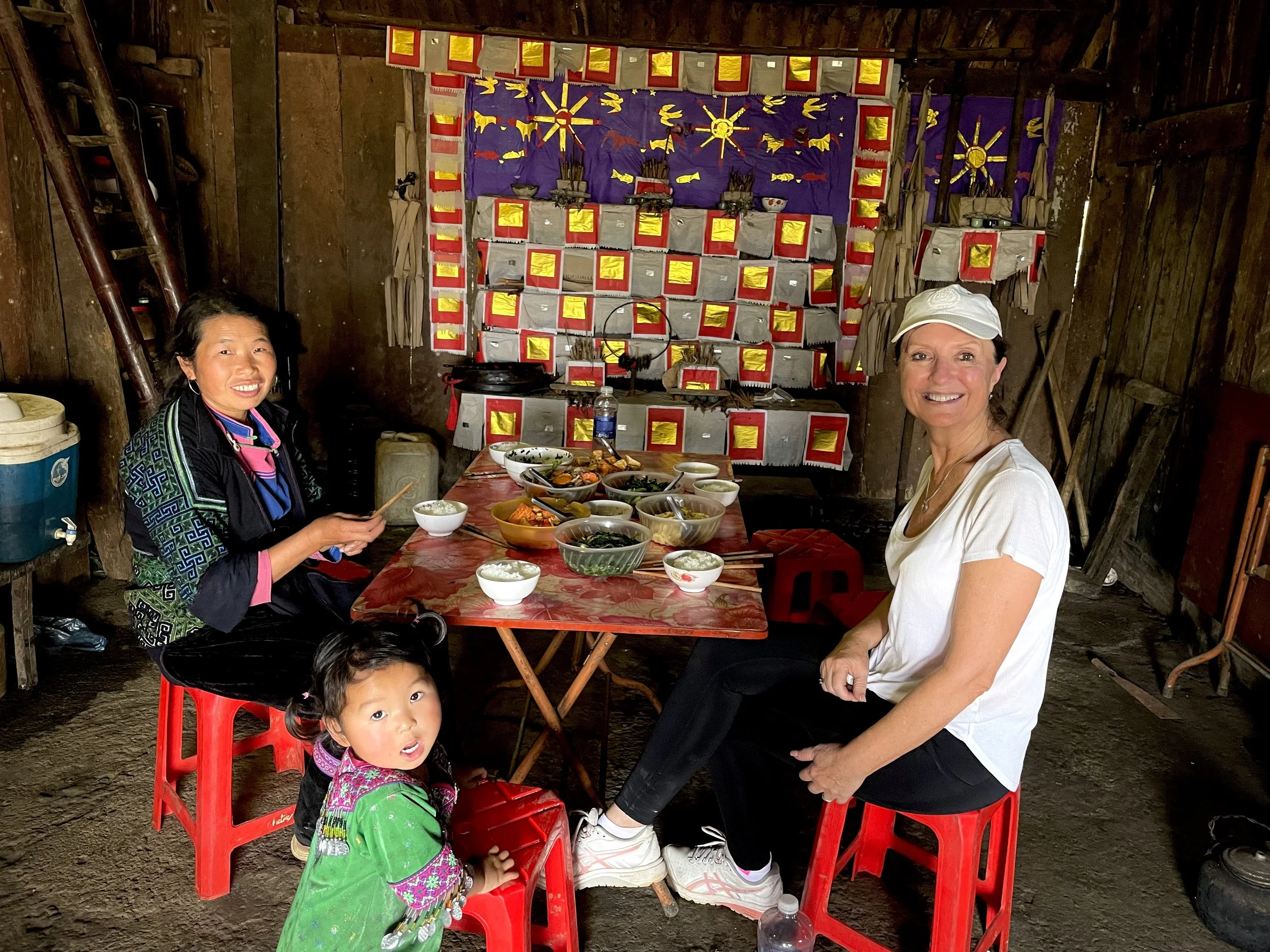
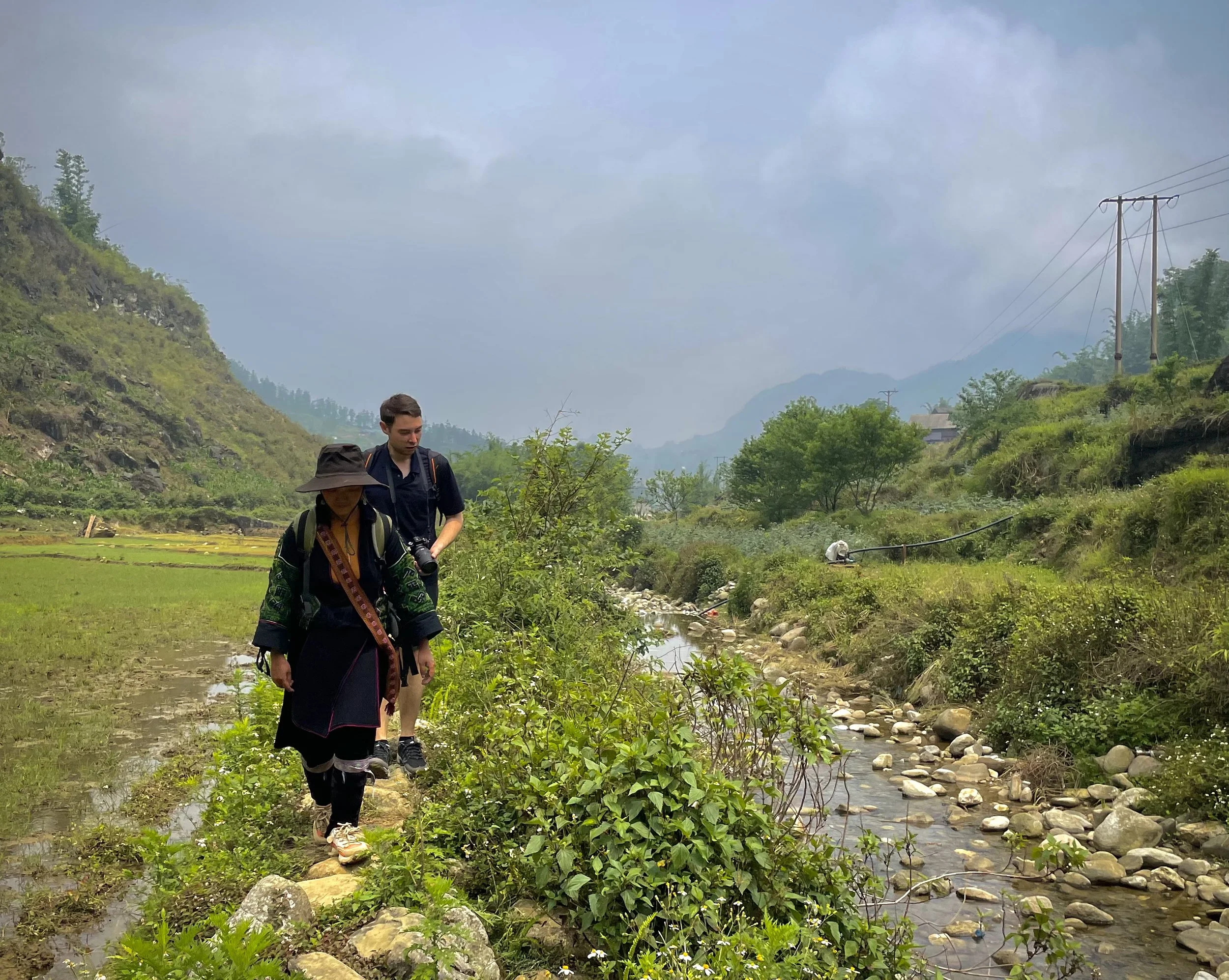
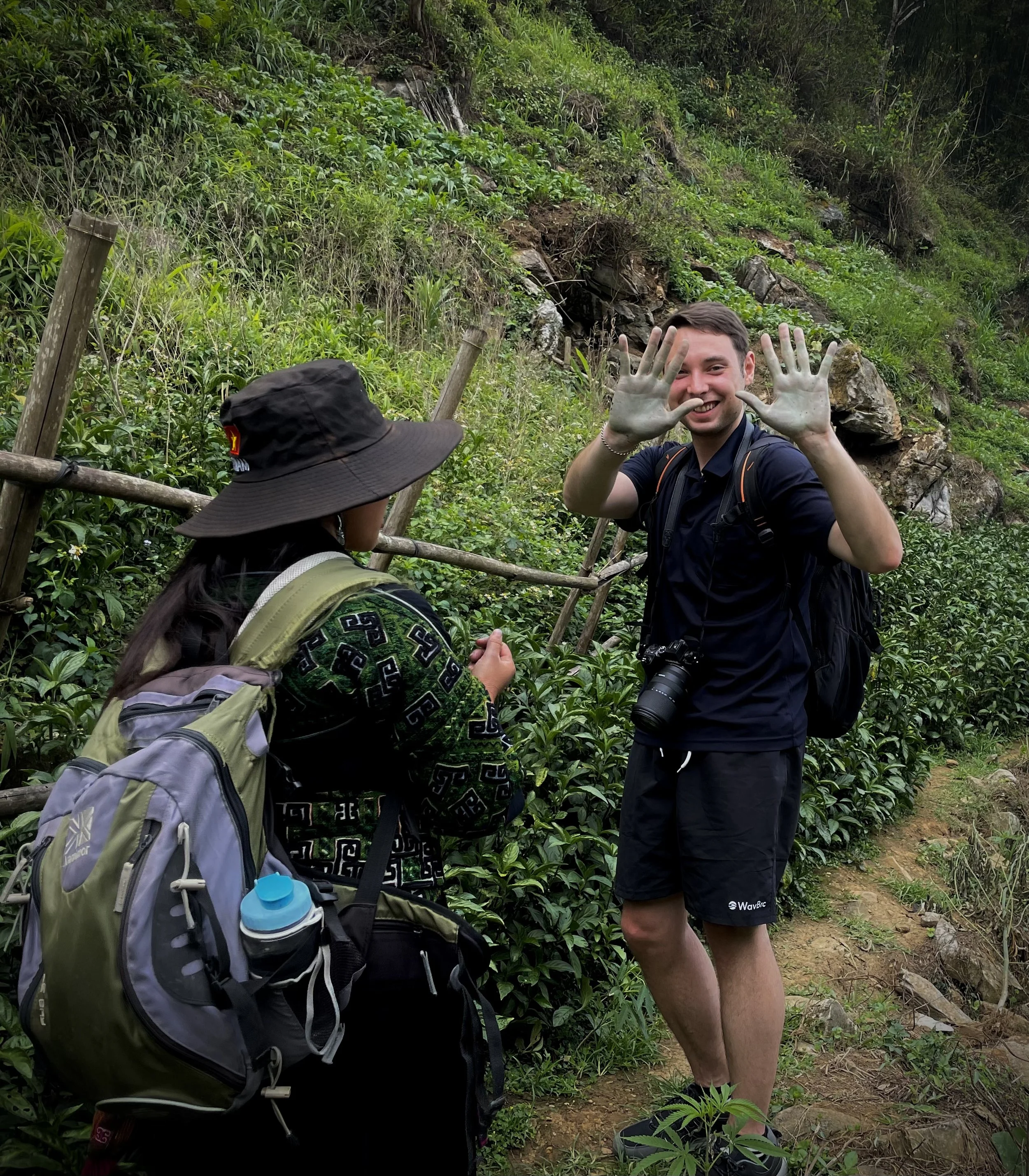
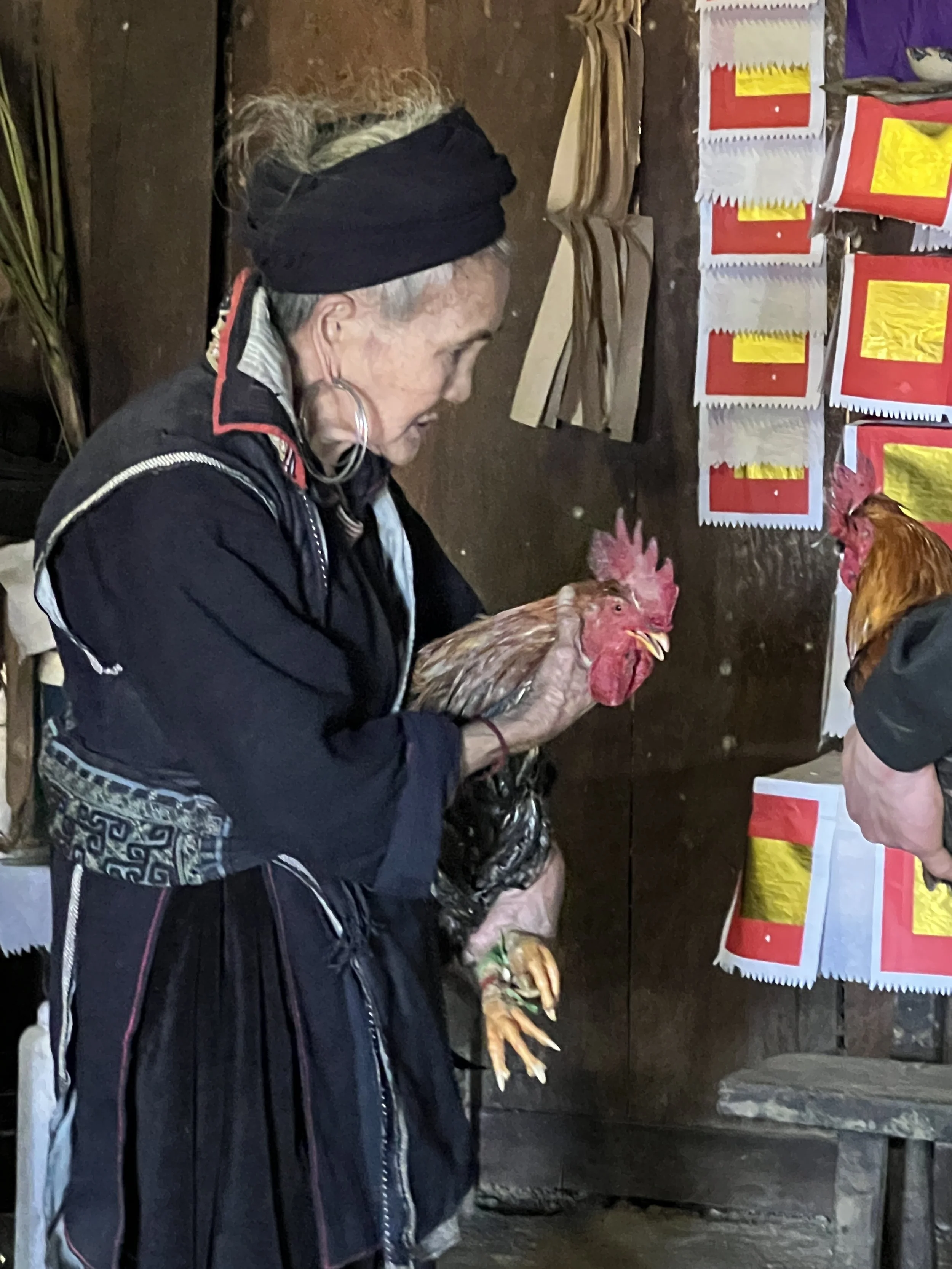
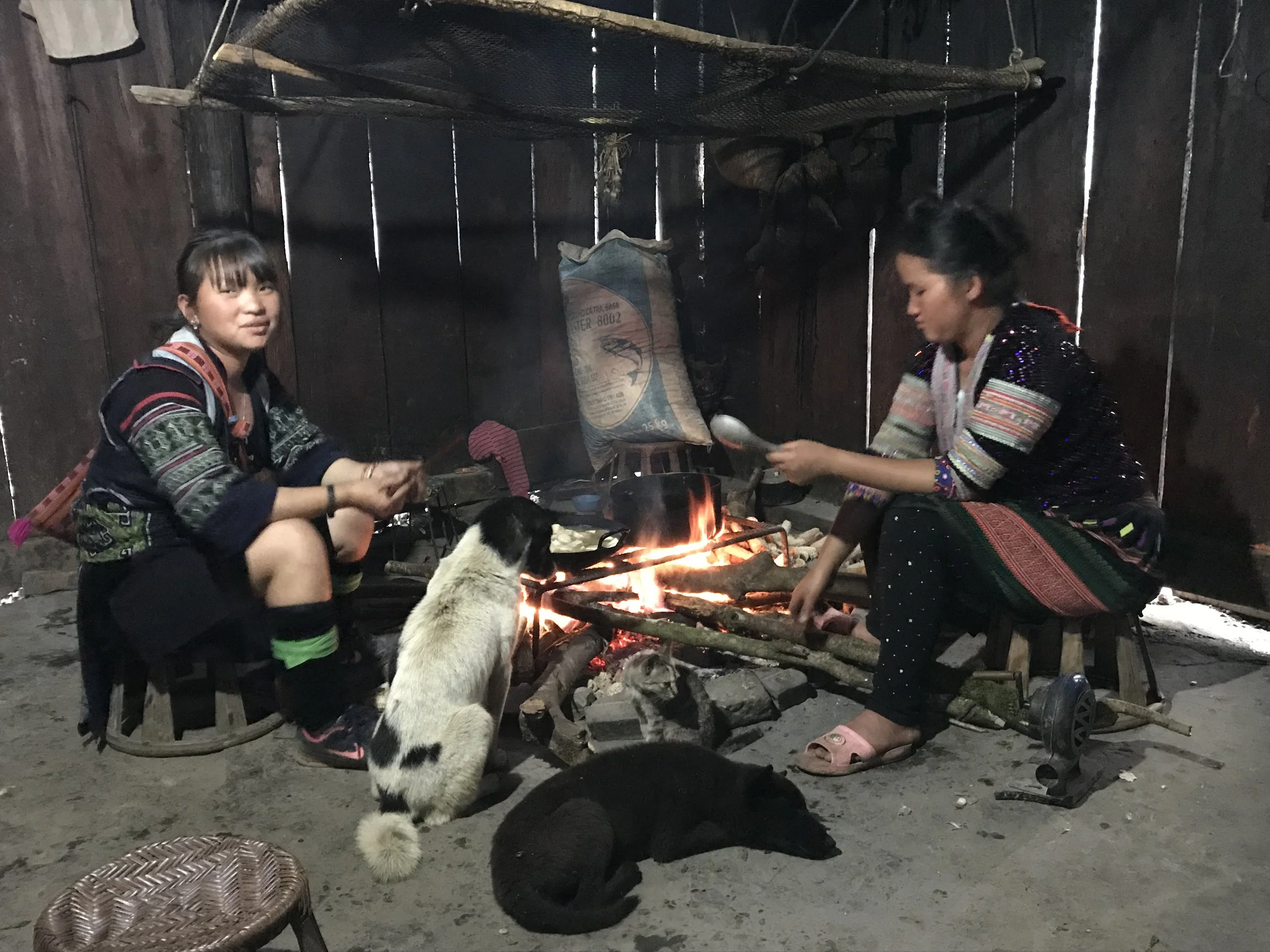
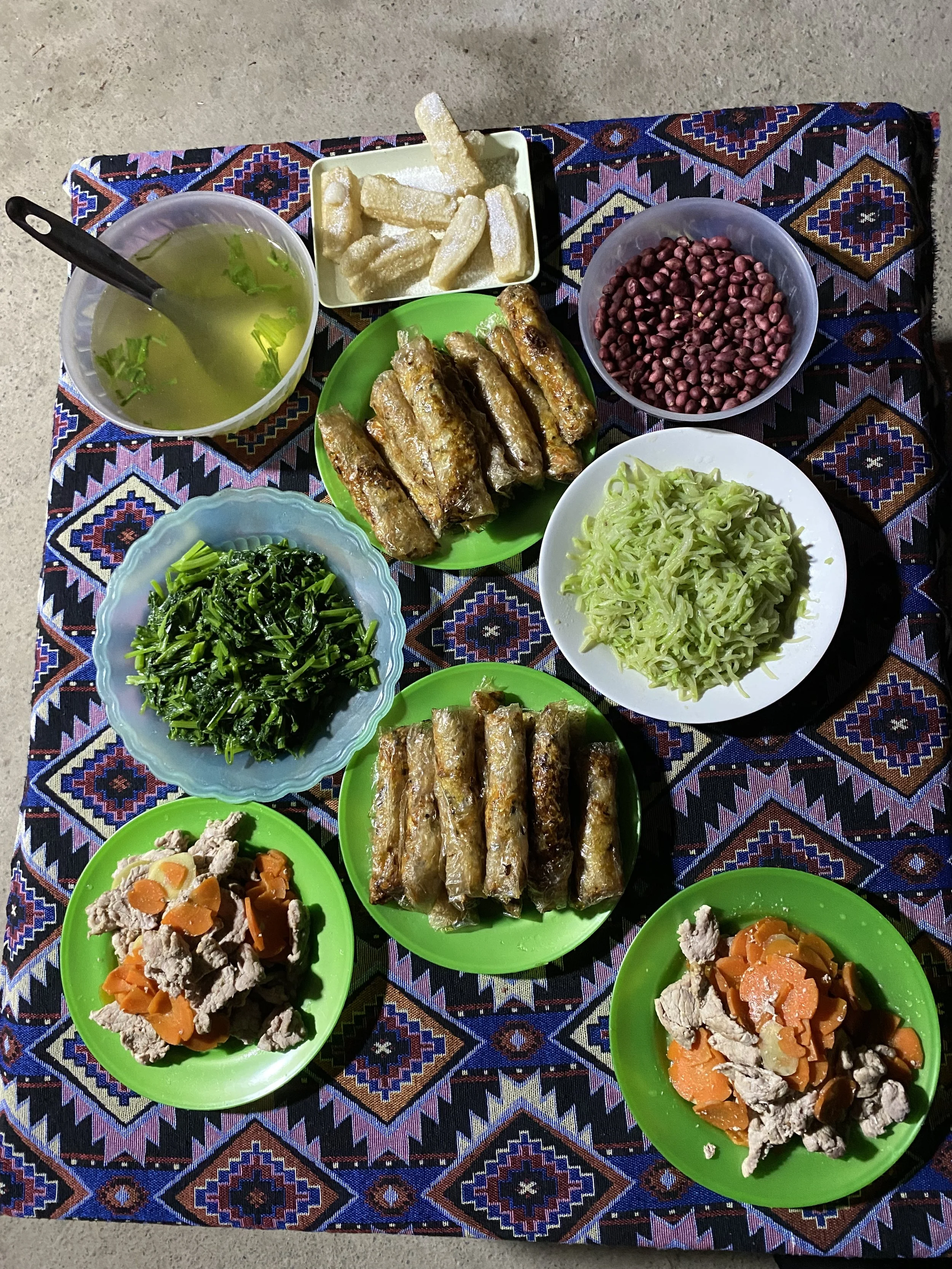
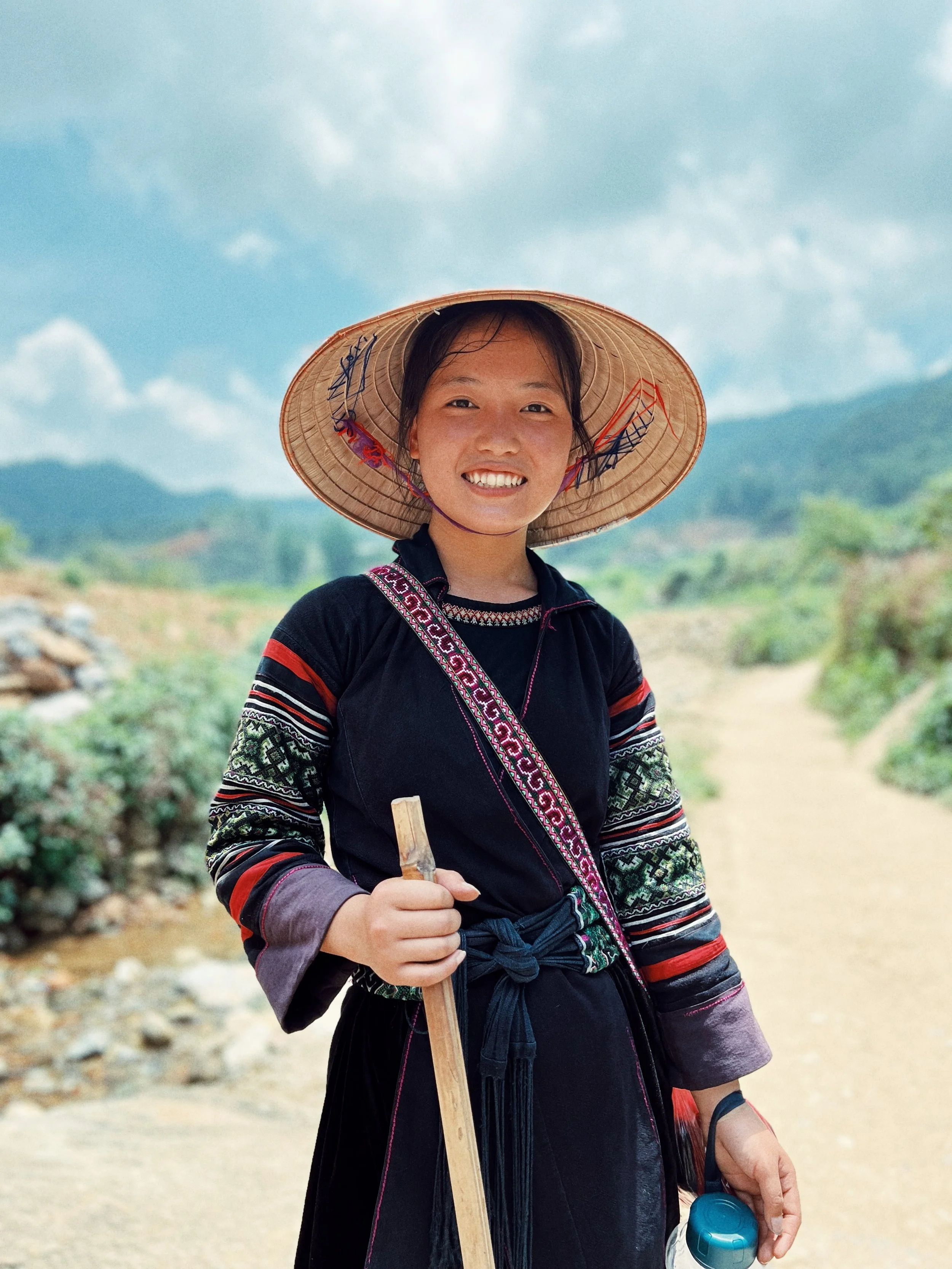
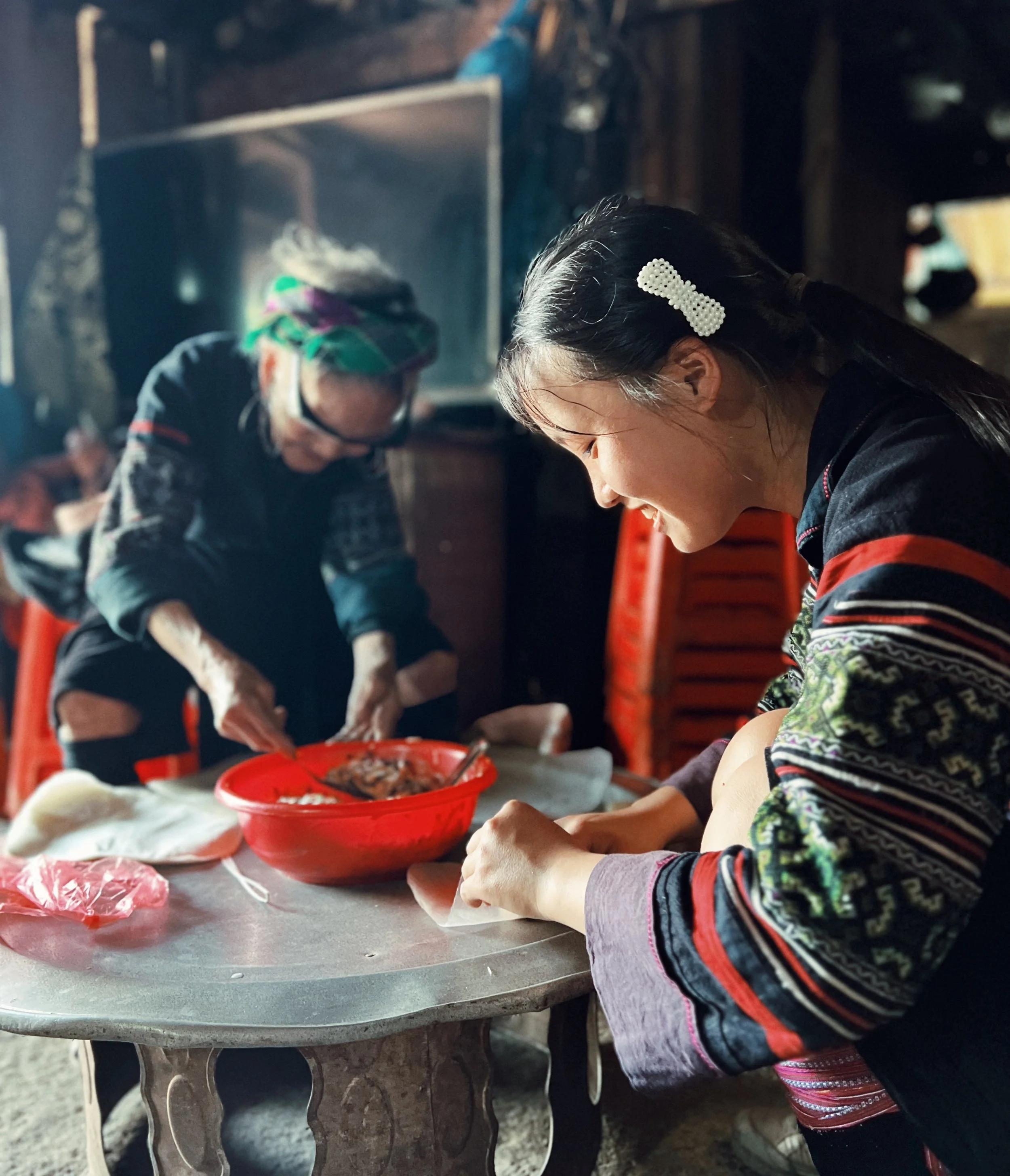
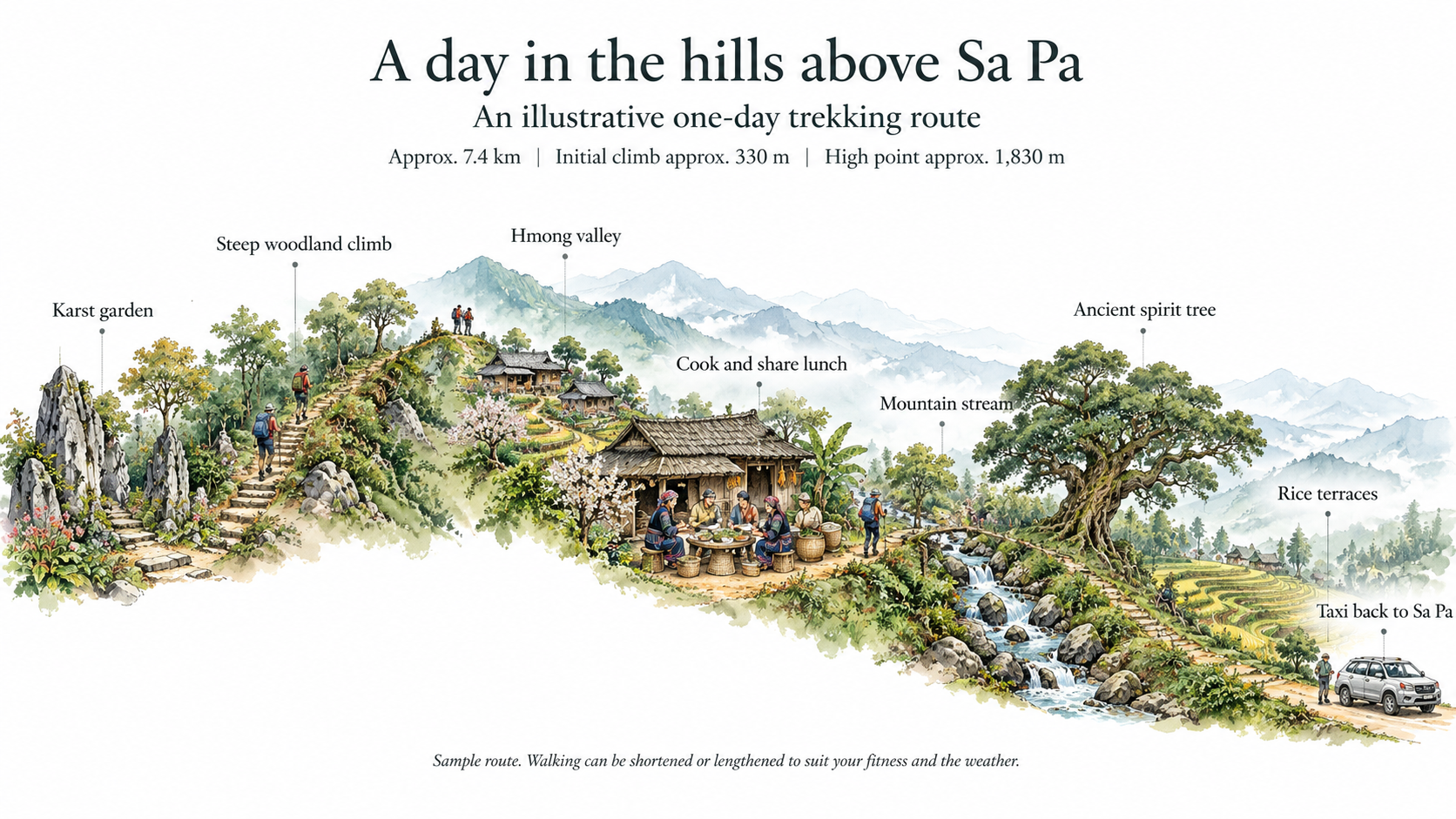
Walk with a Hmong guide from the karst rock gardens above Sapa, through woodland and into a valley of small Hmong settlements. At lunchtime, you usually help your hosts prepare the meal before sitting down to eat together. The afternoon follows a mountain stream past an ancient spirit tree and through rice terraces.
This private trek’s most demanding section comes early. The opening climb gains around 330 metres, reaching a high point of approximately 1,830 metres above sea level. The sample route covers 7.4 km, with the greatest flexibility after lunch. ETHOS rates the trek Mountain Journeys, Level 3 of 4.

Experience Details
Duration: One Day
Departure time: 8.30am at the ETHOS Community Centre for briefing
Location: Rock gardens, Karst outcrops, Small traditional villages and rice terraces
Travel Style: Cultural immersion and active adventure
Connectivity: Wifi - None, Mobile coverage - good
Arrangements: Private experience for your own party
Maximum: 6 people
Private full-day trek
Dragon’s Jaw Trek
Prices for the full-day experience
People booking together Price per person
1 person US$105
2 people US$62
3 people US$55
4 people US$50
5 people US$46
6 people US$40
Private to your party, with a maximum of six guests.
Included in your experience
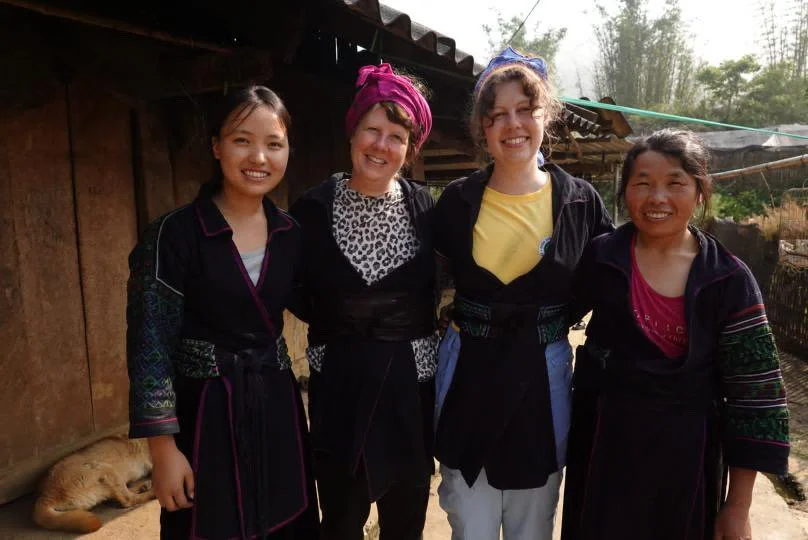
English-speaking local guide
All required transport
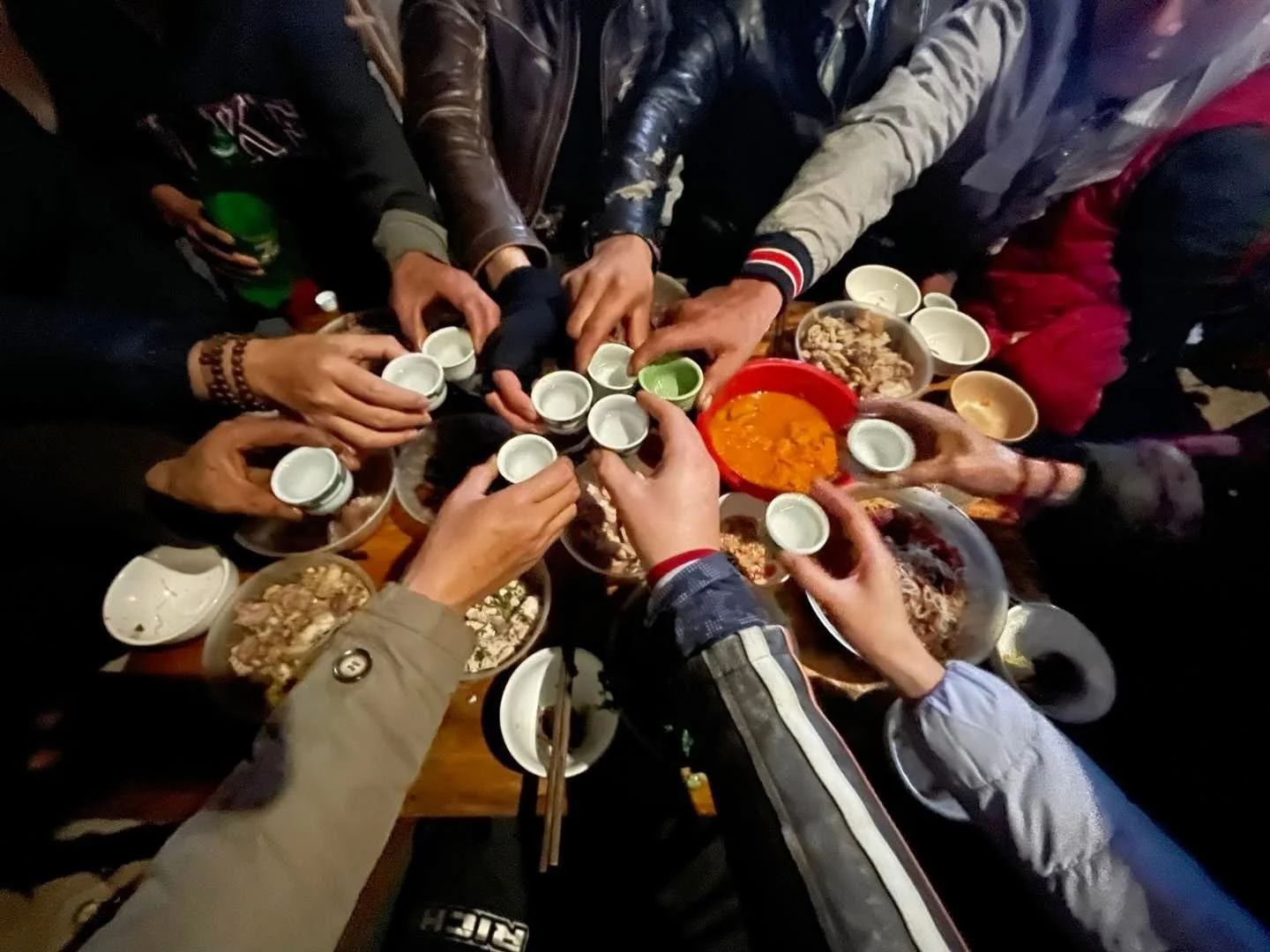
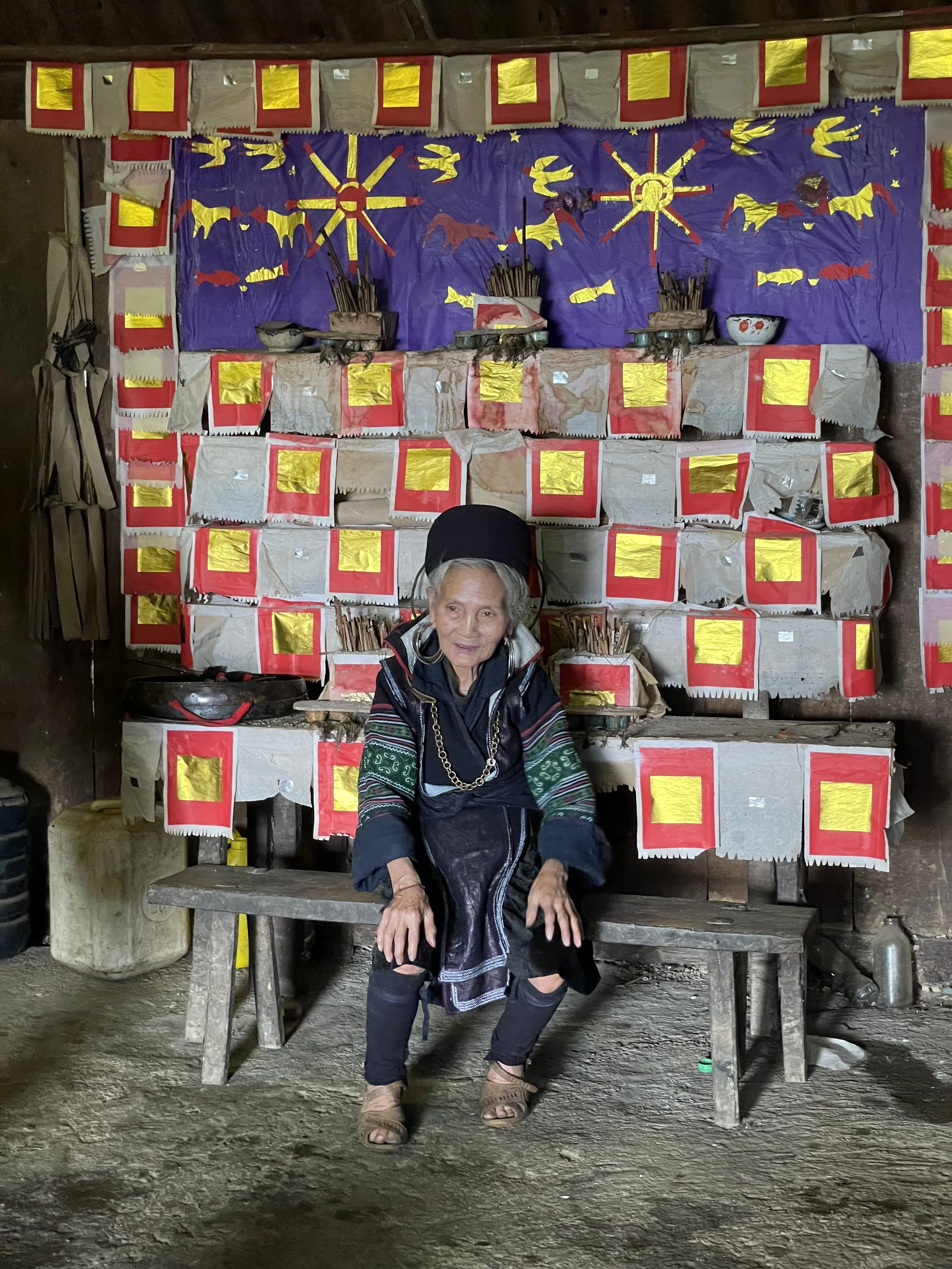
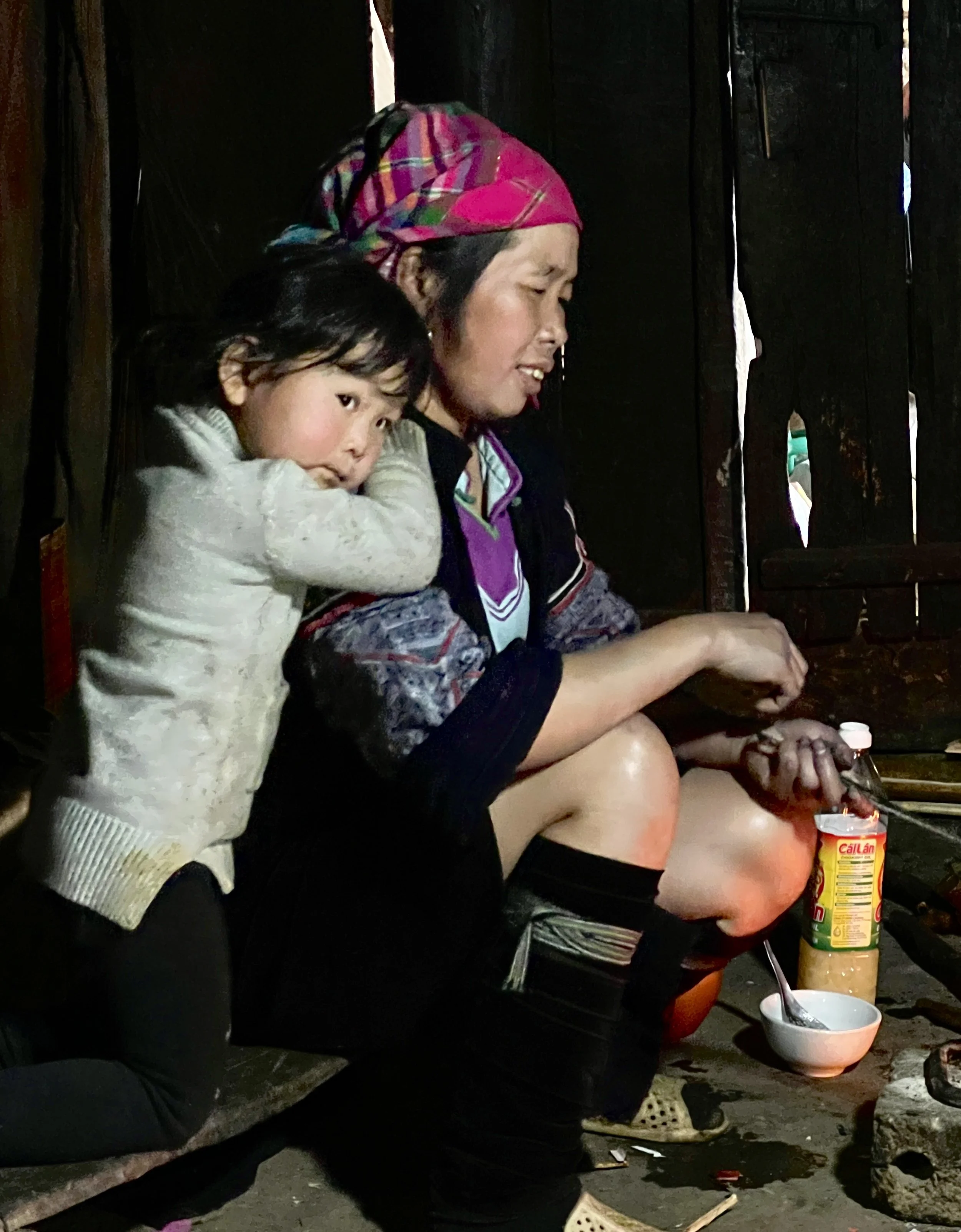
Lunch in a Hmong family home
Water and fruit
Entrance tickets
Travel insurance is the guest’s responsibility.
From the Rock Garden to the Hmong Hamlets
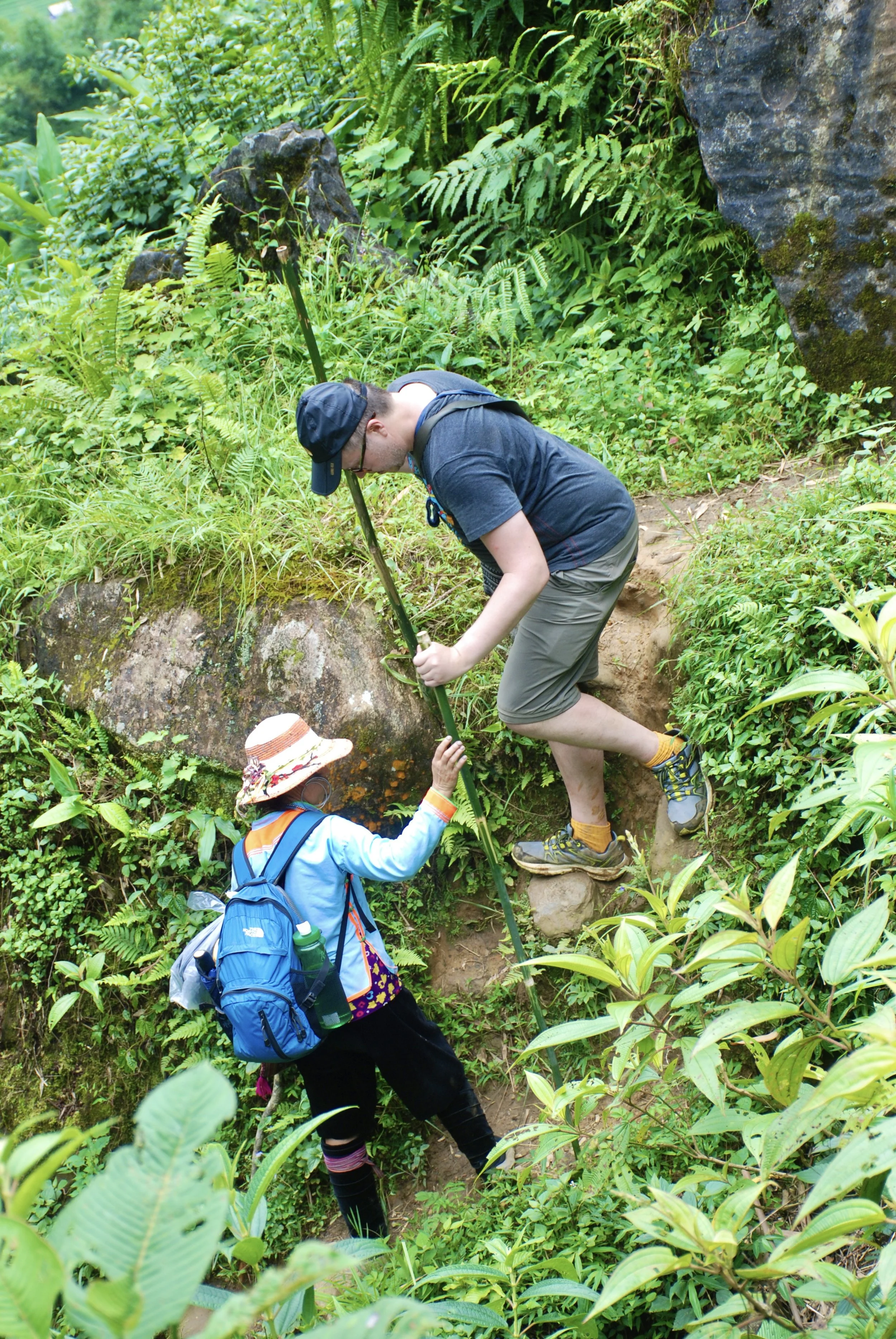
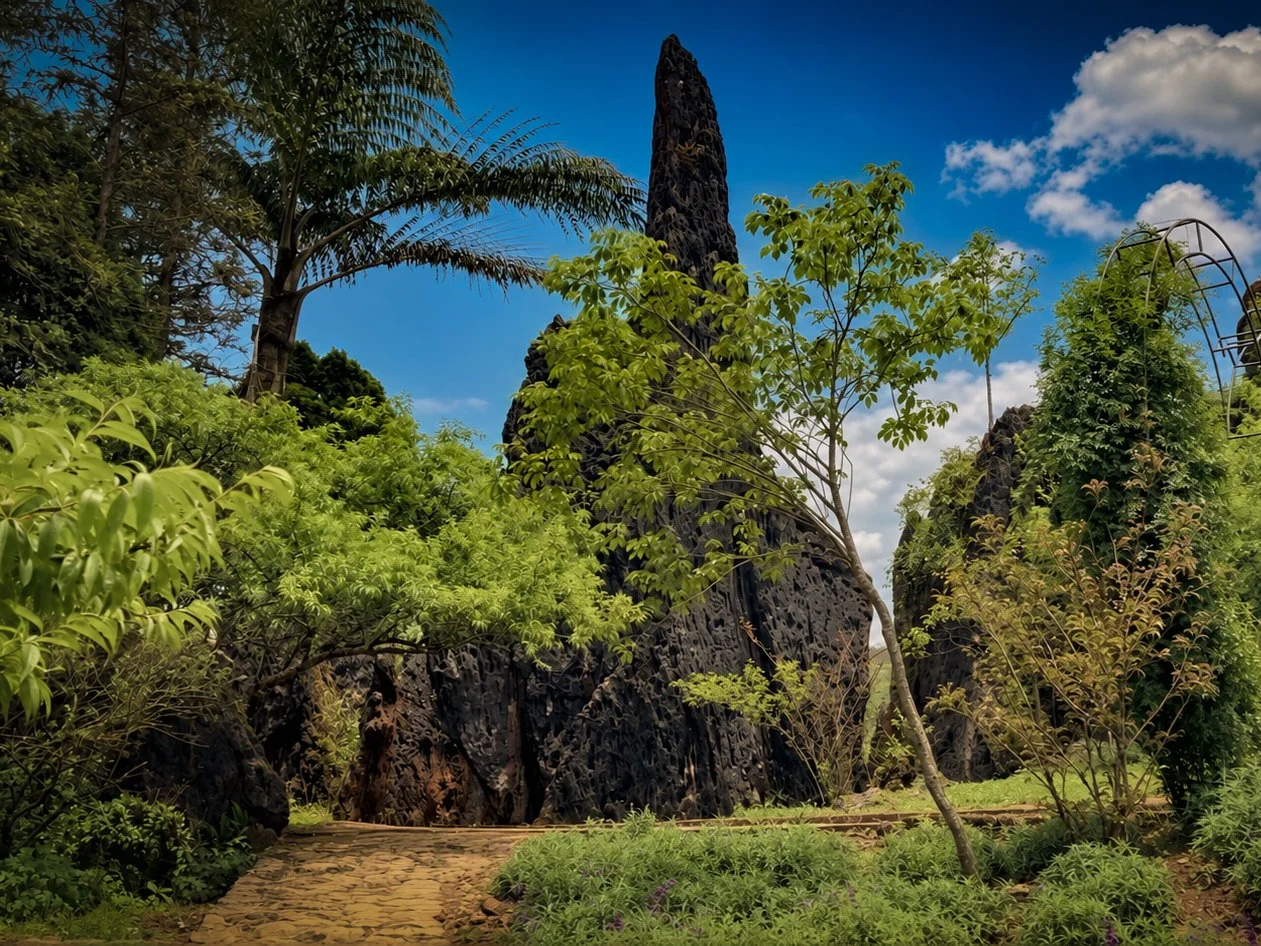
Meet your guide at the ETHOS Community Centre at 8.30 am for a briefing. The walk begins in an ornamental garden where jagged karst formations rise among the plants. Beyond the garden, steps and rocky paths climb through mixed deciduous woodland. The ascent is sustained, with uneven sections where you need to take your time and choose your footing. Walking shoes with good grip are particularly useful after rain and on the steeper descents.
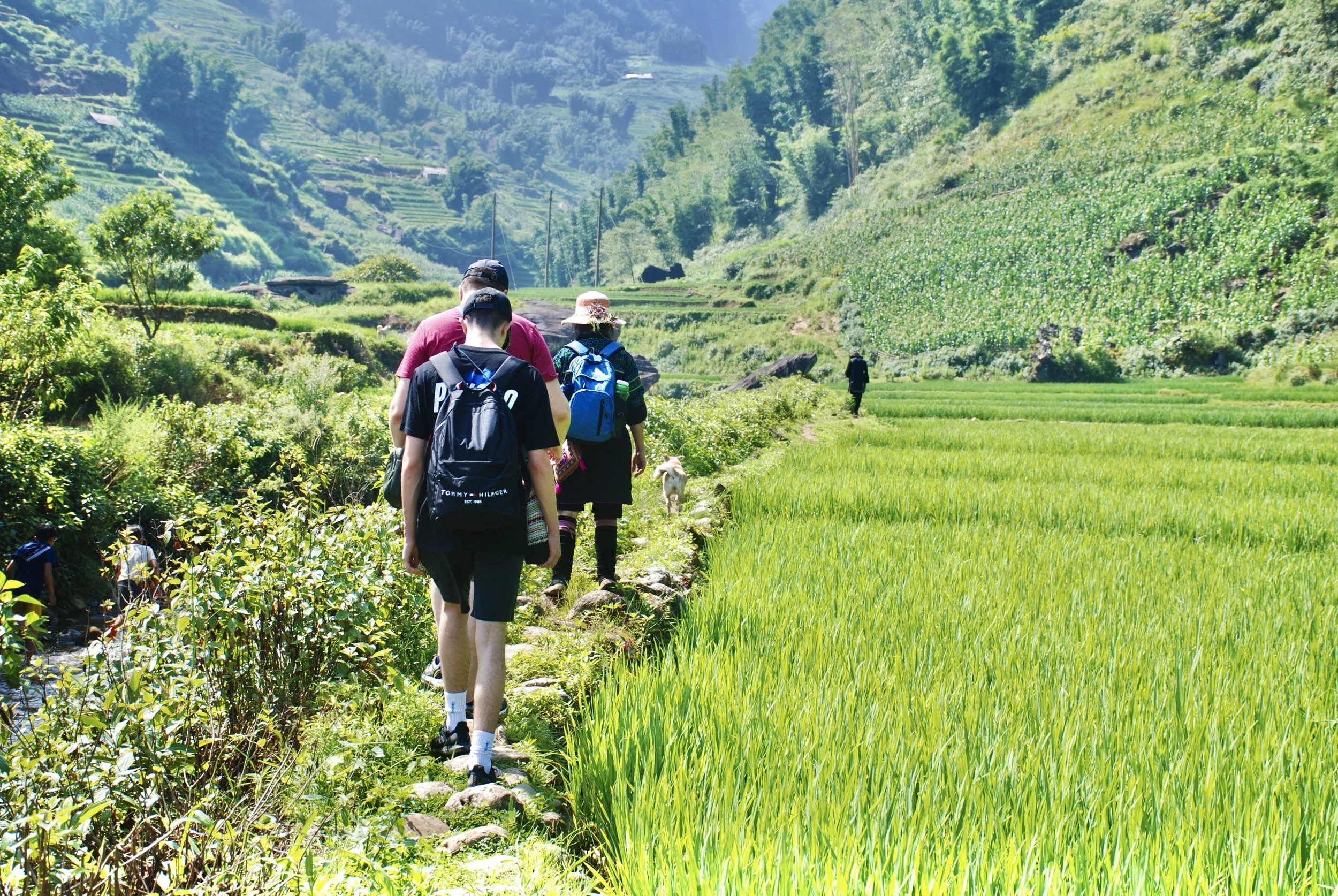
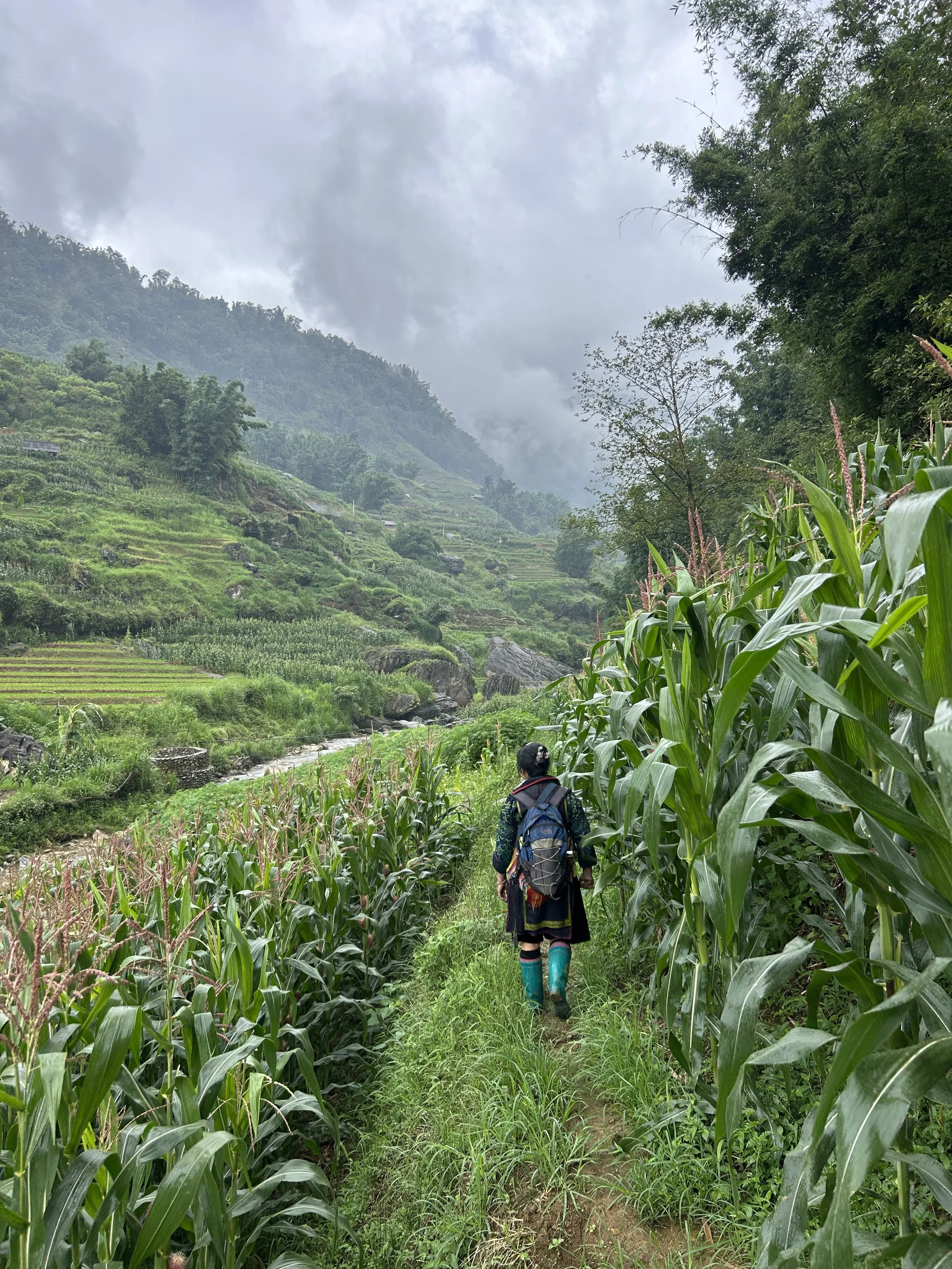
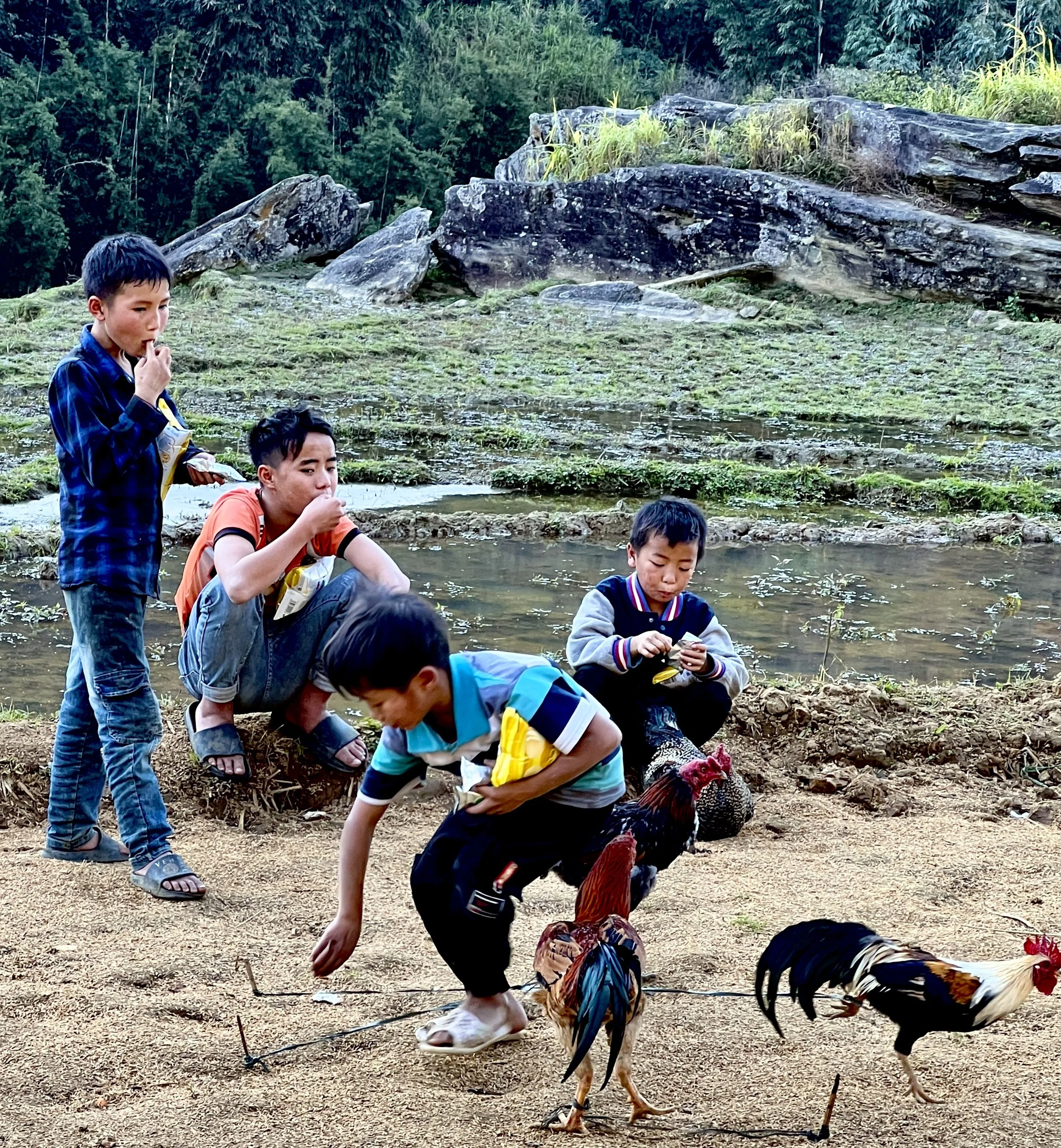
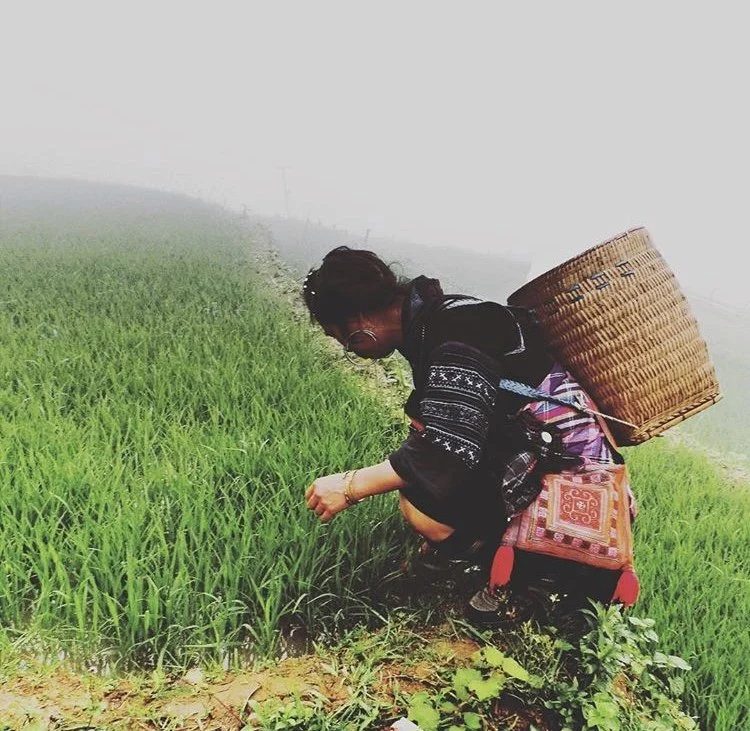
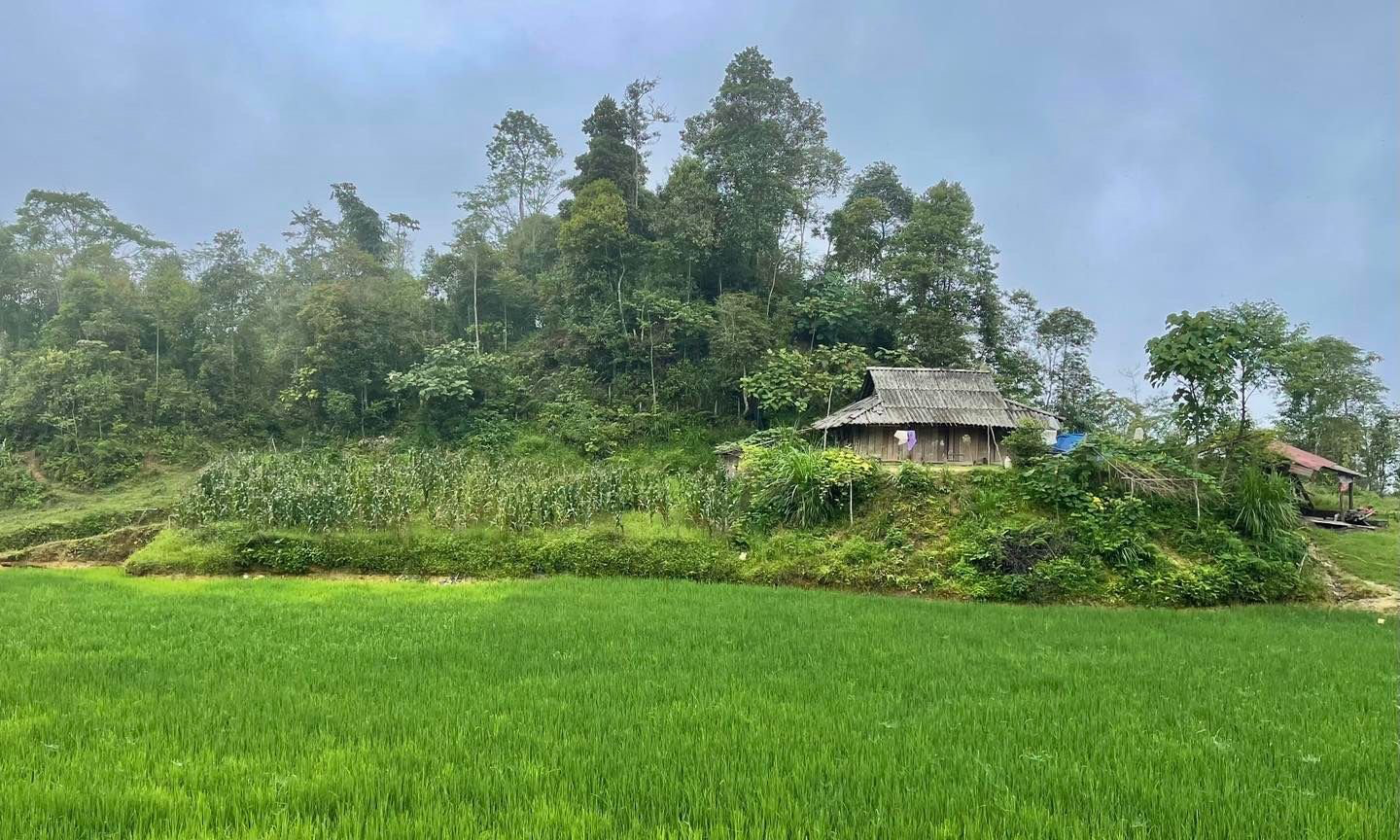
Beyond the high point, the trees give way to a valley of scattered homes and cultivated plots. As you follow the paths between hamlets, your guide can talk you through what families grow here and the work you see taking place in the fields.
A Family Lunch and the Walk Along the Stream
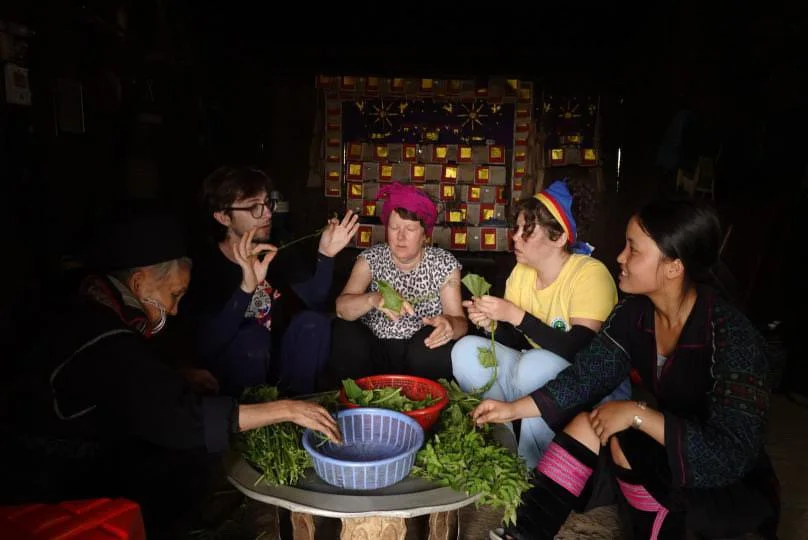
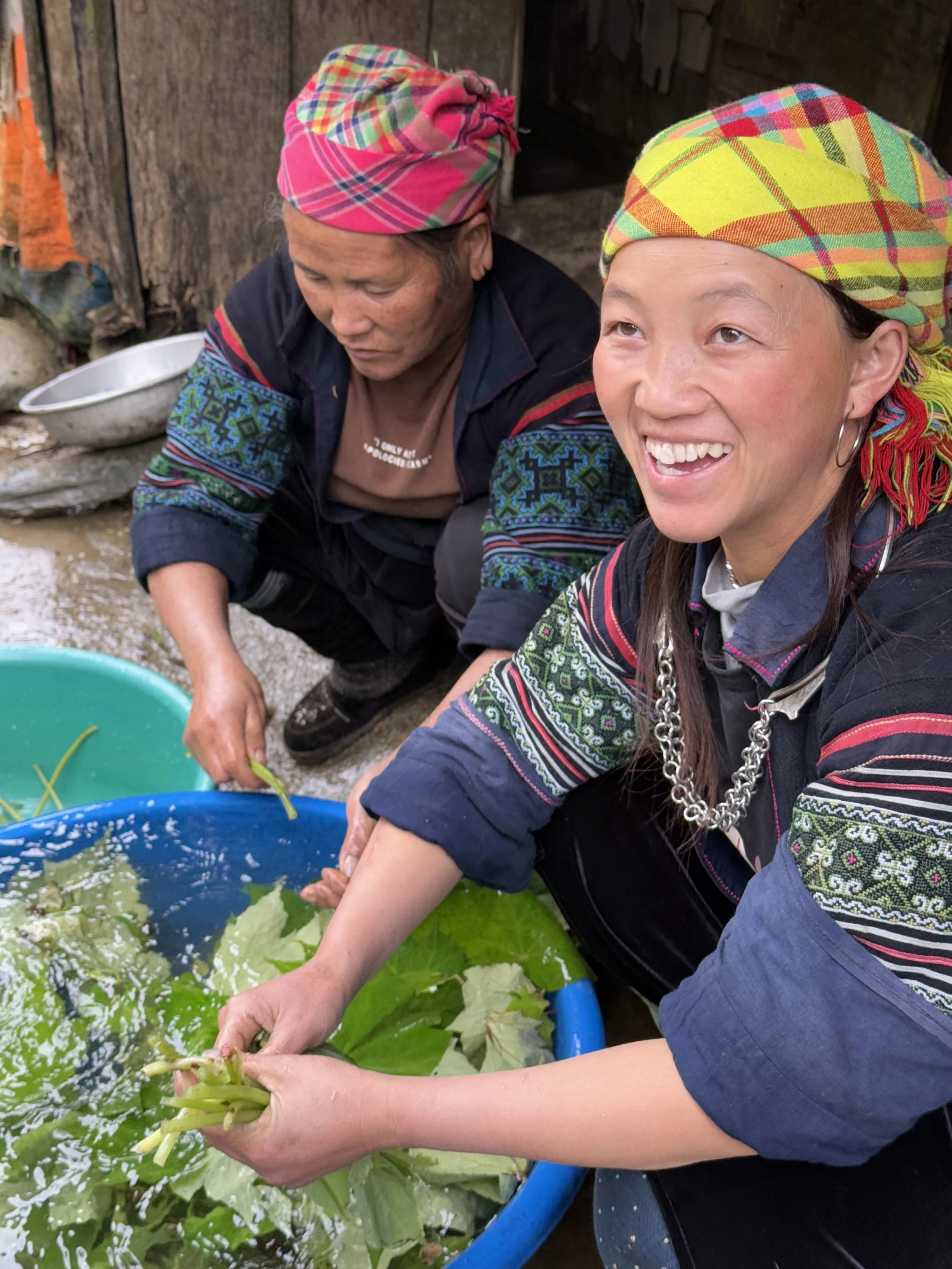
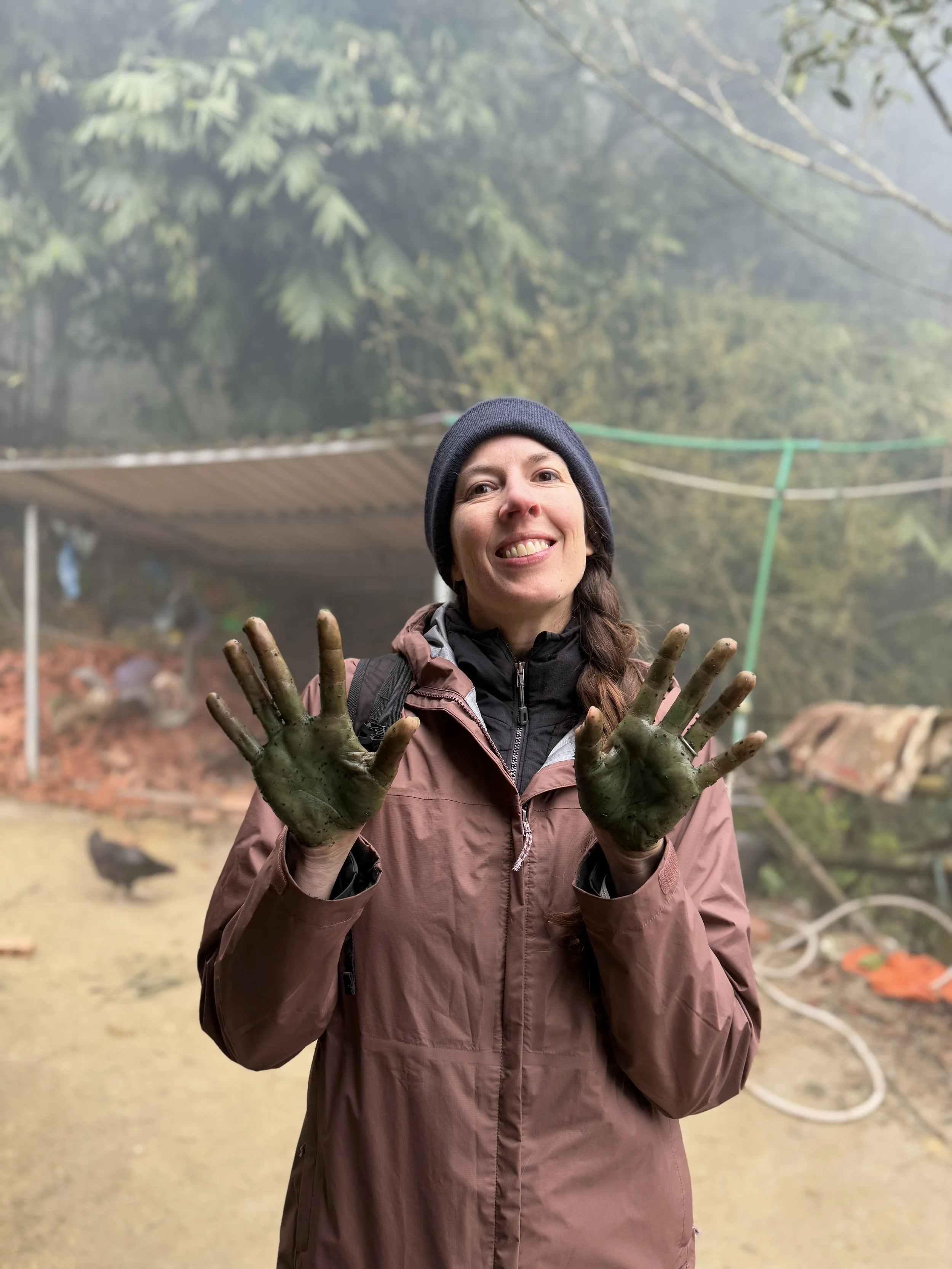
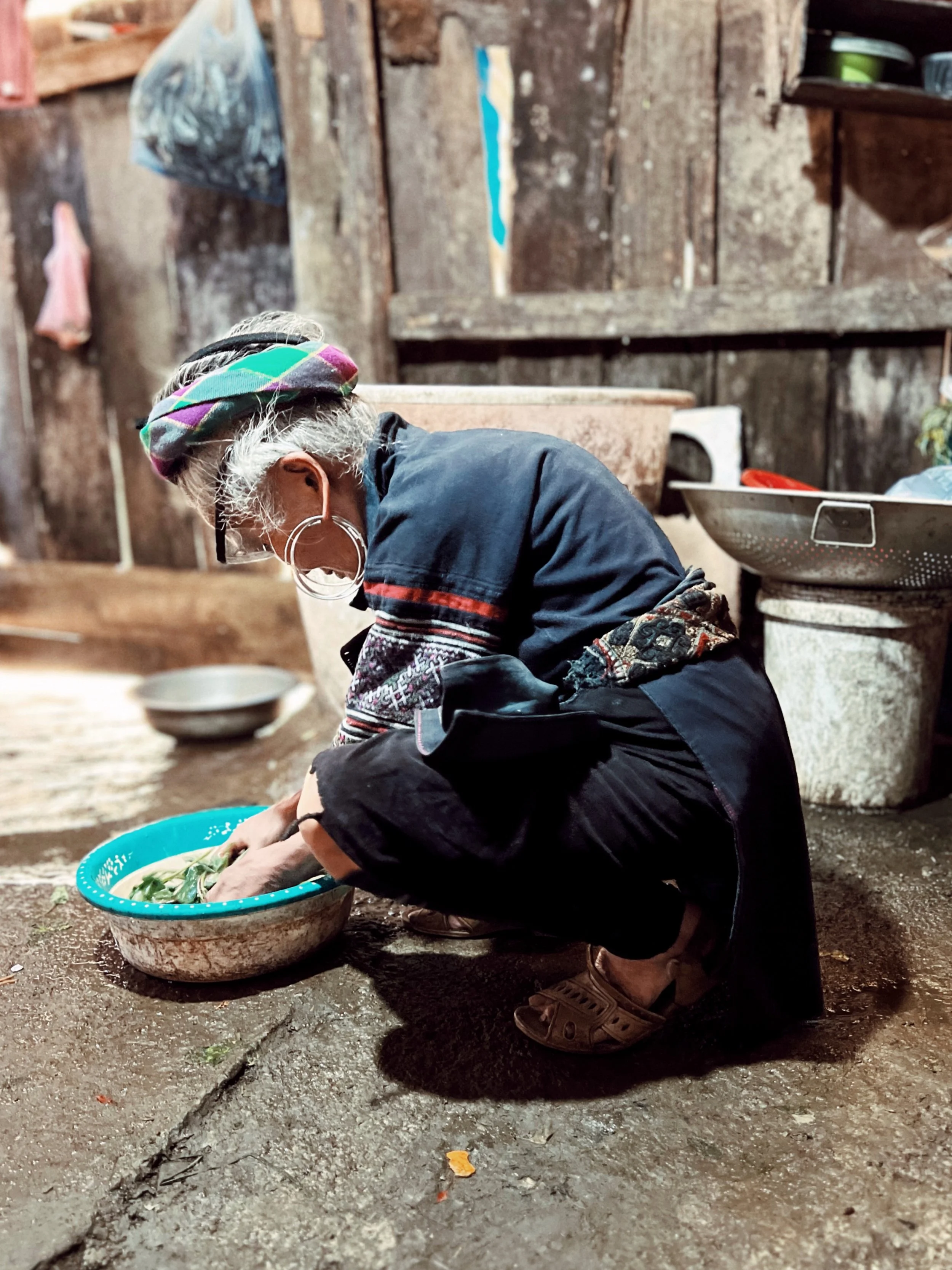
In your hosts’ kitchen, there is usually an opportunity to help prepare lunch. Cooking together gives you time to ask about an unfamiliar ingredient or learn how the family makes one of the dishes you’ll share. Part of your booking fee goes directly to the family hosting the meal.
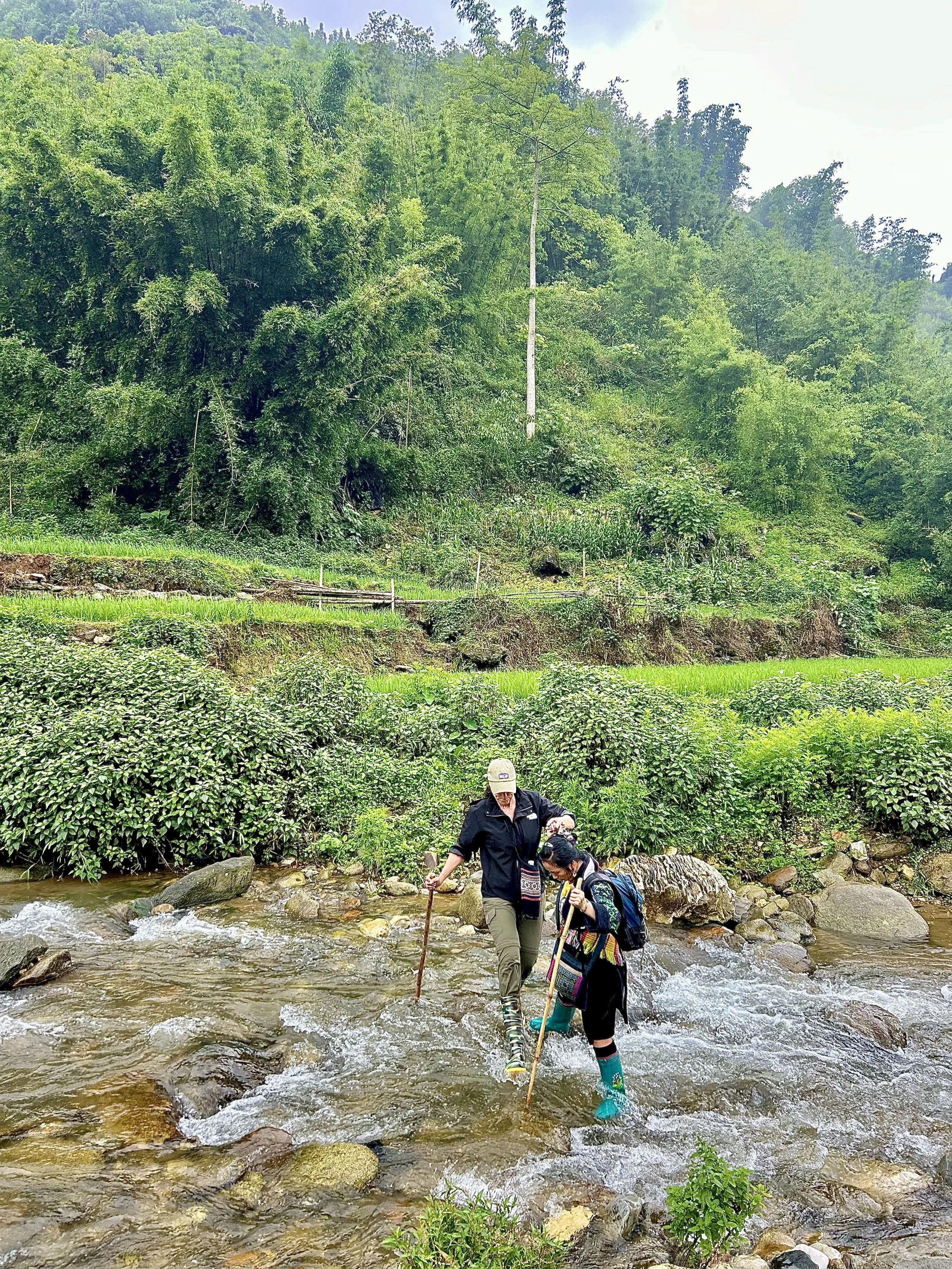
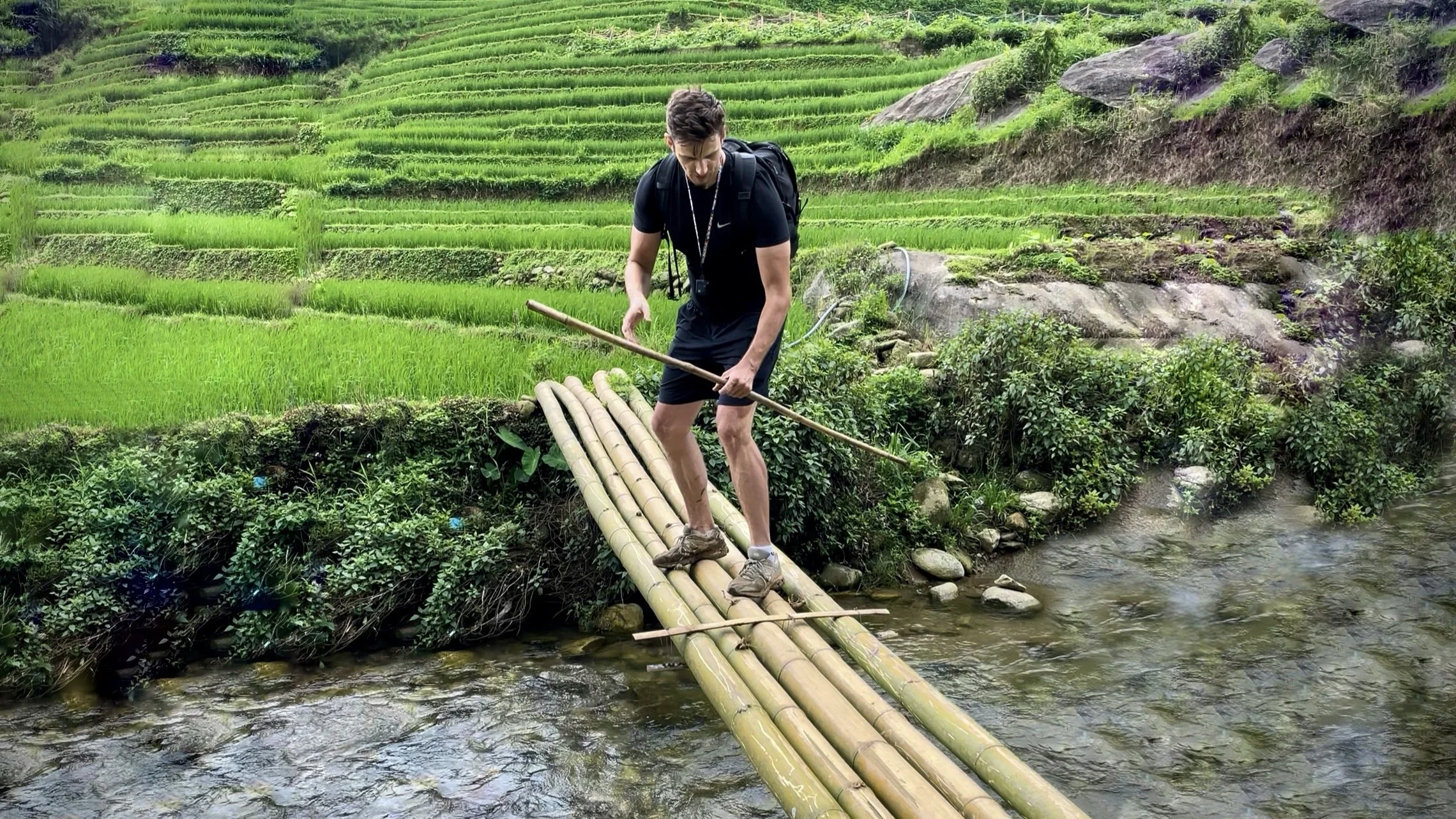
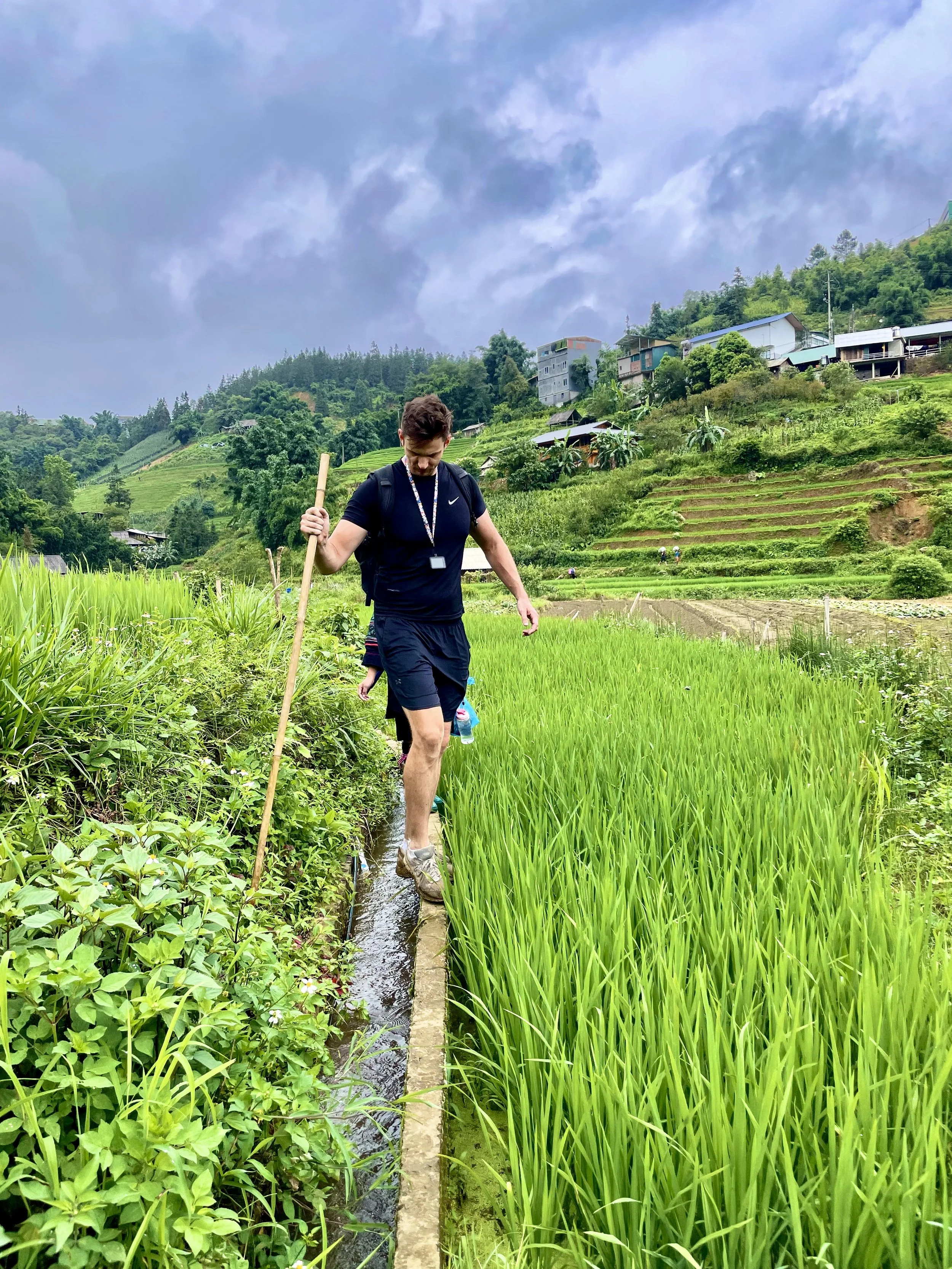
After lunch, follow a mountain stream towards Sapa, passing a large, ancient spirit tree and continuing through the rice terraces. Several paths lead through this part of the valley, so you and your guide can choose a shorter afternoon or walk further, depending on your energy and the trail conditions. A taxi meets you at the agreed pick-up point for the return to town.
Notes:
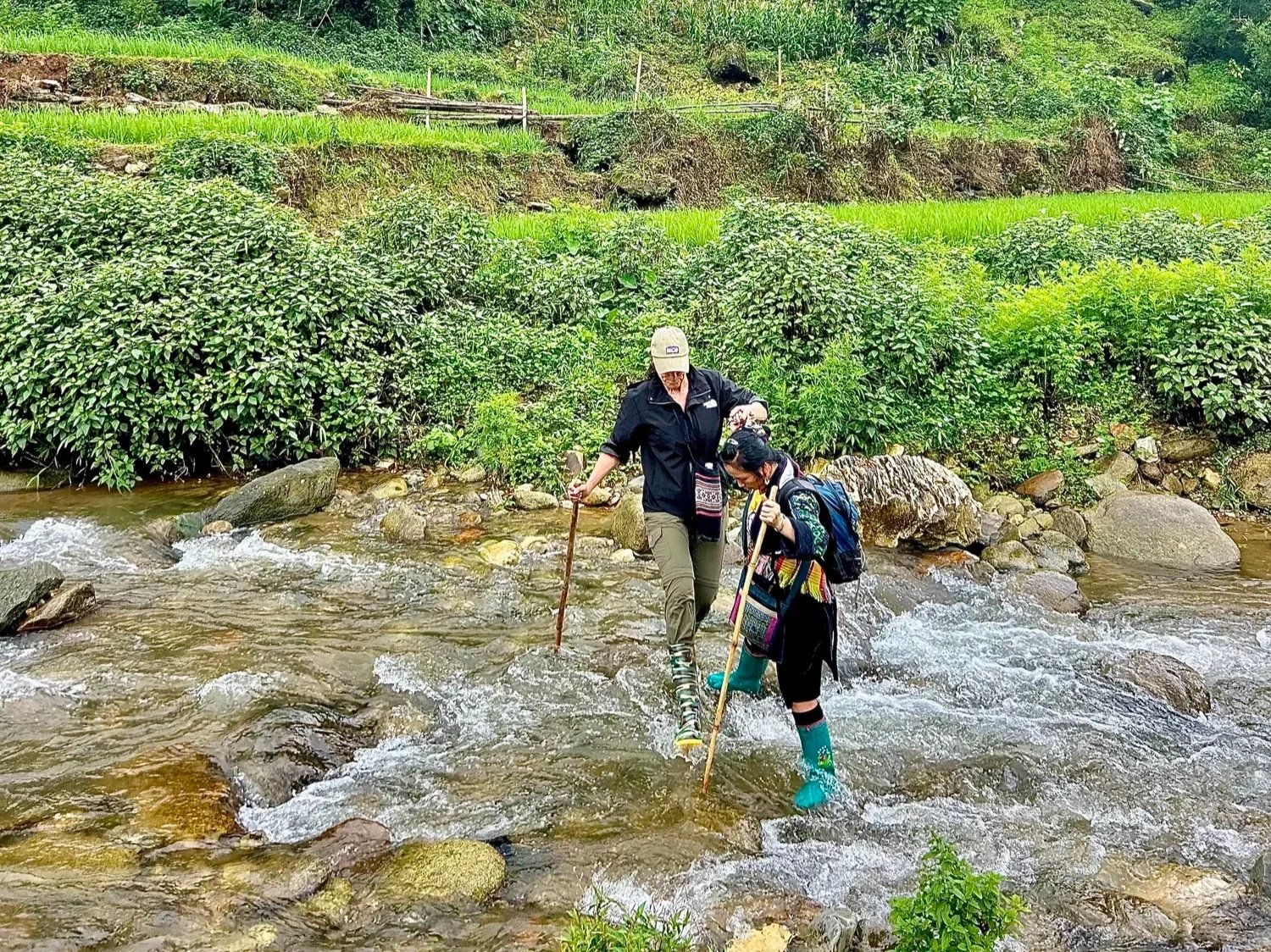
Be aware that during foggy and rainy periods, trails around Sapa are often muddy and slippery. Walking shoes with good grip are highly recommended. We believe that trekking is all about discovery and access to the most exciting villages may involve steep inclines and clay slopes. This trek usually involves two river crossings. During periods of heavy rainfall, the walk route may be changed to avoid any unnecessary risk.
Part of the experience fee is used as payment for your host family. You can read more about our Social Responsibility projects here.
“Keep your eyes on the summit, and your heart on the journey.”
We also offer a one day trekking experience with a different ethnic community in Sapa. For more information about our “ Herbal Trail Trek “ experience, please click here.
Community based tourism (CBT) is a form of tourism where local communities are directly involved in developing, managing, and benefiting from tourism activities within their area. It emphasises community ownership, cultural preservation, and sustainable practices, offering visitors authentic experiences and fostering economic opportunities for residents.


“Each step through the rice terraces is a step onto another story.”

Please travel with respect. Dress modestly, support local crafts, protect nature, be patient, and stay safe. Connect, learn, and contribute positively during your ETHOS journey. Please refer to our terms for booking conditions for all ETHOS experiences.