
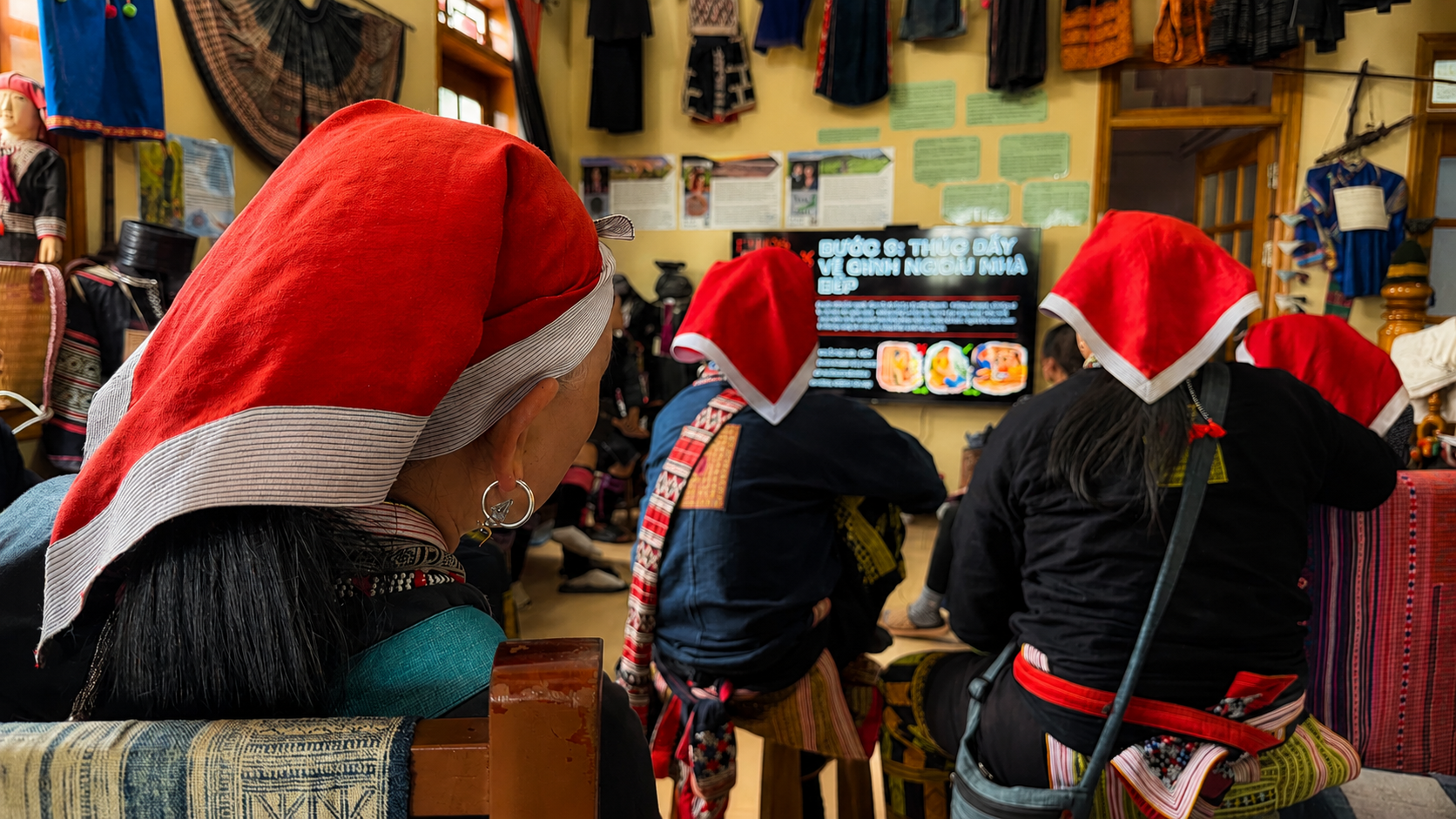
The Curriculum
480 Hours of Structured ETHOS Learning
Alongside their formal college and English studies, the apprentices will complete approximately 480 hours of structured ETHOS education and specialist training.
The curriculum moves from basic confidence and workplace readiness towards advanced field practice, management and independent project delivery.
It is divided into eighteen core modules and one specialist trekking module.
Stage One: Building Strong Foundations
C01. ETHOS Orientation, Professional Practice and Learning Skills
The apprentices begin by understanding ETHOS, the purpose of the programme and the standards expected of them.
They learn about:
ETHOS values and community relationships
professional behaviour
attendance and responsibility
learning strategies
teamwork
cultural identity and personal strengths
asking for help and responding to feedback
A central message is that the apprentices are not beginning without knowledge. They already bring languages, practical skills, cultural understanding and experience shaped by their families and communities.
C02. Computer, Internet and Digital File Skills
This module introduces the essential digital skills required for study and professional work.
The apprentices practise:
using a computer confidently
organising files and folders
naming and storing documents correctly
using email and online platforms
completing digital forms
protecting passwords and personal information
handling cultural photographs and information responsibly
C03. Introduction to Tourism and Northern Vietnam
The apprentices examine how tourism works and why visitors travel.
They explore:
different types of tourism
visitor motivations
the tourism system
northern Vietnamese destinations
the role of guides, hosts and communities
positive and negative tourism impacts
living cultural knowledge as a professional strength
C04. Communication, Email, Teamwork and Public Speaking
The apprentices develop the ability to communicate clearly in professional and group settings.
This includes:
listening carefully
asking useful questions
writing professional emails
speaking with colleagues and visitors
resolving misunderstandings
giving short presentations
participating confidently in meetings
including quieter members of a group
Stage Two: Digital, Creative and Communication Skills
C05. AI and ChatGPT for Responsible Work
The apprentices learn how artificial intelligence can support study and workplace tasks without replacing judgement, honesty or original thinking.
They examine:
writing useful prompts
checking accuracy
recognising invented information
protecting personal and cultural information
avoiding plagiarism
recording when AI has been used
distinguishing assistance from dishonest work
C06. Visitor Psychology and Tourism Models
This module helps the apprentices understand what visitors may need, expect, fear or misunderstand.
They study:
visitor motivations
culture shock
expectations and satisfaction
communication styles
group behaviour
service recovery
responsible experience design
the difference between hospitality and performance
C07. Canva and Visual Communication
The apprentices learn to communicate ideas through clear and professional visual design.
Practical tasks include:
posters
information graphics
presentation slides
visitor information
social-media graphics
educational materials
responsible use of photographs and cultural imagery
C08. Photography, Composition and Lightroom
Photography is taught as both a creative skill and a professional tourism tool.
The apprentices practise:
camera handling
composition
light and exposure
portraits
landscapes
documentary photography
image selection
basic Lightroom editing
consent and respectful representation
preparing photographs for websites and social media
C09. DJI Osmo Pocket, Audio and Field Filming
This module introduces practical filming and audio recording.
The apprentices learn:
basic camera movement
framing and sequencing
interview preparation
recording clear sound
filming in villages and outdoor environments
obtaining consent
caring for equipment
organising video files
C10. YouTube, Scriptwriting, Editing and Audience Development
The apprentices develop complete short-form video projects.
They practise:
identifying an audience
developing a story
writing scripts
planning a sequence
filming supporting footage
editing video
choosing music responsibly
writing titles and descriptions
evaluating accuracy and audience response
Stage Three: Responsible Tourism, Culture and Safety
C11. Sustainable Tourism and Environmental Stewardship
The apprentices examine how tourism affects landscapes, resources and communities.
They learn about:
waste and pollution
water use
trail erosion
wildlife disturbance
local purchasing
visitor behaviour
climate and seasonal pressures
responsible group management
practical environmental action
C12. Cultural Heritage, Authenticity and Community Leadership
This module explores how culture can be interpreted respectfully without being simplified, staged or exploited.
The apprentices examine:
tangible and intangible heritage
cultural authority
consent
intellectual ownership
stereotypes
authenticity
respectful photography
knowledge that may be shared
knowledge that requires permission
knowledge that should remain private
The apprentices are trained to represent communities responsibly, not to claim ownership over knowledge held by families, elders or ritual specialists.
C13. First Aid, Safety and Risk Management
Safety is treated as a professional responsibility and a compulsory competency gate.
Training includes:
first-aid kit management
scene assessment
dehydration and heat illness
hypothermia
wounds and bleeding
fractures and sprains
allergic reactions
snakebite
food safety
emergency communication
evacuation decisions
incident reporting
An apprentice cannot be declared competent if essential safety procedures are not demonstrated correctly.
C14. Map Reading, GPS, Mountain Weather and Route Planning
The apprentices develop the skills required to plan and follow routes safely.
They practise:
understanding map symbols
estimating distance and time
using GPS tools
recording routes
identifying escape points
recognising terrain hazards
interpreting mountain weather
adapting plans when conditions change
preparing route and emergency information
C15. Guiding Practice, Guest Care and Responsible Encounters
This module brings together communication, safety, interpretation and practical guiding.
The apprentices learn to:
welcome and brief visitors
explain a route
manage walking pace
observe guest wellbeing
interpret culture and landscape
respond to questions honestly
handle complaints and uncertainty
manage respectful encounters
conclude and review an experience professionally
Stage Four: Enterprise, Management and Leadership
C16. Tourism Business and Entrepreneurship
The apprentices explore how responsible tourism ideas become financially realistic services or enterprises.
They study:
identifying visitor needs
designing an experience
costing and pricing
income and expenditure
simple budgeting
marketing
customer communication
ethical sales
legal responsibilities
risk and financial honesty
C17. Team Leadership, Project Planning and Reporting
This module prepares the apprentices to organise work and take responsibility for shared outcomes.
They practise:
assigning roles
planning tasks
setting deadlines
leading meetings
solving problems
recording decisions
monitoring progress
writing reports
evaluating results
giving and receiving professional feedback
Stage Five: Integration and Professional Demonstration
C18. Integrated Capstone and Field Assessment
The final core module requires each apprentice to design, deliver and defend a responsible tourism project.
Possible projects include:
a responsible visitor experience
a cultural interpretation or media project
an improvement to tourism operations
a small responsible-enterprise pilot
Each apprentice must demonstrate:
research
planning
consent and cultural authority
safety preparation
budgeting
leadership
practical delivery
evaluation
evidence management
professional presentation
the ability to answer questions about her decisions
The capstone shows whether the apprentice can combine everything she has learned rather than completing isolated classroom tasks.
Specialist Training
S01. Advanced Trekking and Environmental Interpretation
This specialist module develops higher-level mountain guiding and interpretation skills.
The apprentices learn to:
plan an interpretive trek
assess terrain and weather
identify hazards
prepare route documentation
manage a walking group
interpret landscapes and environmental change
explain farming and land use responsibly
adapt communication to different visitors
respond to changing conditions
lead a supervised field experience
The final assessment requires each apprentice to plan and lead a supervised interpretive trek.
How the Apprentices Will Learn
Learning Through Practice
The programme does not rely only on classroom teaching.
The apprentices will learn through:
trainer-led lessons
practical workshops
independent study
online college learning
English practice
ETHOS workplace responsibilities
village visits
guided field days
filming and photography projects
visitor communication
supervised guiding
assessments and professional reviews
New skills will be introduced carefully, practised repeatedly and then applied in increasingly realistic situations.
Assessment and Competence
Evidence, Not Attendance Alone
Completing the programme requires more than being present.
Assessment will include:
written and digital assignments
practical demonstrations
role-play and simulations
presentations
field observations
project work
workplace evidence
reflective learning records
formal examinations
a final capstone project
professional defence of decisions
ETHOS competency decisions will use three outcomes:
Not Yet Competent
Competent
Competent with Distinction
Where an apprentice is not yet competent, she will receive feedback, further practice and an opportunity for reassessment.
Safety, safeguarding, ethical conduct, consent, financial honesty and evidence integrity remain compulsory requirements. Strong creative work cannot compensate for unsafe or unethical behaviour.
One Programme, Two Different Futures
Pang and Sinh will share the same educational foundation, but they will not be expected to follow identical careers.
Over time, each apprentice may develop a stronger interest in areas such as:
tourism guiding
cultural interpretation
photography and video
hospitality and homestay management
responsible enterprise
environmental education
tourism administration
project coordination
community leadership
The purpose of the programme is not to decide their futures for them. It is to give them the knowledge, qualifications, confidence and practical experience needed to make informed choices of their own.