
Motorbiking in Vietnam
Riding a Motorbike Legally in Vietnam: Licence and IDP Rules
ETHOS – Spirit of the Community is a locally based, women-led responsible tourism organisation offering Trekking, Motorbike loops and Workshops experences in Sa Pa, northern Vietnam. Working closely with Hmong, Dao and other ethnic minority communities, we share practical local knowledge to help travellers explore the region safely, respectfully and responsibly.
In this guide:
• Who can legally ride in Vietnam
• Countries recognised under the Vienna Convention
• What if your country is not recognised
• Road rules you must know
• Safety checklist before you ride
• Alternatives for exploring Vietnam by motorbike
Vietnam is one of the most motorcycle-dense countries in the world. For many travellers, riding through mountain landscapes or quiet rural roads becomes one of the most memorable parts of their journey.
Vietnam’s mountain roads, coastal routes and rural landscapes can make travelling by motorbike one of the most memorable parts of a visit. Renting a bike is remarkably easy, but being allowed to rent one does not mean that you are legally entitled to ride it.
Whether you can ride legally depends on the licence you hold, the motorcycle category shown on it and, for most international visitors, whether you have an official International Driving Permit issued under the 1968 Vienna Convention.
This guide explains the rules, warns against fake IDP websites and introduces safer alternatives for travellers who cannot legally ride themselves.

* Information reviewed in August 2026. Regulations and enforcement can change, so confirm the requirements with your national licensing authority and insurer before travelling.
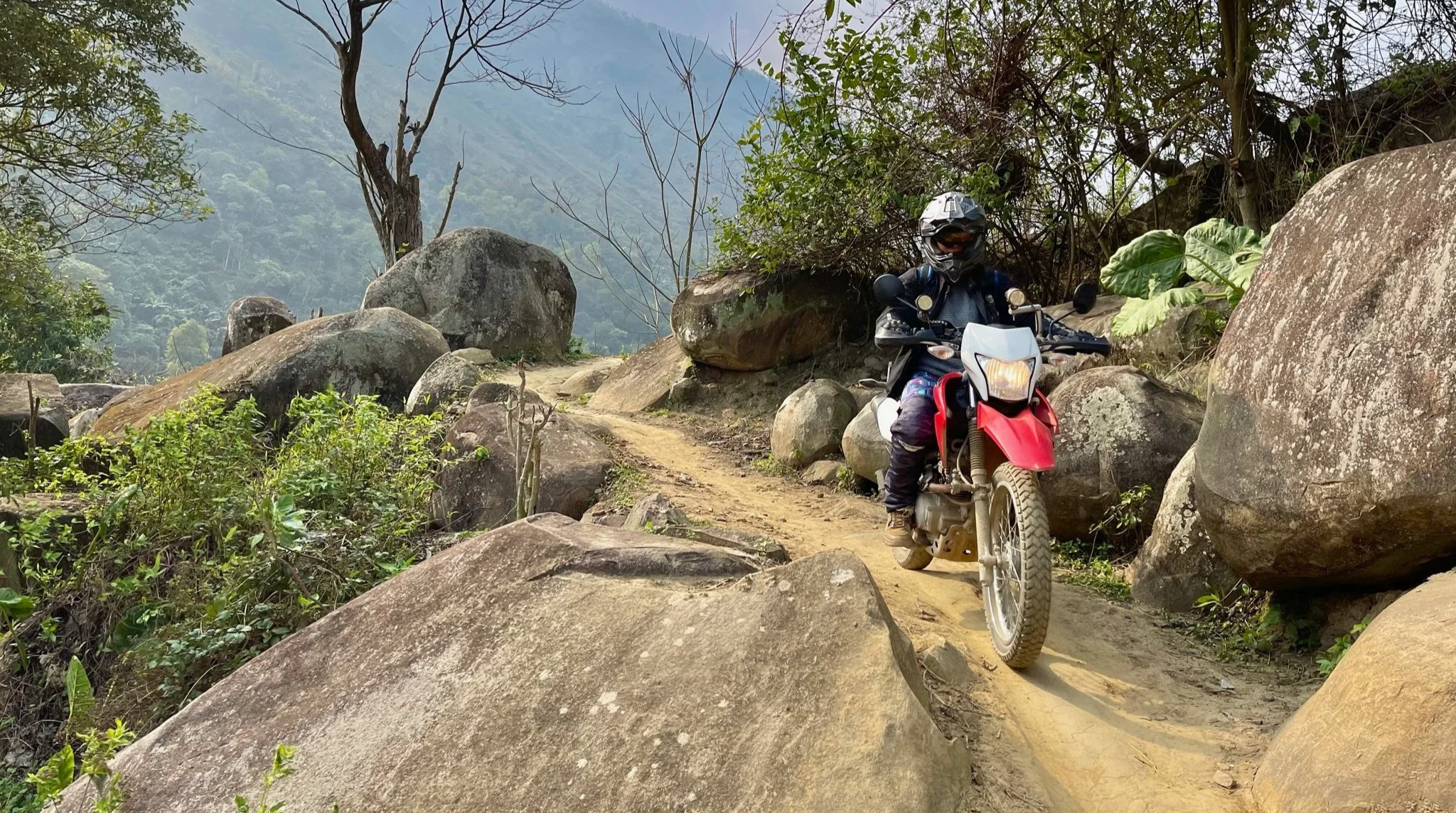
In the mountains around Sapa, for example, some travellers choose not to ride themselves at all. Instead they explore the region with local riders who grew up navigating the winding roads of the Hoang Lien Son range. The journey becomes less about controlling the handlebars and more about watching the landscape unfold.

The Quick Answer: Can You Legally Ride in Vietnam?
For an ordinary rental motorcycle over 50cc, you will generally need one of the following:
A valid Vietnamese motorcycle licence.
A valid domestic motorcycle licence accompanied by an official 1968 International Driving Permit showing motorcycle category A.
A valid motorcycle licence issued by a participating ASEAN country, subject to the ASEAN recognition requirements.
A car licence does not give you permission to ride a motorcycle. An IDP also cannot add a motorcycle entitlement that is missing from your original licence.
The fact that a rental company is willing to give you a motorbike is not evidence that you are properly licensed. Many rental businesses do not check licences, permits, experience or insurance before handing over the keys.
Why the Correct Licence Matters
Riding without recognised documentation can lead to police fines, delays, the motorcycle being detained and personal liability following an accident. It may also give an insurer grounds to refuse a medical, personal accident or vehicle-damage claim.
Northern Vietnam presents additional risks. Mountain roads can include steep descents, blind bends, fog, landslides, loose surfaces and rapidly changing weather. Legal documentation cannot remove these dangers, but riding without it adds substantial financial and legal risk to an already demanding activity. Understanding the rules before you ride ensures that:
You stay within Vietnamese law.
You remain covered by travel or medical insurance.
You can enjoy the trip without unnecessary risks.
Which International Driving Permit Does Vietnam Recognise?
Vietnam recognises International Driving Permits issued under the 1968 Vienna Convention on Road Traffic. A 1926 or 1949 IDP is not a valid substitute.
An IDP is a legally recognised translation of your domestic licence. It is not an independent driving licence and is valid only when carried with the original licence on which it is based.
To ride a motorcycle legally:
The IDP must be the 1968 Convention version.
It must have been issued by an officially authorised organisation.
Your original domestic licence must remain valid.
Both documents must authorise motorcycle riding.
Motorcycle category A must be shown on the IDP.
Any capacity or vehicle restrictions on your domestic licence still apply.
You should carry both original documents whenever you ride.
Warning: Fake IDP Websites Are Everywhere
This is something we feel strongly about warning travellers about. Numerous websites sell documents described as “International Driving Licences”, “International Driving Documents” or instant online IDPs. Many produce impressive-looking cards, booklets, QR codes and digital certificates, but that does not give the documents any legal standing.
The Fédération Internationale de l’Automobile specifically warns that documents marketed as International Driving Licences or International Driving Documents cannot replace a legally recognised IDP.
Warning signs can include:
No named government agency, national automobile association or authorised issuing organisation.
No clear country of issue.
Claims that almost anyone can apply, regardless of where their domestic licence was issued.
Instant downloadable permits or digital cards presented as replacements for an official IDP.
Generic email addresses, unverifiable offices or placeholder social-media links.
Vague claims that the document is accepted in almost every country.
Documents that do not clearly identify the relevant road-traffic convention.
Prices that appear unusually cheap or disproportionately expensive.
Price alone does not prove that a document is fraudulent. The decisive question is whether the seller is officially authorised to issue an IDP for your domestic licence.
A fake permit will not make you legal if Vietnamese traffic police stop you. It cannot satisfy an insurer’s requirement for a valid, legally recognised licence, and it may leave you facing fines, a detained motorcycle and substantial medical or damage costs.
The only safe approach is to use your country’s authorised issuer. Find it through the official AIT/FIA International Driving Permit directory.
If your authorised national issuer cannot provide a 1968 IDP, a commercial website cannot legitimately create one for you.
Travellers Whose Countries Issue 1968 IDPs
If your domestic licence was issued in a country that provides 1968 Convention IDPs, you may ride in Vietnam when:
Your domestic licence includes the correct motorcycle entitlement.
Your official 1968 IDP shows category A.
You carry both original documents.
Your licence, IDP, motorcycle and journey satisfy the conditions of your insurance.
Examples include France, Germany, Italy, Spain and the United Kingdom, although travellers should always confirm the current position through the official IDP directory.
A Note for British Travellers
British licence holders can obtain a 1968 IDP for Vietnam. It is currently issued through participating PayPoint stores in the UK.
You must carry the 1968 IDP together with your UK driving licence. Your UK licence must also include the appropriate motorcycle entitlement. A 1968 IDP issued against a car-only licence does not permit you to ride a motorcycle.

Travellers Whose Countries Issue 1949 IDPs
Some countries normally issue IDPs under the 1949 Geneva Convention rather than the 1968 Vienna Convention. Their authorised permits are not recognised for driving in Vietnam.
This commonly affects licence holders from:
The United States
Australia
Canada
New Zealand
Fiji
Papua New Guinea
Japan
South Korea
Short-term visitors relying on licences and IDPs issued through these systems cannot normally ride an ordinary motorcycle legally in Vietnam. Purchasing a supposed 1968 IDP from an international website does not solve the problem.
Because international agreements and national issuing arrangements can change, check your position through the official AIT/FIA directory before making plans.

Travellers with ASEAN Driving Licences
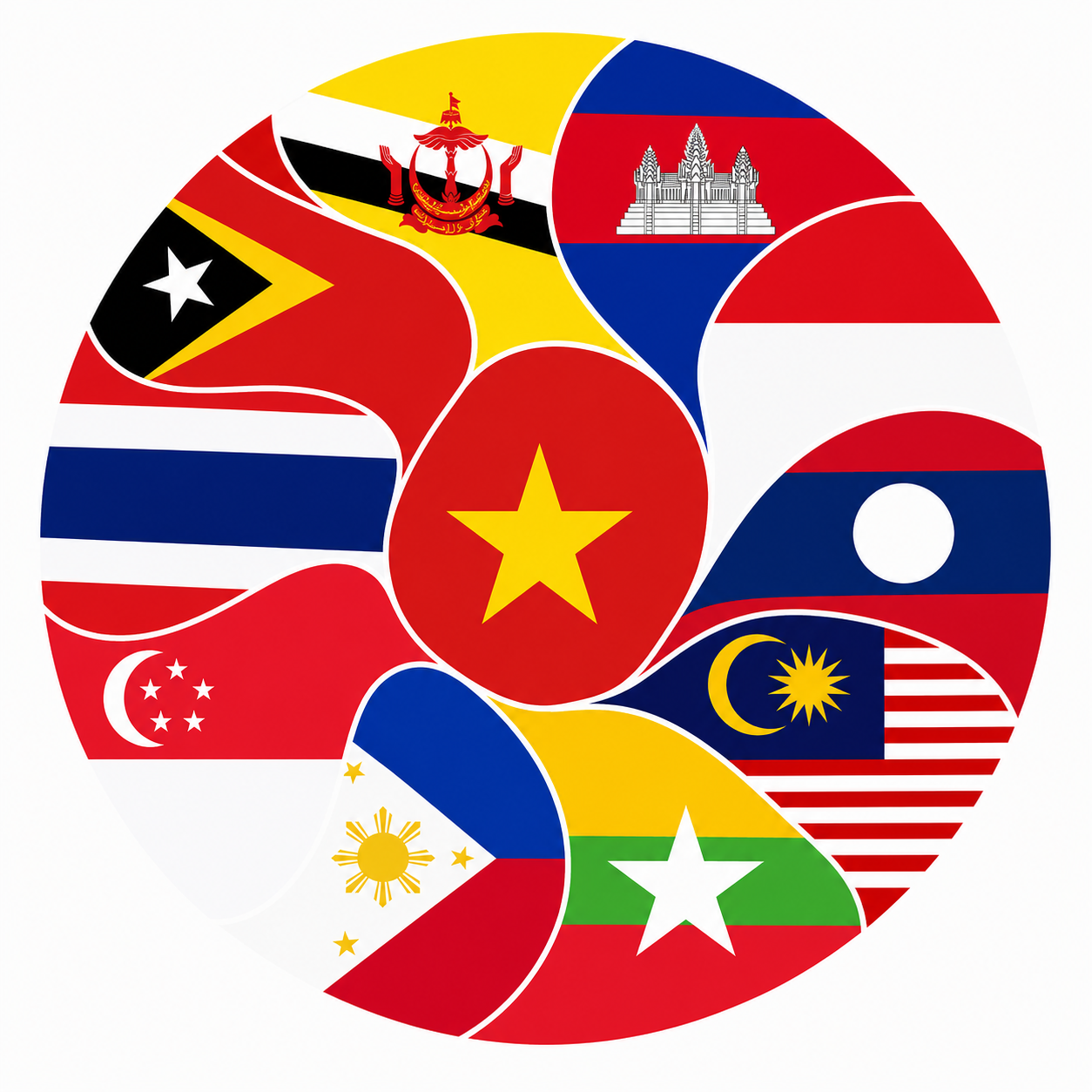
Vietnam participates in the ASEAN Agreement on the Recognition of Domestic Driving Licences. A valid domestic motorcycle licence issued by another participating ASEAN country can therefore be recognised without a separate IDP.
The participating countries include:
Brunei
Cambodia
Indonesia
Laos
Malaysia
Myanmar
The Philippines
Singapore
Thailand
Timor-Leste
Vietnam
The licence must be a full, valid licence covering the motorcycle you intend to ride. Learner, provisional and temporary licences are excluded. If the licence is not written in English, it should be accompanied by a certified English translation.
Some ASEAN visitors report that individual officers in tourist areas still request a 1968 IDP. A roadside misunderstanding does not make a fake or 1949 permit valid. Before travelling, confirm the requirements with your national transport authority and insurer. Carry your original licence, any required certified translation and, if practical, a copy of the ASEAN recognition agreement.
Can You Convert Your Licence in Vietnam?
Foreign residents, workers and students may be able to exchange a valid foreign licence for the corresponding Vietnamese category. Under the current rules, eligibility normally requires qualifying residence documentation, such as a permanent residence card or a temporary residence card valid for more than three months.
The process can include:
An application for licence exchange.
The original foreign licence.
A certified Vietnamese translation.
Valid residence and identity documents.
A medical certificate where required.
Verification by the Vietnamese authorities.
This is a conversion of an existing licence, not a way to obtain a new motorcycle entitlement. It is generally not a practical option for an ordinary short-term tourist or e-visa visitor.
Common Misconceptions
“Everyone rents a motorbike without a licence, so it must be fine.”
→ False. Many tourists do this, but it is illegal. Police enforcement varies, but the risk remains.“Insurance will cover me if I have an accident, even without a licence.”
→ False. Riding without a legally recognised licence may give an insurer grounds to reject a claim.“A licence from my home country is enough.”
→ Not true unless you are from an ASEAN country. Most national licences alone are invalid in Vietnam.

Vietnam Road Rules to know before you ride
1. Always Wear a Helmet
It is compulsory for both the driver and any passengers to wear helmets that meet Vietnamese safety standards. Fines are issued on the spot for non-compliance.
2. Carry the Correct Documents
You must carry your passport (or a copy), visa, motorbike registration papers, and proof of insurance. Police can request them at checkpoints.
3. Drive on the Right-Hand Side
Vietnam follows right-hand traffic. Keep to the right except when overtaking.
4. Obey Speed Limits
5. Do Not Ride on Motorways / Expressways
Motorbikes are not allowed on expressways or certain major highways. Always look out for the “no motorbike” signs at entrances. Expressways are market as “CT” roads on Google Maps. Even larger capacity motorbikes are not permitted to ride on Expressways.
6. Do Not Drink and Drive
Vietnam has a zero-tolerance policy for alcohol while driving motorbikes. Even small amounts can result in heavy fines and possible licence suspension.
7. Use Indicators and Lights Correctly
Always signal when turning or changing lanes. Headlights must be used between 6:00 pm and 6:00 am, and sometimes in tunnels during the day.
8. Carry Only Legal Loads
Passengers are limited to one adult passenger plus a child. Carrying large items or multiple passengers is prohibited and often stopped by police.
9. Obey Traffic Lights and Signs
Although traffic may appear chaotic, running red lights is a common reason for fines. Police often monitor busy intersections in cities.
10. Give Way Correctly
At intersections without signals, the general rule is to give way to vehicles coming from the right. Larger vehicles are usually given priority in practice.
It is worth noting that many local drivers will NOT follow these rules. This does not make you exempt, but defensive driving is highly recommended. Always stay alert and be prepared to expect the unexpected.
Quick Legal and Safety Checklist Before Riding
Before accepting a motorcycle, confirm that:
Your domestic licence includes the appropriate motorcycle entitlement.
Your IDP is an official 1968 Convention permit, if one is required.
Motorcycle category A appears on the IDP.
You will carry your original licence and IDP together.
Your travel insurance specifically covers motorcycle riding in Vietnam and the engine size involved.
The motorcycle has valid registration and compulsory insurance.
Your helmet fits properly and is securely fastened.
You understand that Vietnam has zero tolerance for alcohol when driving.
You know that motorcycles are prohibited from expressways.
Your experience is sufficient for the route and current conditions.

If any of these points remains uncertain, do not assume that the rental company, tour operator or police will resolve it for you later.The easiest and safest alternative is to travel with an experienced local rider. Many visitors choose to explore the mountains of northern Vietnam this way, sitting comfortably as a passenger while a licensed guide handles the road.
From Sapa, these journeys can lead through quiet tea valleys, forest passes and highland villages where daily life still follows the rhythm of the mountains.
Discover our guided motorbike adventures from Sapa here.
Exploring Northern Vietnam Without Self-Riding
Not having the documentation required to self-ride does not mean missing the experience of travelling through Vietnam by motorbike. You can travel as a passenger with a properly licensed local rider while still experiencing the mountain roads, changing landscapes and remote communities along the way.
Simply joining a guided tour does not make unlicensed self-riding legal. If you cannot meet the licence and IDP requirements explained above, choose a journey in which the licensed guide drives and you travel as the passenger.
ETHOS offers passenger-based journeys from Sapa ranging from one-day excursions to multi-day loops through tea valleys, forest passes and highland communities.
Explore passenger-based motorbike journeys from Sapa
The Green Tea Motorbike Loop from Sapa


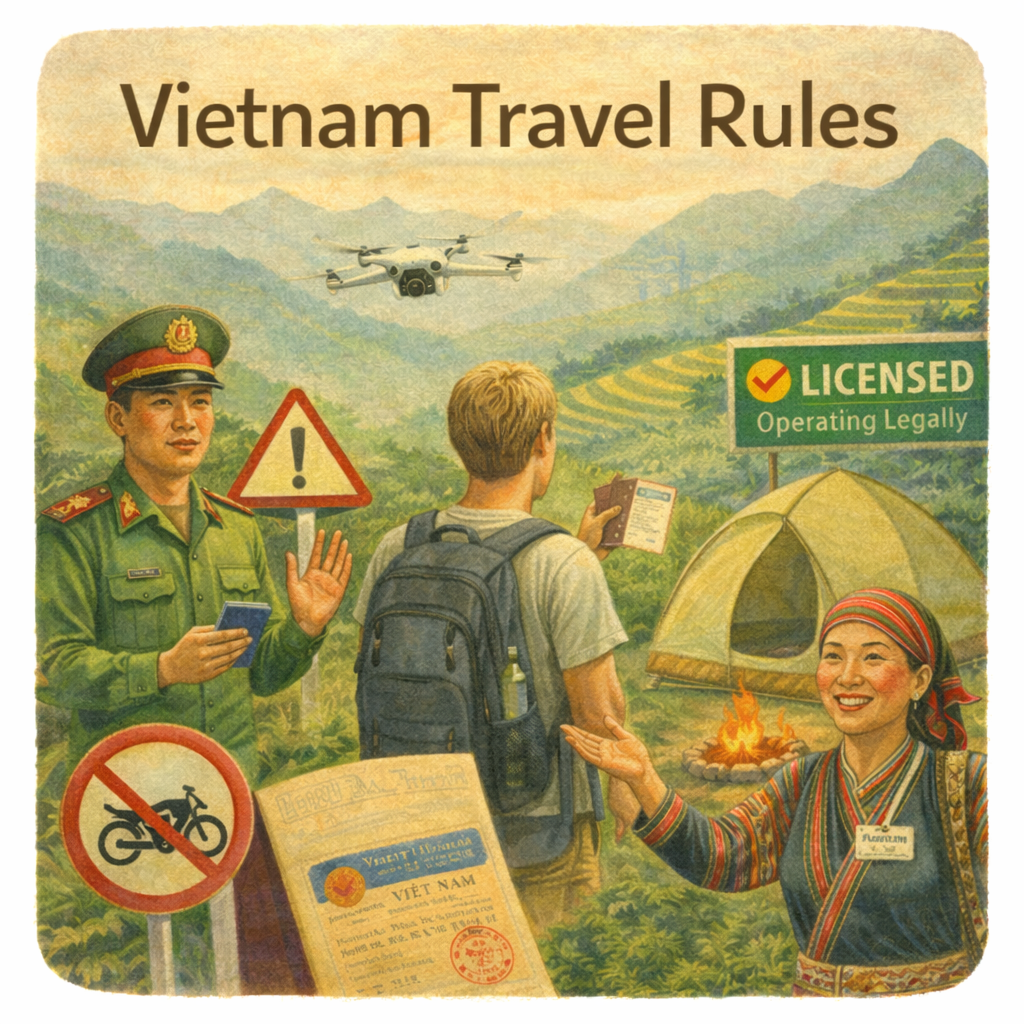

Click here to read more about essential travel tips and regulations for travelling in Vietnam.