Wild Highland Trail: a three-day private trek
““Exploration is in our nature. We began as wanderers, and we are wanderers still.””
Duration: Three days, two nights.
Departure time: 8.30 am
Physical activity: Challenging
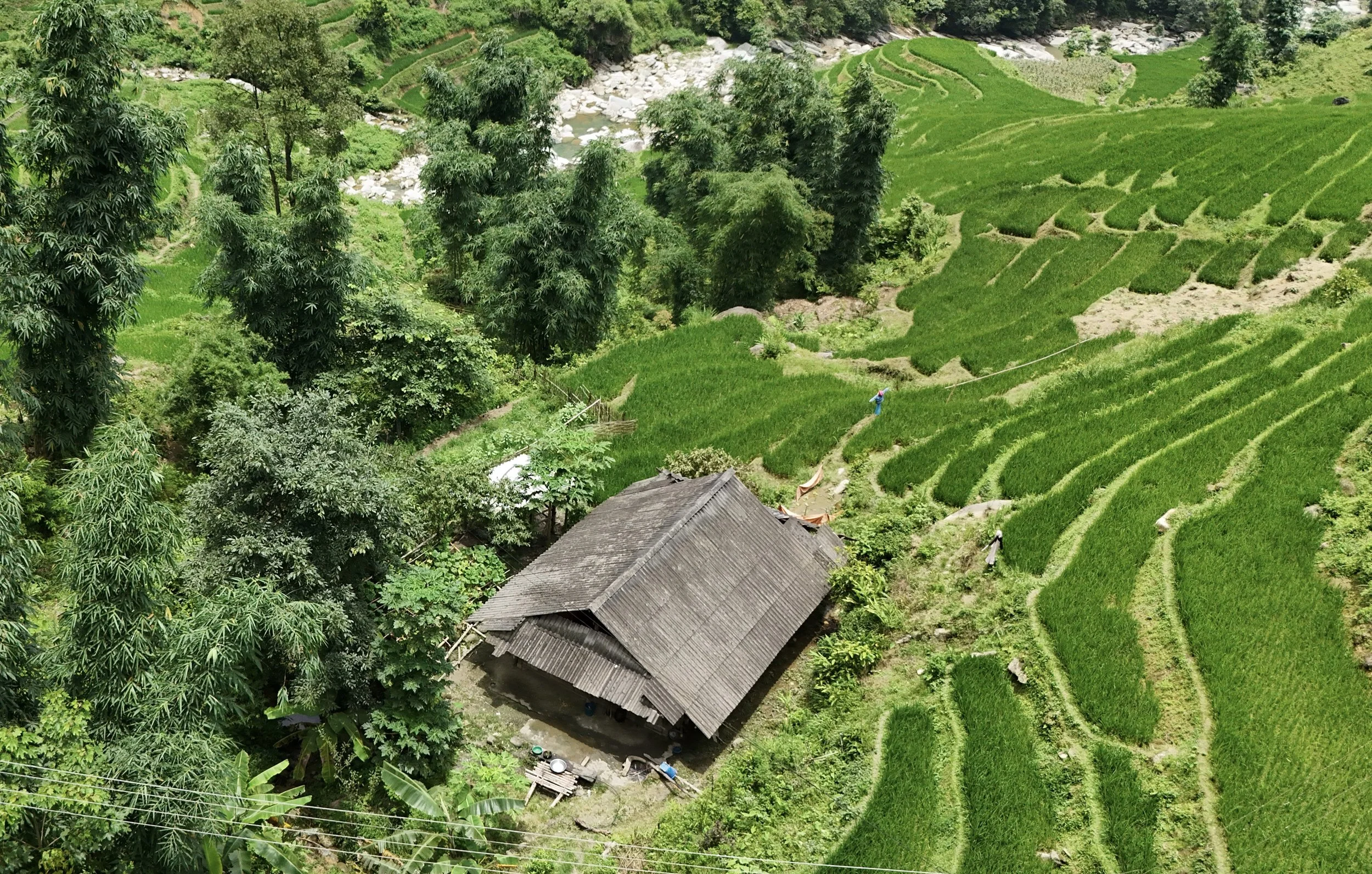
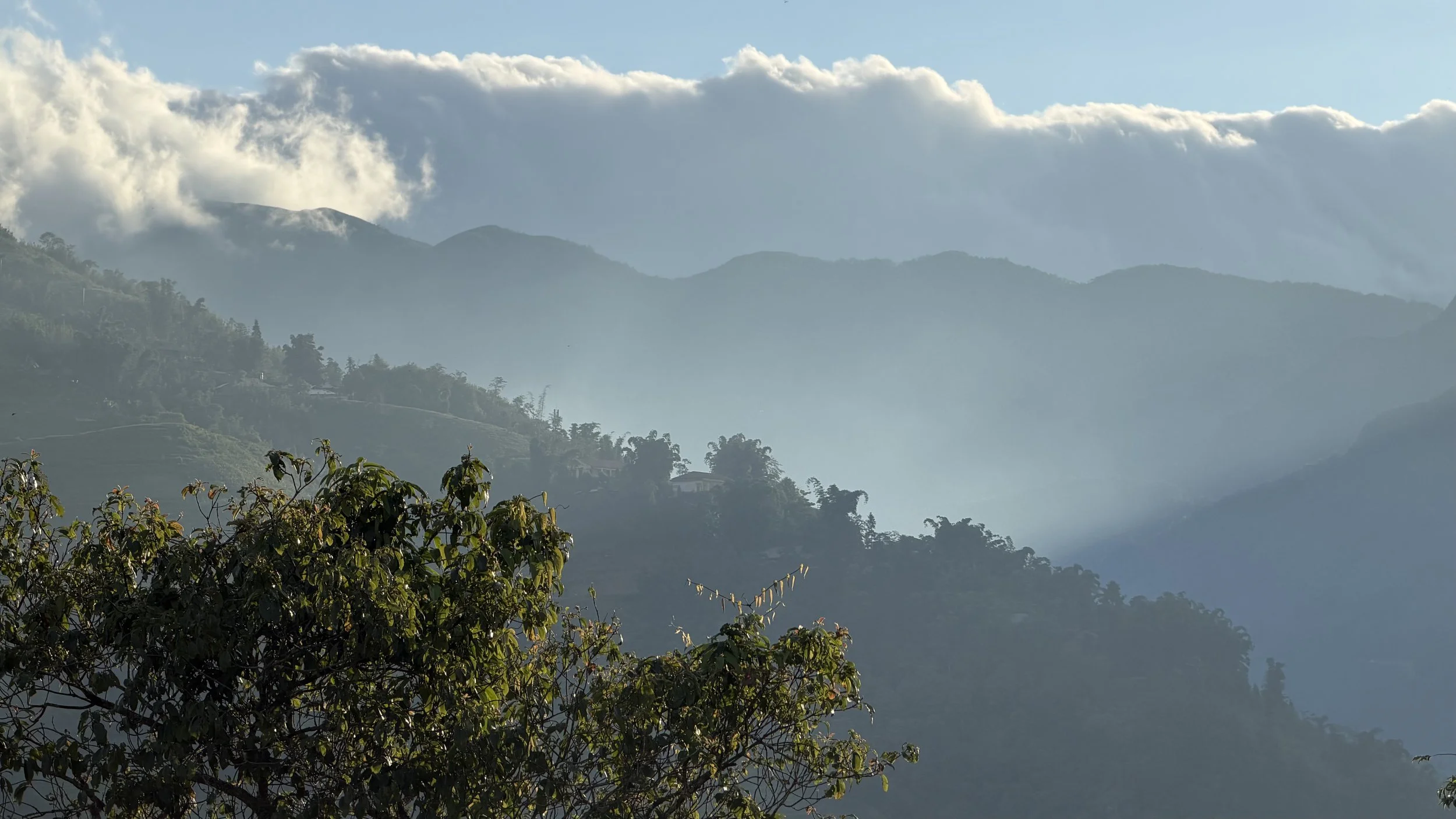
Location: Small traditional villages, bamboo forests, woodland areas, vast terraced valleys
Travel Style: Cultural immersion and active adventure
Connectivity: Wifi - None, mobile coverage - good.
Arrangements: Private experience for your own party
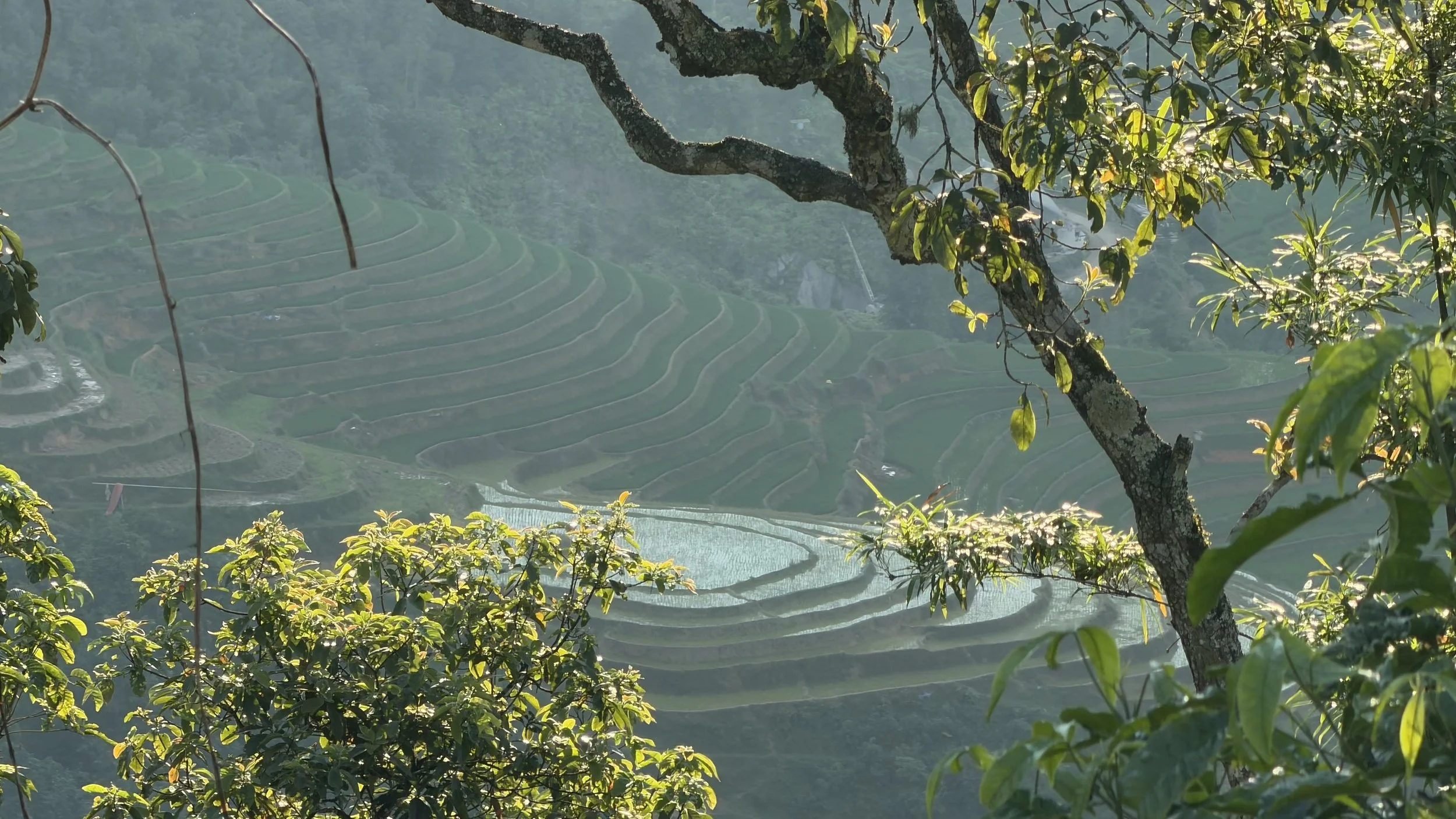
This Three-Day Mountain Journey takes you through Sa Pa’s rice terraces, forests and Hmong and Dao villages on a private, challenging trek, with the route shaped around your abilities and the conditions along the way. Over two nights in local family homes with simple facilities, you will share delicious meals prepared with locally grown and foraged ingredients, while your guide and hosts offer insights into everyday village life. Brought together by seven to eight local families, this community-based journey pairs rewarding mountain walking with warm hospitality and opportunities to learn from one another.
A route shaped around your group
Our trekking routes are flexible. We adapt them to the weather, ground conditions, your group’s abilities and footwear, so walking distances and time on the trail can vary considerably. The itinerary describes the character of the experience rather than a fixed walking schedule.
If you have concerns about steep ground, uneven paths, river crossings or how long you would like to walk, please tell us when enquiring so we can discuss suitable options.
Three days on foot with Sa Pa’s Hmong and Dao communities
Your own private trek · Two nights with local families · Level 3: Mountain Journey
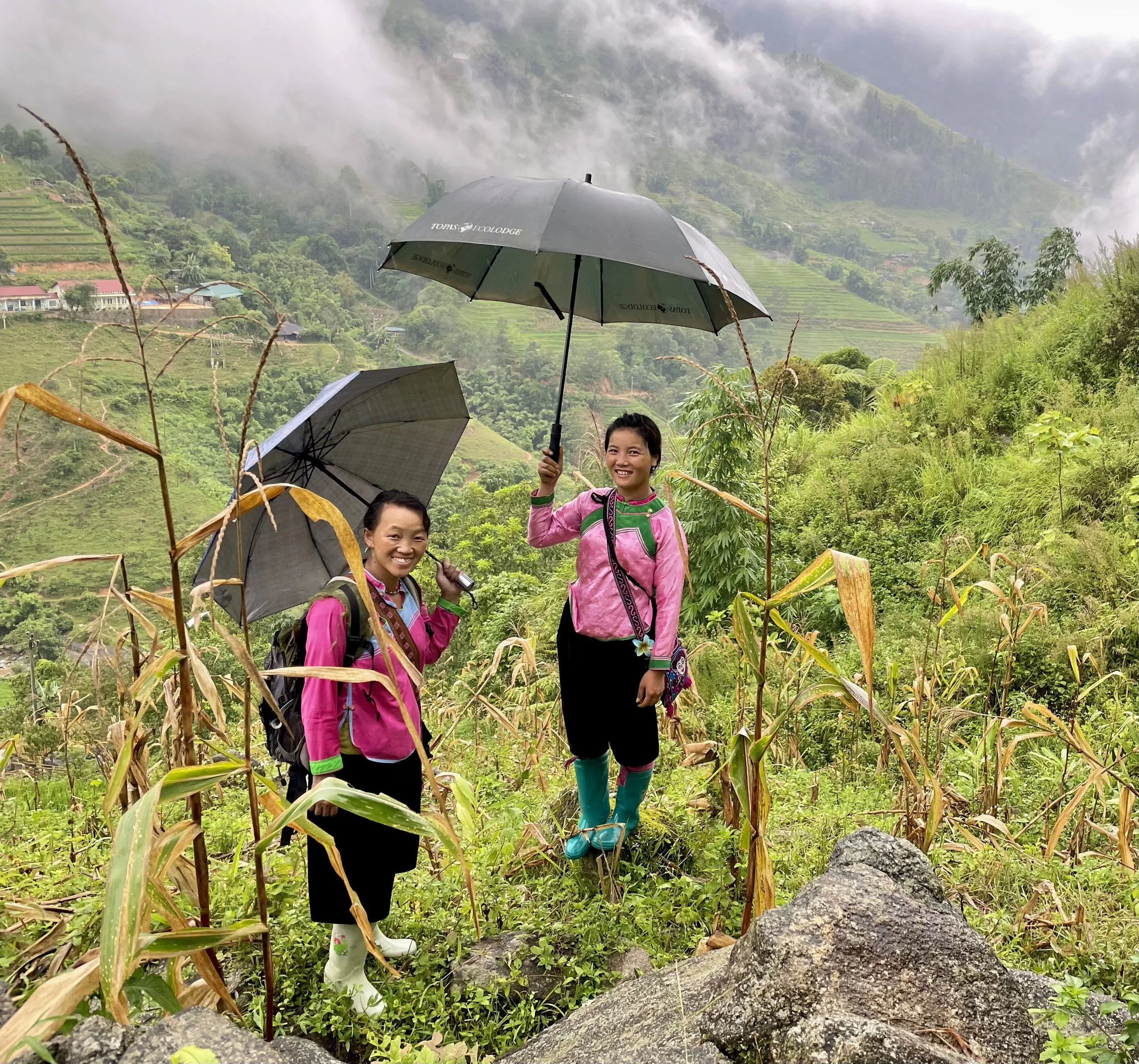
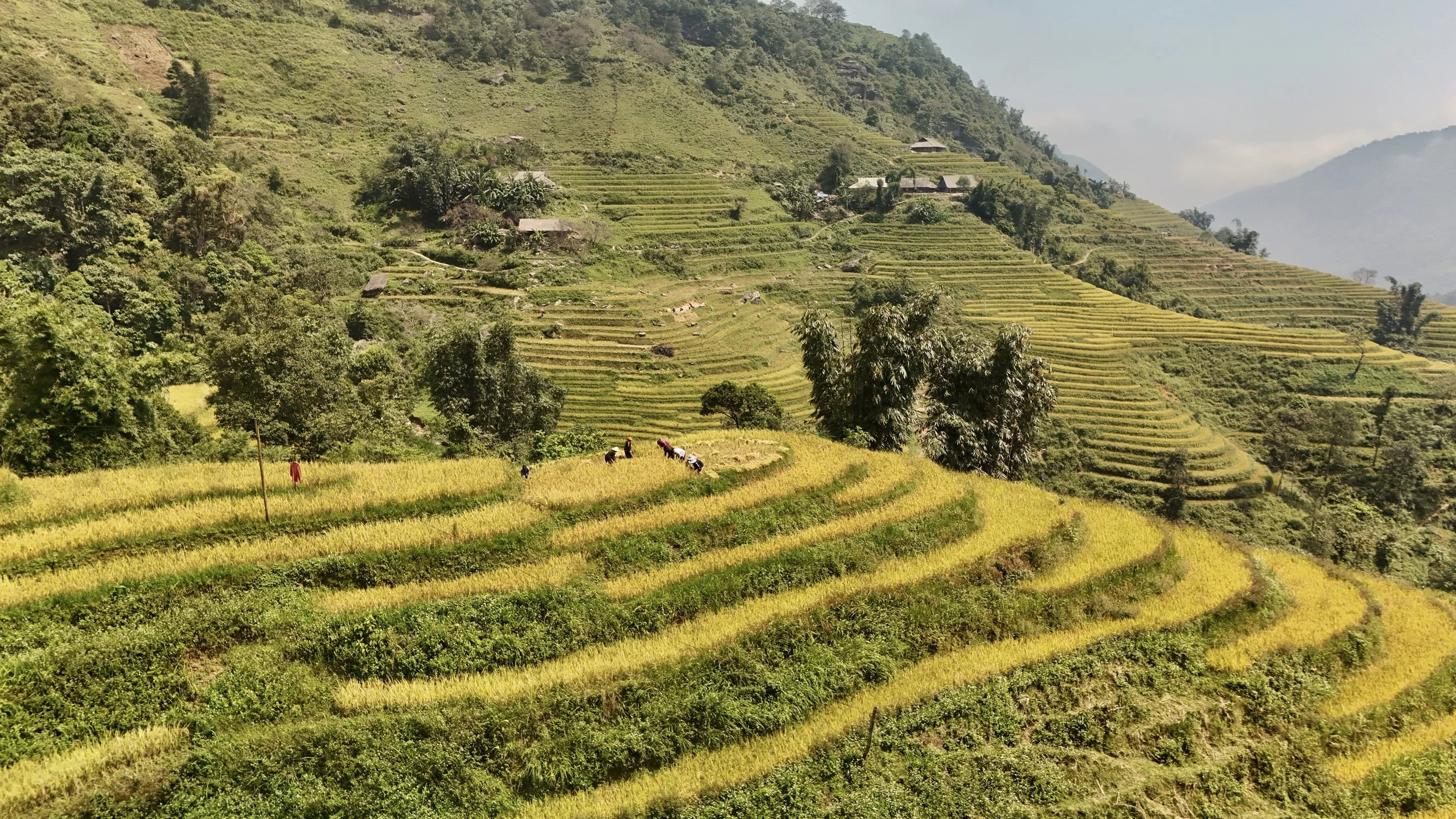
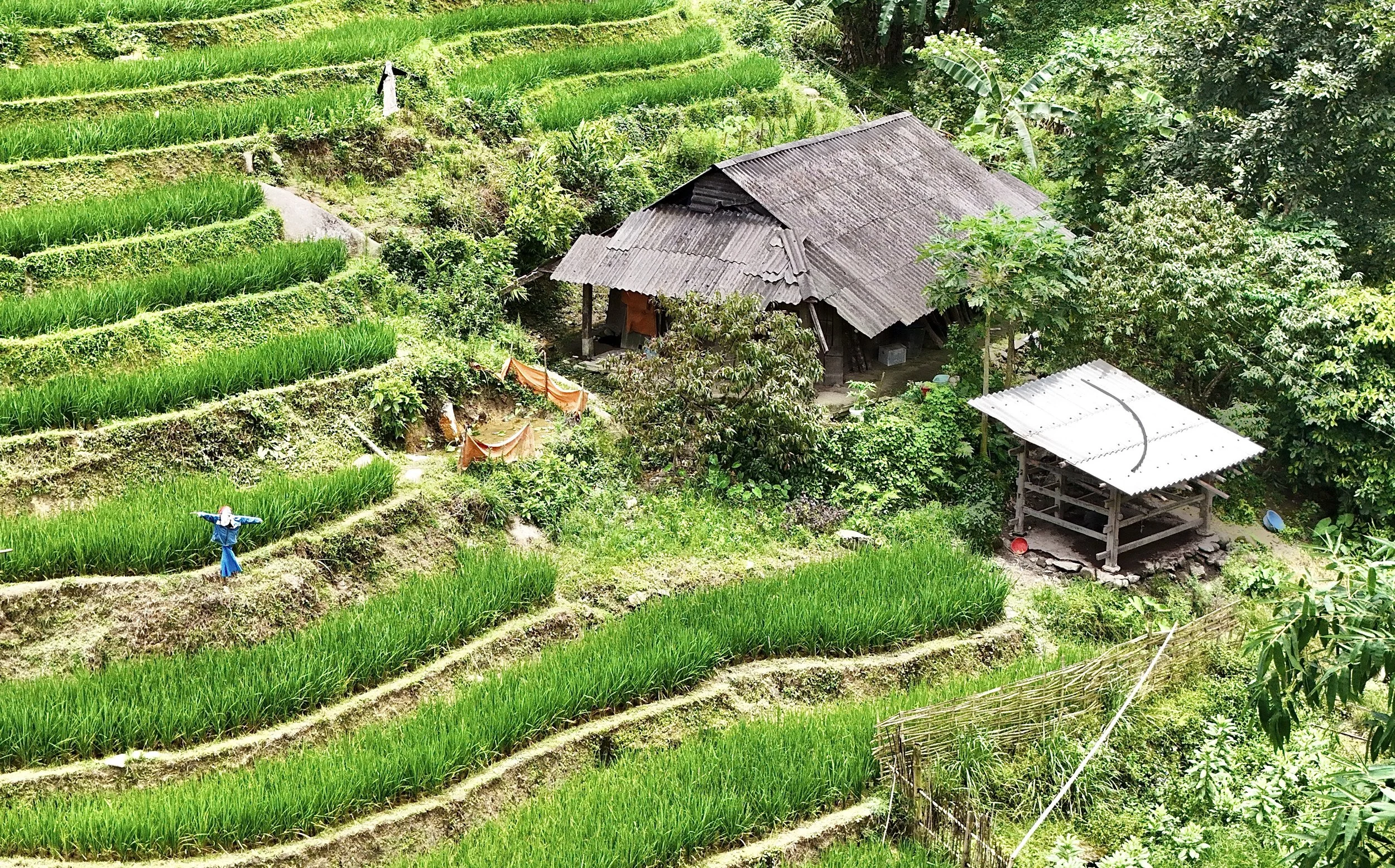
Follow your guide through cultivated hillsides, wooded slopes and village paths, discovering how people live and work within Sa Pa’s mountain landscape. Across three days, conversations, meals and overnight stays with local families bring you closer to the communities whose homes and farmland lie along your route.
The walking is demanding, with significant uphill sections, long descents and rough, uneven surfaces requiring suitable footwear and a good level of fitness. The valleys and villages give the journey its focus, while your guide adapts the connecting trails to the weather, your capabilities and the state of the ground.
Local knowledge along the way
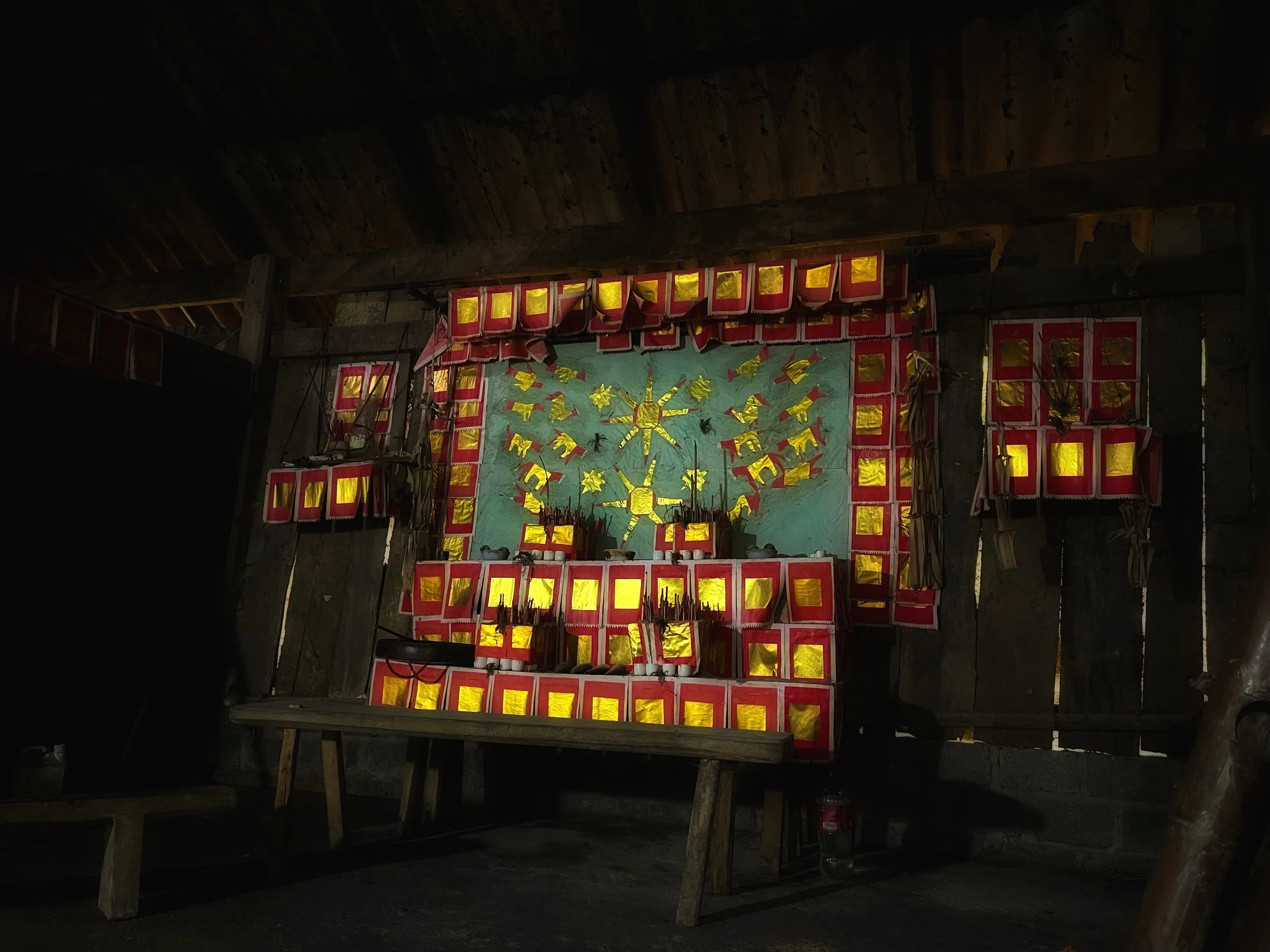
Beyond the varied scenery, quieter Hmong and Dao villages offer opportunities to understand the landscape through the people who know it best. Learning about Hmong life and Dao knowledge of herbs and traditional remedies adds depth to the walking, revealing connections between the surrounding plants, local customs and everyday family life.
Day one: Through the terraces to a Dao family home
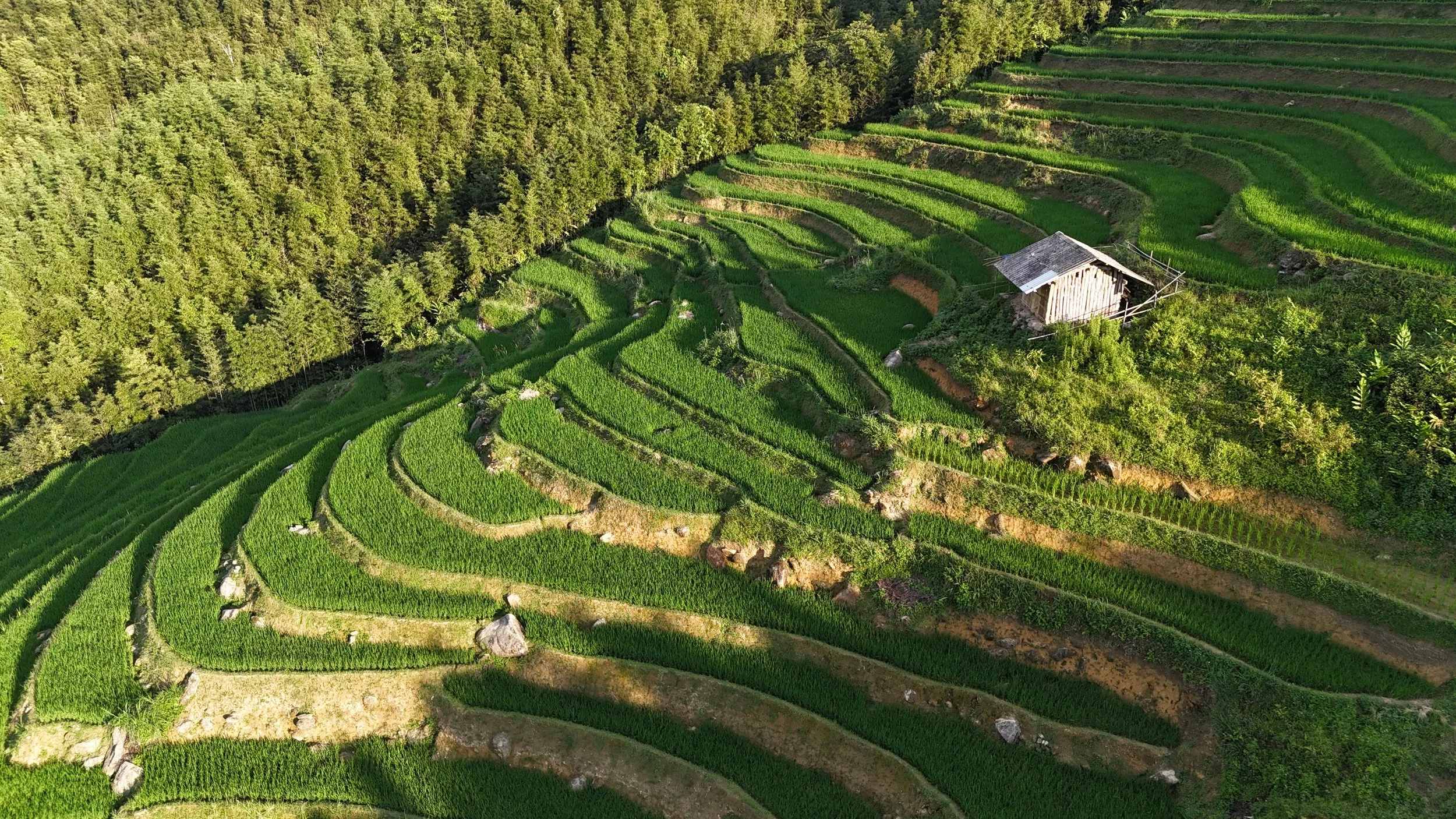
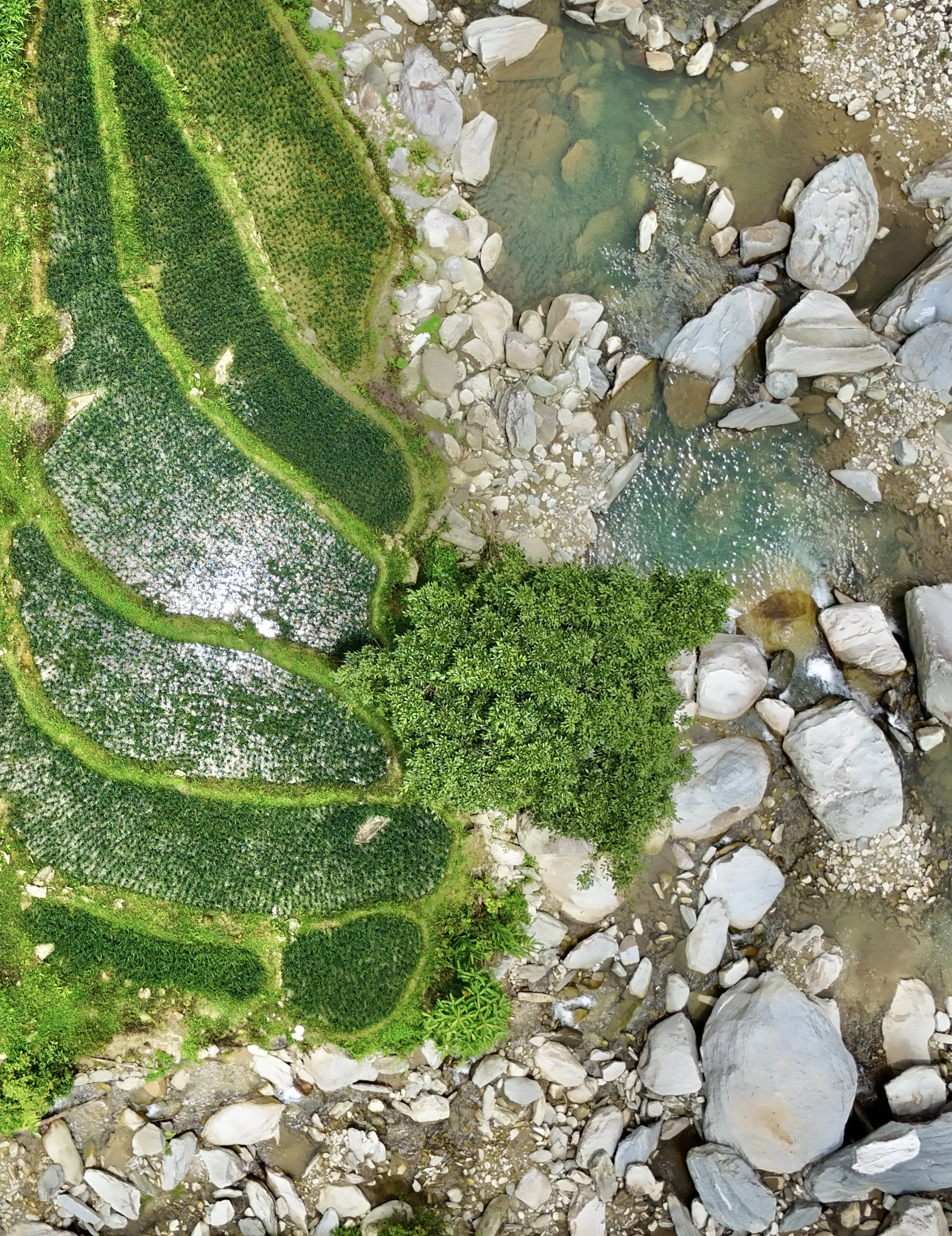
Your journey begins among the rice fields and villages of the valley, where cultivated slopes reveal the close relationship between farming and mountain life. When the ground is suitable, your route may follow narrow paddy walls and venture beyond established tracks, while gravel paths provide an alternative for groups who prefer more dependable footing.
Substantial uphill walking takes you further into the surrounding hills, with your guide adjusting the pace and route to suit your group. Along the way, there is time to stop, ask questions and enjoy the unplanned conversations and encounters that give each journey its own character.
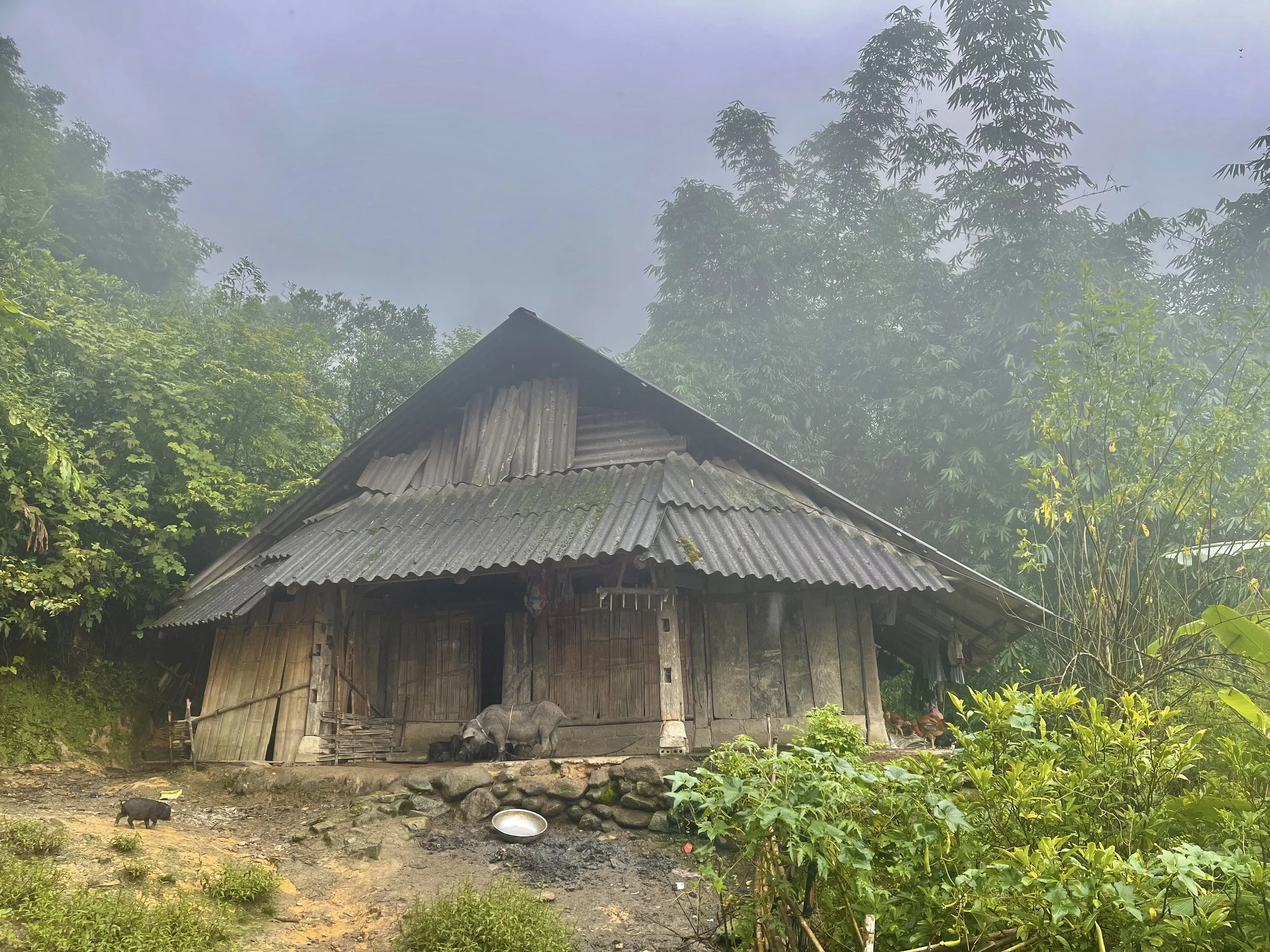
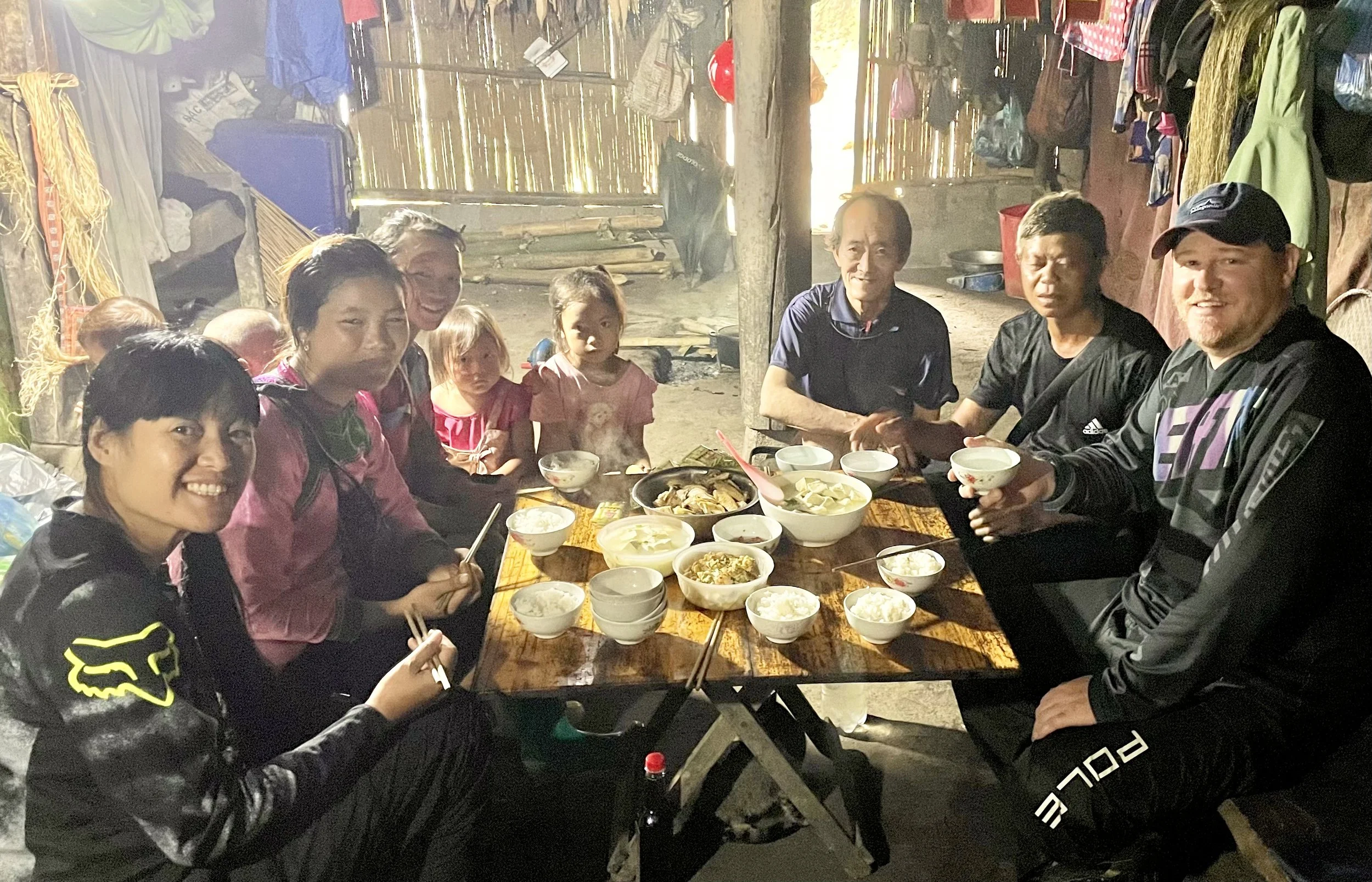
By evening, you will arrive at a traditional Dao home, where a freshly cooked dinner and time with your hosts offer a fuller introduction to family life than a short visit allows.
Day two: Forest trails and a different family welcome
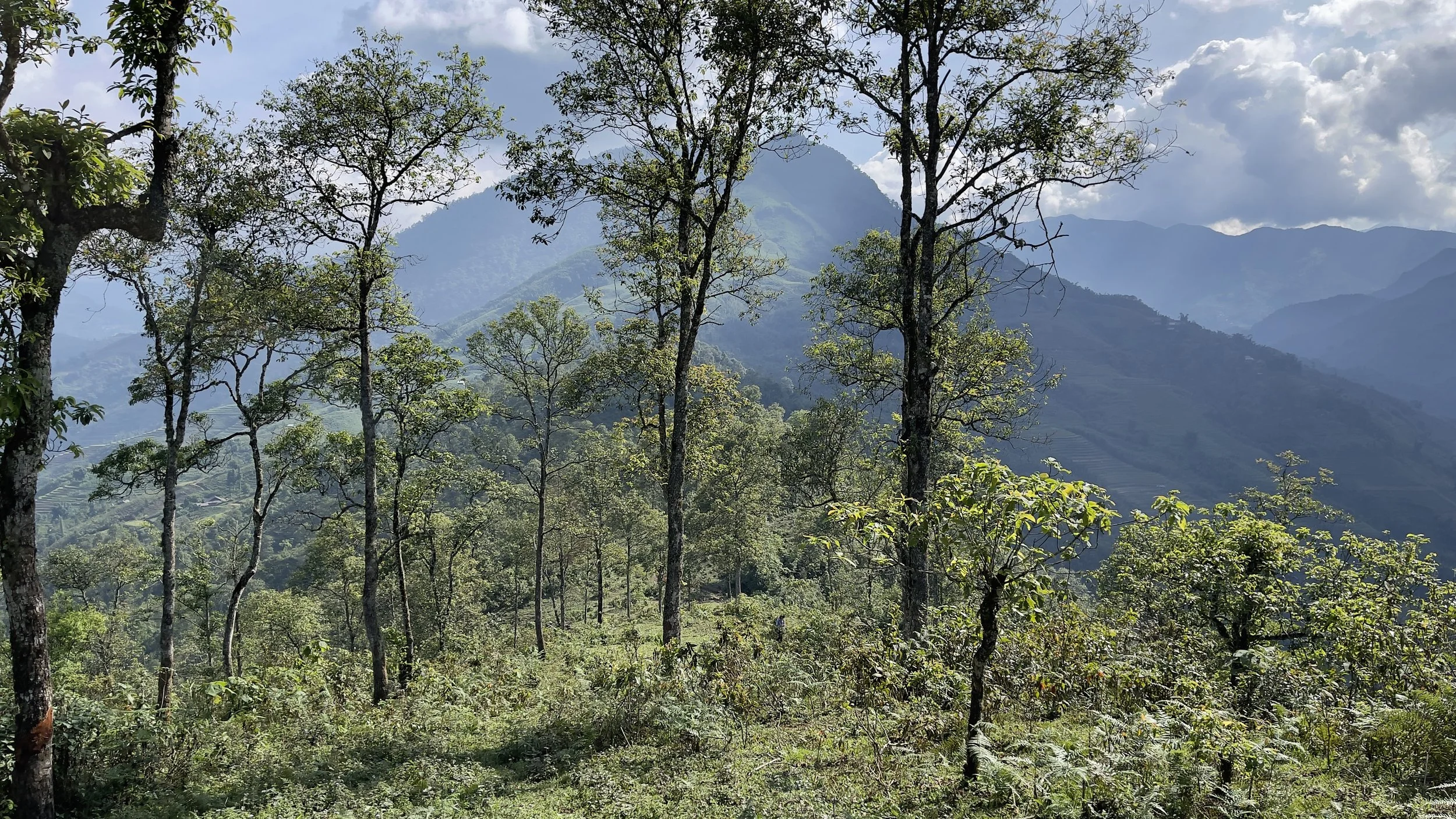
Woodland becomes a greater part of the landscape on your second day, as the walk continues along forest trails and hillside paths. There are further climbs and descents, with some routes also involving stream or river crossings and stretches that demand particular care underfoot.
Your guide draws on their knowledge of the area to choose suitable paths, taking account of recent rain, changing ground conditions and how your group is managing the walk. These decisions keep the journey responsive to both the mountains and the people travelling through them.
Tonight, a Hmong or Dao household welcomes you into their home, bringing another opportunity to share food, exchange stories and discover how daily life differs between families and communities.
Day three: Dao villages, open meadows and bamboo groves
Village lanes, mountain meadows and pockets of bamboo shape the final day, with further opportunities to meet Dao and Hmong residents as you pass through their communities.
The terrain continues to rise and fall, and uneven ground remains part of the walking. Your guide selects paths according to your group’s abilities and the conditions, including more adventurous sections where suitable or gravel trails where these offer a better option. Throughout the day, the focus remains on exploring the villages and countryside at a pace that allows you to appreciate both.
Staying as guests in a family home
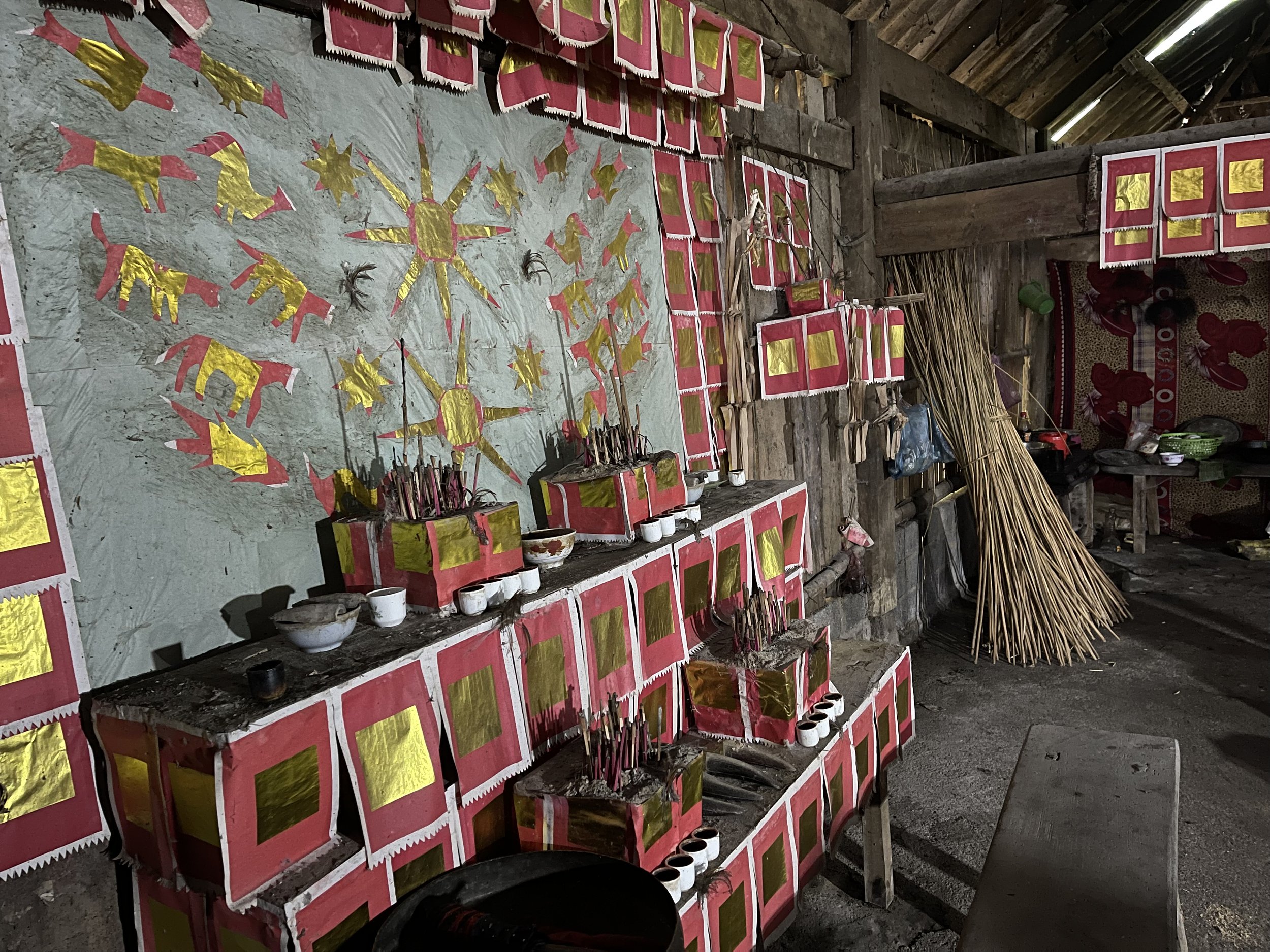
Accommodation on both nights is in local homes with straightforward facilities, where you will have a bed, blanket and mosquito net, but no Wi-Fi or en-suite bathroom. Much of the value of these stays comes from having time together, whether through conversations over dinner, learning about household routines or simply becoming more comfortable in one another’s company.
A willingness to adapt to your hosts’ way of life helps make the experience rewarding for everyone. Respecting the household, accepting simple comforts and approaching unfamiliar routines with curiosity are all part of being a considerate guest.
Local ingredients and home cooking
The meals you share reflect the fields, forests and seasons of the surrounding area, combining locally cultivated produce with foraged ingredients selected and prepared using knowledge passed through the communities. Each household brings its own approach to cooking, so the food offers another way to discover the places you are walking through.
Vegetarian and vegan options are available, and most dietary requirements can be accommodated with advance discussion. Let us know what you need before your journey so that we can plan with your hosts.
Several households, one shared journey
Seven to eight local families contribute to this experience through guiding, cooking, hosting and sharing their knowledge of the area. Their cooperation connects every part of the journey, from decisions about the walking route to the welcome you receive each evening.
This is central to how ETHOS approaches community-based tourism, creating work across several households while giving visitors opportunities to get to know the people whose communities they are exploring.
What to consider before booking
Our Level 3 Mountain Journey is intended for people who are regularly active and comfortable with prolonged walking in hilly terrain. You should be prepared for substantial ascents and descents, uneven surfaces and the cumulative effort of trekking on three successive days.
Although the route can be adjusted, the journey remains physically challenging, including when gravel trails make the footing more manageable. When you enquire, tell us about your fitness, previous walking experience and the kind of trek you enjoy, so that we can discuss whether this journey suits you and how best to shape it around your group.
What to expect:
A variety of scenery and an immersive cultural experience.
Included:
English Speaking local guide
All required transportation
Seven family meals
Water and fruit
Two nights homestay accomodation
Optional Extra:
Red Dao herbal bath
Excluded:
Travel insurance
Alcoholic and soft drinks
Prices - The Wild Mountain Trail - Three Day Experience
2 people - $215 per person
3 people - $167 per person
4 people - $145 per person
5 people - $125 per person
Notes:
Be aware that during foggy and rainy periods, trails around Sapa are often muddy and slippery. Walking shoes with good grip are highly recommended. We believe that trekking is all about discovery and access to the most exciting villages may involve steep inclines and clay slopes. This trek usually involves two river crossings. During periods of heavy rainfally, the walk route may be changed to avoid any unnecessary risk.
Part of the experience fee is used as payment for your three host family. You can read more about our Social Responsibility projects here.
Community based tourism (CBT) is a form of tourism where local communities are directly involved in developing, managing, and benefiting from tourism activities within their area. It emphasises community ownership, cultural preservation, and sustainable practices, offering visitors authentic experiences and fostering economic opportunities for residents.



Please travel with respect. Dress modestly, support local crafts, protect nature, be patient, and stay safe. Connect, learn, and contribute positively during your ETHOS journey. Please refer to our terms for booking conditions for all ETHOS experiences.