Insights and Stories from Sapa and the Northern Borderbelt provinces of Vietnam.
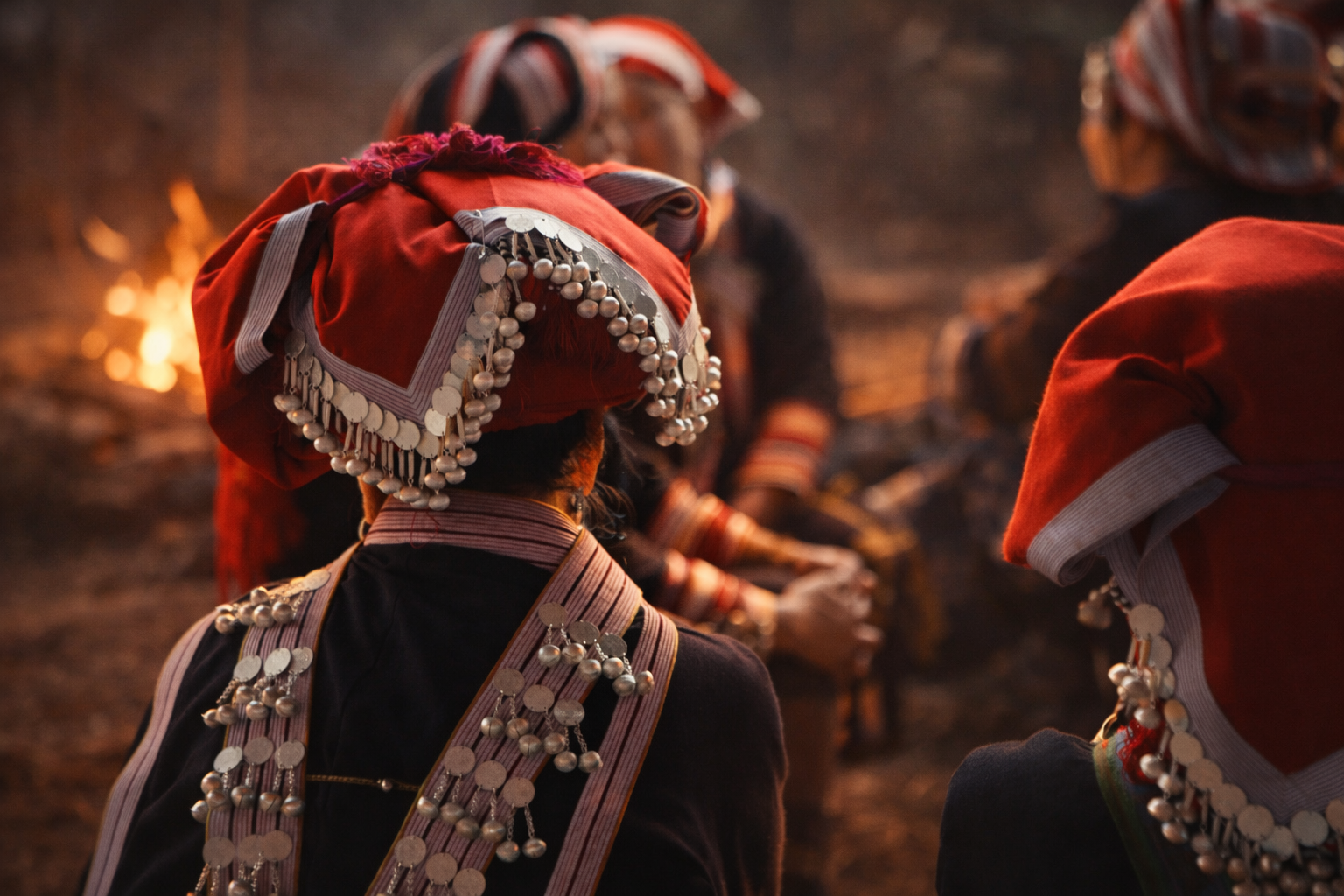
Red Dao shamanic ritual in Sa Pa, northern Vietnam
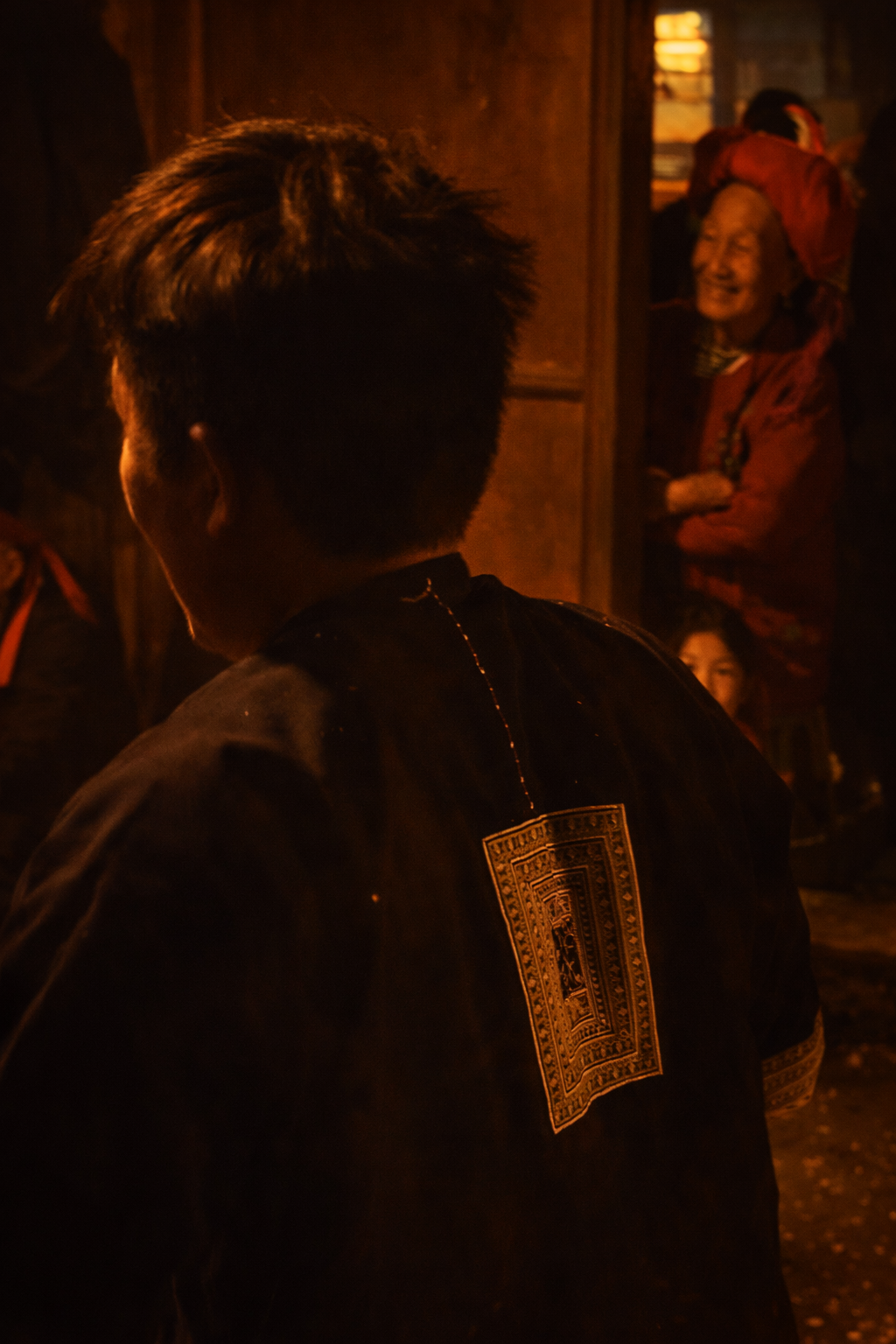
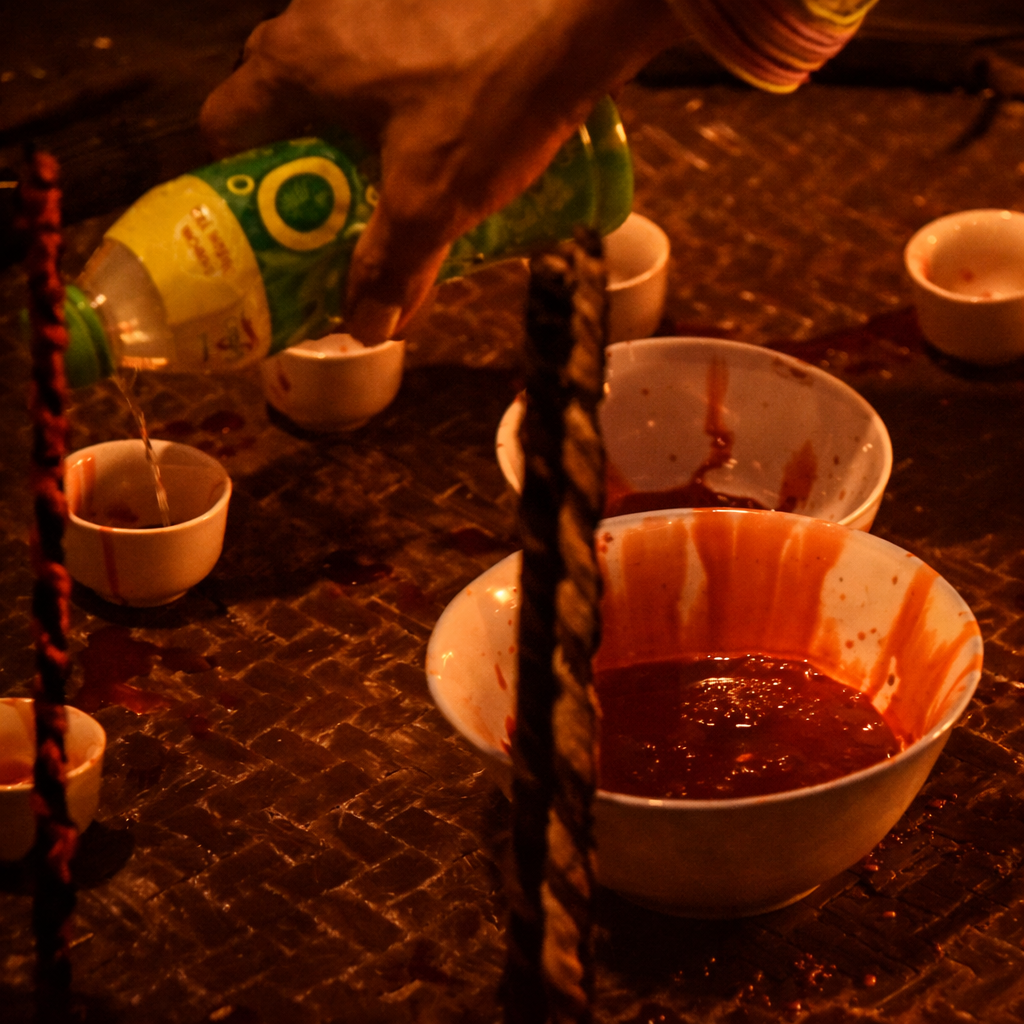
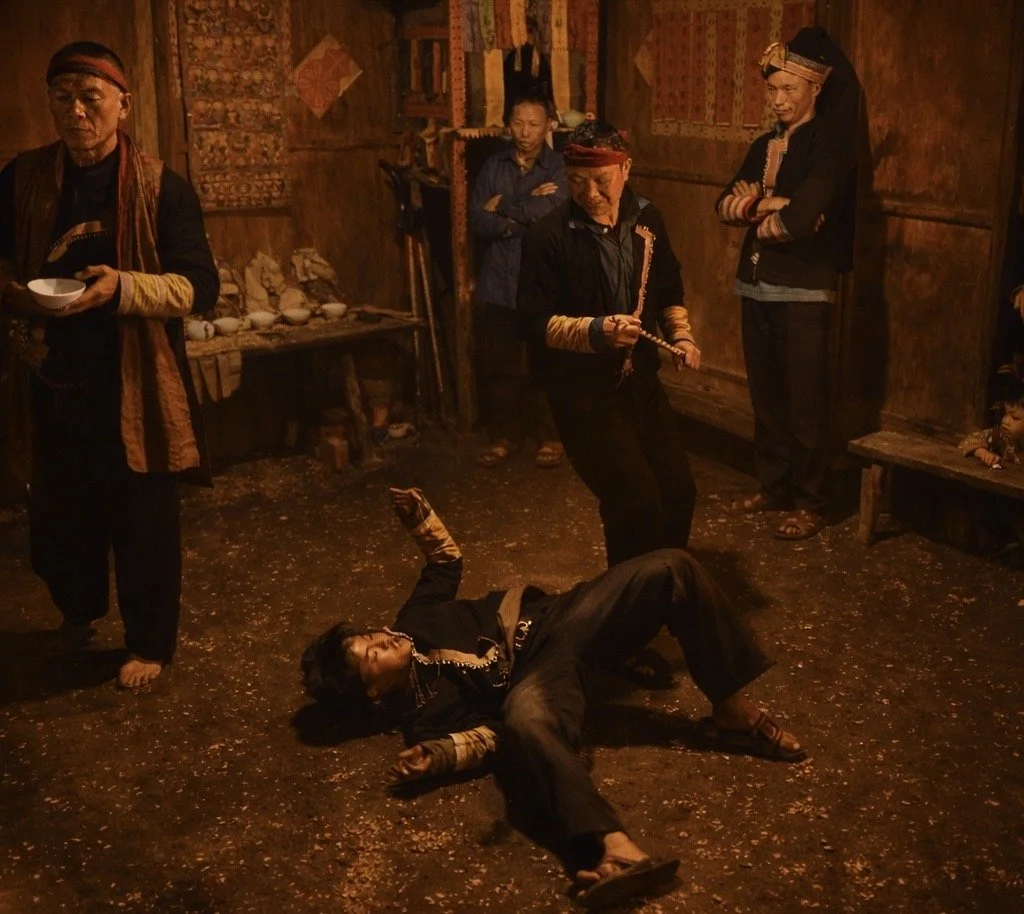
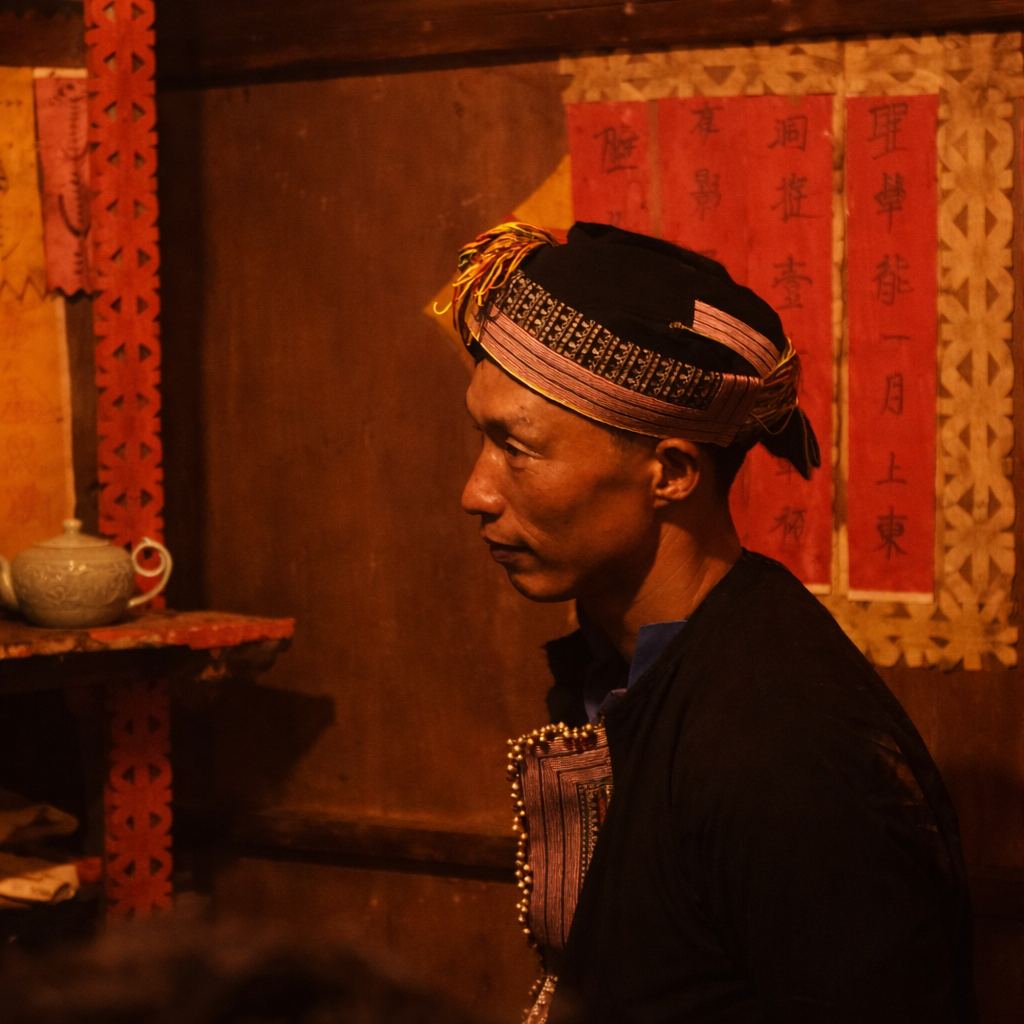
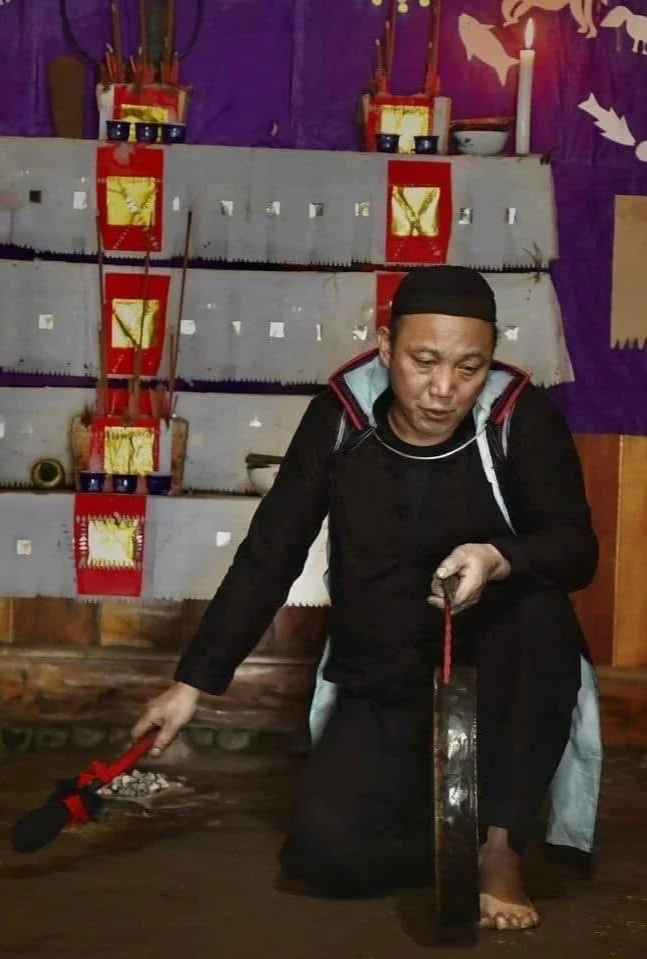
The Cấp Sắc ceremony is the most significant rite of passage among the Red Dao people of northern Vietnam. Held once in a lifetime, this elaborate shamanic ritual marks an individual's transition into full spiritual and social adulthood. Through sacred chants, ancestral invocations, ritual music, and community participation, Cấp Sắc formally connects participants to the Dao spiritual hierarchy and remains a defining expression of Red Dao identity today.
Shared core across Dao groups
Among Dao communities in northern Vietnam, the largest and most significant ritual performed in an individual’s lifetime is commonly known as Cấp Sắc. It is often translated as a conferral of ordination or a bestowal of ritual status, and it marks a decisive transformation in a person’s social and spiritual standing.
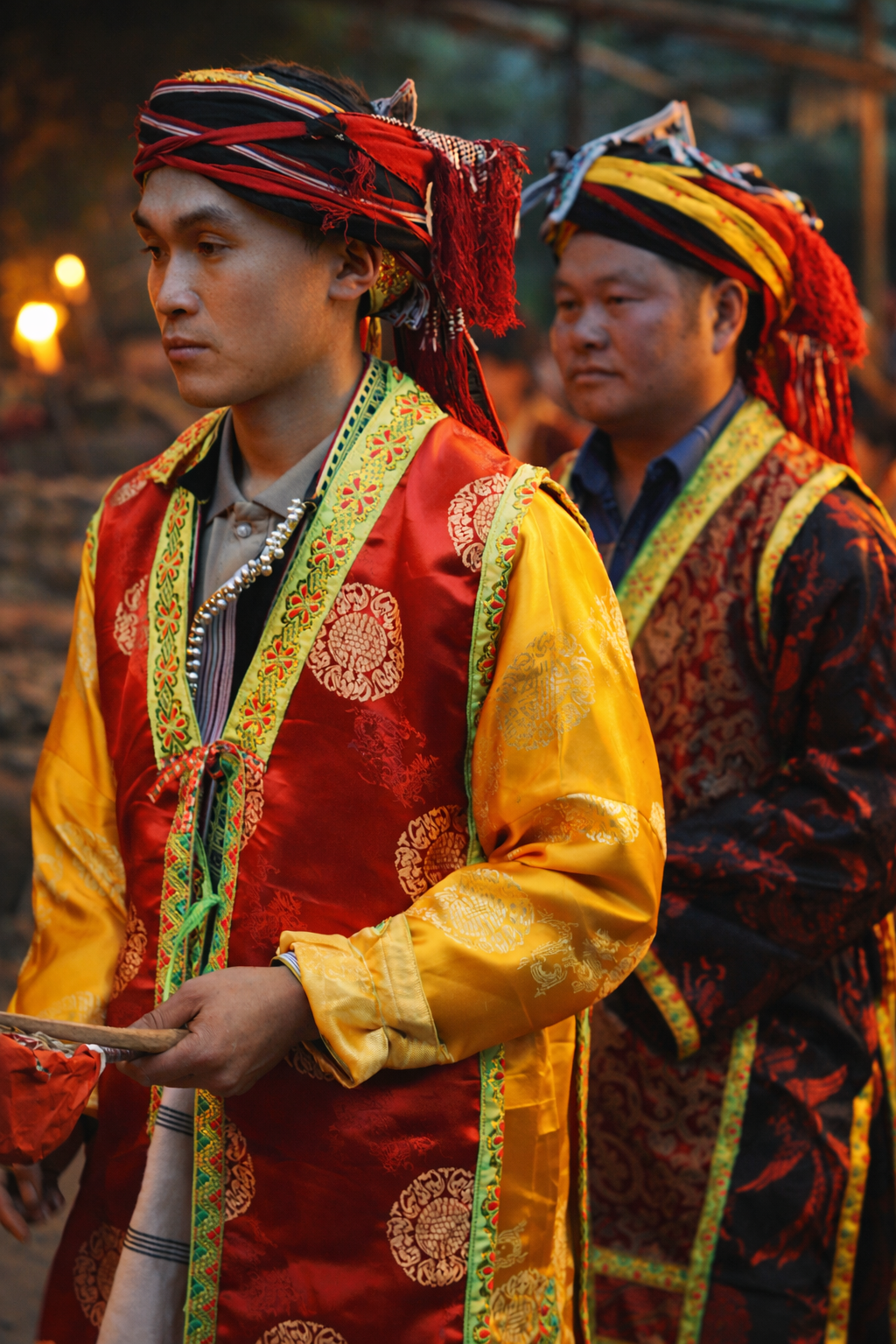
Frequency and Meaning
Cấp Sắc is generally performed only once in a person’s life and most often for men. It formally recognises the participant as a complete social and spiritual adult. Without undergoing this ritual, a person is considered spiritually incomplete regardless of age or family position. Only those who have completed Cấp Sắc are fully acknowledged by ancestors and spirit authorities after death. For participants, it is the most important shamanic and cosmological event they will ever experience. Many families save for years, and sometimes decades, in order to finance it. Those who are unable to afford the ceremony may save across several generations so that a single Cấp Sắc can eventually be held.
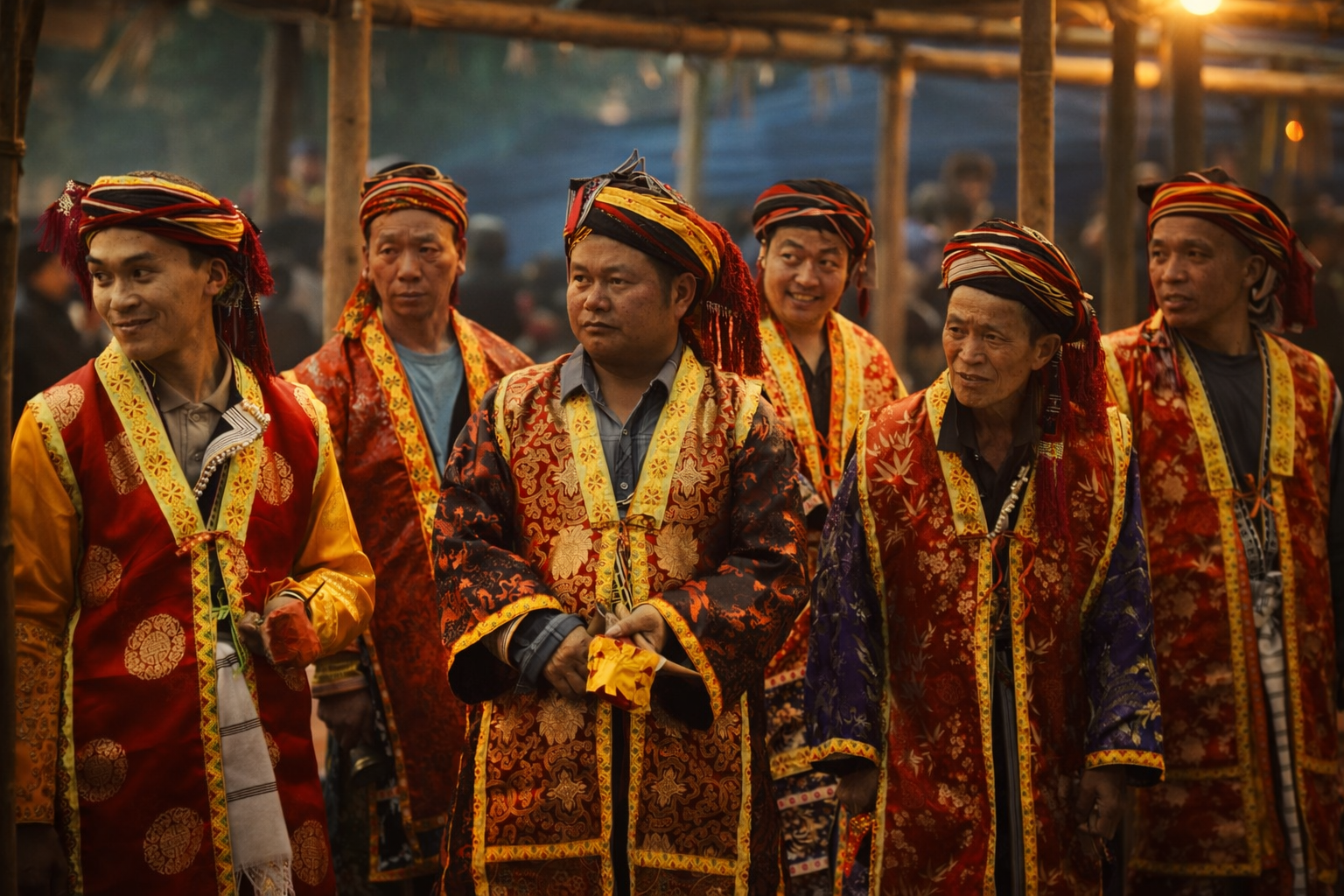
The ceremony is typically larger and longer than other Dao rituals. Depending on local tradition and lineage, preparation may take weeks, while the ritual itself can last for several days. It often involves several senior shamans who chant at length and play ritual trumpets. In this particular ceremony, thirty-one families were involved, with many additional community members and visitors attending over the course of the event. Ritual activity continues day and night, supported by temporary bamboo longhouse-style structures built to accommodate shamans, assistants and guests.
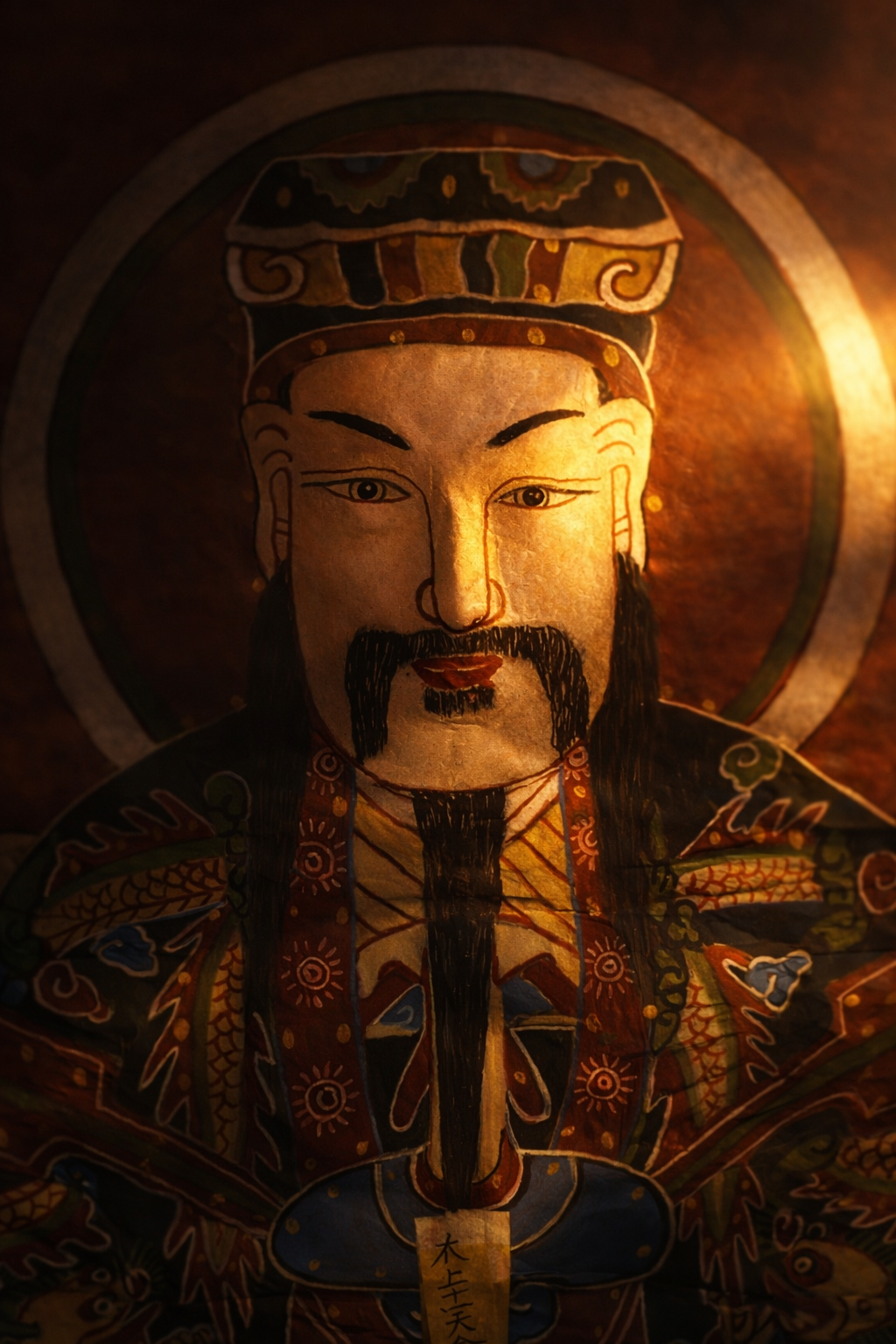
At its core, Cấp Sắc functions as an ordination into the Dao spiritual bureaucracy. Participants are symbolically given a ritual name, assigned a spirit guardian, granted permission to communicate with ancestors and deities, and formally registered within a celestial hierarchy. This registration is believed to be permanent and to hold authority across both the human and spirit worlds.
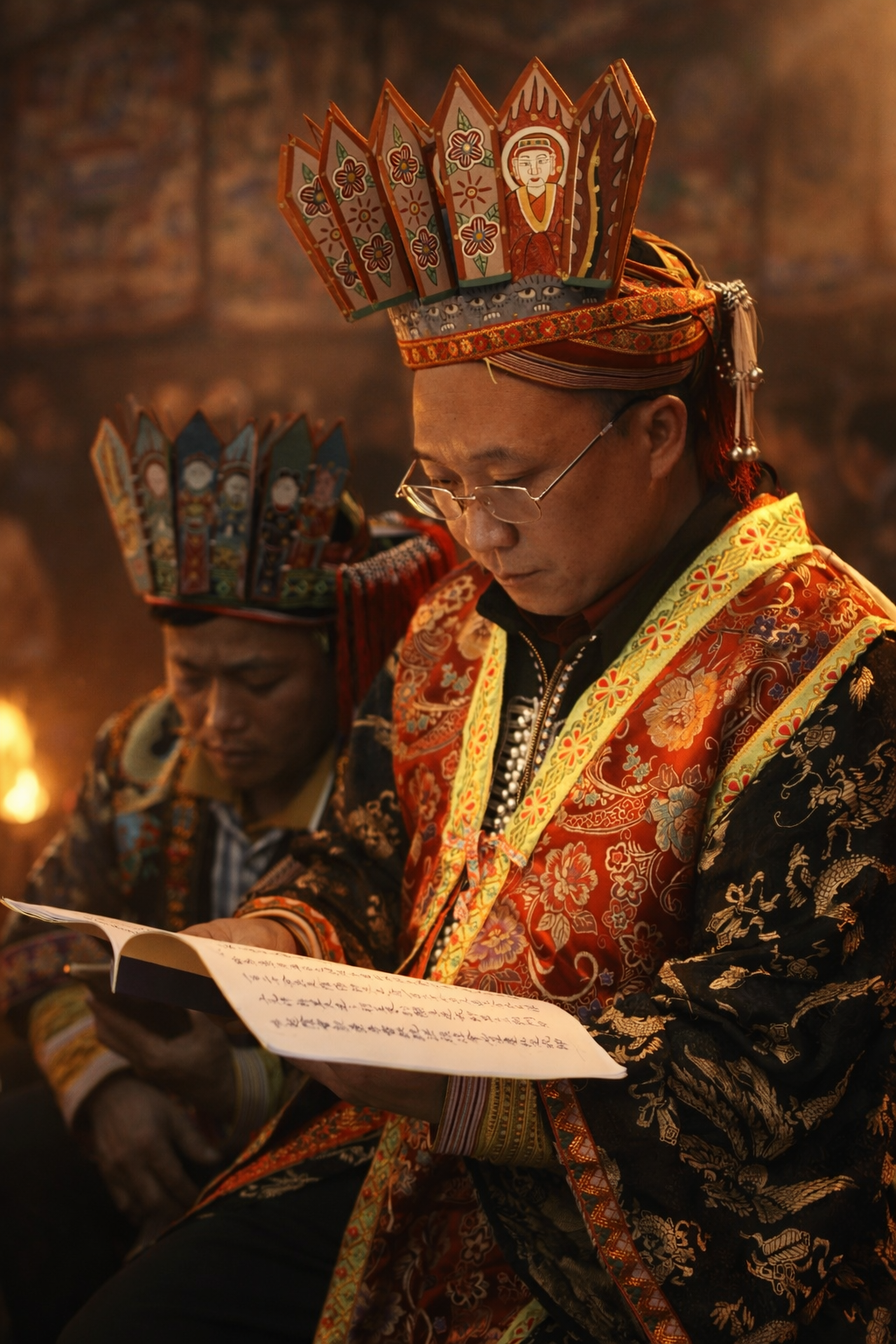
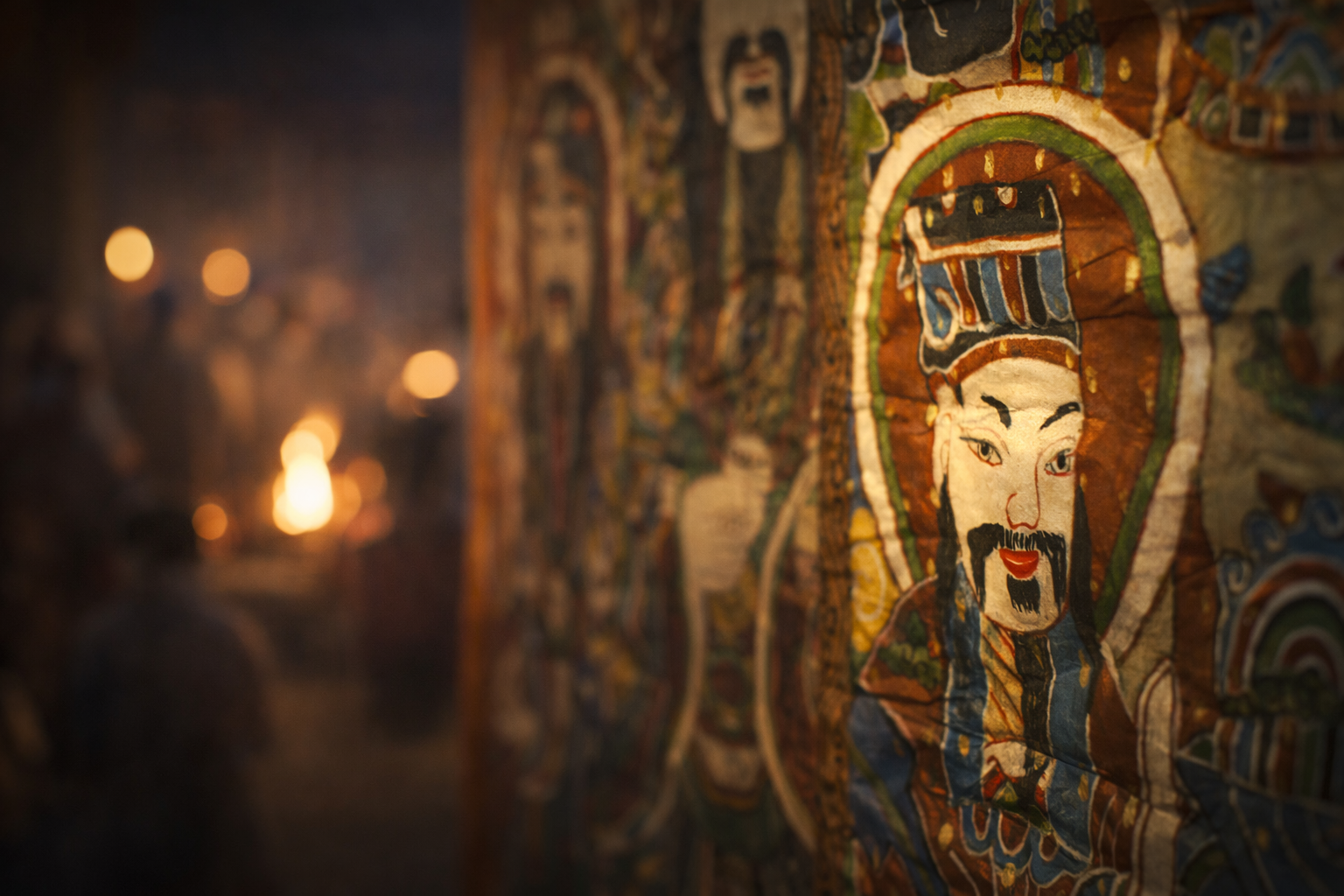
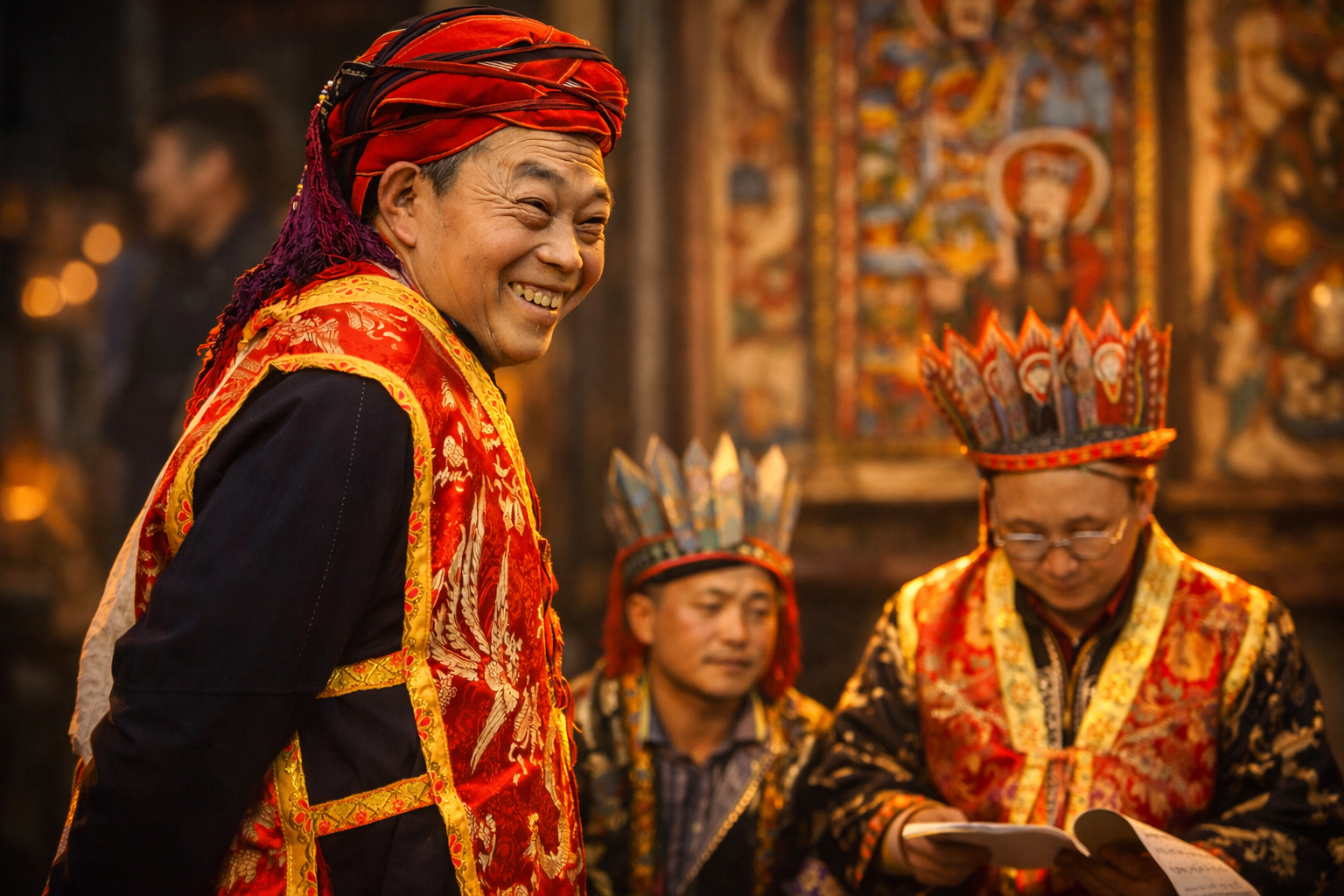
The ritual is overseen by a senior master shaman, supported by several other officiating shamans. They chant from extensive ritual texts that recount cosmic journeys, ancestral genealogies and the administrative procedures of the spirit realm. Instruments such as trumpets, bells and swords are used to mark transitions and to assert ritual authority. At key moments, particularly during spirit registration, oath-taking and the formal recognition of status, all shamans act in unison. These moments are regarded as especially powerful and irreversible.
Cấp Sắc has profound social as well as religious implications. Its completion confirms an individual’s moral responsibility to their ancestors, their eligibility to conduct family rituals, their full authority to marry within Dao norms and their right to be buried according to proper rites. Failure to complete the ceremony is believed to result in spiritual vulnerability during life and uncertainty after death.
While other large communal rituals, such as seven-day ceremonies, are intended to address collective misfortune or imbalance, Cấp Sắc is transformative at the level of the individual. It permanently alters a person’s status in both society and the cosmos. For many Dao participants, all other rituals undertaken during life are understood as preparatory or supplementary to this single defining event.
Position in the Modern World
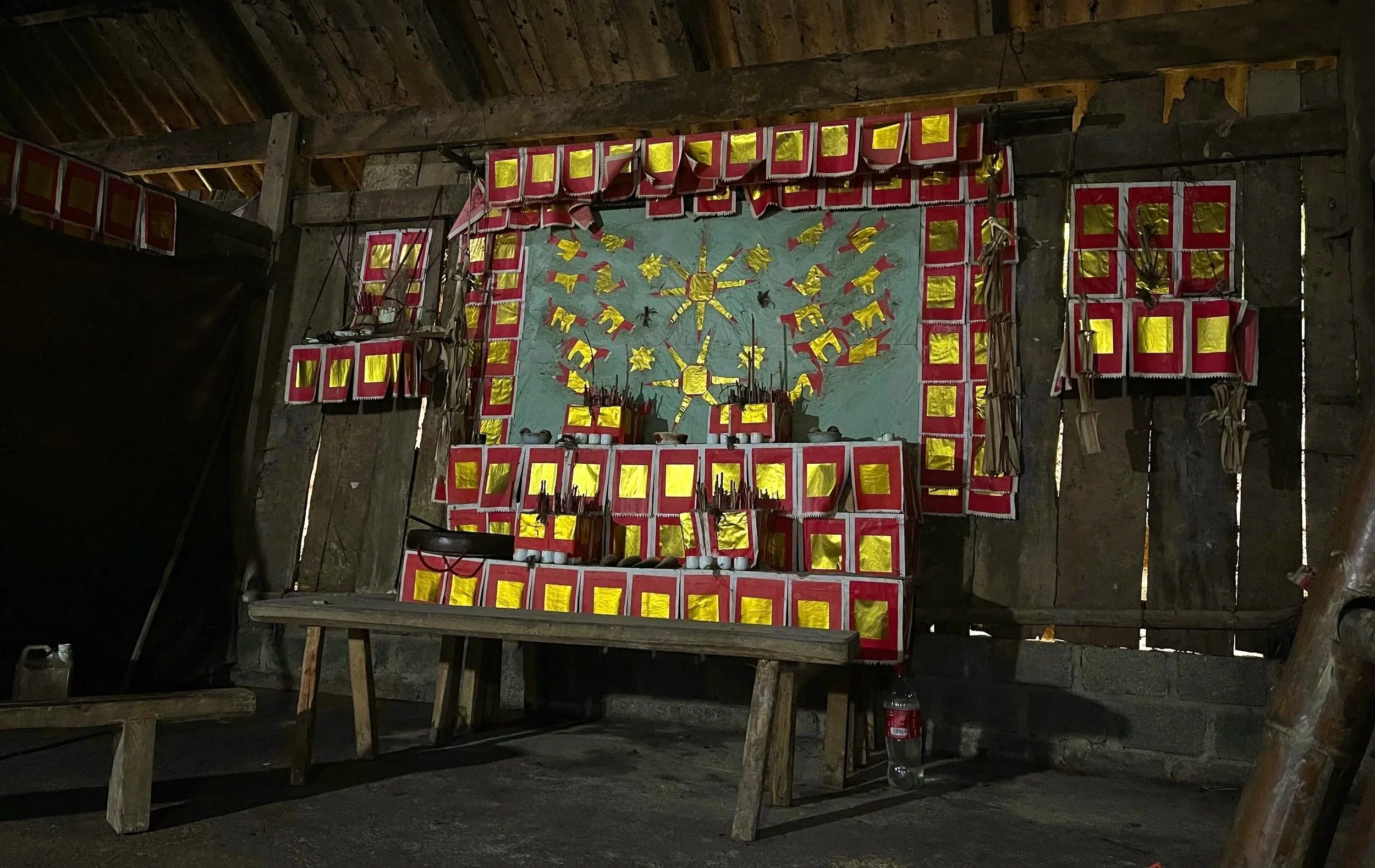
Today, Cấp Sắc continues to be practised, although its scale is sometimes adjusted in response to economic constraints. Despite these changes, it remains central to Dao identity and is widely regarded by Dao communities themselves as the most consequential ritual commitment a person can make. Among the Red Dao in particular, Cấp Sắc is typically large in scale and highly collective. It often resembles an extended communal ritual but carries a greater sense of symbolic finality. Strong collective chanting in unison, the prominent use of trumpets and percussive instruments, the visual dominance of red ritual textiles and paper, and the construction of temporary ceremonial architecture all reinforce its gravity. For Red Dao participants, the ceremony definitively establishes a person’s standing with ancestors and spirits, and failing to complete it is believed to shape one’s fate after death.
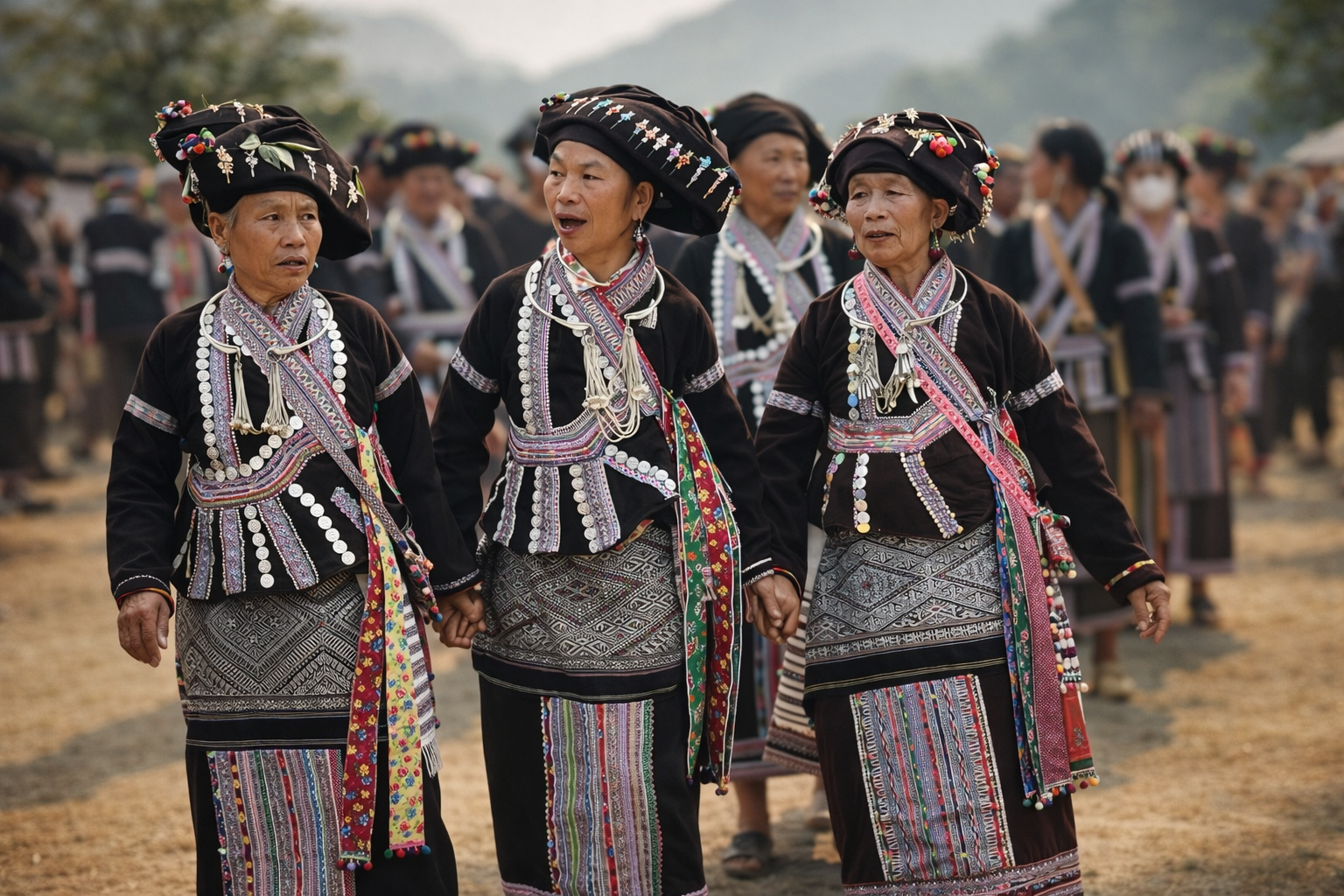
Bun Vốc Nặm - The Living Water Festival of the Lao People
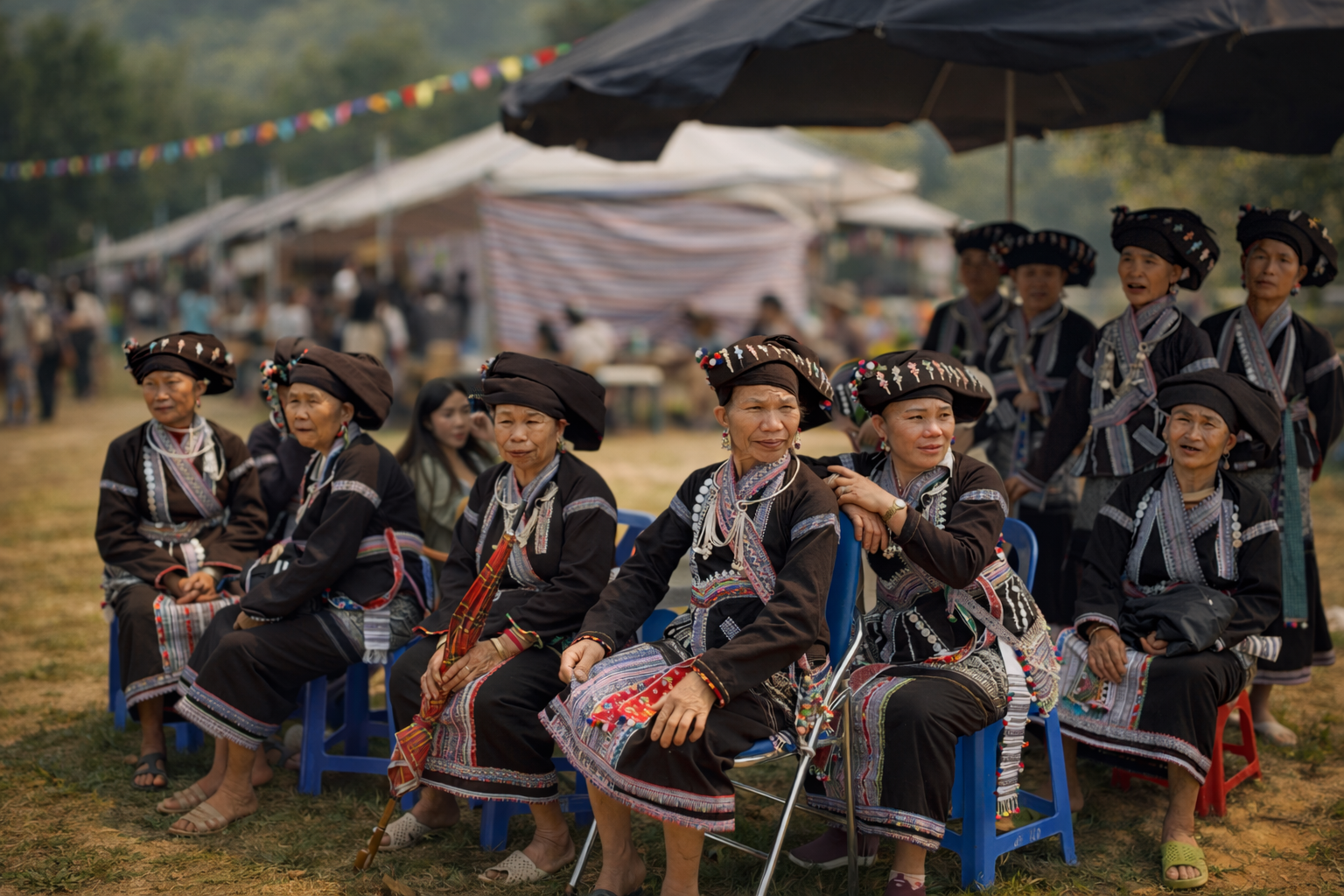
In the mountain valleys of Lai Châu, where streams shape both land and life, the Lao people gather each spring to celebrate Bun Vốc Nặm. This water festival is a joyful expression of renewal, gratitude, and connection, where laughter, ritual, and shared meals bind communities across generations.
In the quiet valleys of northern Vietnam, where rice fields stretch out along winding streams, the Lao ethnic community of Tam Đường lives in close rhythm with water. Here, water is not only a resource but a spirit, a blessing, and a thread that ties together agriculture, ritual, and daily life. Each year, as spring draws to a close and the dry season loosens its grip, villages gather to celebrate Bun Vốc Nặm, a water-splashing festival that embodies renewal, gratitude, and hope for the seasons ahead.
Though the Lao population in Vietnam is small, their cultural life remains deeply rooted and expressive. Bun Vốc Nặm is not simply a festival but a living inheritance, carried forward through gesture, song, and shared memory. It is a time when elders pass down stories, when laughter echoes through bamboo houses, and when water becomes a language of blessing.
A Festival of Renewal and Water
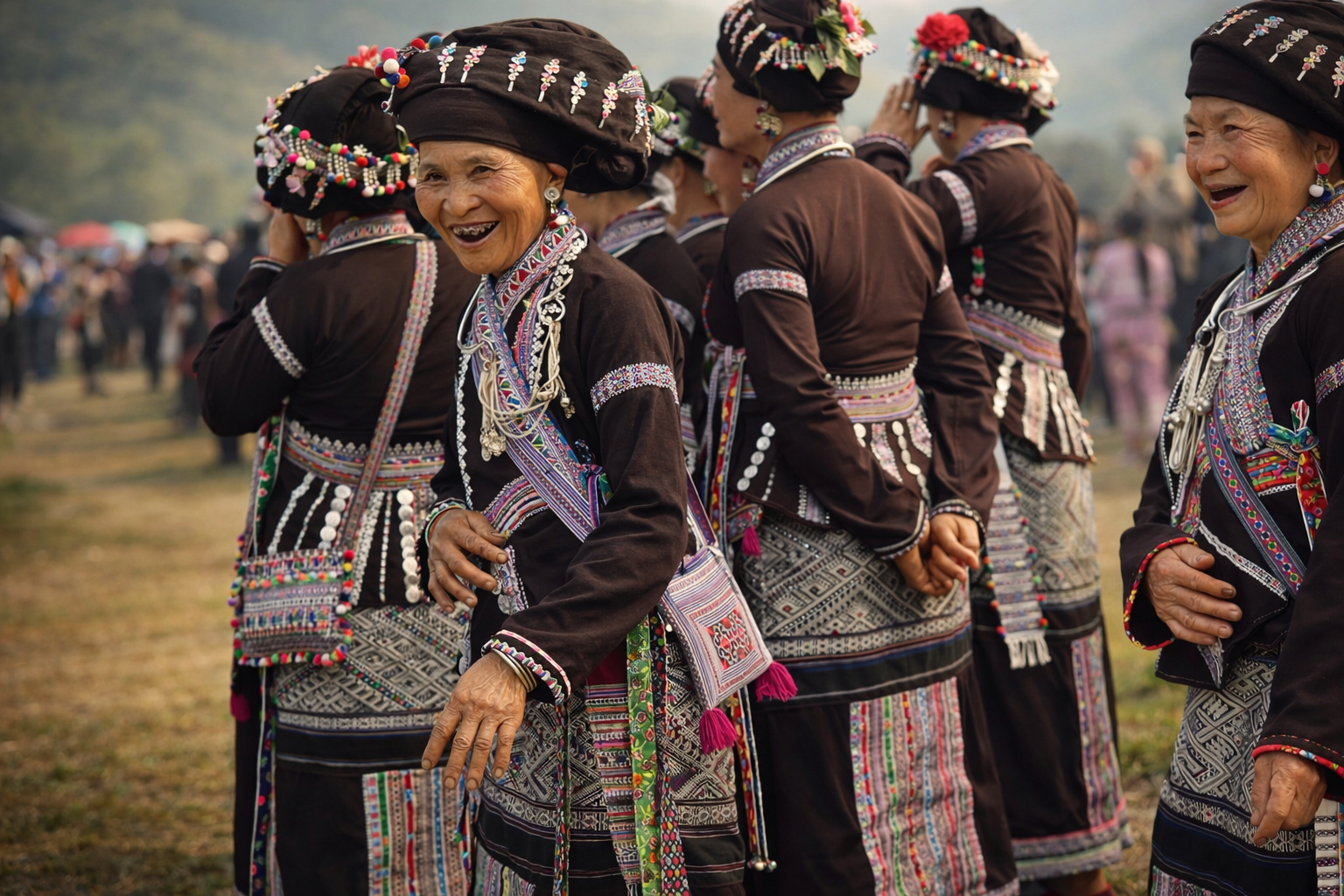
On the first day of Bun Vốc Nặm, the village awakens early, the air still cool with mountain mist. Families gather near streams or communal spaces, dressed in traditional garments, often adorned with handwoven patterns that speak quietly of identity and place. The atmosphere carries a sense of anticipation, of something both playful and sacred.
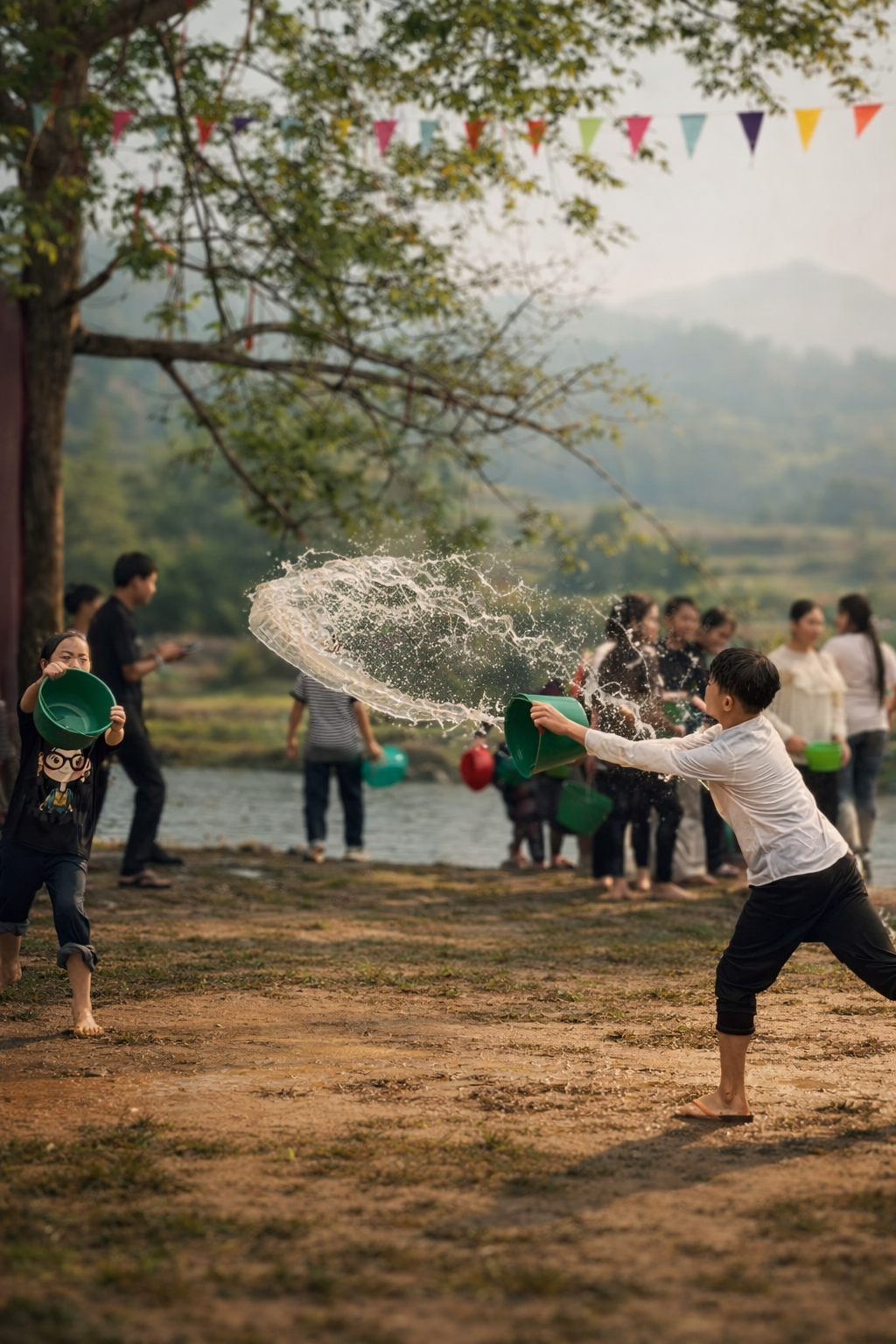
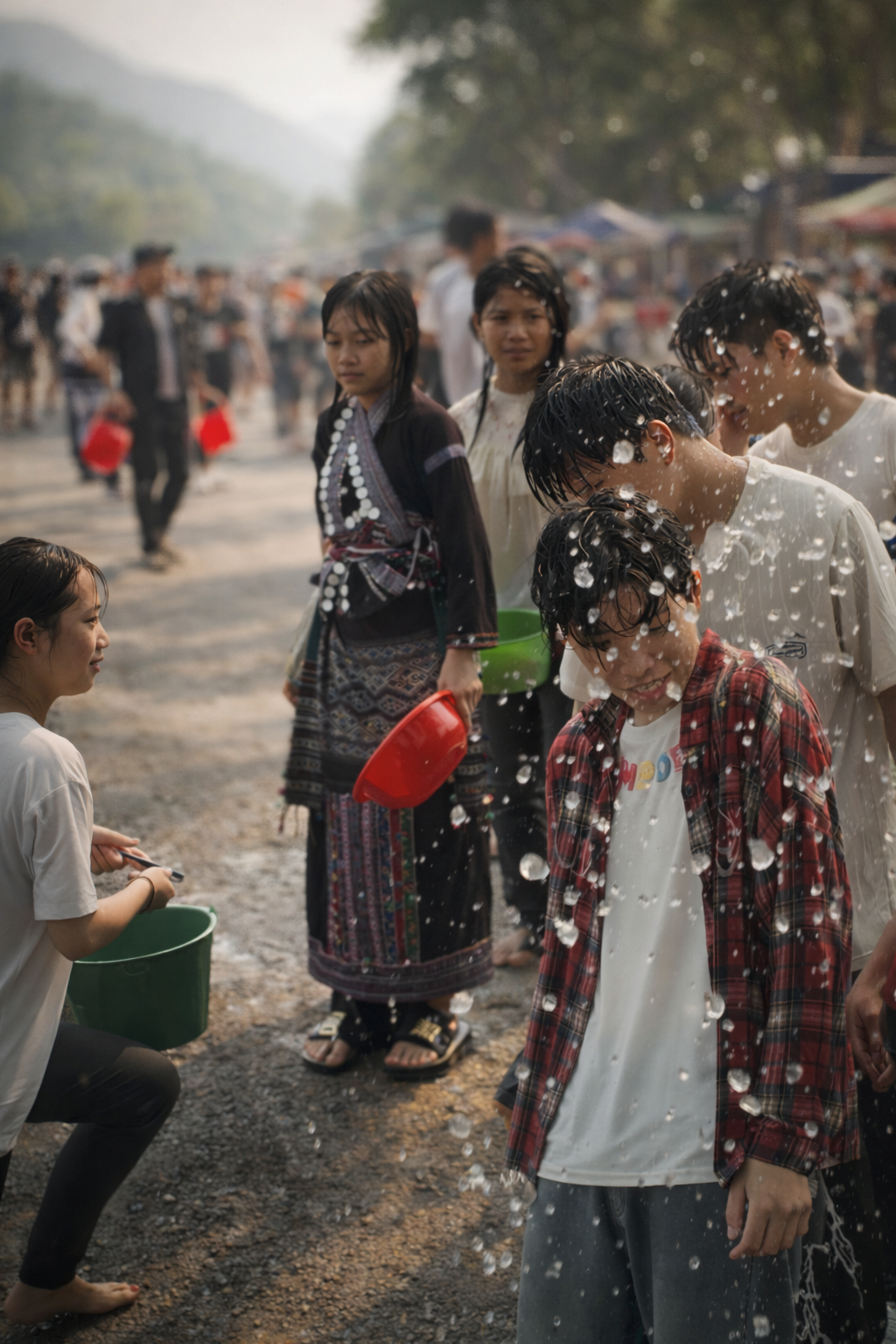
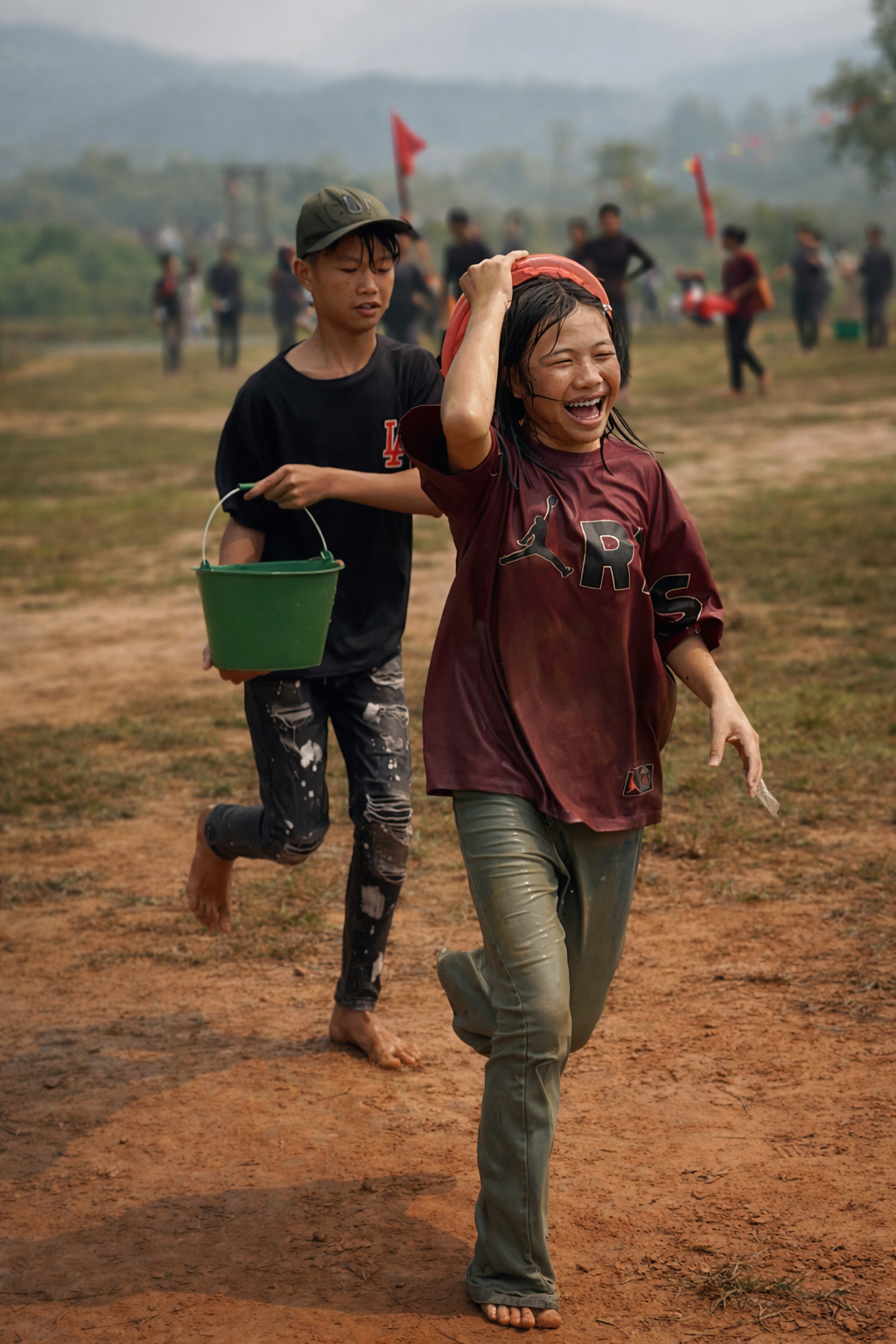
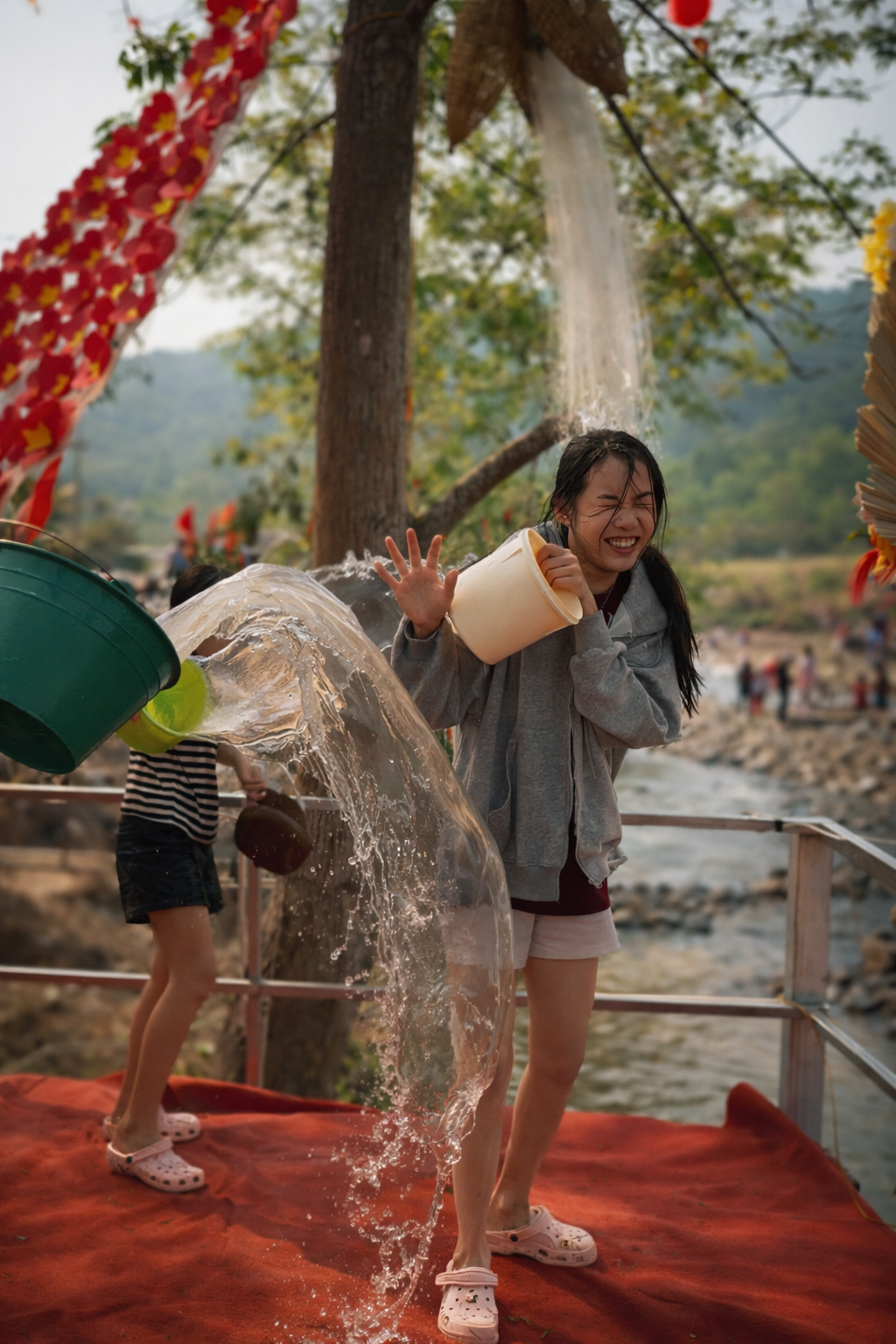
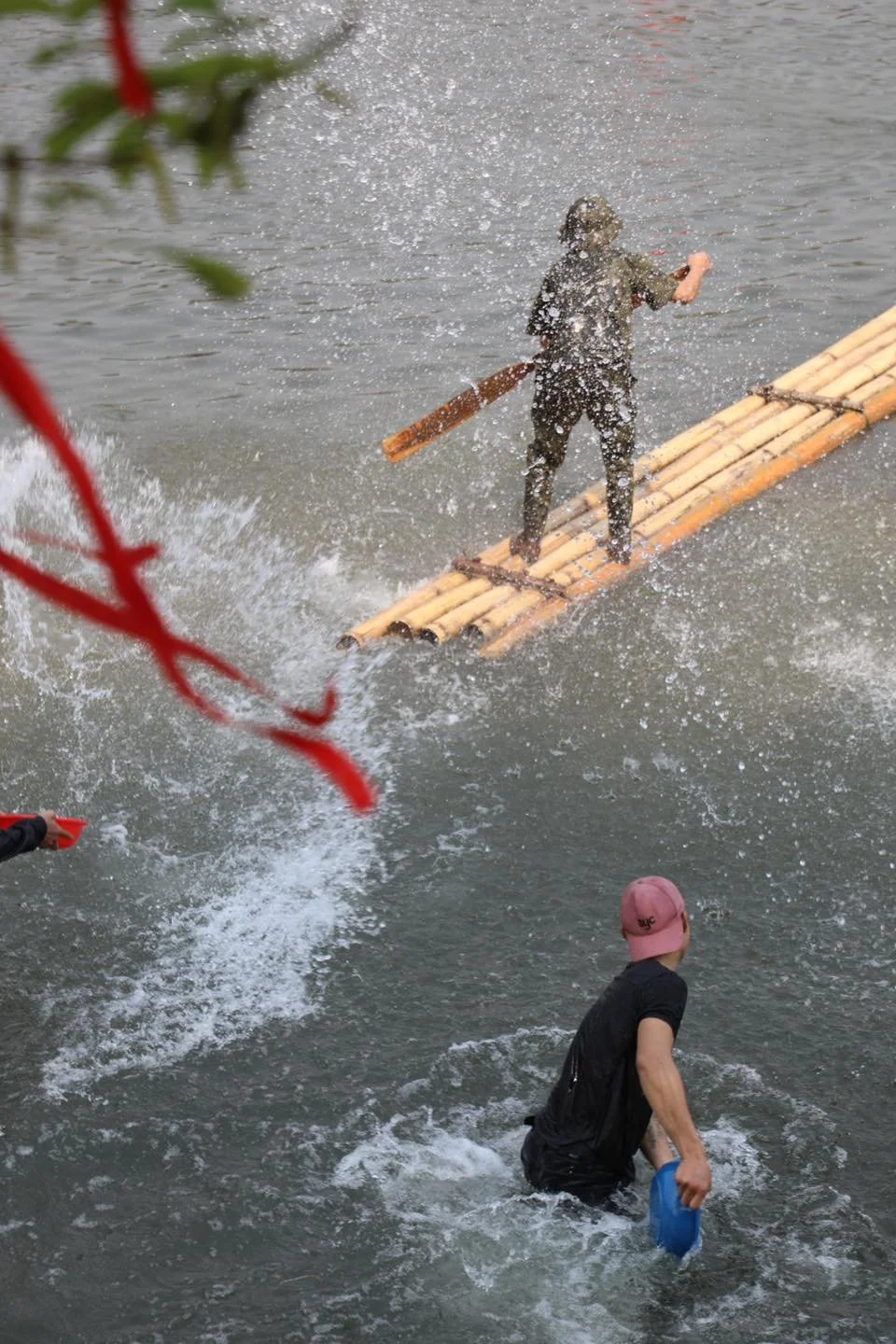
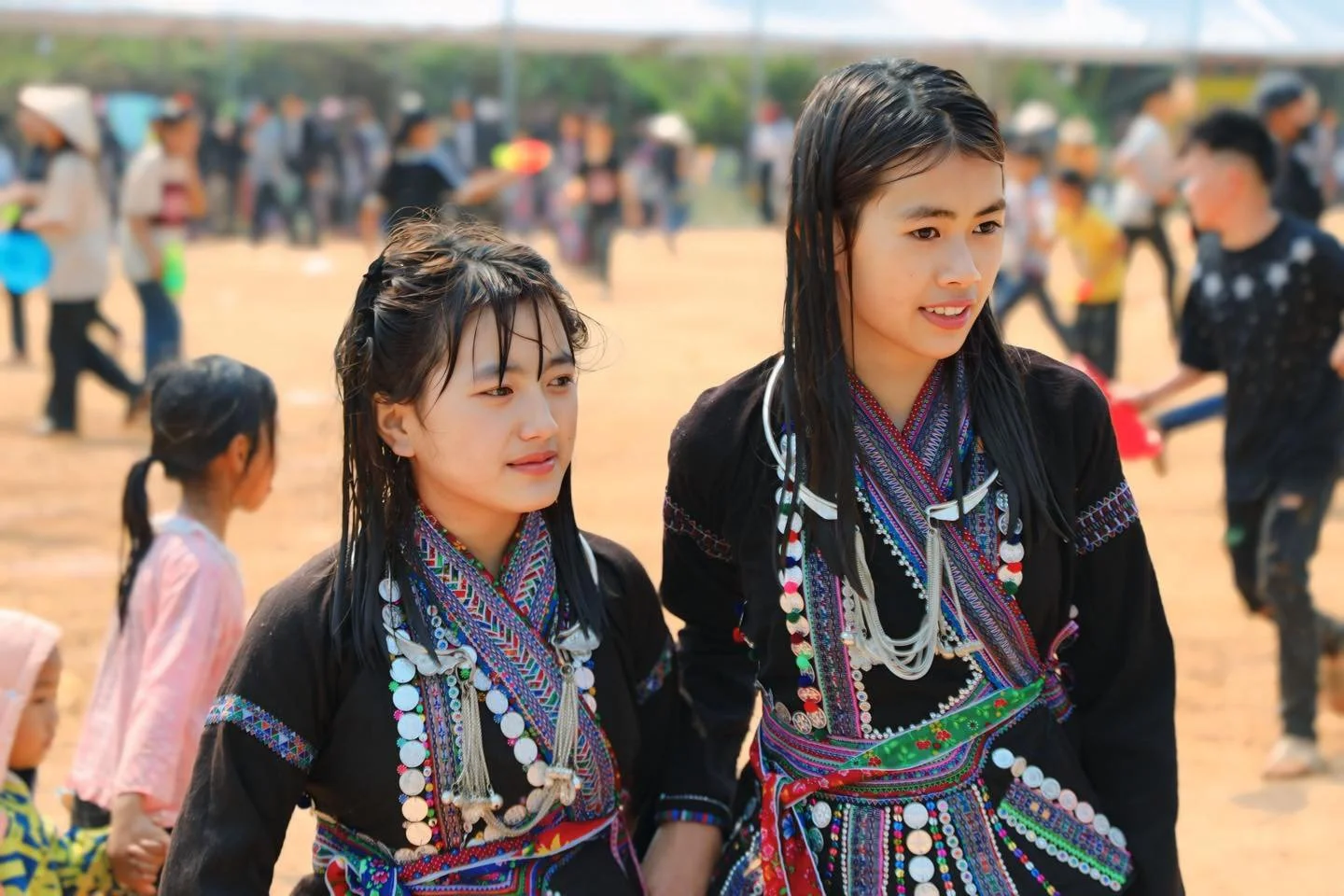
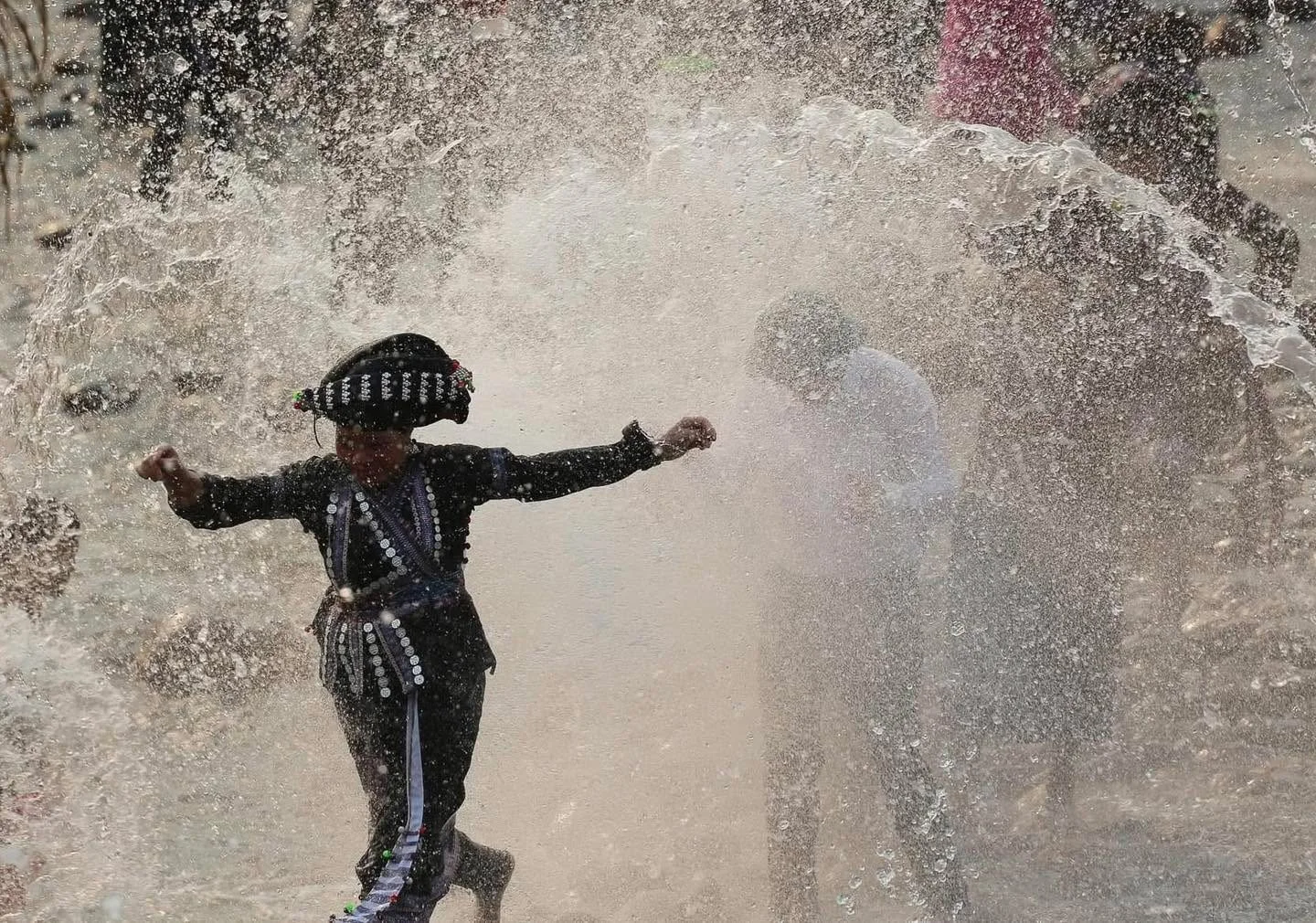
Water splashing begins gently, almost ceremonially, as elders sprinkle water over one another in a gesture of cleansing and goodwill. This act symbolises the washing away of misfortune, illness, and hardship from the past year, making space for prosperity and health. As the morning unfolds, the ritual softens into laughter, and the entire village becomes immersed in joyful chaos, with children darting between adults and friends drenching one another with buckets, bowls, and cupped hands.
The meaning remains rooted in respect, even in the height of the revelry. Water is never thrown carelessly but shared as a blessing, a wish for abundant harvests, favourable weather, and strong community bonds. Each splash carries intention, echoing the Lao belief that water connects the physical and spiritual worlds.
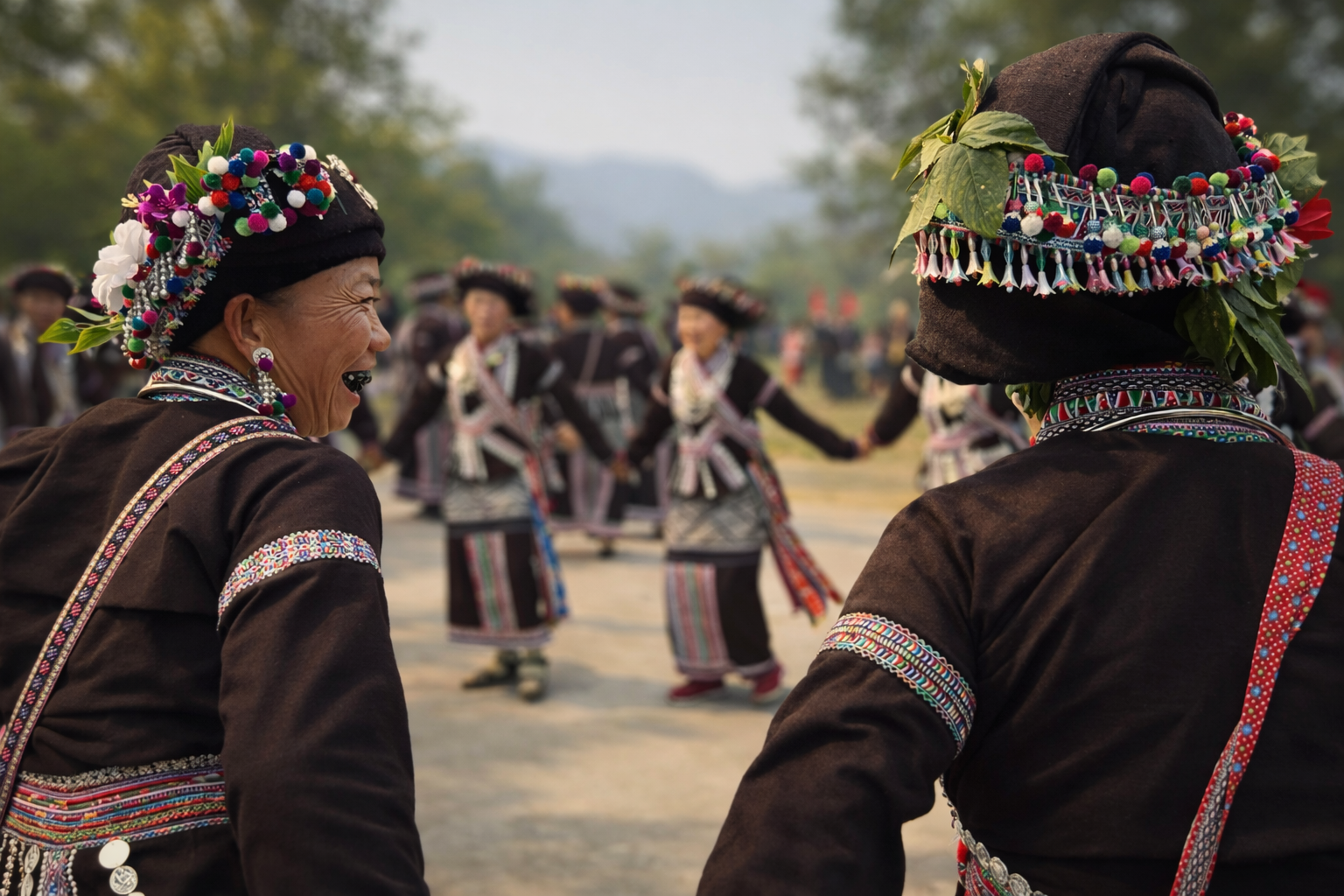
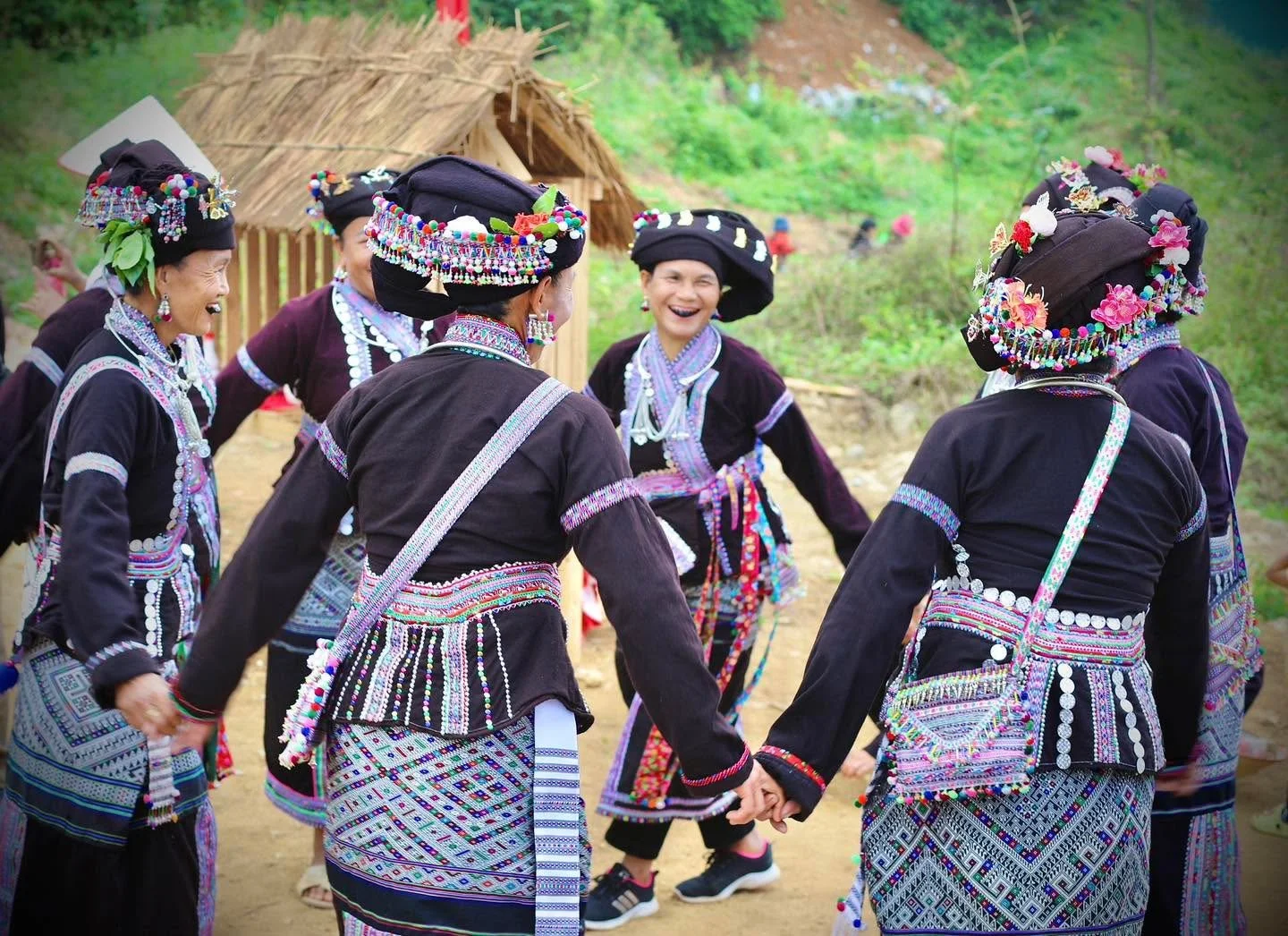
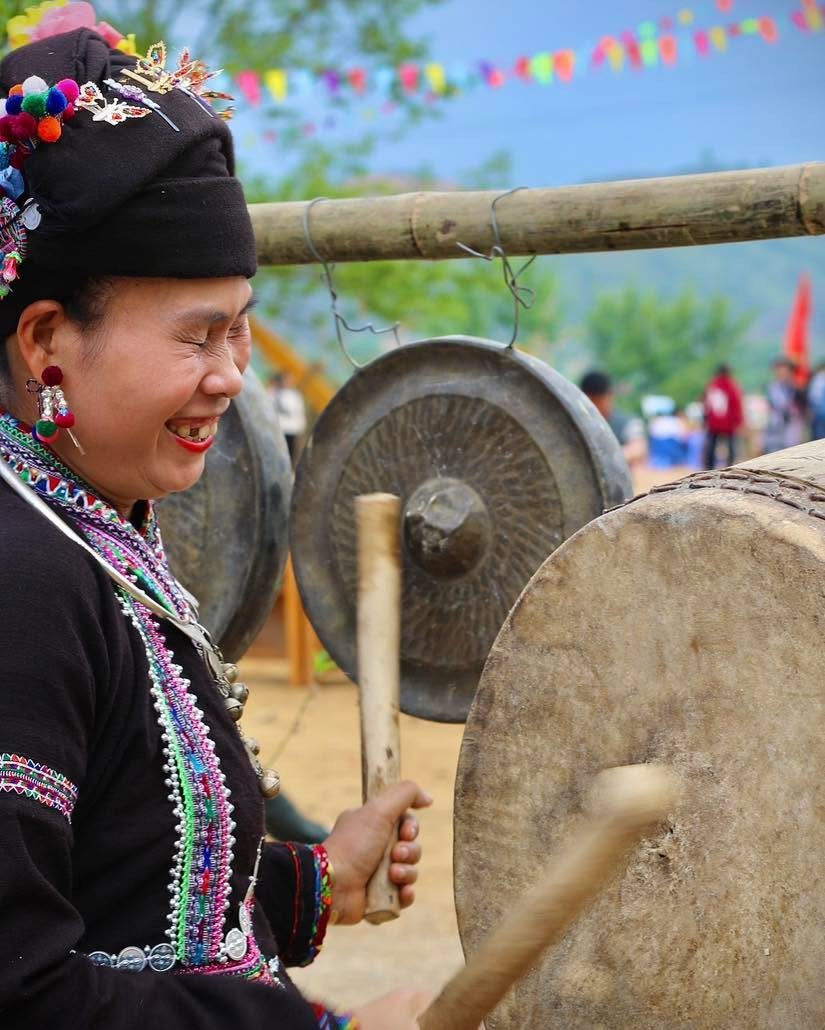
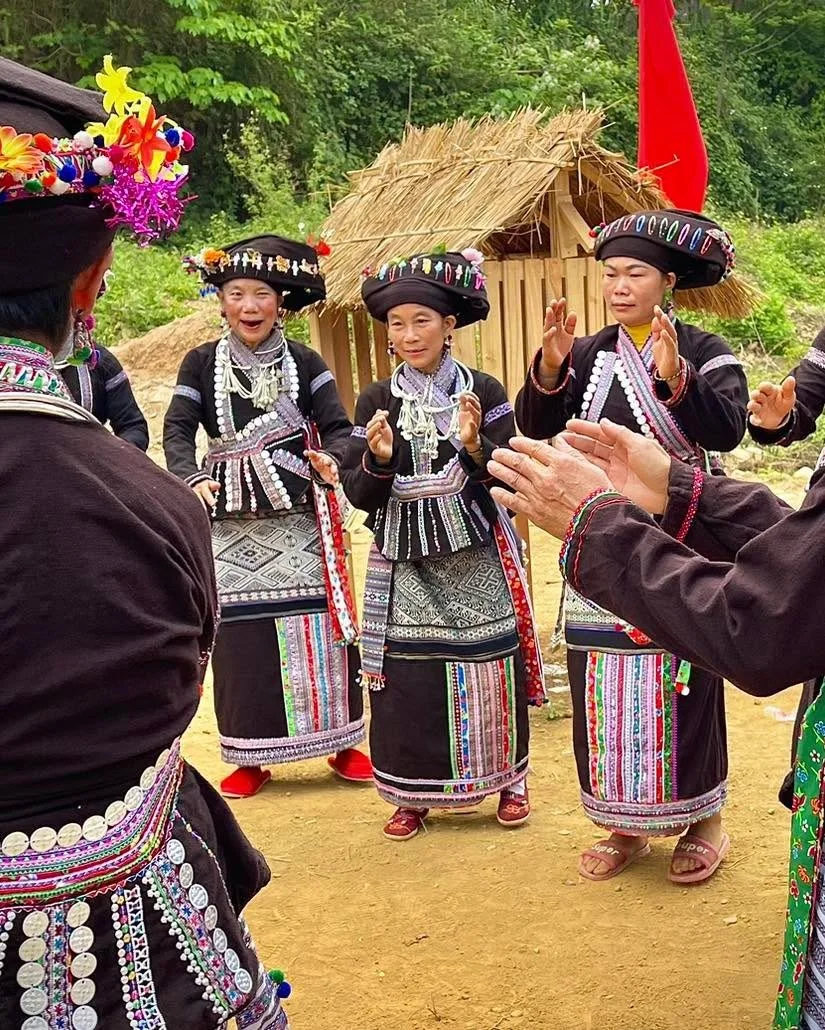
Throughout the day, music flows as steadily as the streams themselves. Traditional songs rise and fall in melodic patterns, accompanied by drums that guide the rhythm of communal dances. Lao dances are fluid and expressive, each movement reflecting harmony with nature. Hands curve like flowing water, feet step in time with unseen currents, and dancers move with a quiet grace that invites participation rather than performance.
Games weave through the celebrations, bringing together generations in friendly competition. Laughter becomes a constant presence, and visitors often find themselves gently drawn into the circle, learning through doing, through shared joy rather than observation.
When Water Turns to Play | Youth, Laughter, and Courtship
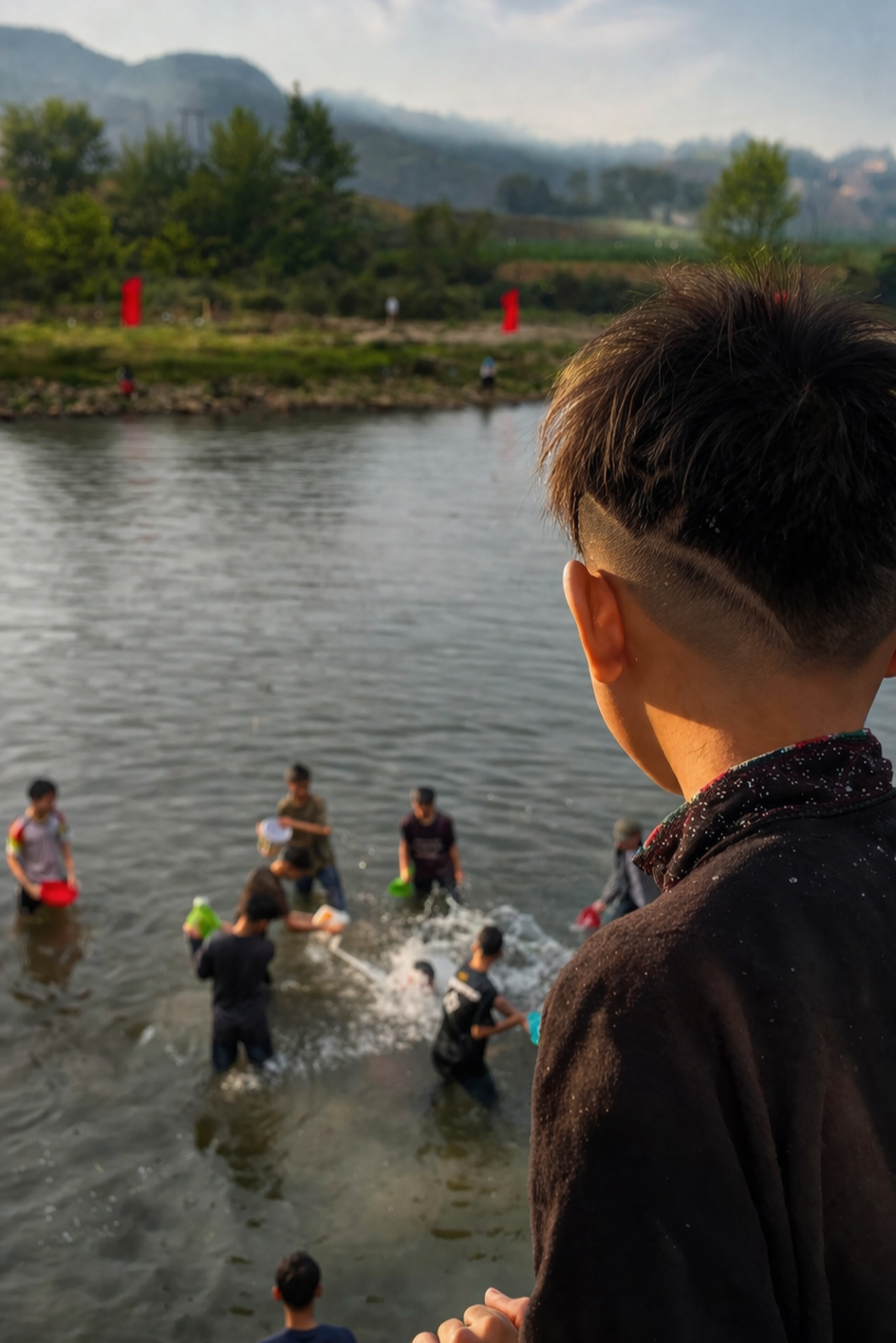
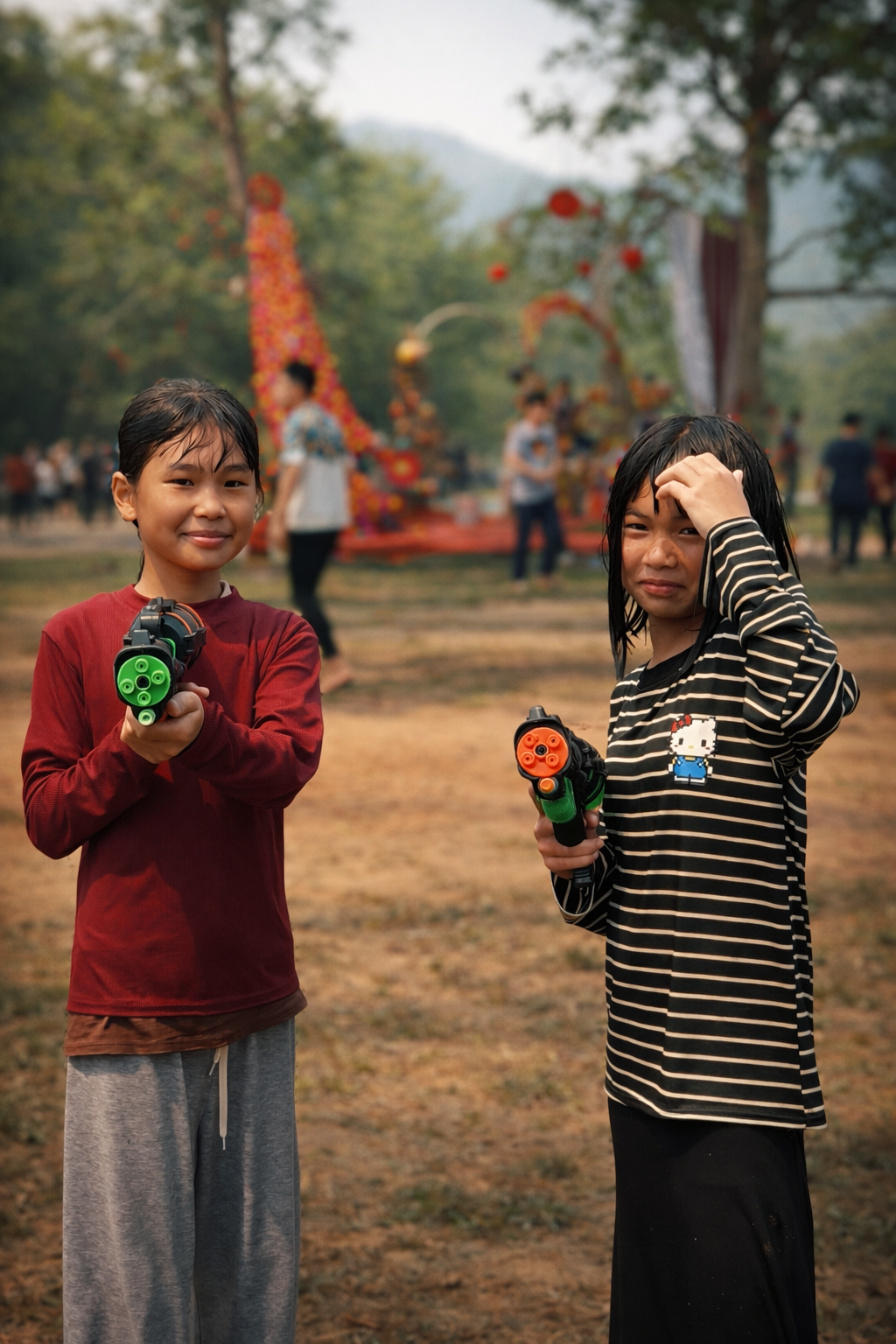
As the rituals soften into play, the younger generation begins to take centre stage, bringing with them a burst of energy that transforms the atmosphere entirely. Buckets are filled and refilled, water pistols appear from nowhere, and anything that can carry water becomes part of the celebration. What begins as gentle splashing quickly gathers momentum, unfolding into lively, good-natured water battles that ripple through the village. Groups form and dissolve, alliances shift, and laughter rises above the steady rhythm of drums. There is a sense of freedom in these moments, where boundaries blur and everyone, regardless of age or status, is drawn into the joy. Between the splashes, there are quiet exchanges too, glances held a little longer than usual, playful teasing, and the beginnings of flirtation that feel as much a part of the festival as the rituals themselves. Some drift towards the streams to swim, cooling off beneath the mountain sun, while others linger at the edges, watching and waiting for the next playful ambush. It is here, in this shared spontaneity, that the spirit of renewal feels most alive.
Day Two - Craft, Skill, and the Spirit of Community
As the second day unfolds, the energy shifts subtly, moving from the playful intimacy of water rituals to a broader celebration of skill, cooperation, and sustenance. Men from across neighbouring villages gather, bringing with them tools, materials, and a deep knowledge of craft that has been shaped over generations.
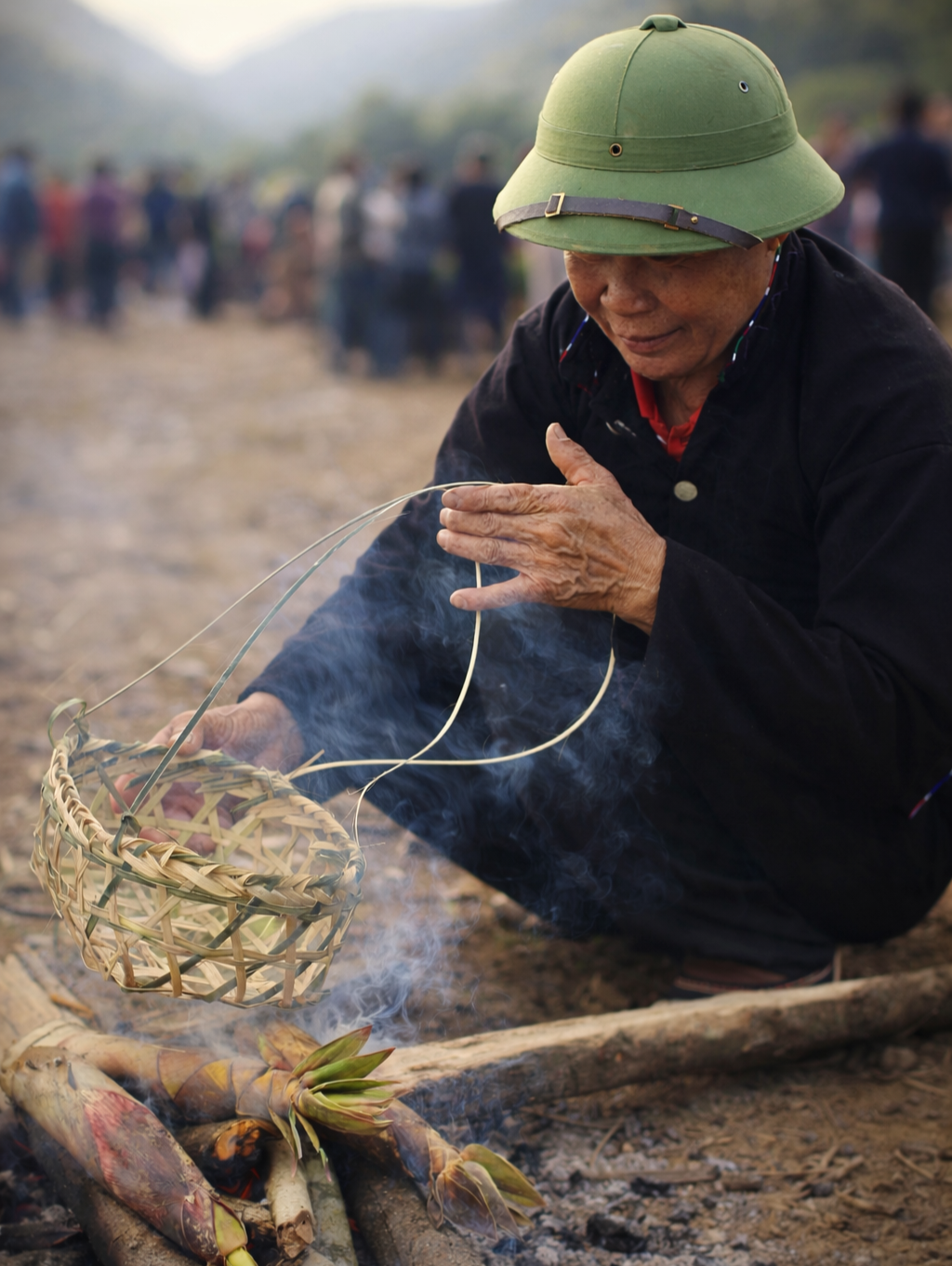
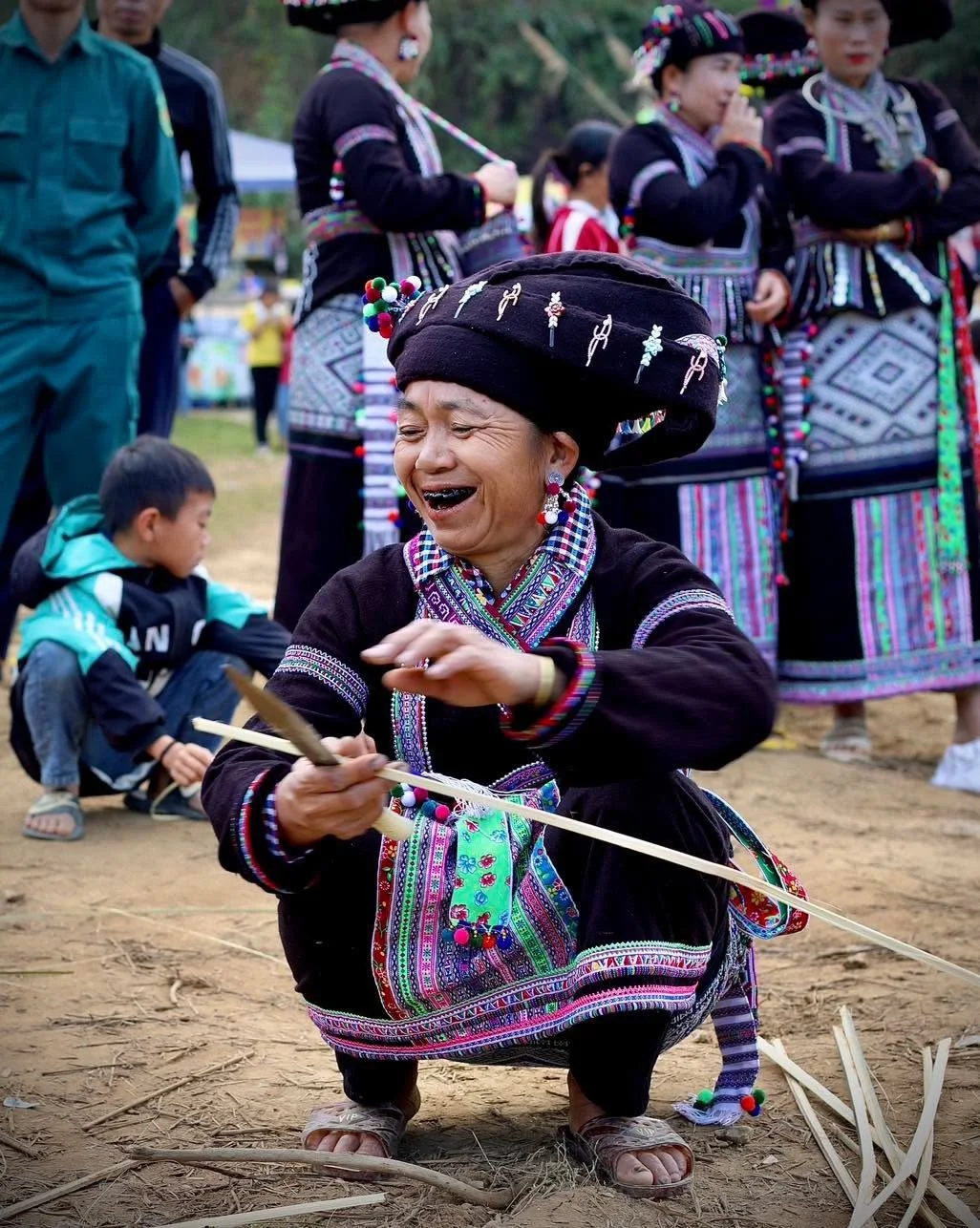
Basket weaving competitions take centre stage, where participants work swiftly yet with remarkable precision, transforming strips of bamboo into intricate forms. Each basket tells a story of function and artistry, reflecting the rhythms of agricultural life and the ingenuity of those who depend on the forest and fields.
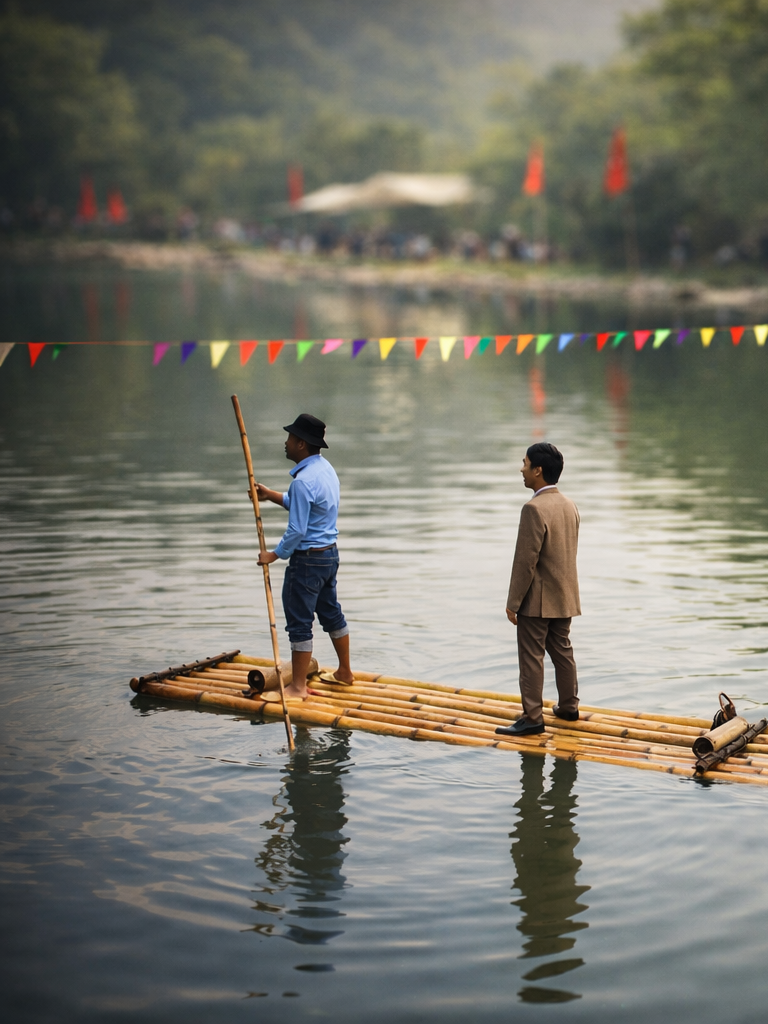
Nearby, rivers and streams come alive with bamboo raft races. Teams balance carefully on handmade rafts, navigating currents with a mixture of strength, coordination, and laughter. The races are as much about community pride as they are about skill, drawing cheers from spectators who line the banks.
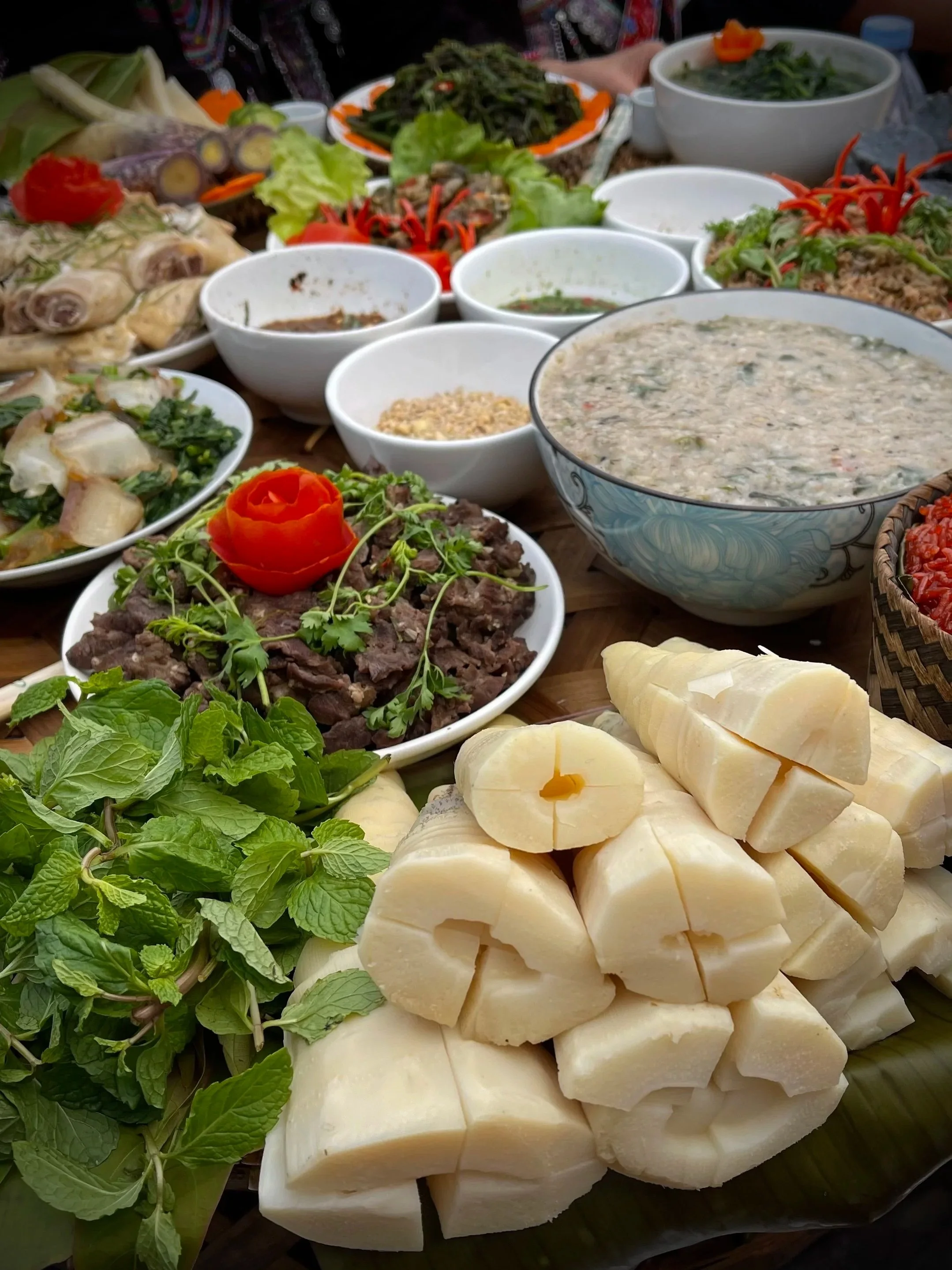
Food becomes a central expression of identity during this second day, particularly through the multi-village cooking competitions. What makes these gatherings remarkable is not only the diversity of dishes but the philosophy behind them. Every ingredient must be sourced locally, either grown in village fields or foraged from surrounding forests and waterways.
Dishes often include river weeds gathered from clear mountain streams, small pond fish caught with traditional methods, aromatic herbs found along forest paths, and even water insects, which are prepared with care and respect. These foods are not curiosities but staples, deeply connected to the landscape and seasons. Cooking becomes a collective act of storytelling, where each flavour speaks of place, resilience, and knowledge passed down through generations.
Visitors who are invited to taste these dishes often discover a cuisine that is both surprising and deeply nourishing, shaped by necessity yet elevated by creativity.
Beauty, Identity, and Living Traditions
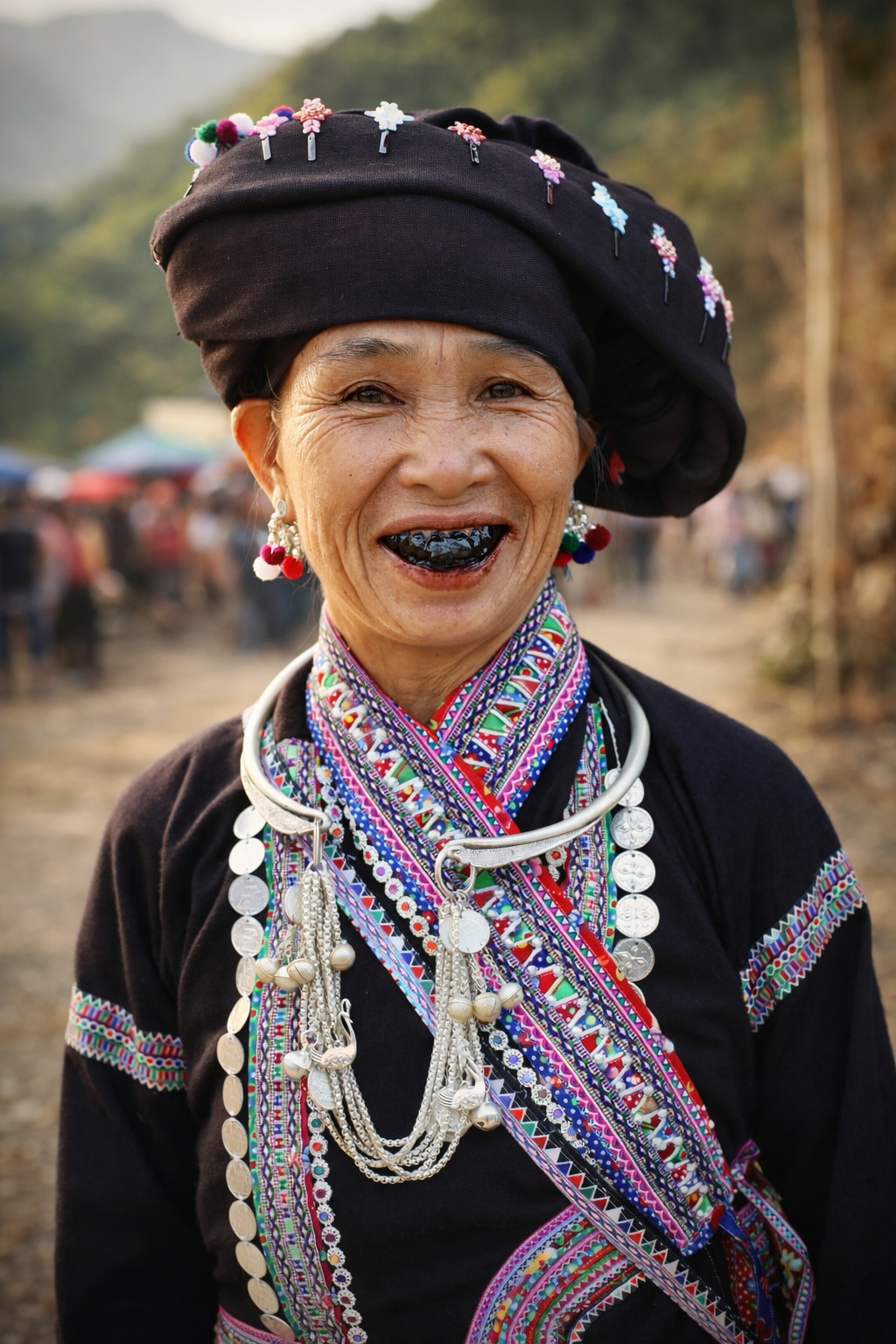
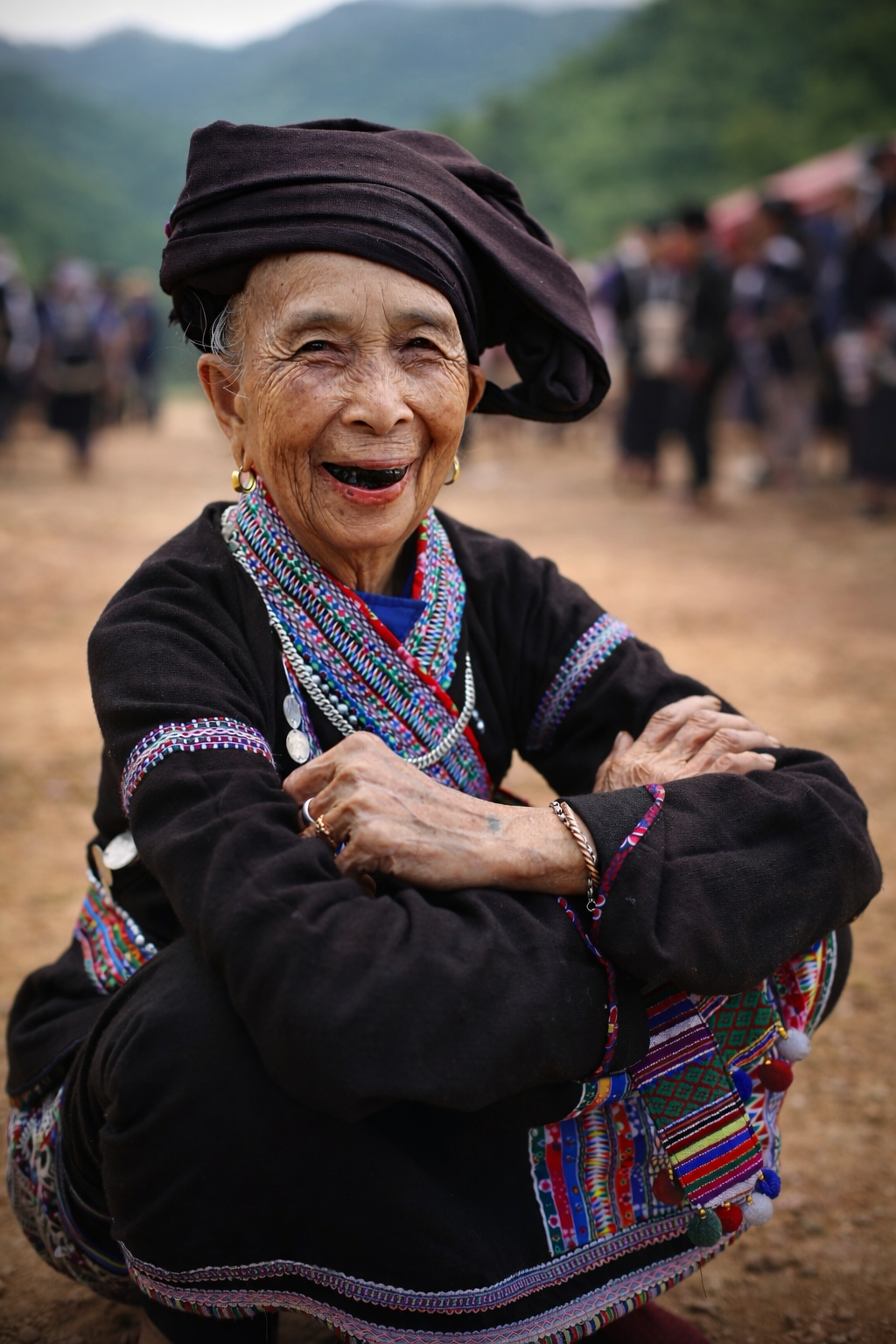
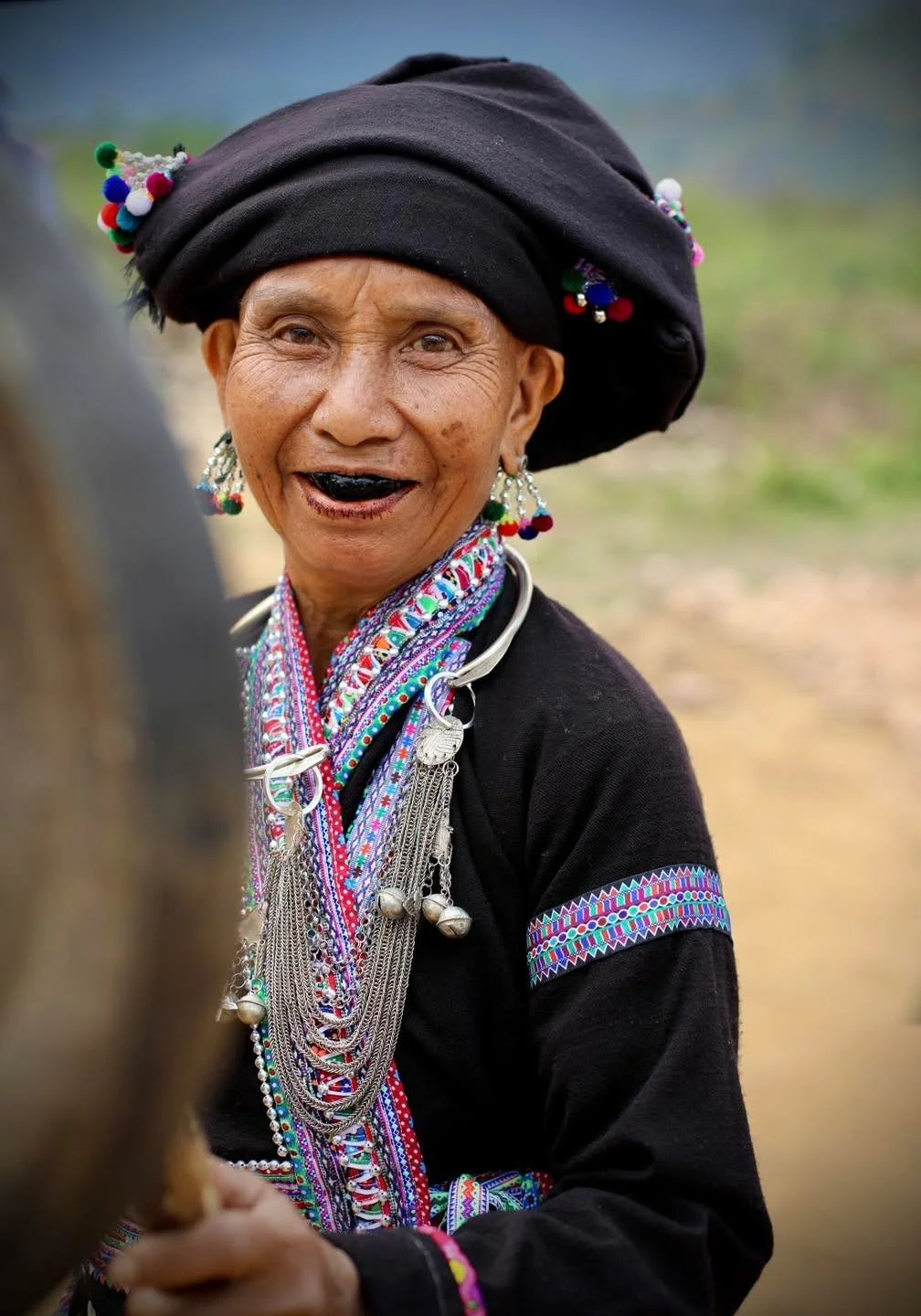
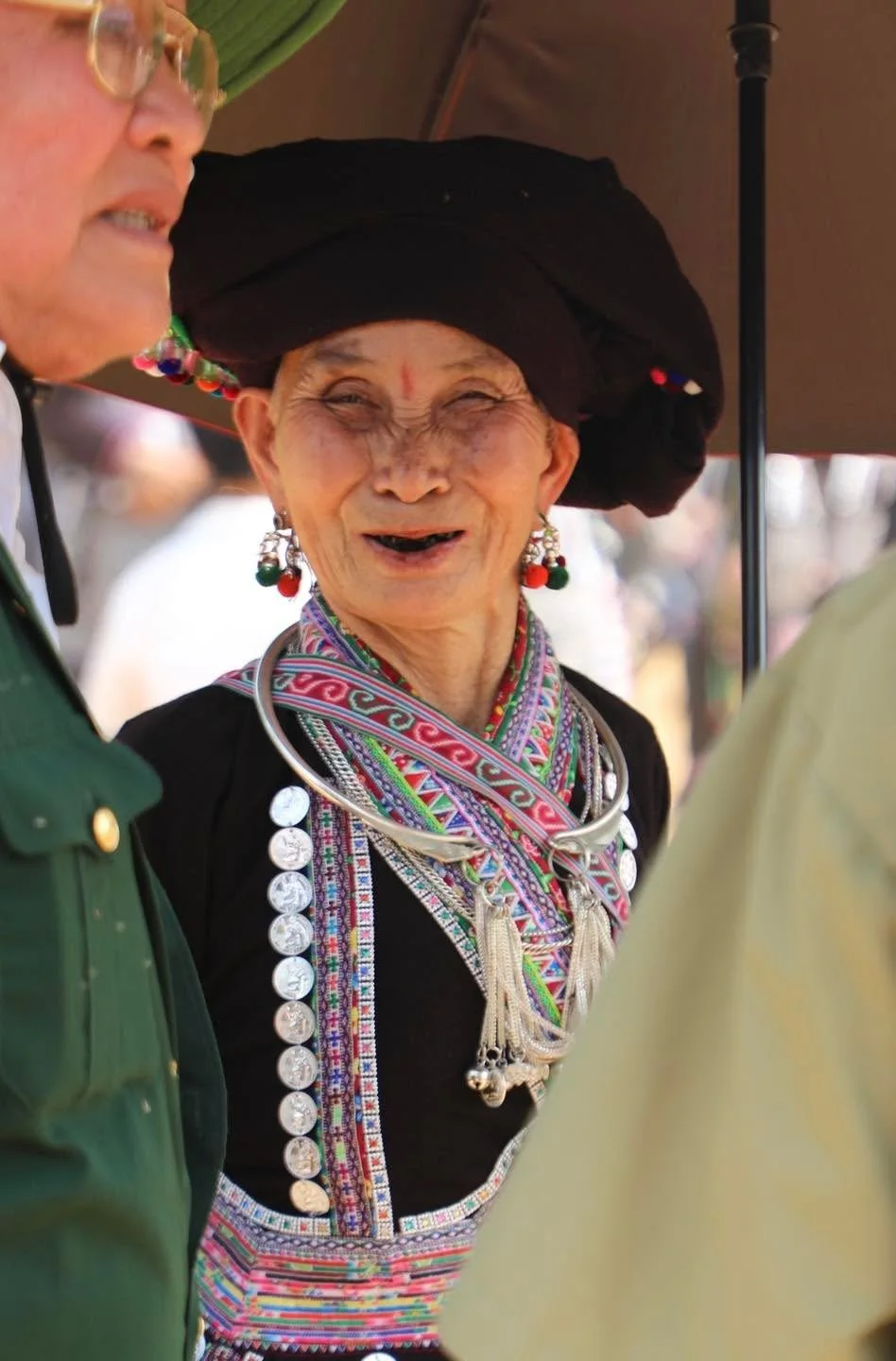
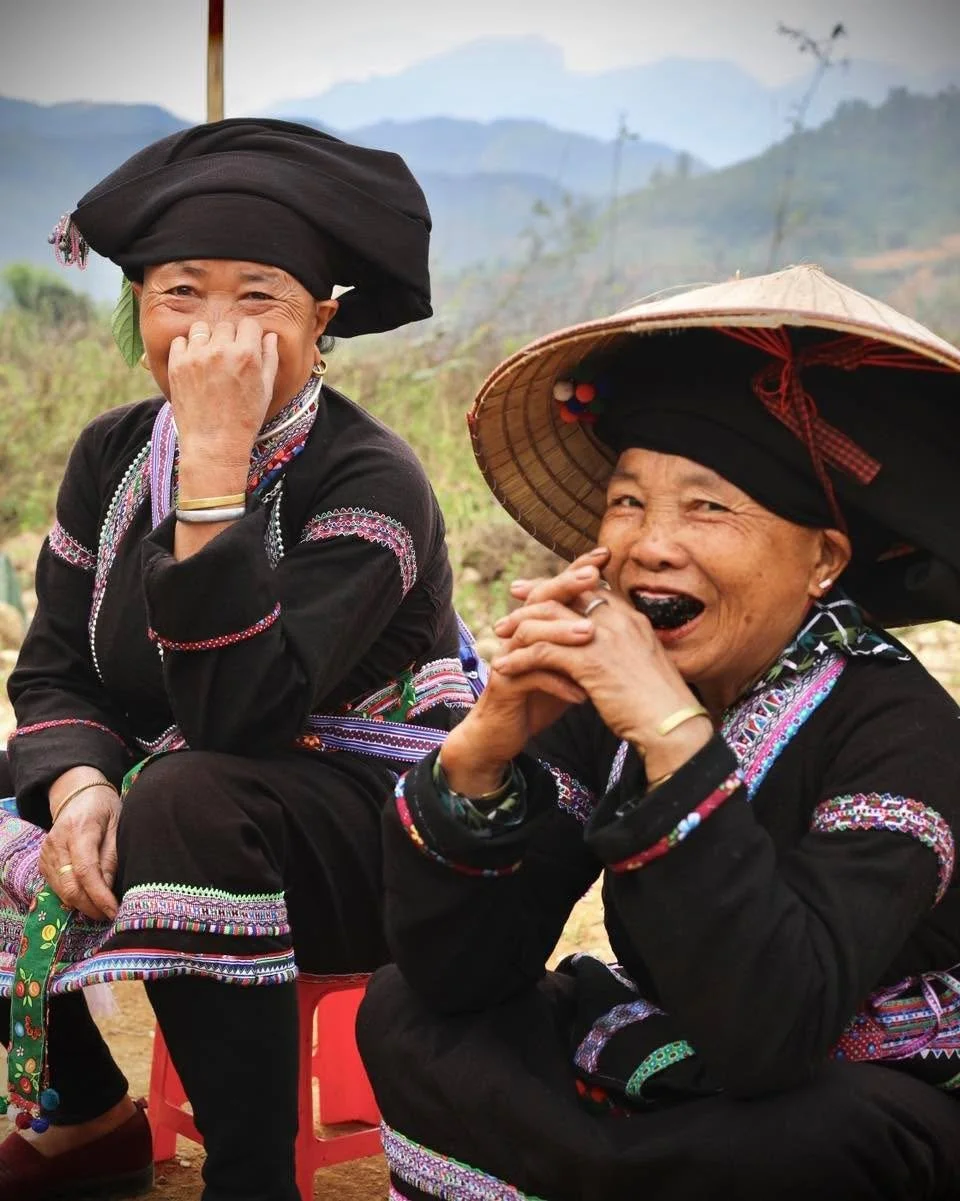
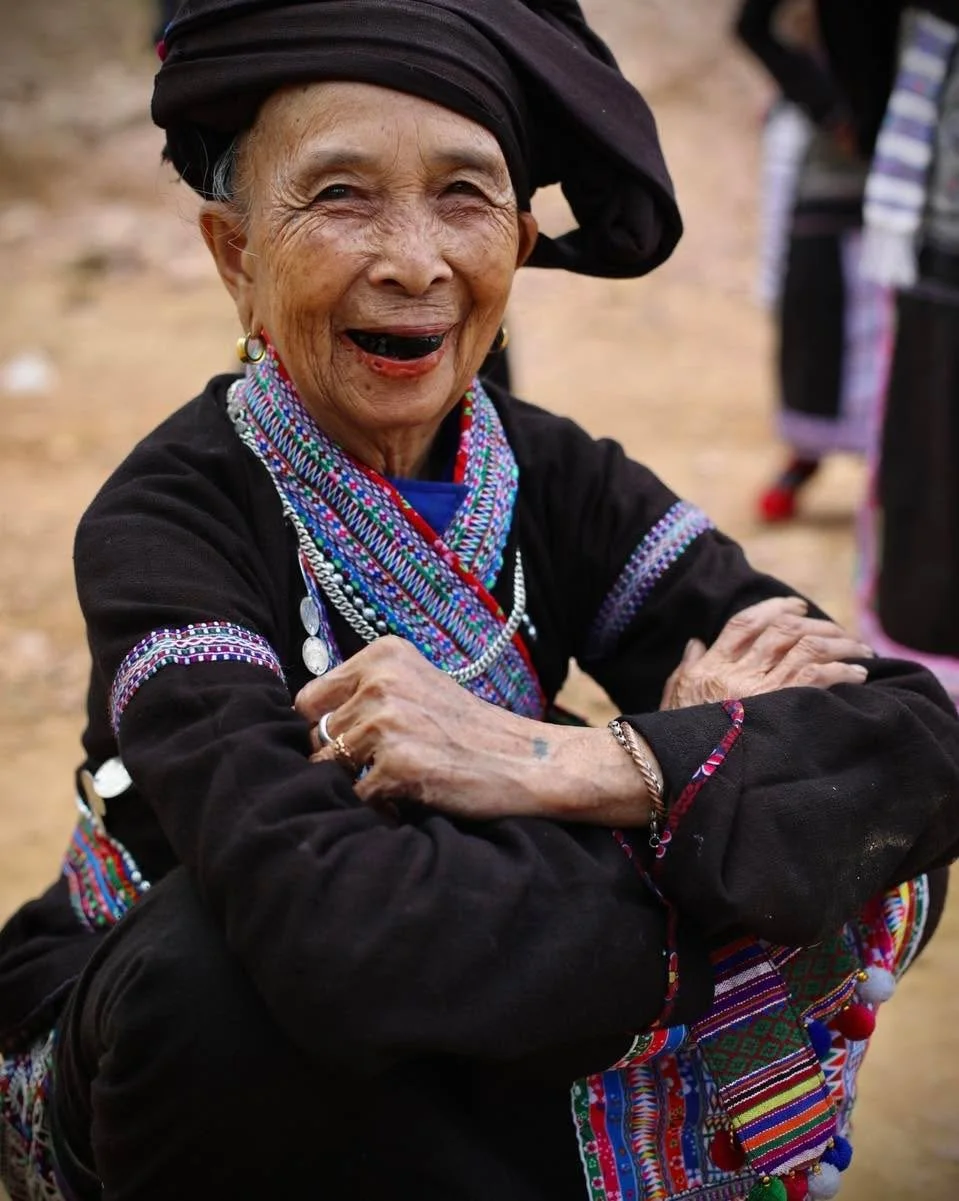
Among the Lao, traditions of beauty and identity continue to hold quiet significance. Practices such as betel chewing and teeth blackening, particularly among older women, are not relics of the past but markers of maturity, dignity, and cultural distinction. Blackened teeth are seen as a sign of beauty and humanity, setting people apart from animals and affirming their place within the social and spiritual world.
These customs, like the festival itself, reflect a worldview in which identity is expressed through continuity, through the preservation of practices that carry meaning beyond the visible.

A Festival That Binds Generations
Bun Vốc Nặm is, above all, a celebration of connection. It brings together families, neighbours, and neighbouring villages in a shared rhythm of ritual and joy. It honours the past while welcoming the future, creating a space where tradition is not preserved in isolation but lived, adapted, and shared.
In a world that often moves too quickly, the festival offers a different pace, one guided by the flow of water and the cycles of the land. It reminds us that renewal is not only a seasonal event but a collective act, rooted in care, respect, and belonging.
Travel with ETHOS and Walk Gently into Lao Culture
At ETHOS, we believe that travel should deepen understanding rather than simply observe difference. Our journeys into Lao communities from Sapa are shaped in collaboration with local families, ensuring that every experience is respectful, immersive, and mutually beneficial.
When you travel with us, you are not watching a festival from the outside. You are welcomed into homes, invited to share meals, and guided by those whose lives are woven into these traditions. You may find yourself learning to weave bamboo, tasting forest herbs you have helped gather, or standing beside a stream as laughter rises around you and water becomes a shared blessing.
These are not performances arranged for visitors, but living moments of culture, offered with generosity and trust.
If you feel called to experience the highlands in a way that honours both people and place, we invite you to join us. Let the rhythm of water guide you, and discover a festival where every gesture carries meaning, and every welcome is deeply felt.
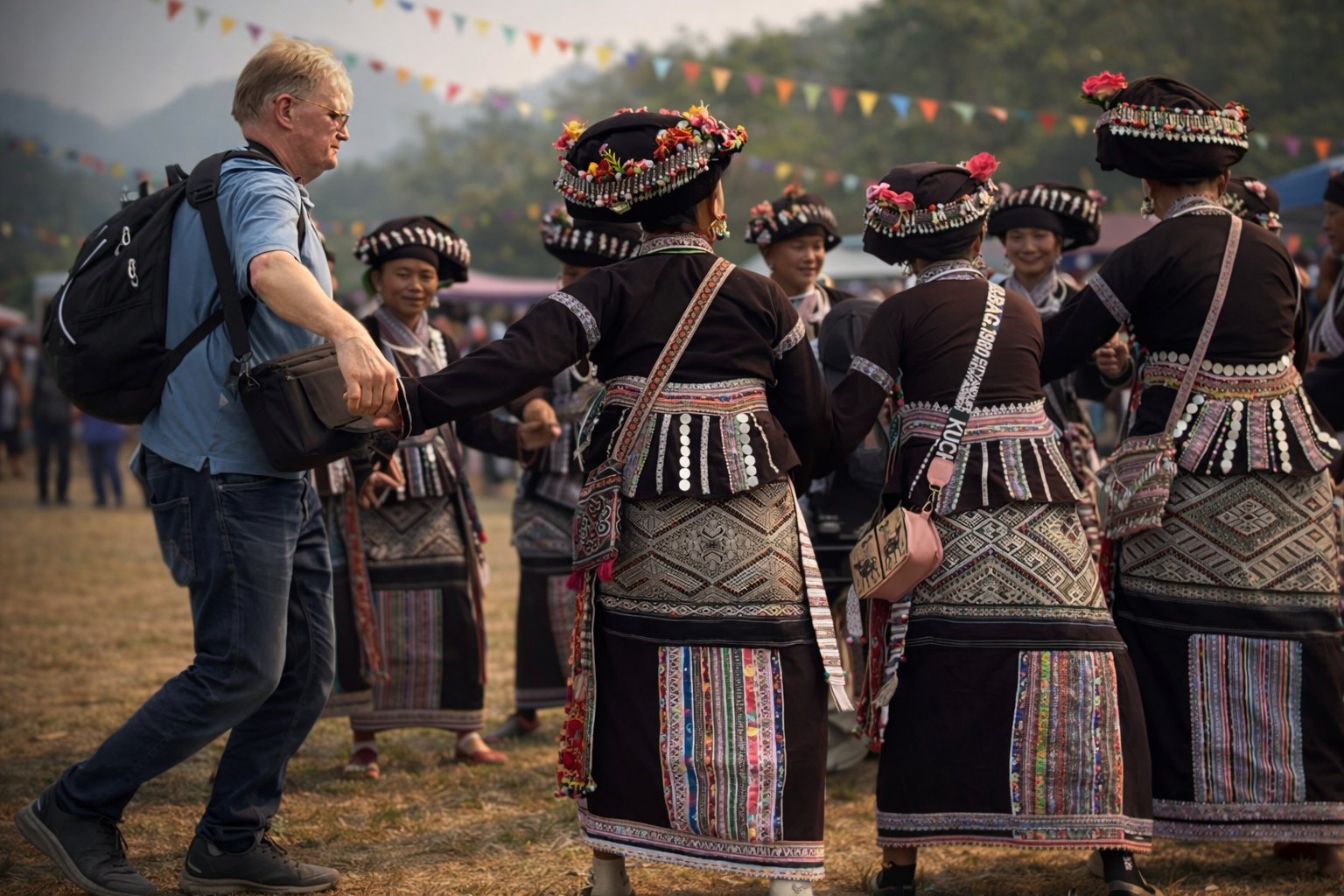
Roóng Poọc Festival and the End of Tet
Held in the mountain village of Tả Van in Sapa, the Roóng Poọc Festival marks the end of Tet and the beginning of a new farming year. Through sacred rituals, traditional games, and communal celebration, the Giáy and Hmong communities honour nature, fertility, and the renewal of village life.
A Festival of Renewal in the Mountains of Sapa
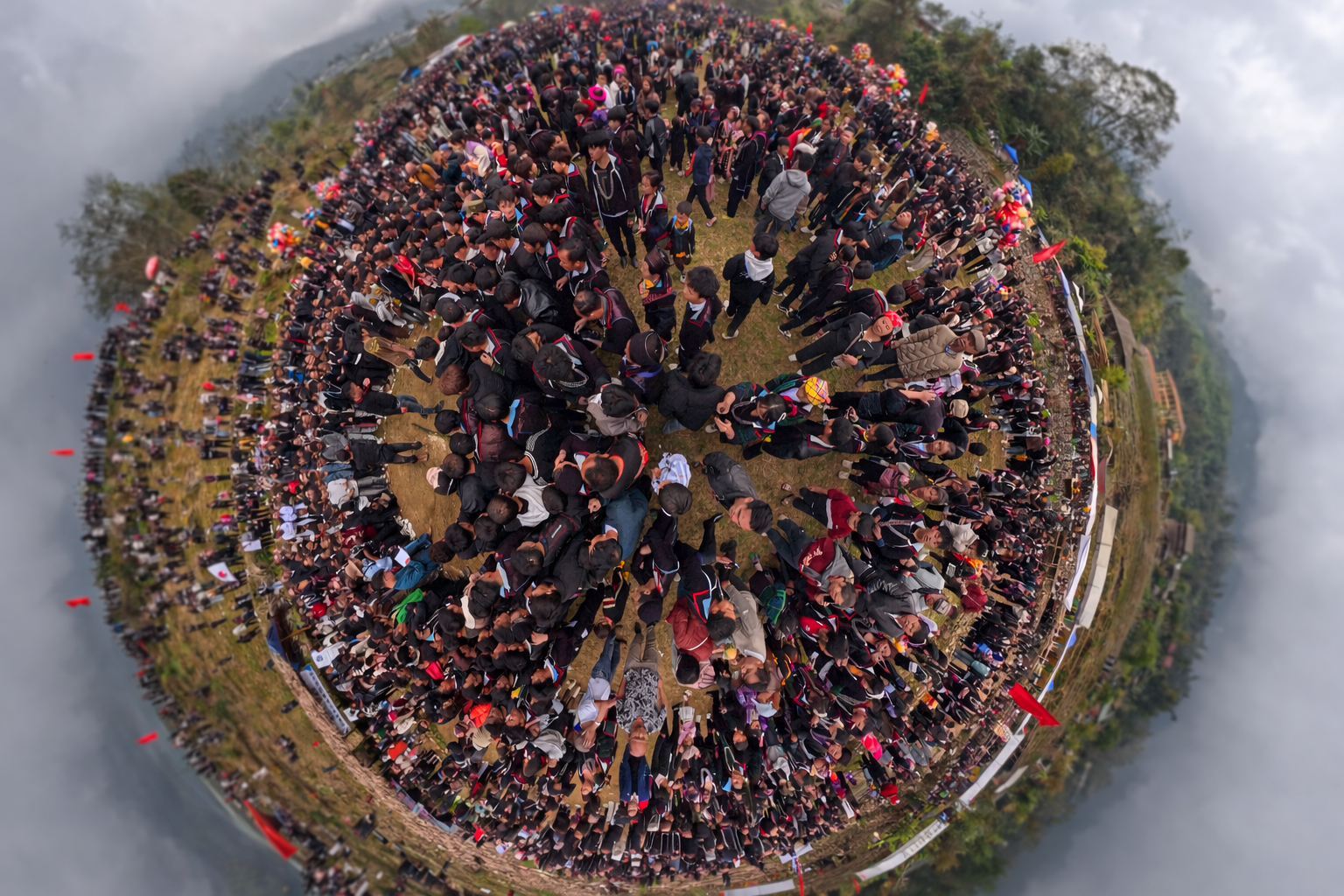
In the highland village of Tả Van, nestled among the terraced rice fields of Sapa, northern Vietnam, the Roóng Poọc Festival marks an important turning point in the local calendar. Celebrated by the Giáy and Hmong communities, the festival traditionally signals the end of Tet, the Vietnamese Lunar New Year, and the beginning of a new agricultural cycle. It is both a spiritual observance and a communal celebration, rooted in generations of cultural tradition.
Roóng Poọc takes place on the Dragon Day of the first lunar month, a date believed to carry powerful symbolic meaning. For villagers whose livelihoods depend closely on the rhythms of nature, this moment represents a renewal of harmony between people, land, and the unseen spiritual world. Families gather in the village fields to pray for prosperity, good health, and fertile harvests in the coming year.
The festival is a living tradition that reinforces community bonds and expresses the agricultural knowledge and spiritual beliefs that have shaped life in these mountains for centuries.
Sacred Rituals and the Raising of the Cây Nêu
The most important part of the Roóng Poọc Festival is the sequence of sacred rituals conducted early in the day. Village elders and ritual specialists oversee the ceremonies, ensuring that each step follows tradition and honours ancestral customs.
At the centre of the ritual space stands a tall ceremonial bamboo pole known as the cây nêu. Before it can be raised, a divination ritual is performed to seek approval from the spiritual realm. The ritual leader consults symbolic objects and chants traditional prayers, asking whether the spirits will bless the coming year with favourable weather and successful crops.
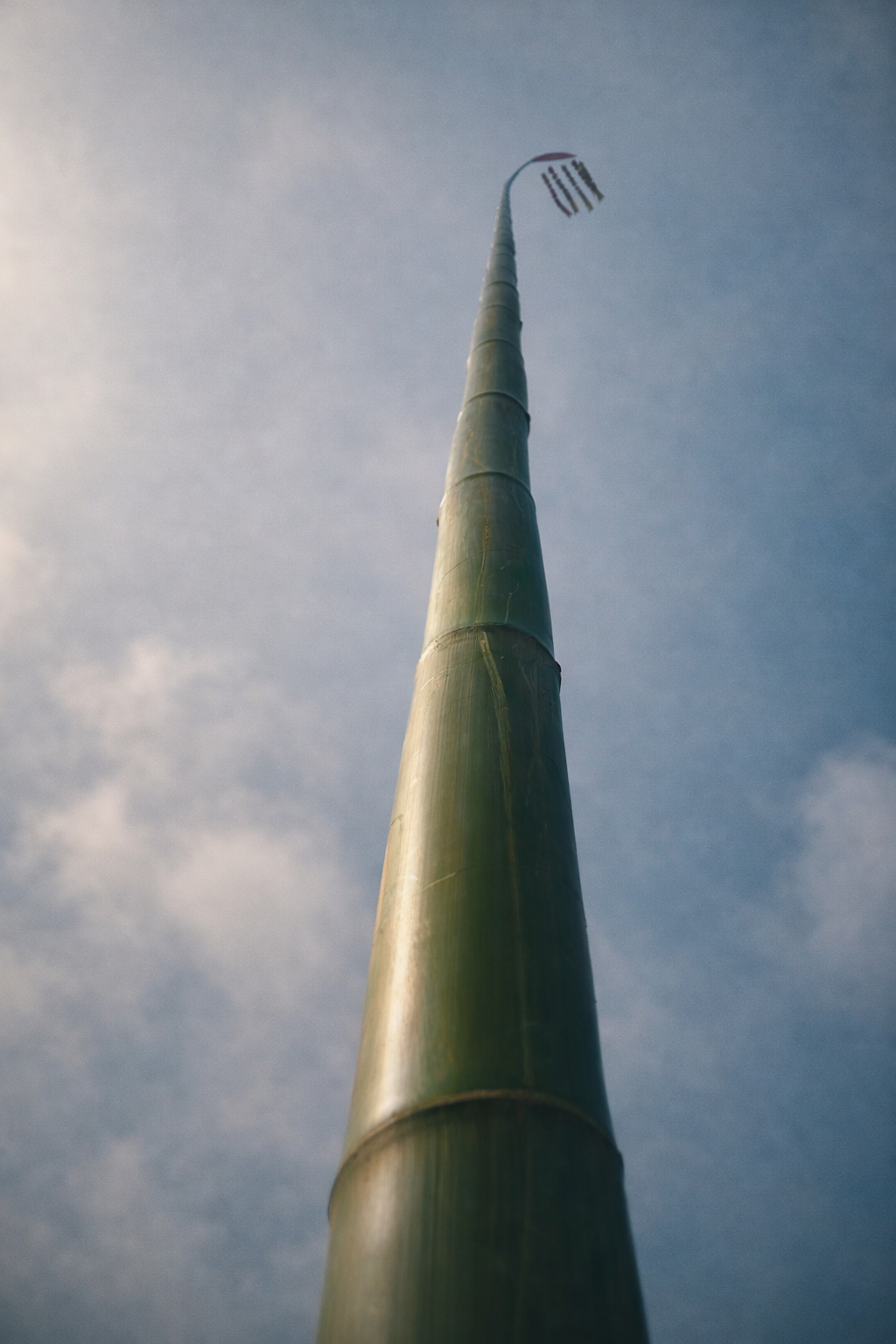
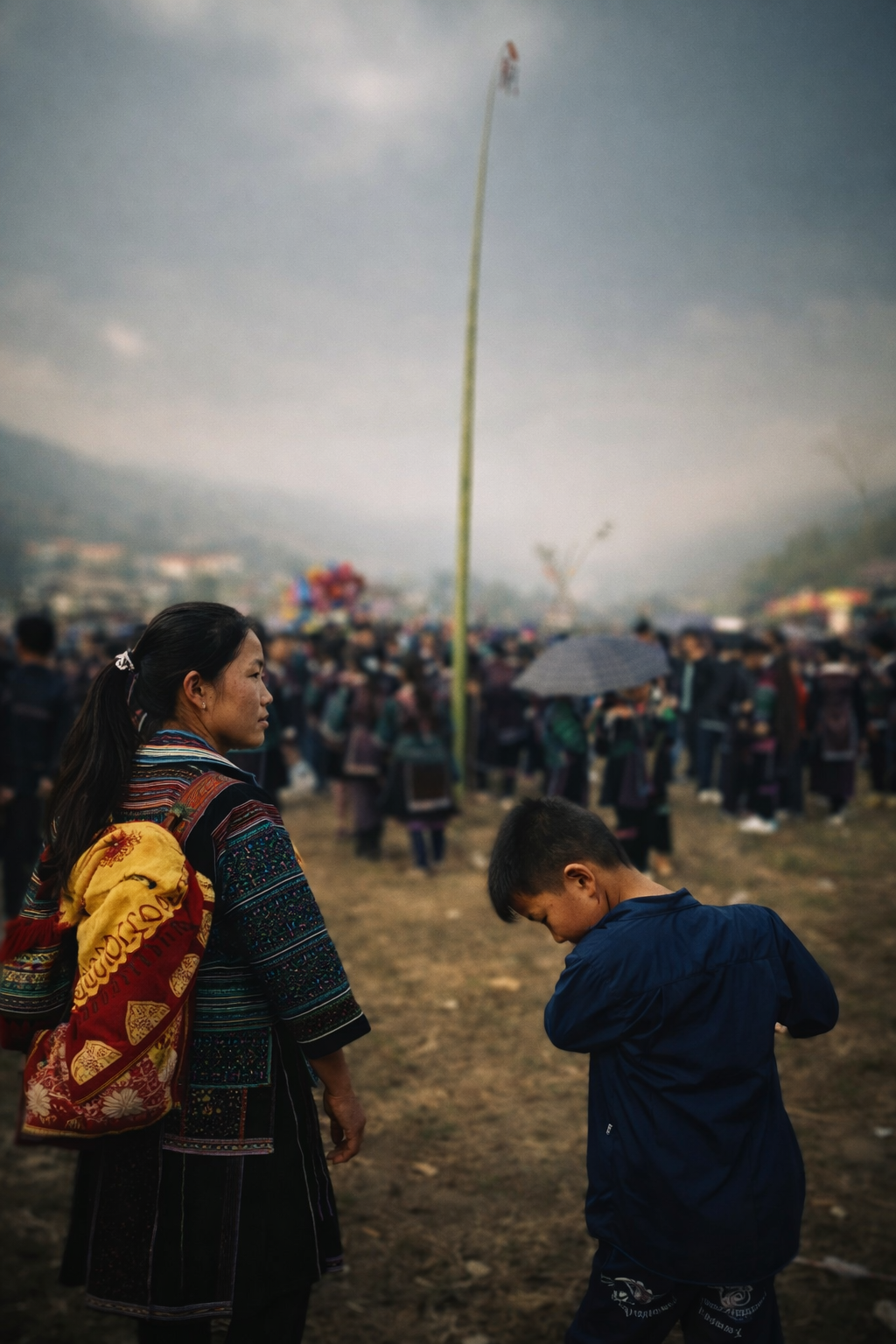
Only when the divination confirms divine approval can the bamboo pole be raised. The cây nêu is decorated with colourful fabric, sacred symbols, and circular motifs representing the sun and moon. These designs reflect the balance of yin and yang, a principle that underpins much of traditional cosmology in the region. The pole becomes a focal point for the entire festival, symbolising the connection between heaven and earth.
For villagers, this moment carries deep meaning. It marks the formal conclusion of Tet and the beginning of the agricultural season, when attention must once again turn to the rice fields and the work of cultivation.
Games of Skill and Symbols of Fertility
Once the sacred rituals are complete, the atmosphere shifts from solemnity to celebration. Villagers gather around the bamboo pole to take part in traditional games that have both symbolic and practical meaning.
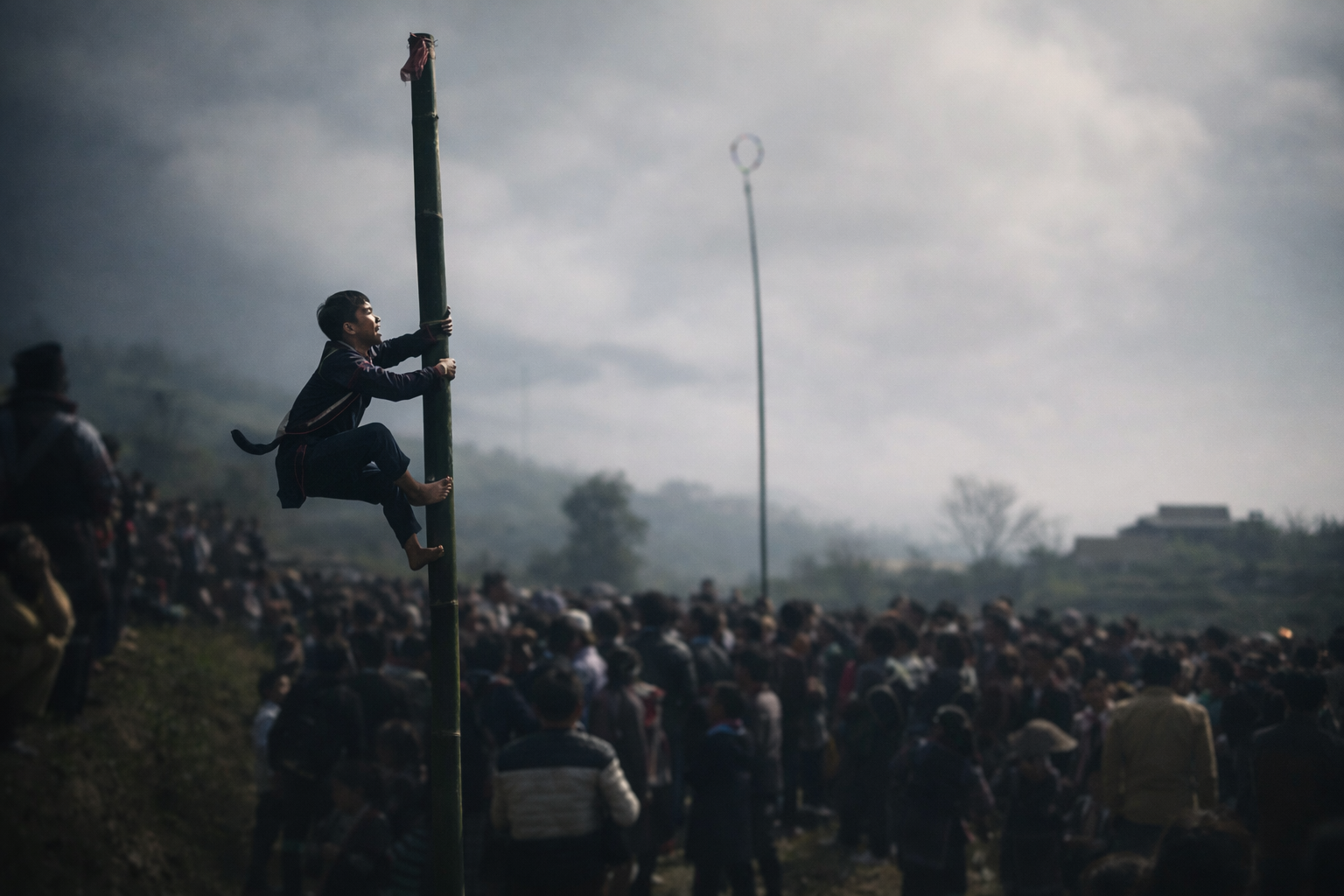
One of the most important activities is the quả còn throwing game. Participants attempt to throw small handmade cloth balls through a circular ring attached near the top of the bamboo pole. The balls are often brightly coloured and carefully crafted by local families. Successfully passing the ball through the ring is believed to bring good fortune and prosperity for the year ahead.
There are games to test strength and dexterity as well as technique and skills. One such example is the travesing of a bamboo pole, suspended by loose ropes across the Muong Hoa River. Participants take turns to balance on the pole and attemp to reach the opposite river bank.
The act of throwing the quả còn carries symbolic significance. It represents fertility and abundance, reflecting hopes for productive fields and healthy livestock. The game also encourages friendly competition among villagers and provides a moment of shared excitement as the crowd cheers each successful throw.
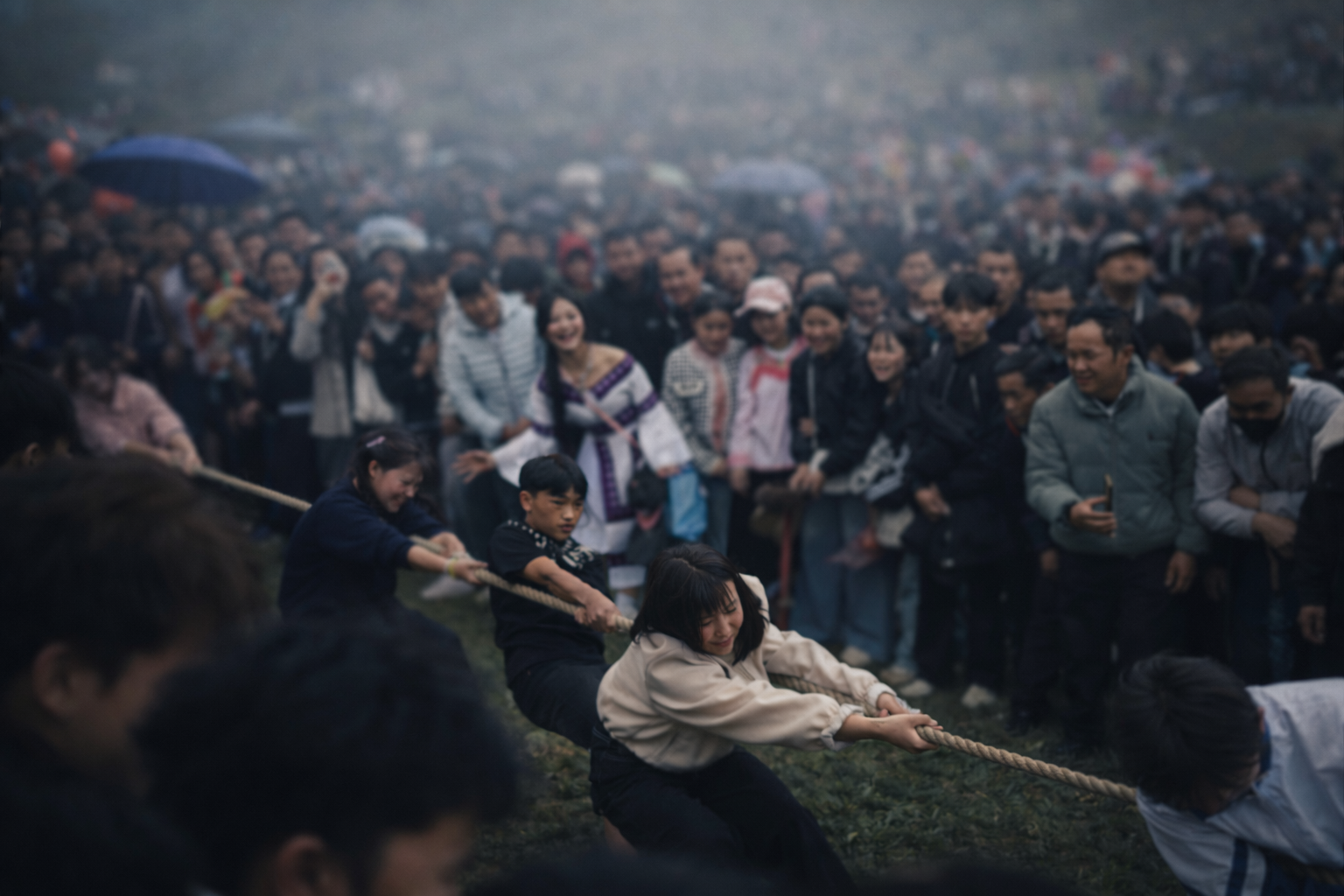
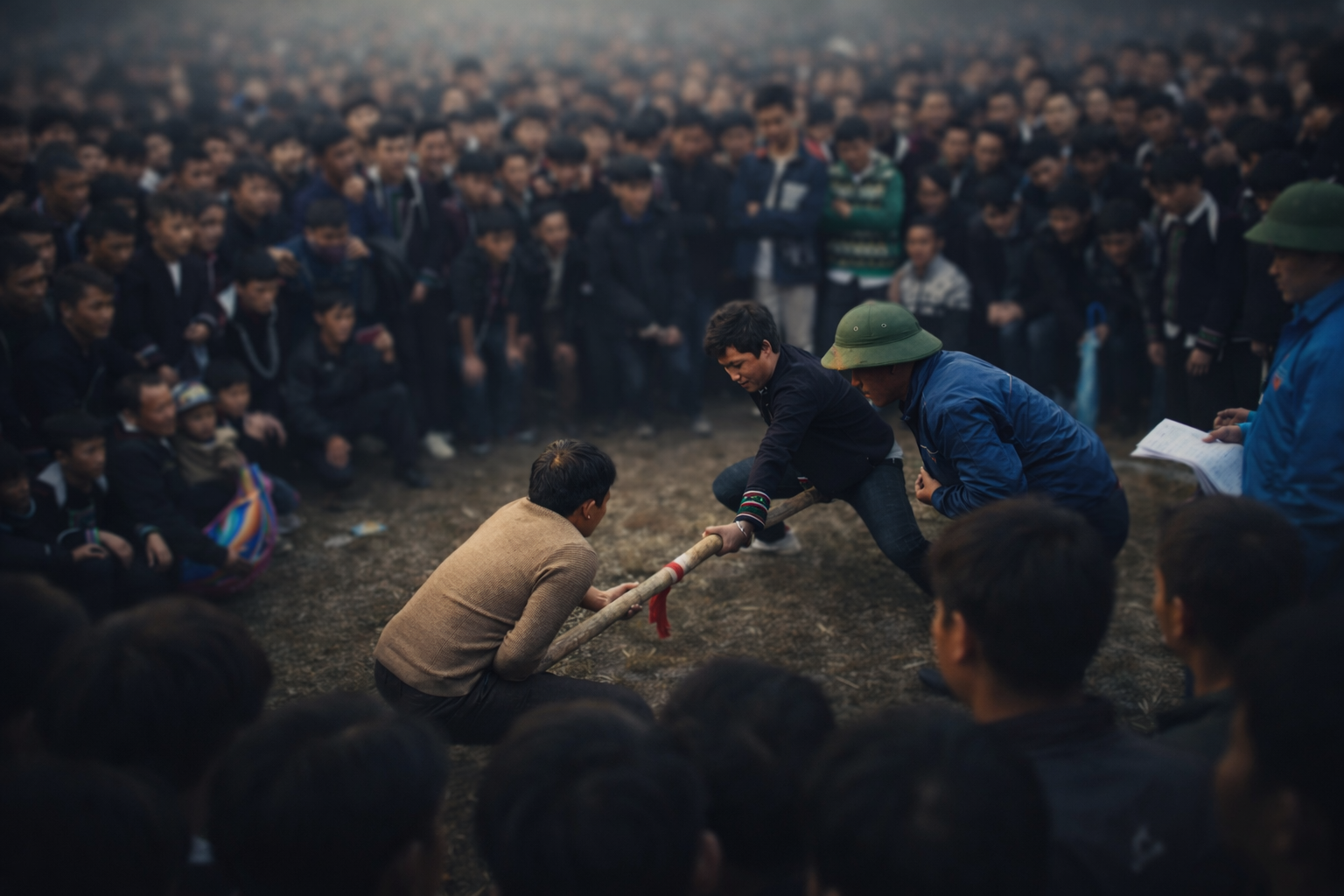
Another popular event is tug-of-war using a thick vine rope gathered from the forest. Teams from different parts of the village pull against each other with laughter and determination. Beyond its playful nature, the contest symbolises strength, unity, and the collective effort required to sustain agricultural life.
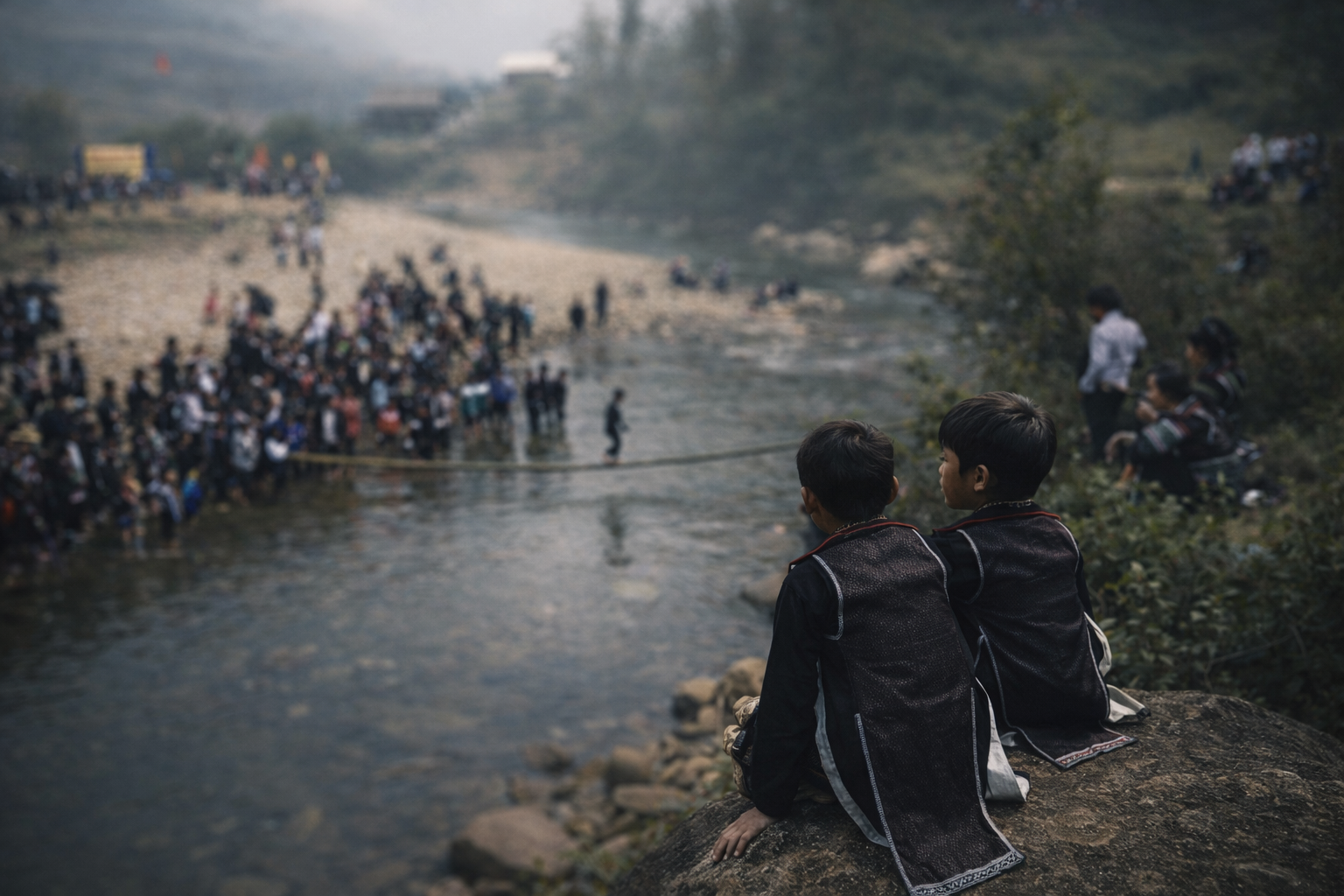
Ceremonial Ploughing and the Agricultural Cycle
A particularly meaningful part of the festival is the ceremonial ploughing of the field. Buffaloes, essential partners in traditional farming, are led onto the prepared ground as elders demonstrate the first symbolic furrows of the season.
This act represents the beginning of the agricultural year. By guiding the buffalo through the soil, villagers honour the animals that help cultivate the rice terraces and acknowledge the importance of the land that sustains them.
The ceremony is also a reminder that farming is part of a broader relationship between people, animals, and nature. Through ritualised actions such as these, the community expresses gratitude and seeks blessings for the months of labour that lie ahead.
Music, Dress, and Communal Celebration
Throughout the day, the festival grounds are filled with music, laughter, and colour. Folk songs are performed by groups of villagers, often accompanied by traditional instruments and rhythmic dancing. These performances preserve oral traditions that have been passed down through generations.
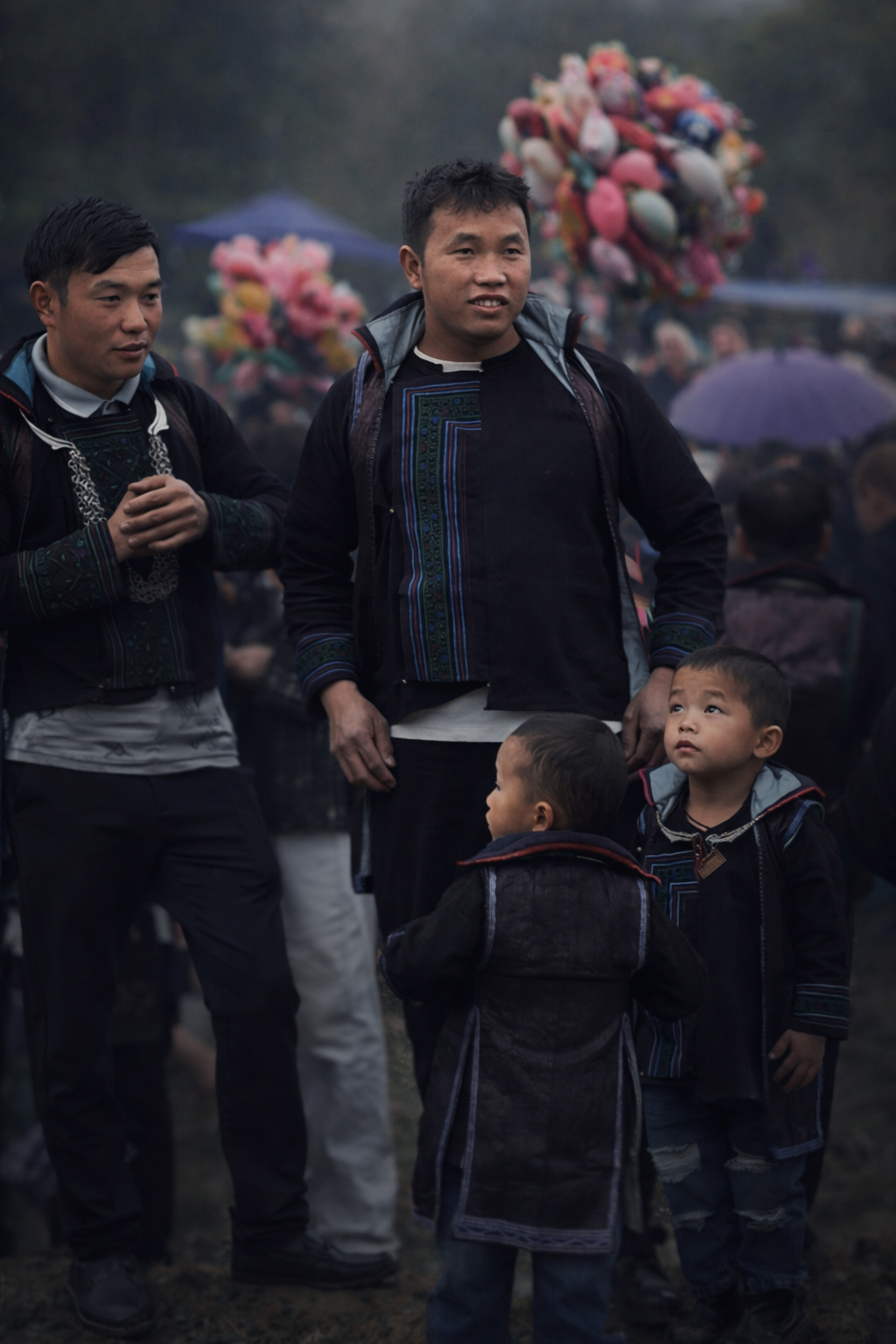
Many families attend the festival wearing finely crafted traditional clothing. Garments are typically made from hemp fibres and dyed with deep indigo extracted from local plants. The intricate embroidery and patterns reflect both artistic skill and cultural identity.
Communal meals also play an important role in the celebration. Families bring food to share, creating an atmosphere of hospitality and collective enjoyment. Rice wine, local dishes, and seasonal ingredients are passed between friends and relatives, reinforcing the strong sense of community that defines village life.
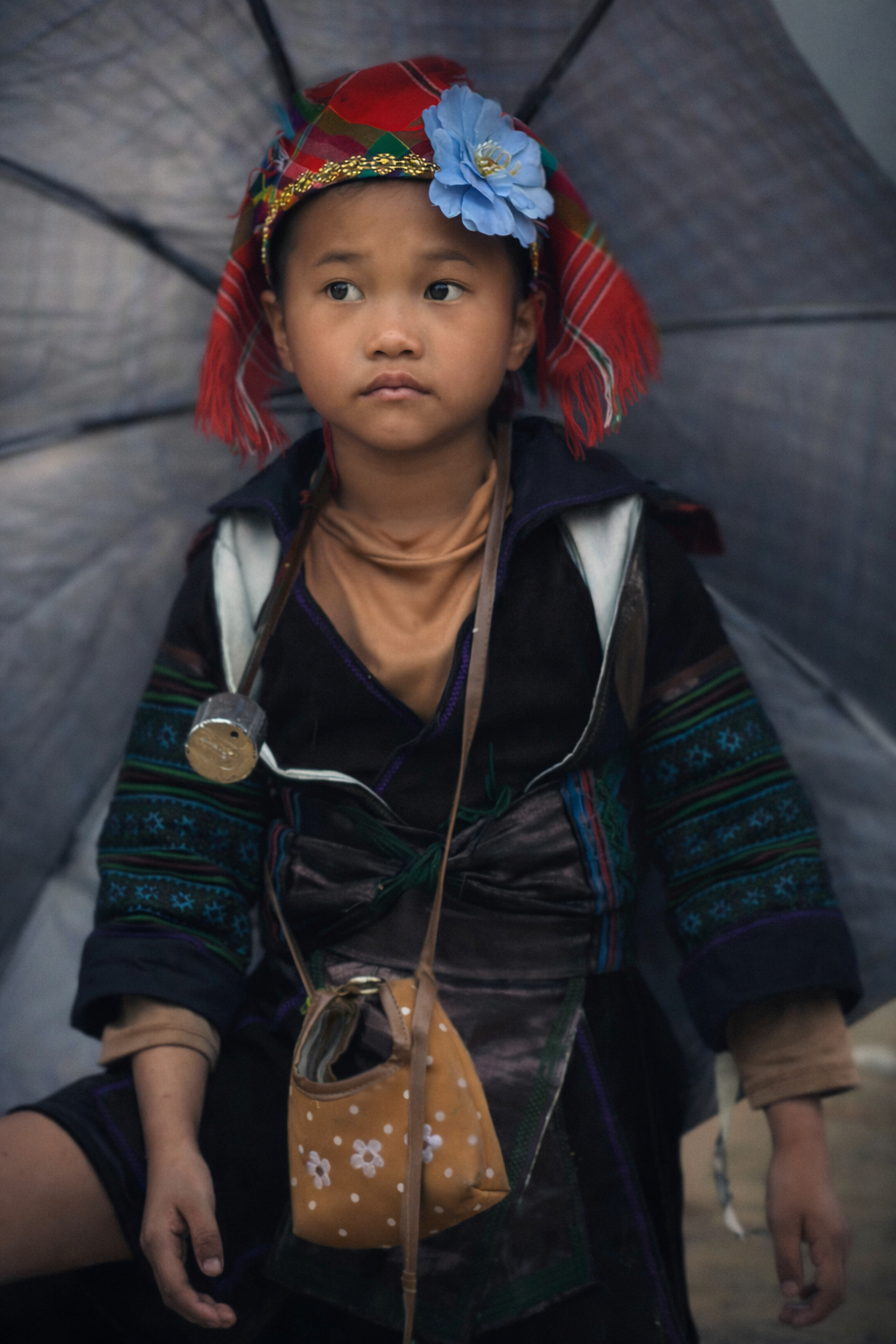
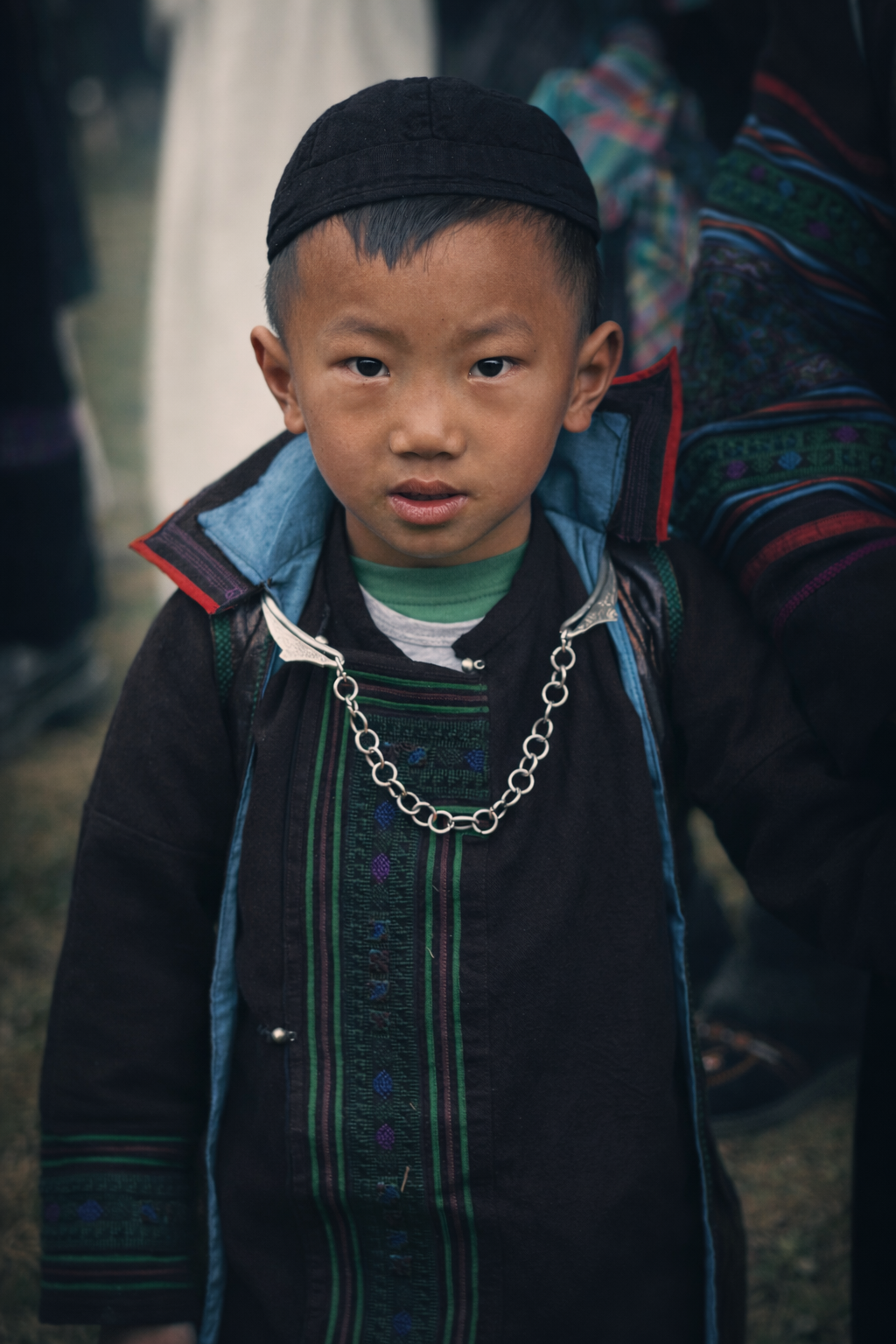
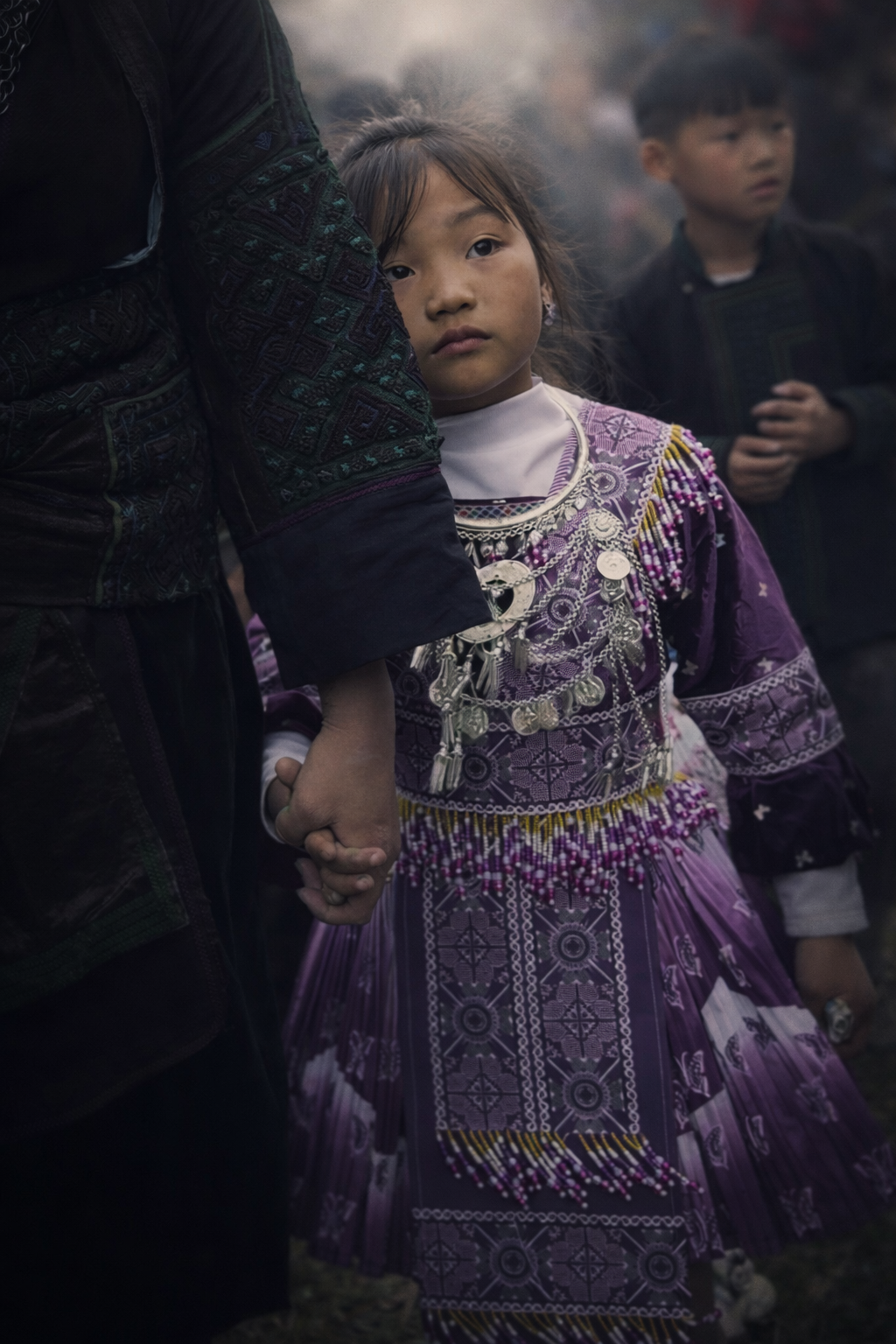
Tradition in Changing Times
In recent years, the Roóng Poọc Festival has drawn increasing attention from visitors who travel to Sapa to witness the event. While tourism has introduced new dynamics, local communities remain committed to preserving the authenticity of the rituals.
Even when conditions are less than ideal, the festival continues. This year’s celebration, for example, took place under unusually foggy and wet weather. The mist hung low over the terraces and the ground was damp from steady rain. Yet villagers still gathered in the fields, raising the bamboo pole and carrying out the ceremonies as their ancestors did.
Such persistence highlights the deeper purpose of Roóng Poọc. It is not dependent on perfect conditions or large audiences. Its true meaning lies in maintaining a connection between community, land, and heritage.
A Living Connection to Nature and Community
The Roóng Poọc Festival stands as a powerful reminder of how traditional cultures mark the passage of time and the cycles of nature. By closing the Tet celebrations and welcoming the new farming year, the festival bridges the festive season and the return to daily work in the fields.
For the Giáy and Hmong people of Tả Van, festivals are an affirmation of identity, cooperation, and respect for the natural world.
Ready to Explore Sapa?
If this cultural festival has inspired you, start planning your trip today.
👉 Read our complete Sapa Travel Guide
👉 Discover the best Sapa Trekking Routes
👉 Learn more about Sapa culture Cultural Experiences in Sapa
Understanding the landscape makes visiting it even more rewarding. Explore wisely, travel prepared and experience one of Vietnam’s most fascinating mountain regions.
Northern Vietnam Sapa & the Highland Border Regions Mountain Landscapes Nature & Ecology
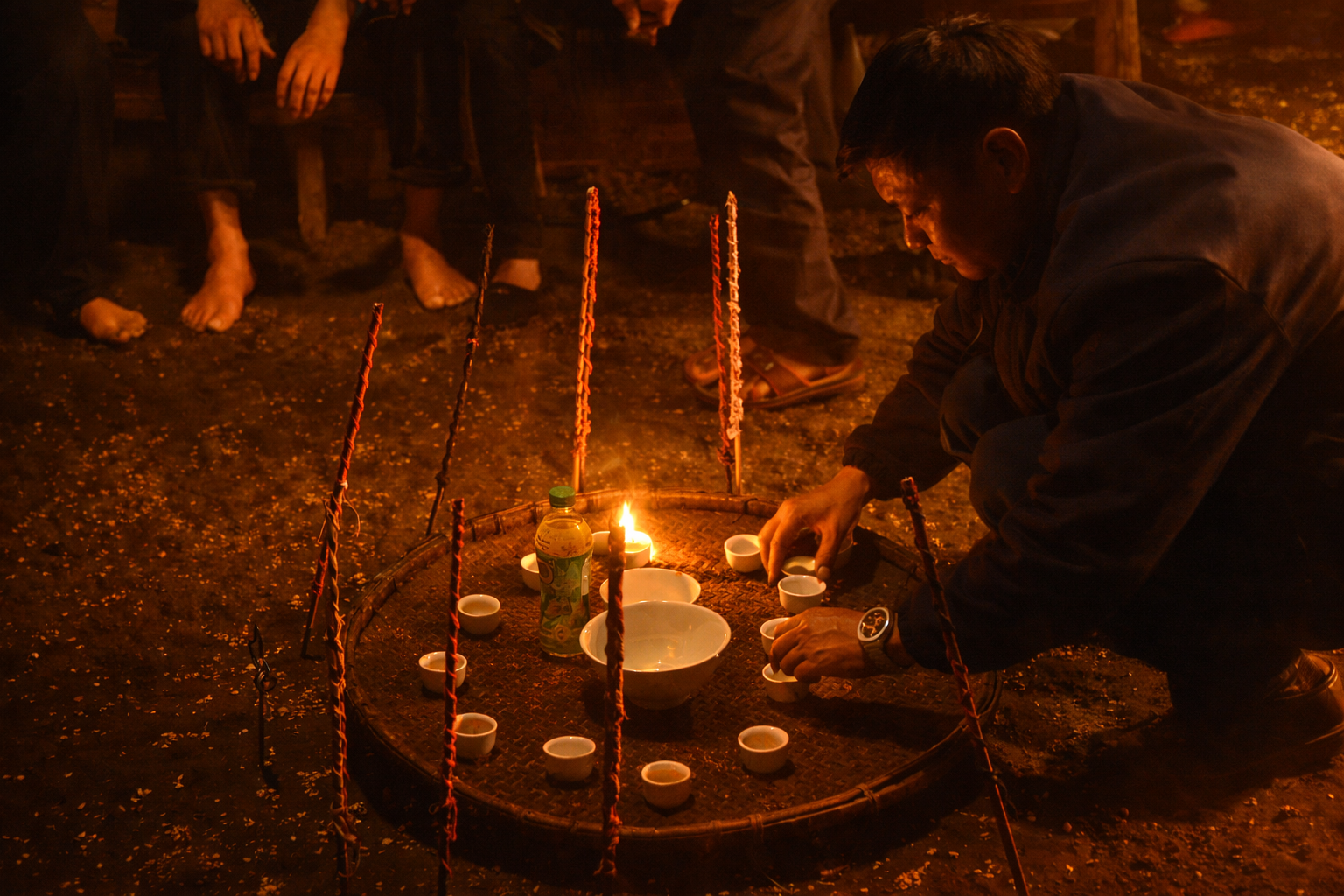
Pu Tong: The Sacred Fire Dancing Festival of the Red Dao in Sapa
Each Lunar New Year, the Red Dao community in Sapa gathers for Pu Tong, a sacred fire dancing ritual where participants walk barefoot over glowing embers. More than a spectacle, it is a spiritual ceremony of protection, strength and renewal rooted deeply in ancestral belief.
High in the misty mountains of northern Vietnam, the Red Dao people welcome the Lunar New Year with a ritual that is both mesmerising and deeply spiritual. Known as Pu Tong, or the fire dancing festival, this ceremony is a sacred act of devotion, protection and cultural continuity.
Taking place in villages around Sapa, the ritual features men throwing and dancing barefoot over burning embers, seemingly unharmed by the intense heat. To outsiders, it can feel mysterious and even supernatural. To the Red Dao, it is a powerful expression of faith, ancestral connection and community identity.
What Is the Pu Tong Festival?
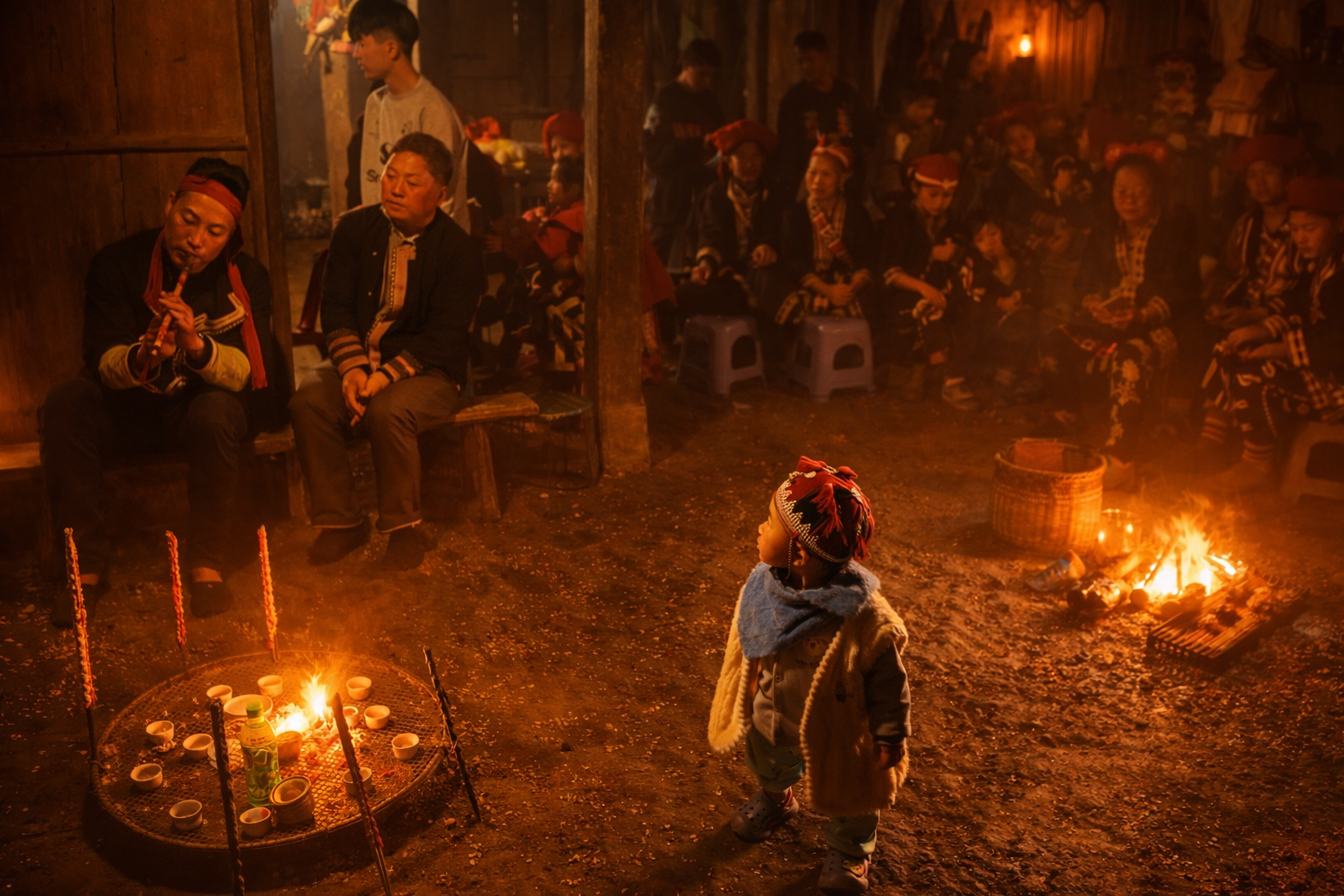
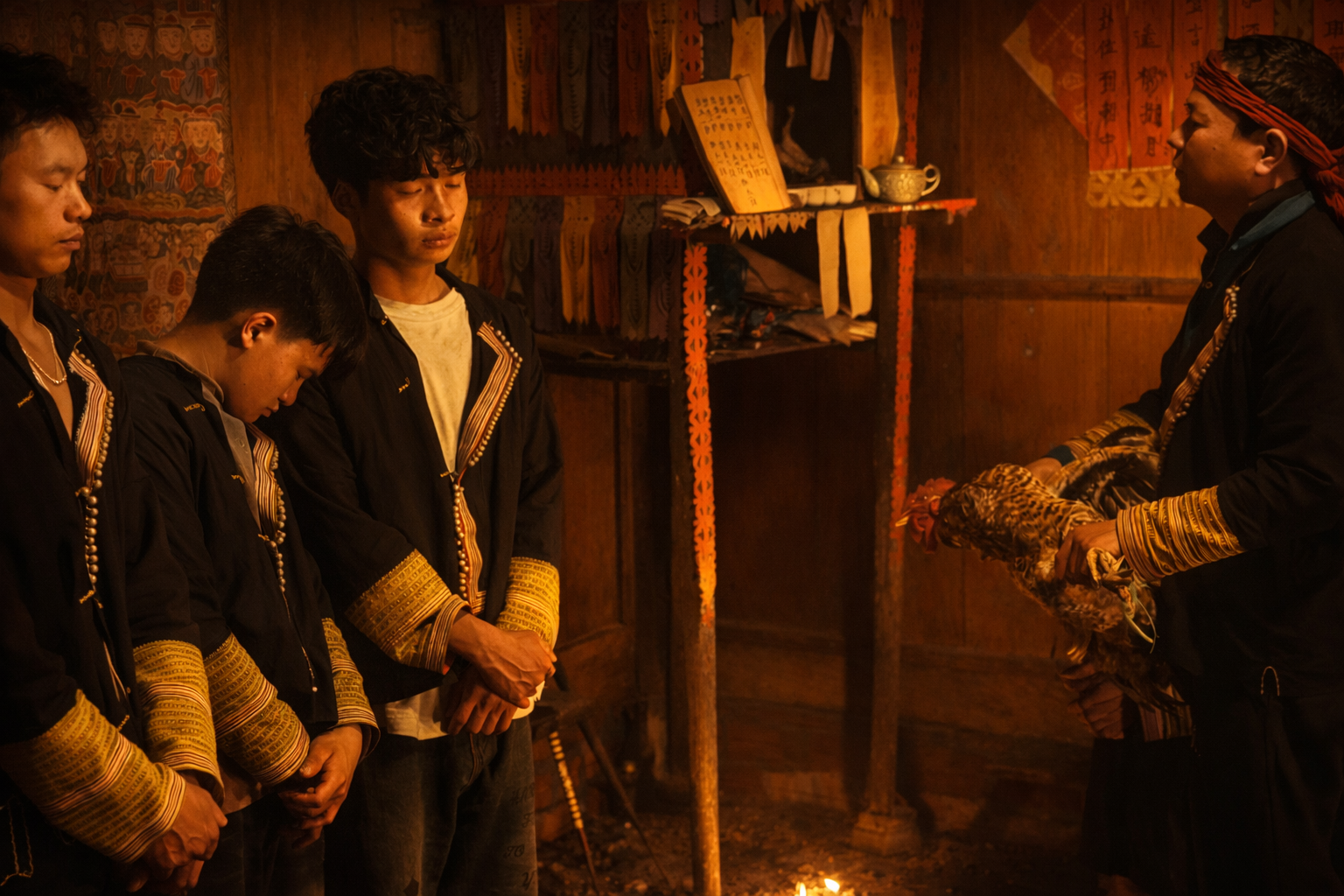
Pu Tong is a traditional spiritual ceremony performed by the Red Dao people during the Lunar New Year period, typically between the first and fifteenth day of the new year. It is organised to invite blessings, ward off misfortune and protect the village from illness and harmful spirits.
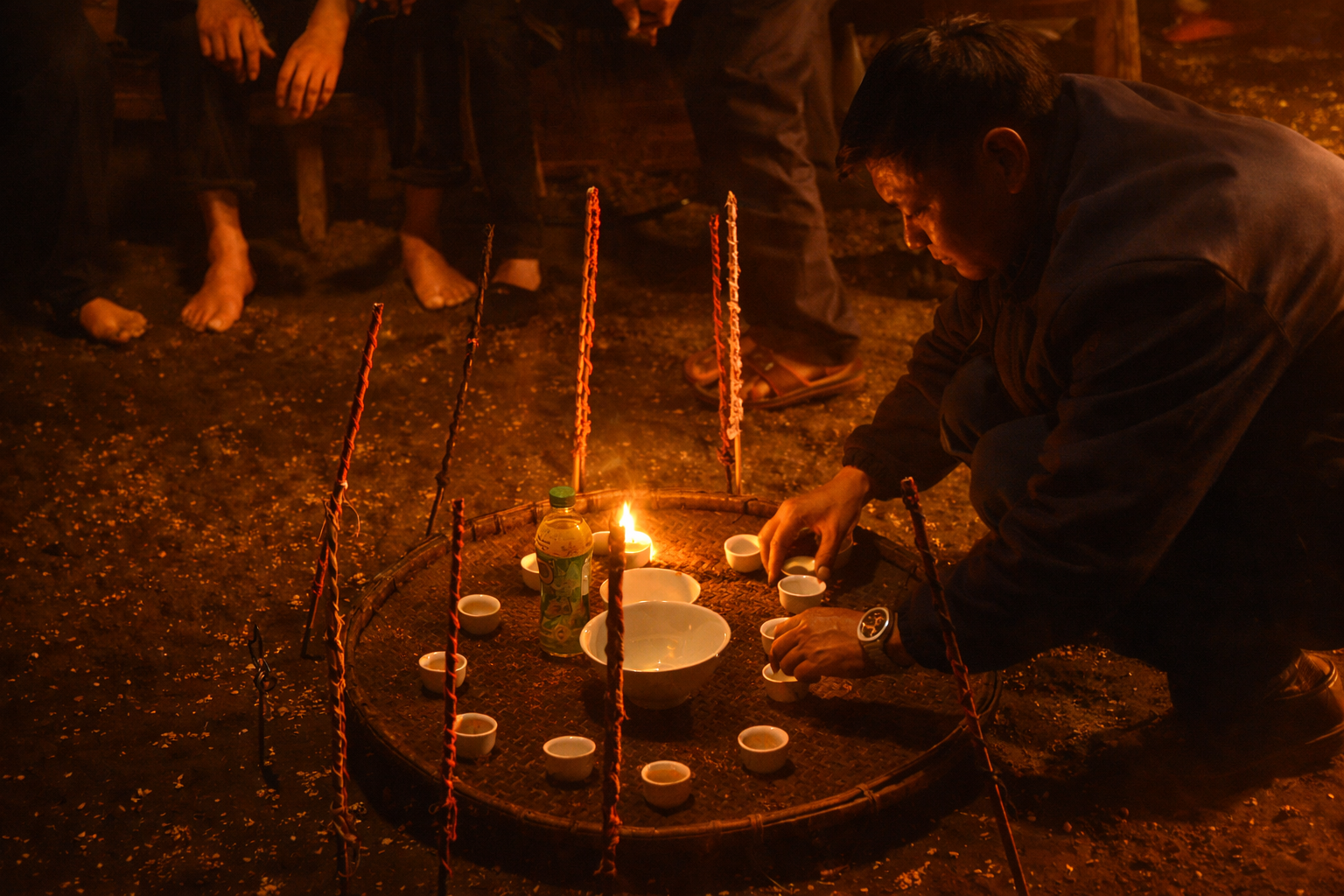
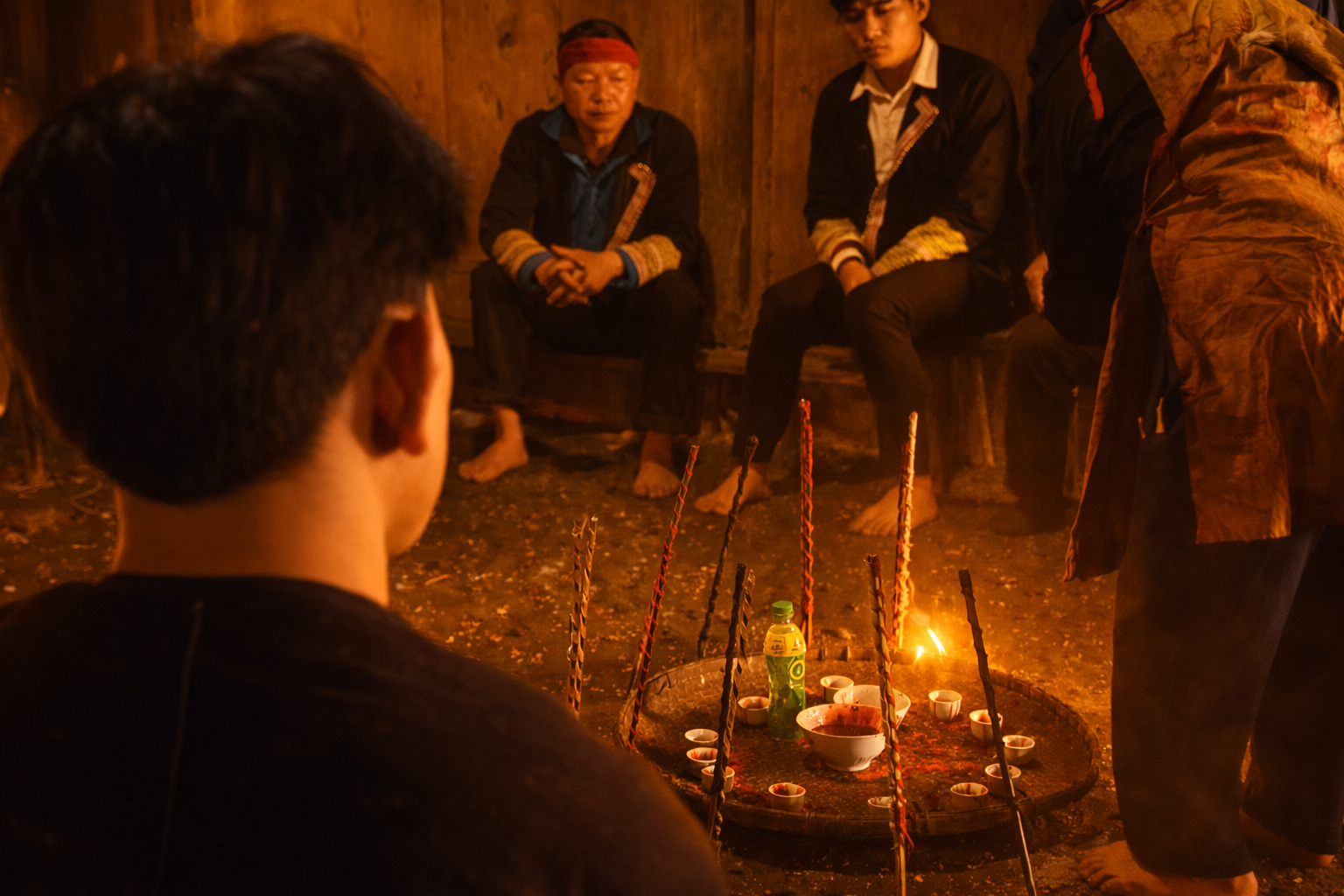
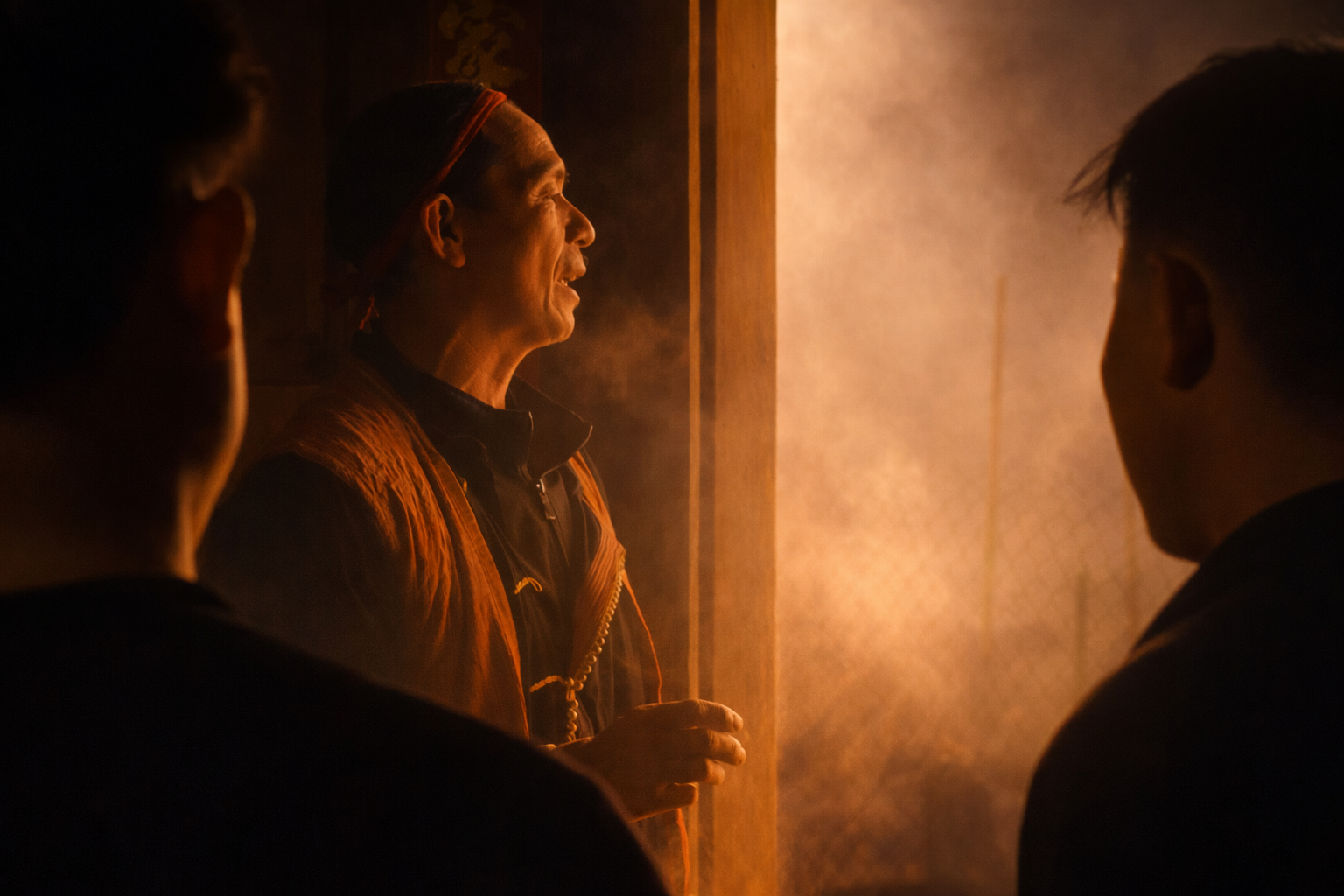
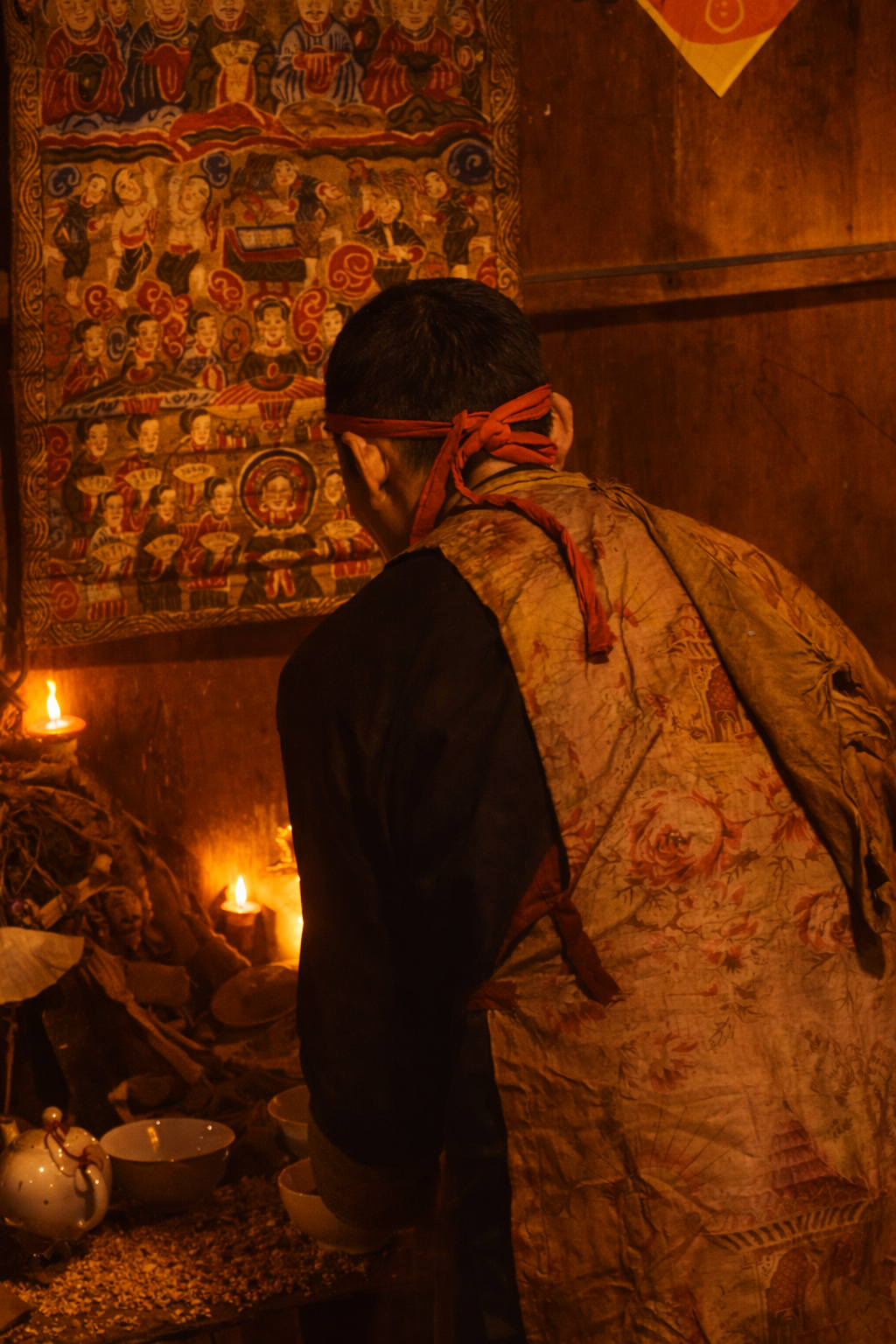
The ceremony centres around the alter and fire, which is seen as a sacred and purifying force. Through ritual chanting, trance and physical endurance, participants demonstrate their spiritual strength and their connection to protective deities.
Pu Tong is a ritual believed to strengthen the entire community’s wellbeing for the year ahead.
The Meaning Behind Fire in Red Dao Belief
For the Red Dao, fire symbolises life, purification and protection. It is thought to have the power to cleanse negative energy and keep evil spirits at bay.
Walking across the burning embers is not considered an act of bravery alone. Instead, it is a sacred test of spiritual readiness. Those who perform the dance believe they are protected by ancestral spirits and divine forces. The ability to step onto fire without injury is seen as proof of this protection.
The ritual represents:
Renewal at the start of a new year
Spiritual strength and resilience
Protection for families and the village
Gratitude to ancestors and deities

Who Participates in Pu Tong?
Participation in the fire dance is not open to everyone. It is reserved for selected men in the community who have undergone spiritual preparation or have a connection to ritual practice.
Key participants include:
Shamans and Ritual Leaders
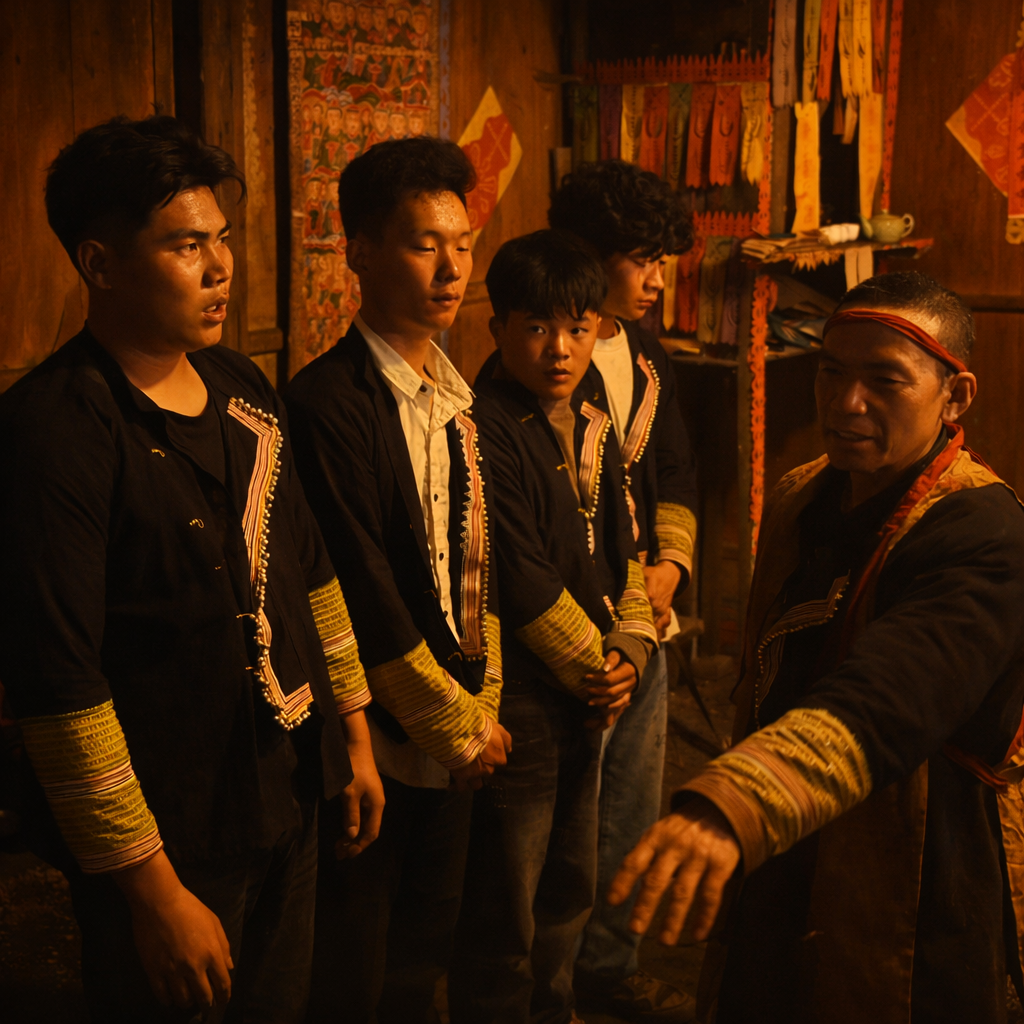
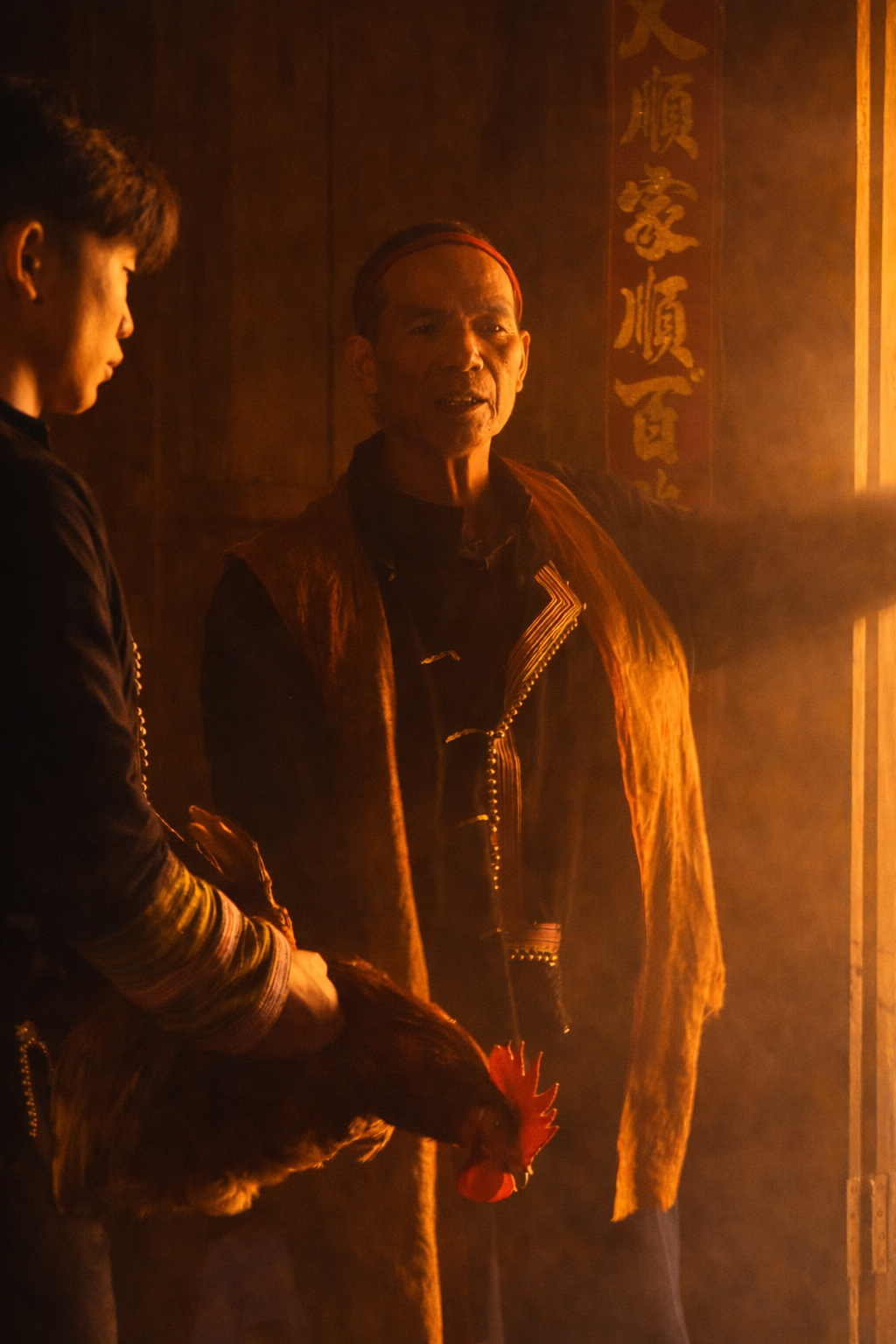
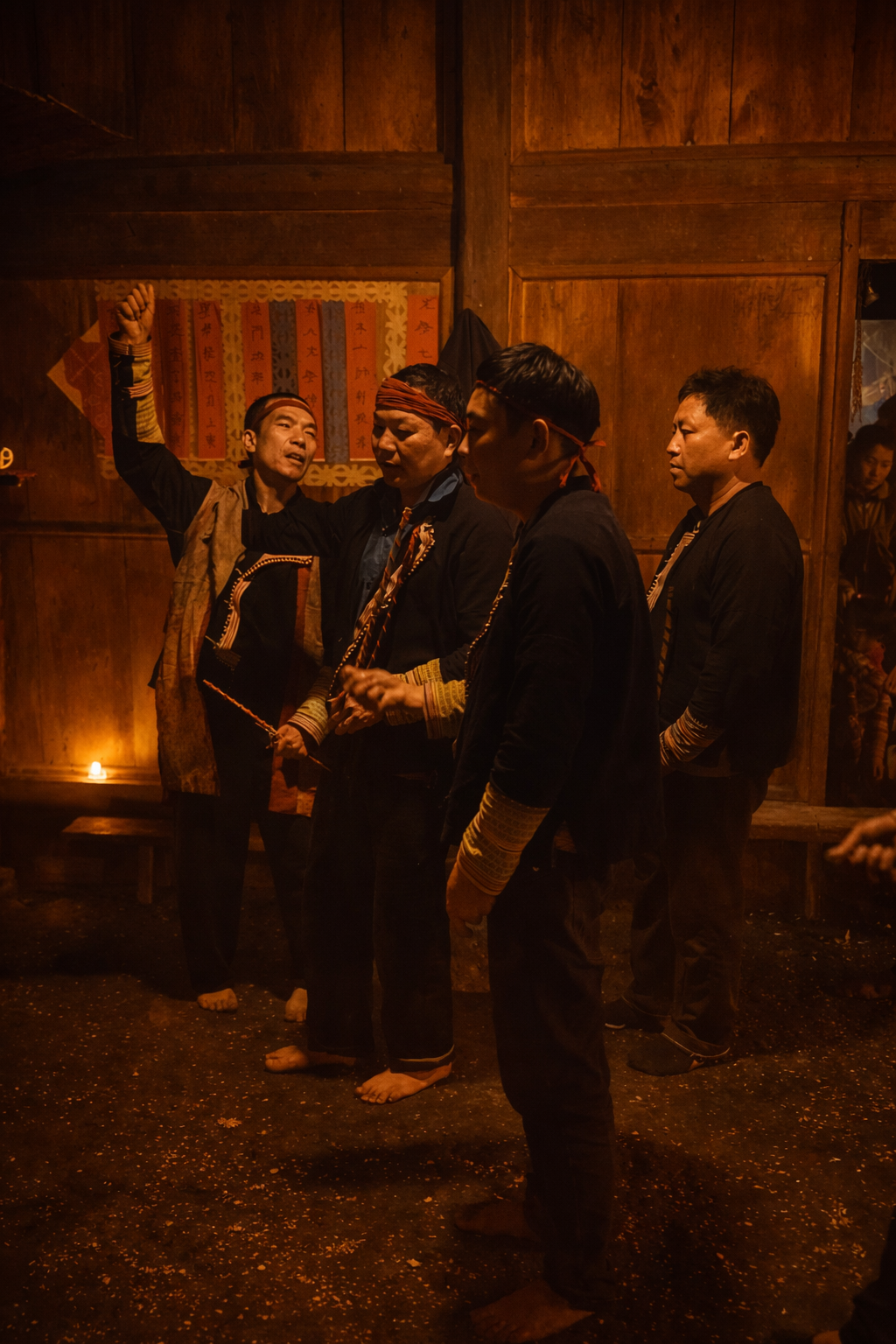
A respected spiritual leader, often a shaman, presides over the ceremony. He performs chants, prayers and invocations to call ancestral spirits and protective deities. His role is to guide participants into a trance-like state believed to shield them from harm.
Male Dancers
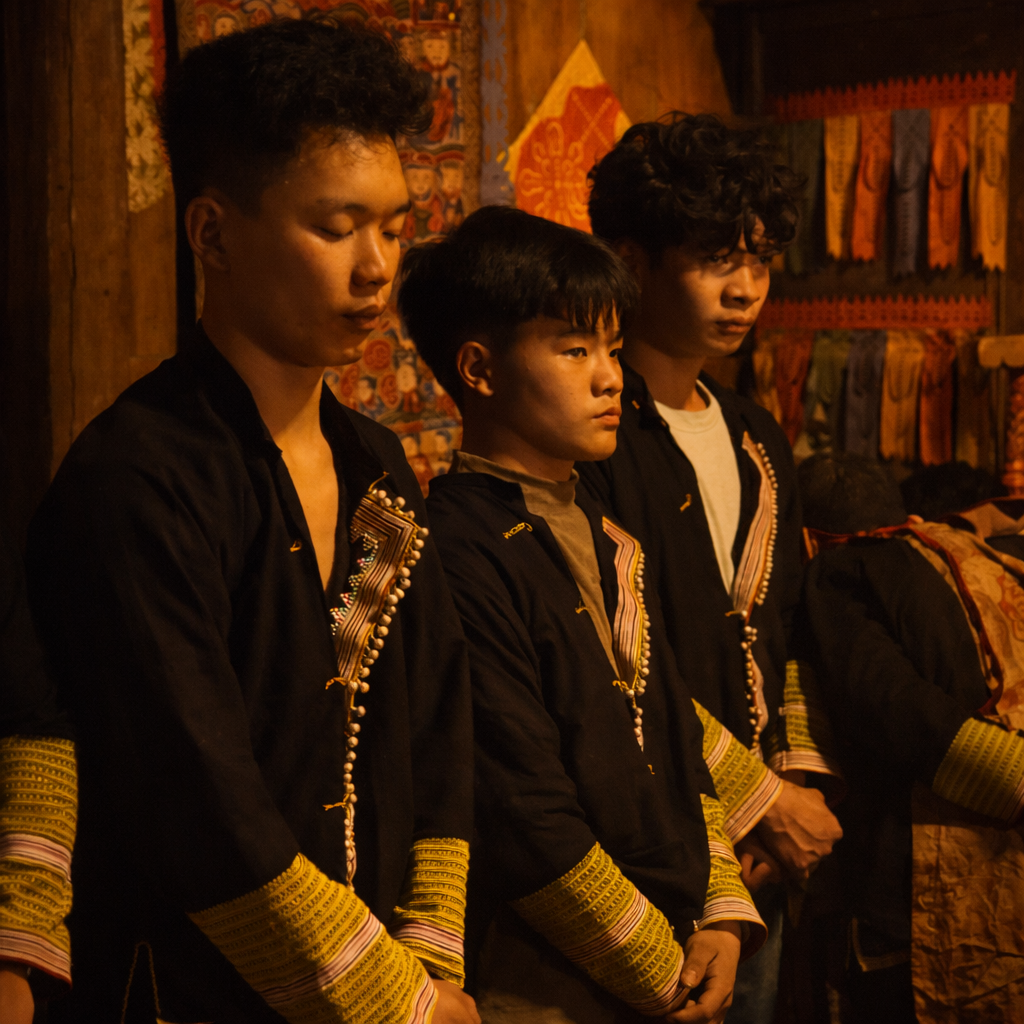
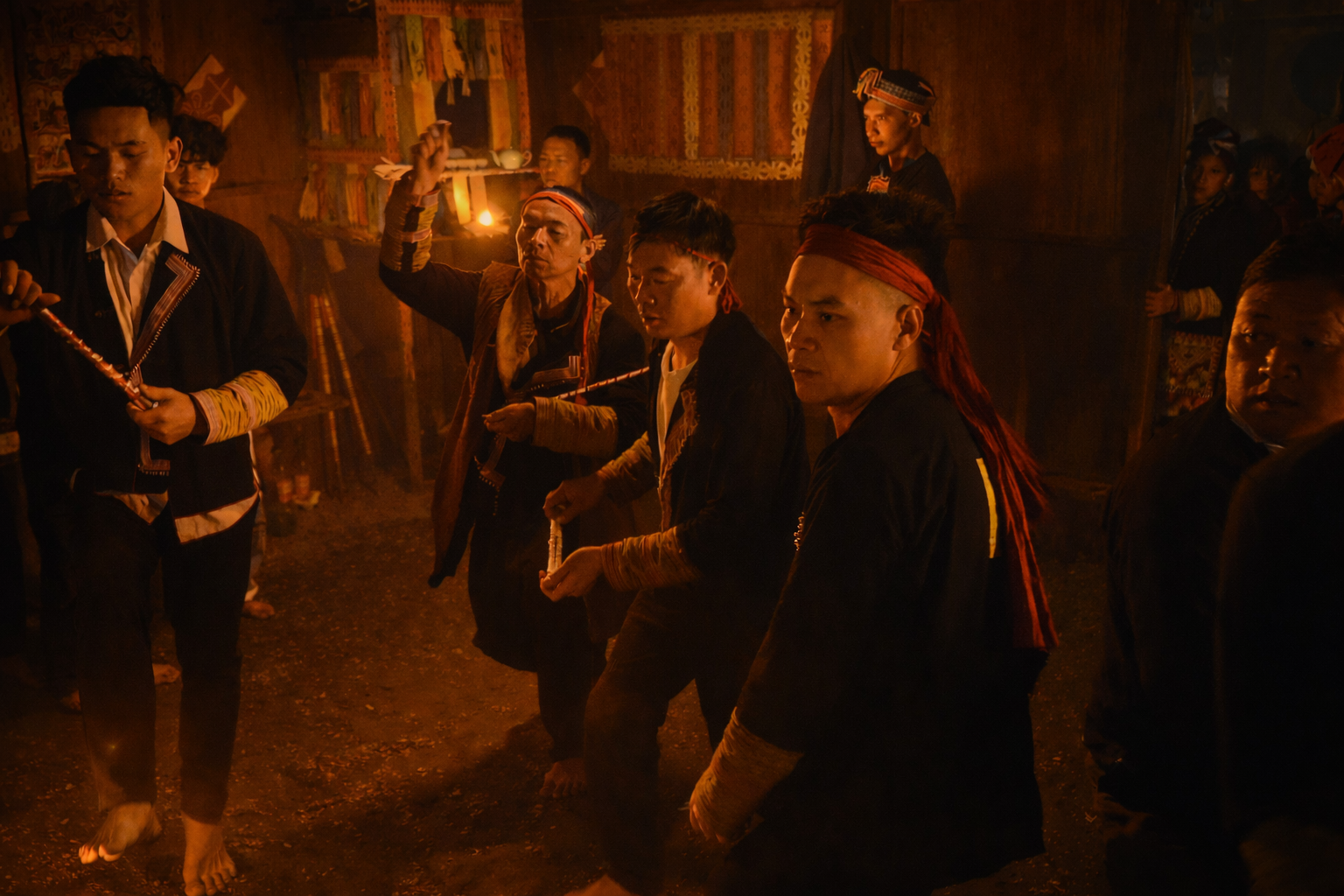
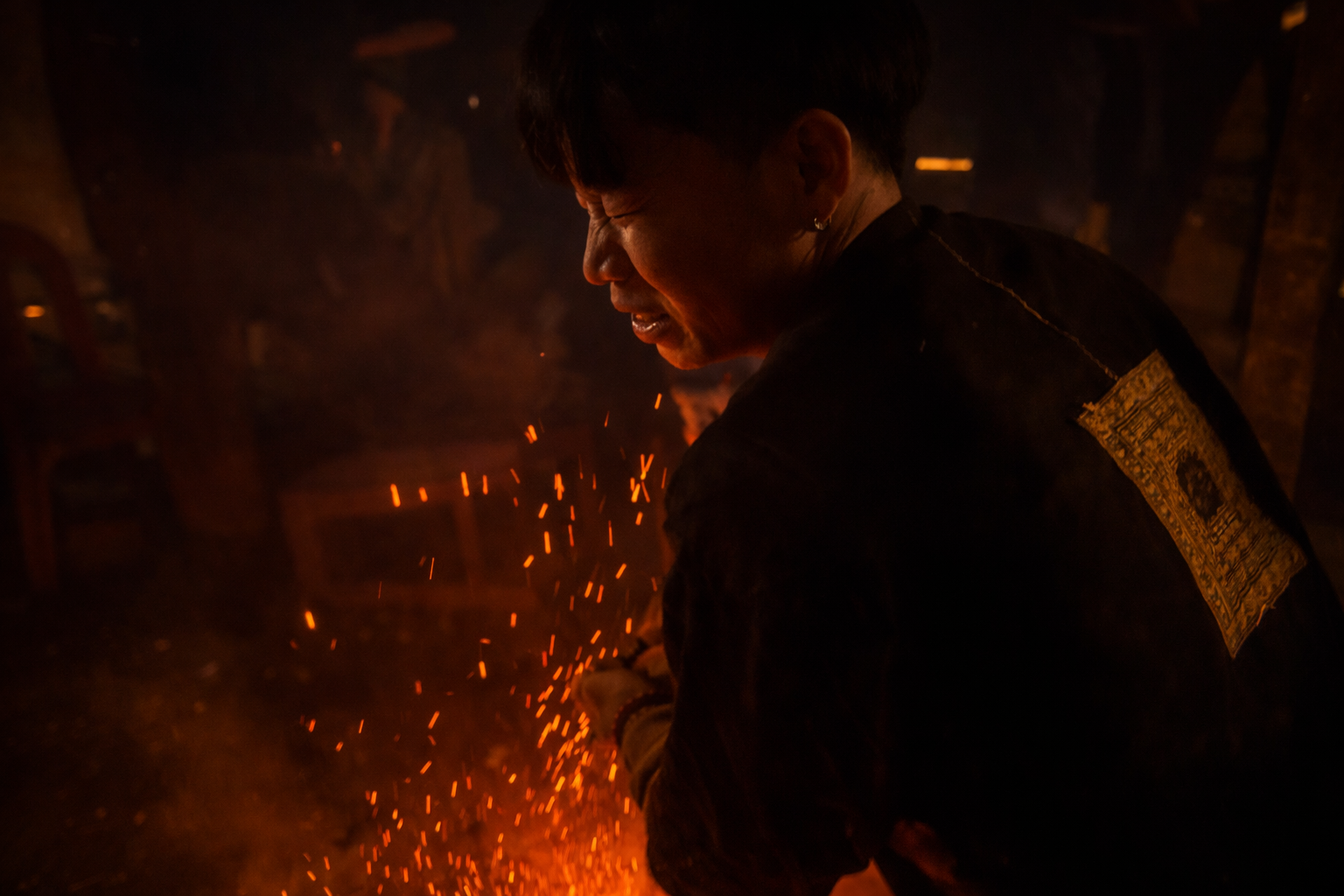
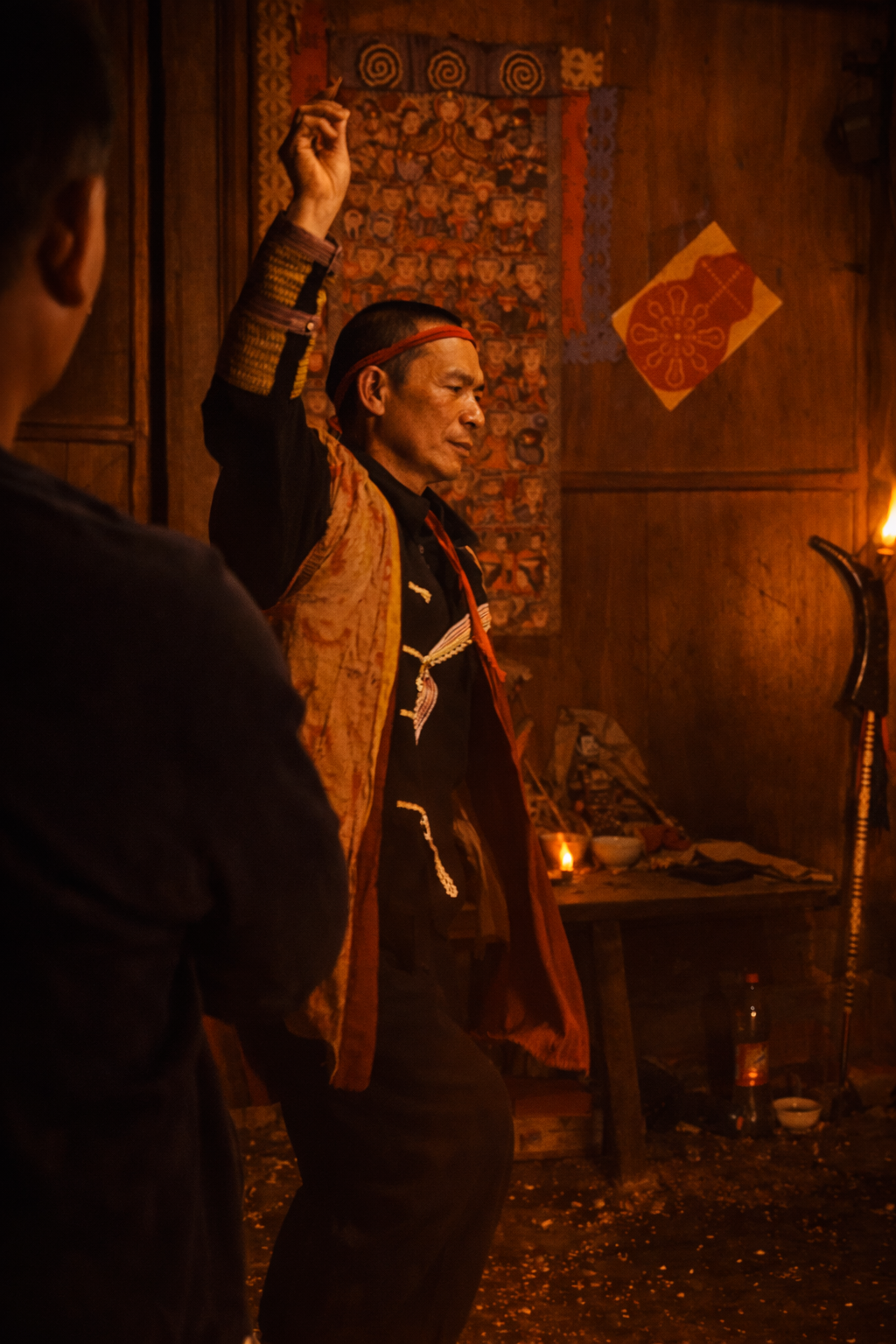
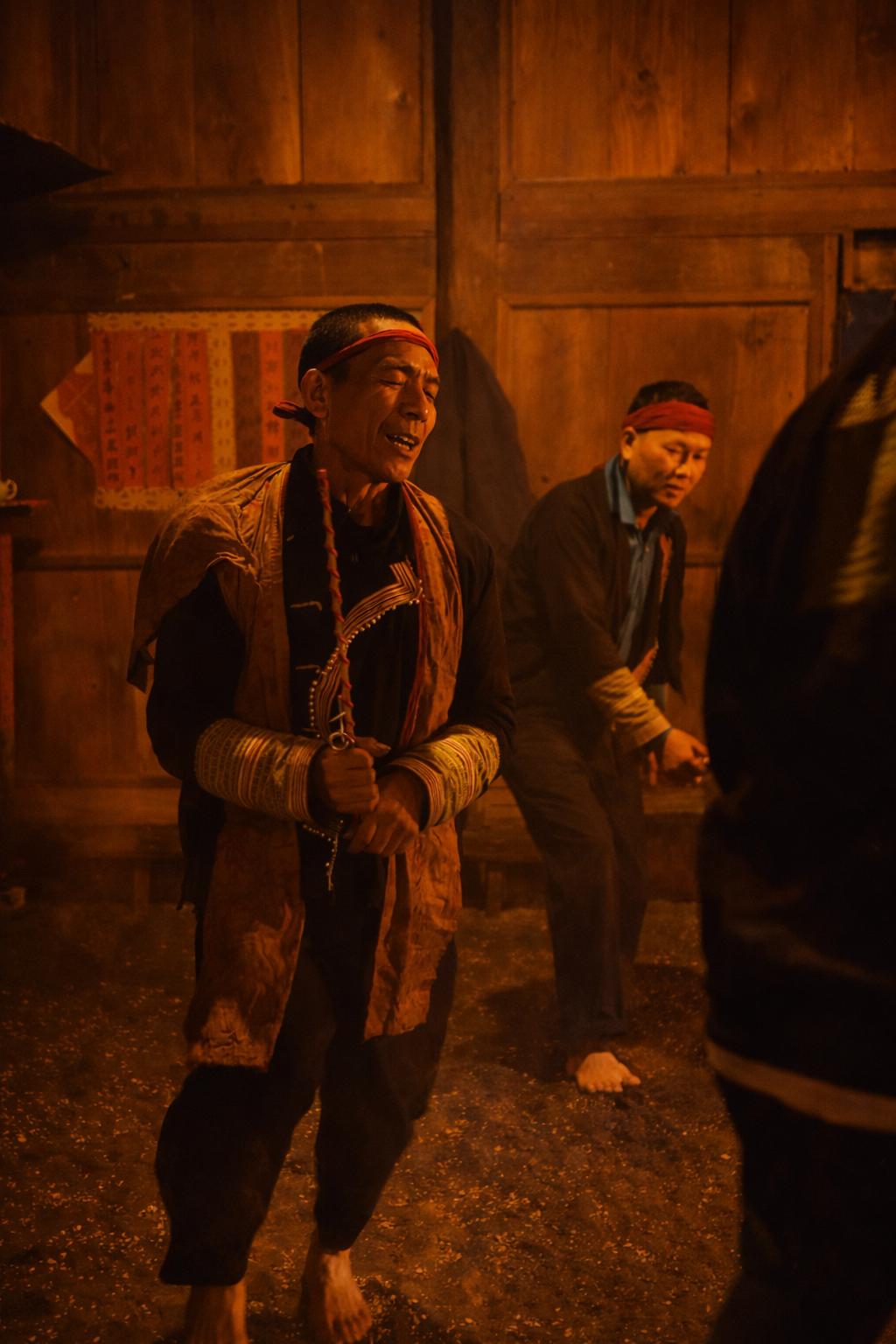
The dancers are typically young men chosen for their spiritual sensitivity or lineage. Some may have trained for years. When the ceremony begins, they enter a trance induced by rhythmic drumming, chanting and incense smoke.
In this state, they step onto and kick glowing coals, throw embers and move energetically through the fire. Despite the danger, burns are rare. The community attributes this to spiritual protection.
The Community
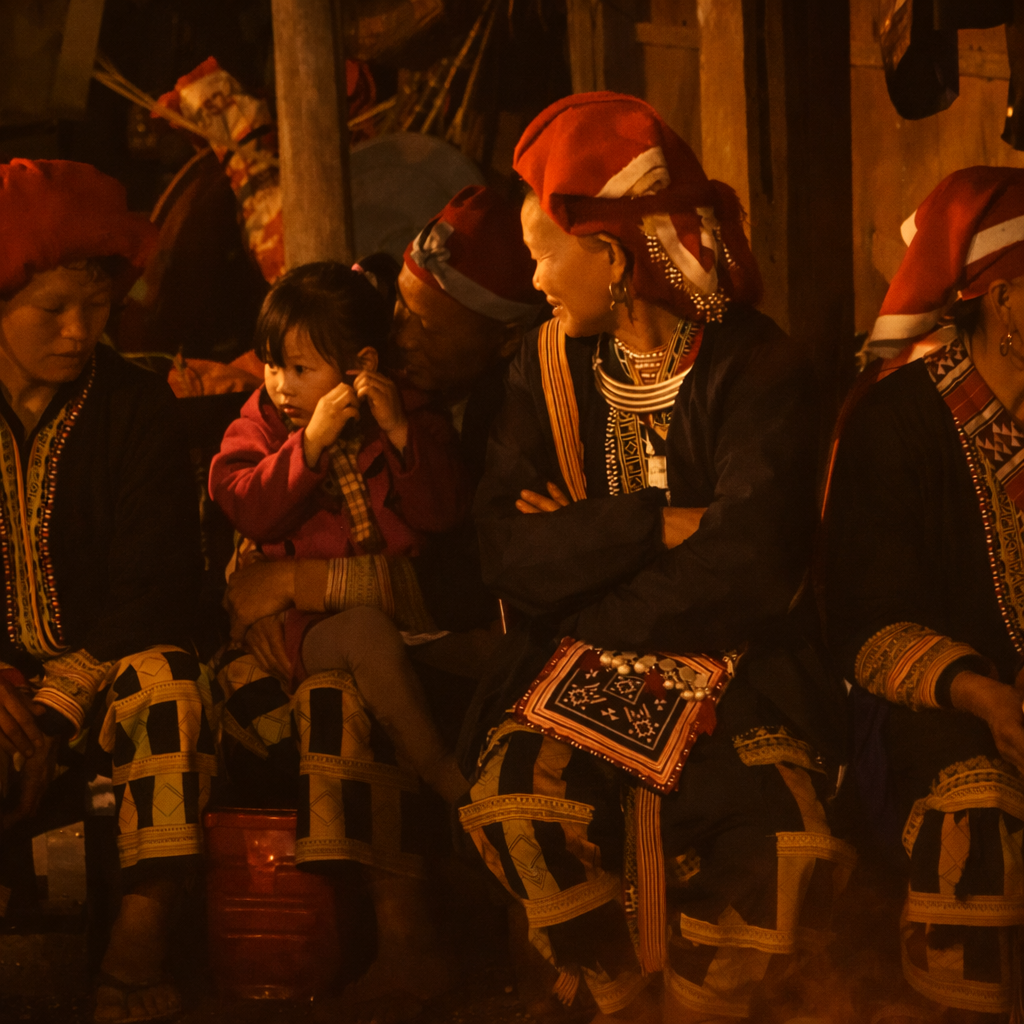
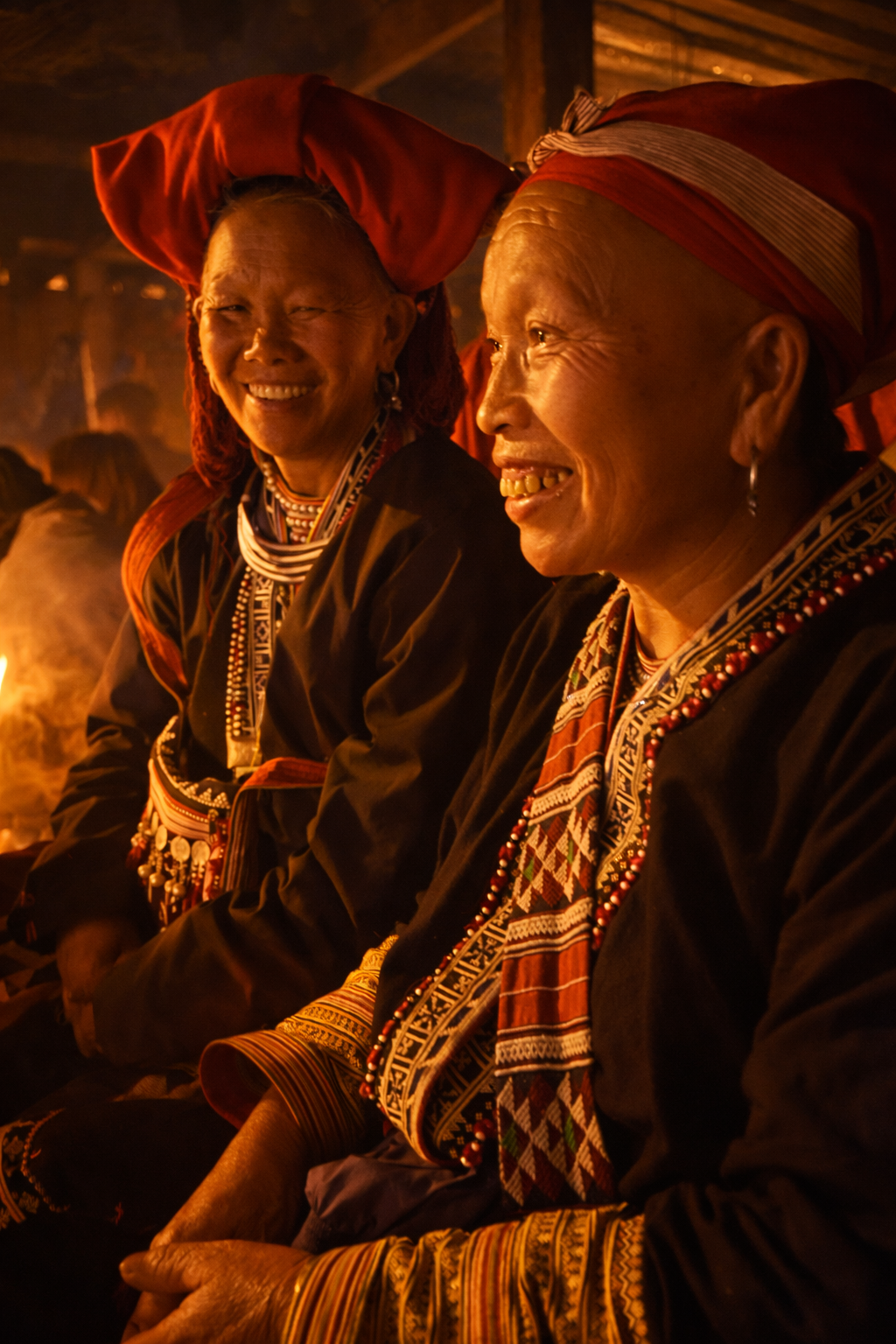
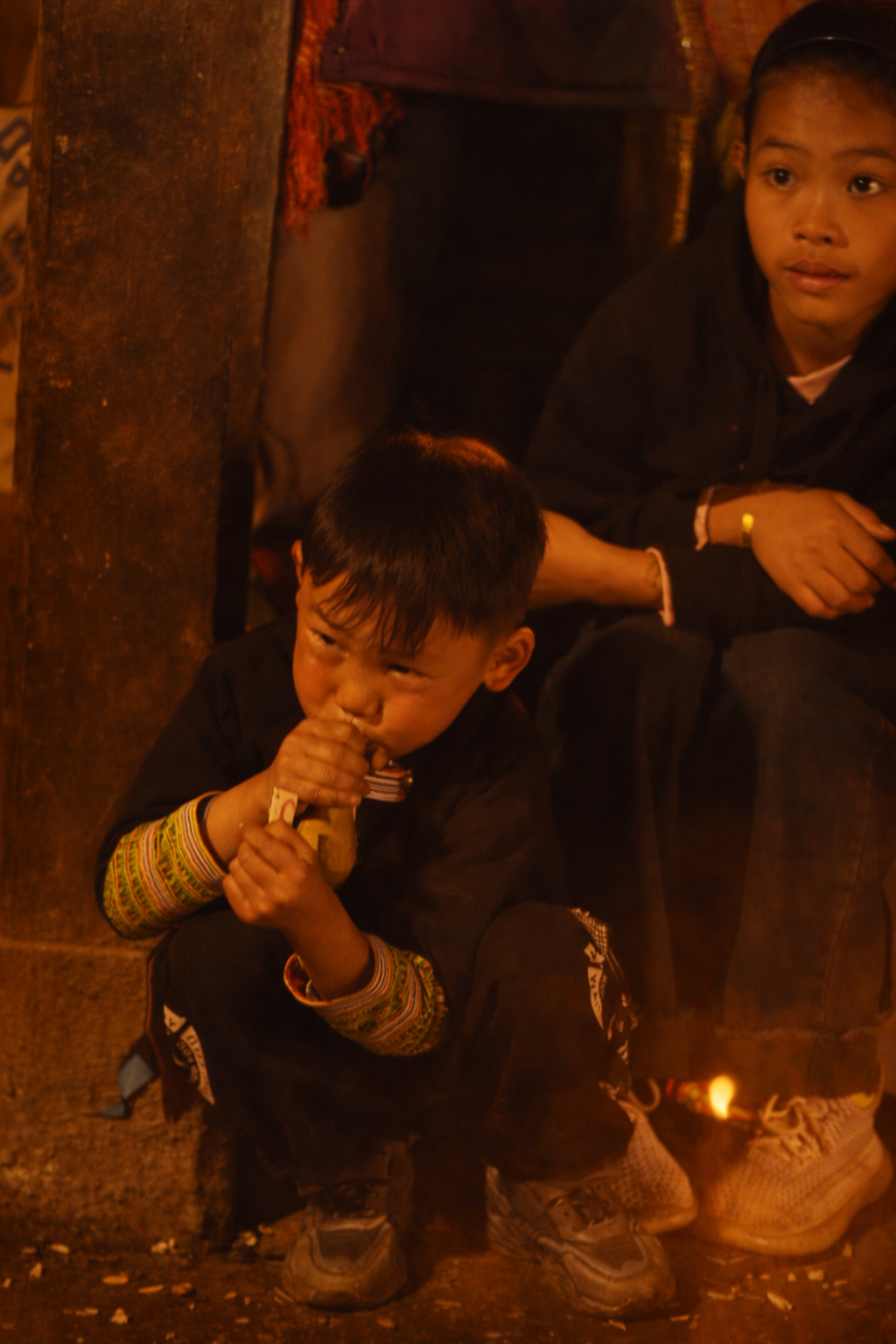
Villagers gather to witness, pray and celebrate. Women, elders and children participate through preparation of offerings and communal feasting. The ceremony belongs to the whole village, not just the dancers.
The Ritual Process
The Pu Tong ceremony follows a structured spiritual sequence:
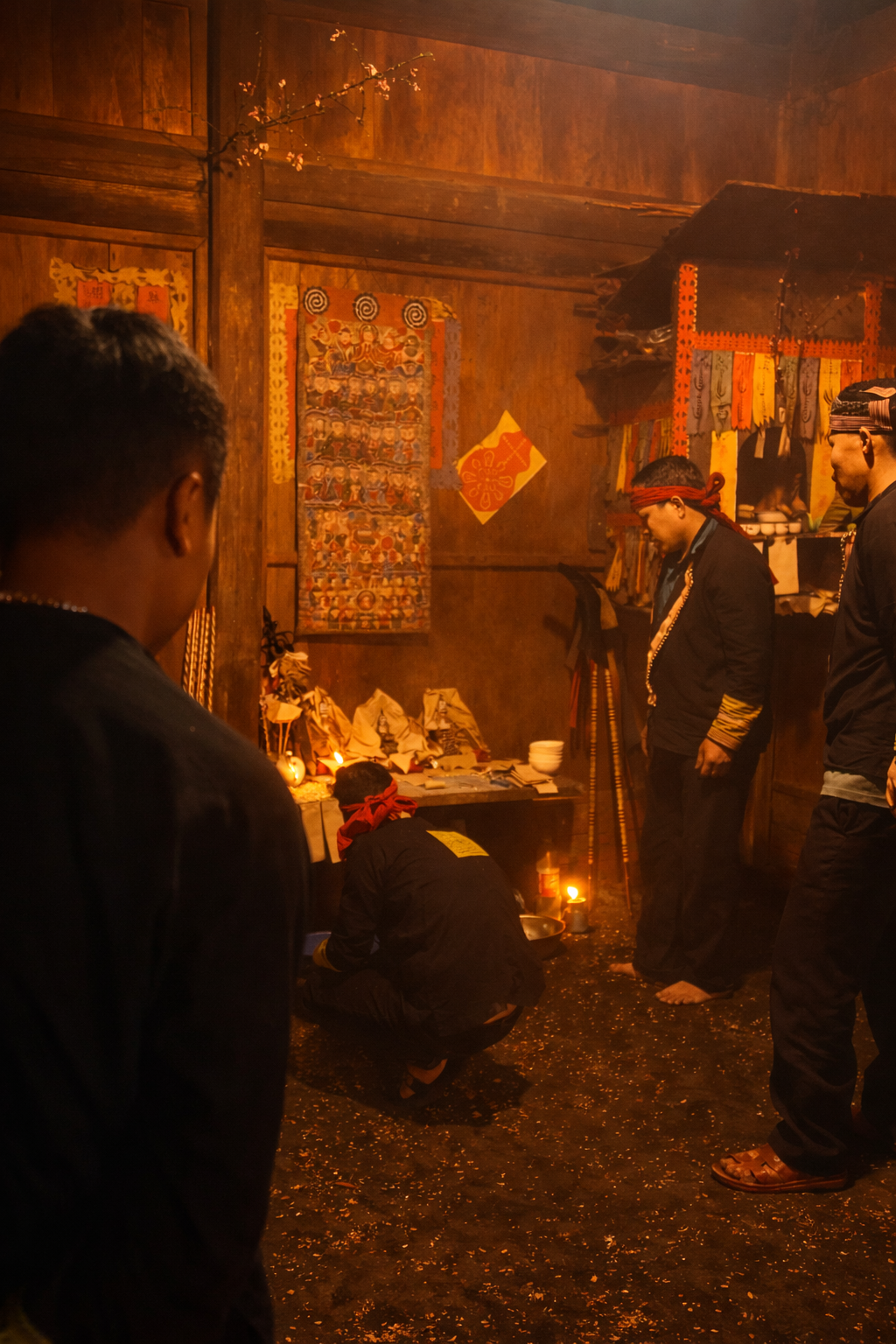
Preparation of the fire. A large fire is built and allowed to burn down into a bed of glowing coals.
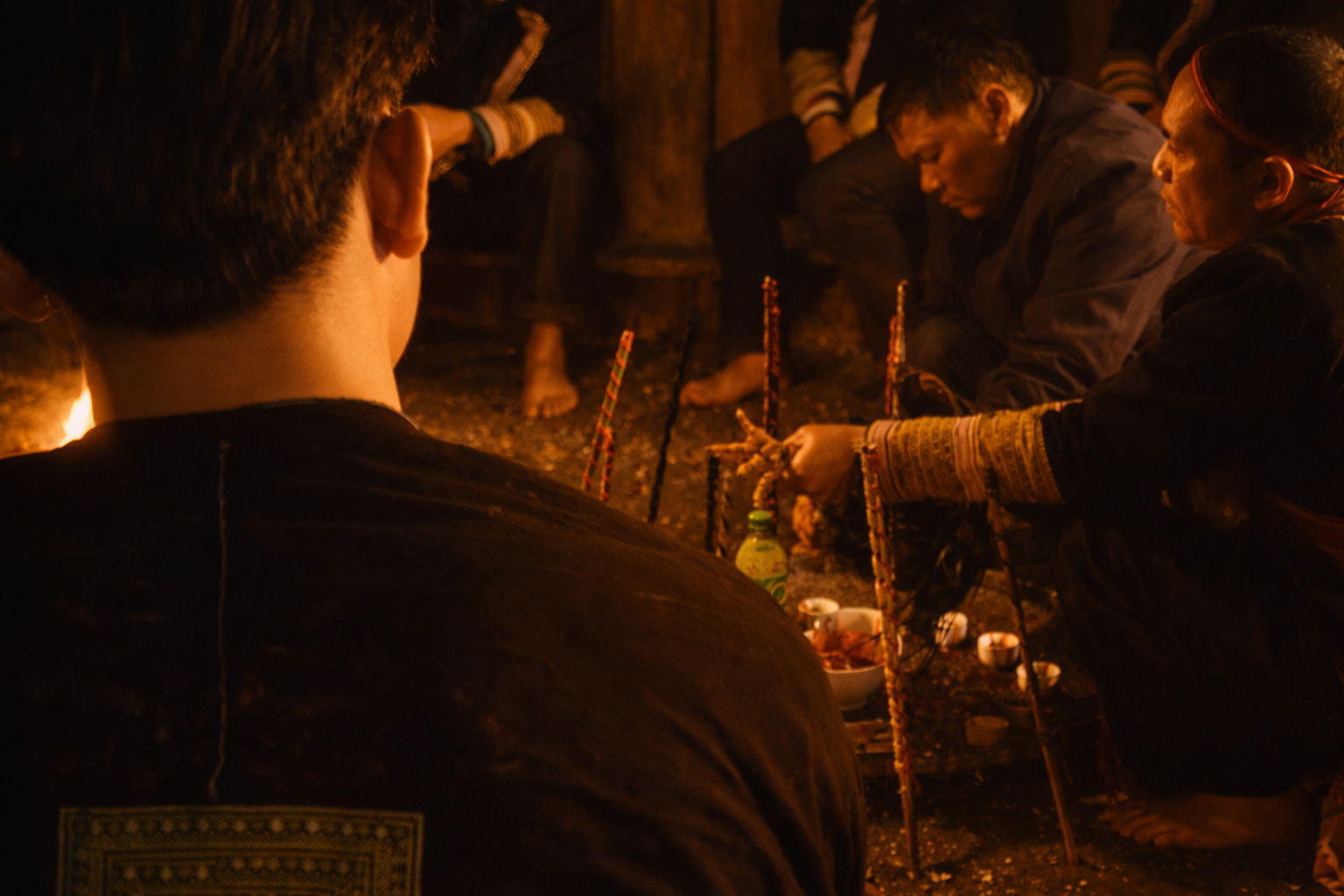
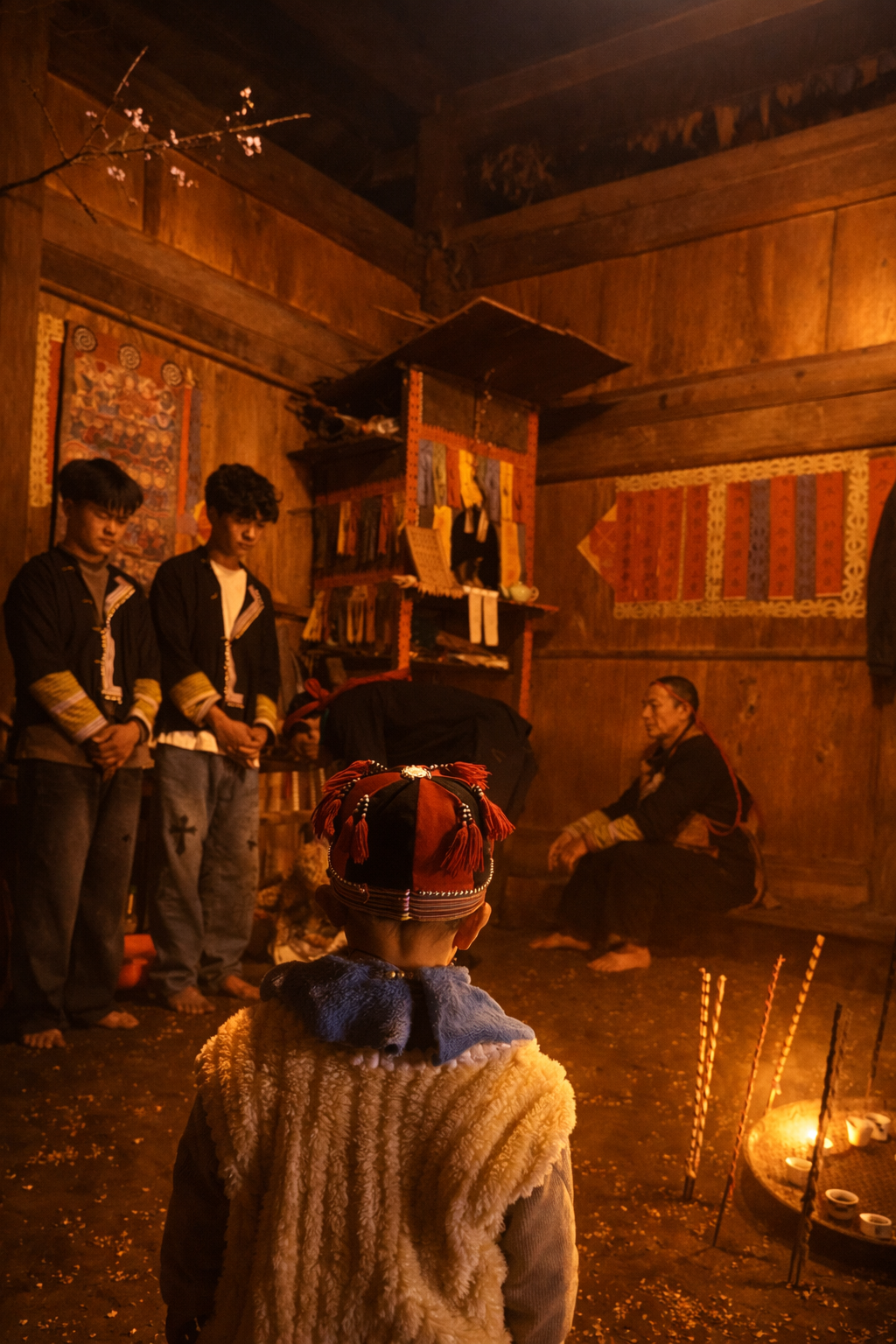
Invocation. The shaman calls on ancestors and spirits through chanting and ritual offerings.
Trance induction. Drumming, movement and prayer help participants enter a spiritual state.
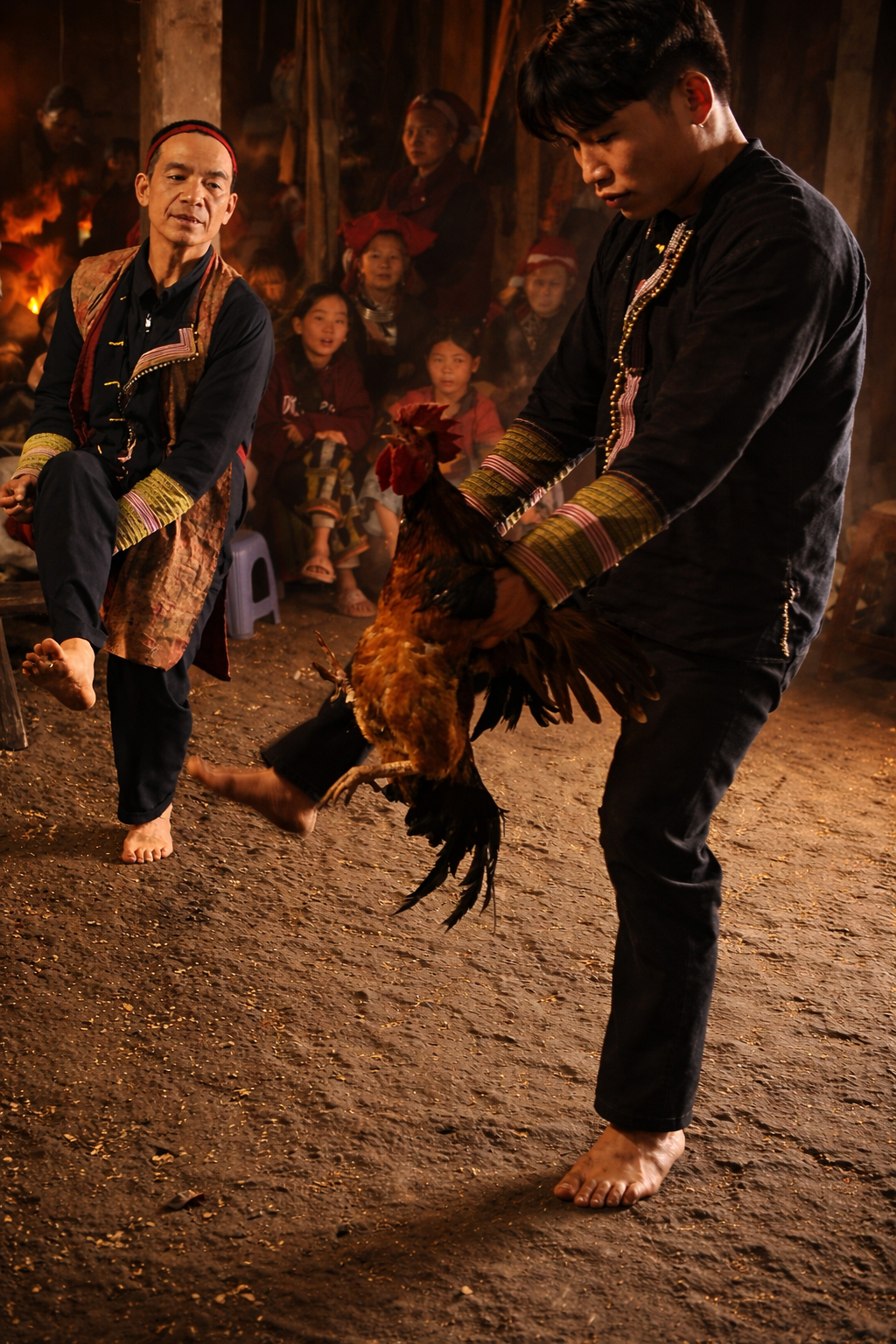
Fire dancing. Men step barefoot onto the coals, dancing and kicking embers in symbolic acts of strength and purification.
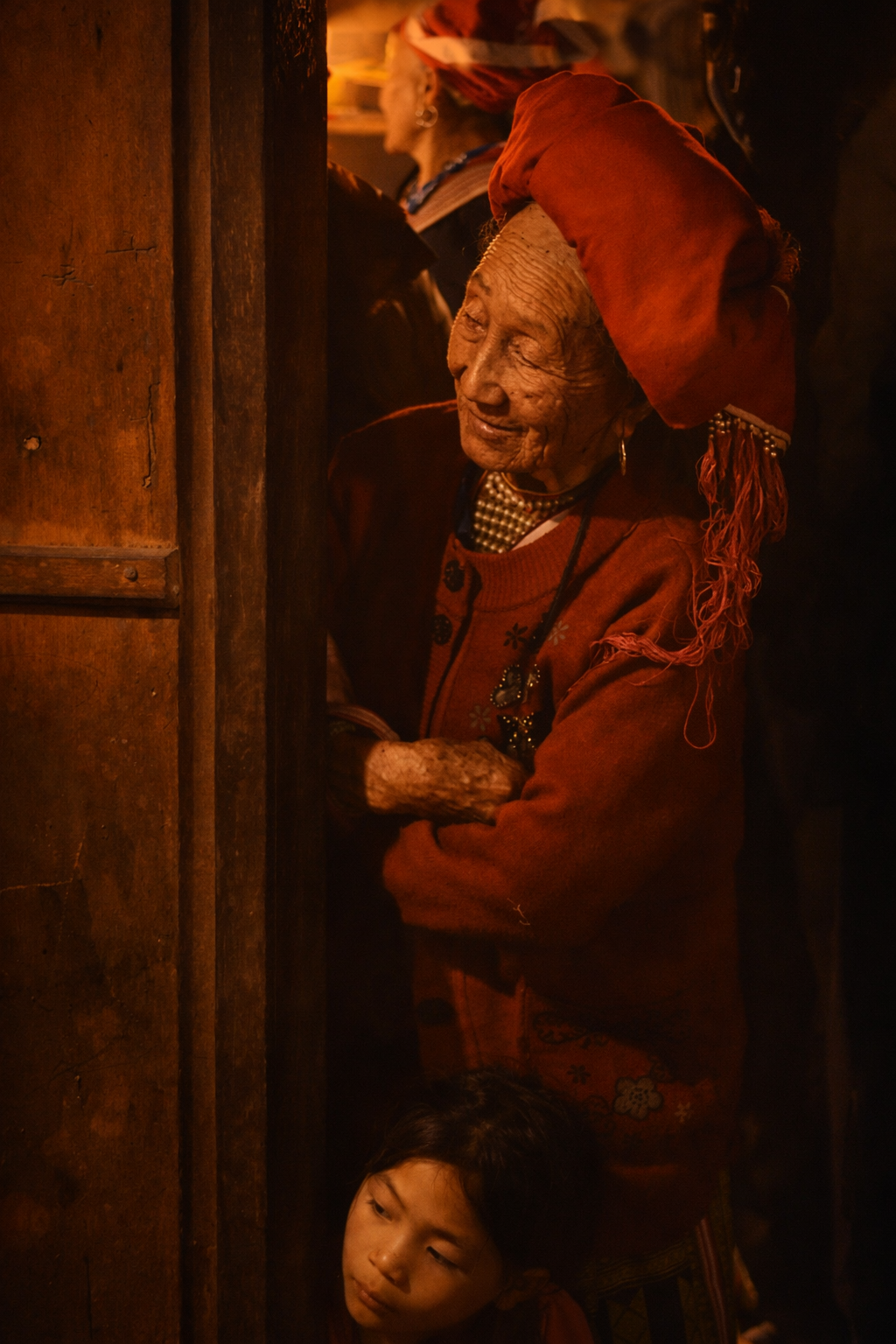
Sacrifice and offering. After the dancing and the throwing of embers, six cockerels are sacrificed as offerings of gratitude and protection. This act symbolises respect to the spirits and marks the successful completion of the ritual.
Blessing. The ritual concludes with prayers for prosperity, health and protection in the coming year.
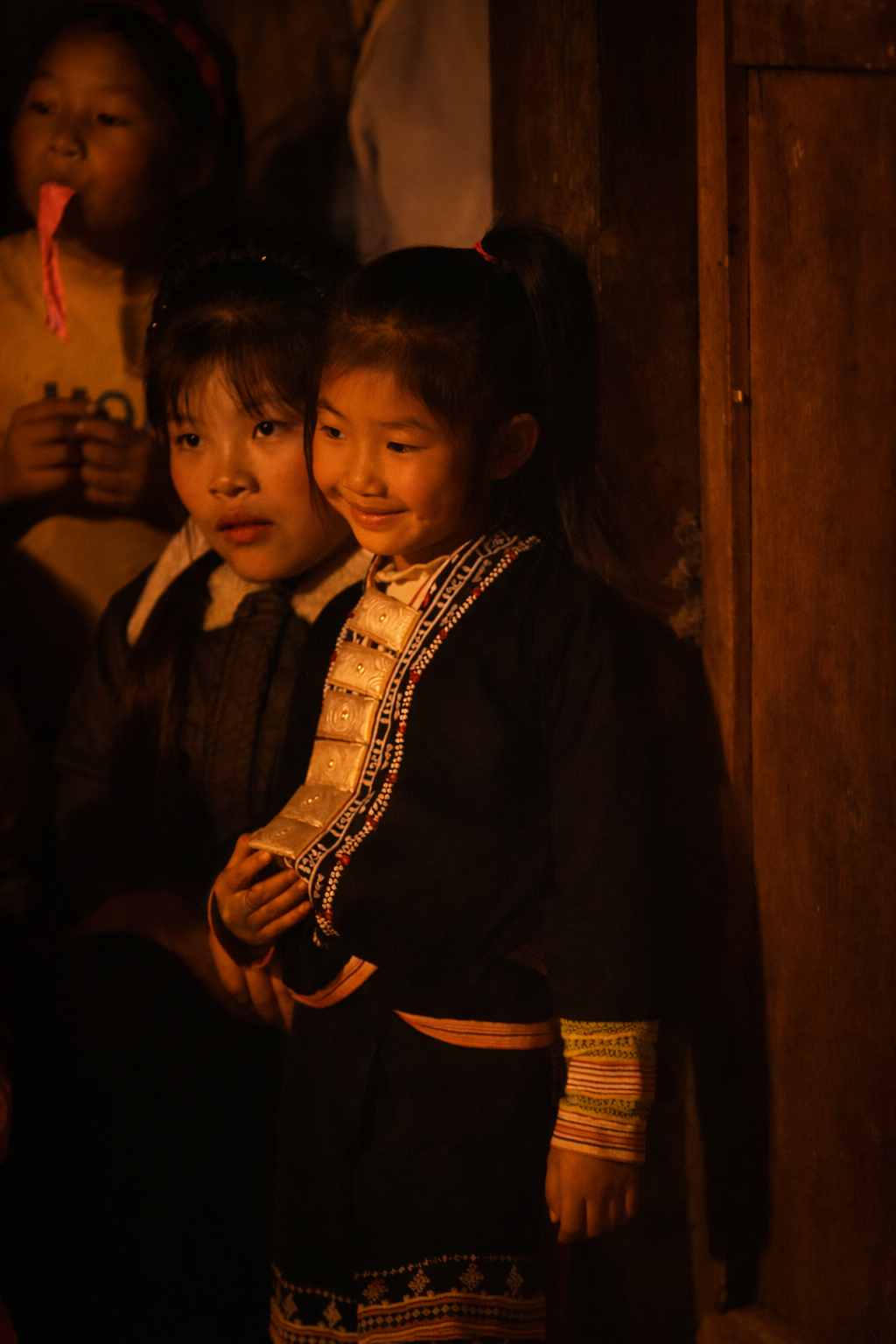
Each stage holds deep symbolic meaning, reinforcing the relationship between the human world and the spirit realm.
Why Pu Tong Is So Significant
The Pu Tong festival remains one of the most important cultural and spiritual traditions of the Red Dao for several reasons.
A Link to Ancestors
The ritual is believed to honour and invite the presence of ancestors, who are central to Red Dao spiritual life. Through Pu Tong, the living show respect and seek guidance for the year ahead.
Protection for the Community
At the start of a new year, villagers ask for protection from illness, bad luck and natural hardship. The fire ritual acts as a spiritual safeguard.
Cultural Identity and Continuity
In a rapidly changing world, Pu Tong helps preserve Red Dao traditions. It strengthens identity, passes knowledge between generations and reaffirms shared beliefs.
A Test of Spiritual Power
The ability to walk across fire is seen as a visible sign of spiritual connection. It reinforces faith and trust in traditional practices.
Pu Tong in the Modern Era
Today, the fire dancing festival sometimes attracts visitors to Sapa who come to witness its intensity and beauty. While tourism has brought attention to the ceremony, many villages maintain its sacred nature and perform it primarily for spiritual reasons rather than for display.
For the Red Dao, Pu Tong is not a spectacle. It is a living ritual. It is a moment when the boundaries between the human and spirit worlds feel closest.
A Ceremony of Renewal and Strength
At its heart, Pu Tong is about beginning the new year with courage, unity and spiritual protection. The sight of dancers moving confidently across fire symbolises resilience in the face of hardship and trust in ancestral guidance.
For the Red Dao people, the ritual is a powerful reminder. The community stands strong, protected by its traditions, its spirits and its shared belief in renewal.
Red Dao New Year in Sapa: Rituals, Feasts and Traditional Dress at Tết
In the mountains around Sapa, the Red Dao welcome Tết with herbal baths, solemn ancestor worship, generous village feasts and the spectacular fire jumping ceremony. It is a New Year shaped by memory, spirit and striking traditional dress.
Lunar New Year is a deeply spiritual season for the Red Dao people of Sapa. It is a time when the household is spiritually renewed, ancestors are invited home, and the whole villages move through a sequence of rituals that blend belief, family life and celebration.
These days, the Red Dao share the same lunar calendar as the rest of Vietnam, but their customs during Tết are distinctive. Herbal cleansing baths, unique humpback shaped rice cakes, elaborate ancestral offerings and communal feasting all form part of a New Year that is both traditional and joyful.
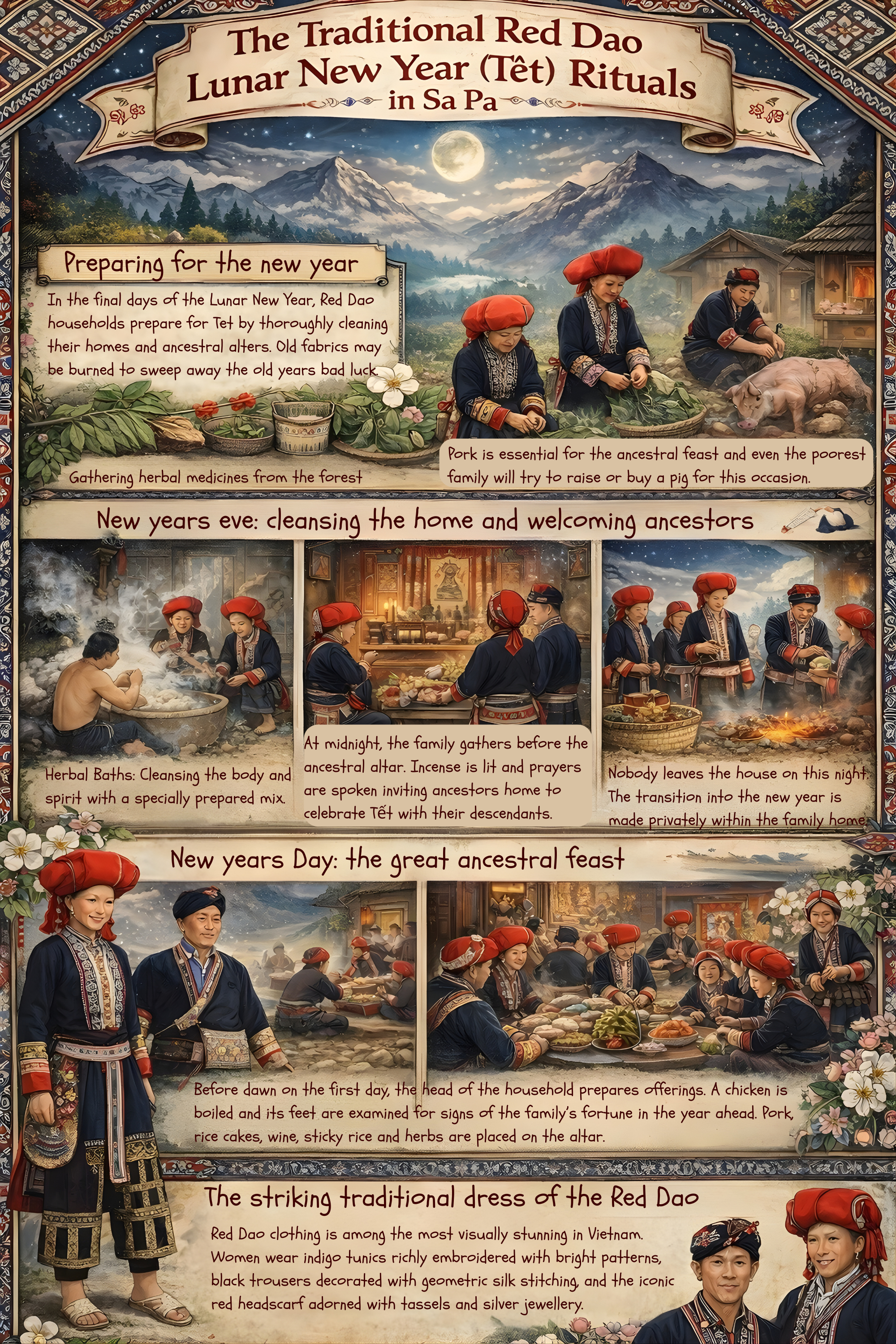
Preparing for the New Year
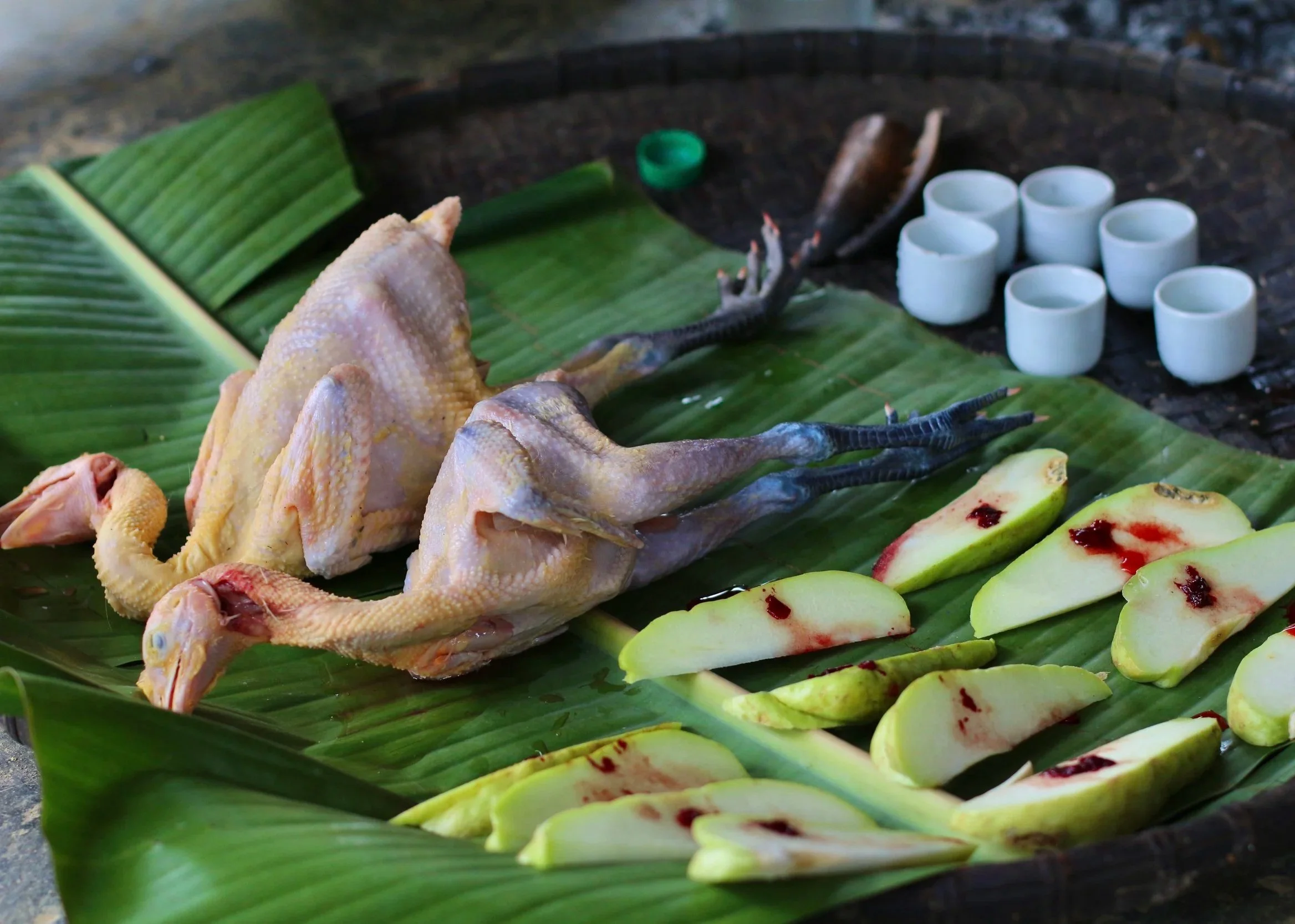
Traditional Tết offerings prepared for the Red Dao ancestral altar, including a boiled chicken, sliced pork and ritual foods arranged on banana leaves.
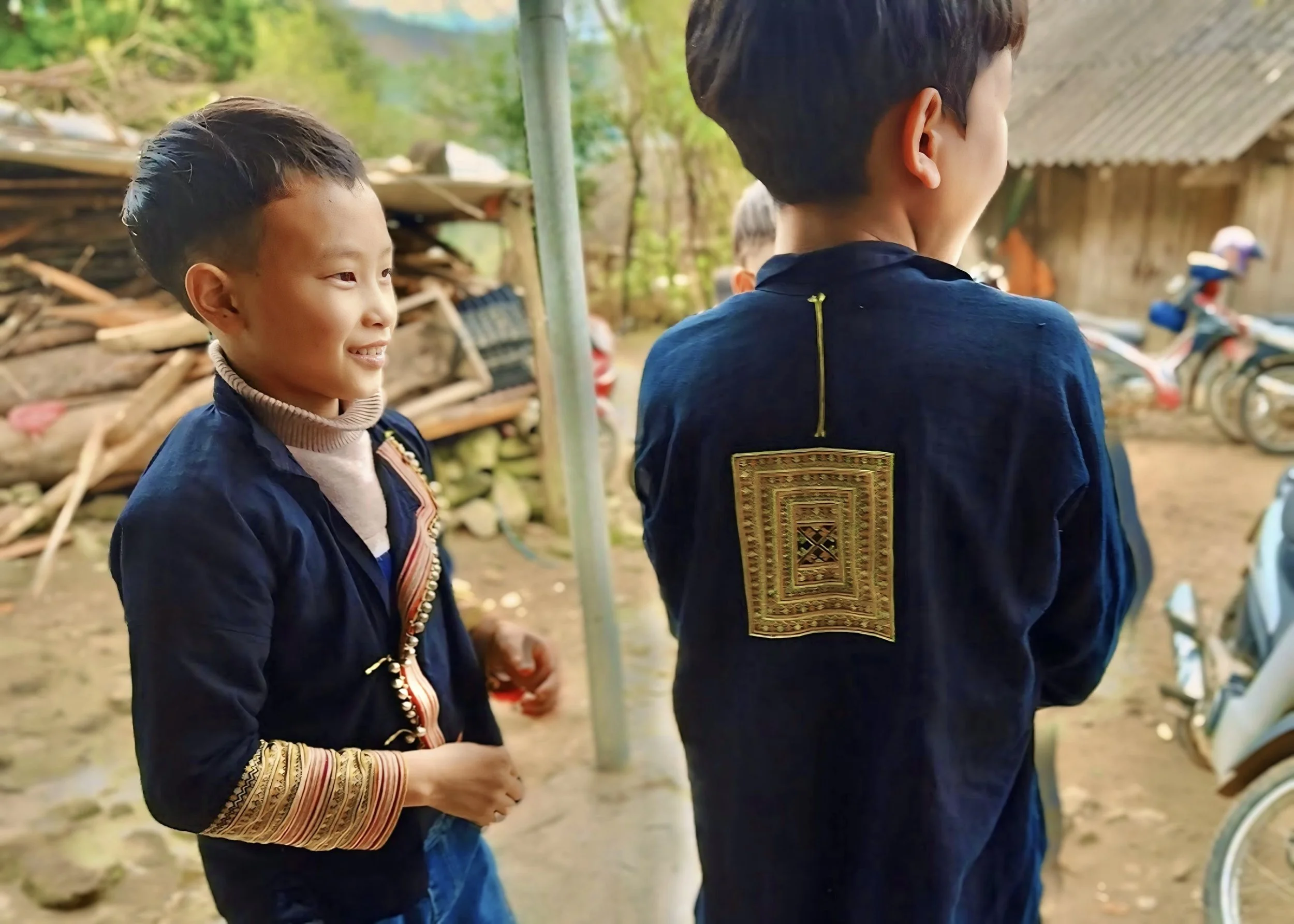
Red Dao boys wearing indigo traditional clothing with embroidered detail, preparing for the New Year celebrations in a mountain village in Sapa.
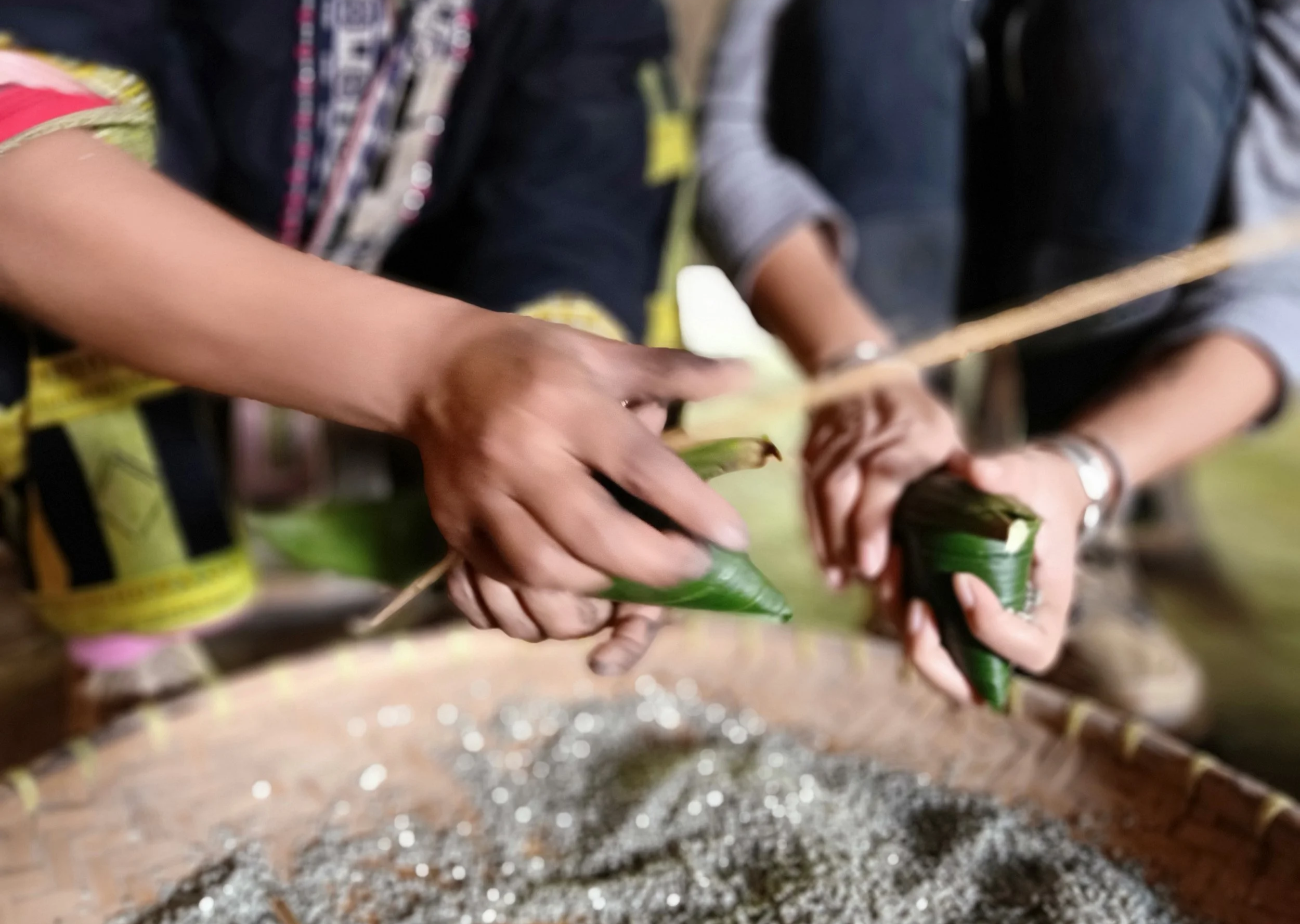
Hands wrapping bánh chưng gù, the Red Dao humpback sticky rice cake, in forest leaves as part of New Year food preparations.
Preparations begin well before the last day of the lunar year. Homes are thoroughly cleaned, especially the ancestral altar. Red paper cuttings and handmade votive paper are placed around the altar to protect the household from misfortune and invite good luck.
Food preparation is central to this period. Pork is essential for ancestral offerings, and families ensure they have a pig ready for the celebrations. Women lead the making of the Red Dao’s distinctive Tet cake, bánh chưng gù, a small humpback shaped sticky rice cake wrapped in forest leaves. At the same time, women and girls finish embroidery on traditional clothing so that everyone will be properly dressed for the new year.
Everything must be ready before New Year’s Eve because once the new year begins, it is believed that opening cupboards, lending objects or cleaning the house risks losing good fortune.
New Year’s Eve: Herbal Cleansing and Quiet Reflection
On the afternoon of New Year’s Eve, the Red Dao carry out one of their most recognisable rituals. Forest herbs are boiled to create a medicinal bath. Each member of the family washes in this herbal water to remove the old year’s bad luck and prepare spiritually for the new one.
After bathing, everyone dresses in full traditional clothing. The evening is calm and reflective. Families remain inside their homes as midnight approaches.
Midnight: Welcoming the Ancestors Home
At midnight, the family gathers before the ancestral altar. Offerings of pork, chicken, rice cakes, wine and incense are laid out carefully. The head of the household lights incense and recites prayers to invite the ancestors to return home to celebrate Tết with their descendants.
A bowl of blessed water is shared among family members for health and protection in the coming year. Nobody leaves the house during this sacred transition from one year to the next.
Dawn of the First Day: Signs of Fortune
At dawn, family members step outside to collect a fresh green branch which symbolises spring and renewal. A chicken is boiled and its feet are examined carefully. The appearance of the claws is believed to foretell the family’s fortune in the year ahead.
The Great Ancestral Offering and First Feast
The largest ancestral offering of the year is then presented. A pig’s head, chicken, bánh chưng gù, sticky rice, wine and other dishes are placed on the altar. Prayers ask for health, good harvests and prosperity.
After the ceremony, the offerings are taken down and shared as the first meal of the year. Relatives, neighbours and friends are invited to join. The Red Dao believe that a crowded house on the first day brings good fortune, so the celebration often moves from house to house across the village.
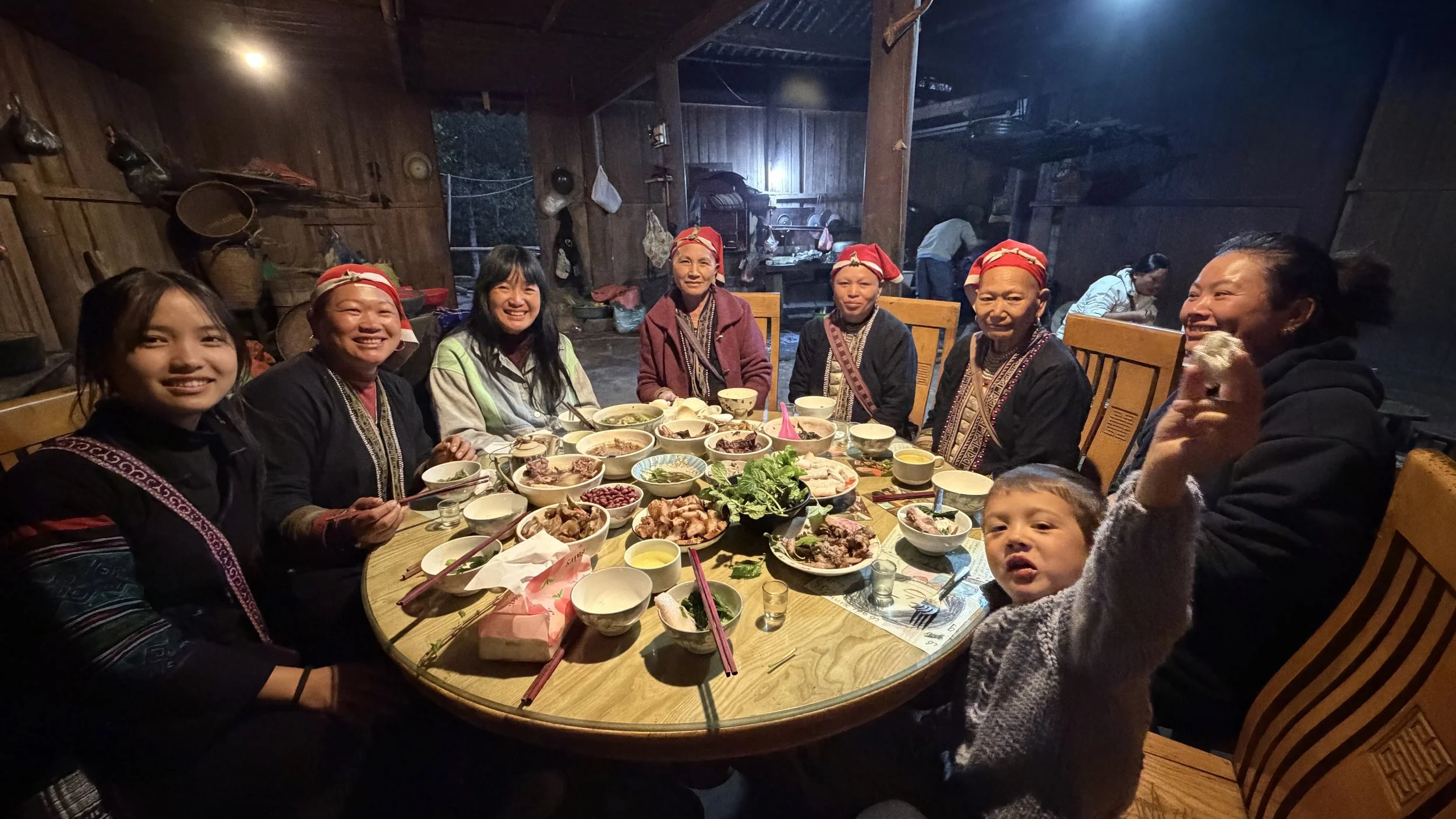
A multi-generational Red Dao family sharing a festive meal. The setting feels intimate and celebratory, reflecting the first communal feast of the New Year.
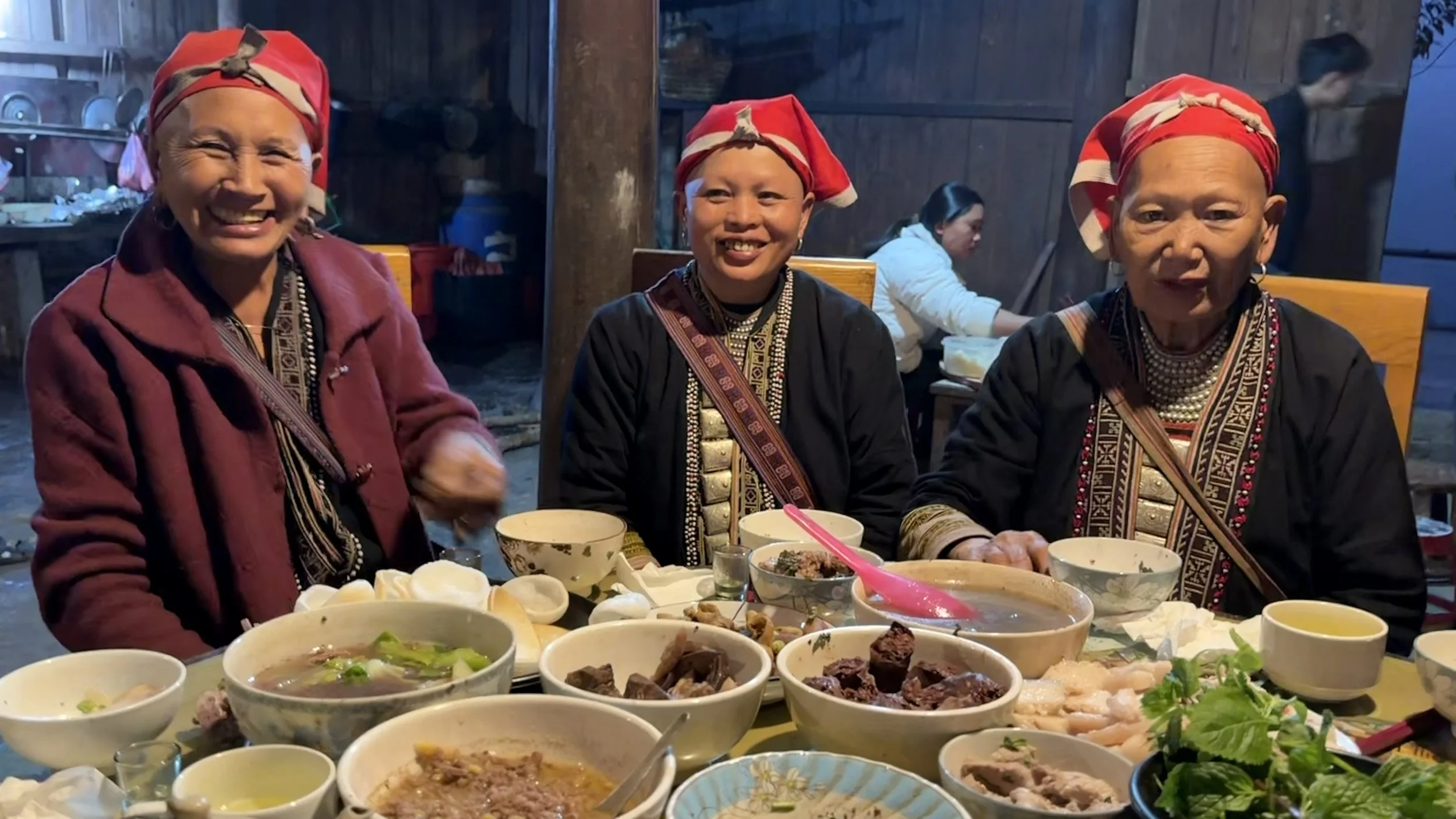
Three Red Dao women wearing embroidered clothing sit together at a table covered with home-cooked dishes. They smile warmly in a dimly lit wooden interior, with bowls of soup, meat, and herbs arranged in front of them, capturing a moment of hospitality and shared celebration during the New Year meal.
Tết Nhảy: The Fire Jumping Ceremony
One of the most extraordinary elements of Red Dao New Year is Tết Nhảy, also known as Pút Tồng. This clan ceremony combines ritual dance, music and a dramatic fire jumping performance.
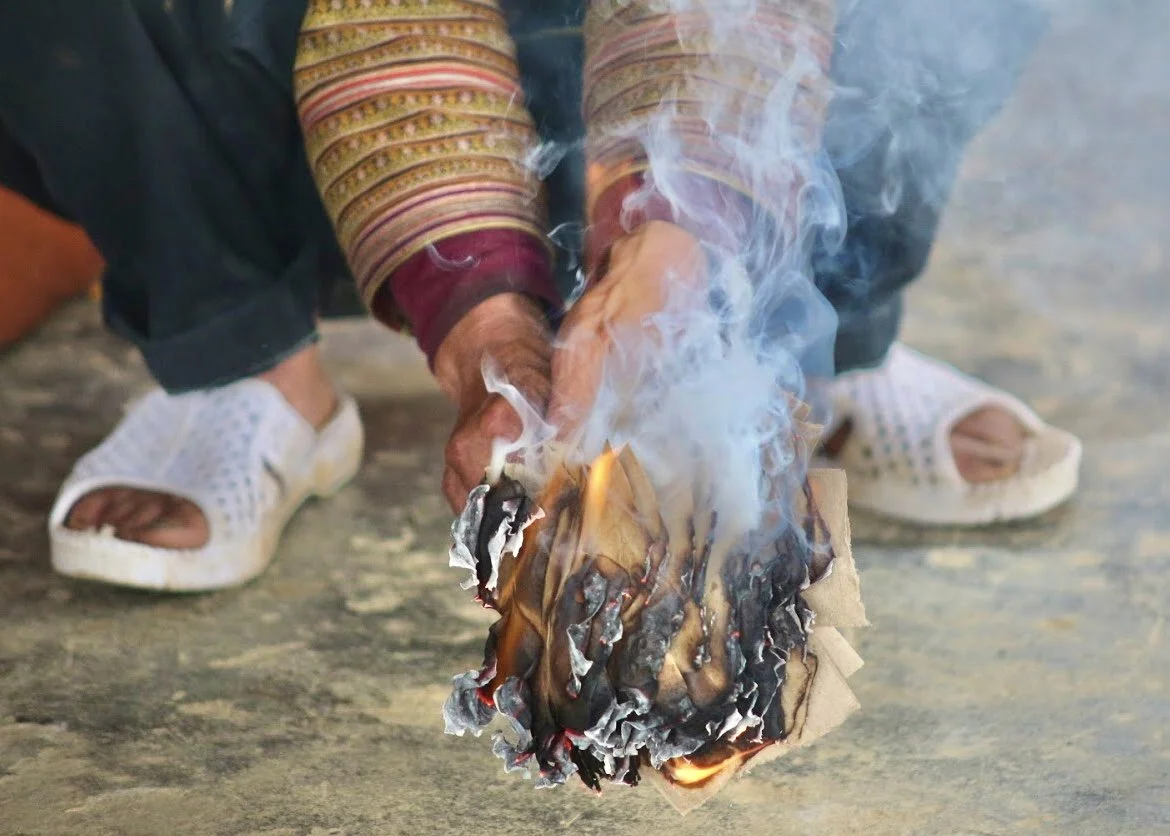
Led by a shaman, young men perform a series of sacred dances to invite the ancestors and gods to join the celebration. The ceremony builds towards the fire dance, where participants lift flaming papers and leap barefoot across glowing embers. This act symbolises courage, purification and the burning away of bad luck.
Tết Nhảy is recognised as an important element of Red Dao cultural heritage and different to that of the Hmong or in other Vietnamese New Year traditions.
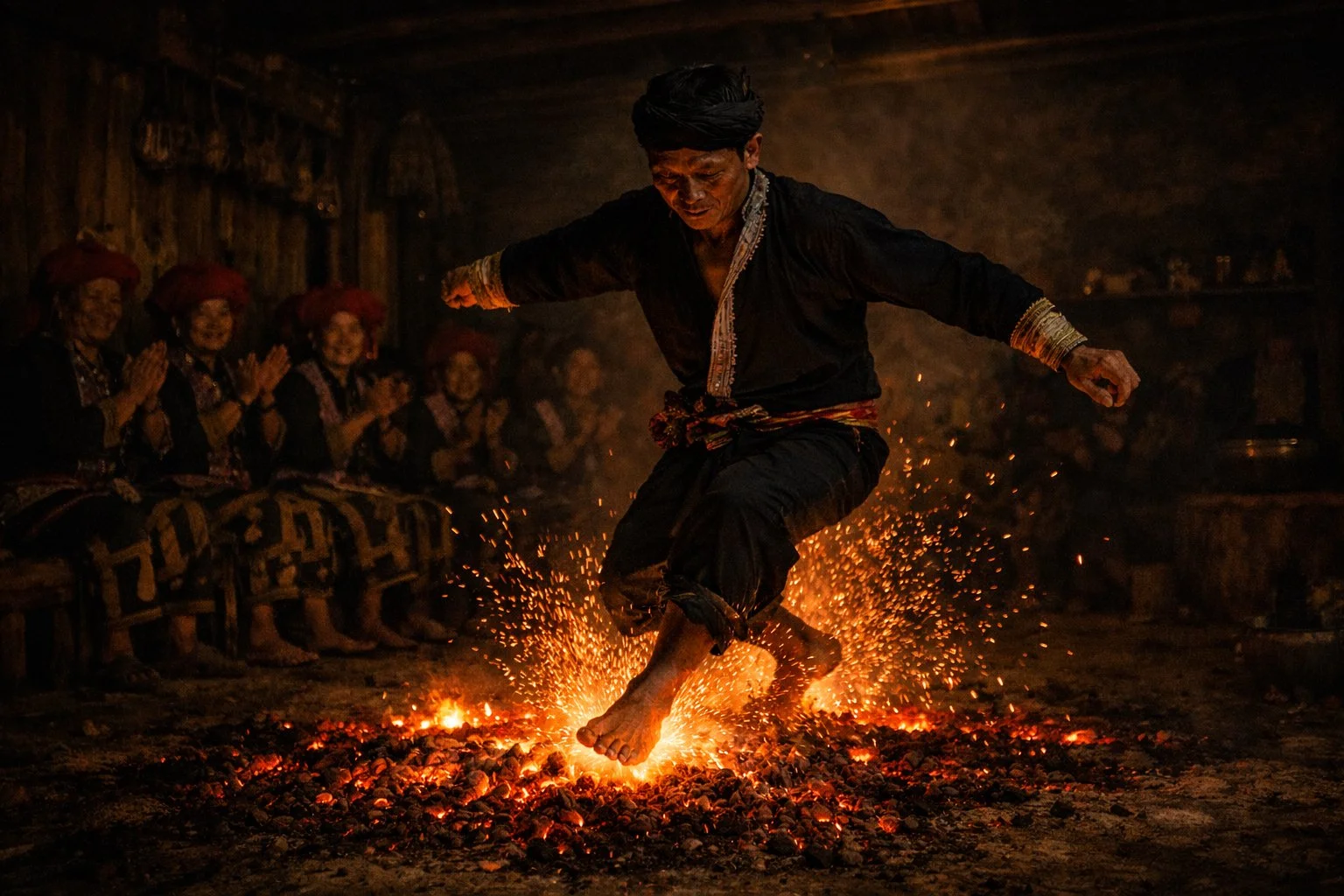
Red Dao man dancing on embers in a family home.
Songs, Games and Teaching the Dao Script
Beyond rituals, the New Year is also a social and educational season. Elders use the first days of the year to teach children the ancient Dao characters and share stories about their ancestors.
The Striking Traditional Dress of the Red Dao
Traditional clothing is an essential part of Tết. Women wear indigo tunics richly embroidered with bright patterns, black trousers decorated with geometric stitching, and the iconic red headscarf with tassels and silver jewellery. Men wear indigo jackets with red accents and headscarves.
Wearing traditional dress honours the ancestors, expresses cultural pride and is believed to bring good luck for the year ahead.
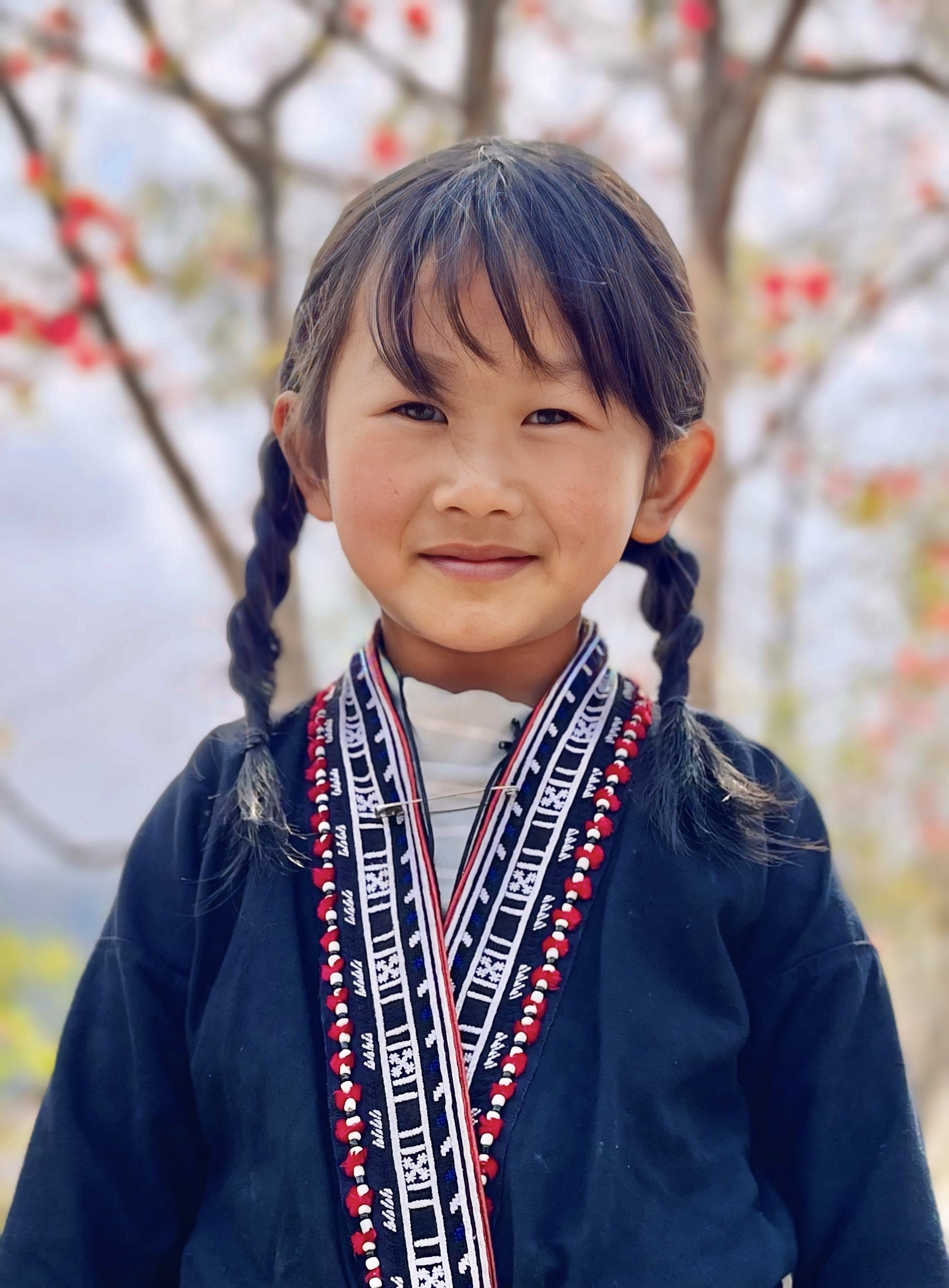
A young Red Dao girl wearing an indigo embroidered tunic and decorative collar, dressed in traditional clothing for the New Year in Sapa.
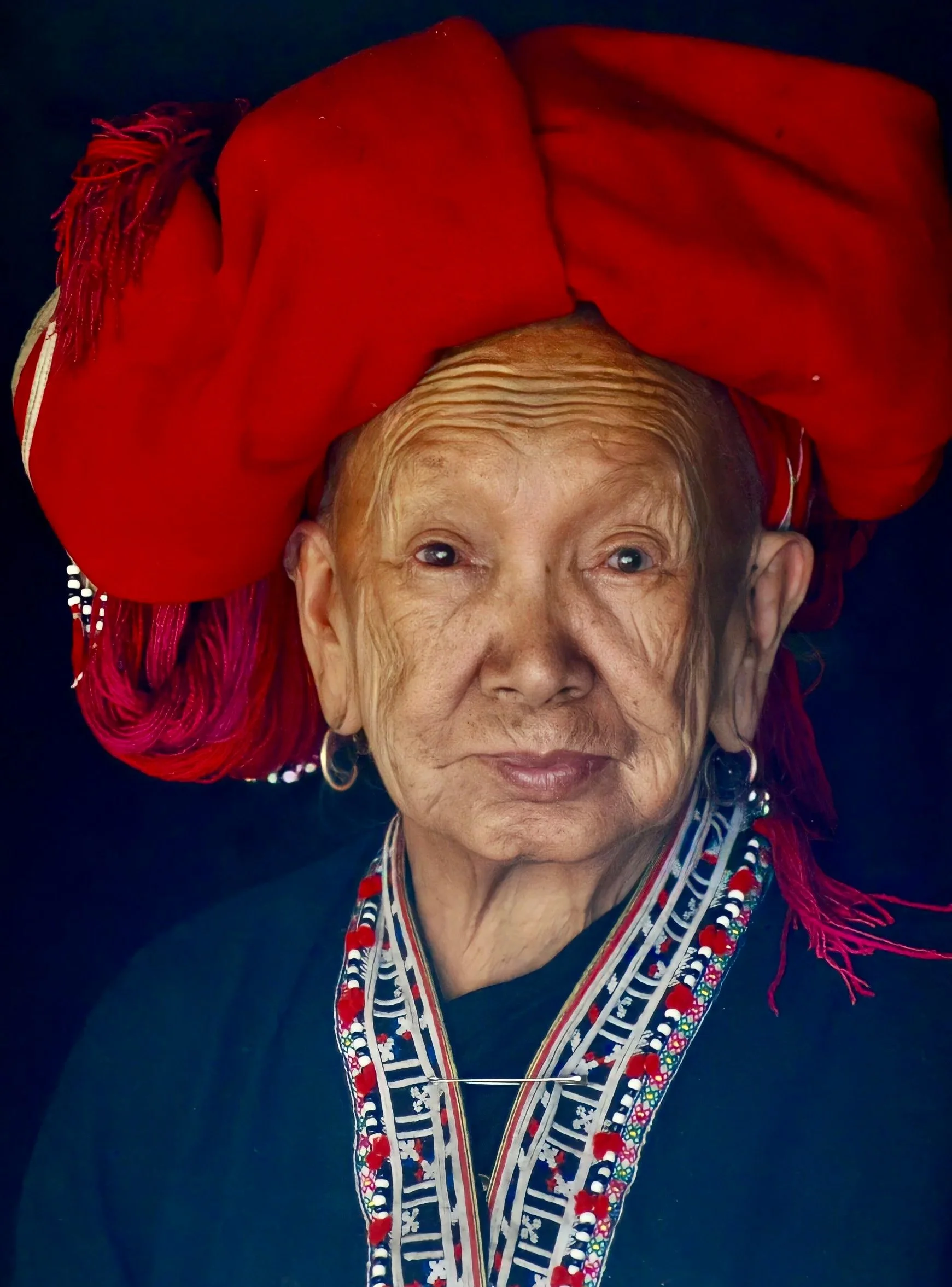
An elderly Red Dao woman wearing the iconic red headscarf, indigo tunic and embroidered panels that symbolise cultural identity and heritage.
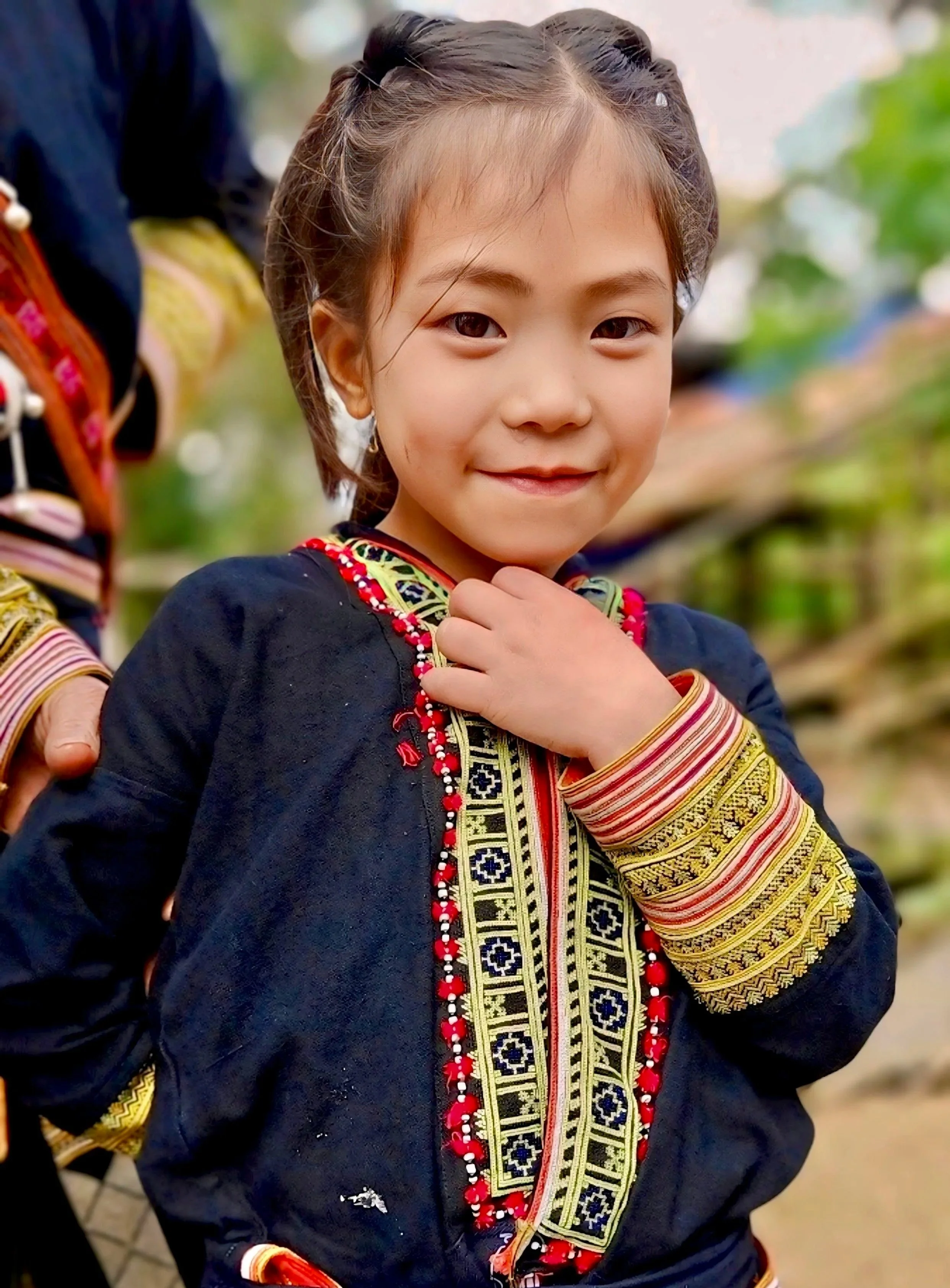
A Red Dao child in traditional indigo clothing with colourful embroidered trim, dressed for Tết celebrations in a mountain village.
A New Year Rooted in Memory and Identity
For the Red Dao of Sapa, Tết is a celebration, the renewal of family ties, spiritual belief and cultural identity carried forward from one generation to the next. Through ritual, food, clothing and community, the Red Dao step together into the new year with hope and deep respect for their past.
Join our ethical Red Dao treks in Sapa
Stay in authentic Dao homestays
Discover more about Dao culture with our workshops
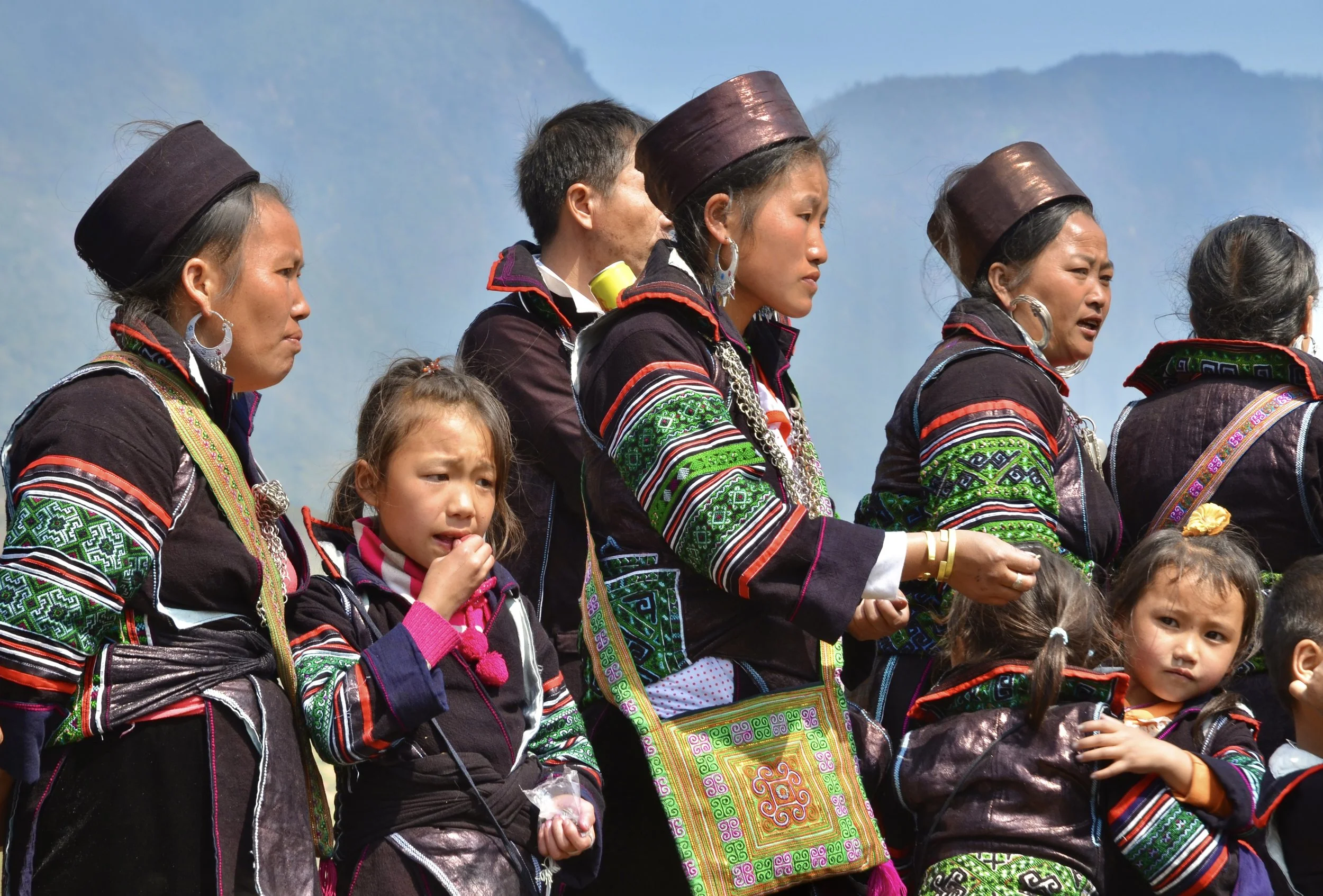
Black Hmong New Year in Sapa: Ritual, Renewal and Indigo Identity
In the mountains around Sapa, the Black Hmong New Year renews both spirit and community. Through shamanic soul-calling rites, offerings, pav tuav, rice wine, festivals and indigo hemp clothing, the celebration binds people to land, ancestors and one another.
In the highlands surrounding Sapa, the Black Hmong New Year is a period when daily life pauses and the relationship between people, spirits, animals and land is renewed. Following the harvest, tools are put away and attention turns first to the household, then outward to the village through festival, music and play. This is a spiritual reset expressed through ritual, food, clothing, music and social life. While many families today align celebrations with Vietnam’s national Tết for practical reasons, the Black Hmong observances remain deeply rooted in their own cosmology.
The Rhythm of the Celebration
Traditionally, the New Year begins once agricultural work is complete. Homes are cleaned. Clothing is finished. Food is prepared. Rice wine is distilled in advance for ritual and visiting. For days afterwards, families visit relatives, exchange blessings and attend communal gatherings filled with games, music and courtship. Normal labour is suspended so that attention can be given to relationships, spirit and renewal. These days, Hmong New Year is more aligned with the Vietnamese Tet celebrations, but Hmong rituals remain unique.
The Household as Sacred Space
The earliest moments of the New Year are domestic and spiritual. The ancestral altar is carefully prepared. Incense is lit. Offerings are made to ancestors and household spirits. A pig is often central to these rites, first presented in prayer before becoming part of the shared meal. The fire symbolises continuity and protection. The house becomes the place where the old year is formally closed and the new one welcomed through ritual order.
Shamanism and Spiritual Renewal
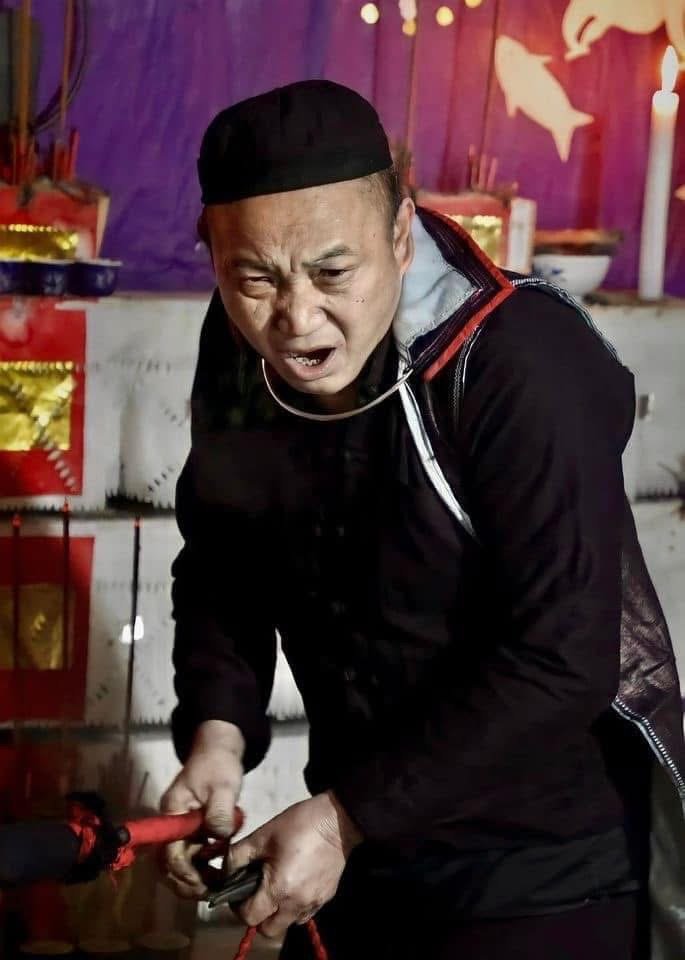
At the centre of Black Hmong spirituality stands the txiv neeb, the master of spirits. Hmong religion is traditionally animist, grounded in belief in the spirit world and in the interconnectedness of all living things. The human body is believed to host multiple souls. When one or more become separated, illness, depression or misfortune can follow. Healing rites are therefore known as soul-calling rituals, because the lost soul must return.
New Year is a powerful moment for this work.
Soul-calling and the journey to the spirit world
During a séance, the shaman is transported to the spirit world by means of a ‘flying horse’, a narrow wooden bench that serves as spiritual transport. Wearing a paper mask, which blocks out the real world and disguises the shaman from hostile spirits, the shaman enters trance.
Assistants steady the shaman as he mounts the bench. It is believed that if the shaman falls before his soul returns, he will die. In this state, the shaman’s soul leaves the body and enters the spirit realm where he can see, speak to, touch and capture spirits in order to liberate lost human souls.
Shamanic language is used throughout, blending everyday Hmong with the ritual dialect Lus Suav or Mon Draa. The chanting invites the too Xeeb spirit to manifest, accept offerings and grant blessings.
Divination, gong and sacrifice
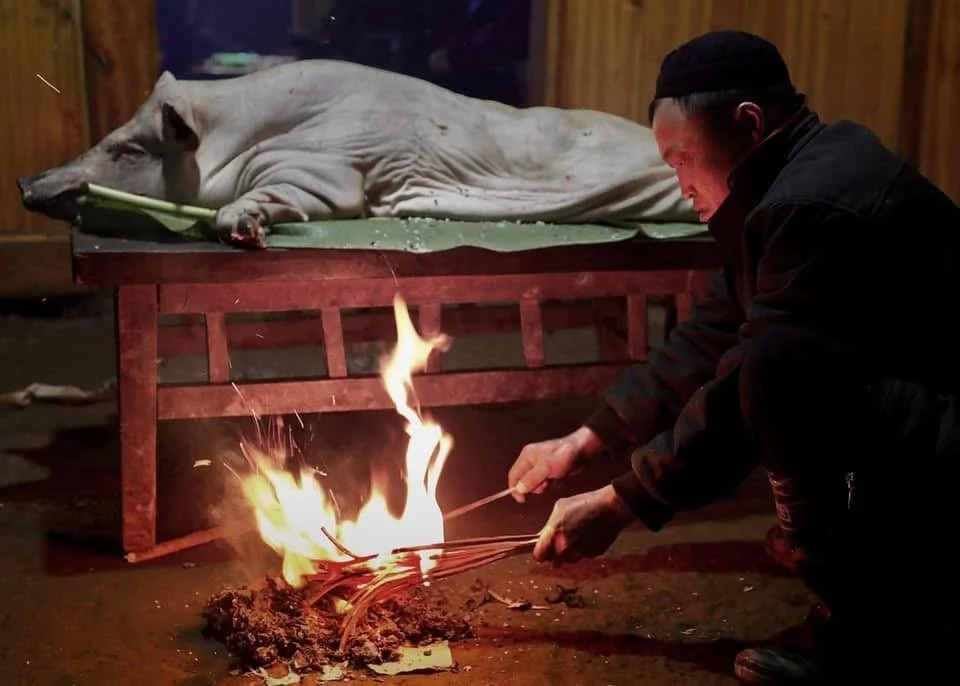
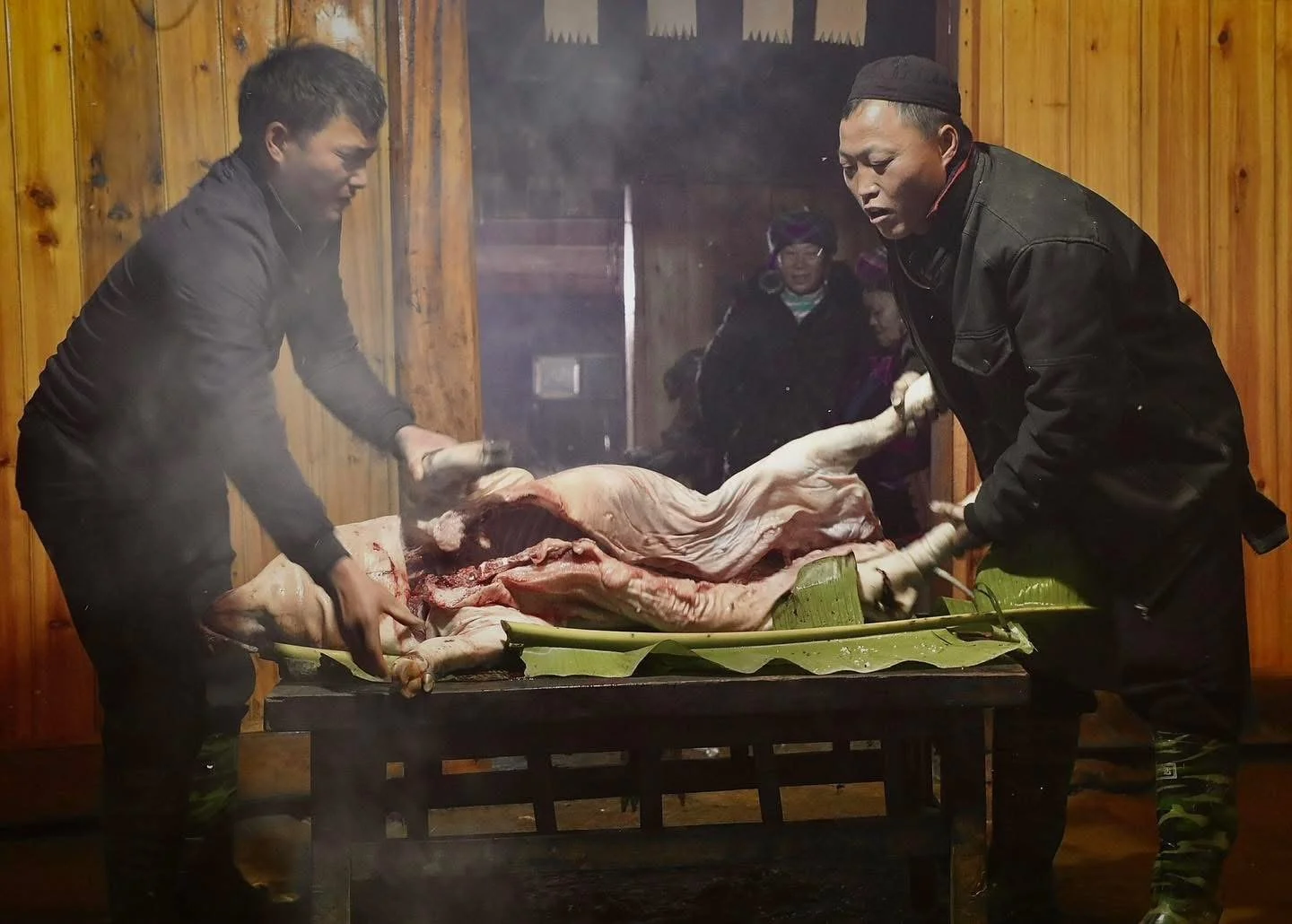
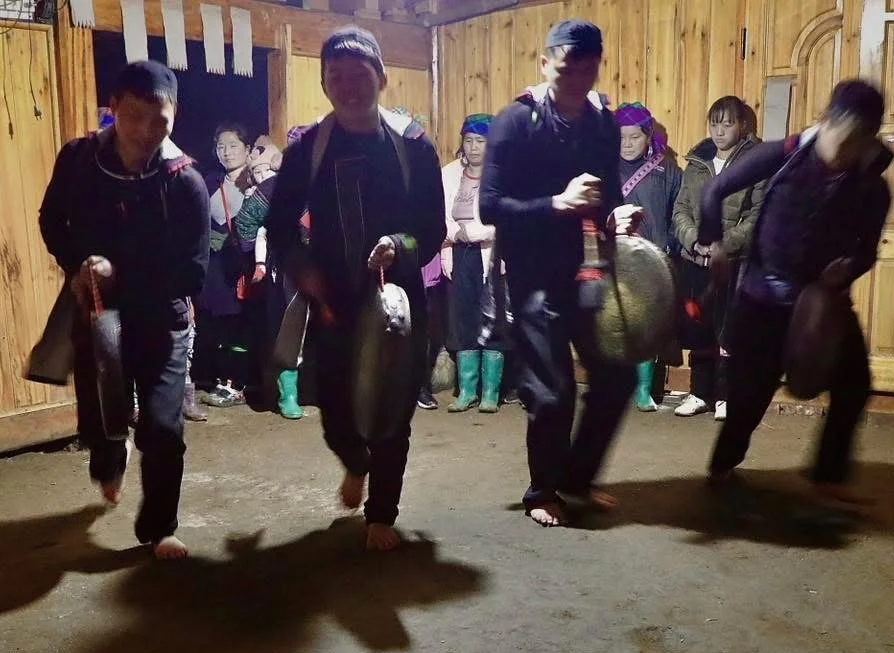
As the shaman chants, he throws the Kuaj Neeb, two halves of a buffalo horn used for divination. Their landing position reveals whether spirits accept the offerings. He also strikes the Nruag Neeb, a small metal gong whose reverberation is believed to amplify spiritual strength and protect him. Villagers may pool money to buy a large sacrificial pig as a collective offering for the entire community. In Hmong belief, the soul of the animal can support or protect human souls. The sacrifice is understood as life given to restore life. Young men prepare and cook the meat while women cook rice. Rhythmic dances take place in same sex groups, each dancer holding a gong and moving barefoot before the altar.
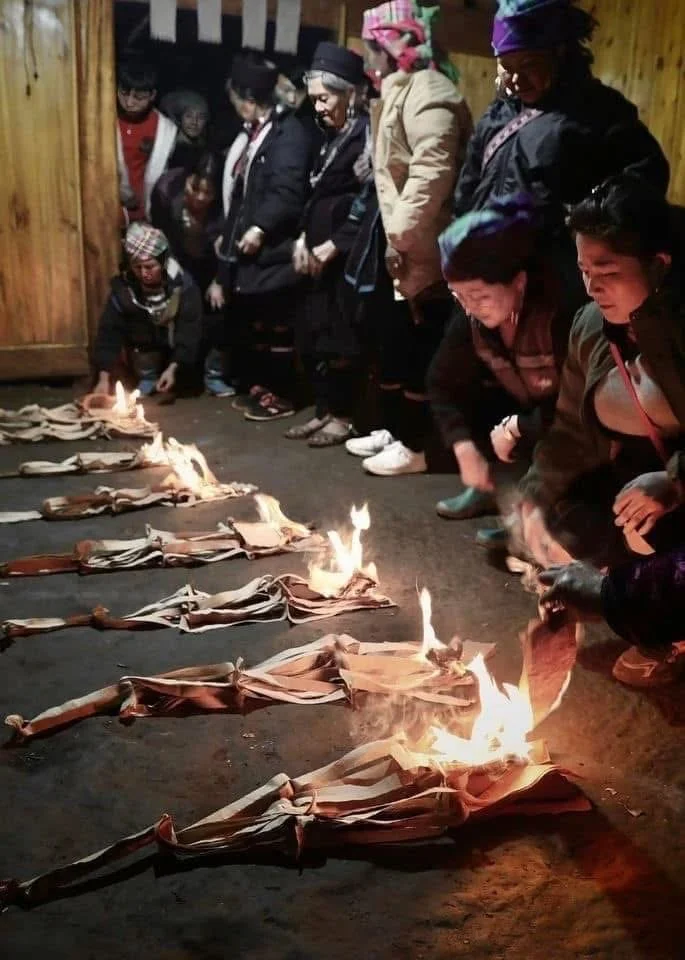
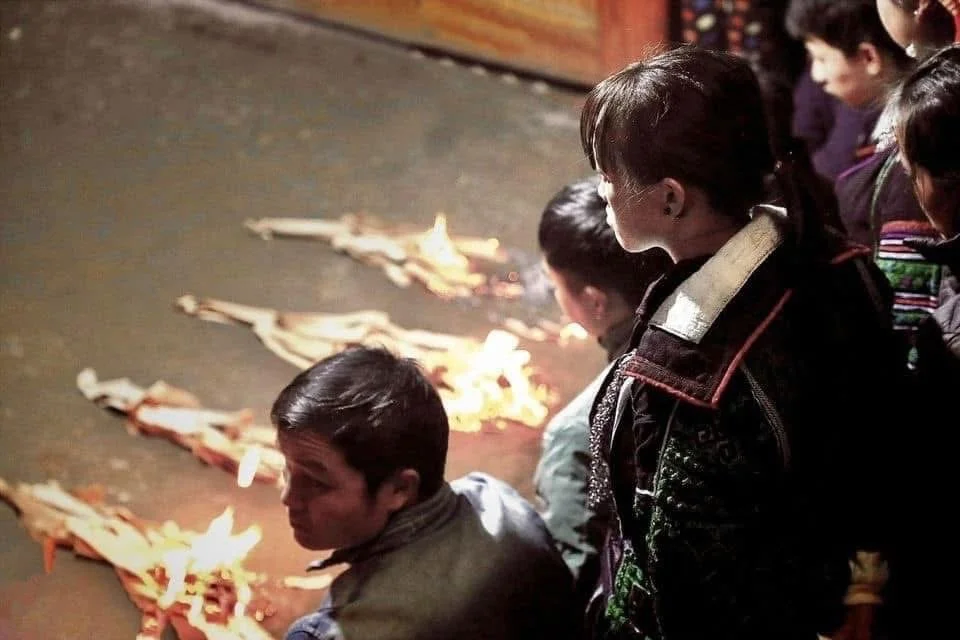
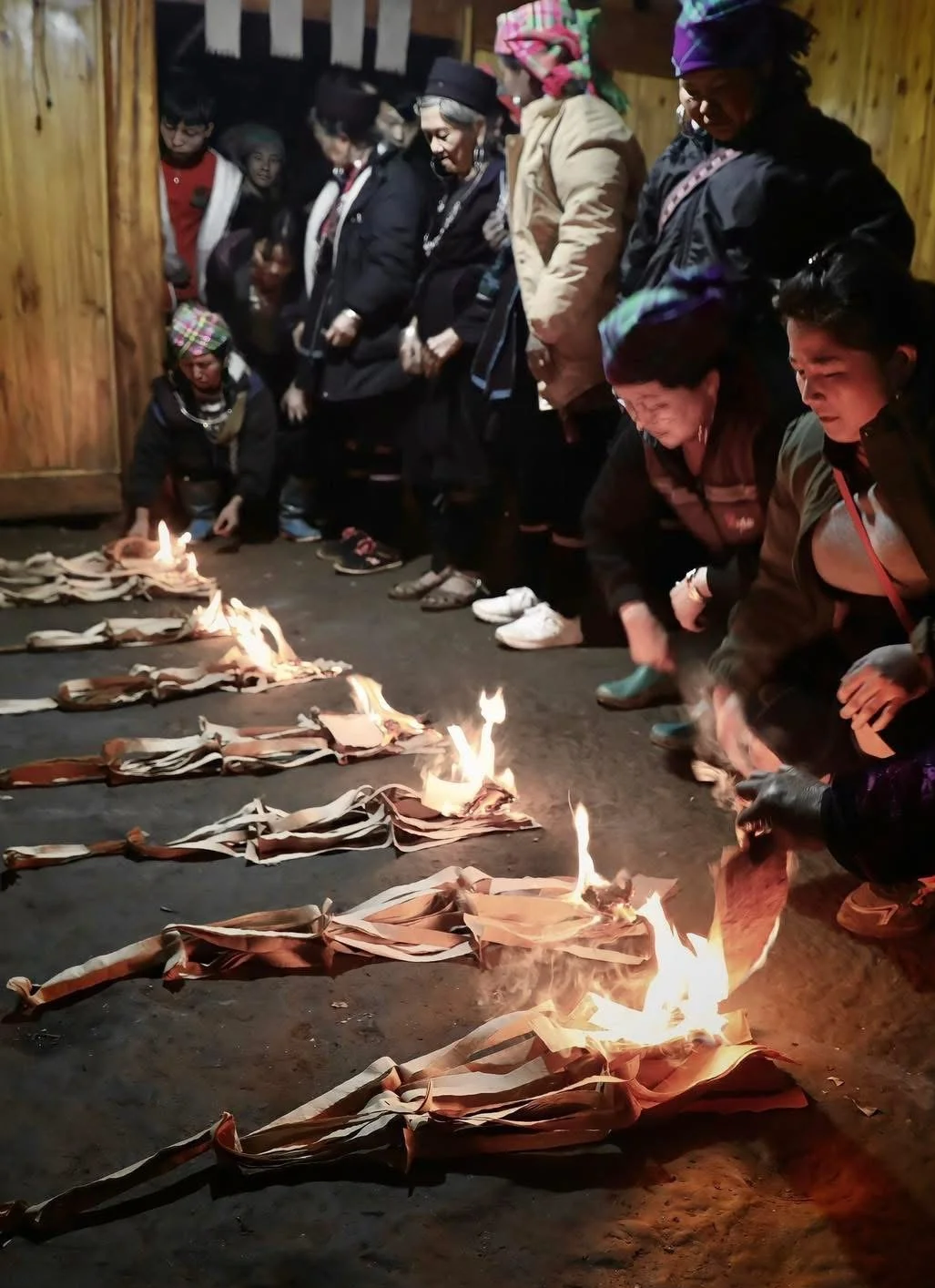
Bamboo papers are laid in a line before participants. The shaman chants over each person, uses the buffalo horns for divination, then the papers are burned and their ashes read to assess spiritual health and predict future séances.
Fire, trance and communal feast
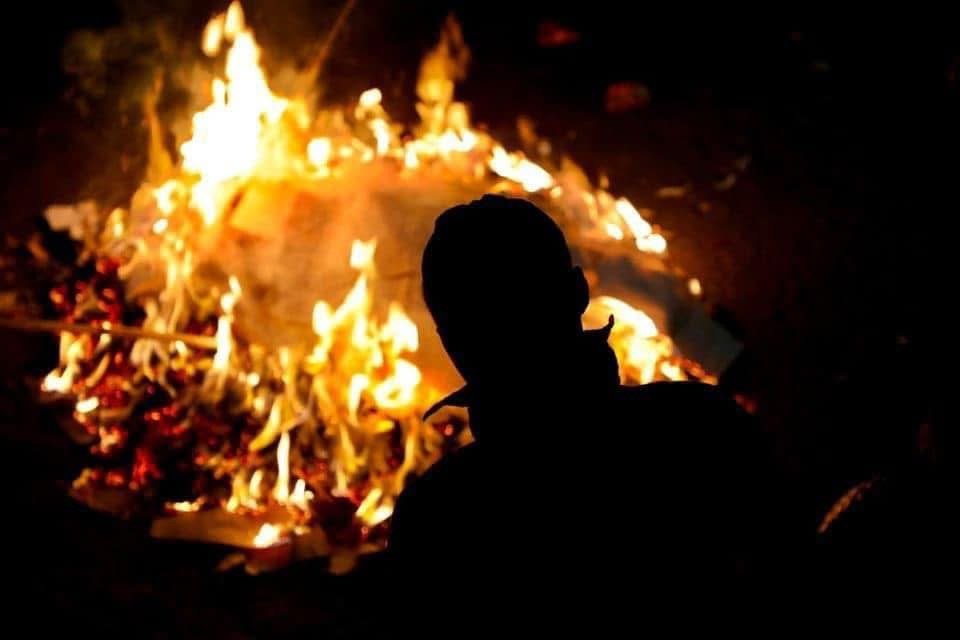
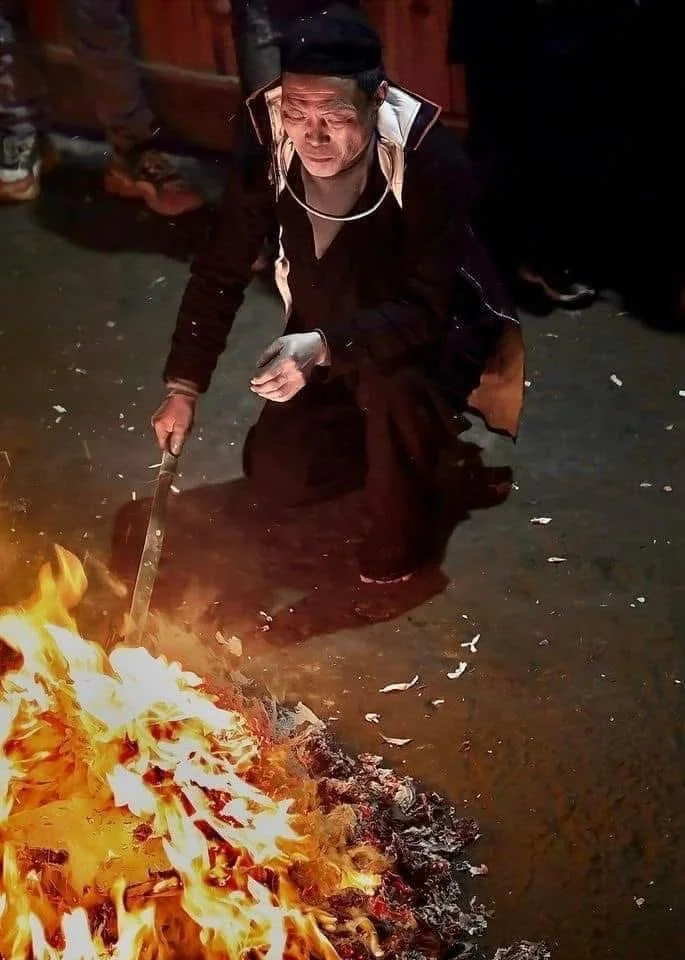
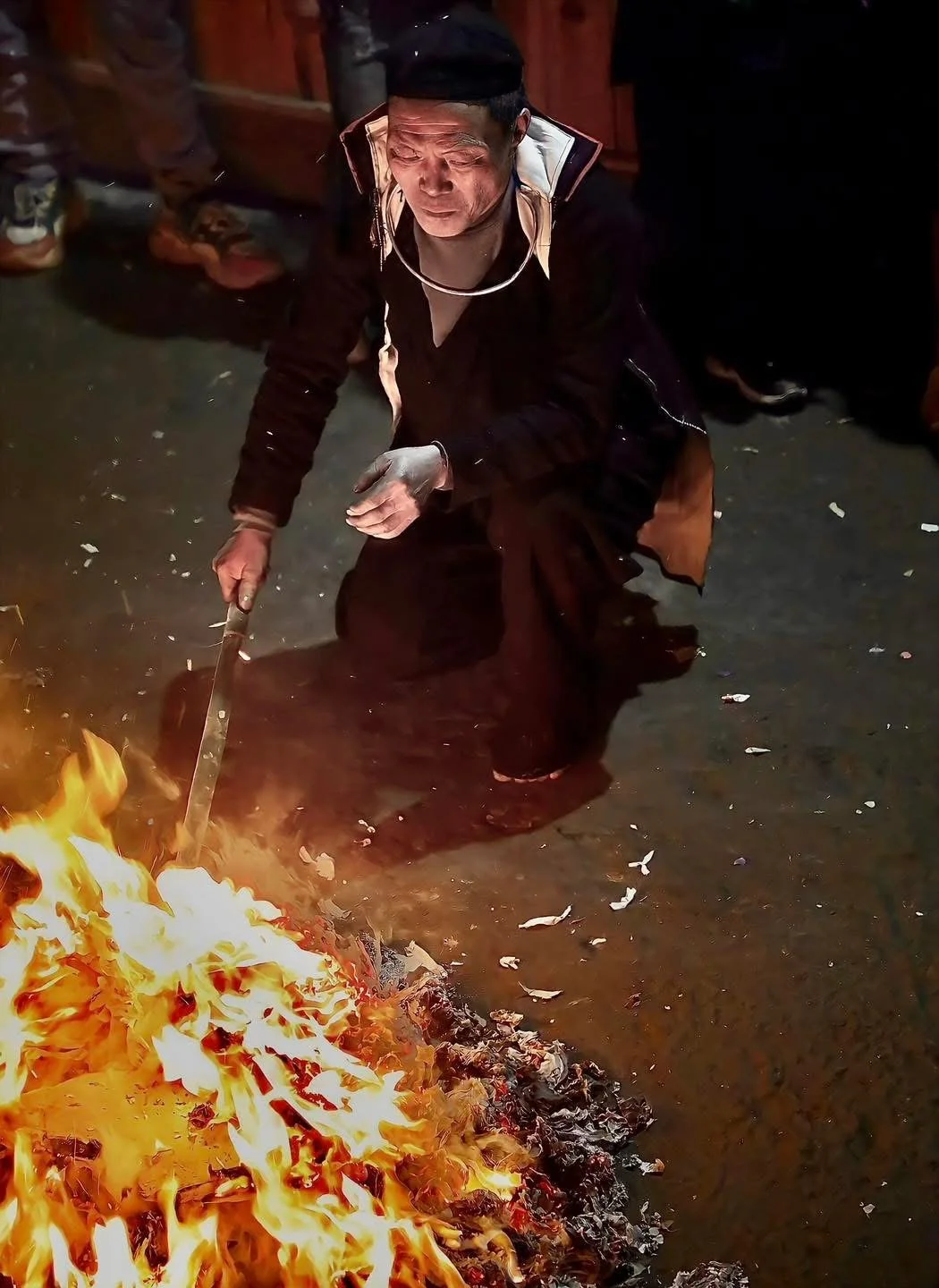
A pyre is built from old ritual papers. As chanting intensifies and gongs grow louder, the shaman rolls through the embers, sending sparks into the air. Others follow, dancing through smoke with stamping feet. Bowls of meat and rice are placed on the altar with cups of distilled rice wine. Food and drink are offered to the spirits before the communal feast begins. The ceremony ends in shared eating, storytelling and laughter long into the night.
New Year Food and Hospitality
Food during New Year signals abundance and generosity. Pork dominate festive meals, often from animals first used in ritual offering. Sticky rice cakes known in Hmong as pav tuav are made by pounding glutinous rice into smooth rounds, sometimes in friendly competitions.
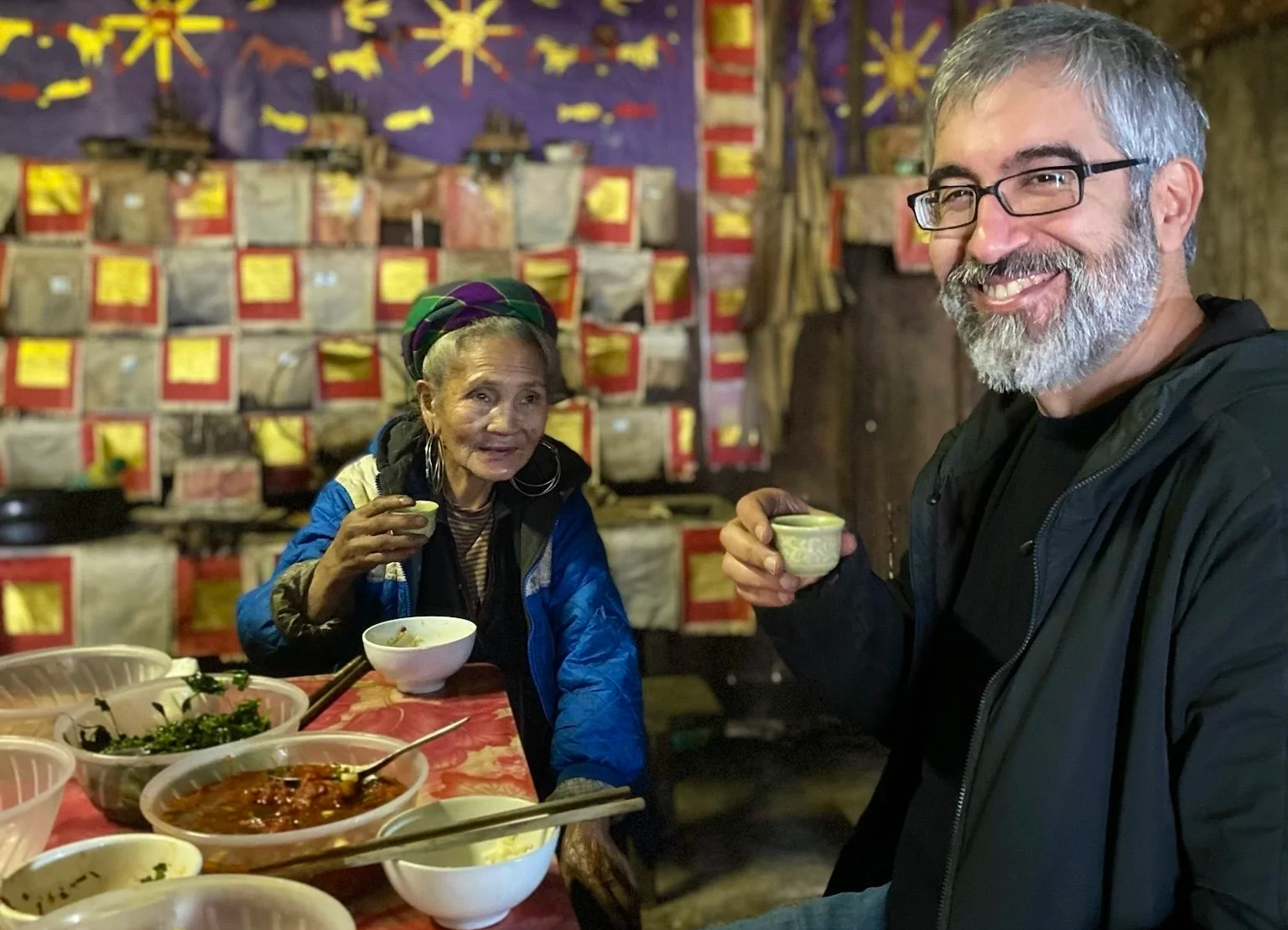
Distilled rice wine is essential. It is used in ritual, offered to spirits and shared with guests. Accepting a cup is part of accepting the relationship and blessing.
Clothing: Hemp, Indigo and Identity
New Year is visually striking because everyone wears new or newly finished clothing. This symbolises renewal and showcases months of labour in hemp weaving, indigo dyeing, batik and embroidery.
Hemp at the heart of Black Hmong textile life
Hemp has long been central to Black Hmong textile traditions in Sapa. It is valued not only as a fibre but for its cultural and spiritual meaning. Hemp grows well in the cool, humid highlands and is cultivated in family plots. After harvesting, stalks are retted in water, fibres stripped, dried and beaten, then hand-spun into thread. The thread is woven on backstrap looms into sturdy, breathable cloth. This process can take many months and knowledge is passed primarily through women. The cloth is dyed repeatedly in natural indigo baths to achieve the deep blue-black colour associated with Black Hmong clothing. Patterns are created using beeswax batik or intricate silk embroidery, often taking many more months. Motifs represent daily life, nature and important milestones.
Spiritual meaning of hemp
Hemp is not only worn in life but is central in death. In Hmong funerals, a hemp shroud traditionally wraps the deceased. This is a spiritual necessity. It is believed that only hemp can guide the soul safely back to the ancestral realm. Without hemp, the soul may become lost. This belief ties hemp directly to cosmology and the journey between worlds. For the Black Hmong, hemp symbolises resilience, continuity and identity. It connects people to land, ancestors and tradition even as modern fabrics become available.
Indigo clothing at New Year
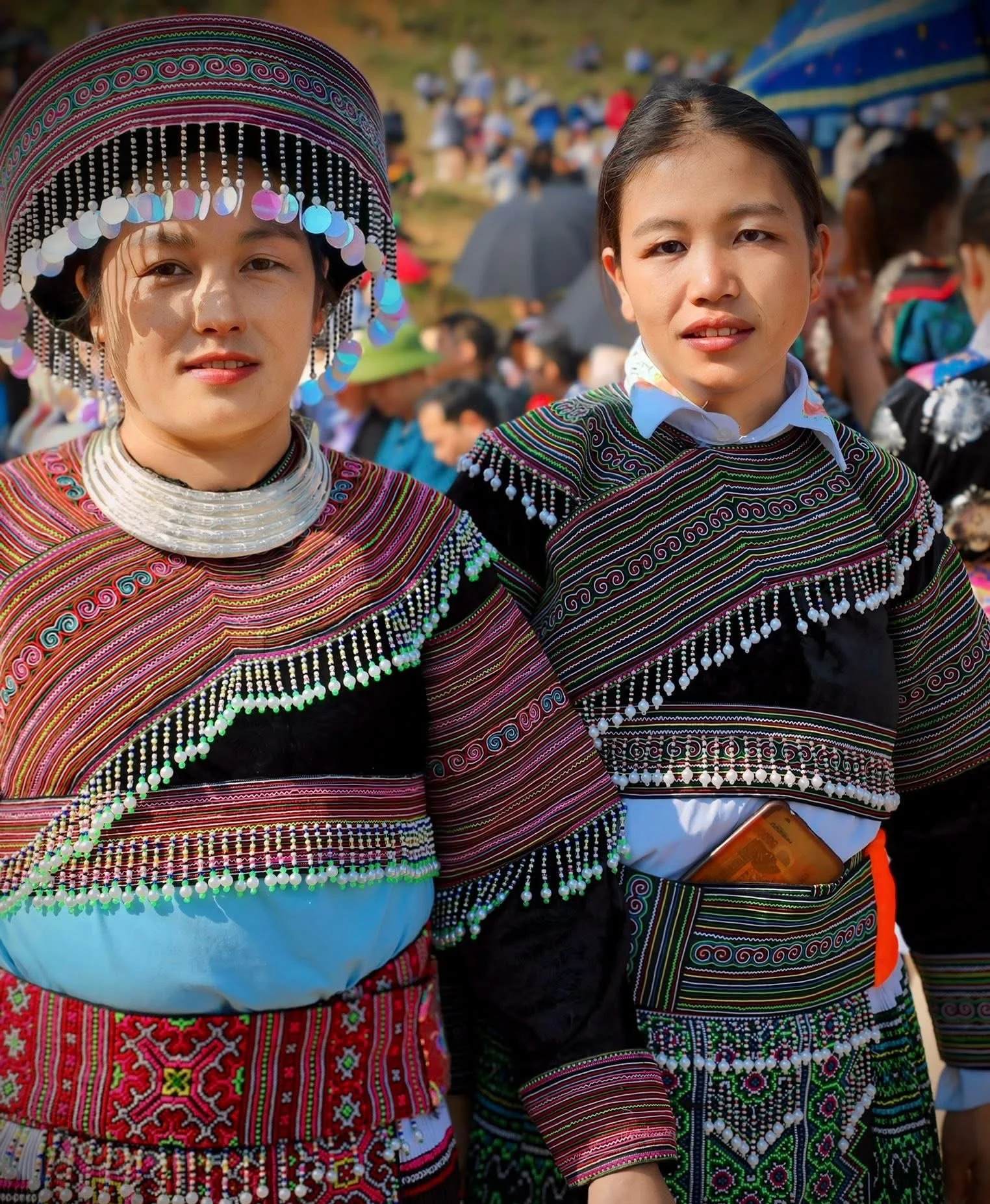
Women’s indigo garments, decorated with batik and embroidery, are paired with silver jewellery. Men’s clothing is simpler but still formal. Children wear miniature versions. New Year becomes a community exhibition of textile skill and cultural pride.
Festivals, Games and Courtship
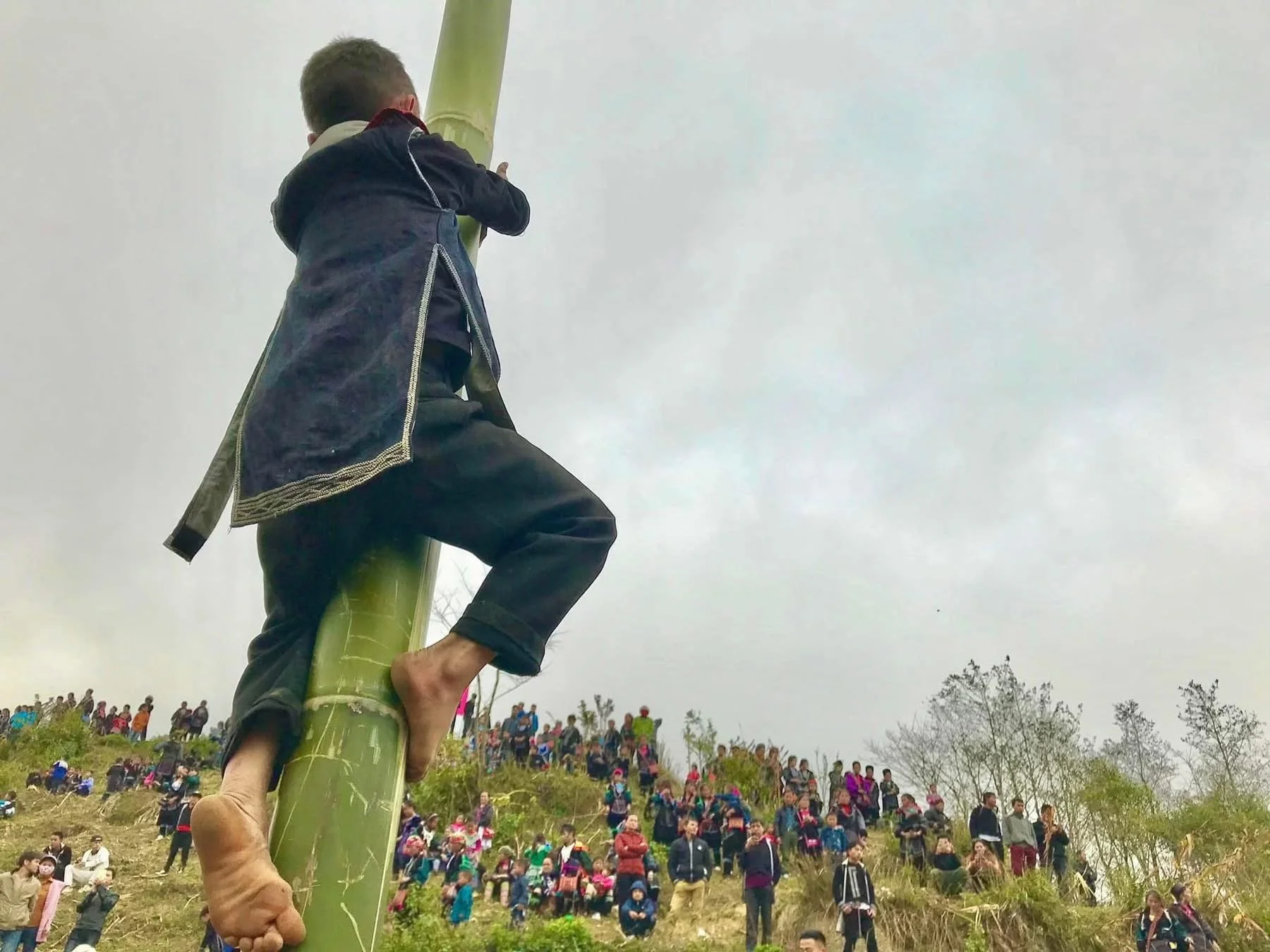
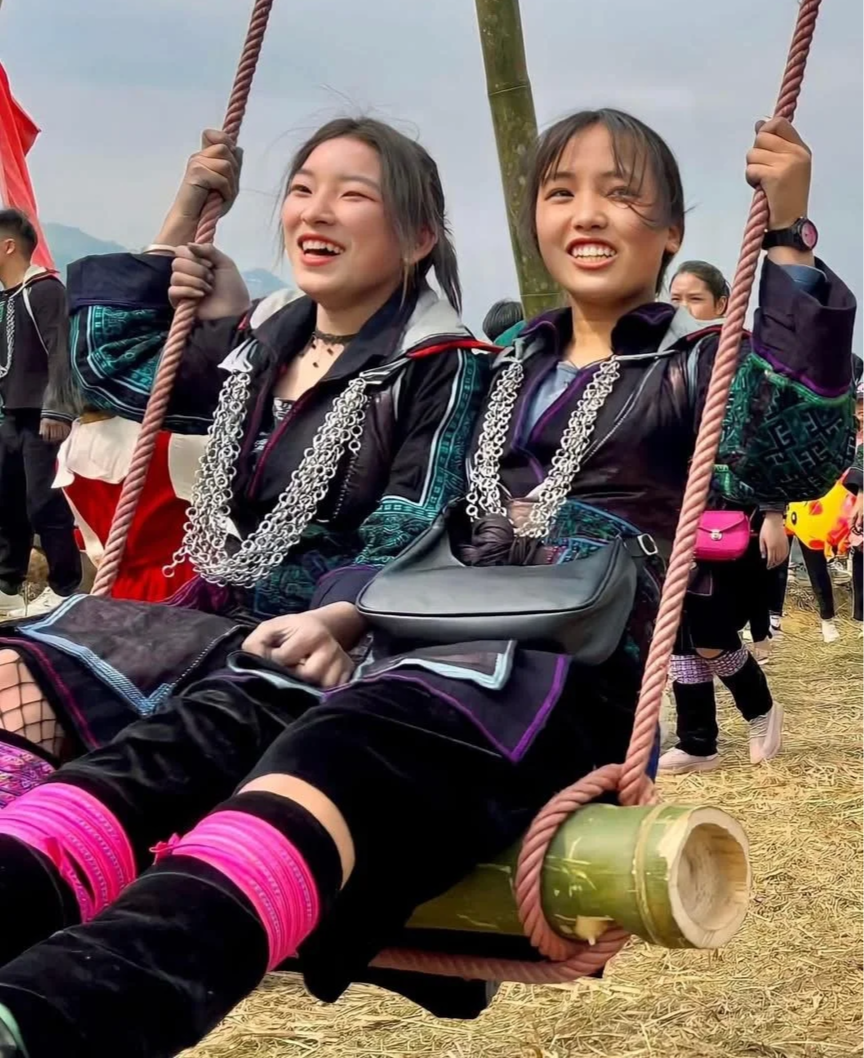
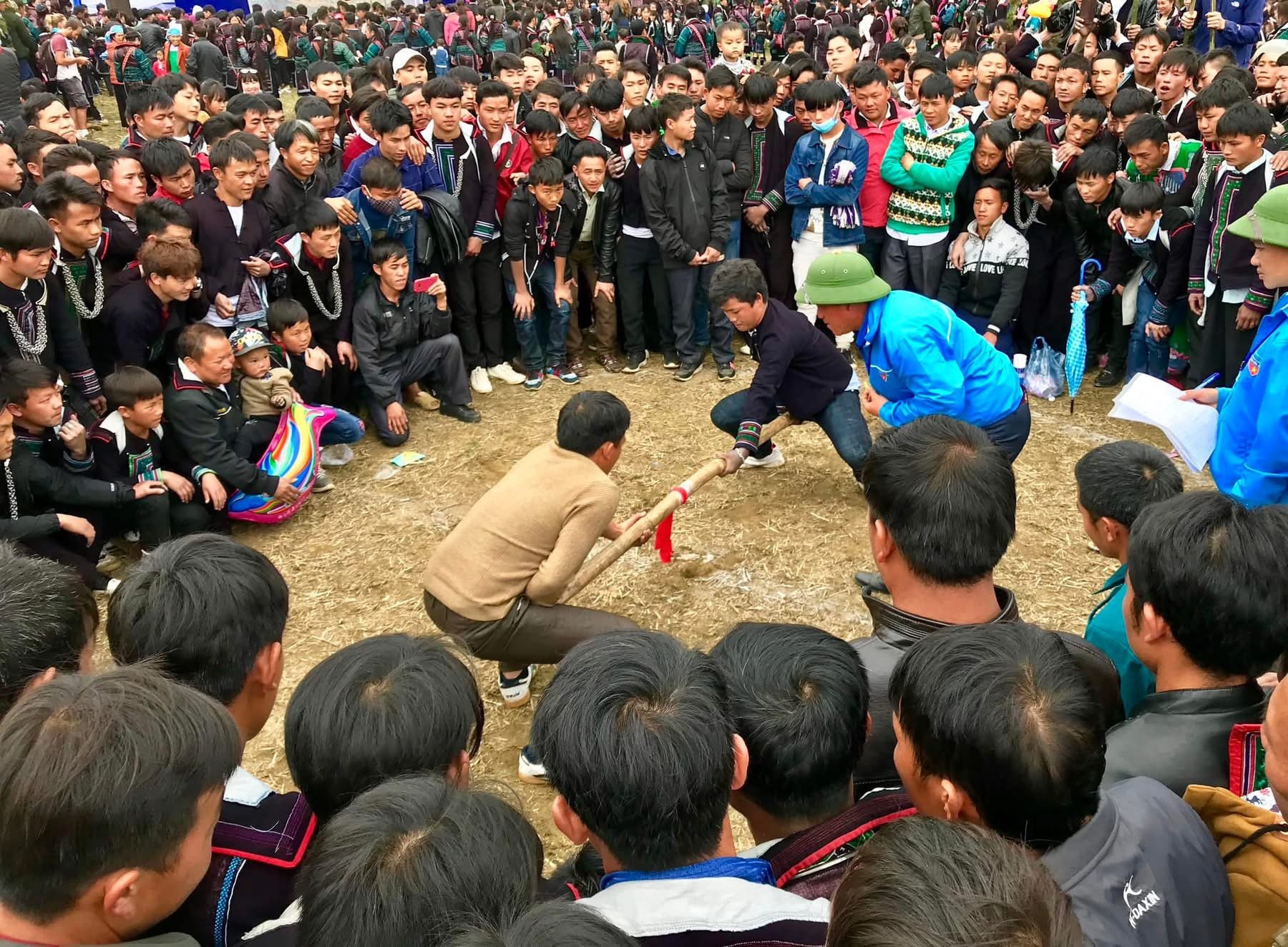
After household rites, attention turns to communal gatherings such as the Gau Tao festival. A tall decorated bamboo pole is erected, prayers are made, and the area becomes a place of games, music and social life.
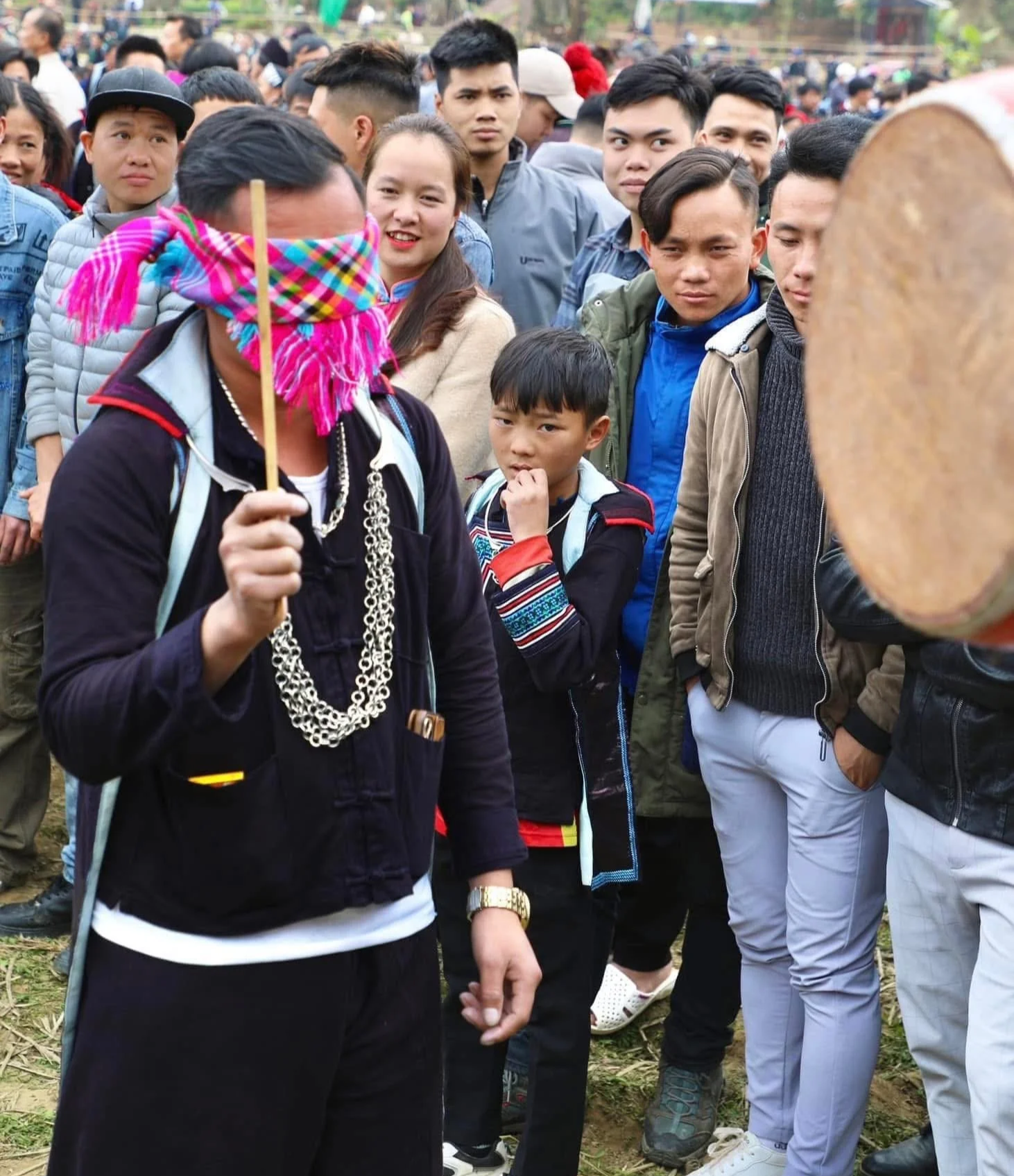
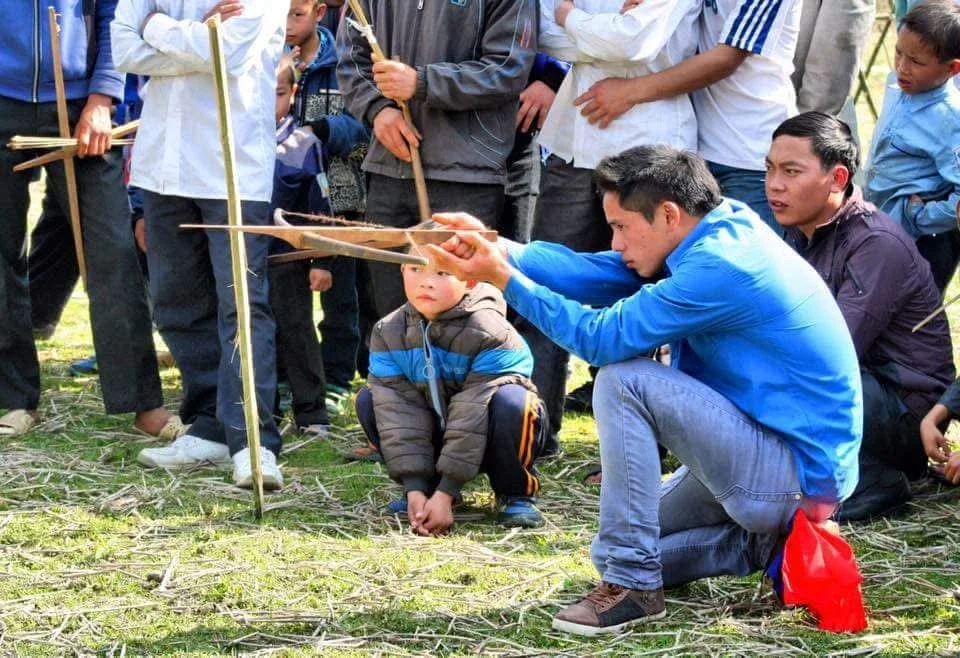
Bamboo wrestling, stilt walking, spinning tops, crossbow contests and tug-of-war take place alongside ném pao, the ball-toss game where young men and women meet, talk and flirt.
Taboos and Beginning the Year Well
Before the New Year, the Hmong cut three bamboo sticks and wrap them with red cloth. These are then used to sweep away spider webs and black soot from the house. This act symbolises clearing away the old year and preparing for a fresh beginning.
During the first days of the New Year, certain actions are avoided. People avoid washing clothes, blowing on the fire, eating rice with water, or holding a needle. Each of these actions carries meaning. Washing clothes is believed to wash away the blessings of the ancestors. Eating rice with water suggests a life of rain and hardship. Blowing on the fire may bring strong winds throughout the year. Sewing or using a needle symbolises damage to the crops, especially the maize harvest.
On the 19th day of the twelfth lunar month, which marks the Hmong New Year, families prepare sticky rice cakes and offer them to their ancestors. The cakes must not be eaten before the prayers are completed. It is believed that if someone eats before the ritual is finished, they may suffer burns from fire or hot charcoal during the coming year. This teaches patience and respect, reminding everyone that the ancestors must be honoured first.
These practices show how deeply the New Year is connected to spiritual protection, family unity and the guidance of those who came before.
A Living Tradition in Modern Sapa
Modern life has influenced the timing and visibility of the celebration, yet the core remains intact. Ancestors are honoured. Shamans chant. New clothes are made. Rice wine is poured. Young people meet in games and song. Each year, when winter turns to spring in the mountains around Sapa, the Black Hmong step into a new cycle with rituals that bind body, soul, family and village into one shared renewal.
Tet in Northern Vietnam: What to Expect, When to Travel, and How to Prepare
Tet shapes travel, family life, and village celebrations across northern Vietnam. From red envelopes and homecomings to crowded roads and post-Tet festivals, here is how to plan a thoughtful journey around Tet 2026.
Each year, as winter softens its hold on the Hoàng Liên mountains and the first plum blossoms open along stone walls and village paths, Vietnam moves into its most meaningful season. Tết Nguyên Đán, the Lunar New Year, marks a time of renewal, homecoming, and intention.
In the northern highlands of Sapa, Ha Giang, and the wider border regions, Tet shapes the rhythm of daily life, travel, and community celebration. For visitors, understanding this period allows journeys to unfold with greater care, respect, and connection.
When Is Tet in 2026?
In 2026, Tet begins on Tuesday 17th February, marking the start of the Lunar New Year.
Although the official holiday lasts several days, preparations begin weeks in advance and the effects continue well beyond the celebration itself. Travel patterns, accommodation availability, and village life are influenced for up to three weeks around Tet.
What Is Tet and How Is It Celebrated?
Tet marks the beginning of the lunar calendar and a turning point in family, agricultural, and spiritual life. Across Vietnam, people return to their ancestral homes, clean and repair houses, and prepare food that carries memory, care, and meaning.
Altars are refreshed with kumquat trees, peach blossom branches, incense, and offerings. Kitchens fill with the slow scent of simmering broths and sticky rice wrapped in banana leaves. The first days of the new year are spent visiting relatives, offering good wishes, and resting after a year of work.
One of the most visible customs during Tet is the giving of lì xì, red envelopes containing small amounts of money. These are given primarily to children, but also to elders and unmarried adults, as a symbol of good fortune, health, and prosperity for the year ahead. The red envelope itself carries meaning, representing luck and protection, rather than the monetary value inside. For children, receiving lì xì is a moment of excitement and joy, often accompanied by blessings for growth, strength, and happiness.
In the mountains, Tet aligns with a pause between farming cycles. Fields rest, tools are set aside, and time is made for family gatherings, storytelling, and preparation for the celebrations that follow.
What Tet Means for Travel in Vietnam
Travelling during Tet requires thoughtful planning and realistic expectations.
In the days leading up to and following the New Year, transport networks become extremely busy as families return home. Buses, trains, and flights often sell out far in advance. Many small, family-run businesses close for several days so that owners and staff can spend time with their families.
For travellers, preparation makes a significant difference. Booking accommodation early, allowing extra time for journeys, and accepting a slower pace can turn disruption into an opportunity to witness daily life at a meaningful moment in the year.
The Ha Giang Loop After Tet
The Ha Giang Loop is one of northern Vietnam’s most iconic journeys, and Tet brings a sharp rise in visitor numbers.
From around two days after Tet, the Loop becomes extremely busy. Homestays and hotels fill quickly and often reach full capacity. Roads see heavy traffic from tour groups, motorbikes, and domestic travellers returning from holiday.
For approximately ten days after Tet, riding conditions can feel congested, and accommodation options are limited. Those planning to travel during this period should book well in advance. Travellers seeking quieter roads and a more spacious experience may prefer to arrive before Tet or wait until later in the season.
Sapa During and After Tet
Sapa follows a similar rhythm.
From the second day after Tet, the town and surrounding valleys experience a significant increase in visitors. Hotels fill, trekking routes become busier, and transport costs may rise.
This period of heightened activity usually lasts around ten days, after which the region gradually returns to a calmer pace. Travellers hoping for quieter trails and deeper village engagement may wish to plan their visit outside this window.
Village Festivals After Tet in Hmong and Dao Communities
After the main Tet celebrations each spring, villages around Sapa begin to host their own cultural festivals. These gatherings are deeply rooted in local tradition and follow village-specific calendars rather than national schedules.
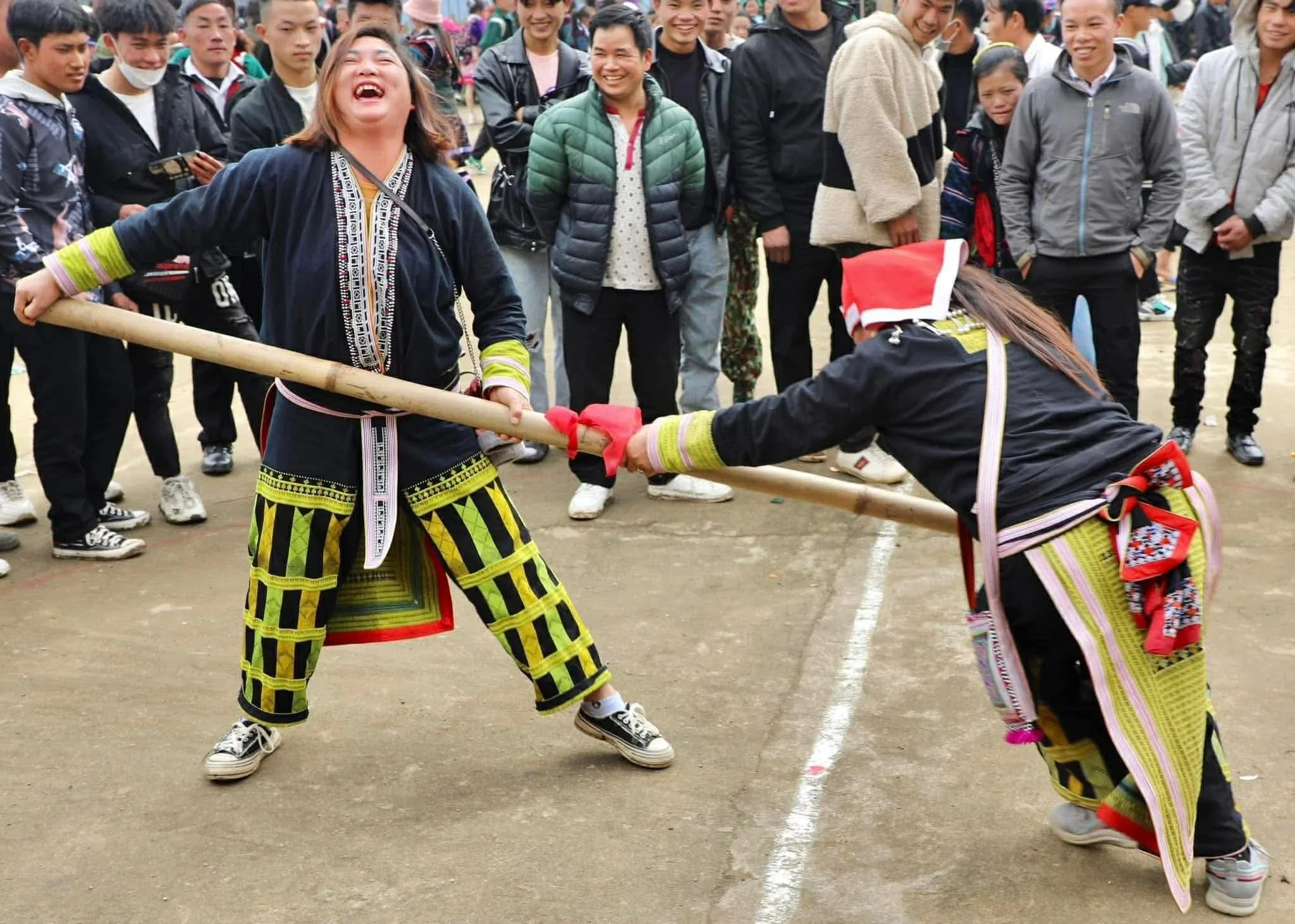
Festivals typically begin early in the morning and continue through the day. Larger villages host especially lively celebrations, drawing neighbouring communities together. Events include a wide range of cultural activities and folk games that emphasise health, strength, and skill. Physical ability is highly valued, as agriculture remains central to daily life in the highlands.
Music, dancing, shared meals, and rice wine are all part of the day. Perhaps the most anticipated moment comes with the unveiling of newly handmade traditional clothing. Months of winter are spent preparing these garments, using indigo-dyed organic hemp and intricate silk embroidery. Each piece reflects patience, identity, and pride in craftsmanship passed down through generations.
Alongside these traditional garments, some young women choose modern fabrics and bolder styles, often affectionately referred to as the “glitter girls”. Their presence adds humour, creativity, and a living sense of fashion to the celebrations.
Hmong New Year festivals mark the end of the harvest and the beginning of a new year in the Hmong calendar. They are a time for honouring ancestors, strengthening community bonds, exchanging small gifts, and reflecting on the year that has passed while setting intentions for the one ahead.
For visitors, these festivals offer a rare opportunity to witness culture as it is lived, not staged. Respectful behaviour, local guidance, and patience are essential, as these gatherings remain first and foremost for the communities themselves.
Planning Your Journey Around Tet
Tet can be a rewarding time to travel in northern Vietnam when approached with awareness and care.
Accommodation should be booked early, particularly in Ha Giang and Sapa. Flexible itineraries allow room for transport delays and business closures. Travellers who align their journeys with local rhythms often find deeper connection than those moving too quickly.
At ETHOS, our experiences are shaped in close collaboration with Hmong and Dao partners, following the seasonal cycles of land and village life. Some travellers arrive before Tet to experience quiet mountain days. Others choose to come later, when village festivals bring colour, movement, and shared celebration back to the valleys.
Listening to the people who live here remains the foundation of meaningful travel, whatever the season.
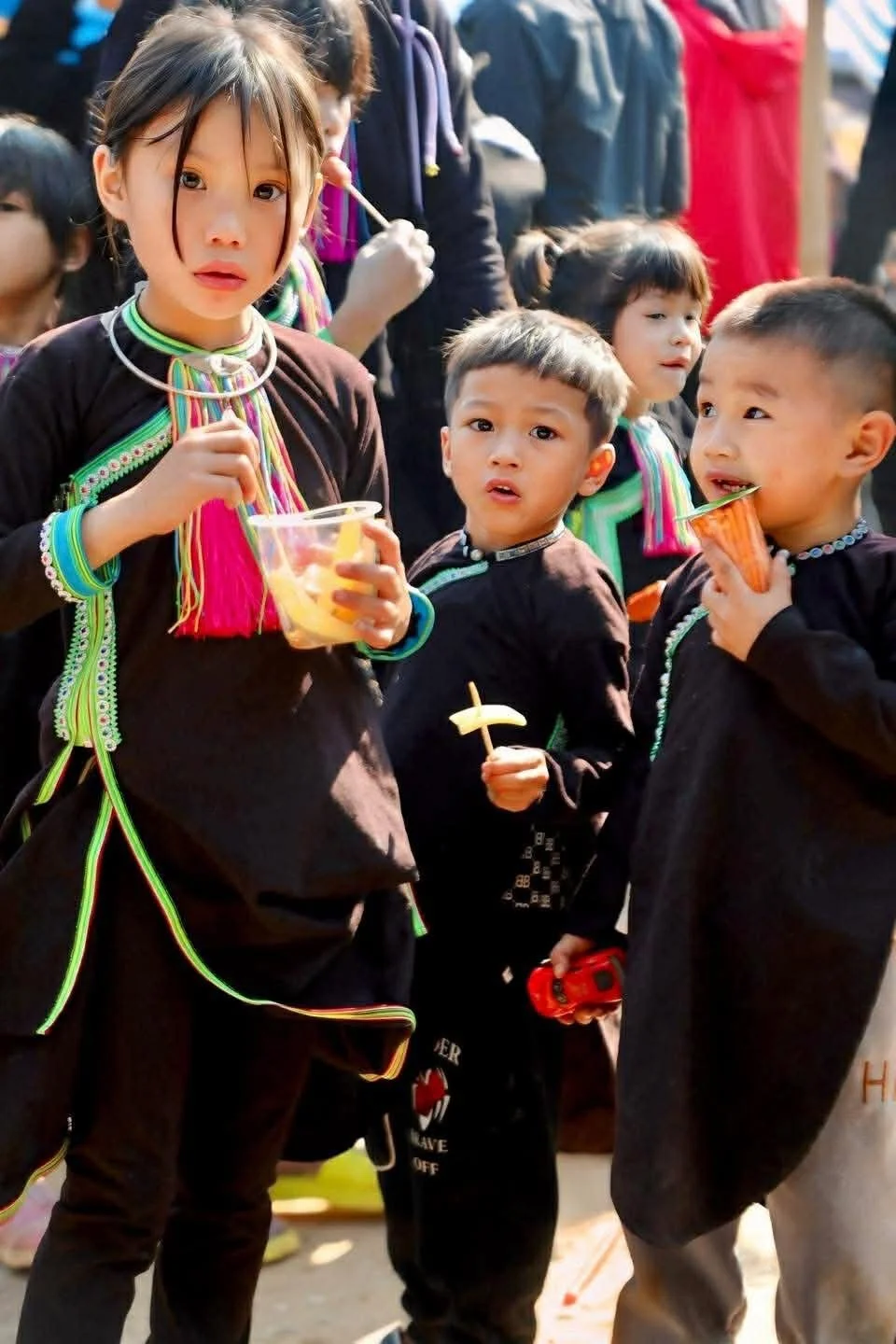
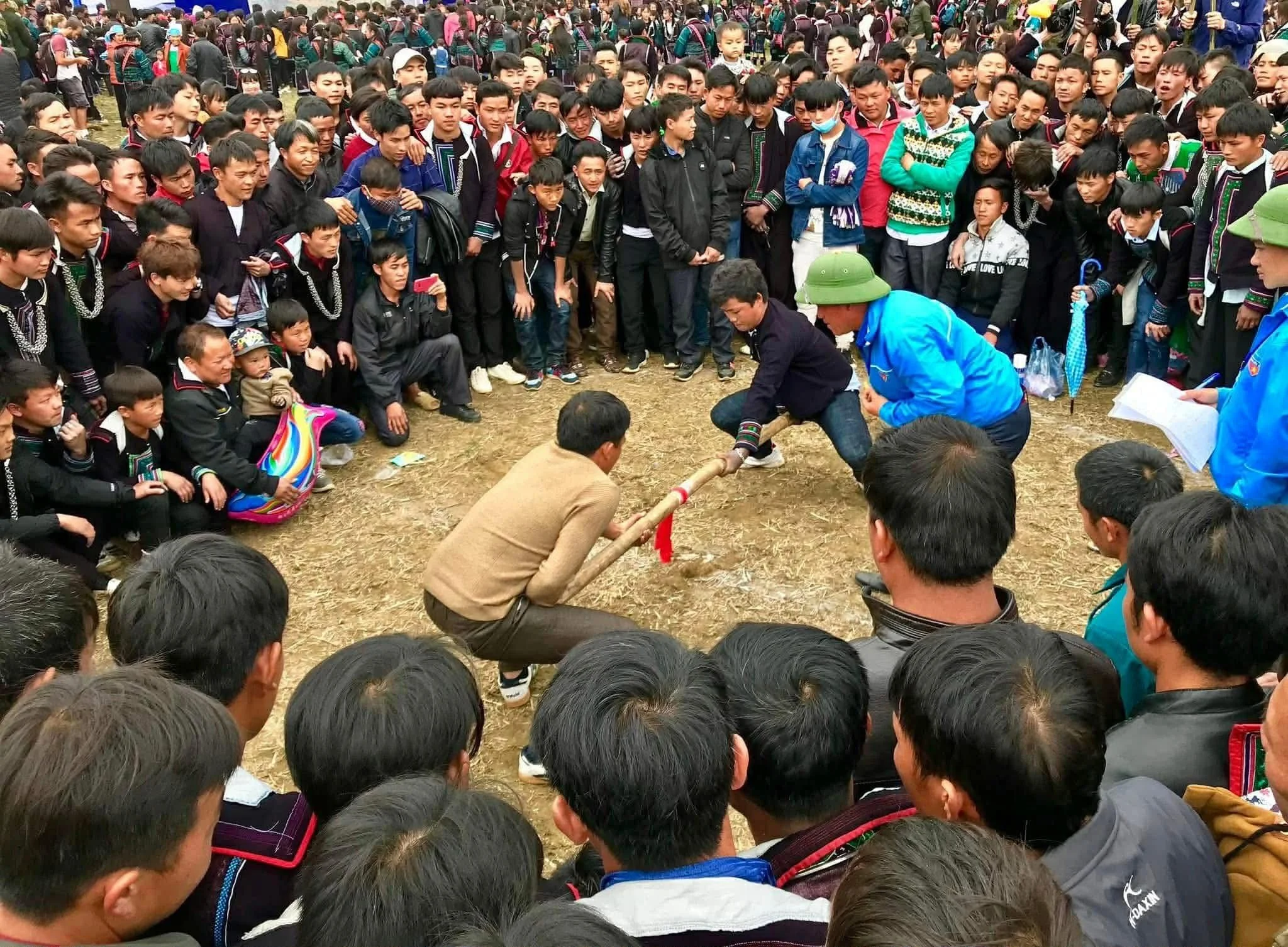
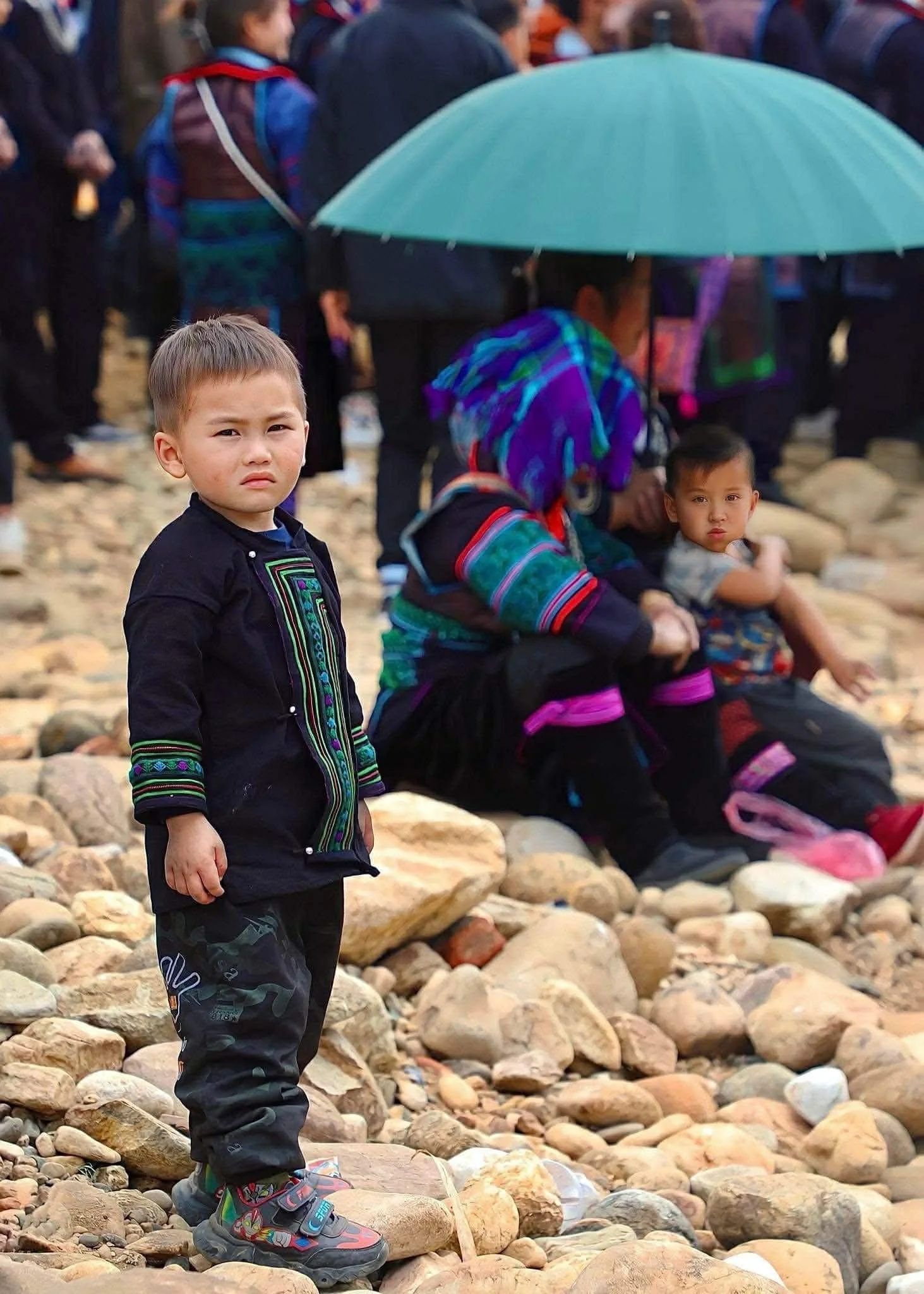
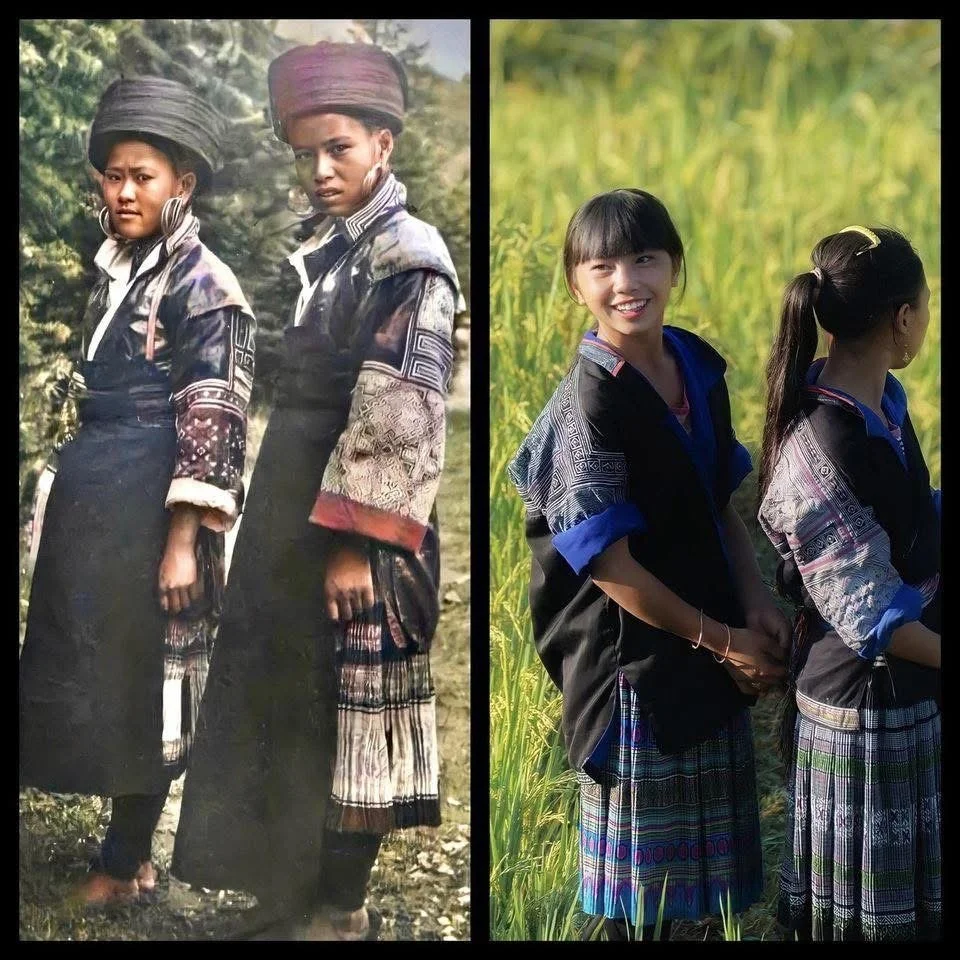
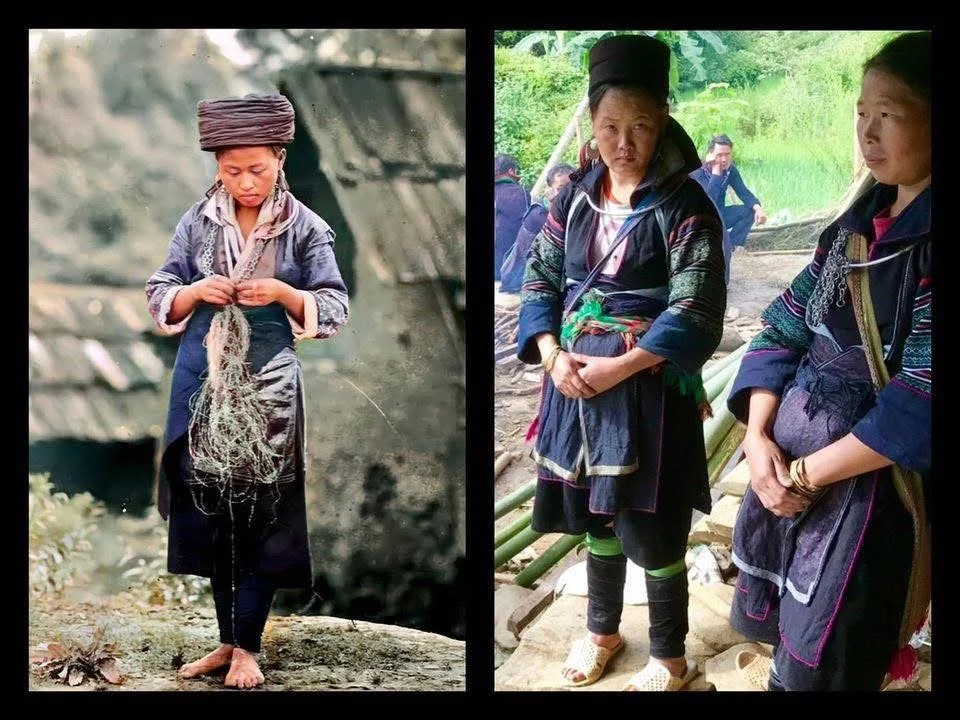
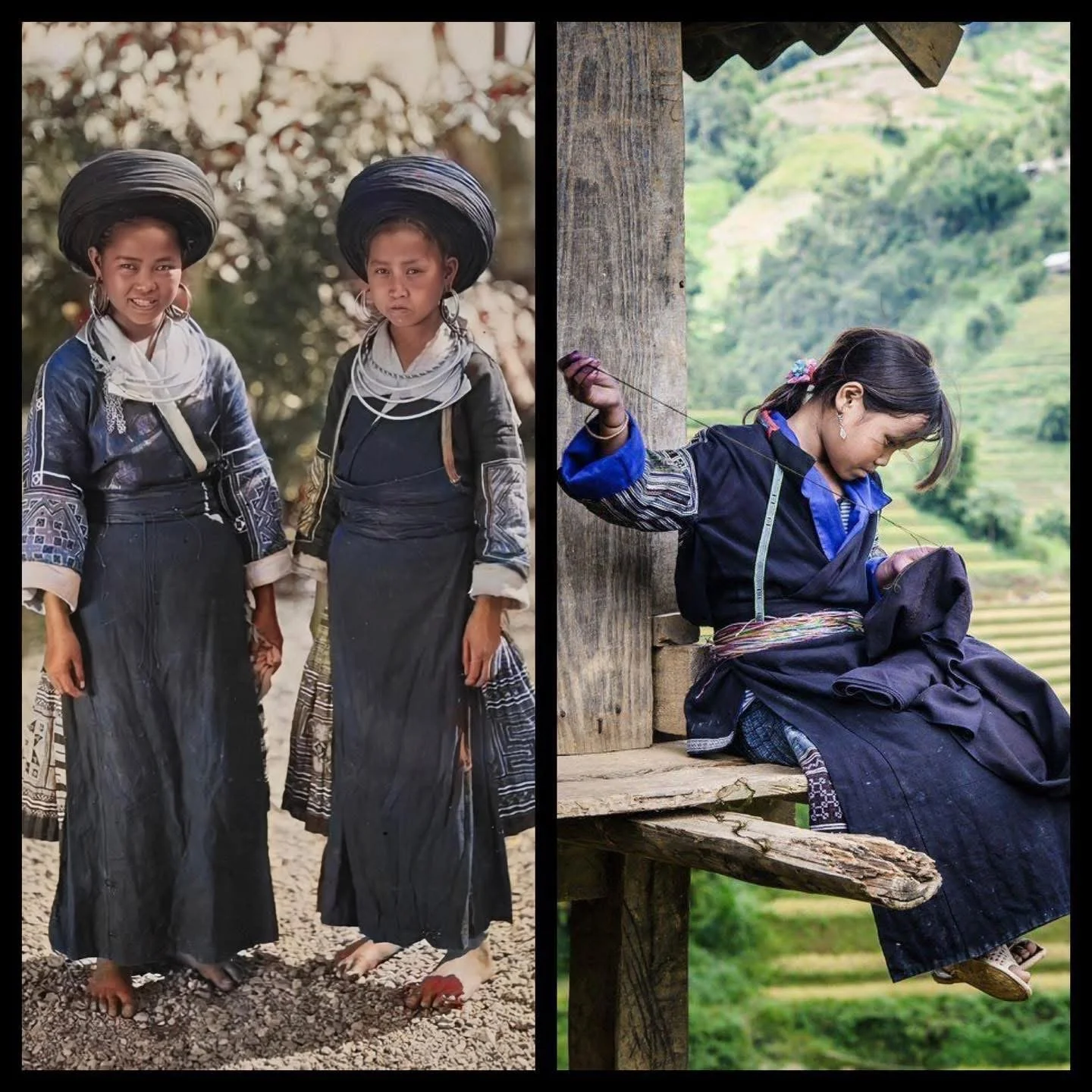
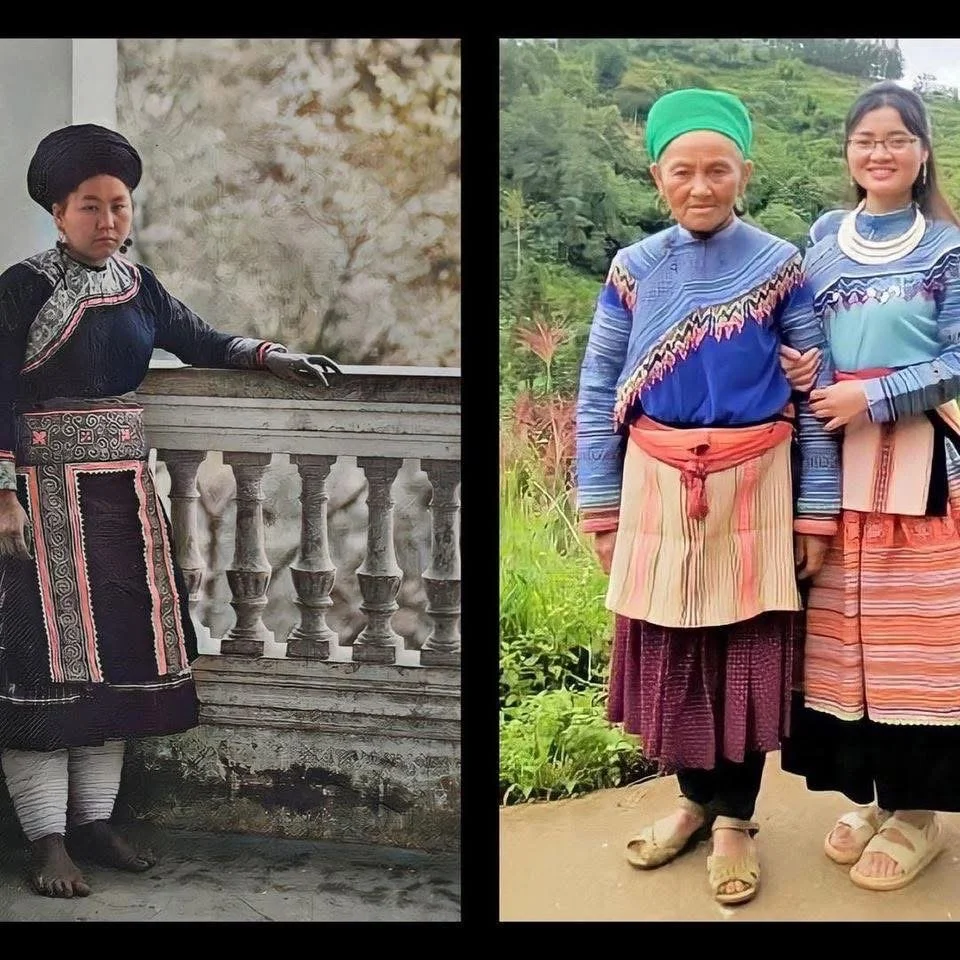
Last Chance to See: A Century of Hmong Clothing in Northern Vietnam
A visual journey through Hmong clothing across four regions of Northern Vietnam, revealing how tradition, identity, and textile art have survived for over a century.
Last Chance to See: Clothing, Change, and Continuity
As part of a photo series titled Last Chance to See, ETHOS explores how clothing has changed over more than a century while still holding deep cultural meaning. This series looks closely at what has endured, what has adapted, and why traditional dress continues to matter today.
Today’s focus is on the Hmong people living in four distinct regions of Northern Vietnam: Mu Cang Chai, Sapa, Ha Giang, and Bac Ha. Each region tells its own story through colour, texture, and design.
The Hmong People and Cultural Identity
Throughout recorded history, the Hmong have remained identifiable as Hmong. This continuity comes from maintaining their language, customs, and ways of life, even while adopting elements from the countries in which they live.
Clothing plays a central role in this identity. It is not simply something to wear, but a visible expression of belonging, heritage, and pride.
Regional Differences in Hmong Dress
Many Hmong groups are distinguished by the colour and details of their clothing. Black Hmong traditionally wear deep indigo dyed hemp garments, including a jacket with embroidered sleeves, a sash, an apron, and leg wraps. Their clothing is practical, durable, and rich in subtle detail.
Flower Hmong are known for their brightly coloured traditional costumes. These outfits feature intricate embroidery, bold patterns, and decorative beaded fringe, making them immediately recognisable.
Paj Ntaub: The Language of Cloth
An essential element of Hmong clothing and culture is paj ntaub, pronounced pun dow. This is a complex form of traditional textile art created through stitching, reverse stitching, and reverse appliqué.
Meaning, Skill, and Tradition
Traditionally, paj ntaub designs are ornamental and geometric. They are mostly non representational and do not depict real world objects, with the occasional exception of flower like forms. The making of paj ntaub is done almost exclusively by women.
These textiles are sewn onto clothing and act as a portable expression of cultural wealth and identity. Paj ntaub play an important role in funerary garments, where the designs are believed to offer spiritual protection and guide the deceased towards their ancestors in the afterlife. They are also central to Hmong New Year celebrations.
Before each New Year, women and girls create new paj ntaub and new clothing. Wearing clothes from the previous year is considered bad luck. These new garments reflect creativity, skill, and even a woman’s suitability as a successful wife.
Why Hmong Clothing Endures
Despite major cultural and social change over the past century, Hmong clothing has endured. Its survival lies in its deep connection to identity, belief, skill, and community. Each stitch carries meaning, and each garment tells a story that continues to be passed from one generation to the next.
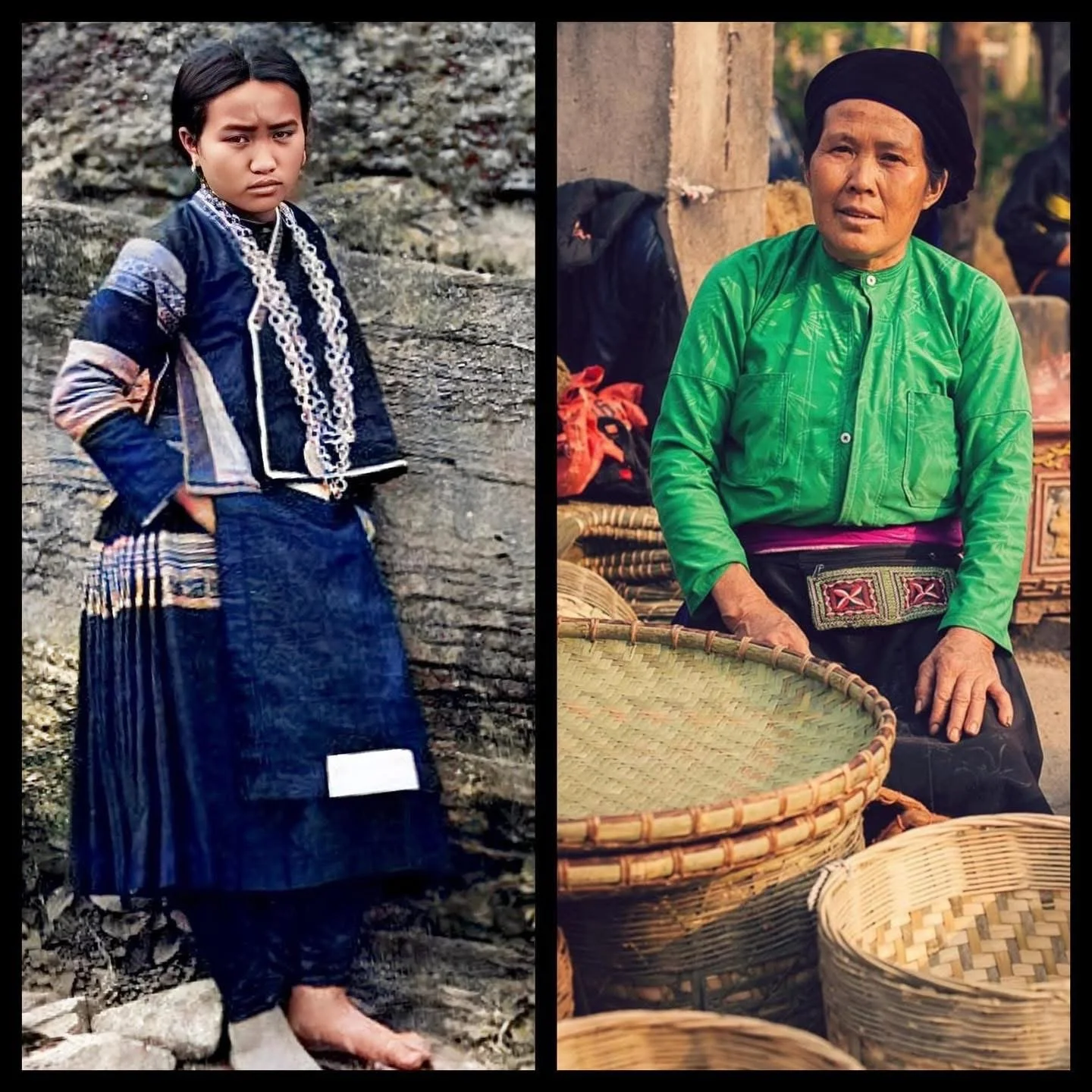
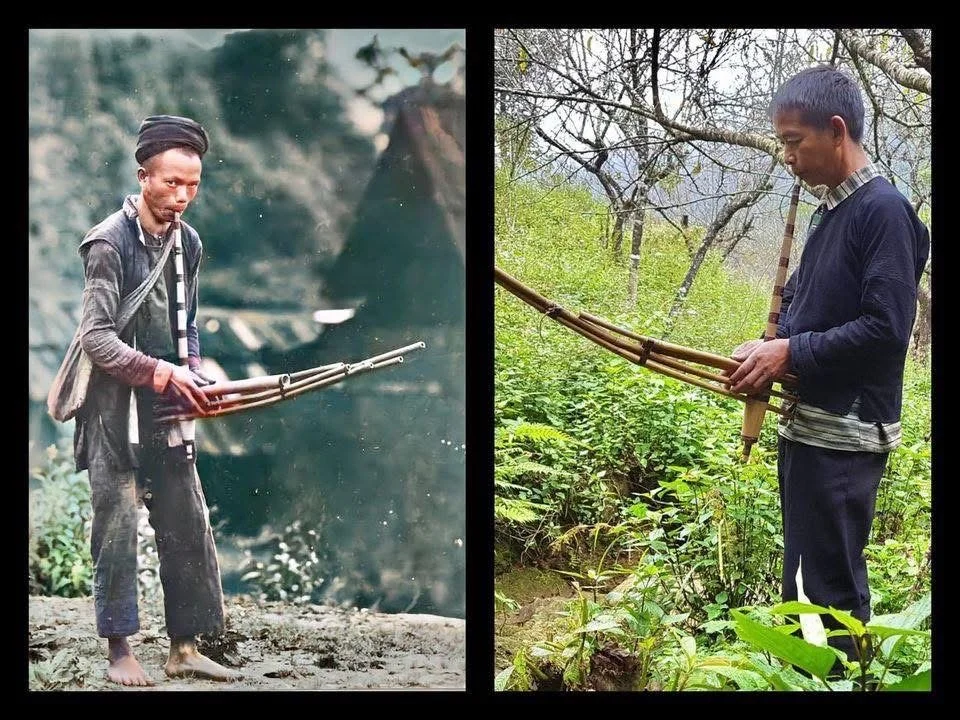
The La Chí People of Northern Vietnam: Guardians of Ancient Traditions
Meet the La Chi people of northern Vietnam, a community known for its rich traditions, unique customs and exceptional indigo textiles.
The La Chí People: A Living Heritage of Northern Vietnam
Nestled among the misty mountains of Hà Giang and Lào Cai, the La Chí people are one of Vietnam’s most fascinating ethnic communities. With a population of just over 15,000, they live peaceful, sedentary lives in close-knit villages. Their world revolves around cotton cultivation, community traditions and a deep respect for their ancestors.
Family and Belief: The Heart of La Chí Life
La Chí families follow a patriarchal structure where the father, or later the eldest son, guides all aspects of daily life from production and marriage to relationships within the village.
The La Chí believe each person has twelve souls, two of which rest on the shoulders and are considered the most vital. Ancestor worship plays an important role, honouring forebears for three generations, from the father to the great-grandfather. Religious life is well organised, with rituals and customs carefully maintained.
Homes in the Hills: Life in Stilt Houses
Traditional La Chí houses are built on stilts, often surrounded by fields of indigo and rice. The lower level is home to the family kitchen, while the upper living space is divided into three compartments, around six metres wide and seven metres long. A wooden staircase connects the two floors, symbolising the bridge between earth and sky a fitting metaphor for the La Chí connection to both nature and spirit.
Stories Passed Down by Word of Mouth
Knowledge among the La Chí is shared through generations by storytelling. Elders pass on wisdom through legends and fairy tales that teach children about the mysteries of the natural world and the values of their culture. These oral traditions help preserve their history and identity.
A Unique Custom: Exchanging Children
One of the La Chí’s most distinctive traditions involves child exchange between families. When a family wishes for a boy but has a girl, they may offer the child to another household seeking a daughter. The new parents visit, suggest a name and observe the baby’s reaction. A crying infant is believed to refuse, while a calm one accepts the name and joins the new family. This practice, free of taboo, helps maintain population balance and strengthens community bonds.
Masters of the Terraces and the Land
The La Chí are believed to be among the earliest settlers in Hà Giang and Lào Cai. Their ancient tales reference the creation of terraced rice fields; now among Vietnam’s most iconic landscapes. Today, they remain skilled cultivators, tending wet rice fields, growing cotton, indigo and, more recently, cinnamon for trade.
Indigo Elegance: The La Chí Woman’s Dress
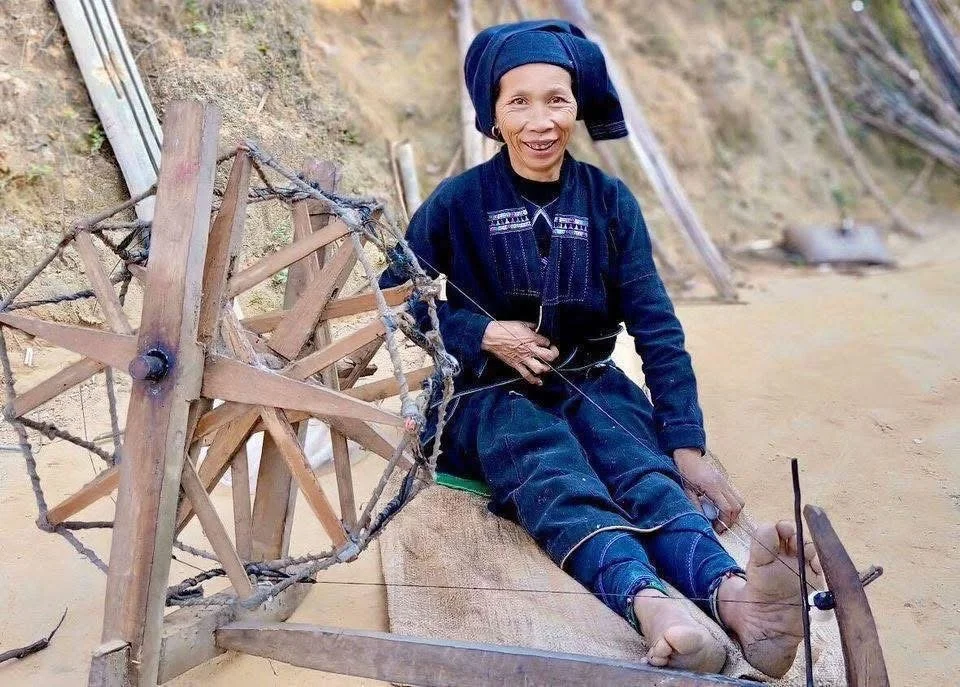
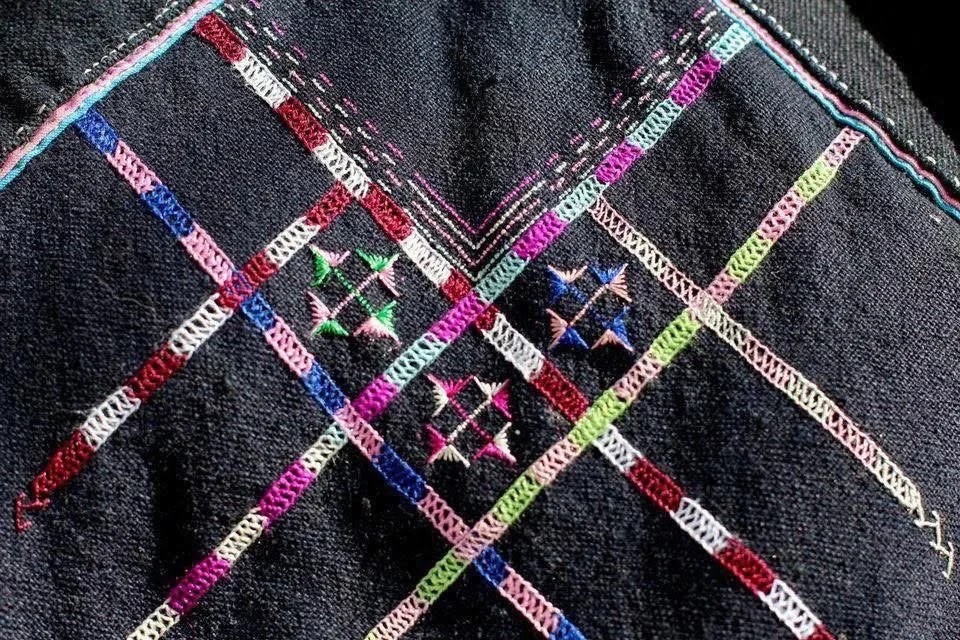
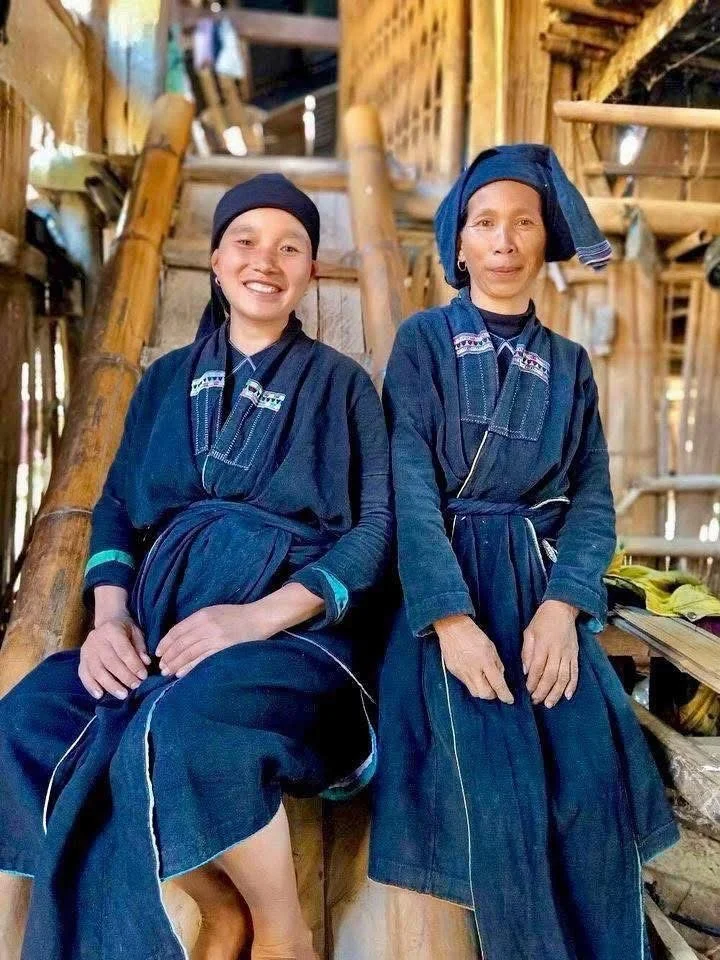
La Chí women wear stunning handwoven indigo-dyed clothing. Their outfit includes a four-panel cotton dress with a front split, an embroidered bodice, a cloth belt and a long headdress. The headdress and lapels are decorated with delicate silk embroidery, all in rich shades of indigo.
Creating one complete outfit can take several months, beginning with planting cotton, spinning and weaving the fabric, dyeing it in natural indigo and finishing it with intricate embroidery. Each piece is a testament to patience, skill and pride in their cultural identity.
Preserving a Living Culture
The La Chí people are more than an ancient community they are living storytellers of Vietnam’s northern highlands. Through their textiles, beliefs and traditions, they remind us that culture is not just inherited, it is nurtured with love and lived every day.




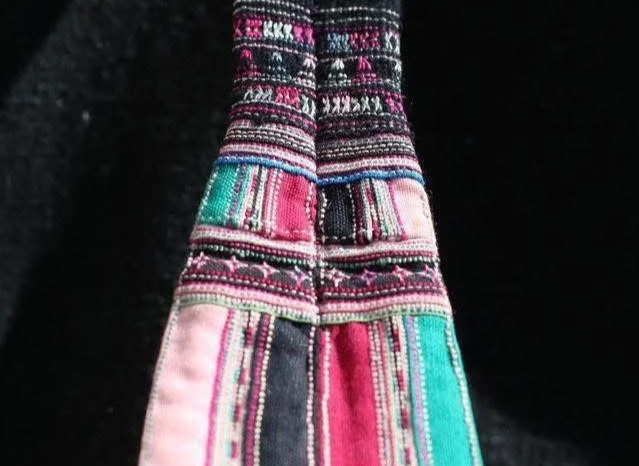
The Wisdom Keepers of ETHOS
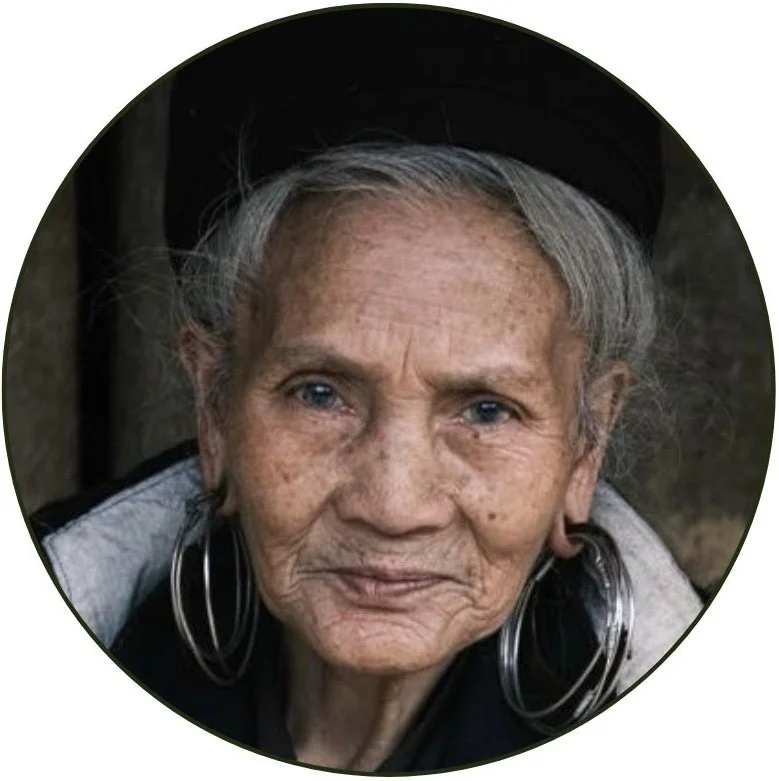
The elders of Sapa hold stories that reach far beyond the trekking trails. Their knowledge shapes how we travel, learn and connect in the mountains.
When people ask what makes ETHOS different, we might talk about routes, homestays and workshops, yet the real answer sits deeper. Many of our experiences begin not with a map, but with a slow conversation beside a kitchen fire, shared with someone who has lived through almost a century of change in the highlands.
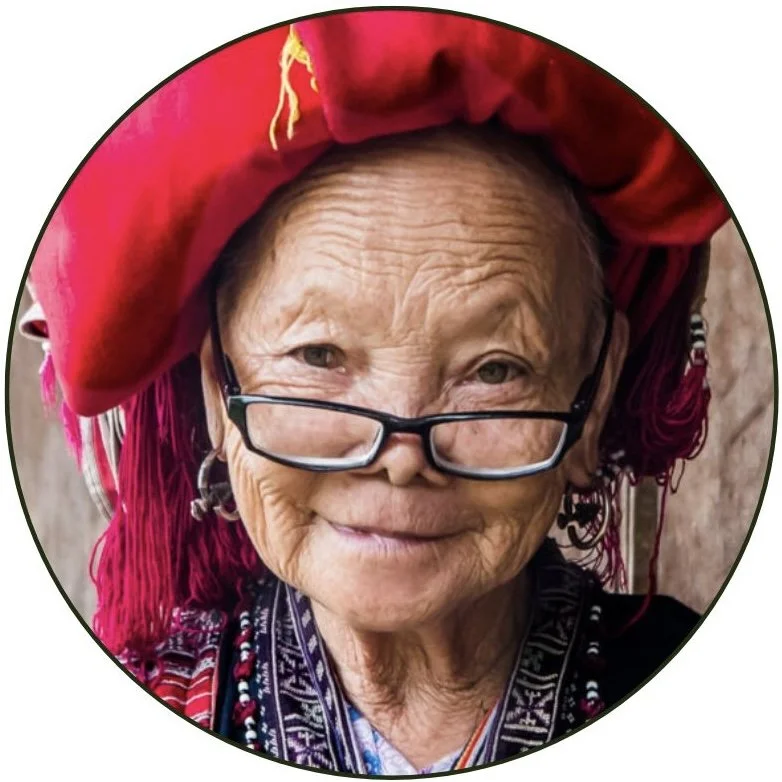
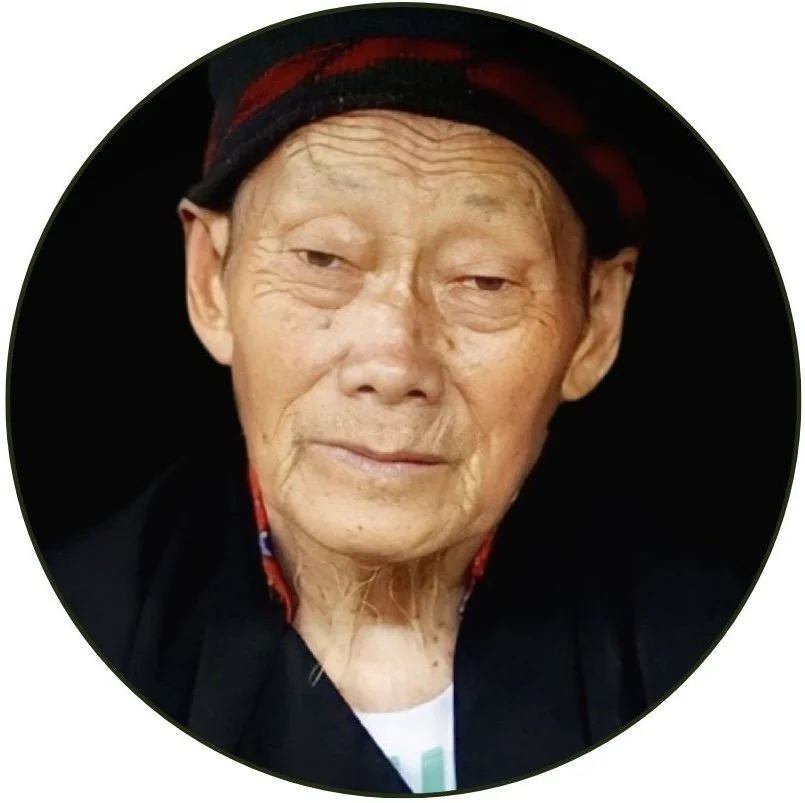
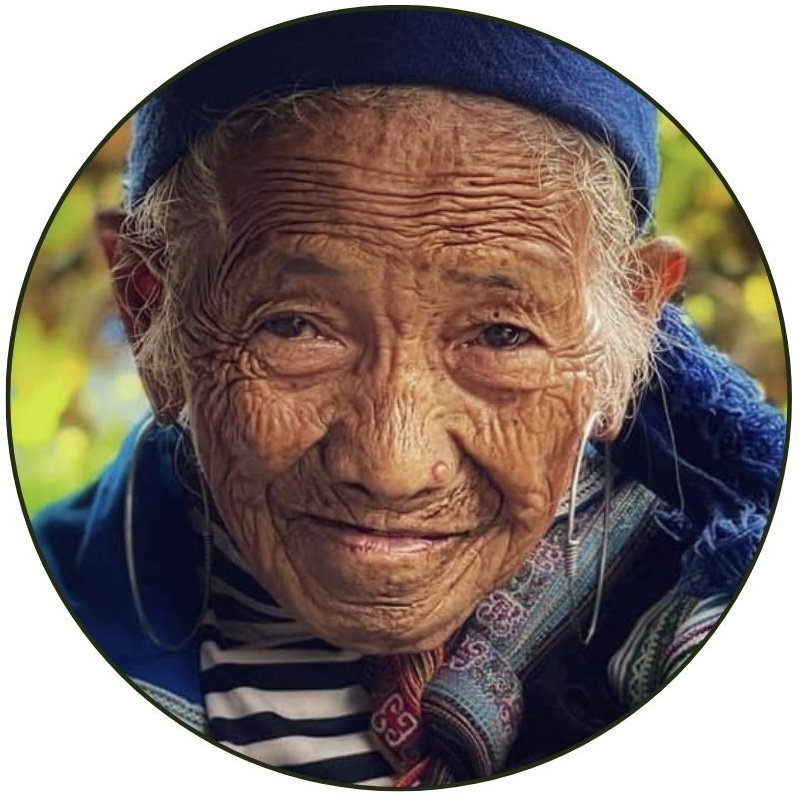
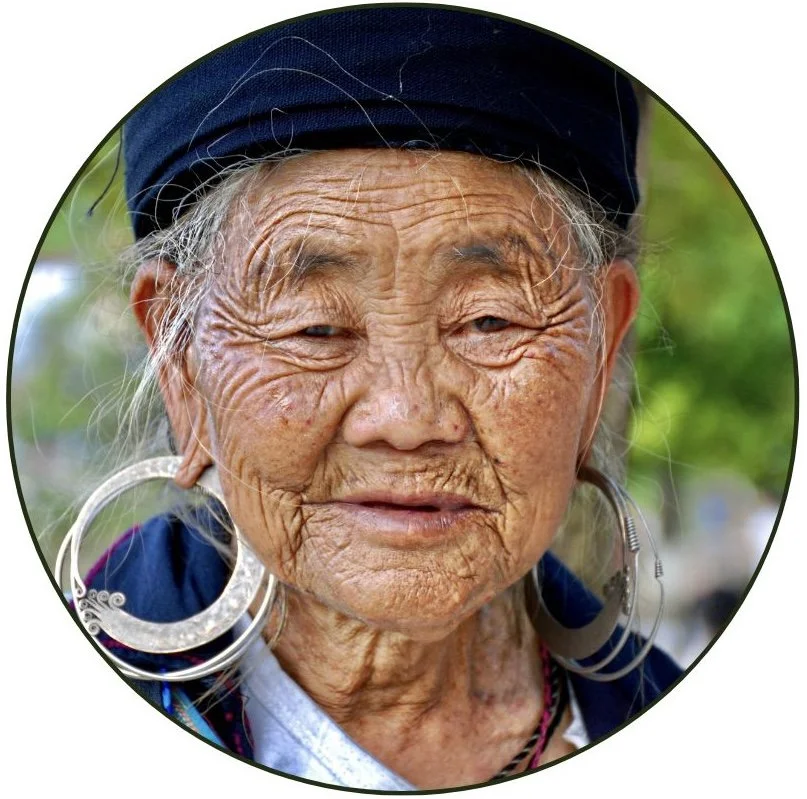
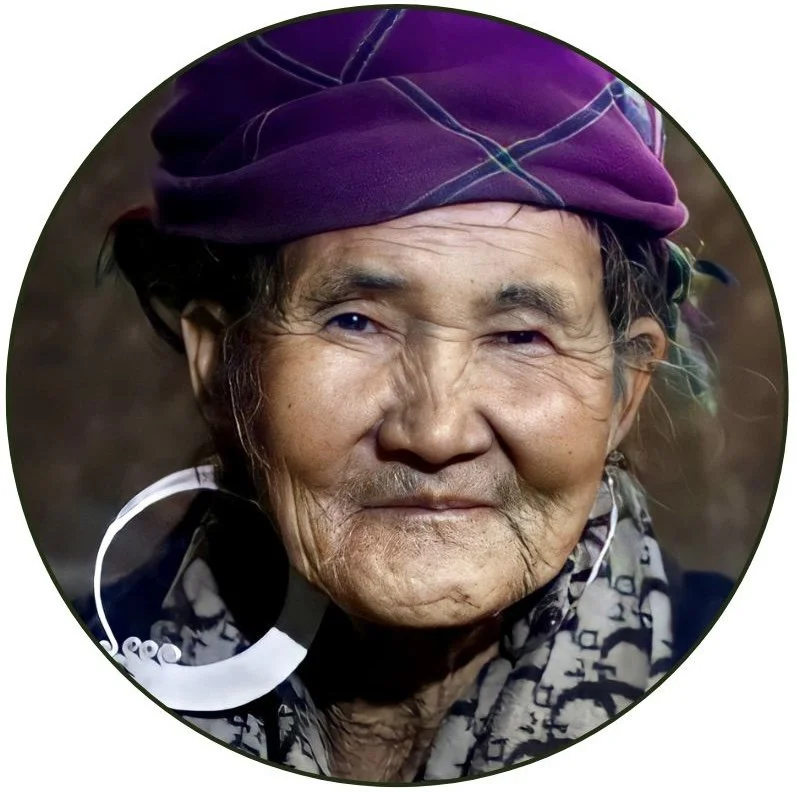
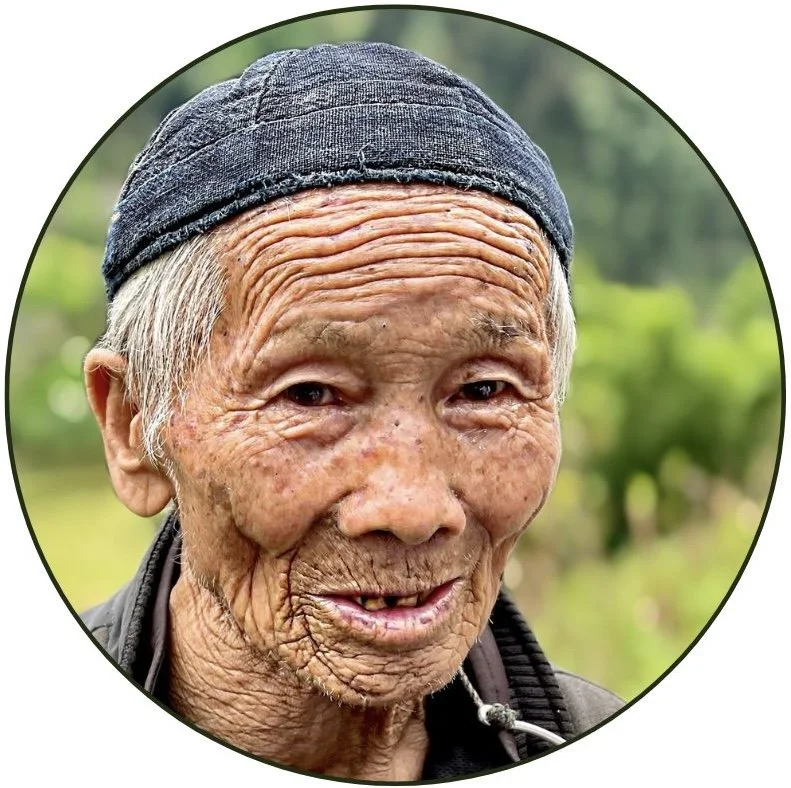
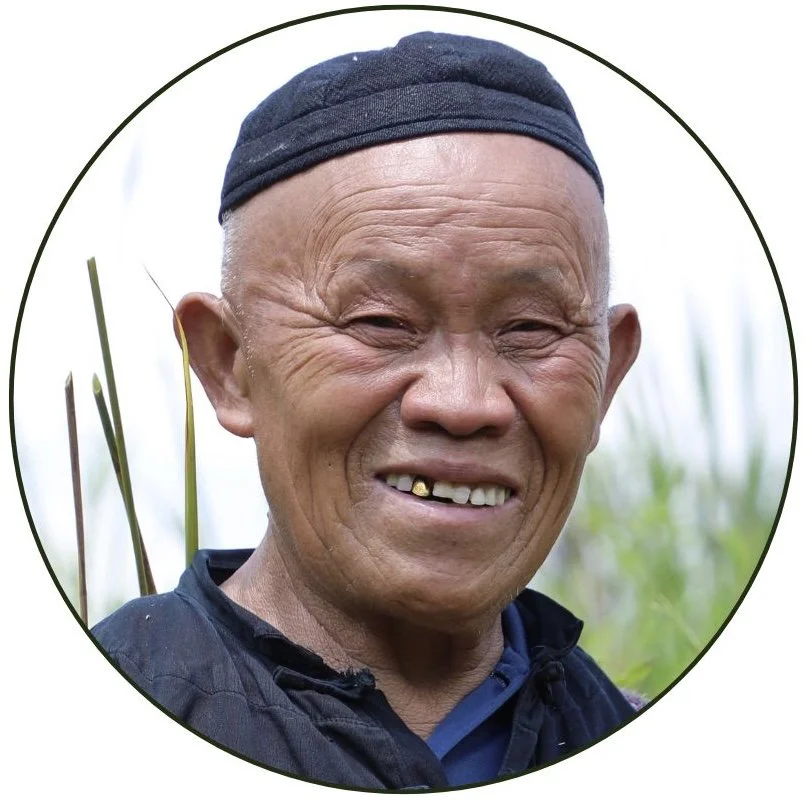
We call them our ETHOS elders. They are Hmong, Dao and neighbours from other ethnic groups, aged between 76 and 99. Some move slowly now, some stay close to home, yet their experience shapes almost everything we do.
Before Roads, Hotels and Tour Buses
A Valley With No Engines
If you stand on a ridge at dawn, watching the terraces shift from dark blue to gold, it is tempting to imagine that things have always looked this way. Our elders remind us that they have not. There were no cars in Sapa, no electricity humming through homes, no backpackers comparing trekking apps.
The houses were smaller and darker, lit only by torches or tiny oil lamps. Families grew almost everything themselves. Maize drying above the fire, a plot of rice clinging to a steep bank, simple greens plucked from the forest edge. Children learned not through textbooks, but through listening to stories told softly in Hmong or Dao.
Life was not easy, yet it felt anchored. Days followed farming rhythms. Nights followed the gentle hush of wind, rather than an electric buzz. The elders speak of it plainly, without romanticising or criticising, simply as a memory that still tastes real.
Living Through Change
Hunger, Conflict and Shifting Rules
Most elders have lived through events that younger people only study from a distance. Wars that moved through the border region. Long hungry months when harvests failed. New governments arriving with new expectations for how people should speak, dress and behave.
Some hid in forests during bombardments. Others sold heirloom silver jewellery to buy rice. Families relocated when valleys flooded or when land rights changed. They endured loss, uncertainty and constant adaptation, yet held on to language, ritual and textile knowledge with astonishing strength.
Their stories do not follow perfect timelines. One memory drifts into another. A tale about tending buffalo wanders into a reflection about how the forest once sounded thicker and more alive. History here behaves like fabric; it folds, layers and overlaps.
How Elders Shape Our Work
Guidance Beside the Fire
Before finalising any new route or community activity, we visit elders for advice. Sometimes we sit in courtyards surrounded by maize, other times in smoky kitchens where pots simmer quietly. There is usually tea and sometimes gentle teasing or blunt honesty.
An elder might explain that a beautiful waterfall should not be photographed in certain months, or that a particular forest is part of a clan’s spiritual world, so paths must avoid it. Another might ask us to consider an old settlement that could tell an overlooked story.
Outsiders might see only dramatic scenery, yet elders see boundaries, spirits, ceremonial sites and memories that cannot be found on a map.
Learning Through Presence
The Fire Becomes a Classroom
The most meaningful moments for guests often arrive when the trekking boots are off and daylight fades. An elder may unroll hemp cloth to demonstrate batik, explaining each motif and its link to fertility, weather or clan identity. The room becomes a quiet circle of shared listening, where even relatives pause to learn again.
Sometimes someone sings a courting song that no young person remembers. Other nights a shaman drum is brought out, its symbols fading yet still powerful. Silver jewellery is explained piece by piece, each item tied to marriage, birth or migration.
These are not staged performances. They are real exchanges that happen because trust exists and because elders have chosen to share knowledge that might otherwise fade.
Bridging Generations
Young Guides and Old Knowledge
Many of our guides are in their twenties or thirties. They speak multiple languages, use smartphones and connect with travellers easily. Elders watch this with pride and mild worry. They want progress, yet they fear the loss of language, motifs and ritual.
By inviting travellers to learn, elders see proof that their heritage still matters. After a storytelling session, an elder who began shy may end the evening animated and eager to share more next time. It becomes a small but powerful exchange between generations.
Ethics In Practice
Accountability Rooted in Respect
Elders help us stay grounded. They tell us when a trail must close or when a village needs rest from visitors. We follow their lead even when it disrupts plans, because ethical travel is not a slogan for us. It is a relationship that must remain alive, honest and humble.
Without elders, ETHOS would still exist, but the depth would be gone. We might still trek these mountains, but we would not understand their stories or their silences.
Final Thought
Community elders share history and remind us that culture is a living current, not an archive. It slows, bends and sometimes disappears, yet with attention it can keep flowing.
We walk with them not to preserve the past perfectly, but to let it breathe into the present, step by slow step, fire by fire, voice by voice.
Join our Team
If you would like your journey to be shaped by lived wisdom rather than standard itineraries, reach out and begin a conversation with our team. We will help you travel with intention, curiosity and respect.


The Gentle Rhythms of Lao Life: A Glimpse into the Northwest Highlands
A quiet journey into the Lao highlands, where life moves to the rhythm of rivers and song. Meet the communities who weave memory, laughter and craftsmanship into every moment.
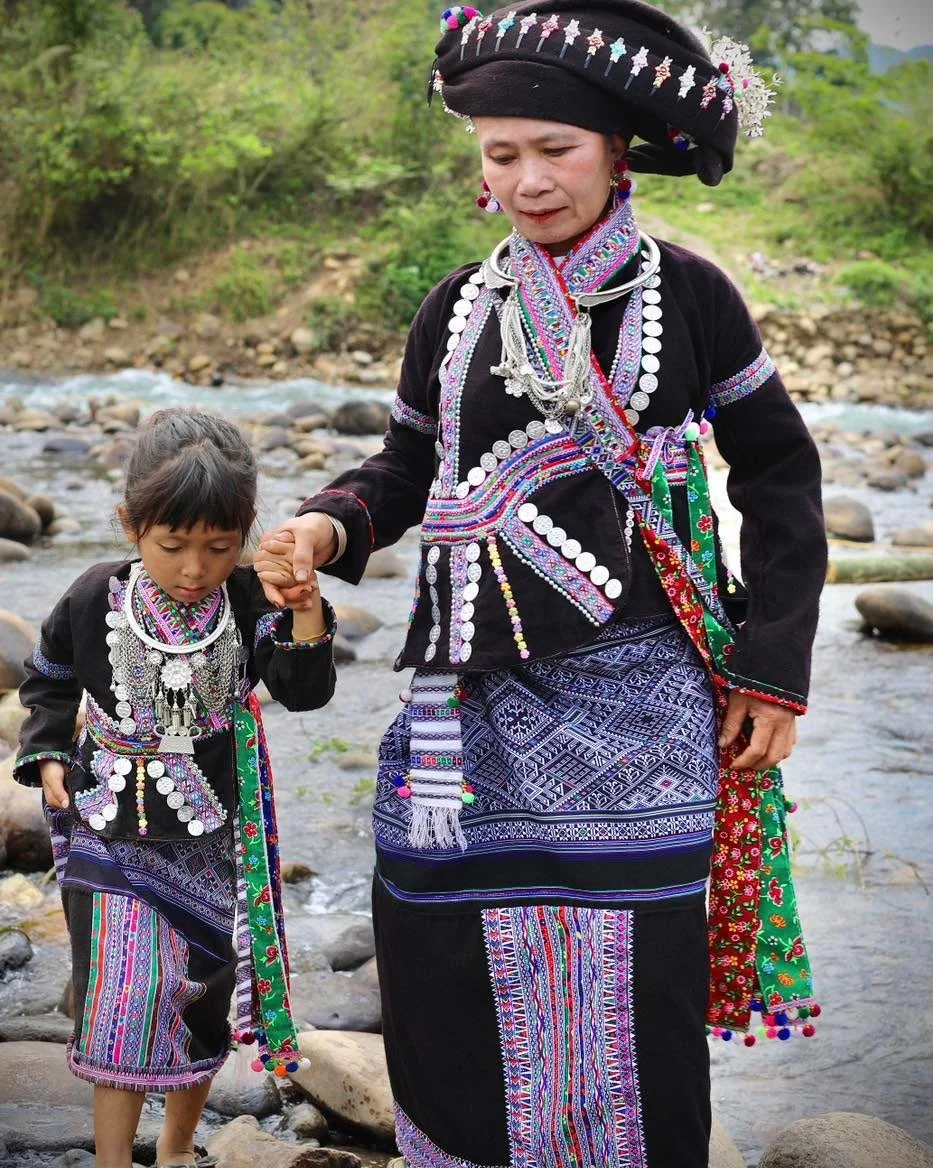
There is something quietly captivating about the Lao ethnic communities scattered across Vietnam’s northern mountains. Their villages, often cradled by mist and river valleys in Lai Chau or Son La, feel like worlds suspended between seasons; places where time seems to slow, just enough to notice the details; the scent of wet bamboo after rain, the shimmer of embroidered silk in the sunlight, the sound of laughter drifting from stilt houses.
Where Mountains Meet Memory
The Lao people, whose ancestors journeyed from what is now the Lao People’s Democratic Republic, belong to the Tay-Thai linguistic family. Their language carries echoes of Laotian speech, but with gentle variations that root it firmly in these Vietnamese highlands. You hear it most beautifully in song; a soft lilt that rises and falls with the rhythm of work, play, and prayer.
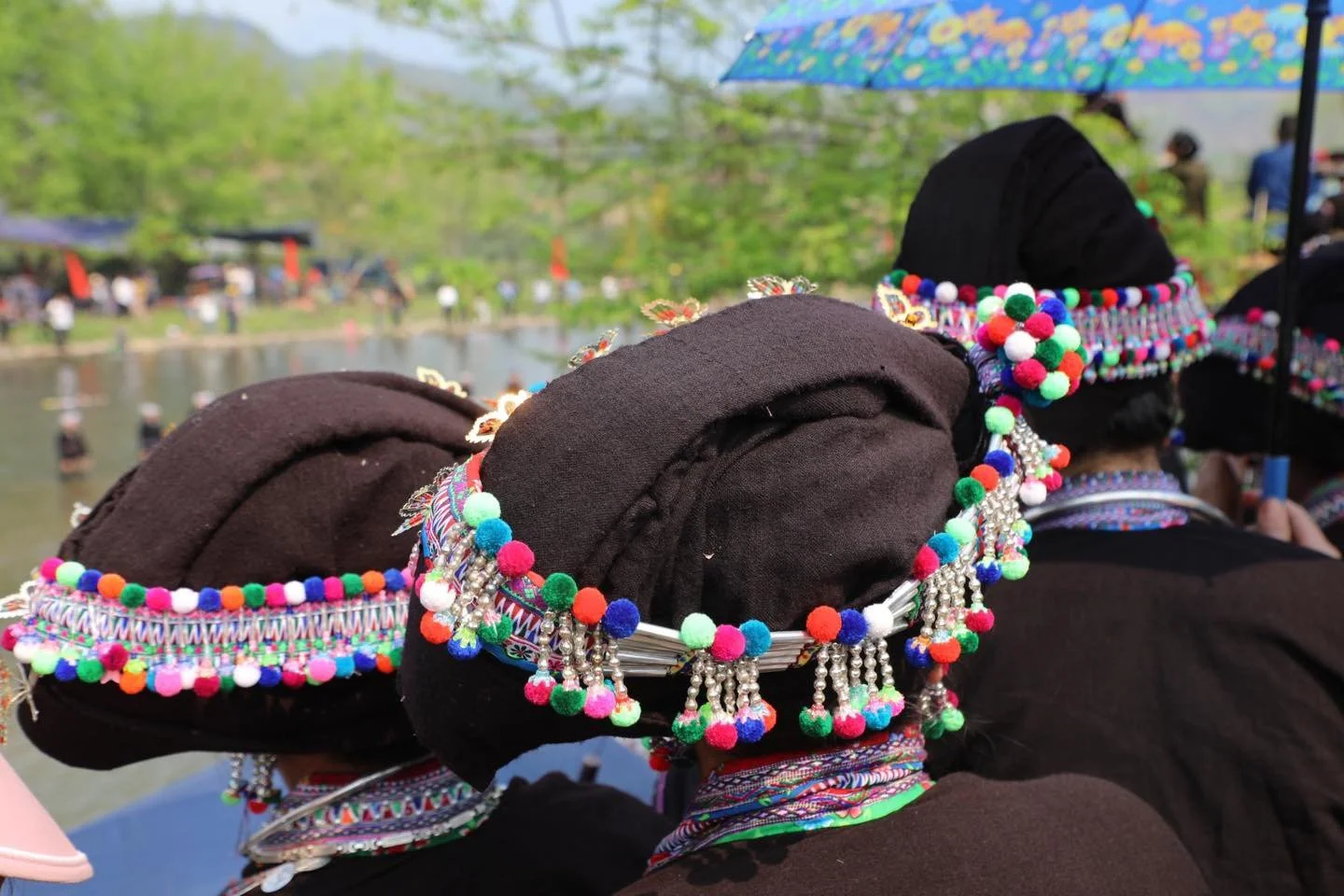
Most Lao families live in wide stilt houses that blend practicality with grace. The ground floor shelters buffalo and tools, while the upper floor is a shared living space filled with warmth and wood smoke. Privacy, such as it exists, is created with woven curtains hung with pom poms that dance when the breeze drifts through. It’s modest, but deeply alive with care and craft.
Threads of Identity
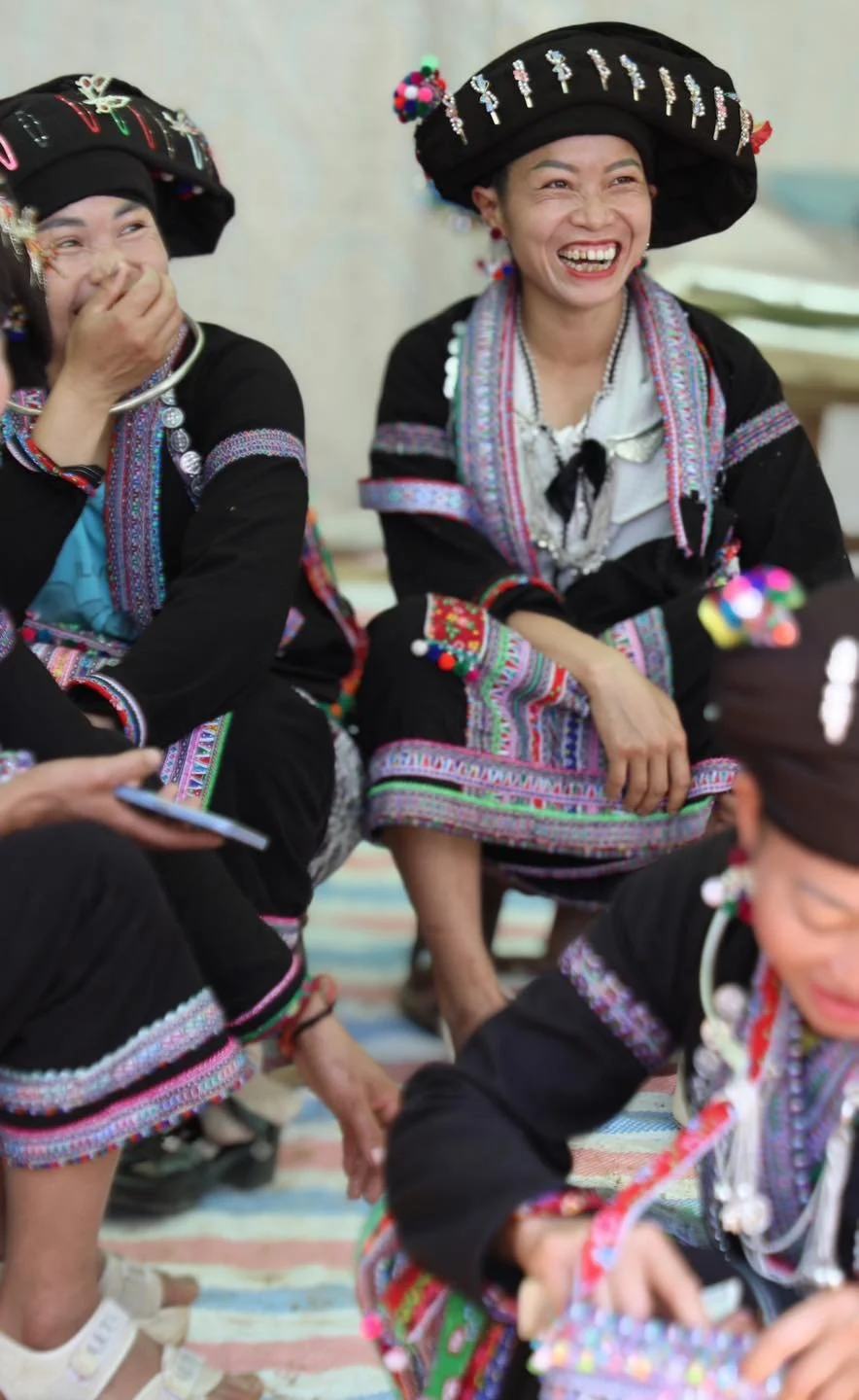
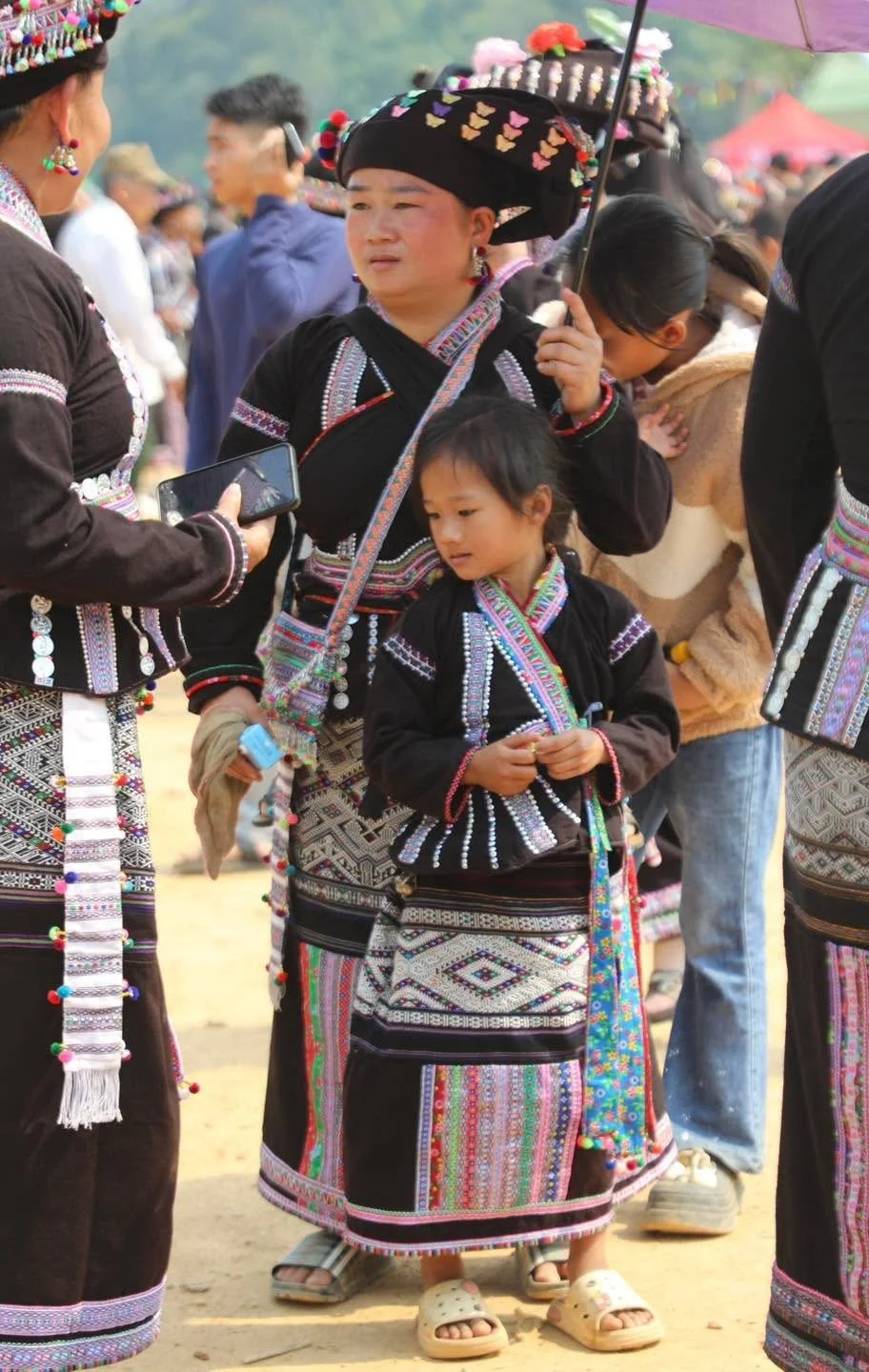
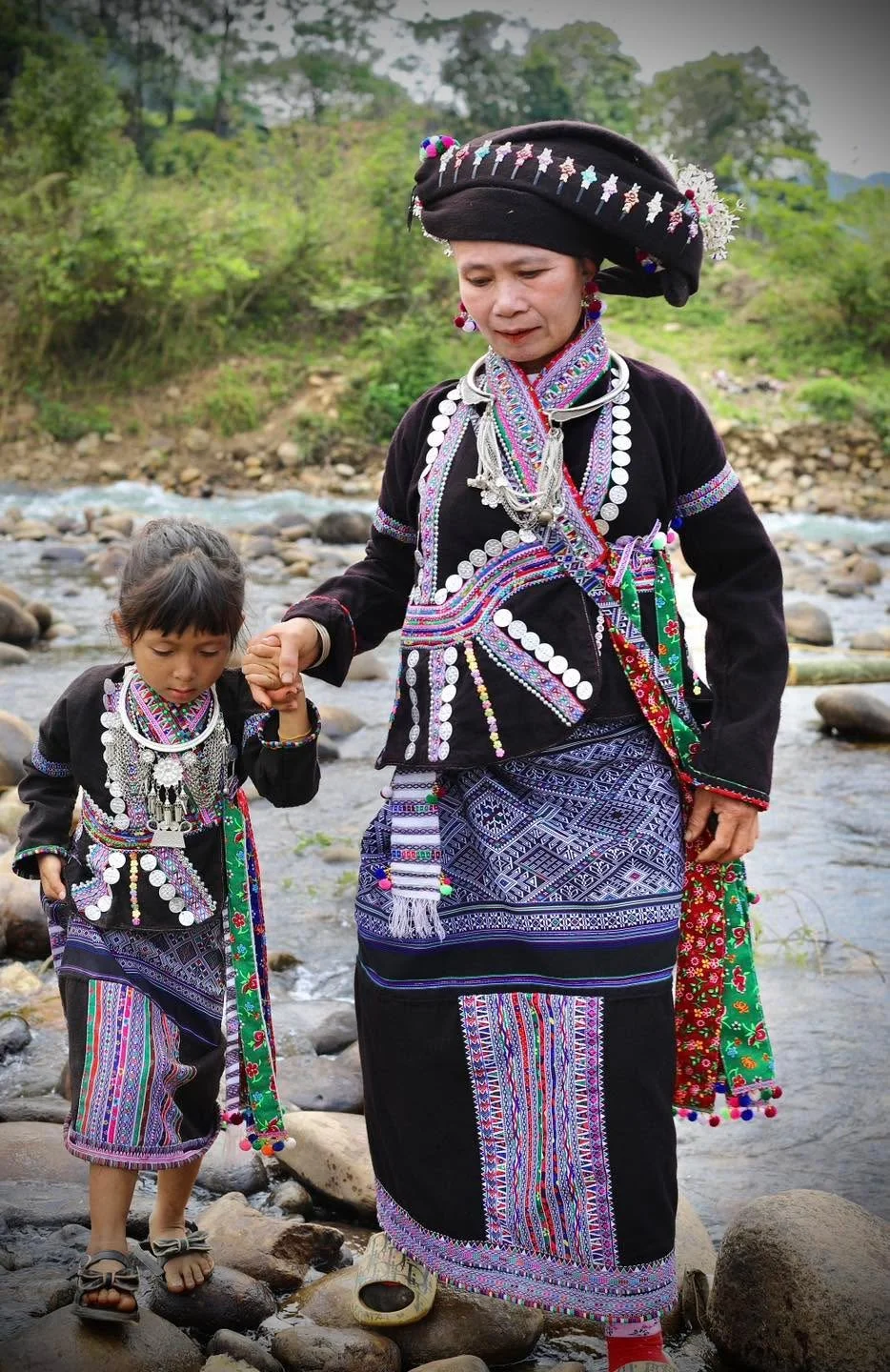
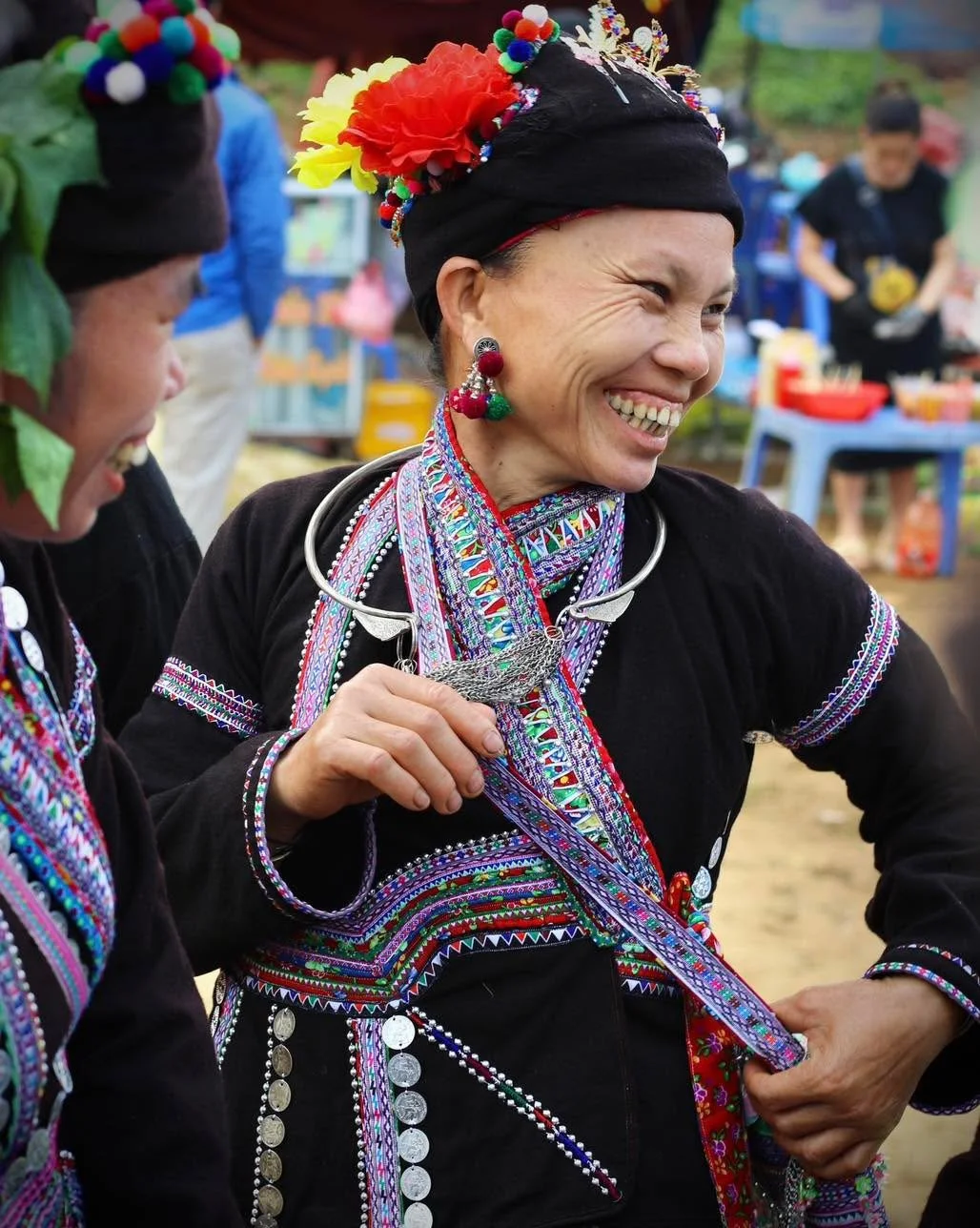
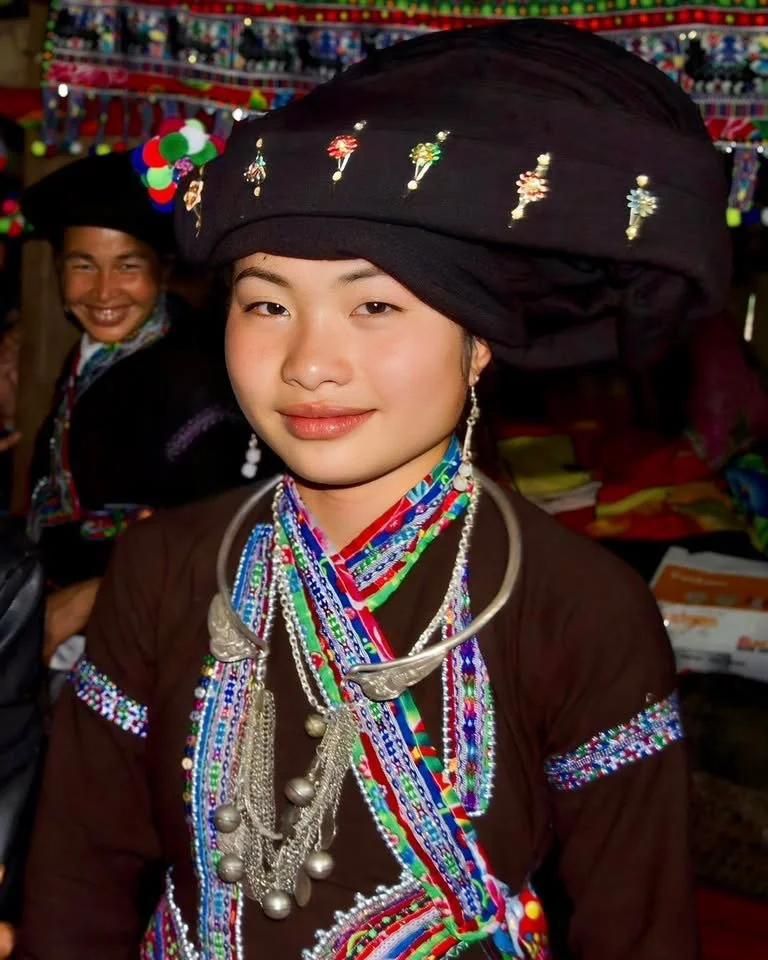
Lao textiles tell stories that words sometimes cannot. Women still weave intricate brocade and embroider bold motifs, even if cotton now replaces hand-spun fibres. Their skirts, long and flowing, are alive with patterns of trees, birds, and leaves. Each one seems to hold a memory; a season, a celebration, a piece of family history.
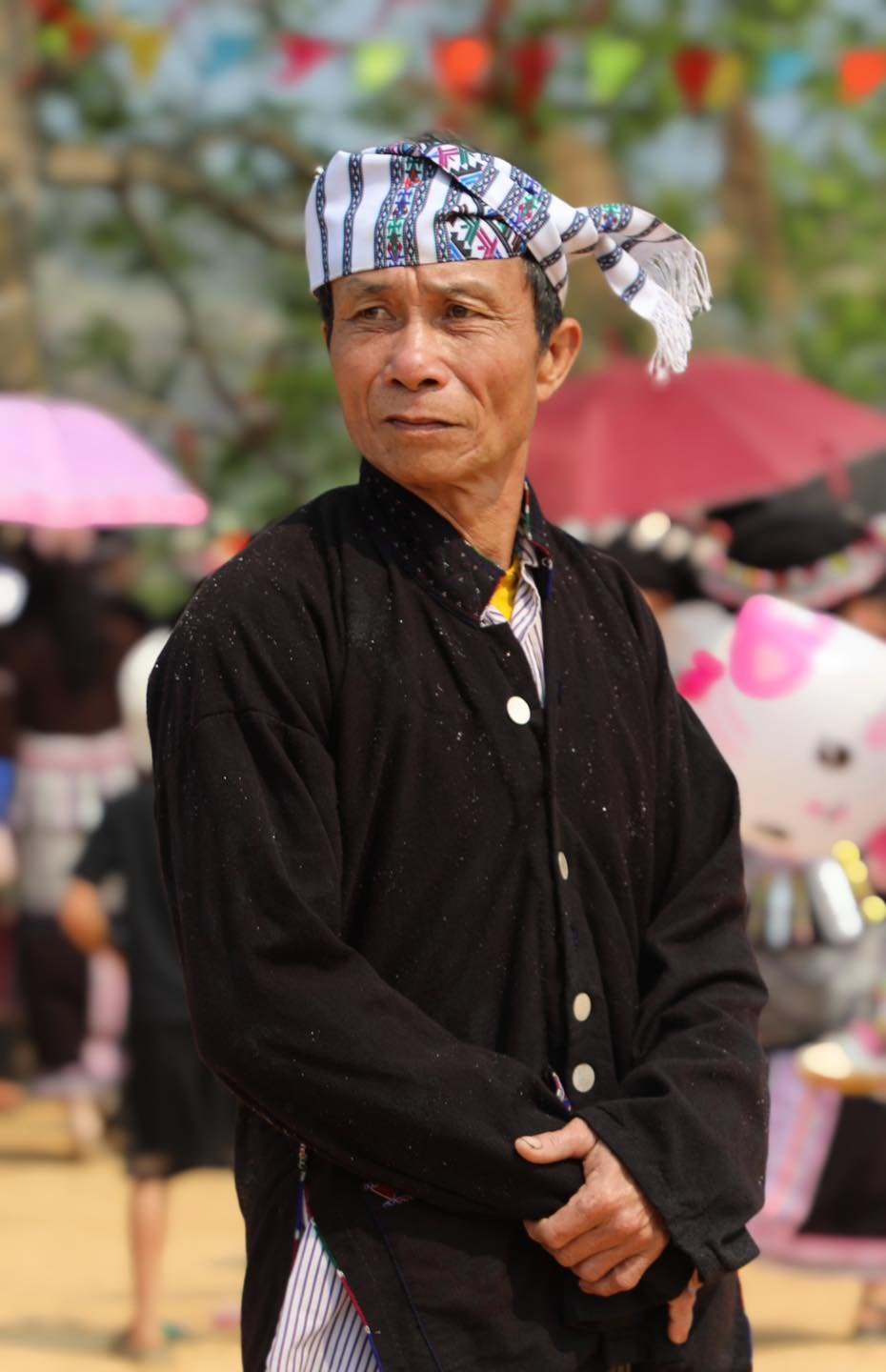
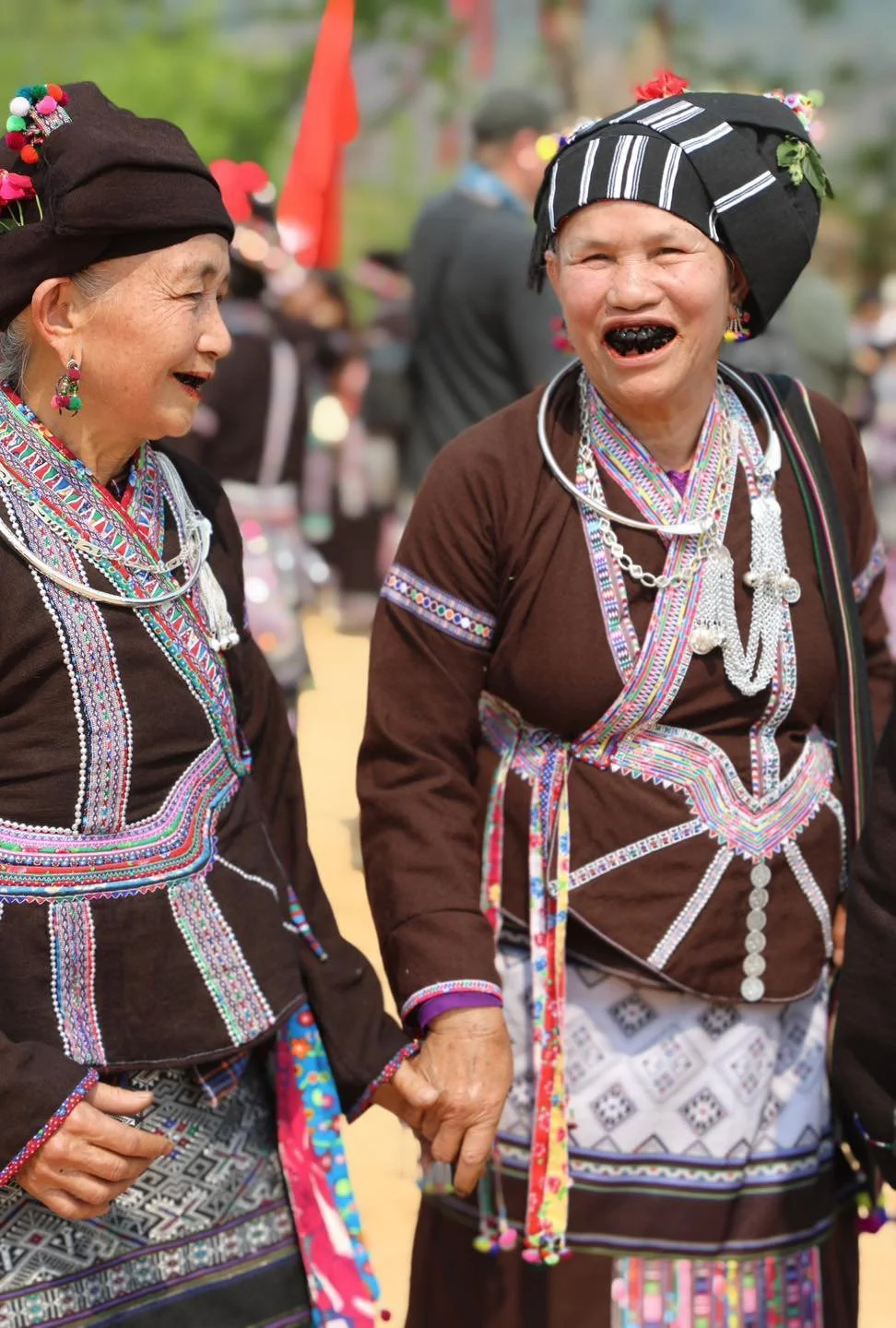
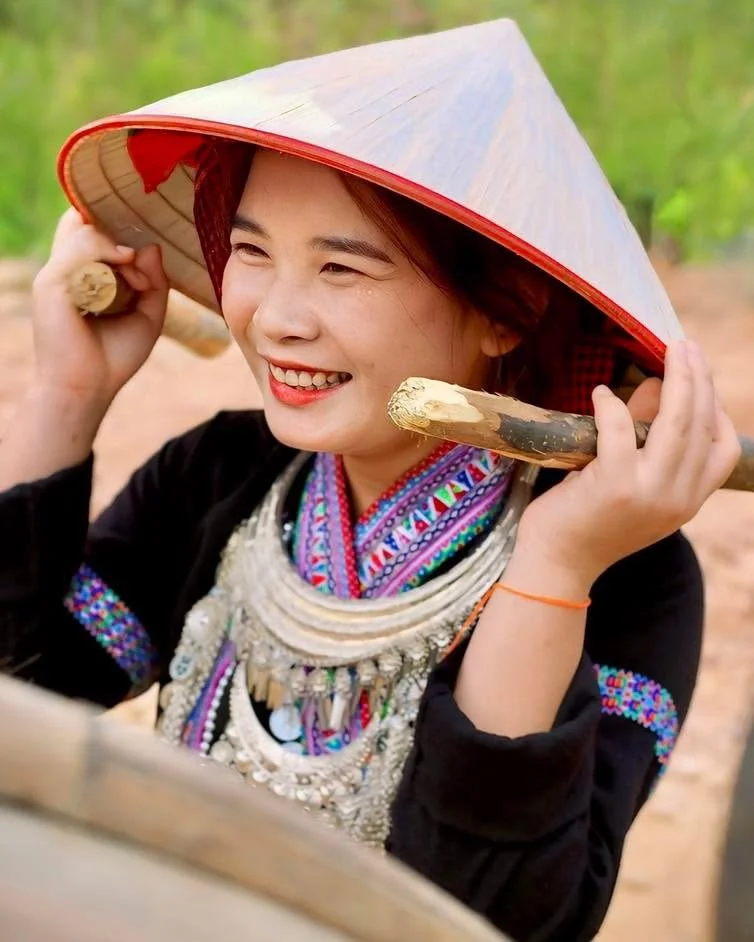
They pair these with fitted tops fastened by colourful sashes, silver coins that glint softly against black fabric, and plain black headscarves wrapped with an elegance that feels timeless. The overall effect is both restrained and radiant, a blend of simplicity and ornament that feels entirely their own.
The Smile Behind the Betel Nut
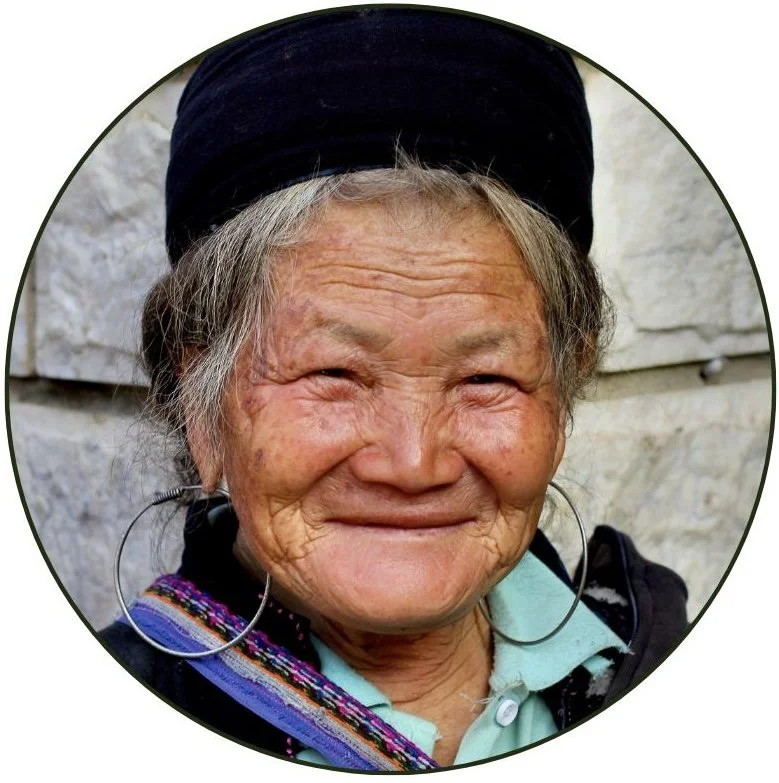
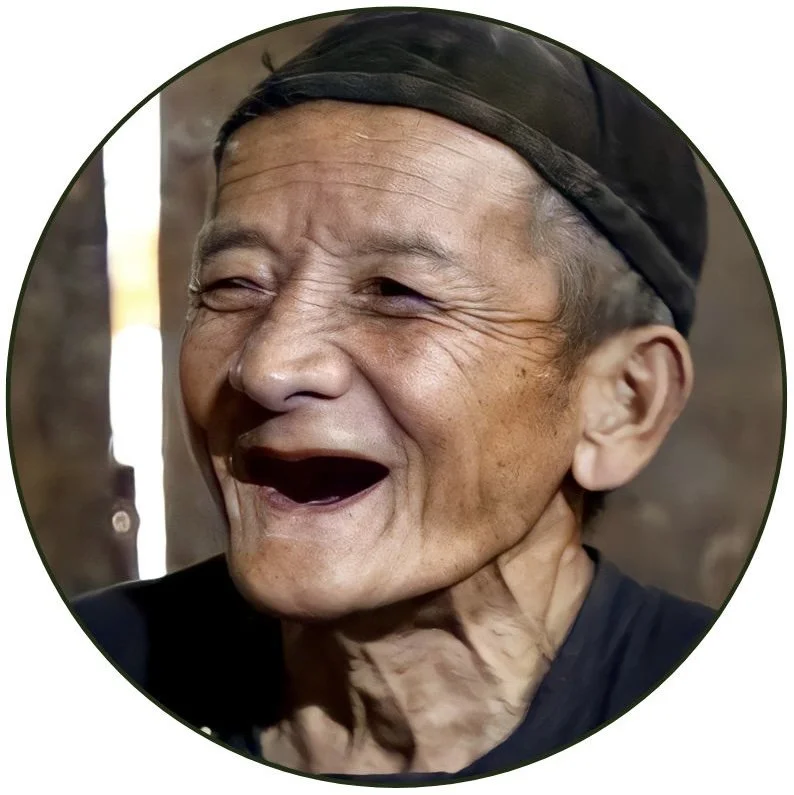
Among the Lao, teeth blackening and betel chewing remain living traditions. At first glance, it may seem surprising, even startling, yet within the culture it carries beauty and meaning. Blackened teeth are seen as a sign of maturity, dignity, and humanity; a mark that separates people from the animal world. The practice, mostly kept by older women, gives them a presence both commanding and gentle; smiles inked with wisdom.
A Festival of Water and Renewal
During the Lao New Year, villages come alive with colour, laughter, and the joyous chaos of splashing water. It’s more than play; it’s ritual. The water symbolises cleansing; washing away misfortune and inviting good weather, fertile fields, and healthy families. As drums echo through the valley, people dance and sing, moving in rhythmic patterns that mirror the flow of rivers.
It’s hard to describe without sounding sentimental, but there’s a kind of purity in these moments — a sense that the world, even briefly, finds its balance again.
The Songs that Hold the Hills
Folk songs, legends, and tales are woven through Lao life like threads in a tapestry. Their dances are fluid, open, and expressive, guided by drums but never strictly choreographed. You see freedom in their movement; a joyful refusal to separate art from life.
Perhaps that’s what makes time with the Lao so special. It isn’t performance. It’s participation and being drawn, slowly and sincerely, into the shared rhythm of the mountains.
At ETHOS, we believe that travel should feel like conversation; sometimes quiet, sometimes full of laughter, always rooted in respect. Our journeys with Lao communities are invitations to listen, to walk gently, and to learn how beauty can live in the everyday.
Hmong Shamanic Rituals and Lunar New Year Traditions in Vietnam
A rare insight into Hmong shamanic beliefs and a powerful Lunar New Year ceremony that brings community, spirits and healing together in Vietnam.
Hmong Shamanic Rituals and Lunar New Year Traditions in Vietnam
Beliefs in Souls and Spirits
The Hmong are traditionally animist with most Hmong believing in the spirit world and in the interconnectedness of all living things. At the center of these beliefs lies the Txiv Neeb, the shaman (literally, “father/master of spirits”). According to Hmong cosmology, the human body is the host for a number of souls. The isolation and separation of one or more of these souls from the body can cause disease, depression and death. Curing rites are therefore referred to as “soul-calling rituals”. Whether the soul became separated from the body because it was frightened away or kidnapped by an evil force, it must return in order to restore the integrity of life.
Entering the Spirit World
A shaman is transported to another world via a “flying horse,” a wooden bench usually no wider than the human body. The bench acts as a form of transportation to the other world. The shaman wears a paper mask while he is reaching a trance state. The mask not only blocks out the real world, so the shaman can concentrate, but also acts as a disguise from evil spirits in the spirit world. During episodes when shamans leap onto the flying horse bench, assistants will often help them to balance. It is believed that if a shaman falls down before his soul returns to his body, he or she will die.
The shaman is considered a master of ecstasy. It is thought that his soul becomes detached from his or her body during a séance in order to leave for the spirit world. The shaman becomes a spirit and put him or herself on an equal standing with the other spirits. The shaman can see them, talk to them, touch them, and if necessary catch them and liberate them so they can return home.
Sacrifice and Healing
In Hmong culture, the souls of sacrificial animals are connected to human souls. Therefore a shaman uses an animal’s soul to support or protect a human soul. Often healing rituals are capped by a communion meal, where everyone attending the ritual partakes of the sacrificed animal who has been prepared into a meal. The event is then ended with the communal sharing of a life that has been sacrificed to mend a lost soul.
A Lunar New Year Shamanic Ceremony
Beginning the Ceremony
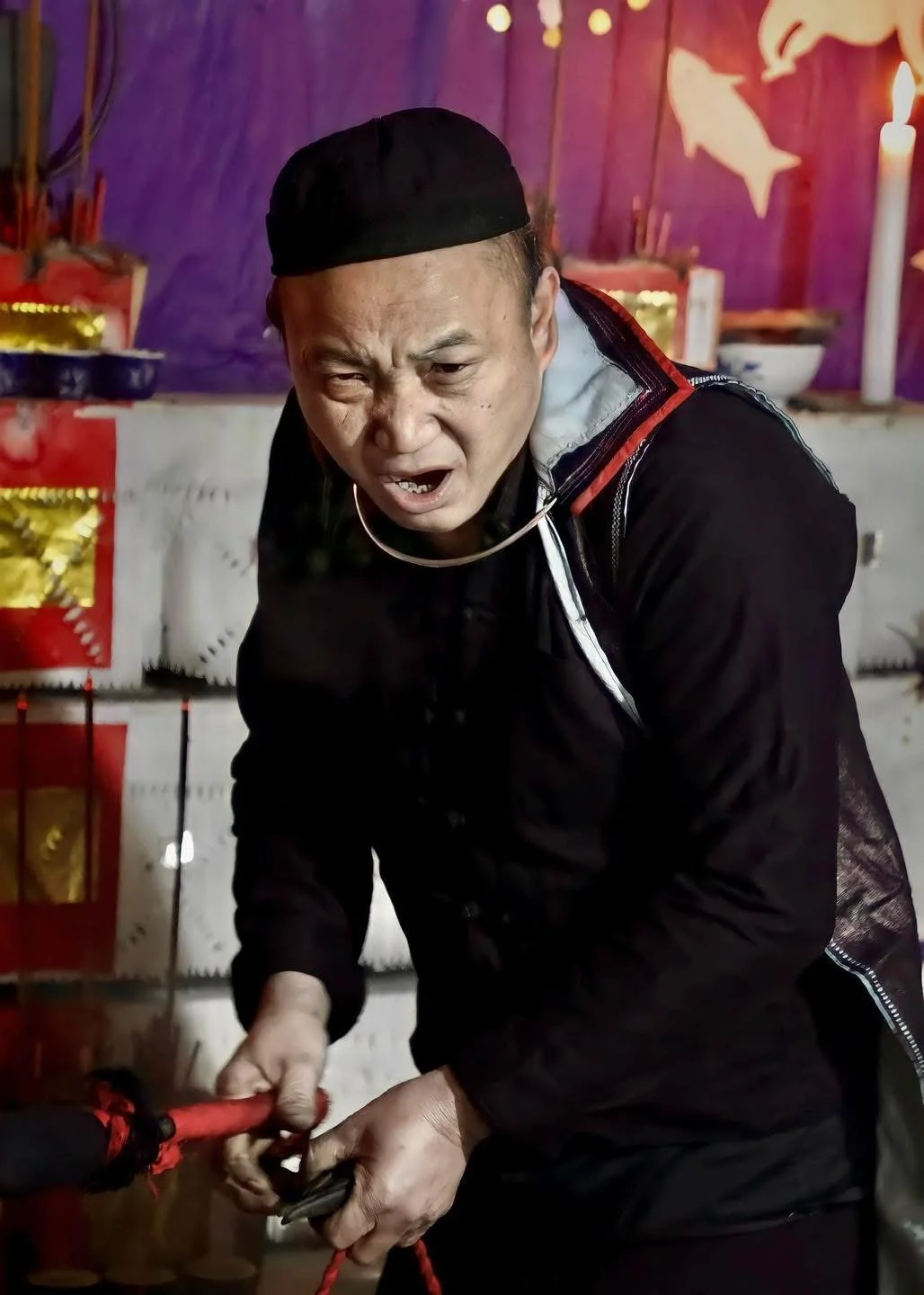
Participants at this lunar new year event begin arriving from early morning, each bringing gifts of incense, shamanic paper and an offering of meat in the form of pork or chickens. The shaman in charge of this ritual, Lý A Cha, begins the ceremony with a chant, using a mixture of Hmong and an ancient dialect called Mon Draa. Even to an outsider’s ear, his words sound different from everyday Hmong speech. The literal meaning of each word has become obscure to many present-day Hmong, even sometimes to those who chant it, yet the purpose of the ritual is to invite the too Xeeb spirit to manifest itself during the ceremony, to accept the offerings of those present, and to agree to provide them with blessings.
Divination with Kuaj Neeb
As he chants Lý A Cha throws the Kuaj Neeb on the ground repeatedly. The Kuaj Neeb is a tool for divination made from two halves of a buffalo horn. They are used to determine which way the soul has gone. The two pieces comprise a couple, and are separately referred to as male or female. When both pieces of the Kuaj Neeb land fat side down pointing in opposite directions, it is believed that the spirits have accepted the offerings and are willing to come to the ceremony to fulfil all wishes made by the participants.
Gong, Sacrifice and Protection
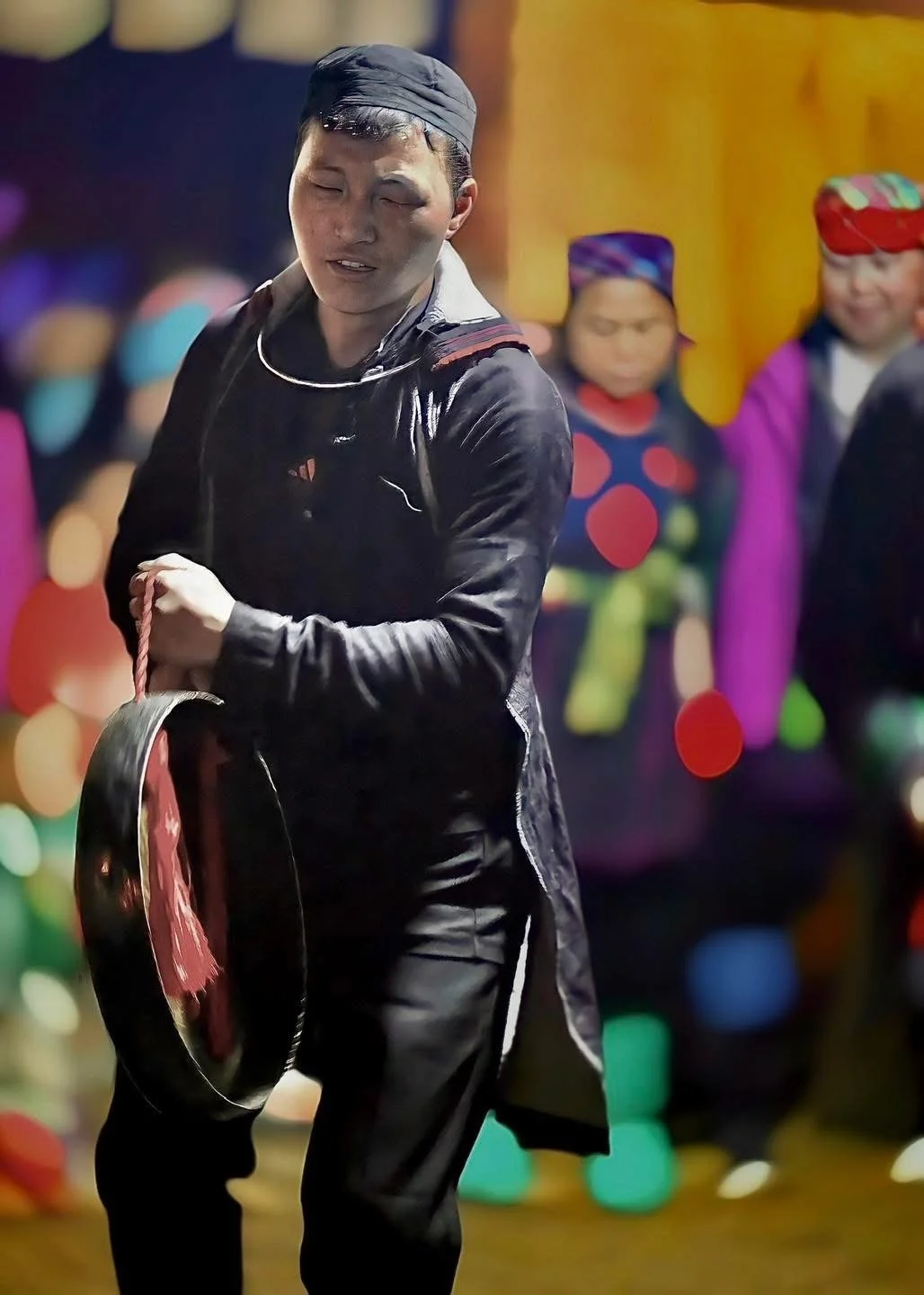
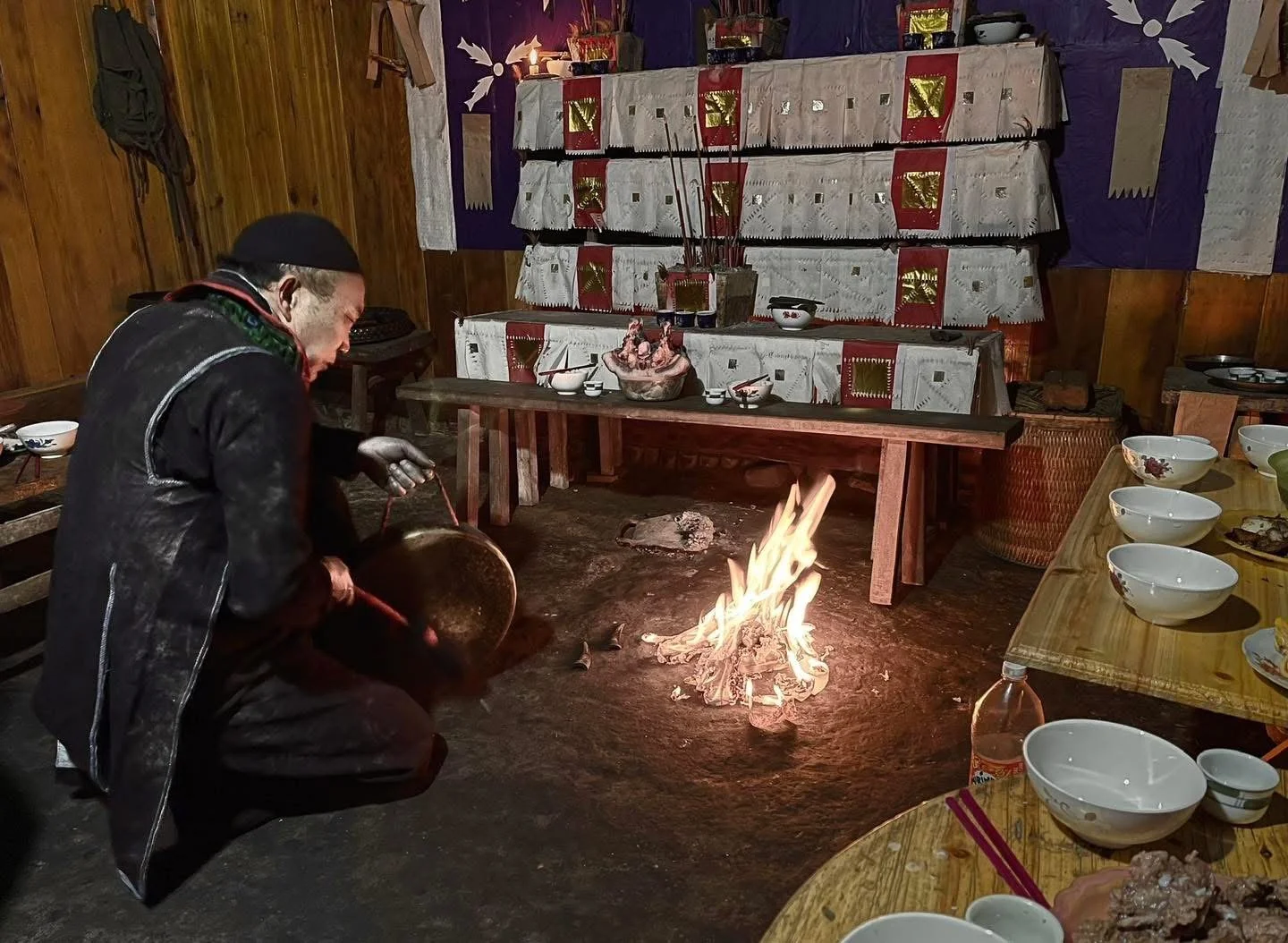
Next, the shaman beats the Nruag Neeb (a small black metal gong) three times while a sacrificial pig is placed on a wooden table next to the altar. The gong amplifies the shaman’s power. It represents spiritual strength through its penetrating, reverberating sound. It also serves to protect the shaman from evil spirits, like a shield.
The villagers have pooled their money to buy the large sacrificial pig, an offering to ask for a New Year blessing for the entire community. Its jugular vein is expertly slit, and there is much jubilation as the first drops of blood are caught in ritual bowls. The animal’s death throes are brief with laughter and happiness deriving from anticipation of the food which the pig will provide, and the prospect of future blessings gained from the animal’s sacrifice.
Calling Spirits and Reading Fate
The shaman follows this by throwing the Kuaj Neeb down on the ground several times, while he chants in Mon Draa. He holds the Nruag Neeb in his left hand. With his right, he alternately strikes the gong several times with the beater. He continues this alternation three times, while he chants in Mon Draa, in order to summon and communicate with the spirits to ask for their blessing (pauj thwv rig).
While the shaman conducts various parts of the ceremony, young men prepare and cook the meat while the women supervise and cook rice. Rhythmic dancing takes place through the day, always in same sex quartets dressed fully in Hmong clothing, yet with bare feet. Each dancer has their own gong and moves together in diagonal lines throughout the space in front of the altar.
Fire, Smoke and Spiritual Energy
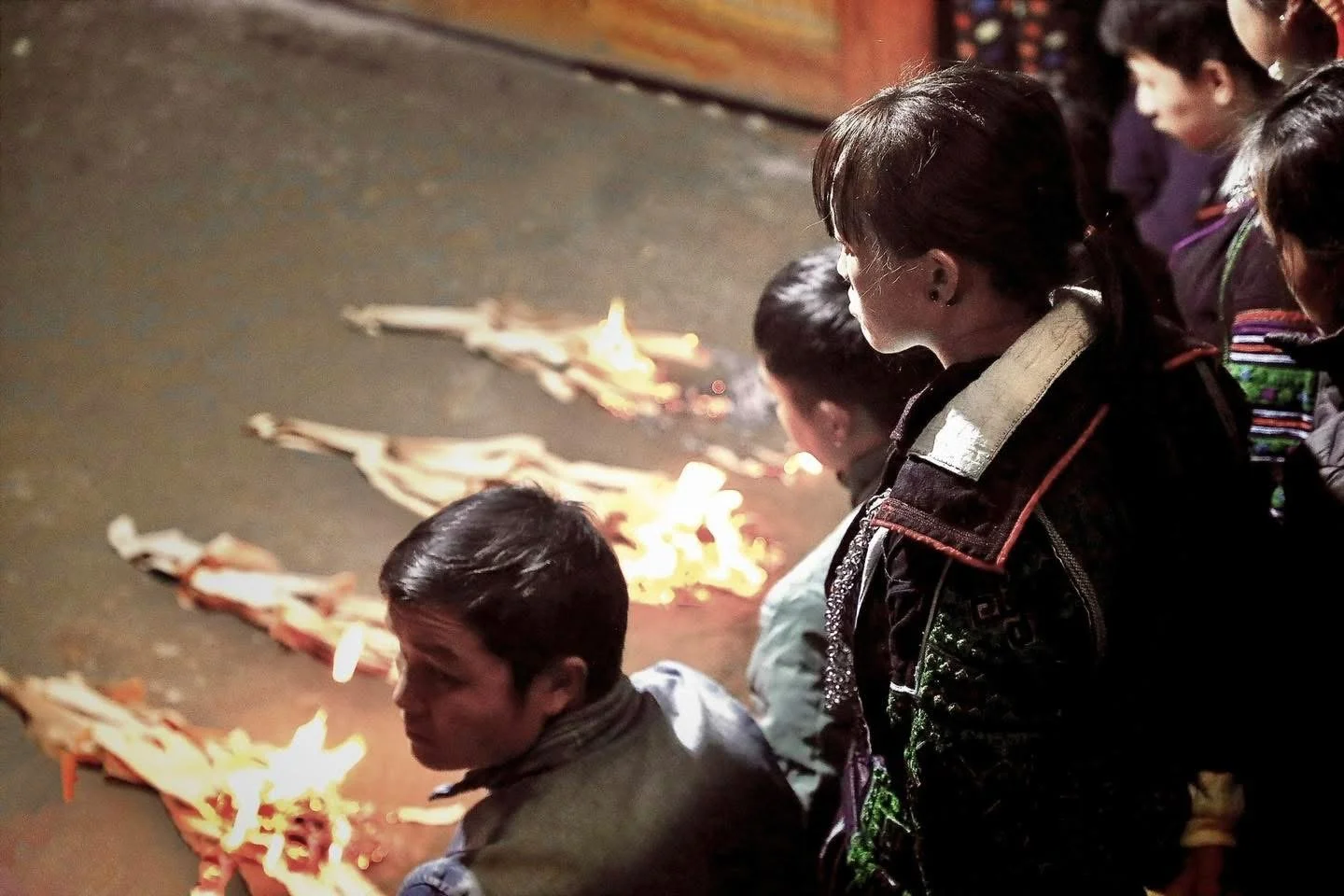
As the ceremony enters the afternoon, a second shaman arrives. Giàng A Pho has been studying as an apprentice for many years and is well respected and highly regarded in his own right. Decoratively cut bamboo paper is placed in a line across the floor, one in front of each participant. Bamboo paper is used during shamanic rituals, in divination ceremonies and on other occasions. Today, the shaman chants in front of each participant for several minutes, repeatedly using the split buffalo horns before moving on to the next person. Once completed, the line of papers are ignited and left to burn out. The ashes are then read, allowing the shaman to make statements about peoples spiritual health as well as predictions about when each participant should have their own individual séances.
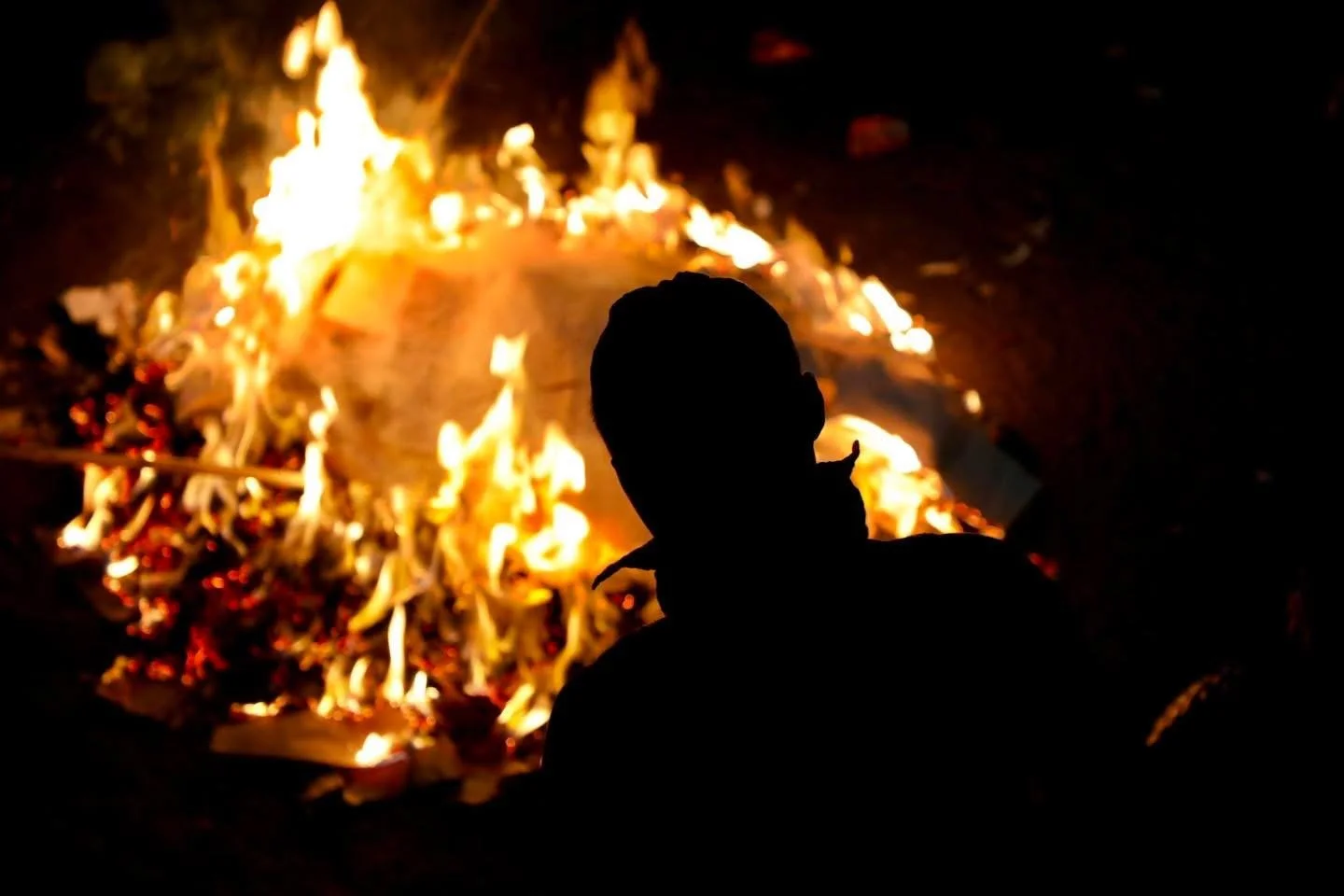
Next, a pyre is constructed made from the shamanic papers collected during ceremonies through the previous years. These are ignited by Giàng A Pho and manipulated using bamboo poles into a smouldering pile of embers. While Lý A Cha chants in Mon Draa, four other men begin beating their individual gongs with increasing ferocity, reaching a deafening crescendo before Lý A Cha rolls through the embers causing a burst of flames to leap into the air. The other men soon follow, before jumping up and beginning a loud and rhythmical dance through the room now drenched in thick smoke. Their bare feet send sparks flying as they pound the ground.
Offering Food to Spirits and Community
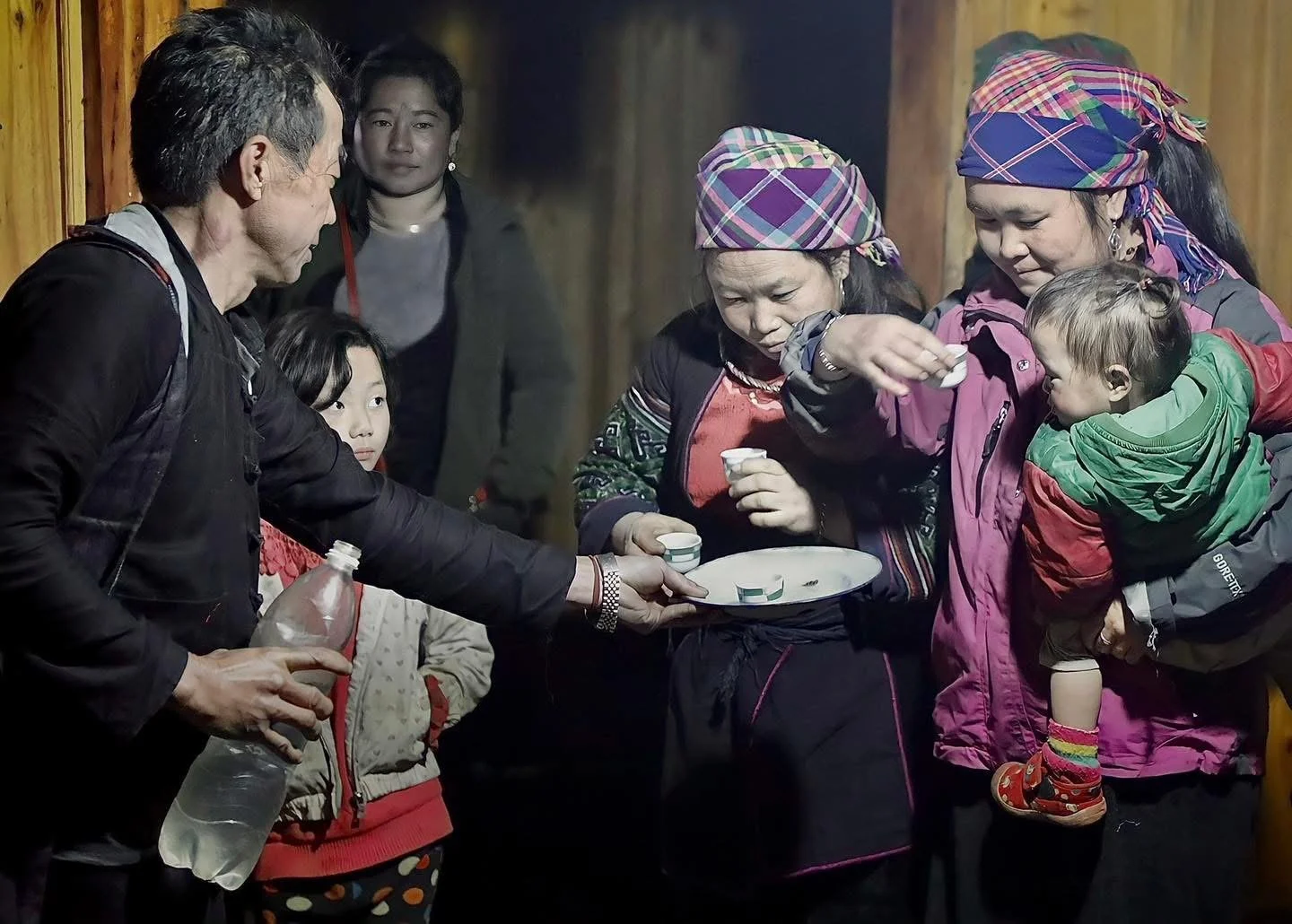
As the smoke clears, two bowls of meat and rice are placed on the altar, along with small cups of homemade rice wine. After toasting the spirits and drinking the rice wine, the shaman cuts some small pieces of pork and puts them on top of some rice, which is laid on a banana leaf, to serve to the spirits. He also pours rice wine on top of the spirits’ food and chants an invitation in Mon Draa to the spirits.
The ceremony concludes with a communal feast. The pig has been prepared as a variety of different dishes and placed upon tables in the altar room. Everyone who attended the ceremony is invited to partake and the room becomes a place of laughter and story telling which goes on long into the night.
Watch the Full Video
Full video to go with this photo story can be found here:
Red Dao Baby Hats A Mother’s Love Stitched into Tradition
Red Dao baby hats are beautiful, bright and full of spiritual meaning. Mothers embroider them with symbols, coins and herbs to protect young children.
A Living Culture of Craft
Red Dao women are known for their incredible skills in hand embroidery. Every stitch is full of patience and pride. Textiles are part of daily life in the mountains, not only for beauty but also for cultural identity and protection. When a child is born, a mother begins one of the most meaningful pieces she will ever make. The baby hat.
Why Babies Need Protection
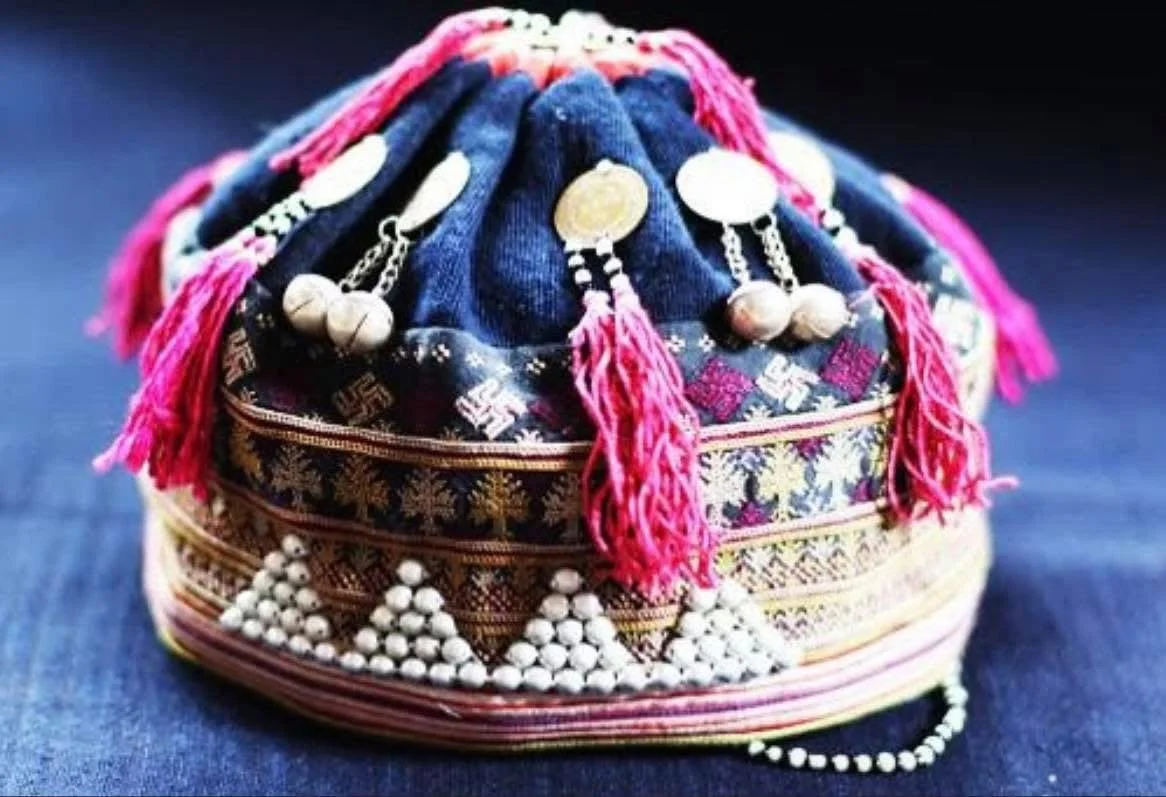
In Red Dao belief, young children are still growing their spirit. From one month to around five years old, they can fall ill very easily because bad spirits may come close. Mothers believe that a handmade hat with symbols and colour will help protect their children while their spirit becomes stronger.
More Than Decoration
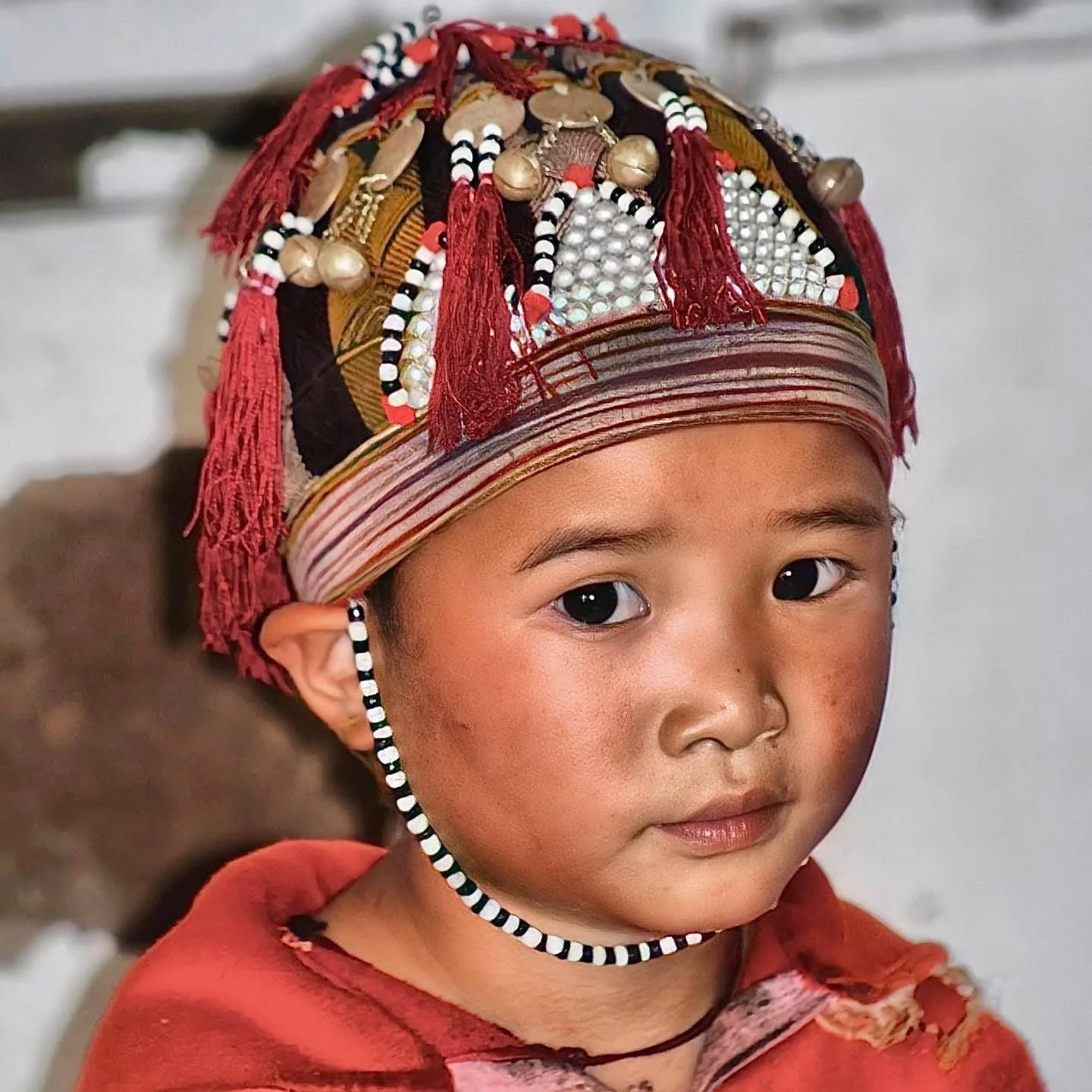
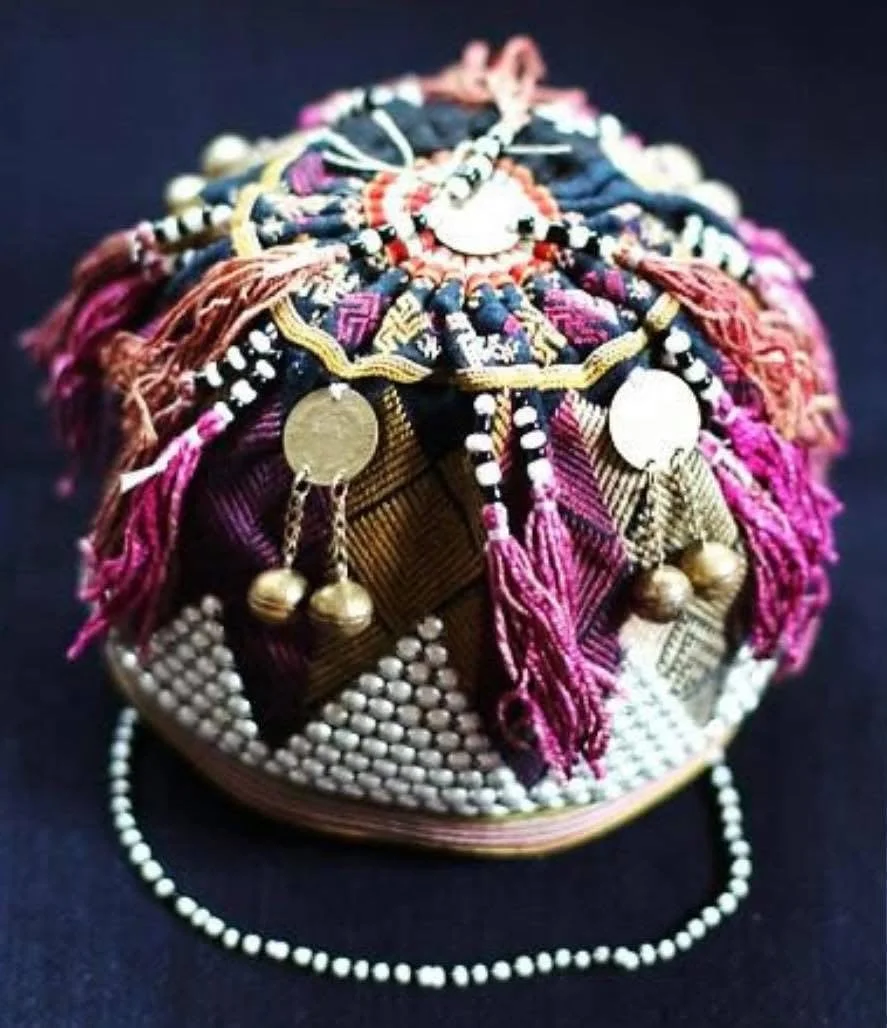
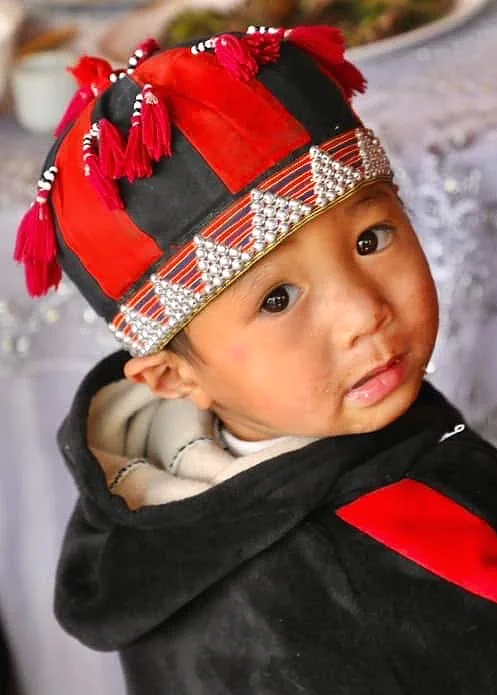
The colourful patterns are full of meaning. A baby girl often has a more embroidered hat with bright colours and special symbols. Boys usually wear hats with three colours such as red, black and purple.
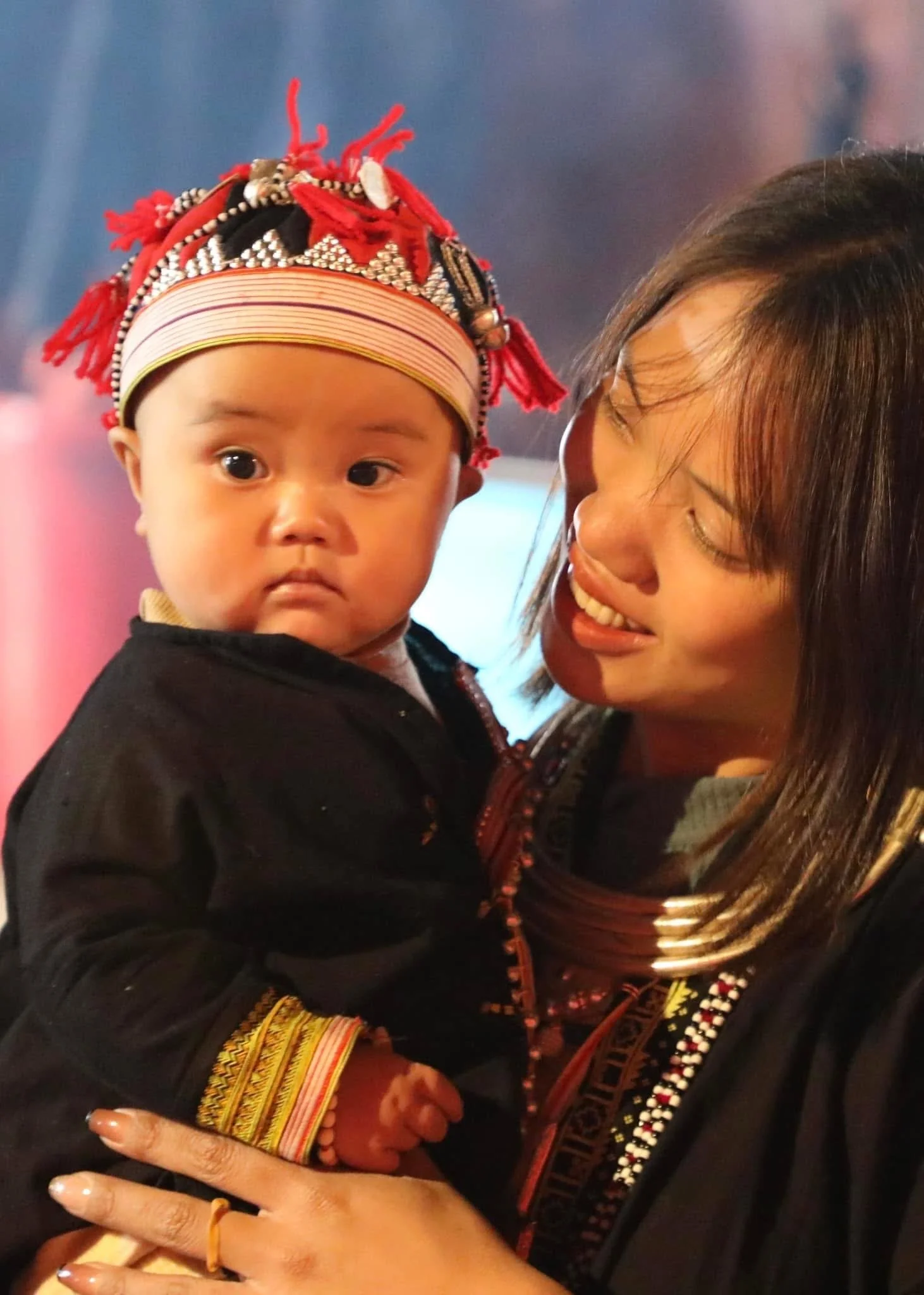
Coins, beads and pom poms decorate the hat so it catches the eye. Inside the embroidery, the mother often places medicinal herbs which are believed to support health and keep away bad spirits. When a hat dances with colour, it looks like a flower. A bad spirit, seeing a flower instead of a baby, will leave the child alone. The hat becomes both a shield and a disguise.
Made by a Mother’s Hands
Most hats are made by the child’s mother. Sometimes a grandmother helps, especially if she has greater experience with symbols. The design is personal to the family and protects the child every day, not only on festival occasions. Children wear their hats while playing, walking, resting and even being carried on their mother’s back.
Childhood to Independence
When children reach about five years old, they stop wearing the baby hat because their spirit is stronger. They begin to learn about their culture in other ways. Clothing remains important but the secret spirit protection of the hat has already done its job.
A Beautiful Tradition to Cherish
These hats are not just decoration. They are a sign of love, a prayer for protection and a reminder that every child is precious. The Red Dao baby hat shows the care of mothers who have protected children in the mountains for generations.
Heritage Shorts: Documenting Vietnam’s Living Traditions
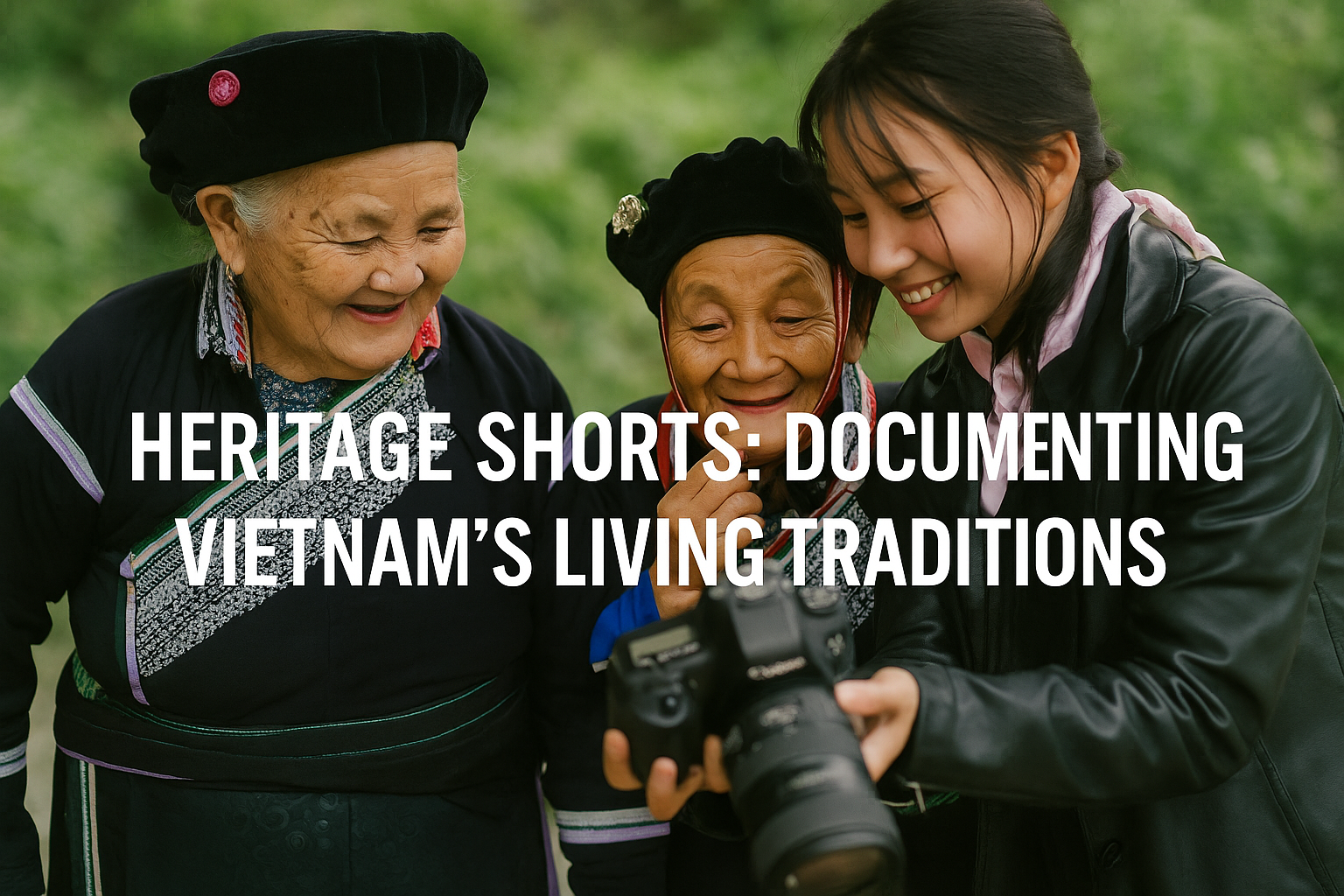
Heritage Shorts is a new documentary series celebrating the living traditions of Vietnam’s ethnic minority communities. From weaving and farming to music, shamanism, and craftsmanship, these short films capture stories of resilience and creativity passed down through generations.
Introduction
Heritage Shorts is a documentary film series created in collaboration with Heritage Centre Sapa and Open Cinematic, dedicated to capturing the living traditions of Vietnam’s ethnic minority communities. Through intimate short films, the series highlights unique crafts, practices, and rituals that have been passed down through generations. From weaving and crossbow making to traditional farming and shamanic practices, these shorts form a visual archive of resilience, artistry, and cultural heritage in northern Vietnam.
Preserving Intangible Heritage
Each film focuses on a distinct tradition—from the ramie weaving of the Dao Tuyen to the knife-making skills of the Dao Đỏ and the fire dances of the H’mông. These shorts not only showcase craftsmanship but also reveal the stories of individuals and families who keep these practices alive. Together, they highlight the creativity and strength of communities whose cultural identity remains a vital part of Vietnam’s diversity.
A Journey Through Vietnam’s Ethnic Communities
The series includes 13 films, each spotlighting a different community and practice:
Ramie Weaving (Dao Tuyen) – the art of weaving textiles from the ramie plant.
The Crossbow (Dao Đỏ) – traditional crafting of rattan and wood into crossbows.
Cotton Weavers of Bắc Hà (La Chi) – preserving the cotton weaving heritage.
Women of Bát Xát (Hà Nhì) – culinary and cultural traditions.
Hmong Batik – intricate wax-resist textile art.
The Orchards of the Nùng – generational farming practices.
Hmong Bamboo Foragers – bamboo as food and medicine.
The Qeej Maker & Son – musical craftsmanship of the qeej instrument.
Shaman (Dao Đỏ) – rituals of spiritual healing.
The Papermakers (Dao Đỏ) – artisanal papermaking with wild bamboo.
The Knifemakers (Dao Đỏ) – traditional blacksmithing.
Fire Dancers (H’mông) – annual cleansing and blessing rituals.
Tinh & Tá (Dao Đỏ) – oral traditions and spiritual knowledge.
Why Heritage Shorts Matters
These films do more than document. They safeguard traditions under threat from modernization and create awareness of Vietnam’s diverse cultural heritage. By amplifying the voices of artisans, farmers, shamans, and women leaders, the series builds a bridge between past and future, reminding us of the deep resilience and creativity rooted in community life.
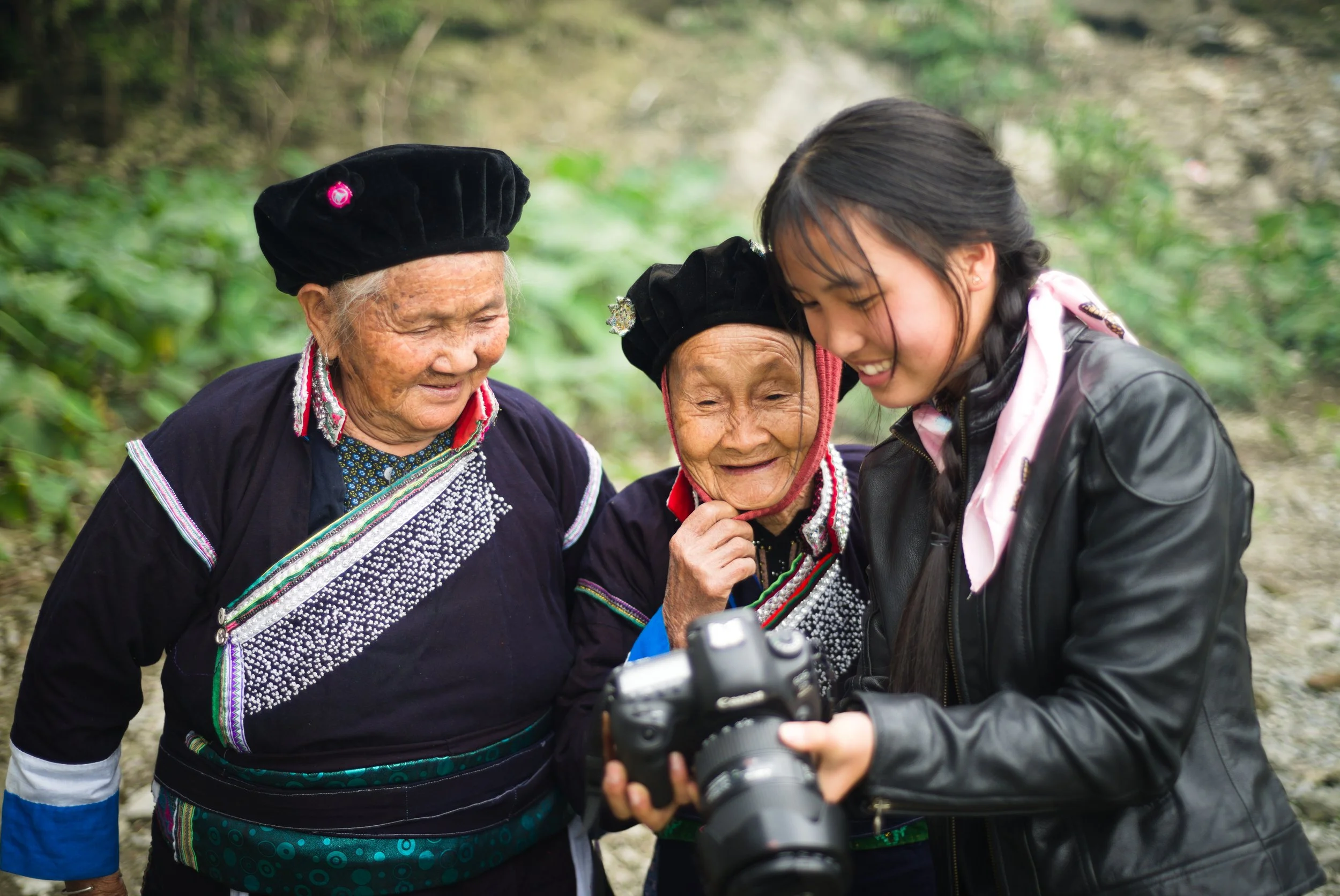
HERITAGE SHORTS: DOCUMENTING VIETNAM’S LIVING TRADITIONS
The Rice Harvest in Sapa: Tradition and Community
In Sapa, the rice harvest is more than work. Families gather, traditions are honoured, and communities move together with the rhythm of the terraces.
The Rhythm of the Terraces
Every year in Sapa, the rhythm of life follows the rice terraces. The harvest is a seasonal anchor for Hmong and Dao families, shaping both work and tradition.
When the Harvest Begins
In the lower valleys, cutting starts as early as August, while the higher terraces wait until September. Altitude and weather shift the calendar, but the pattern remains the same: early mornings, hands on sickles, and sheaves carried to dry in the sun.
Ceremony and Meaning
The harvest is not only practical but also ceremonial.
Offering the First Rice
A small portion of the first grains is always set aside for the ancestors and for the spirits of field and water. At the household altar, incense is lit and quiet words are spoken in thanks. These simple rituals bind the community to the land and to generations past.
Working Together
Labour is shared within and between families, keeping old traditions alive.
The Circle of Support
Neighbours and relatives trade days, helping each other through the long hours in the fields. Threshing is often done with simple wooden frames, the rhythm steady and slow. Machines sometimes appear, but on the steep terraces handwork still rules.
A Living Landscape
For visitors, the harvest is a time when the terraces are alive with colour and movement.
Beauty and Survival
Golden fields ripple in the wind as farmers work side by side, their voices carrying across the valleys. What may look like ordinary labour is in fact the heart of the year, deciding food, family, and community.