The Cultural Threads of Hmong Hemp Weaving
A Living Tradition
Hemp, or Cannabis sativa, has long been a valuable fibre cultivated by the Hmong people in the mountains of northern Vietnam. For generations, it has been used to make clothing that reflects both identity and artistry.
Hmong women take great pride in their handmade garments, especially the beautifully pleated hemp skirts worn during festivals, weddings and market days. Each piece represents weeks of work and a deep understanding of the land. The process of growing, harvesting and weaving hemp connects families to their heritage and to the natural world that sustains them.

Symbolism and Cultural Meaning
Hemp holds an important place in Hmong life beyond its practical use. At funerals, the deceased are dressed in hemp clothing, with women traditionally wearing four skirts. Family members and guests also wear hemp attire as a sign of respect.
Children often prepare hemp garments for their parents in advance, a gesture of love and duty. Hemp cloth is also used in spiritual worship and as part of wedding gifts. A bride is expected to wear a hemp skirt made by her mother-in-law, symbolising unity, respect and the joining of families.
From Seed to Cloth
Many Hmong subgroups across Vietnam’s highlands grow hemp, keeping alive a tradition that is both sustainable and culturally rich. Producing hemp cloth takes around seven months and involves detailed, physical work.
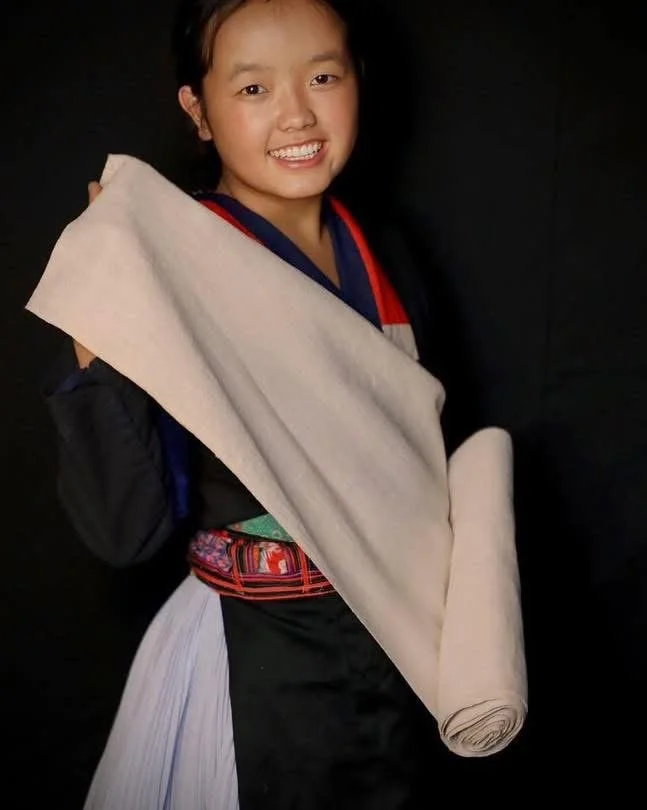
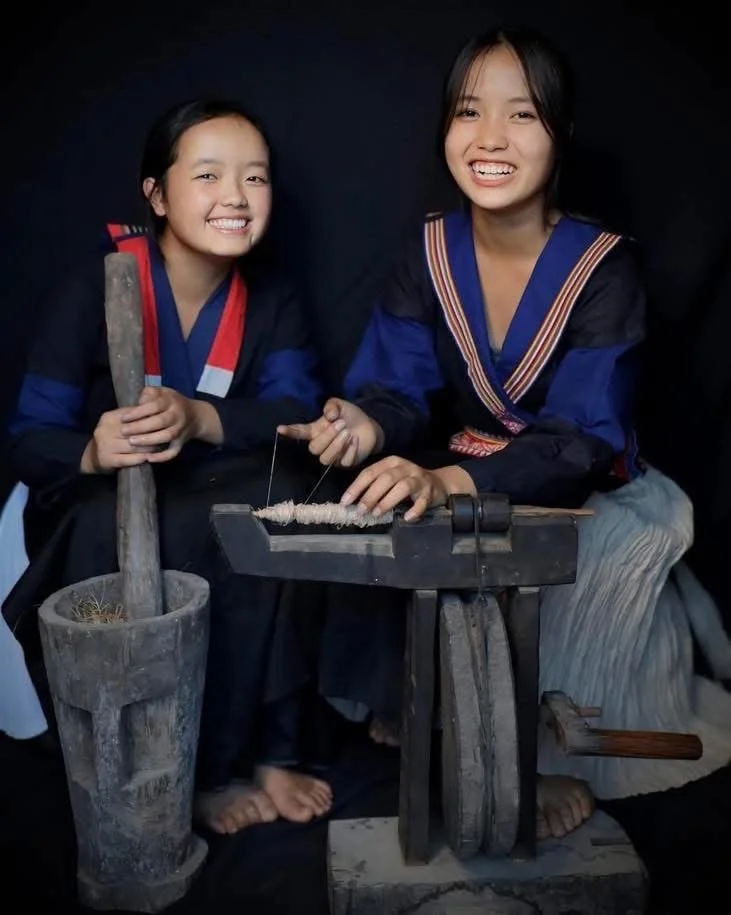
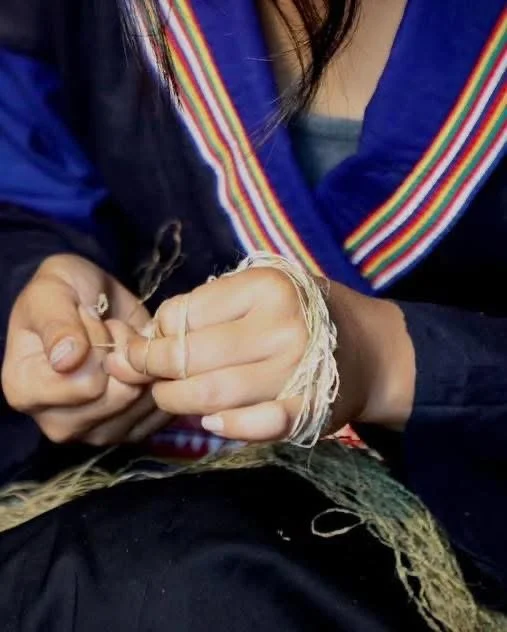
The hemp is sown in early May following age-old customs believed to encourage strong growth. After about two and a half months, the plants are harvested and the stalks are dried before being stripped for fibre. The long process of connecting and spinning the fibres produces strong, smooth threads, which are then woven into fabric on simple wooden looms.
The final cloth is washed and pressed many times to achieve a soft, smooth texture. Each finished piece tells a story of patience, craftsmanship and connection to nature.
Preserving Cultural Heritage
Hemp weaving continues to represent more than just a craft for the Hmong. It is a symbol of cultural resilience, sustainability and identity. Every strand spun and woven carries the memory of generations who have kept these traditions alive through care and dedication.
Hemp Workshops
ETHOS - Spirit of the Community work with local Hmong artisans to create hemp based workshops. Please see our website for more information.
Experience This With ETHOS
Join our ethical trekking tours in Sapa
Stay in authentic Hmong homestays
Discover Sapa’s culture with our workshops