When Good Intentions Aren’t Enough: Child Sellers in Sapa and Ha Giang
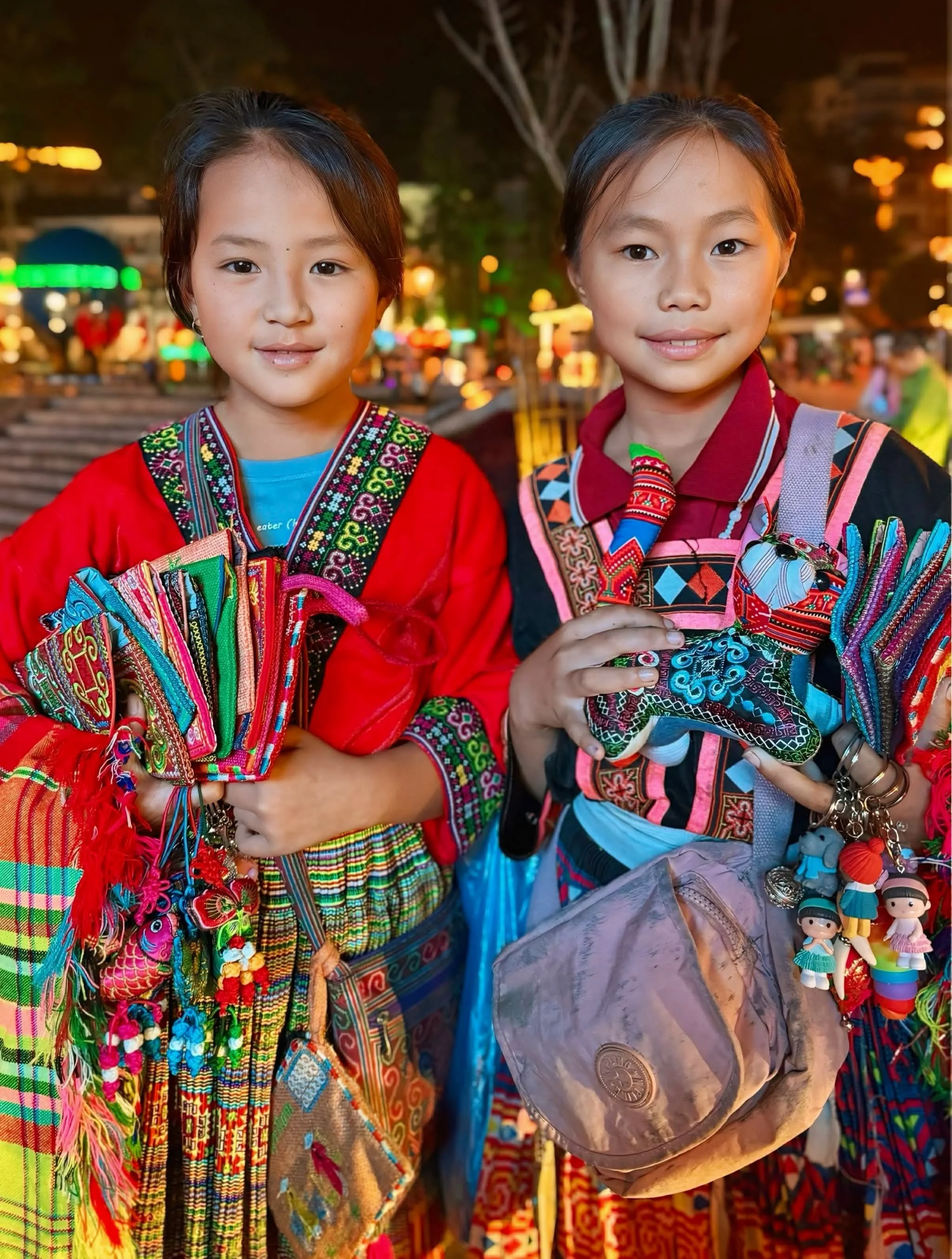
As you wander the streets of Sapa, children may approach you with bright smiles and outstretched hands, offering embroidered bracelets, posing for photographs, or inviting you to trek to their village. In Ha Giang, you might see children waiting patiently at mountain viewpoints, dressed in traditional clothing, ready for a photo in exchange for money.
For many travellers, these encounters feel human and heartfelt. Some feel joy at the connection, others a sense of responsibility to help. But behind these moments lies a far more complex reality, one that deserves careful thought.
At ETHOS, we believe that ethical travel begins with understanding. This post is a request: not to photograph children in exchange for money, not to give gifts or sweets to children, and not to buy tours or products from minors. It is also a call to support adult-led, community-based tourism that genuinely strengthens local livelihoods.
The Reality Behind Child Selling
Children selling souvenirs or offering treks are not simply being “enterprising”. Their presence on the streets is often driven by poverty, limited adult employment, and long-standing marginalisation of ethnic minority communities.
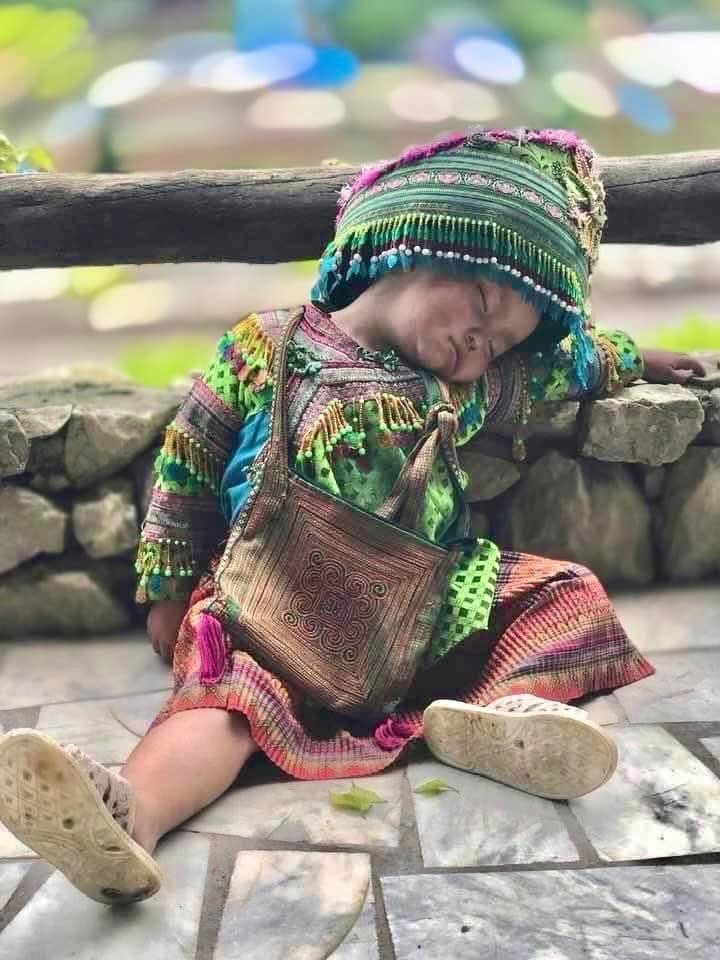
While education in Sapa is free up to grade nine, many street-selling children attend school exhausted after long nights working, or miss classes entirely. Money earned today can easily outweigh the promise of future opportunity, especially when families struggle to buy food, clothing, or winter supplies. The long-term cost, however, is devastating. Without education, children are locked out of stable employment and remain trapped in the very cycle visitors hope to help them escape.
Child selling is also closely tied to exploitation. Many children do not keep the money they earn. A portion often goes to adults or covers the cost of the goods they are selling. For the long hours they work, the benefit to the child is minimal, while the risks are considerable.
The Hidden Dangers Children Face
Children on the streets are vulnerable in ways travellers rarely see. Long evenings without supervision expose them to sexual exploitation and trafficking. Sapa, in particular, has become a known target for predators due to the visible presence of children at night. Girls and young teenagers from border regions are also at risk of being trafficked to China. This is not speculation; it is a documented reality.
Older children, particularly girls aged thirteen to sixteen offering cheap trekking services, are also deeply vulnerable. Many live away from home, separated from family and community support. Trekking with a child may feel kind, but it increases their exposure to danger and is illegal for good reason. There is no shortage of skilled, knowledgeable adult guides who can offer a far safer and richer experience.
Why Buying from Adults Makes a Difference
Supporting adult artisans and guides is not only ethical, it is transformative. Many Hmong and Dao women earn supplementary income through guiding, alongside their roles as farmers and mothers. With only one rice harvest per year, most families cannot grow enough food to sell and must purchase essentials. Income from guiding or handicrafts helps bridge this gap.
Their textiles are not souvenirs made for tourists alone. They are intricate, symbolic works created using traditional dyes, batik techniques, embroidery, and brocade weaving passed down through generations. Buying these items out of genuine interest, rather than guilt, honours the skill and cultural knowledge behind them.
Trekking with licensed local guides offers something equally meaningful. Adult guides bring lived knowledge of the land, history, and spiritual traditions of their communities. Many travellers describe these experiences as deeply personal and life-changing.
Tourism, Responsibility and the Bigger Picture
The Ha Giang Loop offers a clear example of how tourism choices matter. When travellers ride with Vietnamese-owned agencies, guided by non-local staff and staying in Vietnamese-owned accommodation, ethnic minority villages bear the disruption without seeing the benefits. Cameras point inward, but income flows outward.
A more regenerative model supports guides and hosts born into these communities, ensuring tourism contributes to local resilience rather than extraction.
You may notice signs in Sapa discouraging visitors from trekking with Hmong and Dao women. From our perspective, meaningful employment for parents is the only real solution to child selling. Many adults over thirty are illiterate due to historical exclusion from education, which limits access to town-based employment. Yet their willingness to work is evident. Men wait daily for manual labour. Women guide when opportunities arise. Tourism, when done thoughtfully, can meet people where they are.
Choosing Ethical Travel
When you choose not to buy from children, you are not withholding kindness. You are choosing long-term safety, education, and dignity over short-term comfort. When you support adult guides, artists, and hosts, you help create livelihoods that keep families together and children in school.
At ETHOS, we believe travel should be immersive, respectful and regenerative. We invite you to walk with care, listen deeply, and make choices that honour the people who welcome you into their mountains and homes.
Experience This With ETHOS
Join our ethical trekking tours in Sapa
Stay in authentic Hmong homestays
Discover Sapa’s culture with our workshops