Shared Programme Updates
This page will document the lessons, workshops, field visits, assessments and important milestones they experience together.
Updates are shared with the apprentices’ knowledge and approval.
Tuesday 1st September 2026
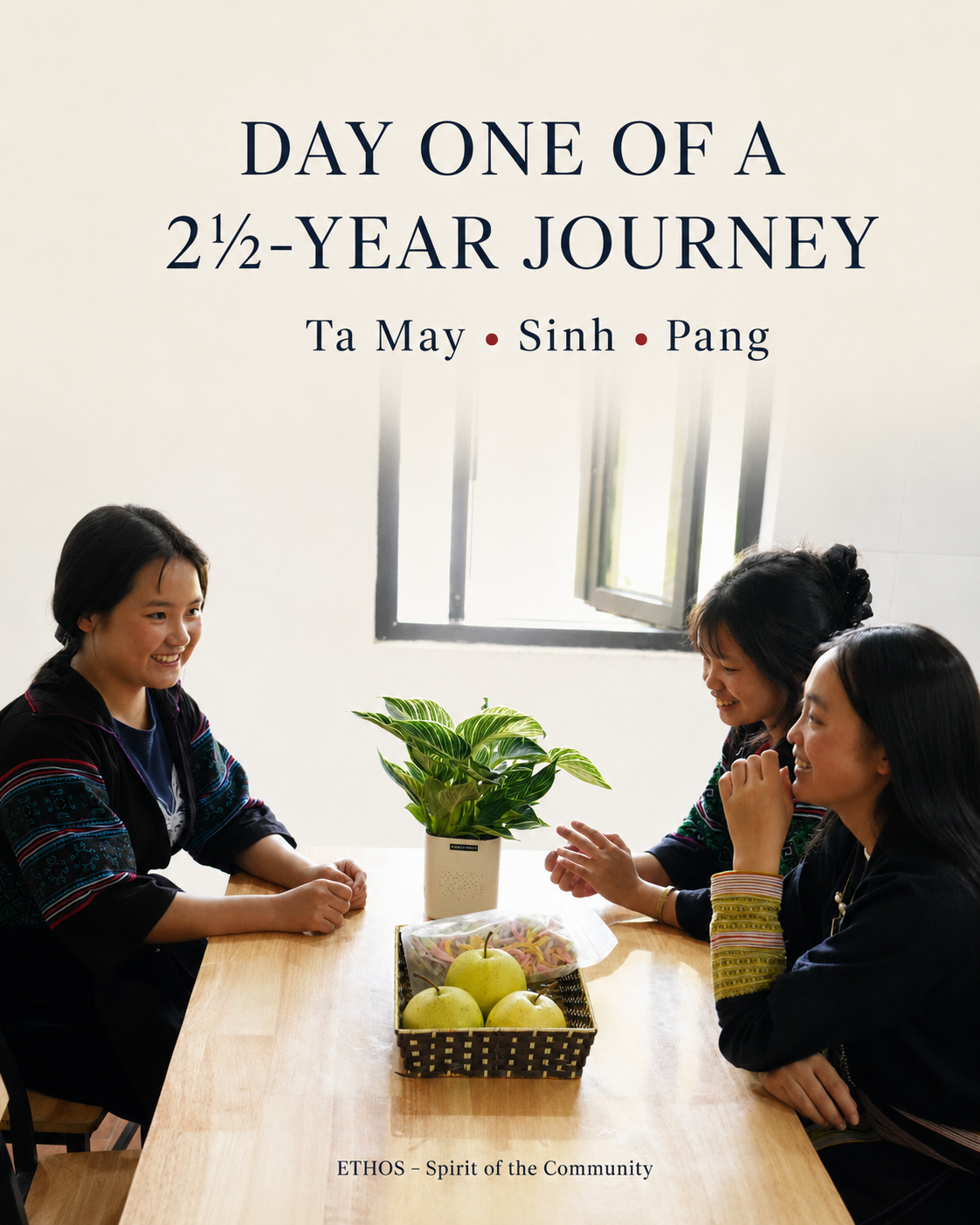
Today is Day One.
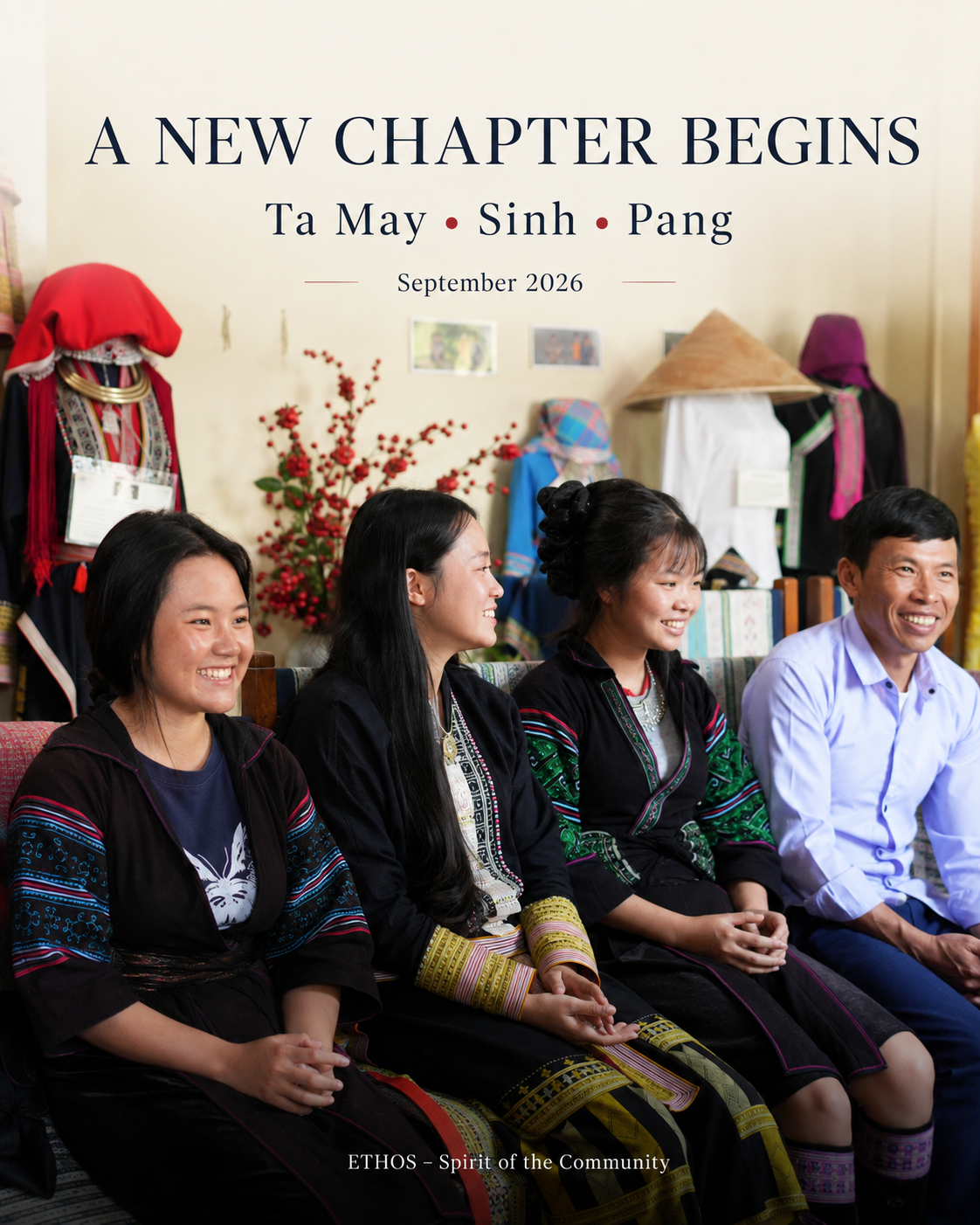
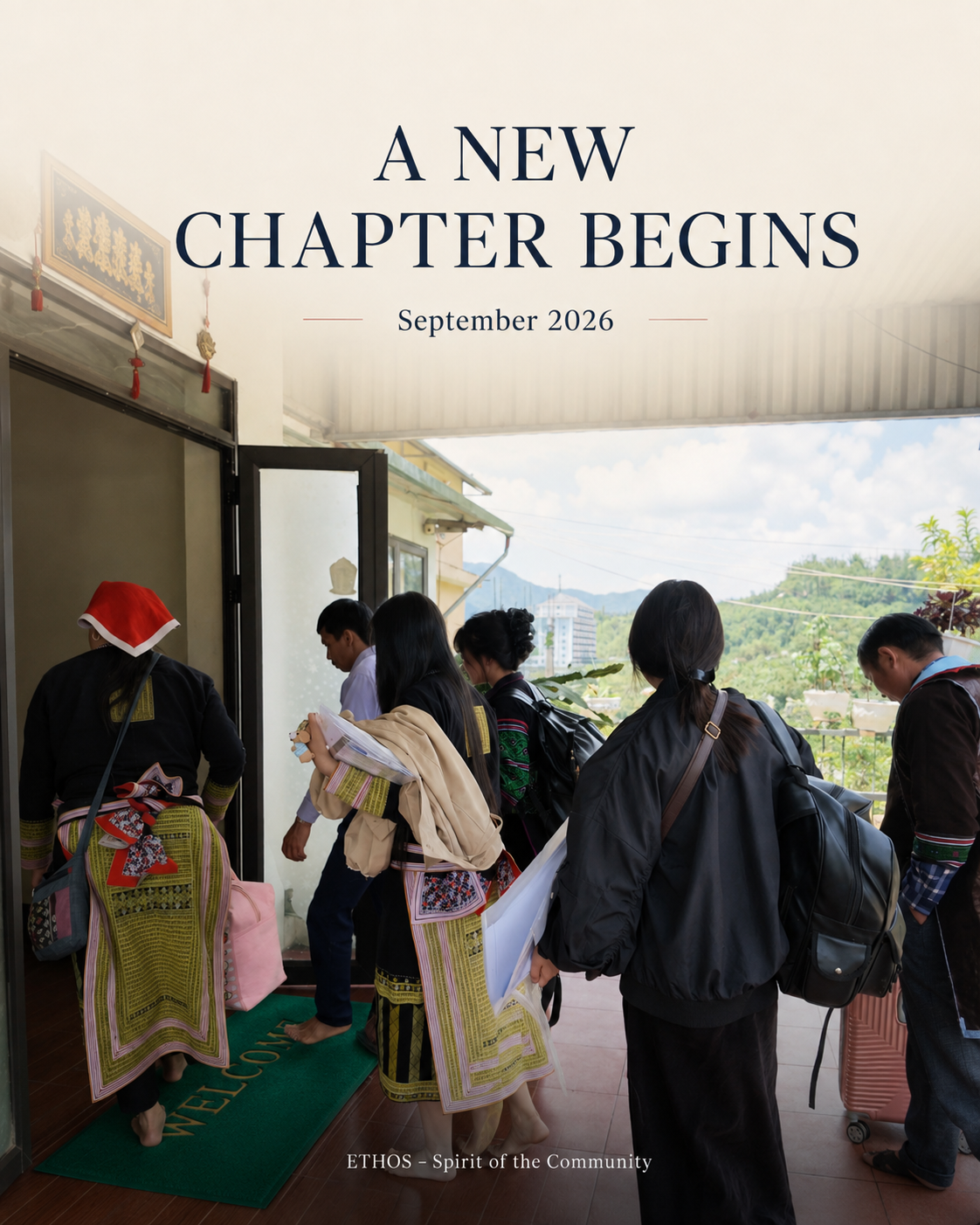
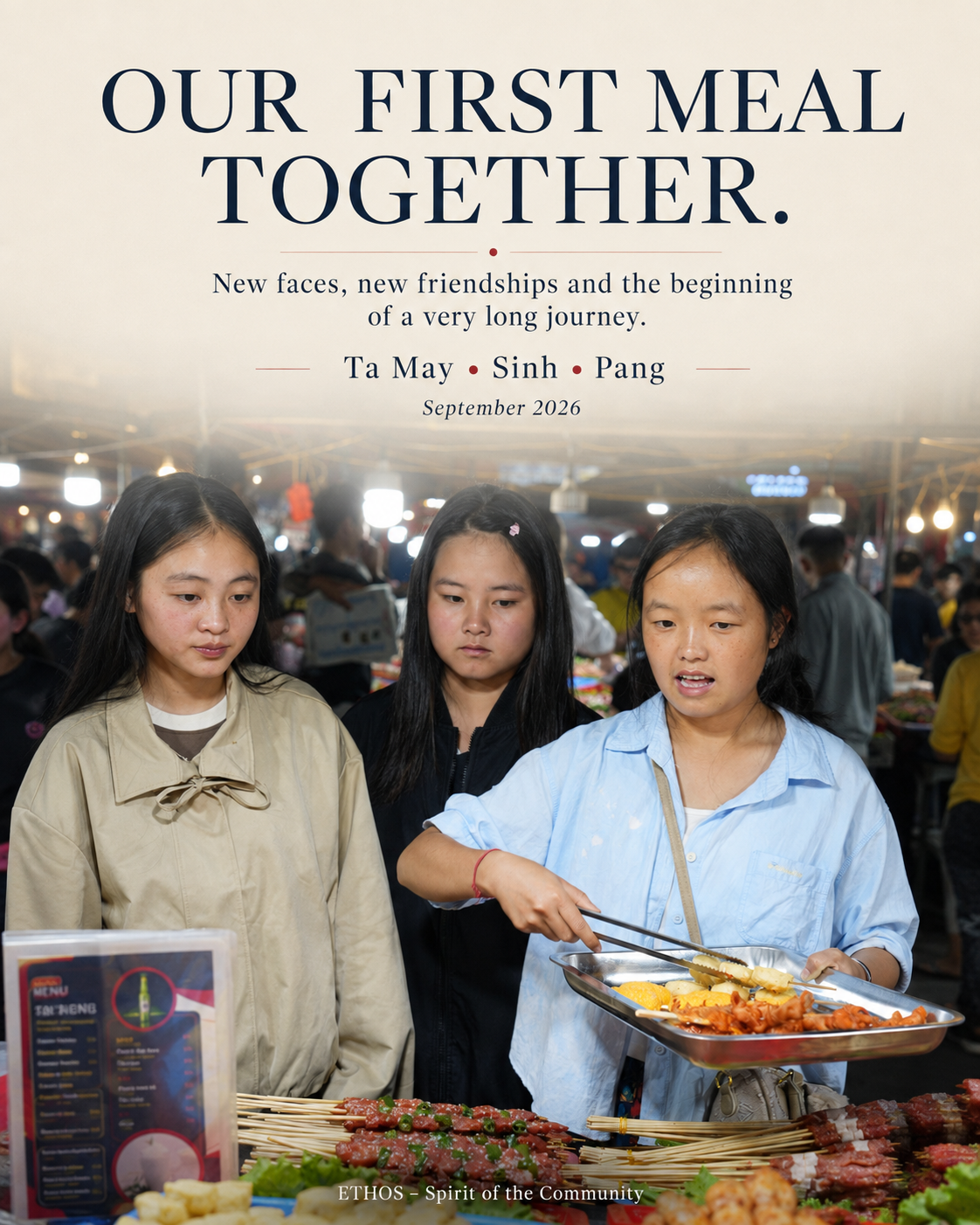
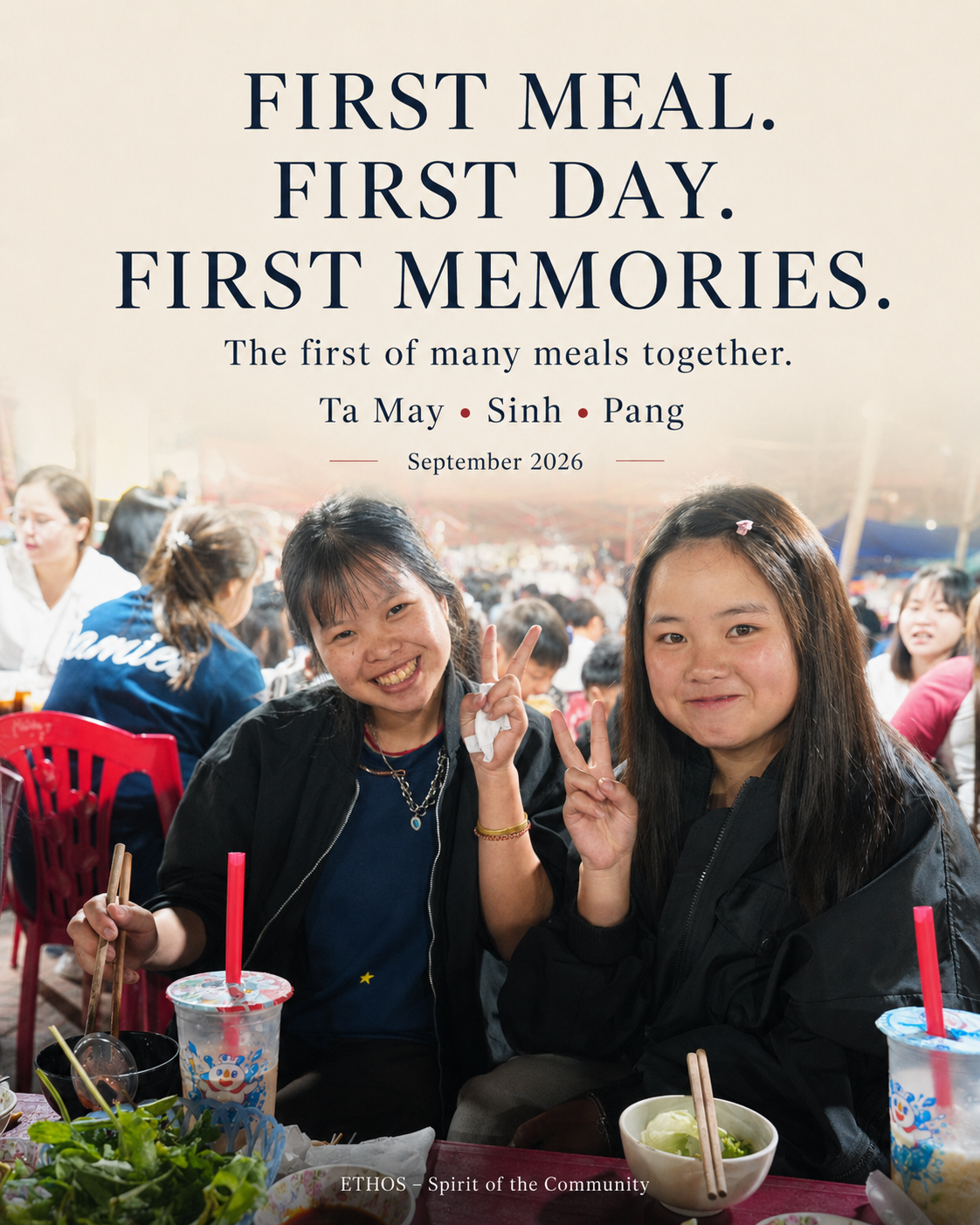
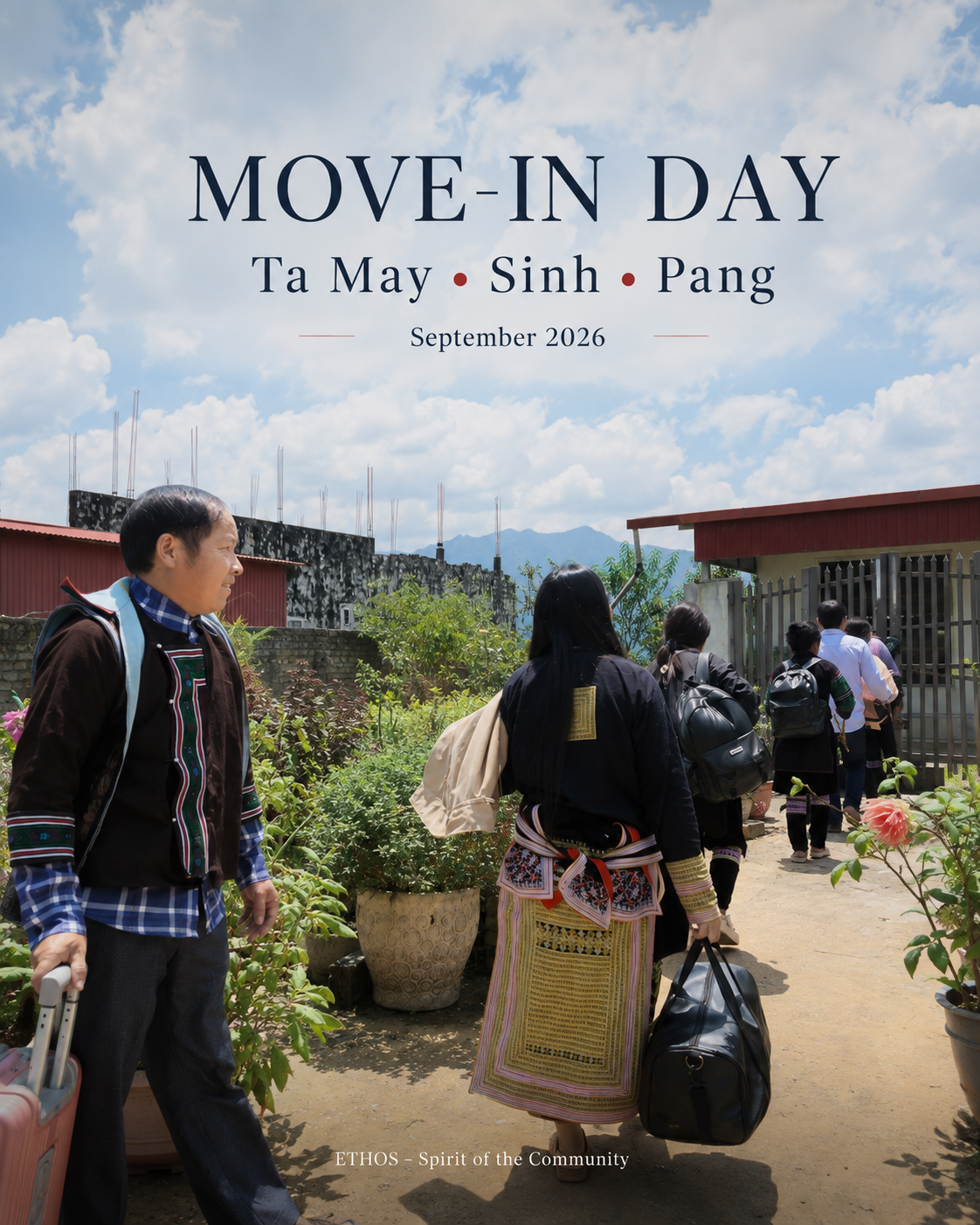
This morning, Ta May, Sinh and Pang arrived at the ETHOS Apprentice House carrying bags, clothes and all the practical things needed to make a new place feel like home, but they were also stepping into something much bigger.
Today marks the beginning of a two-and-a-half-year journey. Over the months ahead, there will be classroom-based learning and fieldwork, new skills and unfamiliar situations, successes and mistakes, difficult days and very good ones. There will be plenty of questions. Hopefully, there will be lots of laughter. We hope this is the beginning of new friendships and, we hope, the beginning of new found confidence.
Around them is a community of people who will teach, encourage, challenge, listen, work alongside them and be there when things get tough.
Thirty months is a long time. None of us know exactly who these three young women will be when they reach the other end of it, and perhaps that is one of the most exciting things about today.
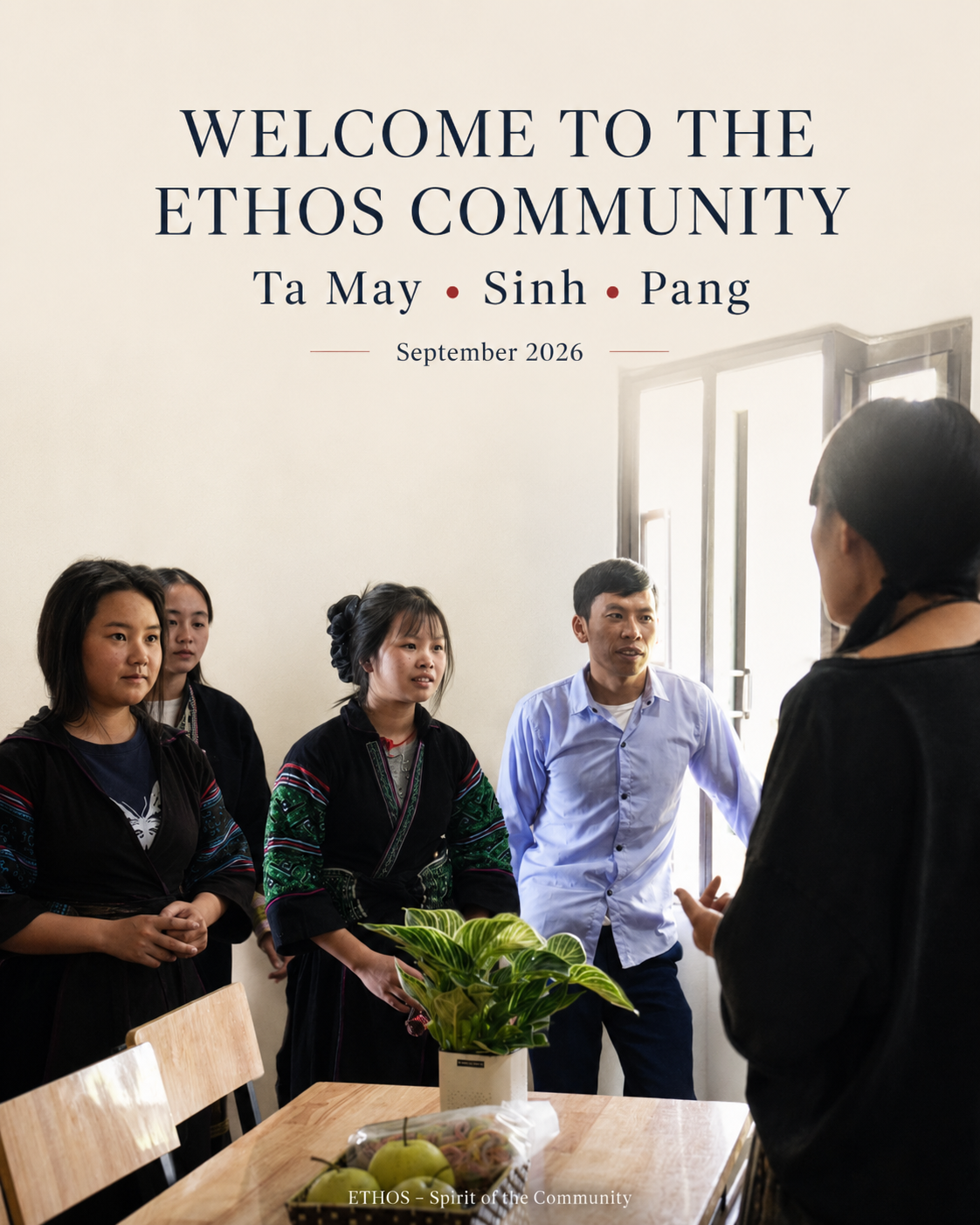
For now, there is a new house to settle into and the first small steps of a very long journey to take. Ta May, Sinh and Pang, from all of us in the ETHOS community: welcome. We are very happy to have you as part of our team.
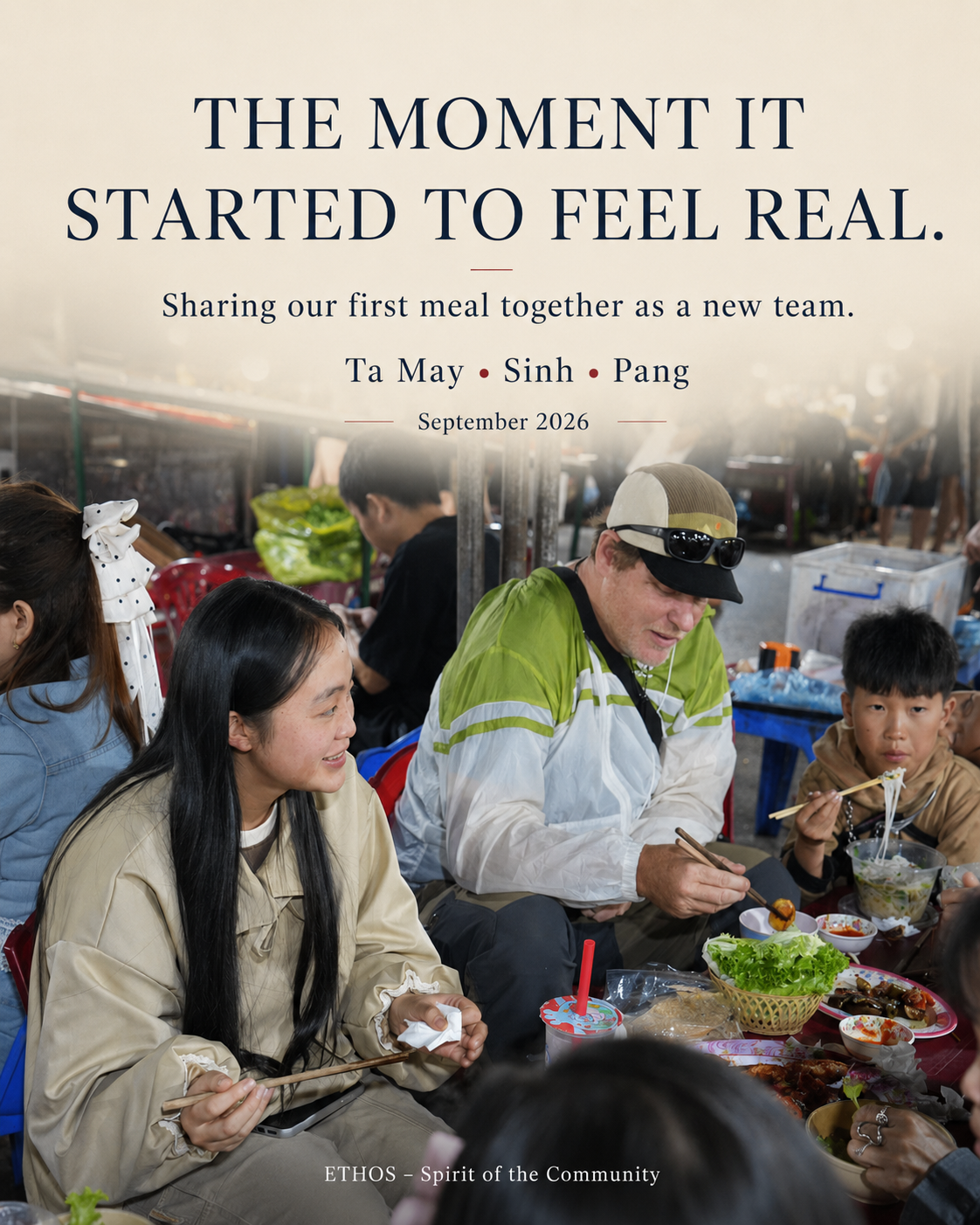
2nd September 2026
Getting to Know Sapa: The ETHOS Treasure Hunt
Moving to a new place is about much more than finding somewhere to live. If you are going to feel settled, confident and independent, you need to understand the place around you. That was the purpose of our ETHOS Treasure Hunt.
For Pang, Sinh and Ta May, the activity was designed to build friendships, encourage teamwork and give them the opportunity to explore Sapa together as they begin their new lives here.
Their route took them across very different parts of the town, from the Sapa Museum to the grand entrance halls of five-star hotels, from fast-food restaurants to the temple and Sapa Market, but the challenge was not simply to find places.
We encouraged the apprentices to look beyond the obvious and focus on the variety of Sapa. Which areas feel peaceful? Where are you most likely to meet large crowds? Where can you find the best-value food? Which parts of town are dominated by tourism, and which still feel connected to everyday local life?
These details matter. Over time, this kind of knowledge creates a much deeper understanding of where you live. It helps you navigate confidently, make better decisions, discover useful places and begin to feel that a new town is becoming home.
For Pang, Sinh and Ta May, the Treasure Hunt was also something simpler and equally important: a chance to explore, solve problems, laugh together and begin building friendships as a new team.
Friday 4th Sepetember 2026
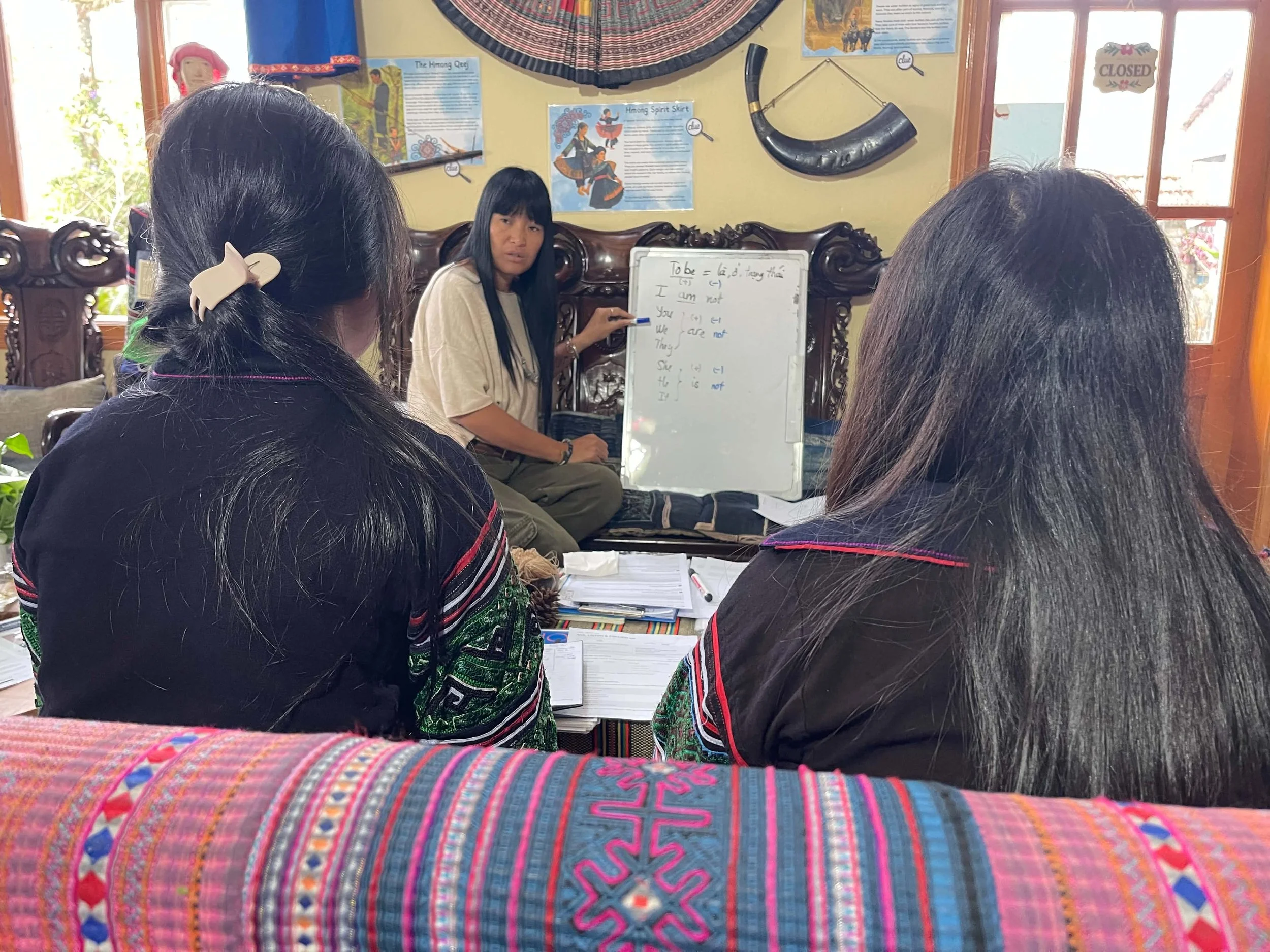
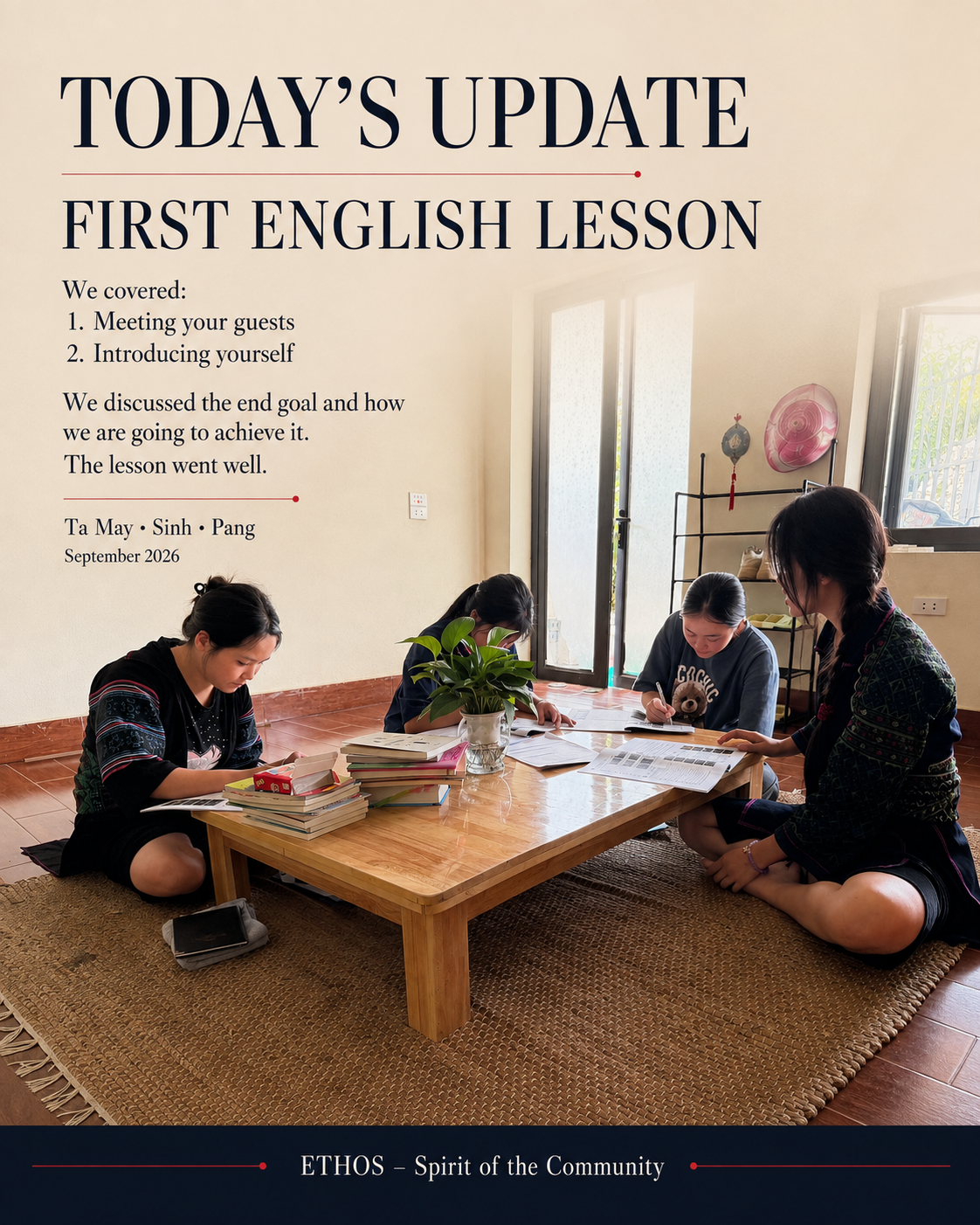
Today marked another first for Ta May, Sinh and Pang: their first English lesson as ETHOS apprentices.
We deliberately started with something simple and practical: meeting guests and introducing yourself.
On paper, these are basic language skills. In reality, they are the beginning of something much larger. Over the next two and a half years, English will gradually become one of the tools they use to communicate with people from around the world, ask questions, explain ideas, share knowledge and, most importantly, speak with confidence in their own voices.
Before beginning the exercises, we spent time talking about the longer-term goal and the steps that will take us there. Progress will not come from trying to learn everything quickly. It will come through regular practice, repetition, real conversations, mistakes, corrections and hundreds of small improvements along the way.
Today was therefore less about how much English they already know, and more about establishing where we are starting from and understanding the journey ahead.
There was plenty of concentration, a few uncertain moments, some laughter and a very encouraging start.
One lesson down. Many, many more to come.
Thursday 17th Sepetember 2026
Why do some children sell to tourists in Sapa?
Our three apprentices have been working on a self-study task exploring this question, with the aim of looking beyond first impressions and learning how to approach a sensitive subject with curiosity, care and an open mind.
The purpose is not simply to produce an answer, but to develop the skills needed to reach a considered one. Through independent study and discussion, the task asks them to distinguish between what they have observed and what they have assumed, examine the evidence behind different explanations, and consider the perspectives of children, families, visitors and others in the local community.
We are not asking them to repeat a particular ETHOS viewpoint. We want them to question what they read and hear, recognise where information is missing, and feel able to reconsider their initial opinions as they learn more.
This is where our visitors and followers can get involved.
We have put together a short, anonymous questionnaire asking about visitors’ experiences and opinions concerning children selling to tourists in Sapa, including any advice they have seen or heard during their visit. The responses will give the apprentices an opportunity to explore how different visitors understand the situation and bring those perspectives into their wider study.
Are you in Sapa now, or have you visited before? We would be grateful if you could take part, whether or not you have personally encountered children selling. You do not need any specialist knowledge, and there are no right or wrong answers; we are interested in your own experiences and what you think.
Thank you for contributing to the apprentices’ learning and helping them consider this question from a wider range of perspectives.
Thursday 5th October 2026
Building confidence through English video challenges
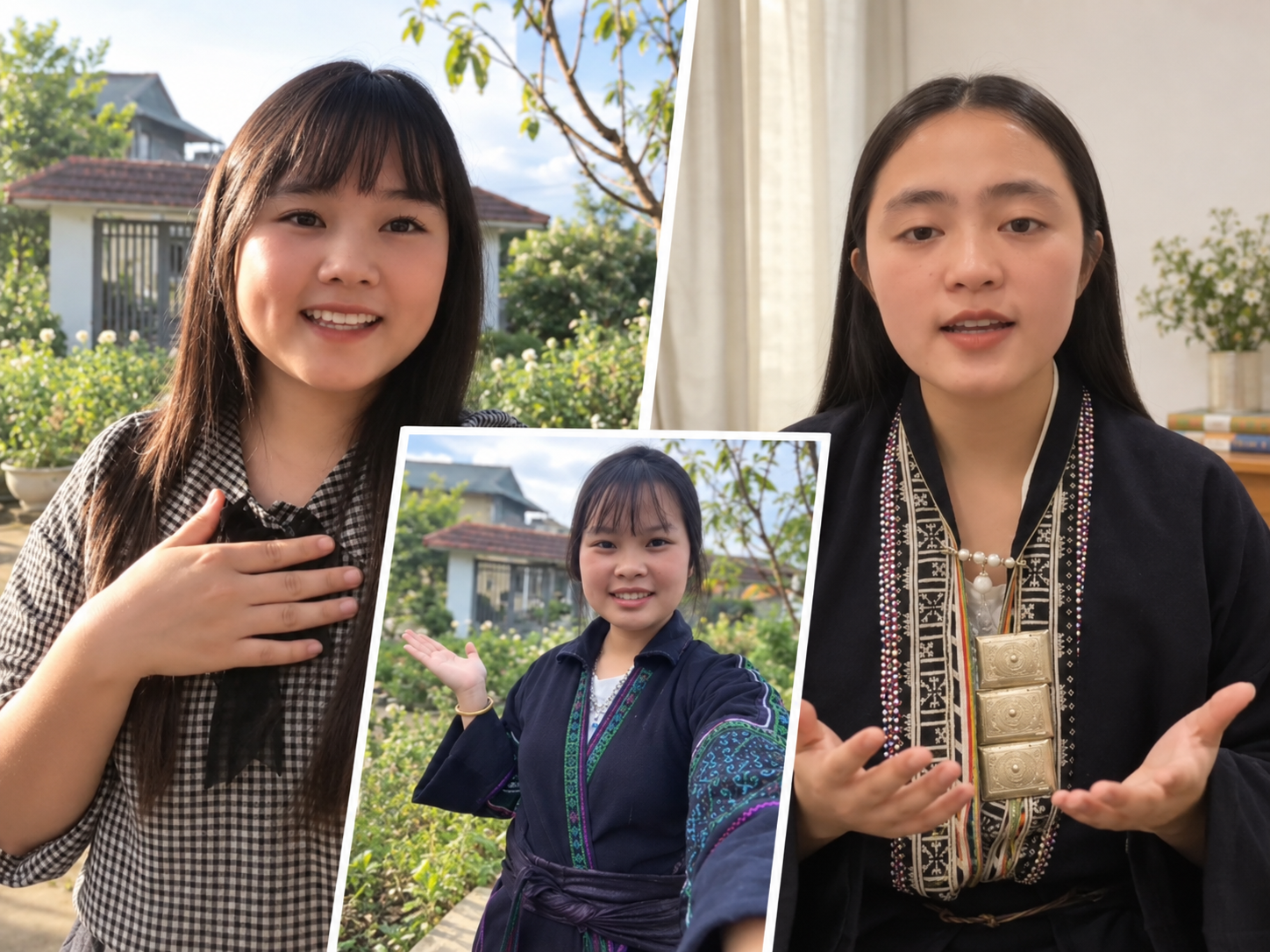
Pang, Sinh and Ta May have all taken part in our recent English video challenges, bringing together the vocabulary and simple sentence patterns introduced during their first weeks of learning.
The challenges began after around 20 hours of beginner English. By that point, lessons had introduced language for talking about themselves, describing their homes, welcoming visitors, explaining where things are and asking how someone feels. The next step was to use that English beyond individual classroom exercises.
The task offered four possible missions: introducing themselves and their home, welcoming a guest, describing a familiar place or helping someone with a simple problem. Preparing a recording meant choosing what to communicate, finding the words and putting familiar language together in their own sentences.
This was deliberately not a test of filming, acting or presentation skills. The camera provided a quieter alternative to speaking with an unfamiliar visitor, giving them time to prepare and practise without the pressure of a real guest interaction. They could help one another with ideas, vocabulary and filming, but the aim was for each apprentice to speak independently in the final recording, without reading a script.
What matters is whether they can use the English they have learnt and make themselves understood. Pausing to think, forgetting a word or correcting a sentence are all acceptable. Continuing after a moment of uncertainty is part of the confidence we hope to develop.
The recordings will now become teaching material for the next stage of Pang and Sinh’s learning. Using a review sheet with English and Vietnamese instructions, they will watch their own work and each other’s, focusing on confidence, clarity, vocabulary, grammar and pronunciation.
Peer assessment will ask them to do more than give a score. Each will identify two things her partner did well and suggest one useful improvement, supported by an example from the recording. Teacher guidance will help them check their observations, particularly where grammar or pronunciation needs attention.
They will also record useful new vocabulary, add Vietnamese meanings and create their own example sentences. Pronunciation feedback will recognise words they already say clearly alongside a small number to practise. Each apprentice will then choose two achievable targets, decide how to work on them and revisit those targets in a later recording.
Ta May’s participation forms part of this shared early learning, alongside Pang and Sinh’s continuing work. These recordings give us something valuable to return to: a record of the English they could use at this point, the steps they were willing to attempt and the progress they can build on.
The aim is not a polished performance. It is increasingly confident communication, more careful listening and the ability to recognise and support learning in themselves and one another.
Friday 6th October 2026
An Update on Ta May
Ta May has chosen to leave the ETHOS apprenticeship programme. In considering how the programme fits with her personal priorities and the commitment involved in a 30-month course, she has decided that continuing is not the right choice for her at this time. While we are sorry to see her leave, we respect that this is her decision.
We thank Ta May for the time she spent learning with us, for her contributions to shared activities and for the experiences she brought to the group. Her participation remains part of the programme’s story, and we wish her well in whatever she chooses to do next.
Pang and Sinh are continuing with enthusiasm. Both have settled happily into their new home and are making excellent progress across the programme. Our commitment to their education, practical training and ongoing support remains unchanged.
We have recalculated the programme budget and fundraising target to reflect two students, adjusting individual expenses while retaining shared costs such as accommodation. Our funding information is being updated so that supporters can clearly see what is needed to support Pang and Sinh throughout their learning.
To everyone who has donated, shared the programme or offered encouragement, thank you. Your support is helping create the stability and opportunities that allow these young women to learn, grow in confidence and shape their own futures.
Sunday 8th October 2026
Supporting the skills behind every stitch
Our reading glasses project supports older Hmong and Dao community members who have limited access to eye tests, with 10 pairs of glasses distributed during this visit.
Using a kit containing strengths from +1.0 to +4.0, participants take time to try different glasses while examining embroidery at their usual working distance. We explain that not everyone needs glasses, discuss how and when to use them, and listen to each person’s experience. This is practical support for close work, rather than a replacement for a professional eye examination.
For our apprentices, the project offers opportunities to practise patient communication, listen carefully and understand how support can respond to an individual’s needs. It also connects their learning with the embroidery skills and knowledge held by older generations.
We have created Vietnamese recording sheets to log the glasses distributed by strength and location, alongside a monthly stock record. These will help us identify which strengths are needed most, record shortages and make better purchasing decisions as the project continues.

Wednesday 14th October
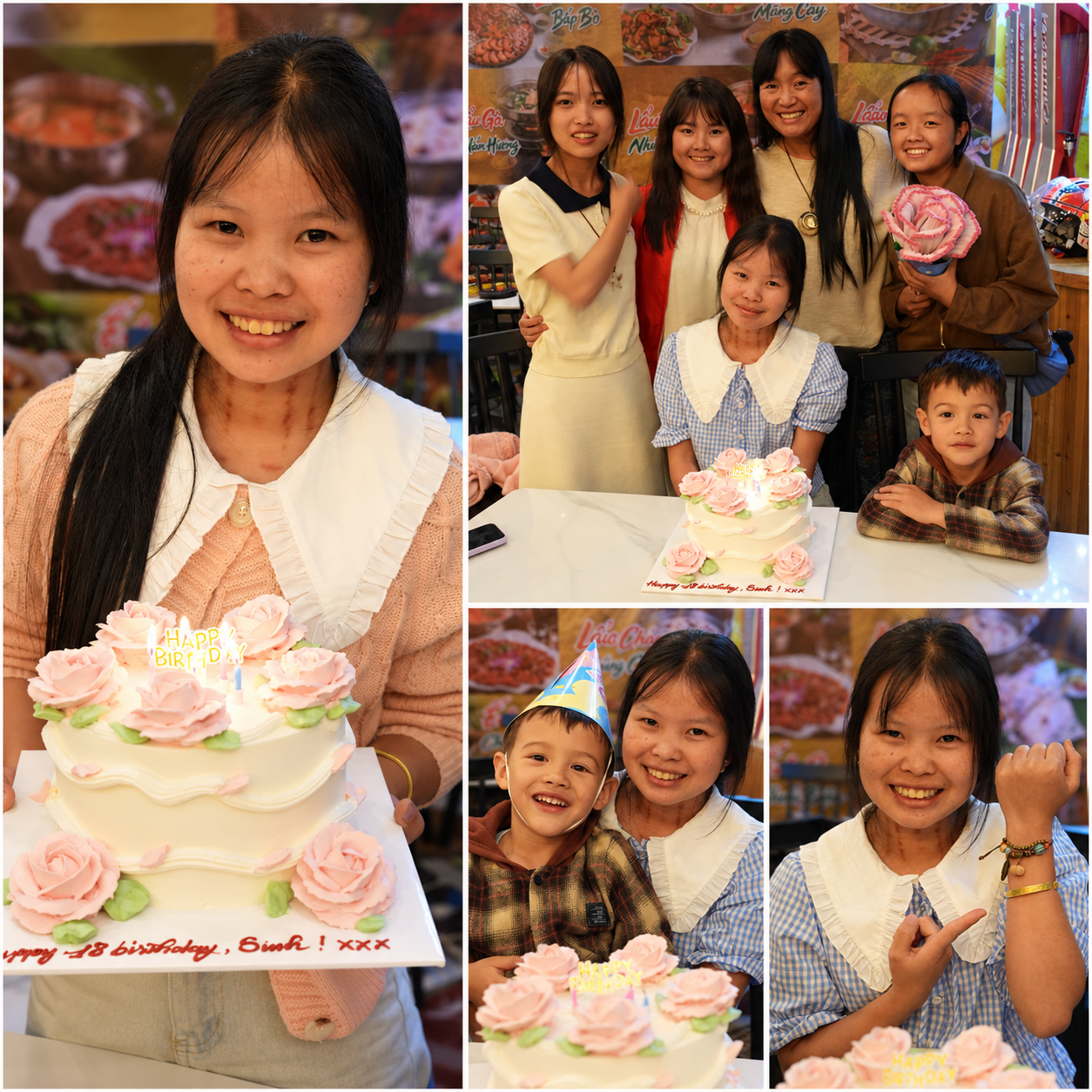
Happy 18th Birthday, Sinh!
Our team went out together to celebrate Sinh’s 18th birthday, marking this special milestone with time together away from the usual routines of work and study. With her apprenticeship now under way, it was a lovely opportunity to celebrate both her birthday and the beginning of a new chapter in her life.
Alongside the lessons, training and practical experience, we want our programme to make space for friendship and shared celebrations, helping everyone feel valued and supported as part of the ETHOS team. Happy birthday, Sinh, with warm wishes from all of us for a year full of learning, discovery and happiness.
3rd November 2026
Across the border, through their own eyes
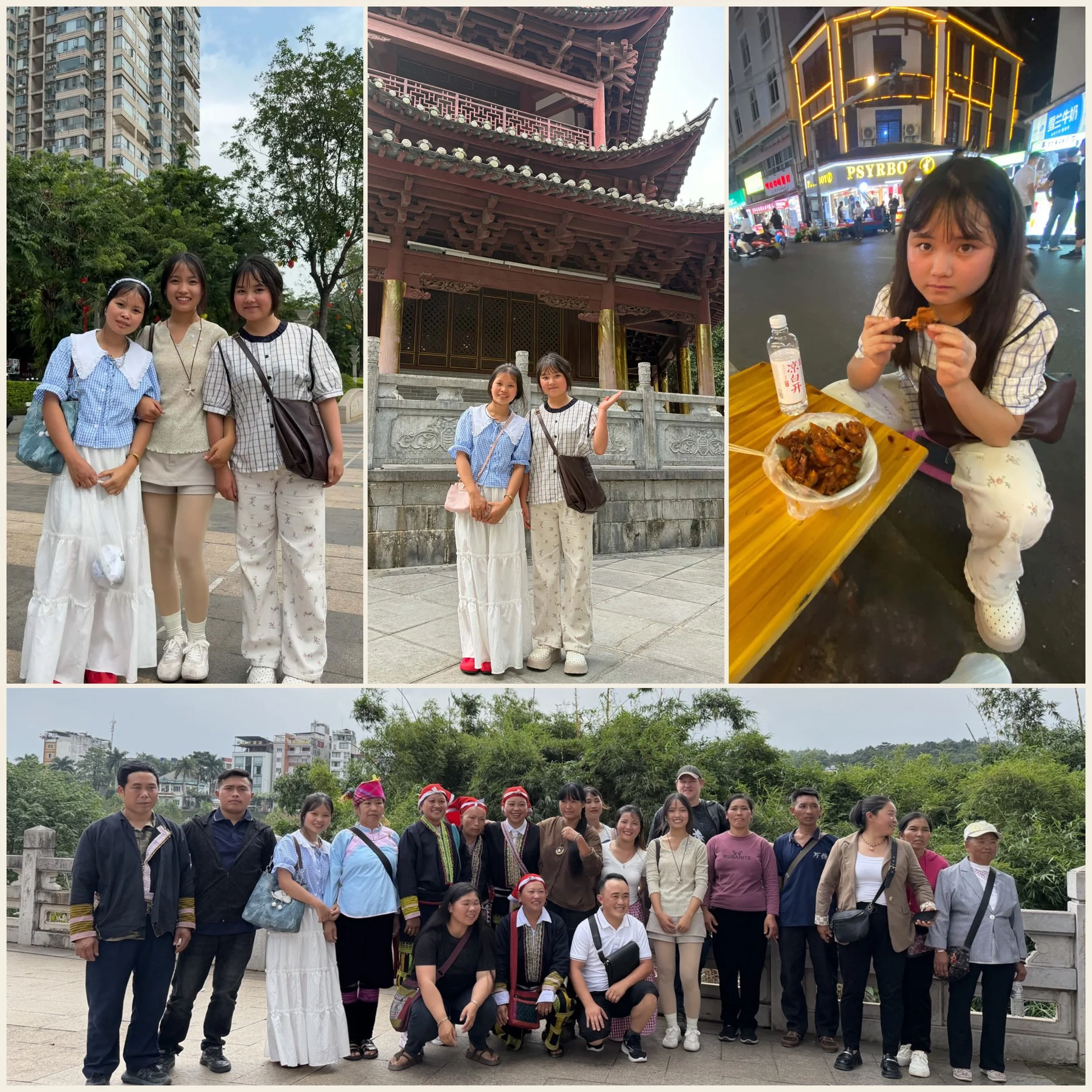
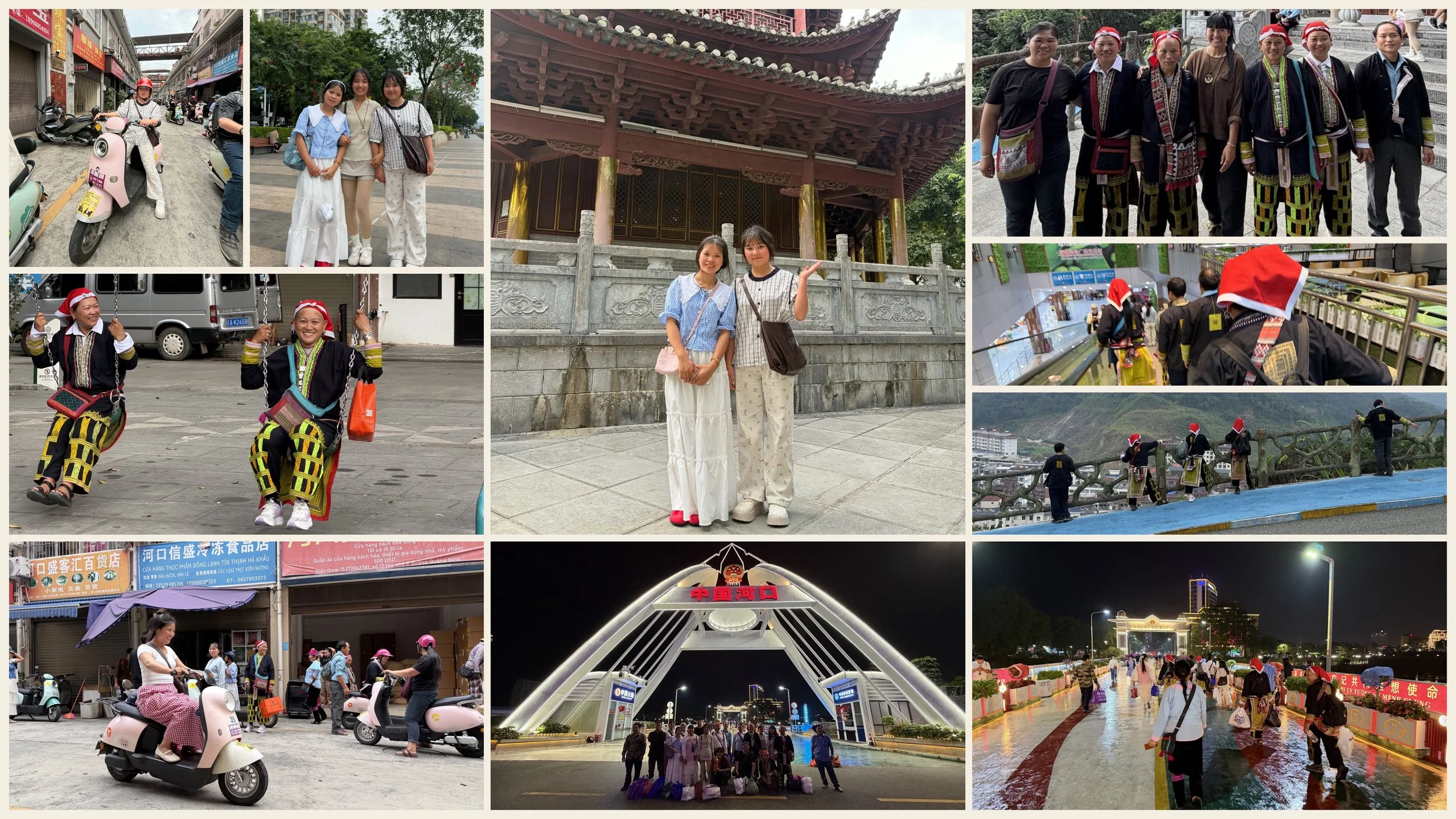
Pang and Sinh joined 18 members of the wider ETHOS team, including guides, their husbands and office colleagues, for a day in Hekou, China. Crossing the border at Lào Cai and walking over the footbridge, they had an opportunity to experience travel as visitors themselves: finding their way through unfamiliar surroundings, trying different food and discovering what caught their attention.
Afterwards, both apprentices wrote about the day in Vietnamese. Their reflections help us understand what the experience meant to each of them.
Sinh had expected the other side of the border to feel much more familar and similar to Vietnam. Instead, she found herself noticing differences in the surroundings and the people around her. She felt excited and a little nervous. Later, the lights on tall buildings and the food carts in the evening streets added to her sense of discovery.
Yet the moment that stayed with her most was seeing two women sweeping the road, wearing clothes she recognised as Hmong. Their clothing drew her attention and left her wanting to learn more about Hmong communities across the border. She hopes to return in three or four years, when she feels more capable and mature, to explore rural highland areas in China.
That curiosity also helped her think about welcoming visitors at home. She imagined guests feeling a similar interest when encountering the traditional clothing and cultural life of communities around Sa Pa.
Pang remembered the day through different details: very spicy food, a light park, wooded hills and the unexpected softness of a path beneath her feet. Walking across the border brought a growing sense of excitement. By the end of the day, she was tired from the heat and walking, but still happy with what she had experienced and a little sad to leave.
She also paid attention to everyday things, including electric vehicles and clean streets. Reflecting on her own experience as a visitor, she identified something she would like to help improve in Sa Pa: careless rubbish disposal. She recognised how litter could make a visitor feel less comfortable.
These reflections give us a valuable view of their learning. Sinh came away with questions about communities across the border and an ambition to travel further. Pang connected the pleasure of exploring somewhere new with the practical care that helps visitors feel welcome.
For both apprentices, a day away offered a chance to discover what travel feels like from the visitor’s side, and to bring that understanding back to their work at ETHOS.
5th November 2026
Learning English, one conversation at a time
Pang and Sinh have five hours of formal English lessons each week, supported by dedicated time for practice and opportunities to speak with travellers from around the world. At the ETHOS community centre, guests visiting before or after their treks and experiences give them a chance to connect classroom learning with real conversations.
Since their first lesson in September, their studies have focused on language they can use in everyday life and when welcoming visitors. They have worked on introducing themselves, describing their homes and communities, talking about daily routines and interests, expressing feelings and asking simple questions. Vocabulary for body parts, directions and where things are helps connect their English with practical situations.
Alongside this, they are building an understanding of how sentences work. Pronouns, descriptions, question words and patterns such as “there is” and “there are” are introduced through familiar examples and revisited in different activities. Current practice focuses on distinctions such as “Are you tired?” and “Do you need help?”, helping them choose a question that matches what they want to ask.
Their learning combines written exercises with speaking, listening, movement, games and partner activities. Vietnamese explanations help make instructions and new ideas clear, while English practice gives them opportunities to use the language themselves. Short video challenges have also encouraged them to bring familiar words together and communicate independently, with attention to confidence, pronunciation and clarity.
The next stage places particular emphasis on listening and keeping a conversation going. New activities ask them to listen for the main message, pick out useful details and ask a follow-up question based on the answer they hear. If someone says they enjoy cooking, for example, the next question might explore what they like to cook or who they cook with.
They are also being encouraged to ask for repetition, request slower speech and check the meaning of unfamiliar words. These are useful skills in their own right. Understanding a conversation often means knowing when to ask for help and having the confidence to do so.
Time with visiting travellers gives this learning a practical purpose. Different voices, accents and answers create opportunities to practise introductions, exchange questions and talk about interests and experiences. A familiar classroom phrase becomes something they can use to learn about another person or share something about themselves.
Our focus is on steady, usable progress: understanding a question, making a meaning clear, listening to the reply and finding the words to continue. Formal lessons provide structure, while regular practice and conversations at the community centre give Pang and Sinh opportunities to make that English their own.