
A Life Built by Hand and Held by the Land
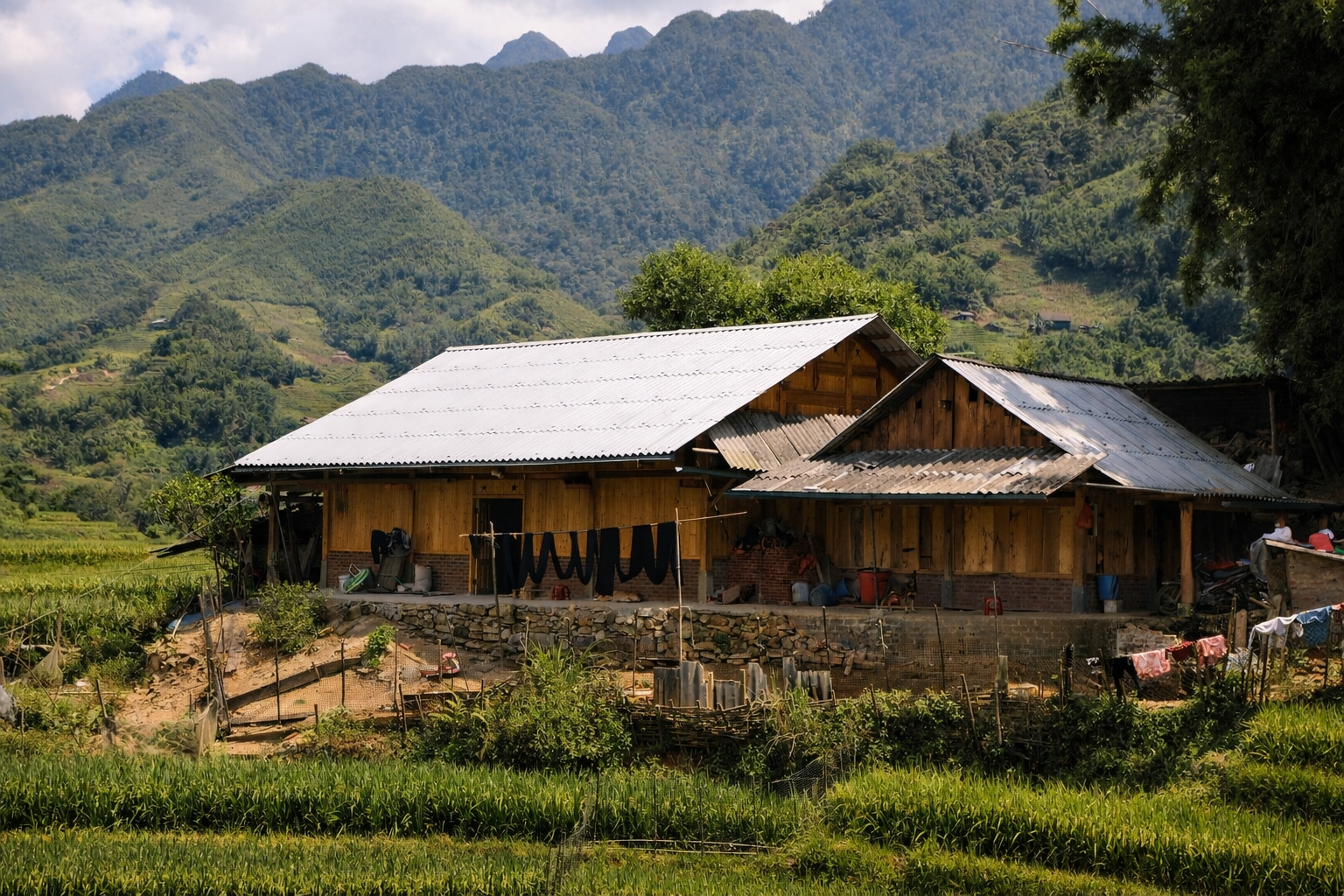
What would it feel like to wake each morning surrounded by mountains that your family has known for generations? What would it mean if the house you slept in was built from timber cut from the nearby forest and shaped by the hands of parents, uncles, cousins, and neighbours working together?
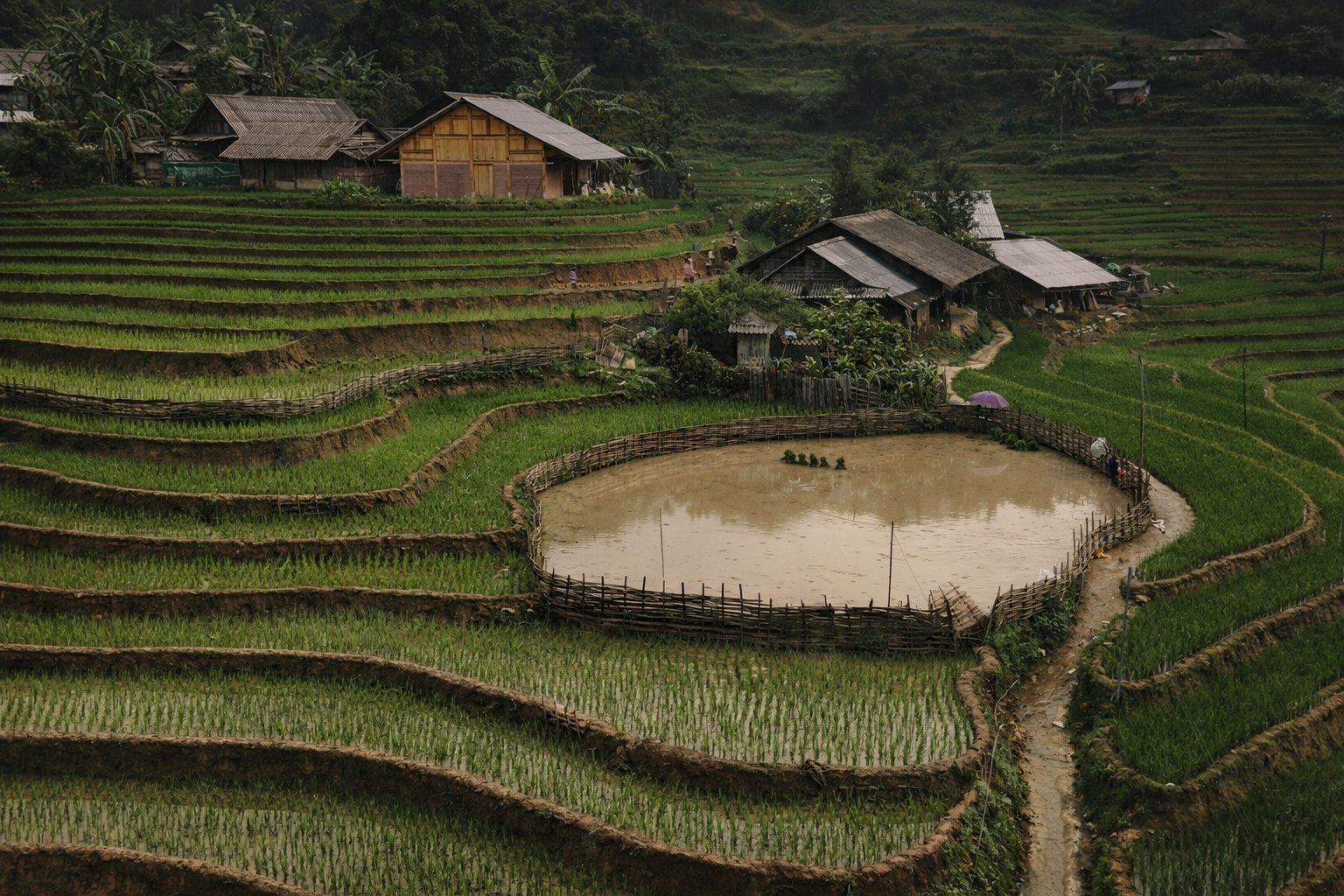
In the villages scattered across the highlands around Sapa, homes are rarely bought and rarely hurried. Instead, building materials grow from the land itself. Wood is selected carefully from the forest. Stones are carried from nearby hillsides. Walls are raised slowly, sometimes over months, until the house becomes both shelter and inheritance.
Inside, the furniture is simple and purposeful. A wooden table that may have been carved by a grandfather. Low stools maped from bamboo or shaped from tree trunks. Shelves built to hold bags of rice or maize gathered from the surrounding fields.
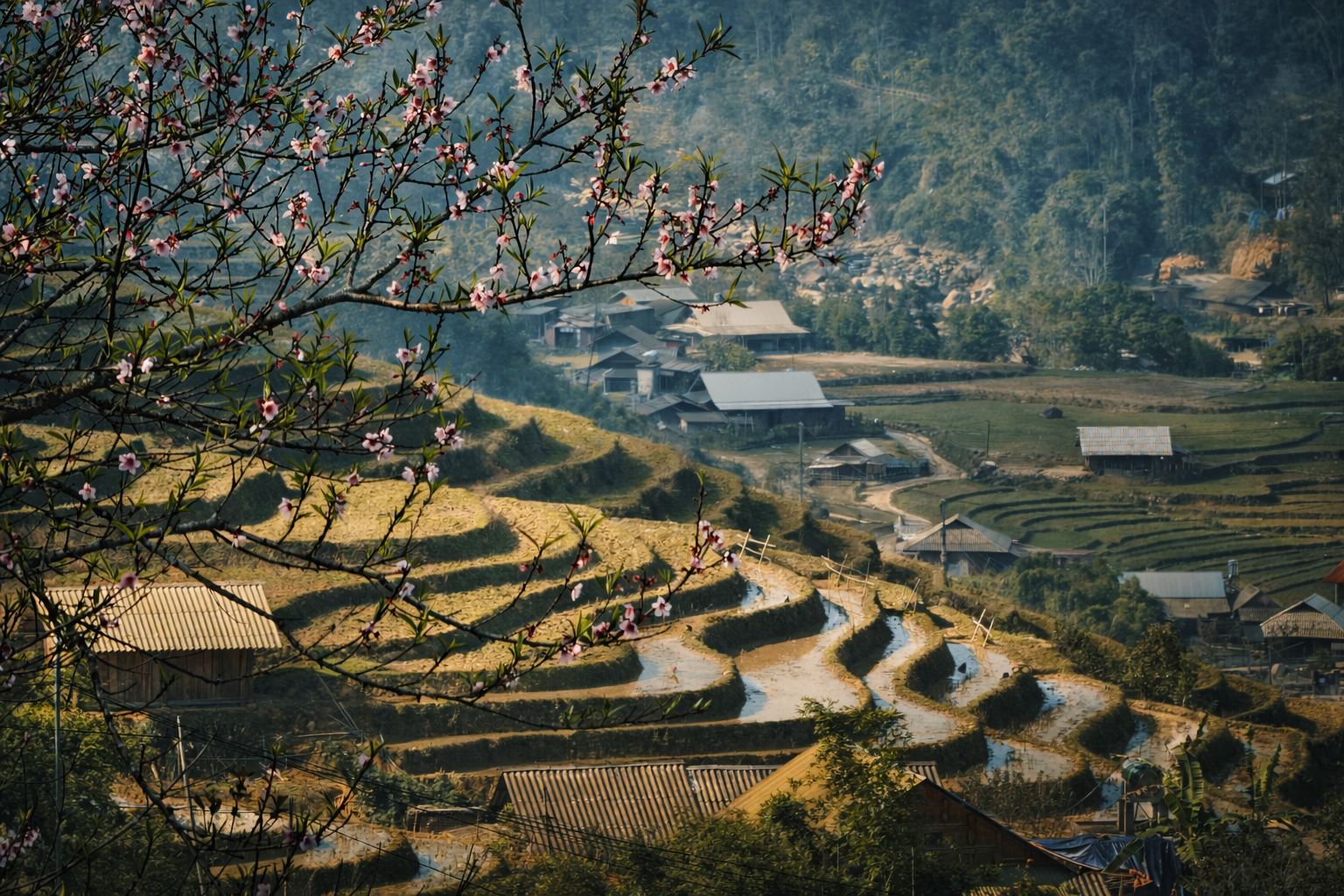
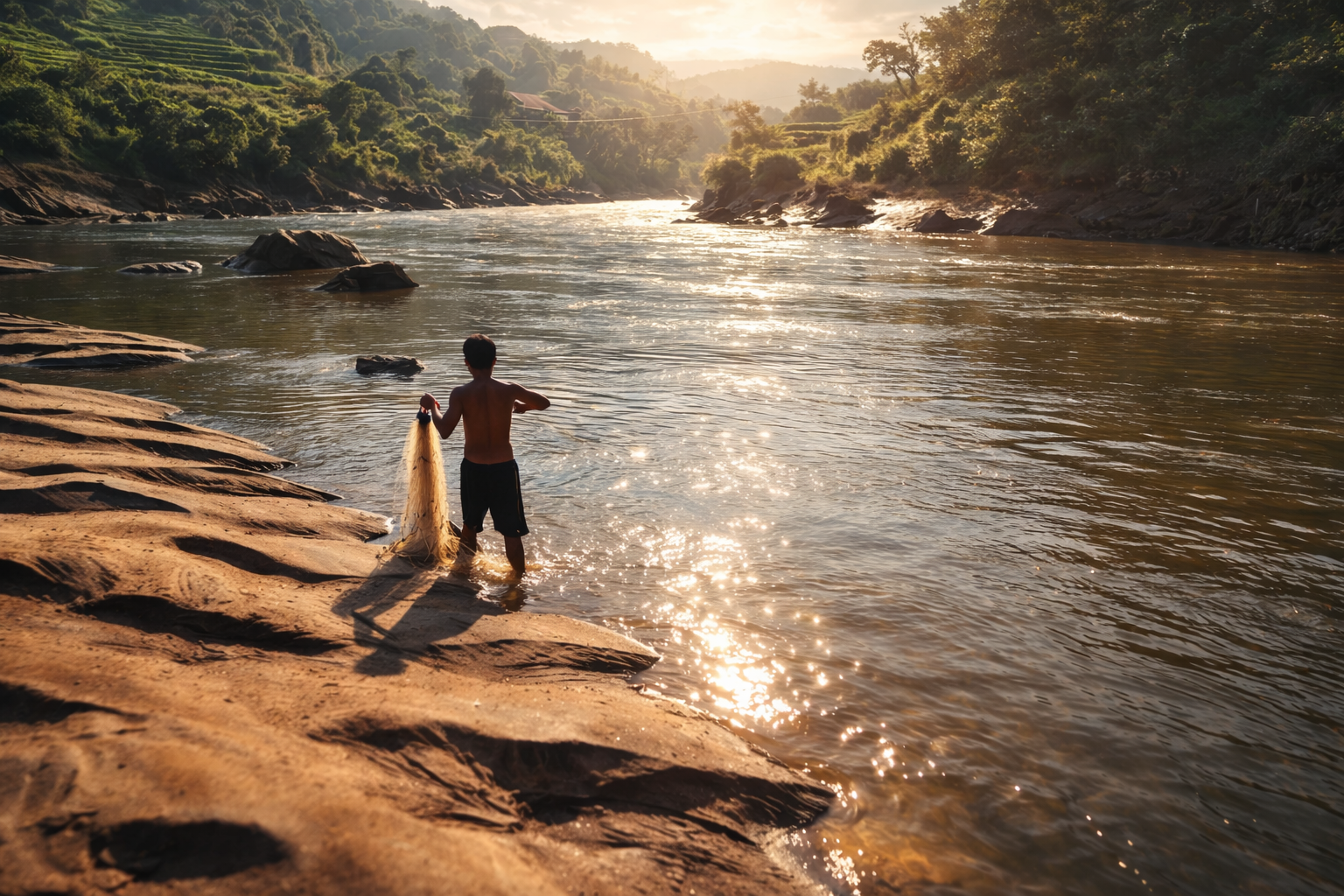
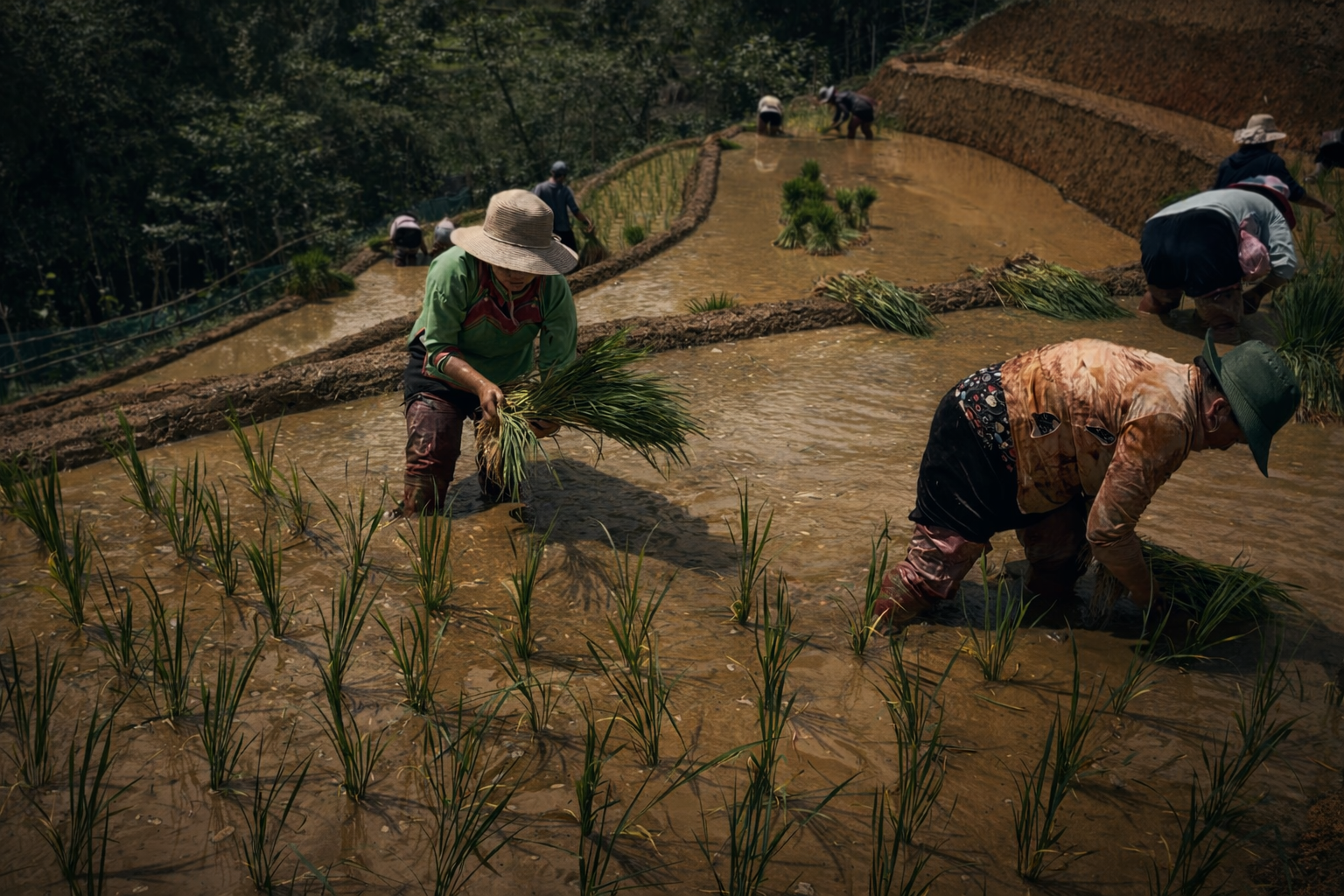
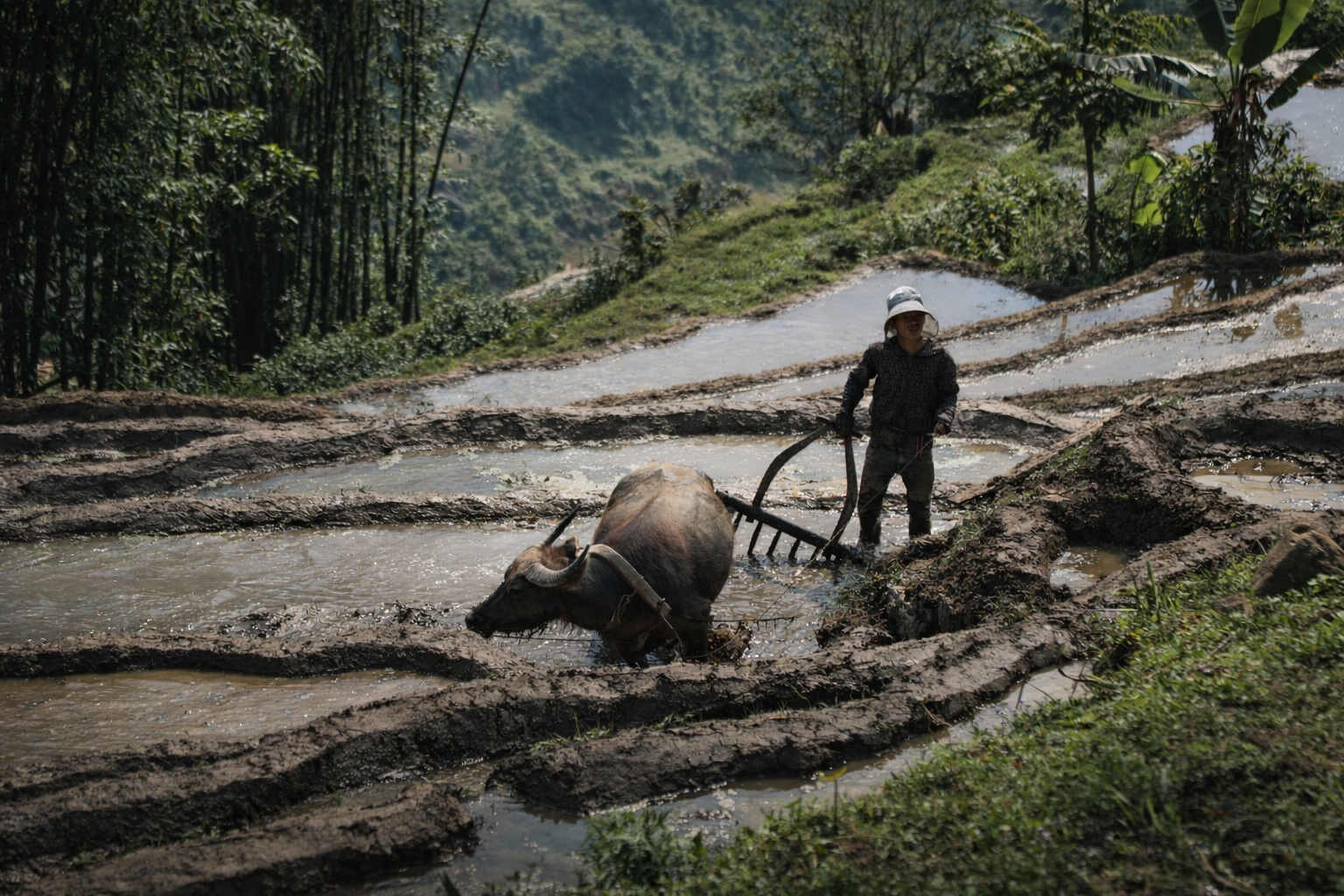
Outside the door, life spreads out across terraces of rice and small fields of corn and vegetables. Chickens wander through the yard while smoke drifts from the kitchen fire. Water moves slowly along the narrow steams and channels that feed the rice paddies below.
What would it be like if the landscape around your home was not scenery but livelihood, memory, and teacher all at once? Some of these little homes make up out network of homestays and all have their own quirks, charms and challenges.
Food, Forests and the Rhythm of the Seasons
Life in the mountains moves according to cycles that are older than roads, borders, or tourism. Families plant rice when the rains return. Corn grows on higher slopes where the soil is thinner and the mountains steeper. Vegetables fill the small kitchen gardens that surround each house.
Yet the forest also feeds the village. People walk beneath the trees to gather wild mushrooms, edible leaves, medicinal plants, and small snails that hide among wet stones after rain. Knowledge of what can be eaten and what must be avoided is passed quietly through generations, learned by watching parents and grandparents move through the landscape. You too can learn about plants, medicines and foraging as part of a Sapa trek.
Meals are rarely elaborate, yet they carry the flavours of the land itself. Fresh greens cooked over wood fire. Corn or rice harvested from the surrounding fields. Herbs that were growing on the hillside only hours earlier.
If everything you needed for the day’s meal came from the land within walking distance, how differently might you see the forest and fields around you?
Children of the Mountains
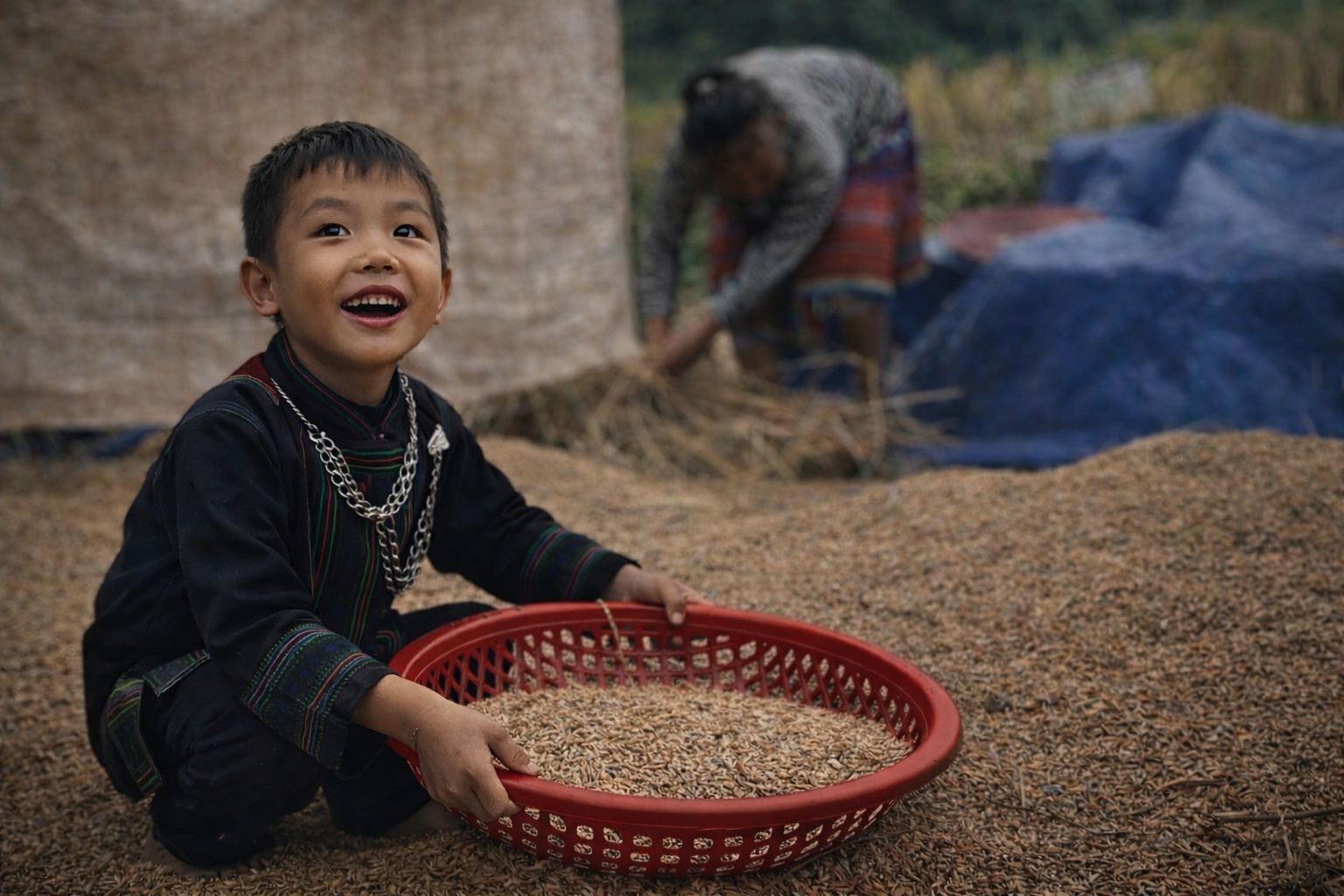
In these villages, childhood unfolds differently from the rhythms of cities. Learning begins early, not in classrooms alone but in fields, kitchens, forests, and workshops where everyday life becomes a teacher.
Children watch their parents plant rice, cook meals, repair tools, and care for animals. They learn the names of plants and the shape of the seasons. They begin to understand the small responsibilities that keep a household alive.
Collecting firewood is one of these daily tasks. Yet for children it rarely feels like work.
A simple chore becomes something else entirely. Brothers, sisters, and friends leave together in the morning carrying baskets and small knives. What begins as a short trip to gather wood for cooking often stretches into a small adventure through the forest.
Instead of walking quickly home, the children wander along hidden paths and streambeds, searching for fallen branches beneath the trees. Someone might discover mushrooms growing near a log. Another might find berries. Soon the baskets slowly fill, yet the morning continues.
Hide and seek begins between the trees. Someone climbs a rock to watch for birds. A group might follow a narrow path simply to see where it leads.
An hour’s task quietly becomes a morning of laughter, discovery, and movement through the forest. By the time they return home with their bundles of wood, the work has already been transformed into memory.
What lessons do children carry when their playground is a forest and their teachers are the rhythms of everyday life?
Stories That Grow From the Hills
The mountains of northern Vietnam are also places of stories. Some are told beside the fire in the evening. Others are carried quietly in memory, passed from one generation to the next.
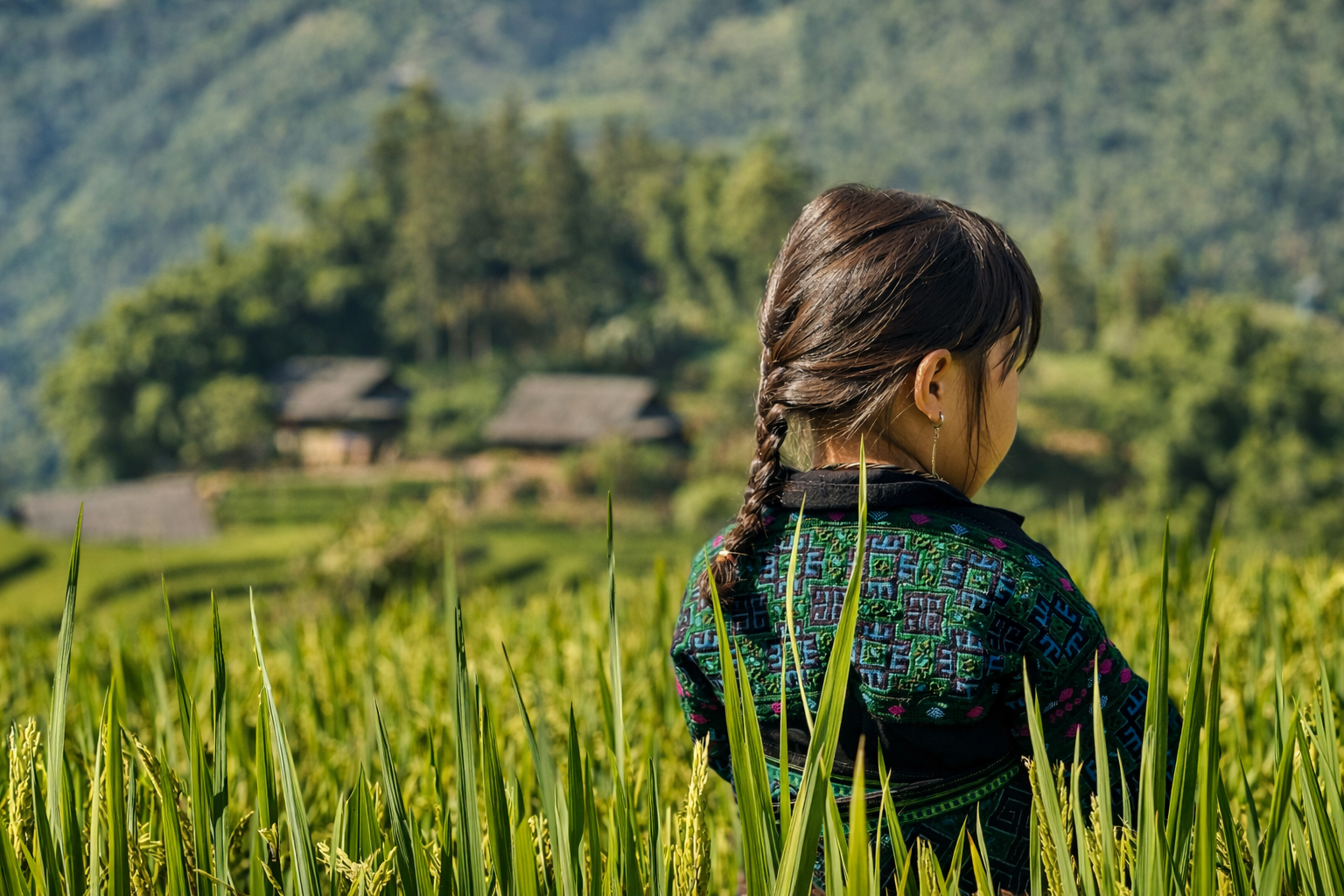
One such story is shared in our blog, The Girl and the Bird, a tale from the hills of Sapa. It tells of a young Hmong girl named My who searches the forest for food and discovers a fragile bird alone in a nest. Though hunger presses heavily upon her, she chooses compassion and carries the small creature home, sharing her meagre corn and caring for it through the night. The story reminds us how resilience and kindness grow side by side in these mountains, even when life is difficult.
Stories like this are more than simple tales. They reflect the values that shape life in the highlands. Respect for living things. Care for the vulnerable. The quiet belief that generosity and patience hold communities together.
What would it mean to grow up surrounded by stories that are woven so closely with the land itself?
Travelling Through Lives, Not Landscapes
For travellers arriving in Sapa, the terraces and mountains often appear first as breathtaking scenery. Yet beyond the beauty of the landscape lies something far deeper.
These mountains are home to communities who have shaped them carefully over centuries. Rice terraces carved into steep hillsides. Paths worn smooth by generations of footsteps. Villages where culture, work, and family remain closely tied to the land.
At ETHOS, our journeys are designed not simply to show these places but to introduce travellers to the people who know them best. Our Hmong and Dao partners are farmers, artisans, guides, storytellers, and community leaders who welcome visitors into their homes and daily lives. Every trek, workshop, and homestay is created together with these communities so that travel becomes a genuine exchange rather than a performance for visitors.
When travellers walk these trails with local guides, something begins to shift. The terraces become more than scenery. The forest becomes more than a place to photograph.
They become part of a living landscape shaped by knowledge, resilience, and creativity.
What Might We Learn From This Life?
Perhaps the most interesting question is not whether we could live this way ourselves.
Many of us are far removed from a life where food grows outside the door and houses are built by family hands. Our days are shaped by different rhythms, different expectations, and different kinds of work.
Yet standing in the mountains, watching children return from the forest with laughter and bundles of firewood, another question begins to surface.
What might we remember if we spent more time listening to the land that feeds us?
What might change if we valued knowledge passed quietly between generations rather than rushing past it?
And what would it mean if travel allowed us not only to see beautiful places, but to understand the lives that have grown from them?
