Pu Tong: The Sacred Fire Dancing Festival of the Red Dao in Sapa
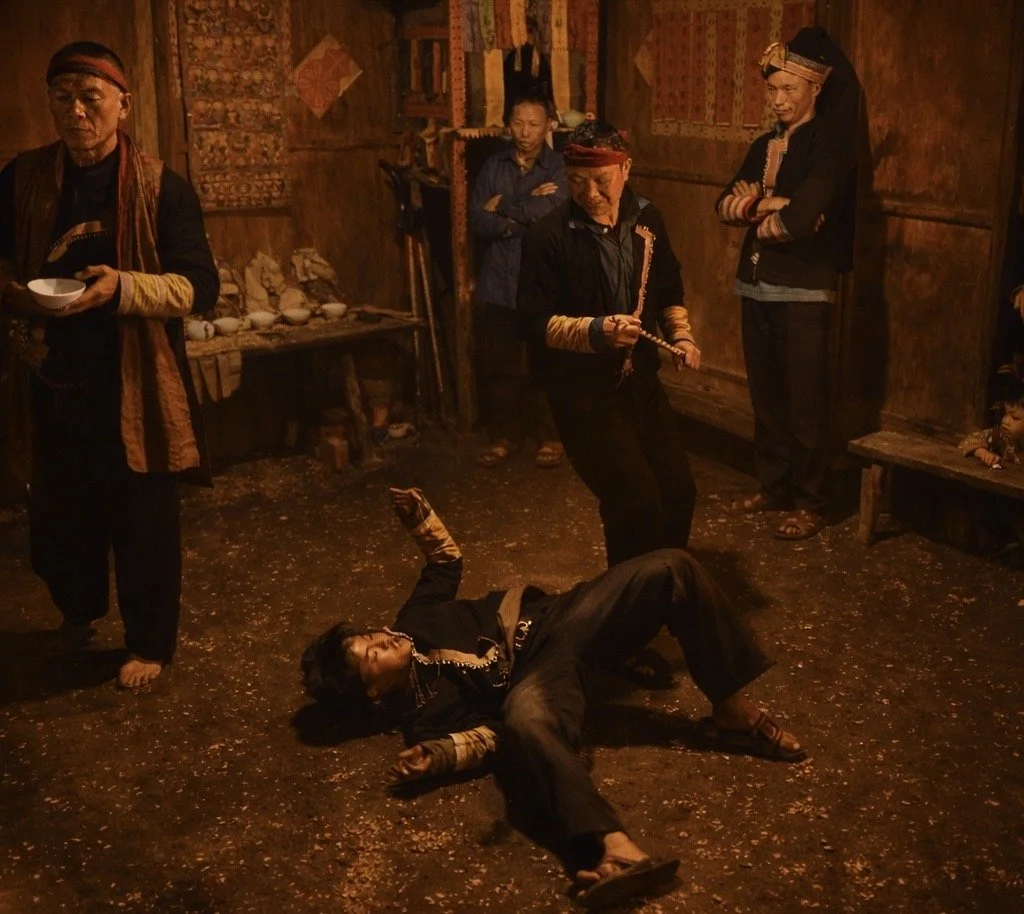
High in the misty mountains of northern Vietnam, the Red Dao people welcome the Lunar New Year with a ritual that is both mesmerising and deeply spiritual. Known as Pu Tong, or the fire dancing festival, this ceremony is a sacred act of devotion, protection and cultural continuity.
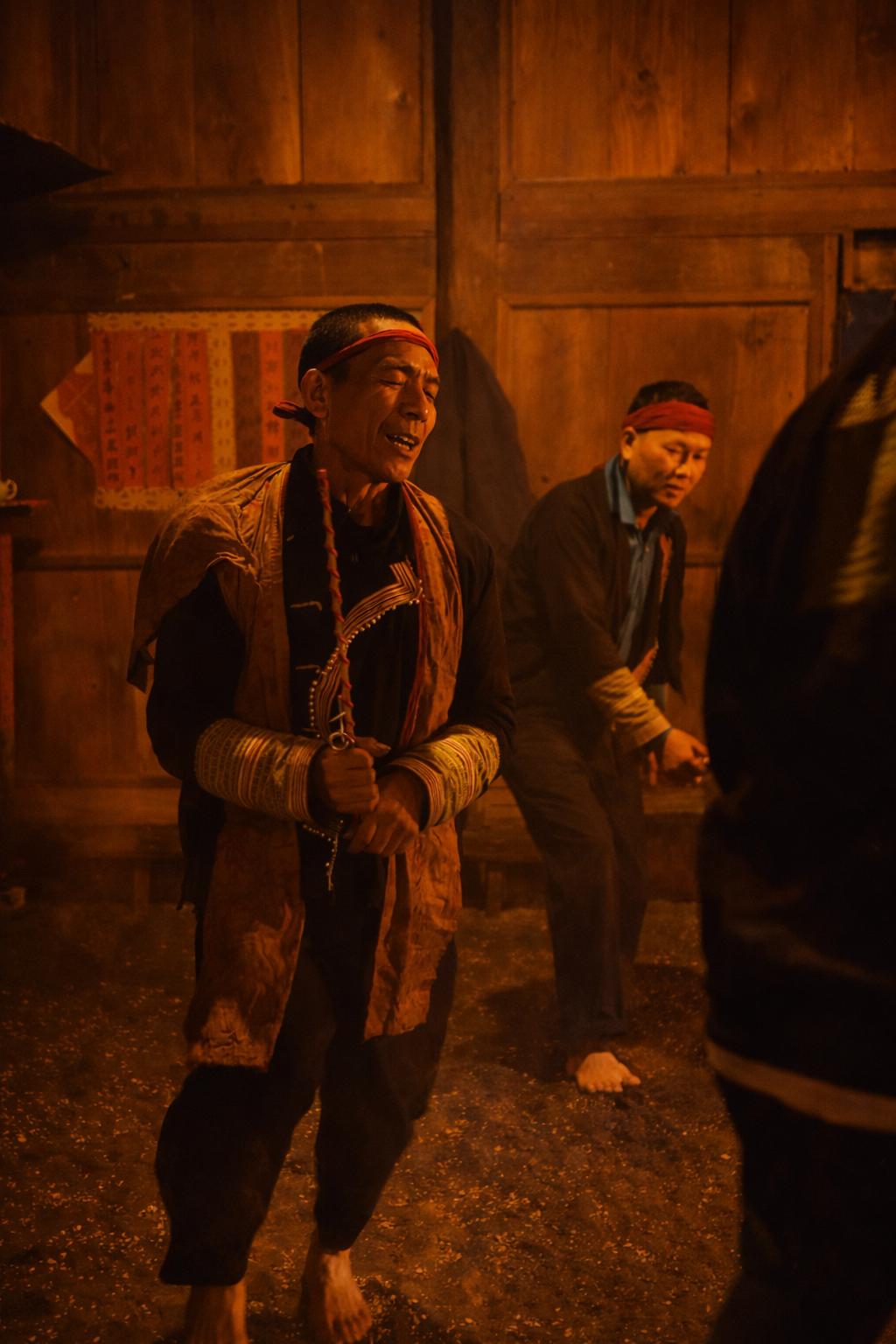
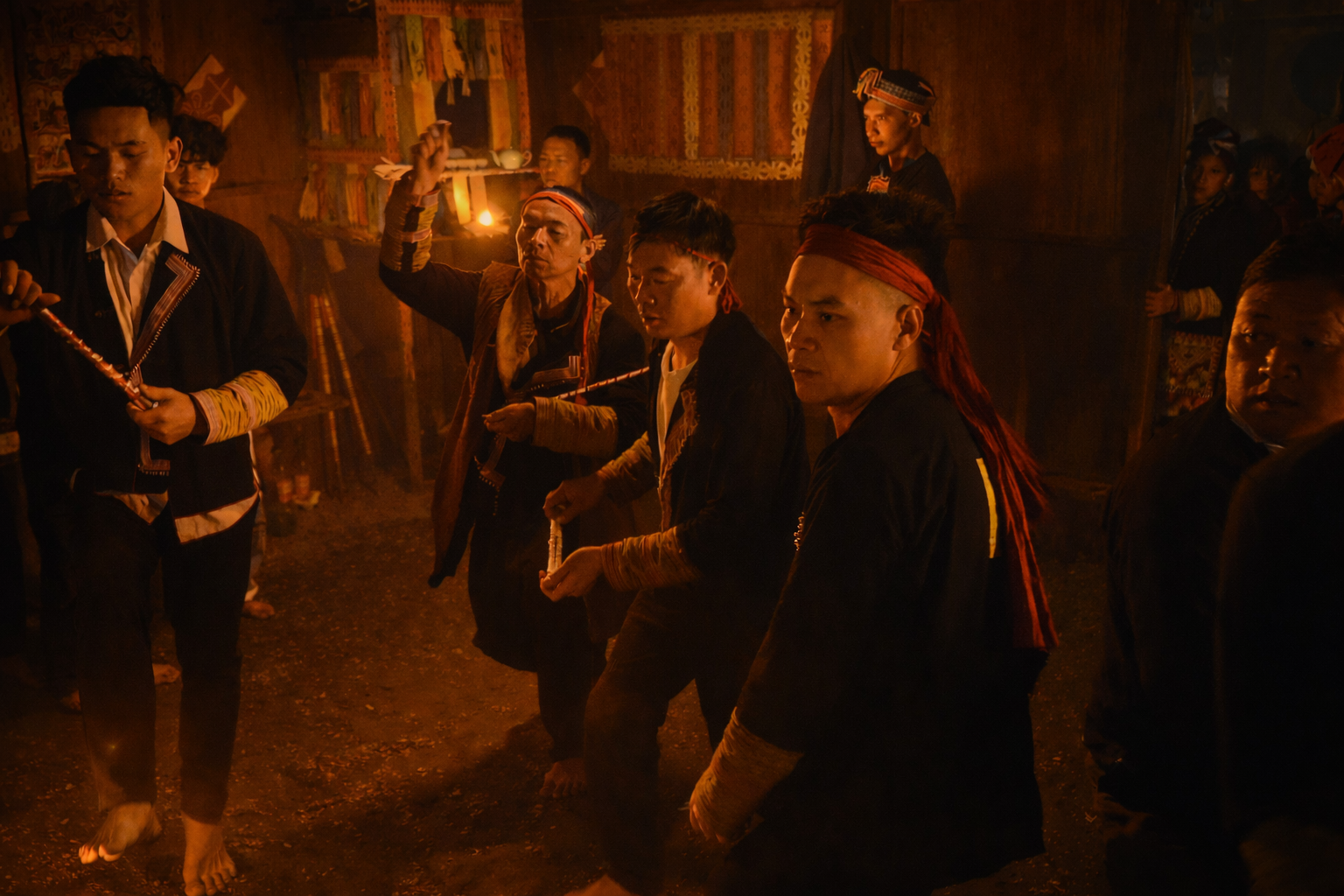
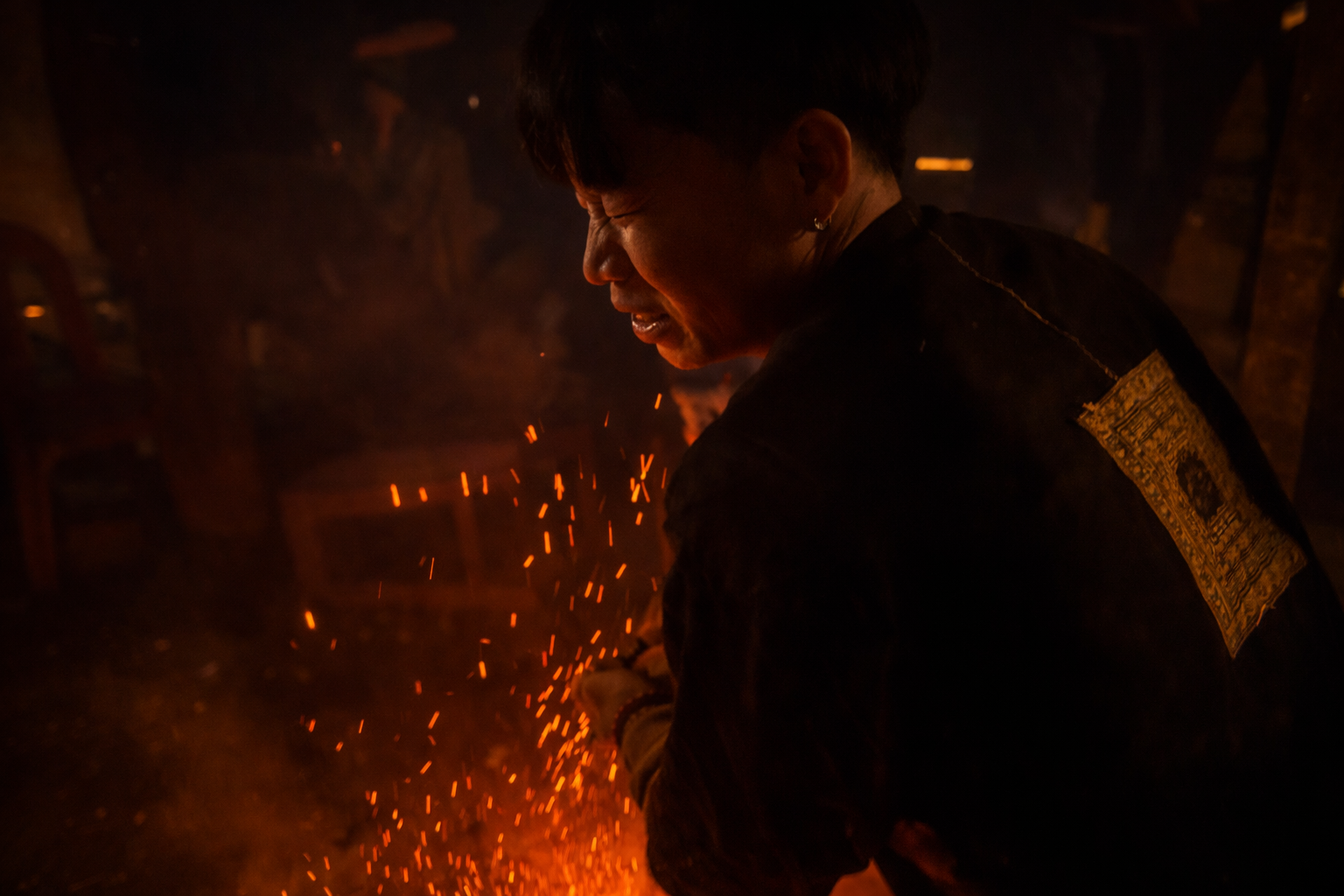
Taking place in villages around Sapa, the ritual features men throwing and dancing barefoot over burning embers, seemingly unharmed by the intense heat. To outsiders, it can feel mysterious and even supernatural. To the Red Dao, it is a powerful expression of faith, ancestral connection and community identity.
What Is the Pu Tong Festival?
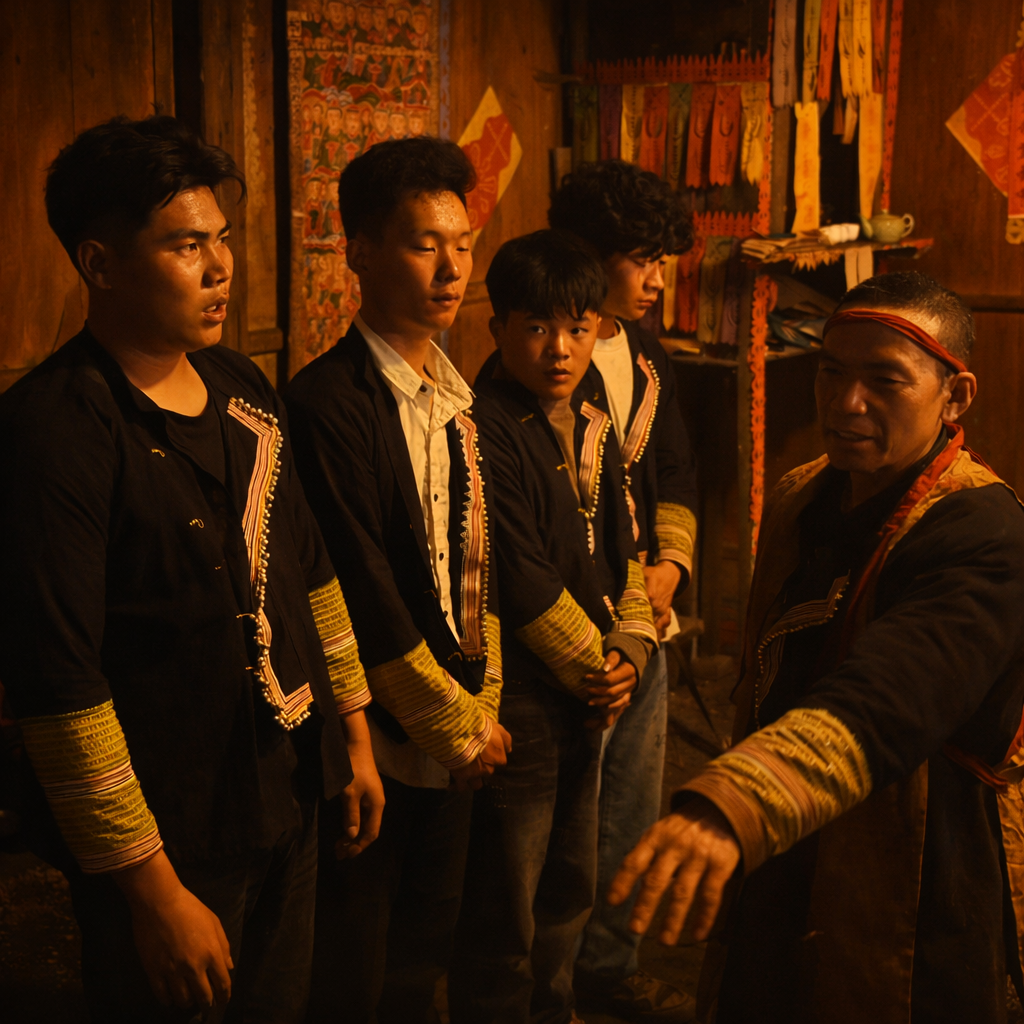
Pu Tong is a traditional spiritual ceremony performed by the Red Dao people during the Lunar New Year period, typically between the first and fifteenth day of the new year. It is organised to invite blessings, ward off misfortune and protect the village from illness and harmful spirits.
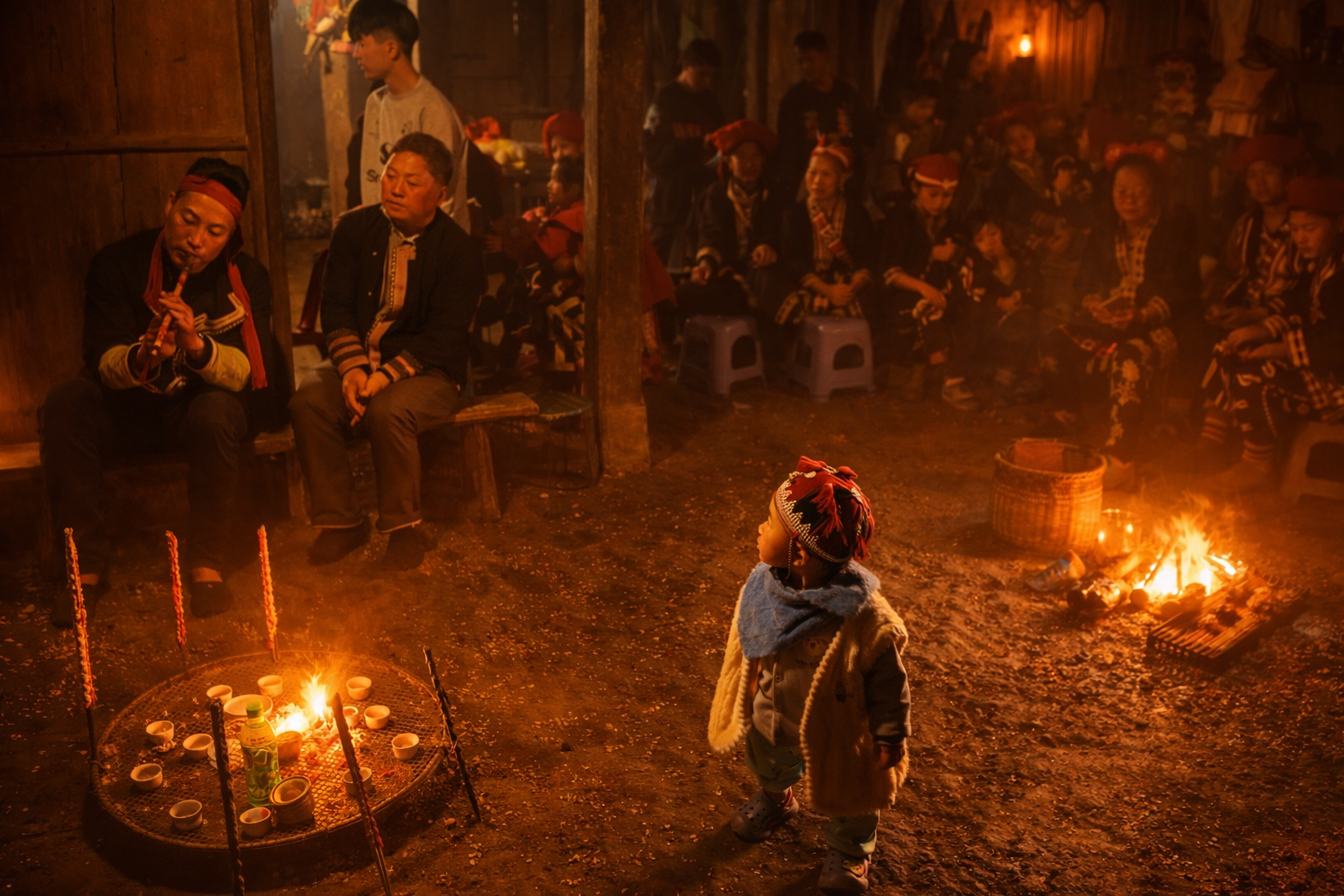
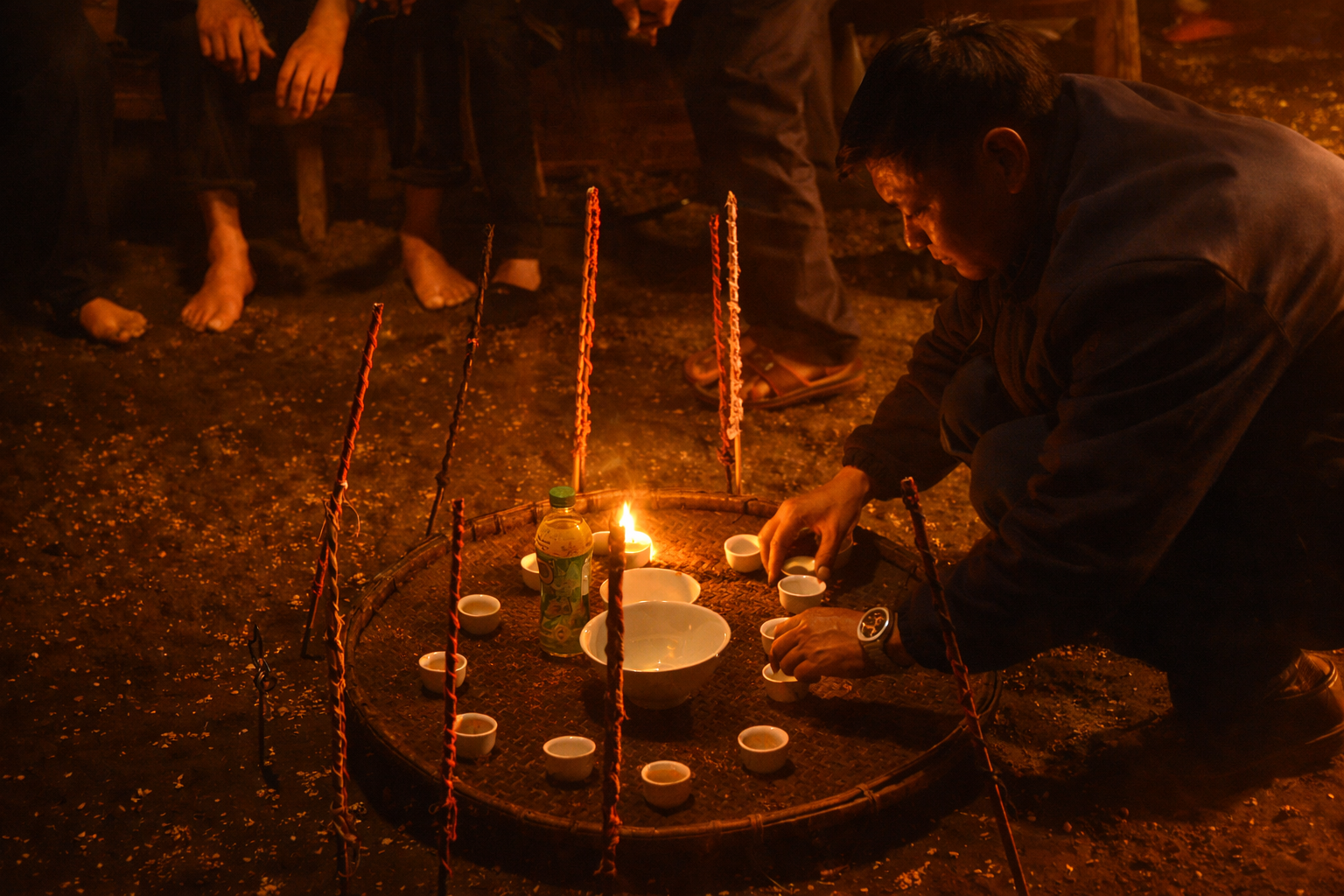
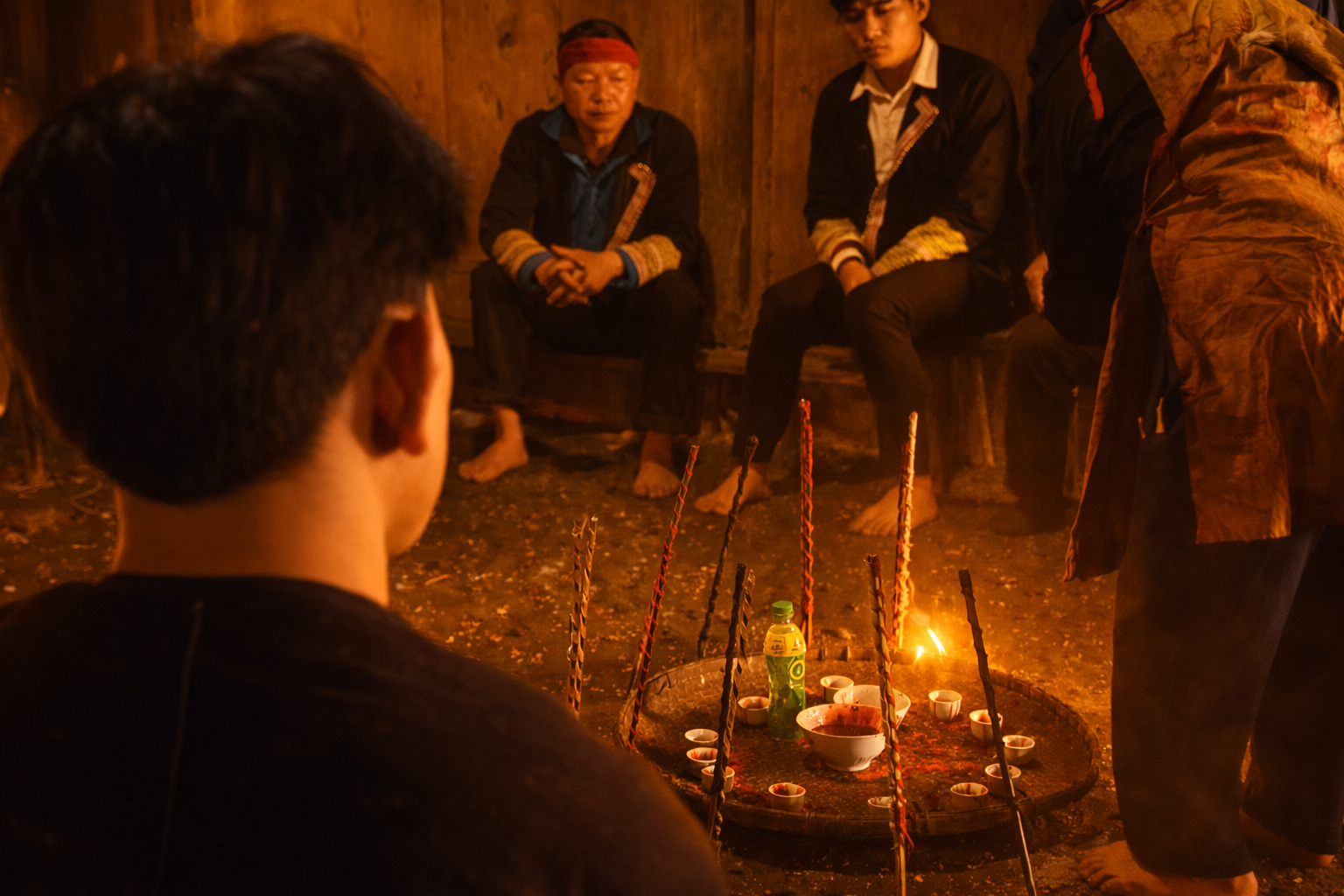
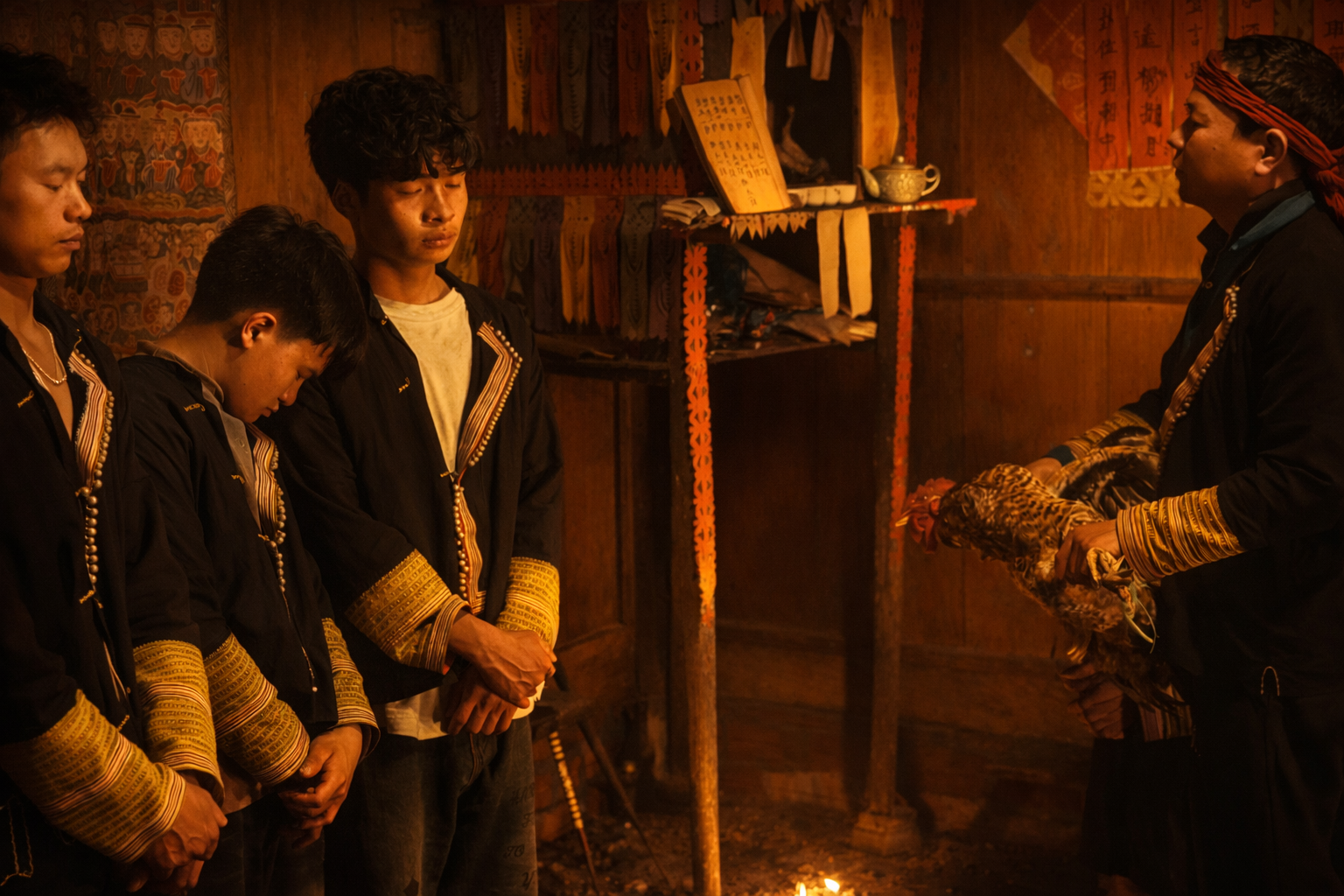
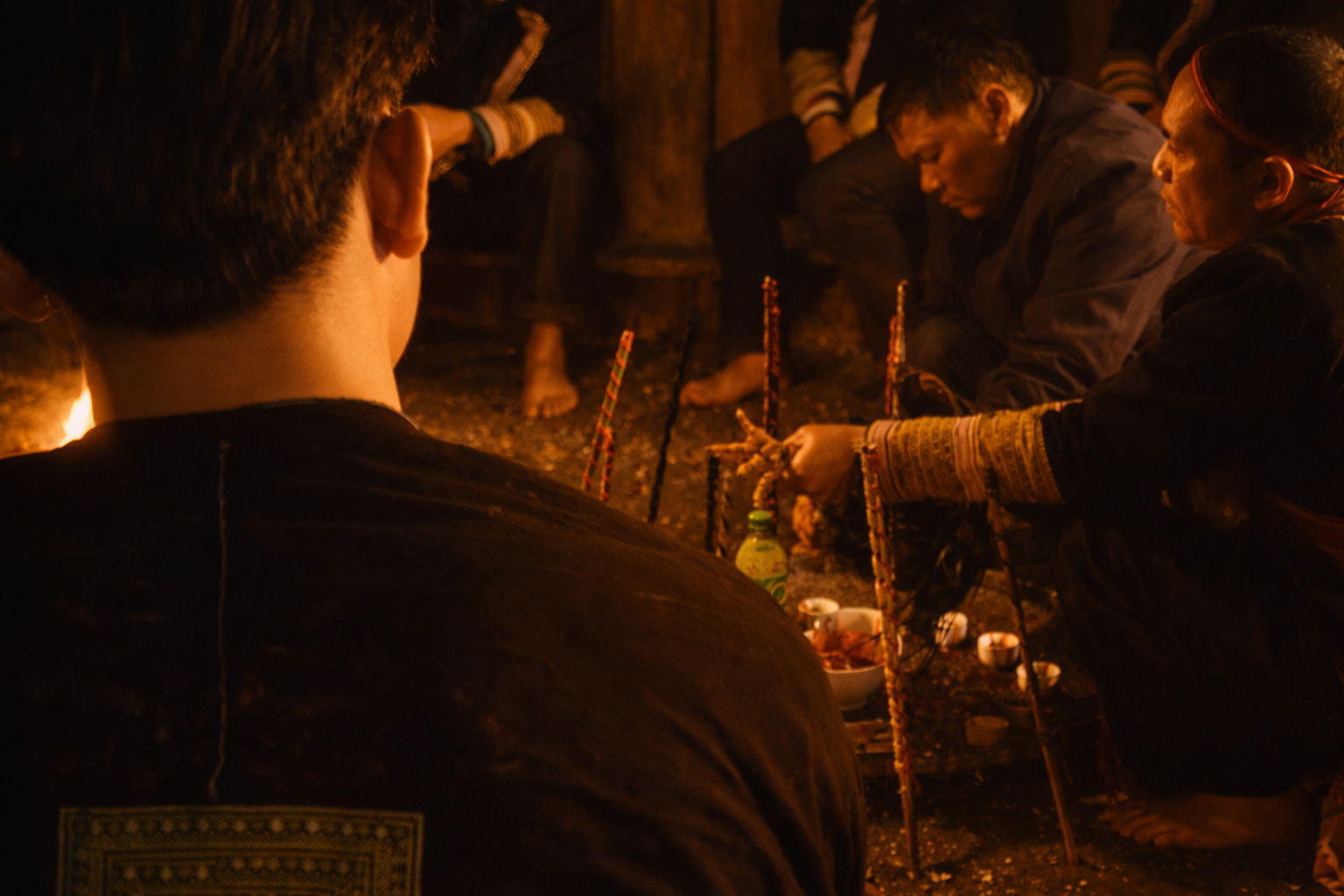
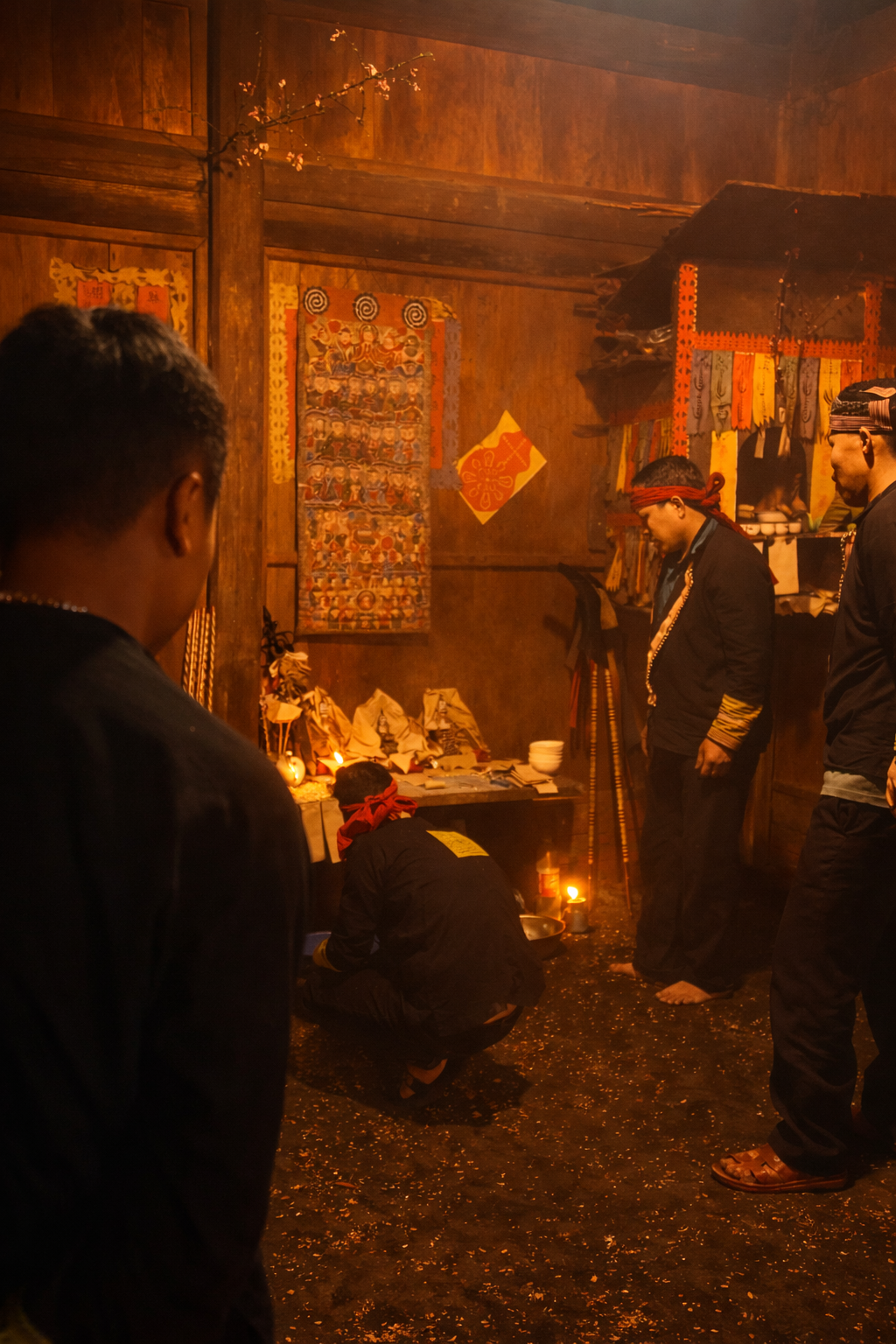
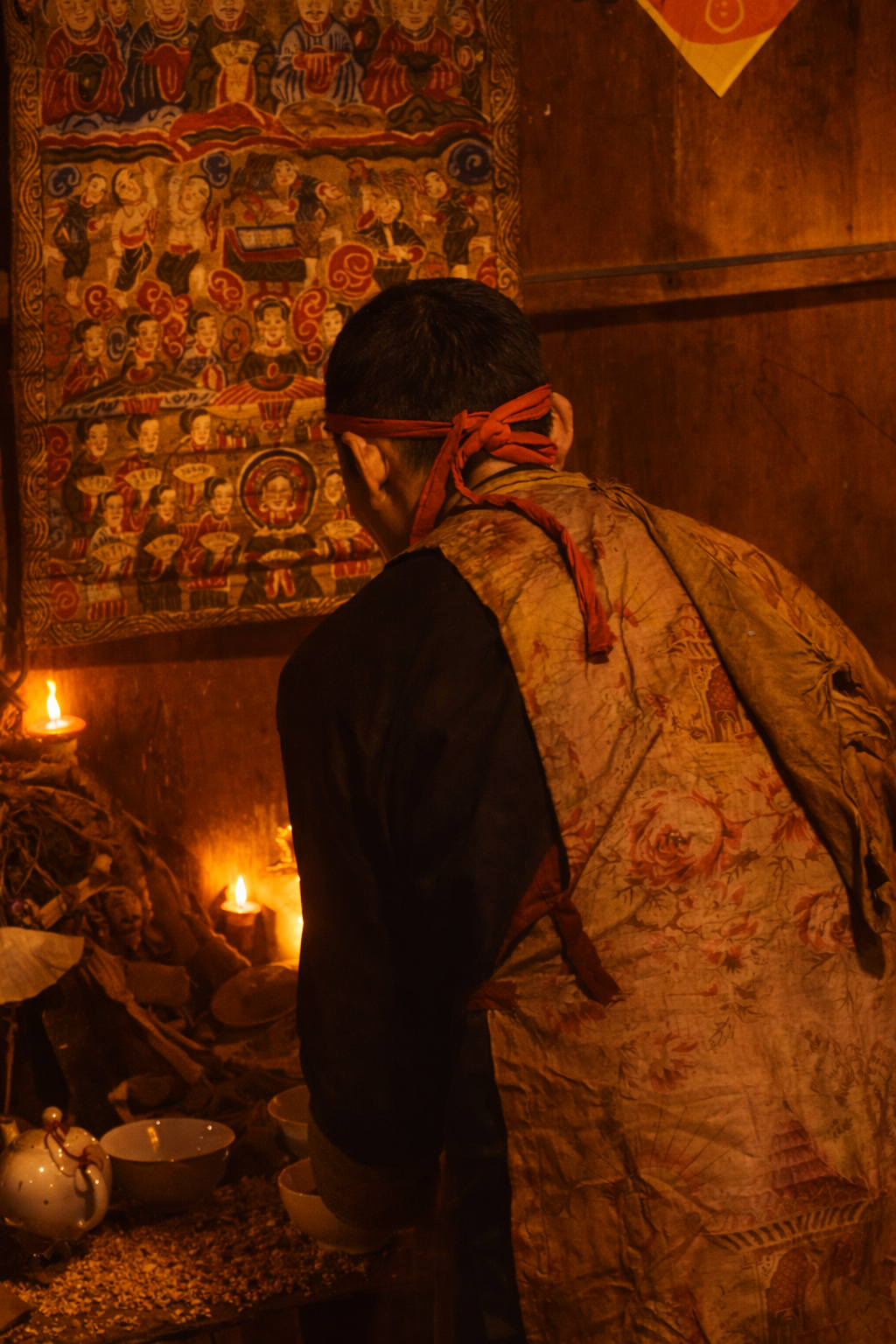
The ceremony centres around the alter and fire, which is seen as a sacred and purifying force. Through ritual chanting, trance and physical endurance, participants demonstrate their spiritual strength and their connection to protective deities.
Pu Tong is a ritual believed to strengthen the entire community’s wellbeing for the year ahead.
The Meaning Behind Fire in Red Dao Belief
For the Red Dao, fire symbolises life, purification and protection. It is thought to have the power to cleanse negative energy and keep evil spirits at bay.
Walking across the burning embers is not considered an act of bravery alone. Instead, it is a sacred test of spiritual readiness. Those who perform the dance believe they are protected by ancestral spirits and divine forces. The ability to step onto fire without injury is seen as proof of this protection.
The ritual represents:
Renewal at the start of a new year
Spiritual strength and resilience
Protection for families and the village
Gratitude to ancestors and deities

Who Participates in Pu Tong?
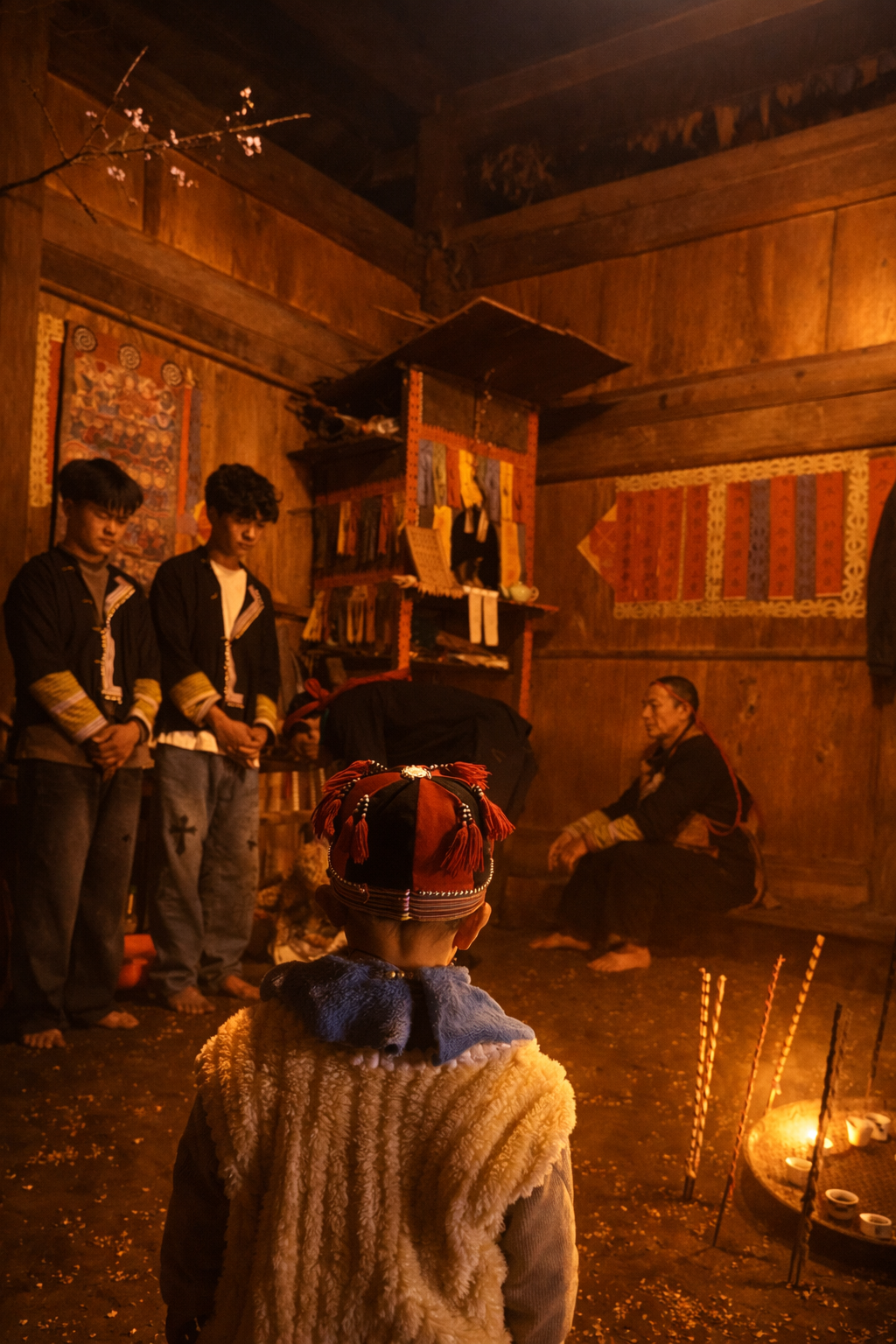
Participation in the fire dance is not open to everyone. It is reserved for selected men in the community who have undergone spiritual preparation or have a connection to ritual practice.
Key participants include:
Shamans and Ritual Leaders
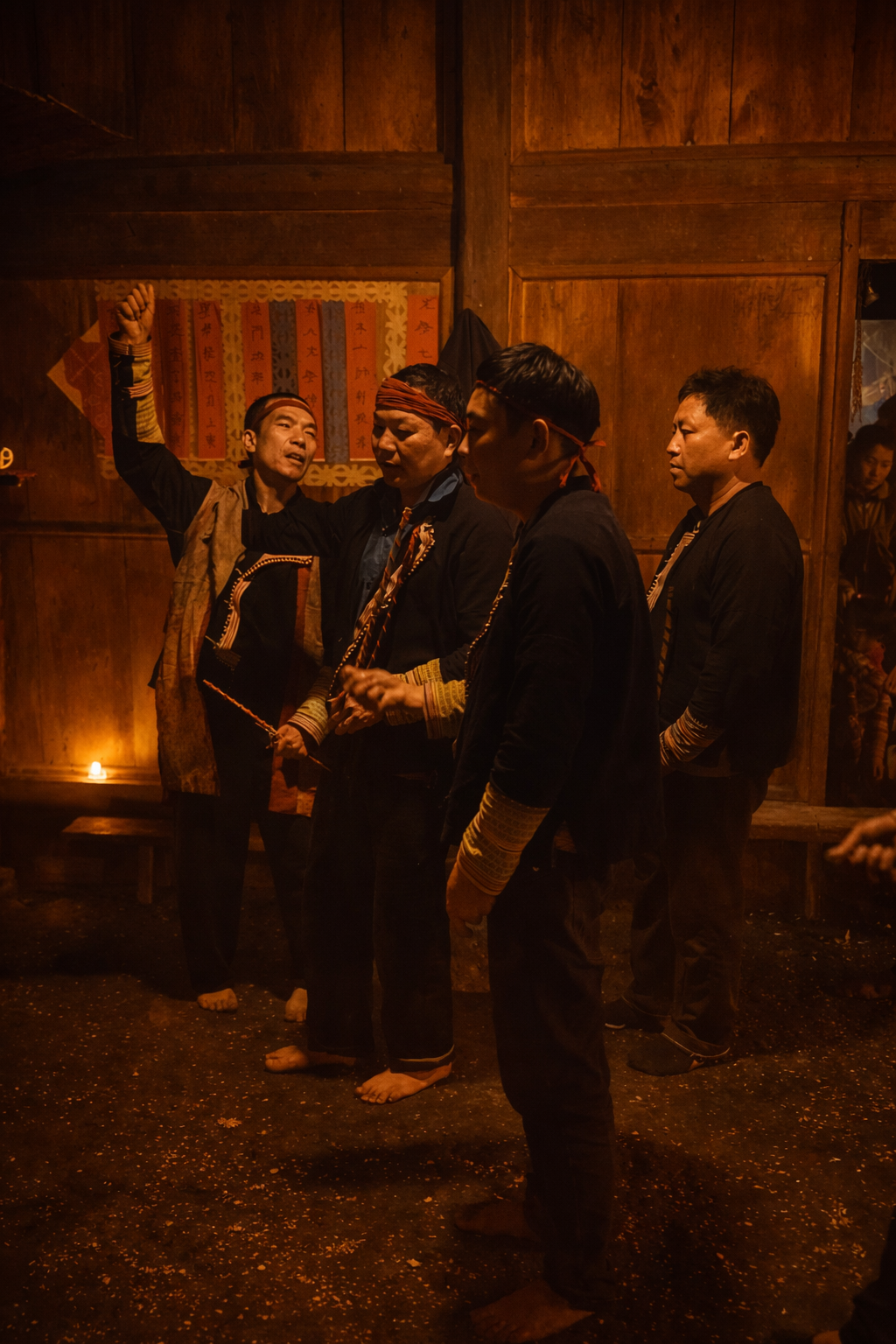
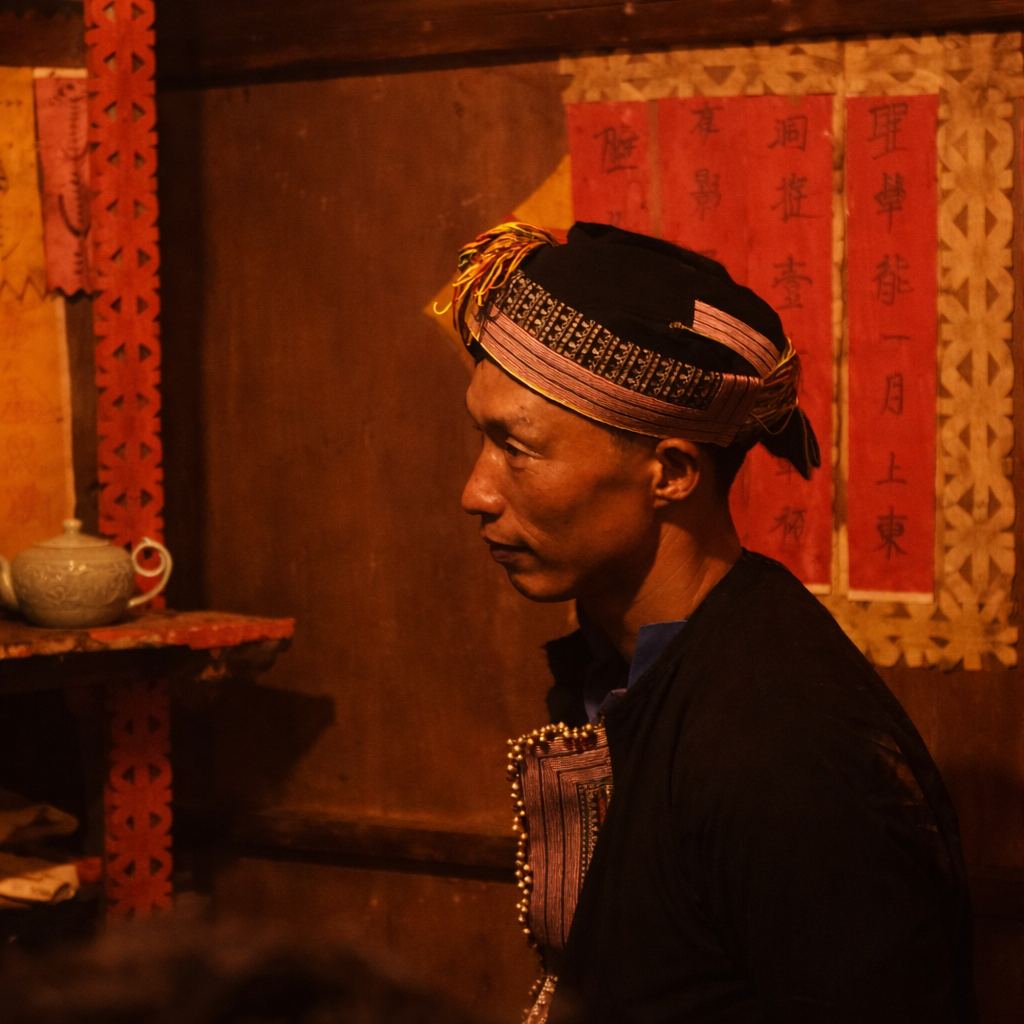
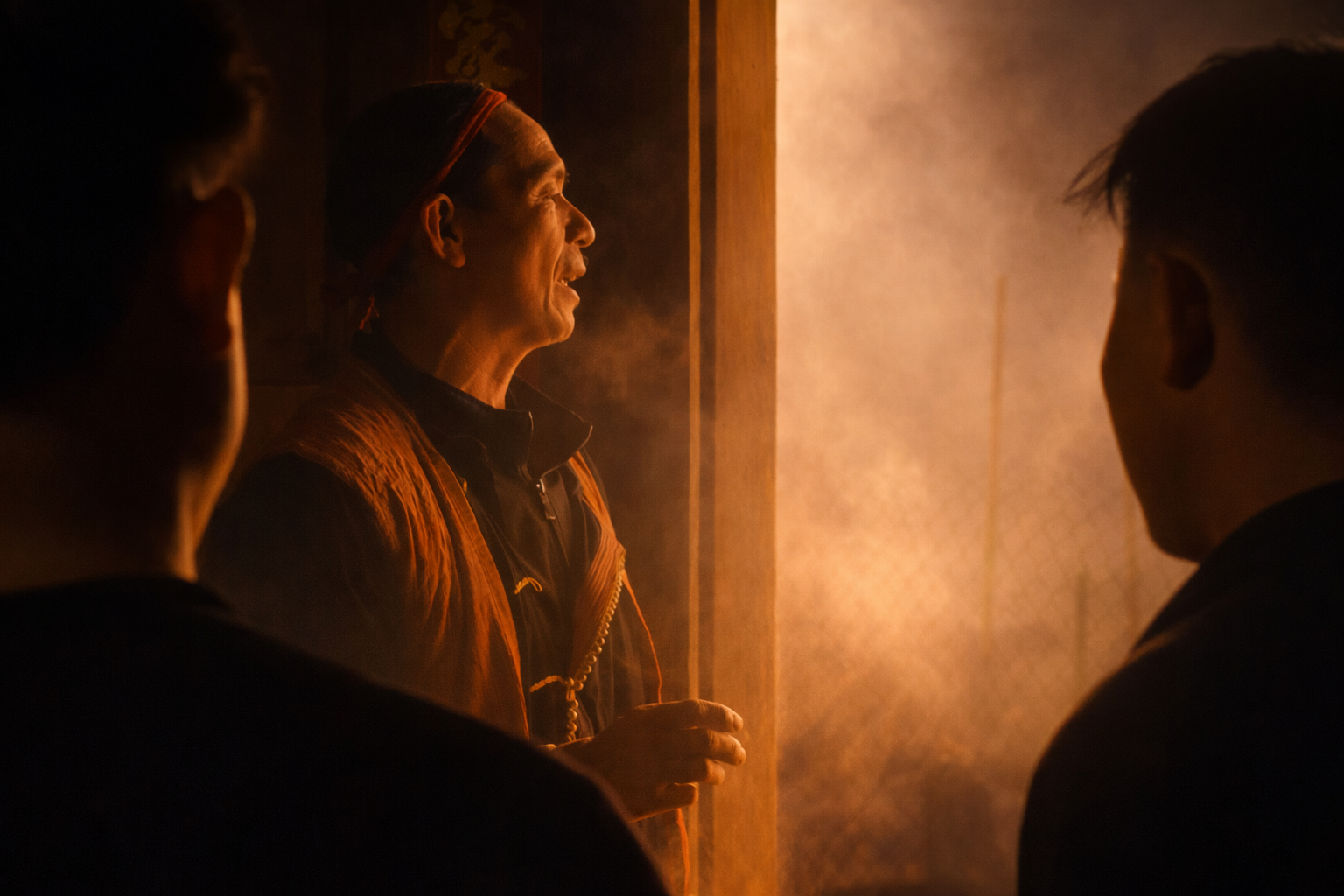
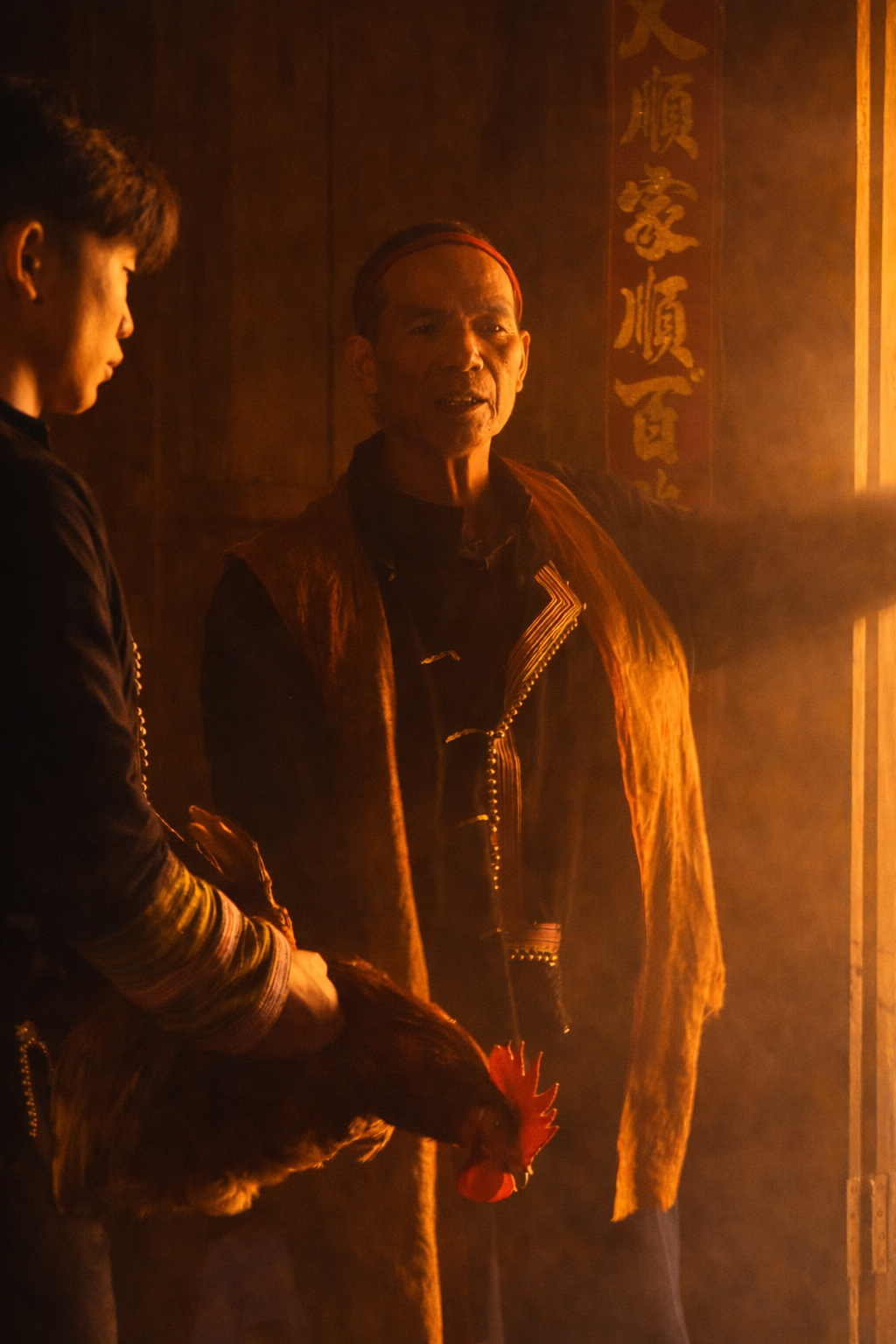
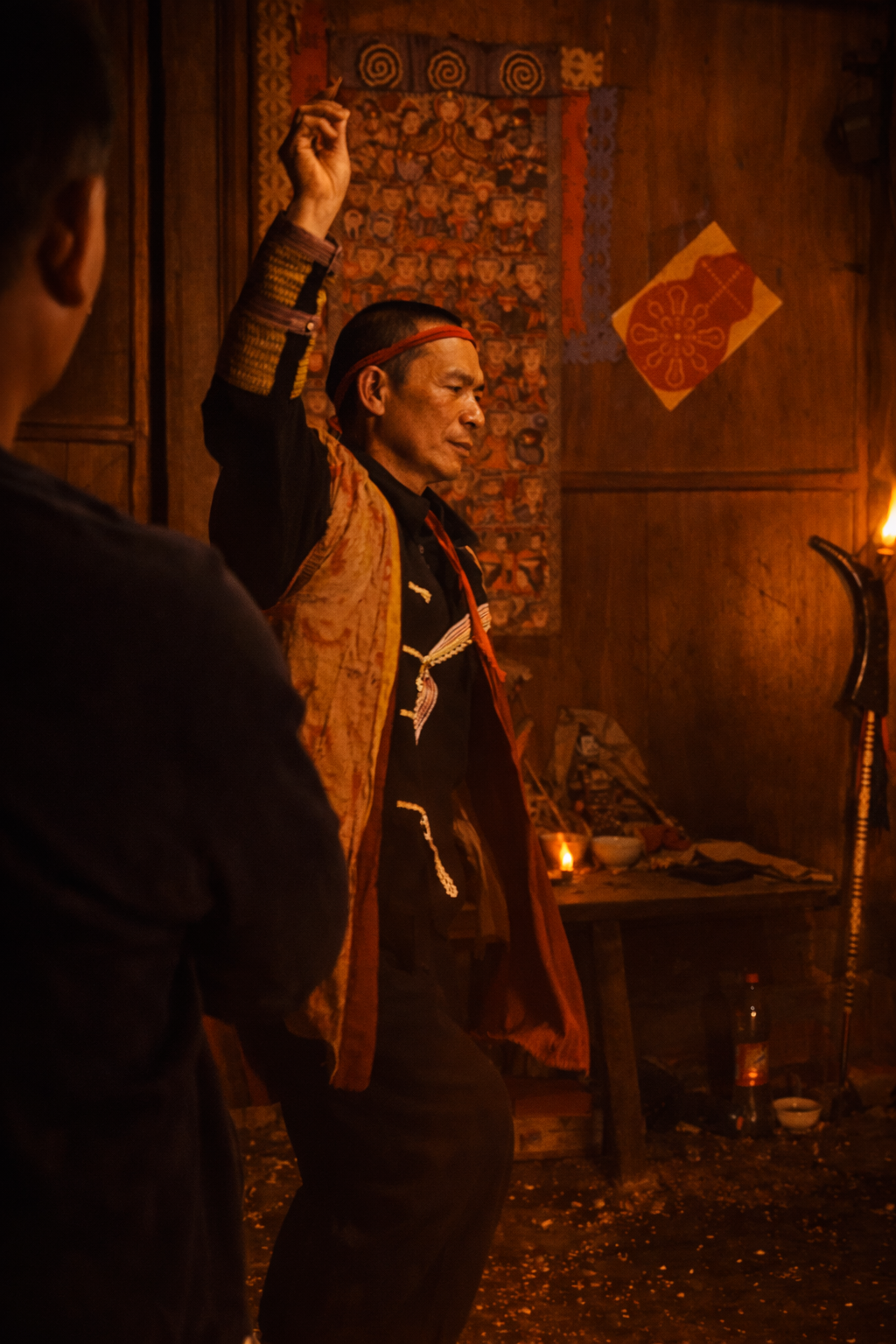
A respected spiritual leader, often a shaman, presides over the ceremony. He performs chants, prayers and invocations to call ancestral spirits and protective deities. His role is to guide participants into a trance-like state believed to shield them from harm.
Male Dancers
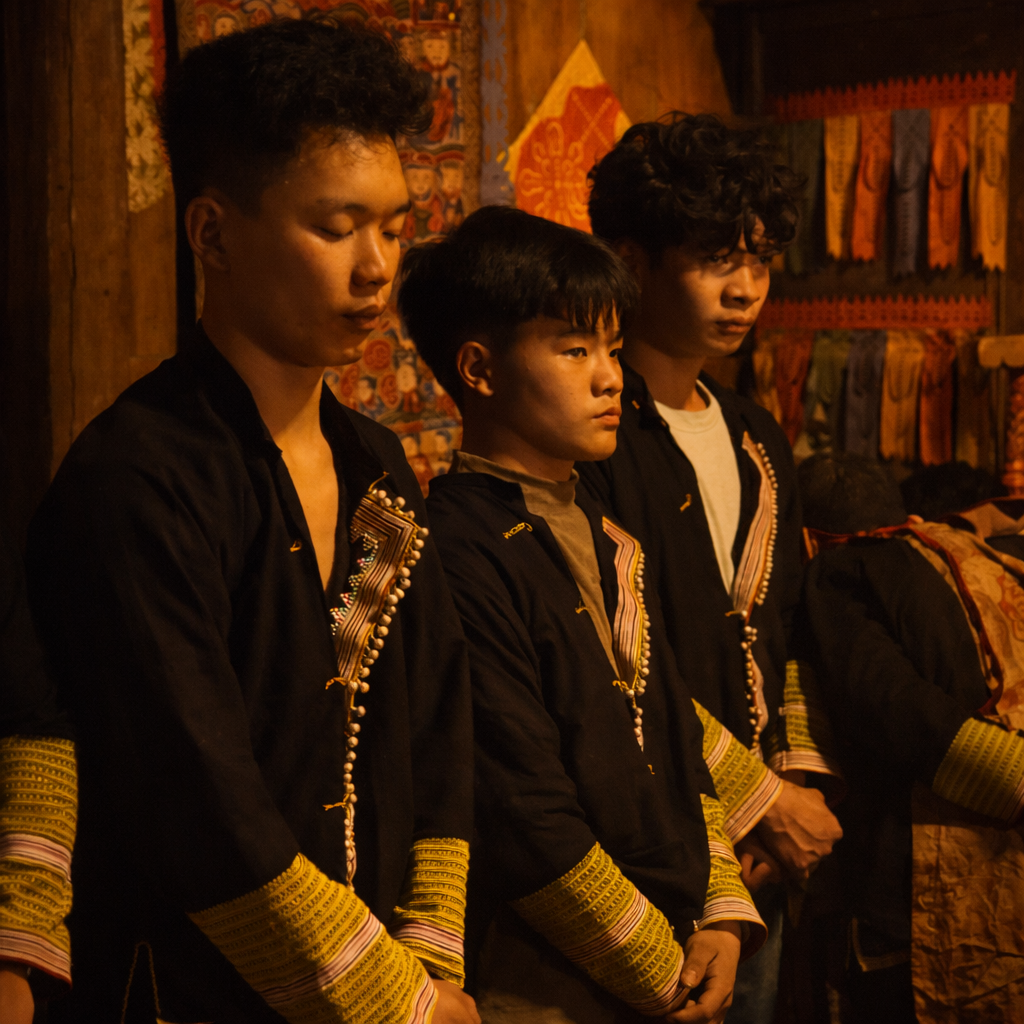
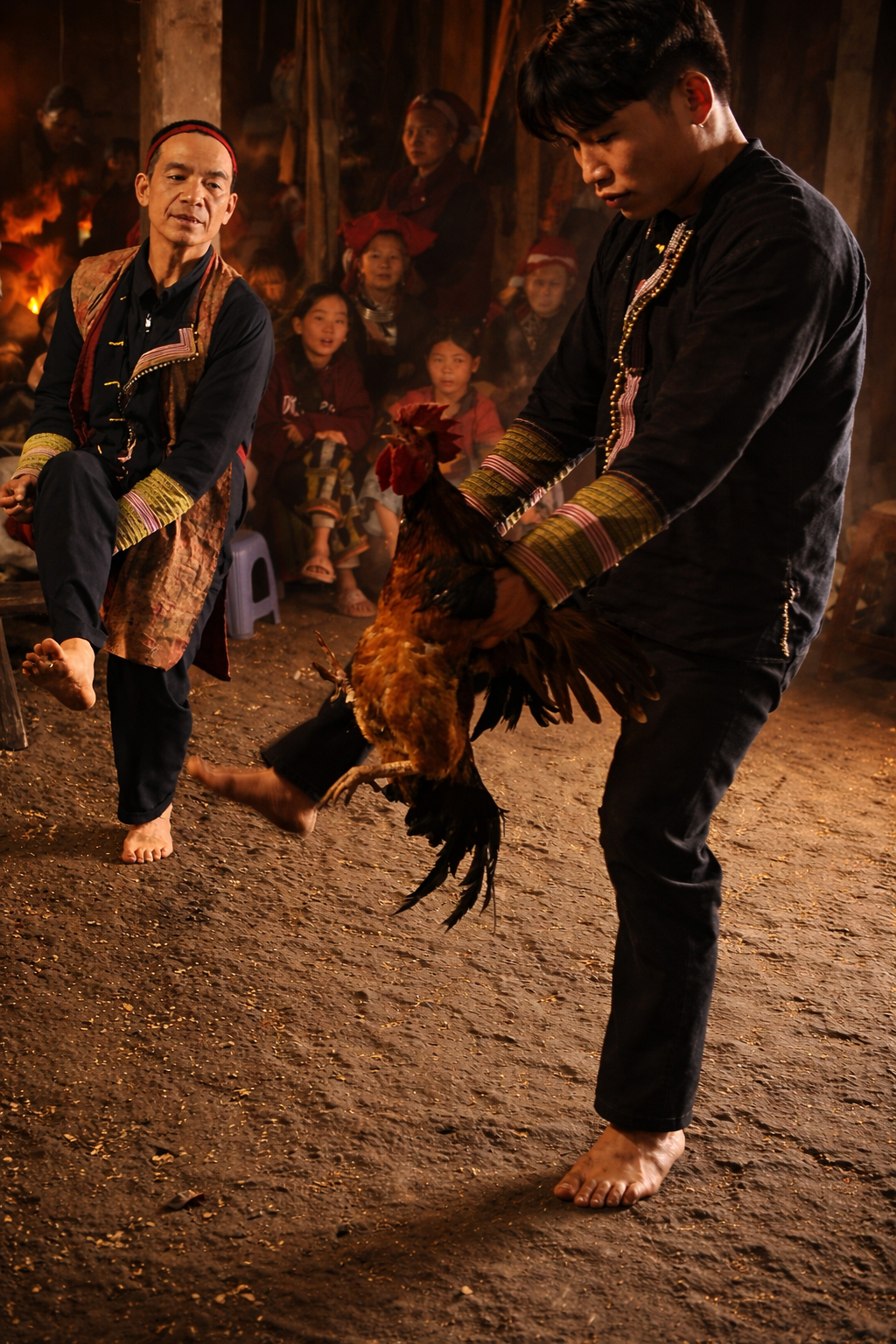
The dancers are typically young men chosen for their spiritual sensitivity or lineage. Some may have trained for years. When the ceremony begins, they enter a trance induced by rhythmic drumming, chanting and incense smoke.
In this state, they step onto and kick glowing coals, throw embers and move energetically through the fire. Despite the danger, burns are rare. The community attributes this to spiritual protection.
The Community
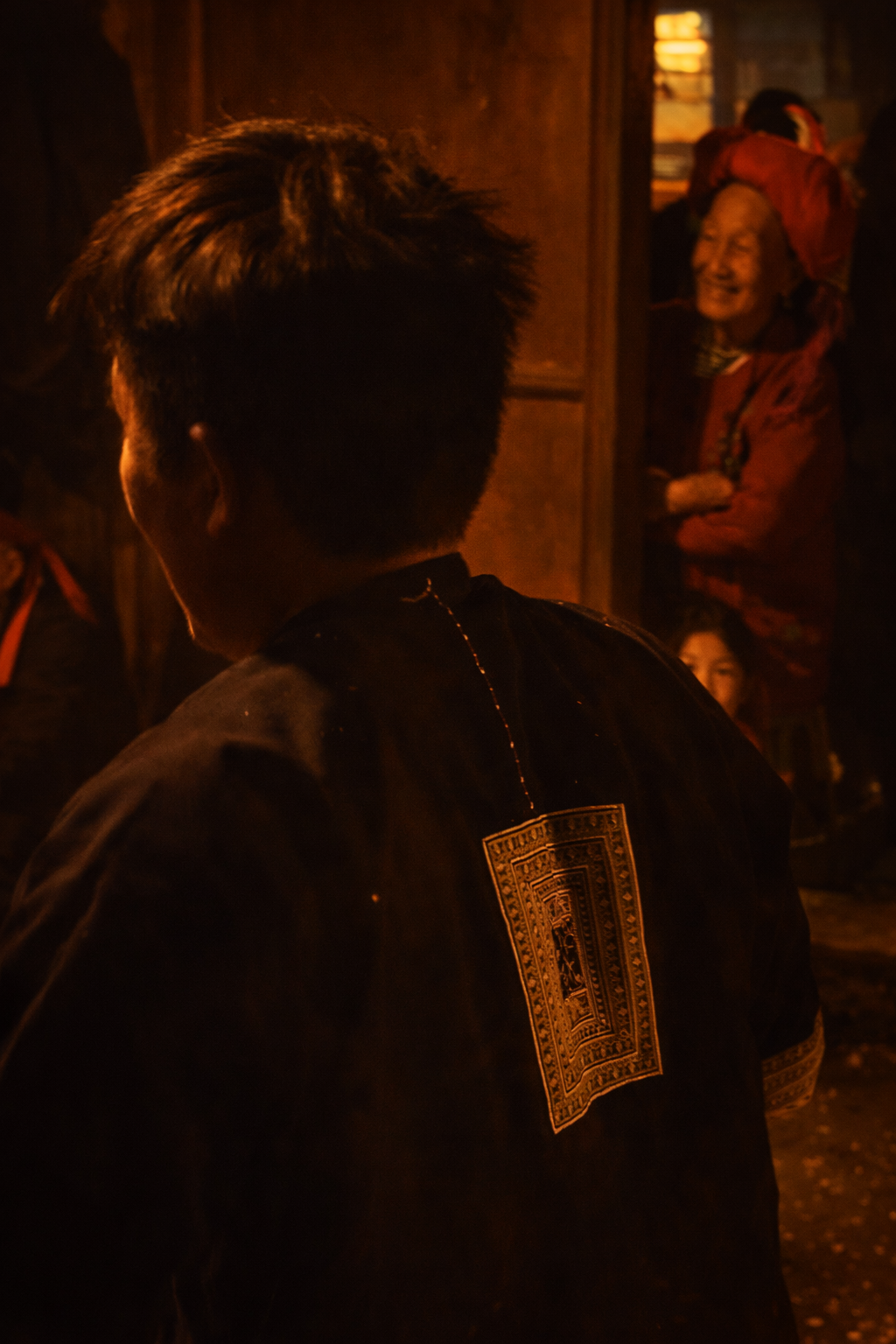
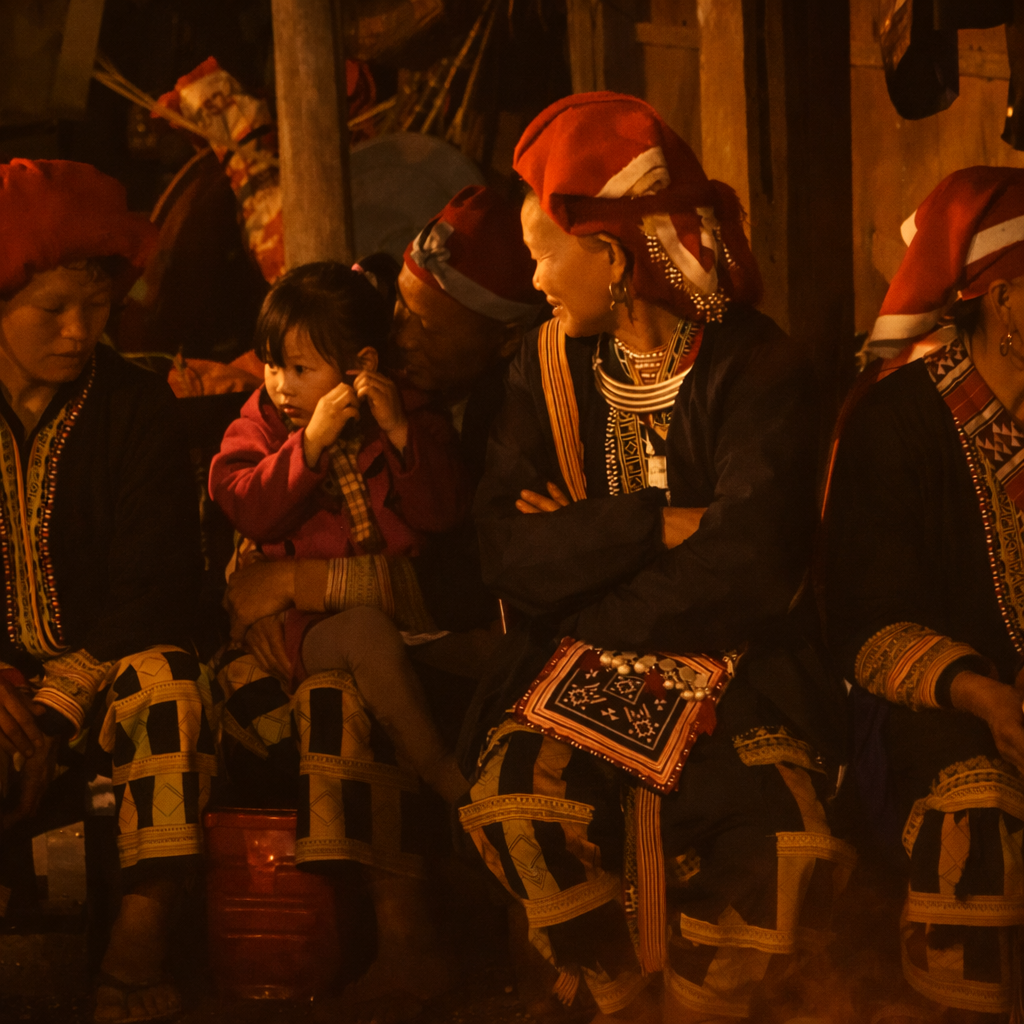
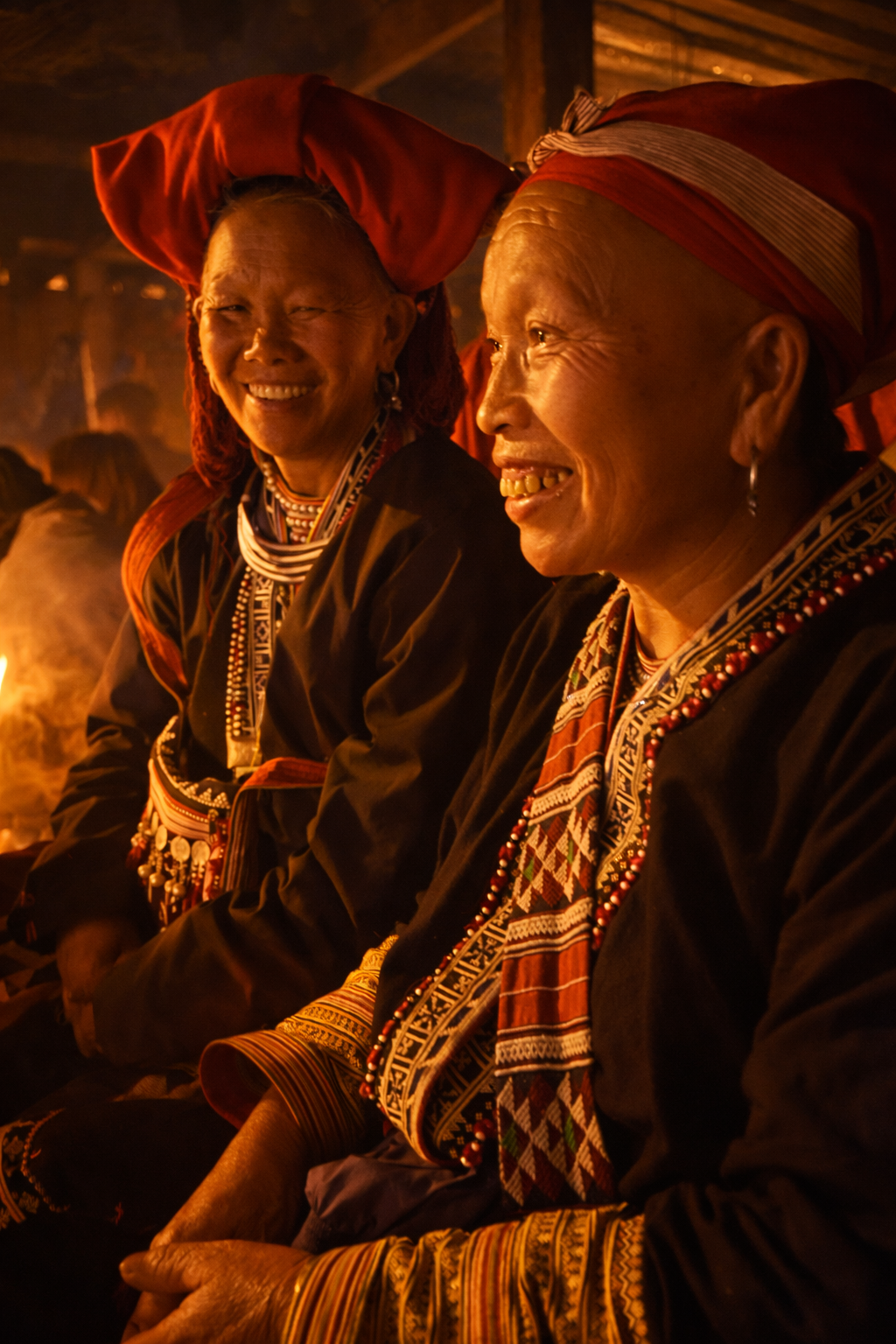
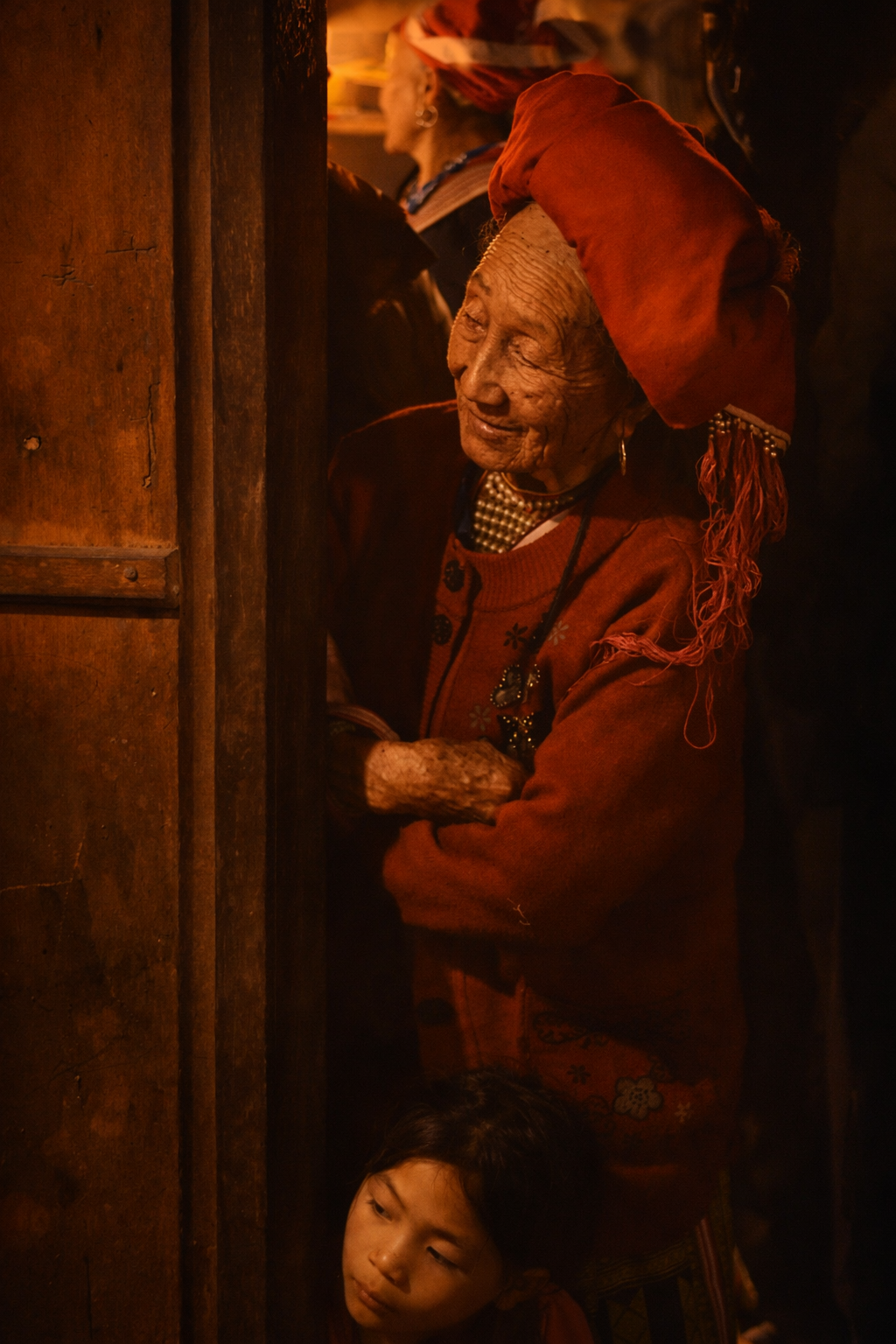
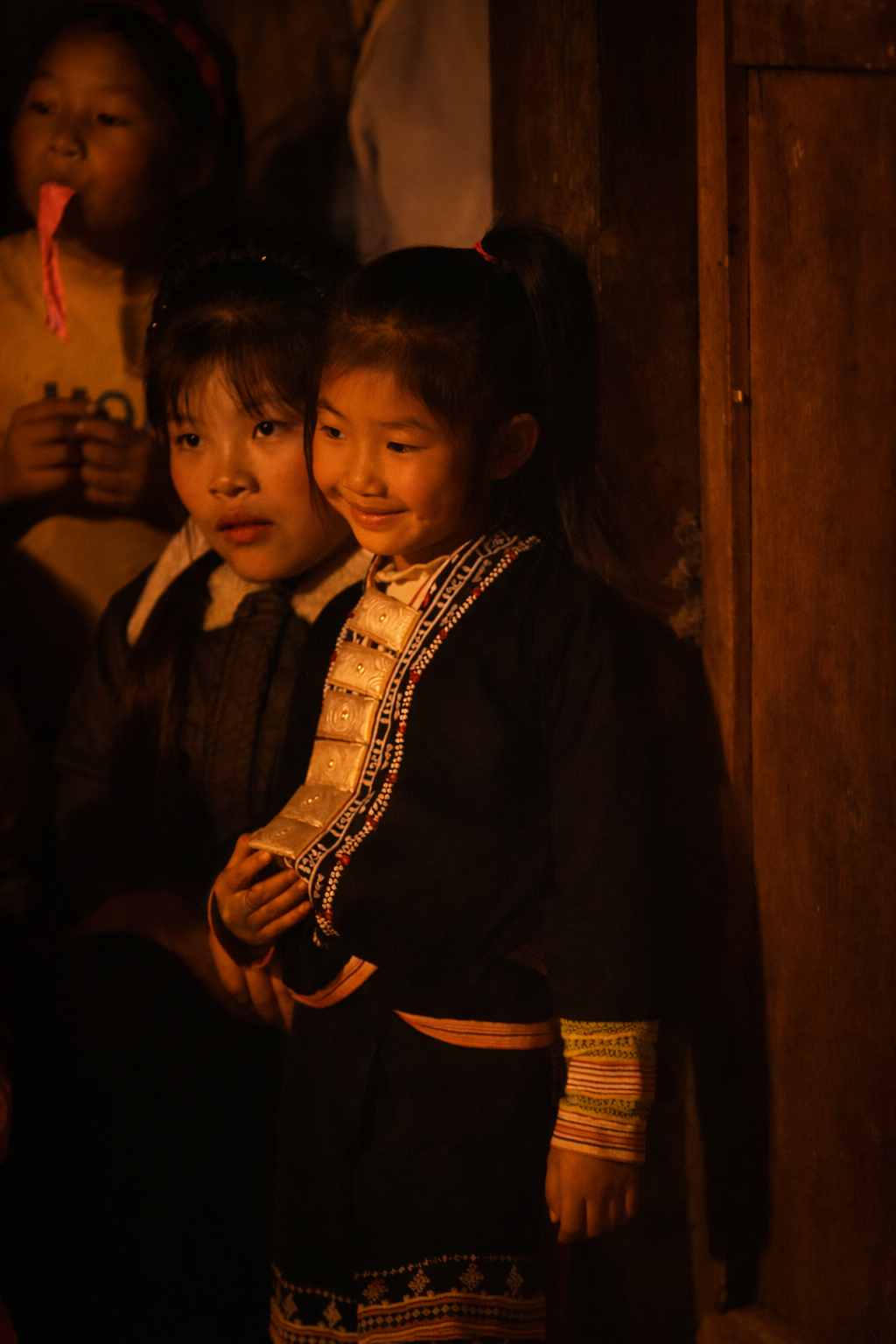
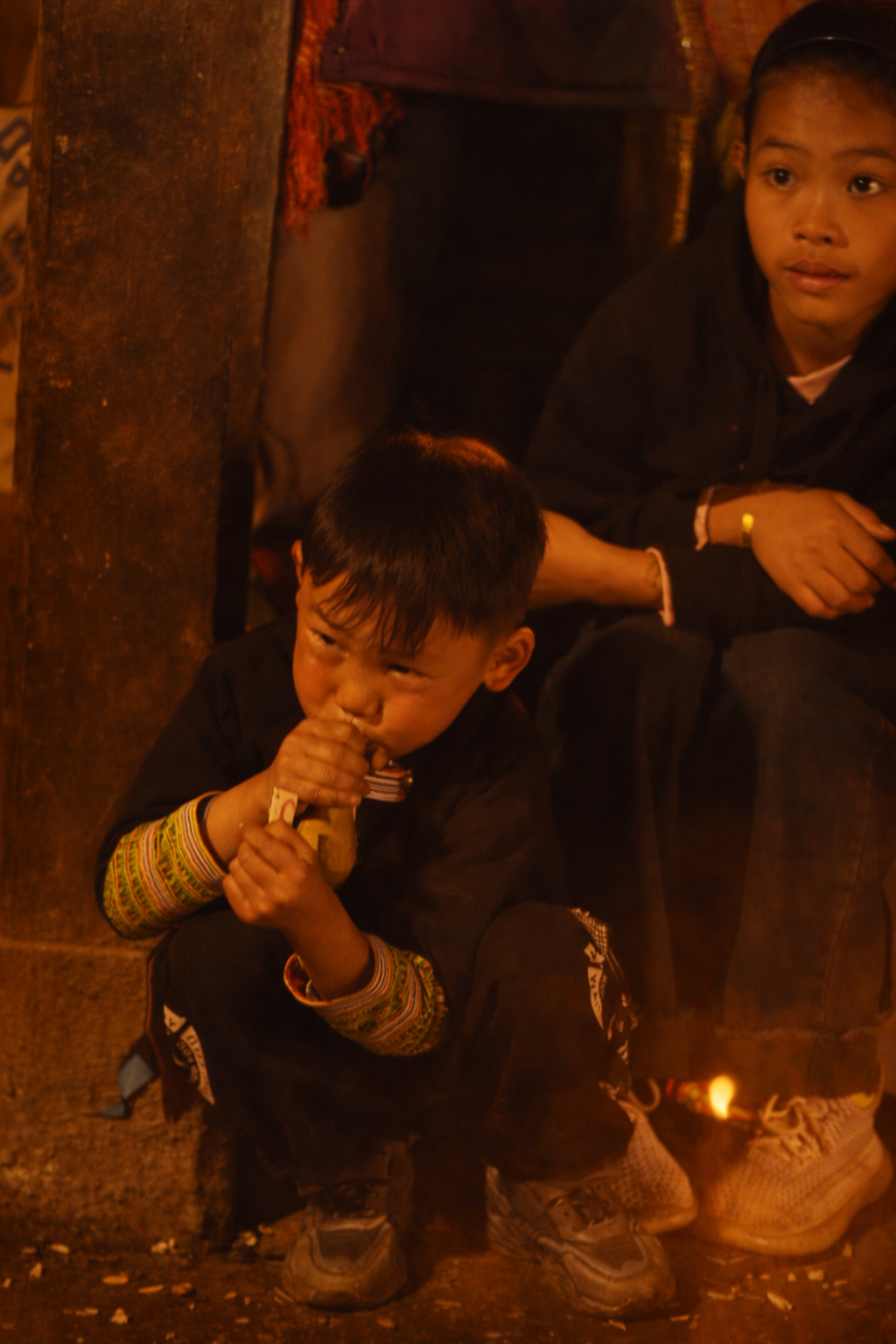
Villagers gather to witness, pray and celebrate. Women, elders and children participate through preparation of offerings and communal feasting. The ceremony belongs to the whole village, not just the dancers.
The Ritual Process
The Pu Tong ceremony follows a structured spiritual sequence:
Preparation of the fire. A large fire is built and allowed to burn down into a bed of glowing coals.
Invocation. The shaman calls on ancestors and spirits through chanting and ritual offerings.
Trance induction. Drumming, movement and prayer help participants enter a spiritual state.
Fire dancing. Men step barefoot onto the coals, dancing and kicking embers in symbolic acts of strength and purification.
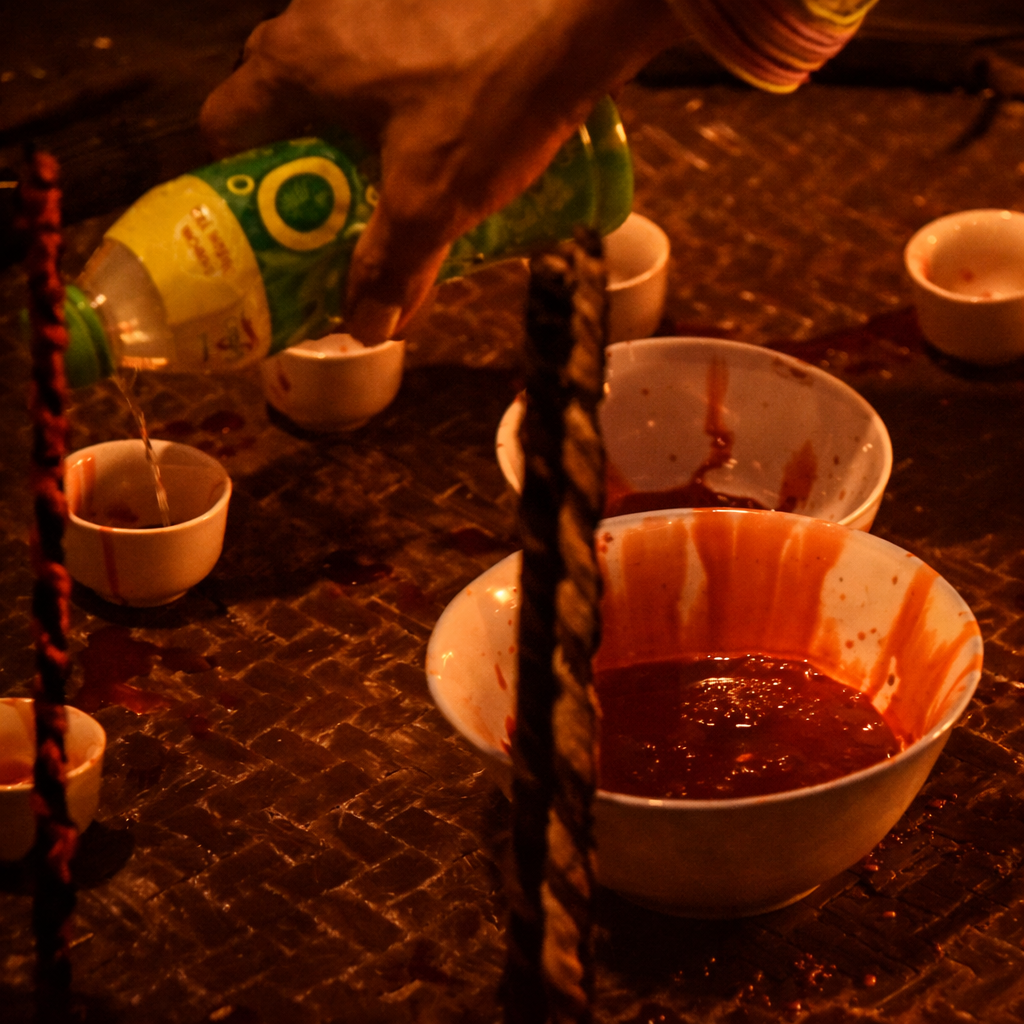
Sacrifice and offering. After the dancing and the throwing of embers, six cockerels are sacrificed as offerings of gratitude and protection. This act symbolises respect to the spirits and marks the successful completion of the ritual.
Blessing. The ritual concludes with prayers for prosperity, health and protection in the coming year.
Each stage holds deep symbolic meaning, reinforcing the relationship between the human world and the spirit realm.
Why Pu Tong Is So Significant
The Pu Tong festival remains one of the most important cultural and spiritual traditions of the Red Dao for several reasons.
A Link to Ancestors
The ritual is believed to honour and invite the presence of ancestors, who are central to Red Dao spiritual life. Through Pu Tong, the living show respect and seek guidance for the year ahead.
Protection for the Community
At the start of a new year, villagers ask for protection from illness, bad luck and natural hardship. The fire ritual acts as a spiritual safeguard.
Cultural Identity and Continuity
In a rapidly changing world, Pu Tong helps preserve Red Dao traditions. It strengthens identity, passes knowledge between generations and reaffirms shared beliefs.
A Test of Spiritual Power
The ability to walk across fire is seen as a visible sign of spiritual connection. It reinforces faith and trust in traditional practices.
Pu Tong in the Modern Era
Today, the fire dancing festival sometimes attracts visitors to Sapa who come to witness its intensity and beauty. While tourism has brought attention to the ceremony, many villages maintain its sacred nature and perform it primarily for spiritual reasons rather than for display.
For the Red Dao, Pu Tong is not a spectacle. It is a living ritual. It is a moment when the boundaries between the human and spirit worlds feel closest.
A Ceremony of Renewal and Strength
At its heart, Pu Tong is about beginning the new year with courage, unity and spiritual protection. The sight of dancers moving confidently across fire symbolises resilience in the face of hardship and trust in ancestral guidance.
For the Red Dao people, the ritual is a powerful reminder. The community stands strong, protected by its traditions, its spirits and its shared belief in renewal.