
Cats, Dogs and a Very Practical Friendship in Sapa.
Not Quite Pets, Not Quite Livestock.
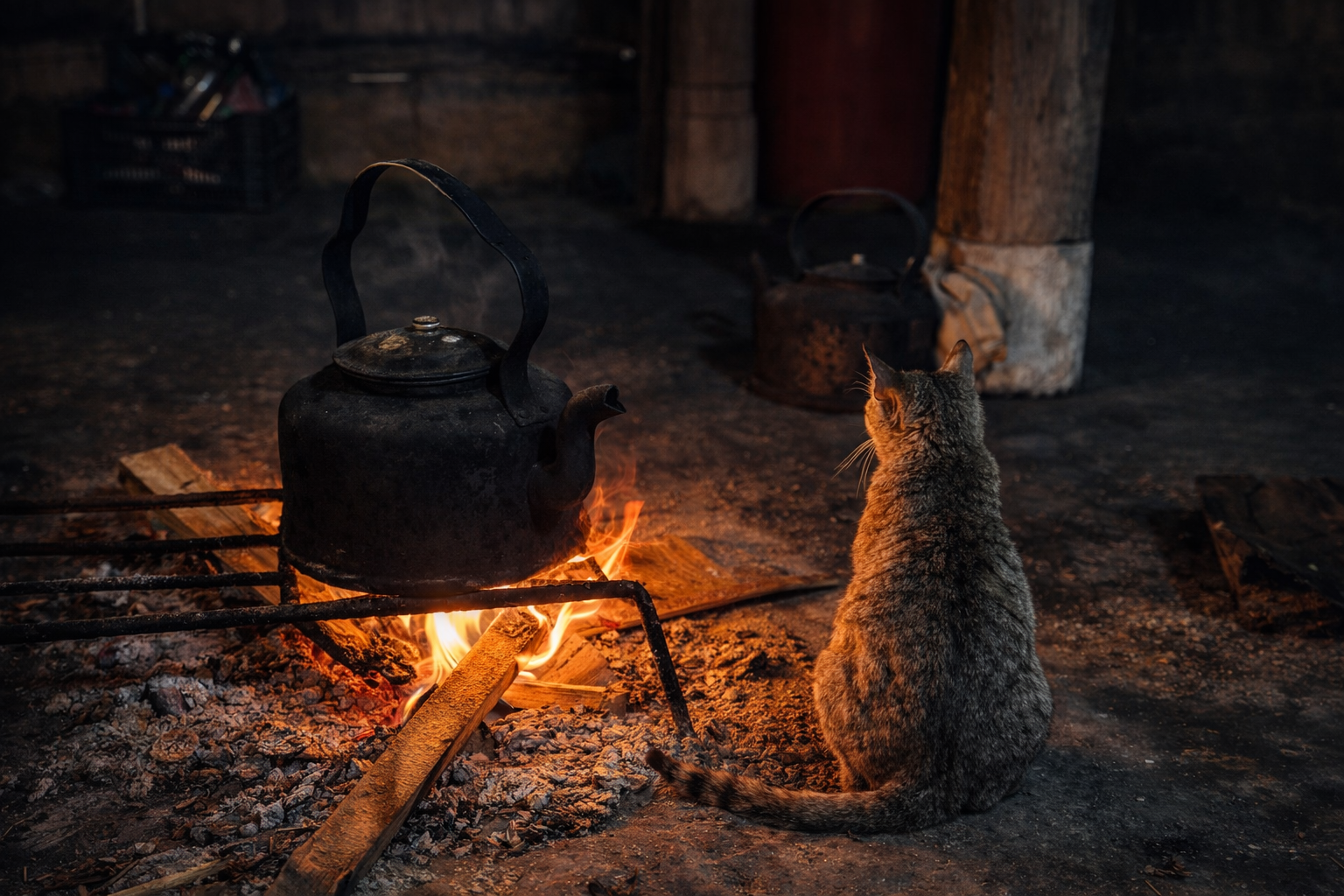
If you spend time in Hmong villages around Sapa, you will notice something interesting about the cats and dogs wandering through courtyards and along dusty paths. They are everywhere, but they are rarely treated like the pampered pets many visitors are used to seeing at home.
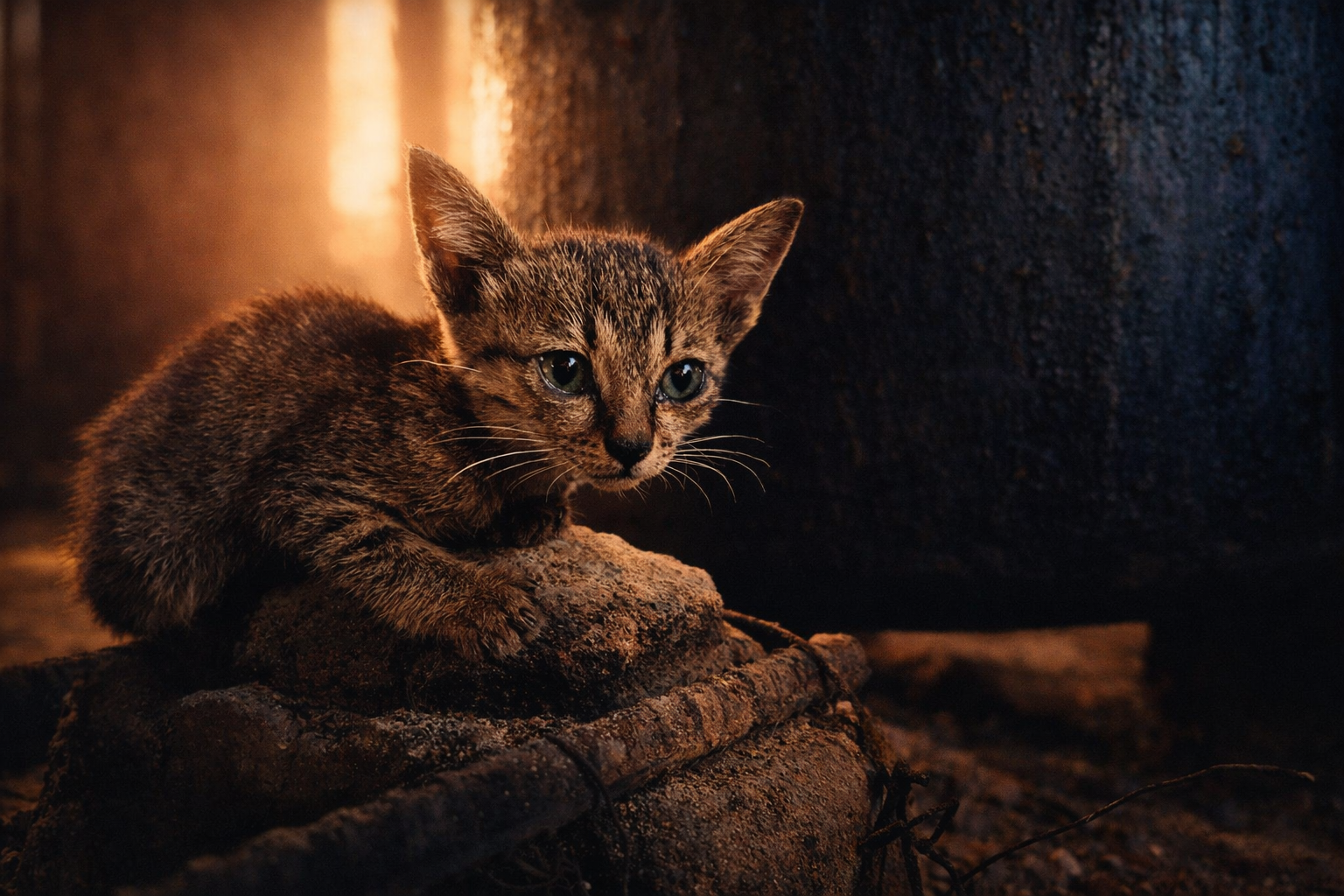
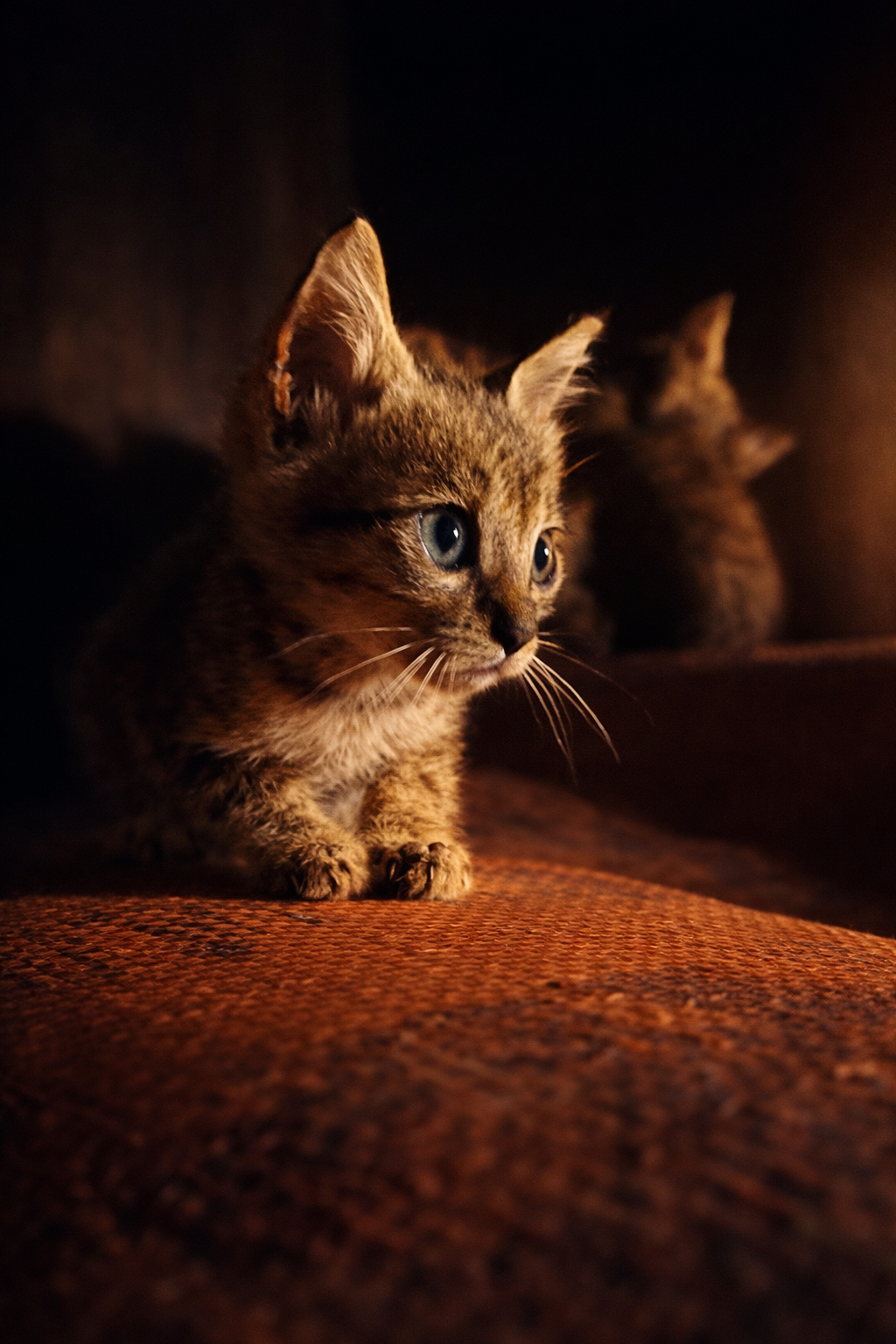
Dogs guard houses, accompany people along mountain trails, and warn families about strangers or wild animals. Cats patrol kitchens and storage spaces, quietly keeping rats and mice away from precious grain supplies. They live alongside people, but usually outside the house, and affection is expressed through care and provision rather than cuddles.
In many households, animals are simply called what they are. A cat is called cat. A dog is called dog. The relationship is respectful and practical, shaped by generations of mountain life where every member of the household, human or animal, has a job to do.
If you’d like to see this way of life for yourself, you’re always welcome to join us for a quiet walk through the villages, where these relationships unfold naturally, step by step.
The Mountain Dogs of Northern Vietnam.
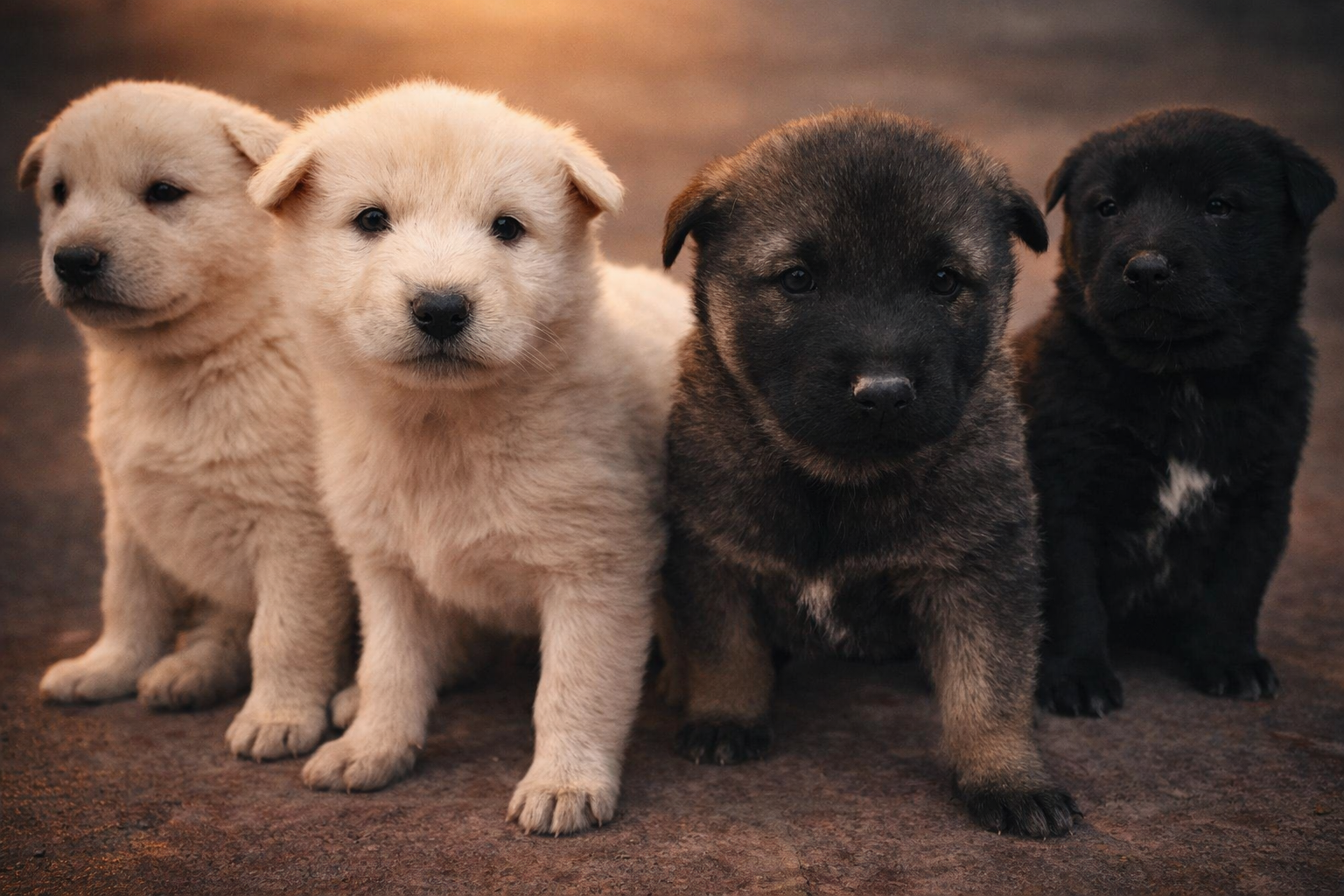
While many village dogs are mixed breeds that have adapted naturally to the mountains, two distinct breeds are strongly associated with Hmong communities in northern Vietnam. These are the Hmong Dog and the Bac Ha Dog.
The Hmong Dog, sometimes called the Hmong bobtail dog, is a sturdy mountain breed known for its naturally short or stubby tail. These dogs tend to have muscular bodies, thick coats, strong legs, and a broad head that gives them a serious and alert expression. They are highly intelligent and extremely loyal to their owners. Traditionally they were used for hunting in forests and for guarding homes in remote mountain villages. Their strong sense of direction and endurance make them particularly suited to steep terrain and long walks through the hills.
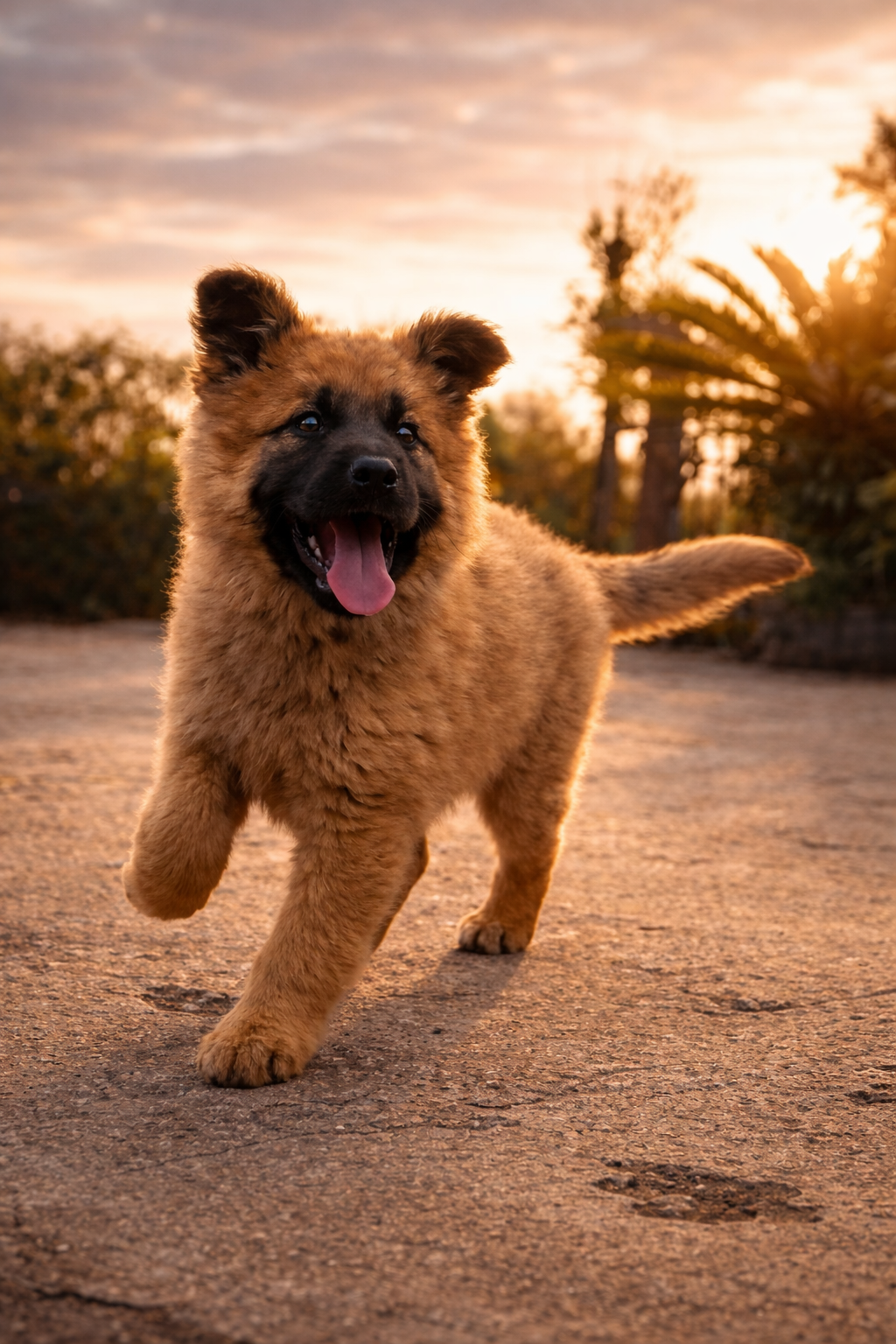
The Bac Ha Dog is another famous breed from the northern highlands around the town of Bac Ha. These dogs are often larger and fluffier than the Hmong Dog. Many have thick, long fur that protects them from the cold mountain climate and bushy tails that curl over their backs. Bac Ha Dogs are known for their courage and strong guarding instincts. Despite their impressive appearance, they are also known to be calm and gentle with their owners.
Both breeds developed in the rugged landscapes of northern Vietnam where resilience, intelligence, and loyalty were essential qualities. For Hmong families living in isolated mountain communities, these dogs have long been dependable partners.
The Hmong Bobtail Dog: A Natural Born Mountain Guard.
The Hmong bobtail dog is one of the most distinctive dog breeds in northern Vietnam. As the name suggests, its most recognisable feature is its naturally short or completely absent tail. This is not the result of docking but a genetic trait that has developed over generations in the mountains.
These dogs are compact, muscular, and built for endurance. They typically have thick coats, strong legs, and a broad, slightly square head that gives them a serious and alert expression. Their appearance reflects their purpose. They are working dogs first and foremost.
Hmong bobtail dogs are known for their intelligence and independence. They are highly loyal to their owners but can be wary of strangers, which makes them excellent guard dogs in remote villages. Traditionally they were also used for hunting, relying on their strong sense of smell and their ability to navigate dense forests and steep terrain.
In many ways, they perfectly reflect the environment they come from. Tough, reliable, and not particularly interested in fuss, they are well suited to life in the mountains where practicality matters more than pampering.
The Bac Ha Dog: The Fluffy Guardian of the Highlands.
The Bac Ha dog is another iconic breed from northern Vietnam, originating from the highland town of Bac Ha not far from Sapa. Compared to the Hmong bobtail dog, the Bac Ha dog has a much more striking and almost majestic appearance.
These dogs are usually larger and covered in thick, fluffy fur that helps them cope with the colder mountain climate. Many are white or light coloured, although other shades can appear, and they often have a distinctive bushy tail that curls over their back. Their thick coat and sturdy build give them a strong, almost lion like presence.
Despite their impressive looks, Bac Ha dogs are not just for show. They are known for their courage and strong protective instincts. Like the Hmong dog, they are used to guard homes and livestock, especially in isolated areas where early warning of danger is essential.
At the same time, they are often described as calm and steady around their owners. This balance of gentleness and strength makes them well suited to village life, where a dog needs to be both a protector and a reliable everyday companion.
Cats and Dogs in Hmong Folktales.
Hmong folklore also gives cats and dogs surprisingly important roles. In fact, when animals appear in traditional Hmong stories, dogs often take centre stage while cats appear less frequently but still play memorable parts.
One folktale tells of a man who owned a magical gourd that could produce food. When rats stole the gourd, his household suddenly faced hunger. A cat and a dog set out together to retrieve it. The dog used its powerful sense of smell to track the thieves while the cat rode along and helped recover the gourd. When the precious object was finally returned, the story explains why cats and dogs have different roles in the household. The cat was rewarded with higher status and allowed to eat meat, while the dog was assigned the job of guarding the house.
Another story tells of a mysterious red eyed dog that helps a young woman find her future husband. Her father gives her the dog and tells her to follow it. Wherever the dog stops and refuses to move will be the home of the man she should marry. The dog ignores wealthy households and leads her instead to a poor orphan. By refusing to leave the orphan’s house, the dog confirms that he is the rightful husband. The tale quietly celebrates the idea that character matters more than wealth.
Stories like these often portray dogs as guides, protectors, and helpers who can cross the boundary between the human world and the unseen world. Cats, meanwhile, are usually tied more closely to the practical world of households and grain stores.
An Old Story About Hunger and Cooperation.
Another popular story explains why cats and dogs chose to live alongside people in the first place.
Many years ago, when the Hmong still lived semi nomadic lives in the mountains, a time of extreme hunger struck both people and animals. Food was scarce everywhere. The Hmong called a meeting and invited the animals to attend.
“We are all hungry,” the Hmong leader said. “We need to work together.”
One by one, the animals began to make their excuses.
“We only need a tiny amount of food,” said the mouse. “We will be fine.” The mouse promptly left.
The monkey spoke next. Monkeys, he explained, were excellent climbers who could reach fruit high in the tallest trees. “We do not need help.” And off he went. The tiger looked around the room and shrugged. “You are all our food.” With that cheerful observation, the tiger also left. The birds flapped their wings and announced they could simply fly away and find food elsewhere. Then they disappeared into the sky. Slowly the room emptied until only two animals remained. Cats and dogs.
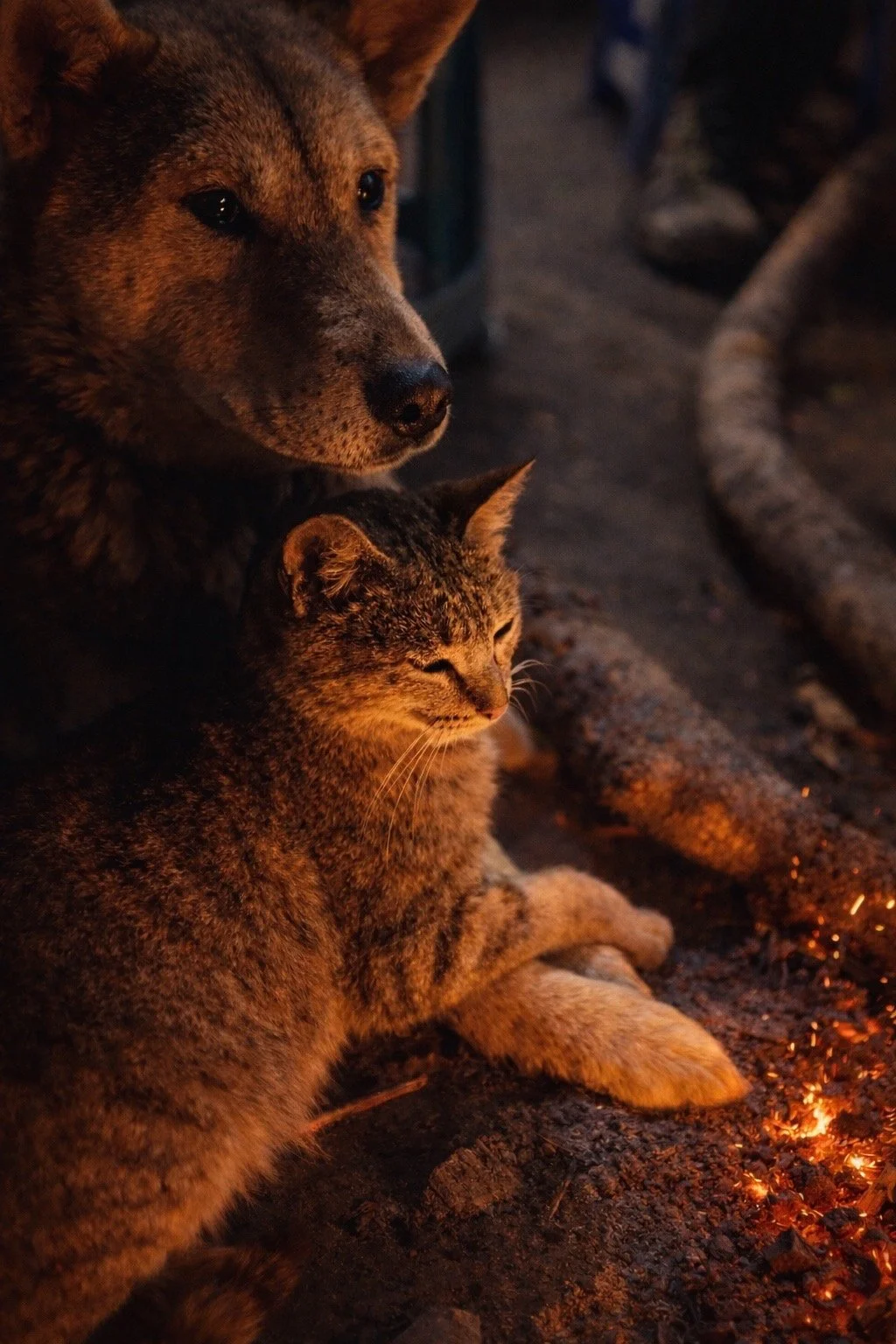
They agreed to work alongside people in a symbiotic way. Humans would provide them with food or shelter. In return, the cats would keep rats and mice from ravaging the grain stores, while dogs would guard homes and keep dangerous animals at bay.
A Partnership That Still Exists Today.
The folktales and the reality of village life line up rather neatly.
Cats and dogs are respected and provided for because they contribute to the household. They are not usually petted, named, or treated like family members in the Western sense. Instead they are valued partners who help keep homes safe, protect food supplies, and make village life run a little more smoothly.
It may not look like the typical idea of pet ownership. But in the mountains of northern Vietnam, it is a practical partnership that has lasted for generations.
