
Sapa offers a wide spectrum of experiences. Some are simple, accessible, and designed for independent travellers. Others take you deep into landscapes and cultures that cannot be reached, or understood, without local knowledge.
It is important to be clear. A guide is not always necessary, but in certain situations, a guide is essential, both legally and practically. Understanding the difference will shape your entire experience. If you are planning your time in the mountains, take a moment to consider not just where you go, but how you go. The choices you make here matter.
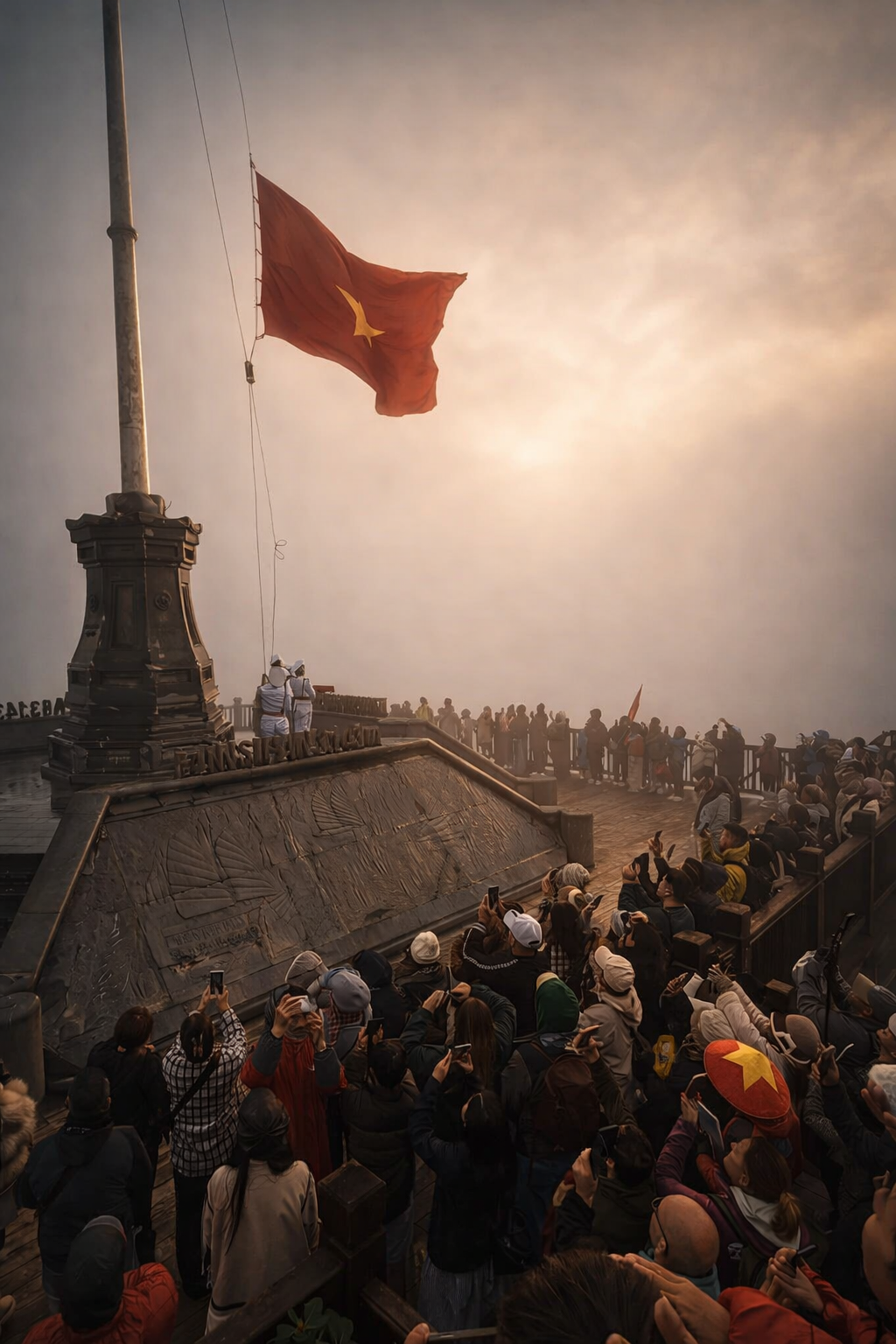
Crowds on the summit of Mt Fansipan
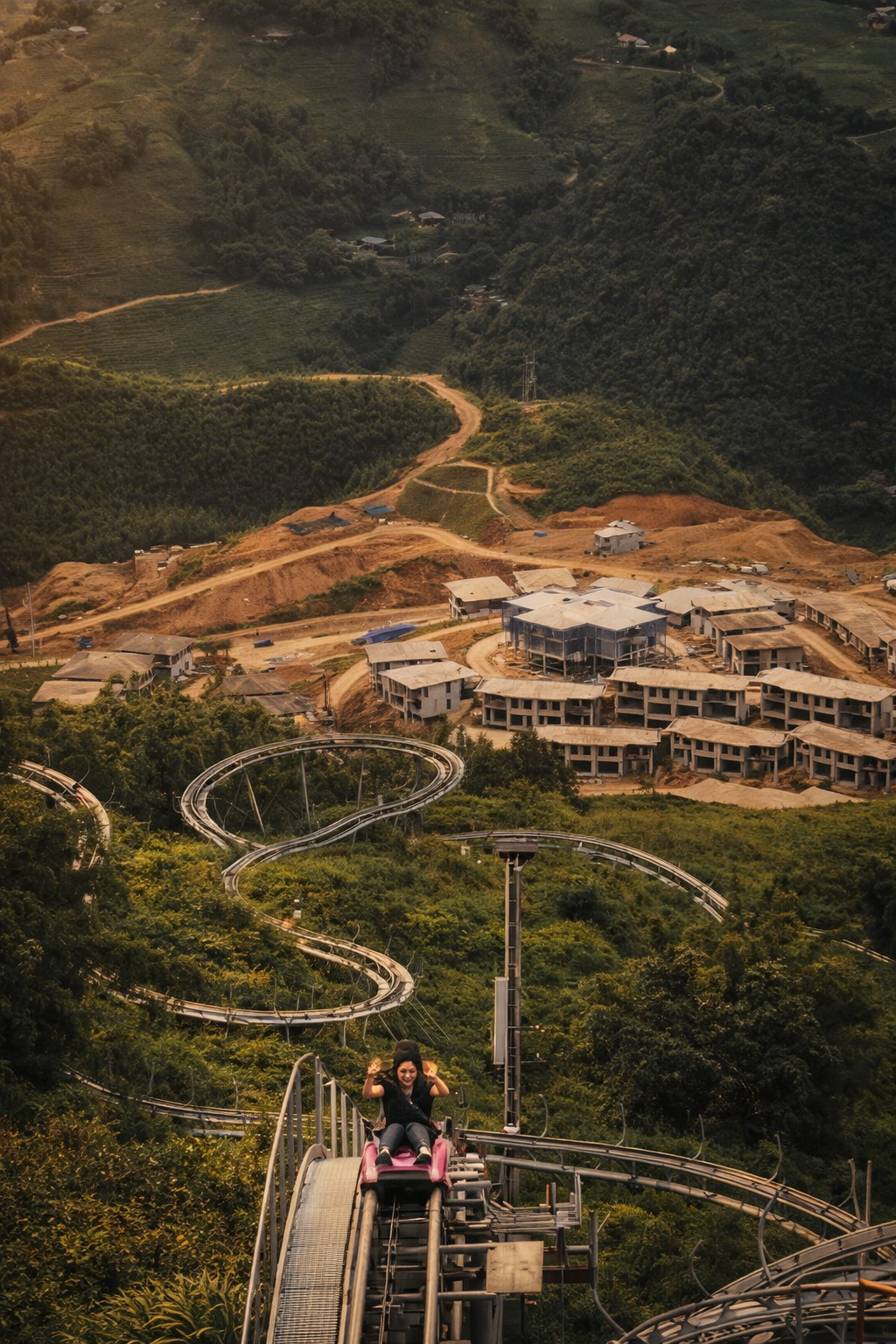
Construction around the Apine Coaster, Sapa.
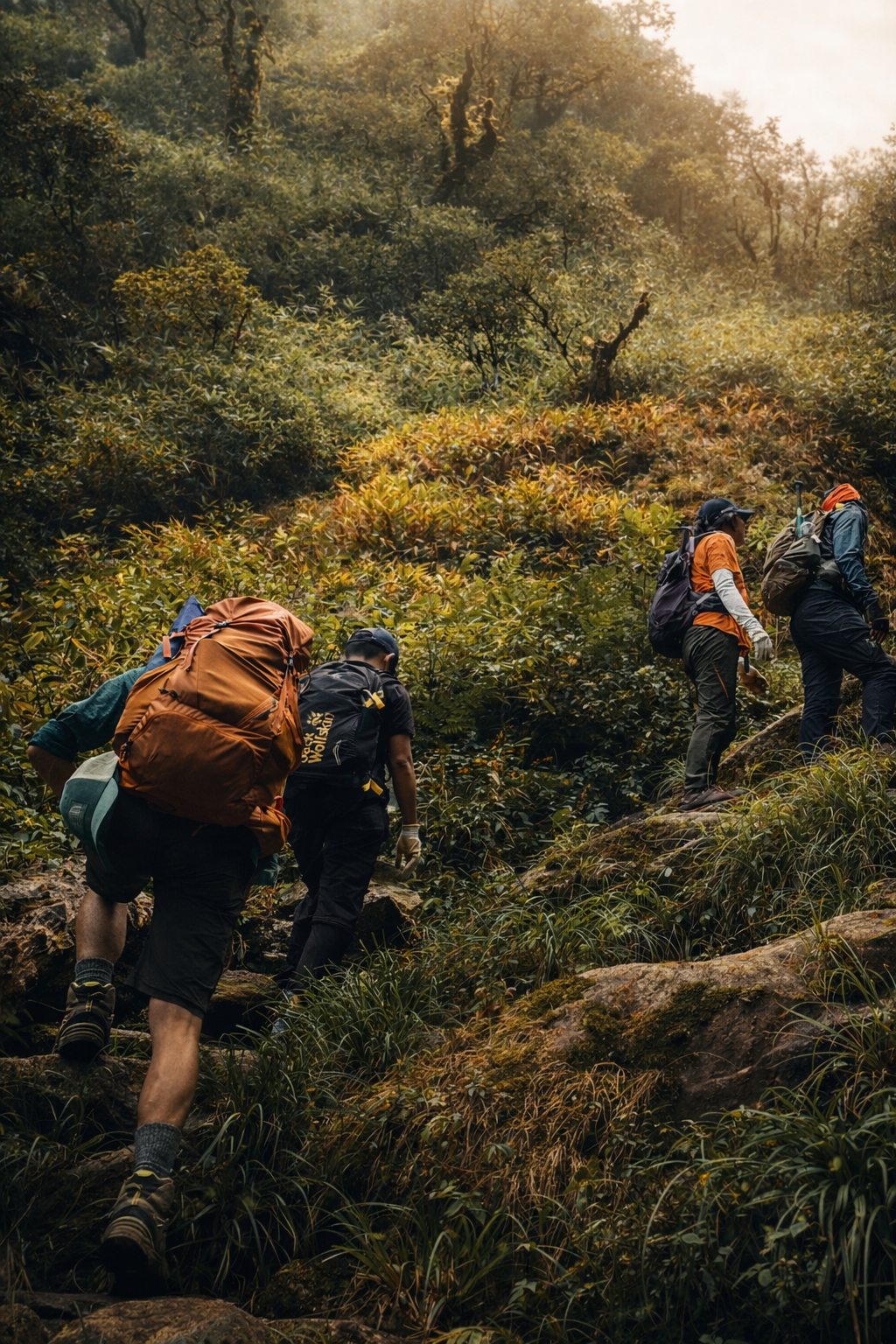
Trekkers ascending Mount Fansipan
When You Do Not Need a Guide
There are many attractions in Sapa that are straightforward to visit independently. These places are well developed, clearly signposted, and easy to access.
Mount Fansipan via cable car is one of them. From Sapa town, a short train connects to the cable car station with frequent departures. Tickets can be purchased online through Sun World Fansipan Legend or in person. Signage is clear in both English and Vietnamese. At the summit, paths are marked and facilities are readily available. You do not need a guide for this experience. Travelling independently gives you flexibility to choose the right weather window. Waiting for a clear day often makes the difference between a fleeting visit and a memorable one.
The same applies to Cat Cat Village, Moana, the Glass Bridge, and the alpine coaster. These are modern attractions that are easy to reach and simple to navigate. A guide adds no real value here.
If you are questioning whether these places are worth your time, we invite you to explore this reflection on modern travel and the search for something more meaningful:
https://www.ethosspirit.com/blog/sapa-and-the-performance-of-travel-are-we-still-exploring-or-just-reproducing-the-same-photograph
Likewise, Love Waterfall and herbal baths can be visited independently. Tickets are clear, paths are marked, and routes are straightforward. If you feel drawn to quieter spaces, places where you can slow down and experience Sapa more deeply, you might find inspiration here:
https://www.ethosspirit.com/blog/top-10-offbeat-things-to-do-in-sapa-sustainable-adventures-youll-never-forget
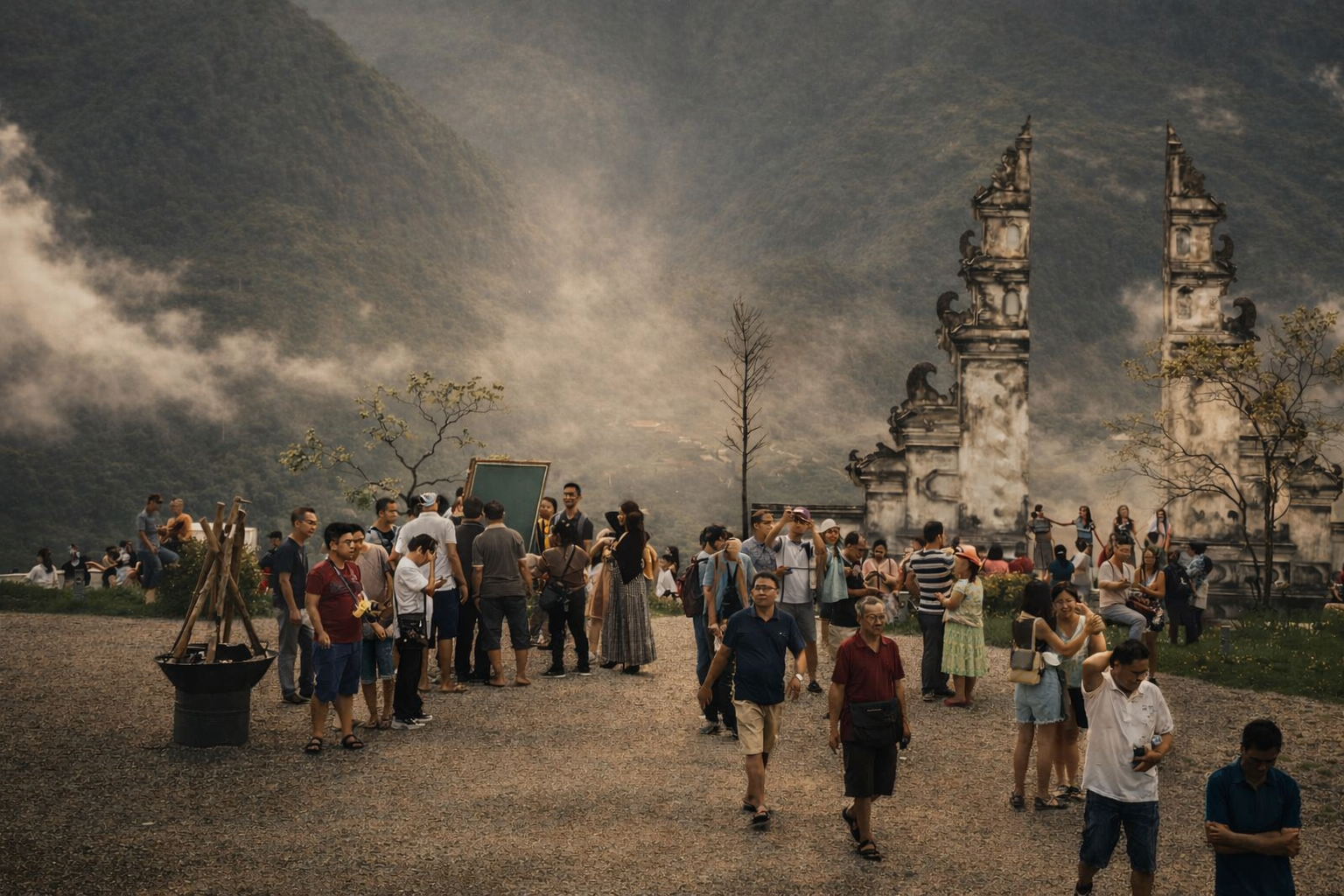
Queues of travellers waiting for a selfie at Moana
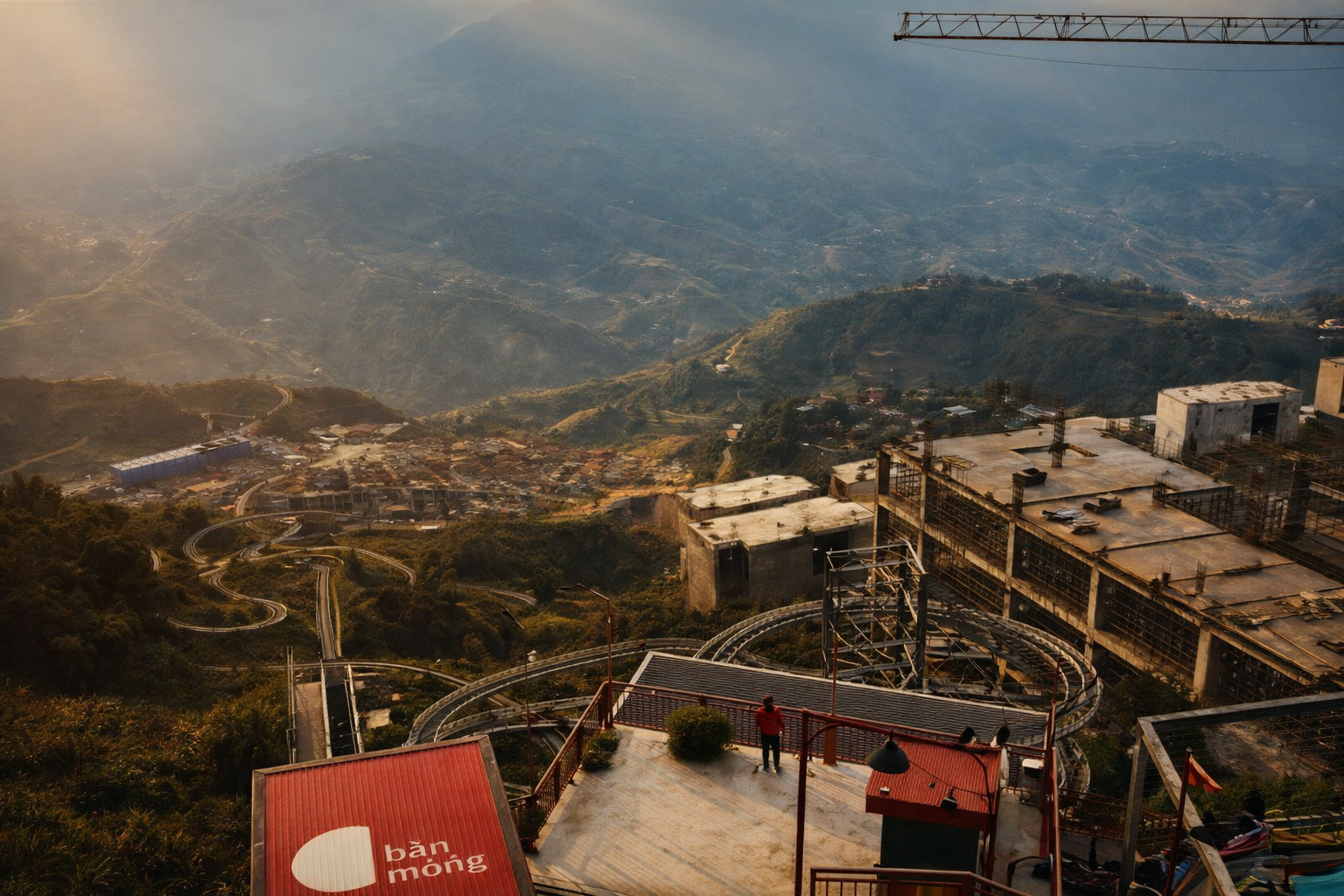
The Sapa Alpine Coaster
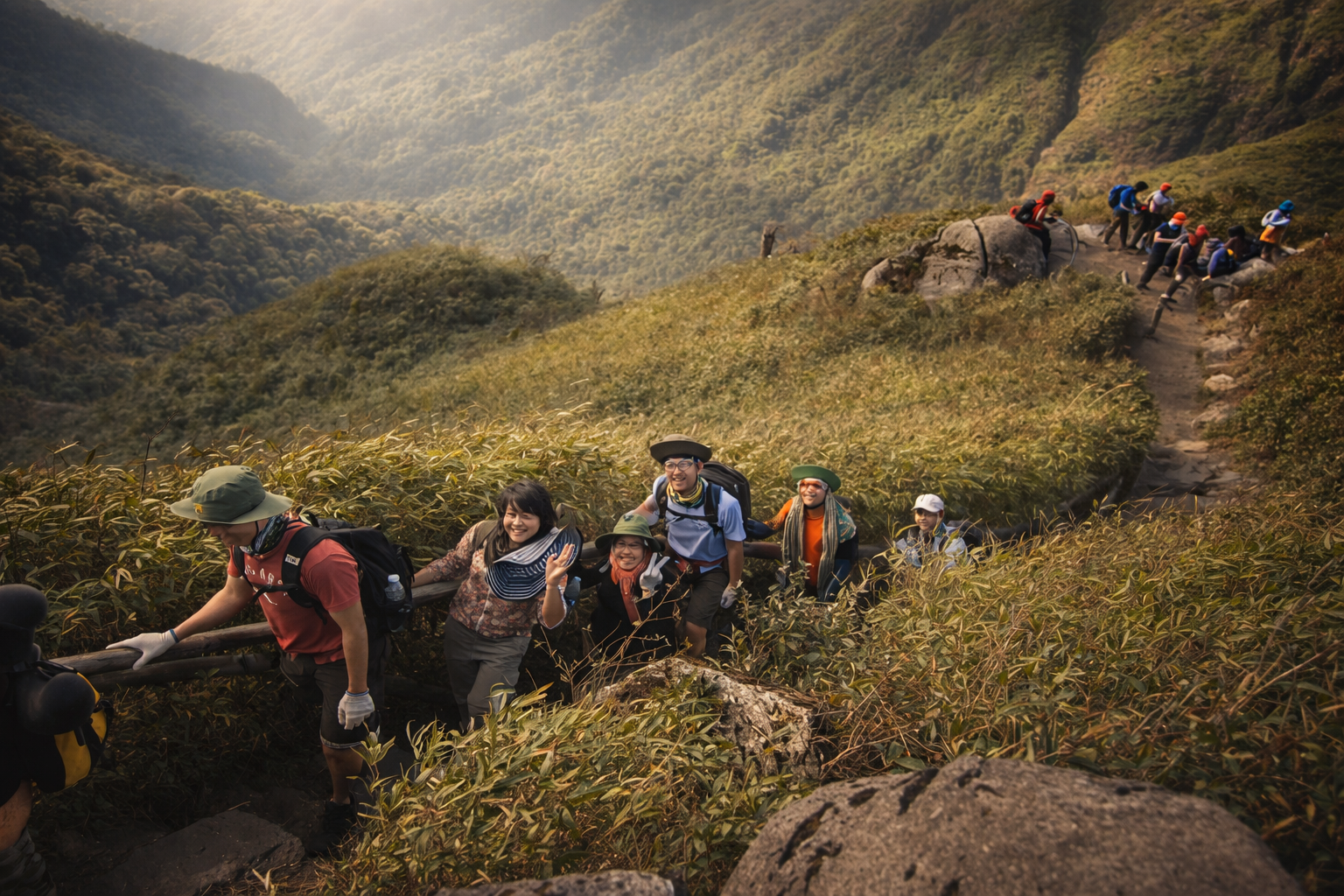
Trekkers acending Fansipan
What Is Legal: Understanding the Rules
Vietnam has clear laws regarding guiding. Anyone leading international travellers must hold a valid tour guide licence or operate under a company with an Inbound Tour Operator licence. If this is not in place, the activity is illegal and almost certainly uninsured. Many freelance guides currently operate outside of this legal framework. While they may be experienced, booking with them carries risk for you and your group. Always ask for a guide’s licence number and the company they are working with. A legitimate guide will be able to provide this clearly. Choosing a licensed, responsible operator is not just about compliance. It is about supporting a system that protects both travellers and local communities.
When a Guide Is Required by Law
Trekking Mount Fansipan is not the same as visiting by cable car. If you intend to climb the mountain on foot, a registered guide is required by national park regulations. Rangers patrol and check compliance. Trekking Fansipan alone is illegal. If you are considering this route, take the time to do it properly. It is a serious undertaking, and one that deserves preparation and respect.
When a Guide Is Essential for Safety
The longer trekking routes on Mount Fansipan must not be underestimated. They are remote, poorly marked, and highly exposed to sudden changes in weather. Several travellers who set out with confidence have become disoriented when conditions shifted. Fog can close in quickly. Trails disappear. What felt manageable can become dangerous within hours. Aiden Webb, Tom Scott, and Jamie Taggart each began their journeys believing they were prepared. Their stories are a reminder of how unforgiving this landscape can be. We share this with care and respect. These were not reckless decisions, but human ones. The mountains simply demand more than they appear to. Choosing to walk with a qualified guide is not a limitation. It is a way of travelling with awareness, and with respect for the land you are entering.
When a Guide Transforms the Experience
There is another reason to walk with a guide, and it has nothing to do with rules. The most meaningful experiences in Sapa happen away from roads and marked paths. They unfold in places that do not appear on maps. A local guide does more than lead the way. They open a door.
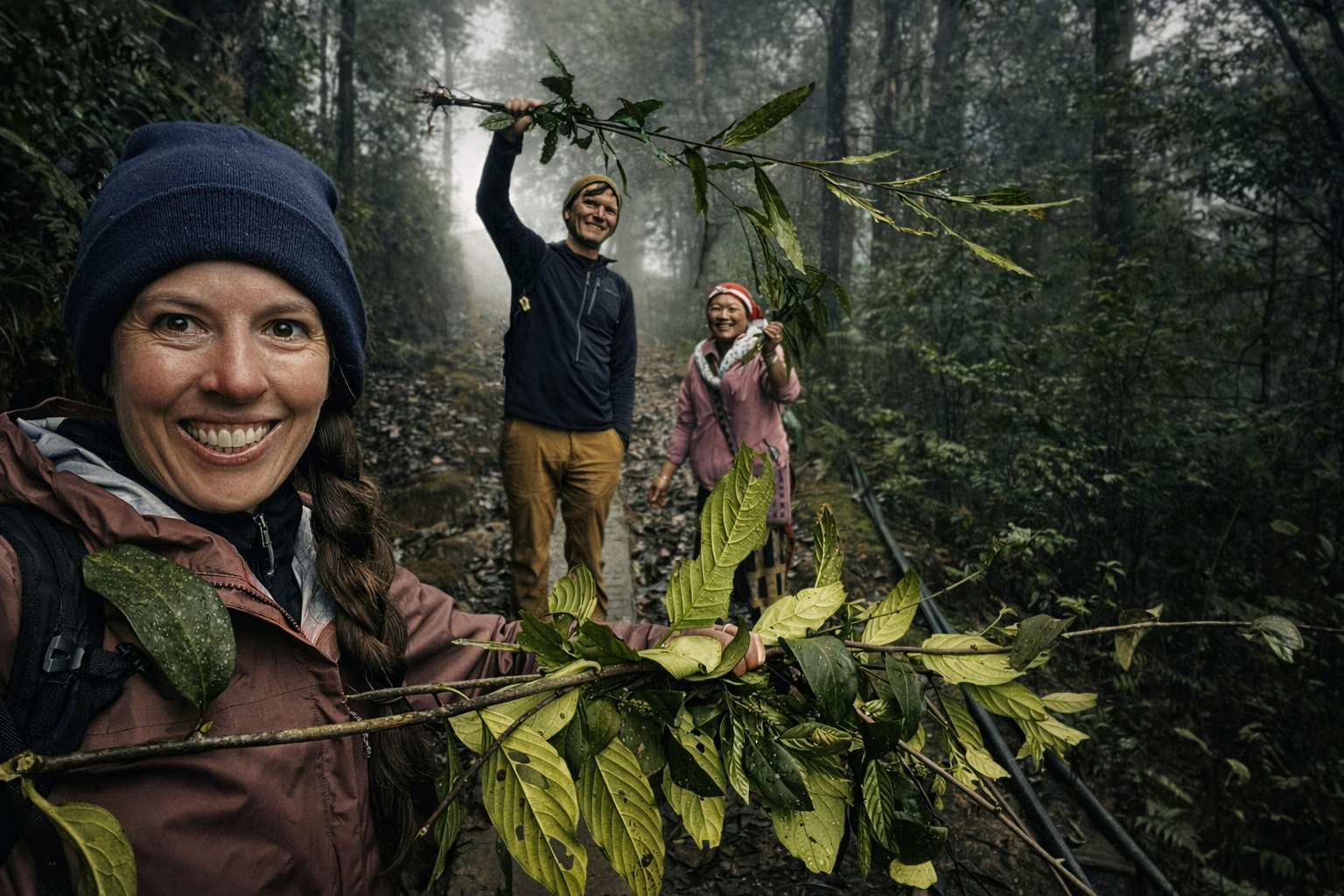
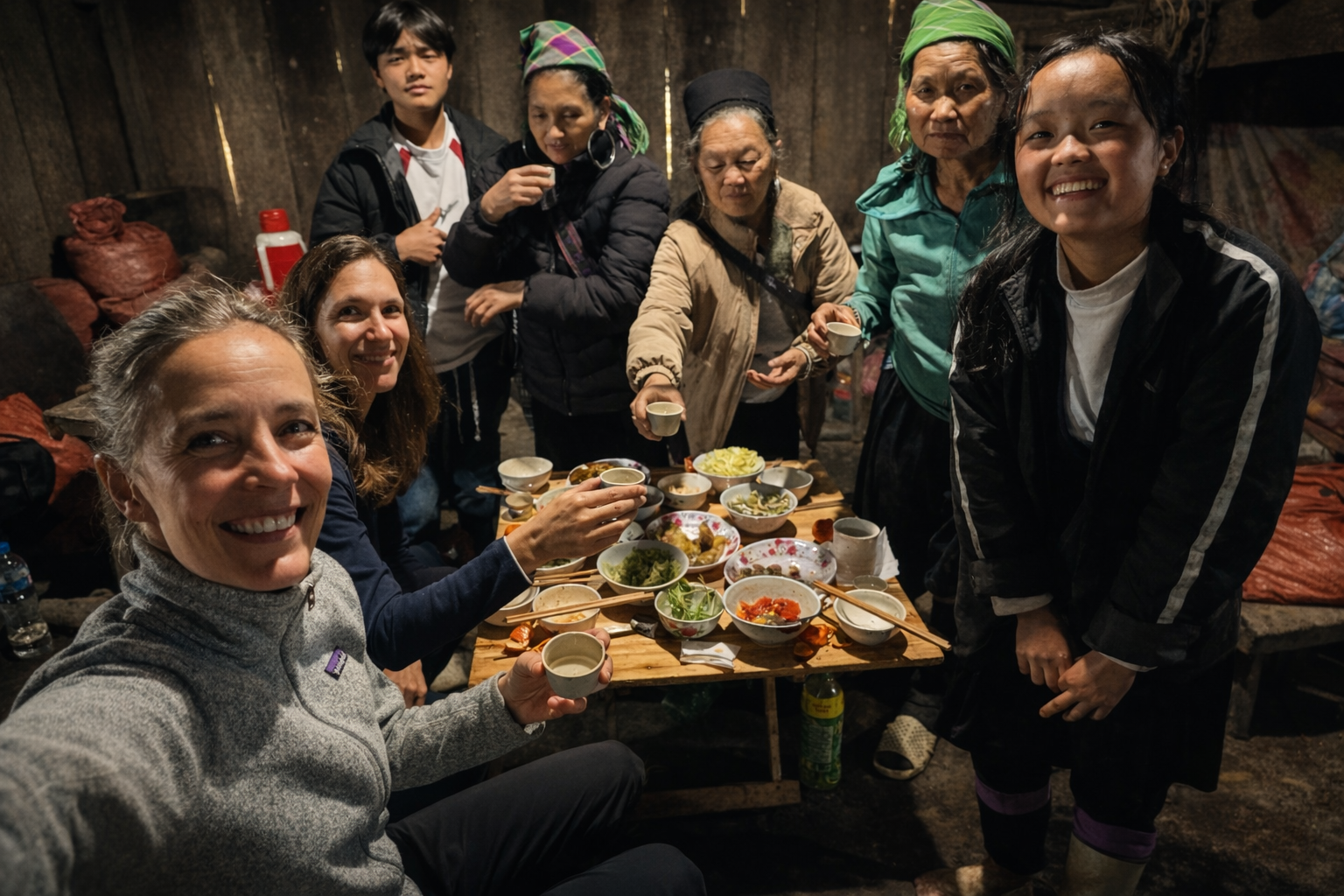
You learn how crops are grown and harvested. You see how textiles are made. You are invited into homes, into kitchens, into conversations that would never happen otherwise. You can forage, cook, and share meals together. You begin to understand the rhythm of life in the mountains.
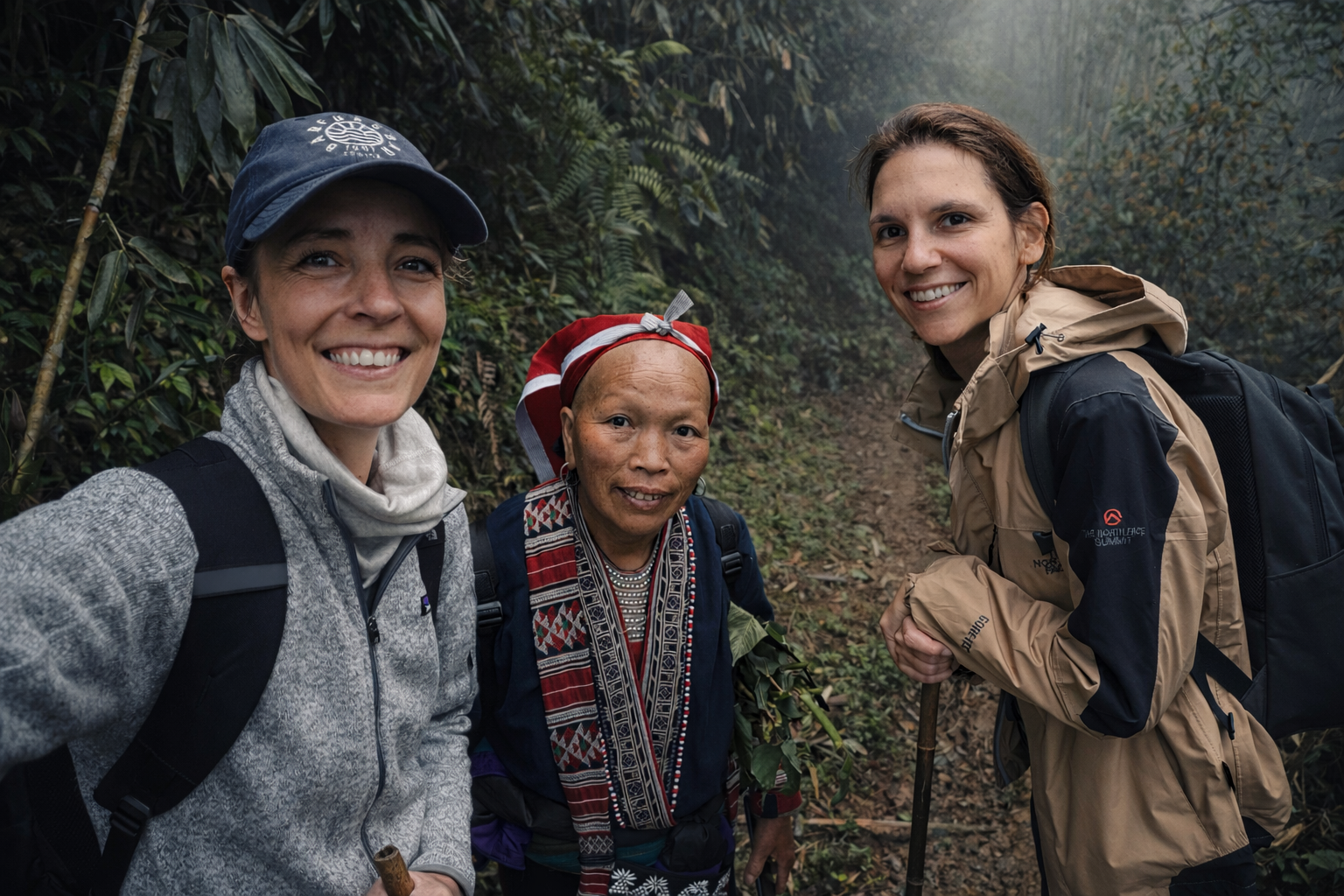
For Sapa, it is also important to understand what we mean by local. Guides from ethnic minority communities such as Hmong and Dao have grown up in these landscapes. They understand the mountains, forests, and cultural rhythms in a way that cannot be learned elsewhere.
Booking a tour through a city-based operator and walking along busy roads with a guide from Hanoi will rarely offer meaningful insight into life here. The depth of knowledge, the stories, and the lived experience are different.
The best guides in Sapa are those who belong to this place. They know the trails intimately, but more importantly, they carry the knowledge, traditions, and everyday realities of the communities you have come to visit.
If this is the kind of travel you are seeking, we invite you to explore how we work alongside our partners here:
https://www.ethosspirit.com/blog/ethical-trekking-in-sapa-travel-with-purpose
Without this, Sapa can feel repetitive. With it, Sapa often becomes the most memorable part of a journey through Vietnam.
A Clear Summary
You do not need a guide for everyday attractions; Moana, Sapa Swing, Sunworld Fansipan, The Love Waterfall, The Silver Waterfall, and some clearly marked walks.
You must have a guide for trekking Mount Fansipan on foot.
You should have a local Hmong or Dao guide for any off trail trekking, remote routes, or meaningful cultural experiences.
Travel With Clarity
Go independently where it makes sense. Keep your plans flexible, but if you feel the pull to explore further, beyond the road and into the landscapes and lives that define this region, take the time to do it well.
Walk with someone qualified. Walk with someone local. Walk with intention.
