
A Festival of Renewal in the Mountains of Sapa
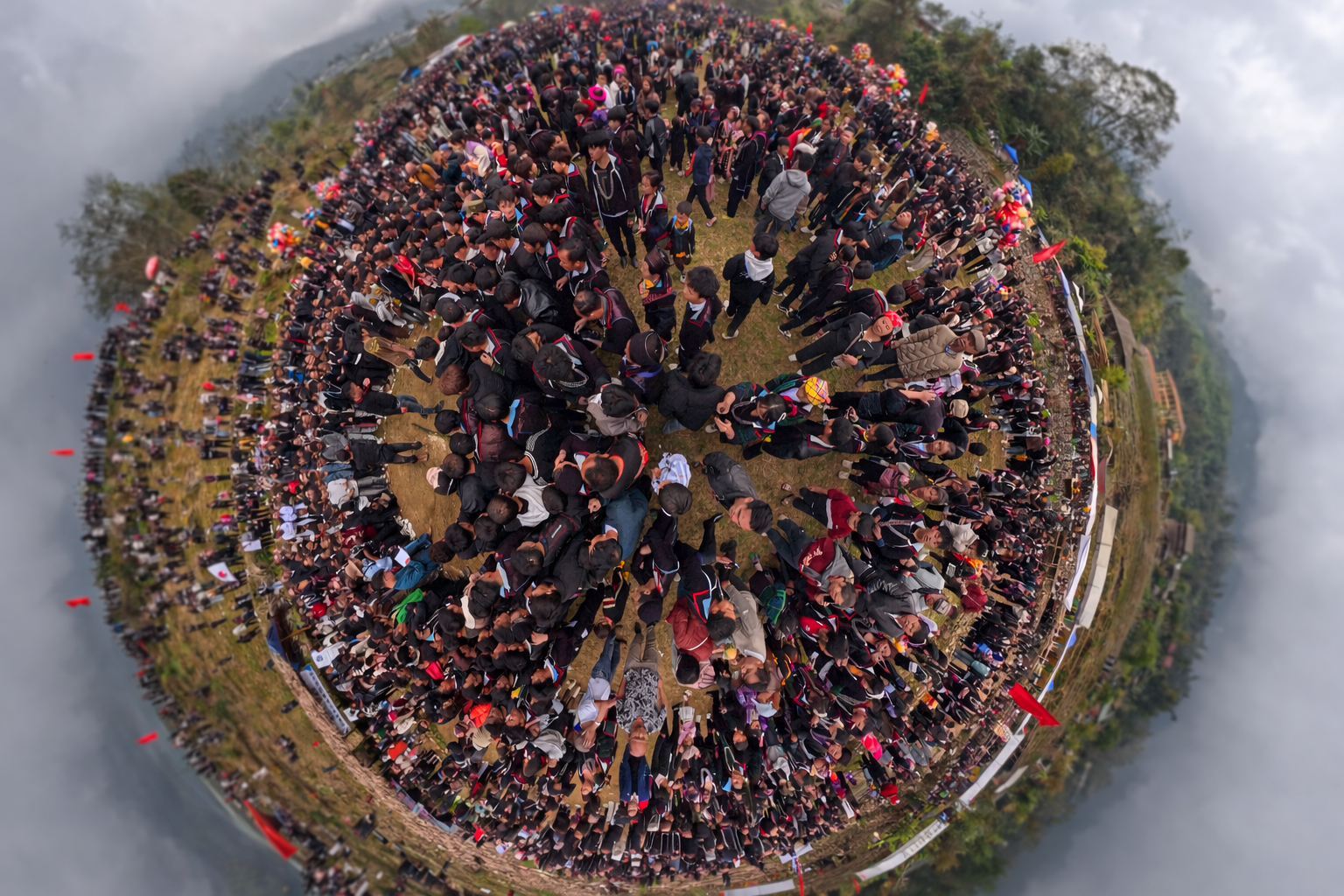
In the highland village of Tả Van, nestled among the terraced rice fields of Sapa, northern Vietnam, the Roóng Poọc Festival marks an important turning point in the local calendar. Celebrated by the Giáy and Hmong communities, the festival traditionally signals the end of Tet, the Vietnamese Lunar New Year, and the beginning of a new agricultural cycle. It is both a spiritual observance and a communal celebration, rooted in generations of cultural tradition.
Roóng Poọc takes place on the Dragon Day of the first lunar month, a date believed to carry powerful symbolic meaning. For villagers whose livelihoods depend closely on the rhythms of nature, this moment represents a renewal of harmony between people, land, and the unseen spiritual world. Families gather in the village fields to pray for prosperity, good health, and fertile harvests in the coming year.
The festival is a living tradition that reinforces community bonds and expresses the agricultural knowledge and spiritual beliefs that have shaped life in these mountains for centuries.
Sacred Rituals and the Raising of the Cây Nêu
The most important part of the Roóng Poọc Festival is the sequence of sacred rituals conducted early in the day. Village elders and ritual specialists oversee the ceremonies, ensuring that each step follows tradition and honours ancestral customs.
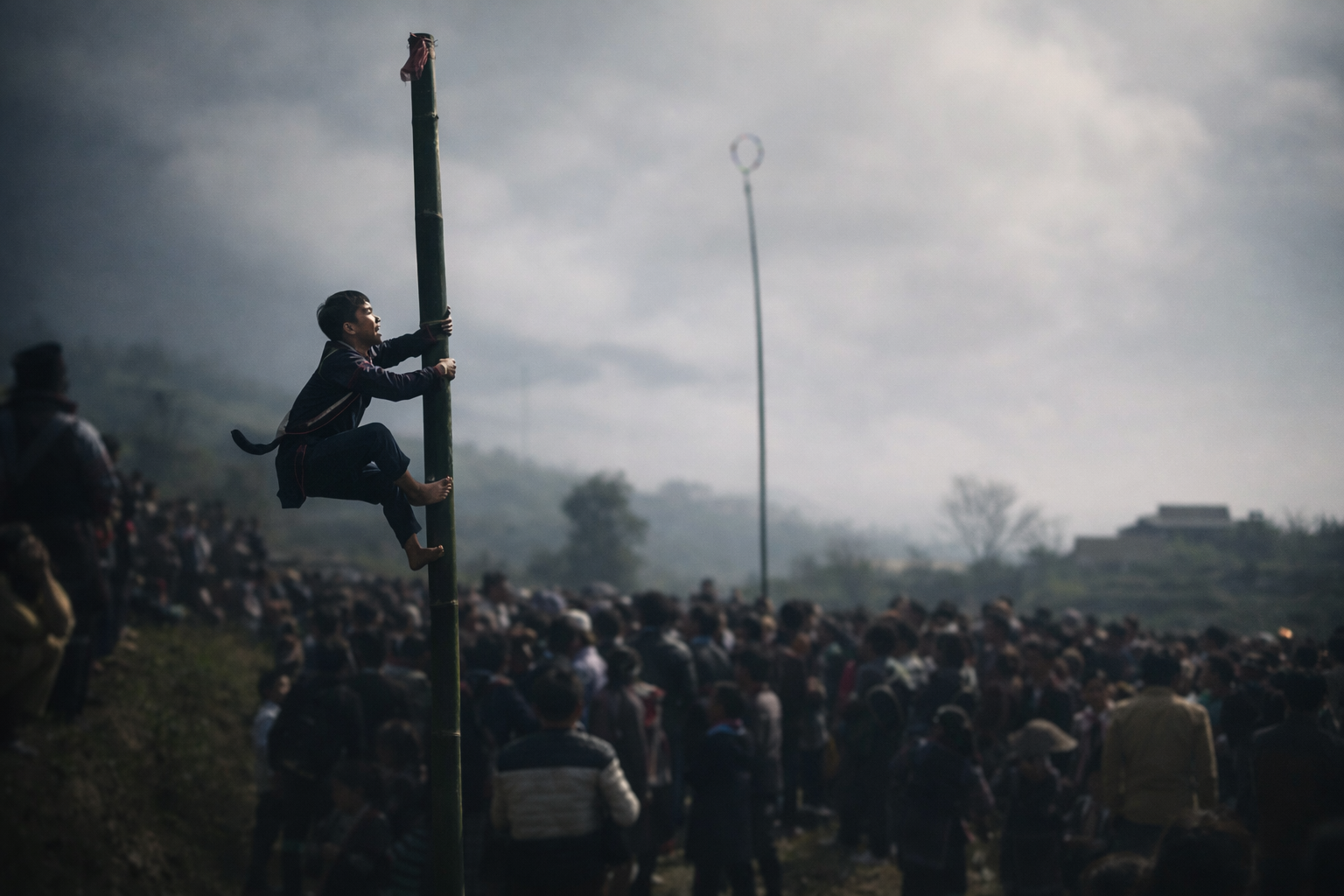
At the centre of the ritual space stands a tall ceremonial bamboo pole known as the cây nêu. Before it can be raised, a divination ritual is performed to seek approval from the spiritual realm. The ritual leader consults symbolic objects and chants traditional prayers, asking whether the spirits will bless the coming year with favourable weather and successful crops.
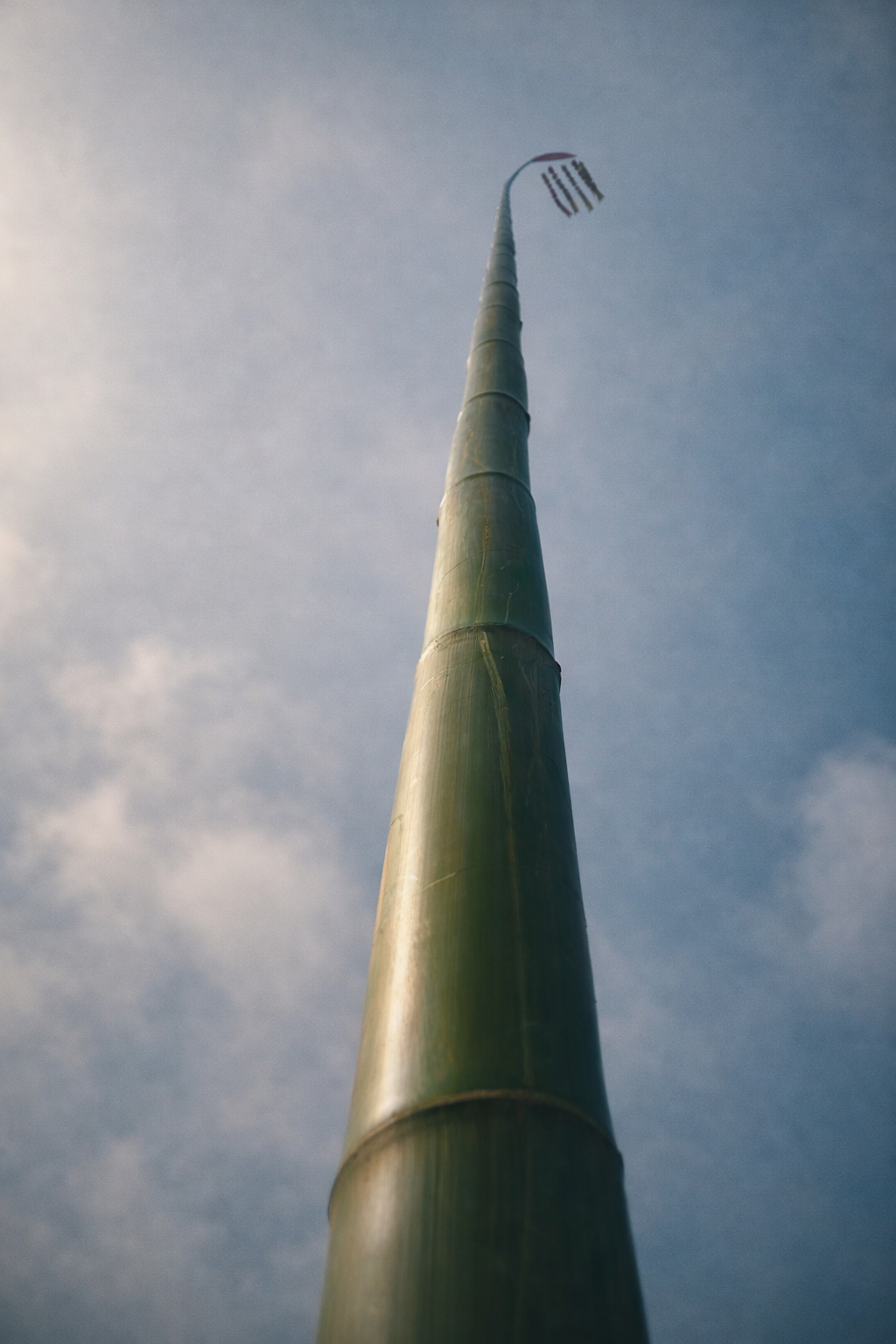
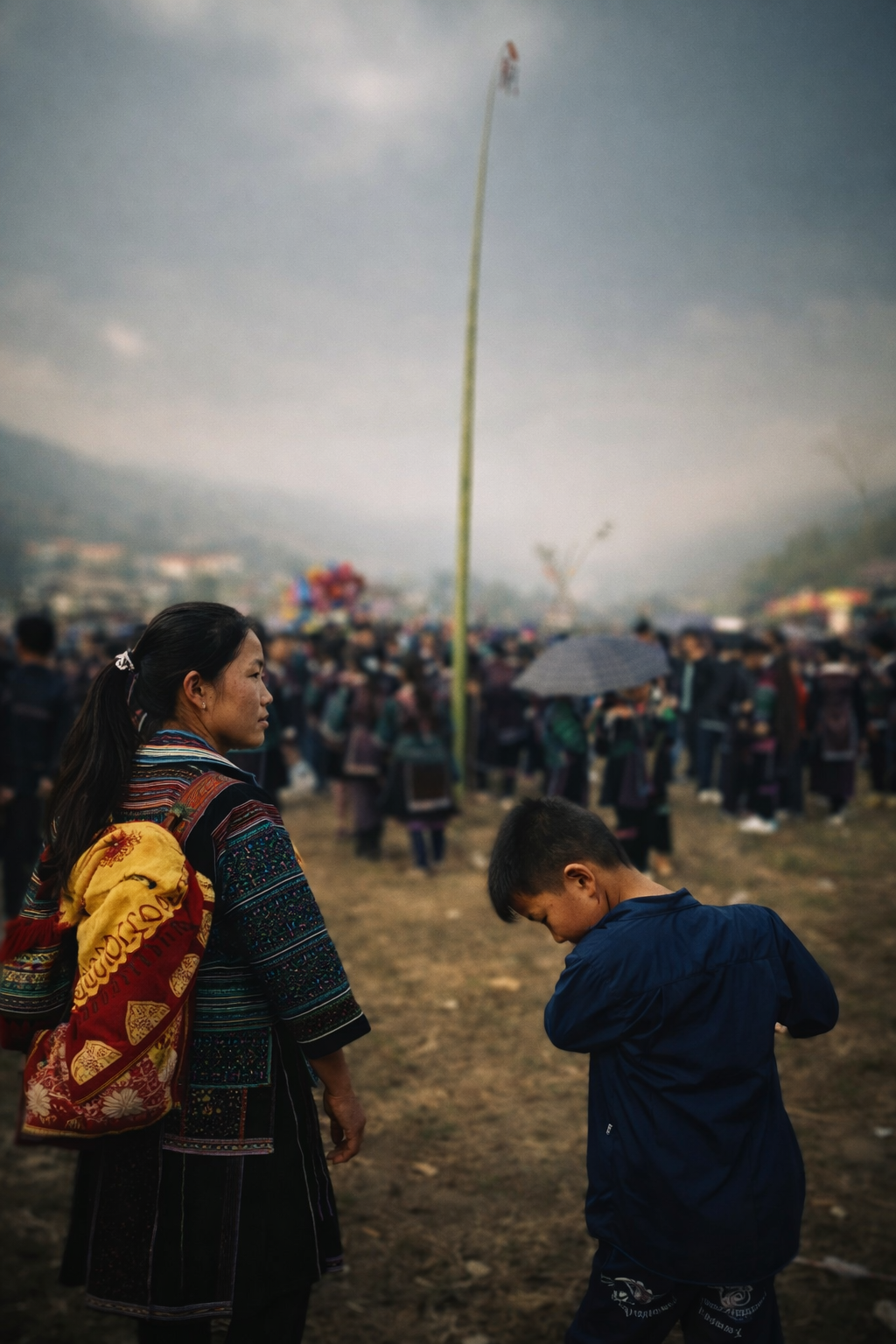
Only when the divination confirms divine approval can the bamboo pole be raised. The cây nêu is decorated with colourful fabric, sacred symbols, and circular motifs representing the sun and moon. These designs reflect the balance of yin and yang, a principle that underpins much of traditional cosmology in the region. The pole becomes a focal point for the entire festival, symbolising the connection between heaven and earth.
For villagers, this moment carries deep meaning. It marks the formal conclusion of Tet and the beginning of the agricultural season, when attention must once again turn to the rice fields and the work of cultivation.
Games of Skill and Symbols of Fertility
Once the sacred rituals are complete, the atmosphere shifts from solemnity to celebration. Villagers gather around the bamboo pole to take part in traditional games that have both symbolic and practical meaning.
One of the most important activities is the quả còn throwing game. Participants attempt to throw small handmade cloth balls through a circular ring attached near the top of the bamboo pole. The balls are often brightly coloured and carefully crafted by local families. Successfully passing the ball through the ring is believed to bring good fortune and prosperity for the year ahead.
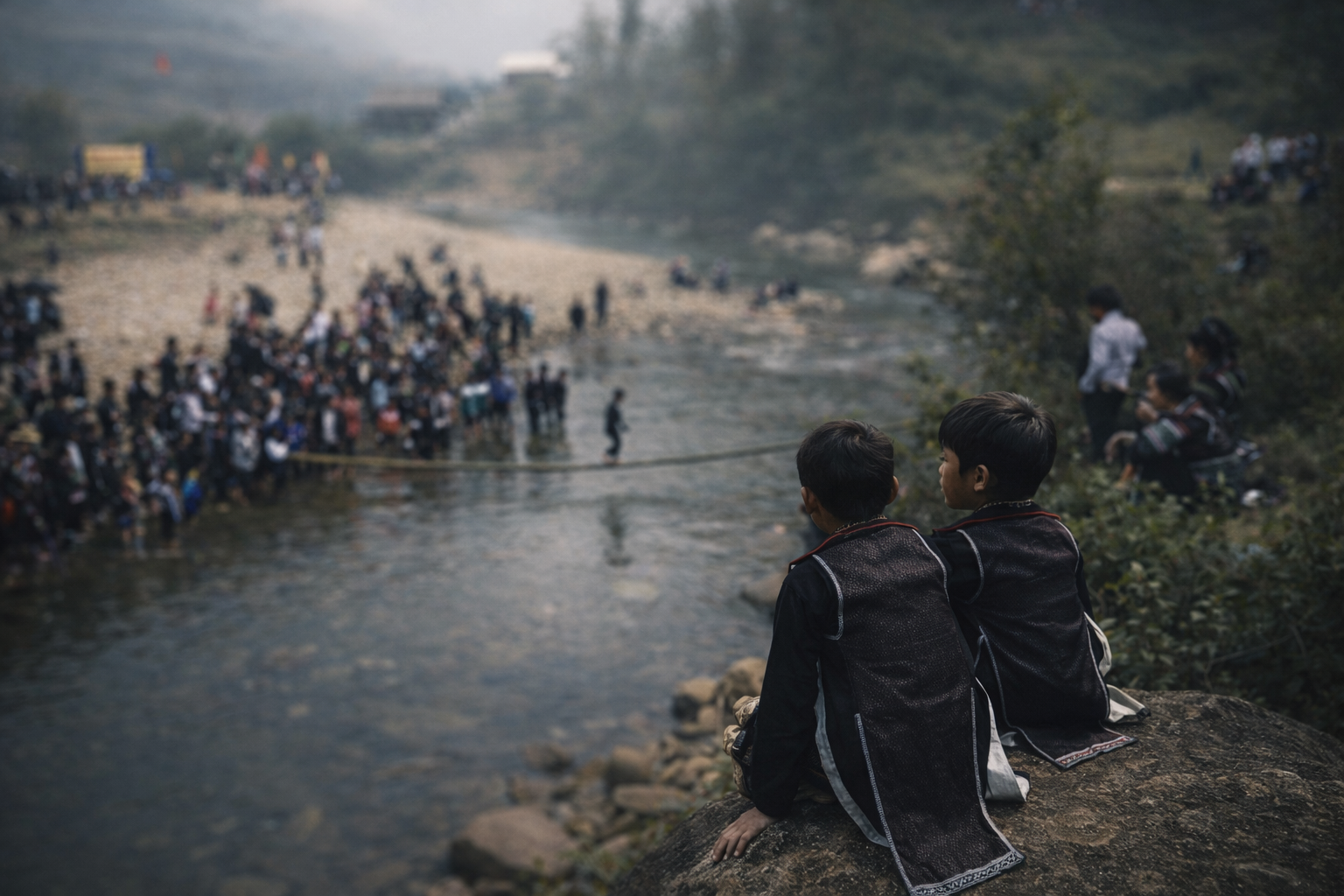
There are games to test strength and dexterity as well as technique and skills. One such example is the travesing of a bamboo pole, suspended by loose ropes across the Muong Hoa River. Participants take turns to balance on the pole and attemp to reach the opposite river bank.
The act of throwing the quả còn carries symbolic significance. It represents fertility and abundance, reflecting hopes for productive fields and healthy livestock. The game also encourages friendly competition among villagers and provides a moment of shared excitement as the crowd cheers each successful throw.
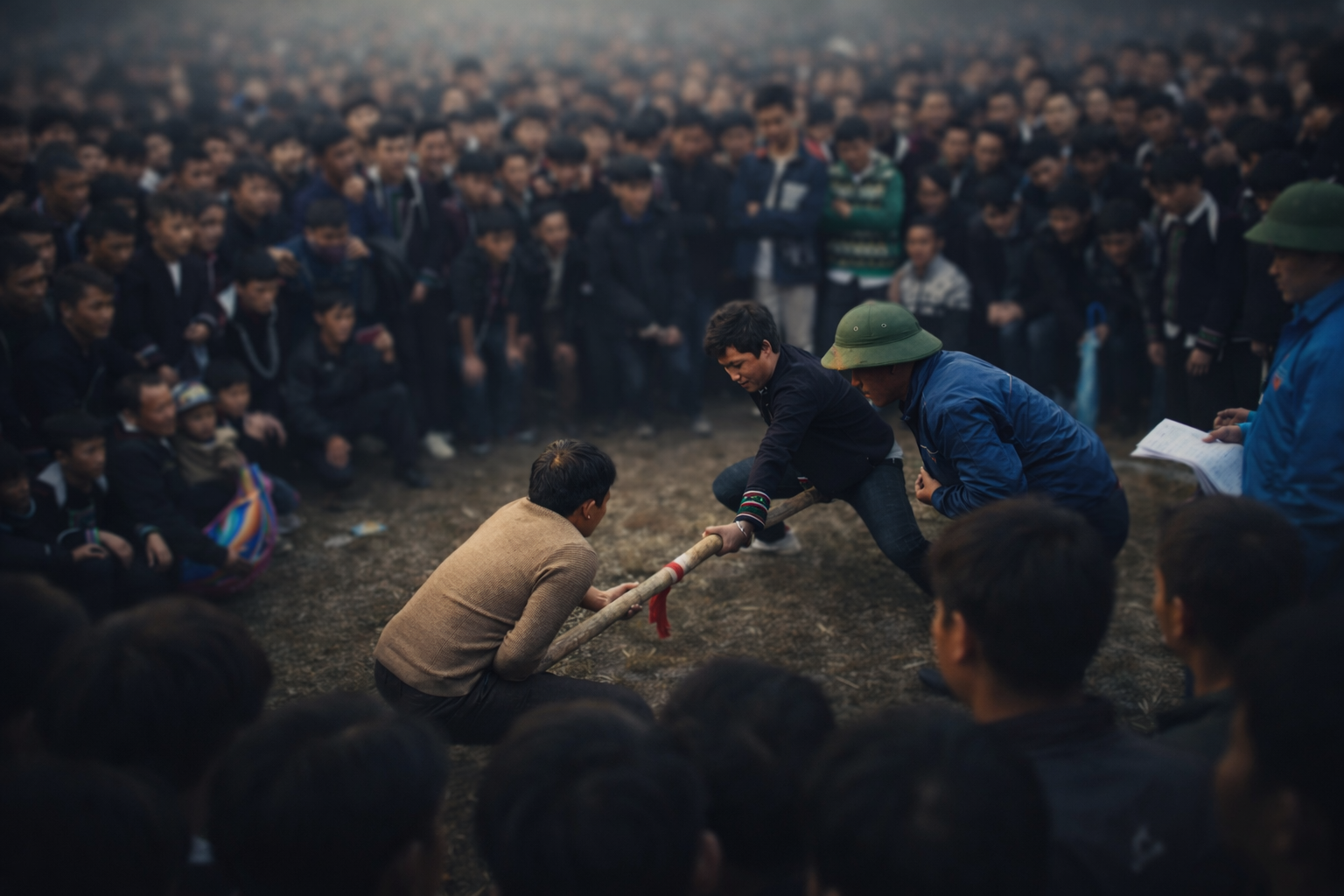
Another popular event is tug-of-war using a thick vine rope gathered from the forest. Teams from different parts of the village pull against each other with laughter and determination. Beyond its playful nature, the contest symbolises strength, unity, and the collective effort required to sustain agricultural life.
Ceremonial Ploughing and the Agricultural Cycle
A particularly meaningful part of the festival is the ceremonial ploughing of the field. Buffaloes, essential partners in traditional farming, are led onto the prepared ground as elders demonstrate the first symbolic furrows of the season.
This act represents the beginning of the agricultural year. By guiding the buffalo through the soil, villagers honour the animals that help cultivate the rice terraces and acknowledge the importance of the land that sustains them.
The ceremony is also a reminder that farming is part of a broader relationship between people, animals, and nature. Through ritualised actions such as these, the community expresses gratitude and seeks blessings for the months of labour that lie ahead.
Music, Dress, and Communal Celebration
Throughout the day, the festival grounds are filled with music, laughter, and colour. Folk songs are performed by groups of villagers, often accompanied by traditional instruments and rhythmic dancing. These performances preserve oral traditions that have been passed down through generations.
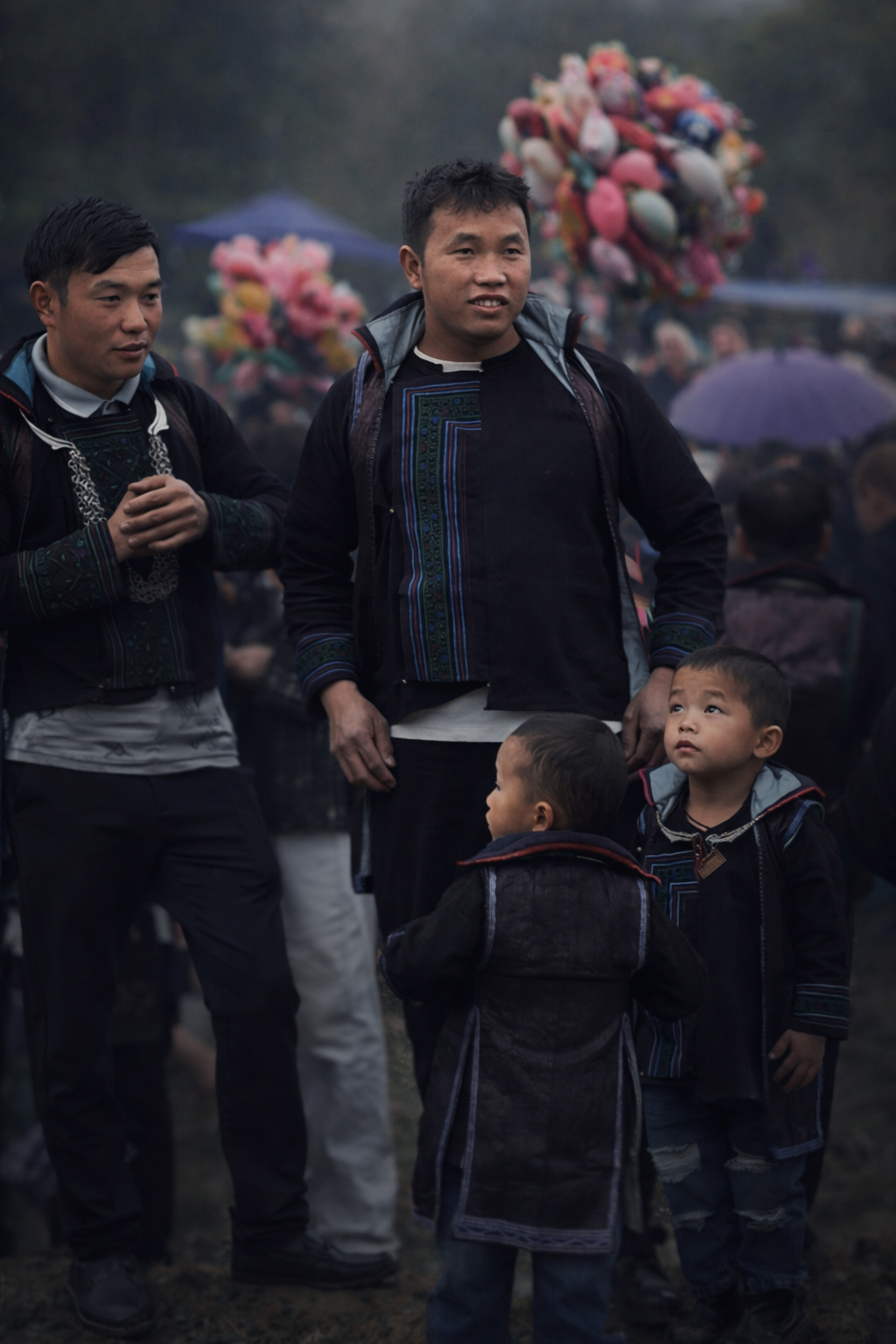
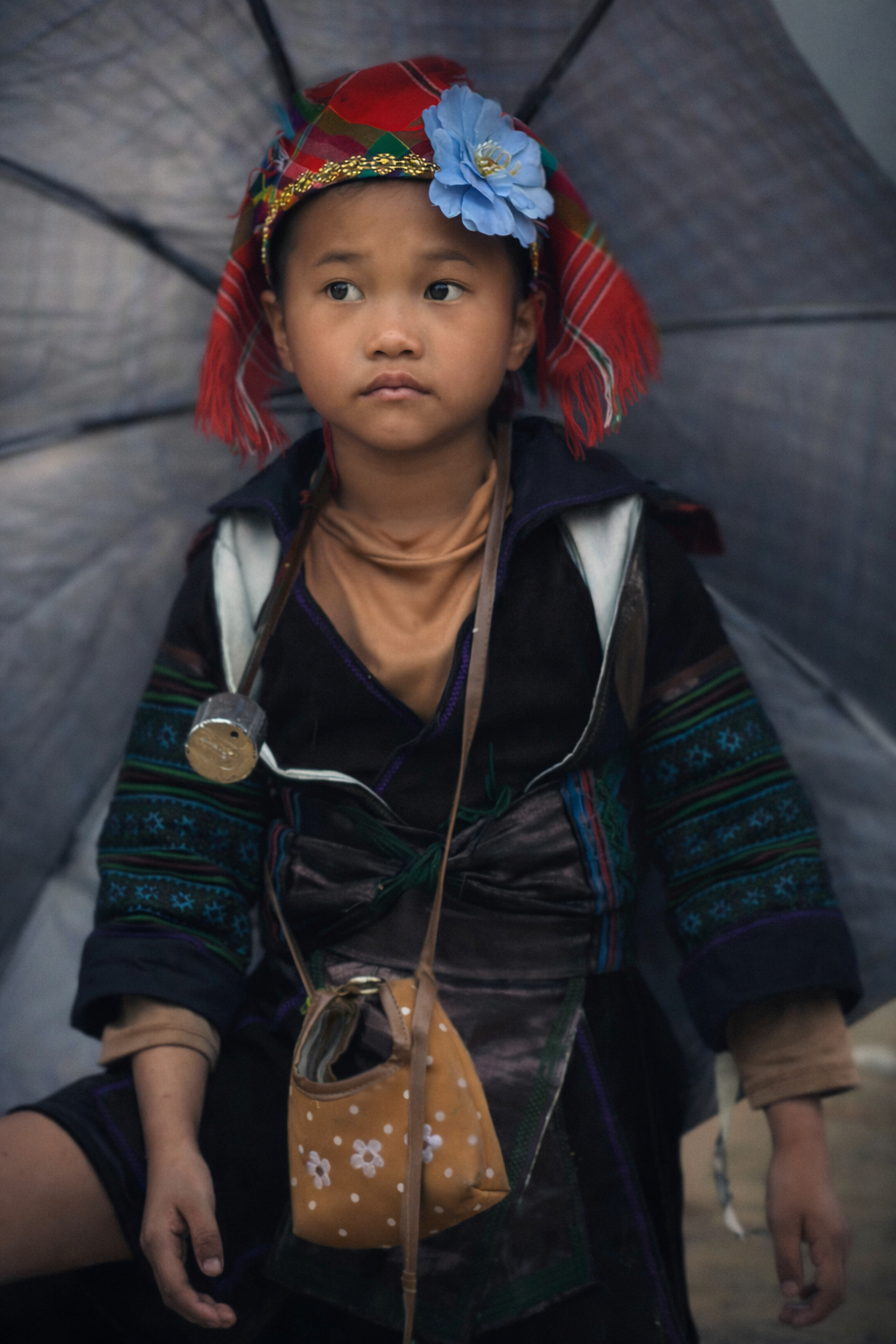
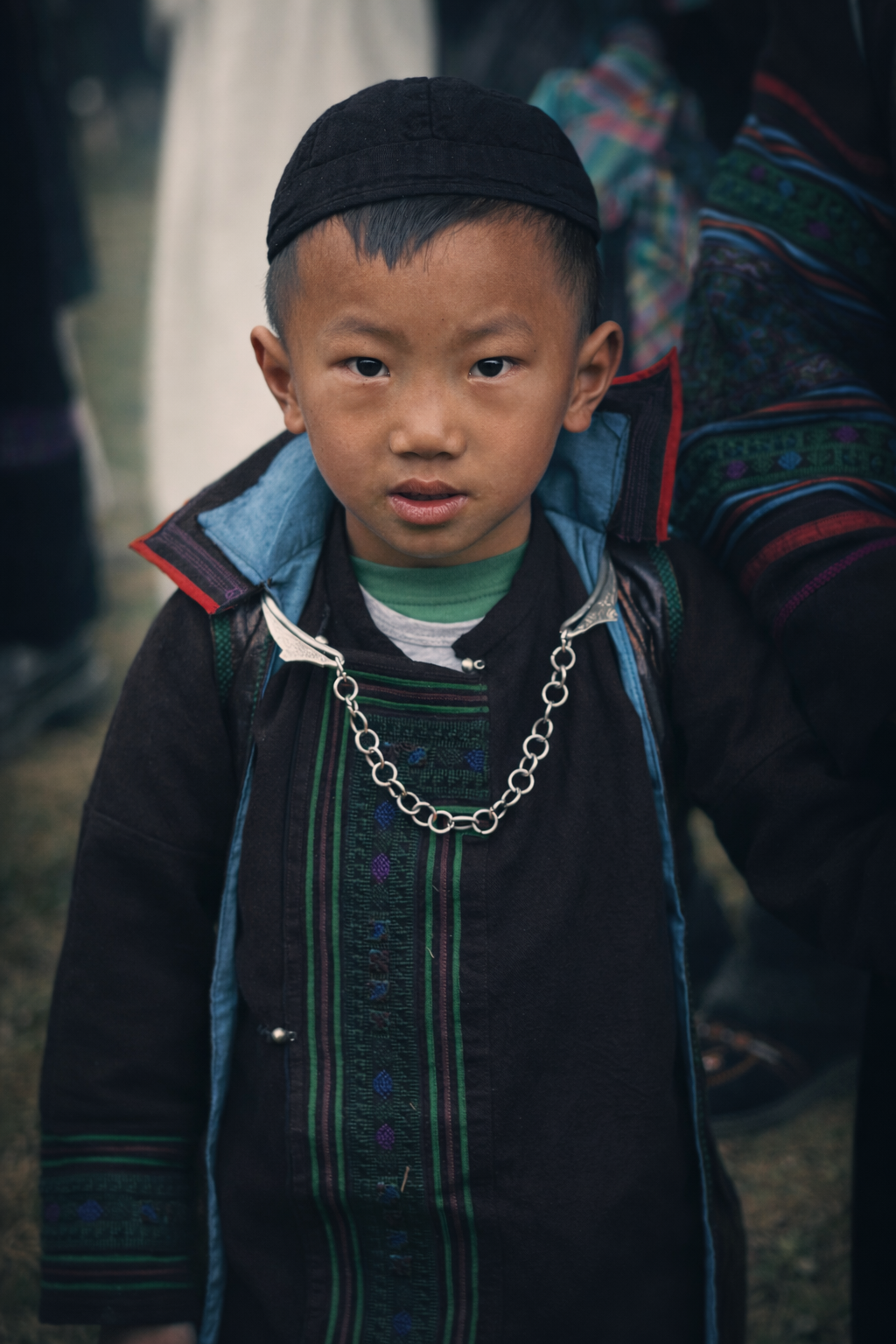
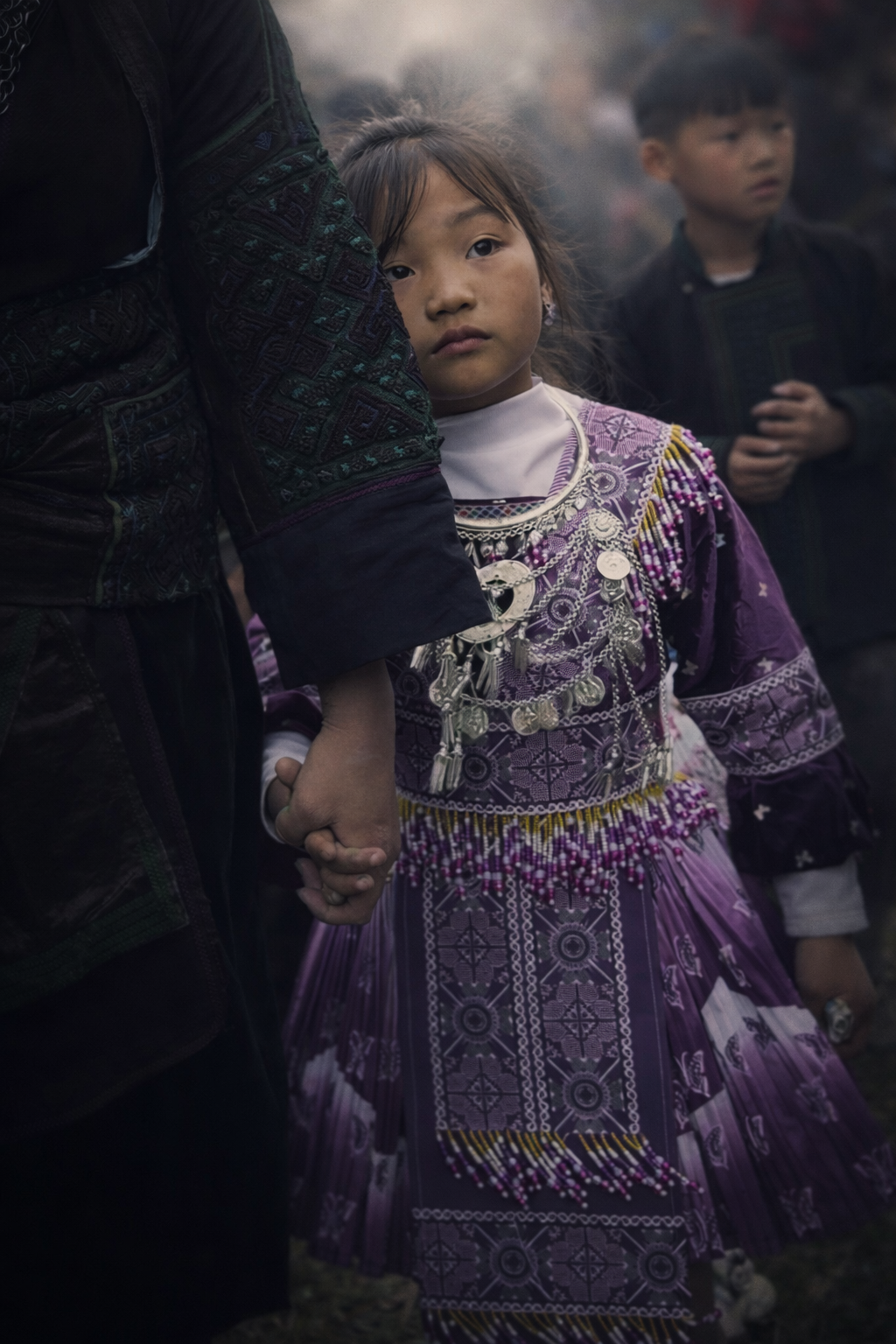
Many families attend the festival wearing finely crafted traditional clothing. Garments are typically made from hemp fibres and dyed with deep indigo extracted from local plants. The intricate embroidery and patterns reflect both artistic skill and cultural identity.
Communal meals also play an important role in the celebration. Families bring food to share, creating an atmosphere of hospitality and collective enjoyment. Rice wine, local dishes, and seasonal ingredients are passed between friends and relatives, reinforcing the strong sense of community that defines village life.
Tradition in Changing Times
In recent years, the Roóng Poọc Festival has drawn increasing attention from visitors who travel to Sapa to witness the event. While tourism has introduced new dynamics, local communities remain committed to preserving the authenticity of the rituals.
Even when conditions are less than ideal, the festival continues. This year’s celebration, for example, took place under unusually foggy and wet weather. The mist hung low over the terraces and the ground was damp from steady rain. Yet villagers still gathered in the fields, raising the bamboo pole and carrying out the ceremonies as their ancestors did.
Such persistence highlights the deeper purpose of Roóng Poọc. It is not dependent on perfect conditions or large audiences. Its true meaning lies in maintaining a connection between community, land, and heritage.
A Living Connection to Nature and Community
The Roóng Poọc Festival stands as a powerful reminder of how traditional cultures mark the passage of time and the cycles of nature. By closing the Tet celebrations and welcoming the new farming year, the festival bridges the festive season and the return to daily work in the fields.
For the Giáy and Hmong people of Tả Van, festivals are an affirmation of identity, cooperation, and respect for the natural world.
Ready to Explore Sapa?
If this cultural festival has inspired you, start planning your trip today.
👉 Read our complete Sapa Travel Guide
👉 Discover the best Sapa Trekking Routes
👉 Learn more about Sapa culture Cultural Experiences in Sapa
Understanding the landscape makes visiting it even more rewarding. Explore wisely, travel prepared and experience one of Vietnam’s most fascinating mountain regions.
Northern Vietnam Sapa & the Highland Border Regions Mountain Landscapes Nature & Ecology
