Insights and Stories from Sapa and the Northern Borderbelt provinces of Vietnam.

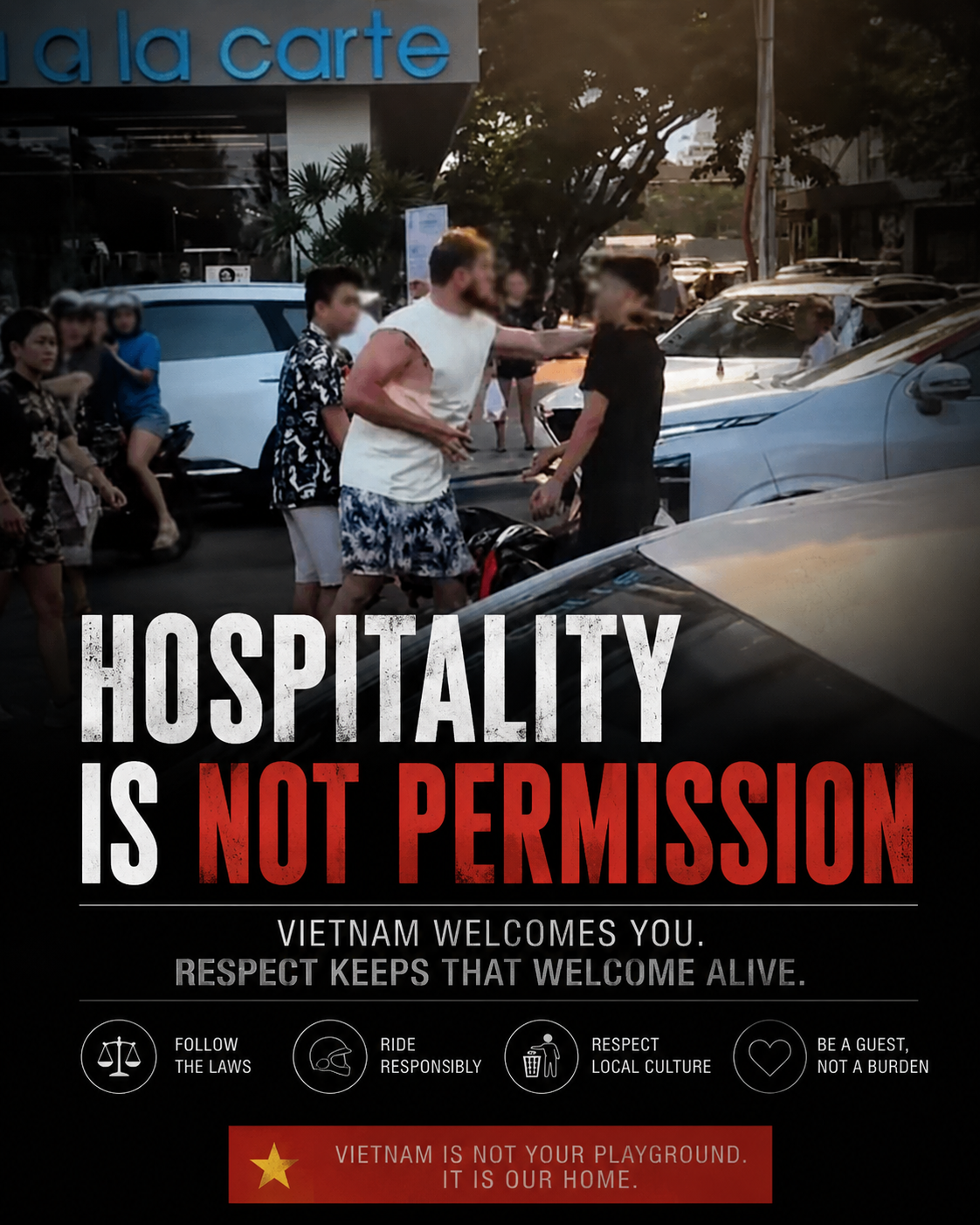
An ETHOS perspective: Vietnam’s hospitality is a gift, not an entitlement
From unlicensed riders searching for ways to avoid police checkpoints on the Hà Giang Loop to high-profile cases involving foreign nationals accused of violent crime, fraud and drug offences, a growing number of incidents are prompting difficult conversations across Vietnam. While the country remains one of Asia’s safest and most welcoming destinations, ETHOS examines why hospitality should never be mistaken for permission, and why responsible travel matters more than ever as visitor numbers continue to rise.
When hospitality meets entitlement
One of the things that makes Vietnam special is how easily visitors are welcomed into everyday life. It happens in ways both large and small. A family invites a stranger to sit down for a drink or some food. A market vendor patiently helps a confused traveller despite sharing almost no common language. A homestay host insists that a guest eat another bowl of rice before leaving for the day. A local rider stops on a mountain road to help somebody whose motorbike has broken down. Across the country, countless acts of generosity unfold quietly every day, rarely attracting attention because they are simply part of how people live.
In the mountains of northern Vietnam, where ETHOS works alongside Hmong, Dao and other ethnic communities, hospitality remains deeply woven into daily life. Visitors are welcomed into homes, workshops, farms and forests not because tourism demands it, but because sharing knowledge, stories and food with guests has long been part of community life. When travellers sit beside a kitchen fire listening to stories, learn to work with indigo, help harvest crops or join a family meal, they are experiencing something that cannot be manufactured.
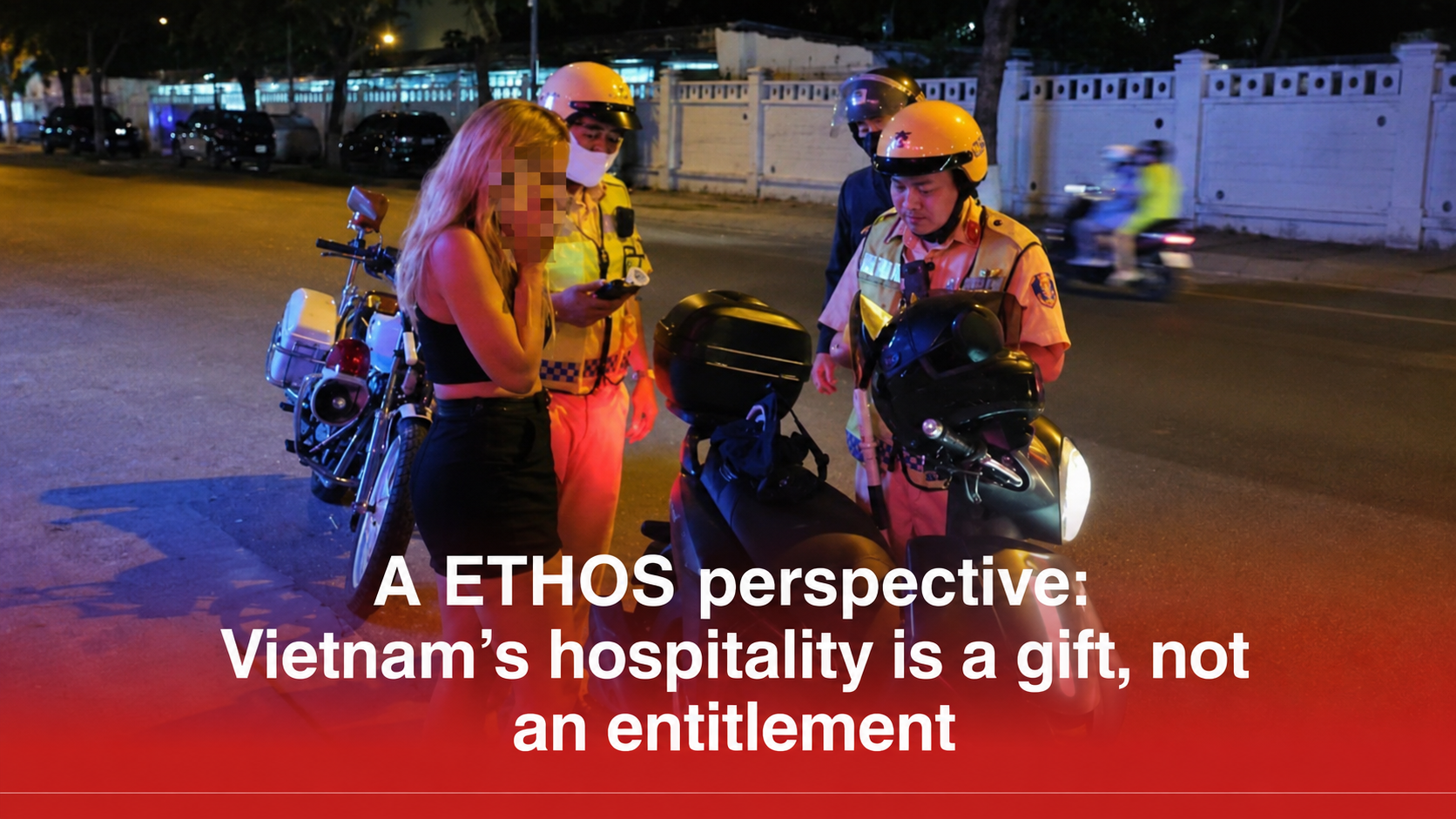
What is being shared is not a tourism product.
It is trust. That trust is one of Vietnam’s greatest strengths. It is also something that should never be taken for granted.
Over the past year, a growing number of incidents involving foreign visitors and foreign residents have prompted difficult conversations across Vietnam. Stories involving violent crime, organised fraud, drug offences, dangerous driving, visa abuse and public disorder have become increasingly visible. Some incidents have been shocking. Others have been depressingly familiar. Together, they raise an uncomfortable question.
Has a small but increasingly visible minority of foreigners begun mistaking Vietnam’s hospitality for permission?
The problem starts long before anyone appears in a police report. The conversation often begins long before a crime is committed.
Spend enough time in Facebook groups, Reddit forums and travel communities dedicated to Vietnam and certain questions appear with remarkable regularity. Somebody wants to ride the Hà Giang Loop but does not possess the correct licence. Somebody else wants to know where police checkpoints are located so they can avoid them. Another traveller has noticed foreigners riding without helmets and wonders whether helmet laws are actually enforced. Others ask whether insurance really matters, whether visa rules are checked, or whether local authorities simply look the other way.
What is striking is not the questions themselves, but the assumption beneath them. The discussion is rarely centred on how to travel legally, responsibly or safely. Instead, it often revolves around how far the rules can be bent before consequences appear.
Anyone who spends time in destinations such as Sapa, Hà Giang or Ninh Bình will have seen examples of this. Foreign visitors riding motorcycles without helmets. Travellers with little or no riding experience attempting challenging mountain roads. People operating motorcycles without valid licences. Visitors who would never dream of behaving similarly in their own countries somehow convincing themselves that the rules are different in Vietnam. They are not.
Vietnam’s traffic laws exist for the same reason traffic laws exist anywhere else. Visa regulations exist for the same reason they exist elsewhere. Public order laws, licensing requirements and drink-driving regulations are not arbitrary inconveniences designed to frustrate travellers. They exist because somebody eventually bears the cost when they are ignored. Sometimes that cost falls on the traveller, but sadly it may also falls on a local family.
The headlines of 2026 reveal a deeper problem
The most serious incidents making headlines this year are obviously very different from an unlicensed tourist riding a rented motorbike. Yet they often reflect a similar mindset, namely the belief that Vietnam can be treated as a place where consequences are somehow lighter, oversight somehow weaker, or local laws somehow more negotiable.
In late May, a 34-year-old Australian national was detained after allegedly going on a destructive rampage inside a café in Đà Nẵng. Video footage showed furniture being smashed, customers threatened and significant property damage caused while staff and bystanders attempted to intervene. The incident spread rapidly across Vietnamese and international media, prompting widespread disbelief that somebody could behave in such a manner in a country that had welcomed them as a guest.
Only days before that, Hồ Chí Minh City police announced the arrest of two Samoan nationals, Vaa Vaa and Tafia Steve, in connection with the fatal shooting of Australian citizen Lorenzo Lemalu in District 1. Investigators alleged the pair entered Vietnam, monitored their target and carried out the attack before attempting to flee. The case drew extraordinary attention because it suggested Vietnam was becoming a stage upon which criminal disputes from abroad were being played out.
Authorities have also highlighted concerns regarding foreign criminal groups operating scam centres, cybercrime networks and online gambling operations from within Vietnam. In Hà Nội, police have warned publicly about an increasing tendency for foreign offenders to relocate activities into the country while targeting victims elsewhere. Investigations involving foreign-run fraud operations, illegal entry networks and organised cybercrime have featured prominently throughout the year.
Drug-related arrests involving foreign nationals have also generated significant publicity. South Korean nationals have been linked to organised drug cases in Hồ Chí Minh City. Russian nationals have appeared in investigations involving narcotics distribution networks serving foreign communities. Malaysian nationals were detained during investigations into suspected telecom fraud and illegal drug use. Separate cases involving foreign nationals from China, Russia and other countries have reinforced concerns that some criminal groups increasingly view Vietnam as an attractive operating environment.
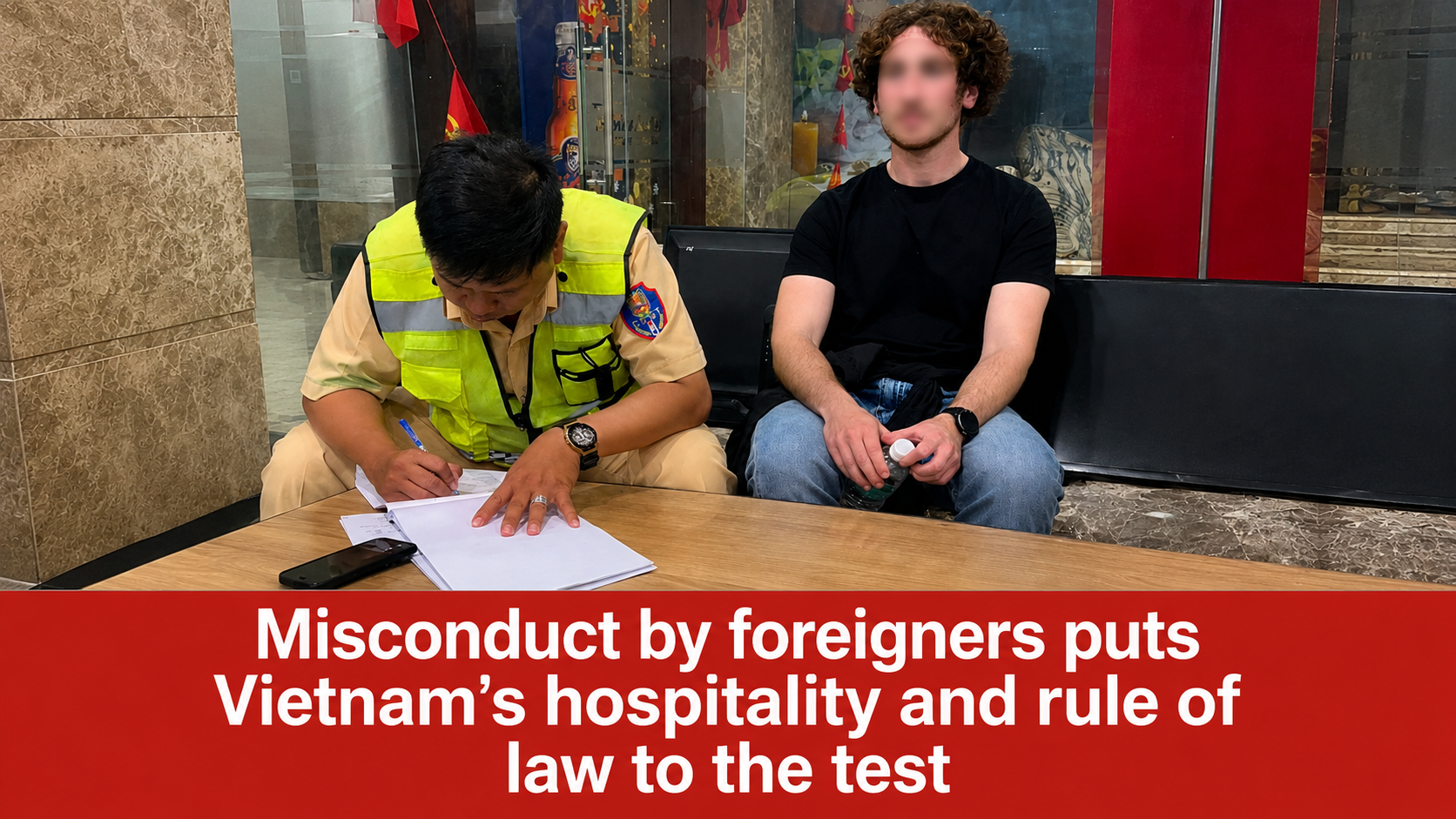
Road safety has emerged as another recurring theme.
In Khánh Hòa, authorities have publicly linked numerous incidents involving foreign riders to speeding, drink-driving, dangerous riding and invalid licences. One of the most widely reported cases involved a Russian national accused of causing a fatal collision in Nha Trang while allegedly riding under the influence of alcohol. Elsewhere, videos showing foreigners performing dangerous stunts, riding without helmets or disregarding basic safety regulations continue to circulate online with depressing regularity.
It is important to emphasise that many of these cases remain allegations or ongoing investigations rather than proven offences. The point is not to sensationalise them. The point is that they are becoming increasingly visible.
Why this matters beyond the individuals involved
The overwhelming majority of visitors to Vietnam never break the law. Most arrive curious, respectful and genuinely interested in learning about the country. Most leave with fond memories, lasting friendships and a deeper appreciation for Vietnamese culture, yet highly publicised incidents rarely affect only the individuals directly involved.
Every major crime involving a foreign national becomes a story discussed by local communities, authorities, business owners and ordinary citizens. Every viral video showing dangerous behaviour reinforces negative stereotypes. Every visitor who rides illegally, overstays a visa, drives drunk or treats local laws as optional contributes to a perception that foreigners expect different standards from those applied to everybody else. That perception has consequences.
The homestay owner who must complete additional paperwork. The accommodation provider facing increased scrutiny. The motorbike rental business subject to tighter inspections. The community that becomes slightly more cautious about welcoming outsiders. The traveller who follows every rule but finds authorities less trusting because others have not. Trust, once weakened, is difficult to rebuild.
Vietnam is responding
Vietnamese authorities are not ignoring these trends. Recent government directives have called for stronger measures to safeguard public order and security within the tourism sector. Plans have been announced to improve digital monitoring of accommodation bookings and travel activities, allowing authorities to respond more effectively to criminal activity, visa abuse and public safety concerns.
Some commentators have interpreted these developments as signs of increasing control, but a different interpretation may be more accurate. These measures are, at least in part, the predictable consequence of abuse. Any country experiencing rapid tourism growth faces the same challenge. How do you remain open while protecting public safety? How do you encourage visitors while discouraging those who see hospitality as weakness? How do you maintain trust when a minority repeatedly exploits it? Vietnam is now confronting those questions.
The greatest danger to travellers remains the road
Ironically, for most visitors, the greatest threat is not violent crime, organised fraud or public disorder, but is the traffic. Every year, travellers are injured because they rent motorcycles illegally, underestimate road conditions, overestimate their abilities or simply follow the behaviour of others. A road filled with inexperienced foreign riders quickly becomes dangerous for everyone, including local residents who rely on those roads every day.
The romantic image of motorbiking through northern Vietnam often obscures a simple reality. These roads are not theme parks. They are working roads used by farmers, families, schoolchildren, delivery riders and local communities. The consequences of irresponsible riding are not theoretical but can be measured in injuries, hospital visits and lives permanently altered by decisions that took only seconds to make.
For anybody considering riding independently, we strongly recommend taking the time to understand Vietnam’s licensing requirements, insurance implications and road conditions before setting off.
You can read our guide here:
https://www.ethosspirit.com/motorbiking-in-vietnam
For travellers who want to experience Vietnam’s mountain roads without the pressure, responsibility and legal uncertainty of self-riding, our easy rider style journeys offer another approach. Travelling with experienced local riders allows guests to focus on landscapes, communities and cultural experiences while leaving the driving to those who know these roads best.
You can learn more here:
https://www.ethosspirit.com/motorbikes
Responsible travel is not complicated
The solution to all of this is remarkably simple.
Wear a helmet when riding as travelling as a passenger on a motorcycle.
Ride legally.
Respect visa conditions.
Treat local laws as seriously as you would at home.
Pay fairly.
Ask before taking photographs.
Remember that villages are communities rather than attractions.
Understand that a homestay is somebody’s home before it is somebody’s business.
Recognise that hospitality is an invitation rather than an obligation.
None of these expectations are unreasonable. They are simply the foundations of respectful travel.
A welcome worth protecting
Vietnam remains one of the most welcoming, tolerant and affordable countries in the world to explore. Millions of visitors arrive every year and experience nothing but kindness. Most leave with a genuine affection for the people they meet and the places they encounter. The recent rise in stories involving foreign crime, dangerous driving, visa abuse and public disorder should not obscure that reality. What they should do is remind us that hospitality depends on reciprocity.
In the mountains where ETHOS works, families continue to welcome strangers into their homes. Artisans continue to share skills that have been passed down through generations. Farmers continue to open their fields and forests to visitors who want to understand life beyond the guidebook. Communities continue to extend trust to people they have never met before. That generosity is remarkable and also fragile.
Perhaps the real lesson behind many of the incidents that have dominated headlines throughout 2026 is that openness should never be mistaken for weakness. Whether the issue is an unlicensed rider attempting to evade police checkpoints, a tourist causing chaos in a café, or organised criminal groups using Vietnam as a base for fraud, the underlying problem is often the same. Somebody has confused welcome with permission and hospitality with entitlement.
Vietnam’s welcome remains as warm as ever and the responsibility rests with travellers to prove they deserve it.
Please don’t forget that Vietnam’s hospitality is a gift but not an entitlement.
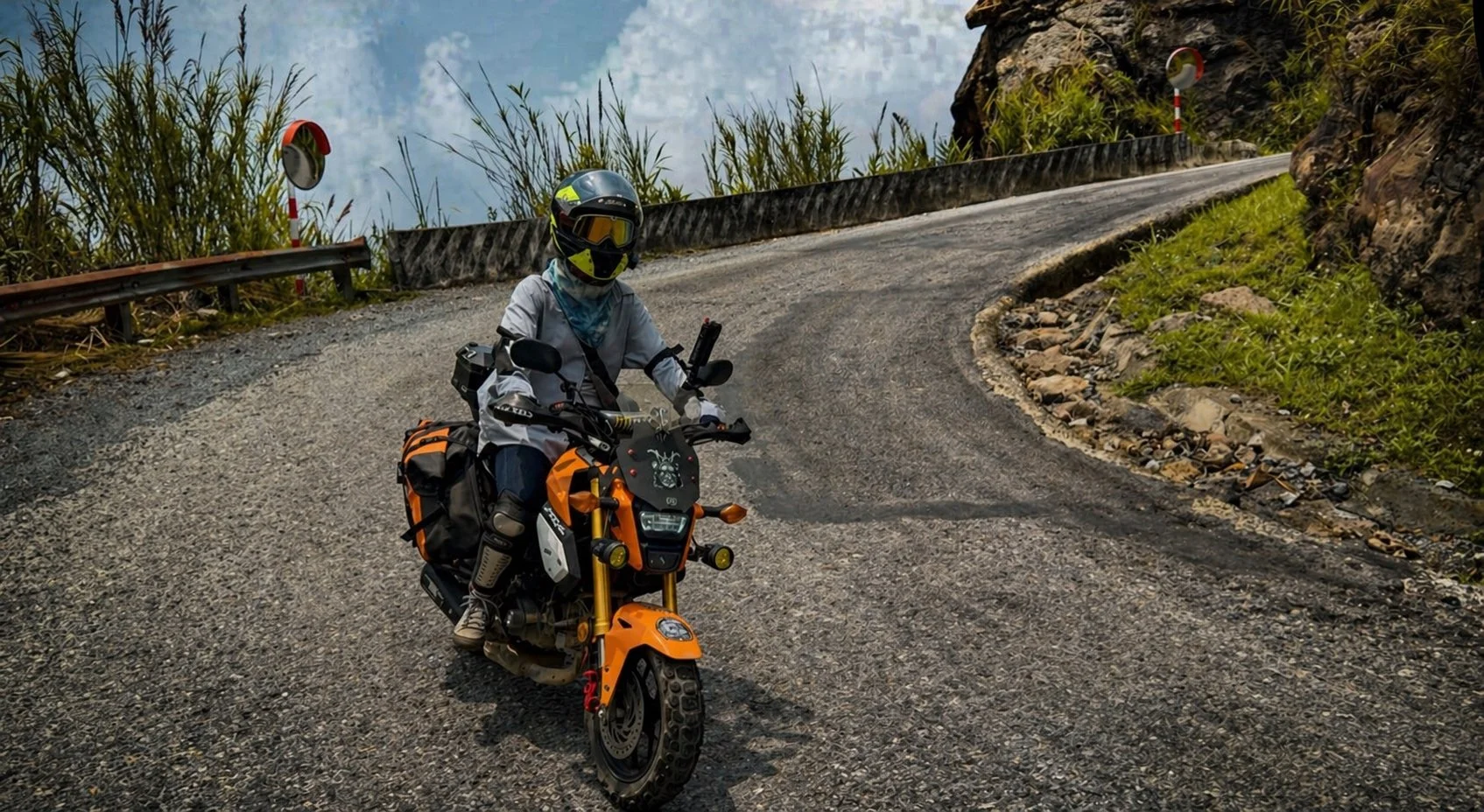
Riding Safely in Vietnam’s Northern Highlands: Engine Braking, Mountain Roads and Motorcycle Choice
From the steep descents of Hà Giang to the mountain passes around Sapa, riding in northern Vietnam requires more than simply twisting the throttle. This article explores engine braking, motorcycle loading, brake fade and why choosing the right motorcycle matters when travelling safely through the highlands.
Riding a motorbike in Vietnam’s northern highlands is a way of getting from A to B, a source of trade, a family vehicle and a lifeline to wonder communities. Riding is an act of attention. The roads demand your ears, your hands, your judgement and, very often, your humility. From the misty slopes around Sapa to the limestone passes of Hà Giang and the folded rice terraces of Mù Cang Chải, one skill matters more than almost any other: engine braking.
For travellers planning to explore these roads themselves, understanding the realities of mountain riding is essential before setting out into Vietnam’s northern highlands. See our range of motorbike journeys in northern Vietnam.
The Reality of Mountain Roads
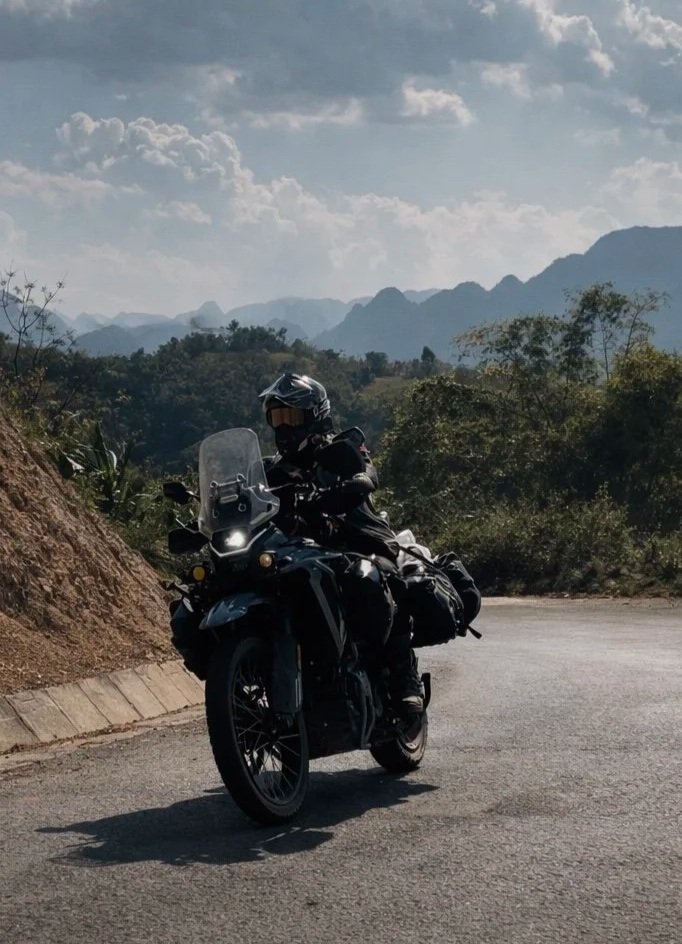
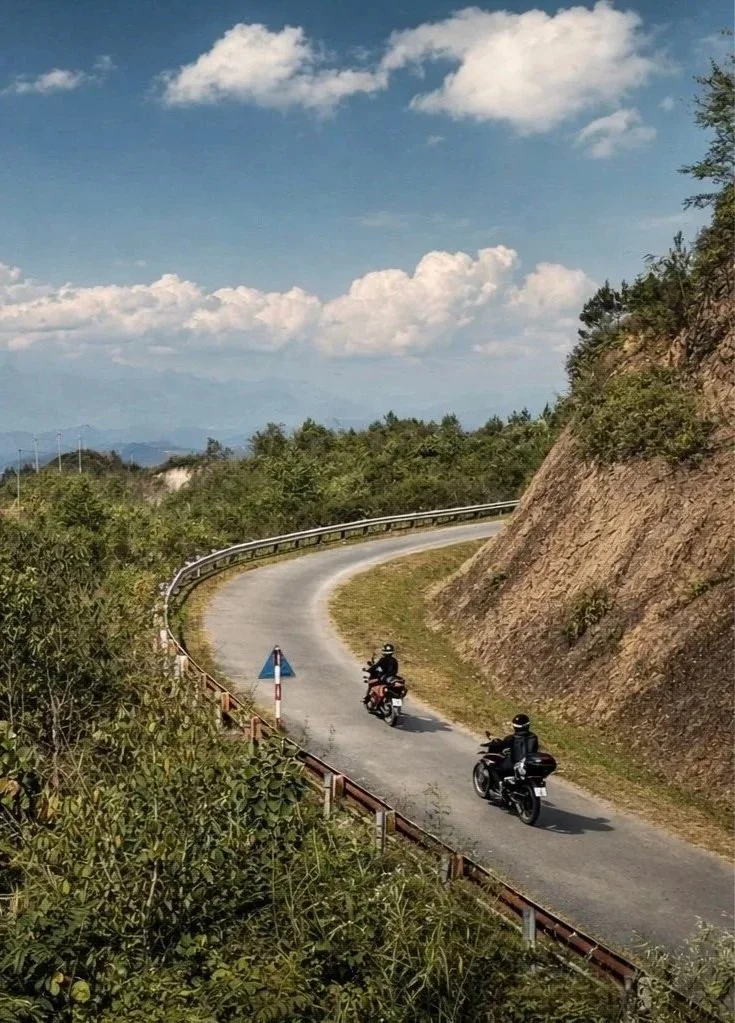
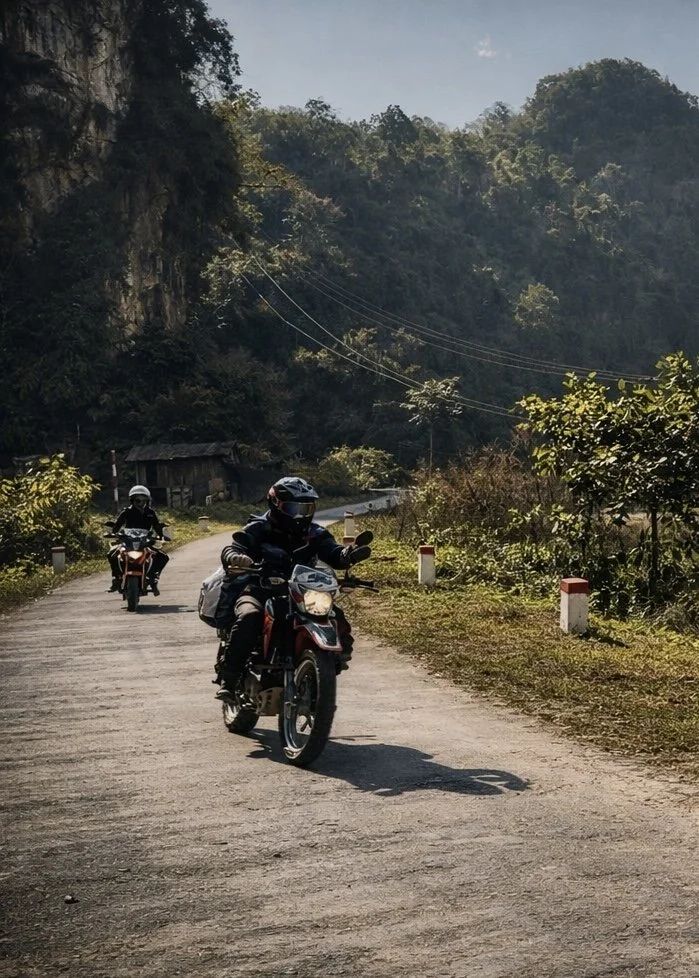
In the Northwest, gravity is constant. Roads climb for an hour, crest briefly, and then fall away again in long, unbroken descents. Many village tracks are barely wide enough for one vehicle. Corn dries on the roadside. Buffalo wander without warning. On market days, Hmong and Dao families walk the curves with baskets on their backs. These are not roads where anyone can just jump on a motorbike and learn. The roads are not places you can afford to panic. If you want to understand more about the legality of driving legally in Vietnam, we have prepared a comprehensive explainer here.
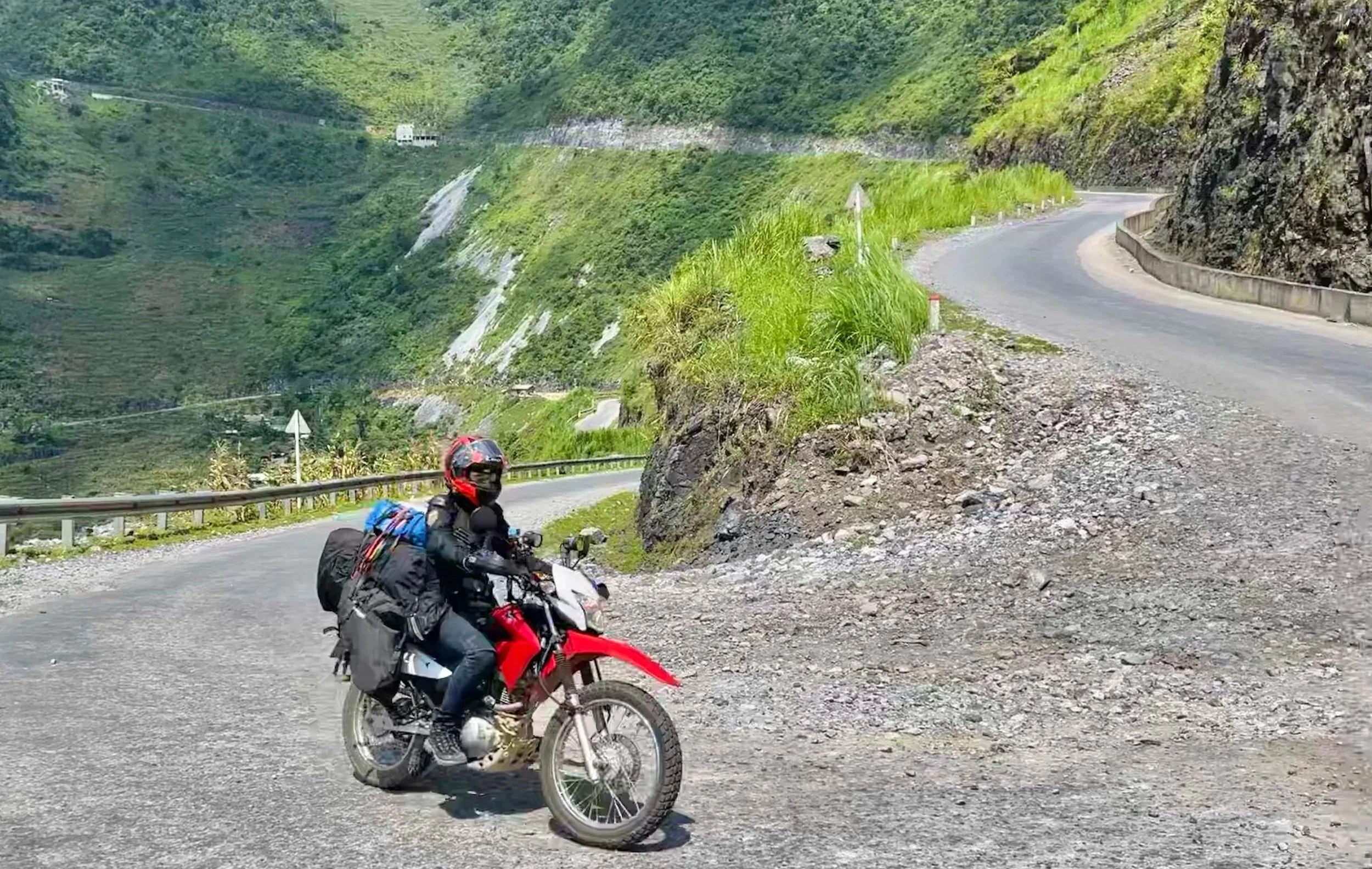
A Lone Rider on the Ha Giang Loop
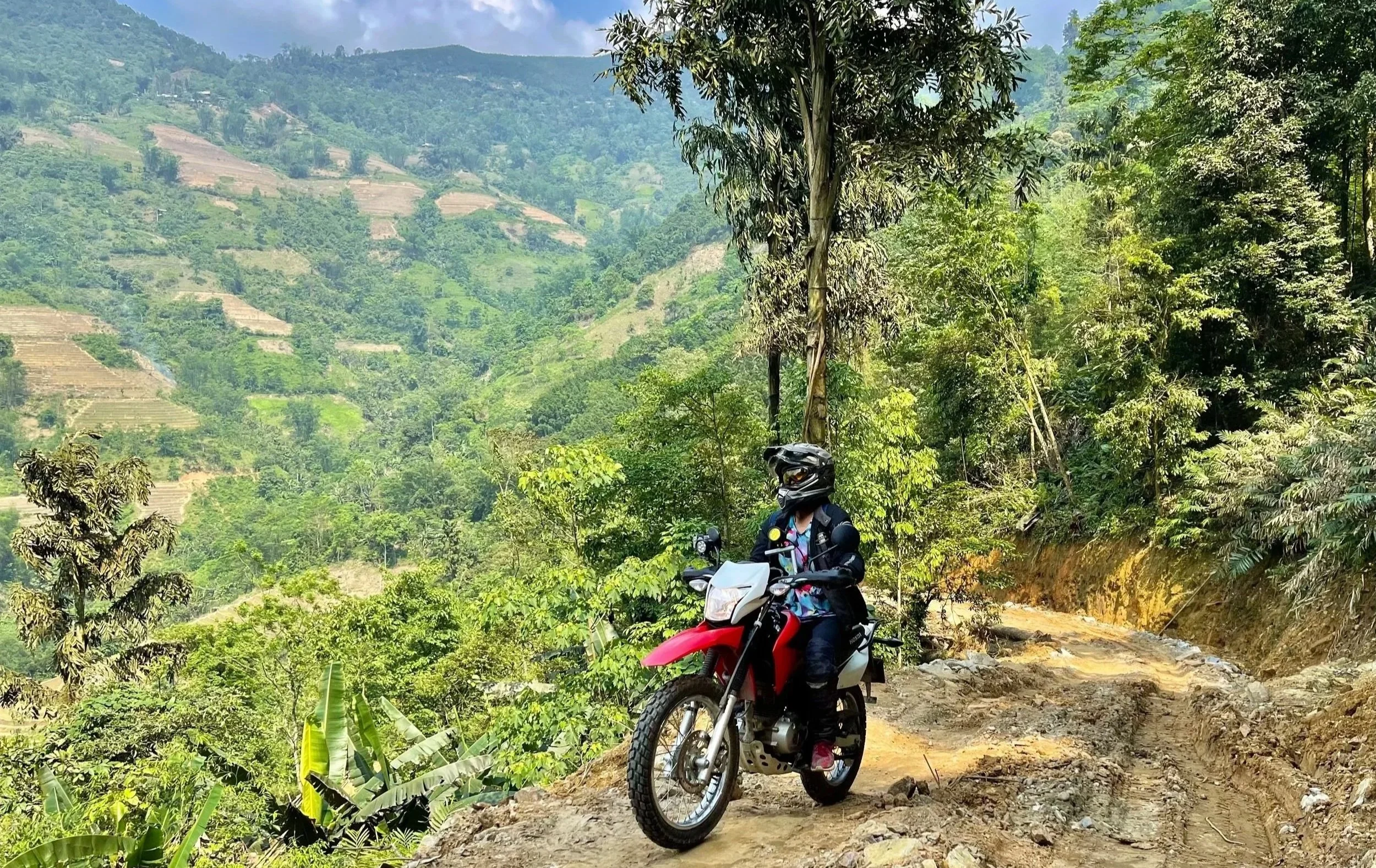
Single track riding in Sapa
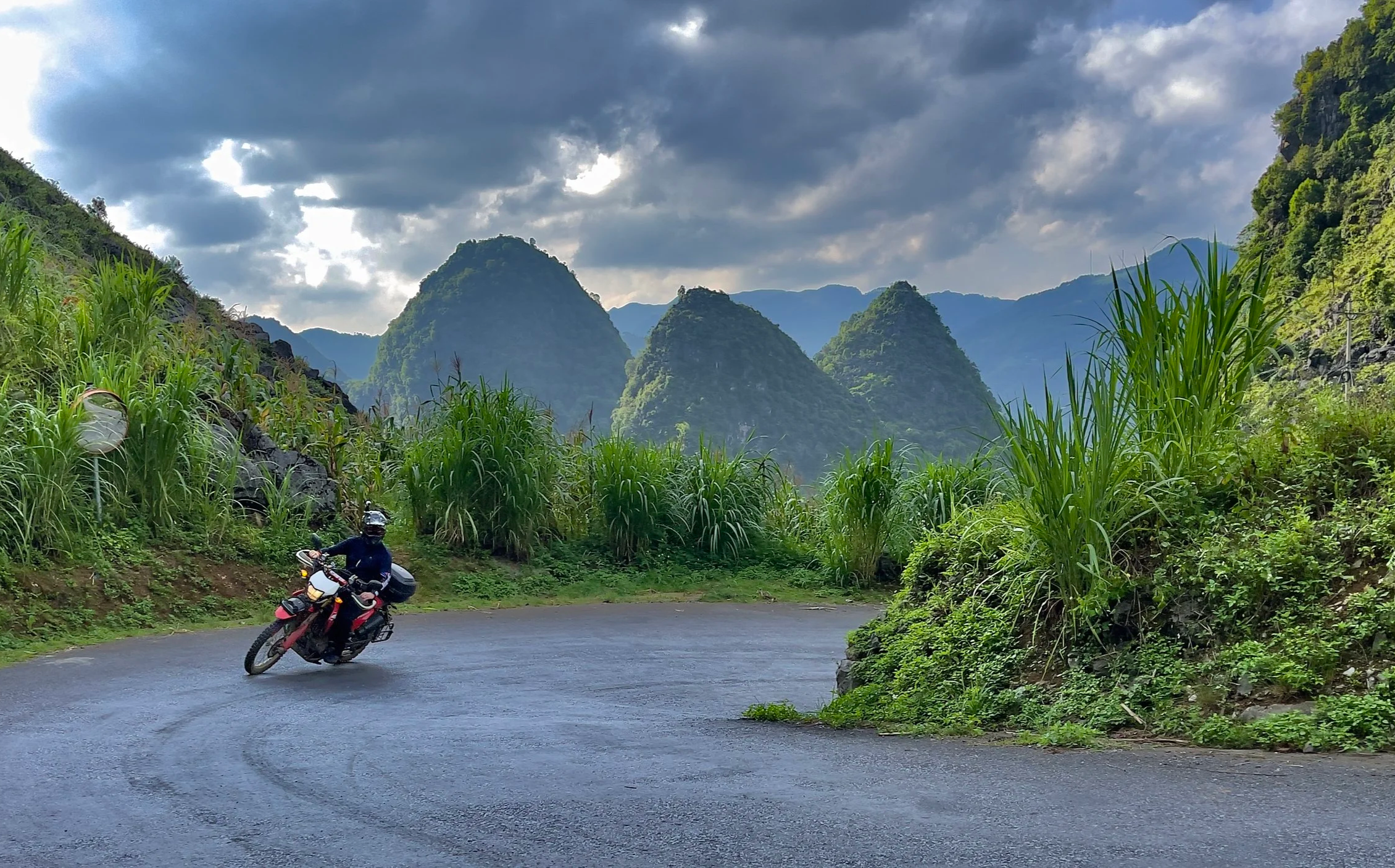
A lone rider on the Ha Giang Loop
Why Brakes Alone Are Not Enough
Most serious accidents on northern mountain passes are not caused by speed or bravado. They happen when riders descend too fast and rely only on their brakes. On a long downhill stretch, squeezing the front and rear brakes continuously causes heat to build up in the pads and discs. After several minutes, braking power fades. The lever still moves, but the bike does not slow. By the time this is noticed, the road may already be tightening into a blind corner.
What Engine Braking Really Means
This is where engine braking matters. When riders shift into a lower gear and release the throttle, the engine itself resists the bike’s movement. Instead of fighting gravity with overheated brakes, the motor holds the speed steady. It is quieter, more controlled, and far safer.
This lesson was learned on a remote descent in the Northwest while leaving a small mountain village after visiting friends. The ride in was gentle. Coming out, the road dropped sharply for several kilometres, concrete giving way to broken asphalt patched with gravel. Halfway down, the brakes softened beneath the fingers. The bike continued to gather speed. Chests tightened. Hands locked.
Instinct took over just in time. A downshift, the throttle released, and the engine bit back. The bike slowed steadily and predictably until the road flattened enough to stop safely. The sound of the engine, the smell of hot metal, and the sudden quiet once standing still remain vivid. Another few seconds of hesitation and the outcome could have been very different.
When Weight Matters More Than Engine Size
One aspect of motorcycle safety that is rarely discussed by Hà Giang tour operators is vehicle loading.
Vietnam’s most common motorcycles are not adventure bikes designed for long-distance touring. They are commuter motorcycles. The Honda Wave Alpha 110cc, for example, is one of the most ubiquitous motorcycles in the country, with millions in daily use transporting workers, farmers, students and families. It has earned its reputation through reliability, simplicity and fuel efficiency, but it was never designed to carry two adults and their luggage across mountain ranges for days at a time.
Honda specifies a maximum load capacity of approximately 150kg, including rider, passenger and all luggage. The slightly more powerful Honda Blade 125cc operates within similar limitations. These figures are not arbitrary recommendations. They represent the engineering limits within which the motorcycle’s suspension, frame, tyres and braking system are designed to operate safely. Yet many operators promoting the Hà Giang Loop give little or no consideration to vehicle loading.
Consider a typical scenario. A local driver weighing 60–70kg carrying a pillion passenger weighing 75kg is already approaching the motorcycle’s maximum rated capacity before luggage is added. A backpack, camera equipment, extra clothing, rain gear and water can easily add another 5–15kg. In many cases, the motorcycle is operating at or beyond the manufacturer’s recommended limits for much of the journey.
The consequences are not theoretical. As weight increases, braking distances become longer. More energy must be dissipated every time the motorcycle slows. Suspension performance deteriorates as springs and dampers operate closer to their limits. Tyres deform more under load, reducing their ability to maintain optimal contact with the road surface. Steering becomes heavier and less responsive. Cornering stability suffers. Emergency manoeuvres become more difficult.
These effects become especially significant in the mountains. A heavily loaded motorcycle descending one of Hà Giang’s long passes carries substantially more momentum than the same motorcycle ridden by a single commuter on a short urban journey. Every corner requires more braking force. Every descent generates more heat in the braking system. Every rough section of road places greater strain on tyres, suspension and frame components.
This brings us back to the importance of engine braking. Engine braking is not simply a riding technique. It is an essential method of managing the forces acting on a motorcycle during long mountain descents. By using the engine to control speed, riders reduce the workload placed on the brakes and help prevent overheating, brake fade and loss of braking performance.
The heavier the motorcycle, the more important this becomes. Mountain roads do not care whether a motorcycle is a 110cc commuter bike or a large touring machine. Gravity acts on both equally. The difference lies in how much weight the machine is carrying and whether it is being operated within the limits for which it was designed.
When discussing motorcycle safety in northern Vietnam, the question should not only be whether a rider knows how to use engine braking. It should also be whether the motorcycle itself is carrying a load that allows its brakes, tyres and suspension to perform as intended.
Mountain Literacy, Not Advanced Skill
In places like Hà Giang’s Ma Pi Leng Pass, or the long valleys between Sapa and Lai Châu, engine braking is not an advanced riding technique. It is basic mountain literacy. On manual bikes, this usually means selecting first or second gear before the descent begins, not halfway down. On semi-automatic or clutch bikes, it means trusting the resistance of the engine and using the brakes sparingly, as support rather than control. If burning smells appear or brakes begin to fade, the correct response is to stop and wait. The mountains are patient; riders must be too.
Travellers who are confident on a motorcycle will find some of Vietnam’s most rewarding roads here. For those without a licence or experience riding steep mountain terrain, travelling pillion with a local rider is often the best way to experience the landscape safely. Find out more here.
Learning From Local Riders
At ETHOS, when riding with local partners, these habits are second nature. Farmers who travel these roads daily know exactly where to slow, where to coast, and where to let the engine do the work. They ride with produce tied to the back, children balanced in front, and an unspoken understanding of the terrain. Learning from them is part of travelling well here. Whether riding independently or travelling pillion, slowing down and observing how local people move through these mountains often reveals more than any map ever could.
Riding through the highlands of northern Vietnam offers extraordinary rewards: cold air on the face at dawn, woodsmoke drifting from hillside homes, terraces glowing green after the rains. But these landscapes ask something in return. Respect the road. Ride slowly. And engrave engine braking into muscle memory.
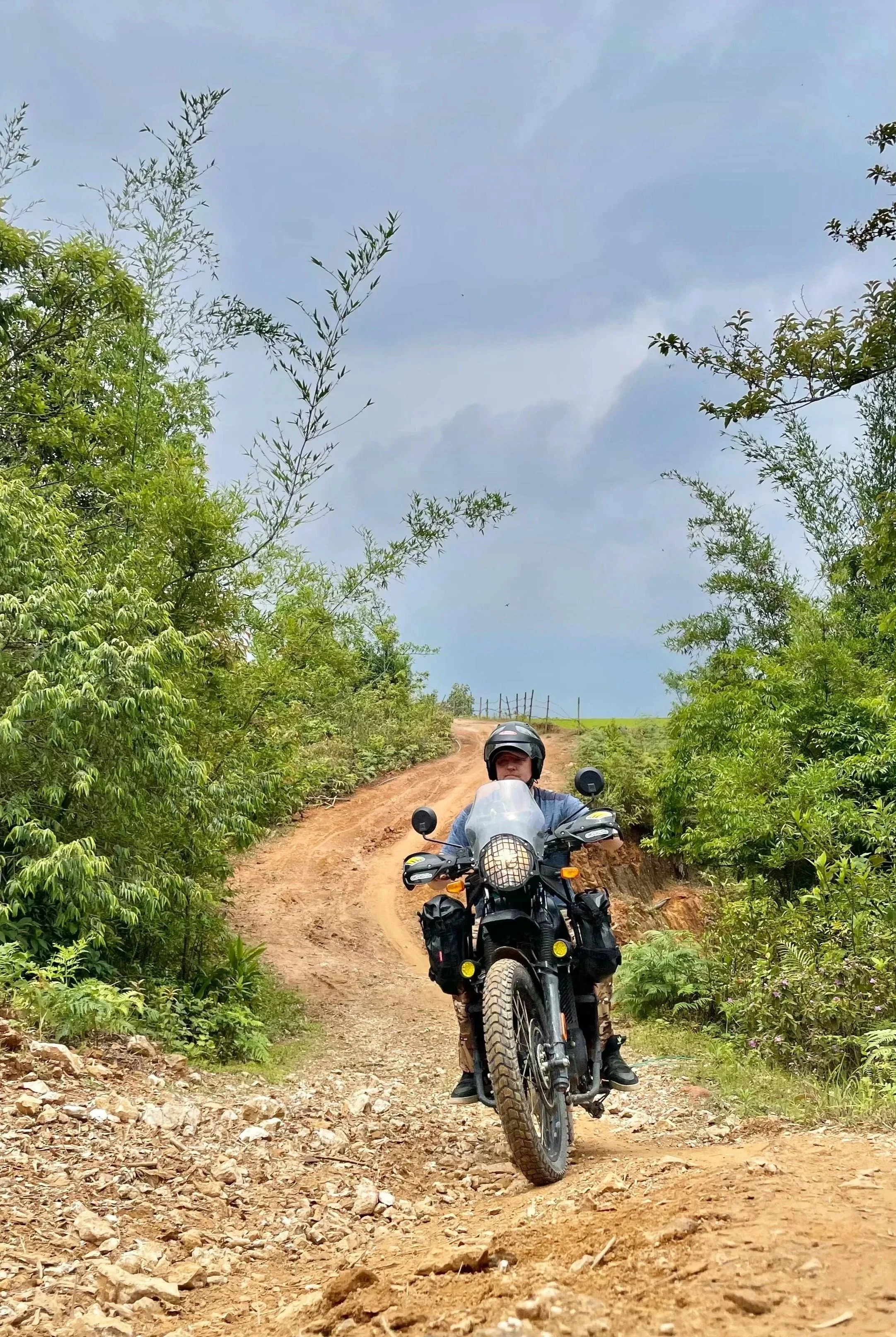
Gravel back roads in Vietnam’s North West region
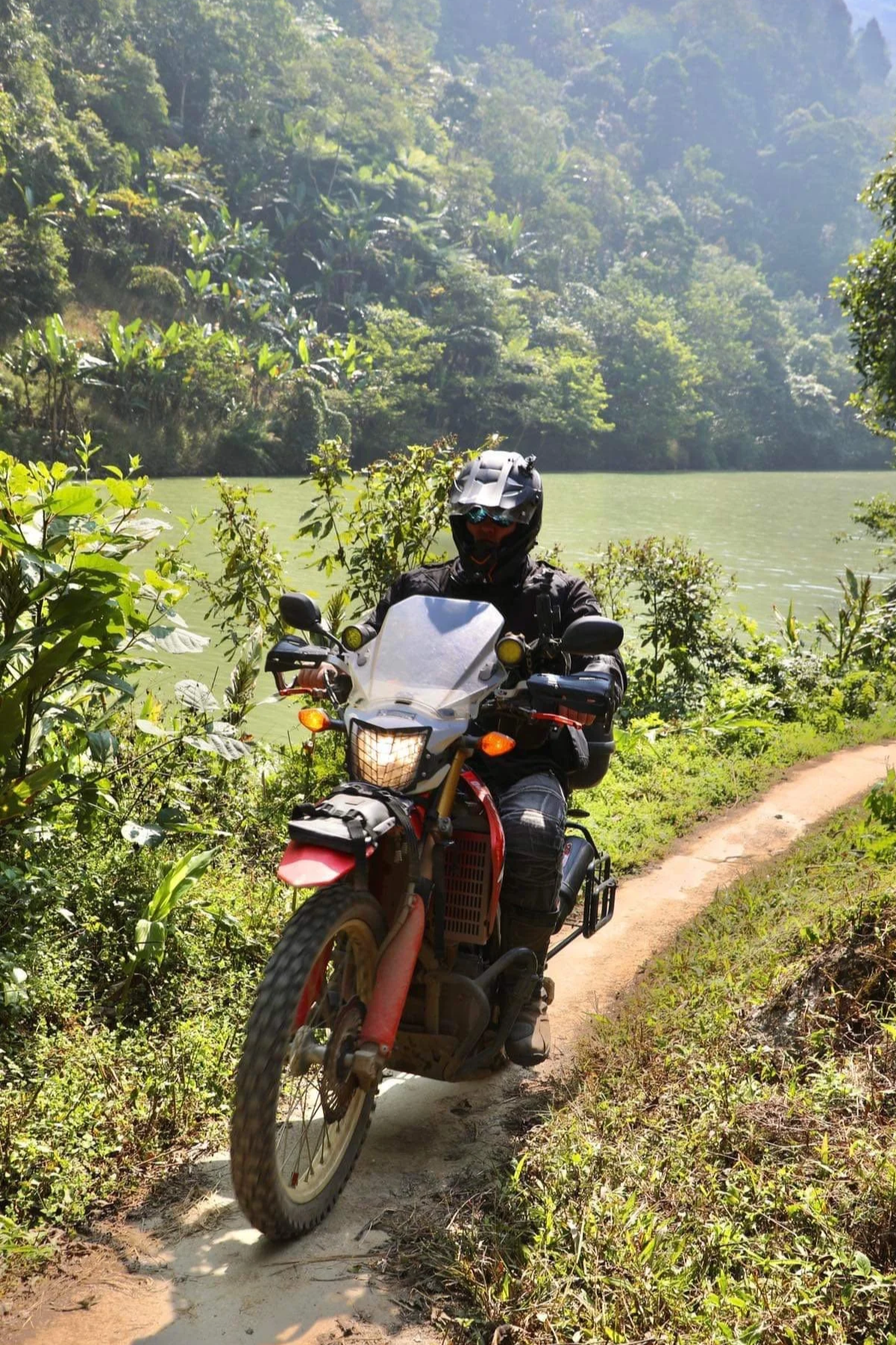
Single Track riding in Sapa
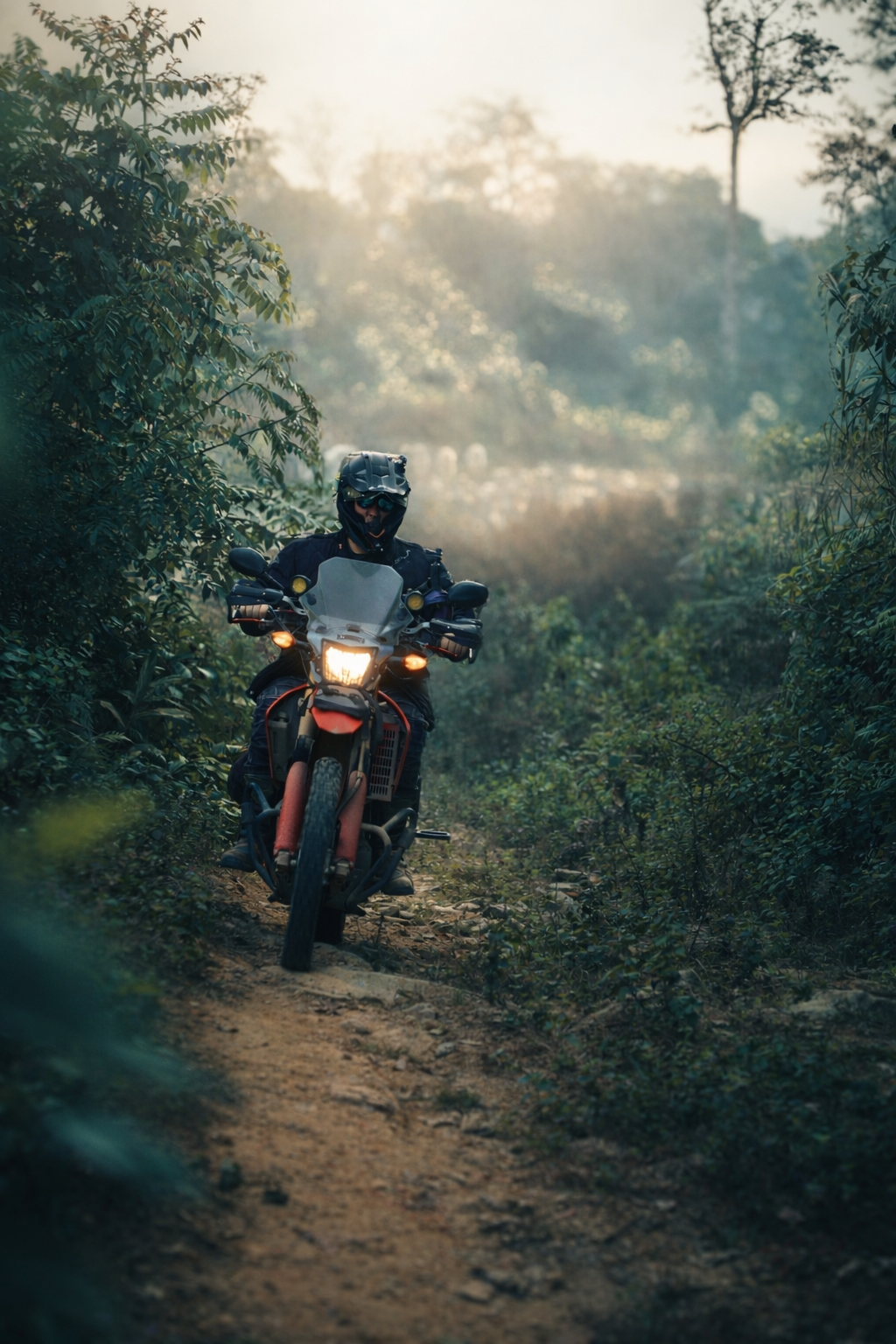
Single Track Riding in Sapa
When the Wrong Motorcycle Becomes a Safety Risk
One of the more troubling developments in northern Vietnam tourism is the promotion of 50cc scooters as a suitable way for inexperienced travellers to complete demanding mountain routes such as the Hà Giang Loop.
The marketing is often straightforward: if a traveller does not possess the licence required for a larger motorcycle, a 50cc scooter is presented as a convenient workaround. What is discussed far less frequently is whether these machines were ever designed for this type of journey in the first place. They were not.
The modern 50cc scooter was developed primarily as an urban commuter vehicle. Its purpose is simple: transport a single rider efficiently across relatively short distances on paved roads at modest speeds. The priorities are affordability, fuel economy, low maintenance and ease of use in traffic. Everything about the machine reflects that design brief.
The engine is small and produces limited torque. The frame is lightweight. The suspension is basic. The wheels are often smaller than those found on full-sized motorcycles. Tyres are narrow. Braking systems are designed for short, intermittent stops in urban environments rather than repeated heavy use on mountain descents. Most are intended to carry a single rider and a small amount of cargo, not a heavily equipped traveller spending days crossing mountain ranges.
The Hà Giang Loop places demands on a motorcycle that are fundamentally different. Over the course of several days, riders face sustained climbs, steep descents, broken road surfaces, gravel, mud, potholes, construction zones, unpredictable weather and sharp mountain bends. Machines spend hours under load rather than minutes. Brakes are repeatedly called upon to control speed on long downhill sections. Suspension is constantly absorbing impacts from rough surfaces. Tyres are expected to maintain grip on wet roads, loose gravel and uneven pavement.
This is not the environment for which a typical 50cc commuter scooter was engineered. The braking issue alone deserves serious consideration. On mountain roads, brakes convert enormous amounts of energy into heat. During prolonged descents that heat builds continuously. Small commuter scooters generally have less robust braking systems than larger motorcycles designed for touring or mountain riding. As brake temperatures increase, performance can deteriorate. Riders may find they need greater lever pressure to achieve the same level of braking force, while stopping distances increase. This is exactly why experienced mountain riders rely heavily on engine braking to reduce the load placed on the brakes.
Tyres present another concern. Narrow commuter tyres provide a smaller contact patch with the road surface. While perfectly adequate for everyday town riding, they offer less margin for error when confronted with gravel, mud, standing water or damaged mountain roads. Combined with small wheels, they can also be more easily unsettled by potholes, washouts and rough surfaces.
Engine performance is often misunderstood. The issue is not speed. The roads of Hà Giang rarely reward speed. The issue is carrying capacity and reserve power. Small engines working near their operational limits for extended periods have little performance in reserve when faced with steep gradients, luggage, changing road conditions or emergency situations.
Most importantly, the use of a smaller motorcycle does not reduce the complexity of the road itself. The blind corners remain blind. The steep descents remain steep. The trucks still occupy the centre line. The gravel remains loose. The weather remains unpredictable.
A 50cc scooter may satisfy a regulatory requirement, but it does not change the realities of mountain riding. Can these machines complete the Hà Giang Loop? Certainly. Many do.
The more important question is whether inexperienced travellers should be encouraged to undertake one of Southeast Asia’s most demanding road journeys on vehicles designed primarily for short-distance urban commuting. In our view, the answer is no.
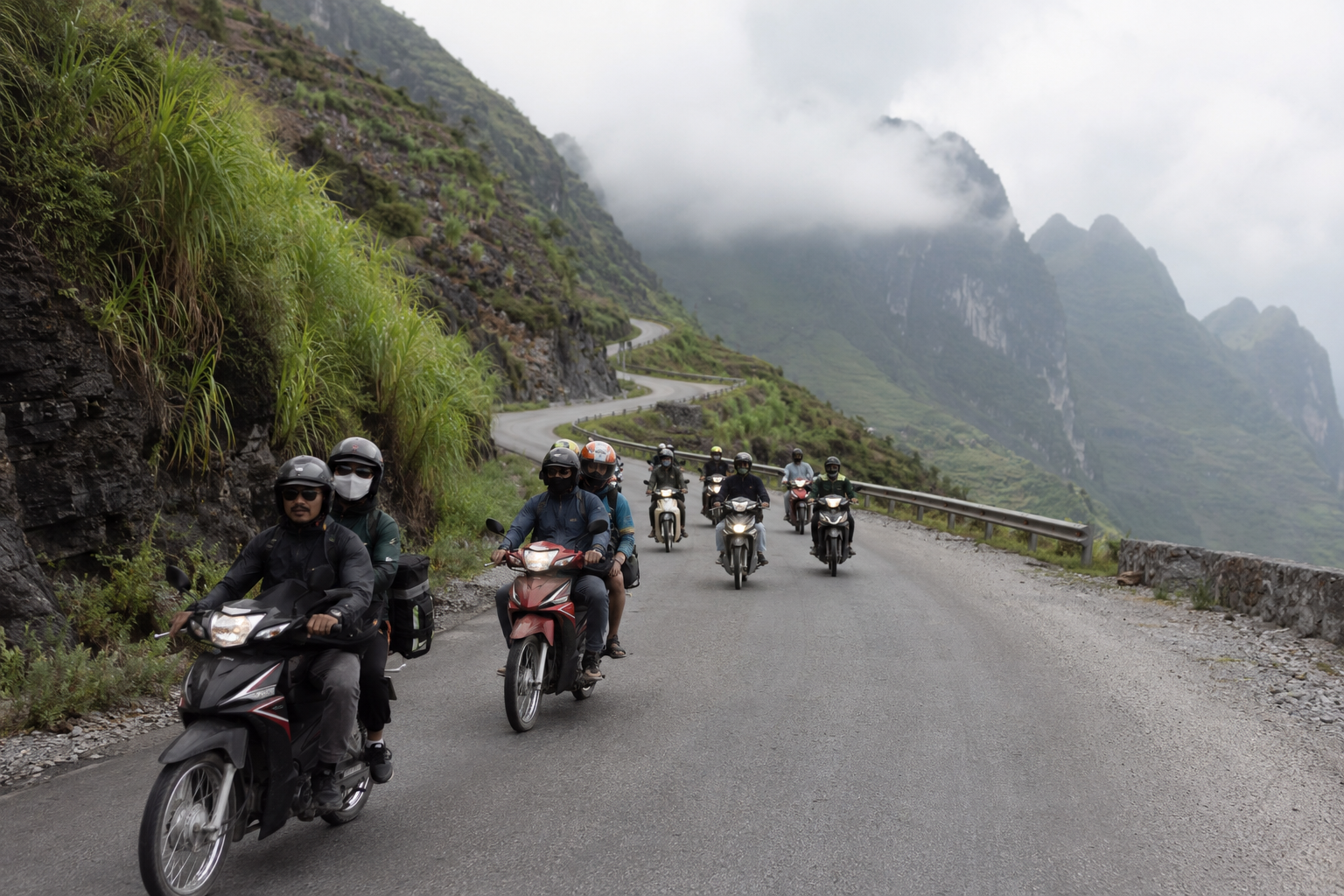
Easy Riders group on Honda Wave 110cc scooters doing the Ha Giang Loop.
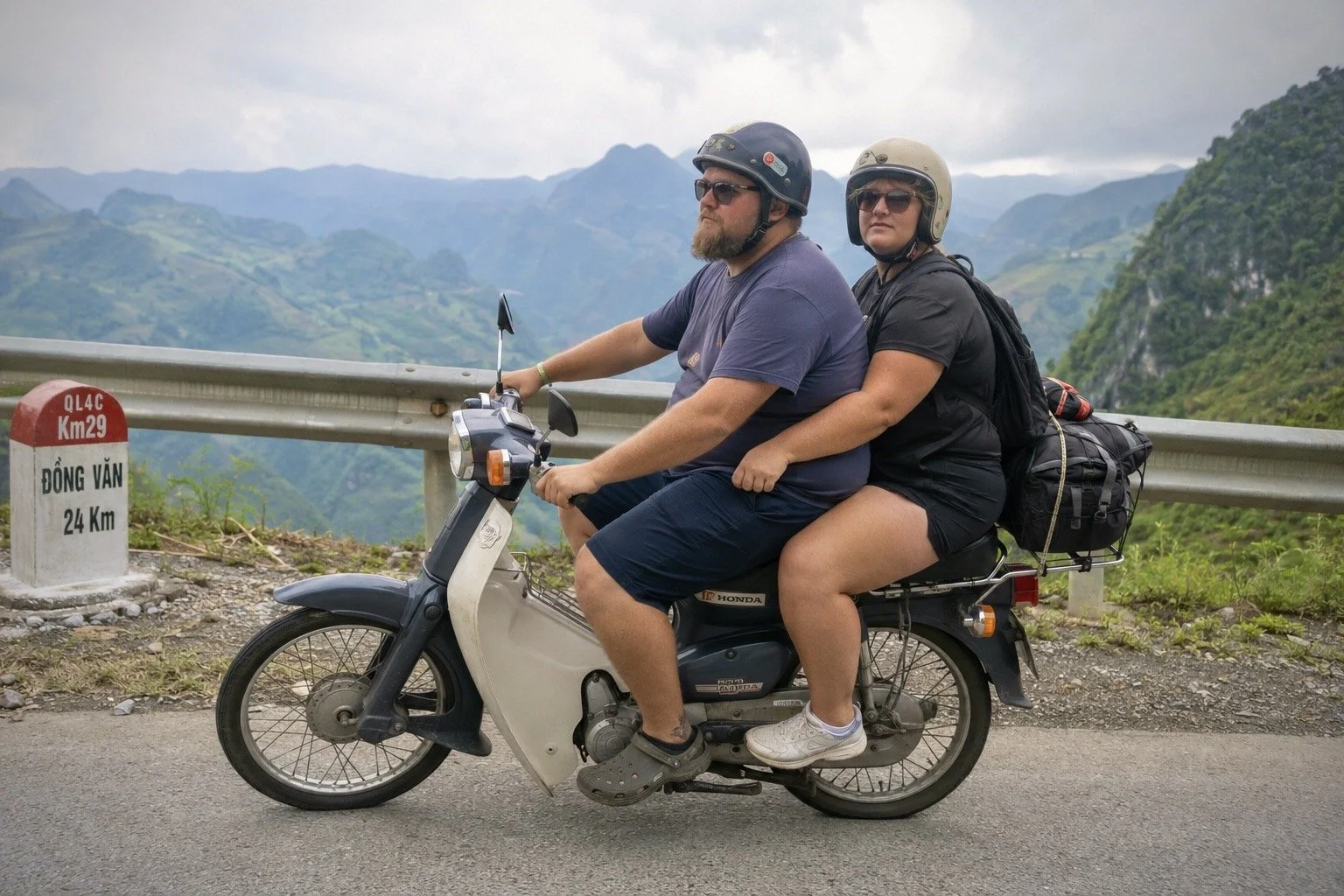
Riders attempting the Ha Giang Loop on an undepowered Honda Cub 50cc
Planning a Motorbike Journey in Northern Vietnam?
If this article has convinced you that mountain roads deserve respect, you’re already approaching the experience the right way. ETHOS offers self-drive motorbike adventures for experienced riders, alongside pillion options for travellers who want to experience the highlands without riding themselves.
Learn more about our motorbike experiences in northern Vietnam
Riding Vietnam’s Remote North-West: Lai Chau, Dien Bien Phu and Son La by Motorbike
Explore Vietnam’s remote north-west by motorbike, riding through Lai Chau, Dien Bien Phu and Son La where roads are quieter, terrain is more demanding, and travel moves at a different pace. This is a region shaped by distance and real riding conditions, offering an alternative to the crowded Ha Giang Loop for those seeking a more grounded and responsible journey.
Beyond Sapa: Where the Roads Become the Journey
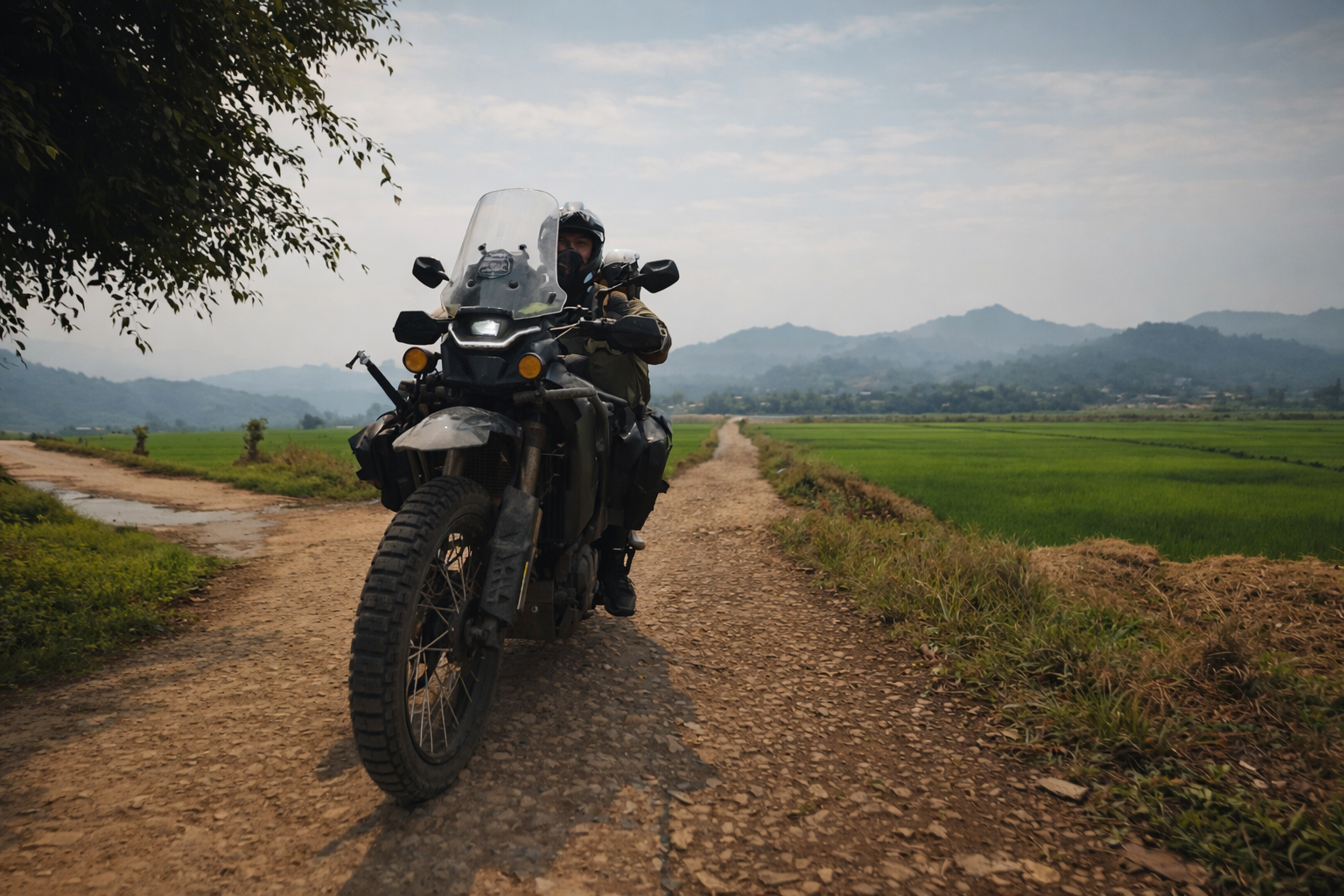
Once you leave the orbit of Sapa and head west, the nature of travel changes quickly. The provinces of Lai Chau, Dien Bien Phu, and Son La are defined not by viewpoints or fixed routes, but by the road itself. Green tea plantations dominate before giving way to rubber trees, karst peaks and great lakes.
In this part of northern Vietnam, the motorbike is not a novelty, but the dominant form of transport, used daily across both cities and rural areas. there are still many villages that cannot be reached by any orher mode of transport and that is why around 87% of households own a motorbike. The motorcycle remains the most practical way to move through mountainous terrain where public transport is limited or absent. The more remote you go, that reality becomes even more apparent. Without a bike, access is restricted. With one, the landscape opens fully, but only if you are prepared to ride it properly.
Riding a motorbike in North Vietnam is not passive travel. Instead, the weather and roads dictate the pace, and the terrain requires constant attention.
Before going further, it is worth taking a moment to consider what kind of riding experience you are looking for. The north-west is not designed for quick routes or high-volume travel. It rewards preparation, patience, and a willingness to adapt to conditions as they are. For those wanting to understand how we approach riding in this region, our motorbike journeys are shaped around these same principles, with routes and pace built around the landscape rather than fixed expectations.
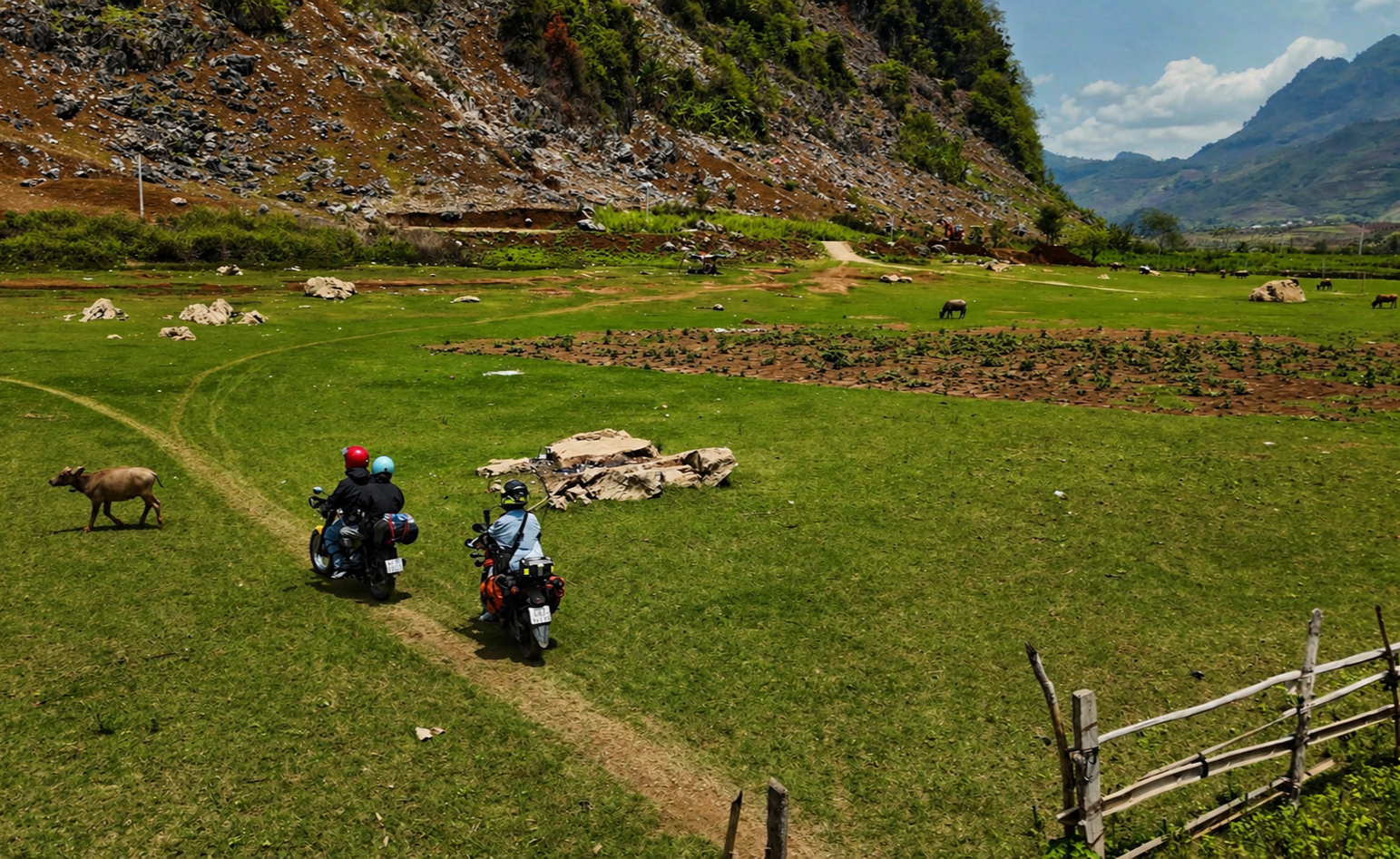
Adventure Riding in Son La Province
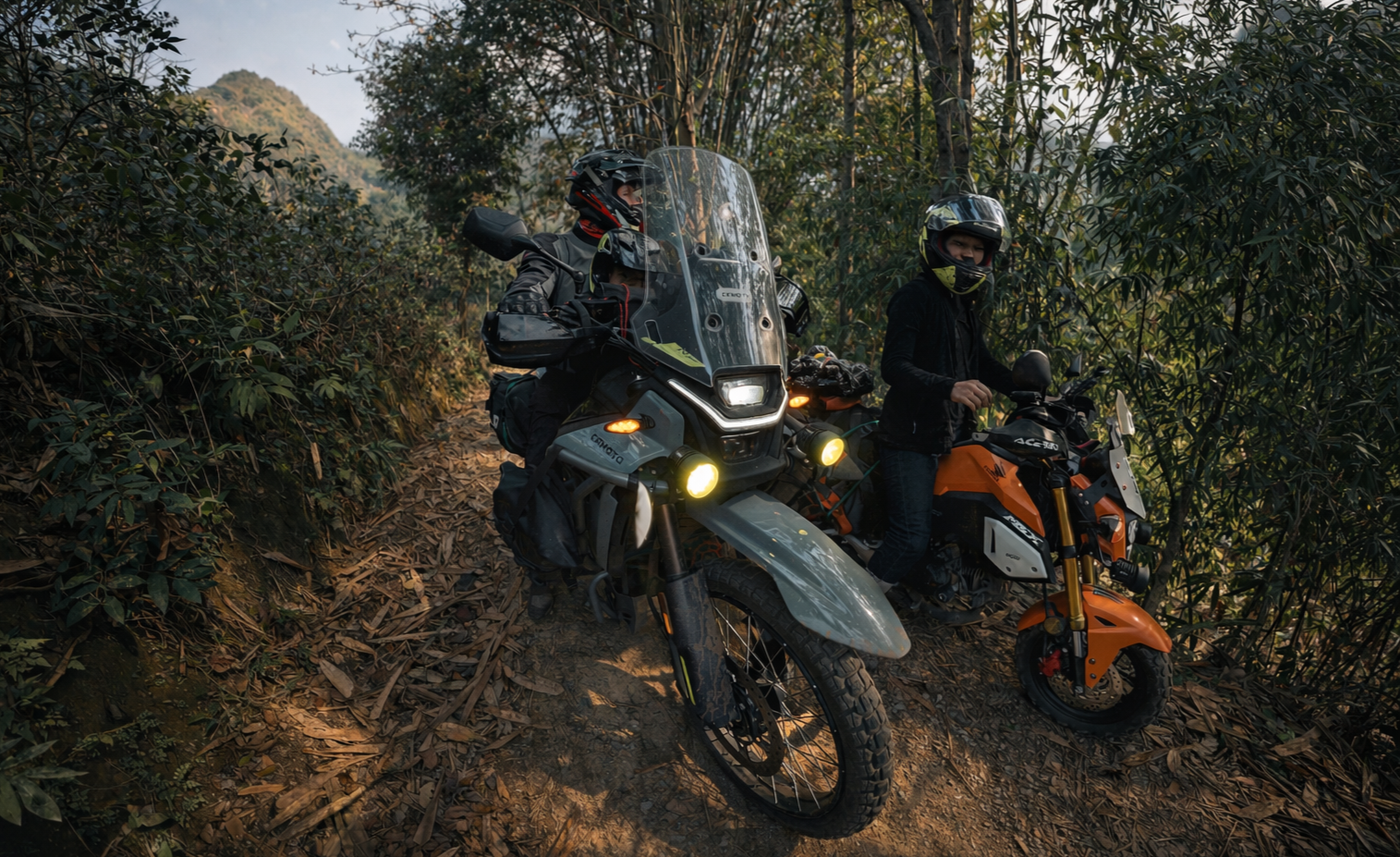
Choosing the trails in rural Lai Chau
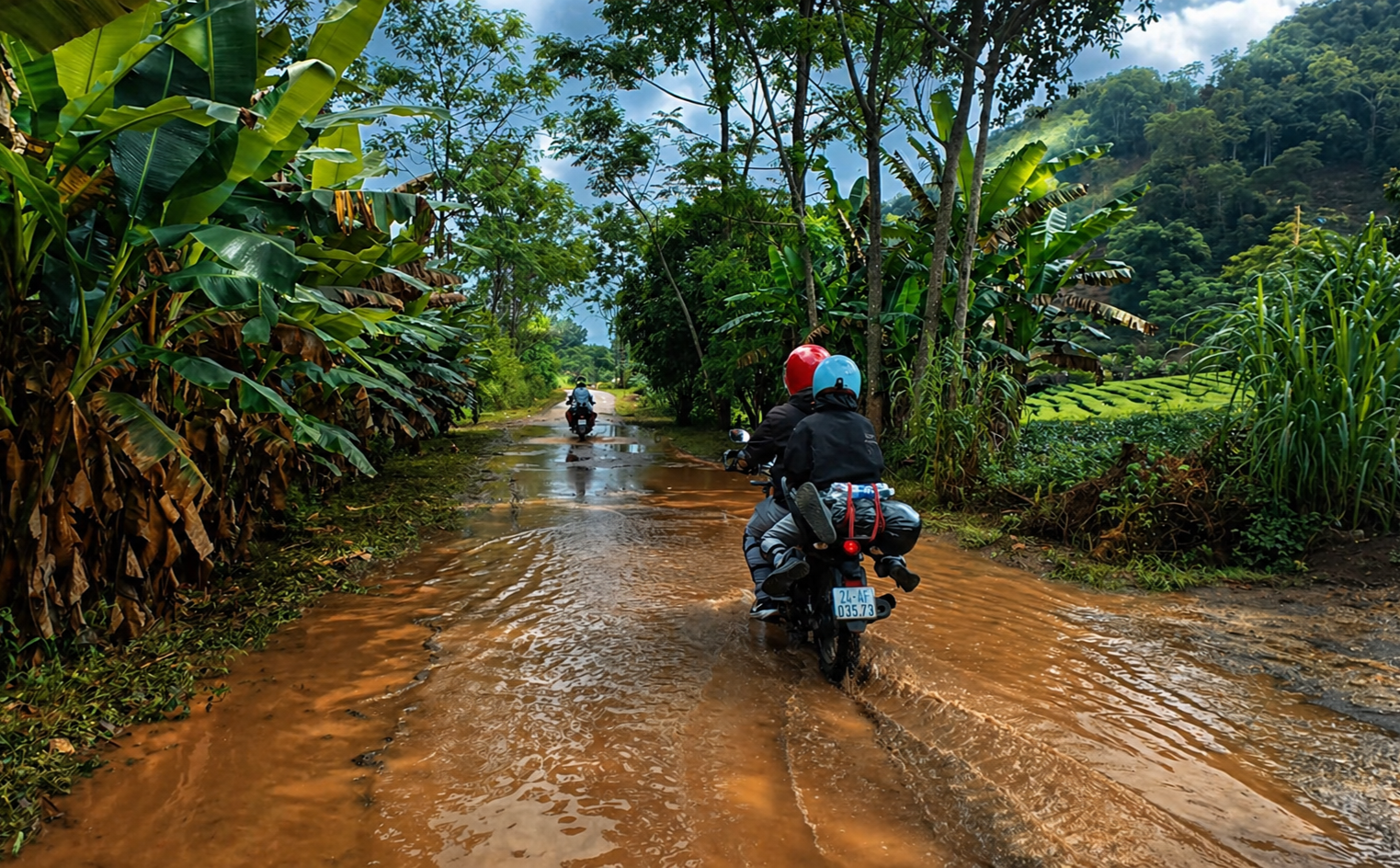
Flooded road sections after seasonal rains in Son La Province.
Why These Provinces Remain Rarely Visited by Riders
Lai Chau, Dien Bien, and Son La are rarely visited, not because they are hidden, but because they demand more from anyone travelling through them. Distances are significant, and road conditions reduce average speeds to a level that makes even short routes time-consuming. Surfaces vary constantly, fuel stops are irregular, and mechanical support is limited outside larger towns.
Navigation cannot be fully outsourced to a device. Mapping is inconsistent, signage is minimal, and routes often depend on current local conditions rather than fixed directions. Weather adds another layer of complexity, particularly during the wet season when landslides, mud, and reduced visibility can change a route within hours. In many regions, there is little to no English spoken, while in some really remote areas, there might not be spoken Vietnamese either. Accomodation is few and far between, meaning camping and local homes are often the only option. These are not barriers in themselves, but they are filters. They shape who comes, and how they travel. They are also reasons why visiting with an experienced guide team assures travellers get the most out of the area.
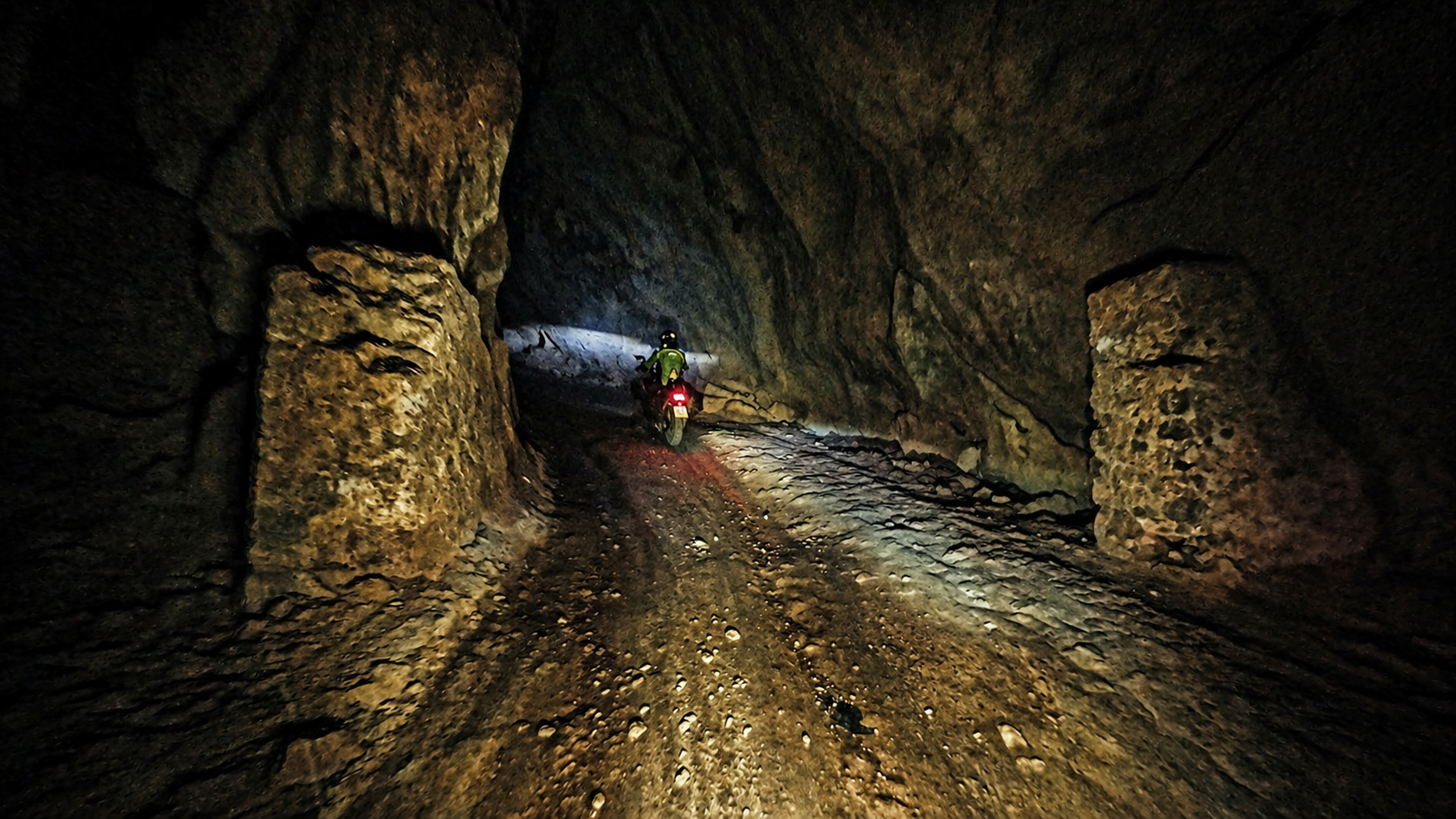
Road through underground road system
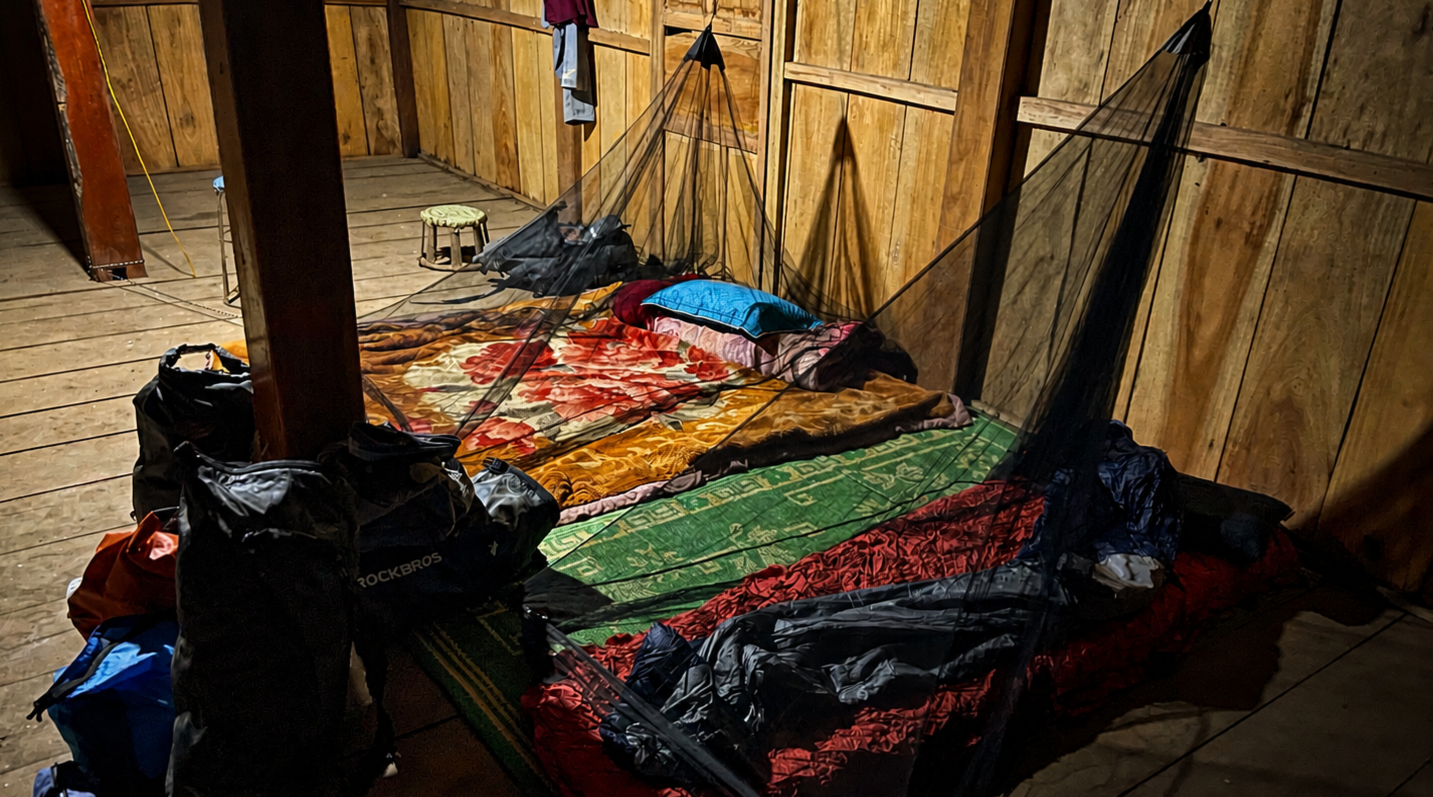
Basic homestay accomodation in Dien Bien
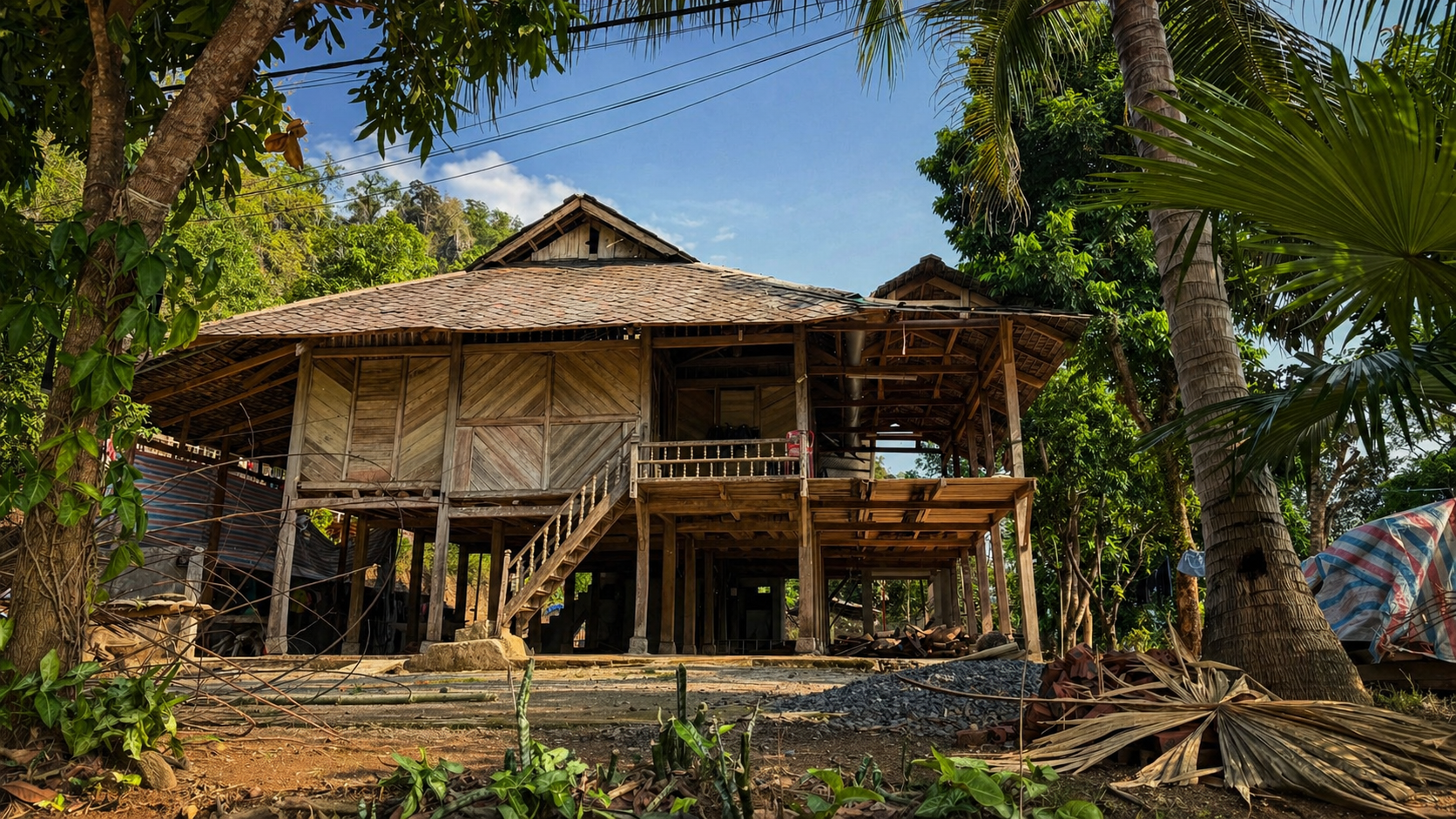
ETHOS homestay in Lai Chau
A Different Riding Ethos to Ha Giang
The contrast with Ha Giang is important, because it highlights what this region is not becoming.
Ha Giang has seen rapid growth in motorbike tourism, driven by short loop itineraries and high-volume operators. The result is a concentration of riders moving through the same routes, often within tight timeframes. The roads themselves remain technically challenging, yet the riding environment has shifted due to the volume and behaviour of traffic. Large groups, inconsistent riding ability, and a growing party-driven travel culture have introduced unnecessary risk into an already demanding landscape. This has also begun to affect local communities, where noise, alcohol, and unmanaged tourism activity can disrupt daily life.
Lai Chau, Dien Bien Phu, and Son La have not followed this pattern. There is no simplified loop, no standardised three-day circuit, and no infrastructure built around volume. Travel here is more dispersed, less predictable, and harder to scale. All of this creates a totally different kind of riding environment. Roads are quieter and primarily used for local movement rather than tourism flow. Riders are fewer, groups are smaller, and the pace is set by conditions rather than expectation.
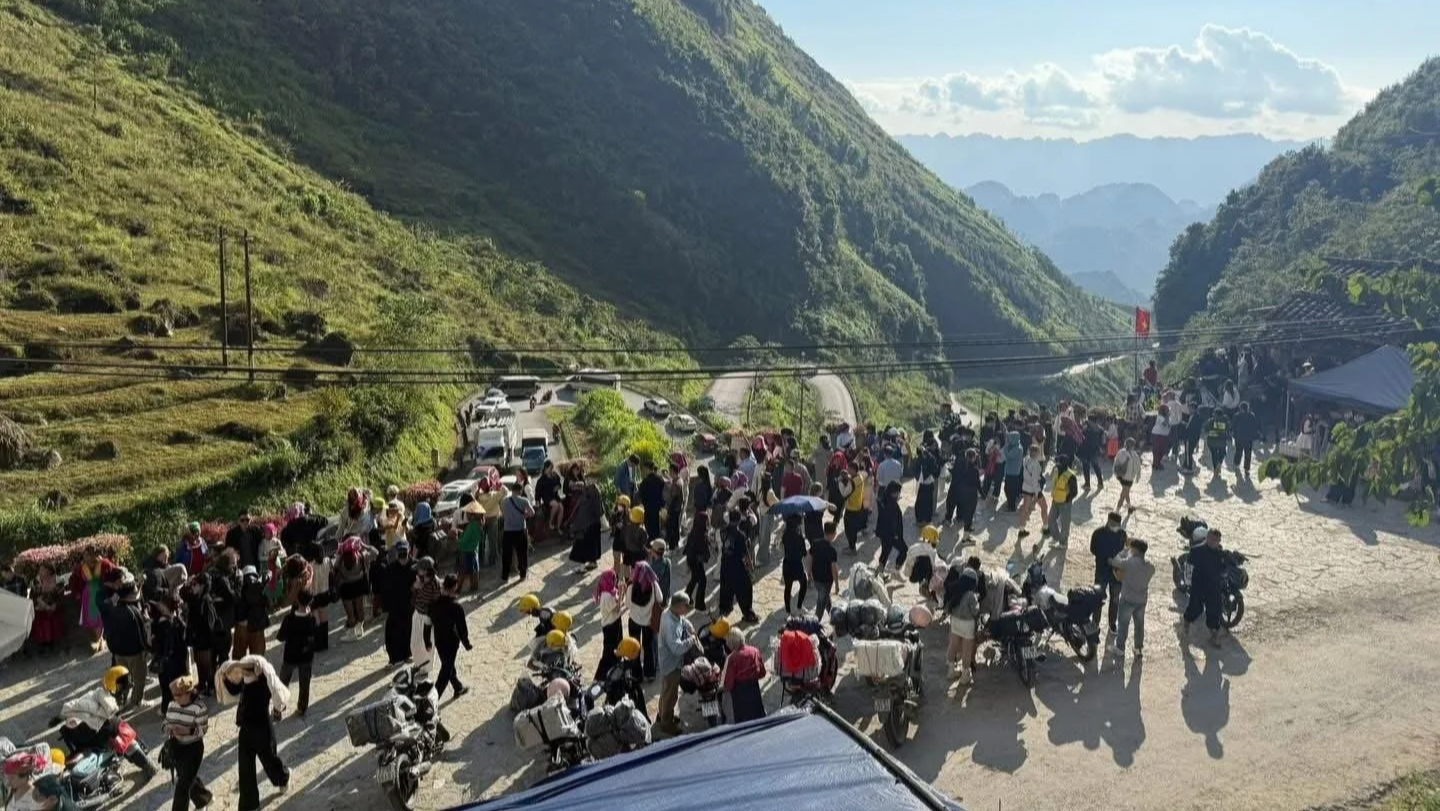
Large group tours quickly turn to crowds in Ha Giang
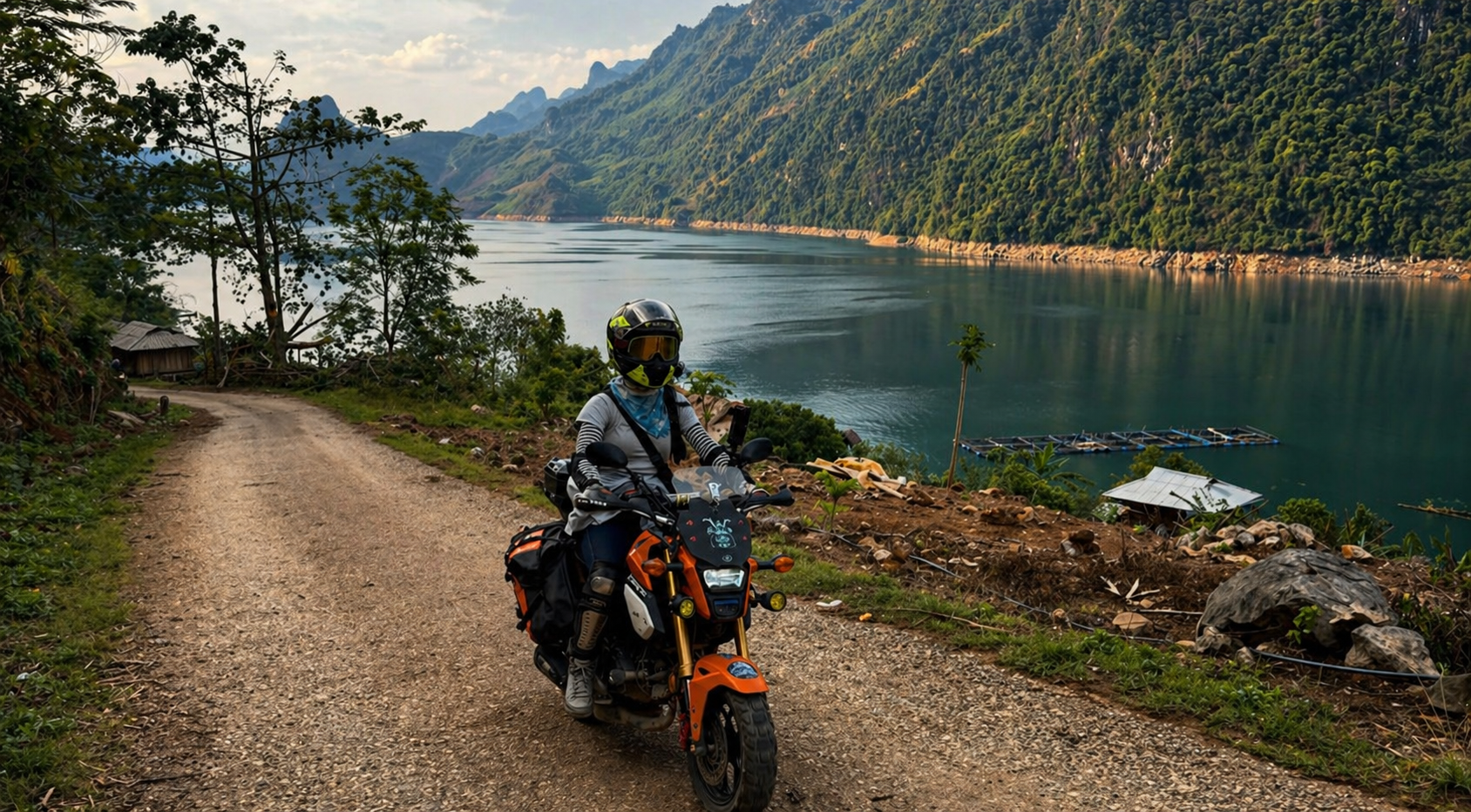
Quiet roads in Dien Bien Province
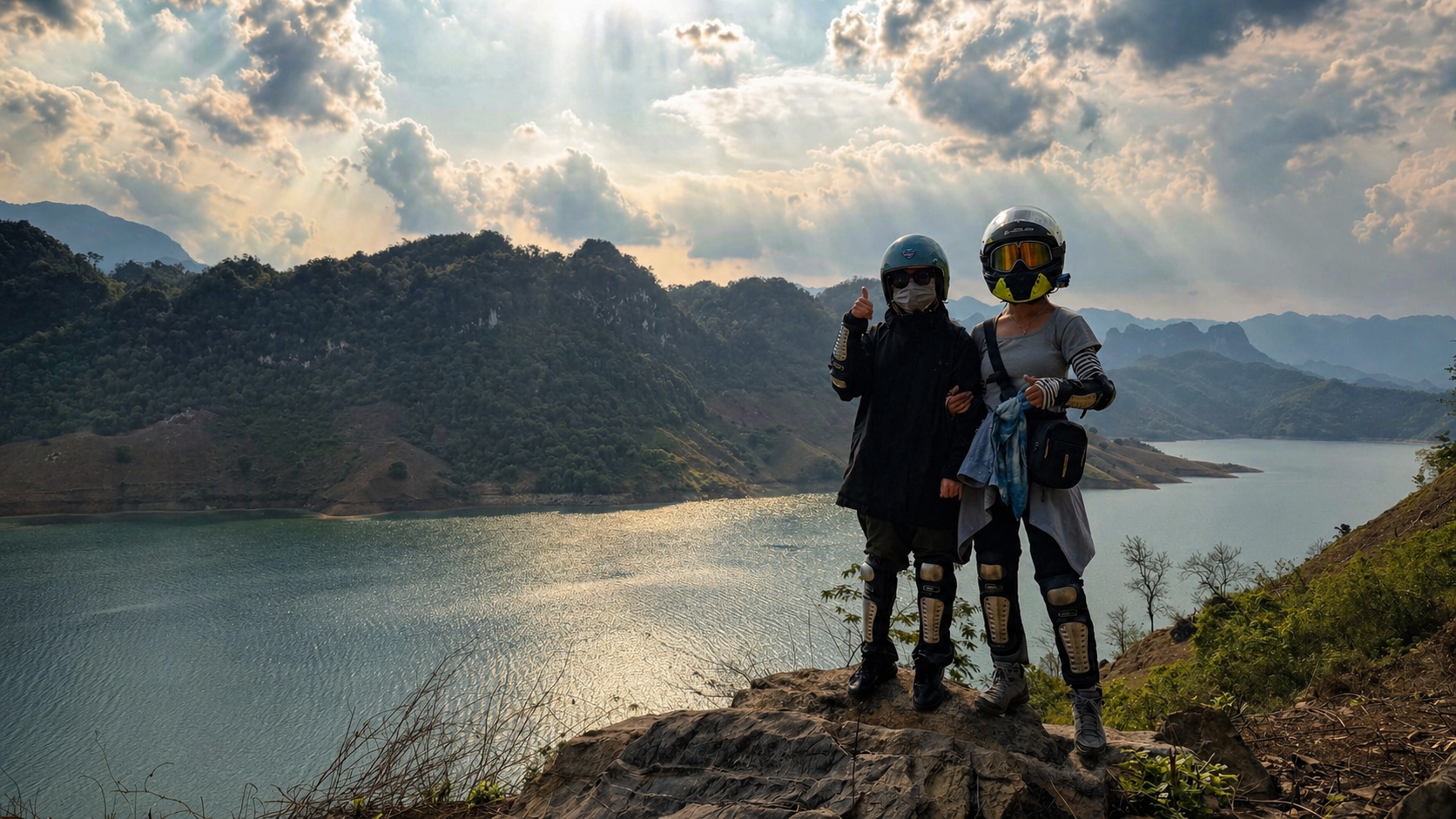
Scenery without crowds on a multi-day road trip.
Riding Conditions Across the Region
The riding across these provinces is defined by constant variation. Surfaces move between smooth asphalt, broken tarmac, gravel, and compacted dirt, often within a single stretch of road. Corners are tight and frequent, with steep gradients and limited protection in many areas.
Lai Chau presents high mountain passes and long exposed sections where traffic is minimal and conditions can change rapidly. Routes into and out of Dien Bien Phu involve sustained climbs and descents, while Son La combines wider valley roads with narrower mountain links between smaller settlements.
Average speeds remain low. Riding here is not about covering distance efficiently, it is about maintaining control and responding to the terrain as it unfolds. The scenery is varied, spectacular and undoubtedly some of the best anywhere in Vietnam.
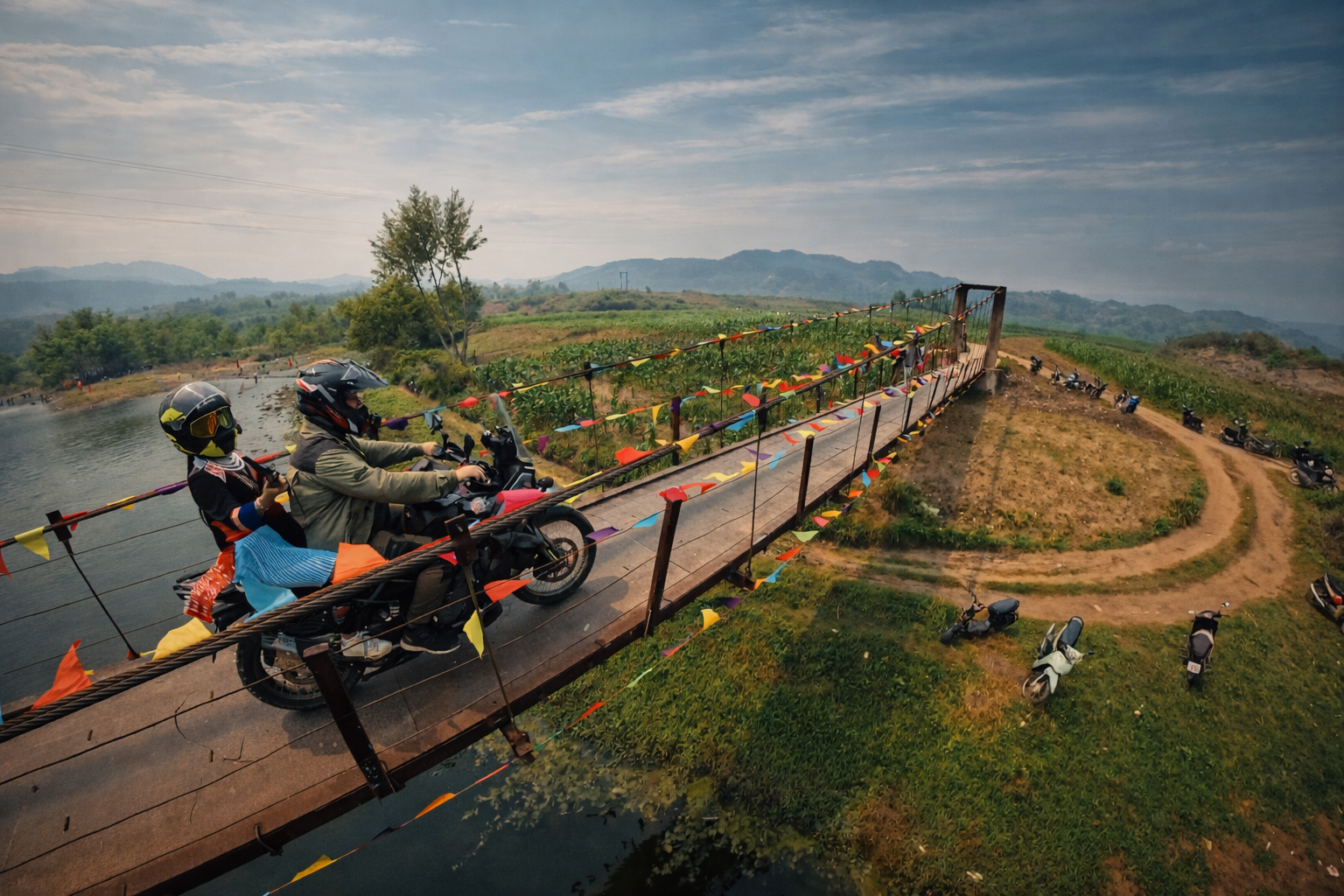
Suspension bridge crossing in Lai Chau.
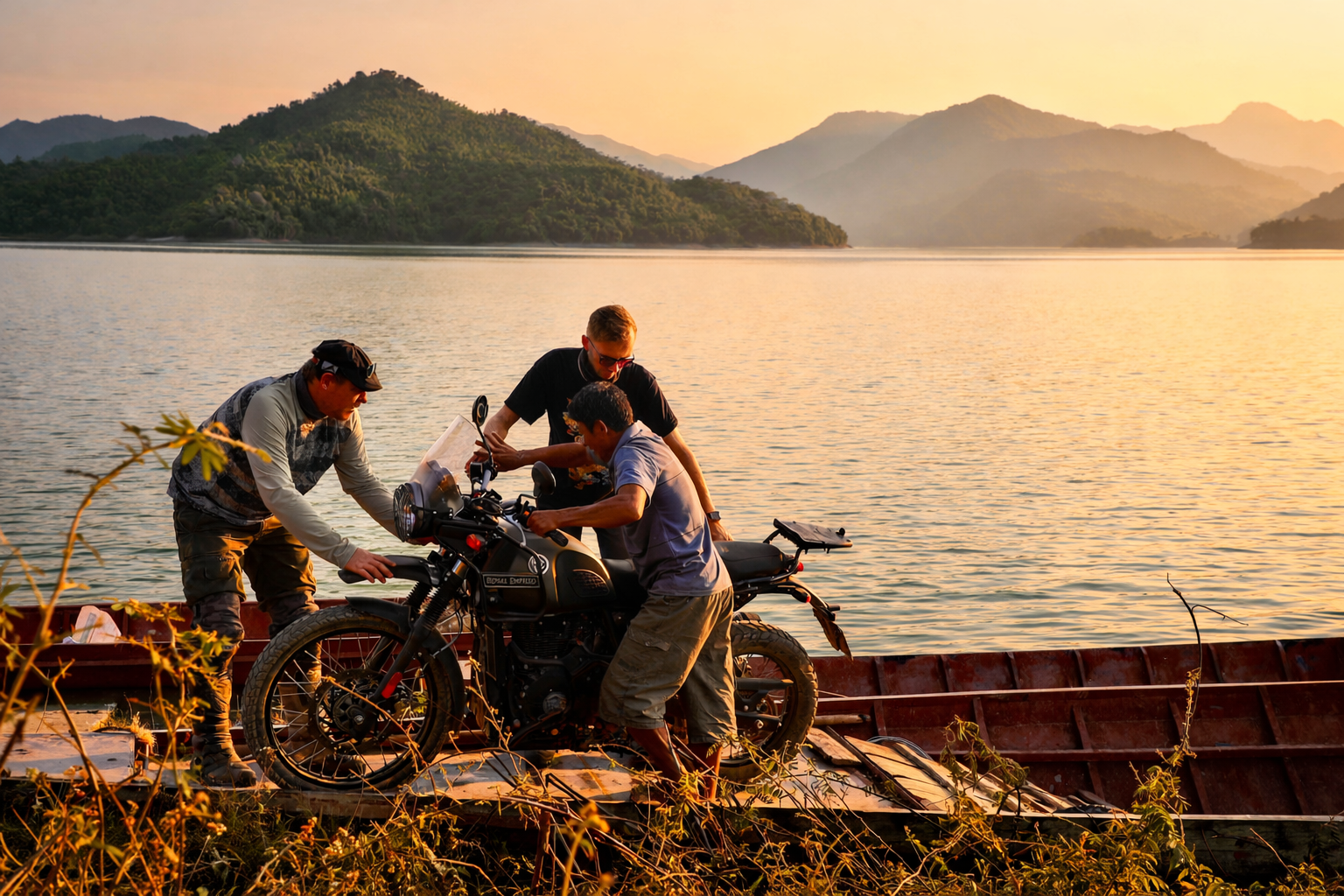
Navigating the region frequently requires local ferries.
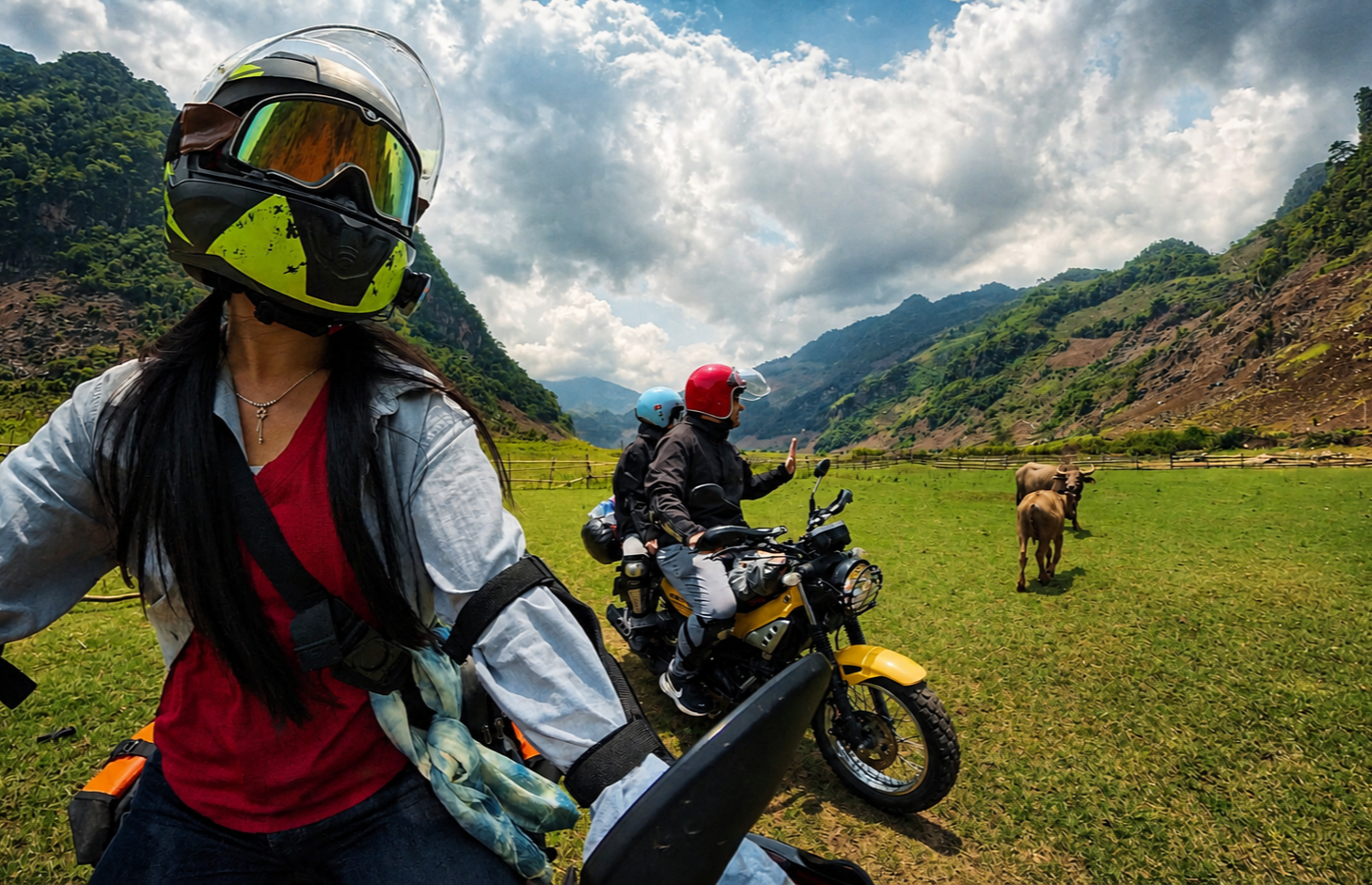
Off-road riding in Son La
Cultural Landscapes Seen from the Saddle
Motorbiking through this region means moving through working environments rather than designated destinations. Roads pass through farmland, villages, and shared community spaces. Livestock, children, agricultural vehicles, and pedestrians all form part of the road environment.
The region is home to diverse ethnic communities including Hmong, Dao, and Thai groups. Settlements vary in structure and layout, but all are closely tied to the land around them.
Stops are not staged experiences. They happen when needed, for fuel, food, or rest, and often bring riders into direct contact with local households or small roadside businesses. Interaction is practical and unstructured, shaped by the moment rather than planned in advance.
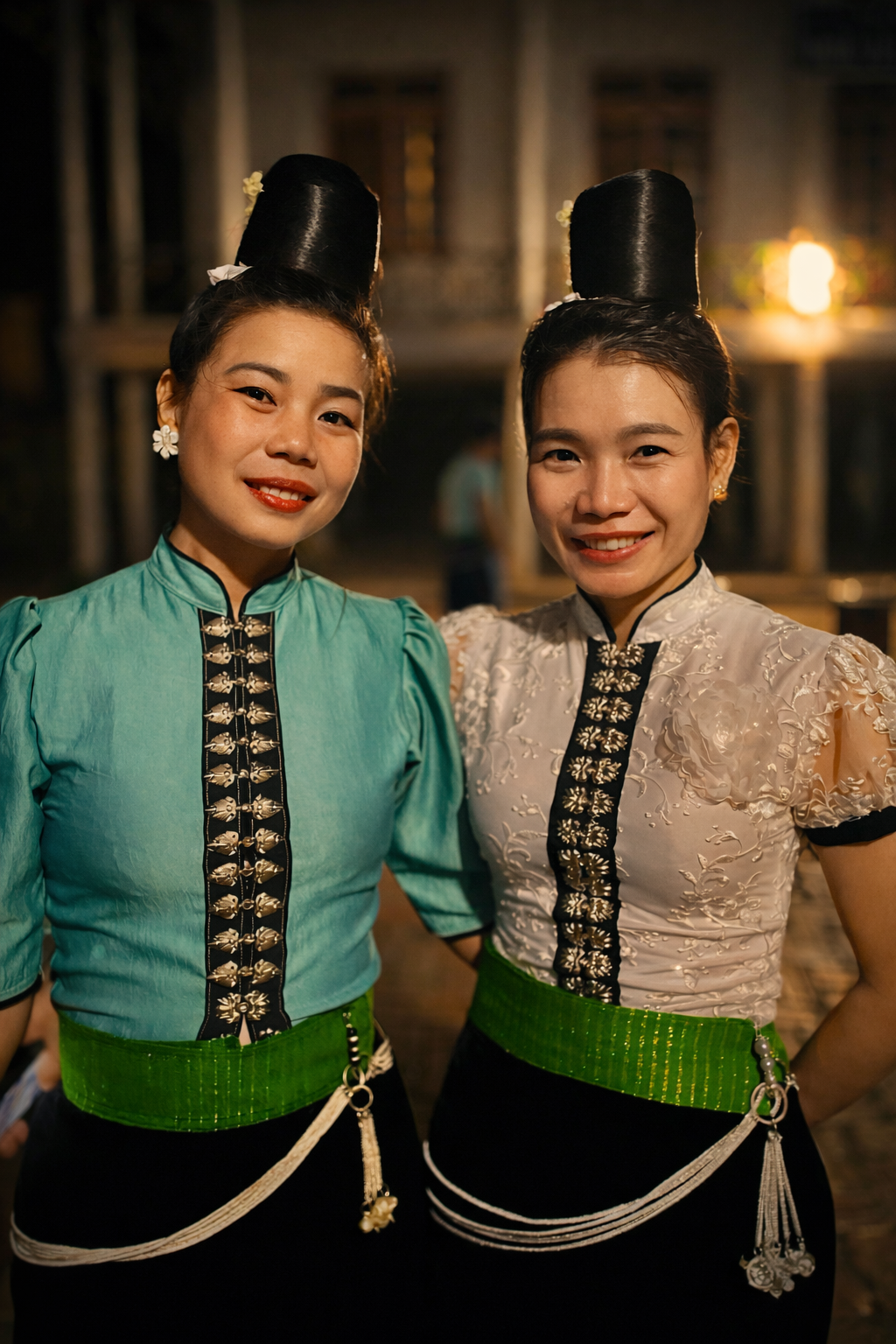
Thai women in Son La

Lan Tien girl in Dien Bien Phu Province
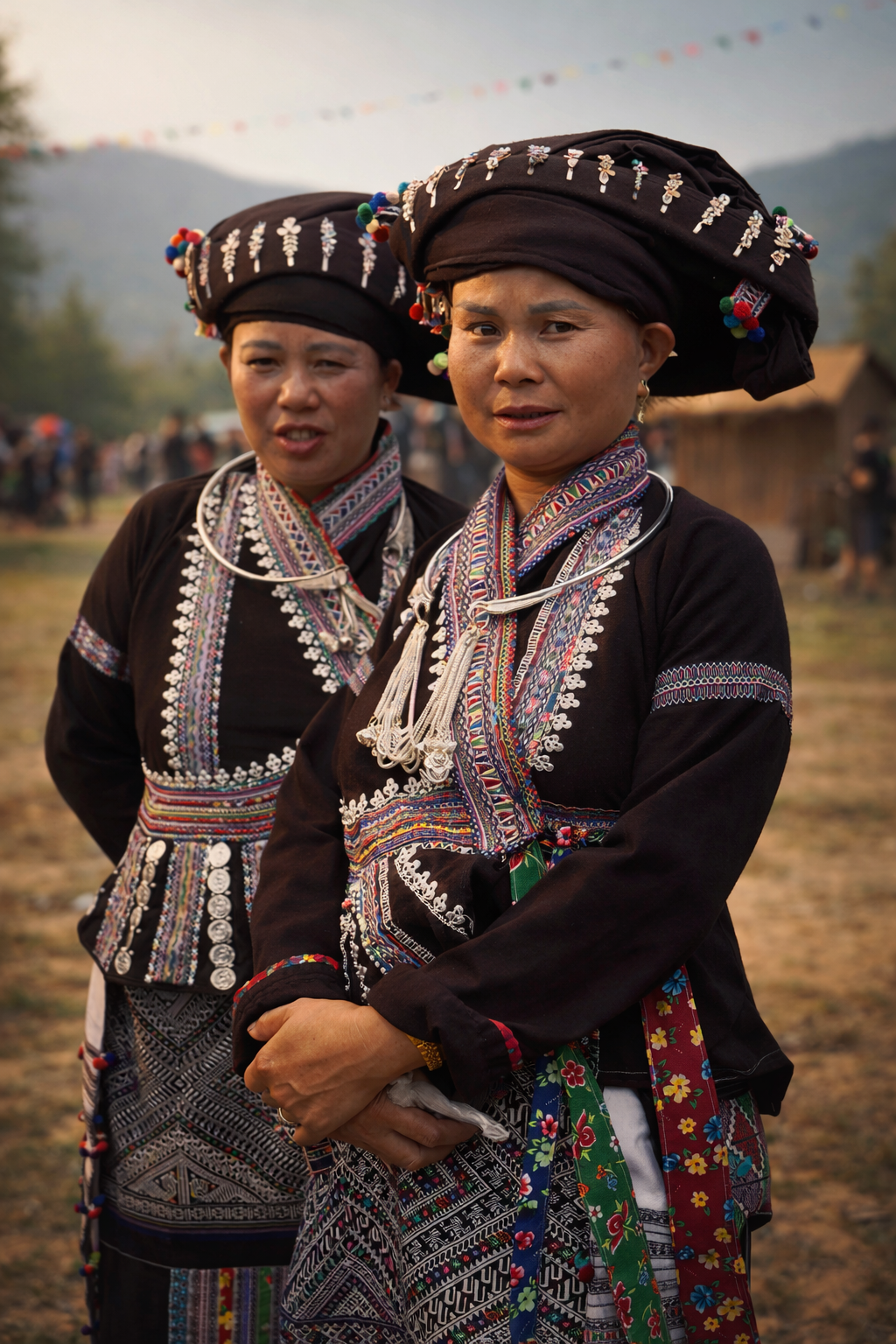
Lao women in Lai Chau
Why This Region Suits Experienced Riders
This is a demanding riding environment that requires both technical skill and awareness. Riders need to be comfortable with mixed surfaces, steep descents, and unpredictable hazards. Braking control, line selection, and the ability to read terrain quickly are essential.
Motorbiking in northern Vietnam is often described as exhilarating, yet it is equally about restraint. We emphasise that this kind of travel is not about chasing speed or adrenaline, but about trusting the terrain and riding within it. In the north-west, that balance becomes critical.
Mechanical awareness is also necessary as a practical requirement. Minor issues can escalate quickly in remote areas, and riders need to manage their bike with a degree of independence. Travelling with a knowlege of how to field repair is very useful.
How ETHOS Motorbike Adventures Work
ETHOS approaches motorbike travel as a combination of riding, local knowledge, and community connection. Journeys are developed in collaboration with local partners, including Hmong and other ethnic community members, ensuring that routes are both viable and respectful. Groups are intentionally small. Each ride is led by experienced guides and supported by local riders who understand the terrain, the conditions, and the communities along the route.
The structure of each day reflects the realities of the environment. Riding is steady and controlled, with flexibility built in to adapt to weather and road conditions. Stops are purposeful, allowing time within villages or with local families where appropriate, rather than treating the landscape as something to pass through quickly.
Accommodation is arranged in small homestays or camping depending on location. Facilities are simple, but they provide what is needed for recovery and continuation. This approach reflects a broader philosophy. Motorbiking is not treated as an isolated activity, but as part of a wider cultural and environmental context.
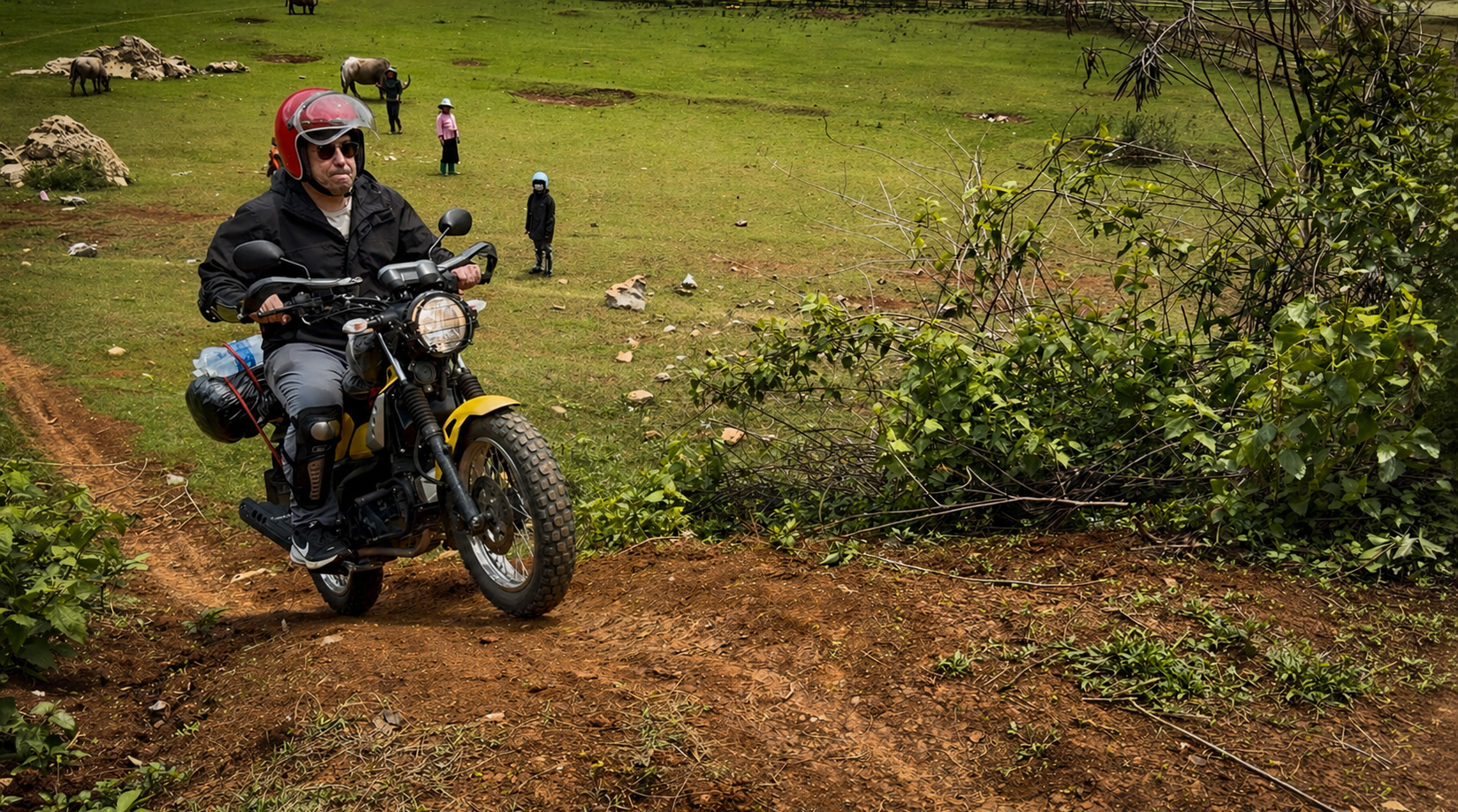
Off Road riding in Son La
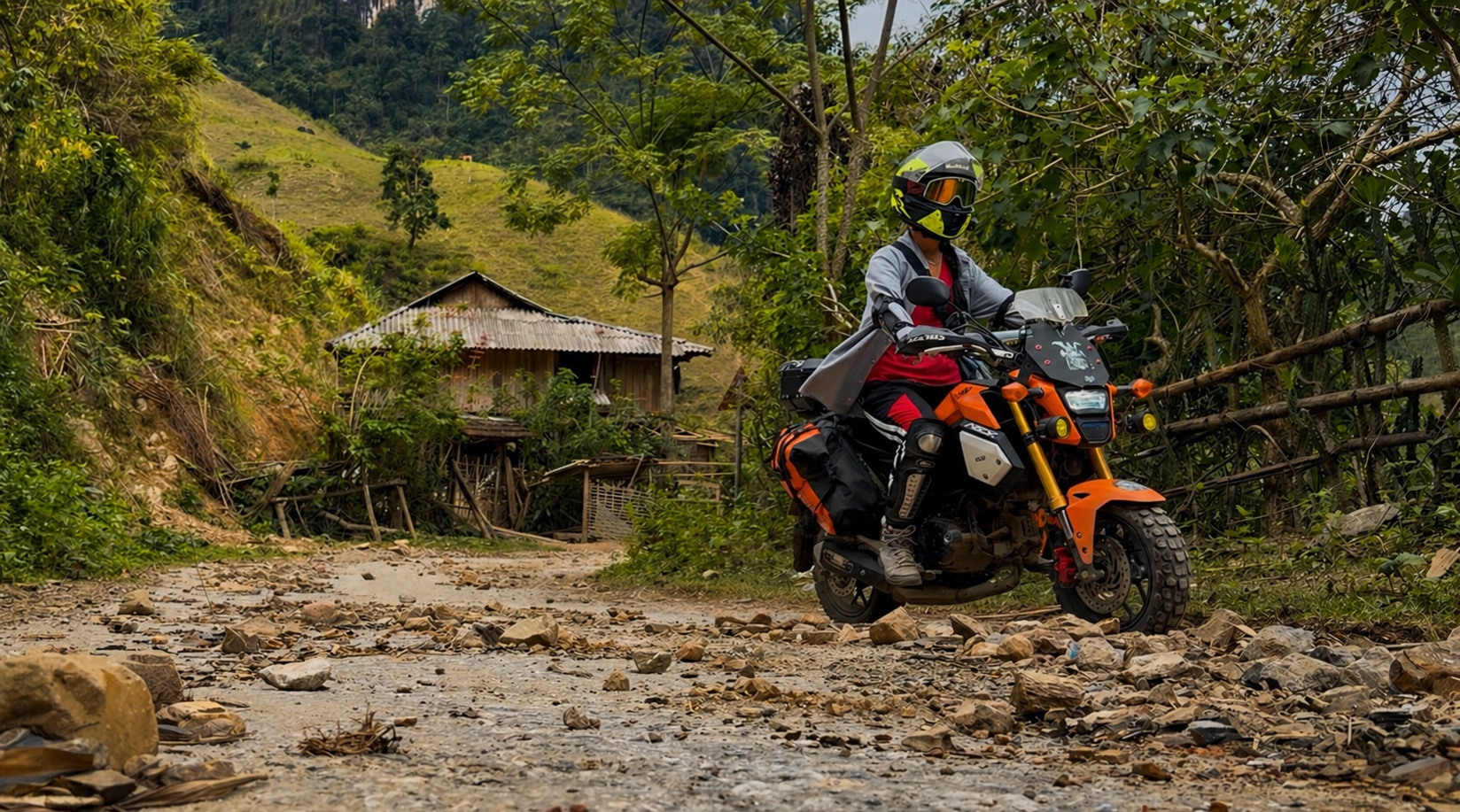
Mixed road conditions in Lai Chau
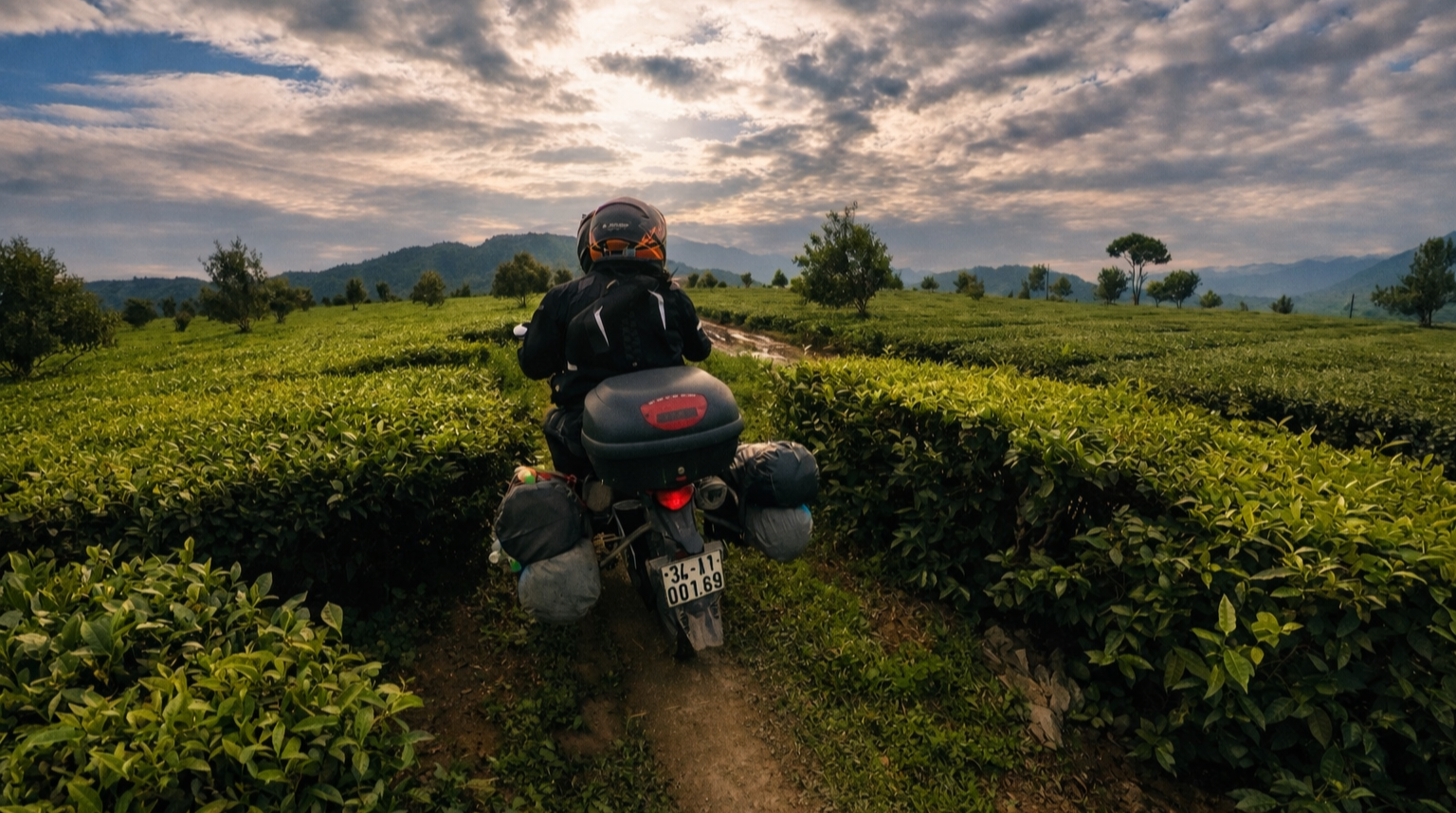
Lai Chau green tea plantations
Route Length: Four to Seven Days on the Road
Travelling through Lai Chau, Dien Bien Phu, and Son La requires time. A four-day route allows for entry into the region and traversal of key roads, though it involves longer days and less flexibility. Five to seven days is a more effective timeframe. It allows for epic riding days, better adaptation to conditions, and the ability to move further into remote areas without unnecessary pressure.
Longer routes also reduce the need to rush, which is particularly important in a region where conditions can change quickly and where riding well matters more than covering distance.
Riding Legally and Responsibly in Vietnam’s North-West
Motorbiking in Vietnam is often presented as informal or loosely regulated, yet the legal framework is clear, and enforcement is increasing, particularly in northern regions. Riders travelling through Lai Chau, Dien Bien Phu, and Son La should approach the journey with a full understanding of what is required.
A valid motorbike licence from your home country is not sufficient on its own. You must hold either a Vietnamese licence or a valid International Driving Permit that corresponds to the correct motorbike category. Without this, you are not legally permitted to ride, and insurance coverage is unlikely to apply in the event of an incident.
Helmet use is mandatory, and standards matter. Basic or low-quality helmets, often provided with rental bikes, may not offer meaningful protection. Riders should ensure they are using properly fitted, certified helmets suitable for long-distance riding.
Traffic laws in Vietnam are actively enforced, including speed limits, drink-driving regulations, and documentation checks. In more remote provinces, enforcement can be less visible, yet this should not be interpreted as flexibility. Riding within legal limits and maintaining full documentation is essential, particularly given the distances involved and the limited access to assistance if something goes wrong.
Road conditions themselves demand a disciplined approach. Overtaking on blind corners, excessive speed on descents, or riding beyond your level of control introduces significant risk, not only to the rider but to others using the road. In rural areas, the road is shared space, used by pedestrians, livestock, and local vehicles that operate according to different rhythms and expectations.
ETHOS operates within these realities. All riders are briefed clearly before departure, documentation is checked, and expectations are set around safe and lawful riding. There is no tolerance for alcohol while riding, and no pressure to keep pace beyond individual ability. The focus is on control, awareness, and consistency rather than performance.
This approach reflects a simple principle. Riding in Vietnam’s north-west is a privilege that depends on respect, for the law, for the road, and for the communities who live alongside it. Maintaining that respect is what allows access to remain open and meaningful over time.

Ha Giang Loop Safety: Travelling with Care in Northern Vietnam
The Ha Giang Loop is one of Vietnam’s most breathtaking journeys, yet recent events remind us that beauty and risk often travel side by side. Responsible travel begins with awareness, respect, and the courage to ask difficult questions.
The mountains of northern Vietnam hold a quiet kind of power. Mist drifts through terraced rice fields, limestone peaks rise like ancient guardians, and narrow roads wind through communities that have called this landscape home for generations. The Ha Giang Loop, often described as one of Southeast Asia’s most spectacular journeys, draws travellers seeking adventure and connection in equal measure.
Yet behind the beauty, there are stories that make us pause and reflect. They also require us to analyse. The recent death of Orla Wates is one such story, and it deserves to be held with both compassion and clarity.
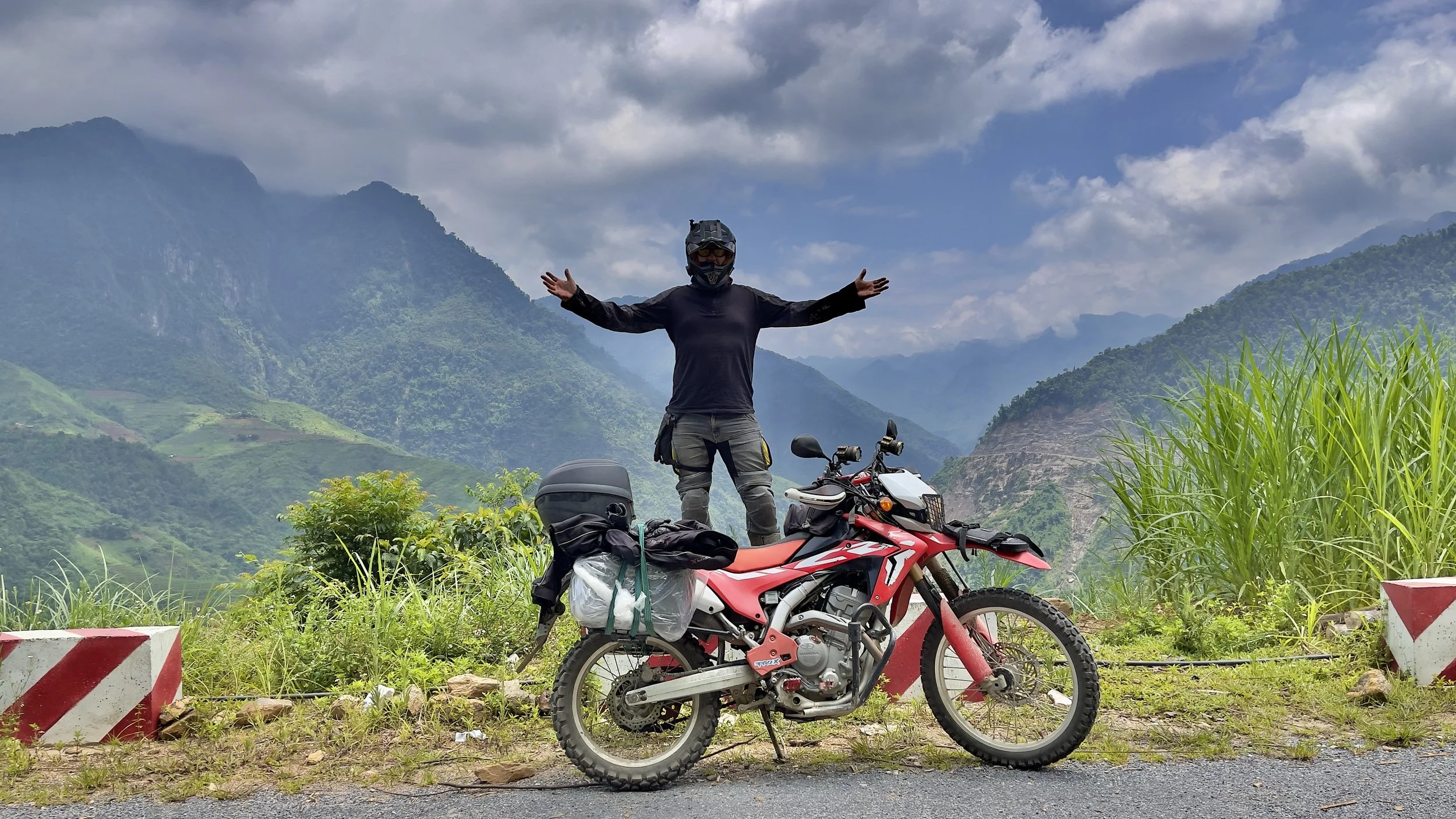
A traveller self driving on the Ha Giang Loop.
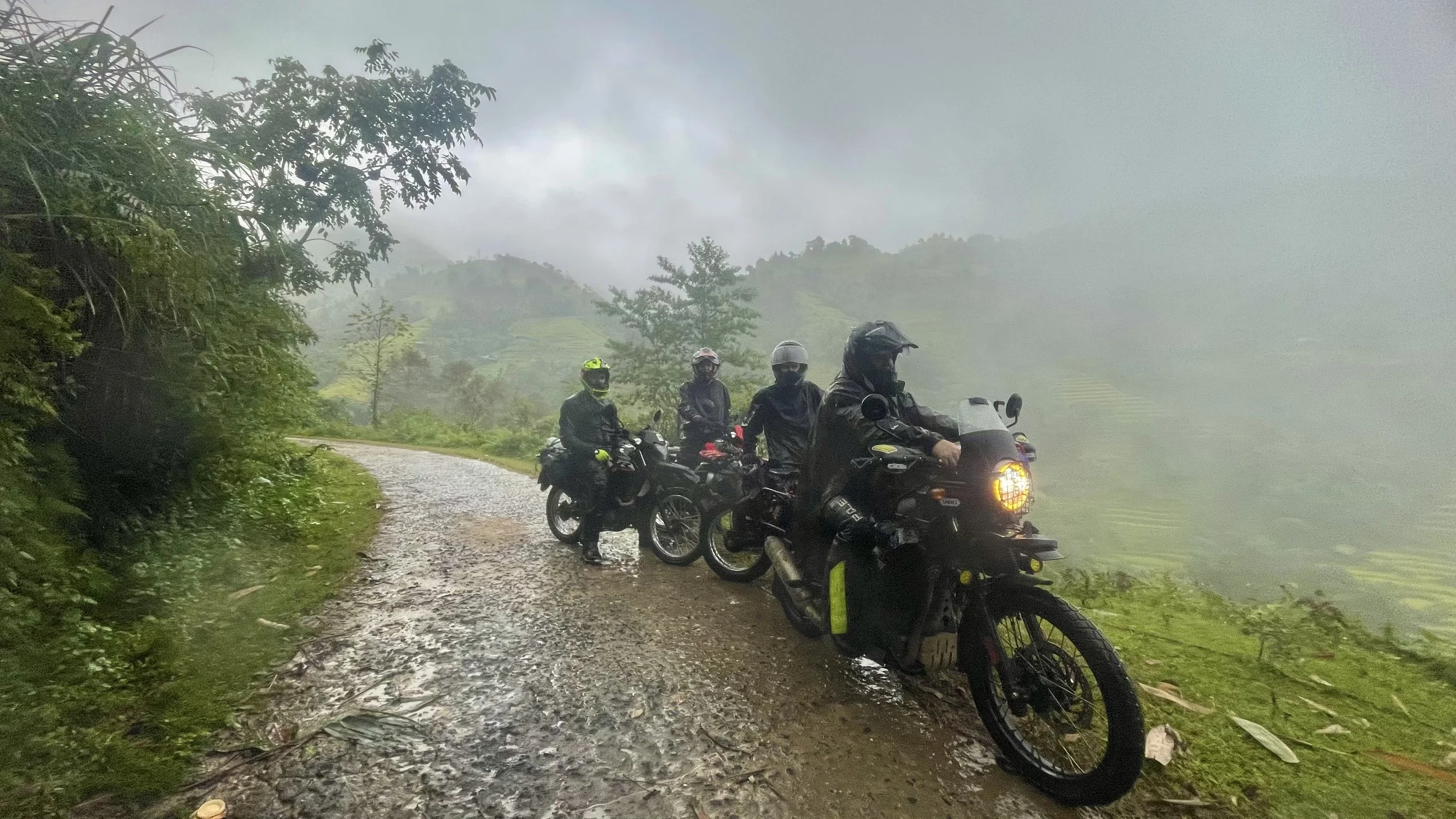
Riding team on the backroads of Ha Giang during the summer monsoons.
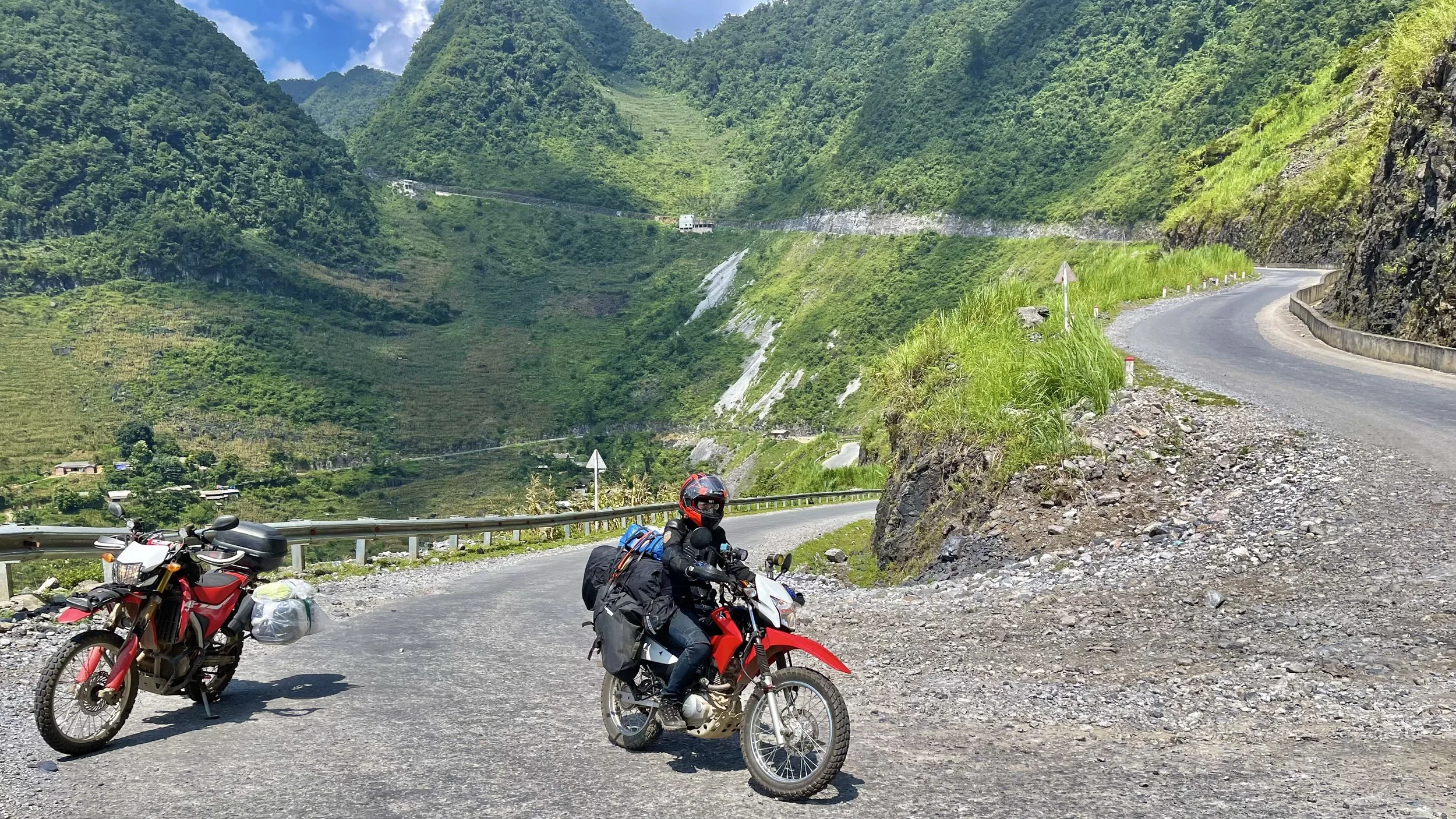
The roads of Ha Giang can be made far safer with driving experience and when wearing safety equipment.
A Tragedy That Deserves Reflection
Orla Wates was travelling as a passenger on a motorbike when the driver lost control, throwing her onto the road where she was struck by an oncoming vehicle. She later died from her injuries in hospital in Hanoi. It is a heartbreaking account, one that echoes across families, communities, and fellow travellers who recognise how quickly a journey can change.
What remains unclear, however, raises important questions. At the time of writing, the identity of the tour operator has not been publicly confirmed. The standards under which the tour was run, the condition of the motorbike, the qualifications and state of the driver, and the precise circumstances leading to the crash have not been transparently shared. These details matter, not to assign blame, but to understand how such a tragedy could occur and how similar losses might be prevented.
Patterns That Cannot Be Ignored
Over recent years, there have been other incidents involving international travellers on the Ha Giang Loop, some resulting in serious injury or death. While not all cases are widely reported or documented in detail, conversations within local communities, guides, and long-term residents reveal a pattern that is difficult to overlook.
Many of these incidents involve inexperienced riders navigating challenging mountain roads without sufficient preparation. Others point to inadequate supervision, poorly maintained bikes, or a culture within certain tour groups where safety is treated as secondary to convenience or social experience.
These are not isolated accidents in the truest sense. They are often the result of choices, systems, and standards that can and should be improved.
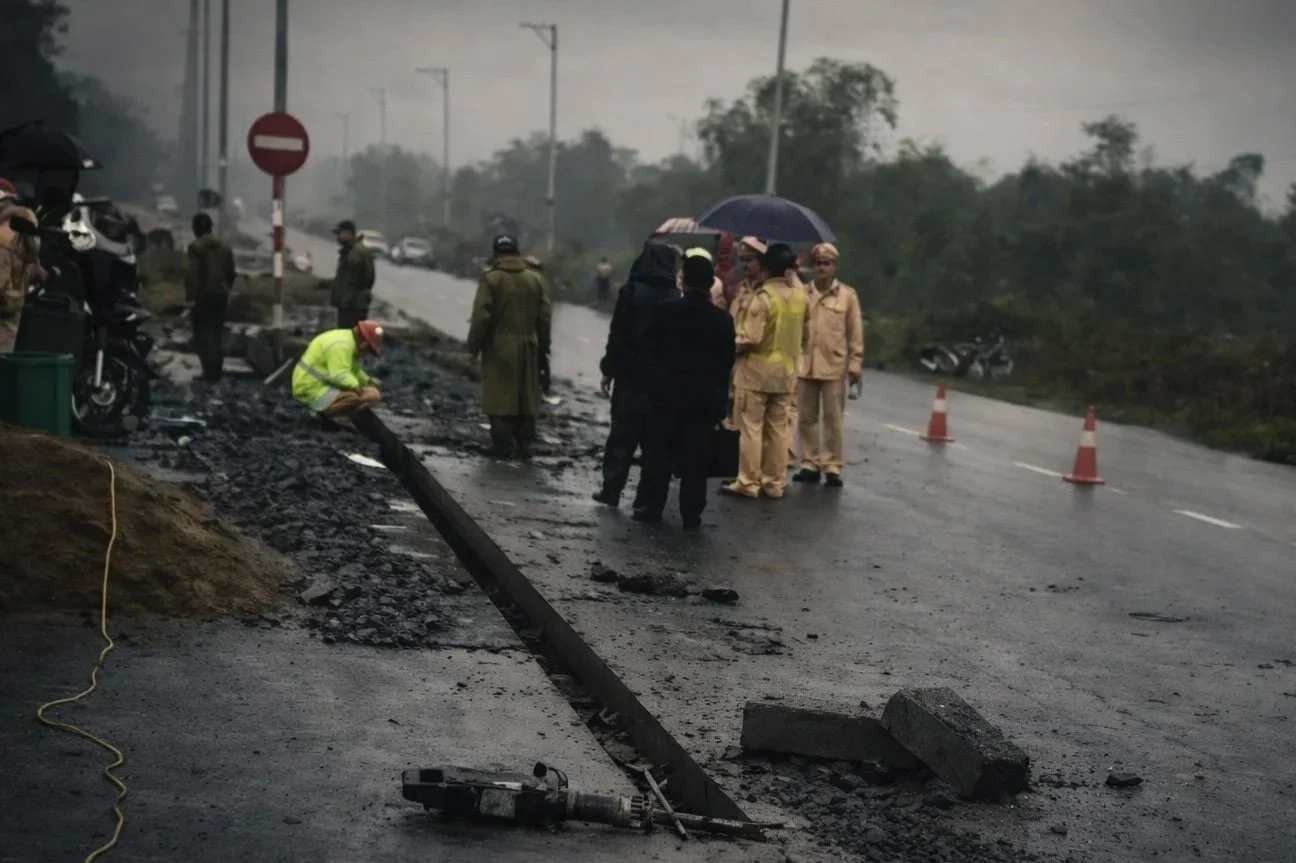
People gathered at the scene of a roadside motorbike incident on a wet road in Ha Giang, Vietnam

Overturned motorbike with debris on the roadside after an accident on the Ha Giang Loop
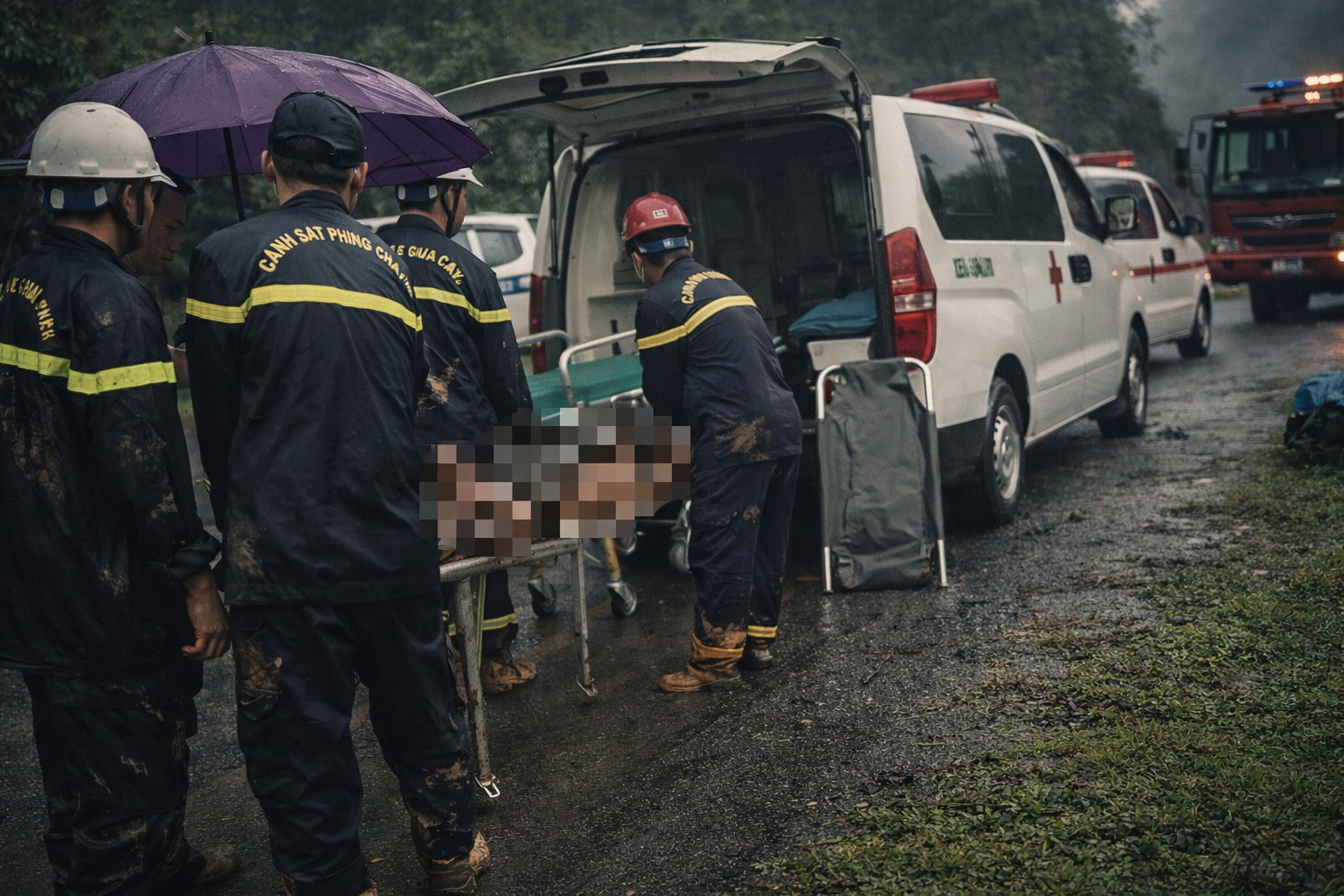
Emergency responders assisting an injured person at a motorbike accident scene in Ha Giang, Vietnam
Documented Incidents on the Ha Giang Loop
The following cases represent those that have been publicly reported and can be verified through reputable sources. They offer only a partial picture. Many other incidents occur without formal reporting, particularly where travellers sustain serious injuries rather than fatalities, and these often remain unrecorded beyond local knowledge and community memory.
9 November 2017 – Pont Lee Miguel
Fatal fall into a deep ravine at Ma Pi Leng Pass while travelling by motorbike.
Source: https://dantri.com.vn/thoi-su/du-khach-ngoai-quoc-roi-xuong-vuc-sau-o-ma-pi-leng-20171110100728054.htm19 July 2018 – Katie Pudas
Killed in a motorbike accident while travelling in Ha Giang province.
Source: https://www.fox9.com/news/community-mourns-young-eden-prairie-woman-killed-in-accident-abroad20 October 2018 – Bottin Galinier Arthur
Fatal motorbike accident reported along the Ha Giang Loop.
Source: https://baoxaydung.vn/phuot-thu-nuoc-ngoai-lien-tiep-gap-nan-o-ha-giang-192276984.htm22 October 2018 – Pena Laigesia Alvaro & Moreaux Ophelie
Both killed in a head-on collision between a motorbike and a truck.
Source: https://news.tuoitre.vn/two-foreigners-killed-following-head-on-crash-between-truck-and-motorbike-in-vietnam-10347354.htm31 May 2019 – Van Der Geest
Seriously injured following a landslide at Ma Pi Leng Pass.
Source: https://thanhnien.vn/sat-lo-dat-da-o-ha-giang-mot-du-khach-nuoc-ngoai-trong-thuong-185854862.htmJanuary 2023 – Unnamed French traveller
Injured in a motorbike-related incident in Ha Giang’s mountainous region.
Source: https://nld.com.vn/suc-khoe/di-phuot-vung-cao-nui-da-nhieu-nguoi-nuoc-ngoai-gap-nan-2023011212081005.htm6 January 2023 – “E.L.” (US national)
Injured while travelling the Ha Giang Loop under similar circumstances.
Source: https://nld.com.vn/suc-khoe/di-phuot-vung-cao-nui-da-nhieu-nguoi-nuoc-ngoai-gap-nan-2023011212081005.htm2 April 2026 – Orla Wates
Fatal injuries sustained after being thrown from a motorbike and struck by an oncoming vehicle.
Source: https://www.theguardian.com/uk-news/2026/apr/08/orla-wates-family-tribute-british-teenager-killed-motorcycle-crash-vietnam-ha-giang-loop
These accounts should not be read as a complete record, but as a reminder of the importance of visibility and transparency. When incidents are documented, they allow travellers, operators, and communities to reflect, to learn, and to make more informed decisions about how this journey is experienced.
Understanding the Road Itself
It is important to speak honestly about the Ha Giang Loop. The road is not inherently dangerous. When approached with skill, respect, and proper preparation, it is a deeply rewarding journey that reveals the richness of northern Vietnam’s landscapes and cultures.
The risk emerges when the road is underestimated. Sharp bends, steep passes, changing weather, and unpredictable traffic require attention and experience. Without these, even a momentary lapse can have serious consequences.
The Responsibility of Tour Operators
A growing concern is the rise of so-called party loops, where the experience is marketed less as a serious riding journey and more as a social event centred around alcohol, late nights and casual hook ups. In these settings, safety can quickly become secondary to entertainment. Riders are encouraged to drink heavily in the evenings, often in remote locations, and are then expected to get back on the road the following morning. This culture creates an environment where impaired judgement, fatigue and peer pressure all combine, increasing risk significantly while giving the impression that such behaviour is normal or acceptable.
The Ha Giang Loop is widely marketed as an adventure, often framed as accessible to anyone with a sense of curiosity and a willingness to try. In reality, it operates within a complex and sometimes loosely regulated environment where standards vary significantly between operators.
Travellers are rarely given full visibility into how tours are run. Questions about licensing, insurance, training, and safety protocols are not always encouraged. This creates a grey area where responsibility can become blurred, and where travellers may unknowingly place their trust in systems that do not prioritise their wellbeing.
Responsible operators should be able to demonstrate clear compliance with legal frameworks, provide well-maintained equipment, and ensure that drivers are trained, rested, and sober. They should offer protective gear that meets recognised safety standards, and they should never encourage behaviour that puts travellers at risk, whether through lack of licensing or inadequate preparation.
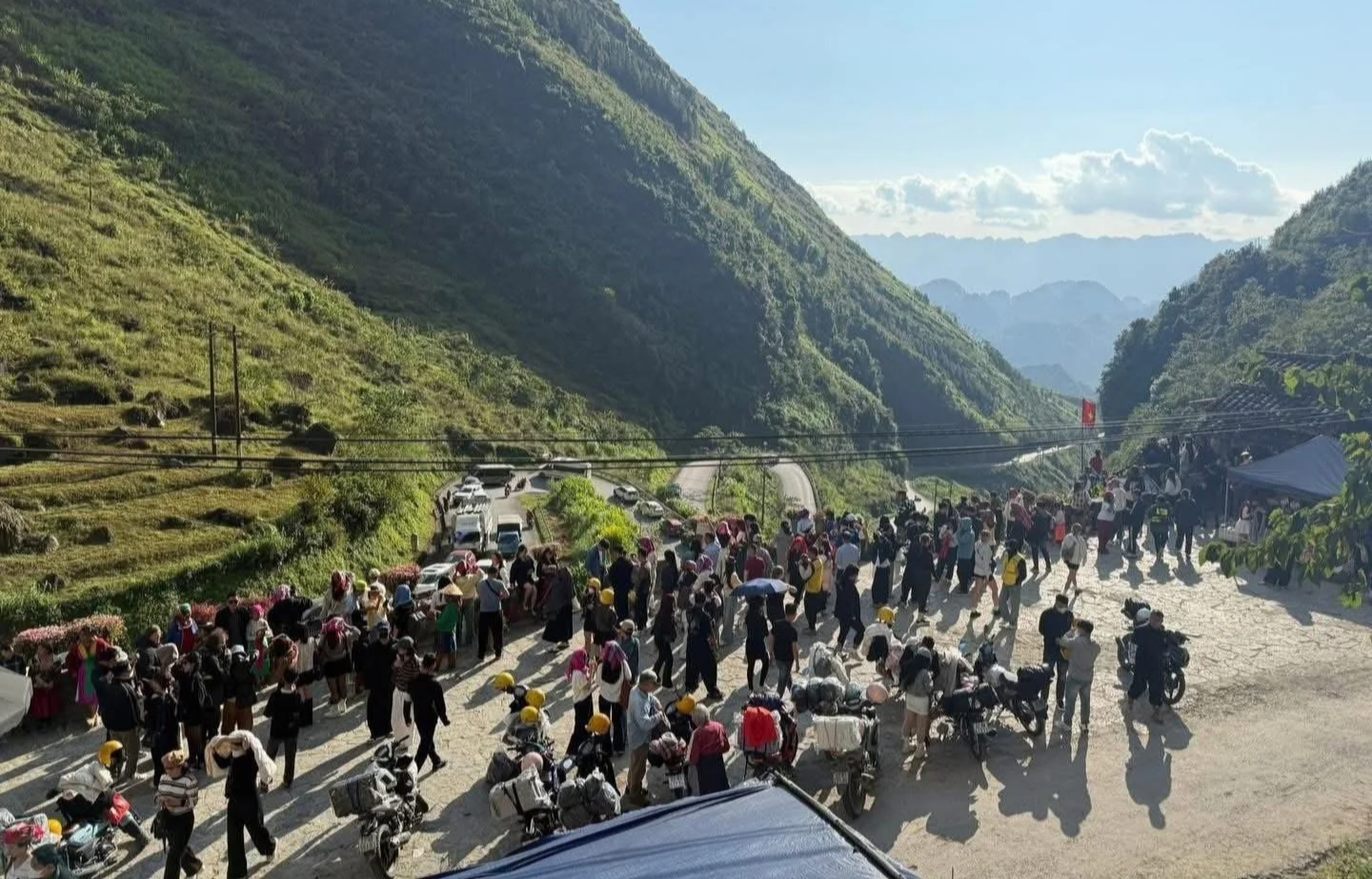
Large group of travellers and motorbikes gathered on a mountain pass road on the Ha Giang Loop
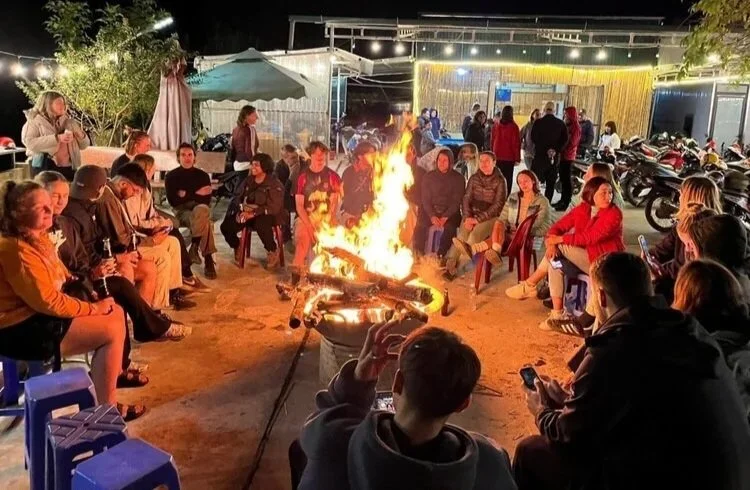
Tour group gathered around a bonfire during an evening stop on the Ha Giang Loop
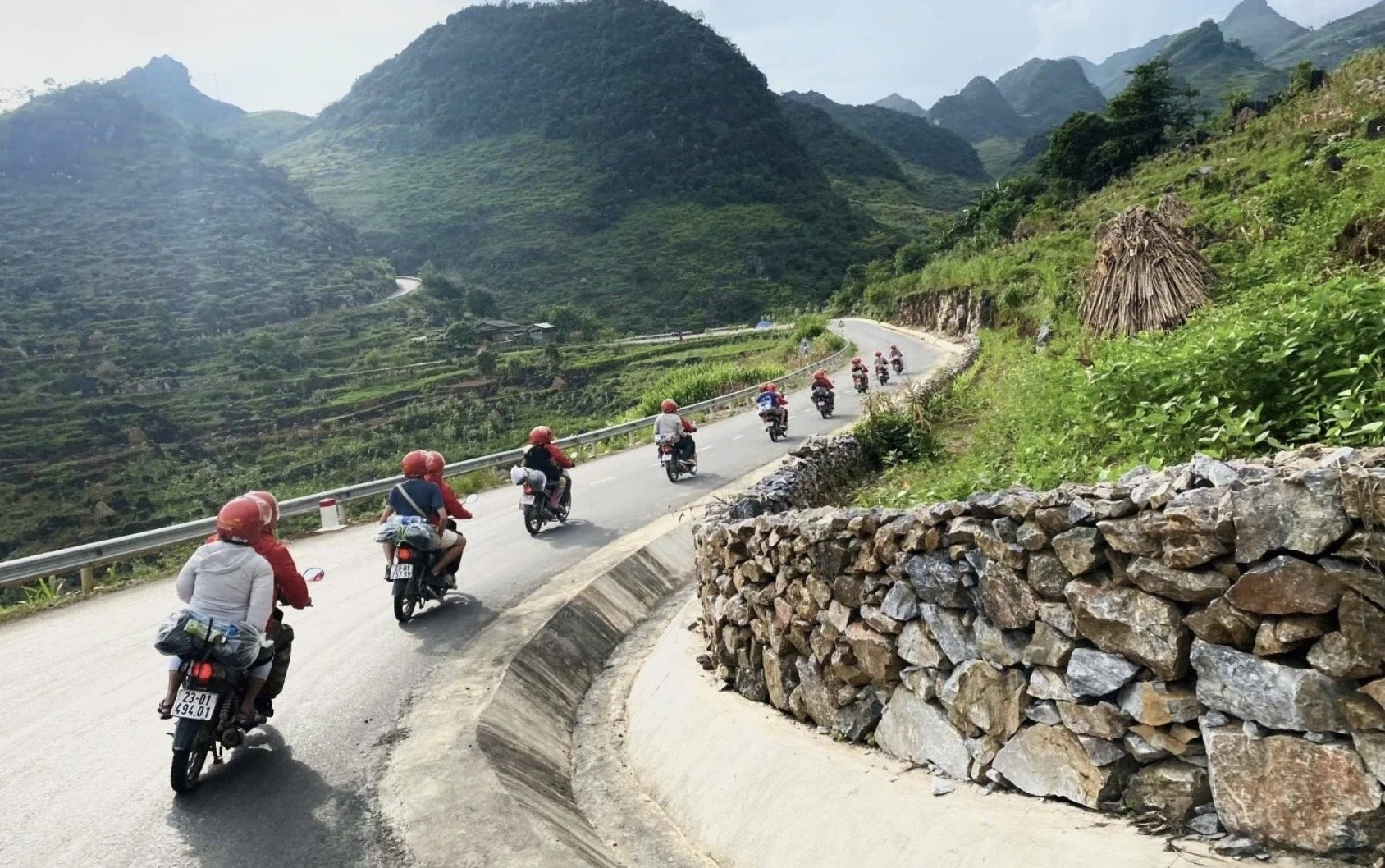
Motorbike riders traveling along a winding mountain road on the Ha Giang Loop in northern Vietnam
When Weather Is Ignored
Another reality that deserves honest attention is how weather is treated on the Ha Giang Loop. The mountains here are not static. They shift with the seasons, with sudden downpours turning dust into slick clay, with mist reducing visibility to only a few metres, and with heavy rains loosening rock and earth along already fragile slopes. Yet it is not uncommon for some operators to continue running tours regardless of conditions. Typhoon warnings, heavy rain alerts, and known landslide risks are sometimes overlooked in favour of keeping itineraries on schedule. Travellers may find themselves riding through storms, navigating flooded roads, or passing beneath unstable cliff faces, often without a clear understanding of the risks involved.
This is rarely framed as negligence. It is often presented as part of the adventure, as resilience, or as flexibility in the face of changing conditions. In reality, it is frequently driven by commercial pressure. Cancelling or delaying a tour has financial consequences, and in some cases, those consequences are prioritised over careful risk assessment.
From a local perspective, this approach feels deeply out of step with how mountain life is lived. Communities here read the weather closely. They know when to pause, when to wait, and when the land is telling them that movement is not safe. Responsible travel in this region means learning to do the same. It means recognising that sometimes the most respectful choice is not to push forward, but to stop, to listen, and to allow the mountains the final word.
Travelling with Awareness and Respect
At ETHOS, our work in the mountains of northern Vietnam is rooted in relationships. Our guides are not simply leading routes; they are farmers, artists, and storytellers whose lives are deeply connected to the land. Safety, in this context, is not an added feature but a shared responsibility, shaped by lived experience and care for one another.
We believe that travellers deserve to feel both inspired and protected. This means taking the time to prepare properly, to ask questions, and to choose experiences that align with values of respect and accountability. It also means recognising that adventure does not need to come at the cost of safety or dignity.
Asking the Questions That Matter
Before setting out on the Ha Giang Loop, it is worth pausing to consider what lies beneath the surface of a tour. Who is responsible for your journey, and how do they demonstrate that responsibility. What training do the drivers have, and how are they supported. What standards are in place for equipment, rest, and risk management.
If these questions cannot be answered clearly, it is a sign to look elsewhere. Transparency is not a luxury in travel; it is a necessity.
Moving Forward with Care
The loss of Orla Wates is not something that can be undone. It is, however, something that can guide us towards better choices, stronger standards, and a deeper commitment to responsible travel.
The Ha Giang Loop remains one of the most extraordinary journeys in Vietnam. Its beauty is undeniable, its cultural richness profound. Approached with care, it can be an experience that stays with you for all the right reasons.
As travellers, operators, and communities, we share a role in shaping how these journeys unfold. When we choose responsibility over convenience, and awareness over assumption, we create space for travel that honours both the landscape and the lives within it.
Riding Legally: What Many Travellers Overlook
There is one further layer to this conversation that is often misunderstood, and it sits at the heart of many incidents on the Ha Giang Loop. The legal framework for riding a motorbike in Vietnam is clear, even if it is not always followed.
For most travellers, riding a motorbike over 50cc in Vietnam is only legal if you hold a valid International Driving Permit issued under the 1968 Vienna Convention, and that permit must specifically include a motorcycle category. It must also be carried alongside your original licence from your home country. Without both documents, you are not legally permitted to ride, regardless of how easily a bike can be rented.
Travellers from ASEAN countries may use their domestic licences, while long-term residents can convert their licence into a Vietnamese one. For many visitors from countries such as the United States, Australia, or Canada, however, their International Driving Permits are not recognised in Vietnam, meaning they cannot legally ride unless they go through a formal conversion process.
This distinction matters more than many realise. Riding without a recognised licence does not simply carry the risk of fines or confiscation. It can invalidate travel insurance entirely, leaving travellers personally responsible for medical costs, damages, and liability in the event of an accident.
There are also clear rules on the road itself. Helmets are mandatory for both driver and passenger, Vietnam operates a strict zero-tolerance policy on alcohol for riders, and basic traffic laws such as speed limits, signalling, and right-of-way are legally enforced, even if not always consistently followed in practice.
What we see, too often, is a gap between what is legal and what is normalised within certain travel settings. Motorbikes are handed over without licence checks, riders are encouraged onto roads they are not prepared for, and the assumption quietly takes hold that if something is common, it must also be acceptable.
From where we stand, working alongside communities who live with these roads every day, legality is not a technicality. It is a baseline. It is one of the clearest indicators of whether a journey is being approached with care, responsibility, and respect for both the traveller and the people whose home these mountains are.
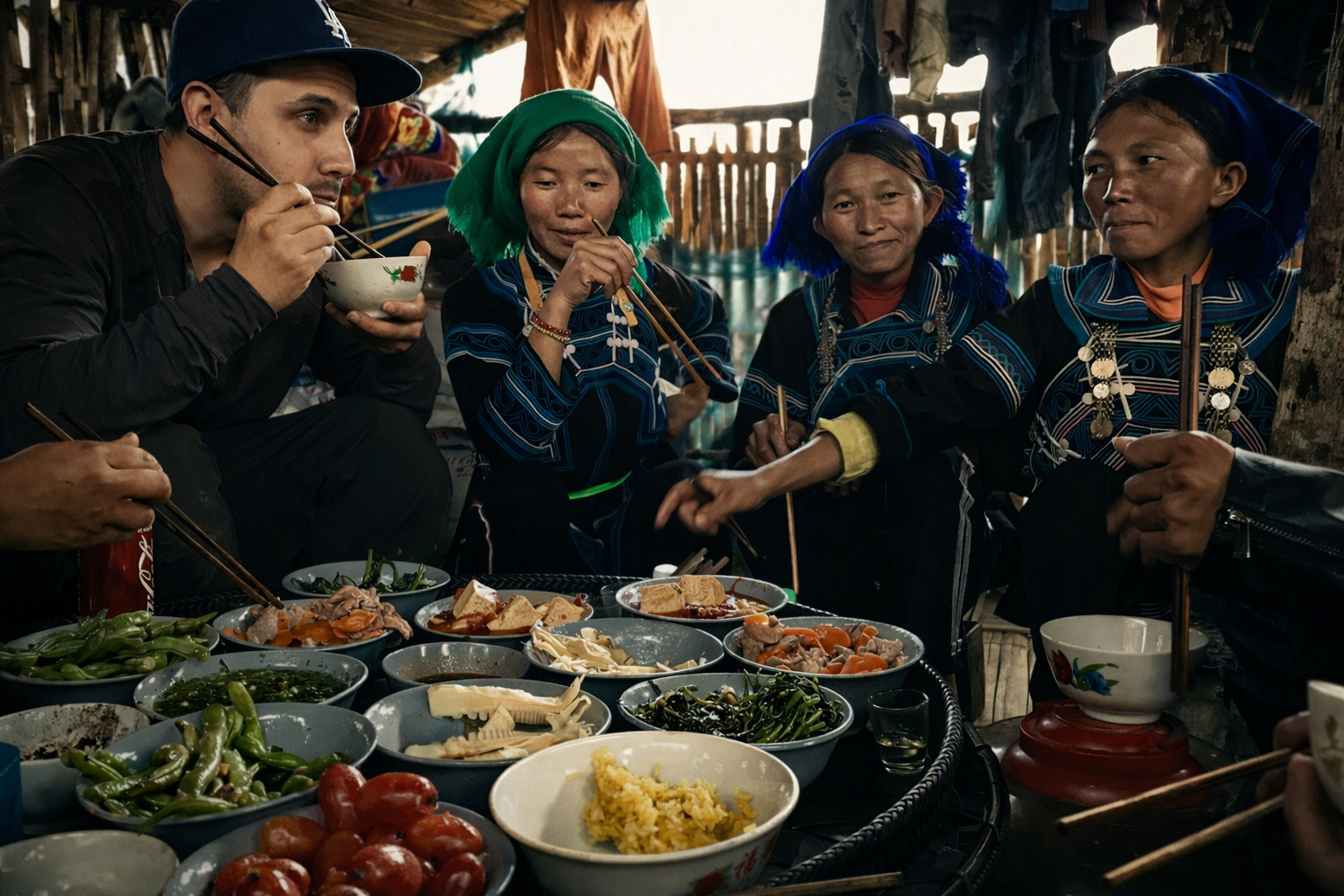
Searching Beyond the Map How ETHOS Finds New Experiences in Northern Vietnam
Before any ETHOS experience appears on our website, there are many quiet journeys behind the scenes. We spend days travelling through the mountains of northern Vietnam meeting families, sharing meals and listening to stories. It is slow, careful work built on trust and relationships. This is how meaningful travel experiences are created.
We recently spent six days riding through the mountains of northern Vietnam, travelling along quiet roads, crossing lakes by boat, visiting markets and camping beneath wide skies.
The purpose of the journey was to search for something that cannot be found on any map.
At ETHOS, every experience we offer begins with time spent in the mountains meeting people, listening carefully and building relationships. Before travellers arrive, there are many days of travel, conversation and shared meals that happen quietly behind the scenes. These journeys are where the real work begins.
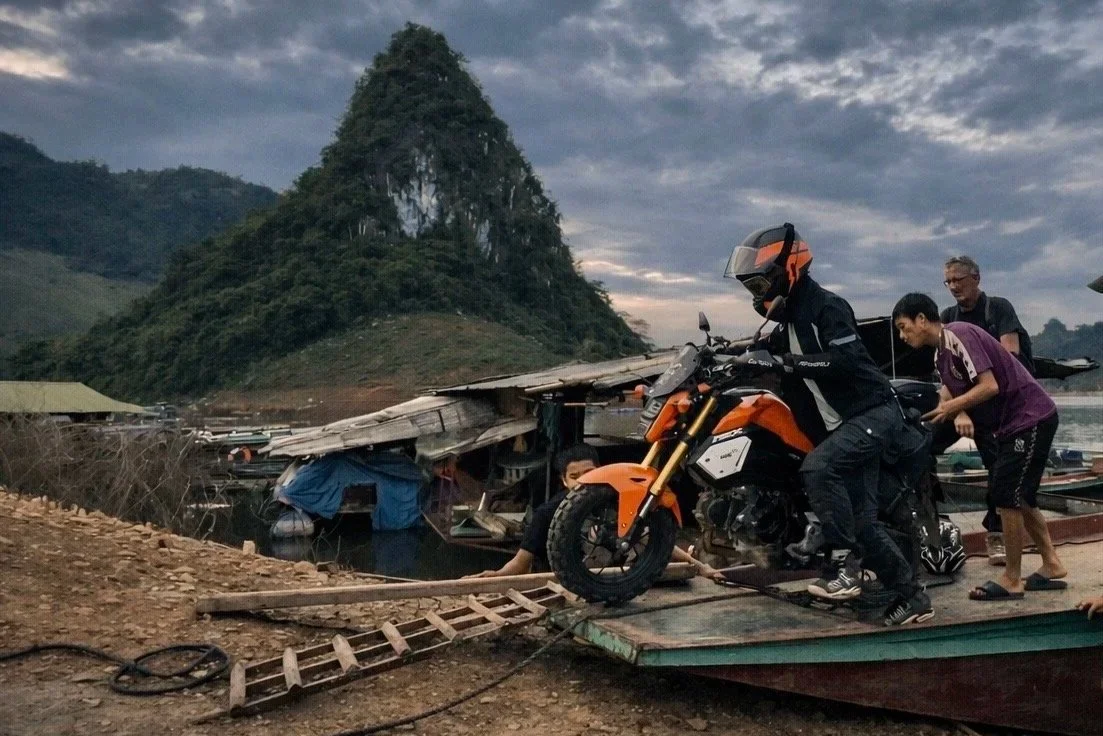
Taking a motorbike off a local “ferry” in remote northern Vietnam.
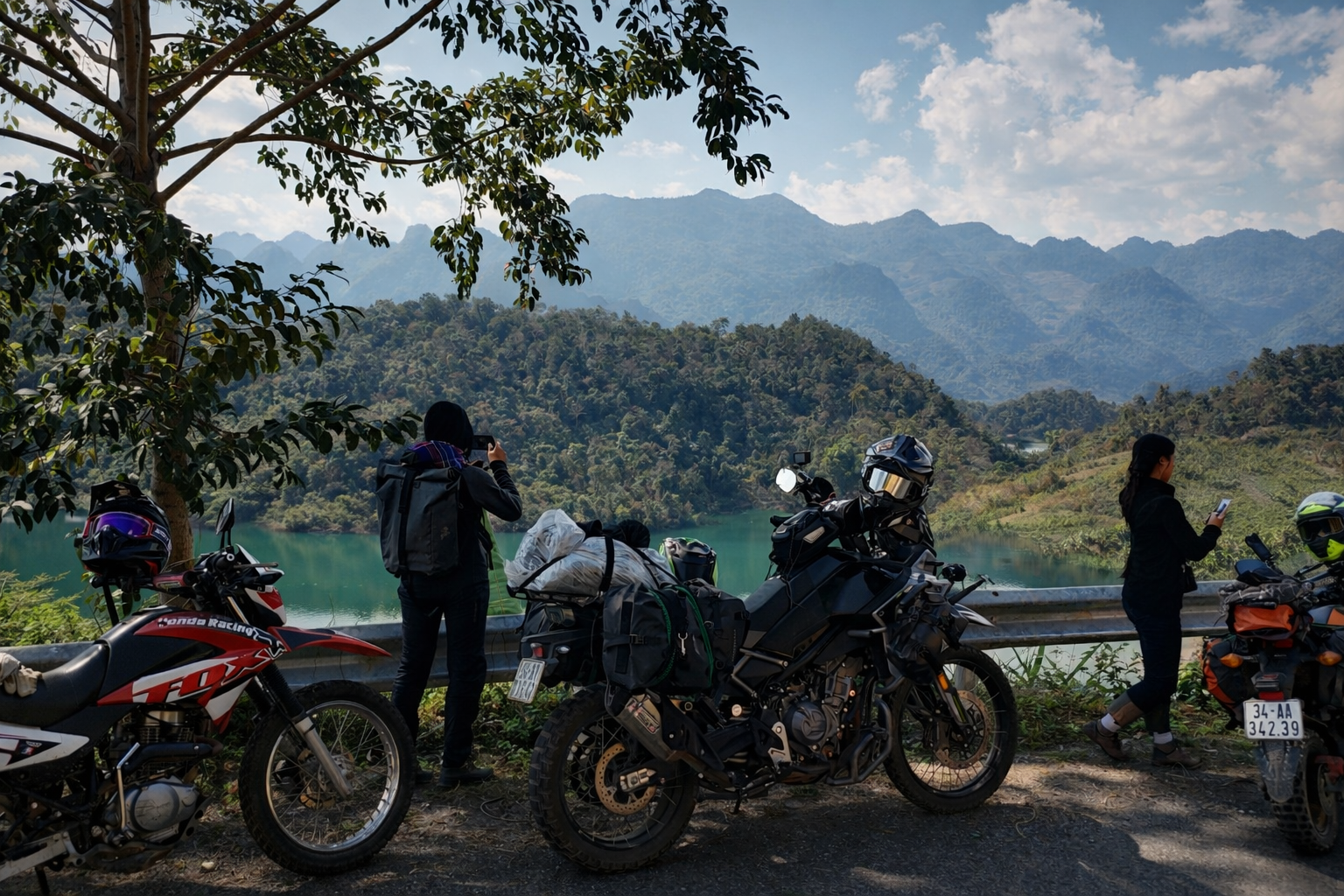
Exploring one of North Vietnams great hydro lakes.
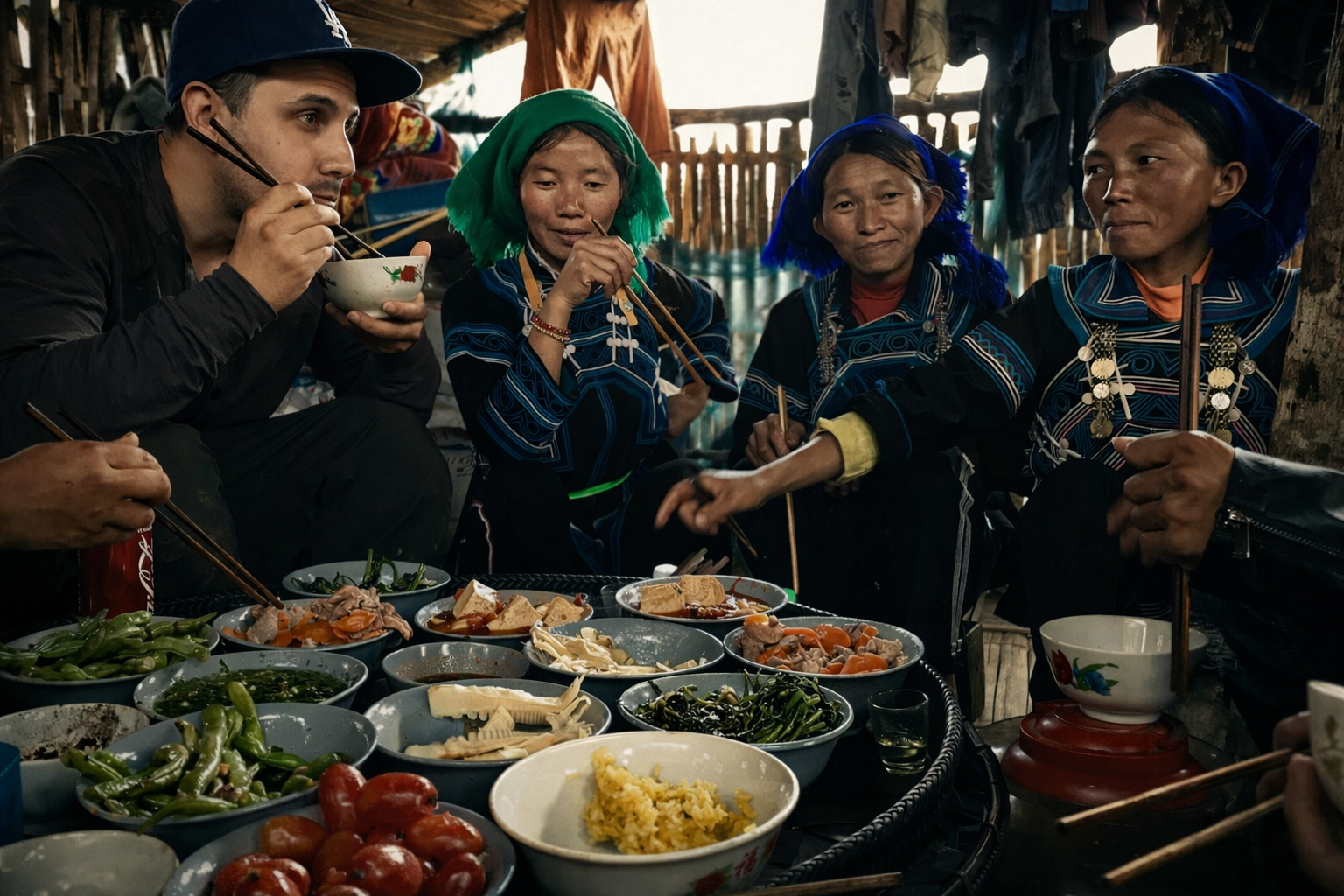
Meeting families from the Ha Nhi ethnic group.
Ethical Travel Requires Time and Trust
Northern Vietnam is famous for its spectacular landscapes and well known motorbike routes. Many travellers come here to ride through dramatic mountain passes and photograph sweeping valleys. Our journeys are different.
When we travel through the region, we are not searching for the most famous viewpoints or the most popular roads. Instead, we are looking for people. The communities we work with are not simply guides or service providers. They are farmers, artists, storytellers and community leaders. They are people who have lived in these mountains for generations and who hold deep knowledge of the land, the seasons and their cultural traditions.
Building relationships with these communities takes time. It cannot be rushed and it cannot be organised through emails or phone calls. It begins with simple things. Sitting together over tea. Walking through fields. Listening to stories about family, history and the rhythms of daily life.
Trust grows slowly. It grows through repeated visits, honest conversations and mutual respect.
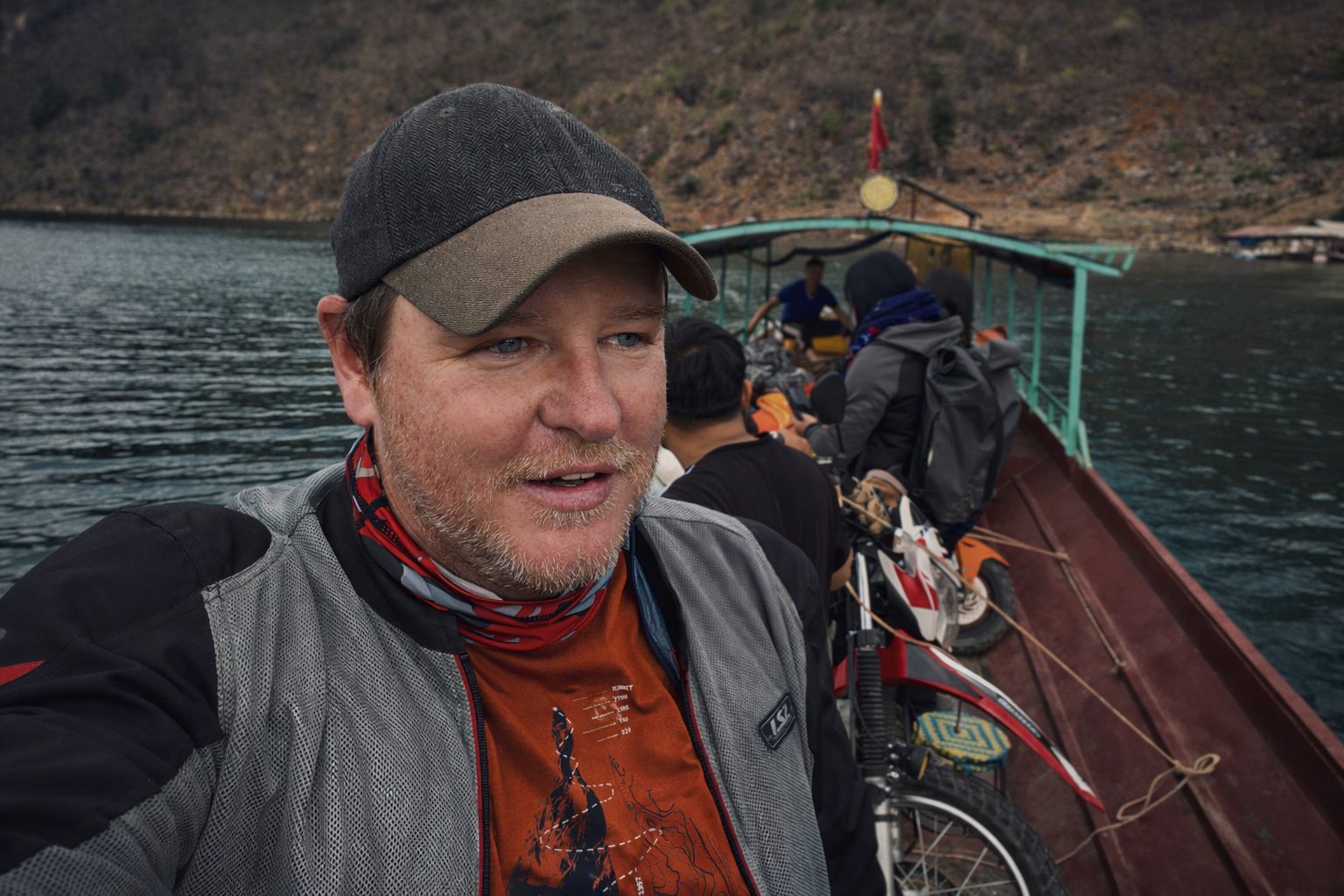
Enjoying the views on a hydro lake in north Vietnam
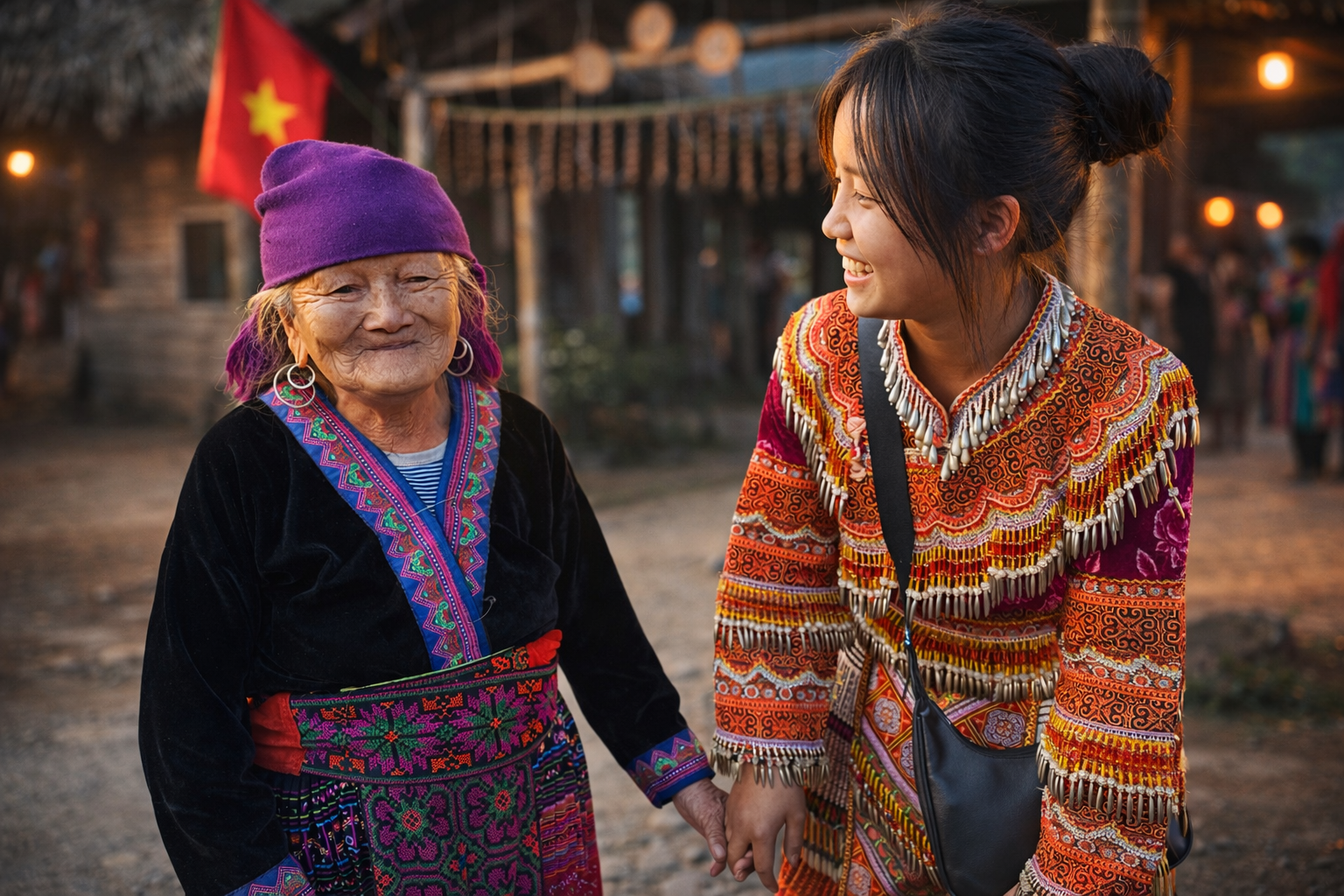
Meeting an elderly Hmong lady in Lai Chau
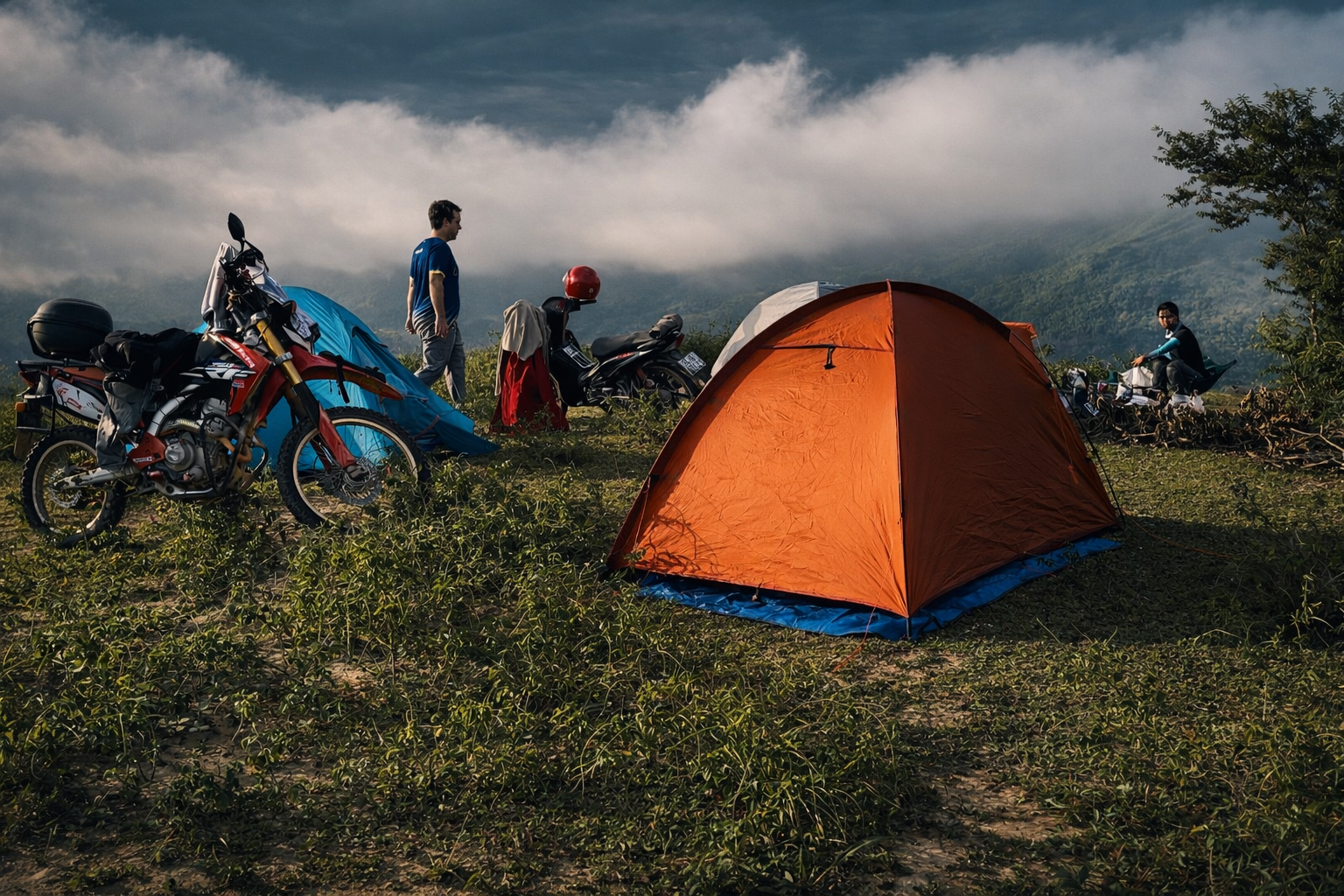
Remote camping in Lao Chau
Travelling Slowly Through the Mountains
During our six day journey we travelled through valleys, along forested ridges and across lakes where small boats carry motorbikes from one side to the other. We stopped in busy local markets where communities from surrounding villages gather to trade food, textiles and livestock.
These markets are more than places of commerce. They are meeting points where friendships are renewed, news is shared and traditions continue. Along the way we visited villages where we already have friends and partners. We also met families we had not known before. Often these introductions happen through existing relationships. A farmer introduces us to a cousin in another valley. A friend suggests we visit a nearby village where someone might enjoy sharing their craft or cooking with travellers. Nothing is hurried. We take time to talk, to listen and to understand whether a future collaboration might feel right for everyone involved.
The Beginning of Future Experiences
When travellers join an ETHOS journey, they might spend an afternoon learning traditional batik techniques, share a home cooked meal with a local family, or stay overnight in a village home surrounded by terraced fields.
What many people do not see is the long process that happens before these experiences are ever offered. Each activity begins with careful conversations. Families decide whether they are comfortable welcoming travellers into their homes. We discuss expectations, cultural boundaries and how visits can support the community without disrupting daily life. Sometimes a relationship grows into a new experience that travellers can take part in. Other times it simply becomes a friendship and a connection between communities.
Both outcomes are valuable.
Connecting People and Communities
At its heart, ETHOS exists to connect people. We work closely with Hmong, Dao and other ethnic communities across the mountains of northern Vietnam. These partnerships are built not around tourism alone but around respect, cultural exchange and shared understanding.
For travellers, this means experiencing northern Vietnam in a way that goes far beyond sightseeing. It means being welcomed into homes, learning from artisans and farmers, and understanding the traditions that shape life in these mountains. For the communities we work with, it means having a voice in how tourism happens and how their knowledge and culture are shared. These connections are the foundation of everything we do.
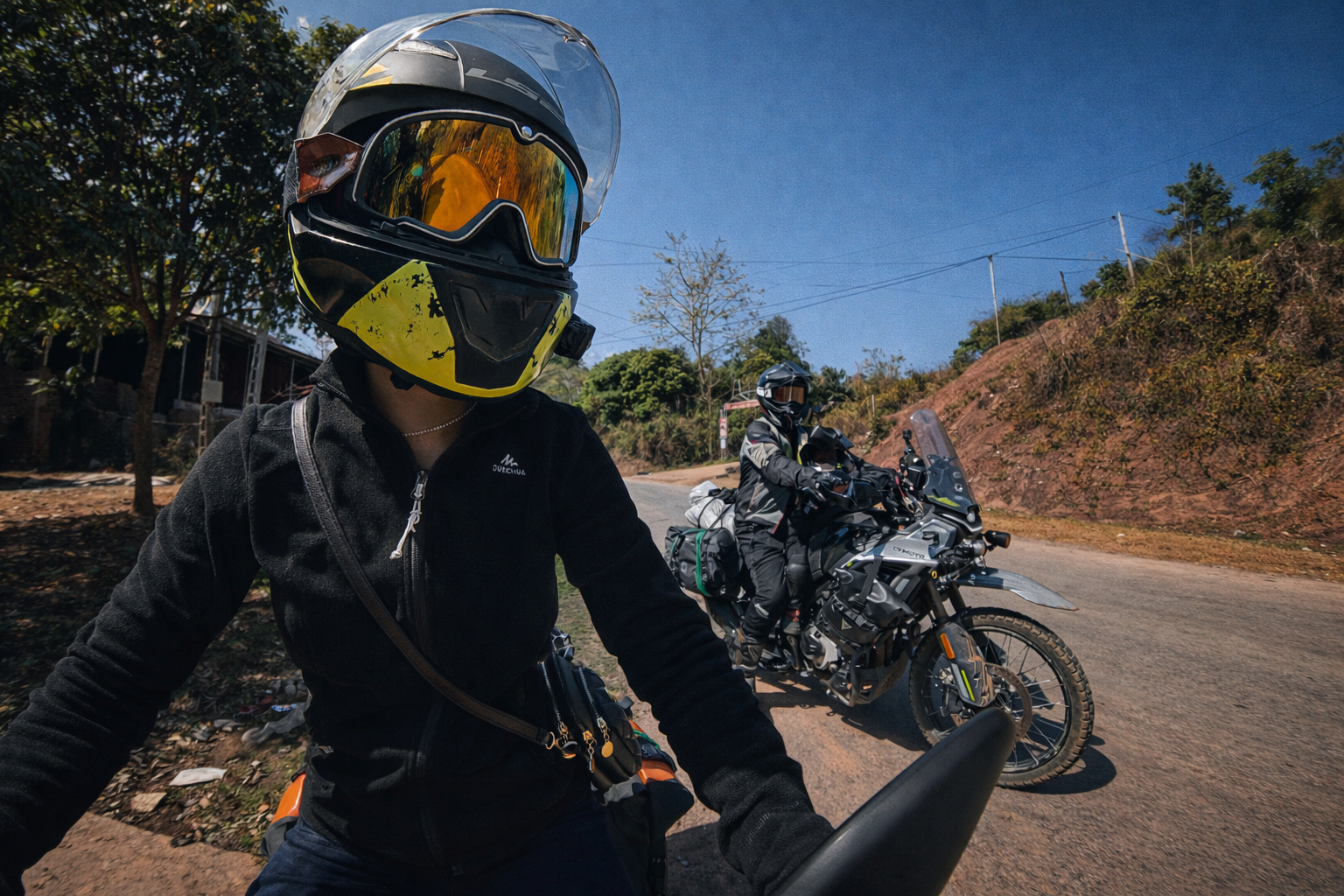
On the road in Son La
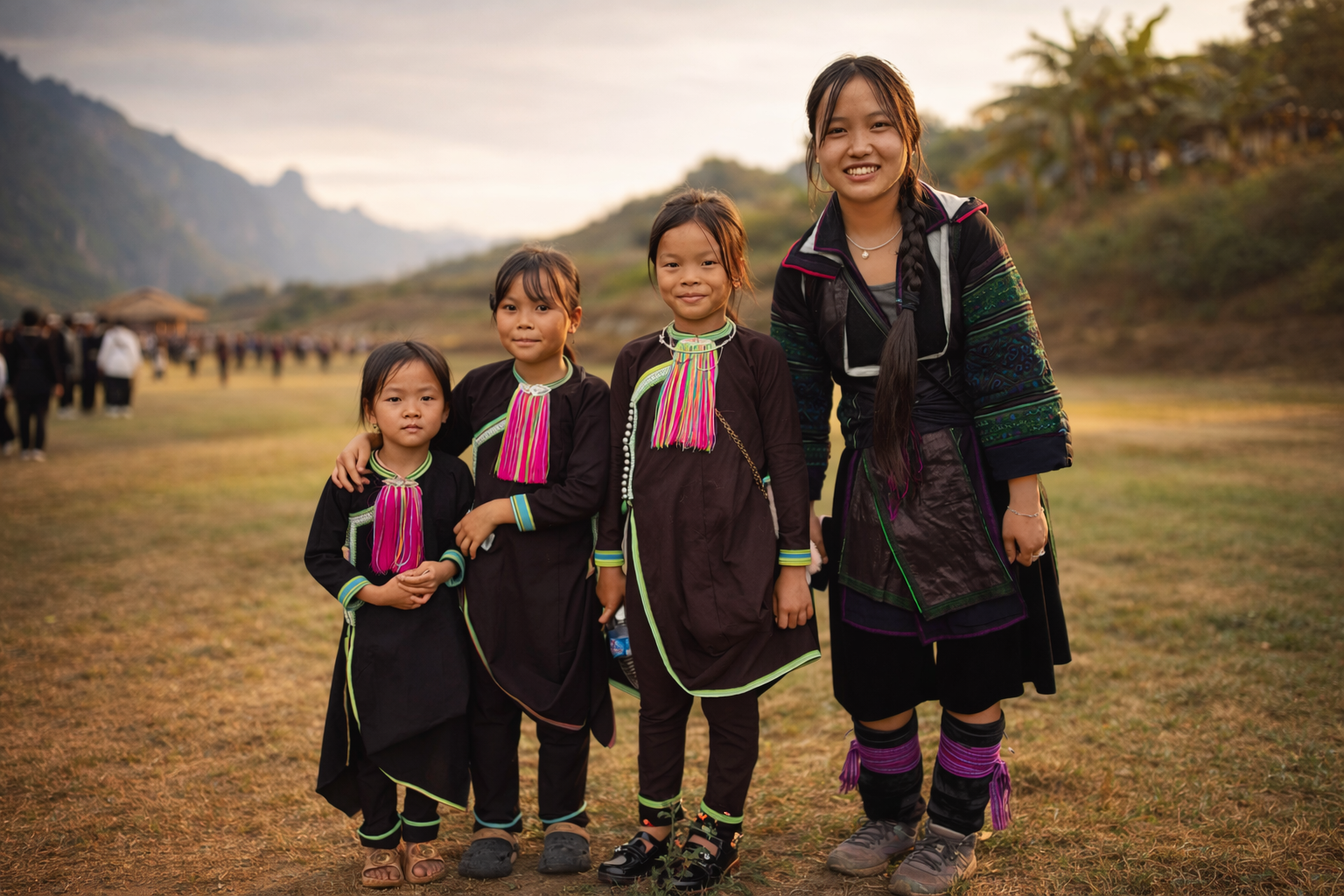
A village festival in remote Lai Chau
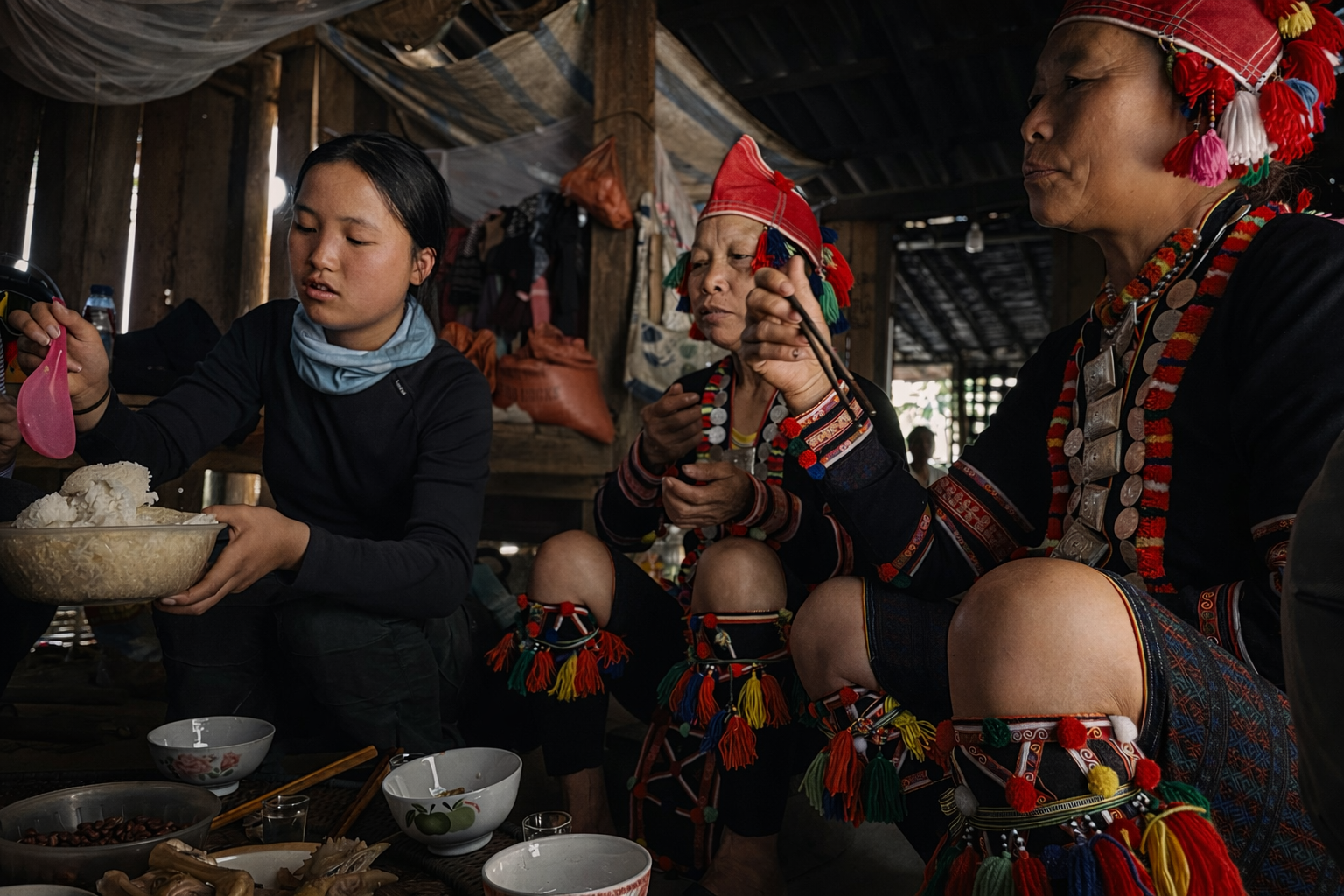
Meeting the Red Dao in Lai Chau province
The Journeys Behind the Journeys
Every ETHOS experience begins long before a traveller arrives. It begins with journeys like this one.
Days spent travelling through the mountains. Conversations in village homes. Introductions made through trusted friends. Quiet moments of listening and learning. These journeys require patience, curiosity and care. They are guided by the belief that meaningful travel must always begin with human connection. Sometimes the places we discover during these journeys become future experiences for travellers. Sometimes they remain simply as friendships and stories carried forward.
Either way, the purpose remains the same. To travel slowly, to build relationships, and to connect people with the living cultures of northern Vietnam in ways that are respectful, genuine and lasting.
Ready to Explore Sapa?
If this geological story has inspired you, start planning your trip today.
👉 Read our complete Sapa Travel Guide
👉 Discover the best Sapa Trekking Routes
👉 Learn more about our Motorbike Trips
Understanding the landscape makes visiting it even more rewarding. Explore wisely, travel prepared and experience one of Vietnam’s most fascinating mountain regions.
Ha Giang and Sapa in 2026: Beyond the Loop, Beyond the Photograph
Sapa and Ha Giang are often compared, but the truth is more nuanced. Both can feel overcrowded and performative, or deeply personal and life-changing. It all depends on how you travel.
Northern Vietnam Is Changing
Travel in the mountainous areas of Northern Vietnam is is changing fast. In both Sapa and Ha Giang, visitor numbers have surged. Roads are smoother, access is easier and with that ease has come a new kind of travel. Faster. Louder. More crowded. It is easy now to follow a route, stop at the same viewpoints, take the same photographs, and leave with the sense that you have “seen” a place, but have you really been there?
The Ha Giang Loop in 2026: Beauty Under Pressure
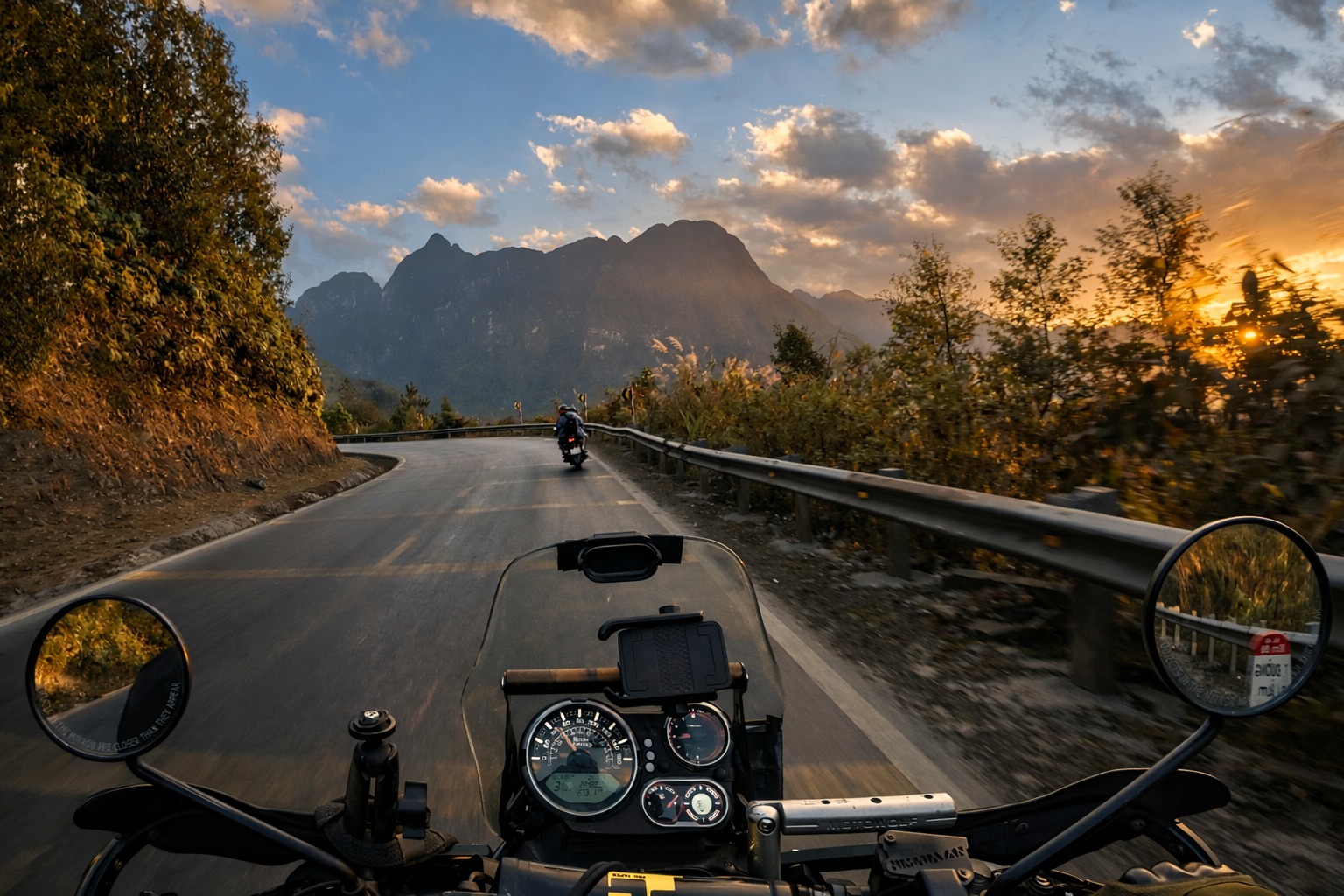
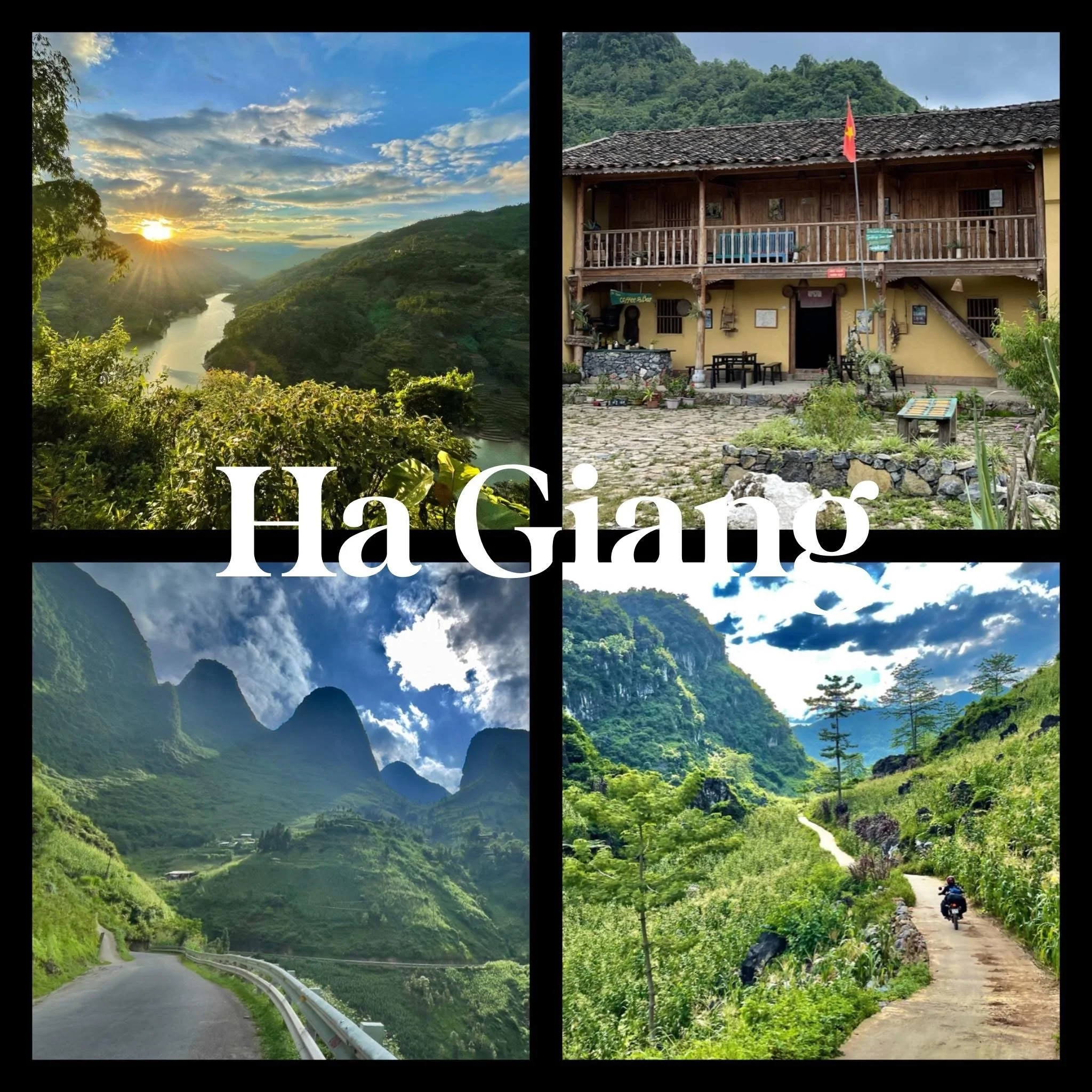
There is no denying the pulling power of Ha Giang, especially what has become widely known as the Ha Giang Loop. Limestone peaks rise like dragon spines from the earth. Roads wind over mountain passes and through karst peaks. Valleys open into pockets of corn fields used by generations of careful hands.
But in 2026, the story has changed.
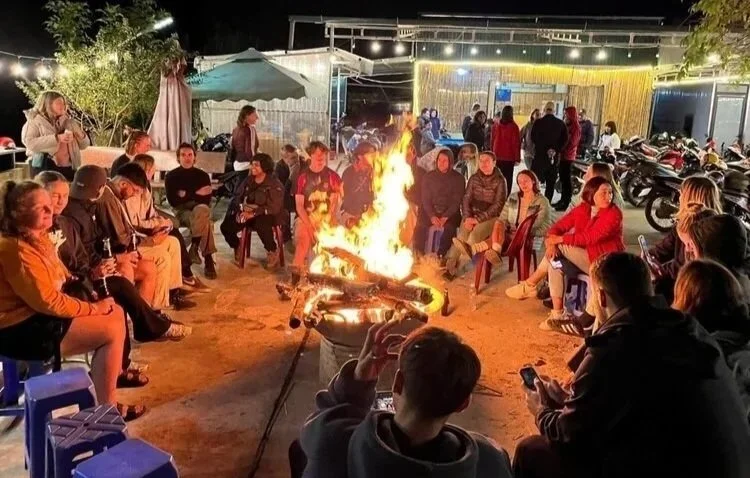
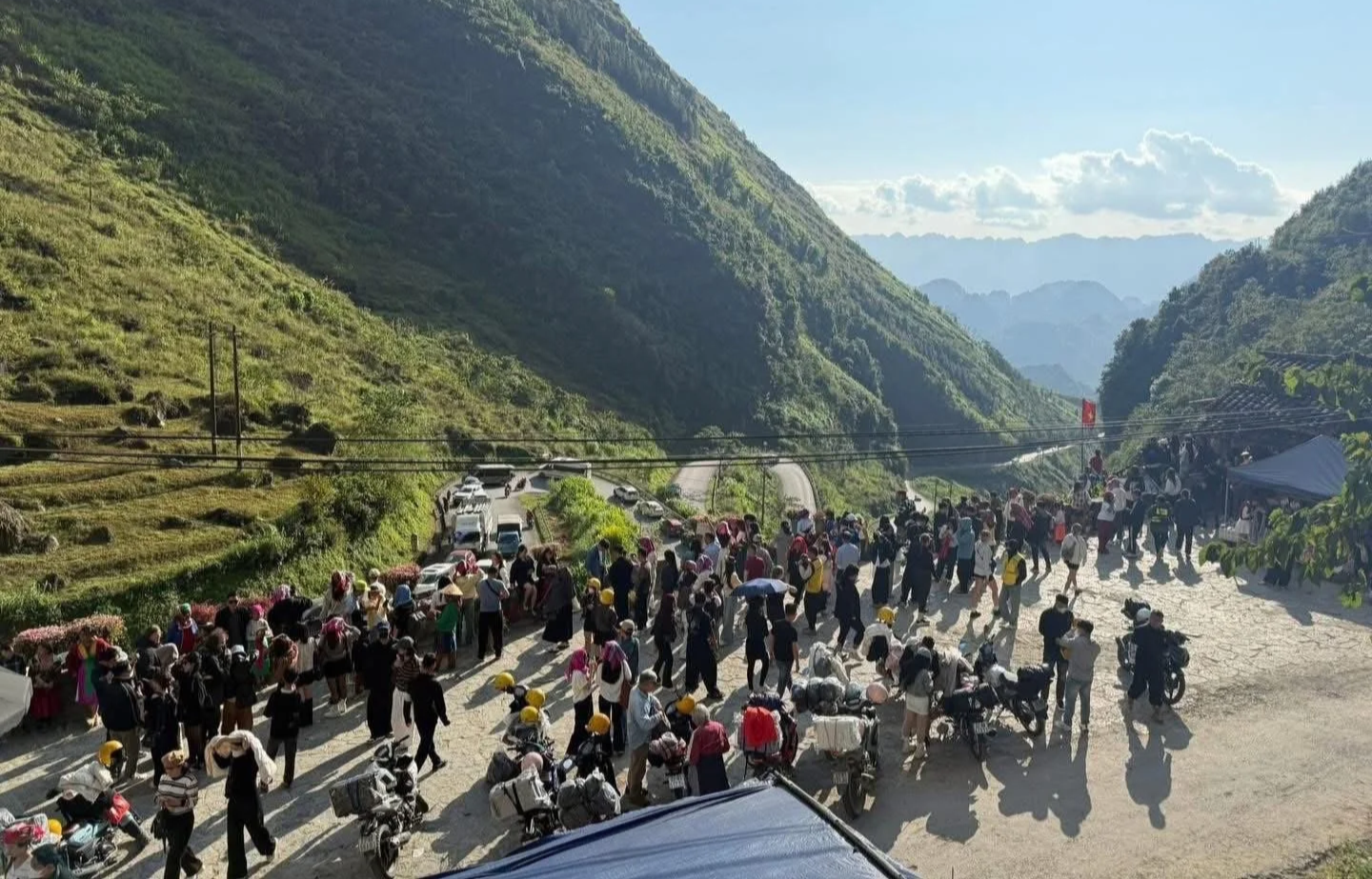
What was once a remote, challenging journey has become a well-worn circuit. The “loop” is now a rite of passage for thousands of travellers each month. Convoys of motorbikes leave town every morning. Music spills out of hostels and karaoke rages from giant speakers in many “homestays”. Nights are filled with drinking games rather than quiet conversation.
The landscape is still breathtaking, but the experience is no longer the same. Ha Giang city itself remains a gateway rather than a destination, a place most travellers pass through at the start of the the loop, rarely pausing to understand the region beyond the road . The deeper question is not whether Ha Giang is still beautiful. It is. The question is what happens when a place becomes consumed by the way we choose to experience it.
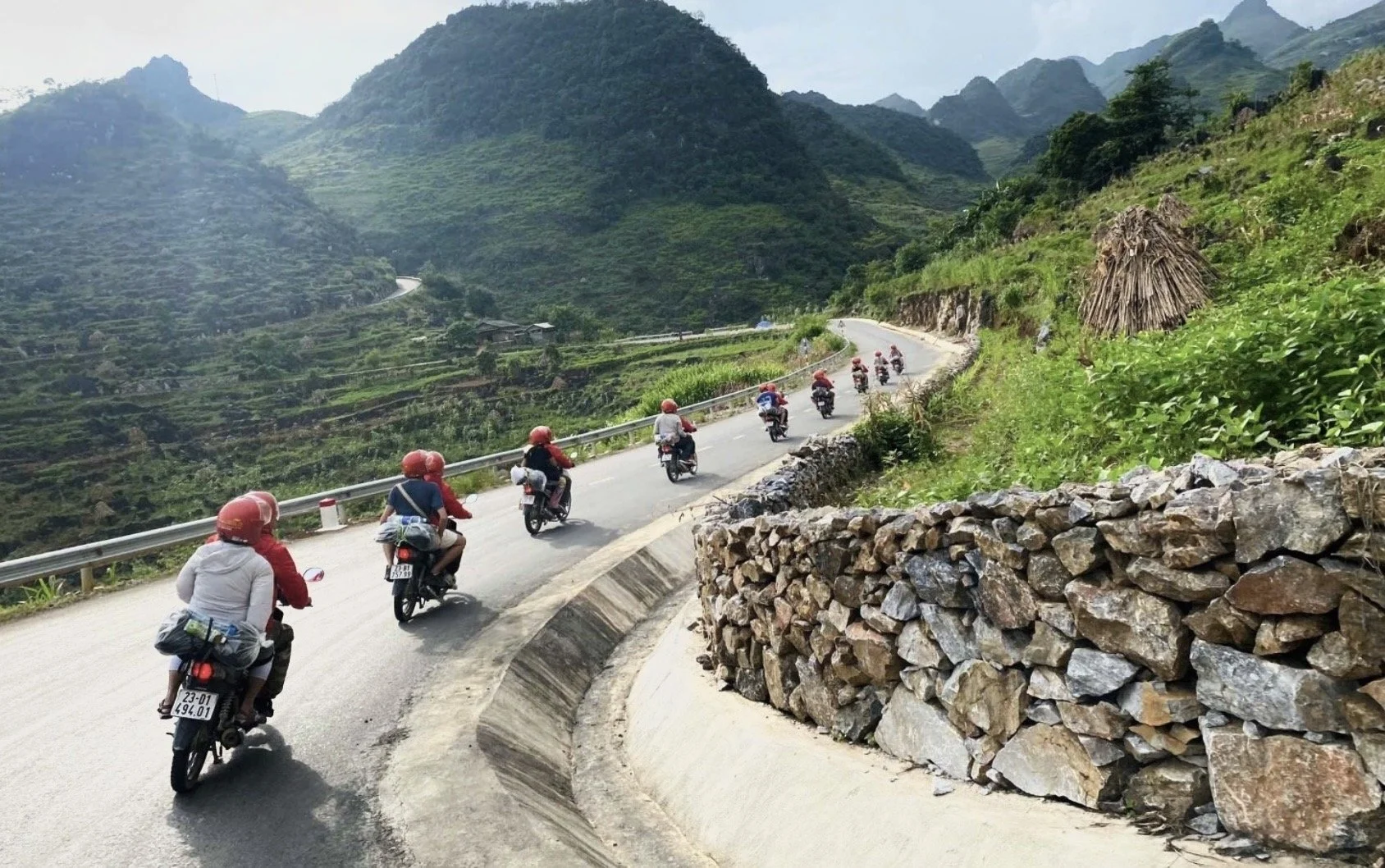
If this kind of landscape speaks to you, know that it still exists beyond the well-worn routes. There are regions just as dramatic, just as breathtaking as Ha Giang, yet far quieter. Places where the roads are empty, where the scenery unfolds without interruption, and where culture is not performed, but lived.
For those looking to experience this side of northern Vietnam, our Ride Caves & Waterways – 5 Day Journey offers something different. Travelling through lesser-known valleys and limestone regions, this route brings you into close connection with communities rarely visited by outsiders. The scenery is every bit as spectacular, but the experience is slower, more personal, and deeply rooted in place.


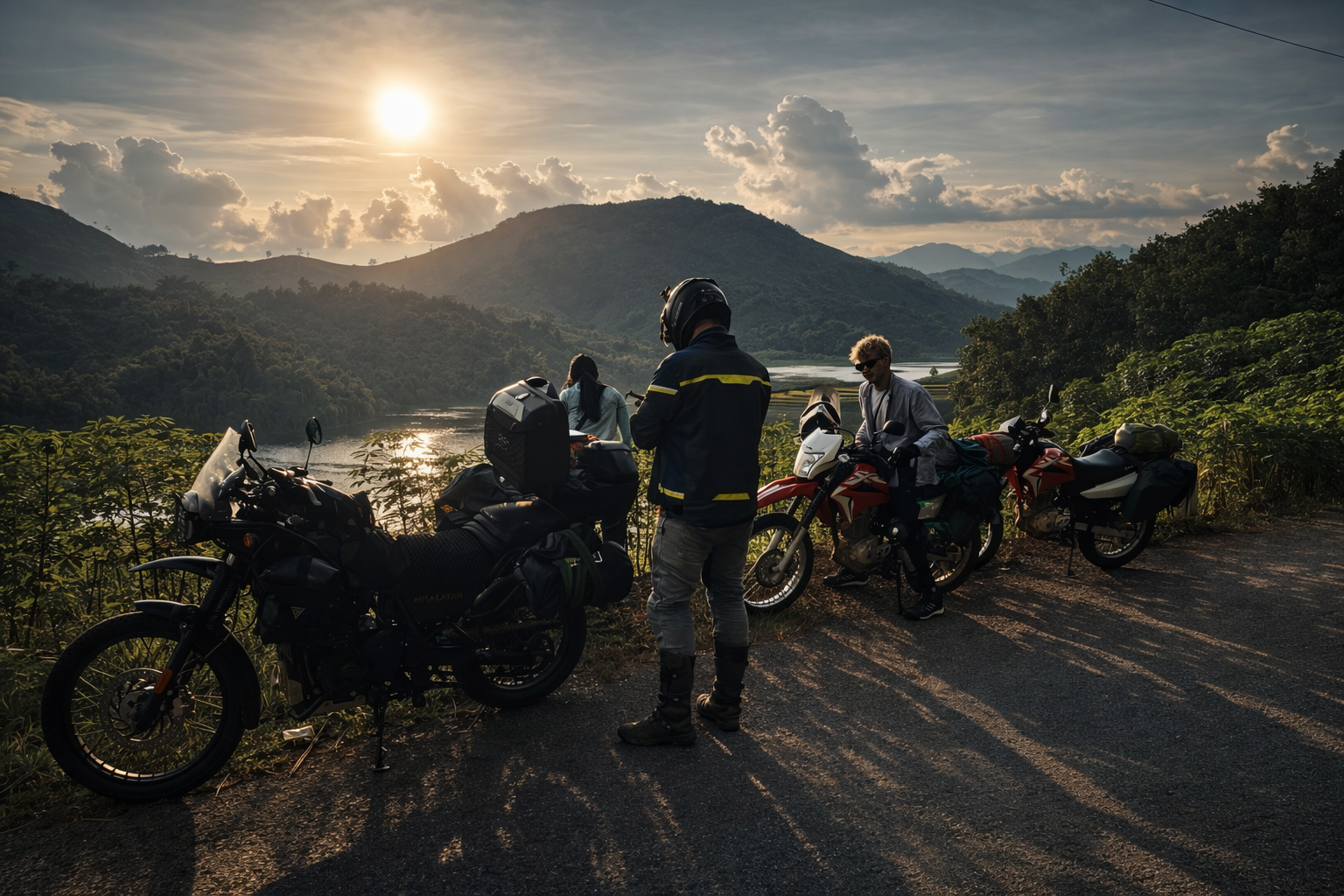
The Performance of Travel
There is something we are seeing more and more, in both Sapa and Ha Giang. Travel is becoming performance. In Sapa, this shift began years ago. The town expanded rapidly. Hotels climbed the hillsides. The cable car to Fansipan brought thousands to the highest peak in Indochina each day. Villages like Cat Cat, Lao Chai and Ta Van became familiar names on every itinerary. Paths widened and instagramable photo opportunities multiplied. Encounters became shorter, more transactional and slowly, something changed. Travel began to feel rehearsed. People still walk the same routes, but fewer and fewer wander to explore. Hoards take the same images and have the same faily interactions that are repeated again and again.
We wrote about this before, reflecting on how easily exploration can turn into reproduction. Travel has moved on from discovering something new to ferociously recreating something already seen. Ha Giang is rapidly following a similar path.
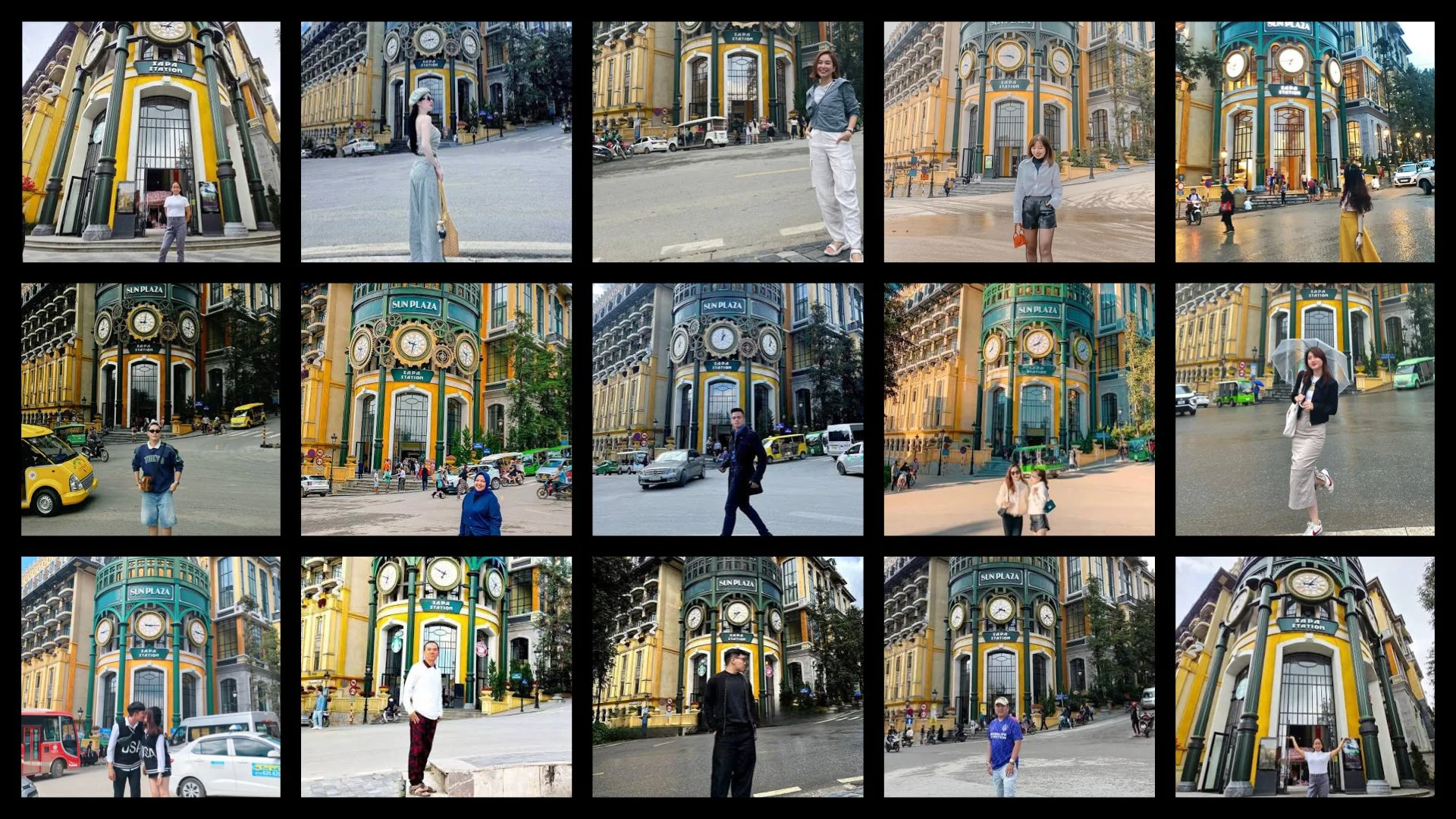
When Travel Becomes Noise
The Rise of Party Tourism
In recent years, the Ha Giang Loop has shifted from exploration to performance. Large groups ride together, often with limited riding experience. Traffic accidents are common but are too frequently laughed off by uncrupulous tour operators that find entertainment in misfortune. Easy rider tours prioritise traveller numbers and copybook itineraries over culture and connection. Evenings revolve around alcohol and social media moments. Karaoke echoes through the once quiet valleys into the small hours.
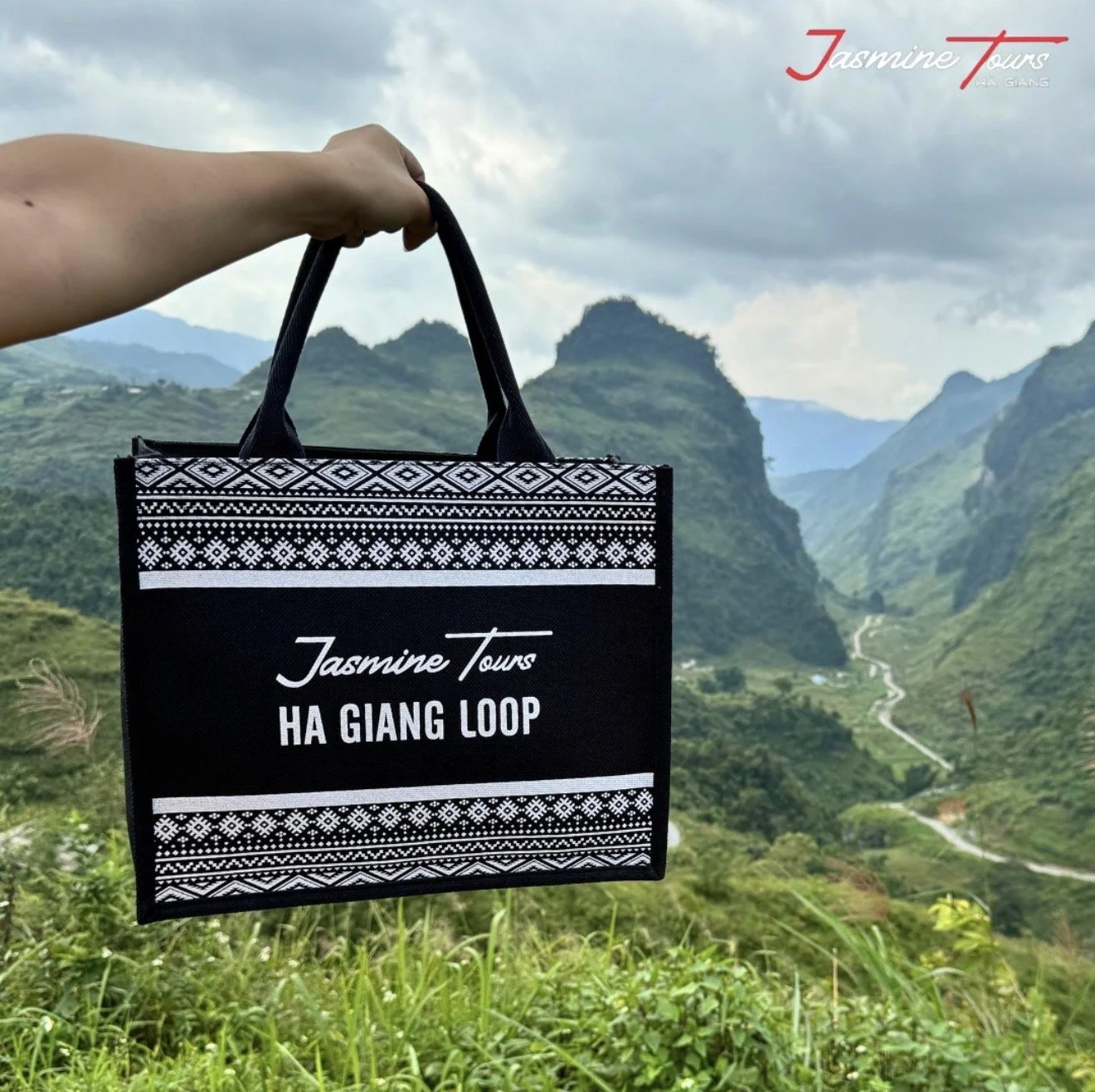
For many travellers, the goal is no longer to understand a place, but to complete it. The language of travel has quietly changed. “I did the loop.” “I conquered Ha Giang.” T-shirts, mugs and souvenirs now reinforce this idea, turning a landscape shaped by generations into something to tick off and move on from.
Ha Giang was never something to conquer. Long before it became a route, these mountains were, and still are, home to many ethnic minority groups. The steep terraces you pass so quickly are the result of years of labour. Rice farming here is not symbolic or scenic. It is relentless, physical work, carried out on gradients that demand balance, strength and patience. In the highest land, corn does not grow easily, but is coaxed from stone. The landscape is unlike anywhere else in Vietnam. Jagged limestone rises from the earth in sharp, grey formations, stretching endlessly across the plateau. Soil is scarce and what little exists gathers in pockets between rocks, thin and fragile, easily washed away by rain or wind.
Yet this is where generations of Hmong families have chosen to farm. Each year fields are prepared by hand. Stones are moved, cleared, and stacked into low walls. Small holes are opened in the earth, just deep enough to hold a few seeds. Corn is planted individually, carefully, one by one. From a distance, the fields appear scattered, almost accidental, but up close, there is intention in every step. The rhythm of life here follows the corn. Planting, tending, harvesting. It is labour that demands patience and resilience. There are no shortcuts or guarantees of a good harvest.
For the farmers, a successful harvest is not a photo opportunity, but a real achievement, earned through knowledge passed down over generations. When travel becomes rushed, these realities fade into the background. What remains is a surface-level experience, one that risks celebrating movement over meaning. The question is not whether you can complete the loop. It is whether you can truly see the lives that exist beyond it.


What This Means for Local Communities
For Hmong, Dao and Lo Lo communities, this shift is deeply felt. Villages that once welcomed a handful of passing guests are now burdened by large, rotating groups. They eat meals in large restaurants and stay in in ‘homestays’ that can accomodate many. Conversations with locals are trivial. Cultural exchange becomes transactional.
Traditional rhythms are interrupted. Farming schedules adjust to tourist arrivals. Young people are pulled towards tourism income over traditional crafts. Noise and waste increase in previously quiet villages. In some areas, communities are no longer hosts, but backdrops.
A Sign by the River: What It Doesn’t Say
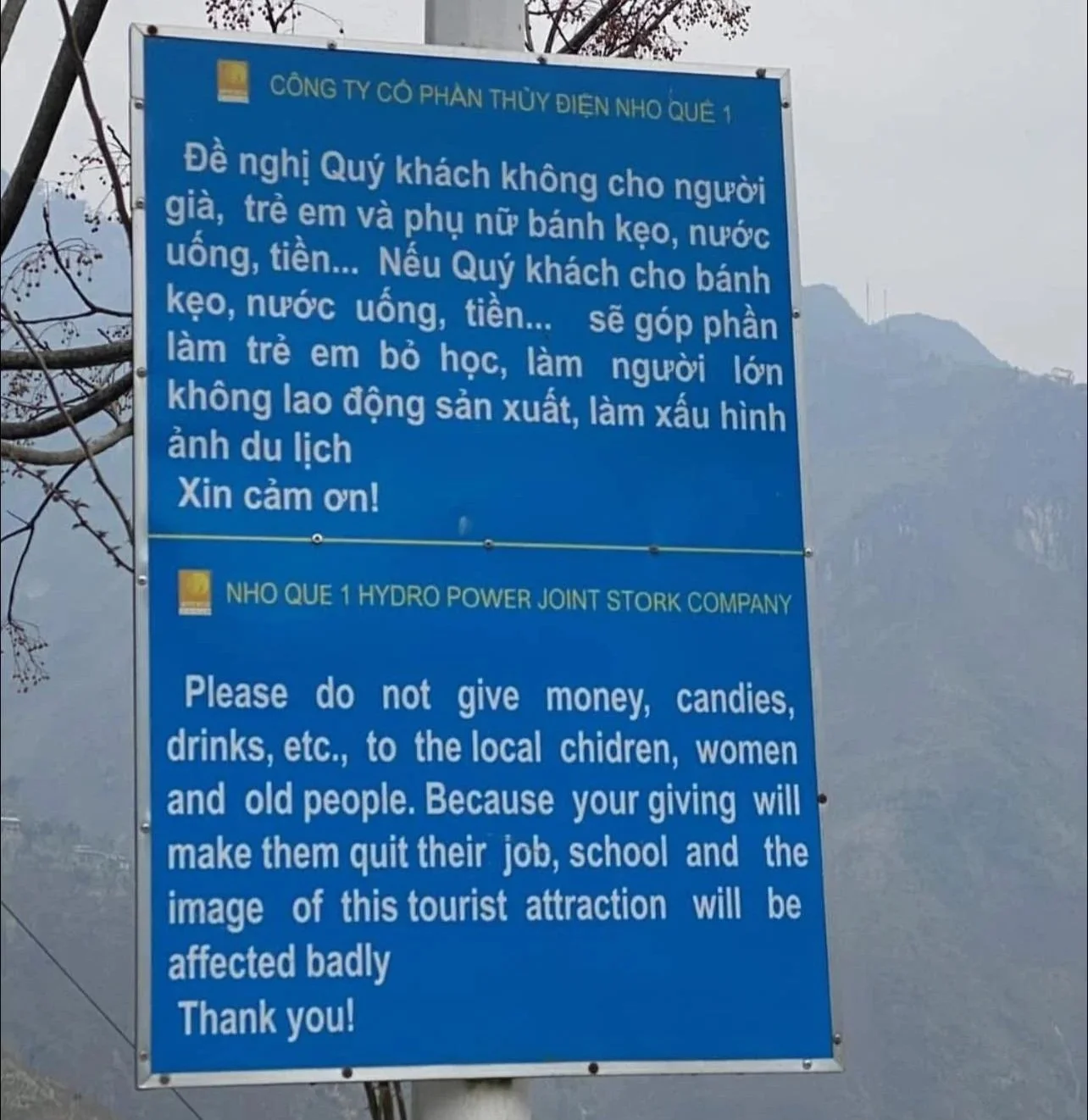
A new public notice has been erected near the Nho Que River along the Ha Giang Loop. It asks visitors not to give money, sweets, or drinks to local children, women, and elderly people, warning that such actions may discourage schooling and work, and negatively affect the image of tourism.
At first glance, the message seems reasonable, but without context, it tells only a fraction of the story. In Ha Giang, it is common to see Hmong children engaging in activities such as selling textiles, offering to braid tourists’ hair, or posing for photographs. This is not simply opportunism. It is rooted in a complex mix of economic and social realities.
Many Hmong families in remote areas face limited access to stable income, land security, and formal employment. Tourism, even in its most informal form, becomes a direct and immediate way to earn. A piece of embroidery, a bracelet, or a small interaction with a traveller can mean the difference between having cash for essentials or not. At the same time, much of the formal tourism infrastructure in Ha Giang is no longer in local hands. Many licensed tour companies are owned and operated by Vietnamese from the lowlands, who have moved into the region to capitalise on its rising popularity. This extends to transport, accommodation, and guiding services. Opportunities within this system often require literacy, language skills, and access to networks that many ethnic minority communities have historically been excluded from. The result is a deeply uneven landscape.
While tourism numbers increase, many local villagers see very little of the financial benefit. Instead, they experience the pressures that come with it. Roads fill with inexperienced riders. Villages become crowded with large groups. Nights are punctuated by loud music and karaoke. The next day, copy and repeat. Again and again, night afetr night.
Even well-intentioned gestures can have unintended consequences. The giving of sweets to children, for example, has led to rising dental health issues in some communities. But removing this behaviour without addressing the underlying lack of opportunity risks placing responsibility on those with the least power in the system.
When Culture Becomes Costume
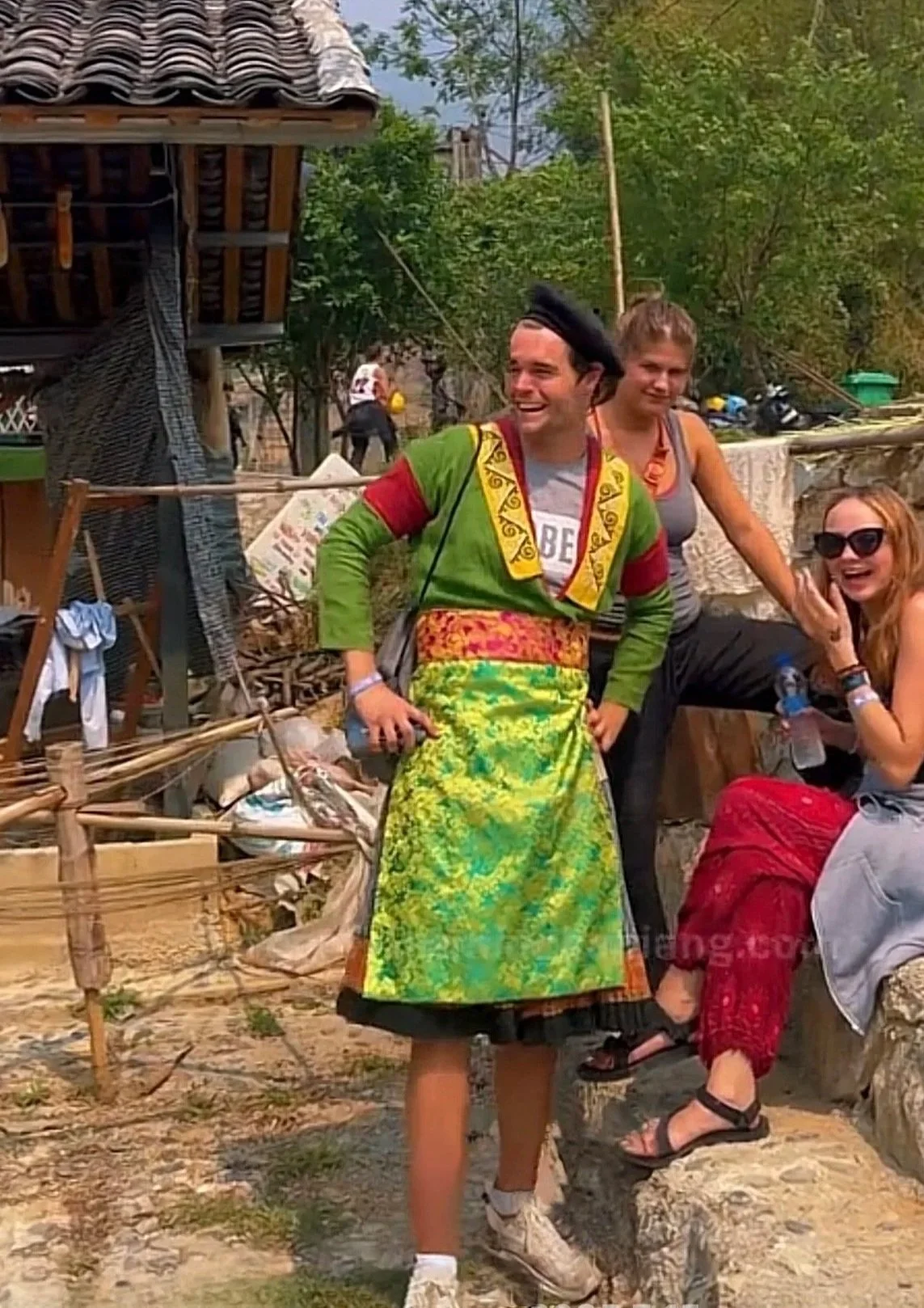
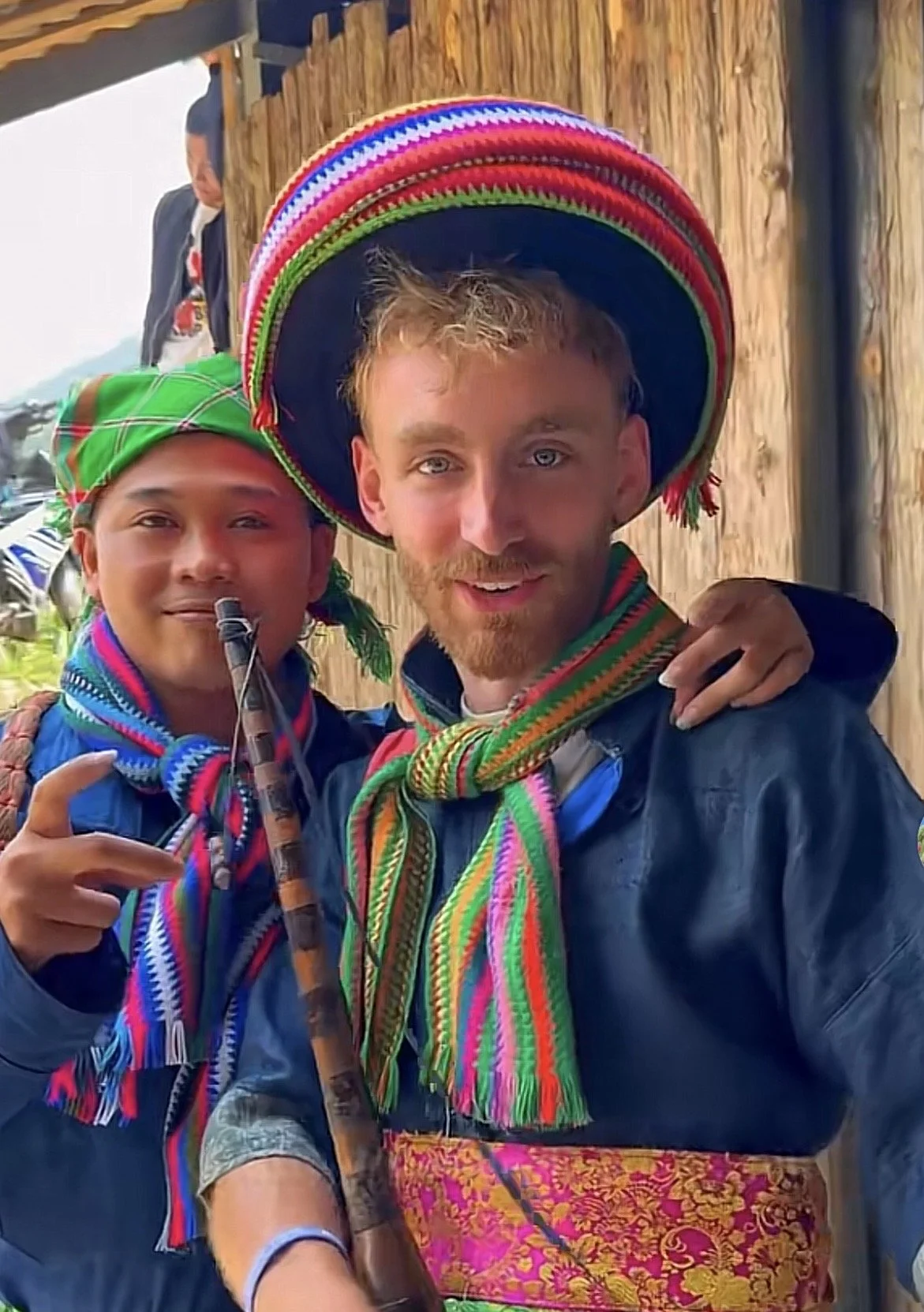
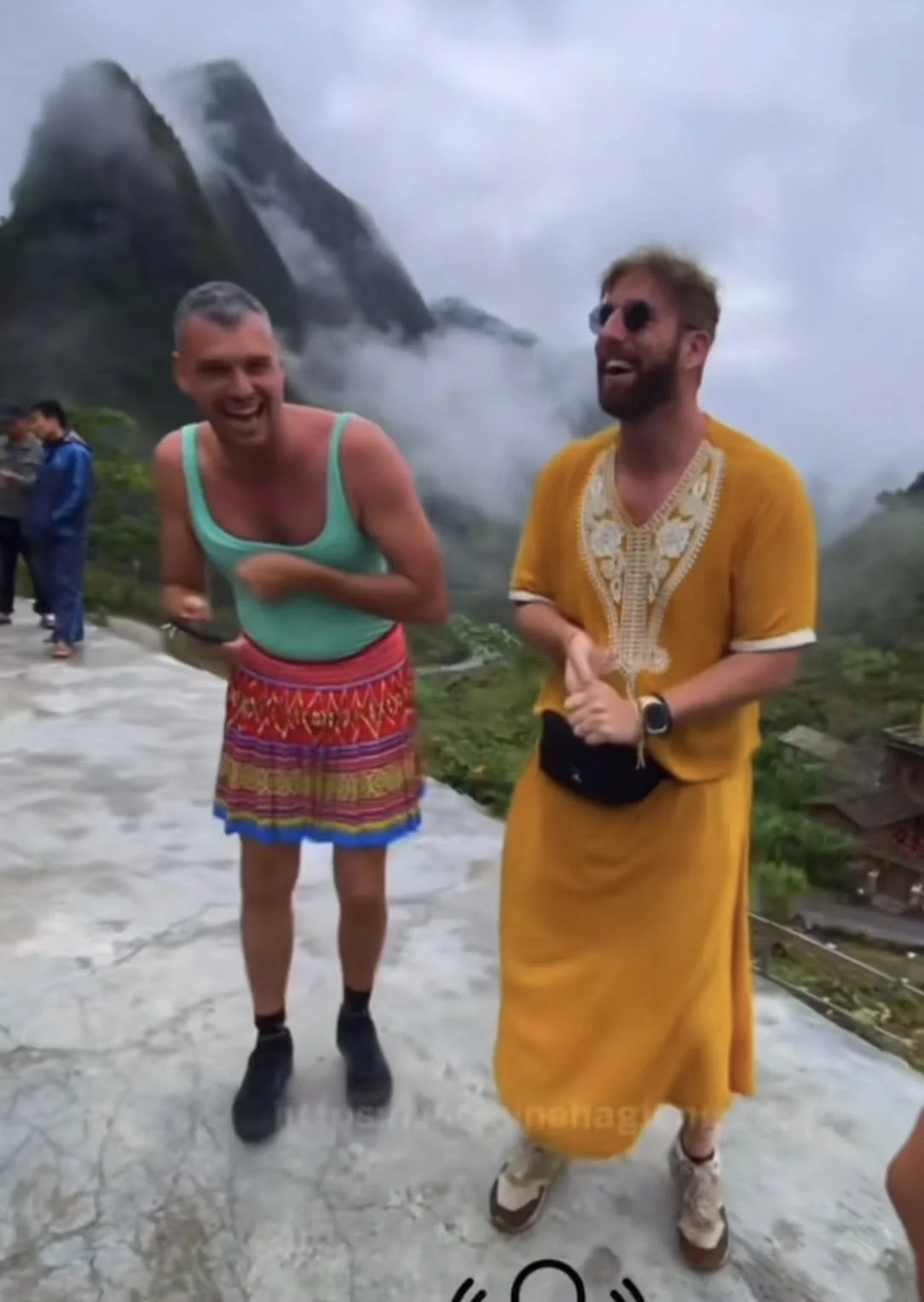
Alongside these changes, another shift is becoming increasingly visible. We feel compelled to speak on something deeply troubling. In recent clips, we have seen backpackers encouraged to wear Hmong skirts and Vietnamese Áo Dài while partaking in the Ha Giang Loop.
To be clear: wearing ethnic minority attire is not a gimmick. Clothing carries meaning, identity and dignity. To repurpose it as entertainment is to turn Hmong culture into the butt of a joke. This is not light-hearted fun; it is mockery. We, as Hmong and Vietnamese people, do not exist for ridicule. Companies that promote and profit from this behaviour are not only being irresponsible, they are perpetuating cultural disrespect. There is a profound difference between being invited into a cultural practice and performing it for amusement. Traditional clothing, whether it is a hand-embroidered Hmong skirt or an Áo Dài, is woven with story. Patterns signify lineage, age, region, and identity. To see them reduced to a joke, worn incorrectly, exaggerated, and shared online for entertainment, is painful for many local people. It reflects a wider shift in tourism where culture is no longer something to learn from, but something to consume.
If we are serious about ethical travel, we have to be willing to question these moments, even when they are presented as harmless fun because culture is not a prop and people are not performers.
The Illusion of “Authentic Travel”
There is a common belief that going “off the beaten path” guarantees authenticity but when thousands follow the same off-the-beaten path, it becomes something else entirely.
In Sapa, this transformation happened earlier. The town itself can feel busy, even overwhelming. Some travellers arrive and leave disappointed, believing authenticity has been lost. Yet this often comes from staying only in the town or visiting nearby villages without deeper engagement. When travellers move beyond the surface, into the forests and more remote communities, the experience becomes something entirely different .
The same is true of Ha Giang.
It is not the destination that determines authenticity. It is the way we move through it.
A Different Way to Travel in Northern Vietnam
The answer is not simply to avoid Ha Giang. Nor is it to write off Sapa. Both regions remain extraordinary. But they require intention.
Instead of rushing the loop in a few days, consider staying longer in one place. Walk rather than ride. Spend time with one family rather than passing through hostels in huge groups.
Beyond Sapa town lies a network of valleys and villages where life continues with quiet resilience. Here, travel slows. You begin to notice the details. The rhythm of farming. The scent of herbs gathered from the forest. The patience behind each stitch of embroidery.
This is where connection happens.
Sapa: More Than Its Busiest Corners
It would be easy to look at Sapa and think it has already been “overdone” and in some places, that feeling is real. Sapa town is busy. Fansipan sees thousands each day. Cat Cat, Lao Chai and Ta Van can feel crowded, especially at peak times, but these villages make up only a fraction of the region.
Beyond these well-known areas lies a vast landscape of valleys, forests and villages that most travellers never reach. Places where the rhythm of life is still guided by the seasons. Where farming, crafting and community remain at the centre of daily life. Places where you are not one of many, but one of few.
This is the Sapa that still exists. You just have to choose to find it. Both Sapa and Ha Giang offer something deeply personal, if you travel differently.
A Different Way to Experience the North
At ETHOS, we have always believed that travel should be rooted in relationship.
We work with Hmong, Dao and other communities not as service providers, but as partners. F armers. Artists. Storytellers.
Our treks are not about covering distance. They are about slowing down, walking through landscapes with people who know them intimately and sitting in homes to share meals. These opportunities mean learning through presence, not performance.
Our motorbike journeys are not about ticking off the loop. They are about exploring the edges. The quiet roads. The places few travellers have heard of, and even fewer have visited. These are places where conversations last longer than the ride and where the journey unfolds naturally.
Travel That Gives Back
When done well, tourism can support livelihoods, preserve traditions, and create meaningful exchange, but this only happens when local people are truly involved. When they have ownership. When their voices shape the experience.
Small-scale, community-led travel is not just a nicer idea. It is a necessary one.
Walk With Us. Ride With Us.
If you are looking for something deeper, we would love to welcome you.
Join one of our immersive treks through remote valleys, where you will walk alongside Hmong and Dao guides and stay in homes that still hold the stories of generations.
Or travel with us by motorbike, beyond the well-worn loop, into landscapes and communities that remain largely untouched by mass tourism.
You can explore some of these journeys through our films, where the road is quieter, the connections are real, and the experience speaks for itself.
Choosing Connection Over Completion
Ha Giang is not ruined. Sapa is not lost but both places are changing and as travellers, we are part of that change.
The question is not which destination is better but rather what kind of traveller you want to be. Do you want to complete the loop, or understand the land? Do you want to pass through, or be welcomed in?
In northern Vietnam, the most meaningful journeys are still here. You just have to dig deeper to find authenticy.
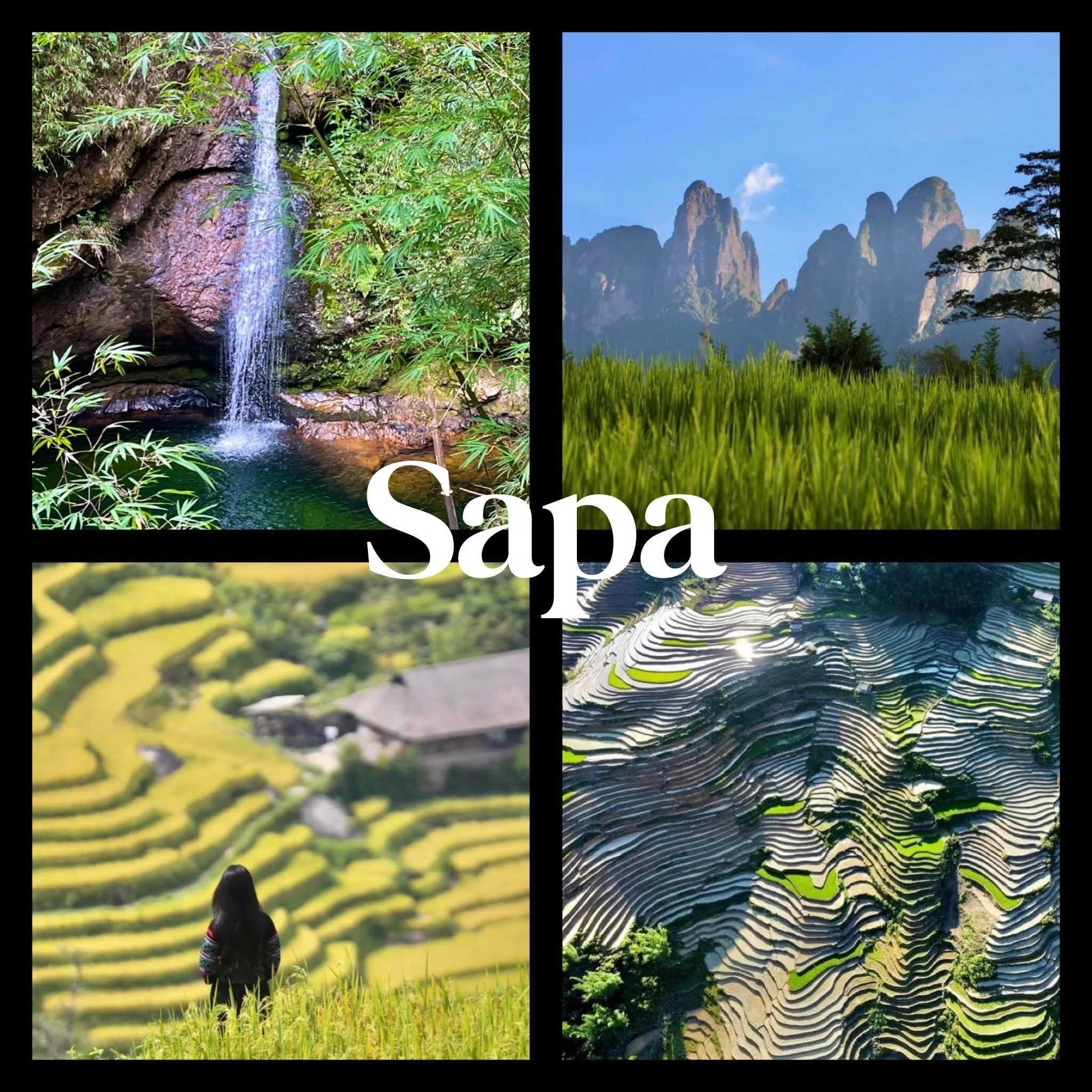
Photograph of the rice terraces in rural Sapa. Images by Phil Hoolihan. All rights reserved.
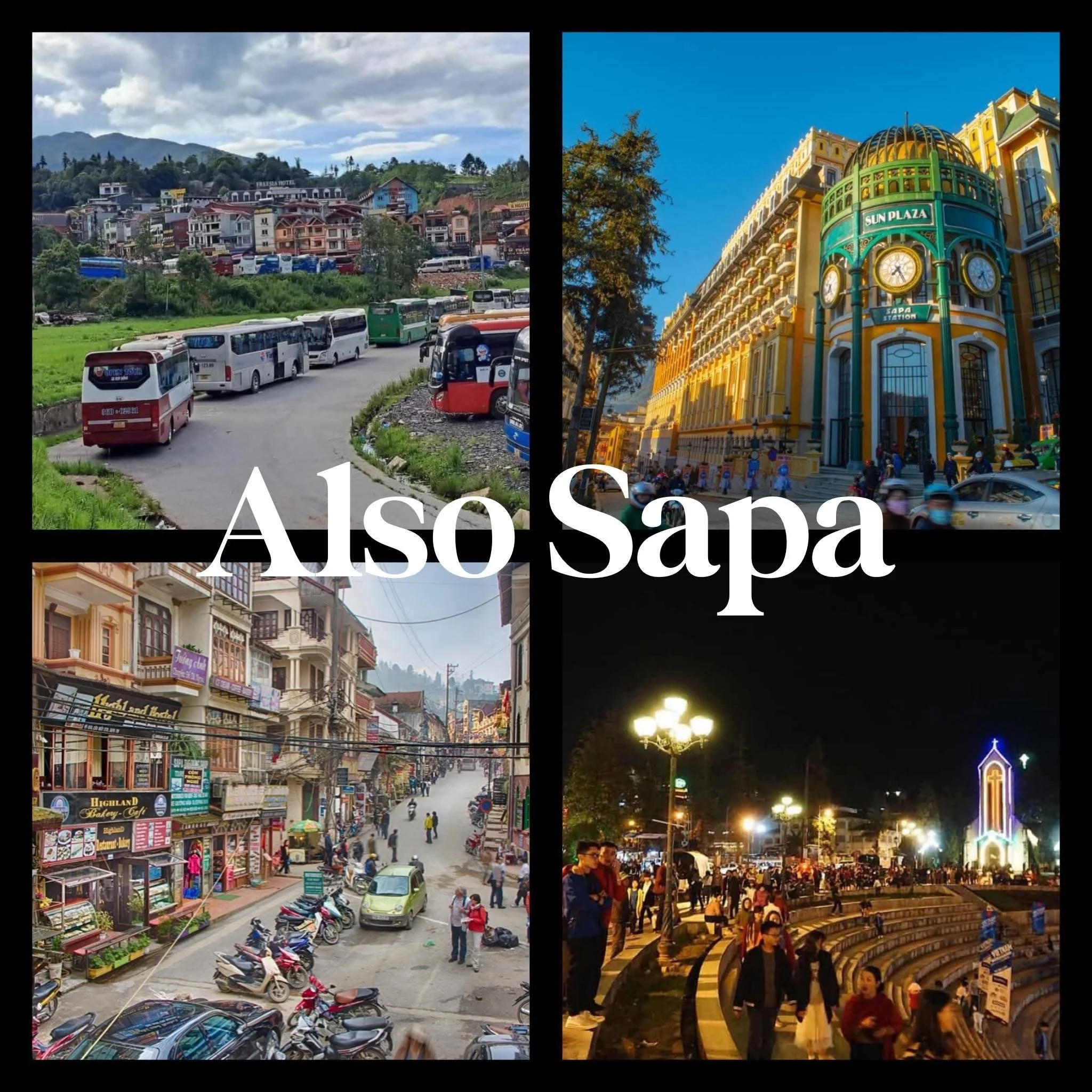
Photographs of Sapa town centre. Images by Phil Hoolihan. All rights reserved.
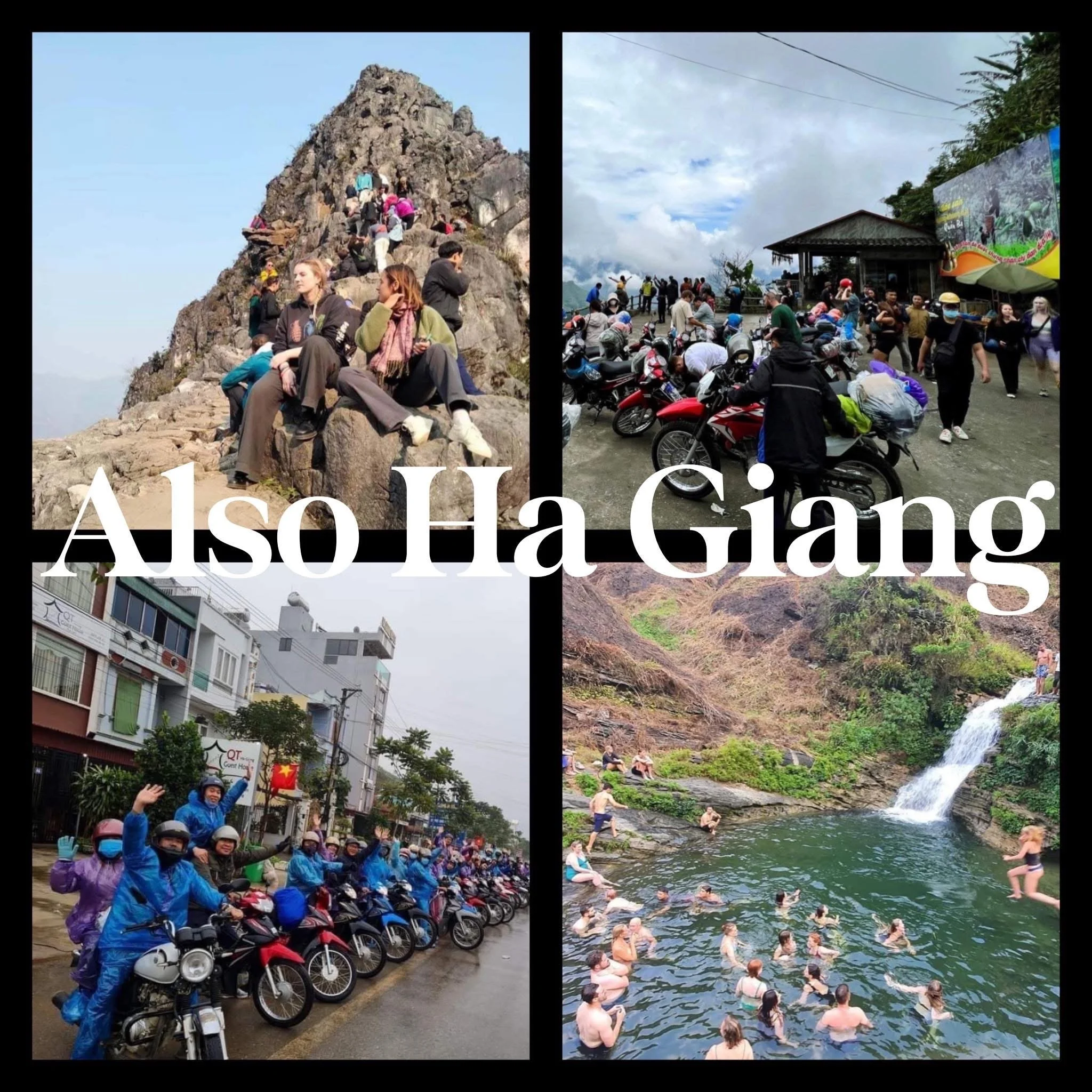
Riding the Backroads of Dien Bien Phu
Join us on a four-day motorbike journey through the quiet valleys and hidden trails of Dien Bien Phu. Along the way, we shared meals, stories and moments of connection with the land and its people.
A Journey Beyond the Beaten Path
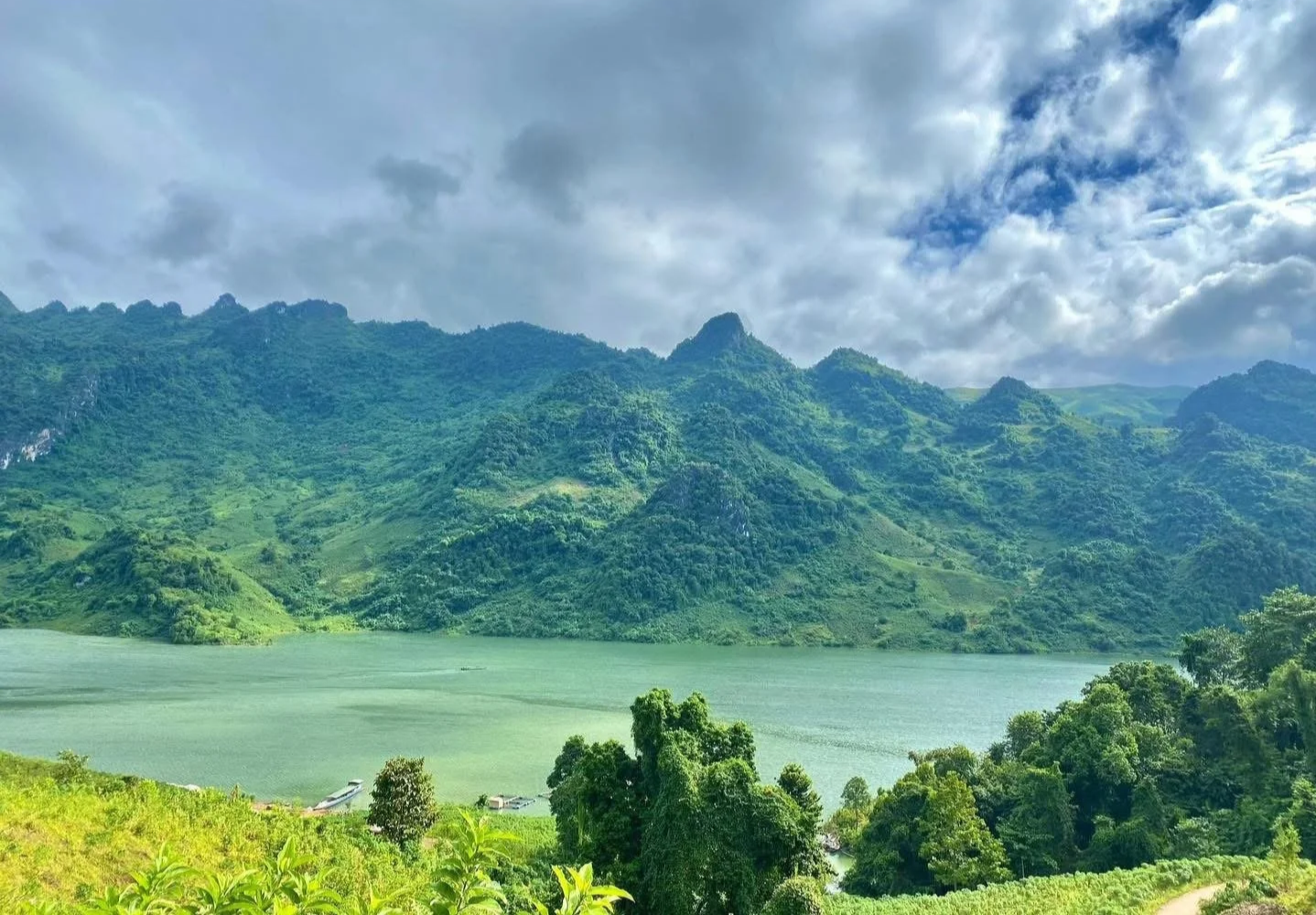
Over four days we travelled by motorbike through the upland plateaus and quiet valleys west of Sapa. The route led us ast calm lakes, terraced hillsides and small farming communities where life follows the rhythm of the seasons. It was a journey into the heart of the mountains, where every bend in the road revealed something new and beautiful.
Learning from the Land
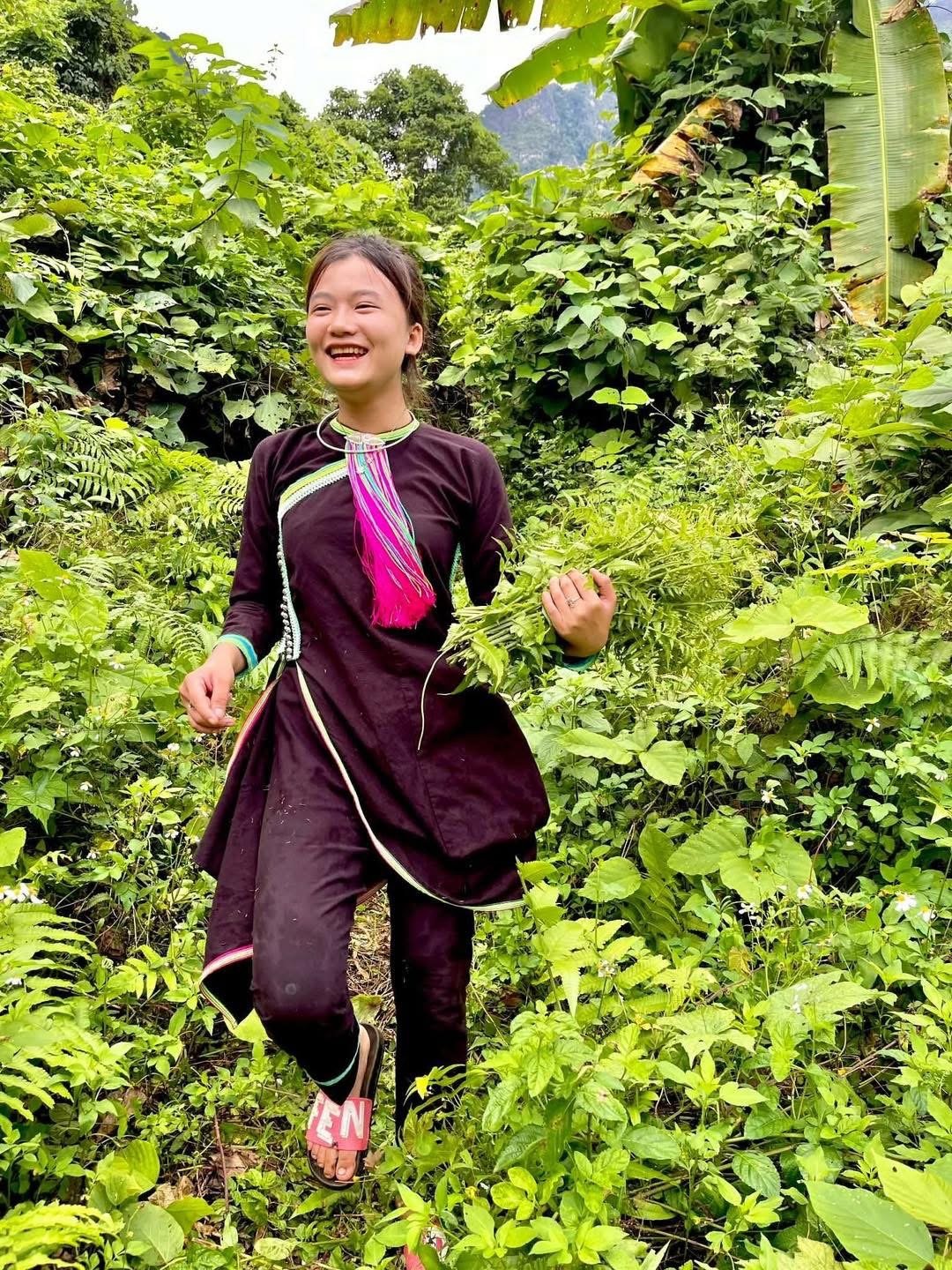
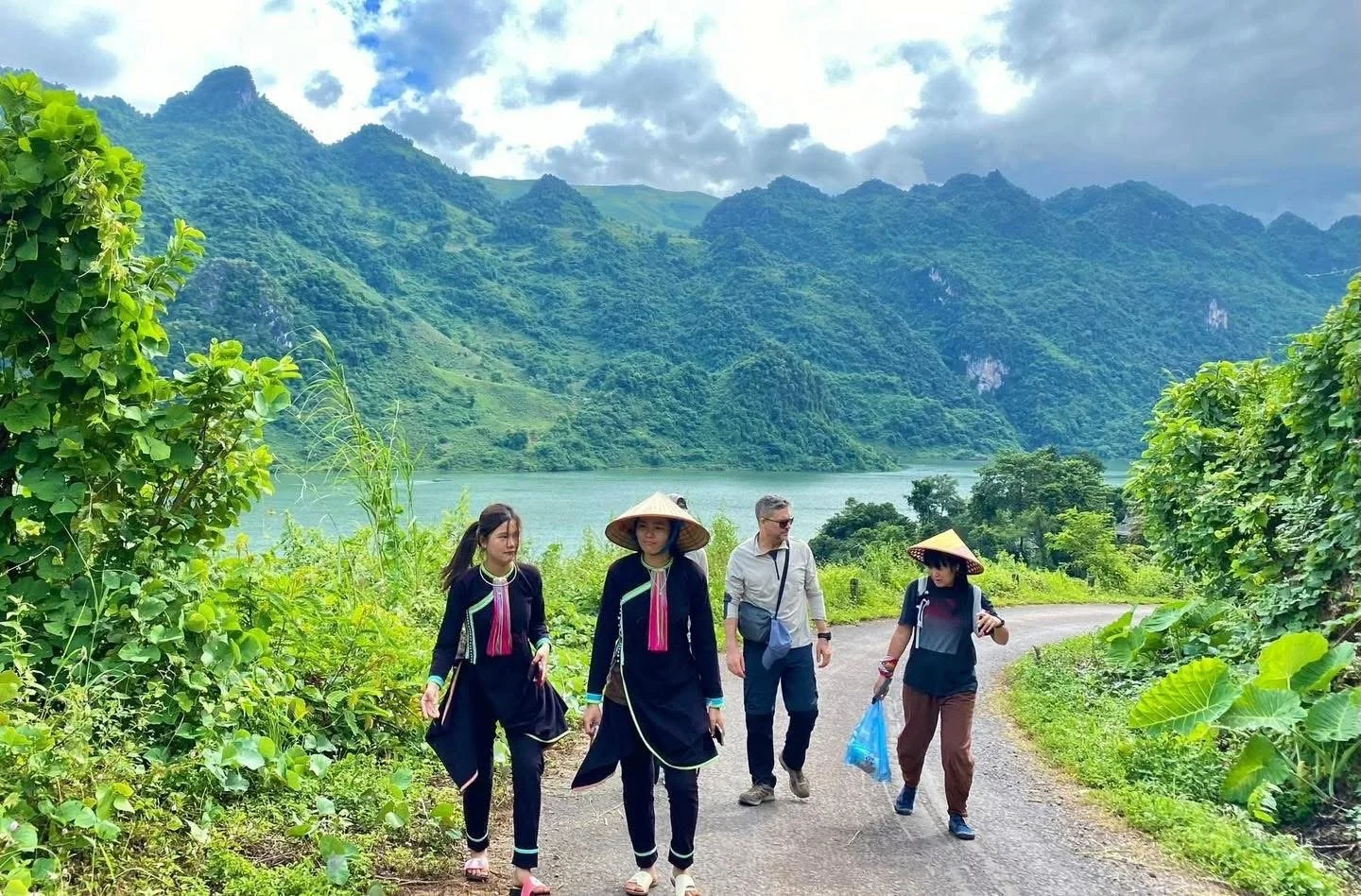
Our local hosts guided us with warmth and patience, stopping often to walk, share food and talk about the land. They showed us how to forage for wild herbs, edible shoots and mountain mushrooms. Each stop uncovered another layer of local knowledge, passed down through generations and shaped by a deep relationship with the forest and fields.
Evenings by the Fire
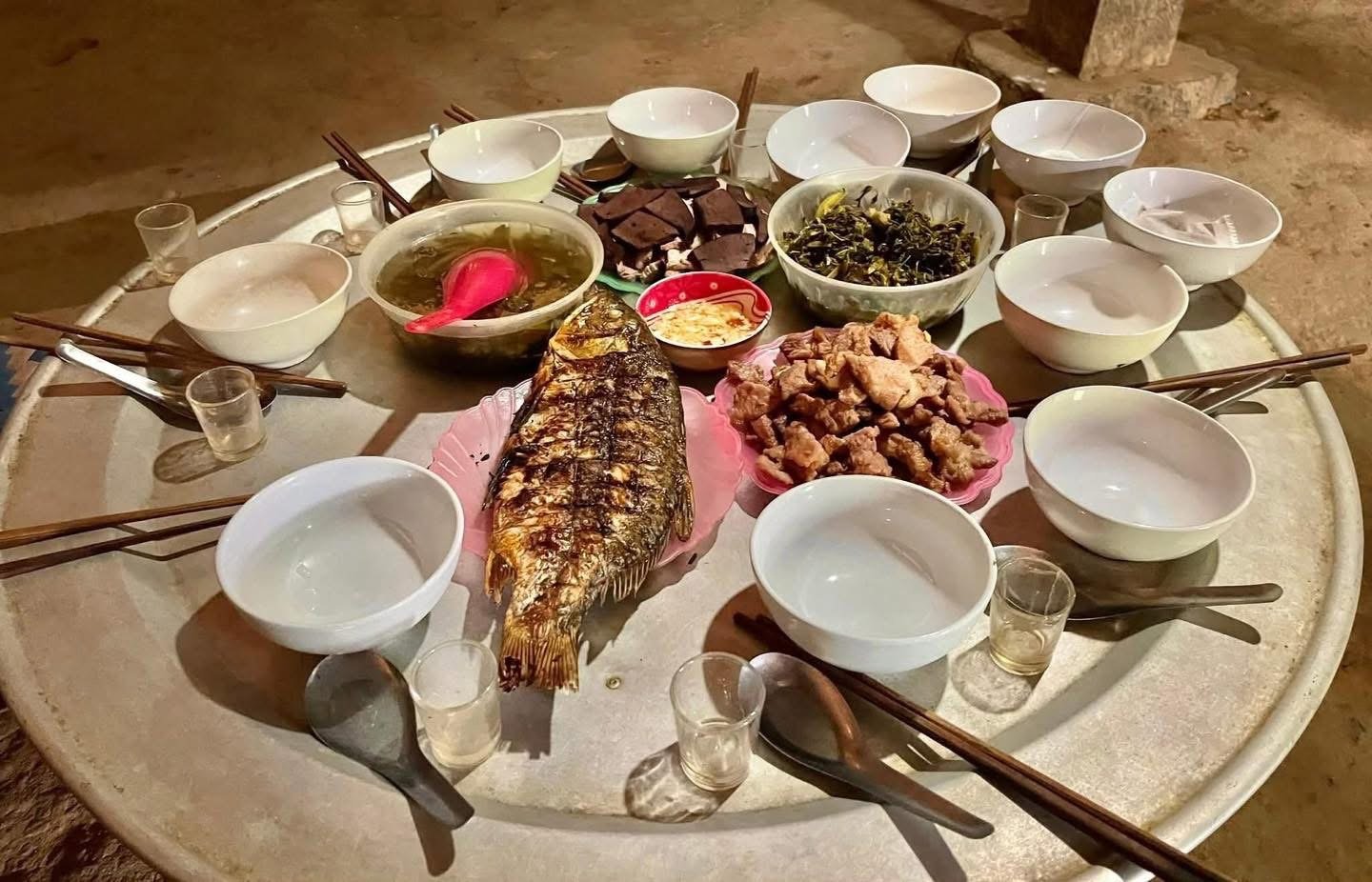
When the day’s riding was done, we gathered beside small fires to share bowls of rice and stories. Conversations flowed in a gentle mix of Hmong, Vietnamese and English. The nights were filled with laughter, soft music and the quiet comfort of companionship under a sky full of stars.
Through the Backroads of Dien Bien Phu
These photographs capture the beginning of that journey through the backroads of Dien Bien Phu. Each image tells a part of the story — of movement, discovery and connection with a landscape that holds both history and peace.
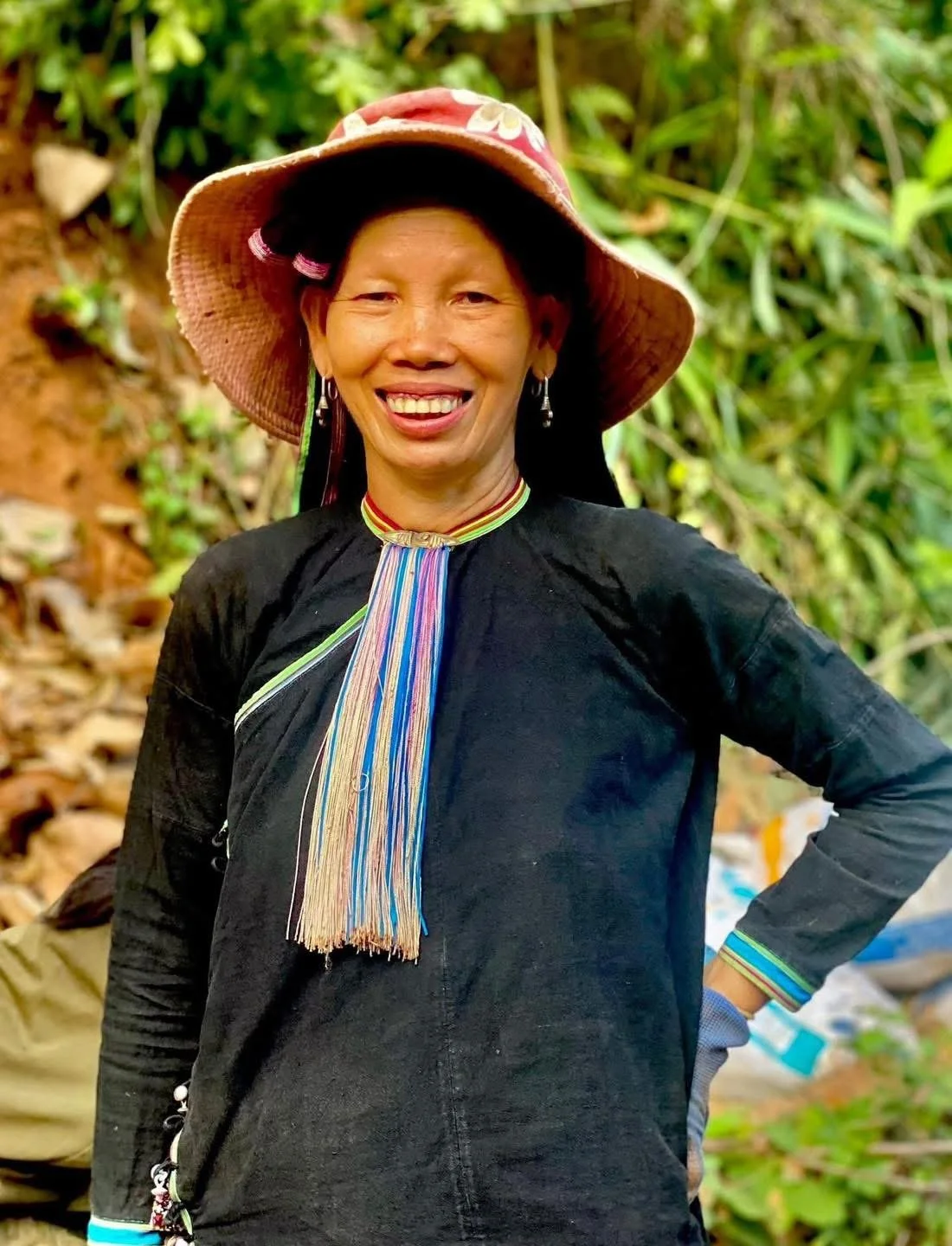
Riding a Motorbike in Vietnam: What Licence Do You Need?
Find out which licence you need to ride a motorbike in Vietnam, how the rules differ for engine sizes and what to expect on the road.
Understanding the Rules
For many travellers, exploring Vietnam by motorbike is a dream. Winding mountain passes, rice terraces shimmering in the sun, and the hum of life unfolding in every small roadside town create a sense of freedom that is hard to find elsewhere. But before setting off, it is important to understand the legal requirements.
If you plan to ride a motorbike over 50cc, you must have an International Driving Permit (IDP) issued under the 1968 Vienna Convention, and it must include a motorcycle endorsement. This should be presented together with your home-country driving licence, which also needs to show that you are licensed to ride motorcycles.
Without both documents, you are technically not riding legally. Police checks can be infrequent in some regions, but enforcement can be strict elsewhere, particularly in the northern provinces such as Ha Giang.
Motorbikes Under 50cc
For smaller motorbikes and scooters under 50cc, the rules are more relaxed. No licence is required, and travellers generally face no risk of fines. Some travel insurance policies may even remain valid, though it is always worth checking the details before you travel.
These lighter bikes are often the preferred choice for short rides around towns or rural areas, especially for those new to Vietnam’s roads.
Key Things to Remember
Vietnam recognises only the 1968 International Driving Permit.
Countries such as the USA, Australia, Canada and New Zealand issue only the 1949 IDP, which is not valid in Vietnam. Still, carrying it is sensible, as many insurance companies accept it.
Wearing a helmet is mandatory at all times.
Enforcement varies by region; some areas are lenient, while others enforce regulations closely.
A Few Thoughts Before You Ride
Vietnam’s roads can be thrilling, unpredictable, and deeply alive. Part of the adventure lies in the journey itself, the mist curling around mountain bends, the laughter of children waving as you pass, and the quiet stillness of the countryside once the engine rests.
Travelling here rewards patience and preparation. Check your documents carefully, take time to get used to the rhythm of the road, and always ride with care.
For more guidance on ethical and immersive travel in northern Vietnam, visit ETHOS Spirit of the Community.
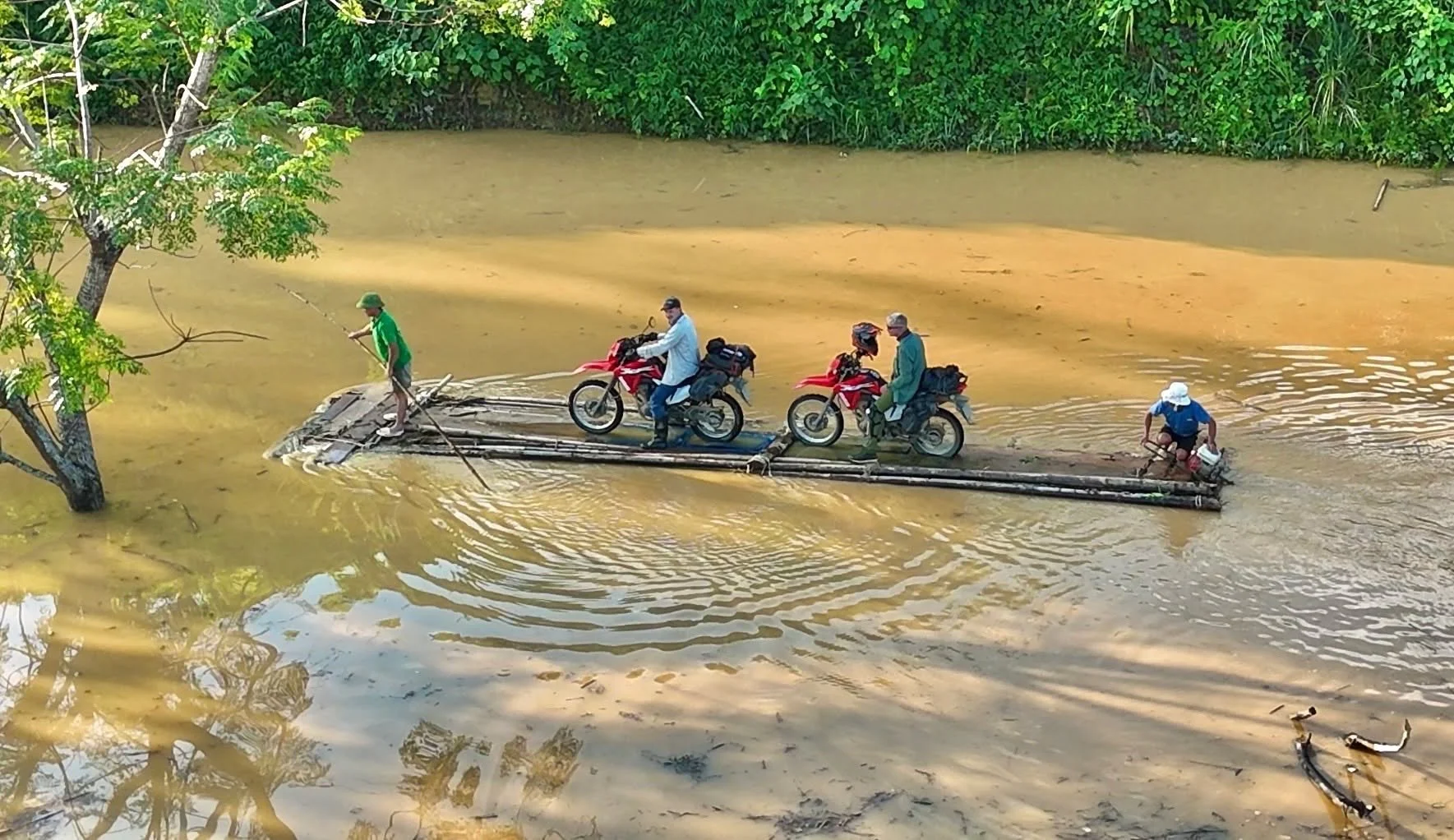
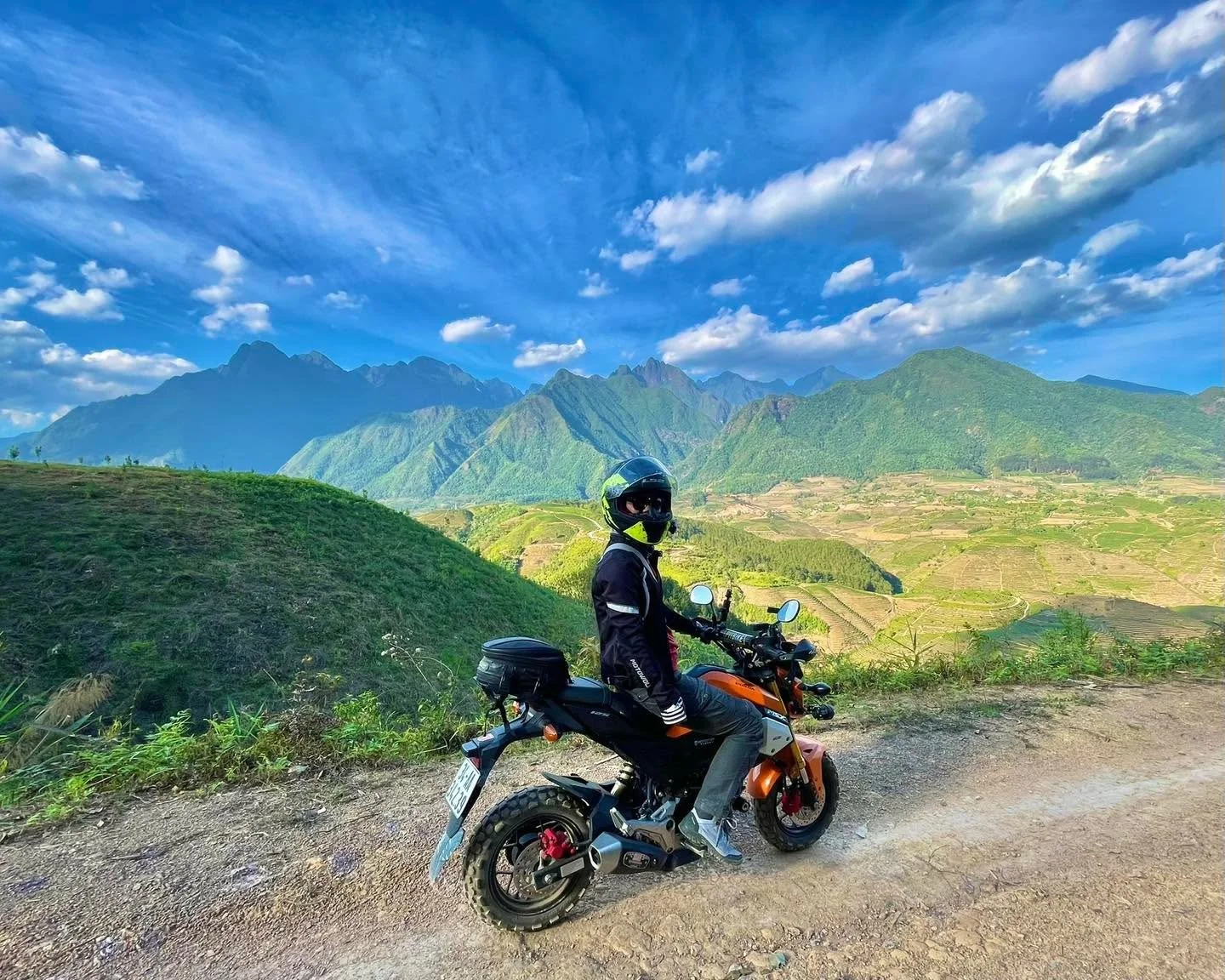
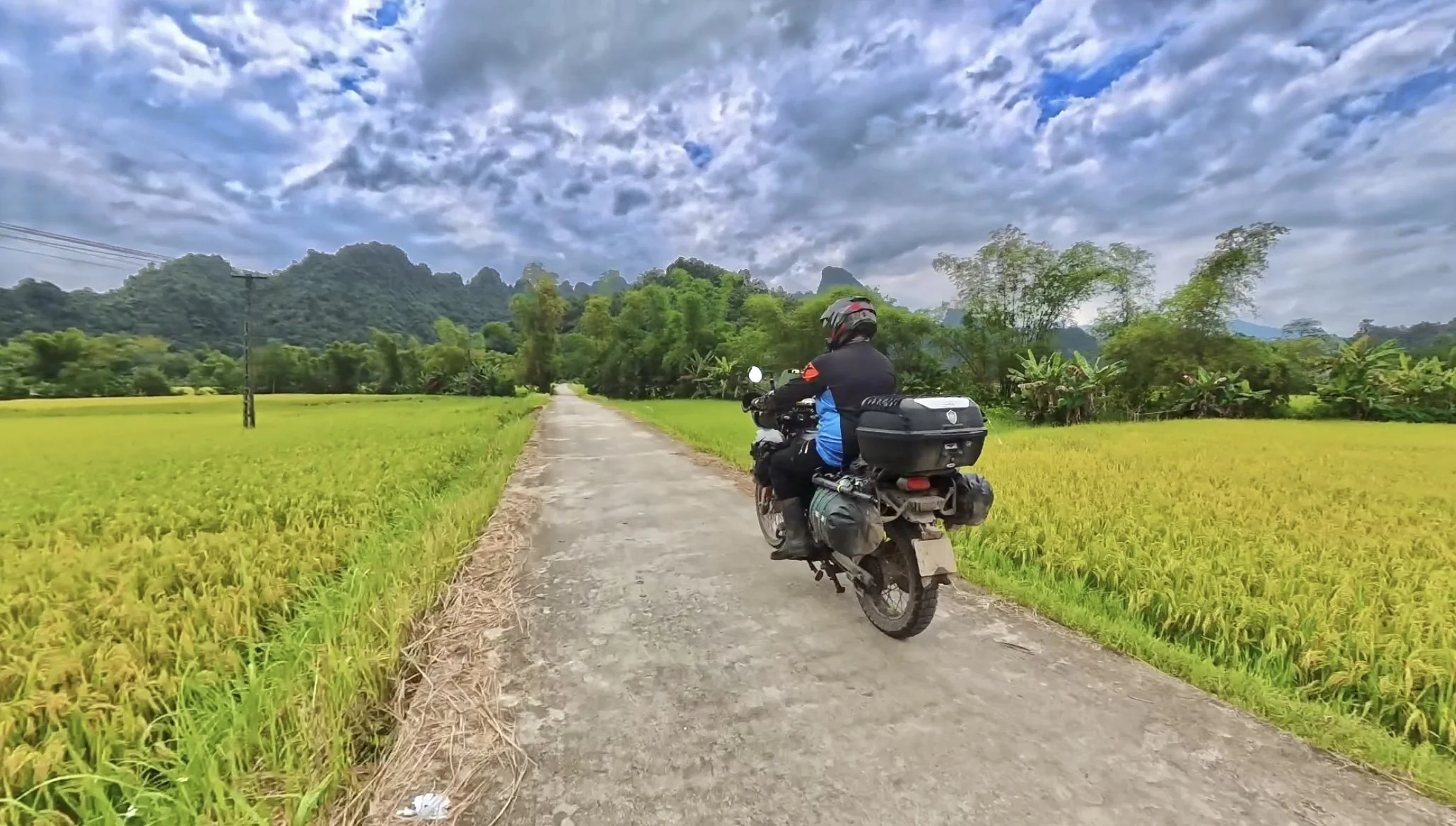
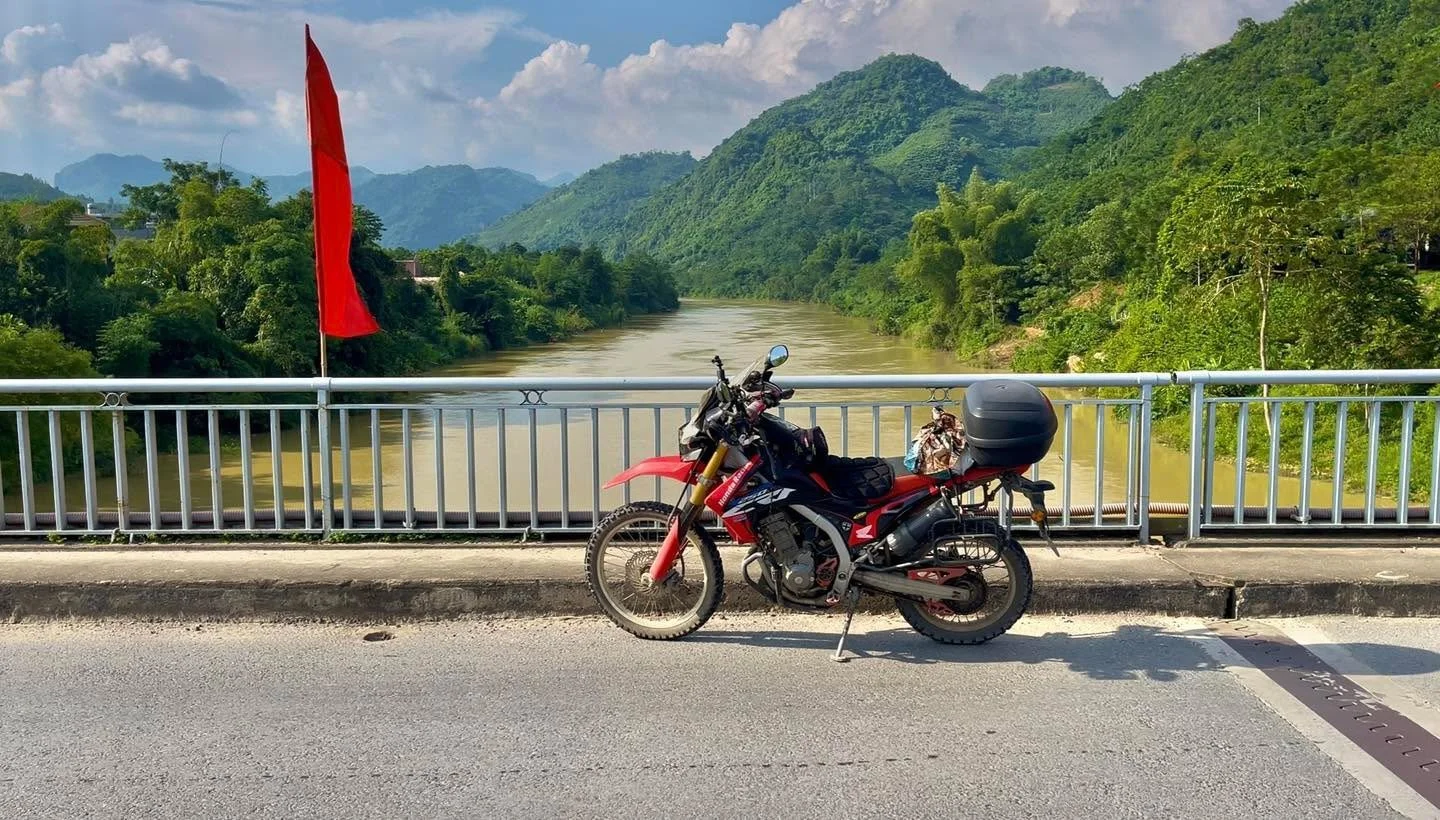
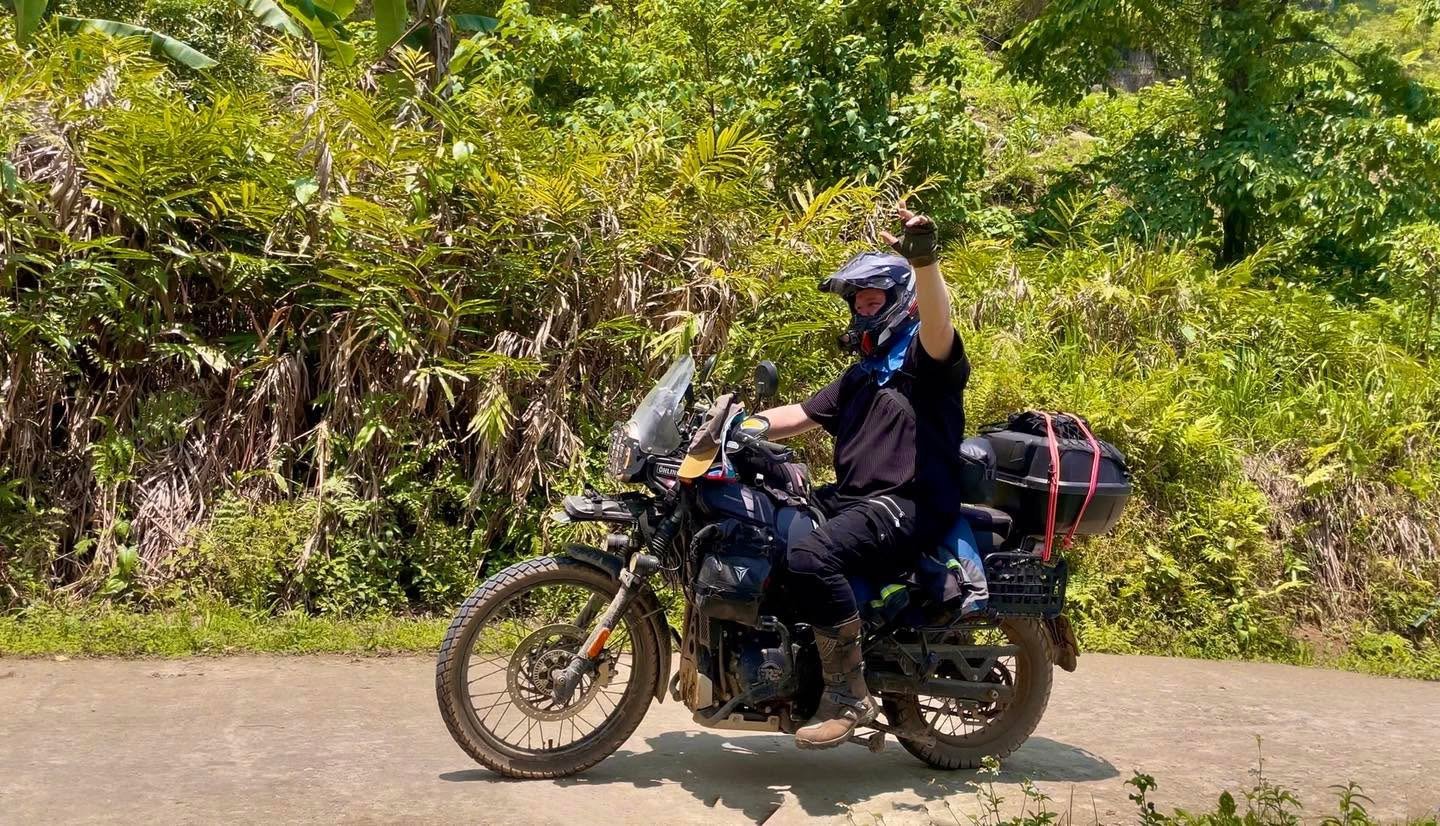
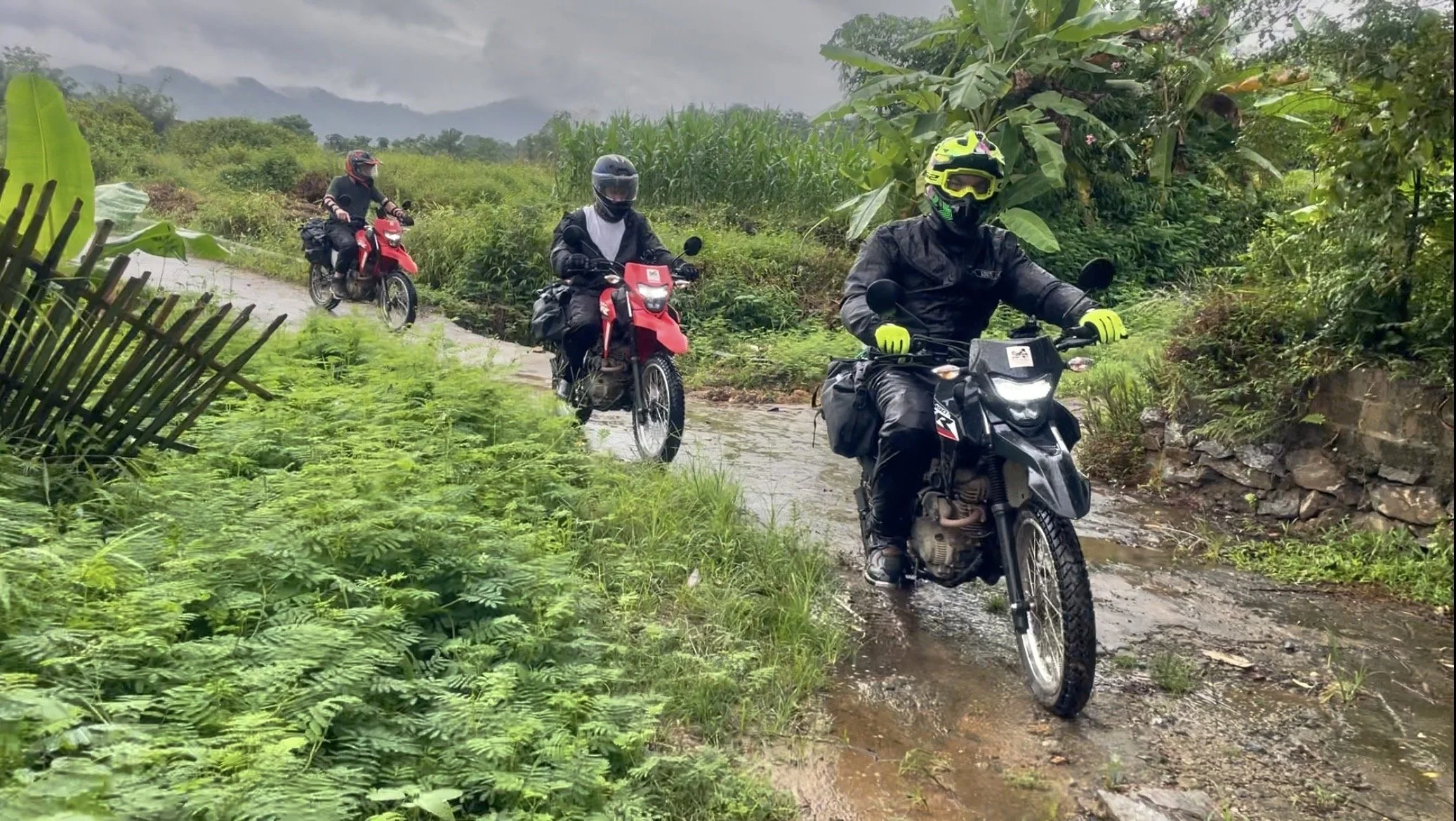
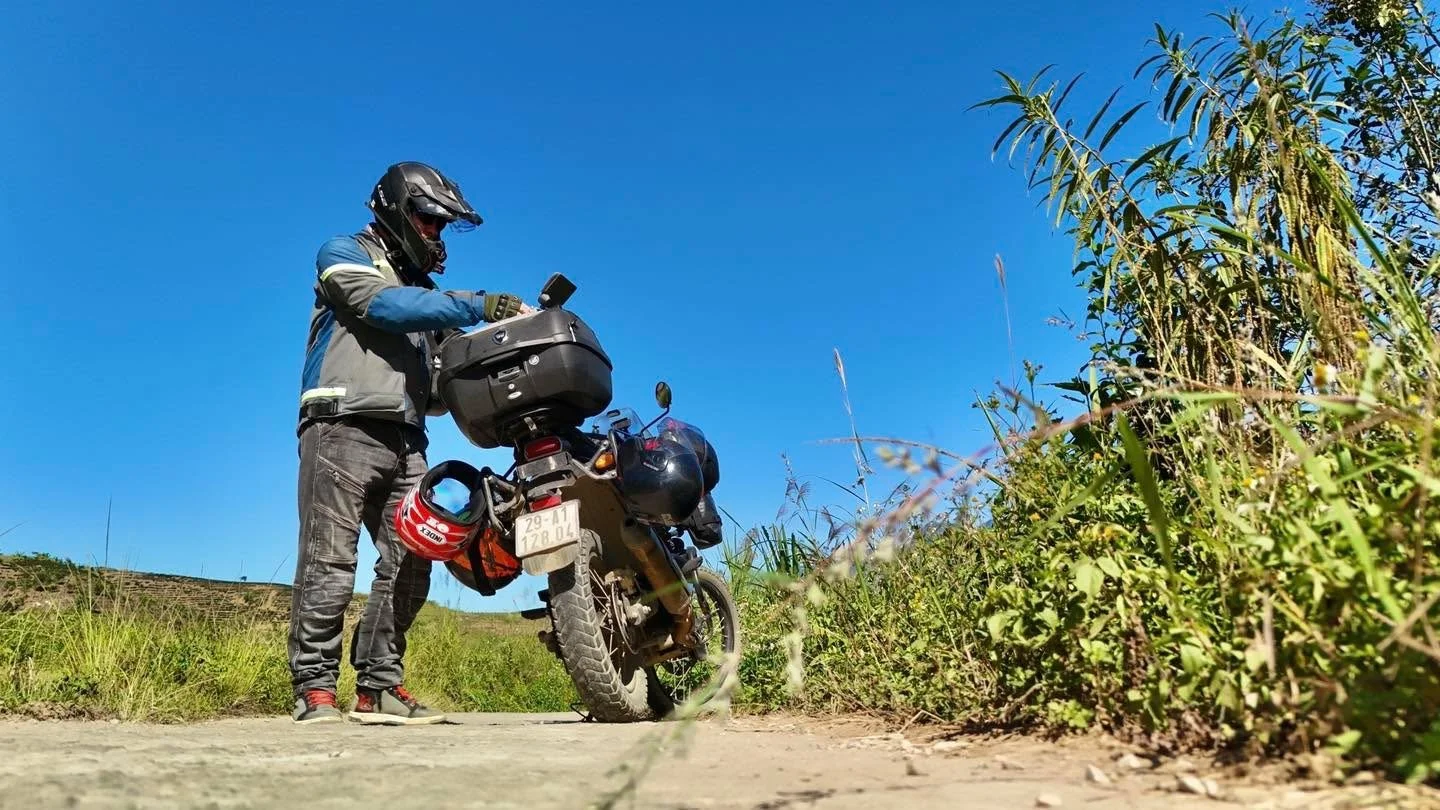
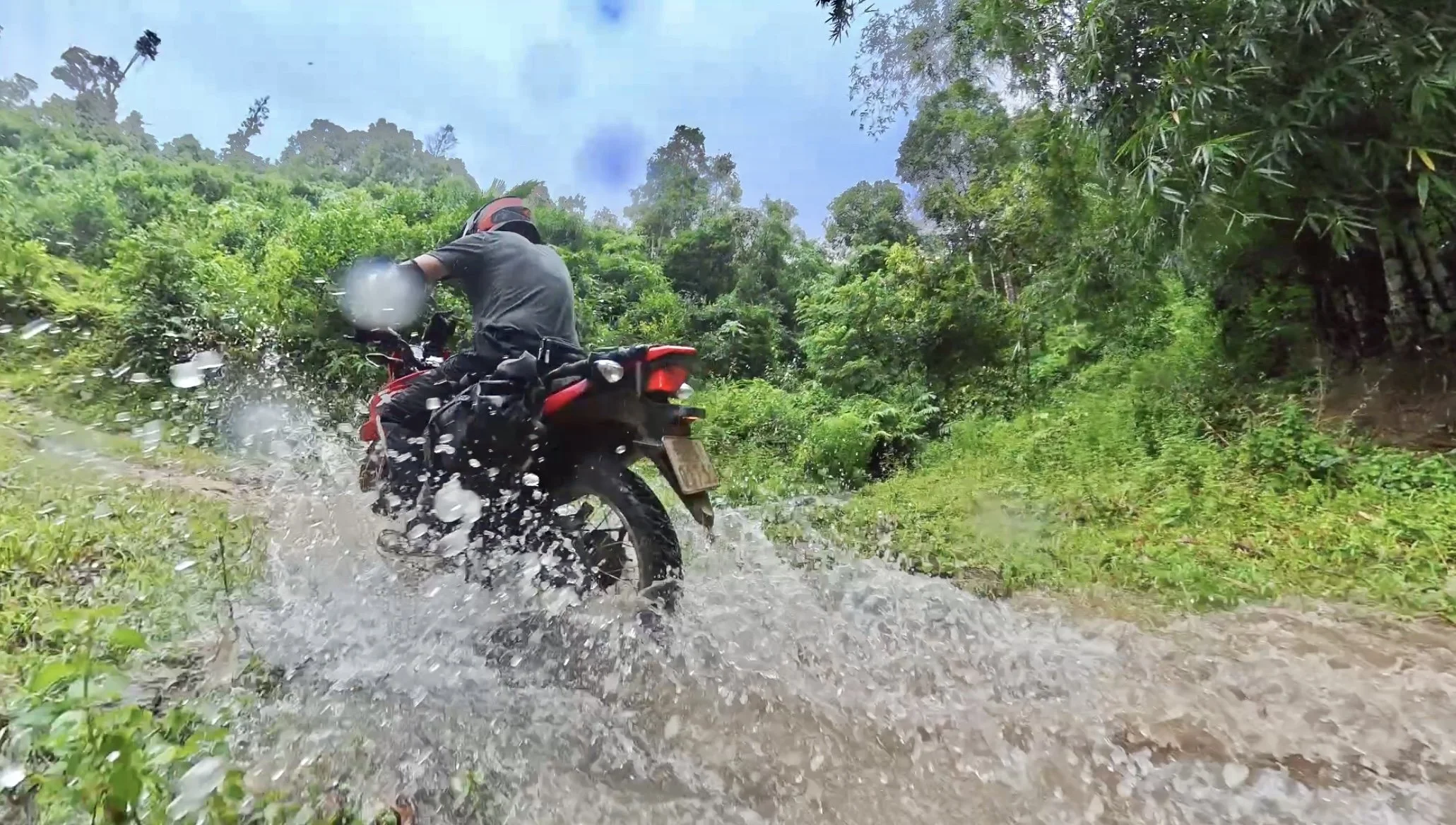
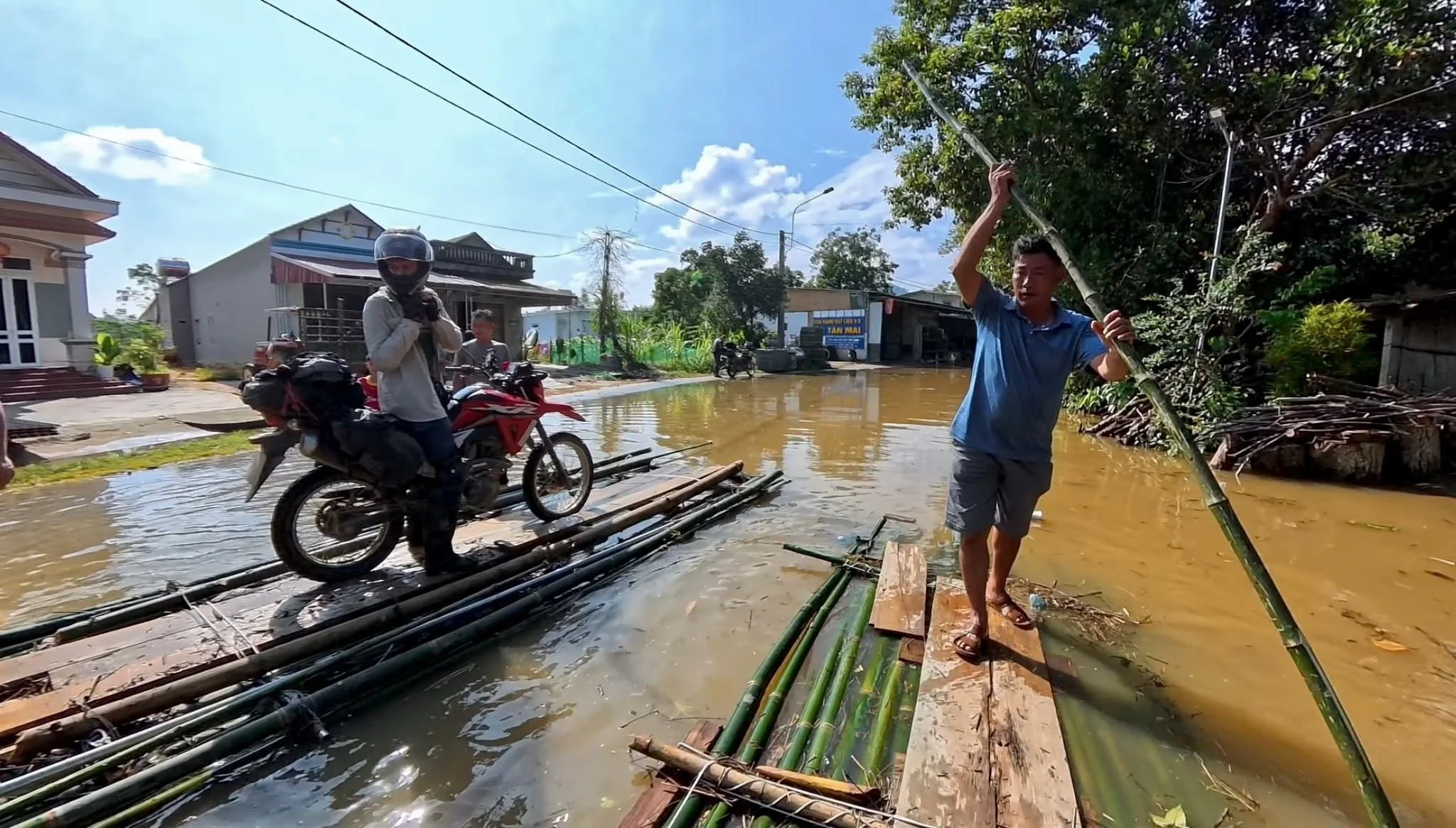
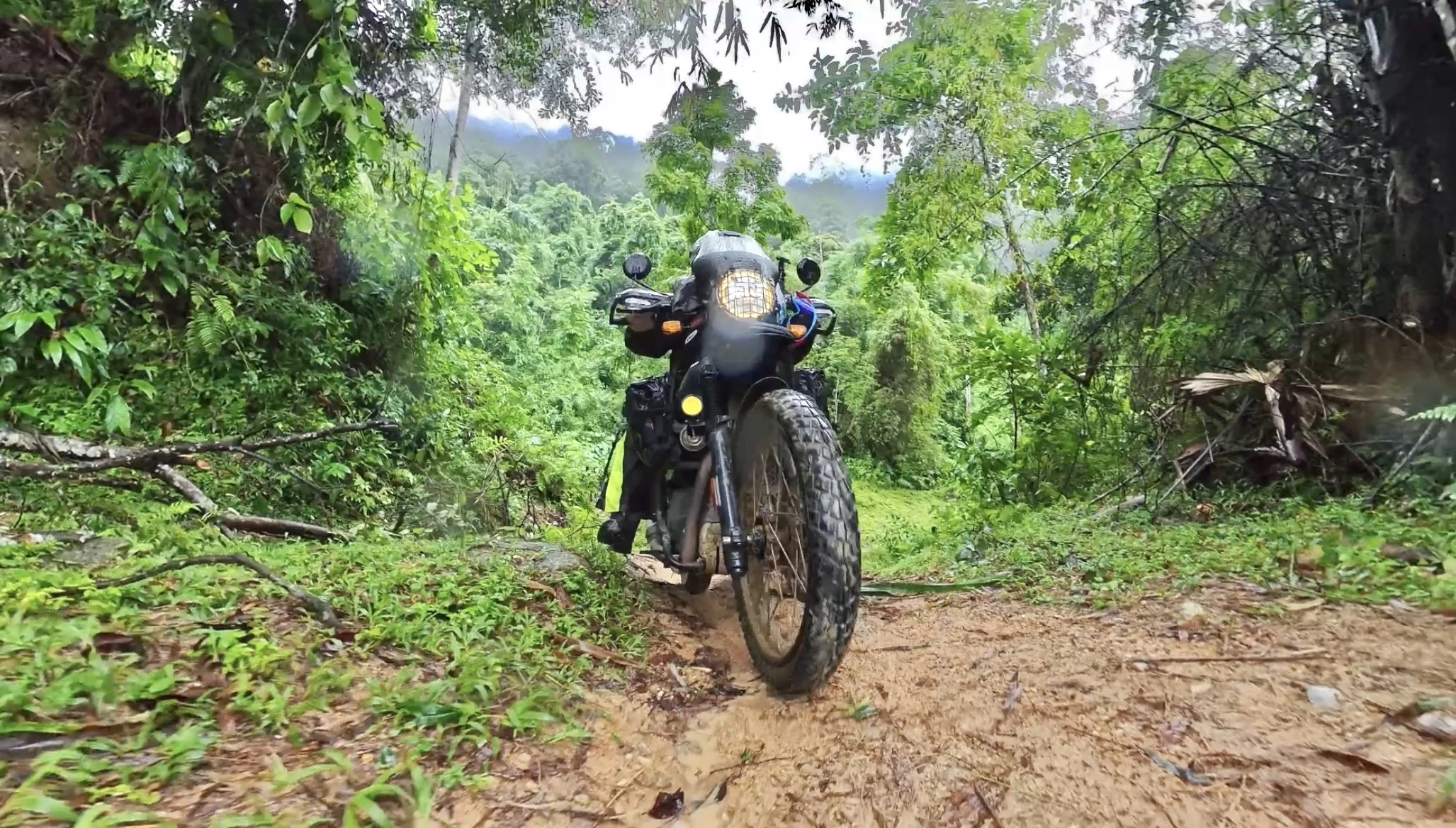


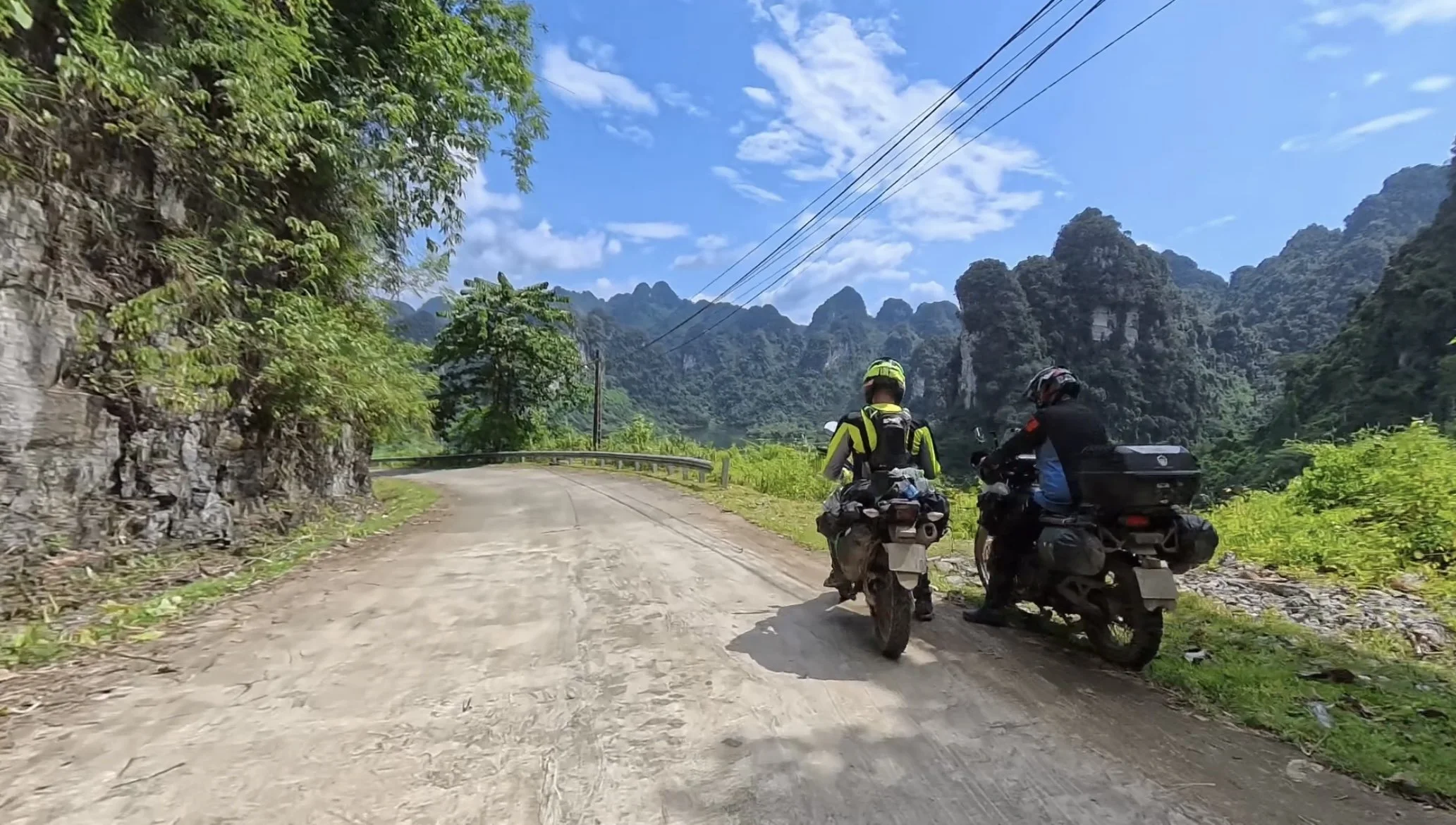
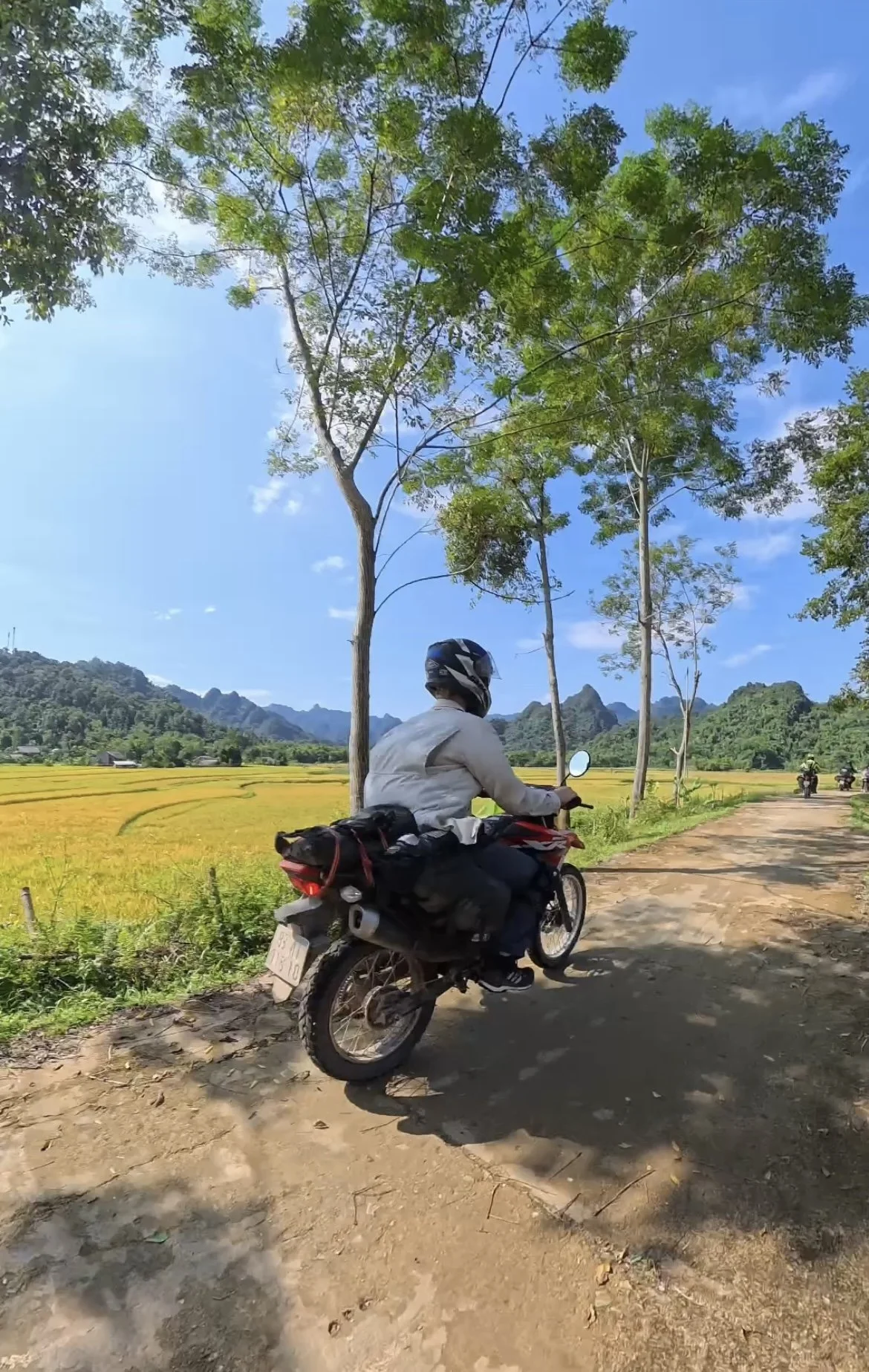
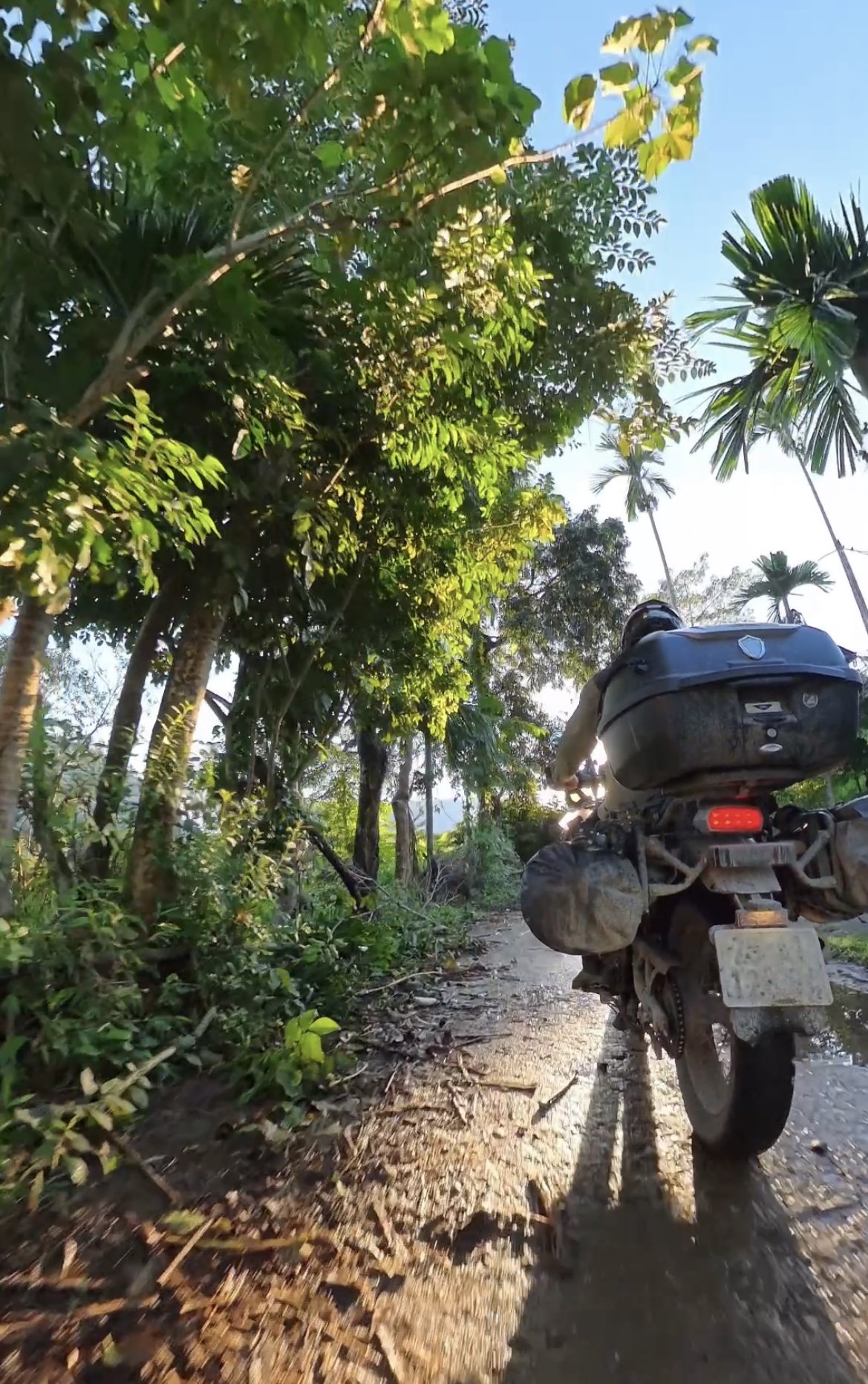
Join our ethical motorbike tours.
Stay in authentic Dao and Hmong homestays
Discover Sapa’s culture with our workshops
Ride the Untamed Loop: Discover Remote Villages and Hidden Trails in Northern Vietnam
Journey off the beaten path on the Untamed Loop. Discover hidden villages, panoramic mountain roads, and authentic cultural encounters in Northern Vietnam.
Discover the Untamed Loop in Northern Vietnam
If you are searching for a journey that takes you far beyond tourist trails, the Untamed Loop is an unforgettable experience. This two-day motorbike adventure winds through remote mountain roads, lush valleys, and minority villages where life still follows the rhythm of the seasons.
Scenic Roads and Authentic Encounters
The route forms a mountainous figure of eight loop through Muong Khuong District, where sweeping provincial roads meet quiet backroads and occasional gravel paths. Along the way, you pass rivers, rice terraces, green tea plantations, cinnamon hills, and cascading waterfalls.
This is not just about the ride. It is about slowing down, connecting with local people, and sharing moments that leave lasting memories.
Day One: Into the Mountains
The journey begins on winding roads through mountain forests, where the air is crisp and the views are wide. Passing through Hmong and Red Dao villages, you enter landscapes rarely marked on tourist maps.
Midday brings a stop at a local Hmong home for a shared meal. Sitting together, you enjoy simple but powerful hospitality through taste, conversation, and laughter.
In the evening, you arrive at a Red Dao family home in a quiet valley. After a warm welcome, you learn about their traditional herbal medicine and bathing practices, passed down over generations. Dinner is prepared with seasonal, organic produce grown nearby and shared with care.
Day Two: Valleys, Farms and Friendship
The second day begins with a gentle ride into a peaceful lake valley before climbing past rice terraces and mountain farms. Depending on the season, you may see locals planting, harvesting, or drying grains by hand. Every stop reveals a closer connection to the land and the people.
Meals are never taken in restaurants on this route. Instead, families prepare homemade food, often from scratch, filling the table with stories, smiles, and local flavours.
More than a Journey
By the time you return to the mountain roads, you will carry not only the memory of scenic landscapes but also friendships, laughter, and a sense of something deeply authentic. Over two days, the Untamed Loop covers about 200 kilometres. It is not about the distance but the depth of the experience.
Ready to Ride the Untamed Loop?
Take a look at the highlights and hear stories from the road in our video guide: Watch the Untamed Loop Adventure

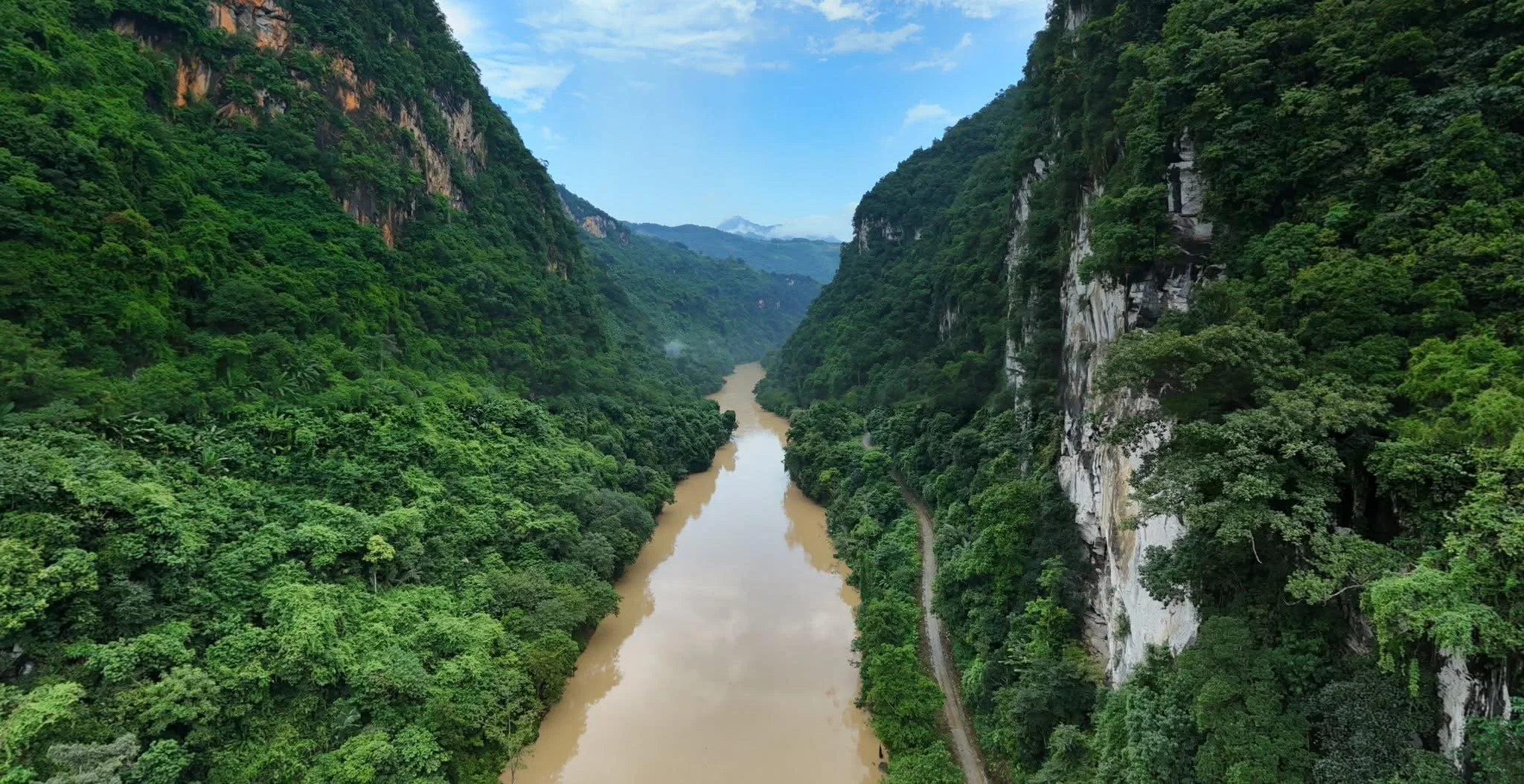

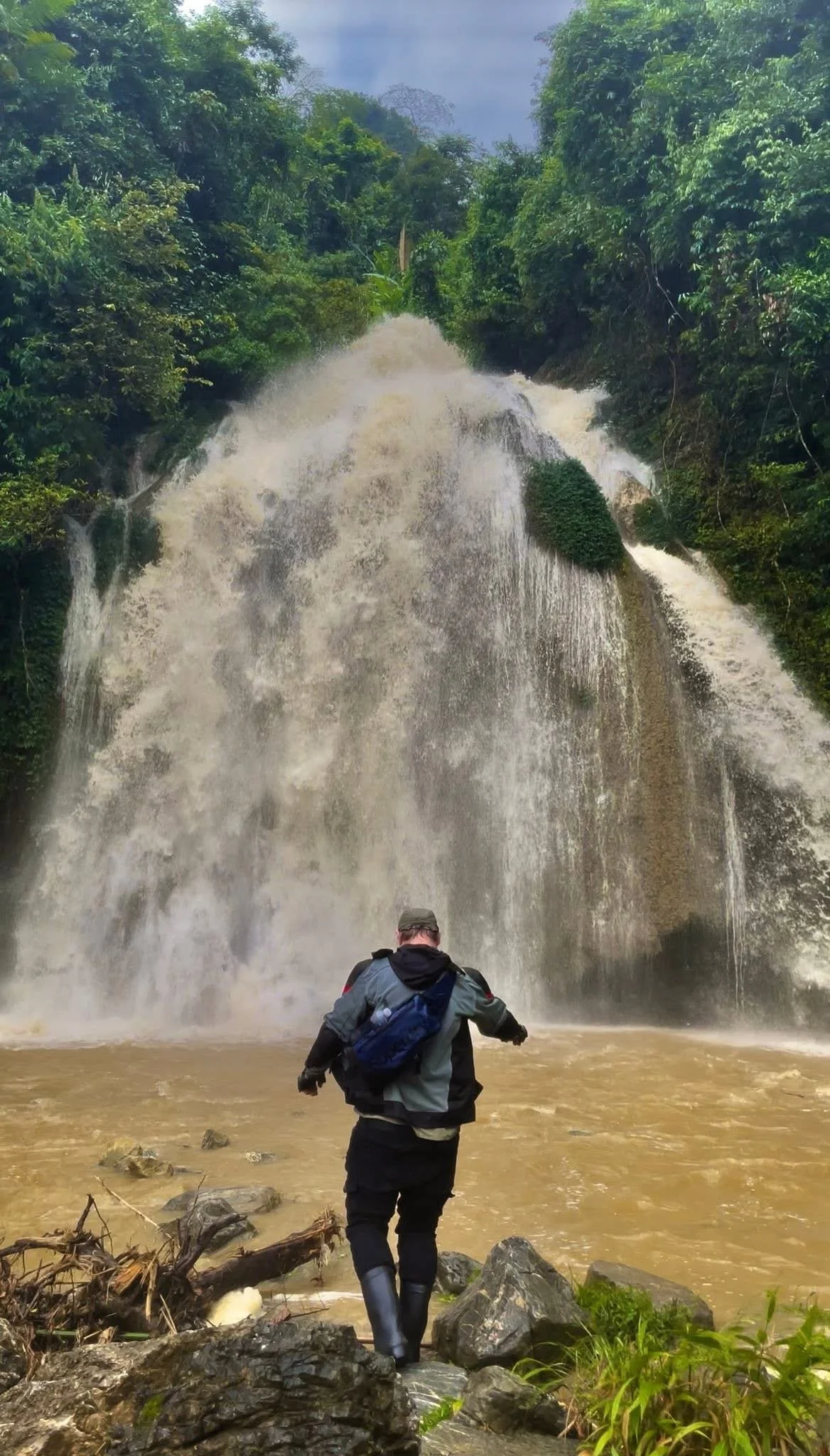


Ride the Green Frontier: A Scenic One-Day Motorbike Loop from Sapa
Ride from Sapa through mountain passes, rice terraces and valleys on a one-day motorbike loop that blends adventure with cultural encounters and local hospitality.
A Journey Through Northern Vietnam’s Changing Landscapes
This one-day motorbike loop begins in Sapa and carries you through a remarkable variety of scenery. The route winds along mountain roads, terraced rice fields and remote valleys, ensuring every stretch of the ride feels fresh and rewarding.
A Cultural Pause with Local Families
Midway through the day, the journey slows for a cultural stop at a traditional family home. Here, lunch is served with fresh local ingredients, offering travellers the chance to connect with their hosts and gain authentic insight into daily life.
Adventure Meets Authenticity
The ride is not just about the open road. It combines the thrill of navigating high mountain passes with moments of quiet discovery in rural villages and expansive valleys. With experienced guides and carefully designed routes, the trip strikes a balance between adventure, cultural exchange and scenic beauty.
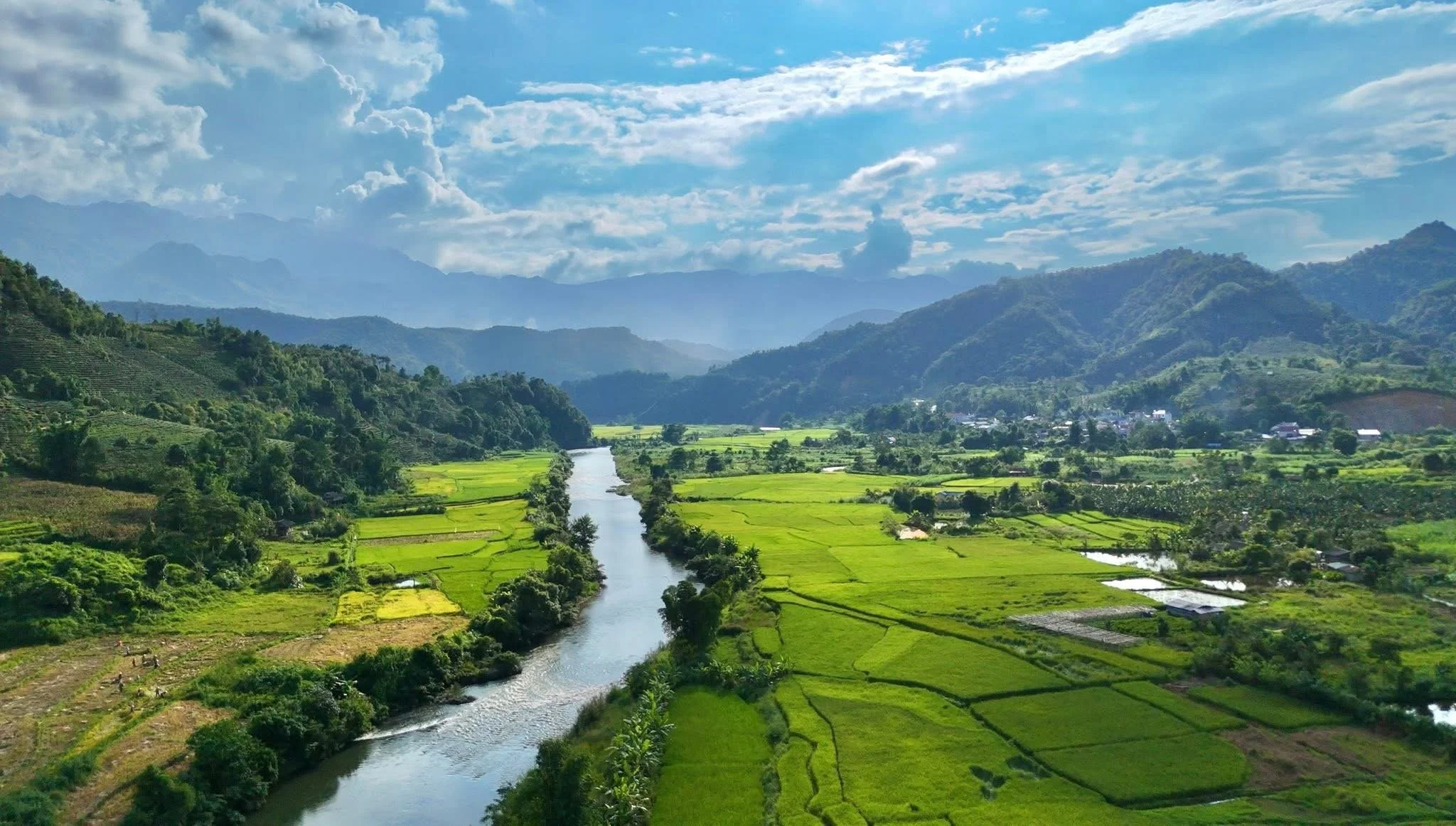
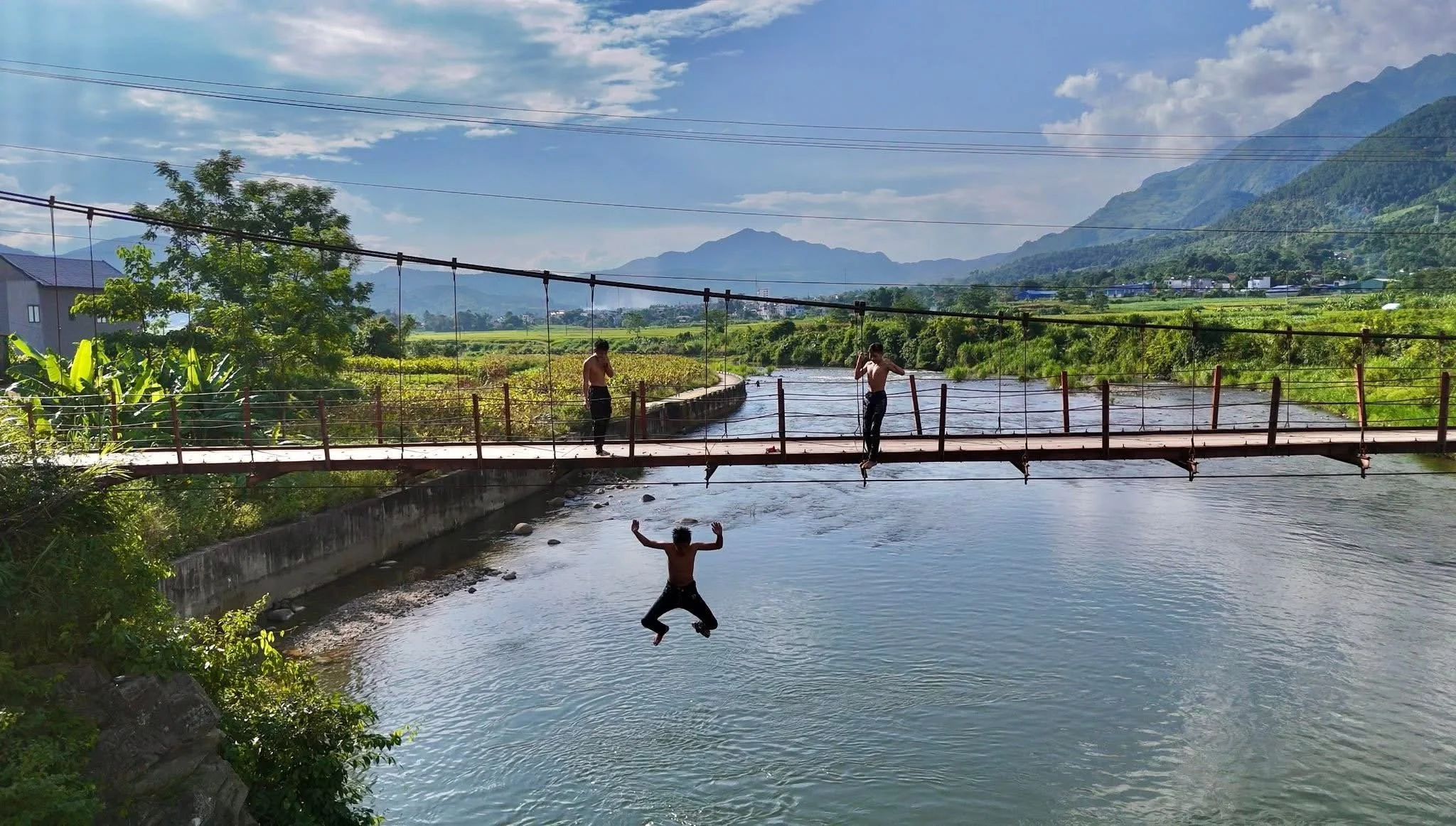


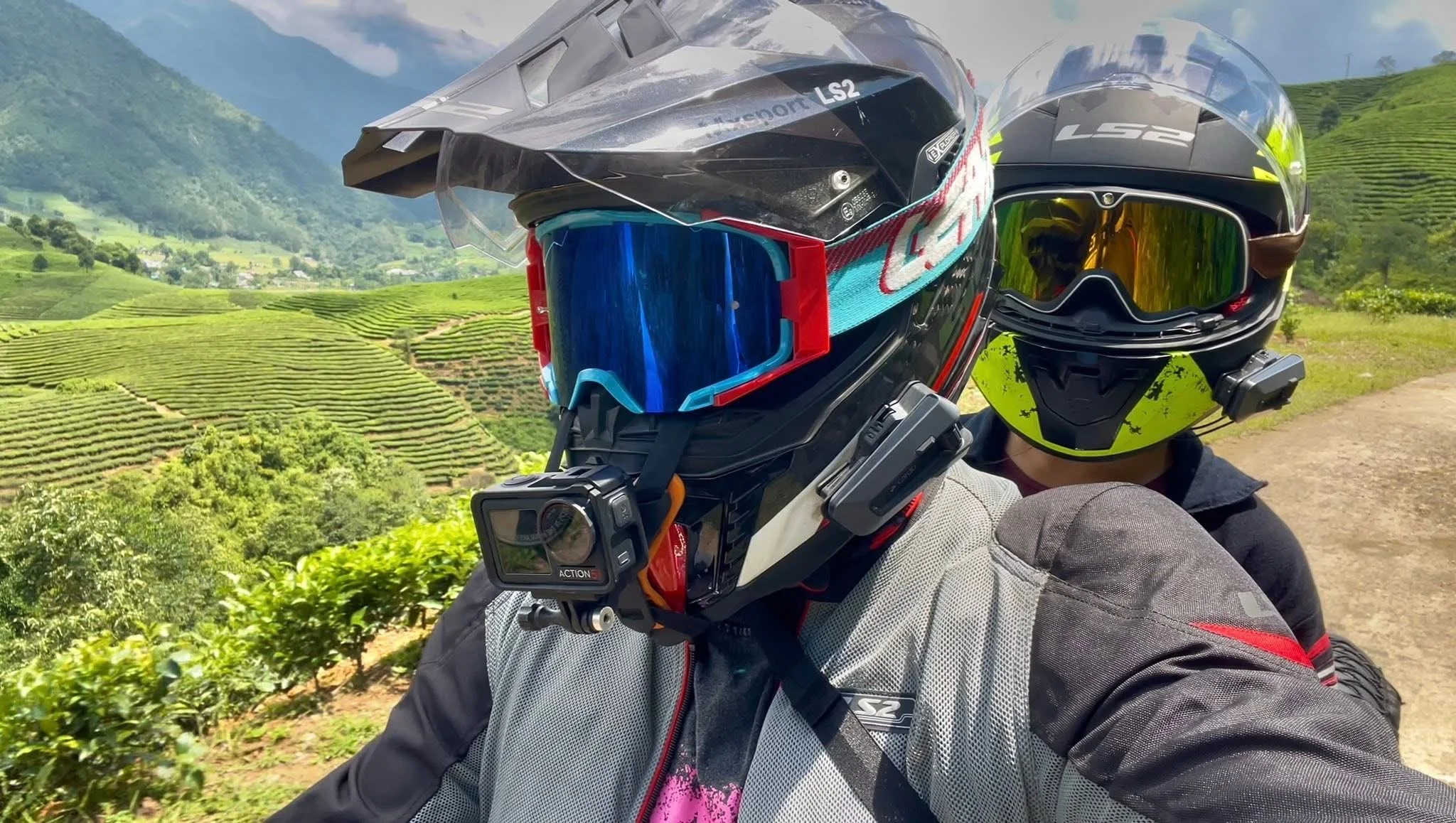

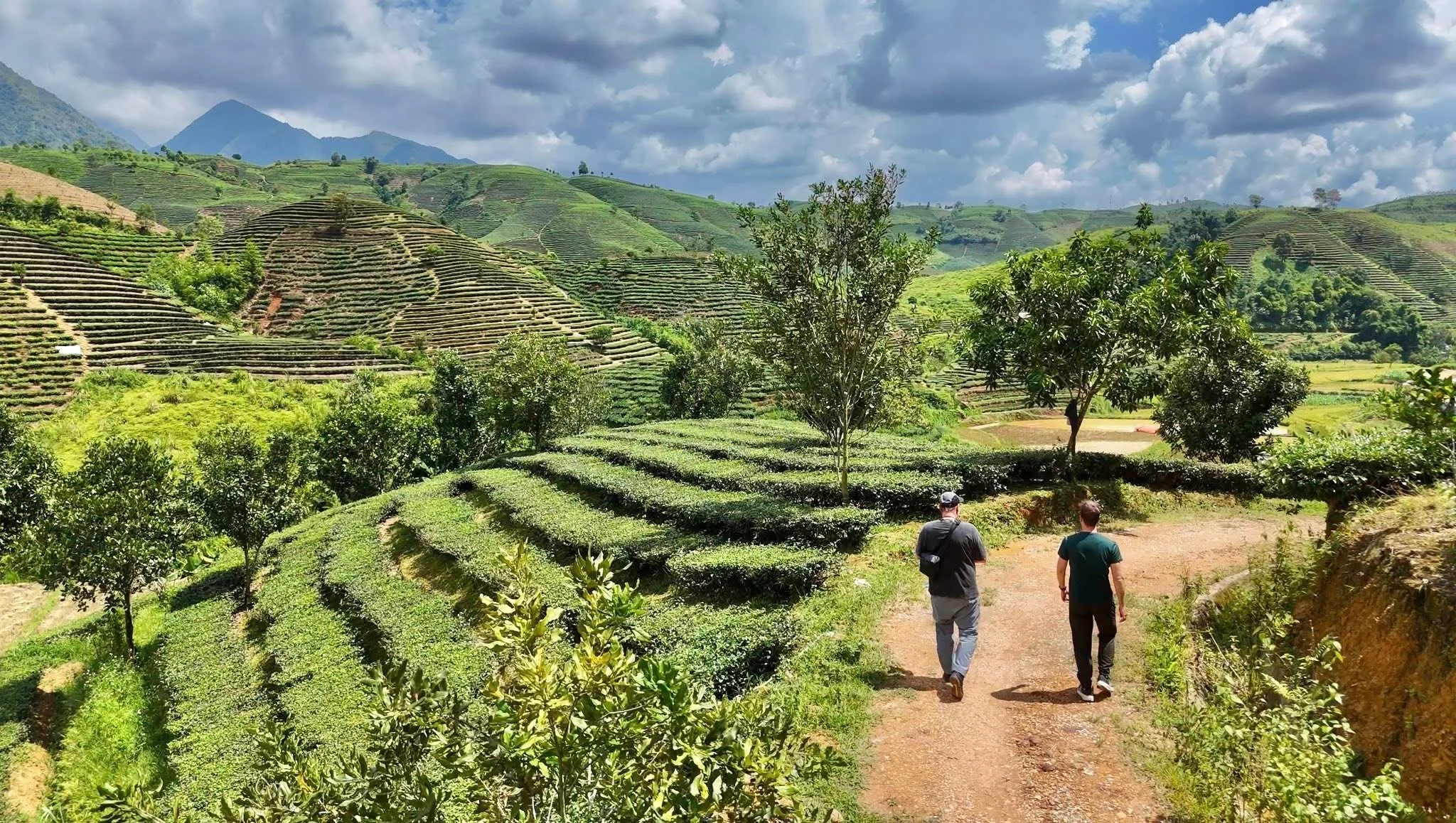
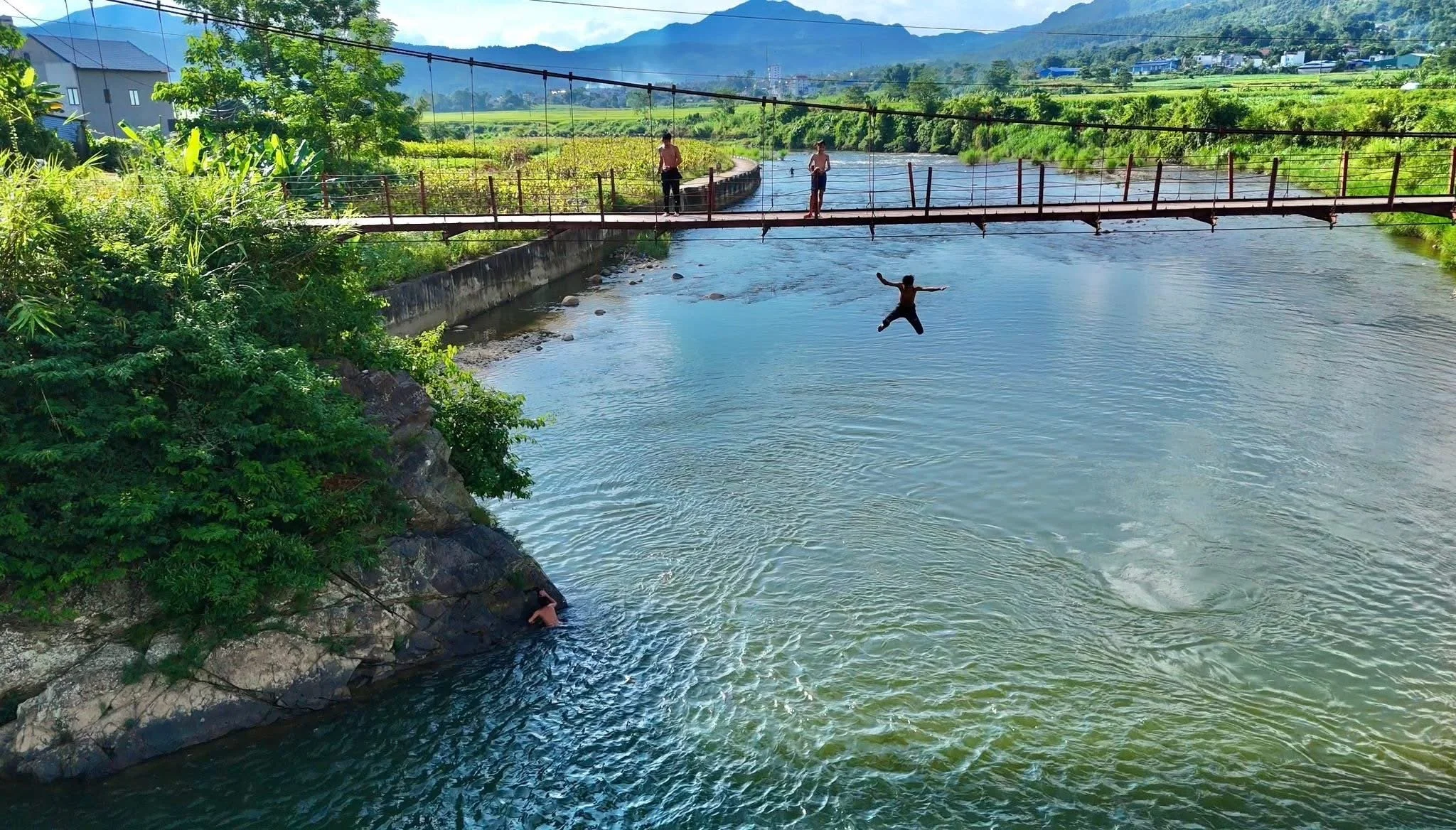
Ride Beyond the Beaten Path: The Sapa Motorbike Loop Adventure
Ride beyond the beaten path with a two-day motorbike loop from Sapa mountains, markets, hidden caves, and ethnic encounters await.
Ready to Ride Beyond the Usual?
If you’ve been searching for more than the standard Sapa trek, this two-day motorbike loop is built for you. Perfect for seasoned riders, thrill-seeking travellers, and Vietnam-based expats, it promises an adventure that combines breathtaking landscapes with cultural encounters far off the tourist trail.
The Journey: Roads Less Travelled
Your route mixes 70% quiet backroads with 30% off-road trails, winding through misty mountain passes, remote ethnic villages, and secret hidden paths. Along the way, expect wide-open views and the thrill of discovery around every bend.
Cultural Encounters Along the Way
This journey isn’t just about the ride—it’s about connection. You’ll meet the Dao, Hmong, and Nung communities, share their hospitality, and soak in the vibrant atmosphere of Muong Khuong Market, where colours, flavours, and traditions collide. Hidden caves tucked into the hillsides add yet another layer of mystery.
Sleep Your Way: Camp or Stay Local
Choose how you rest after the ride—camp under a blanket of stars or unwind in a cosy local hotel. Both offer a chance to recharge, but each with its own flavour of adventure.
Extend the Adventure
Two days not enough? Stretch your trip to three days and swim in pristine mountain waterfalls, rarely visited by travellers. It’s the ultimate cool-down after hours in the saddle.Important Rider Information
This is a self-drive loop only. Riders must hold either:
• A Vietnamese motorcycle licence, or
• A valid domestic licence from your home country plus a 1968 International Driving Permit (IDP).
Ready to Answer the Call?
Adventure is calling. Questions? Message us today and we’ll help you gear up for the ride of a lifetime.
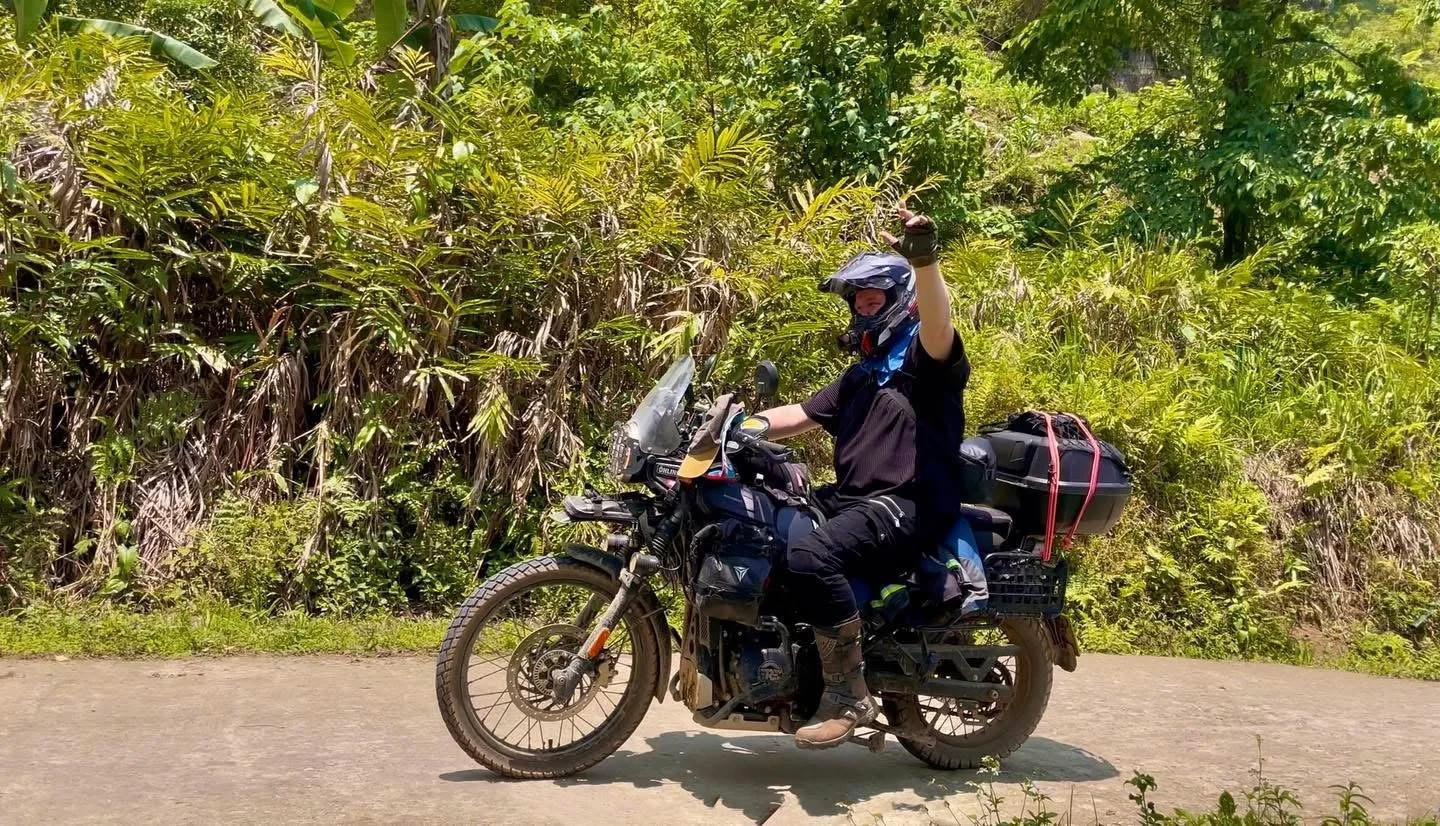
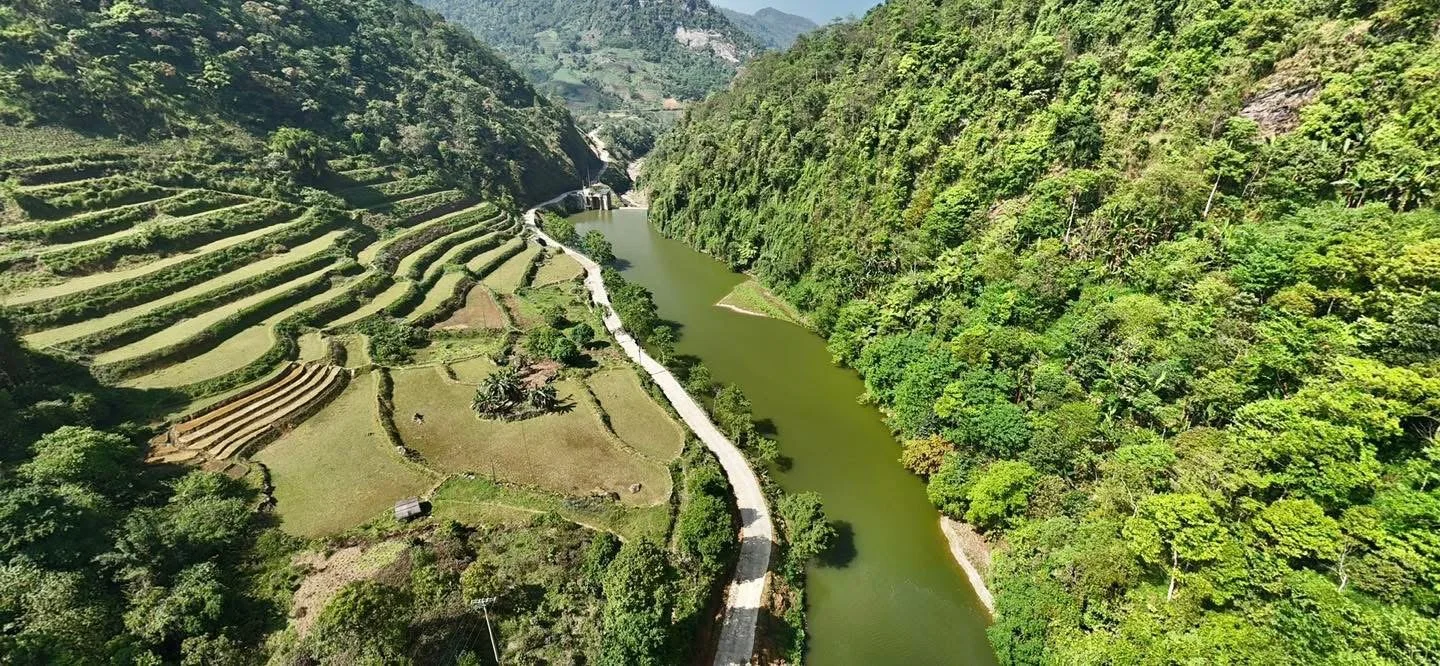
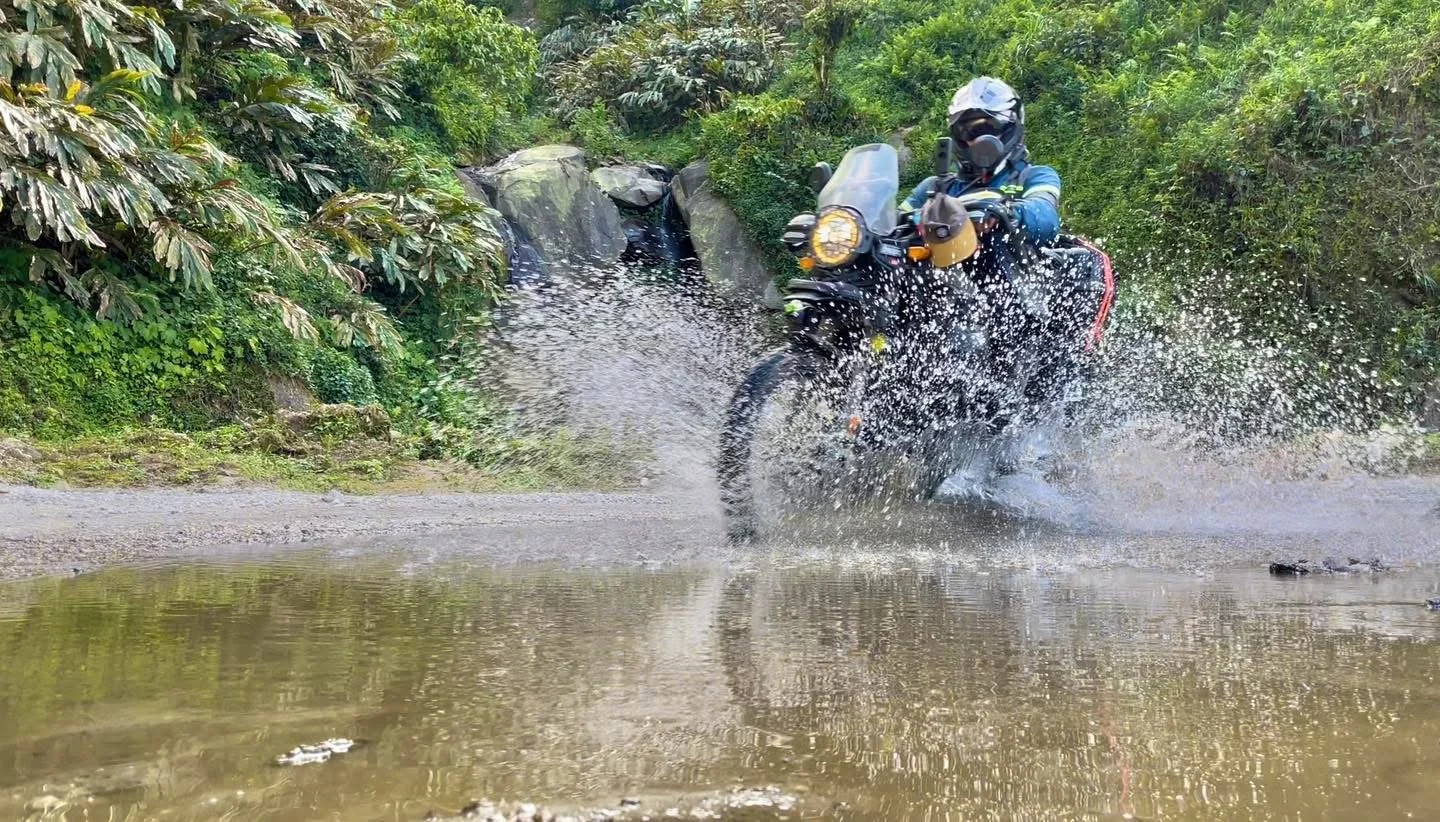
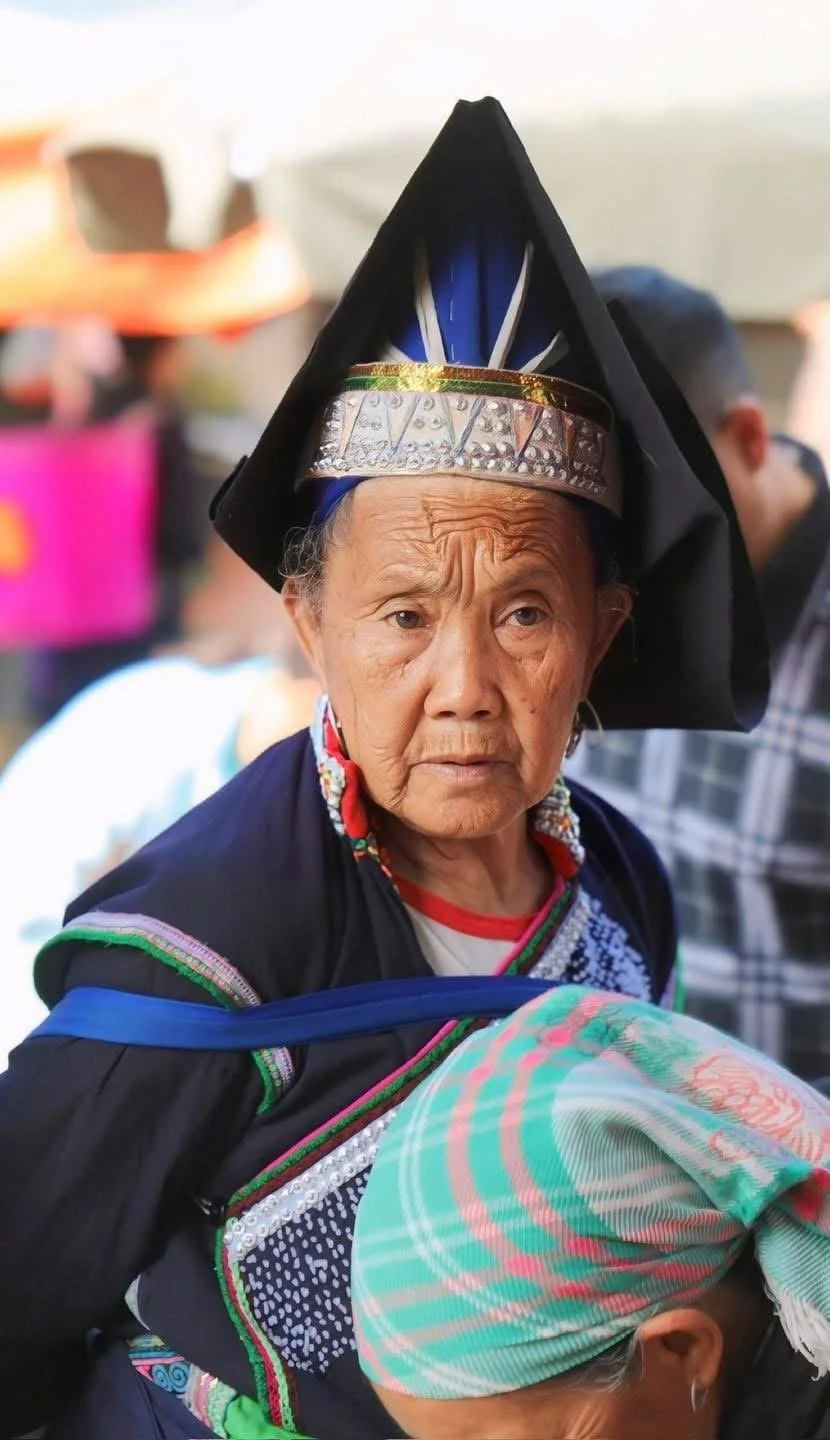

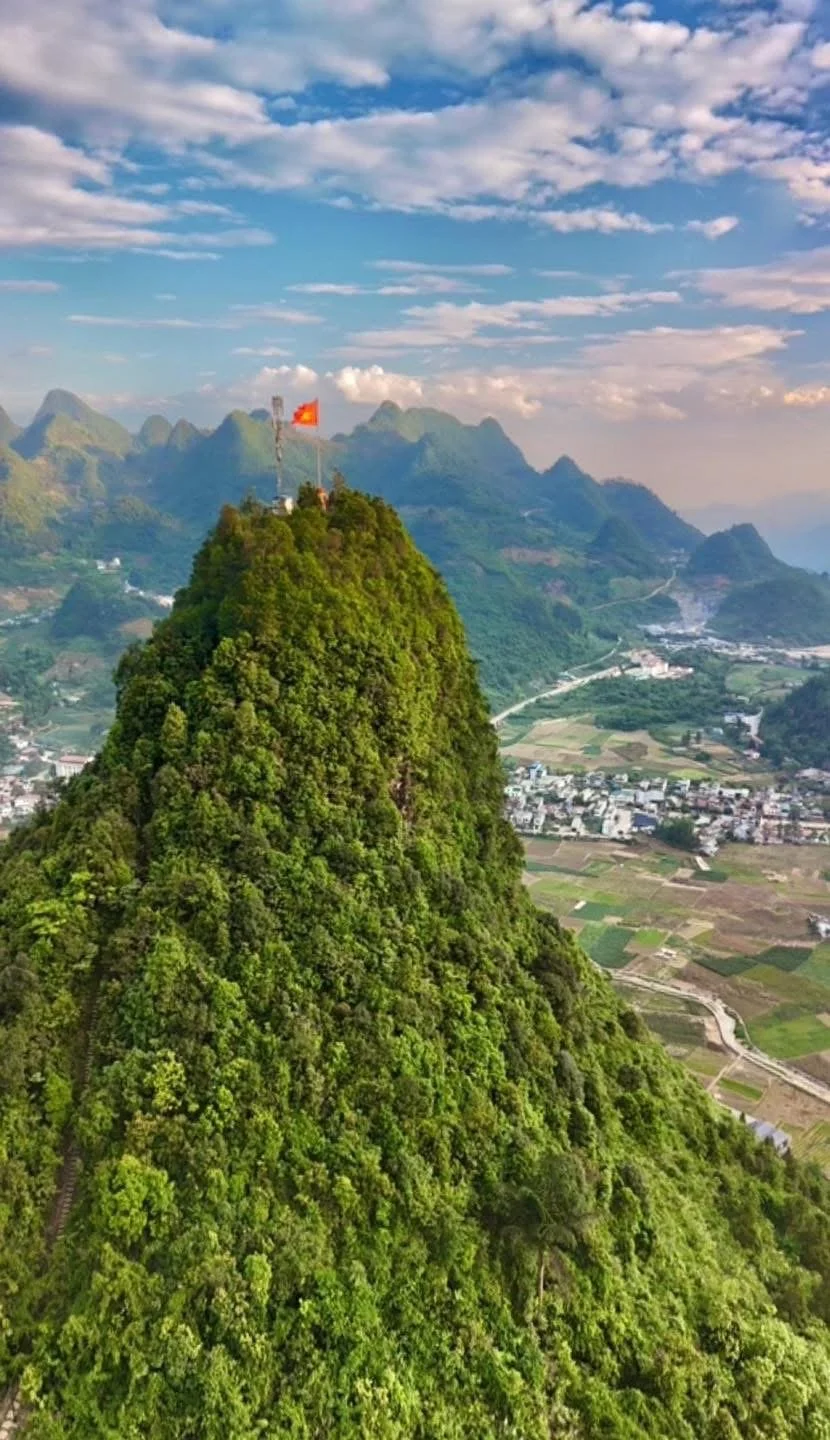
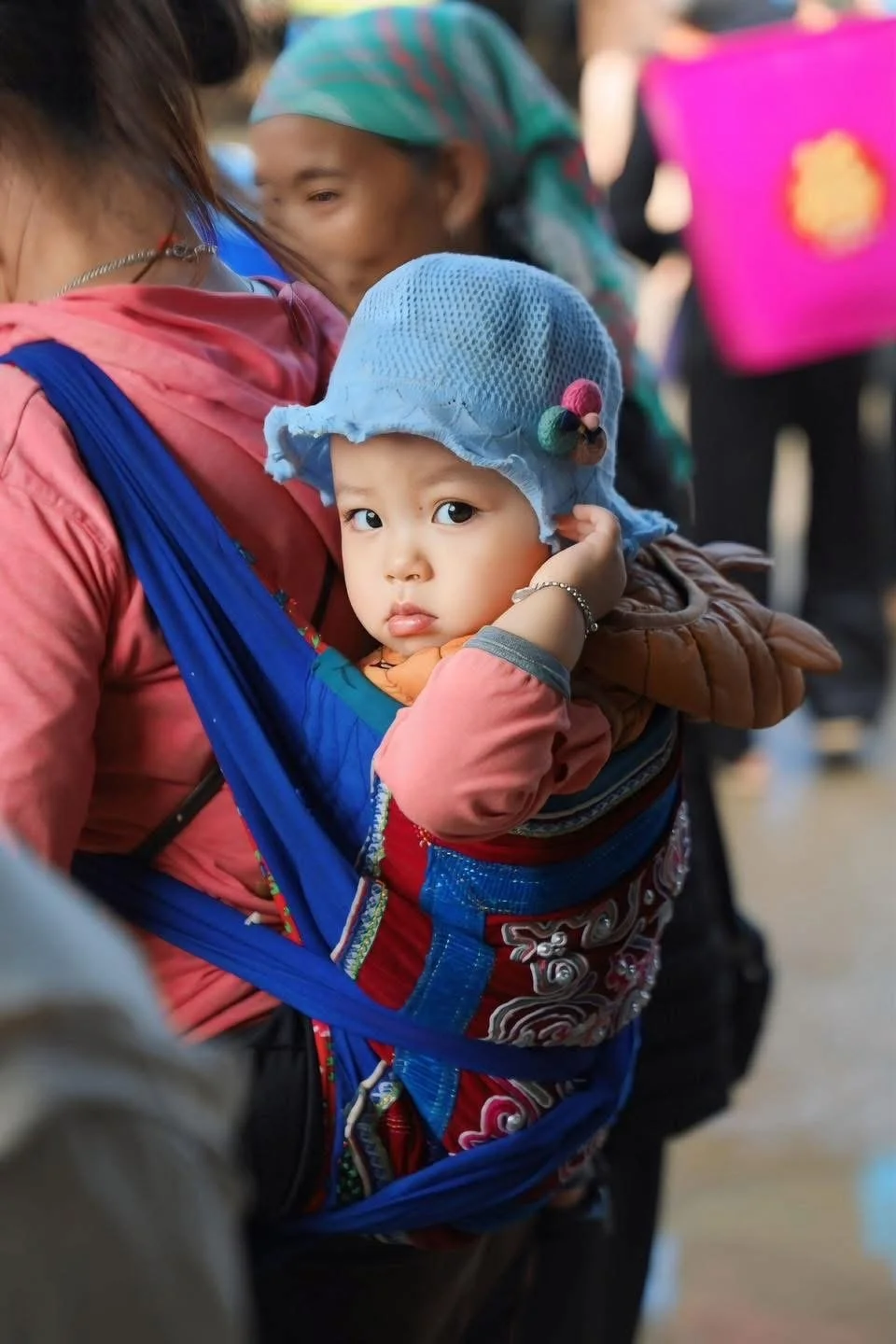
Threads of Life: Stories of Craft and Culture in Northern Vietnam
Short films capturing the crafts, traditions, and everyday artistry of northern Vietnam. An invitation to travel slowly, ethically, and with connection.
A Window into Everyday Artistry
From the hum of the loom to the quiet rhythm of indigo dyeing, this film series offers glimpses into the artistry woven through the daily lives of northern Vietnam’s upland communities.
Crafted with Care and Respect
Created in collaboration with local people, these short films capture embroidery, foraging, weaving, farming, and festive ceremonies. These are not staged performances, but authentic expressions of life and labour, shared with generosity and pride.
Culture Beyond Spectacle
For us, culture is not a show. It is a relationship. One that is built slowly, with care, respect, and time. These films reflect that belief: culture is lived, not displayed.
Travel That Connects
If you feel drawn to this way of travelling, grounded, ethical, and rooted in community, we invite you to journey with us. From day visits to longer explorations, our experiences connect you directly with the people and landscapes you see on screen.
Watch and Experience
You can watch the full playlist here:
👉 Stories from the Mountains: Northern Vietnam Playlist
And if the stories move you, we welcome you to join us in person, walking the paths, sharing meals, and learning from those who call these mountains home.